

There are so many things to love about being a teacher, but one that always stands out (even to non-teachers) are the breaks we often get. For me, as a university teacher in China, I was lucky enough to have a little over six weeks off in between semesters this year! Unfortunately, that’s not the norm (it just so happened that Chinese New Year fell quite late this year), but however it happened, I’m so glad it did because Tucker and I were able to take one incredible trip last month! In fact, this was our most involved trip to date, as it linked together several professional events in addition to the typical, touristy ones and ultimately involved us being away from home for 30 days. The planning was…interesting, as neither of us had ever been to Southeast Asia before, I had to be prepared for several work events throughout the trip, and it happened to take place over the biggest holiday of the region. Basically, we had no idea how it would turn out, but we were excited to find out!
Thailand

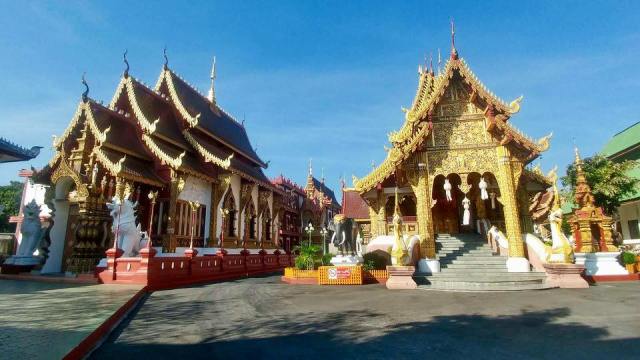
Our first stop was in Chiang Mai, Thailand, which was the location for the East Asia/Pacific Fellows Midyear Meeting. I’m actually a little ashamed to say that I had never heard of Chiang Mai before finding out that was where the midyear would be because it is a city that should definitely be on any travel-nerd’s radar! It’s located in Northern Thailand, not too far from the Myanmar border and is a fairly popular location for backpackers. Being solidly in Southeast Asia, and inland no less, it was quite warm even in January. About 85 degrees Fahrenheit (30C) when we flew in, which was quite a shock when the week before we were in Harbin, China chilling out at -15F (-25C), but the overall atmosphere of Chiang Mai was anything but stifling. I read a bit about Thailand and Thai culture before we left, and one of the things that stuck out while we were there was the peacefulness and serenity of the people. Due to a largely Buddhist population, the people of Thailand try to conduct their lives with as little conflict as possible. Surprisingly, this was something that was easily felt and observed even in our few short weeks in the country.

Honestly, there are so many things I could share about our time in Chiang Mai! Other than getting to meet up with all the EAP Fellows again, bond through the sharing of meals, drinks, and stories, and attend/present at the exceptional Thai TESOL conference, we were able to fit in some of the most incredible cultural experiences as well! We took a Thai cooking class, something that was extremely out of my comfort zone (although I think I held my own! My Pad Thai was delicious, and I didn’t catch anything on fire!), we visited two elephant sanctuaries and learned more about the history and treatment of elephants in the region, and we walked in and around countess wats picking up phrases and gestures that we’ll likely use for quite awhile (even if they’re a little out of place in China). Ultimately, it was a busy, but extraordinarily rewarding week.
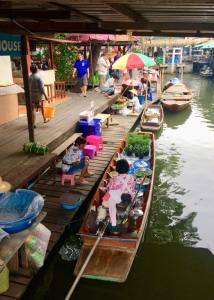
After the meeting and conference were checked off our list, we headed down to Bangkok via an overnight train. I don’t know about you, but I absolutely love overnight trains! This is the sixth we’ve been on, and I have yet to be disappointed! Such a great experience, very affordable, and the stories are fantastic! I should write a “Stories from Overnight Trains” post at some point, but for now, I’ll focus on Bangkok. Most people already know about this Thai city; it’s the capital and a jumping off point for many destinations in SE Asia. I’ll admit that at first, I thought it was just another big city: similar to Beijing, New York, etc. However, the longer we were there, the more I came to like it. There is truly something for everyone – in fact, almost too much of everything! We had a great time with the vast array of transportation options, took in some sights (unique skyscrapers, centuries-old wats, and even a lunar eclipse), and, of course, we also ate a lot of delicious food! That is, until Tucker had some cashew apples from a street vendor – that wasn’t a pleasant 24 hours for him!
Cambodia

From Bangkok, we took a 6 hour bus ride to Siem Reap, Cambodia. Siem Reap is the nearest city to the famous Angkor Wat complex. I can’t tell you how many times I’ve seen Angkor Wat mentioned in English language textbooks (usually in the chapter on “travel”), and quite possibly because of this, it has long been a place on my must-see list. Now that I have finally seen the breathtaking Angkor Wat in person, I can honestly say that the pictures do not even come close to doing it justice. When we were in Europe I was always so impressed with how old things were. For Americans, 300 years old seems crazy – in Europe it’s normal, in Asia, it’s downright modern. The temples and statues in the complex were built over 900 years ago, a time that is difficult for me to fully imagine outside of the strings of dates and events I studied for university exams. Seeing it in person, and actually being allowed to walk on it, touch it, and understand the amount of effort it must have taken to build, was all truly amazing.

The city of Siem Reap was really awesome as well although very different from temples of Angkor Wat. Instead of pushy monkeys, we encountered pushy tuk-tuk drivers (touristy areas definitely have their drawbacks). However, there’s a really fun Pub Street at the center of town, where we tried local Cambodian dishes like Amok (a delicious coconut and lime curry dish) and Lok Lak (a peppery beef salad) and drank 50 cent draft beers several nights during our stay. Siem Reap is actually where we found ourselves for the Super Bowl this year, and luckily Tucker quickly sleuthed out, a nearby, American-owned bar that was hosting a party…at 6am (which is when the game began for us). So, of course, we had unlimited pizza, wings, and beer (maybe a little too much) for breakfast, and made some new American, Canadian, and German friends while watching the Eagles pull out a win. Unfortunately the owner was from Boston, so it was a bit of a hard loss for him. I’m just thankful it wasn’t as doom and gloom as last year’s gathering in Atlanta. Still hurts Tucker a bit to talk about it.
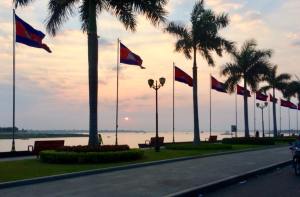
After Siem Reap, we took another bus down to Phnom Penh, Cambodia’s capital city. My intention for visiting Phnom Penh was to attend and present at the Cam TESOL conference that was being held there, which was a fantastic experience, but we definitely enjoyed more than just the conference and further Fellow company. We took many breezy walks along the Mekong River, had hour long Khmer massages for $8, and again, ate some of the best food I’ve had in a long time! France actually has a long history with Cambodia, and it seems like their culinary flare has definitely rubbed off on the Cambodian population. One restaurant we stumbled upon, La Provence, was a bit off the well-beaten tourist track, but the food we had there was absolutely incredible! There were no menus (we ordered off a chalkboard) and everything was in French, but it was easily my favorite meal of the trip. It’s been a few weeks now, and we’re still regularly talking about it.

Hong Kong
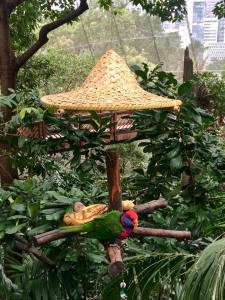
Now that my professional duties were officially over and the holidays (Valentine’s Day and Chinese New Year) were upon us, we headed to our next location: Hong Kong. We flew into Hong Kong and immediately felt the Britishness of it. Not only were we back on the left side of the road (Thailand also drives on the left), but we took a double-decker bus from the airport to our hostel. I’d like to say that I refrained from speaking in a British accent, but that would totally be a lie – I immediately went into Harry Potter mode when I saw the buses…Tucker looked a little ashamed. But in addition to the British influence, we also felt like we were getting closer to home as we listened to any and all announcements in Cantonese, English, and Mandarin. HK was one of the places Tucker was looking forward to the most, so he lead the way as we wound our way around the hilly island. Hong Kong Park with its jungle-y feel, beautiful water features, and unexpected aviary was a highlight for us. As was the double-decker tram that ran the length of the city. We had lots of plans for our time in Hong Kong. Many of them were successful (like eating and drinking all the HK specialties, taking the Star Ferry across Victoria Harbor, and visiting Hong Kong Disneyland), but as to be expected, some things didn’t quite go as planned.
Chinese New Year

We really didn’t give much thought to Chinese New Year as we were planning our trip because, honestly, we didn’t really know what it would be like either way, so we figured we’d just wing it. However, perhaps we should have thought a little more about it…something about hindsight, right? Chinese New Year is the biggest holiday in China (including Hong Kong), and unlike our New Year, it’s not really a one day event. Rather, the whole country prepares for days (by shopping, cooking, cleaning, etc.) and then takes several days off – all together, all 1.3 billion of them (okay, that’s a bit of an exaggeration), but really, a lot of people were “on vacation” just like we were. Because of the larger-than-usual number of people on holiday in Hong Kong, there were a few things on our list that we opted to forego (rather than spending way too much time or money). This included riding the tram up to Victoria Peak and taking a trip over to the island of Macau for some Portuguese architecture and maybe a casino or two. I guess we’ll just have to take another trip down to Hong Kong soon!

Other than the crowds of happy, holiday-enjoying people, we saw many Chinese New Year markets pop-up. These markets sold all sorts of festival treats like candied Hawthorne, roasted corn, and cotton candy. They also had booths set up where students (presumably for an economics class) sold different New Year novelty items (stuffed animals, pinwheels, t-shirts, etc,). We were surprised to see that about a fourth of each market was filled with various plants and flowers, which we now know are common gifts to bring to a New Year’s Eve dinner/reunion. Not only the markets, but the entire city was decorated for the New Year – red lanterns were everywhere along with traditional paper cuttings, dog statues (we’ve transitioned from the Year of the Rooster to the Year of the Dog, by the way), and many signs wishing everyone a happy and prosperous New Year. It was very much like the lead up to Christmas, including a parade! On New Year’s Eve we were lucky enough to catch a parade on the Kowloon side of HK. There were some differences to be sure, but more similarities, I think: large balloon animals, floats with glitter and bright lights, marching bands, etc. We even saw the dancing Chinese dragons! It was really awesome to be so immersed in the festivities – I had thought it would be a little boring for us, as the holiday is said to be very family-oriented (and mostly celebrated at home), but being in Hong Kong and hearing all the “Gong Xi Fa Cai”s, I felt like we were in the middle of everything!
Guangzhou

The last stop on our itinerary was a little further up the Pearl River Delta, in the city of Guangzhou. Guangzhou used to be called Canton and is China’s third largest city. It’s known for it delicious food, including dim sum (a plethora of bite-sized foods like dumplings and steamed buns often served with all you can drink tea). Now that the holiday was over, we naively thought things would return to normal. We were quickly proven wrong when we arrived at our pre-booked hostel and were told that they didn’t have a room for us because they oversold our room for the holiday. Fortunately, we had something similar happen in Ukraine and totally didn’t panic. We used their WiFi (they were really kind and happily celebrating the New Year, giving us cherry tomatoes and candies to snack on while we figured this out), and we were able to secure a hotel room not too far away. Although many stores and restaurants were closed for the holiday (it’s actually still pretty unclear what sorts of things remained open and when the others would do so – we’re now a week into the New Year and still many things are closed by us!), we were able visit a beautiful orchid garden, treat ourselves to some amazing dim sum, and watch the light show on the skyscrapers from a bridge over the Pearl River. We had a lovely, albeit short, time in Guangzhou, but luckily it’s only a train ride away!


So after 30 days, almost 5000 miles traversed, and innumerable memories made, we made it back to Hefei in one piece. I truly can’t say it enough: I am so grateful for the opportunities Tucker and I have been afforded these past few years. I’m so appreciative of the time we’ve been able to spend together, the people we’ve been able to meet, and the information and perspective we are continually gaining through these experiences. Now it’s time to start the next semester, and I can’t wait to hear what all my students did during their six week break!

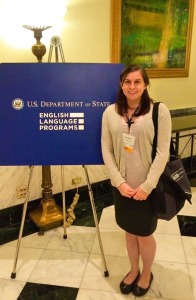 As always, time seems to be whizzing by, and somehow the halfway point of this year’s EL Fellow Program is only a few days away. For my region’s midyear meeting, we’ll be gathering in Thailand and reflecting, sharing, and discussing what we’ve all been doing these last 5 months. I can’t wait to hear about the other Fellows and their experiences, but I also wanted to take some time to write down some of my own. I did something similar when I was halfway through my Fulbright grant, and I was amazed at how it shaped my focus for the next semester. So here it is: my progress report.
 Teaching: The most familiar part of my job is the teaching. I teach English/Linguistics courses to third year English majors at Anhui University in Hefei, China. Their specializations run from linguistics and translation to literature and journalism, and they have a vast array of future goals and career paths in mind. I absolutely love spending time with them in class, hearing their candid thoughts about American culture and the English language as we discuss the challenges of public speaking and critical thinking. As a teacher at AHU, it’s also part of my job to attend and present at Linguistics-related conferences (like ELTAM’s TESOL Conference in Mongolia and the Teacher’s Development Conference in Wuhan). I’ve also been asked to participate as a coach, a judge, or even a “question master” for the various language competitions that the university and the country seem to love! This semester I’ve been involved with the English writing competition, the public speaking competition, and the American culture competition, just to name a few. Additionally, as a somewhat rare (in Hefei at least), native-speaking English teacher, I was invited to lead the university’s English Corner, which meets every other week. This is a chance for dedicated students wanting additional practice to meet up, play some games, and have general conversation in English. It’s also a place where I can ask all my cultural questions, have a little fun with the students, and at the end of the day, call it “work”!


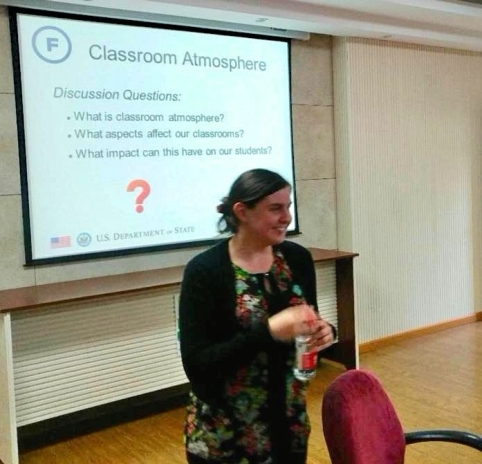 Teacher-Training: Another part of my job is teacher-training. Teachers in China are very interested in Western teaching styles, and are even more interested in teachers trained in Applied Linguistics (like me). For this reason, I usually have at least 1 or 2 visiting observers (usually other English teachers or graduate students) in my classes each week, taking notes on everything from the way I dress to the exact words that come out of my mouth. Luckily I have been able to observe a few of them in return, and we’re working together on blending the education styles of the two countries, as well as discussing concepts like classroom atmosphere and student-teacher roles. I’ve also been really active in facilitating online professional development courses/webinars for my colleagues. They’re extremely motivated teachers, but they don’t always have access to resources like that. Luckily the Fellow program (with the help of American English) provides them in spades. Workshops are another large part of my work here. At my host institution, my supervisor and I have set up monthly seminars where I, a visiting Fellow from another part of China, and occasionally local professors give presentations and workshops to the English department at AHU. I’ve also been able to travel to other universities in China to give these workshops and participate in their professional development activities. It has been a great way to meet new teachers, collaborate with other Fellows, and learn what life is like in other parts of China.


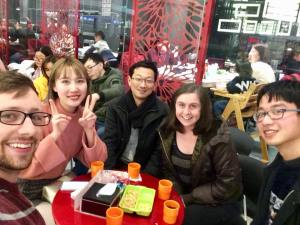 Cultural Exchange: Possibly my favorite part of being in a foreign country is the cultural exchange. Whether it’s through our traveling around the country or through our grocery store encounters, I never get bored of learning the little things about life in a new place. Tucker and I have been very fortunate in the amount of travel we’ve been able to do thus far in and around China. In the last five months we’ve visited Ulaanbaatar, Mongolia and the Chinese cities of Beijing, Nanjing, Shanghai, Wuhan, Huangshan, Xi’an, and Harbin. Some visits were for work, others for pleasure, but all were in the name of cultural exchange. We’ve met so many amazing new friends, seen some absolutely incredible things, and, of course, added to our growing knowledge of this country and its culture. I’m also doing my best to share my experiences (big and small) not only with my students, friends, and colleagues here, but also with anyone else who’s interested (even if it’s just my mom). I’ve become a “social media person”, posting consistently on Facebook, Twitter, Instagram, and WeChat (one of China’s biggest social media apps). I’ve also surprised myself by adding to this blog more than my previously dictated “once a month”. It turns out there is just so much I want to share about living in China! It’s also really fun to share what life was like for us in the US. My colleagues are interested so they can add cultural aspects to their classrooms, my students are interested so they can connect further with the language, and my friends are interested so they can understand why we are so weird about some things (for example, the fact that we enjoy drinking cold water even in winter – weirdos!).


 Expat Life: The last element of my time as an English Language Fellow in China has to be my experience of living the expat life. I decided quite a while ago that the expat life is the life for me, but now in my second year of actually living it, I decided to fully embrace the lifestyle. I’ve joined several expat groups here in Hefei and have met some amazing people that share so much in common with me and Tucker. We’ve had game nights, beer tastings, and other adventures that are made all the more fun by our shared experience of being the “outsiders” here. It’s amazing how quickly groups of expats become like family! Recently I’ve also become a “Warden”, which sounds like a bad thing, but it’s actually sort of a go-between for the US Consulates and any Americans living abroad. Of course, to me another important part of expat life is learning to blend in. Honestly, it’s a bit harder here than it was in Poland, but regardless, Tucker and I are studying Chinese and doing our best to live like locals. We buy our non-perishables from Taobao, we use WeChat or Alipay to pay for everything, and we’ve even been known to yell for the servers (fuwuyuan!) when needed. It’s been an incredibly exciting five months, full of new opportunities, unforgettable experiences, funny situations, personal developments, and so much more. I can’t wait to see what the next half will bring!


 Happy holidays from Hefei! Tucker and I are now into our fifth month of living in China and have just made it through our first holiday season in the Far East. China is the first country we’ve lived in that doesn’t celebrate Christmas as a national holiday, so we were pretty curious to see what it would be like over here. I’ve collected about a month’s worth of holiday observations to share with everyone, so let’s get to it!
 The Lead Up: Holiday decorations were everywhere! Early in December we started noticing Christmas decorations around the city: large, lighted trees, festive window stickers, red bows, etc. Our local supermarkets put up displays and seasonal aisles that sold everything from ornaments and stuffed Rudolphs to full-sized Santa animatronics (only mildly creepy). I had a great time buying a new set of Christmas décor (we now have a set on three separate continents) for our apartment here: stockings, lights, Santa hats, a small tree, etc. We were also able to find some seasonal treats like Andes candies, hot cocoa, and Ferrero Rochers as well. The malls were probably the biggest Christmas perpetrators with decorations on just about every store front, staircase, and atrium. People were often lined up to get their pictures with Santa or to enter the “Secret Wonderland”, which to us looked like a small, dark room with tons of white Christmas lights on the ceiling. Of course, many American chains like Starbucks and Dairy Queen also had their usual holiday specials advertised in the usual places, and Christmas music (particularly Jingle Bells) could be heard in most stores and restaurants throughout the month.


 Okay, I realize Milwaukee is not the most glamorous or exotic city on anyone’s list, but hear me out. This smallish city, famous for its breweries and cheese, is only about an hour north of Chicago. Perhaps because of this, it can sometimes be overshadowed by the fame of its neighbor; however, in addition to the flavorful brews and delicious cheese curds, the city also lies along Lake Michigan with a river running straight through its center (sound familiar?). It also has a very strong European influence, which can be seen in the architecture and abundance of towering cathedrals. It might be less than half the size of Chicago (and about half as expensive!), but this city has been modernizing in a way that would make any European enthusiast proud. Many historical neighborhoods have been beautifully restored, the additions of a city Riverwalk and a new park have livened up the outdoor scene, and if you’re brave enough to endure the temperatures, the city is absolutely breathtaking in the winter.


 The capital city of Ukraine has had a bit of a bumpy ride over the past few decades, but that isn’t so evident when traipsing around the city as an excited tourist. Although Ukraine is not in the EU yet, you’ll find many of the same European conveniences backpackers and travelers alike have come to expect: wonderful public transportation, many downtown hostels and hotels, and a slew of monuments, churches, and parks to wander around. The city is known for its monasteries and domed, Orthodox churches, but I remember it most for it’s extremely cheap and delicious food! Most signs are in Cyrillic (like the Russian alphabet), which I think adds greatly to the city’s charm, but if you’re worried about language skills, the English spoken is quite common and understandable, especially by the younger generation.


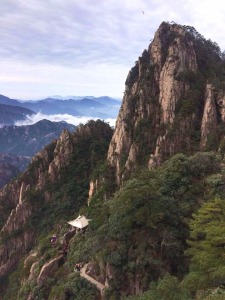 “Huang-what?”, you might be asking yourself. Huangshan or Yellow Mountain is not particularly well-known outside of China, except perhaps by avid hikers or mountaineers. However, this city and the mountain it takes its name from are spectacular places for anyone to visit. Lying about 4 hours west of Shanghai (by train), Huangshan is a destination that really has it all: beautiful nature, historical sites, and modern shopping. It might not be one of the largest cities in China (or even close), but it’s still pretty large from my perspective, with a population of 1.5 million. Just outside the city, accessible by bus are the mountains (to the north) and the preserved ancient towns of Hongcun and Xidi (to the northwest). All are worth a visit, and will remind people why China is often referred to as a traveler’s dream.


 Known officially as the Former Yugoslav Republic of Macedonia (FYROM), Macedonia is a small country in southern Europe that most people wouldn’t be able to pick out on a map. The capital city of Skopje, lies in the north of the country and is completely surrounded by mountains, giving it spectacular views from every angle. The city was heavily influenced by ancient Greece, which you can easily see in the large stone bridges and plethora of white columns, but it uses the Cyrillic alphabet (like Russia) and also claims one of the largest numbers of mosques in Europe: talk about a melting pot! The culture there is a unique mix all seeming to revolve around food, the incredibly refreshing


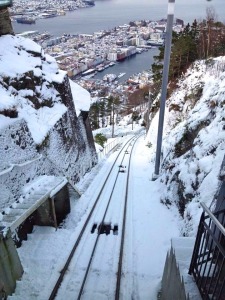 Ah, Norway! Land of trolls, fjords, and the midnight sun. When I hear people planning a trip to Norway, usually Oslo and other cities in the southern part of the country are the first to be mentioned. However, I would much rather choose Bergen, a little further north, nestled into the fjords on the country’s west coast. This city in winter or summer is a great jumping off point for further exploration of the fjords, but it has enough to do in town that you might not even want to leave! From town squares and colorful row houses to funiculars and downhill sledding, Bergen has a lot to offer for those who prefer to spend their time on activities that don’t break the bank. However, when the time comes to spend a little cash, a great way to do it is on the food! There is a wide variety available here from traditional Scandinavian specialties to a TGIFridays; the choice is really up to you!


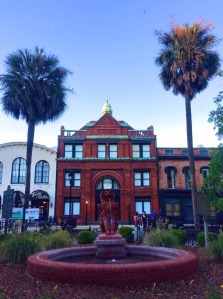 Another destination from my homeland (home state even) is Savannah, GA. This seaside city is always equated with the “old south”: plantation houses, buttery foods, and a slower pace of life come to mind. However, this city is a lot more than that. It can cater to a younger crowd nowadays with its bar streets and beaches, but there are also tree lined avenues, old cemeteries, and little antique shops that are great for the traveler with varied interests. Savannah is not as famous as perhaps New Orleans or Charleston, but maybe for that reason, I found it to be less affected by outside influences. It is a city that it uniquely itself: beautiful and eclectic, much like many Georgians I know.


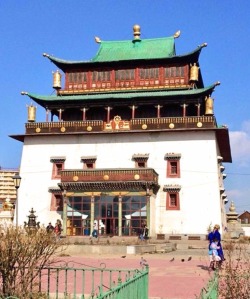 One of my more recent discoveries, Ulaanbaatar is an unexpected gem of the travel world. A unique combination of different cultures set in a landscape like no other I’ve seen. The city itself has plenty of sights and traditional Mongolian activities and foods, but just outside the city is a completely different side of life in one of the largest landlocked countries in the world. A nearby national park gives breathtaking views of the mountains and vast plains of Mongolia, while wild horses and yak stand on the side of the road grazing in the fields or drinking from the winding rivers. It’s a bit more rugged outside the city, but no less friendly. Ulaanbaatar is consistently ranked highly by travelers who are lucky enough to go there. The lamb dumplings alone are worth the journey!


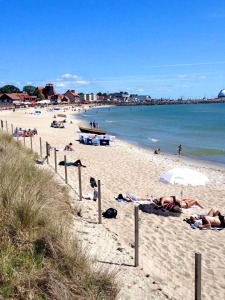 This destination (and the whole country really) is near and dear to my heart. I spent a year living in Poland and made it my job to explore every corner of the country. What I found was a series of destinations that many people gloss over in favor or Warsaw or Krakow, the more international locales. However, when I think of places to visit in Poland, my mind first goes to its Baltic Coast. Just across the Baltic sea from Sweden, Poland’s “Tricity” of Gdansk, Sopot, and Gdynia sits about four hours north of Warsaw (by car). These cities have an incredibly interesting history, which has allowed them to retain their distinct and varied atmospheres. Gdansk, formally German, has an industrious feel, an international airport, and an impressive city center. Sopot is a resort town with Europe’s longest wooden boardwalk and many fancy shops and hotels. And finally Gdynia, the most Polish of the three, boasts beautiful beaches, several hilly parks, and a ferry to Hel and back. Who wouldn’t want to to see all of that?!
















 I have loved hearing and collecting people’s reactions and thoughts about China (including my own), and I plan on spending this next year educating. Educating Chinese students and teachers on American culture and language as well as educating myself and fellow Americans on Chinese culture (and language if any of you are interested!). At one time, these comments might have made me nervous for what we would find in China, but mostly I’m just eager to see and experience it for myself, which actually leads me to another fact worth mentioning: I have already been to China, albeit briefly, and so I have some hazy, half-forgotten reactions of my own to share.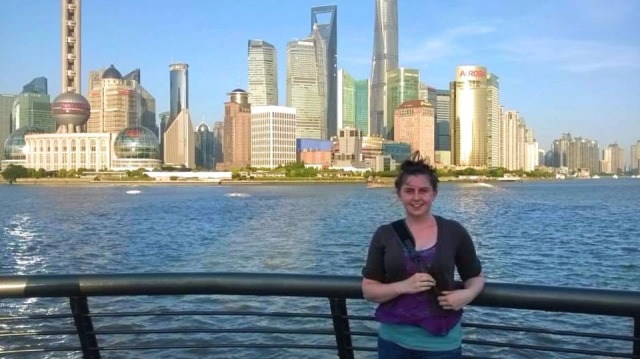
 As culturally aware as I hope I am, this time we aren’t just traveling to China; we aren’t just visiting with a large group of other Americans for a specific, short-term purpose; this time we’re moving there. The difference between short and long-term cultural immersion is evident in our physical preparations already as I have had one hell of a time obtaining the proper visas and, of course, if you take one look at our four mostly-packed suitcases you’ll see I’m planning on taking a lot of my culture with me. However, there are also differences as I mentally prepare for living (not just traveling) in China. We absolutely adored our time in Poland, but reading my early posts about our move there reminded me that there was definitely an adjustment period, and as different as Poland seemed, it was much closer on the cultural scale than China. Therefore, we’re now spending the necessary time preparing ourselves for all the ambiguities and unknowns that come with living in a new place. One of these preparations is discussing our expectations.

 Dani Francuz Rose