

This week, we celebrated the one-year anniversary of our move to Québec, and surprisingly, some of the most regular questions we still get are about the differences between living in Ontario versus Quebec. Of course, comparisons like these are always hard to make because there are so many factors, but now that we have a little more time under our belts, I think I can share some of the bigger differences, or at least the things that have stuck out the most to two random Americans who happened to spend two years in Ottawa followed by a year in Québec City. Differences like:
Taxes
Can you tell it’s tax season? There’s a reason this is at the top of my list. This is our first year doing taxes in Quebec, and it is bringing about a whole new set of challenges. In Ontario, there’s only a federal tax, but in Quebec there’s federal and provincial. Yay! More formulaires to figure out! In general, taxes (sales tax, income tax, etc.) are a bit higher in Quebec, but as far as we can tell, that seems to even out with the cost of living and services provided. Of course, my favorite part of Quebec’s tax system is that they have a high rate of escalation for income tax – essentially, they tax the rich at a higher percentage, bringing equity into the equation, which is très progressif!
Language
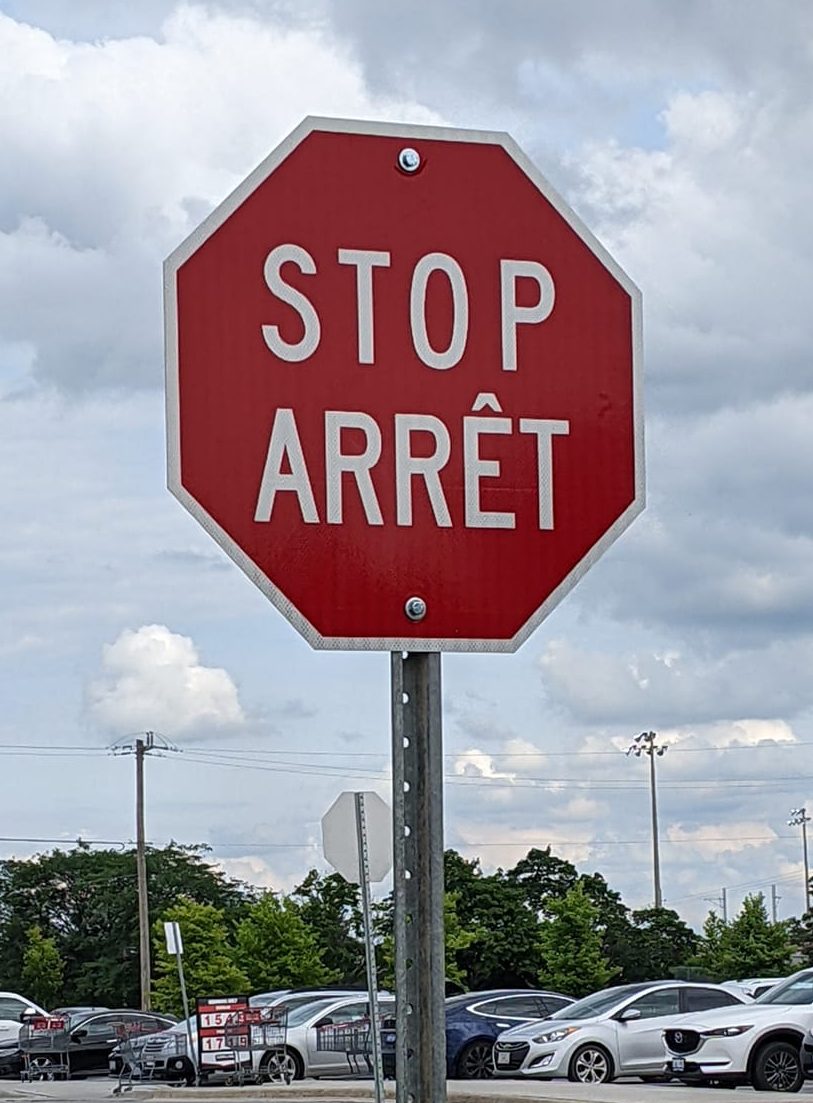
I can’t talk about Ottawa vs Québec without mentioning English and French. Both cites have a large number of bilinguals, but the default languages obviously differ, as does the ease of use and readiness to switch. I didn’t hear very much French in Ottawa, and I feel like walking into a Tims there and asking for un café infusé avec une roussette au miel would have been met with blank stares. However, in Québec, it’s quite common to hear both English and French used daily. This disparity is exactly why Quebec has laws to enforce French as the first language of the province, because if not, English might just take over as it has in many other places around the world. Et c’est précisément pour ça que j’apprends le français.
International Influence
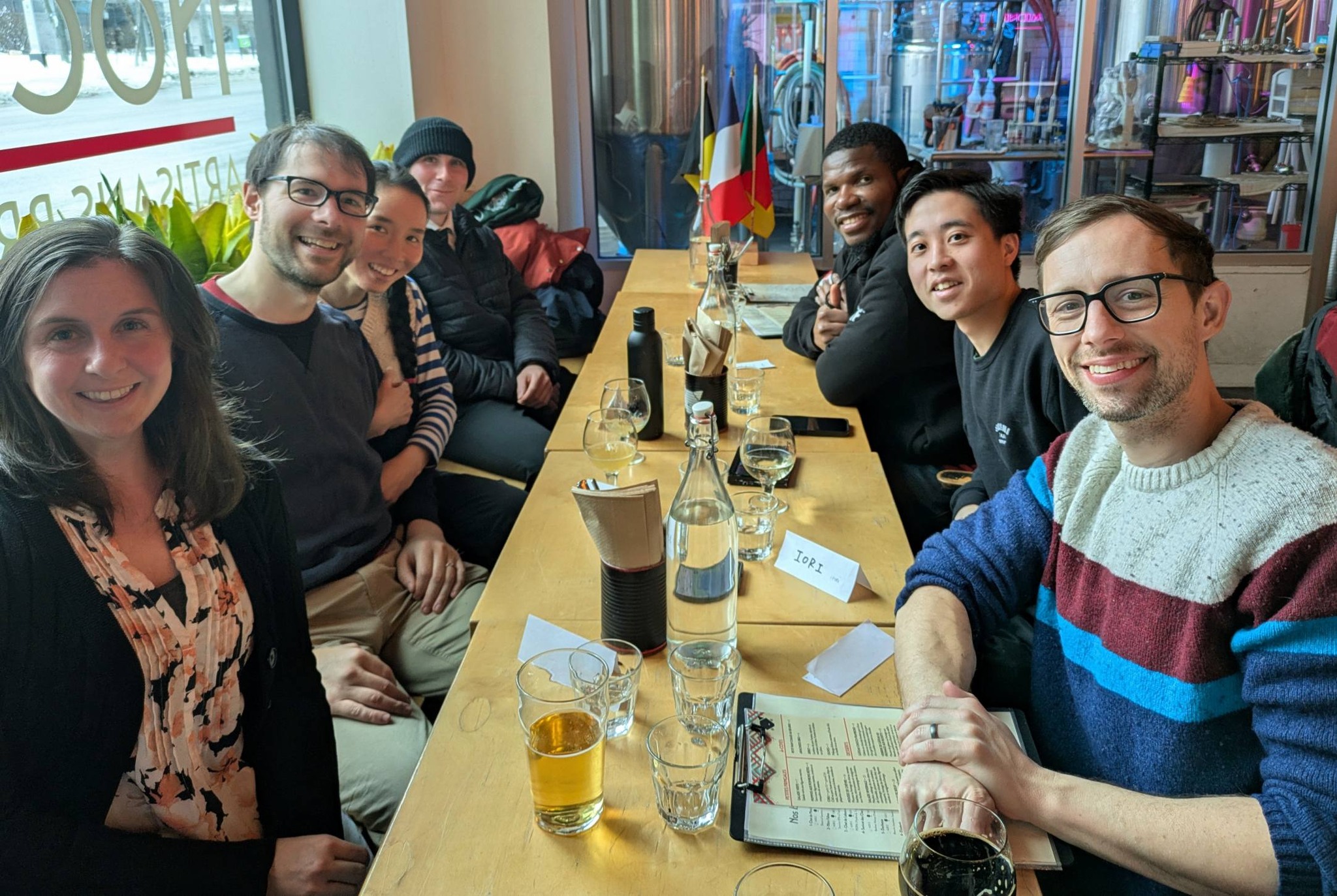
Unsurprisingly, Quebec’s French connection has had a lot of influence on the city. Its historical ties to France have shaped the history, culture, and language here, but even today, there are obvious international influences that differ from the rest of Canada. For example, the largest groups of immigrants into Quebec generally come from other francophone countries, which can be seen very clearly in Québec’s restaurant scene. Ottawa has lots of Chinese, Indian, and Iranian restaurants, not to mention shawarma on just about every other street. On the other hand, in Québec, we have way more French, African, and Caribbean options.
Names

Another difference we’ve noticed has been the names of things. There’s a pharmacy in Ontario called Shoppers, but here it’s Pharmaprix. KFC is PFK; Staples is Bureau en gros; Loblaw’s is Provigo, etc. A combination of language, branding, and company mergers has given us several “hey-I-know-this-place” surprises over the last year. Perhaps even more strangely though, our own names also changed upon moving to Quebec, well, mine did anyway. In Quebec, you don’t take the name of your spouse, so very often for provincial things (like my health card), I’m asked for my nom de naissance or “birth name”, which for me is different than my official/government name. And that’s how I ended up with yet another alias…good luck identity thieves!
Identity
Speaking of identity, we’ve also noticed that Quebecers are not as concerned with the rest of Canada as the rest of Canada is with Quebec. We heard all sorts of things about Quebec and Quebecers prior to living here, and even now when I talk to Canadians in other parts of the country, they have a lot to say about Quebec. On the other hand, I don’t hear Quebecers talk much about the other provinces and territories. I liken it to New Yorkers. Yeah, New Yorkers are technically Americans, but they’re also their own thing, and Quebecers are very similar. They are Québécois first and Canadien second.
Services/Community
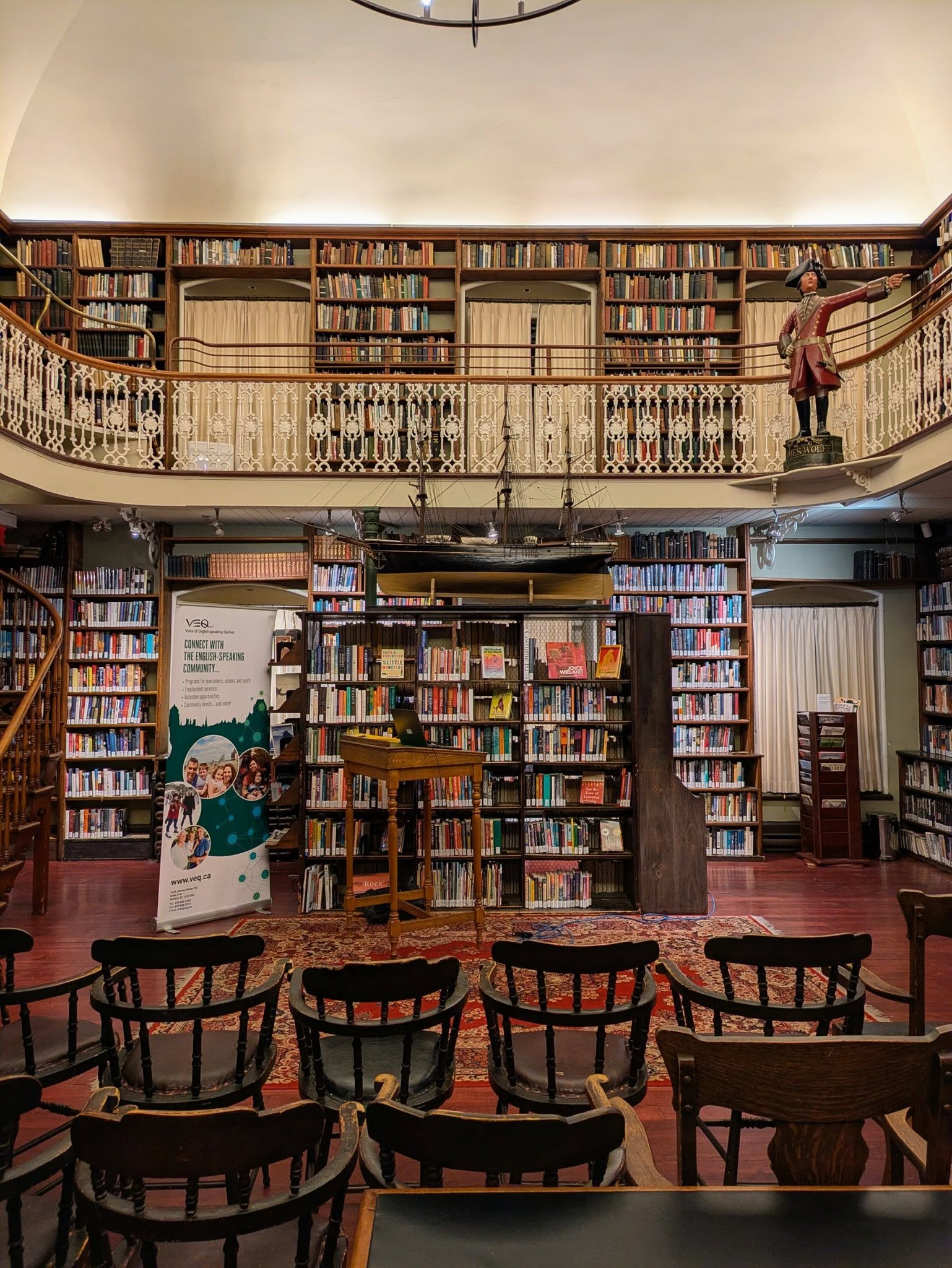
Another thing we’ve been able to take advantage of here in Québec is the huge number of amazing services and community building activities, which have all been free (thus the higher taxes). We recently went snowshoeing, attended a lecture about the history of Québec, received materials that helped us apply for all our provincial IDs, etc. There are free French and English classes, meet-up groups, game nights, and so much more that has allowed us to meet so many people who call Québec home, and we’ve only scratched the surface! There is really an incredible amount of free and/or affordable services for all sorts of needs. Another good example is daycare. Here, you can find subsidized daycares for around $10 per day. Can you imagine?

Cost of Living
This is another one that’s hard to nail down exactly because, of course, it ultimately depends on what you choose to spend your money on. There are some things that might be more expensive here and others, less, but the biggest thing for us has been rent. We rented two very similar apartments in Ottawa and Québec. Both were two bedrooms, a few blocks away from downtown, all utilities included. Our apartment in Québec is 40+ years newer and a little bigger, yet it’s more than $500 cheaper per month. That cost differential will absolutely be worth the small increase we’ll see in taxes this year.
Driving
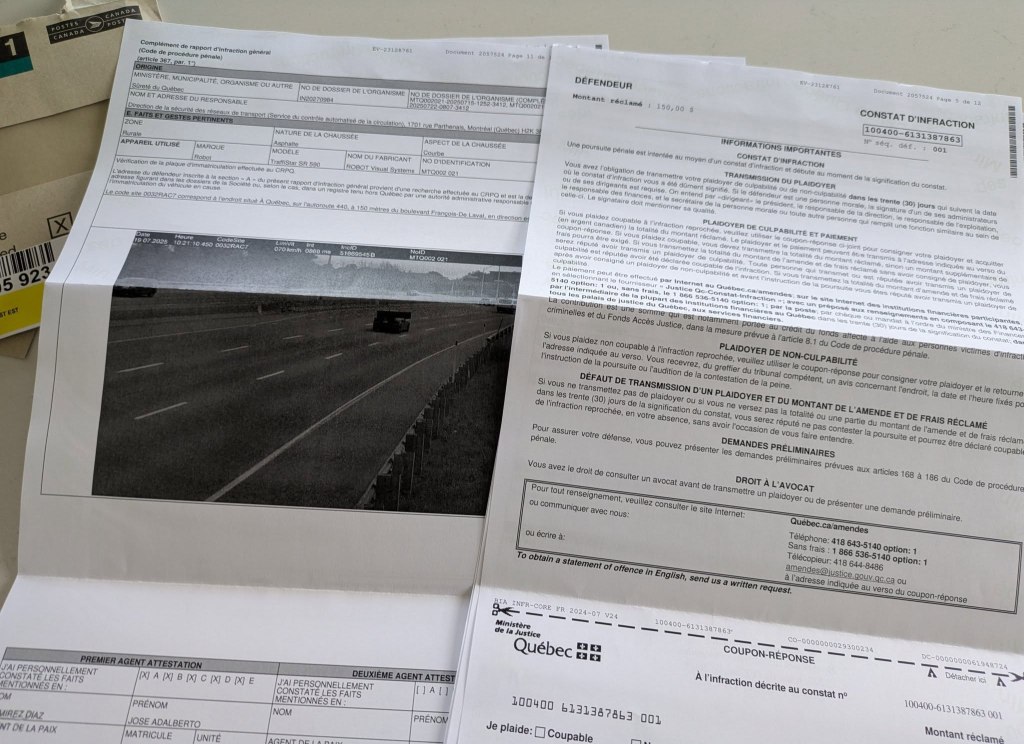
Somehow driving always seems to be a category in my country/city comparisons, and Ottawa vs Québec is no different! We lived in Ottawa for two years and never got a ticket. Not for driving, parking, or anything. In less than six months, we got two speeding tickets in Québec. I say “we”, but I wasn’t driving either time… Anyway, the point is, there are WAY more traffic cameras in Québec, and they absolutely work. Oddly, with that said, I also feel it’s more common here to come across a person making a U-turn in the middle of the road and/or ignoring any lane markers (if they can even be seen), so maybe there’s a good reason for all the cameras. Ottawa seems to follow the rules without being watched, and Québec seems to skirt the rules, until there’s photo evidence, of course.
Winter Prep
I’m pretty sure I’ve mentioned this in a previous post, but I just can’t get over how different the two cities handle winter. Ottawa LOVES salt. Everything is super well-salted; I couldn’t have slipped on a sidewalk even if I had wanted to, but Québec uses a mixture of gravel and salt, which is probably cheaper and better for our boots and car but definitely means there’s more opportunity for slippage. Case in point: Tucker and I have each fallen two times in our Canadian years, and all of them happened in Quebec. With the gravel and salt mixture also comes a lot of slush, which can get a little messy. Cue the abri tempos! Another feature of Quebec winters is the appearance of tents. Tents everywhere! Temporary garages, doorway covers, walkway covers, etc. For half the year, there are pop-ups all over the place making for another difference that is super noticeable.
Joie de Vivre

And last, but not least is the infamous joie de vivre. Literally translated to “joy of living”, joie de vivre has such a palpable presence in Quebec. Ottawa (and much of the rest of North America) has such a hustle culture that is completely missing from Québec. Here it’s still common to take a bottle of wine and have a picnic in the park on a random weekday. Or to enjoy one of the many weeks-long festivals we have here in every season. It seems time with family and friends will always win out over work, and no one ever seems to be in much of a rush. Of course, the architecture, cuisine, and language all make Quebec feel more like Europe, but I think it’s really the joie de vivre that draws people in. C’est magnifique!
And there you have it! Just a few of the many differences between life in Ottawa, Ontario and Québec, Quebec. Personally, I would be extremely happy to live in either city, and as is always the case, there are pros and cons to both. What else is there to say except vive la différence! ;)



























 One of my goals this year, as I mentioned in my last post, is to really focus on my Mandarin skills. I’m planning to take the HSK before we leave next summer, and I’d really like to do well. The HSK is a Chinese proficiency test for foreigners learning the language. The highest score is a 6, which would demonstrate “a learner who can easily understand any information in Chinese and is capable of smoothly expressing themselves in written or oral form”. I’m aiming for a 3 (haha!), and since I’m likely going on this journey alone (Tucker really has no interest), I’d like to at least share a little bit about what makes Chinese such a difficult language to learn.

 Another problem we often encounter with pinyin is that it is more often than not missing the diacritic marks. Those marks represent the four tones of Mandarin, and are essential in its pronunciation. Unlike in English, changing the pitch of your voice while speaking Chinese can actually change the words you are saying. The pronunciation of mā (“mom”), má (“hemp”), mǎ (“horse”), and mà (“to scold”) only differs in tone. Unfortunately for lazy, toneless English speakers (like me), this makes it really hard for native Mandarin speakers to understand exactly what we’re saying. We try for “mom” and end up with “horse”, something which I hope has been more entertaining than irritating for them!
 Train = Fire + Car
 Alright now! Who’s ready to learn this with me?! Chinese is definitely a language on the rise as far as power and prestige go. Much like what happened to English in the 1700s, increases in immigration, tourism, and business are spreading Chinese to all parts of the globe. In Australia, I was surprised and delighted to find Mandarin on most signage, and, even in Georgia/Florida (quite far away from China), maps and other tourist information can often be found in Mandarin. Some linguists refer to Chinese as the language of the future, and while right now it’s more painfully in my present, I hope to keep it around for my future as well! Wish me luck!









 Dani Francuz Rose