Fun French Finds

Language is a funny thing. You never really think about just how many words and phrases there are in any given language (to say nothing of all the grammar features, pronunciation rules, and cultural nuances), but every time I find myself switching to a different daily-use language, I am always inundated with new (or sometimes, forgotten) vocabulary. Even with something like French, which I’ve definitely studied before and which has quite a lot in common with both English and Spanish, there is still SO MUCH to learn (and remember).

So, for this month’s post, I thought I’d share a few of the many entertaining direct translations that are living rent free in my mind now that I’ve gotten back into using français au quotidien. Amusez-vous bien!

Poules en liberté – literal meaning: “hens at liberty” – real meaning: “free run chickens”

This makes me laugh every time I buy eggs because I can’t help but picture chickens reenacting the French Revolution or something. Liberty, Fraternity, Egg-quality!  

Nid-de-poule – literal meaning: “hen’s nest” – real meaning: “pothole”

Speaking of cultural nuances, chickens are super engrained in Francophone culture, which is clearly evidenced by the cute French name for this annoying modern-day obstacle.

Jaunes – literal meaning: “yellows” – real meaning: “yolks”

In English, we say “egg whites”, but “egg yellows” sounds ridiculous, non? Well, “yolks” actually comes from an Old English word meaning “yellow”, so maybe we’re the ridiculous ones.

Papillon de nuit – literal meaning: “butterfly of the night” – real meaning: “moth”

Another hauntingly beautiful (and delightfully descriptive) French noun! Of course moths should be called butterflies of the night! That’s exactly what they are, and it sounds très cool.

Porc-épic – meaning: “porcupine” (originally from Greek, meaning “spiny pig”)

Okay, this one is similar in English, but the way it’s written in French makes my franglais brain think “epic pork”, which I think really paints porcupines in a whole new light, don’t you?

Chauve-souris – literal meaning: “bald mouse” – real meaning: “bat”

What I want to know is who hated bats enough to stick them with this completely unfair name for the rest of éternité. I mean, even if you felt really strongly about their baldness and/or mousiness, what about the wings?!

Cerf-volant – literal meaning: “flying deer” – real meaning: “kite”

Another bizarre animal description here because I can’t really see a lot of similarities between kites and deer. What exactly was going on with the kites and deer of early France?
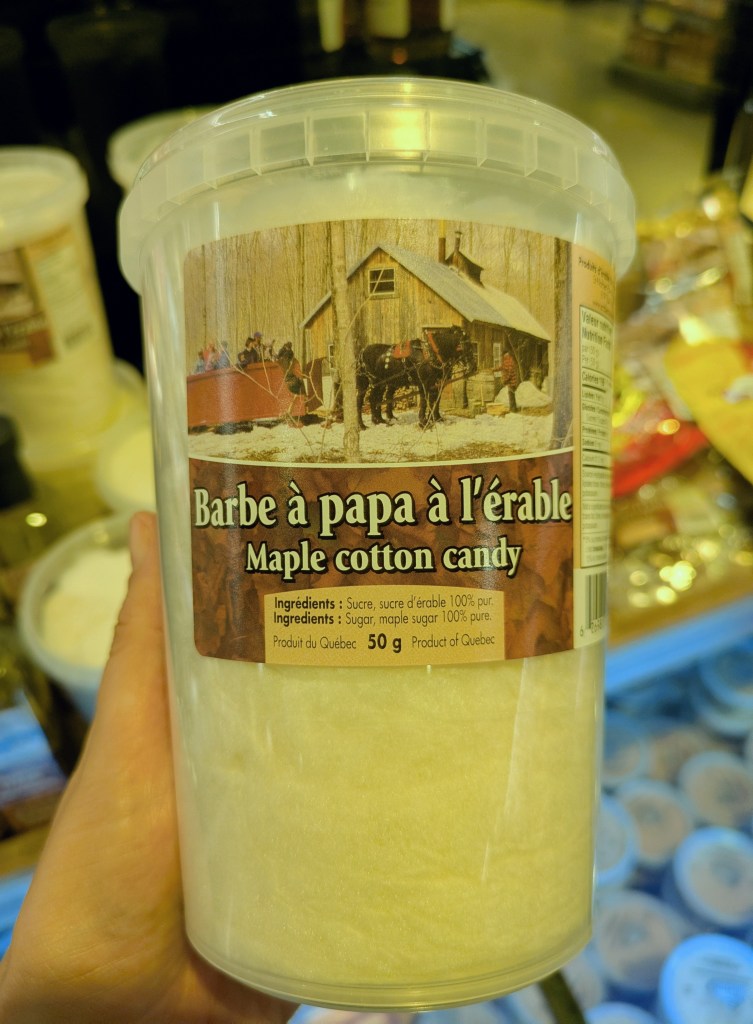
Barbe à papa – literal meaning: “dad’s beard” – real meaning: “cotton candy”

Explaining this to non-French speakers is always a little awkward. I’m aware that “cotton candy” doesn’t sound that appetizing either, but thinking about your father’s beard hair as a snack is just a bit étrange.

Pissenlit – literal meaning: “piss-in-bed” – real meaning: “dandelion”

I absolutely love that this name survived into modern times because what a cool way to learn that dandelions are diuretics!

Cul-de-sac – meaning, well, “cul-de-sac” or “dead end”, but the literal translation is “ass of the bag”

We all know the word “cul-de-sac”, but I bet now you have a whole new visual to associate with it! I love when languages use profanity to make a point.

Nez qui coule – literal meaning: “nose that flows” – real meaning: “runny nose”

This phrase is immediately clear upon first encounter, which I love, but what I now find disappointing is that English missed out on this glorious rhyming opportunity!

42 pouces – literal meaning: “42 thumbs” – real meaning: “42 inch”

Oui, oui, “pouce” can mean either “thumb” or “inch”, but I first learned it as “thumb”; therefore, I now measure TVs in thumbs rather than inches. Honestly, I wish we’d just use centimeters anyway!

Pomme de terre – literal meaning: “apple of the Earth” – real meaning: “potato”

An oldie, but a goodie. This poetic way of naming the most basic of things is what I always associate with French. However, Canada is a bit more efficiency-based, which is why I see “patates” a lot now too. 

Pommettes – literal meaning: “little apples” – real meaning: “cheekbones”

Another example of French flair contrasted with English frankness; one of which I love as a linguist, the other, I prefer as a student. Thank God for Google Translate though.

Et c’est tout! I hope you enjoyed these fun little tidbits about some common French and English words! Until next time, à bientôt!

Canadian English, Eh?

On one of our very first trips to Canada I remember finding Canadian English extremely intriguing: the vowel differences! The mixed spelling system! The use of the quintessential “eh”! I love it all, but I think what has surprised me most as a freshly-carded, permanent resident of Ontario has been all the new English vocabulary I’ve been learning! And as the good little linguist I am, of course, I’ve kept a list of these Canadian English gems to share. 😊

Washroom (aka bathroom/restroom)

This was one of the first linguistic differences that stood out to me oh-so long ago. “Washroom” is virtually the ONLY way Canadians will ever refer to this place. In restaurants, airports, shopping malls, someone’s house, anywhere you go, if you throw out a “restroom” or a “bathroom”, it’ll likely be met with either blank stares or comments about what exactly Americans do when going to the toilet.

Hydro (aka electricity)

This one really threw us off when we were searching for our apartment. Sometimes utilities are included in the rental agreements here, and we’d see places mention both “hydro” and “water” in some form or another, which had us thoroughly confused. “Hydro” seems like a synonym for “water” to us, silly Americans, but with enough listings, we eventually realized we never saw “electricity” or “power” listed and were able to deduce. Evidently hydropower is so common here in Canada that the shortened form will do.

Tuque/toque (aka hat/beanie)

Another one we learned early on and have all but adopted ourselves is “tuque”. Such an important part of the Canadian wardrobe, a tuque is a winter hat that might be called a variety of things south of the border, but up here, it’s most definitely a tuque (which rhymes with “Luke”). Where this word comes from, much like its spelling, is hotly debated, but whatever you want to call it, just be sure you’ve got a good dozen before winter sets in.

Parkade (aka parking garage)

Like many large countries, you’ll get a bit of a variety in how people refer to certain things from one region to another, which is exactly the case with “parkade”. We first saw signs for a parkade in downtown Calgary and had all sorts of wild imaginings of what went on there, but as it turns out, it’s just a Western Canadian way of saying “parking garage”, not nearly as exciting as we thought.

Dart (aka cigarette)  

I’m surprised these things even come up anymore, haven’t we all but killed smoking in North America? But somehow, we actually have heard “dart” used in casual conversation a few times. I feel like it’s mostly used jokingly among those under a certain age, but if you want to understand some really niche Canadian jokes, you do have to know that they call cigarettes “darts”, which is actually much less offensive than some other countries’ alternatives…

Keener (aka over-achiever)

A bit more abstract of a word, “keener” was a little harder to suss out from context alone; however, since it’s used pretty regularly, we were still able to catch on pretty quickly. To call someone a keener means you think they are an over-achiever. They’re the ones who do all the extra credit assignments or get overly excited about something they’re very passionate about, like me with English dialects, for example.

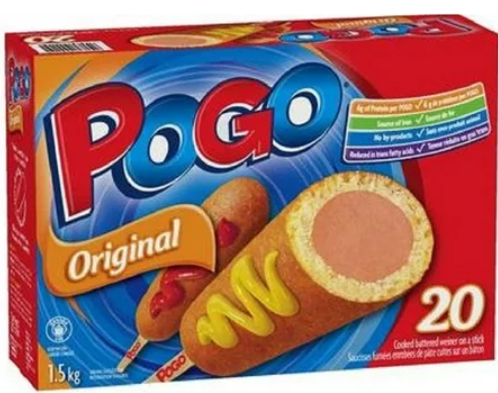
Pogos (aka corndogs)

Here we have our first Kleenex situation. Pogo is a popular brand of corndogs in Canada, and because of their superb timing (and marketing), their name will forever be entwined with that of the famous sticked festival food. How do the makers of Pogo Sticks feel about this? I have no idea, but it is now definitely on my Canadian bucket list to have a Pogo pogo.

Soccer baseball (aka kickball)

I’m pretty sure I burst out laughing when I first heard this one. You know that sport we all played in school? The one that’s basically baseball, but you kick the ball instead of hitting it with a bat? Yeah, Canadians very creatively call that sport “soccer baseball”, which is just so deliciously on-the-nose!

Bristol board (aka poster board)

When we officially moved in, one of the first things we wanted to get set up was a small sound proof area for work, and for that, we needed a large tri-fold poster board, which proved to be extremely difficult to source. That is until we realized we weren’t using the most common word for the item we wanted. I mean, “Bristol board”? Really? How do you even learn things like this unless you participate in a local science fair?

Duotang (aka folder with brads)

And while we’re on the topic of office supplies, another one that really threw me off was “duotang”. I wasn’t even sure that this was English at first, but evidently, it’s what Canadians call a very specific style of folder: the two-pocket ones with the brads in the center. Yeah, as far as I know, we don’t have a specific word for this in the US, so maybe it’s worth picking up?

Molsen muscle (aka beer belly)

Possibly my absolute favorite Canadian expression has to be the beloved “Molsen muscle”. Molsen is the most popular national beer brand in Canada, and if you are particularly fond of them, you might have your very own Molsen muscle, which is, in my opinion, a much cooler way of saying “beer belly”.

Cobra chicken/Canada goose (aka Canadian goose)

Another joke-turned-expression is the good ol’ “cobra chicken” – half cobra, half chicken, that’s right, it’s the Canada goose. And while “cobra chicken” is really just for fun, Canadians actually do say “Canada goose” and never “Canadian goose” as we do. I guess they haven’t applied for citizenship yet.

So that’s my list as it stands now! Stay tuned for more Canadianisms as we continue to learn and adapt to life Up North.

English is Weird

In the past, I’ve written about my struggles with learning Polish…and then Mandarin…and now Spanish, but this month, I thought I’d honor my students’ struggle instead. Just in case you’re not a linguistics freak (or language teacher) like me, I’d like to share just a few of the many reasons English can seem extremely weird (read: difficult) from a non-native speaker’s perspective. So, without further ado, here are a few of my favorite things (and definitely my students’ least favorite things) about my native tongue.  

Crazy Spelling System

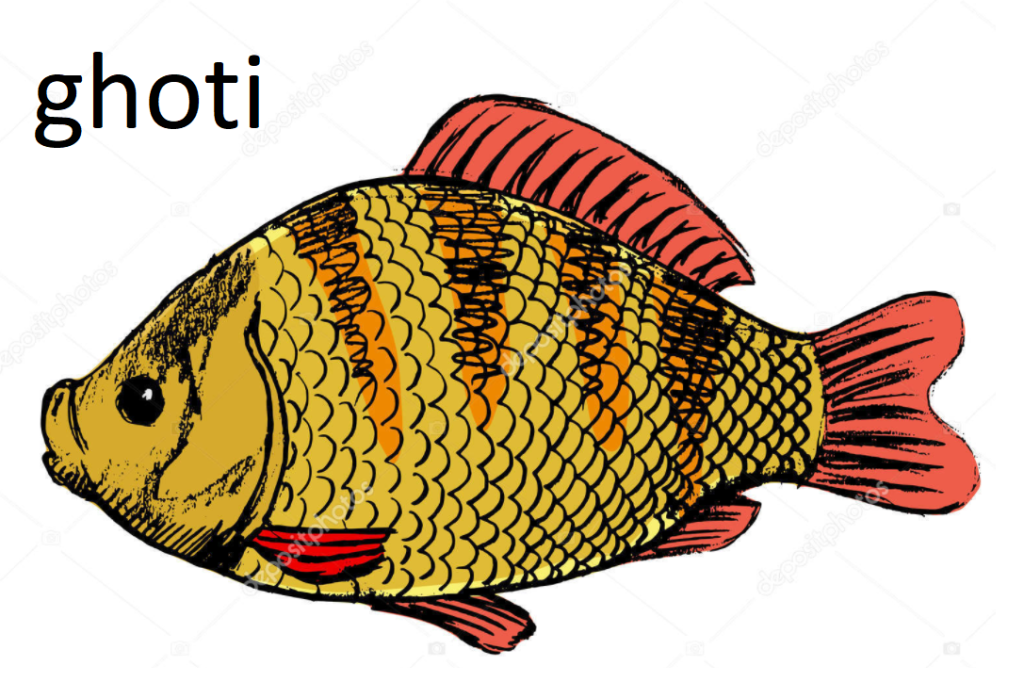
First up, unsurprisingly, is English spelling. Even if English is your first language you probably still have a bone or two to pick with whatever drunk group of academics decided “ph” looked way cooler than “f” or even with those thoughtful teachers who recited “I before E except after C, and when sounding like A as in ‘neighbor’ and ‘weigh’” …nice little rhyme, but what about “weird”, “glacier”, “albeit”, and “seize”? Of course, there are about a thousand reasons both historical and linguistic to account for this mess, but students (and most speakers) just don’t care. They’re too busy trying to work out why we still have a “b” in words like “thumb” and “debt” or why “knight” isn’t spelled “nite”. One of my favorite linguistic observations demonstrating the absurdity of English spelling is the made-up word “ghoti”. If you take the “gh” from “rough” add the “o” from “women” and finally the “ti” from “nation”, “ghoti” should be pronounced as “fish”. WTF, English.

Gender and Case in Pronouns

One of my biggest complaints with Polish was the abundance of grammatical gender and case. It blew my mind that there might be a possible 21 versions of the same word, something you don’t have to worry about so much with English. That is until you get to the pronouns. “I, me, my, mine, myself”, “you, your, yours, yourself”, “he, him, his, himself”, “she, her, hers, herself” and that’s not even mentioning retired classics like “ye” and “thou” or more modern-day usages like the singular “they/their”. It’s really a mess of various elements of gender and number with a glimpse into a defunct case system and, of course, a plethora of exceptions to any sort of pattern. And when we throw in the contractions we use (such as “he’s” and “you’re”, which can sound an awful lot like “his” and “your”), I can understand why students get a little frustrated with the inconsistency.

Easy-peasy…

All the Vowels

However, even if we put spelling and word forms aside, English is still extremely bizarre when it comes to pronunciation. Bizarre and incredibly difficult. One of the hardest things about English pronunciation is the mastering of all the vowel sounds. We all know that English has 5-6 vowels: A E I O U (and sometimes Y), but interestingly, we have between 15-20 different vowel sounds, depending on dialect. That’s why we have all the strange combinations like “ee”, “ou”, “ea”, “oi”, etc. and a bit of a crazy pronunciation game with minimal pair lists like “beet, bit, bet, but, bat, bot, boot, and boat” (go ahead and read those out loud if you didn’t already – it’s so fun!). It’s no wonder my students are worried that with a slight change in the position of their mouths they might be asking to take an extra shit rather than an extra sheet or maybe heading to the bitch instead of the beach.  >_<  

I <3 IPA

Phrasal Verbs

Another odd feature of English is our love of function words, particularly prepositions. I remember happily memorizing a song of about 50 of them in elementary school, but as a teacher, I cringe when students ask me how they can memorize not only the prepositions of English, but the phrasal verbs. Phrasal verbs are the multi-word verbs that native English speakers love to (over)use: “go on”, “give up”, “find out”, “calm down”, etc. Of course, we could use “continue”, “quit”, “discover”, and “relax” instead (much to the delight of other Indo-European language speakers), but that would be way too easy! Imagine if you broke up with your significant other after breaking into their house because your car broke down all while your skin was breaking out. Phrasal verbs like “break up”, “break into”, “break down”, and “break out” are so arbitrary and annoyingly similar that many learners of English often know every word in a sentence yet still struggle to piece together the meaning – it’s almost like we’re talking in code.

All the Englishes

Finally, a bit like Spanish, there are so many varieties of English to choose from, and if you’re going for proper World English mastery, you’ll have to be aware of the many dialectal differences in grammatical features, vocabulary, and pronunciation. For example, if chatting with a Brit, you might want to avoid referring to your “pants”. When speaking to those from the US, you’d better call it “soccer” and not “football” or you’ll definitely have them confused. Canadians use the “washroom”, Australians eat “brekkie”, and even the vast majority of native speakers need subtitles to understand Scots, so good luck with that! There’s an incredible amount of regional and socioeconomic dialects in English, and it’s only getting more diverse with the vast number of international varieties and accents being added to our ever-globalizing society.

Ultimately, English (like every language on the planet) is chock-full of oddities which make learning and speaking it quite the challenge. Of course, as this has kept me employed for the last decade, I wouldn’t want it any other way! Haha! Just remember, while English can be tough, it can definitely be mastered through thorough thought, though. Cheers!