
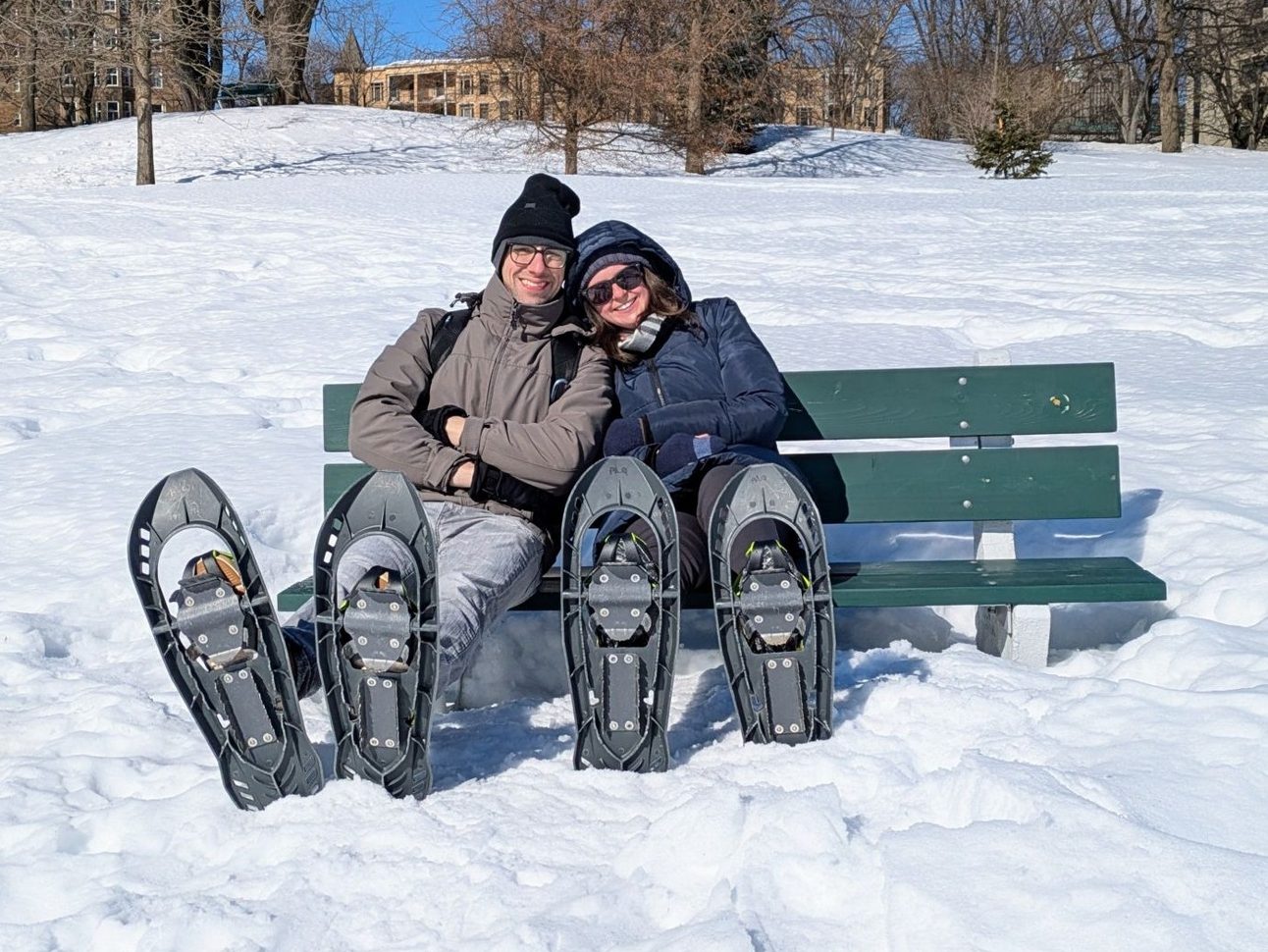
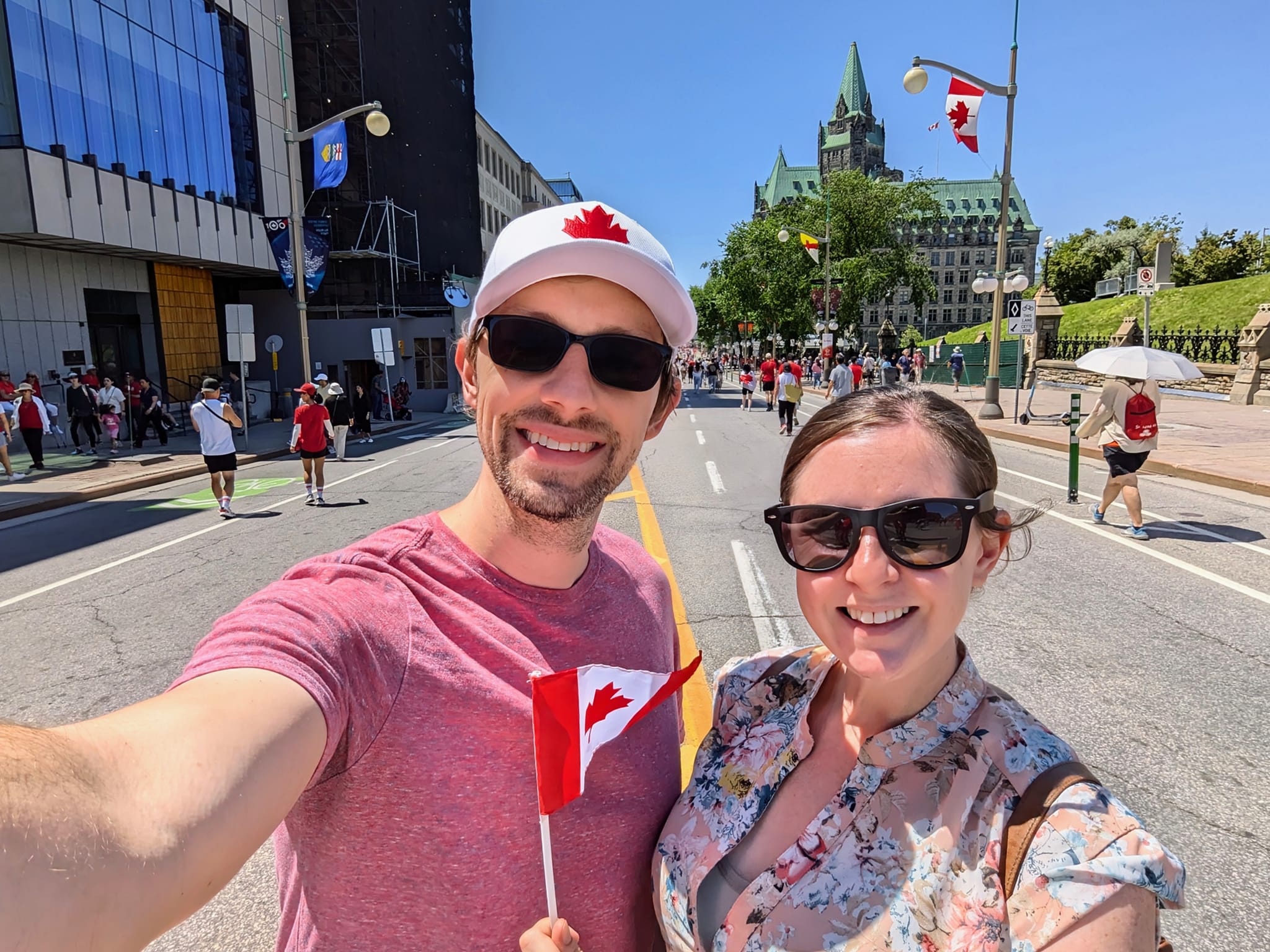
This week, we celebrated the one-year anniversary of our move to Québec, and surprisingly, some of the most regular questions we still get are about the differences between living in Ontario versus Quebec. Of course, comparisons like these are always hard to make because there are so many factors, but now that we have a little more time under our belts, I think I can share some of the bigger differences, or at least the things that have stuck out the most to two random Americans who happened to spend two years in Ottawa followed by a year in Québec City. Differences like:
Taxes
Can you tell it’s tax season? There’s a reason this is at the top of my list. This is our first year doing taxes in Quebec, and it is bringing about a whole new set of challenges. In Ontario, there’s only a federal tax, but in Quebec there’s federal and provincial. Yay! More formulaires to figure out! In general, taxes (sales tax, income tax, etc.) are a bit higher in Quebec, but as far as we can tell, that seems to even out with the cost of living and services provided. Of course, my favorite part of Quebec’s tax system is that they have a high rate of escalation for income tax – essentially, they tax the rich at a higher percentage, bringing equity into the equation, which is très progressif!
Language
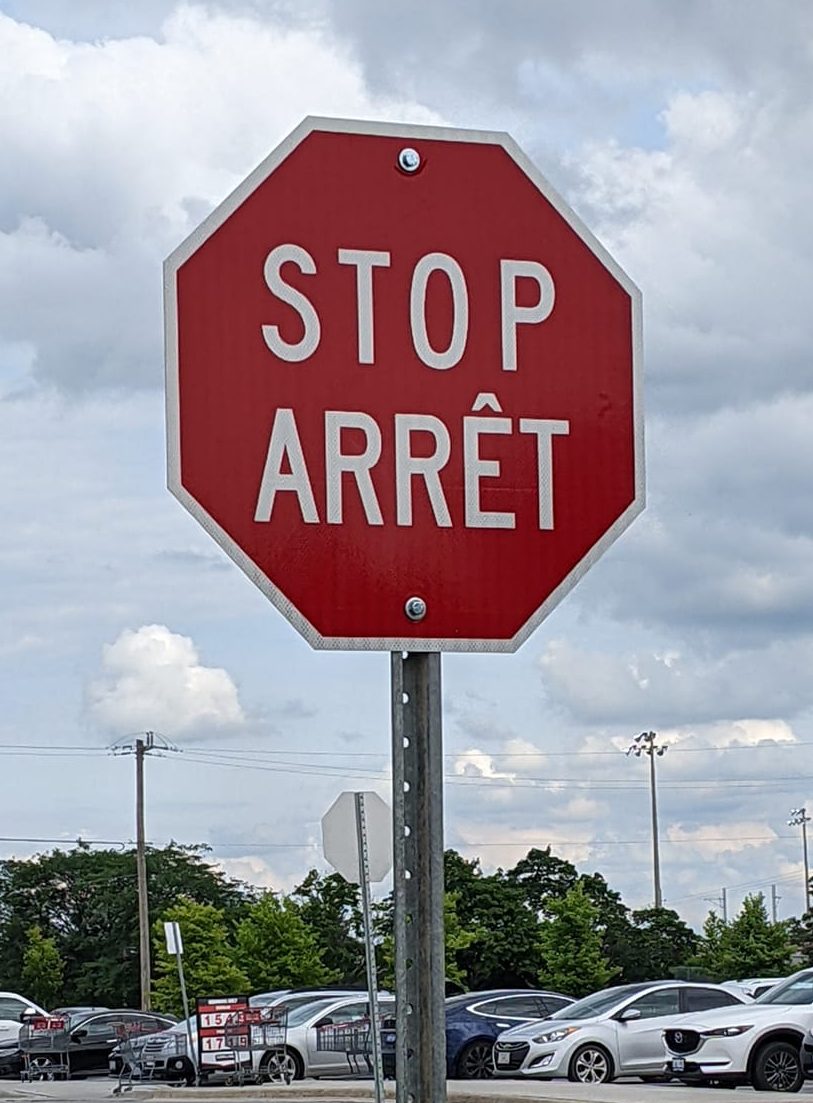
I can’t talk about Ottawa vs Québec without mentioning English and French. Both cites have a large number of bilinguals, but the default languages obviously differ, as does the ease of use and readiness to switch. I didn’t hear very much French in Ottawa, and I feel like walking into a Tims there and asking for un café infusé avec une roussette au miel would have been met with blank stares. However, in Québec, it’s quite common to hear both English and French used daily. This disparity is exactly why Quebec has laws to enforce French as the first language of the province, because if not, English might just take over as it has in many other places around the world. Et c’est précisément pour ça que j’apprends le français.
International Influence
Unsurprisingly, Quebec’s French connection has had a lot of influence on the city. Its historical ties to France have shaped the history, culture, and language here, but even today, there are obvious international influences that differ from the rest of Canada. For example, the largest groups of immigrants into Quebec generally come from other francophone countries, which can be seen very clearly in Québec’s restaurant scene. Ottawa has lots of Chinese, Indian, and Iranian restaurants, not to mention shawarma on just about every other street. On the other hand, in Québec, we have way more French, African, and Caribbean options.
Names

Another difference we’ve noticed has been the names of things. There’s a pharmacy in Ontario called Shoppers, but here it’s Pharmaprix. KFC is PFK; Staples is Bureau en gros; Loblaw’s is Provigo, etc. A combination of language, branding, and company mergers has given us several “hey-I-know-this-place” surprises over the last year. Perhaps even more strangely though, our own names also changed upon moving to Quebec, well, mine did anyway. In Quebec, you don’t take the name of your spouse, so very often for provincial things (like my health card), I’m asked for my nom de naissance or “birth name”, which for me is different than my official/government name. And that’s how I ended up with yet another alias…good luck identity thieves!
Identity
Speaking of identity, we’ve also noticed that Quebecers are not as concerned with the rest of Canada as the rest of Canada is with Quebec. We heard all sorts of things about Quebec and Quebecers prior to living here, and even now when I talk to Canadians in other parts of the country, they have a lot to say about Quebec. On the other hand, I don’t hear Quebecers talk much about the other provinces and territories. I liken it to New Yorkers. Yeah, New Yorkers are technically Americans, but they’re also their own thing, and Quebecers are very similar. They are Québécois first and Canadien second.
Services/Community
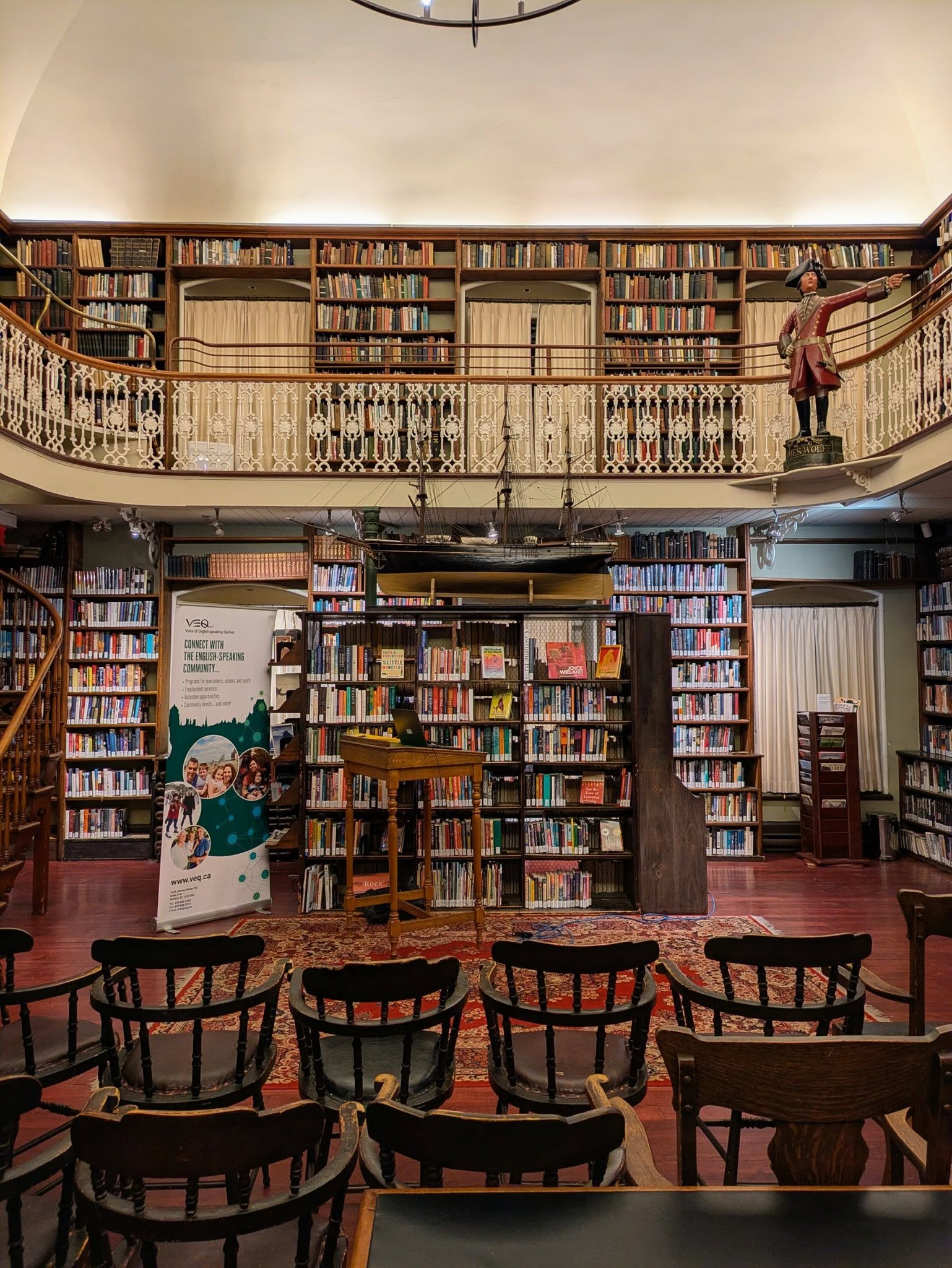
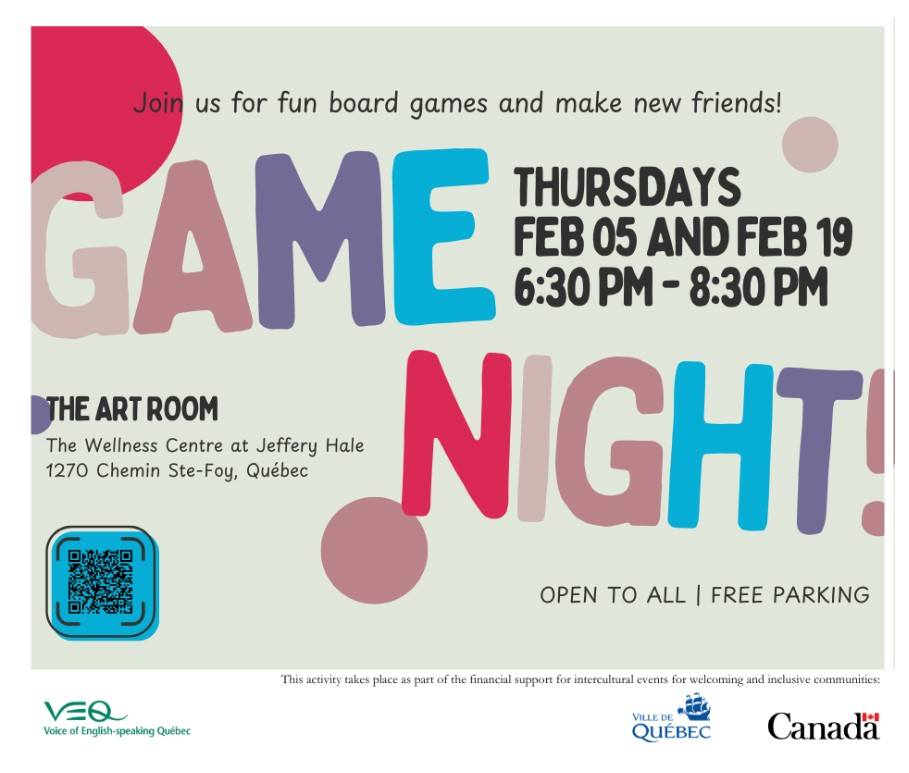
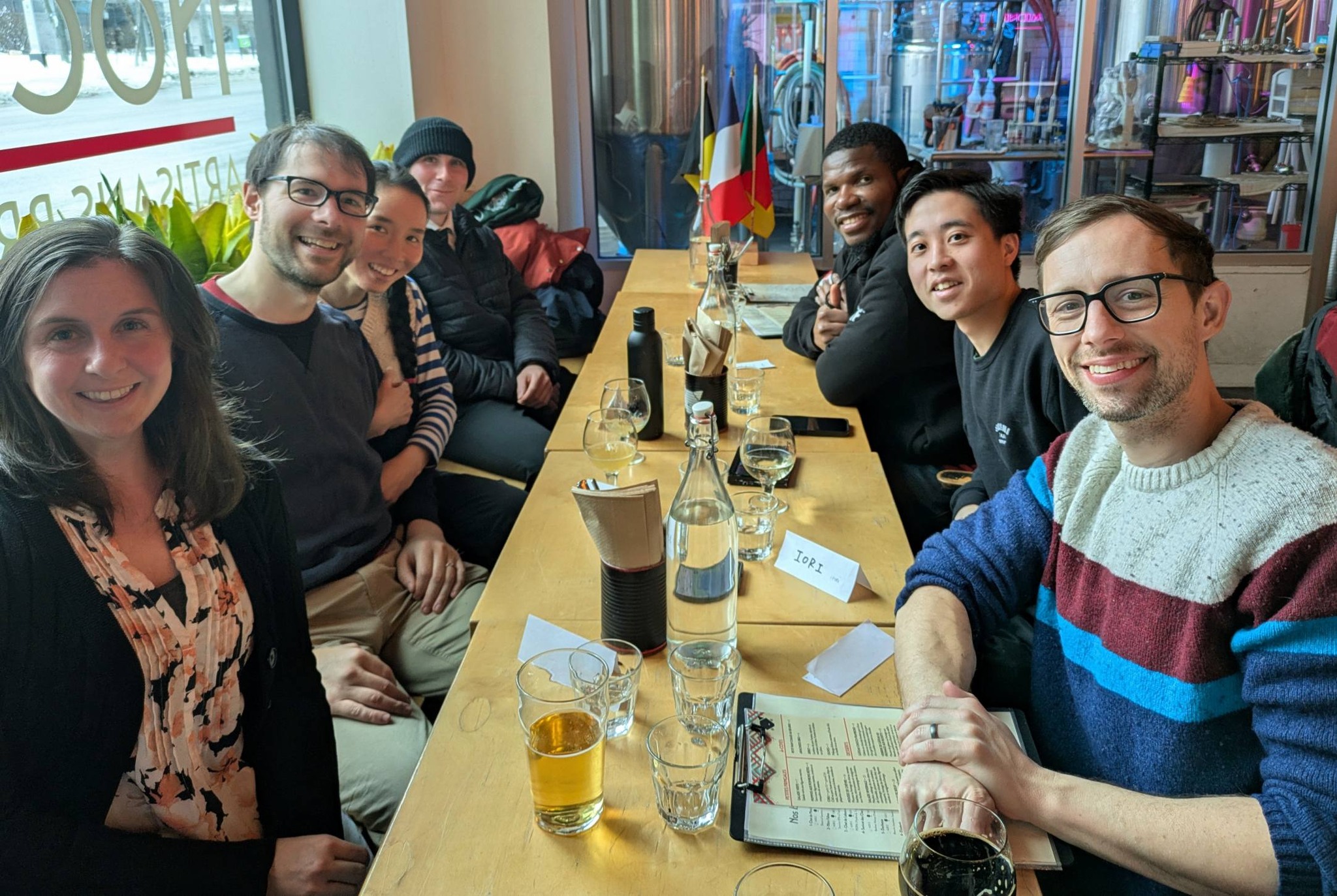
Another thing we’ve been able to take advantage of here in Québec is the huge number of amazing services and community building activities, which have all been free (thus the higher taxes). We recently went snowshoeing, attended a lecture about the history of Québec, received materials that helped us apply for all our provincial IDs, etc. There are free French and English classes, meet-up groups, game nights, and so much more that has allowed us to meet so many people who call Québec home, and we’ve only scratched the surface! There is really an incredible amount of free and/or affordable services for all sorts of needs. Another good example is daycare. Here, you can find subsidized daycares for around $10 per day. Can you imagine?
Cost of Living
This is another one that’s hard to nail down exactly because, of course, it ultimately depends on what you choose to spend your money on. There are some things that might be more expensive here and others, less, but the biggest thing for us has been rent. We rented two very similar apartments in Ottawa and Québec. Both were two bedrooms, a few blocks away from downtown, all utilities included. Our apartment in Québec is 40+ years newer and a little bigger, yet it’s more than $500 cheaper per month. That cost differential will absolutely be worth the small increase we’ll see in taxes this year.
Driving

Somehow driving always seems to be a category in my country/city comparisons, and Ottawa vs Québec is no different! We lived in Ottawa for two years and never got a ticket. Not for driving, parking, or anything. In less than six months, we got two speeding tickets in Québec. I say “we”, but I wasn’t driving either time… Anyway, the point is, there are WAY more traffic cameras in Québec, and they absolutely work. Oddly, with that said, I also feel it’s more common here to come across a person making a U-turn in the middle of the road and/or ignoring any lane markers (if they can even be seen), so maybe there’s a good reason for all the cameras. Ottawa seems to follow the rules without being watched, and Québec seems to skirt the rules, until there’s photo evidence, of course.
Winter Prep
I’m pretty sure I’ve mentioned this in a previous post, but I just can’t get over how different the two cities handle winter. Ottawa LOVES salt. Everything is super well-salted; I couldn’t have slipped on a sidewalk even if I had wanted to, but Québec uses a mixture of gravel and salt, which is probably cheaper and better for our boots and car but definitely means there’s more opportunity for slippage. Case in point: Tucker and I have each fallen two times in our Canadian years, and all of them happened in Quebec. With the gravel and salt mixture also comes a lot of slush, which can get a little messy. Cue the abri tempos! Another feature of Quebec winters is the appearance of tents. Tents everywhere! Temporary garages, doorway covers, walkway covers, etc. For half the year, there are pop-ups all over the place making for another difference that is super noticeable.
Joie de Vivre
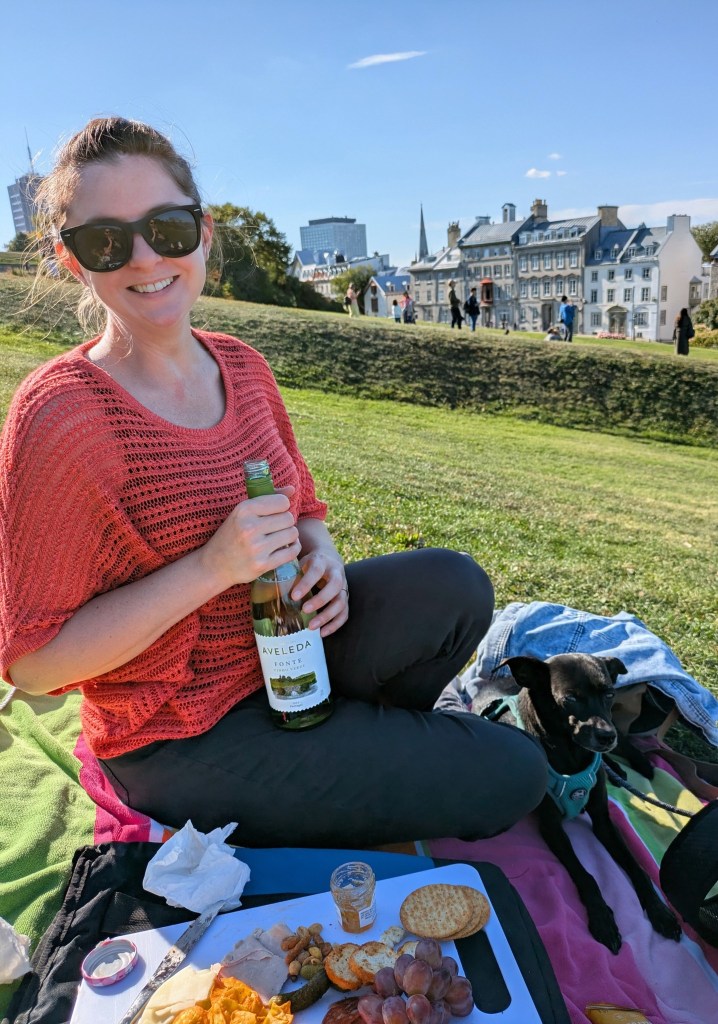
And last, but not least is the infamous joie de vivre. Literally translated to “joy of living”, joie de vivre has such a palpable presence in Quebec. Ottawa (and much of the rest of North America) has such a hustle culture that is completely missing from Québec. Here it’s still common to take a bottle of wine and have a picnic in the park on a random weekday. Or to enjoy one of the many weeks-long festivals we have here in every season. It seems time with family and friends will always win out over work, and no one ever seems to be in much of a rush. Of course, the architecture, cuisine, and language all make Quebec feel more like Europe, but I think it’s really the joie de vivre that draws people in. C’est magnifique!
And there you have it! Just a few of the many differences between life in Ottawa, Ontario and Québec, Quebec. Personally, I would be extremely happy to live in either city, and as is always the case, there are pros and cons to both. What else is there to say except vive la différence! ;)


















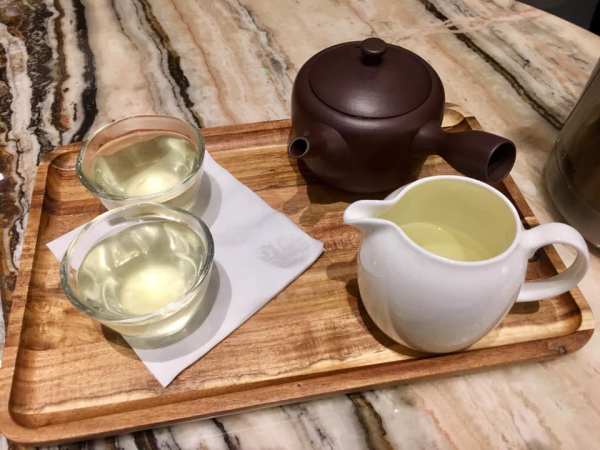




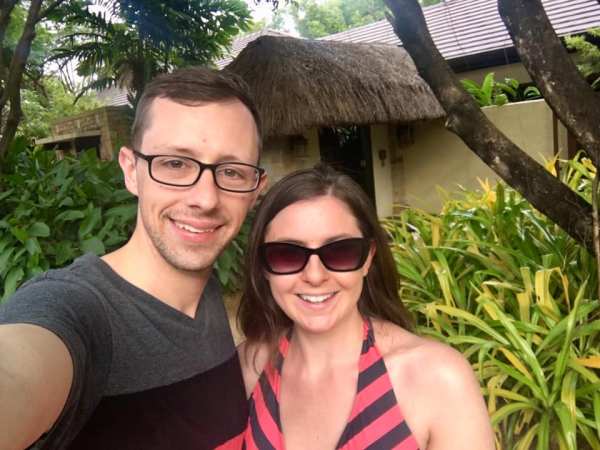 The second New Year (also known as the Chinese New Year or the Lunar New Year) has come and gone, and with it, possibly our last long winter break off together. Just like last year, the Chinese university semester break coincides with the holiday giving us several weeks off, which, of course, we put to good use! My program had its mid-year meeting and conference in the Philippines this year, and somehow, Tucker and I managed to squeeze in three (and a half) other destinations on our island hopping itinerary. You might have seen the hundreds of photos on Facebook, but I’d also like to share a few words about our time traveling in South Asia. To be honest, it’s a little surreal to be writing this as I watch the snow fall outside, but here we go!
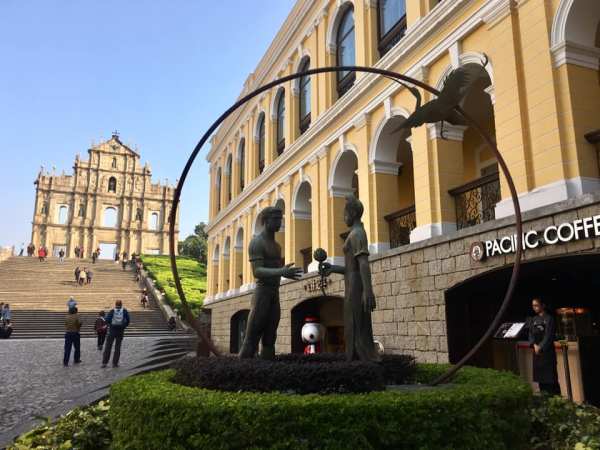 Our first stop was Macau, a “special administrative region” of China. It gets this rather long name due to it being somewhere in between a province and another country entirely. It’s a part of China, but it’s also not China, which is actually one of the reasons we wanted to visit. We wanted to see if there were any noticeable differences. We also wanted to visit because we were eager for another taste of Portugal. Macau used to be a Portuguese colony and has retained quite a bit of the Portuguese flair in architecture, food, and language.


 After a few days of strolling around Macau’s narrow alleyways, we took a massive speed boat (TurboJet) to our next destination just across the water: Hong Kong. This was actually our second trip to Hong Kong, but last time we didn’t quite get to everything on our list – this short stopover on the way to Midyear was our second chance. We had less than 24 hours in the city, but we managed to make it out to Lantou Island to see the incredible Buddha and cableway there, we took the bus to the top of Victoria Peak to watch the sunset over the city, and we went to Tim Ho Wan for the world’s cheapest Michelin Star eats. While I definitely preferred Macau’s laid back, European vibes, it’s hard to not like Hong Kong as well. Macau and Hong Kong are a couple of tiny islands (and respective peninsulas) that I highly recommend everyone to visit! No visas needed for US citizens! :)
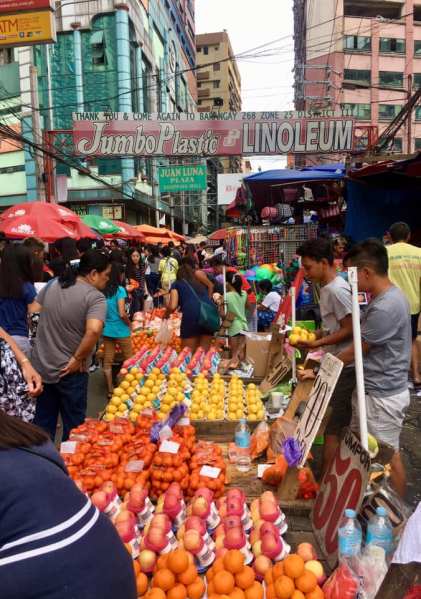 All too soon it was time to fly to the Philippines and get to work. When we first landed in the Philippines it was chaos! Passengers getting up and grabbing their bags before the plane had stopped moving; people sitting on seemingly every inch of the floor in the airport; signs for flight changes being moved by hand from gate to gate; loud cover songs of 2000’s hits playing in every corner of the terminal, etc. All I could think was “Well, we’re definitely not in China anymore.” As we sat waiting for our flight though, the newness wore off, and it was easy to see that the Philippines are just plain fun! In fact, their national slogan is “It’s more fun in the Philippines”, and I totally got it. Smiles were everywhere! The flight attendants wore bright yellow polos and hummed songs as we boarded. Fellow passengers sang along with the music they heard on the plane. The joy was contagious!
 The first week we were in the Philippines I had to “work”. I attended meetings with the other Fellows, we planned and executed various group activities, and generally bonded and reconnected after our last five months apart in our various host cities/countries. For this part of Midyear, we were put up in a resort on Mactan Island, which was incredibly fancy and not the sort of place Tucker and I usually go for (I’ve never heard so many “yes ma’ams” and “hello sirs” in my life). It was beyond beautiful though, and luckily Tucker was able to take full advantage of the beach, the snorkeling, the infinity pool, etc. However, after a few days completely devoid of local culture, I was definitely ready to get to our next location: Cebu City. It was here that we attended and presented at a local teacher training conference held at the University San Jose Recoletos. Easily my favorite part of Midyear, I was able to meet and interact with many local Filipina/o teachers and get a much better feel for what life in the Philippines is really like.

 Once the conference and Midyear were officially over, Tucker and I hadn’t quite had our fill of the Philippines, so we headed to Manila for some good old-fashioned touristing. Manila is an incredible city with some of the best food I’ve had in a long while. Their specialty seemed to be fusion restaurants. We had super interesting and delicious food at Loco Manuk (Filipino, Peruvian, and Chinese) and El Chupacabra (Filipino and Mexican), and saw a Japanese-French Cafe that looked amazing as well! In addition to the incredible food, we also had a great time walking around Manila Bay, grabbing a drink in Intramuros (the Old Town), and watching the Super Bowl at a local expat bar. The Philippines boasts an amazing mix of languages and cultures, and it was so fun for us to be able to use English (commonly spoken there) to ask about a million questions of our taxi drivers, servers, and any other local we could find. We learned about the strong influence of Catholicism in the Philippines, the new-ish movement towards environmental clean up, and most of all, we learned how welcoming and friendly the people are.


 At this point we were over the halfway mark of our trip, and my body had had enough. I left Manila with a fever and several other ailments (not so fun to describe), but I was still super excited to see Singapore! We watched Crazy Rich Asians on another leg of this trip in preparation, but the movie doesn’t do the city justice. It is by far the cleanest city I’ve ever seen, and has represented its multicultural population incredibly well! Singapore is made up of large groups of ethnic Chinese, Malays, and Indians, and each has a dedicated area of the city where you can find their respective religious buildings, restaurants, and specialized grocery stores. Even with the diverse neighborhoods in place, the city as a whole really seems to cater to each group in so many ways. Colorful, artistic, and clearly very well-off, there are so many lovely parks and public spaces in this city, where we saw families wearing everything from tank tops and sundresses to saris and hijabs. I often talk about places where there is a mix of cultures, but its usually a watered down mix, where clearly one culture has dominated, but in Singapore they were all there loud and proud. It was amazing!


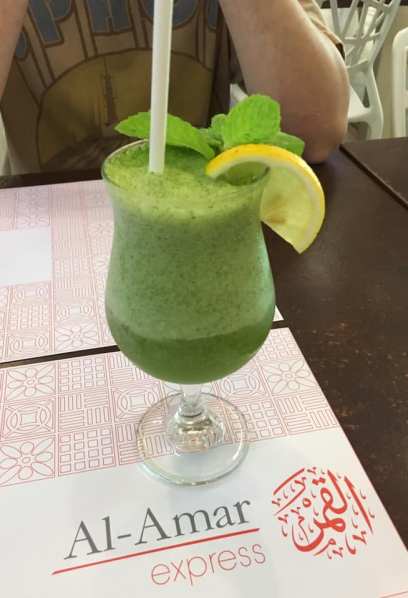 It turns out KL was full of surprises for us. The majority of people living in Malaysia are Muslim, so it was much more conservative than I was expecting. Most everyone wore long sleeves and pants despite the high temperatures, and the presence of beautiful and delicious “mocktails” was at an all time high for me. KL is actually not on an island, and to us, it seemed like we lost that friendly, carefree island-vibe as soon as we arrived. Interactions were a bit more abrupt and businesslike – like they usually are, I suppose. Another surprise was the color we saw all around us – both the Philippines and Singapore were incredibly colorful cities, but I think any city would be hard pressed to match the vibrancy of KL. Brightly colored murals everywhere, some of the lushest, greenest trees I’ve ever seen against the bluest of skies, and the insanely colorful Batu Caves just outside the city made for some incredible scenes (and photos).


 ✔ Learn to play Mahjong
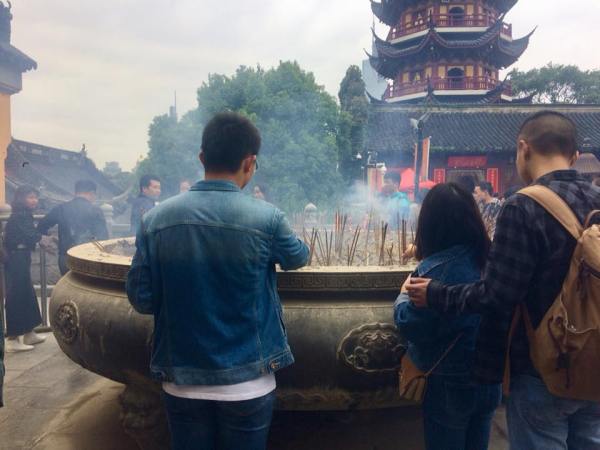 ✔ Visit a Buddhist Temple
 ✔ Perfect our Chopsticks Skills
 ✔ Hike Huangshan
 ✔ Share Hotpot and Selfies with Friends
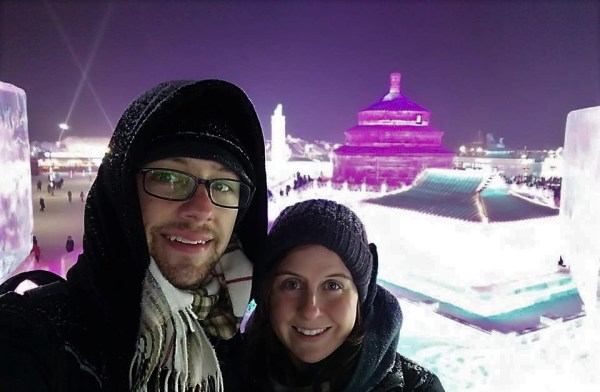
 ✔ Devour the Dim Sum in South China
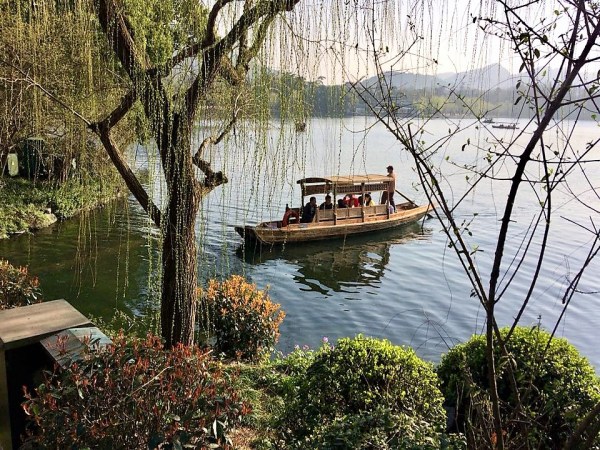 ✔ Wander around West Lake
 ✔ Feel like a Kid at Disneyland Shanghai
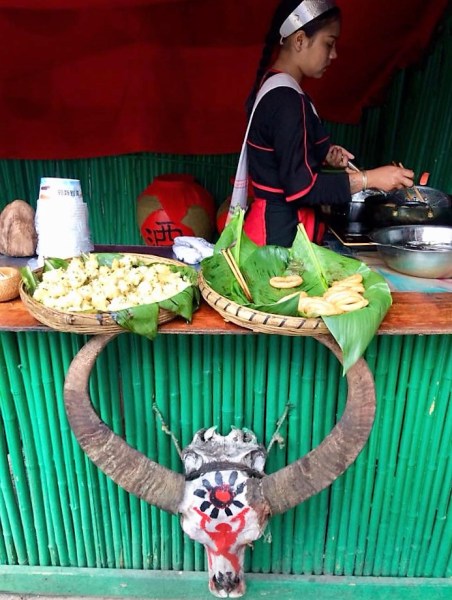 ✔ Learn about the Minority Groups in China
 ✔ Celebrate Dragon Boat Festival
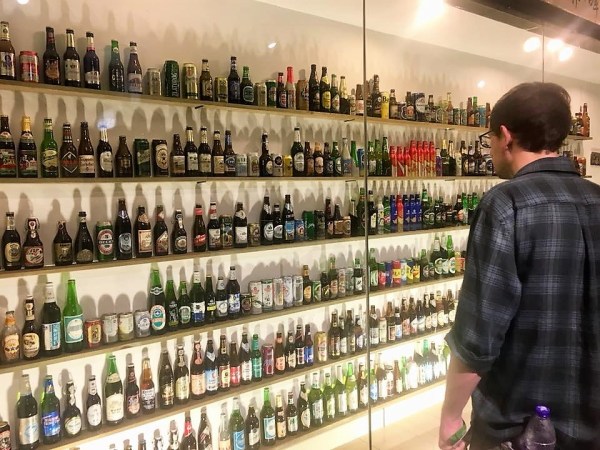 ✔ Drink Tsingtao from the Source


 ✔ Walk along the Great Wall
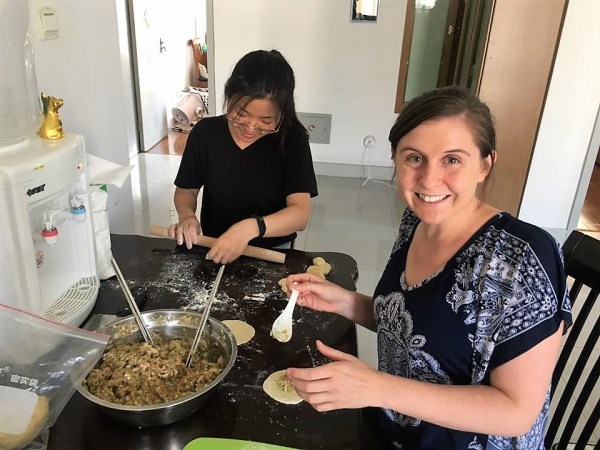 ✔ Make Dumplings from Scratch
 ✔ Crisscross the Yangtze
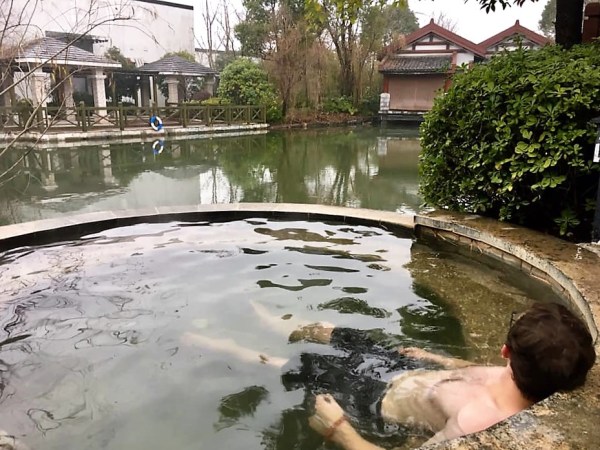



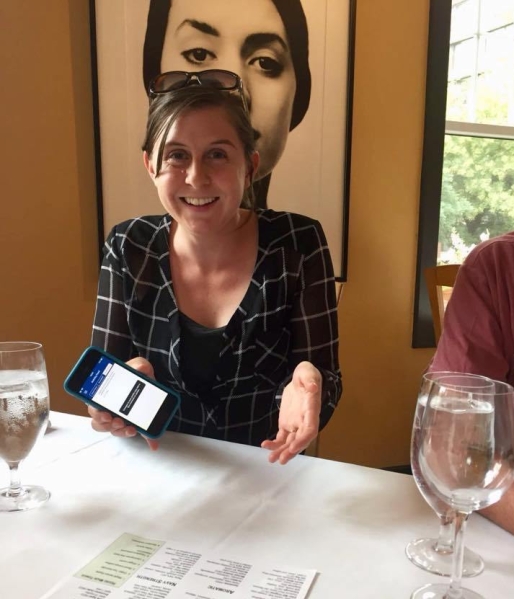


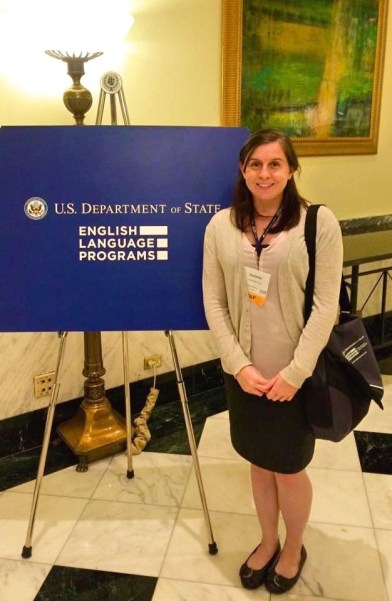 As always, time seems to be whizzing by, and somehow the halfway point of this year’s EL Fellow Program is only a few days away. For my region’s midyear meeting, we’ll be gathering in Thailand and reflecting, sharing, and discussing what we’ve all been doing these last 5 months. I can’t wait to hear about the other Fellows and their experiences, but I also wanted to take some time to write down some of my own. I did something similar when I was halfway through my Fulbright grant, and I was amazed at how it shaped my focus for the next semester. So here it is: my progress report.
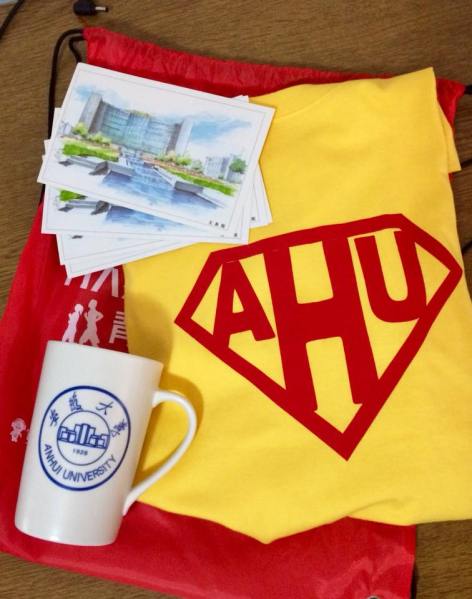
 Teaching: The most familiar part of my job is the teaching. I teach English/Linguistics courses to third year English majors at Anhui University in Hefei, China. Their specializations run from linguistics and translation to literature and journalism, and they have a vast array of future goals and career paths in mind. I absolutely love spending time with them in class, hearing their candid thoughts about American culture and the English language as we discuss the challenges of public speaking and critical thinking. As a teacher at AHU, it’s also part of my job to attend and present at Linguistics-related conferences (like ELTAM’s TESOL Conference in Mongolia and the Teacher’s Development Conference in Wuhan). I’ve also been asked to participate as a coach, a judge, or even a “question master” for the various language competitions that the university and the country seem to love! This semester I’ve been involved with the English writing competition, the public speaking competition, and the American culture competition, just to name a few. Additionally, as a somewhat rare (in Hefei at least), native-speaking English teacher, I was invited to lead the university’s English Corner, which meets every other week. This is a chance for dedicated students wanting additional practice to meet up, play some games, and have general conversation in English. It’s also a place where I can ask all my cultural questions, have a little fun with the students, and at the end of the day, call it “work”!


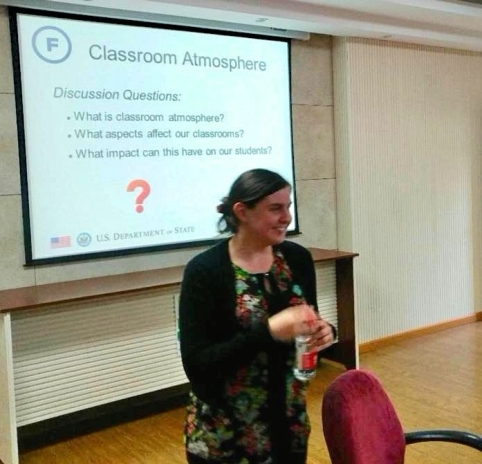 Teacher-Training: Another part of my job is teacher-training. Teachers in China are very interested in Western teaching styles, and are even more interested in teachers trained in Applied Linguistics (like me). For this reason, I usually have at least 1 or 2 visiting observers (usually other English teachers or graduate students) in my classes each week, taking notes on everything from the way I dress to the exact words that come out of my mouth. Luckily I have been able to observe a few of them in return, and we’re working together on blending the education styles of the two countries, as well as discussing concepts like classroom atmosphere and student-teacher roles. I’ve also been really active in facilitating online professional development courses/webinars for my colleagues. They’re extremely motivated teachers, but they don’t always have access to resources like that. Luckily the Fellow program (with the help of American English) provides them in spades. Workshops are another large part of my work here. At my host institution, my supervisor and I have set up monthly seminars where I, a visiting Fellow from another part of China, and occasionally local professors give presentations and workshops to the English department at AHU. I’ve also been able to travel to other universities in China to give these workshops and participate in their professional development activities. It has been a great way to meet new teachers, collaborate with other Fellows, and learn what life is like in other parts of China.


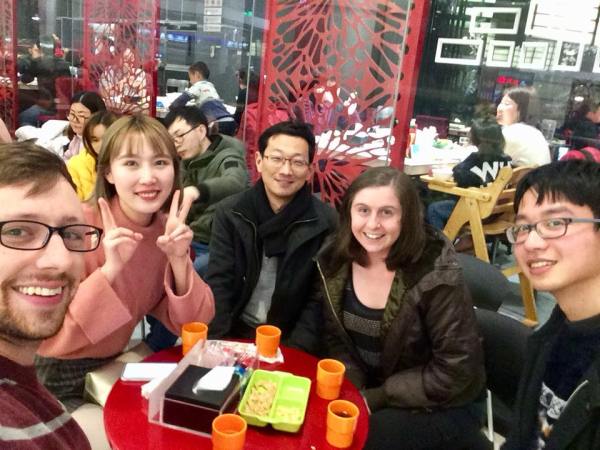 Cultural Exchange: Possibly my favorite part of being in a foreign country is the cultural exchange. Whether it’s through our traveling around the country or through our grocery store encounters, I never get bored of learning the little things about life in a new place. Tucker and I have been very fortunate in the amount of travel we’ve been able to do thus far in and around China. In the last five months we’ve visited Ulaanbaatar, Mongolia and the Chinese cities of Beijing, Nanjing, Shanghai, Wuhan, Huangshan, Xi’an, and Harbin. Some visits were for work, others for pleasure, but all were in the name of cultural exchange. We’ve met so many amazing new friends, seen some absolutely incredible things, and, of course, added to our growing knowledge of this country and its culture. I’m also doing my best to share my experiences (big and small) not only with my students, friends, and colleagues here, but also with anyone else who’s interested (even if it’s just my mom). I’ve become a “social media person”, posting consistently on Facebook, Twitter, Instagram, and WeChat (one of China’s biggest social media apps). I’ve also surprised myself by adding to this blog more than my previously dictated “once a month”. It turns out there is just so much I want to share about living in China! It’s also really fun to share what life was like for us in the US. My colleagues are interested so they can add cultural aspects to their classrooms, my students are interested so they can connect further with the language, and my friends are interested so they can understand why we are so weird about some things (for example, the fact that we enjoy drinking cold water even in winter – weirdos!).


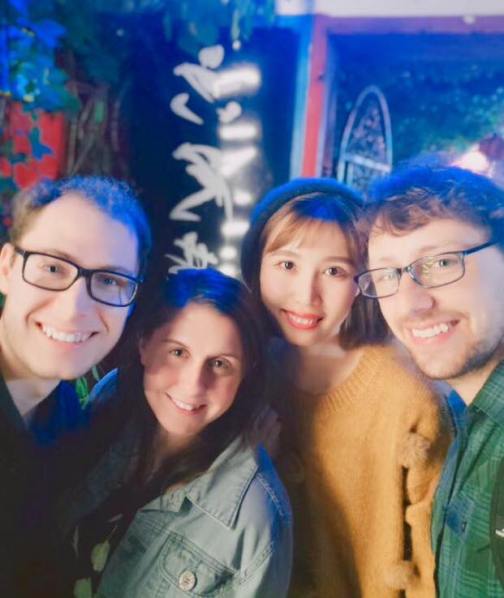 Expat Life: The last element of my time as an English Language Fellow in China has to be my experience of living the expat life. I decided quite a while ago that the expat life is the life for me, but now in my second year of actually living it, I decided to fully embrace the lifestyle. I’ve joined several expat groups here in Hefei and have met some amazing people that share so much in common with me and Tucker. We’ve had game nights, beer tastings, and other adventures that are made all the more fun by our shared experience of being the “outsiders” here. It’s amazing how quickly groups of expats become like family! Recently I’ve also become a “Warden”, which sounds like a bad thing, but it’s actually sort of a go-between for the US Consulates and any Americans living abroad. Of course, to me another important part of expat life is learning to blend in. Honestly, it’s a bit harder here than it was in Poland, but regardless, Tucker and I are studying Chinese and doing our best to live like locals. We buy our non-perishables from Taobao, we use WeChat or Alipay to pay for everything, and we’ve even been known to yell for the servers (fuwuyuan!) when needed. It’s been an incredibly exciting five months, full of new opportunities, unforgettable experiences, funny situations, personal developments, and so much more. I can’t wait to see what the next half will bring!


 Dani Francuz Rose