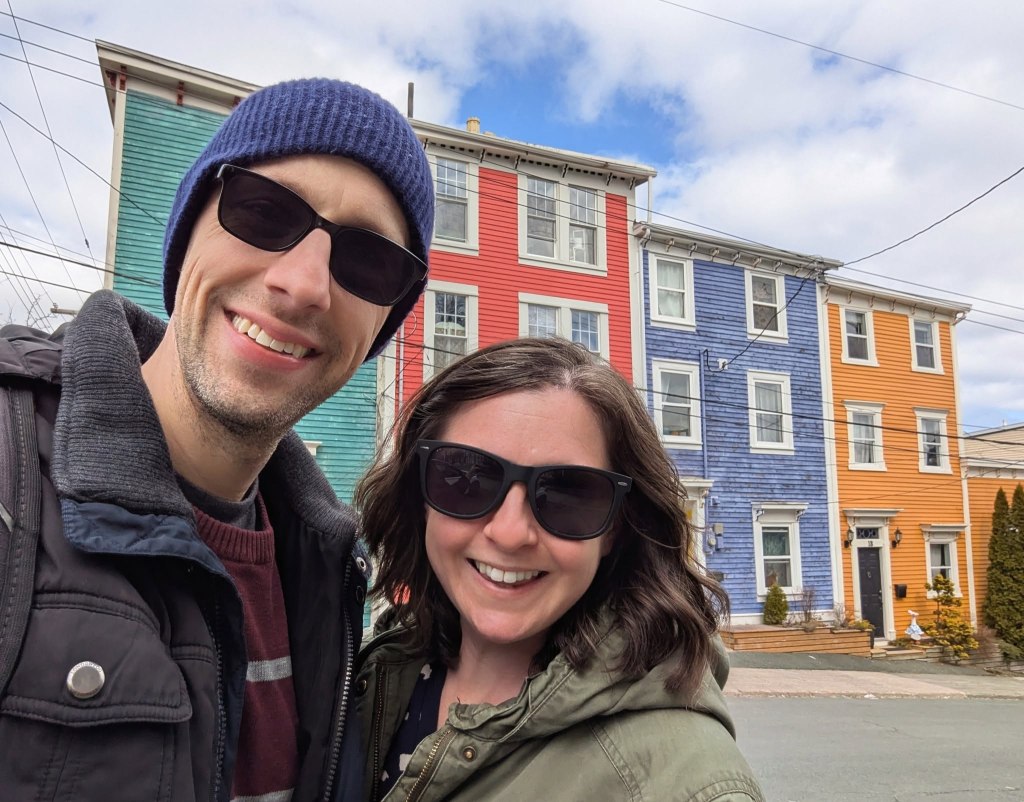
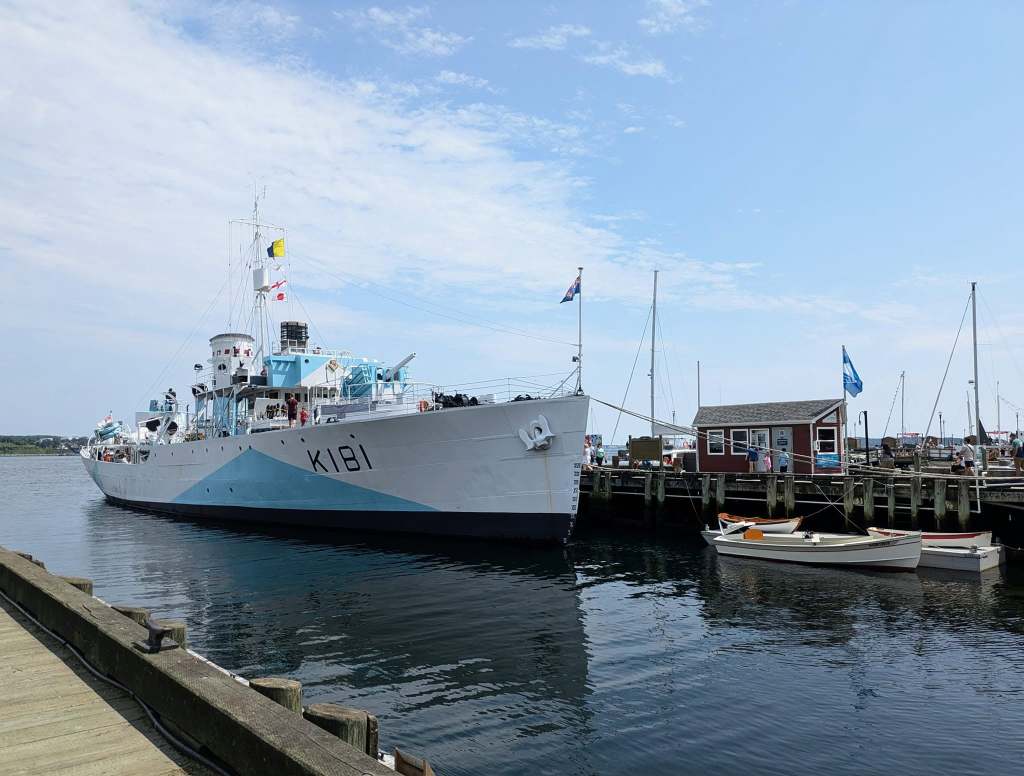
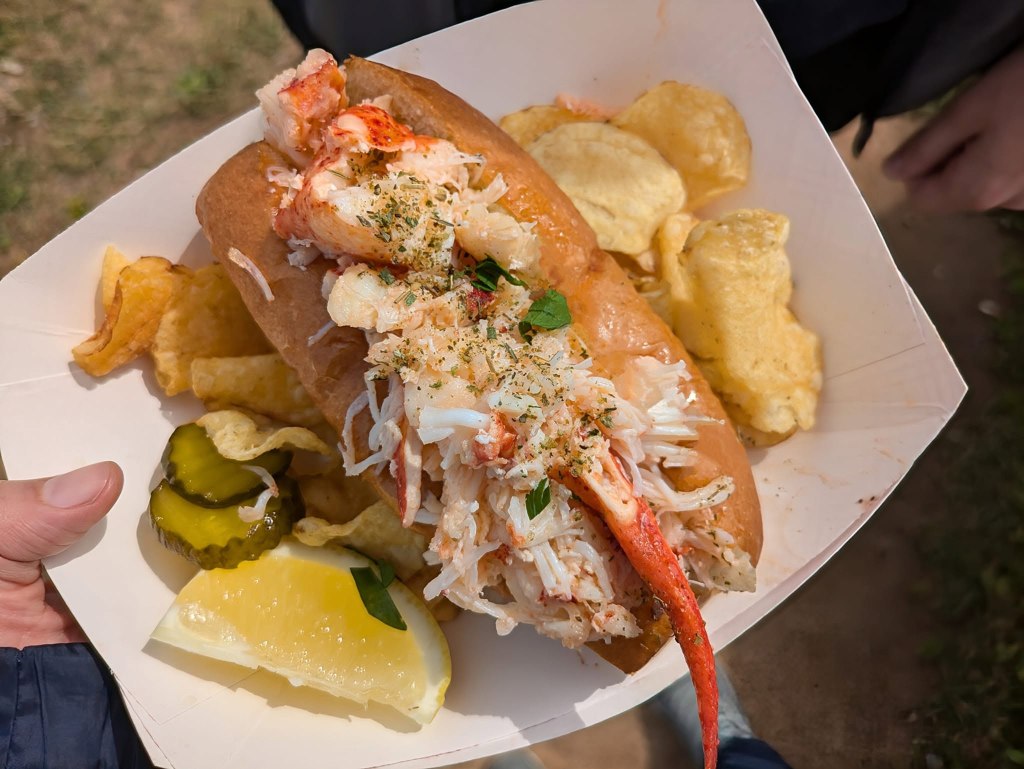
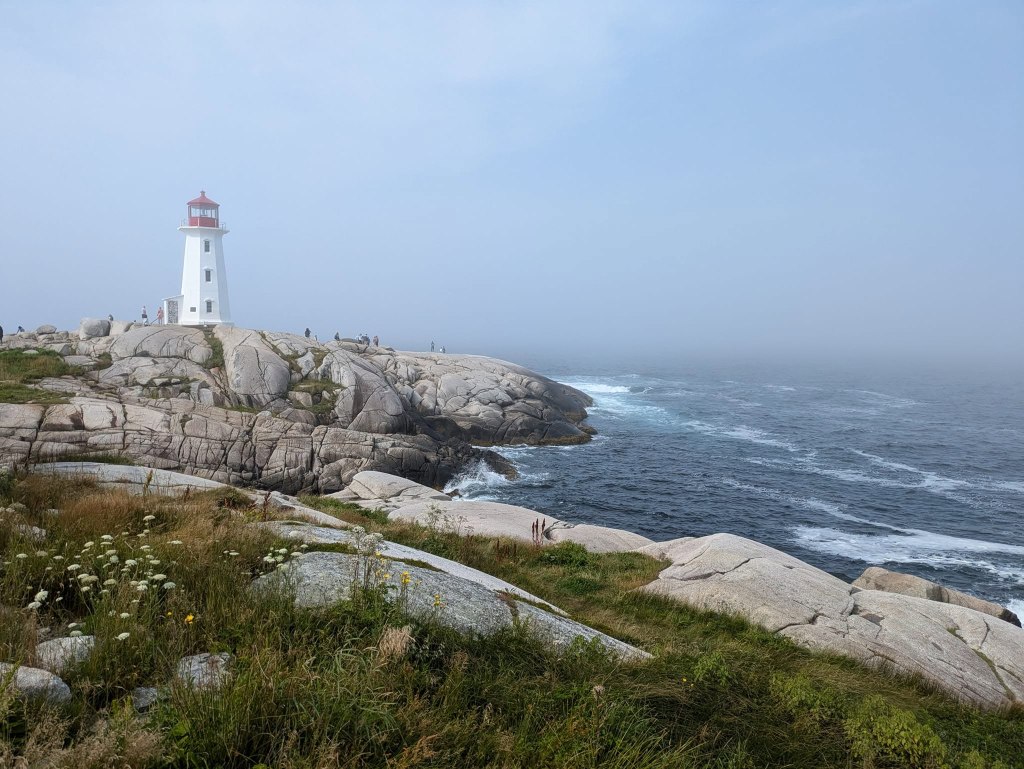
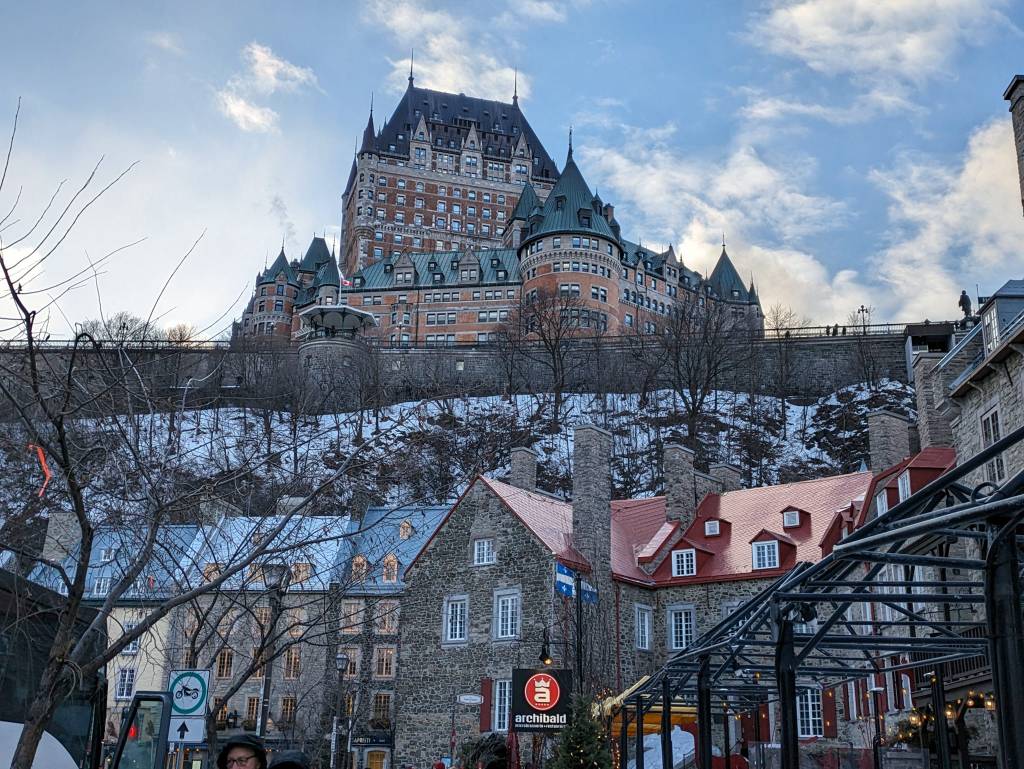
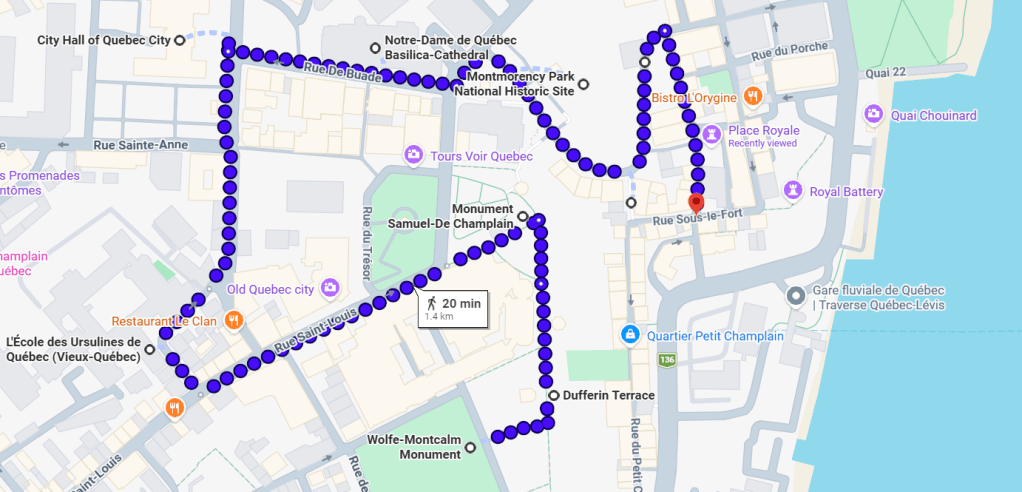
This month we hit another milestone! We have officially been to all 10 provinces of Canada! Of course, we haven’t even come close to visiting all the places we want to see within the 10 provinces (not to mention the territories), but still, it is pretty cool to have been able to see as much as we have! So, for this month’s post, I wanted to write a little bit about our time spent in each province so far and share a few of the things still on our list for whenever we make it back. Enjoy!
Alberta
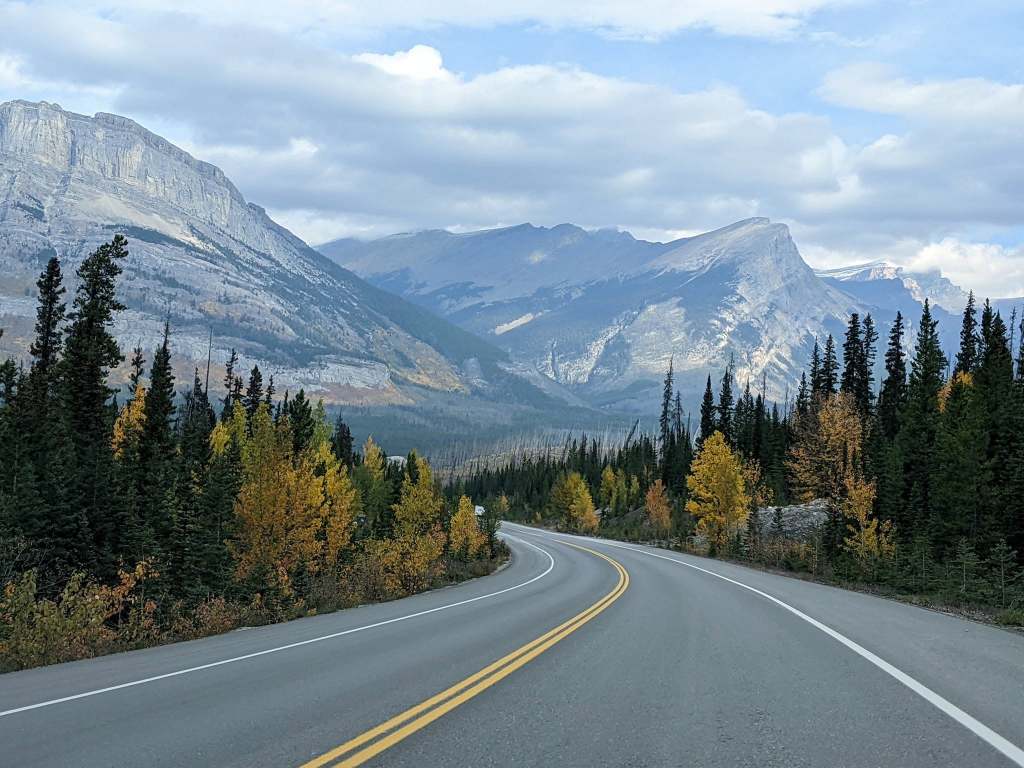
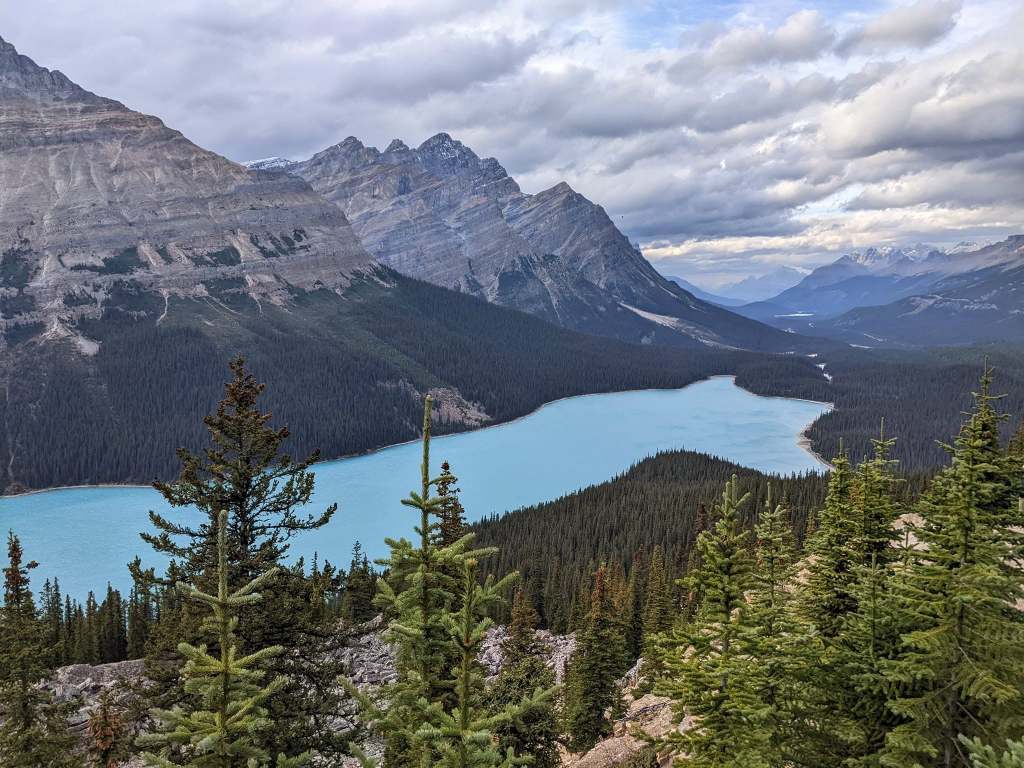
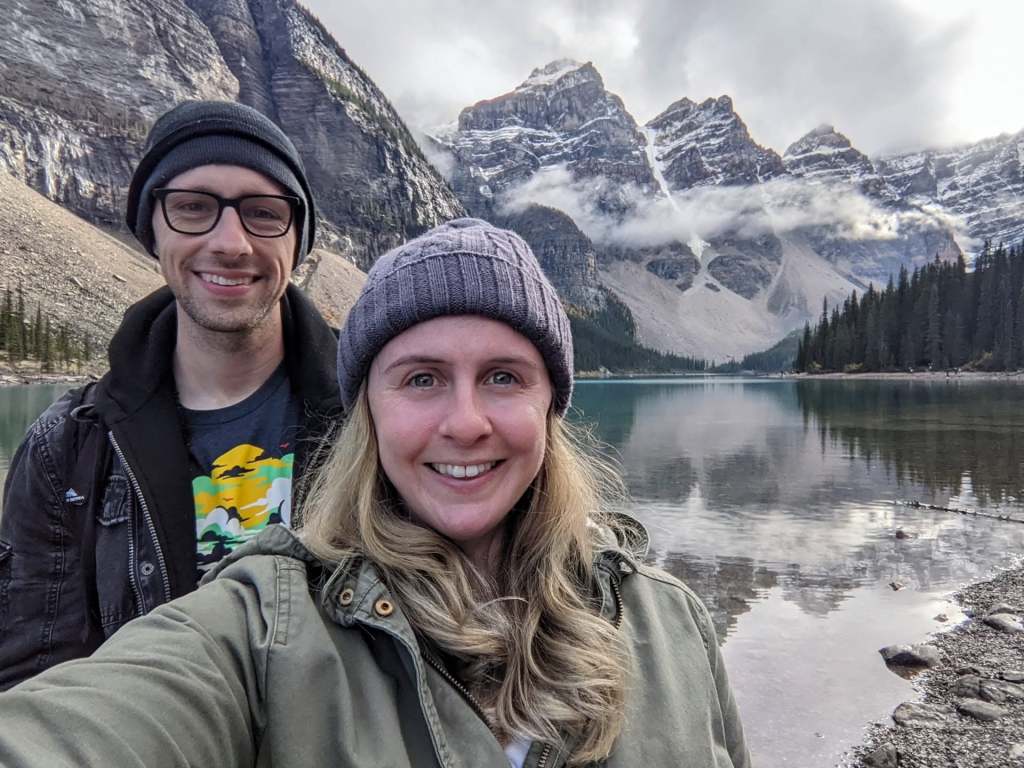
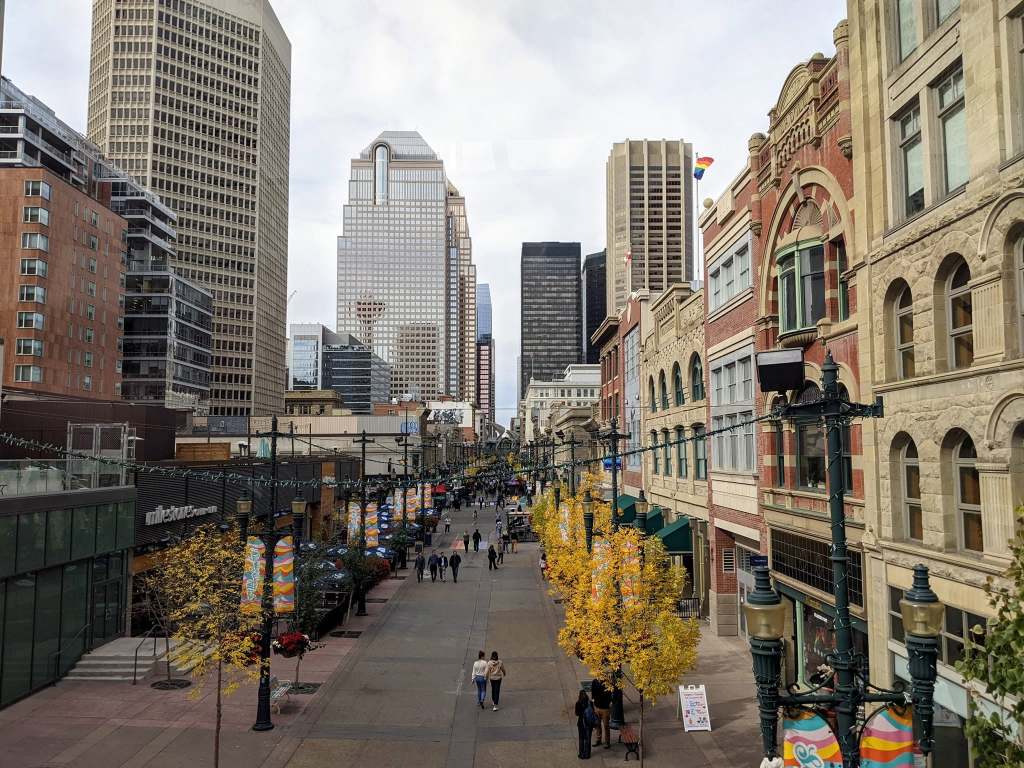
We first went to Banff just a few months after moving to Canada, and we were absolutely blown away! I have a feeling we’ll be back to the Canadian Rockies a few times before we leave the continent because they are truly spectacular. Calgary was an easy entry point, Canmore and Banff were amazing, but the highlight was definitely the drive up to Jasper National Park on the Canadian Icefields Highway. Lake Louise, Moraine Lake, Athabasca Falls, countless glaciers: it was incredible! In fact, for our next trip out that way, we’re actually thinking of doing it again just in reverse: flying into Edmonton, spending time in Jasper, and taking the Icefields Highway back down to Banff – the same gorgeous scenery in the opposite direction, and ideally, in a different season. The biggest challenge will definitely be deciding which season because I have a feeling all four are equally stunning!
British Columbia
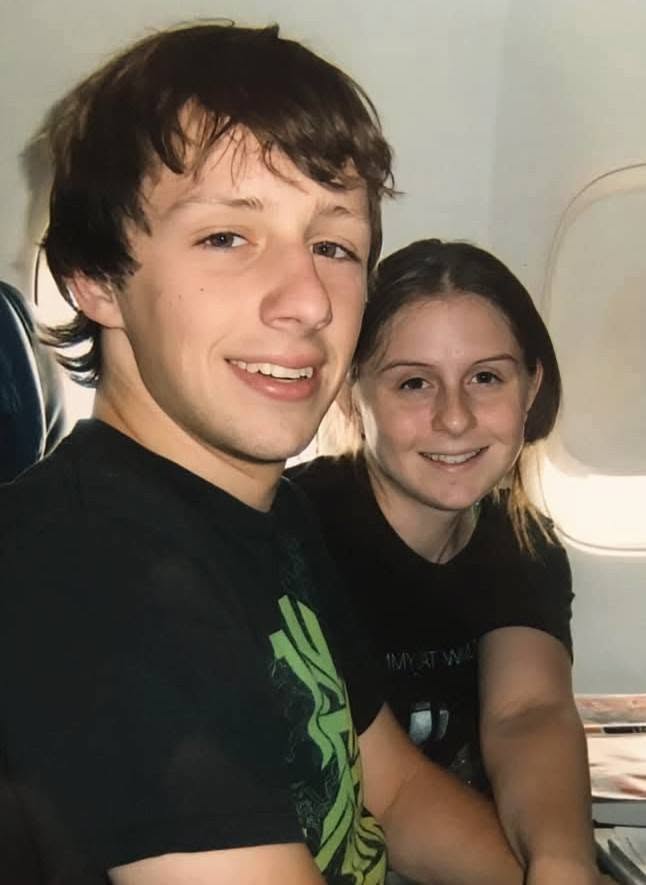
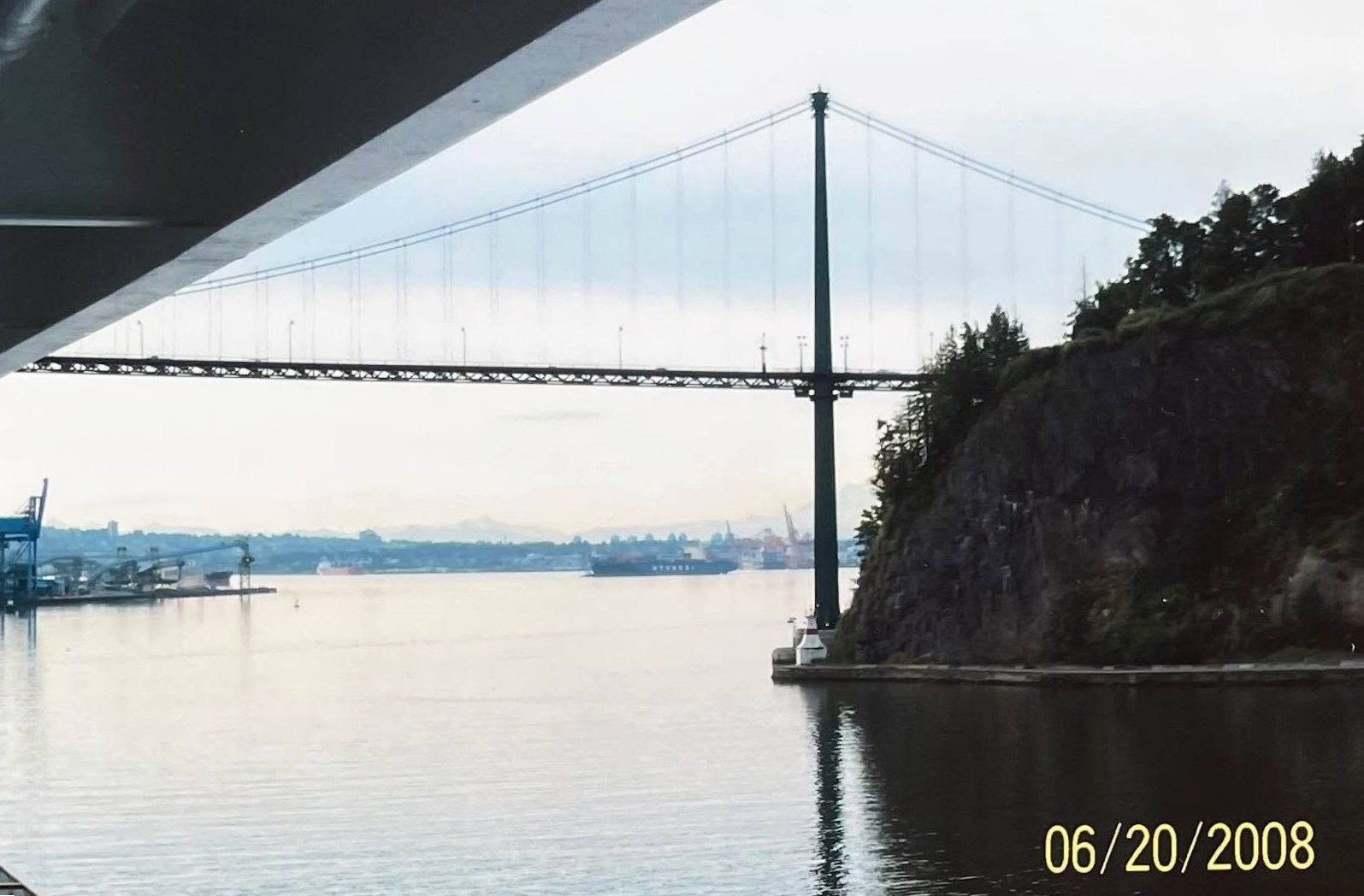
Okay, so technically, British Columbia was the first province Tucker and I ever visited together. In 2008, we went on an Alaskan cruise, which served as my 50th US state expedition and our high school graduation trip, but unfortunately, we were only in Vancouver for a day. Therefore, it is high time for a BC re-do! Luckily, that trip is already in the books for January 2027. We’ll be stomping around the city for about a week, snowboarding for a day or two, and hopefully hopping over to the island as well. Of course, Whistler is also an option or the Sea-to-Sky Highway or more of the Rockies… Clearly, I’m still workshopping this trip, but whatever we don’t get done this time will just be on the list for a subsequent trip! Like the majority of Canadian provinces, BC is huge, and it really requires multiple trips to see and do all the things we’d like!
Manitoba
The very last province we made it out to was Manitoba, right in the center of the country. Here, we spent the majority of our time in Winnipeg, aka The Peg. Somehow, I feel like Winnipeg gets a bit of a bad rap, but we found the city to be super fun! It’s all very spread out, but it has a plethora of beautiful parks, lots of unique activities, and a solid amount of local color. I absolutely loved Assiniboine Park; Tucker loved all the breweries, and on our mini road trip day, we had a great time checking off a ton of fun roadside attractions en route to/from Riding Mountain National Park. Of course, I’m still eager to get back out to Winnipeg in winter, so we can see if “Winterpeg” really lives up to its name! Maybe we’ll combine that with a trip up to Churchill, the Polar Bear Capital of the World, which is on Hudson Bay on the northside of Manitoba. If you know us, you know that’s exactly the sort of thing we’d do…
New Brunswick
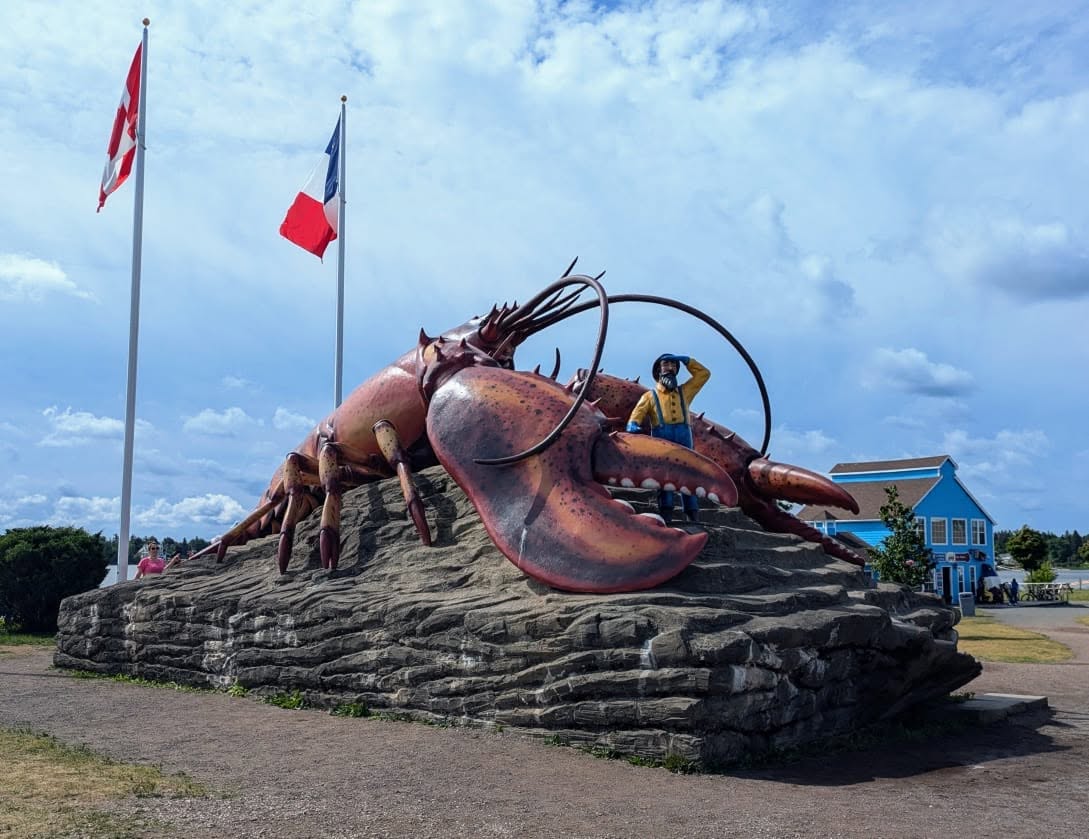
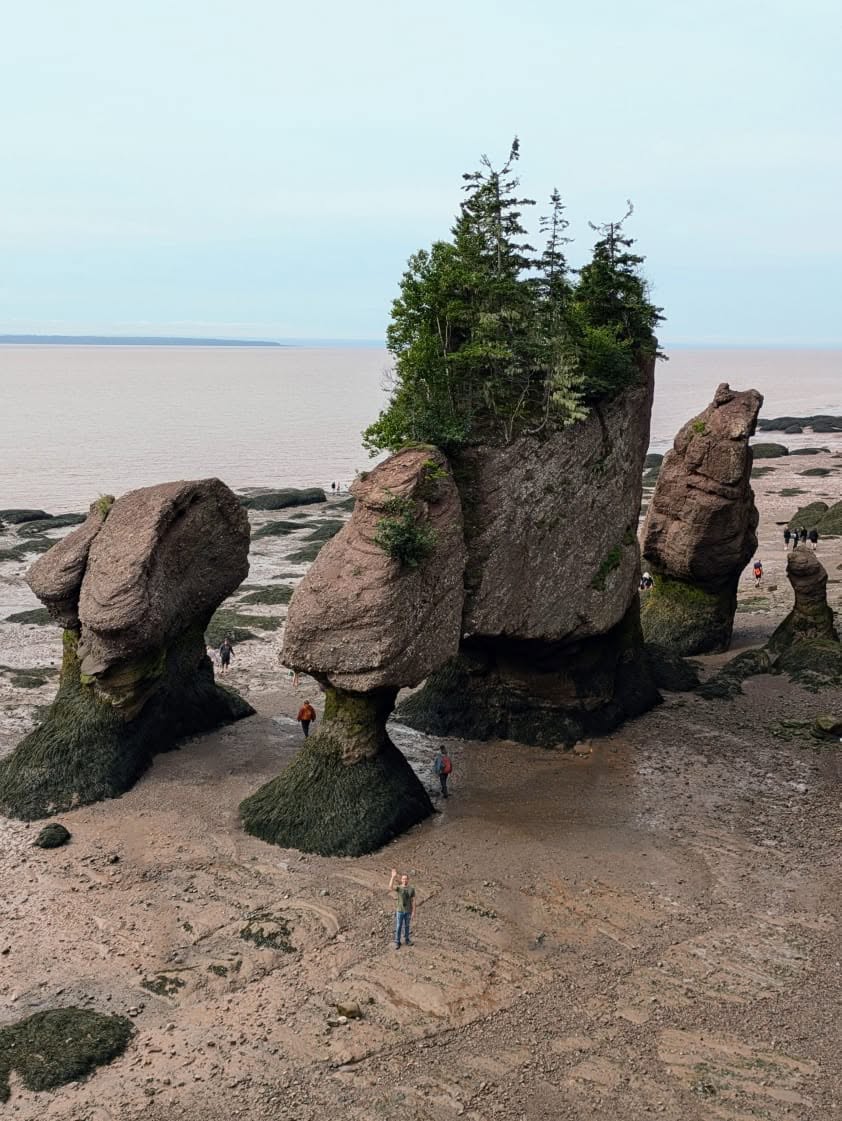
I sometimes feel a bit bad for New Brunswick. It seems like the most underrated/left-out province of them all, but it’s honestly so nice! The Bay of Fundy was probably our favorite sight since it’s so unique, but really, there is a lot we love about visiting NB (I think after Québec and Ontario, both of which we’ve called home, NB is our most-visited province). New Brunswick is right in the middle of Québec, Nova Scotia, and Maine, and I think it has a lovely mix of all the things you associate with those three slightly more famous destinations: French, forests, coastlines, etc. Of course, the Bay of Fundy is the true draw of NB. This bay actually has the highest tidal range in the world at over 50 feet, so here, you can literally watch the tide change right in front of your eyes. You can also walk on what is essentially the ocean floor if you time your visit correctly. Anyway, I actually wrote a whole post about the Maritimes, so if they’re on your to-visit list, definitely check it out!
Newfoundland and Labrador
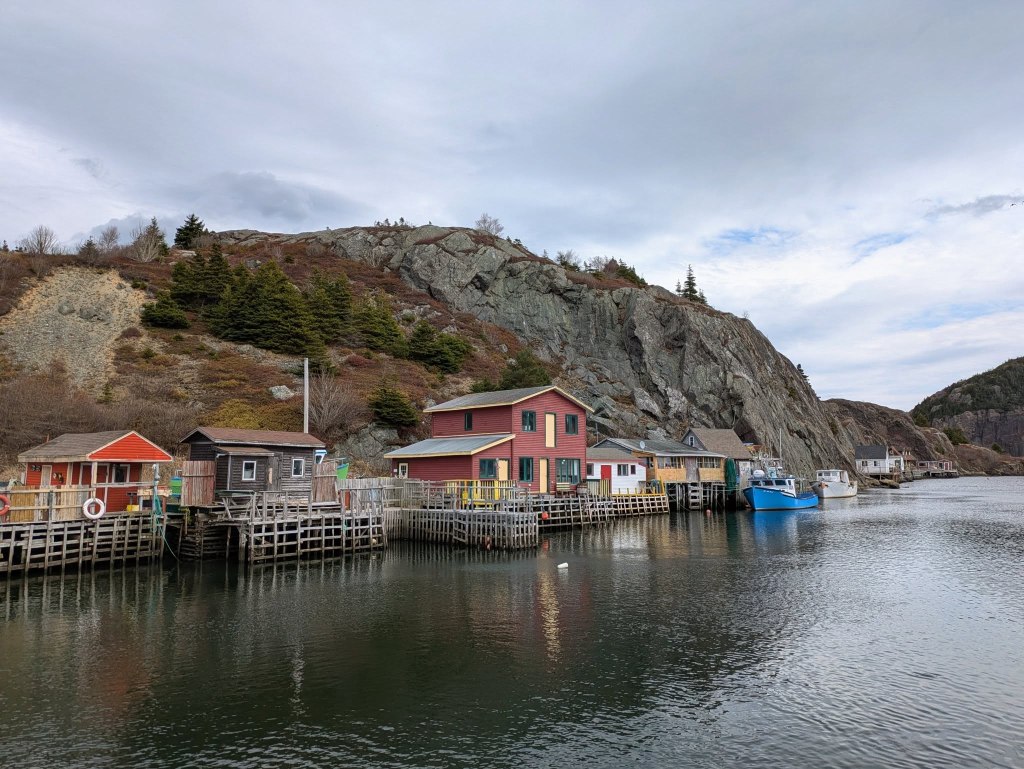
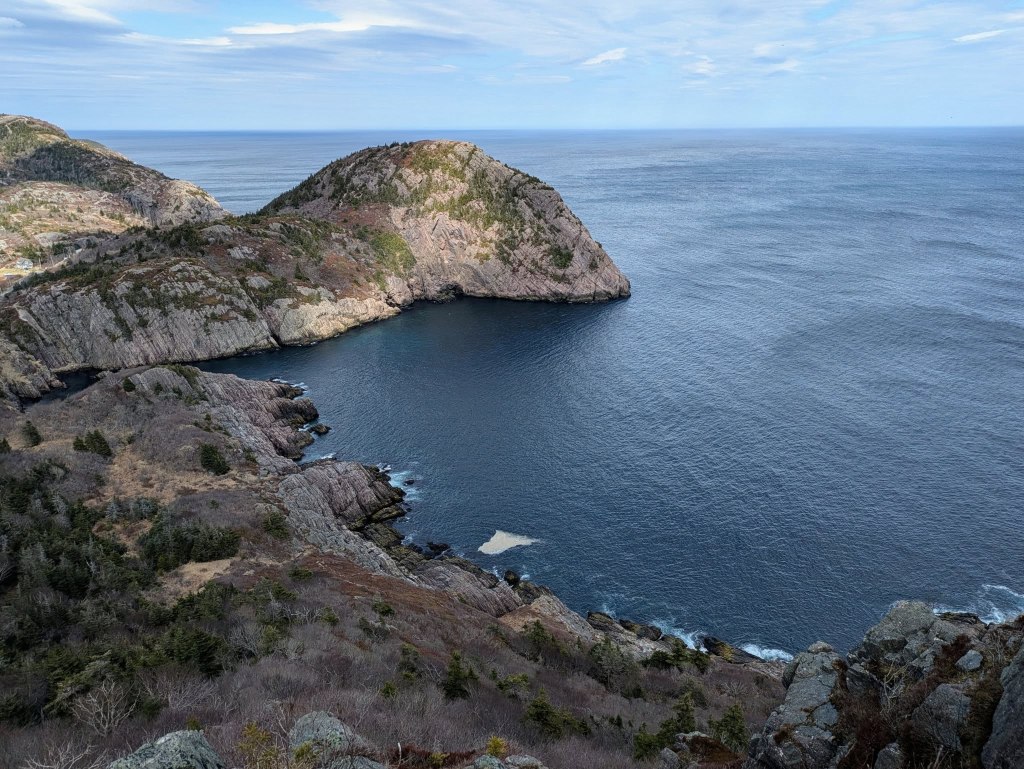
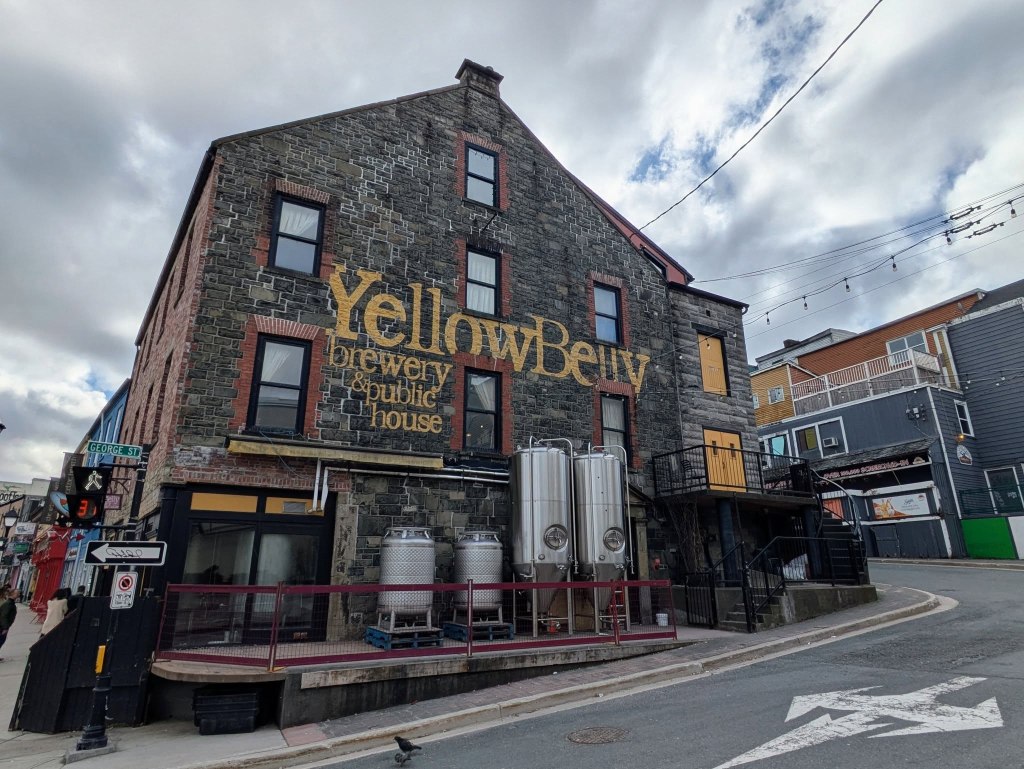
The Far East, okay, not as far east as China, but as far east as you can get in Canada! In fact, the time zone in NL is 30 minutes ahead of East Coast time, which was just the first of many interesting facts we learned out there. Our trip centered around Newfoundland, which is an island affectionately known as “The Rock”, and I’d say that’s a fair assessment. NL is incredibly rugged. It’s also a bit isolated, which explains why it feels vastly different from the rest of the provinces. We spent a lot of our time in Newfoundland hiking because the coastline is dotted with lighthouses, lookout points, and depending on the season, either icebergs or rare birds. Despite some challenging weather, we had an absolutely amazing time schlepping around the island, and of course, the hospitality of the locals is second to none in all of Canada, so we also spent a good amount of our time chatting and drinking with locals who were just as curious about us as we were about Newfoundland. All in all, definitely a trip I’d love to do again, perhaps this time making it up to Labrador as well!
Nova Scotia
Another heavy-hitter in Canadian tourism, Nova Scotia has a lot to see. Halifax, of course, but the infamous Cabot Trail and Peggy’s Cove are here as well. Plus, the lobster rolls, Halifax donair, Moon Mist ice cream…it sort of seems like food was a driving force during our time spent in Nova Scotia, and on that front, we were never disappointed (well, unless you count that time a seagull stole a $30 lobster roll right out of Tucker’s hand lol). Seagulls notwithstanding, Nova Scotia is absolutely beautiful and really accessible. When compared to some of the other provinces, driving across NS seems downright quick! And, like Newfoundland, the locals are incredibly welcoming and really seem to enjoy sharing their favorite local hangouts. At one point, we were even considering moving to Halifax, so you never know, we might soon be exploring even more of Canada’s Ocean Playground!
Ontario
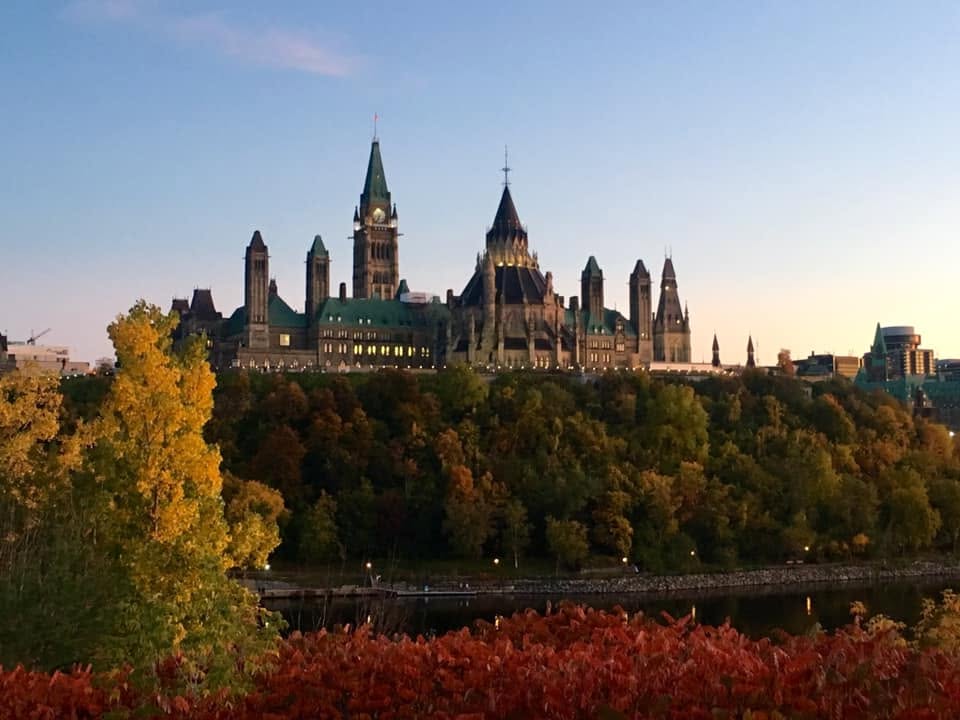
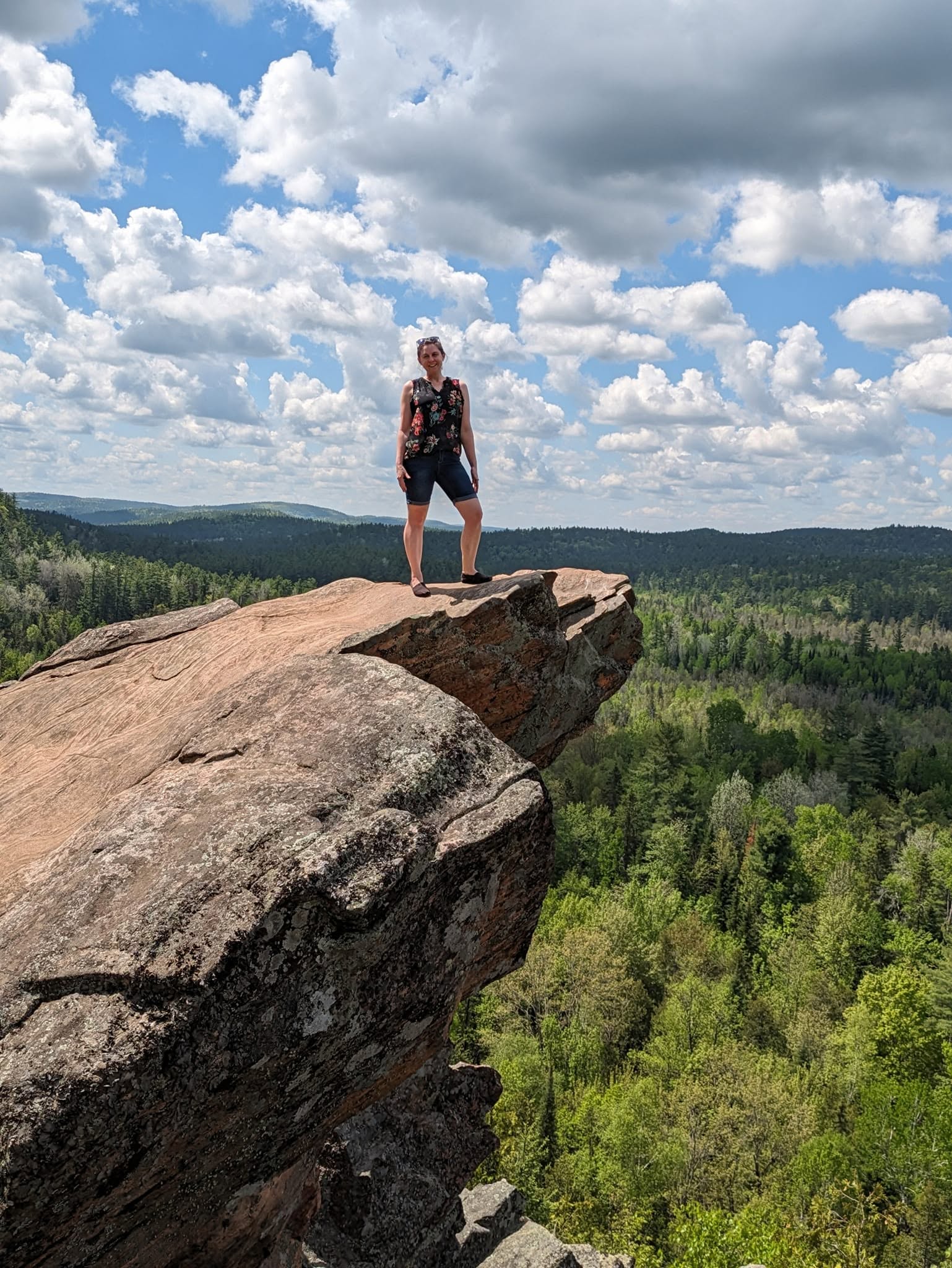
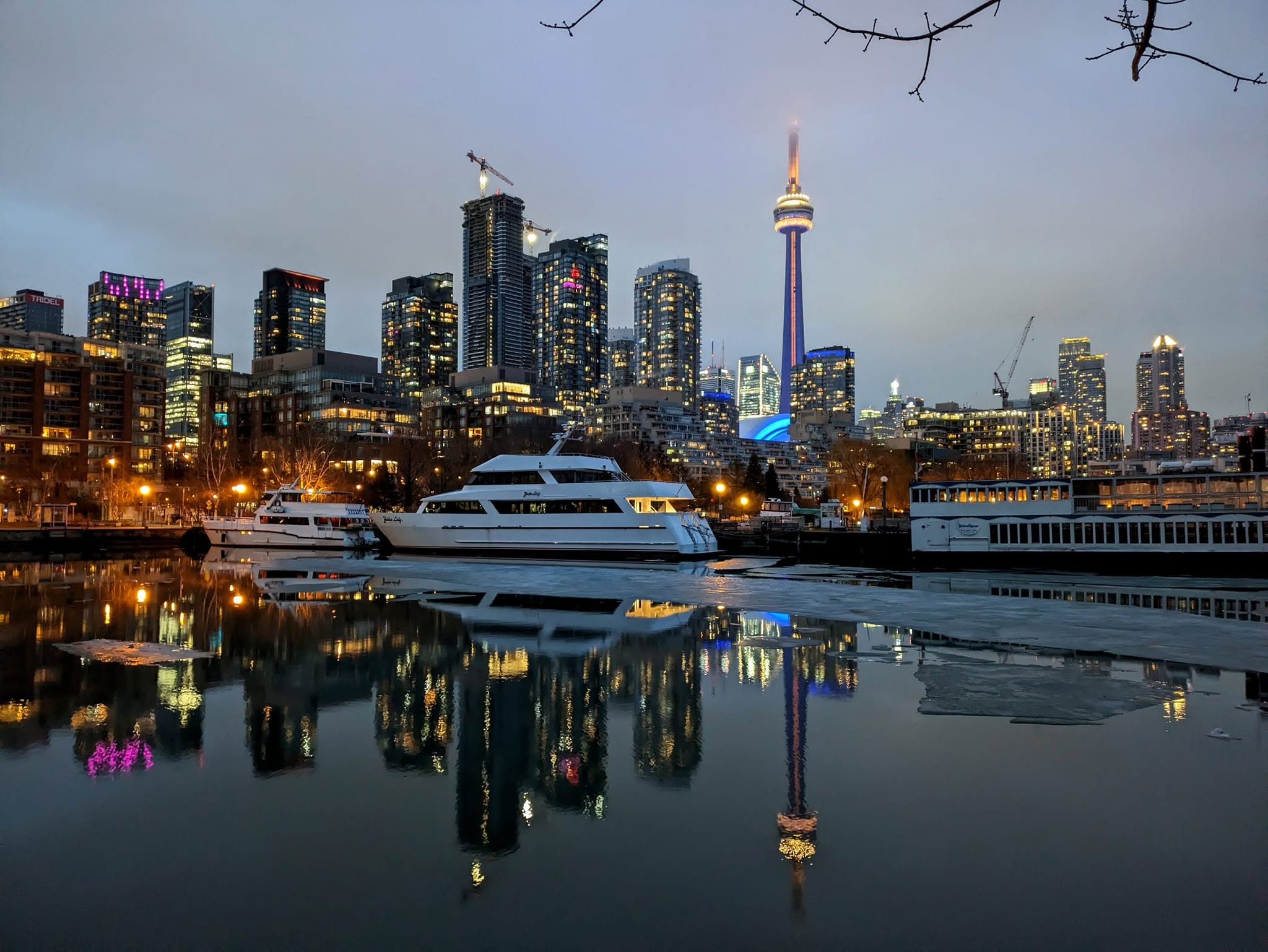
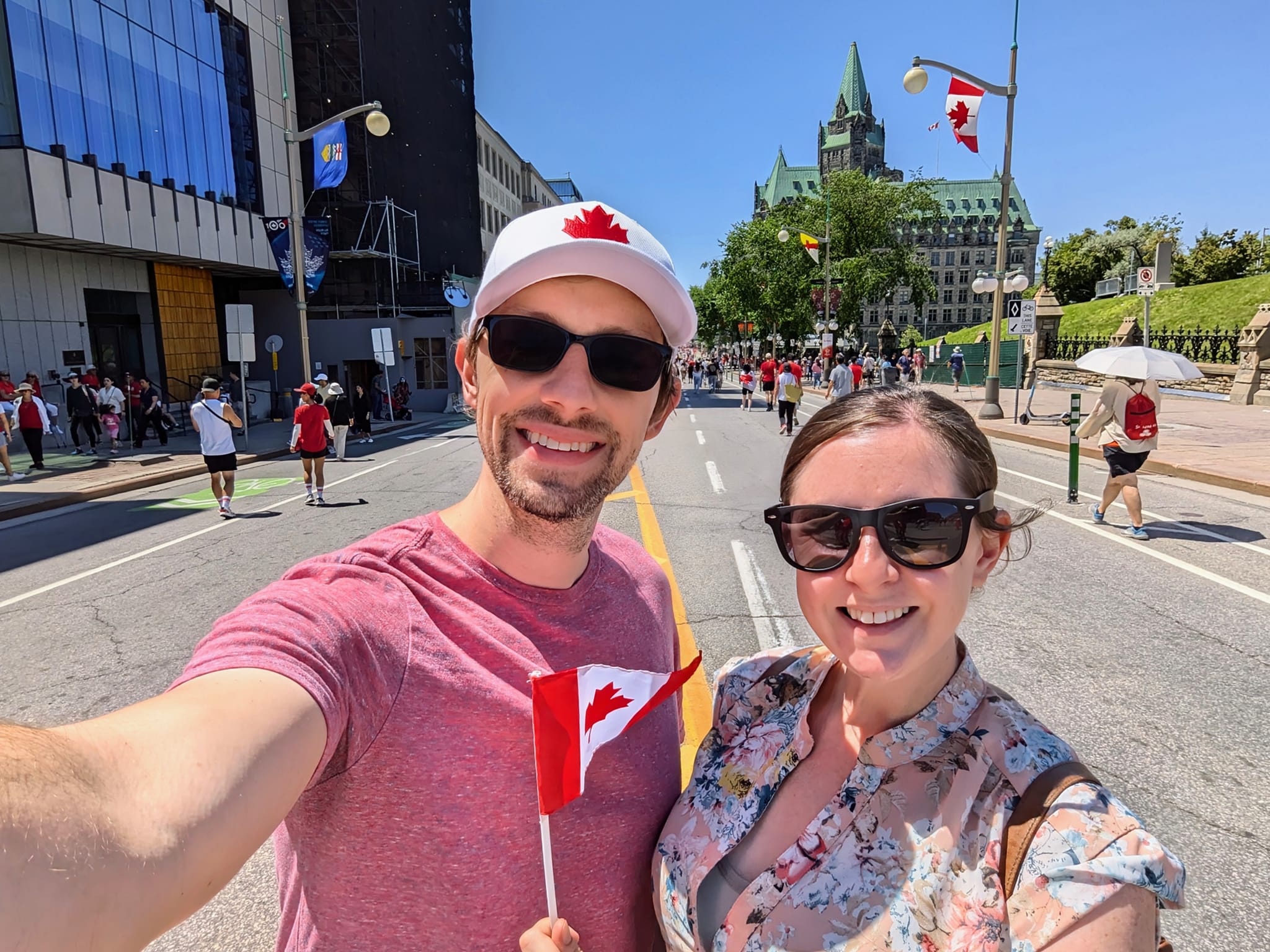
Where do I even begin with Ontario? We called this province home for 2 years, so obviously Ottawa is my favorite city in Ontario. But we also took trips to Niagara Falls, Toronto, Kingston, and about a dozen smaller towns in southeastern Ontario. Our first Canada Days were celebrated here. Ontario was where we were introduced to Beavertails, butter tarts, ketchup chips, and Coffee Crisps. This is also where we learned to love the extreme seasons of Canada, specifically of Central Canada. And even though we’ve already made trips back to Ontario after having moved to another province, there are many more we still want to make. Top of the list would probably be Thunder Bay. Lake Superior is the only Great Lake I have yet to see in person, and Thunder Bay looks like a stunning place to do just that. The problem with Ontario is that it’s absolutely massive. If I wanted to drive from Ottawa to Thunder Bay (both of which are in southern Ontario), it would take 16 hours. Maybe we’ll just fly.
Prince Edward Island
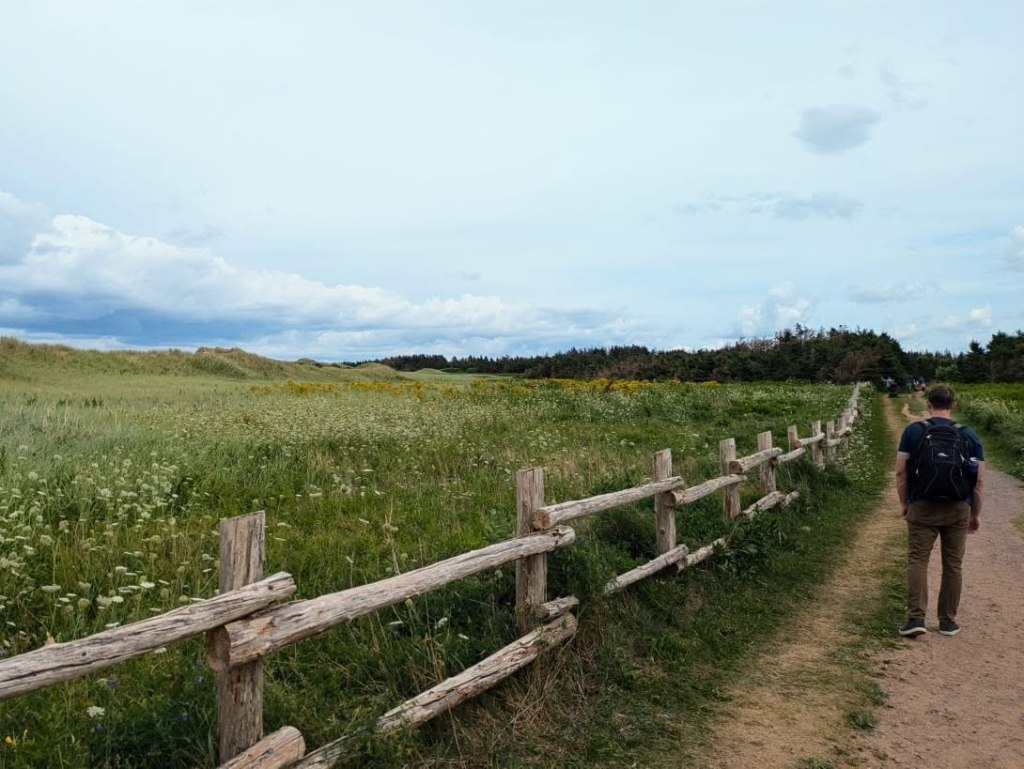
PEI might be the tiniest province of Canada, but it definitely packs a punch! I associate the island with Anne of Green Gables, but there’s a lot more to see than the rolling green hills and red dirt paths described in the novels. Prince Edward Island has a little bit of everything: farmland, gorgeous coasts, vineyards, the longest bridge in Canada! One of the best things about it is how much you can see there in a short amount of time. It only takes 3 hours to drive from one side to the other. While we were there, we saw the most beautiful sunset on the west coast of the island, and ever since then, I’ve had the idea to go back and watch a sunrise on the east coast in the morning, spend the day crisscrossing the island, exploring all the amazing restaurants, shops, coastal drives, etc. ending up on the west coast for another spectacular sunset. Of course, these days, I’ve been talking with a lot of people who have cruised to the island, which also seems like it would be a lovely way to see PEI. We’ll just have to see!
Saskatchewan
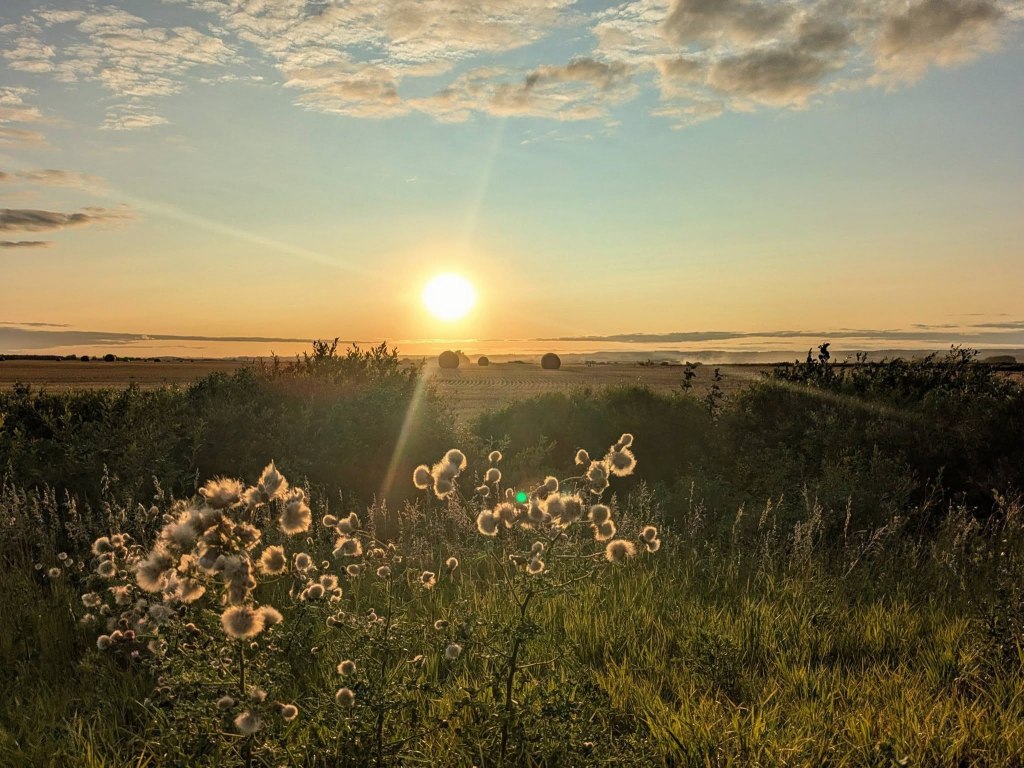
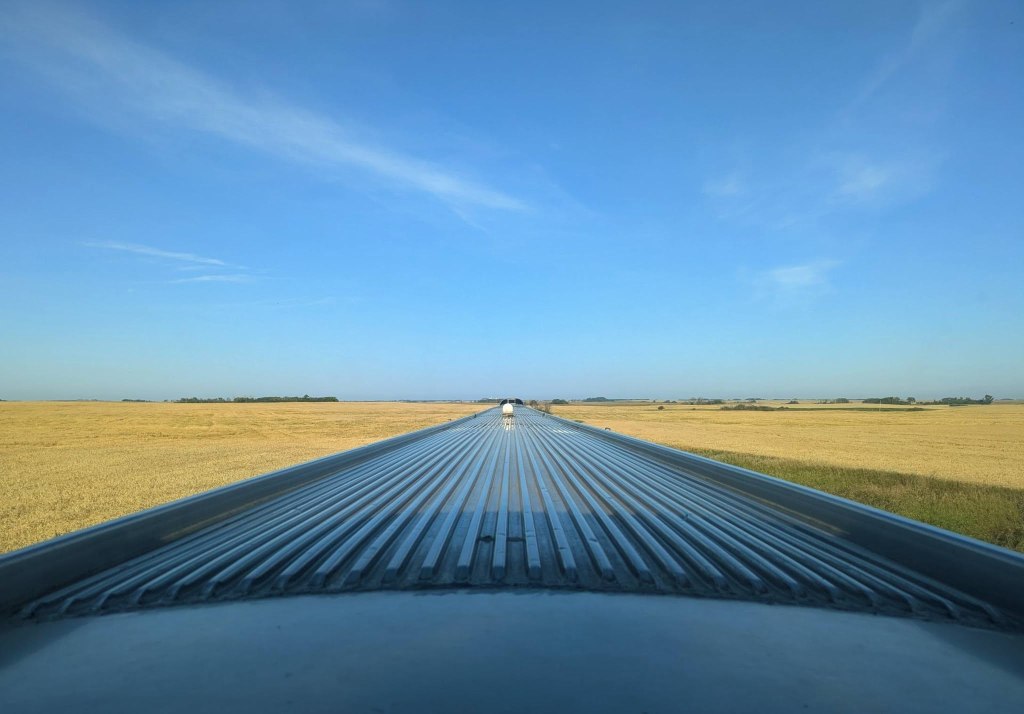
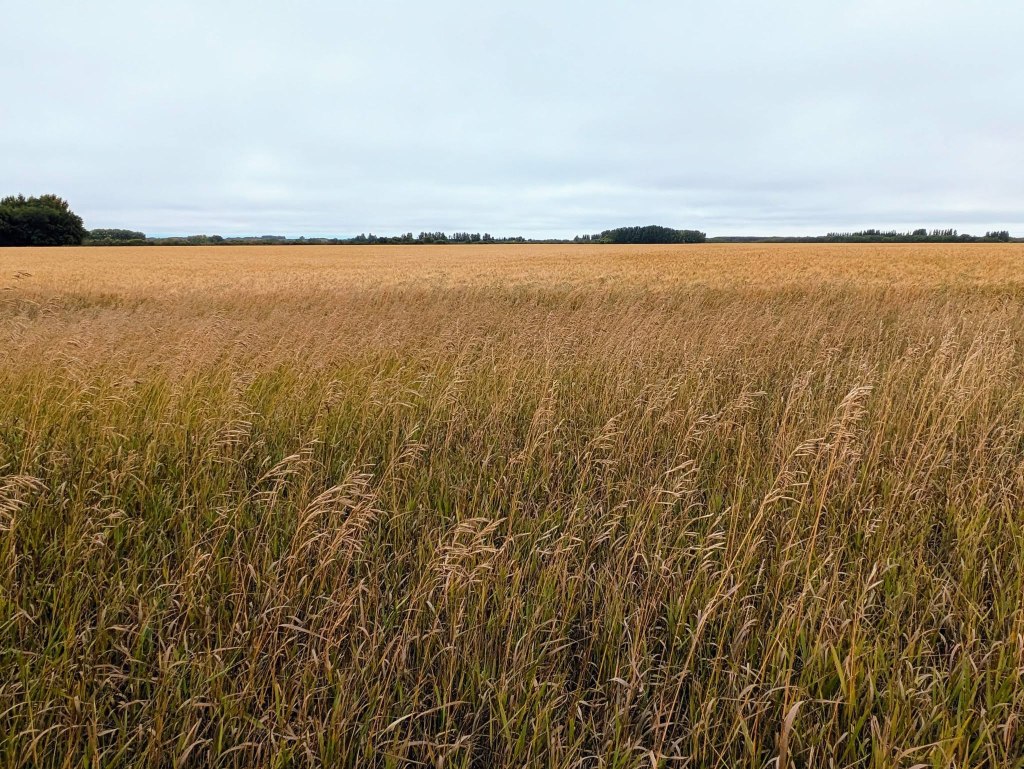
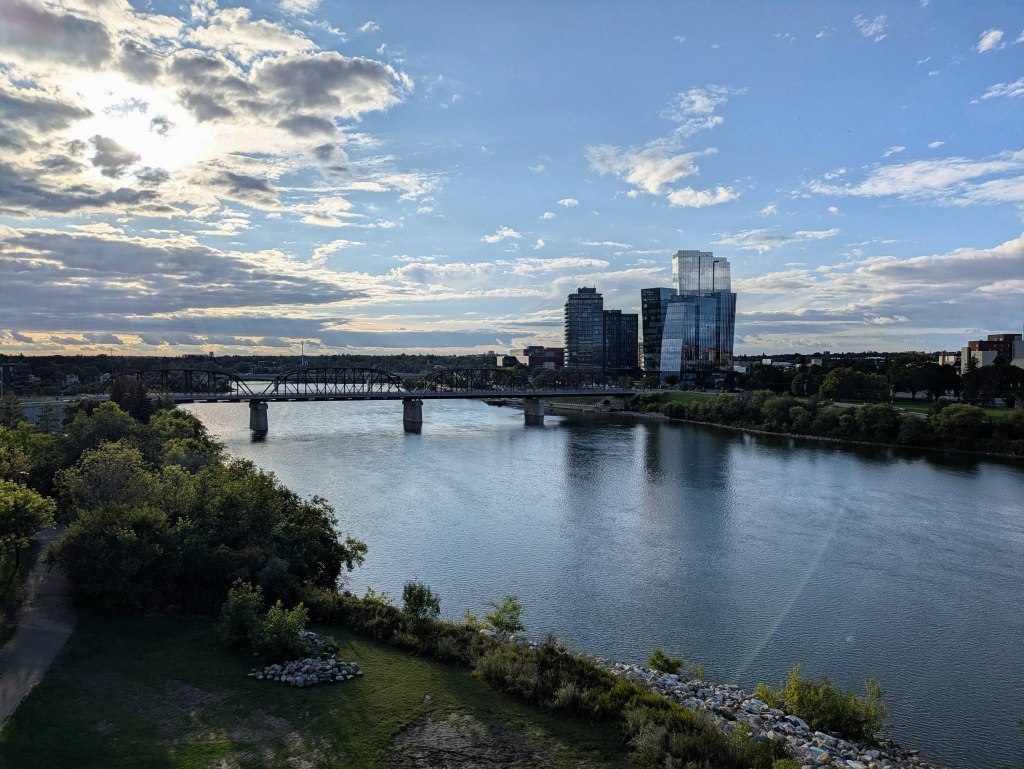
We finally made it out to Saskatchewan on one of our most recent trips, and I’m so glad we went full-on prairies! I knew I wanted to see the prairies in all their glory, so not only did we spend several days in Saskatoon walking the Meewasin Valley Trail, we also rented a car and drove for hours around the vast nothing between Saskatoon and Regina. And if that wasn’t enough, we also took a 14-hour train ride right through the prairies so I could be absolutely sure we saw the true extent of the province’s vast supplies of wheat, canola, and potash from every possible angle. I’m not sure what we expected before spending time in Saskatoon, but we left feeling like this was another underrated city that is well-worth a visit. It’s called the Paris of the Prairies, and I’d say for good reason. The Saskatchewan River is extremely picturesque, and the city wraps around it beautifully with a collection of lovely bridges. Calgary and Winnipeg on either side have vastly different vibes; Saskatoon feels to me a bit more like Québec: a little calmer, a little more relaxed, and really just a great place to slow down and take it all in. I can easily see us going back to Saskatchewan. I mean, we didn’t even make it all the way down to the City that Rhymes with Fun (aka Regina)!
Quebec
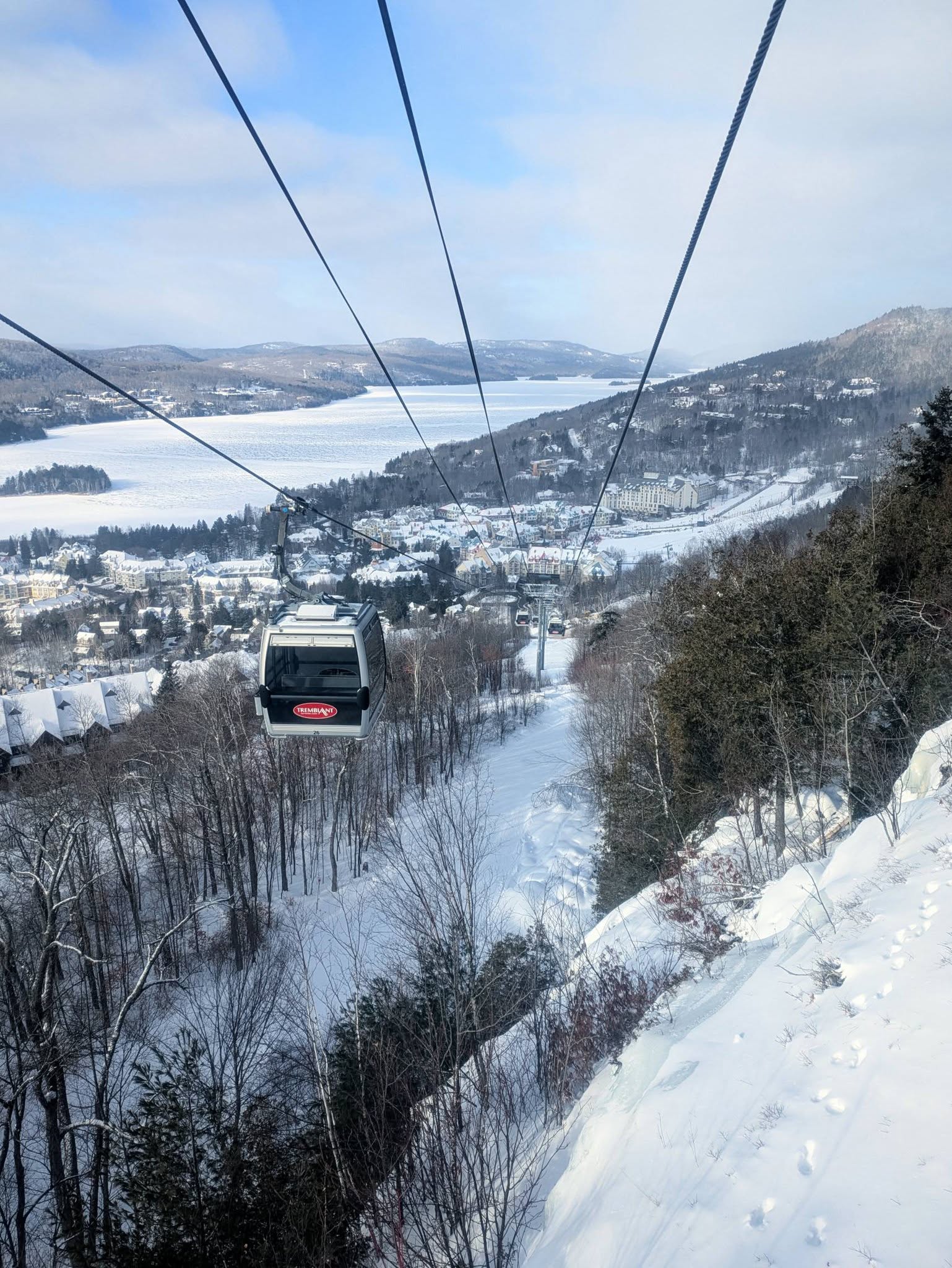
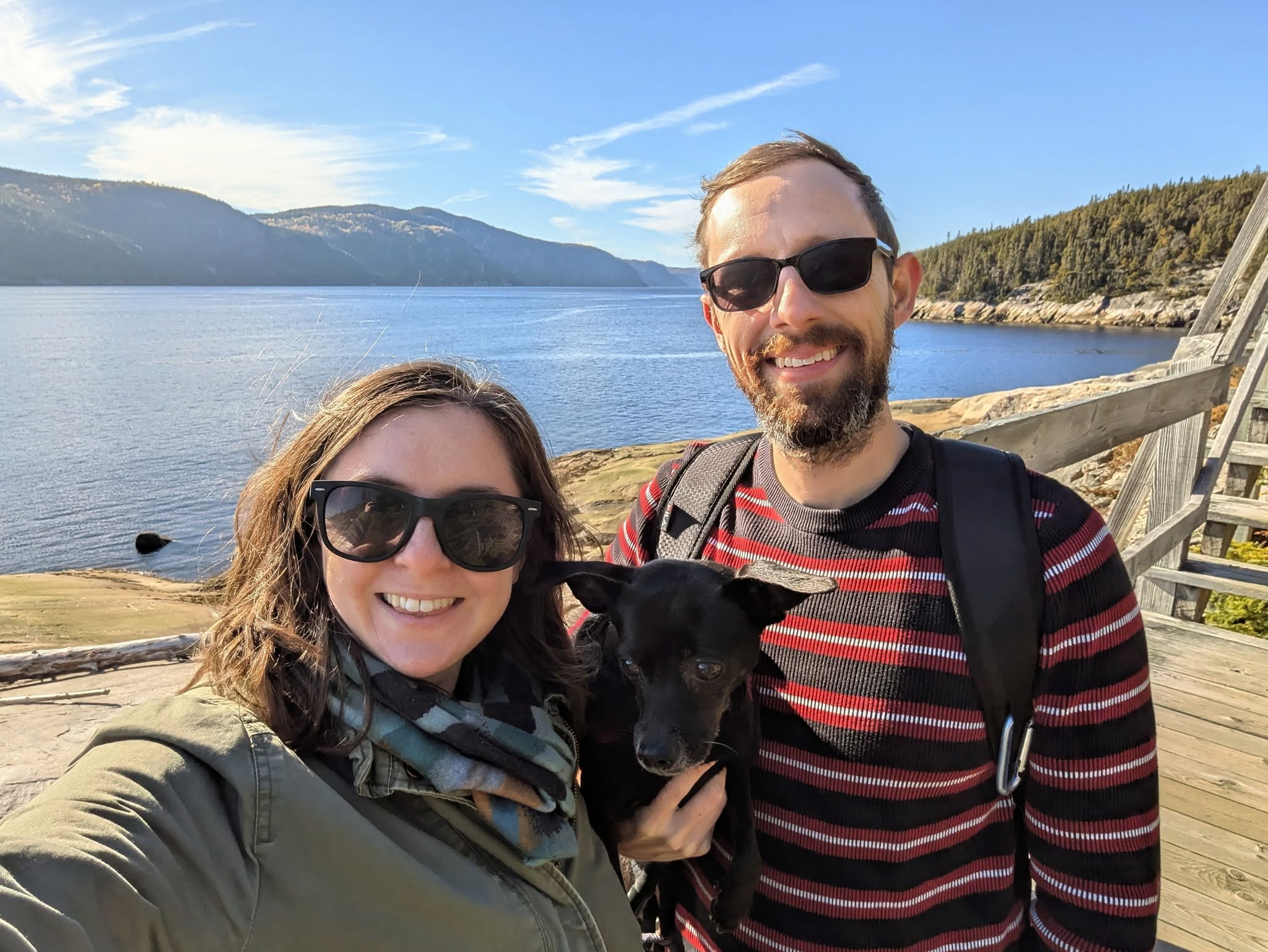
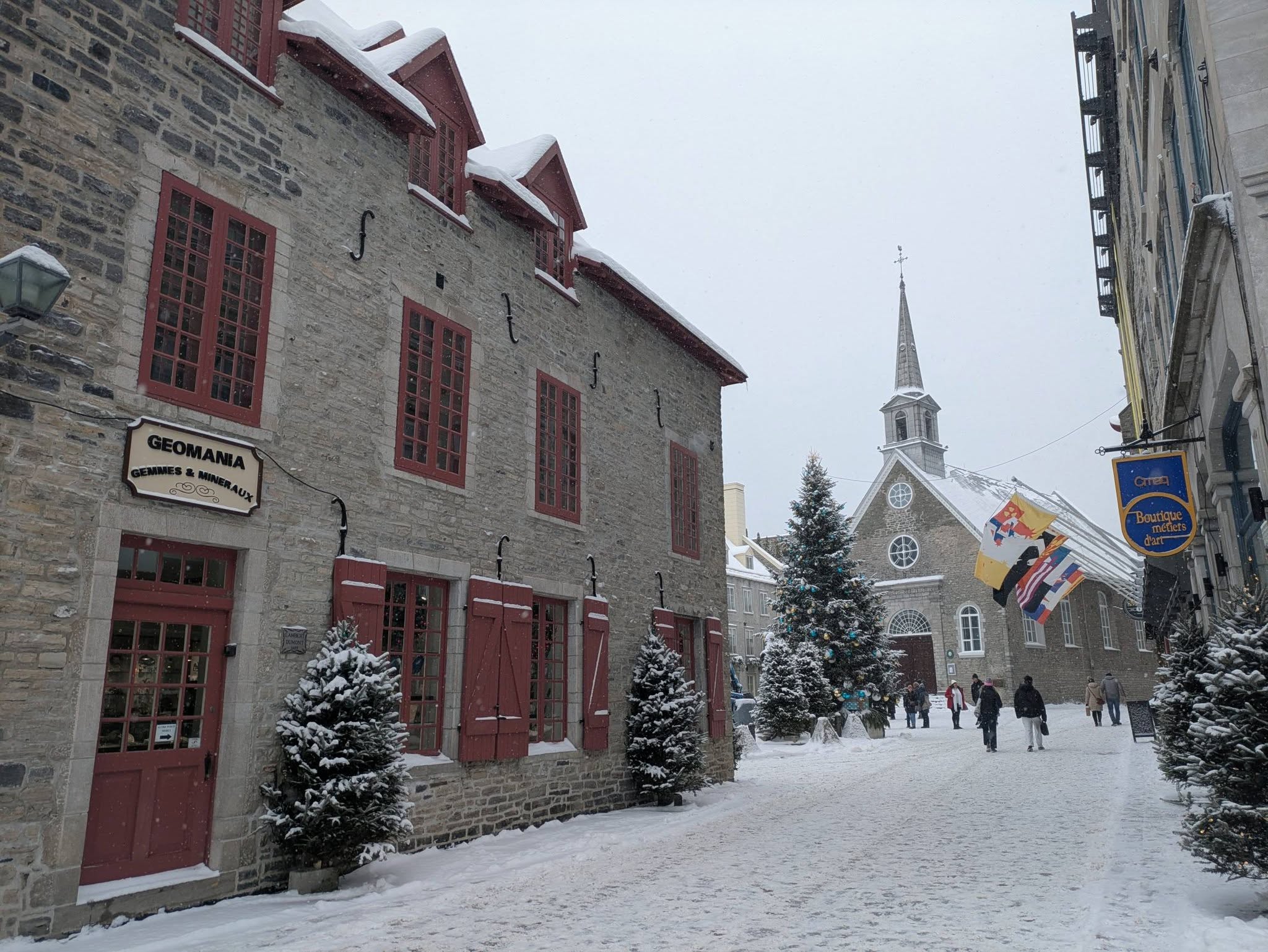
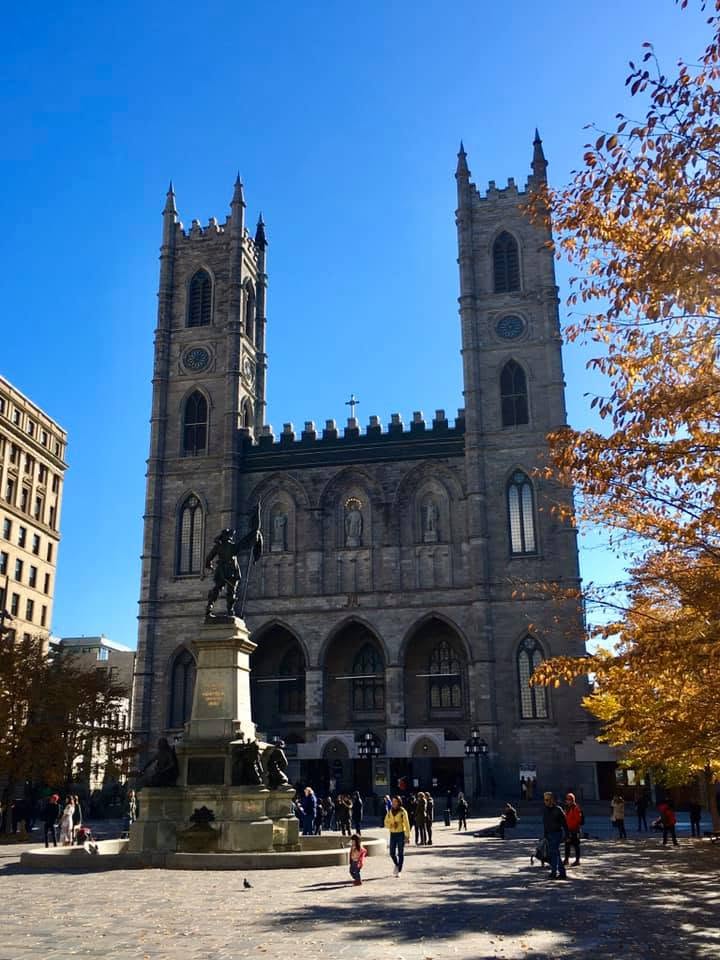
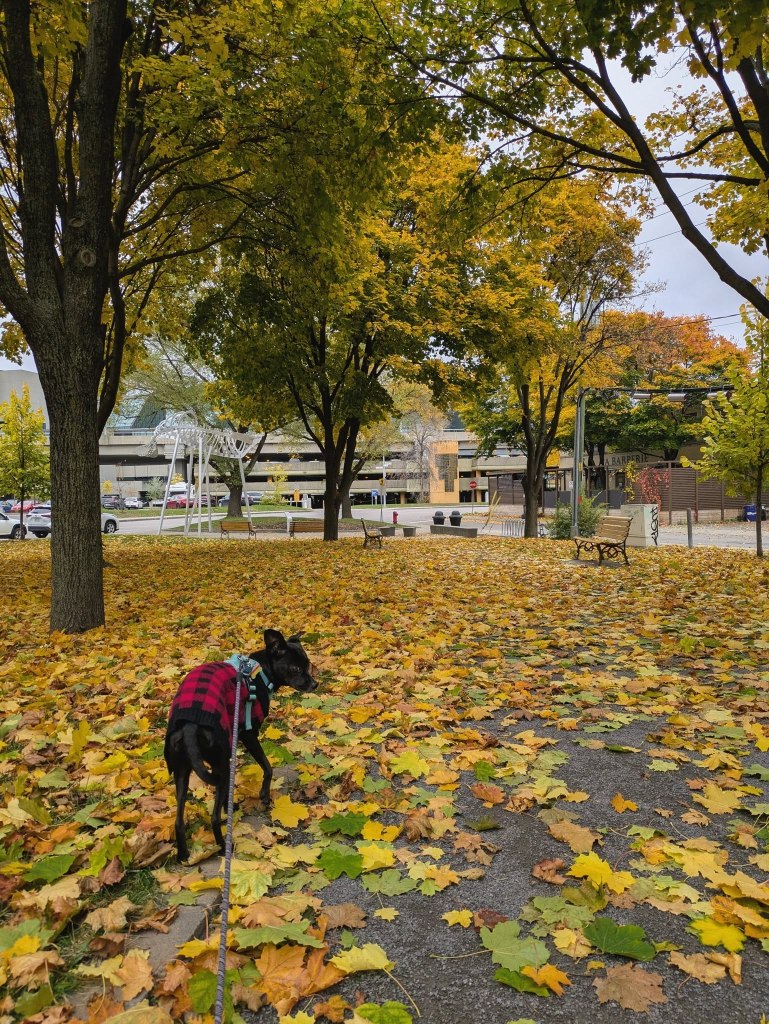
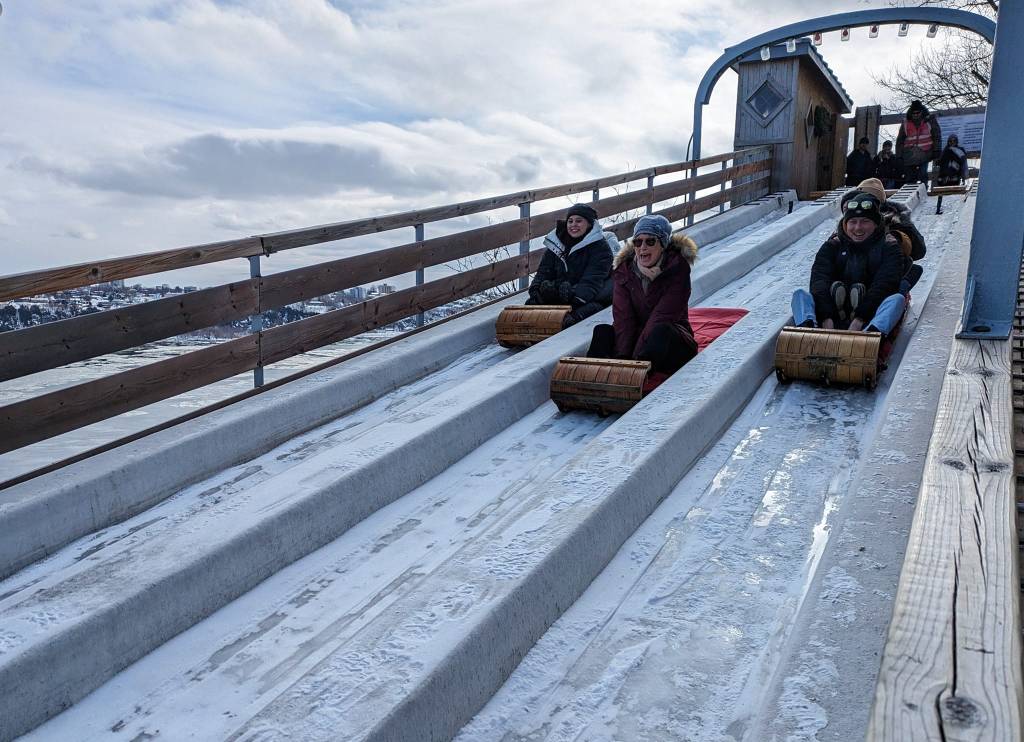
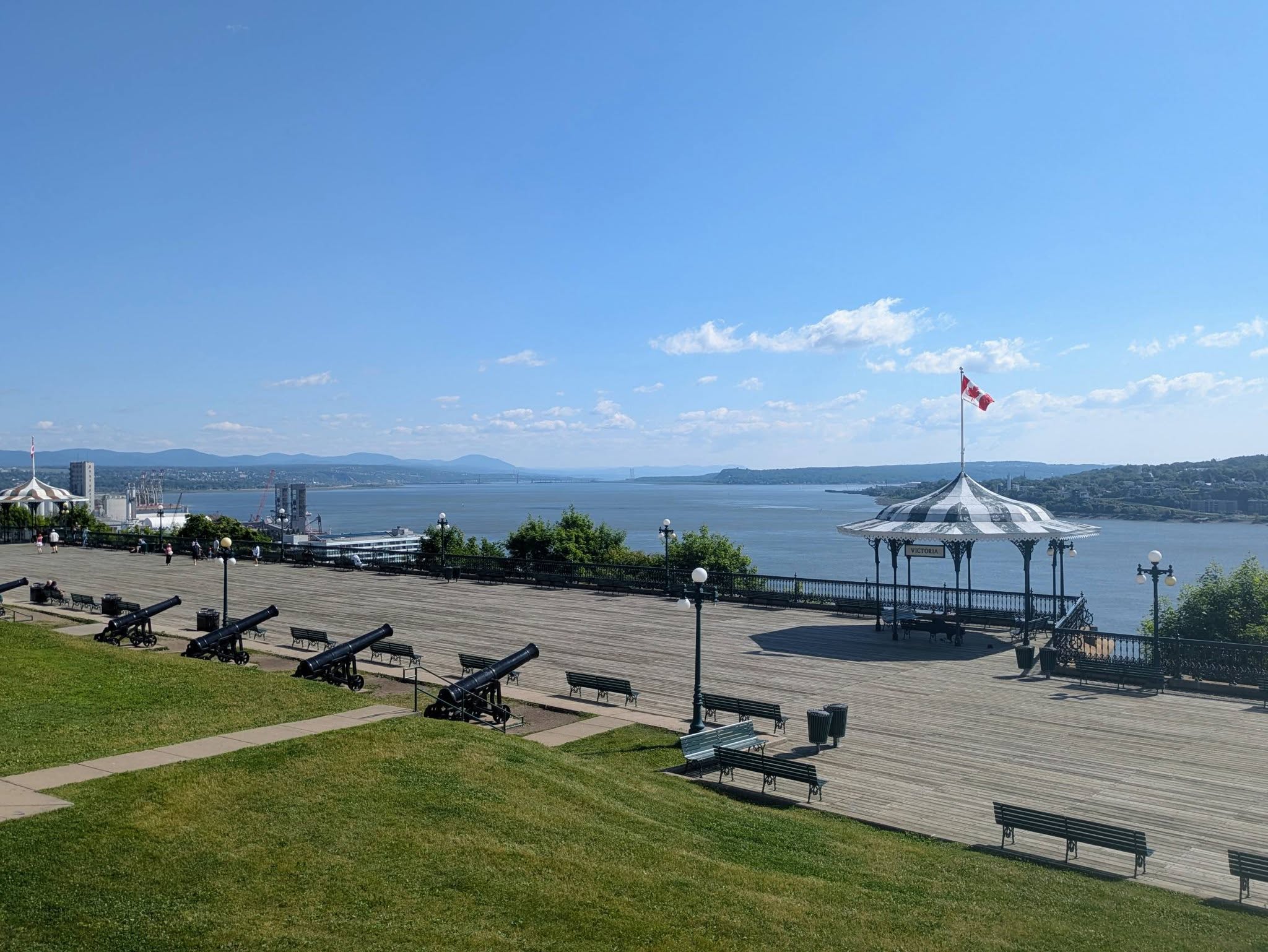
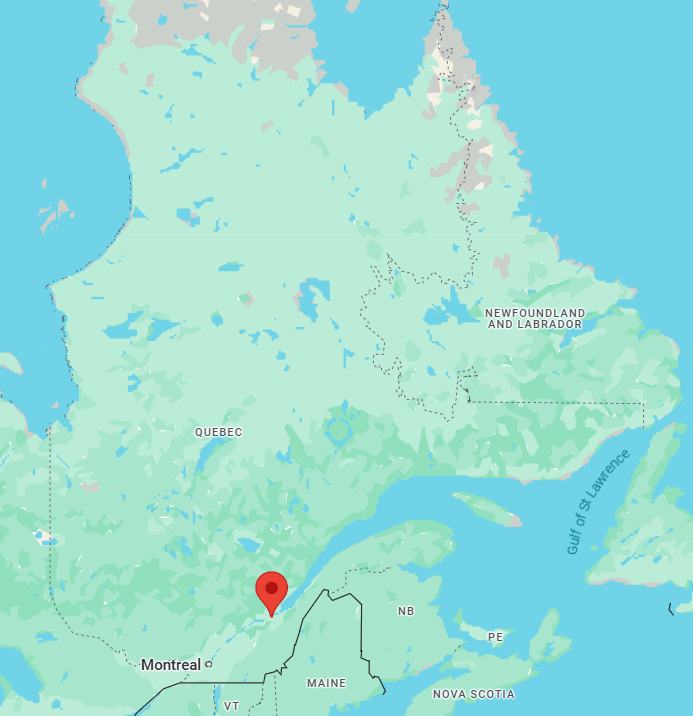
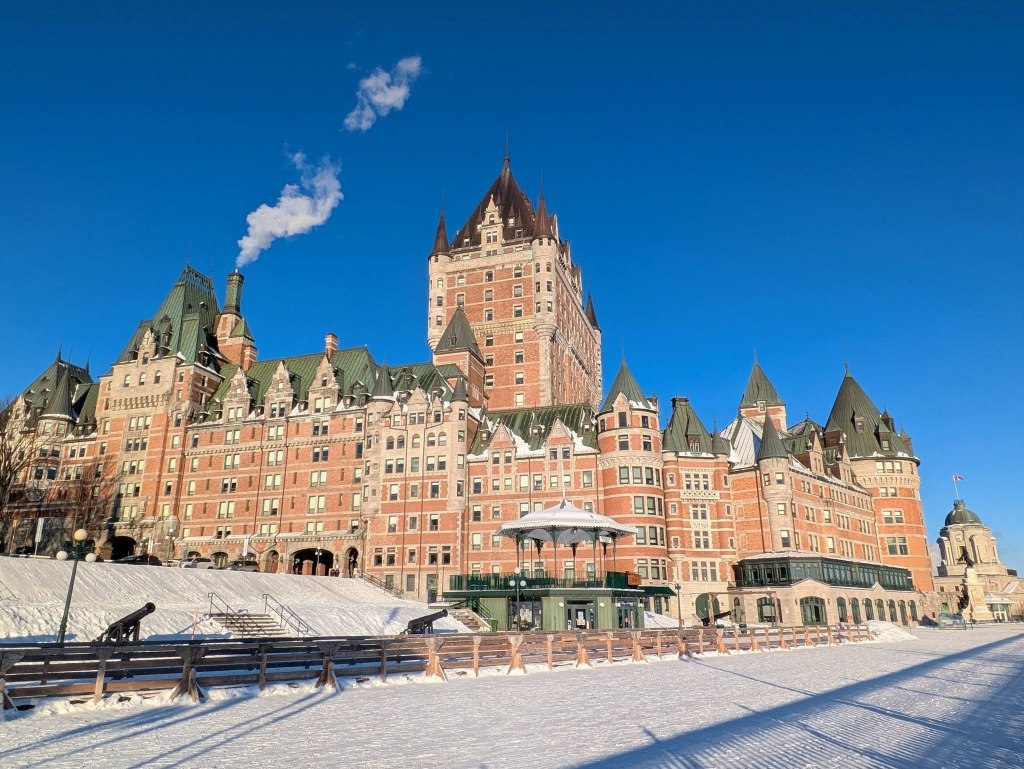
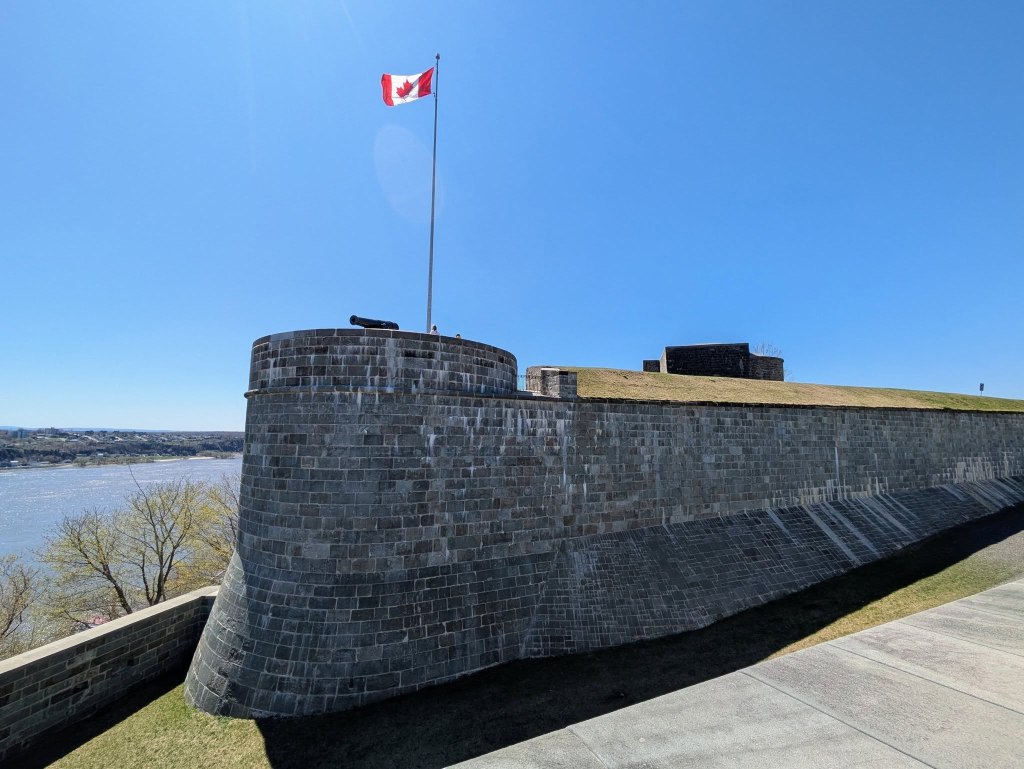
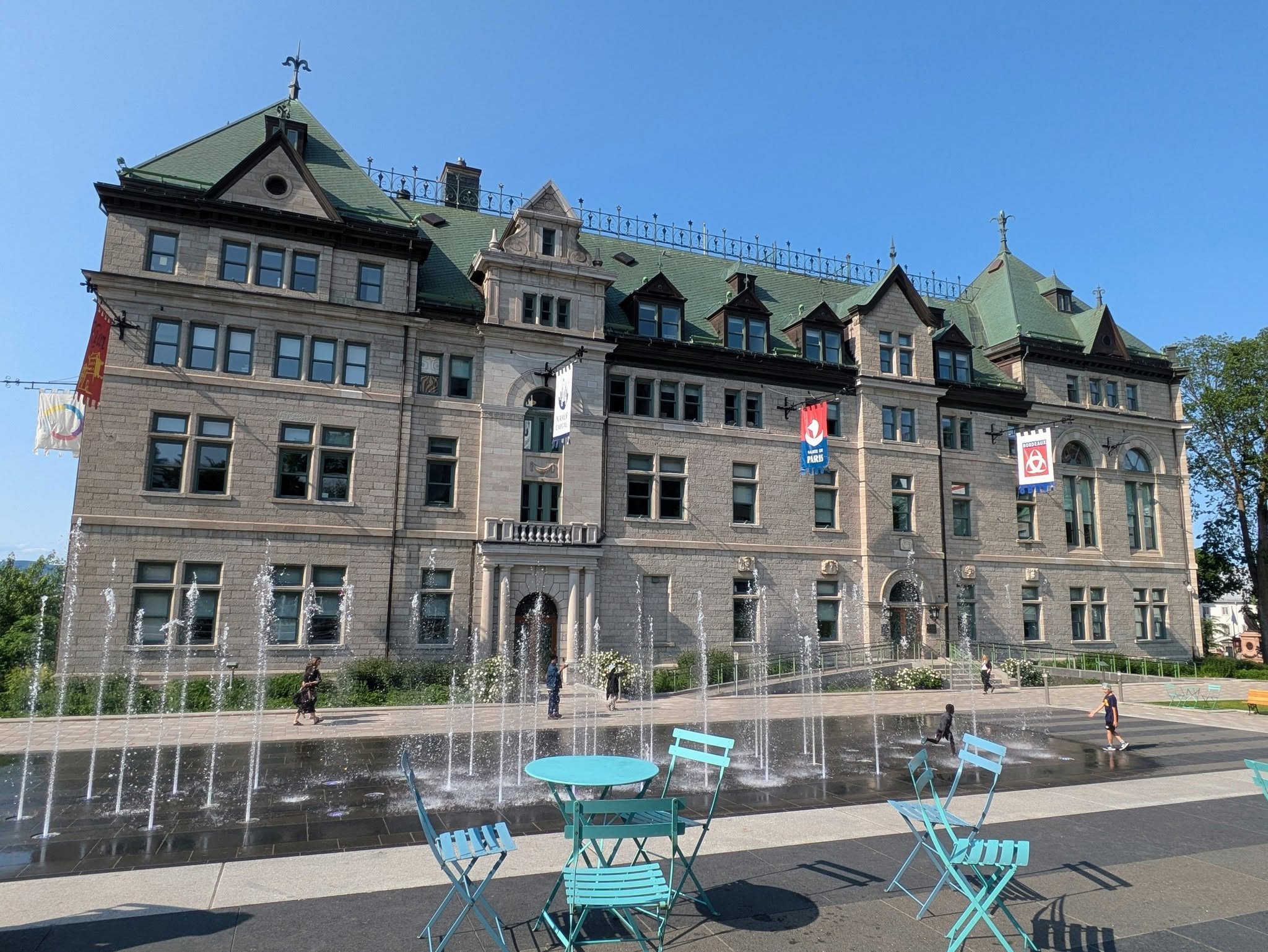
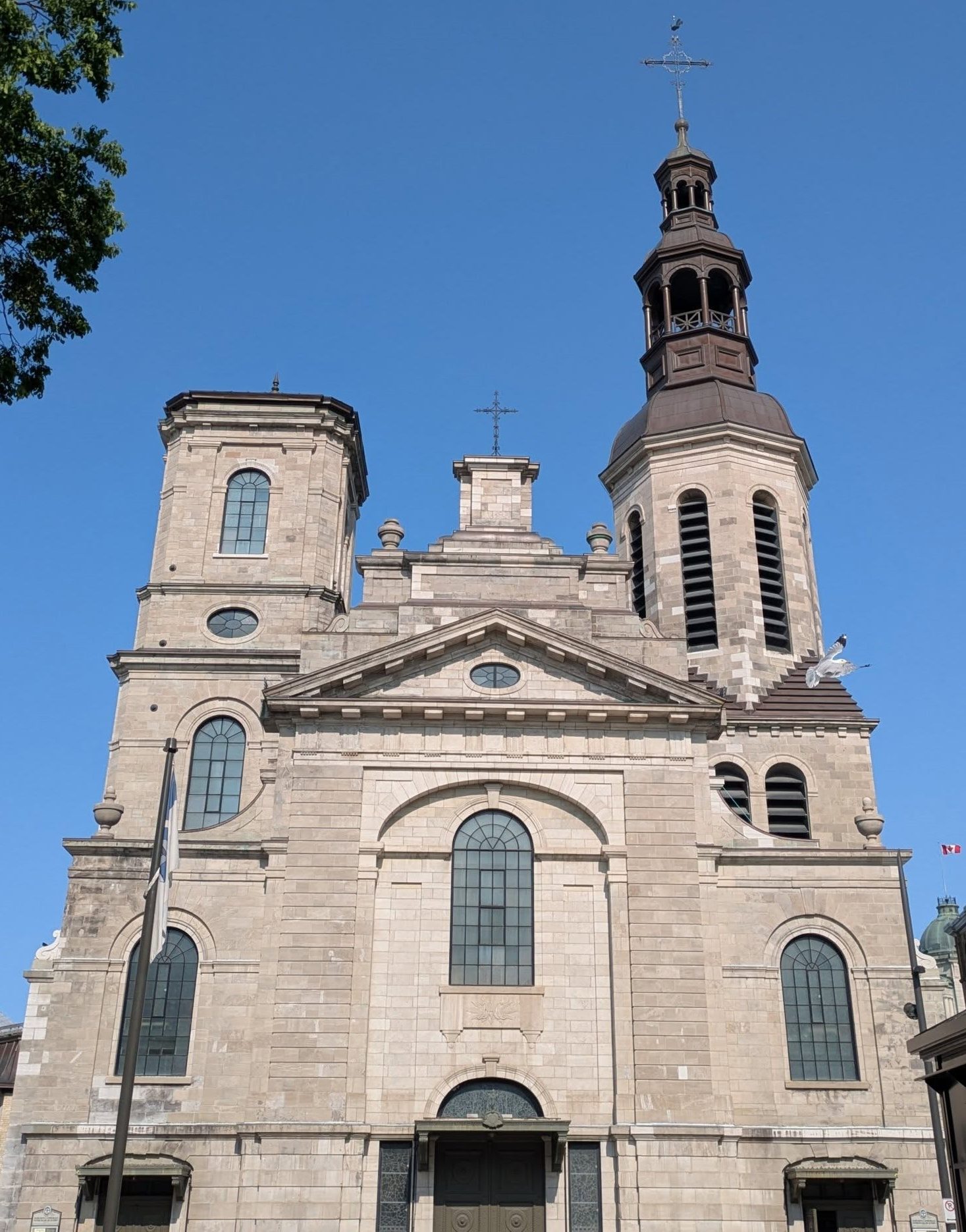
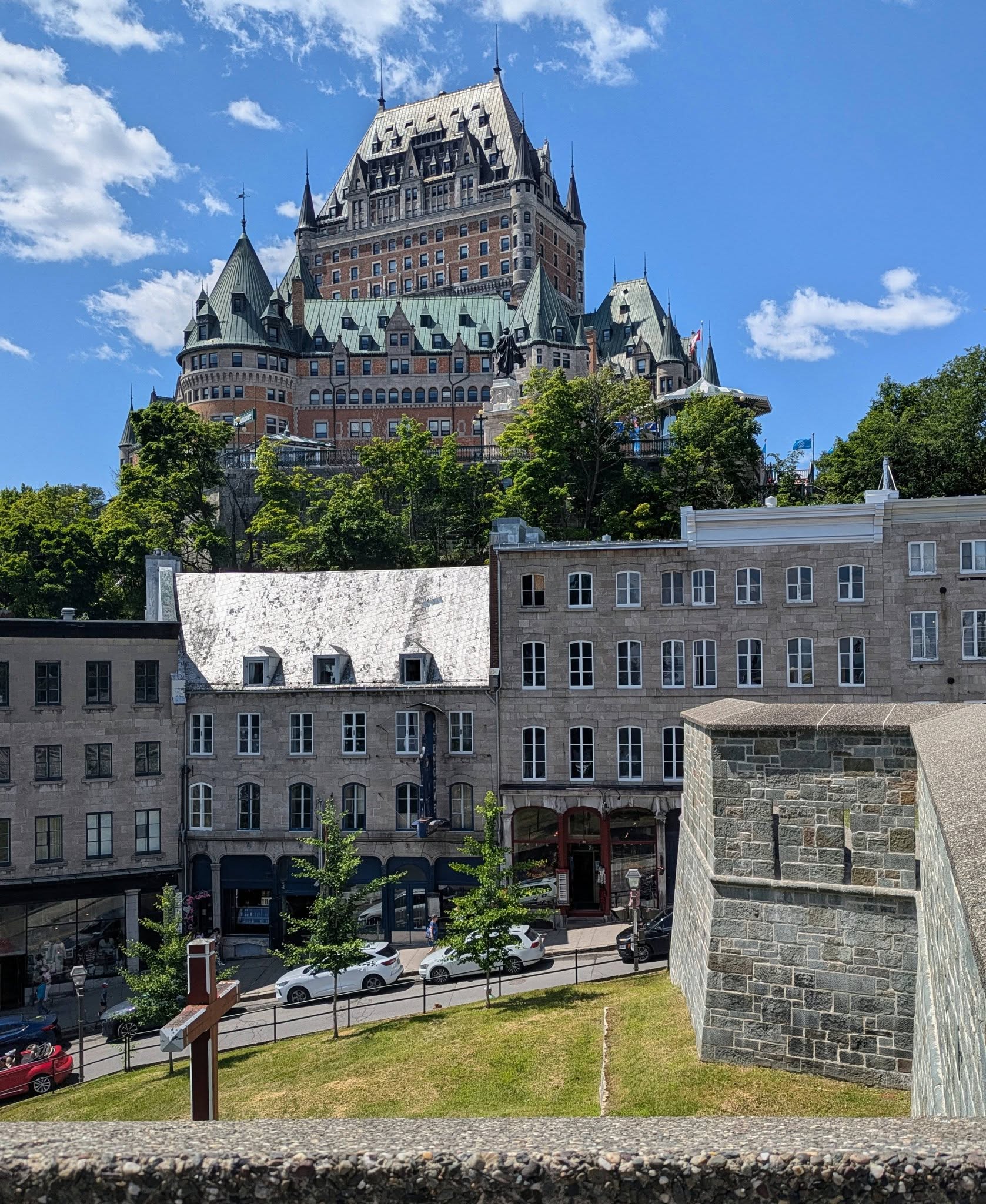
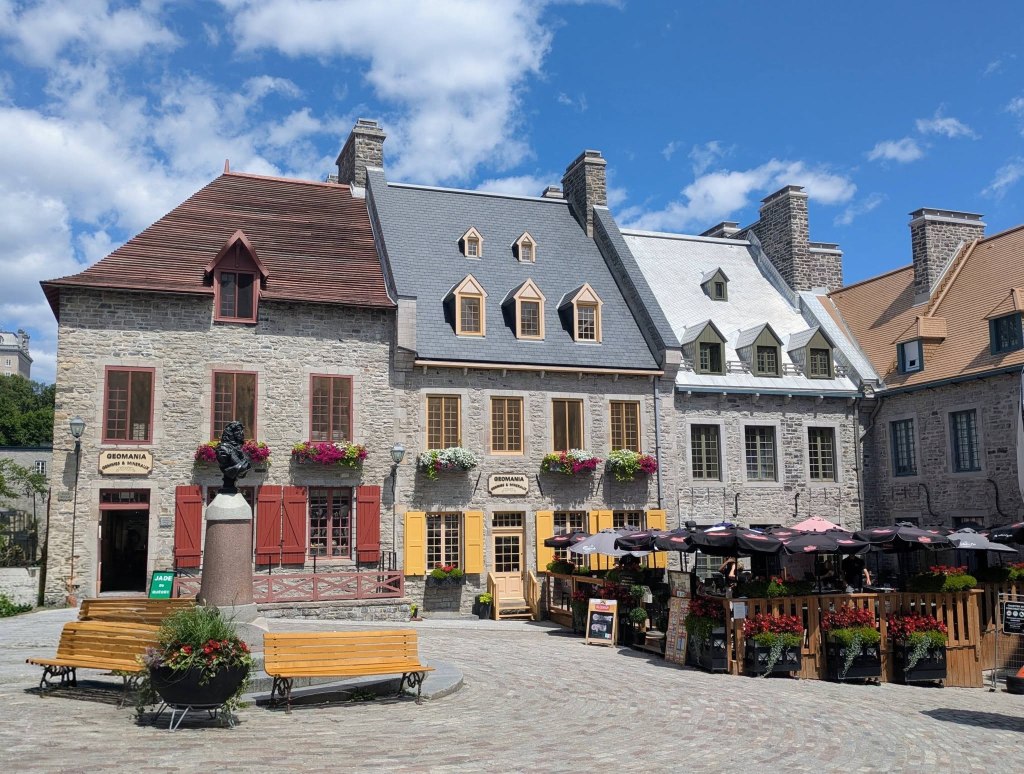
Another one that’s hard to sum up into one short paragraph! Quebec is our home, and even before moving here, we had visited several times. There’s no denying Montreal is effortlessly cool, but clearly, I’m Team Québec City all the way! As much as it’s cliché to say, there really is a certain je ne sais quoi about Quebec. The province has glittering lakes, winding rivers, forested mountains, colorful leaves, snowy winters, and everything else you could ever want from nature. Quebec is culturally rich as well; it’s indigenous, French, English, and Canadian all at the same time! During our time here, of course, we’ve seen a lot of what Montreal and Québec have to offer, but also Charlevoix, Saguenay, Rivière-du-Loup, Mont Tremblant, and more. Our next big trip within Quebec will probably be out to Gaspé, another one of the most beautiful landscapes in all of Canada. And in case you were wondering, I do in fact pinch myself often just to make sure this really is my life and not just a dream!
So, here’s to the 10 incredibly beautiful provinces of Canada! I sincerely hope you also get the chance to visit them all one day because from coast to coast to coast, Canada really is something special!
One of the biggest challenges we face in trying to maintain this semi-nomadic lifestyle of ours is the constant job changes. It’s oddly something I don’t write about super often, but it is one of the questions I get asked most of all: “What do you do that allows you to live and move abroad over and over again?” Well, the truth is, we have done many things to make this happen, and this month, I’m going to share a little timeline of all the various jobs we’ve had over the years. Strap in because it’s a bit of a wild ride!
Pre-Expat Years (~2005-2015)
I suppose I have to start with the fact that we had no early plans to live and work abroad. During high school, I babysat, worked at Bruster’s Ice Cream, and moonlighted at a local dog kennel, and Tucker worked as a bag boy at Publix supermarket and delivered Chinese food on the side. Once we got into college, we started leaning towards pharmacy. At 18, we both got jobs as pharmacy technicians. Me, at Northside Pharmacy and later Rite-Aid Pharmacy, and Tucker, at CVS Pharmacy. Then I got into pharmacy school and subsequently had a bit of an existential crisis, so I did what any 20-year-old freaking out would do: I quit my job and dropped out of school.
That’s probably when I started realizing that A) I didn’t want to be tied down to any one place in particular, and B) I really enjoyed doing lots of different things. While I was shifting schools/majors, I worked as an online search guide (back when we didn’t have the internet on our phones), a telemarketer, a door-to-door salesperson, and a bank teller. But then, I started studying linguistics and absolutely fell in love, and coincidently, fell into the world of ESL (English as a Second Language). After finishing my degree, I started teaching at English for Internationals, and then I was fully hooked. I completed my master’s degree (also in applied linguistics) and worked for Georgia State University as a tutor, a research assistant, and a teaching assistant all while still teaching both in class and online for a few different institutions.
During all this, Tucker mostly worked at CVS Pharmacy, but when he graduated with his degree in biology, he got a job working for Castle Laboratories. At Castle, Tucker worked in the lab focusing on toxicology and drug testing, and he loved it, probably at least in part due to Castle’s super fun startup atmosphere. But I was starting to feel a bit stuck again. I was actually a little jealous of my students. I wanted to be completely immersed in a new language and culture like they were! The honeymoon trip we took to Finland and the one teach-abroad program I did in grad school had clearly not been enough for me. Cue Fulbright.
Poland (2015-2016)
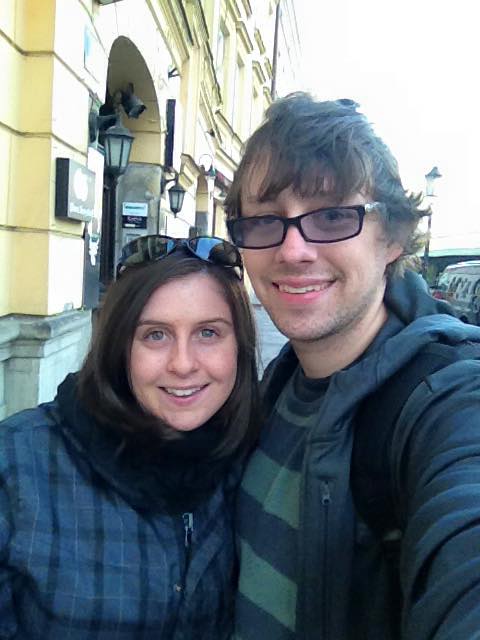
Fulbright is an exchange program for students, teachers, scholars, and professionals, and it ended up being the perfect first step into living and working abroad. We had no idea what we were doing, but Fulbright helped us with everything from applying for our first visas to connecting us with mentors and other expats who gave us amazing advice right from the start. For a year, we lived in Łódź, Poland, and I taught several courses at the University of Łódź. Tucker did his best to work remotely for Castle, but after about 6 months, they ran into security issues, and he officially went on sabbatical.
Regardless of any challenges we faced in trying to stay semi-employed in the US while simultaneously spending a year abroad, it was pretty clear early on how much we both thrived living in a foreign country. We hadn’t ever been to Poland or had even heard of the city we now called home, but figuring everything out was a huge part of what we loved. It wasn’t long before I was making plans to stay in Poland even after my Fulbright contract was up. Unfortunately, we couldn’t really do that. At the time, we had no idea how to go about getting a visa or a work permit without Fulbright, and we also had about $40k in student loans to pay back in USD, which felt more like a ball and chain than I ever could have imagined.
Debt-Paying Year (2016-2017)
So, when my Fulbright contract ended, I was resigned to the fact that we’d have to go back to the States, but I now only had one goal in mind: pay off our debt and get back out there! And that’s exactly what we did. Tucker went back to work at Castle full-time, and I got a job teaching at Kennesaw State University. We also lived with family during this interim, ensuring that every cent we made went directly towards our student loan payments. In less than a year, we had zero debt, and we were just about ready to leave again, this time with no plans to come back. But how were we going to get our next visa? How about another exchange program?!
China (2017-2019)
And that’s how I became an English Language Fellow, or a TESOL specialist sent abroad to work on various academic projects that build community and mutual understanding between countries. With Fulbright, I had to choose a country to apply to, but this time, we were assigned to 1 of 70 participating countries. Our assignment: China, and I couldn’t wait! I actually still refer to Poland as our “first pancake” because while we did our best, we were really fumbling through every part of living and working abroad at that point. On our second trip out, I wanted to do better. This time we prepared like never before. We sold everything that didn’t come with us. Tucker had a program of his own to work on this time, and although we didn’t know how long we’d stay in China or what we’d do after ELF, I knew we’d being staying abroad.
We lived and worked in Hefei, China for two years. I taught several courses at Anhui University while also regularly traveling all around the country giving teacher-training workshops as part of the exchange program. Tucker completed an ASCP program and received his technologist of clinical chemistry certificate, and he also traveled with me, quickly becoming everyone’s go-to IT guy! Of course, whenever he got a little tired of university life, he would also spend time at a friend’s brewery helping with quality control and keeping his lab skills sharp. After our contract was finished, we also started working for a recording company in Hefei, reading for various English exams, which we are still doing almost a decade later! But eventually, we decided it was time to move on, and initially, we settled on Canada as our next stop because it had a lot of pros: it was drivable from the US, meaning we could take our pup; it was on the same continent as the rest of our family, and it was bilingual, which would be hugely beneficial for both our careers.
Pandemic Year (2020)
So, in the fall of 2019, we headed back to North America to spend some time with family before heading up to Canada. During this time, we checked out a few cities in Canada, interviewed for a few jobs, and submitted the last of our immigration paperwork, but after a few months, we still had some time left before we were meant to officially move in, so we also went down to Mexico to check out our Plan B. Turns out that was a really good move, because in couple of months the whole world had come to a halt, and we were beyond stuck.
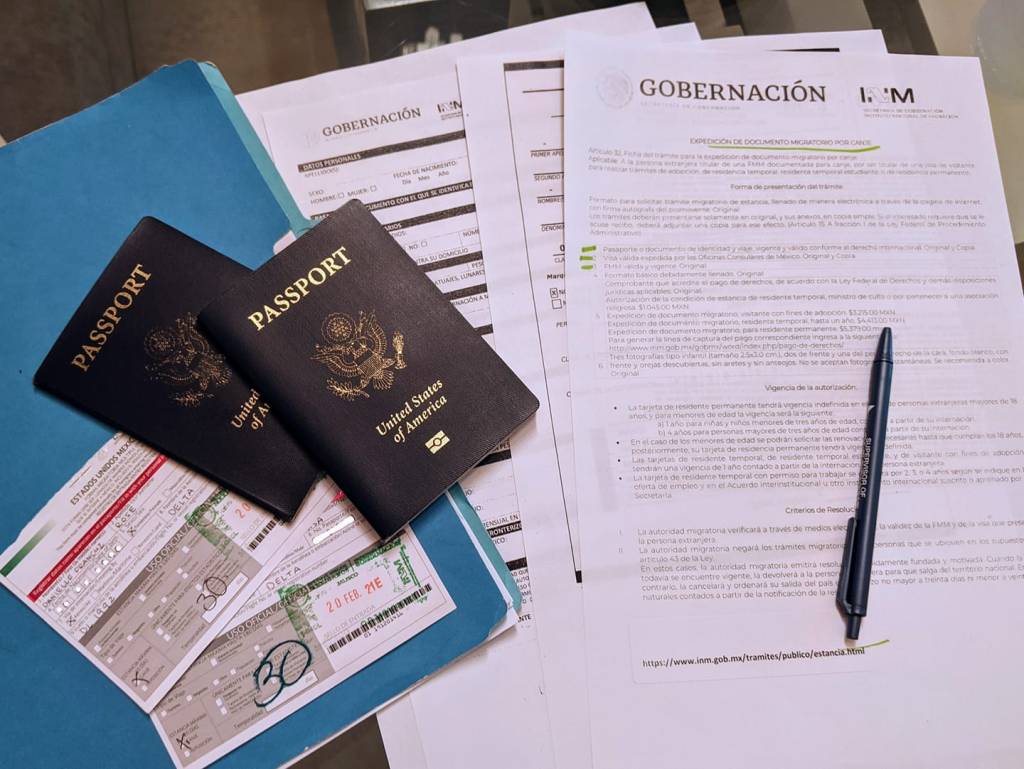
By March 2020, I had a job training Canadian civil servants for their mandatory English exams, Tucker had a job working for a laboratory based in Florida, and we didn’t have a home in either of those countries. We had been bouncing around, waiting on our paperwork to process, but that was looking less and less likely due to the global shut down. After almost a year of sheltering in place (first with family and later in our pay-by-month bunker in downtown Orlando), we decided to enact Plan B and apply for temporary residencies in Mexico. Since both our jobs were online now anyway, por qué no? 6 weeks after applying, we found ourselves all packed up and driving down to Mexico.
Mexico (2021-2023)
Of course, the pandemic year was extremely tough on everyone, but I took it particularly badly since I had promised myself I wasn’t going to get stuck anywhere ever again. Hindsight, amiright? Well, thankfully, moving to Mexico was one of the best decisions we ever made. We were so happy to be immersed again, learning new things every day, and fully leaning into the digital nomads we had somehow become. In Mexico, I worked online for the Canadian training school and for Lingoda, another online school based in Berlin. Tucker, having been kicked out of the physical lab due to COVID, shifted to more of an IT role and was now processing data remotely for the lab back in Orlando. And so went a very tranquilo 2.5 years, until our paperwork for Canada finally went through.
Canada (2023-Present)
We first applied for our Canadian residency way back in October 2019, and at the time, it was projected to take 6 months. Well, with that pesky pandemic, it ended up taking 3 years. But the timing actually wasn’t too bad because while I had recently started working for Duolingo and was feeling even more confident working remotely, Tucker’s job at the lab in Orlando was on its last legs. So, we packed up the car again and drove all the way up to Ottawa. After just a few months, Tucker was able to land a job working firmly in the realm of IT. He’s now an implementation specialist for a company that provides software for laboratories. Due to immigration guidelines, we were restricted to certain provinces for the first few months, but we ended up staying in Ottawa for just about 2 years. However, Québec was the compromise we were truly after, and so in early 2025, we made Québec City our new home.
These days, Tucker is still working remotely for that same company based out of Ottawa, but as AI eventually pushed me out of Duolingo, I spent about a year working online as a tutor, an exam assessor, and a conference moderator before honing my French skills enough to get a job teaching at a local college here. Of course, I’m still too new to have a full course load, which is how I also came to get my tour guide license, adding yet one more job to my already ridiculously complex tax filings, but honestly, I wouldn’t have it any other way!
Future
So, what’s next? Will we eventually settle down? Will we run out of opportunities that continue to take us abroad? I hope not! I’m not sure I’m quite ready to officially settle down. As much as I love Québec, and I absolutely do! In fact, we’ll be applying for citizenship in the next couple of months because I never want paperwork to separate me from this particular home. But, at the same time, I am starting to feel the itch again. I think we have at least one more tour abroad left in us before we settle in again, perhaps for even longer next time. I’m personally still leaning towards Türkiye as our next locale, so if you know anyone there looking for a teacher or an IT specialist in the next couple of years, let me know! Until then, we’ll just keep collecting jobs, countries, and experiences because, somehow, they’ve all led us exactly where we needed to be.
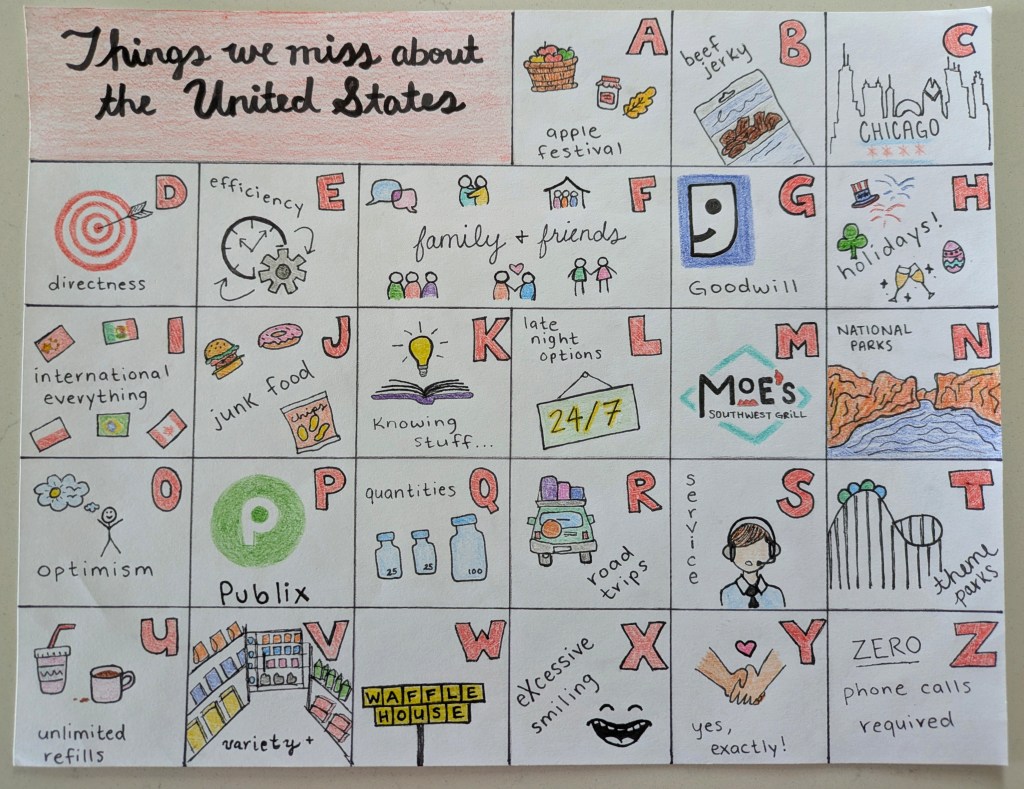
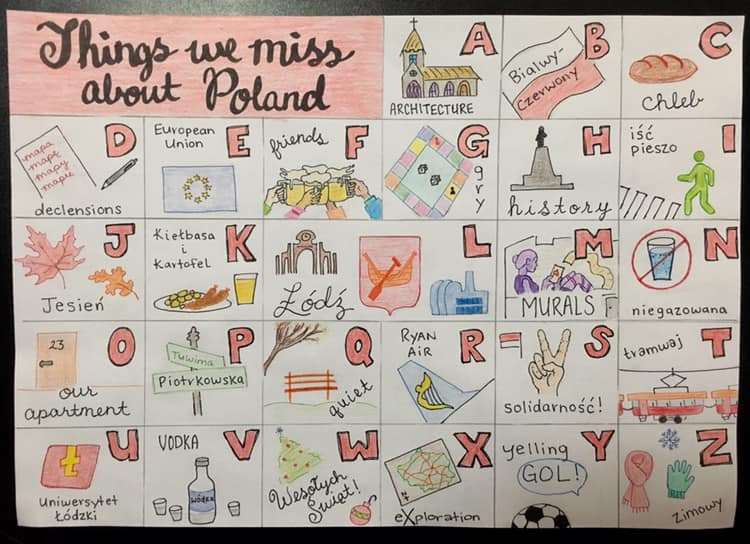
A few months ago, I wrote a post taking a look back at the things we miss most about our previous homes. I did this by re-analyzing the A-Z lists I made for Poland, China, and Mexico; however, during this process, I realized I had never made one of these lists for the very first country we called home! So, in honor of its 250th year, I give you my A-Z list of the things we miss most about our country of origin: the United States of America.
Apple Festival – The Elijay Apple Festival will always be a favorite of mine, but really this is just a stand in for all the annual events we grew up with and now miss out on every year: Greek Fest, Taste of Marietta, Owl-o-ween, etc.
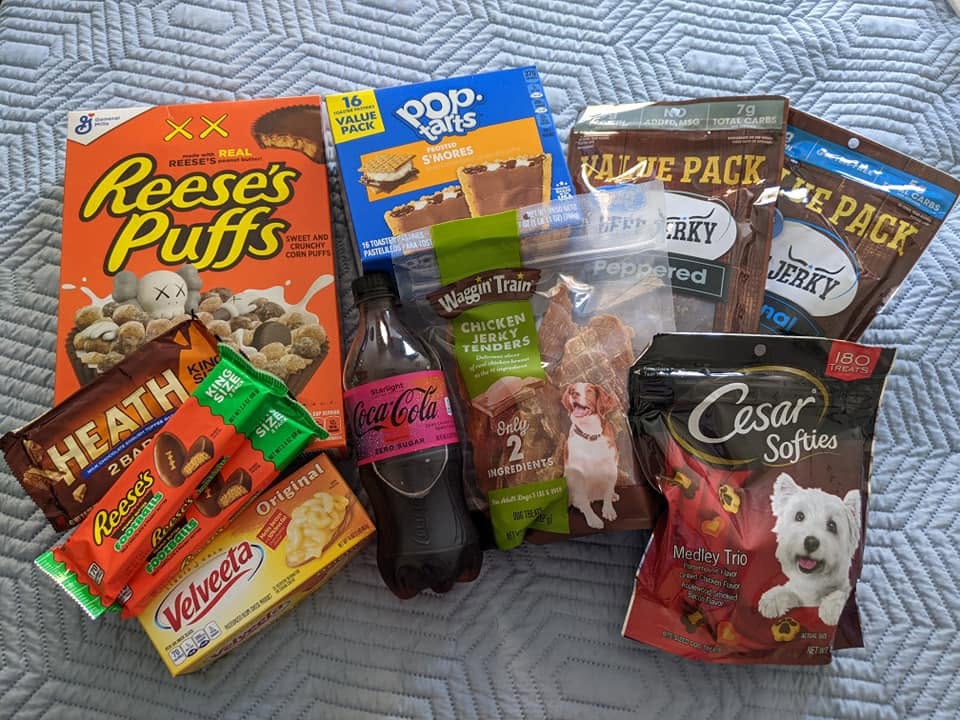
Beef Jerky – An obvious choice for this list because it’s one of the first things we stock up on when we get back to the States. I never thought I’d miss having access to a literal wall of beef jerky options, but here we are.
Chicago – My hometown although I honestly have very little claim to it these days. Regardless, it’s the US city I most look forward to visiting, and the one I talk about more than any other.
Directness – In general, Americans are friendly yet direct, and the longer I’m away, the more I miss this odd combination that tends to be useful in so many ways.
Efficiency – Maybe similar to our tendency for directness, I love that efficiency is always the goal in the US. “Time is money” must be ingrained because I feel it in the US more than most places.
Family & Friends – Of course, as on every one of these lists, the single thing I miss more than anything else would be all our family and friends. I’m eternally grateful that we have social media and video chats and all sorts of ways to keep in contact, but the distance is by and far the hardest thing about being a perpetual expat.
Goodwill – Another random favorite of mine, we have done our best to hunt international equivalents over the years (in Canada, it’s Value Village by the way), but there’s something about Goodwill specifically that just hits home. Maybe it’s the weird smell…?
Holidays – We celebrate ALL the holidays and then some, but we do miss some of the nostalgia often associated with the holidays. We rarely go home for Christmas anymore, but even when we do, everything has changed, and so have we.
International Everything – Living in a country full of immigrants is the best thing ever! We really didn’t realize just how many cultures we had access to in any major US city until we moved to places with less diversity.
Junk Food – Say what you will about American food, but you can’t knock the sheer number of options we have. Pretty much every trip back to the States requires a specific to-eat list, and I’m not going to lie, a big portion of that list is always junk food.
Knowing Stuff – This one was a little hard to pin down, but we miss just inherently knowing how things are done and what people mean. Luckily, we’ve become almost immune to ambiguity, but sometimes it is nice to fit in without even trying.
Late Night Options – So maybe the pandemic killed this for everyone, but when we lived in the US, there were always places you could go late at night: CVS, Walmart, fast food restaurants, gas stations, etc. I can’t be the only one who needs an occasional 3am treat!
Moe’s – Ah, “Welcome to Moe’s!” This might be mostly nostalgia as well, but I love reliving my high school days with a build-your-own burrito and a heaping basket of free chips and salsa!
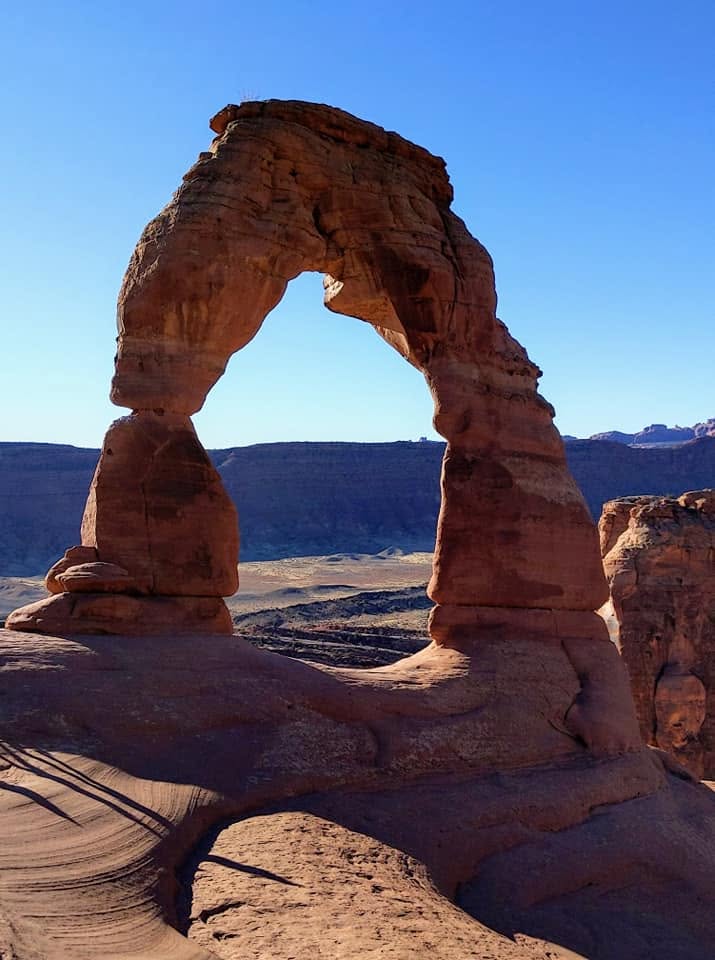
National Parks – Another one I’ve written a whole post about; our national parks are INCREDIBLE. I miss the number, size, and ease of visiting both our national and state parks.
Optimism – Americans don’t always have the best reputation abroad, but generally, one of the first things people notice about us is how optimistic we are. And these days, that’s actually pretty refreshing.
Publix – I must definitely be getting older because Publix might just be my favorite grocery store. Their chicken tendies? Sweet tea? Everything so nice and orderly? Even the color scheme – we miss it all!
Quantities – Something else we always end up doing when we go back to the US is stocking up on our essentials, particularly in large quantity packaging. I find it so annoying that in most countries, I can only find blister packs of things like Benadryl or Ibuprofen. I need more!
Road Trips – Thankfully, we’ve lived in a lot of good road trip countries, but none quite compare to the US. I don’t know how or why, but the US really does a fantastic job with our highways, rest stops, radio stations, all the road trip staples.
Service – Maybe this is related to Americans being friendly and direct, but whenever I’m back in the States, I immediately notice how nice and efficient our customer service is (in general). Smiles and small talk rarely feel forced in the US.
Theme Parks – Of course, talking to my parents always makes me miss Disney World, but I also miss the abundance of large theme parks in general. Regular trips to a theme park seemed like such a normal part of life, but not so much outside of the US.
Unlimited Refills – I just can’t believe anyone would shell out $5 for a non-refillable soft drink! Coffee, tea, soda, etc. should not cost that much. The only way it makes sense is if you get to drink as much as you want!
Variety – During the World Cup this year, we saw a lot of memes with people’s reactions to the massive amount of variety available in the US. From the cereal aisle to the menu at Cracker Barrel, Americans are always spoiled for choice.
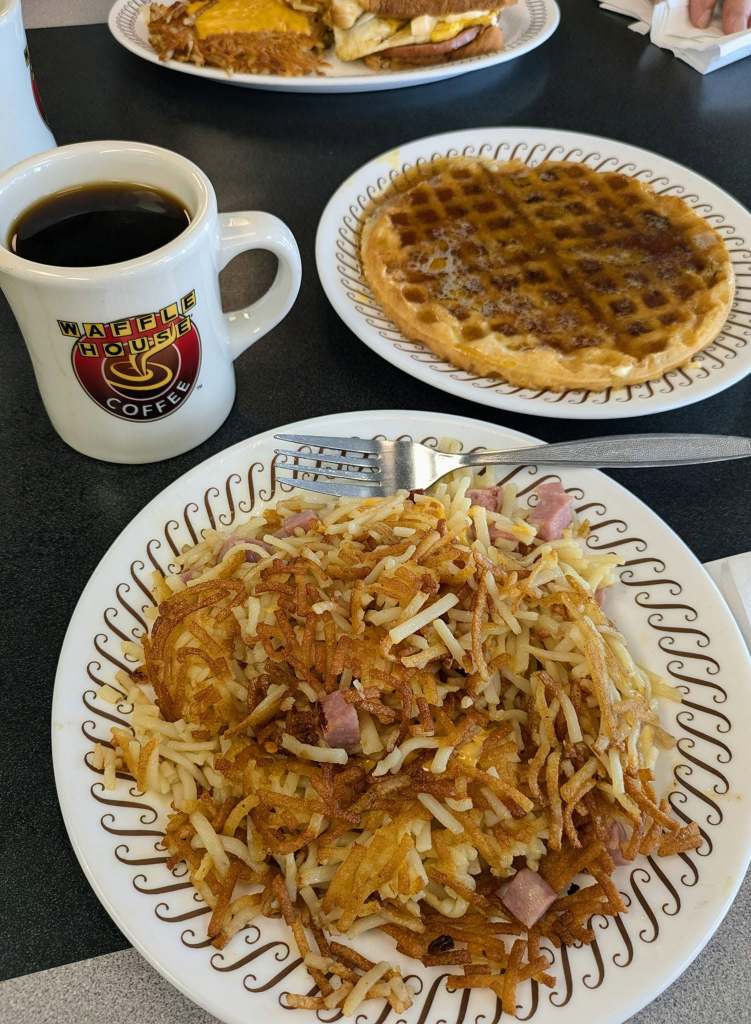
Waffle House – Another specific favorite that is hard to explain. Is it a little dirty? Freezing cold and extremely uncomfortable inside? Greasy and probably one of the unhealthiest meals you can get? Yes, yes, and yes, but we love it so much!
eXcessive Smiling – Okay, maybe I don’t even really miss the smiling itself, but I do miss not being thought of as weird for smiling for no reason.
Yes, Exactly! – Another one that was a little tricky to put into words, but we miss being able to truly commiserate. A lot has been happening in the US, and while our friends/family abroad sympathize with us, they can’t exactly empathize.
Zero Phone Calls – And finally, we miss being able to do anything and everything online. I honestly thought that was going to be a global norm, but it turns out a lot of places still opt for phone calls and paper trails. Ugh!
So, that’s my official A-Z list for the United States! Given all the things we miss about each of our previous homes (and how much we talk about them), we are constantly asked if we’re ever going back or if we’ll ever finally stay put somewhere. To which I say, but what about all the awesome things we have yet to discover?! 😉
Unfortunately for me, it’s almost summer, which is my absolute least favorite time of the year…but instead of counting down the days until Christmas (and the start of my favorite time of year, aka winter), I thought I’d share a bit about all the other holidays we tend to celebrate in our diversified household. Having lived in so many places, we seem to have collected quite a few holidays over the years, and honestly, once you start celebrating them, it’s really hard to stop! So here are a few of our favorite international holidays/traditions that we’ve picked up along the way:
Saint-Jean-Baptiste Day / Fête Nationale
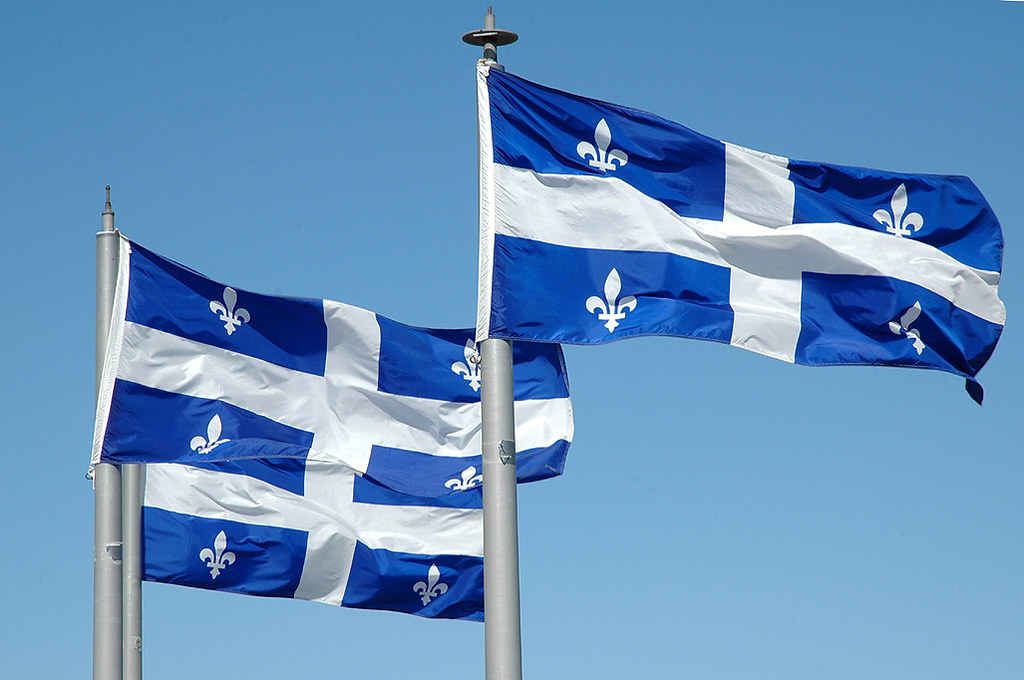
Since it’s coming up on June 23rd /24th, and it’s a major holiday in our current home, I think it’s only right to start with Saint-Jean-Baptiste Day also known as La Fête Nationale! This holiday is celebrated in the province of Quebec and in other Francophone communities around Canada. Originally, it was a religious feast day honoring John the Baptist, but over the years it has morphed into a celebration of all things Québécois and Francophone. Here in Québec City, there is a huge concert every year in the park and lots of free workshops and activities around the city showcasing the region’s traditional music, the French language, and other cultural cornerstones. It’s also the unofficial start of summer, so pretty much everyone will be outside in one way or another, enjoying the festivities, a freshly grilled meal, and/or a cold boisson or two out on a patio. Any way you look at it, c’est une bonne fête!
Día de la Independencia
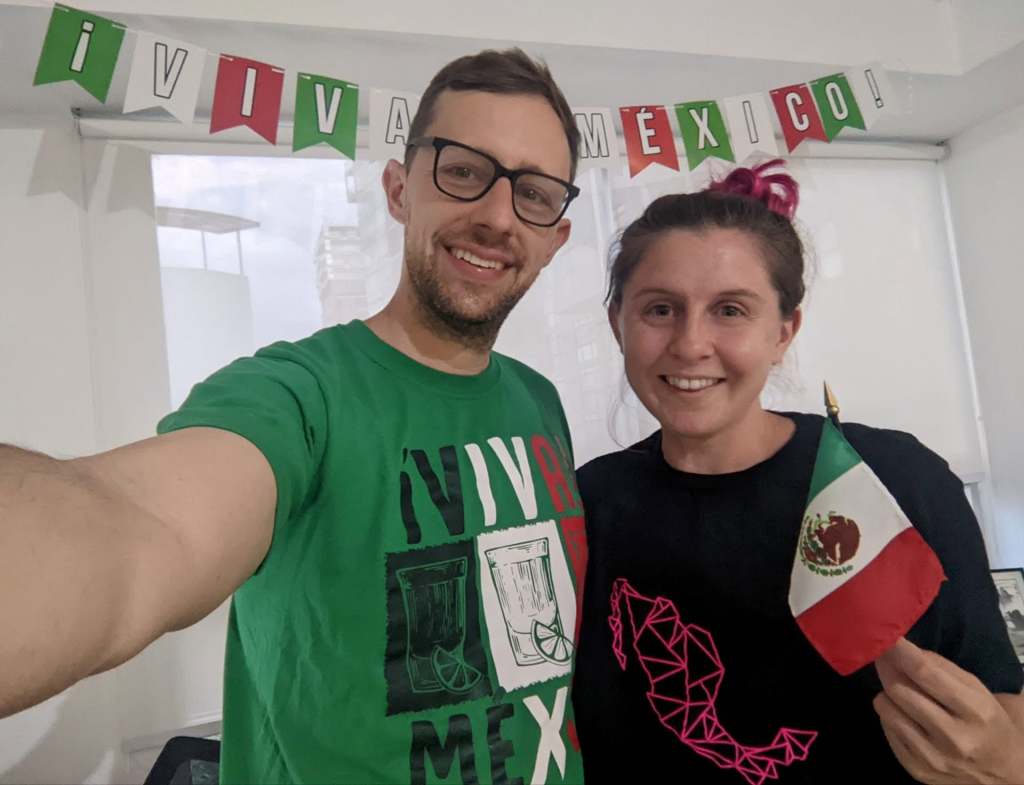
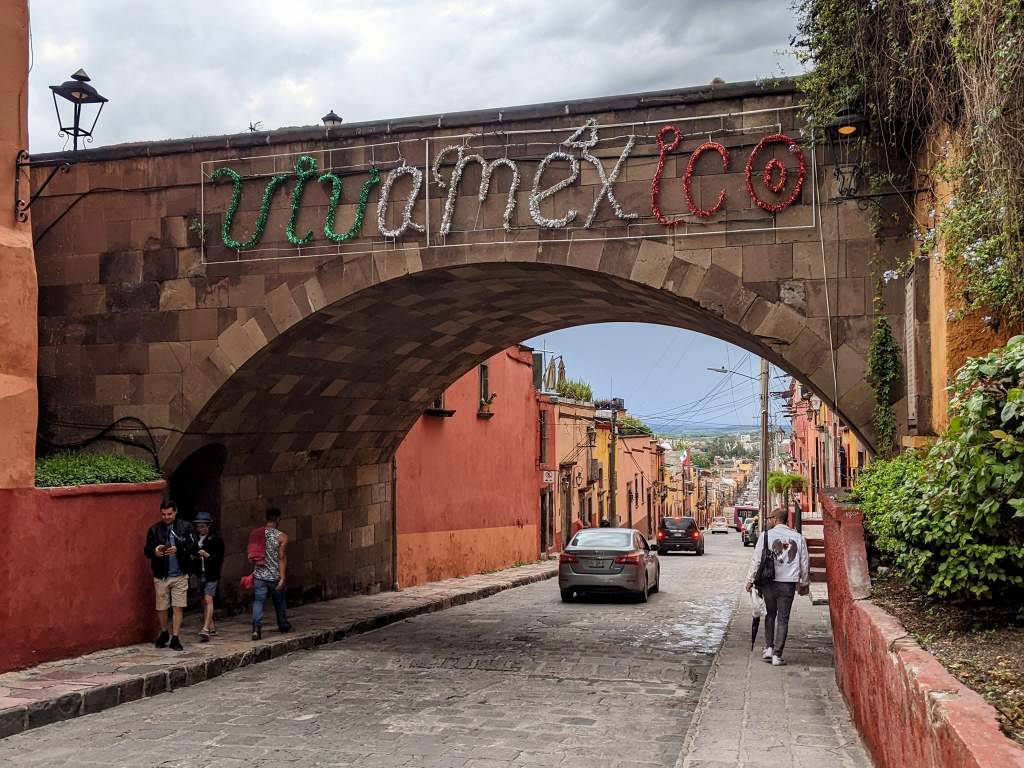
As Americans, we often celebrate Cinco de Mayo, which irritates a lot of Mexicans because the 5th of May is NOT Mexican Independence Day! It’s actually not much of a holiday there at all, so stopping tagging your Mexican friends when you’re eating tacos on what is basically just another US holiday. Instead, you should tag them on September 15th/16th, which is Mexico’s actual Día de la Independencia. Okay, so I know this is the second holiday in a row where I’ve included two dates of celebration, and that’s actually more common than you might think. In Mexico’s case, it’s because the celebrations actually start at night with the Grito de Dolores, which commemorates the historic call to arms that began the Mexican War of Independence. Of course, after the historic speech, patriotic chants, and some bell ringing, modern celebrations generally conclude with a fireworks show and a big fiesta! ¡Viva México!
(Canadian) Thanksgiving
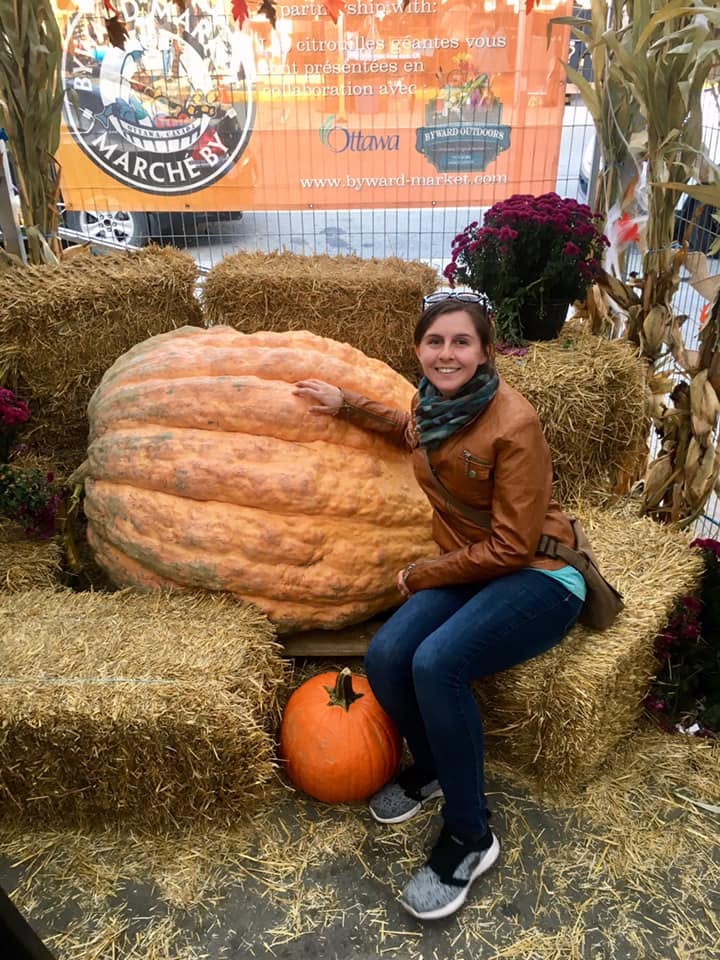
Okay, back to Canada for the next one because the second Monday of October is Thanksgiving here. Did you know Canada celebrated Thanksgiving? And that it takes place over a month earlier than in the US? Well, this was news to us when we first moved here, but since this is one of my favorite holidays, we happily celebrate both every year! Feasts associated with giving thanks were quite common in both Europe and the New World, and because different groups were thankful for different things that happened on different days, the continent actually ended up with a few such holidays. In Canada, Thanksgiving was officially declared a national holiday in 1879, but the fixed date we have now wasn’t actually standardized until 1957. These days, Canadian Thanksgiving tends to lean heavily into the harvest festival vibes. For example, this is when we start seeing a lot more pumpkins, both for decoration and for the big meal that usually takes place the weekend before the day off. But to me, the best thing about celebrating Thanksgiving in October is the fact that there’s absolutely no interference with Christmas decorations!
Día de Muertos
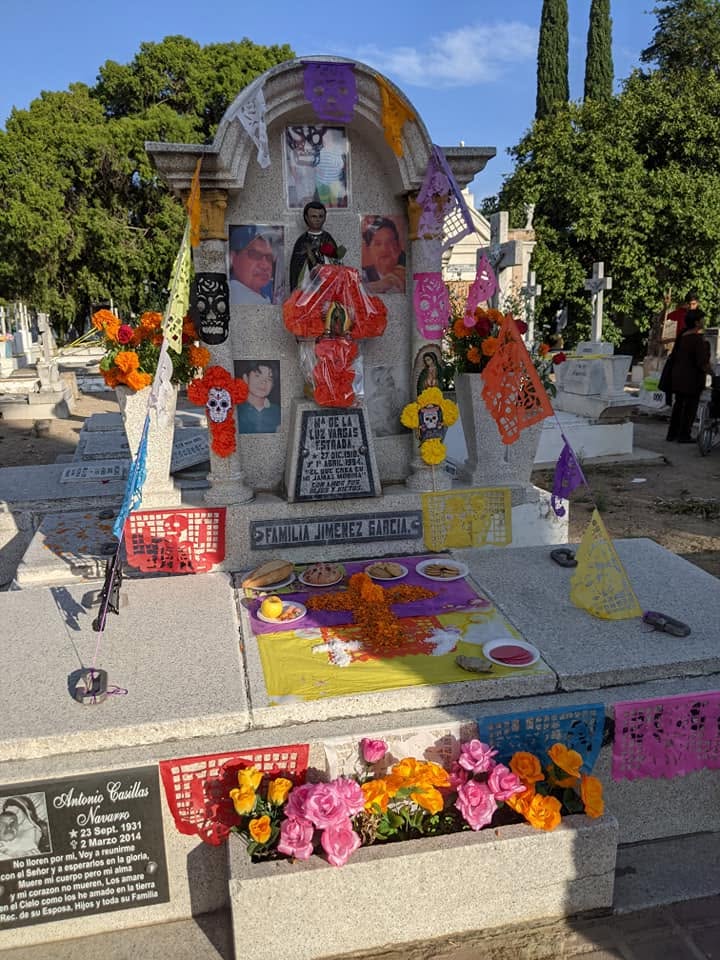
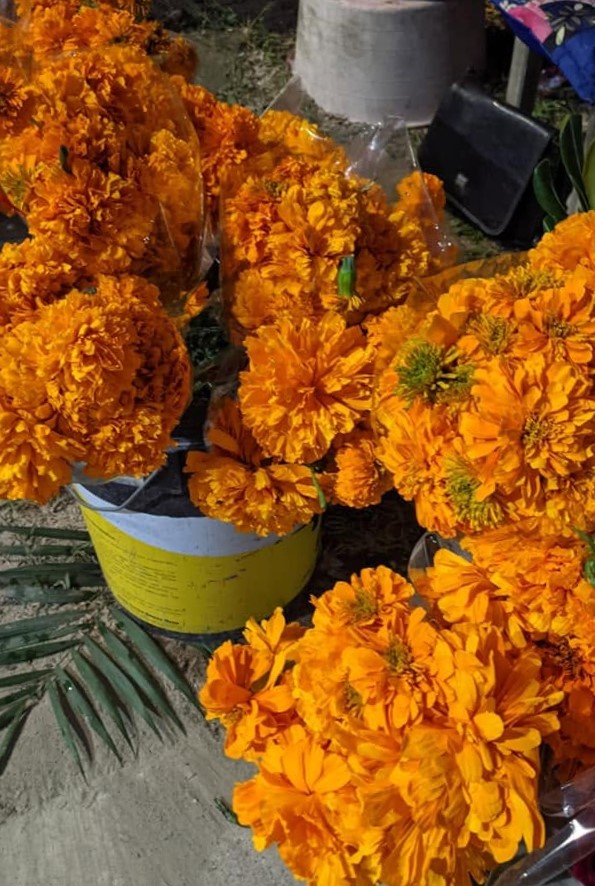
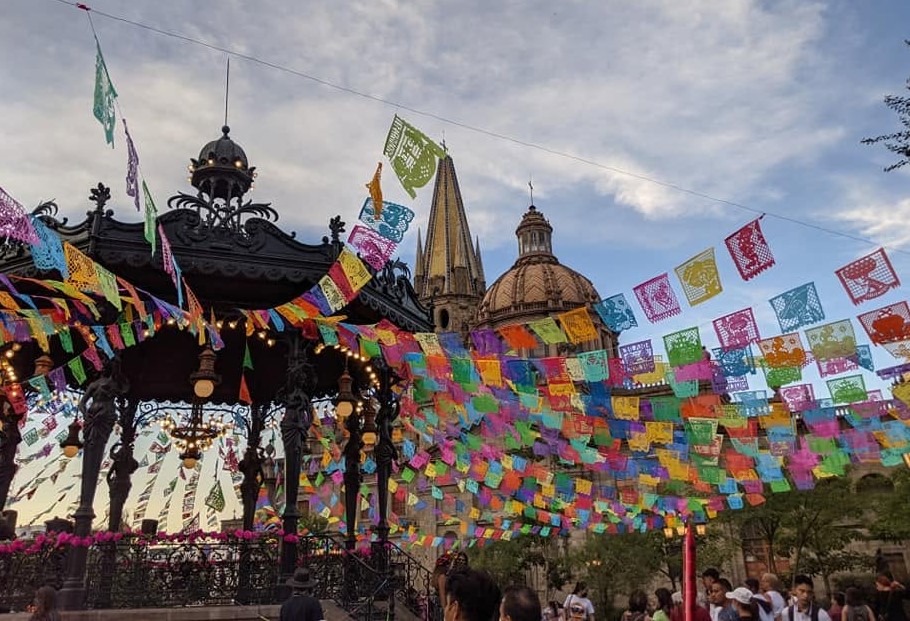
Easily one of the most unique holidays we get to celebrate every year, Día de Muertos is so much more than the brief glimpse you get in the movie Coco. It’s celebrated on November 1st and 2nd, but much like Christmas, there’s a long period of preparation and decoration beforehand. In short, these festive days are a celebration of the spirits of people who have passed away (the first is specifically for children, and the second for adults). As part of the celebration, you’ll see millions of cempasúchil (marigolds), papel picado (colorful banners), and ofrendas (altars) all meant to guide, welcome, and celebrate those not with us anymore. Unlike most remembrance holidays though, Día de Muertos isn’t a somber event at all – it’s another fiesta! It’s a time for family and friends to come together and celebrate life with all the classics: music, games, and plenty of food and drink!
Double 11
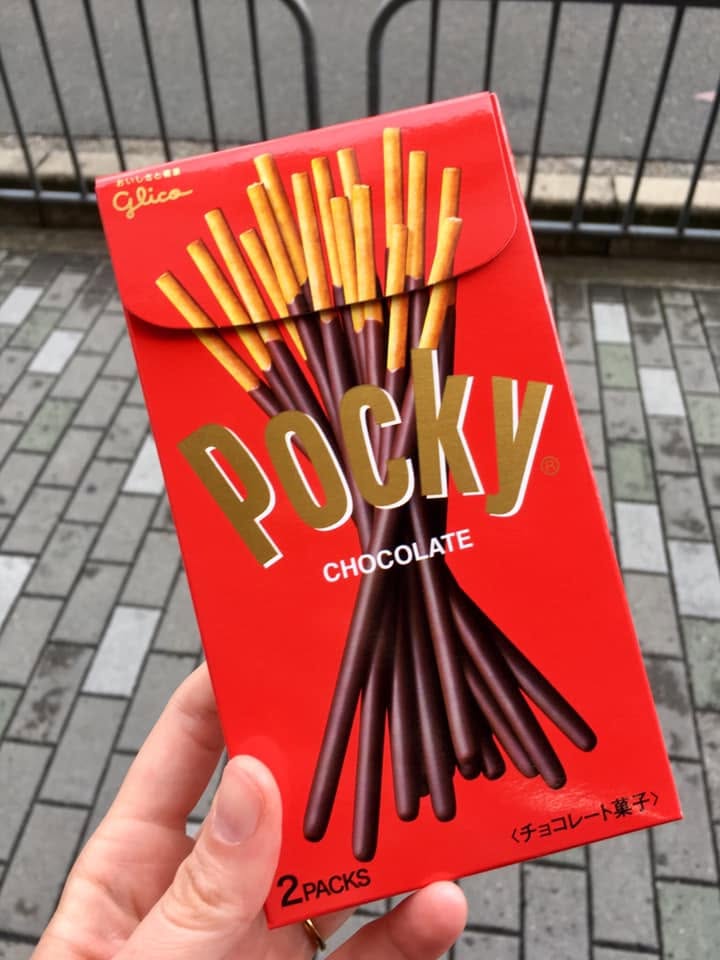
Going in a wildly different direction, on November 11th each year, we also get to take part in Double 11. Sometimes referred to as Singles Day, Double 11 is a holiday (of sorts) that’s celebrated in China and now, beyond. It originated as a sort of anti-Valentine’s Day, a day in which you treated yourself to something special regardless of your relationship status. A common, funny treat would often be Pocky as they resemble the date: 11/11, but eventually, other companies caught on to the trend, and now Double 11 is the largest online shopping “holiday” in the world. You can find deals on just about every major online retailer, and much like on Black Friday, Cyber Monday, and Boxing Day, every year, companies try to outdo themselves, essentially creating an entire month of shopping frenzy!
Andrzejki Day
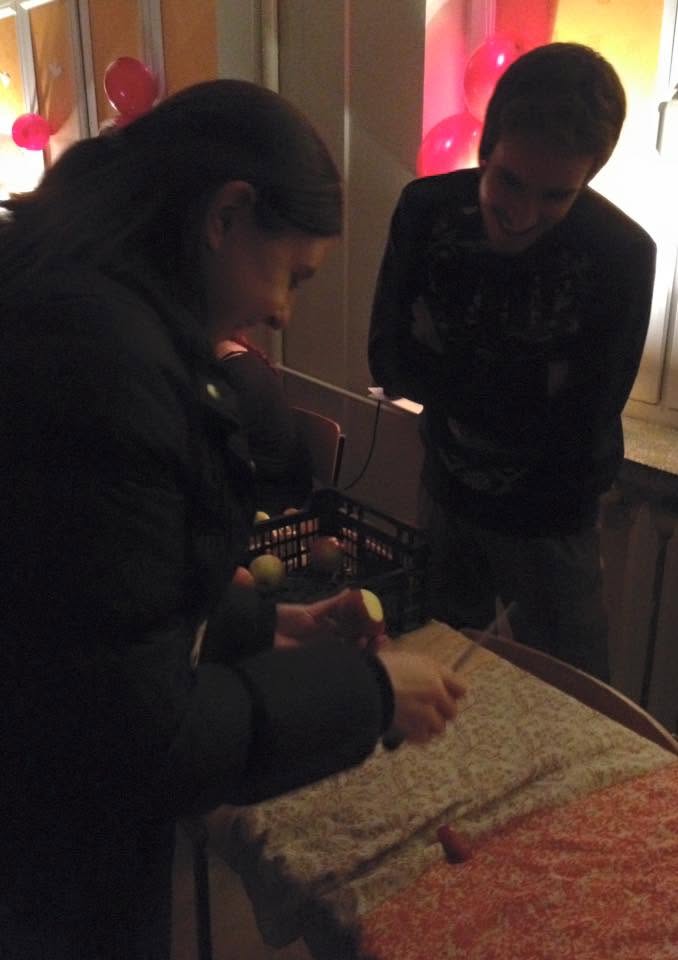
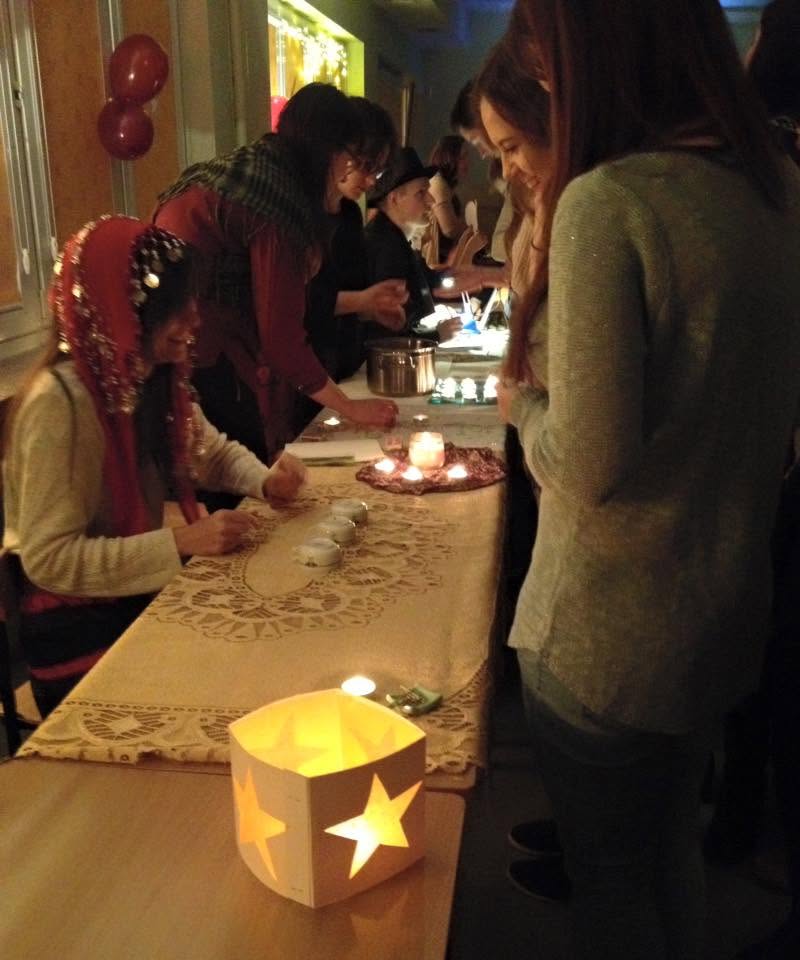
Andrzejki Day (or Saint Andrew’s Day) is a curious little holiday that we first celebrated in Poland. It takes place on the evening of November 29th, and is one of the witchiest holidays I’ve ever celebrated, which makes sense because its origins date back to medieval Europe when fortune telling was all the rage. Essentially, Andrzejki Day is a time for young people to conduct a series of activities meant to give them a glimpse into their future. One of the most common methods is pouring hot wax through an old key into cold water and interpreting the shapes that form, but my favorite is peeling an apple, throwing the peel over your shoulder, and deciphering the letter it most resembles (which is naturally going to be the first letter of your future spouse’s name). These days, it’s not taken very seriously, but what a great excuse to gather and do something fun and unique! Even though it’s been more than a decade since my first Andrzejki Day, I still like to peel an apple every once and a while because somehow, I have yet to get a W or a T!
Chinese New Year
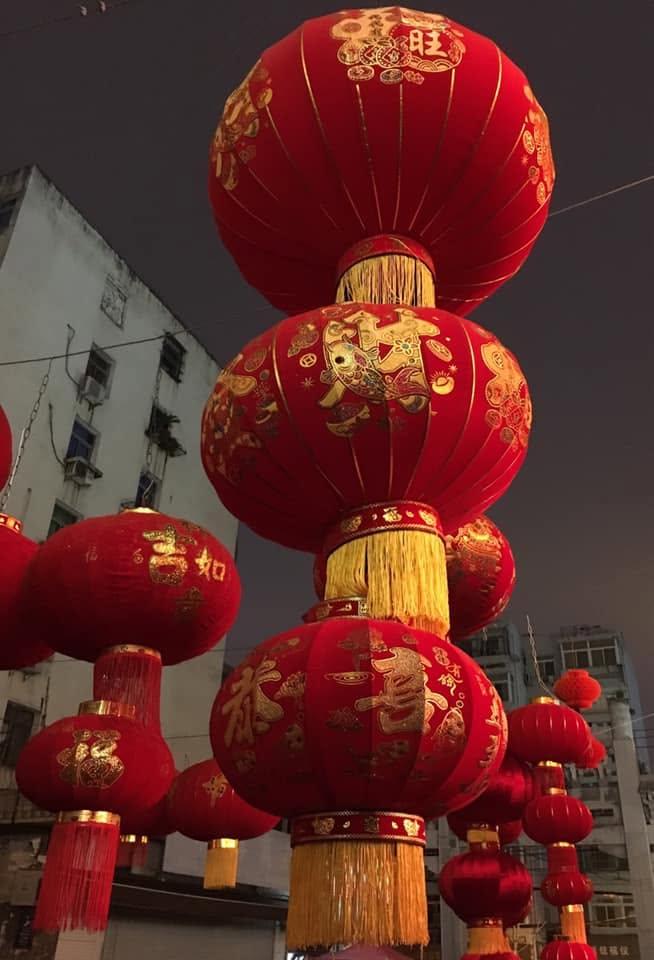
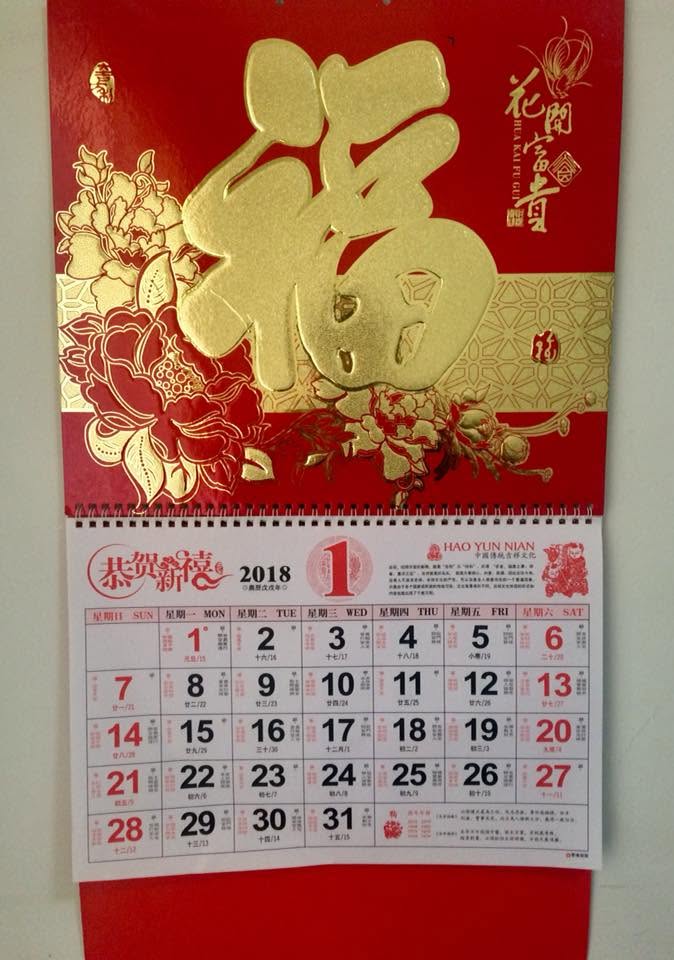
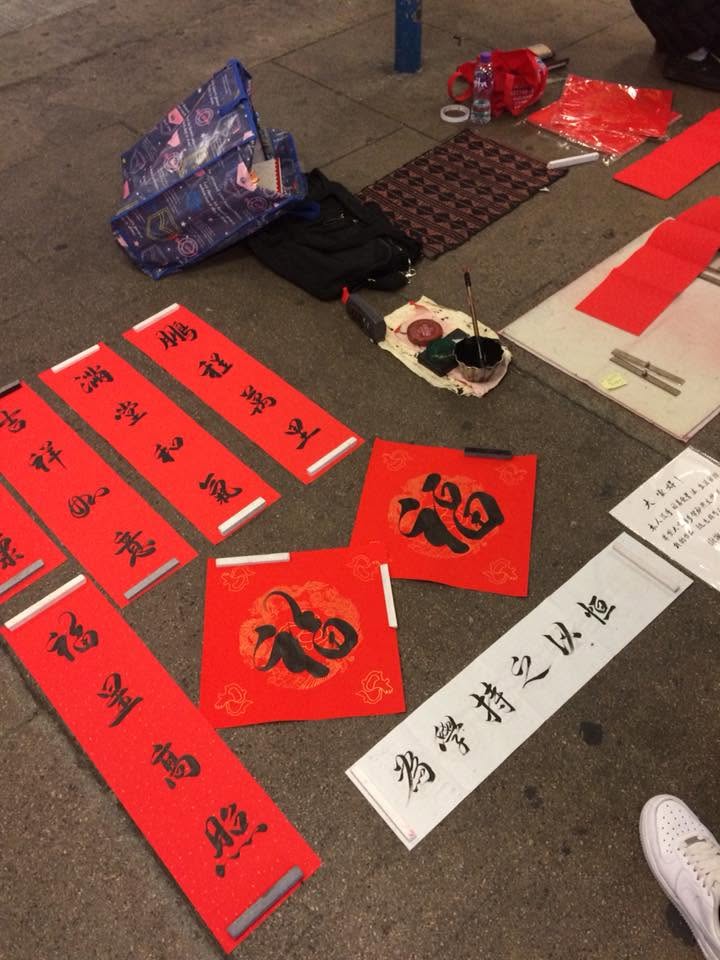
Skipping over all the holidays that take place in December (since I’ve already written about Christmastime in Poland, China, and Mexico), we’ll jump right into Chinese New Year. Chinese New Year, which is China’s celebration of the Lunar New Year, starts on the first day of the first month of the lunar calendar (generally in late January/early February). When people say this is the biggest and most important holiday in China, they absolutely mean it because the celebrations are multi-faceted, and they last for weeks! There’s the annual cleaning to start the year off right; the colorful decorations (like the fu symbols, couplets, lanterns, etc.) which bring good luck and fortune; the televised gala that everyone watches; the red packets full of money that you get and give all week long; the acrobatic lion dances that seem impossible but also so fun, and, of course, tons of incredible holiday food. The more I write here, the more I want to write an entire post about Chinese New Year! Maybe next year, which is the Year of the Sheep by the way.
Pączki Day
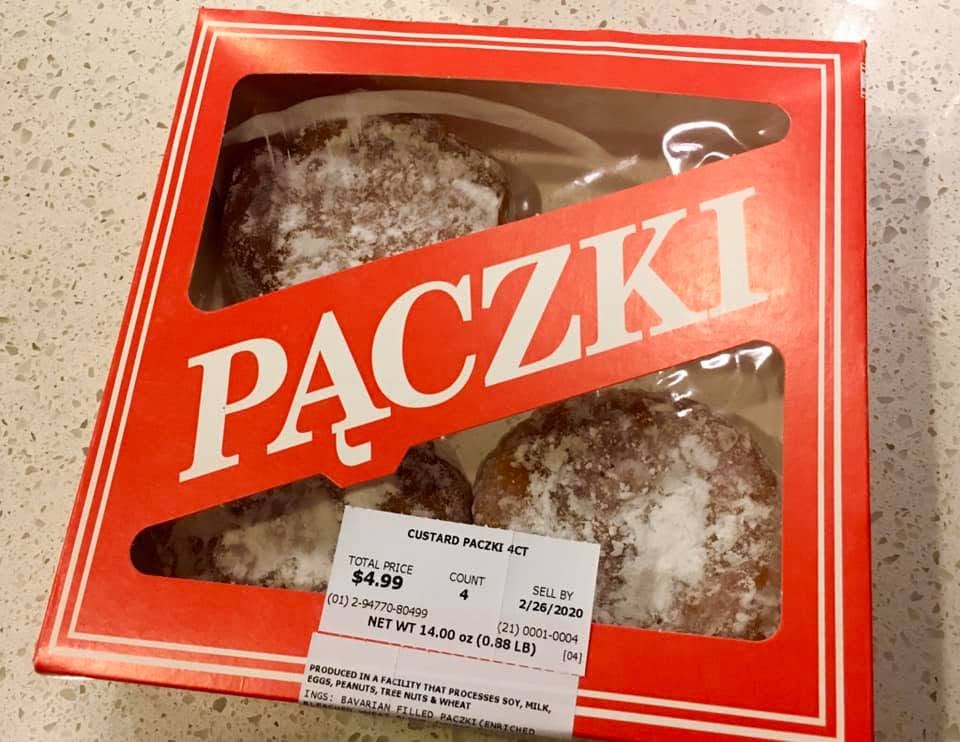
I promise Poland has a lot of serious holidays too, but those are not the ones I chose for this particular list lol! The last holiday I want to shed some light on here is one that I think we can all get behind, and that is Pączki Day. Pączki are Polish donuts, and they enjoy a special day on what a lot of people call Fat Tuesday (of course, in Poland they actually celebrate it on the Thursday, but if you want to eat donuts all week, I won’t judge). Like Fat Tuesday (or Mardi Gras or Shrove Tuesday or whatever you want to call it), Pączki Day falls before the traditional fasting season of Lent; therefore, historically, this was the day to eat all sorts of fatty, sugary treats before being good for the next forty days. Of course, there’s no rule that says you have to fast in order to enjoy a pączek on this day, and thanks to Poland’s wide diaspora, you might even be able to find pączki in your city. We’ve found them in Chicago, Orlando, and Ottawa, but in the spirit of international holiday celebration, I think any donut will do!
In one of the classes I’m teaching this semester, we’re reading a book called The Culture Map, which discusses various cultural differences by comparing some of the norms and expectations that can be seen across different countries. Unsurprisingly, reading and talking about what it’s like to live and work in places like the US, Poland, China, and Mexico has me reminiscing a whole lot!
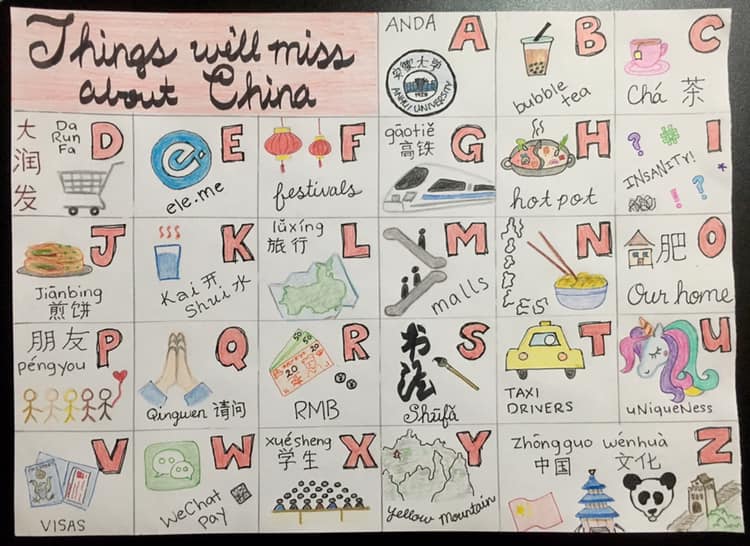
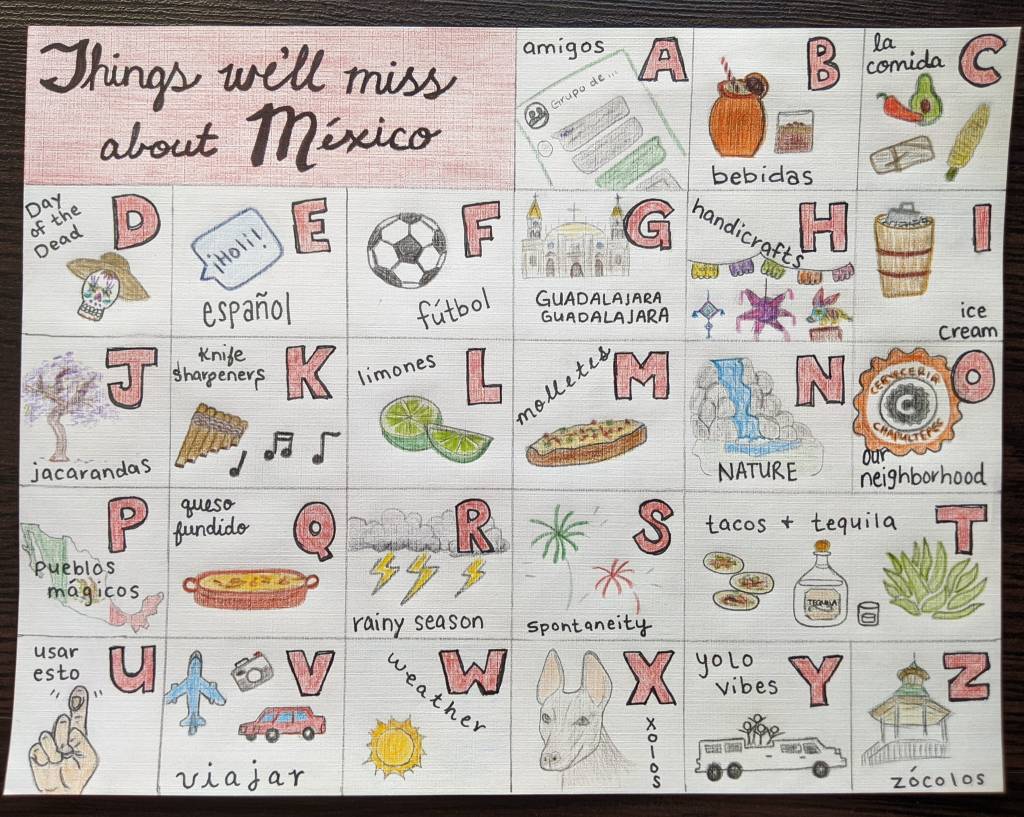
In fact, I recently took a look back at some of the posts I wrote about my experiences living and working in these countries, which got me thinking about the things we miss most about each of them, and I started wondering if those A-Z lists I made near the end of our time in Poland (2016), China (2019), and Mexico (2023) ended up being correct, or if there are other things we miss that I didn’t even think of at the time. So, for this month’s post, take a walk with me down Memory Lane as I delve into what we REALLY miss about some of our first homes abroad.
But first, a disclaimer: each of my original lists had some form of “our home”, “our apartment”, or “our neighborhood”, the cities we lived in: Łódź, Hefei, Guadalajara, and their respective languages: Polish, Mandarin, and Spanish on them, and those would easily make it on any list I were to make today because, well, those were our homes and communities, and I simply love language! But for this post, rather than sentimentality, I’m hoping to narrow down all the other features of each place as objectively as possible. Maybe one day I can use this to find the perfect hybrid of a future home country. You never know!
Poland
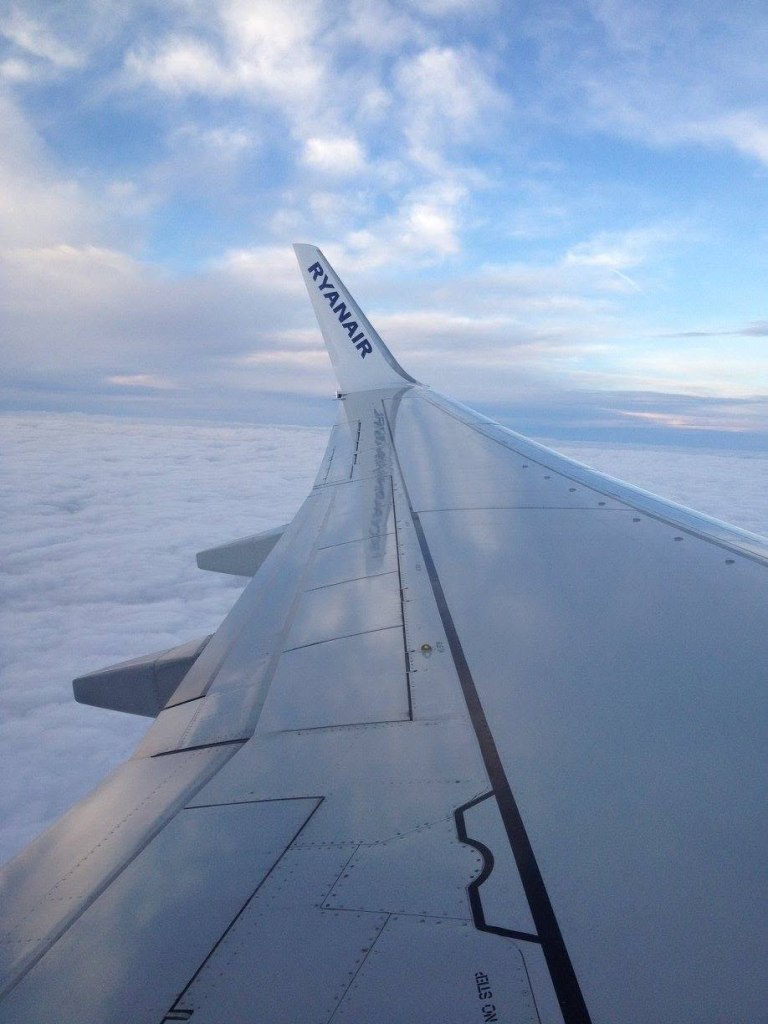
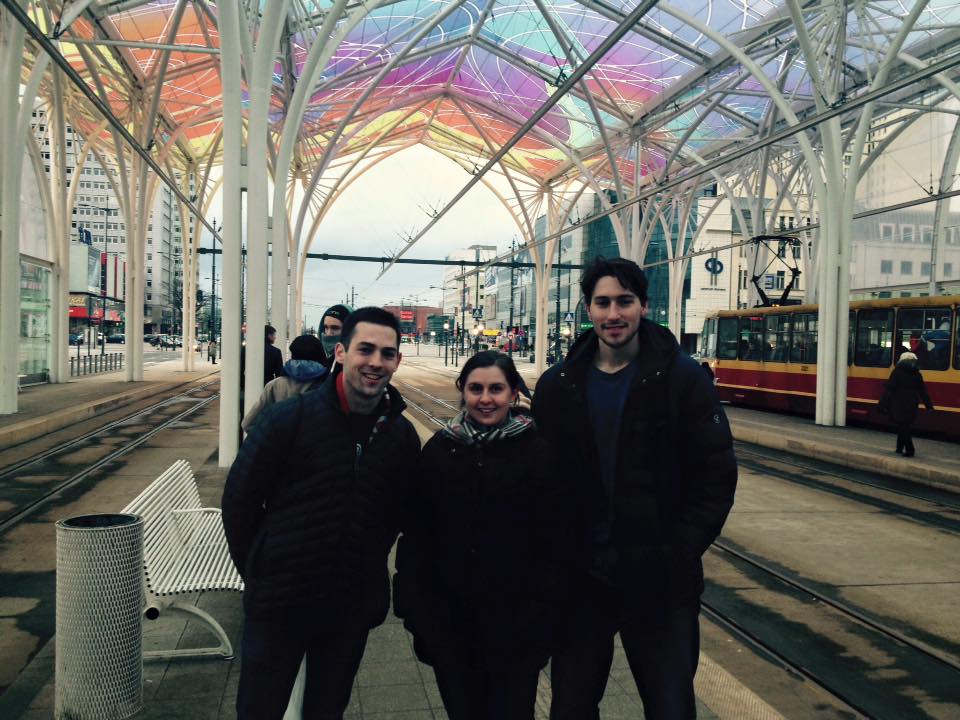
When thinking about our time Poland, the first thing that comes to mind, which is, in fact, on my original list, is Ryan Air. Although now I’d probably just say “budget airlines” in general as I have no specific allegiance to Ryan Air over Whizz Air or Easy Jet, the concept as a whole is absolutely one of the things we miss most. In 2016, we took a €30 flight from Warsaw to Porto, Portugal. Can you imagine?! A similar distance here would be for us to go to Winnipeg (not even international), and it would cost at least $400. Of course, digging a little deeper, it’s not just the cost, but the variety and closeness that Poland/Europe provided us. We could and did take a bus to four of Poland’s neighboring countries and a local train to several others in the region, and that’s really what we miss: close international options.
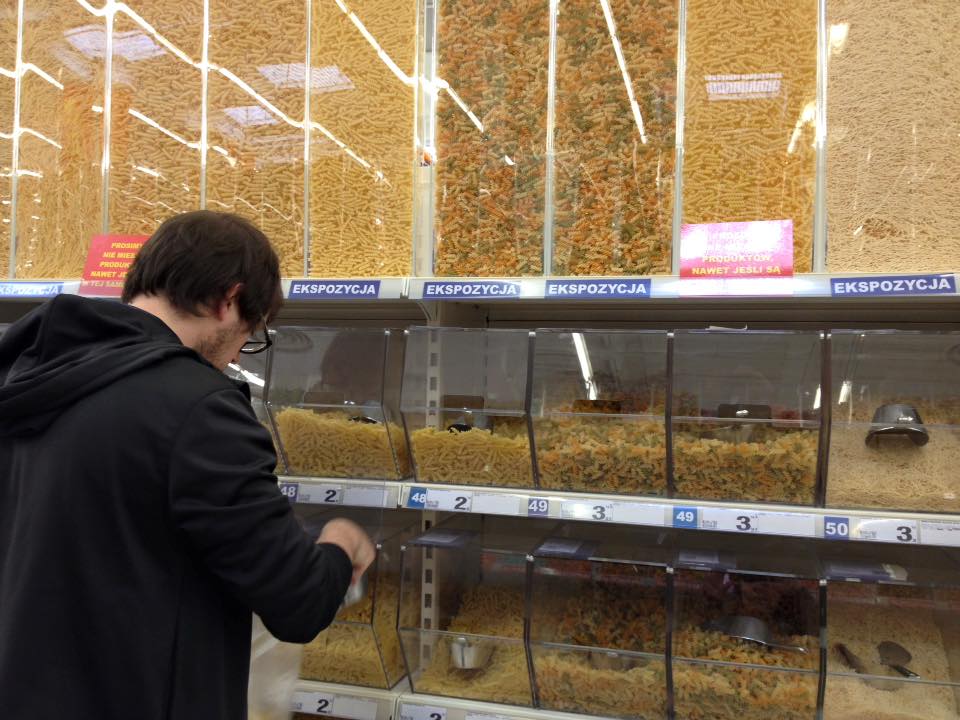
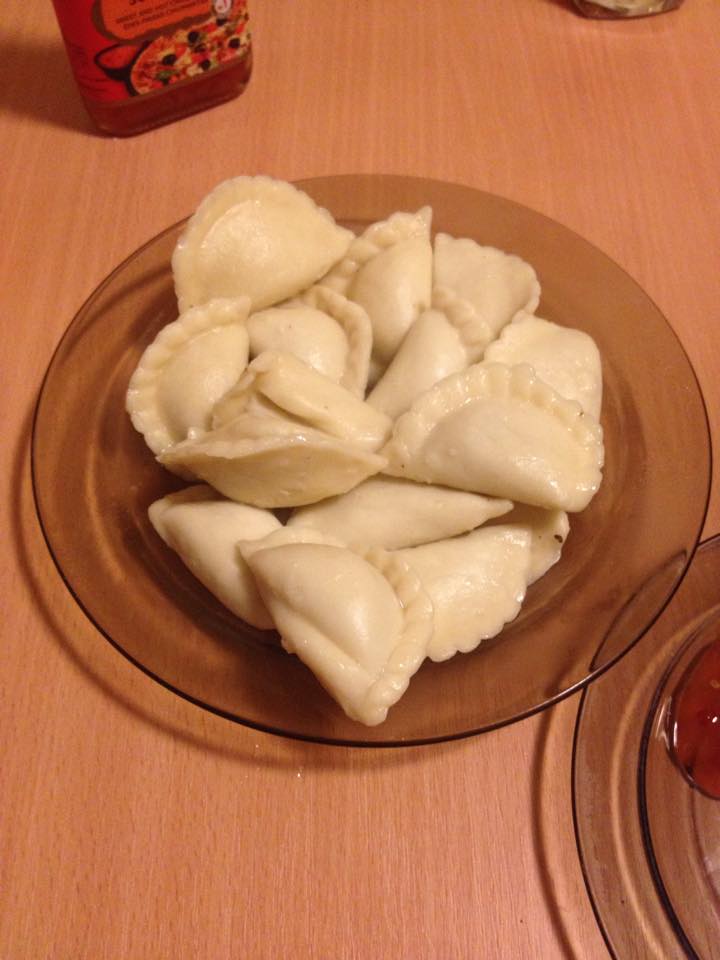
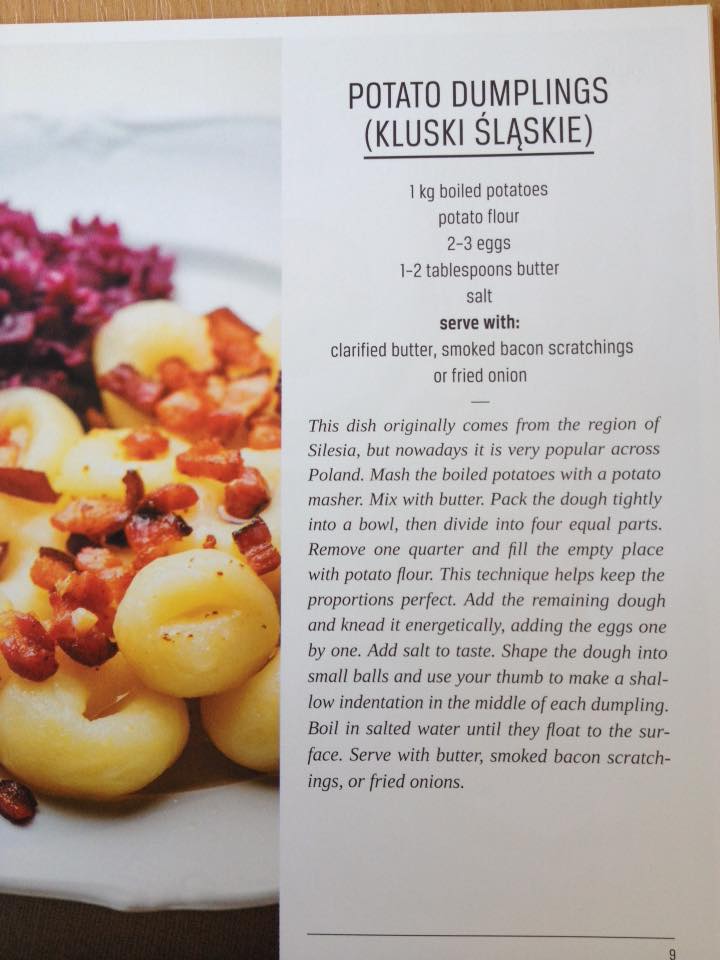
Next up would be the grocery stores, which isn’t on the list exactly, but the idea is there in “chleb” (bread), “kiełbasa” (sausage), and “kartofel” (potatoes). We miss the quality and the freshness of Polish products. At first, I remember lamenting the fact that we had to make so many things (like sauces and salad dressings) from scratch, but now I wish we had fostered those skills a bit more. Thankfully, we did learn some lessons and still habitually make our own bread and pickles, but it feels less purposeful and more avoidance strategy here. I also really miss having a huge variety of all the foods I grew up on. Only in Chicago am I able to find several, authentic varieties of my beloved kabanosy and homemade pierogi (although Ottawa gave us a smaller, but still respectable selection as well), but nothing compares to Poland!
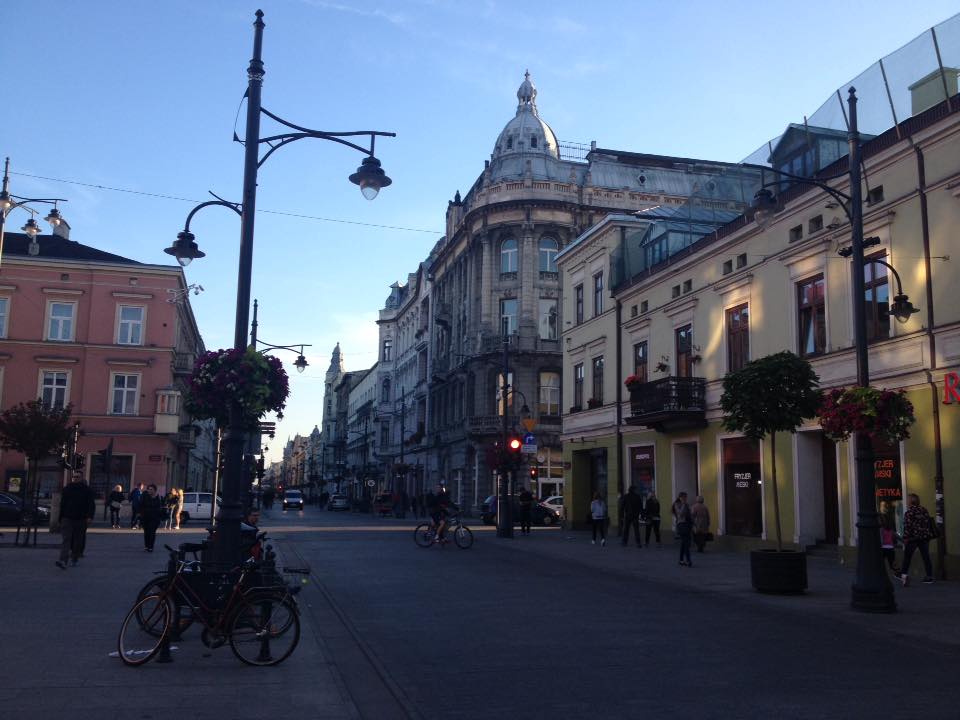
And rounding out the podium of things we miss most about Poland has to be the architecture, which is also on the original list. Honestly, that was one of the things that immediately struck me about living in Łódź, and I never grew tired of staring at all the incredible buildings around me. I’m sure this is partially why we keep choosing historical cities like Guadalajara and Québec because I love being even just a small part of the incredible history of the spaces I inhabit. We don’t often find ourselves re-visiting places, but when we do, by far our favorite pastime is to see how the city has changed because even more impressive than the architecture itself is how it’s adapted again and again. Through its factories turned malls and power stations turned cultural centers, Łódź taught us to look a little deeper at the architecture around us, and I sincerely miss seeing those impressive transformations and how they’ve shaped and re-shaped the city.
China
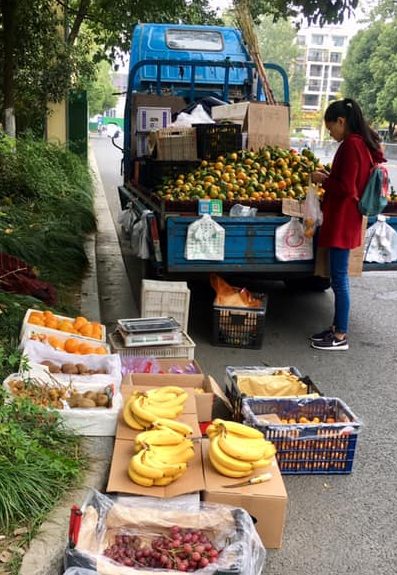
The first thing we miss about China is so obvious because we bring it up all the time: QR-code payment (represented by “WeChat Pay” on the list). We didn’t use cash at all while we were living in China, and that was close to a decade ago! Stores, restaurants, street vendors, farmers selling produce out of the backs of their trucks – literally everyone used digital forms of payment, and I miss it so much. Not only was it way faster and easier for us linguistically-challenged foreigners, but think of all the paper we saved by avoiding all those receipts! Related to the use of digital payment, I also miss the fact that I could go anywhere with just my phone in my pocket. In China, I almost never bothered with a purse or a bag because everything I needed was on my phone. I’m not generally a huge fan of technology, but that’s absolutely one piece of tech I wish was the norm everywhere.
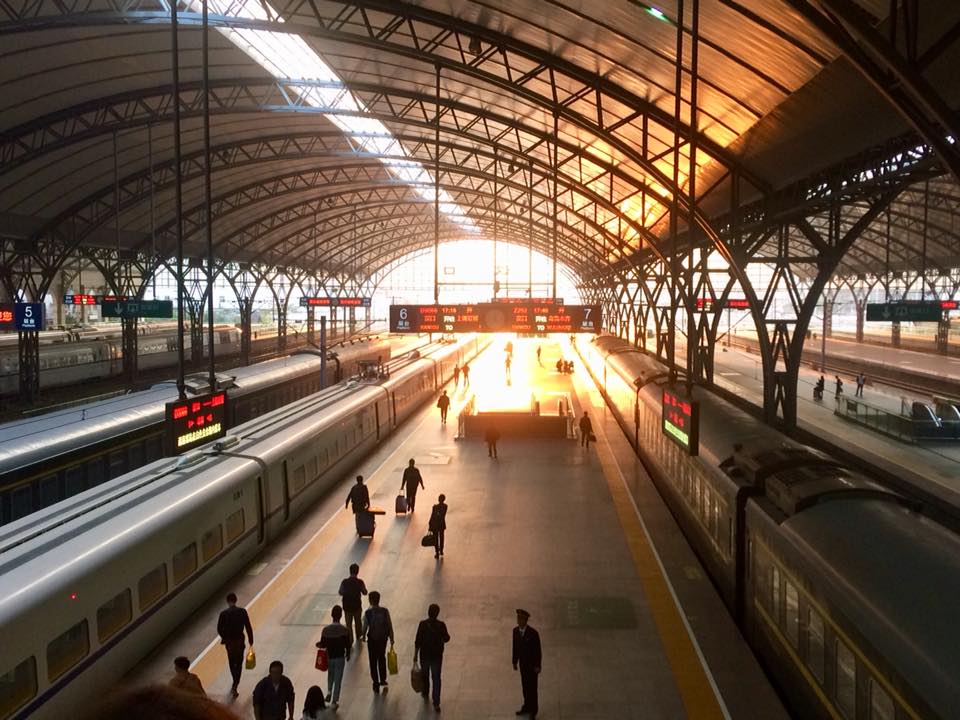
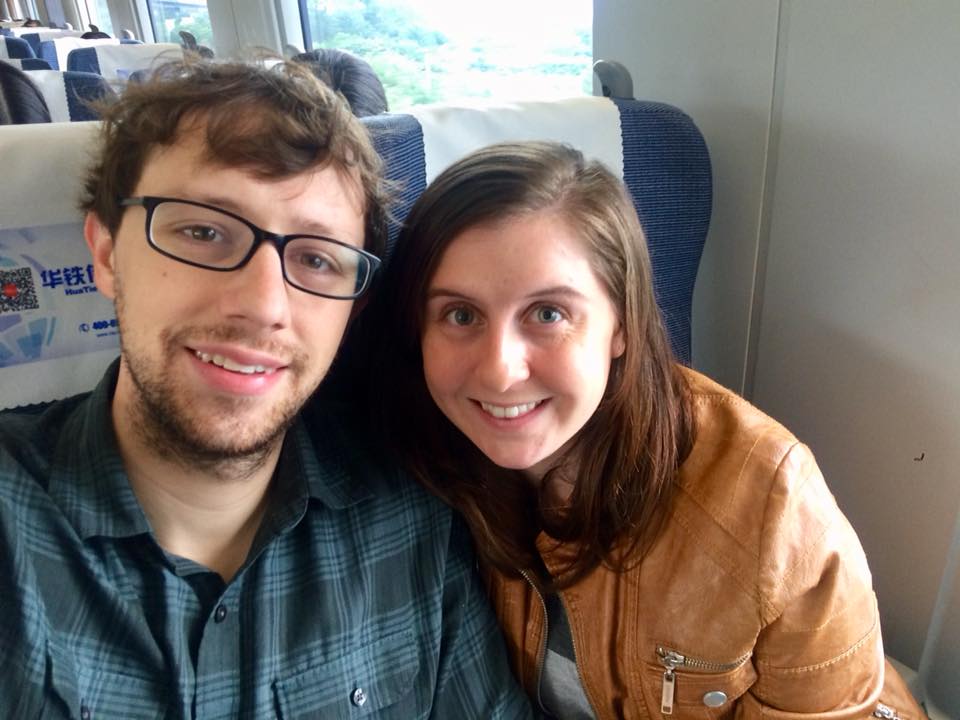
Next up for China has to be the fast trains (or the “gāotiě”). Similar to the budget airlines in Poland, I miss the extensive, cheap, and super-easy-to-use train system of China. I often say you can get anywhere in China without a car, which isn’t exactly accurate, but that’s definitely what it felt like. We never worried about getting from city to city or even planning our trips much in advance because there was always another train. In addition to the plentiful (and affordable) travel options the train system gave us, I straight up just miss taking the train. It’s easily my favorite method of transport, and I’m sad that options for it are limited (to say the least) in North America. There’s simply nothing quite like casually slurping up some ramen while the vastness of China zooms by at 200km/h.
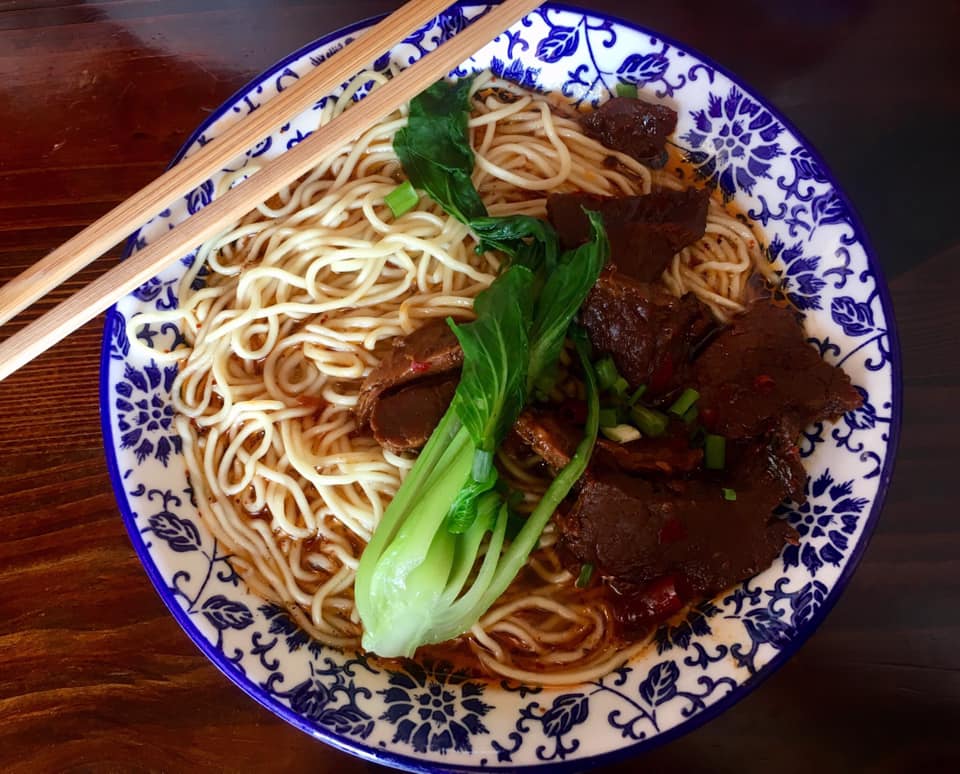
The third thing for China has to be some of my favorite Chinese dishes, which is hilarious because I actually struggled with eating nothing but Chinese food for months after we first arrived. I initially found real Chinese food to be altogether too different from what I was used to, and I just couldn’t get over the lack of familiarity. That is until I found my favorites and learned how to ask for what I wanted, essentially creating a new level of familiarity. And now that we can’t get real Chinese food regularly, I find myself making those things myself (which if you know me, you know is a huge deal because as a general rule, I don’t cook). There’s just something so utterly unique about authentic Chinese food, and once you find what you love (which for me includes but is not limited to Chongqing noodles and jianbing, both of which are on the list), it’s hard to live without it. Of course, it’s also hard to live without Ele.me and free tea everywhere we go too, but I’ll save those for another list…
Mexico
I knew without a doubt that I would miss rainy season when we left Mexico. The US is blessed with an abundance of regular storms, and that was something I quickly came to miss when we first moved abroad. But Mexico upped the ante, and now I miss having a whole season of daily storms and crazy weather. There’s just something about a storm that is so exciting, yet calming at the same time, and being able to set your watch by that phenomenon every day for three months is magical. I know rainy season can actually be dangerous for many people and places around the world, but from my home office in Guadalajara, it was beautiful. And the fact that it brought cooler temperatures every year only added to its appeal. I’m probably one of only a few people in the world aiming for rainy season when I travel, but hey, I knew that about myself then, and it’s still true now!
Another thing we really miss about Mexico was summed up pretty nicely with “spontaneity”, but I don’t think we realized just how much we’d miss it in basically every aspect of life. It could be due to the huge swing back into a super schedule-oriented country like Canada, but we definitely struggled at first getting back into the habit of making reservations and planning things out months in advance. Even now, I sorely miss the ahorita of it all! Nothing felt as rushed or as imperative, and yet everything still got done. When I find myself worrying about things piling up and deadlines fast approaching, I try to channel our GDL years and the tranquilo way of life that everyone loves about Mexico, and rather than making a plan to do something fun next weekend, we’ll up and go right then instead. ¿Por qué no?
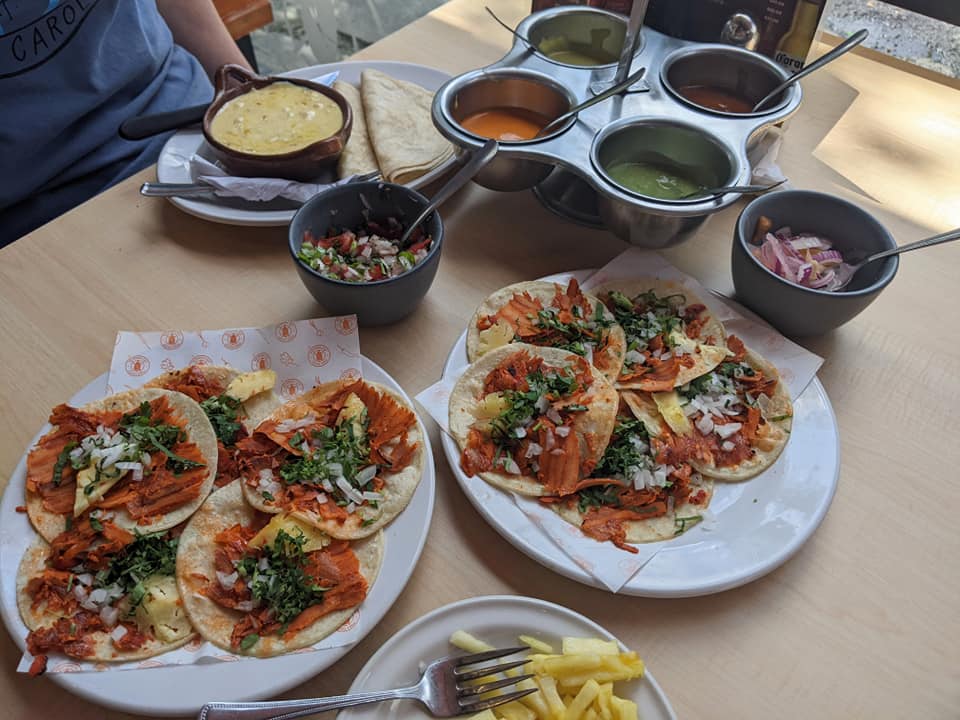
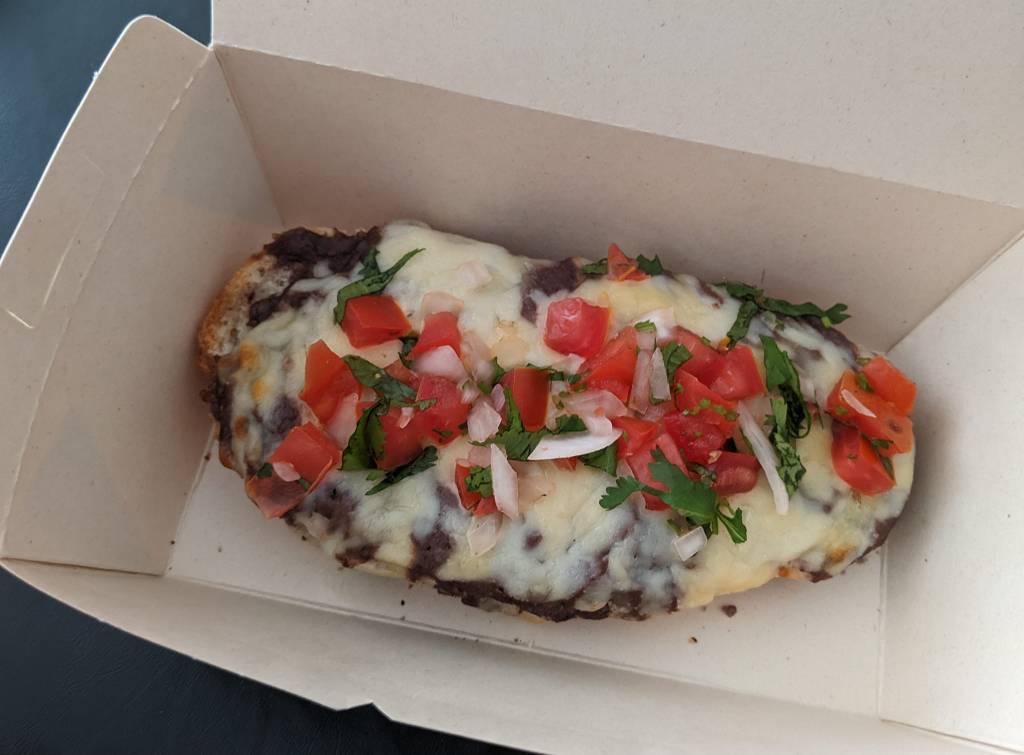
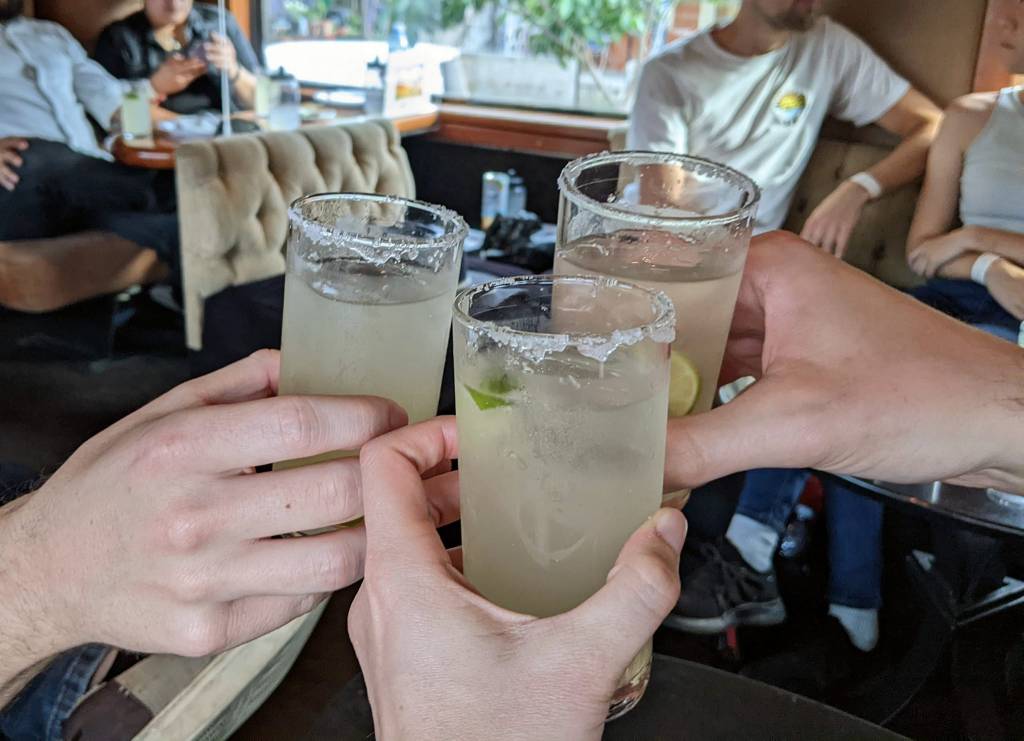
And last but not least for Mexico is, of course, the cuisine. Are you sensing a theme? We miss the high-quality groceries of Poland, the unique foods we came to love in China, and for Mexico, it’s all about the perfect collection of ingredients which have come together to make the most delicious cuisine in the world, and you can fight me on that! Tacos – perfect. Molletes – perfect. Palomas – perfect. You name it, I love it. And much like finding authentic Chinese food, the further away you get from Mexico, the less likely you are to find it (especially at a reasonable price). But again, as I reflect, I feel like it’s not just the food that I miss, but the way it was enjoyed. 3am tacos after a night out; molletes for a quick-and-easy breakfast on the go; palomas sipped on a sunny rooftop terrace – the food is incredible, but the atmosphere is even more so!
And while we’re full-on reminiscing here, there was one other thing that happened to be on all three of my original lists: “amigos”, “péngyǒu”, or “friends”, and honestly, more than anything else, that’s what we miss the most. Sometimes it’s hard to have our friends spread out all over the world, but it’s also pretty special. So, here’s to the next time we see each other – reminiscing in one of our homes or off exploring another! Either way, you know we’ll be eating something delicious!
This week, we celebrated the one-year anniversary of our move to Québec, and surprisingly, some of the most regular questions we still get are about the differences between living in Ontario versus Quebec. Of course, comparisons like these are always hard to make because there are so many factors, but now that we have a little more time under our belts, I think I can share some of the bigger differences, or at least the things that have stuck out the most to two random Americans who happened to spend two years in Ottawa followed by a year in Québec City. Differences like:
Taxes
Can you tell it’s tax season? There’s a reason this is at the top of my list. This is our first year doing taxes in Quebec, and it is bringing about a whole new set of challenges. In Ontario, there’s only a federal tax, but in Quebec there’s federal and provincial. Yay! More formulaires to figure out! In general, taxes (sales tax, income tax, etc.) are a bit higher in Quebec, but as far as we can tell, that seems to even out with the cost of living and services provided. Of course, my favorite part of Quebec’s tax system is that they have a high rate of escalation for income tax – essentially, they tax the rich at a higher percentage, bringing equity into the equation, which is très progressif!
Language
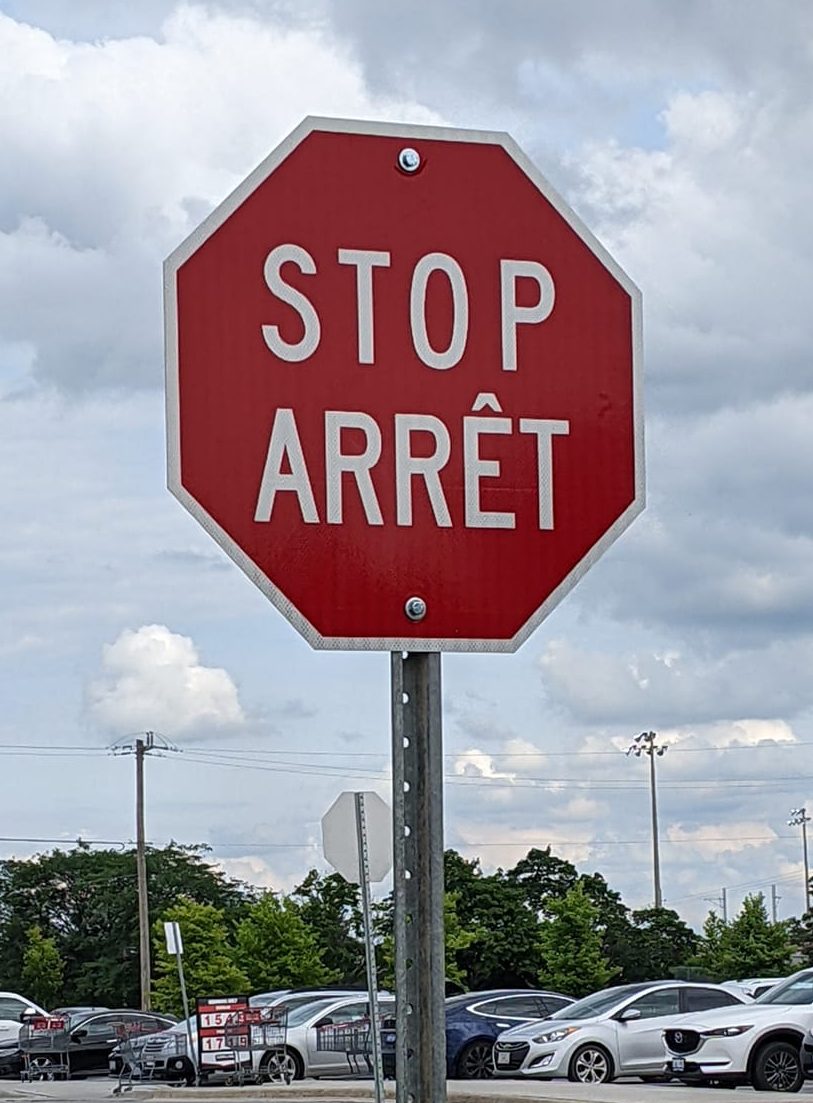
I can’t talk about Ottawa vs Québec without mentioning English and French. Both cites have a large number of bilinguals, but the default languages obviously differ, as does the ease of use and readiness to switch. I didn’t hear very much French in Ottawa, and I feel like walking into a Tims there and asking for un café infusé avec une roussette au miel would have been met with blank stares. However, in Québec, it’s quite common to hear both English and French used daily. This disparity is exactly why Quebec has laws to enforce French as the first language of the province, because if not, English might just take over as it has in many other places around the world. Et c’est précisément pour ça que j’apprends le français.
International Influence
Unsurprisingly, Quebec’s French connection has had a lot of influence on the city. Its historical ties to France have shaped the history, culture, and language here, but even today, there are obvious international influences that differ from the rest of Canada. For example, the largest groups of immigrants into Quebec generally come from other francophone countries, which can be seen very clearly in Québec’s restaurant scene. Ottawa has lots of Chinese, Indian, and Iranian restaurants, not to mention shawarma on just about every other street. On the other hand, in Québec, we have way more French, African, and Caribbean options.
Names
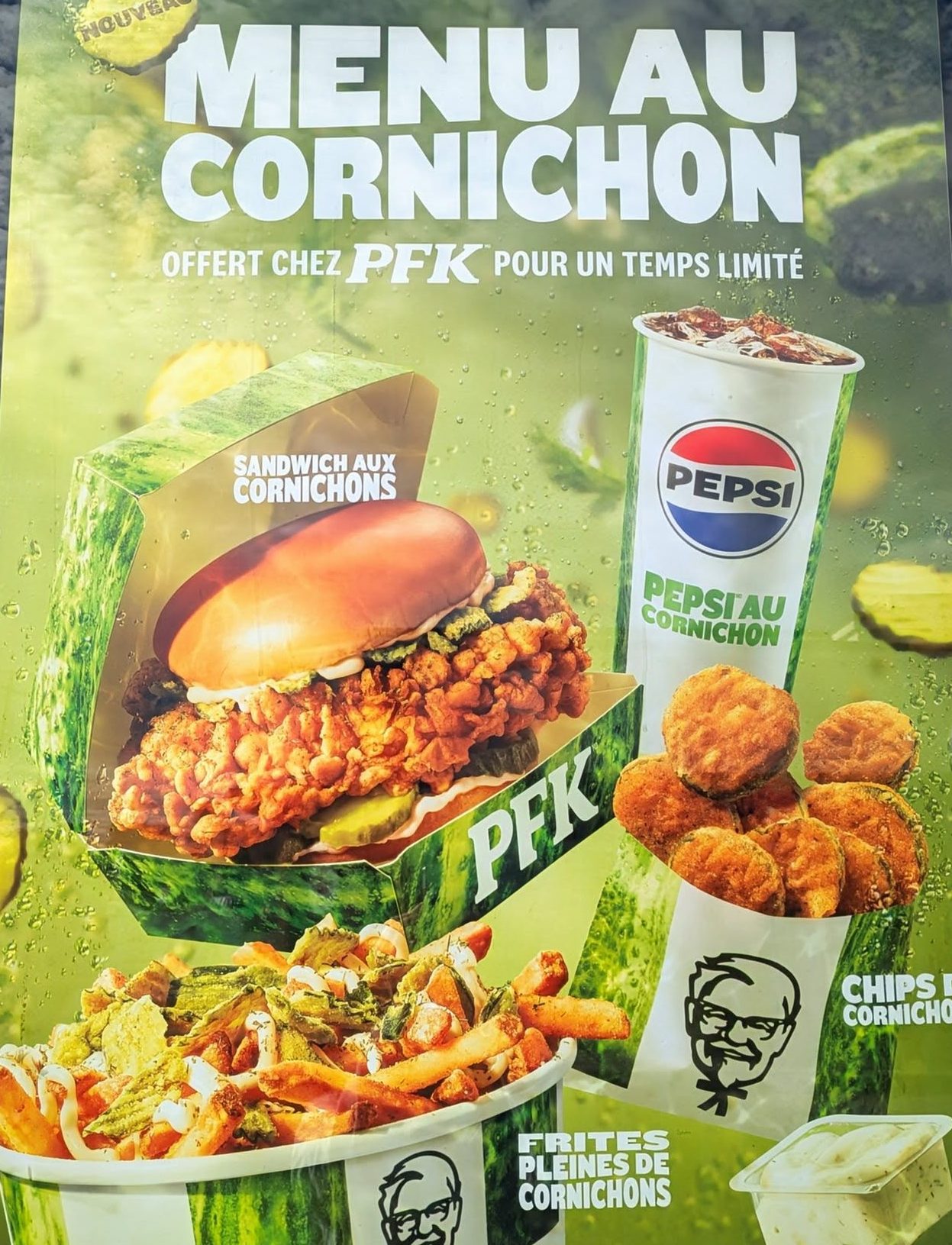
Another difference we’ve noticed has been the names of things. There’s a pharmacy in Ontario called Shoppers, but here it’s Pharmaprix. KFC is PFK; Staples is Bureau en gros; Loblaw’s is Provigo, etc. A combination of language, branding, and company mergers has given us several “hey-I-know-this-place” surprises over the last year. Perhaps even more strangely though, our own names also changed upon moving to Quebec, well, mine did anyway. In Quebec, you don’t take the name of your spouse, so very often for provincial things (like my health card), I’m asked for my nom de naissance or “birth name”, which for me is different than my official/government name. And that’s how I ended up with yet another alias…good luck identity thieves!
Identity
Speaking of identity, we’ve also noticed that Quebecers are not as concerned with the rest of Canada as the rest of Canada is with Quebec. We heard all sorts of things about Quebec and Quebecers prior to living here, and even now when I talk to Canadians in other parts of the country, they have a lot to say about Quebec. On the other hand, I don’t hear Quebecers talk much about the other provinces and territories. I liken it to New Yorkers. Yeah, New Yorkers are technically Americans, but they’re also their own thing, and Quebecers are very similar. They are Québécois first and Canadien second.
Services/Community
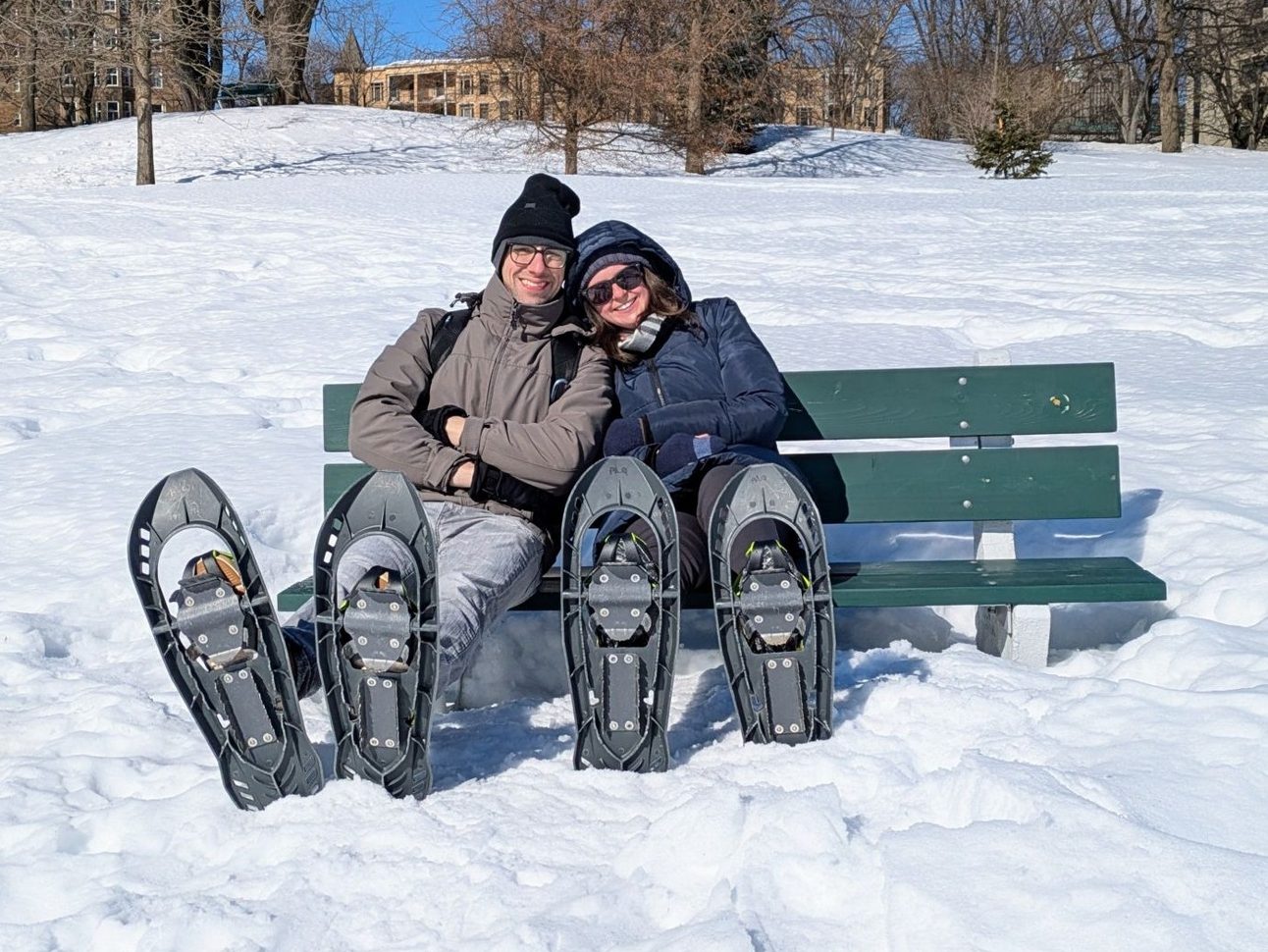
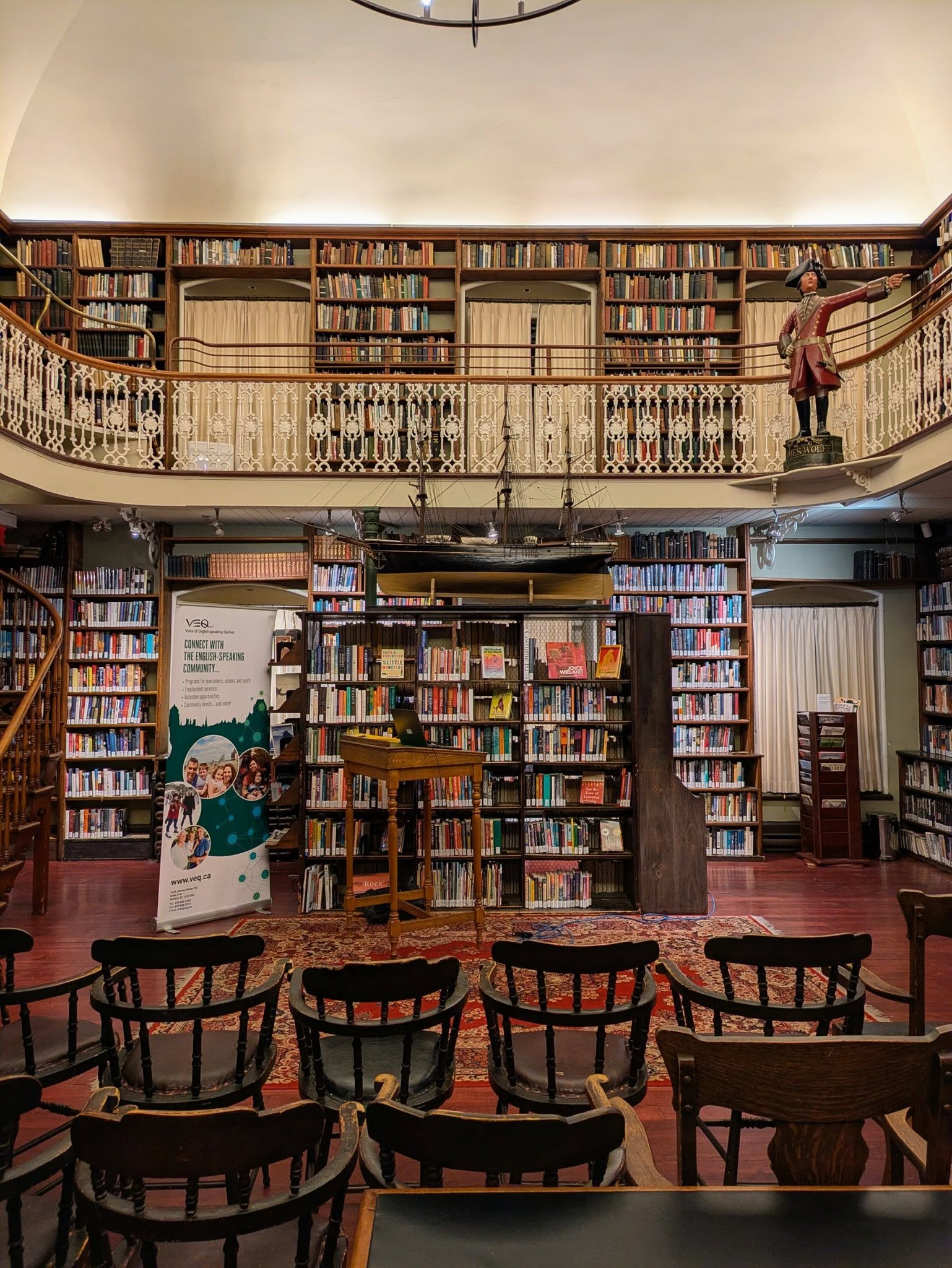
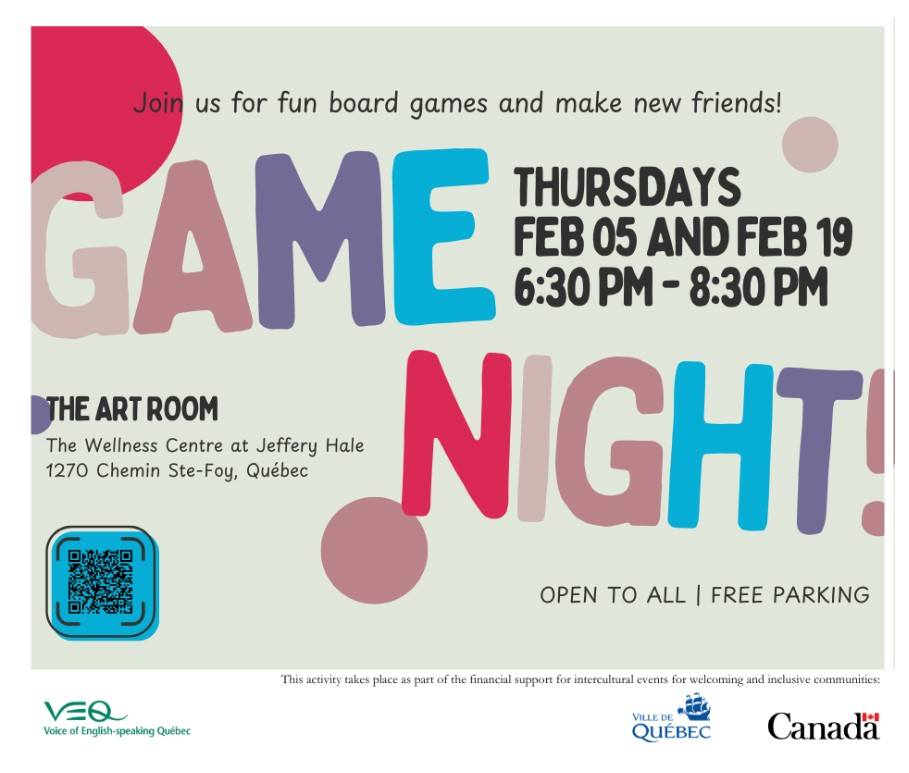
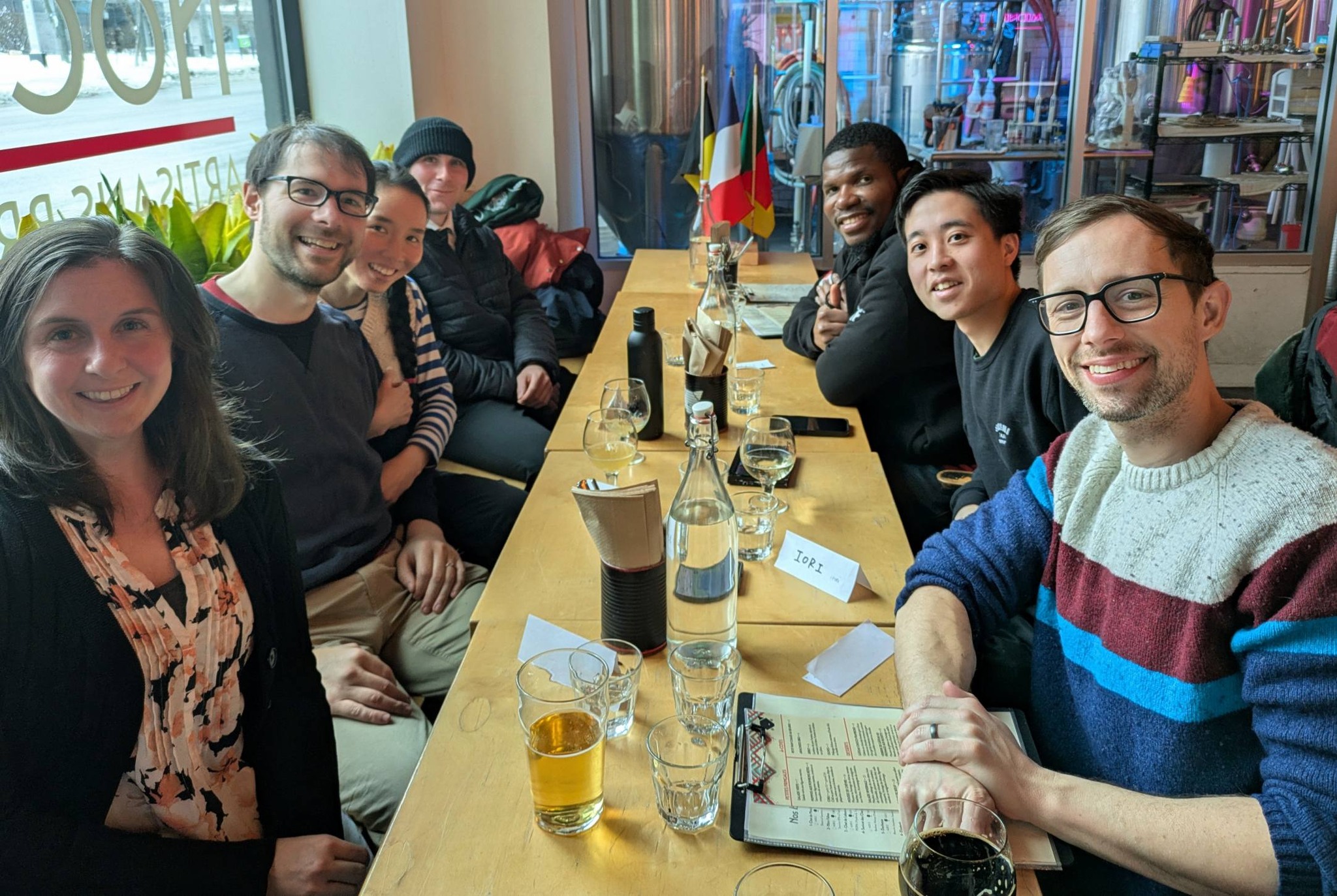
Another thing we’ve been able to take advantage of here in Québec is the huge number of amazing services and community building activities, which have all been free (thus the higher taxes). We recently went snowshoeing, attended a lecture about the history of Québec, received materials that helped us apply for all our provincial IDs, etc. There are free French and English classes, meet-up groups, game nights, and so much more that has allowed us to meet so many people who call Québec home, and we’ve only scratched the surface! There is really an incredible amount of free and/or affordable services for all sorts of needs. Another good example is daycare. Here, you can find subsidized daycares for around $10 per day. Can you imagine?
Cost of Living
This is another one that’s hard to nail down exactly because, of course, it ultimately depends on what you choose to spend your money on. There are some things that might be more expensive here and others, less, but the biggest thing for us has been rent. We rented two very similar apartments in Ottawa and Québec. Both were two bedrooms, a few blocks away from downtown, all utilities included. Our apartment in Québec is 40+ years newer and a little bigger, yet it’s more than $500 cheaper per month. That cost differential will absolutely be worth the small increase we’ll see in taxes this year.
Driving
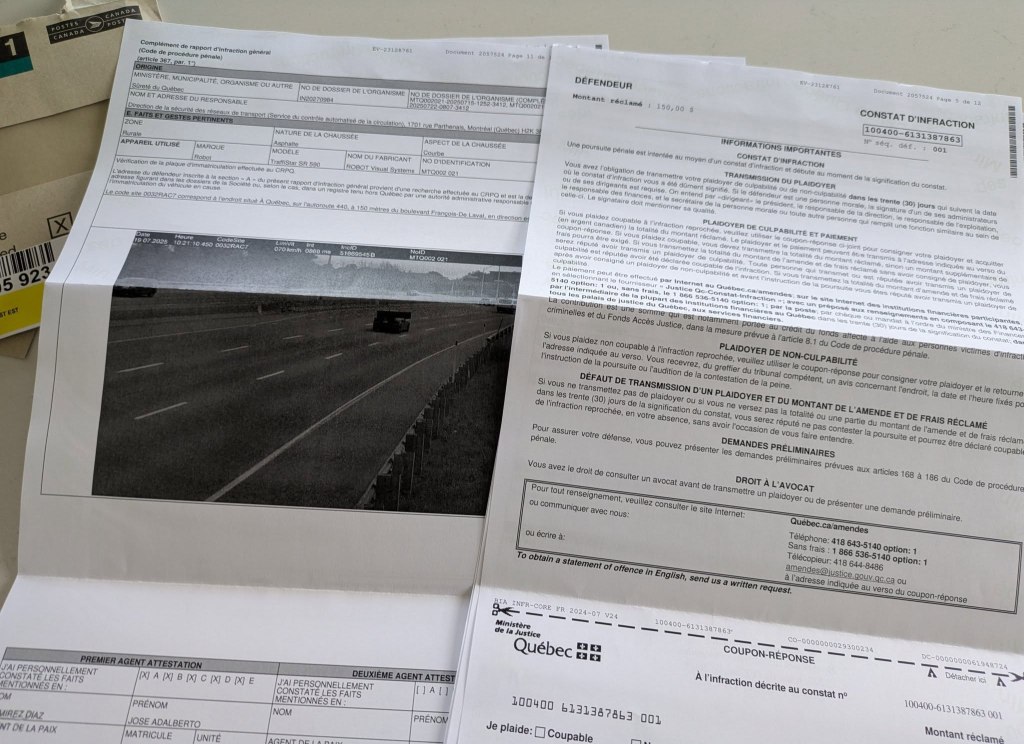
Somehow driving always seems to be a category in my country/city comparisons, and Ottawa vs Québec is no different! We lived in Ottawa for two years and never got a ticket. Not for driving, parking, or anything. In less than six months, we got two speeding tickets in Québec. I say “we”, but I wasn’t driving either time… Anyway, the point is, there are WAY more traffic cameras in Québec, and they absolutely work. Oddly, with that said, I also feel it’s more common here to come across a person making a U-turn in the middle of the road and/or ignoring any lane markers (if they can even be seen), so maybe there’s a good reason for all the cameras. Ottawa seems to follow the rules without being watched, and Québec seems to skirt the rules, until there’s photo evidence, of course.
Winter Prep
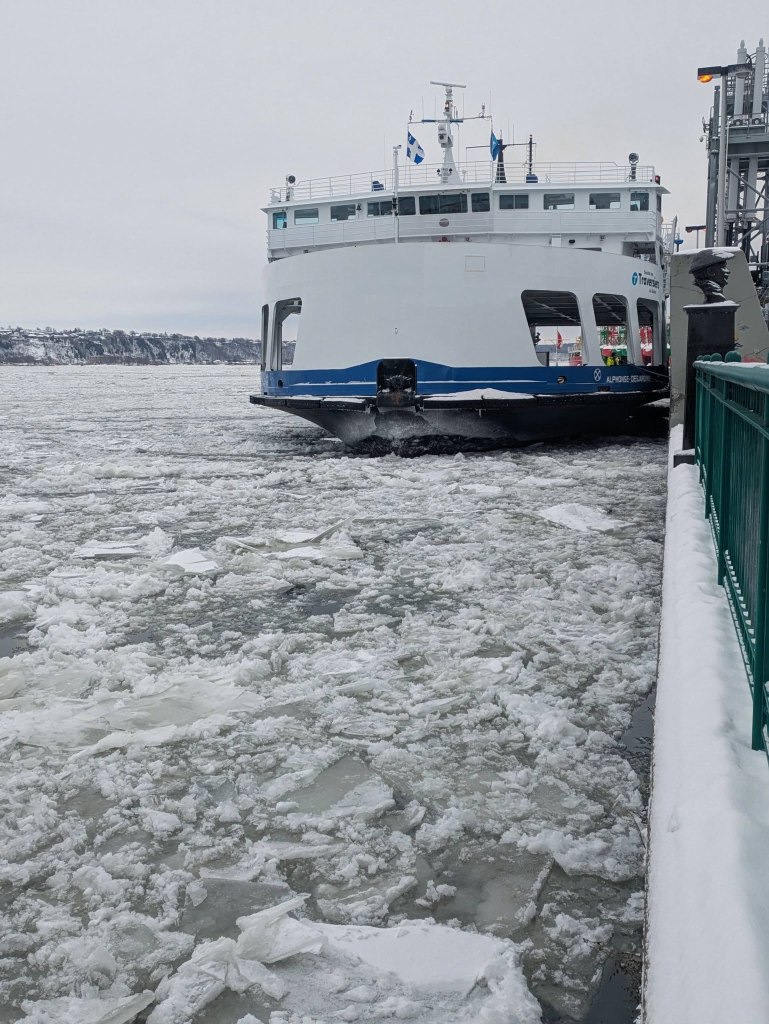
I’m pretty sure I’ve mentioned this in a previous post, but I just can’t get over how different the two cities handle winter. Ottawa LOVES salt. Everything is super well-salted; I couldn’t have slipped on a sidewalk even if I had wanted to, but Québec uses a mixture of gravel and salt, which is probably cheaper and better for our boots and car but definitely means there’s more opportunity for slippage. Case in point: Tucker and I have each fallen two times in our Canadian years, and all of them happened in Quebec. With the gravel and salt mixture also comes a lot of slush, which can get a little messy. Cue the abri tempos! Another feature of Quebec winters is the appearance of tents. Tents everywhere! Temporary garages, doorway covers, walkway covers, etc. For half the year, there are pop-ups all over the place making for another difference that is super noticeable.
Joie de Vivre
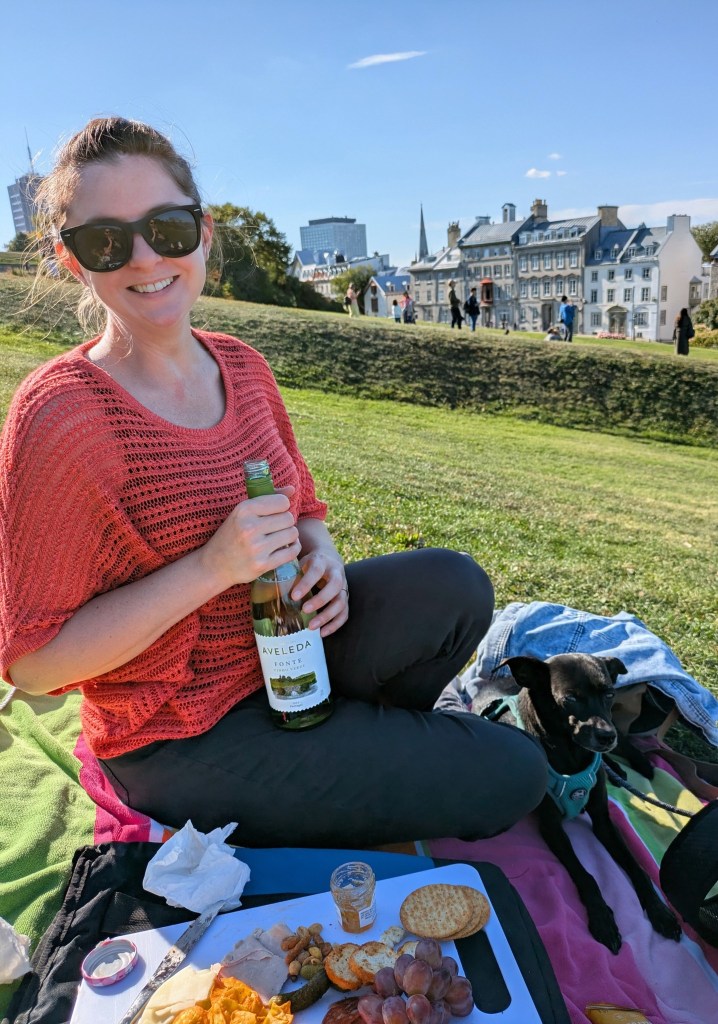
And last, but not least is the infamous joie de vivre. Literally translated to “joy of living”, joie de vivre has such a palpable presence in Quebec. Ottawa (and much of the rest of North America) has such a hustle culture that is completely missing from Québec. Here it’s still common to take a bottle of wine and have a picnic in the park on a random weekday. Or to enjoy one of the many weeks-long festivals we have here in every season. It seems time with family and friends will always win out over work, and no one ever seems to be in much of a rush. Of course, the architecture, cuisine, and language all make Quebec feel more like Europe, but I think it’s really the joie de vivre that draws people in. C’est magnifique!
And there you have it! Just a few of the many differences between life in Ottawa, Ontario and Québec, Quebec. Personally, I would be extremely happy to live in either city, and as is always the case, there are pros and cons to both. What else is there to say except vive la différence! ;)
Learning another language is truly a challenge like no other! It’s all-encompassing and never-ending, and if you choose to learn a non-standard variety, like, say, Quebec French for example, it can sometimes feel like you’re learning two languages at once. For example, in class, I was taught words like “chaussure” (shoe) and “portable” (cellphone), but in the streets of Québec City, I hear “soulier” (shoe) and “cellulaire” (cellphone). Of course, I’m all for linguistic choice, but as a proud Quebec resident, I feel the need to learn, use, and share the dialect of my new home, so with that in mind, I give you a few of my favorite Quebecisms:
Notre char:)
Char
Standard French: voiture
English translation: car
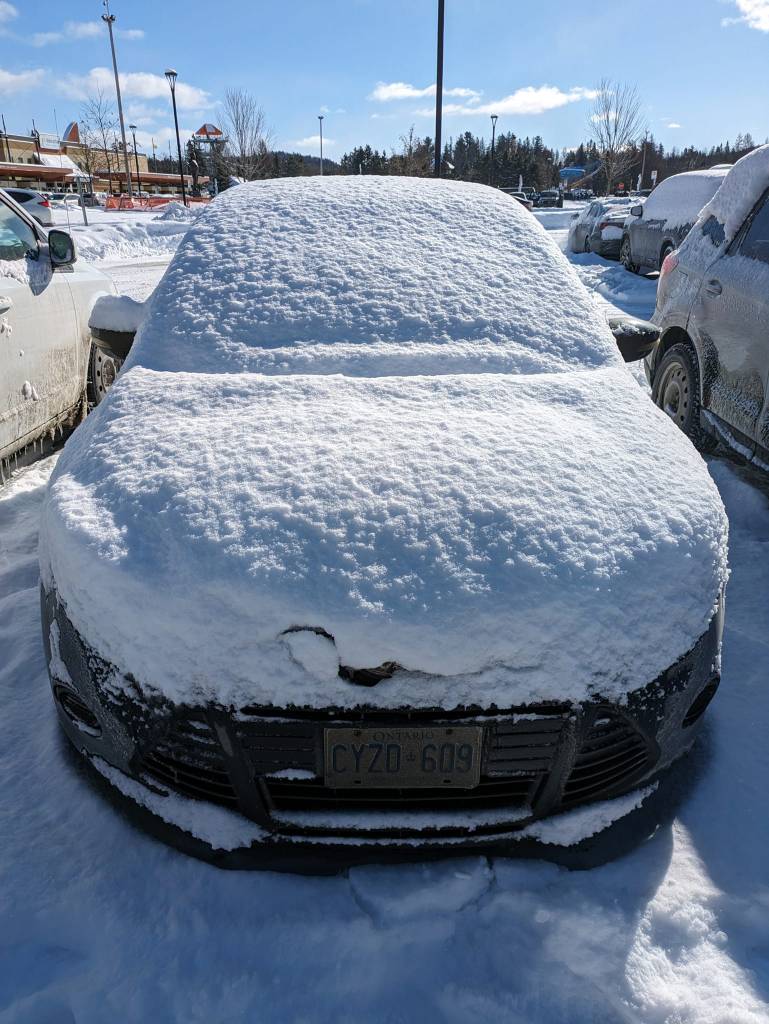
First up is the use of “char” for “car”, and I know what you’re thinking, this has to be English influence at work, but no! “Char” was actually used in Old French to refer to chariots, horse-drawn carriages, two-wheeled carts, and the like. In Quebec, “char” happened to stick around, whereas in France people started using “voiture” for wheeled vehicles and “char” specifically for heavy-duty vehicles like tanks. I’ll be honest though, even our little Ford Focus feels a bit like a tank when busting through the snow banks of Québec City! Maybe it’s not such a big difference after all.
Blonde/chum
Standard French: copine/copain
English translation: girlfriend/boyfriend
Another Quebec classic is the use of “blonde” (regardless of actual hair color) and/or “chum” to refer to your significant other. I say “significant other” because most of the time they’re used for girlfriend/boyfriend, but there’s actually some flexibility there; your fiancé or even your husband could be “ton chum”. Of course, “chum” can also refer to just a friend (of any gender), which isn’t confusing at all, n’est-ce pas?
Très frette…
Il fait frette
Standard French: Il fait très froid
English translation: It’s really cold
Sometimes, necessity is the mother of invention, and in French Canada, the harsh climate has led to many inventions, including some of the linguistic sort. Here, we often experience stretches of -20° temperatures, where “cold” doesn’t quite cut it. So, when it’s Quebec cold aka really cold, we can say “il fait frette”, which means you had better be wearing multiple layers!
Sloche
Standard French: neige fondante
English translation: slush
In addition to the temperature differences between Canada and other Francophone countries, we tend to get a lot more snow over here, and like other snow-dwelling peoples, we need to be able to differentiate between the many different types of snow. Enter the word “sloche”, which refers to the nasty grey sludge that appears after the snow and ice start to melt. Known as “slush” in English, this one probably did come to Quebec via English influence, but the English actually got it from the Scandinavians, so it seems sloche is just a fact of life for all northerners!
Paparmane
Standard French: pastille de menthe
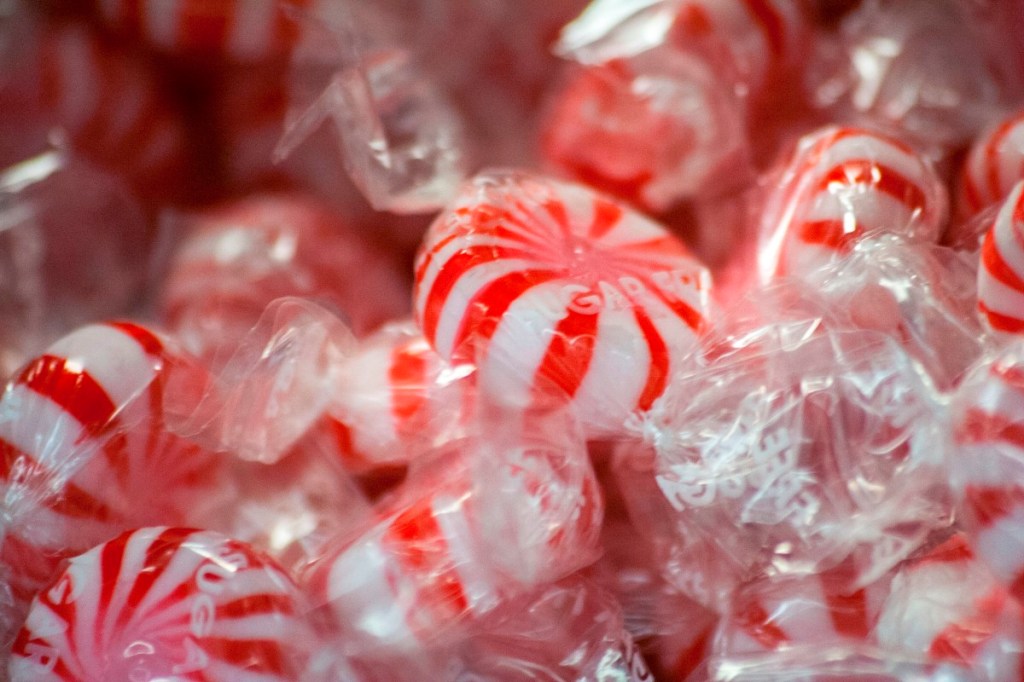
English translation: peppermint
Speaking of English influence, I think one of my favorite examples of phonetic borrowing might just be “paparmane”, which is how Quebecers nativized the English word “peppermint”. I love this for two reasons. For one, I’m always ecstatic when there’s a one-word alternative available in French (somewhat of a rarity!), but I also love it because it highlights just how different the respective orthographies are. If you could only see the way I’ve spelled some Quebec place names prior to seeing them written down… Oof! “Paparmane” is way closer than I ever get!
Jaser
Standard French: bavarder
English translation: to chat
“Jaser” is another Old French word that simply went out of favor in Europe, but is still hanging on in Canada. Here it just means “to chat”, but in France, “jaser” is associated with gossiping and has more of a negative connotation. Interestingly, the word used more commonly in France now is “bavarder”, which comes from a word that meant “saliva” or “drool”, which seems a bit negative in its own right, but what can I say? Language is compliquée.
Aweille
Standard French: allez
English translation: let’s go
“Aweille”, which I’ve also seen written as “enweille”, “awèye”, and even “enwoye” is a very useful Quebec creation for whenever I find myself trying to get my dog to hurry up and go pee already! It has such the perfect combination of sounds for whining, which is my preferred usage, but it can also be used in a more encouraging way like “Come on! Let’s go!” Aweille! There are more Quebec expressions to learn!
Tiguidou
Standard French: parfait
English translation: okey dokey
Another super positive Québécois word is Tiguidou – positive and extremely fun to say, I might add! The origins of “tiguidou” are somewhat contested, but many believe it’s a borrowing from the British/Scottish expression “tickety-boo”, which honestly doesn’t help much for the Anglophones on this side of the Atlantic because what the heck is “tickety-boo”? Anyway, in Quebec, “tiguidou” is just a fun way to say “A-OK”. Et c’est tiguidou!
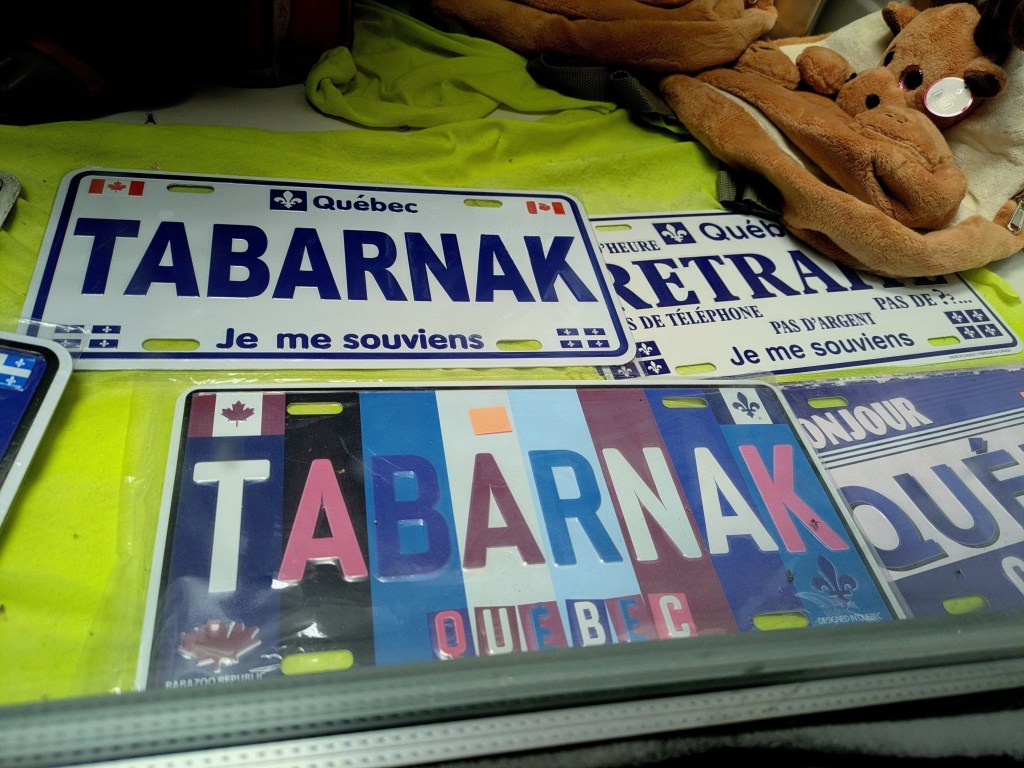
Tabarnak
Standard French: putain
English translation: holy shit
Of course, I can’t have a list of Quebecisms and not include the most famous of them all! A little warning though, if you’re not a fan of profanity, better skip to the next word because it’s impossible to talk about “Tabarnak” without swearing in multiple languages… To those still here, Quebec has a whole set of unique swear words that all have to do with the church, such as “Tabarnak” (which literally means “tabernacle”). Why is that a swear here? Good question! Unfortunately, this is the kind of thing that needs its own post entirely, so for now, you can just think of “Tabarnak” as a multifaceted, catch-all exclamation, not all that unlike the English “holy shit”!
Attache ta tuque
Attache-la! Attache-la!
Standard French: accroche-toi
English translation: buckle up
Thankfully, I had already bolstered my Canadian vocabulary in Ottawa before relocating to Québec City, otherwise I might have been a little more confused upon first hearing “attache ta tuque”. Tuques are winter hats, so the phrase is literally saying “attach your winter hat”, but it’s used a lot like “buckle up”, as in, we’re in for something crazy here! Hang on your hats!
Tire-toi une bûche
Standard French: installe-toi
English translation: pull up a chair
I love this expression because it just feels so…colonial. It literally means “pull up a log” as in find an unoccupied stump and have a seat. It’s so easy to imagine early settlers, sitting around a fire in a circle made up of nature’s chairs coining words like “tiguidou” and “paparmane”. There’s definitely an ease to modern-day Quebec culture as well, and I think that’s why a phrase like this still exists. Tire-toi une bûche and let’s just jaser the night away!
L’affaire est ketchup
Standard French: c’est nickel
English translation: It’s all good
Last but not least, a phrase that I, as a ketchup-lover, just can’t get enough of! “L’affaire est ketchup” literally means something like “the thing is ketchup”, but it’s used as an idiom for “done deal” or “it’s all good”. The idea is that once the final touch of a little ketchup has been added, we’re all set; we’re good to go, which if you’ve ever seen me eat a hotdog, is a sentiment you know I take to heart!
So, there you have it! Just a few of the many colorful words and expressions that I’ve been learning as I strive to become one with La Belle Province! I hope you enjoyed them too! À la prochaine!
Of all the places we’ve been, we probably get the most questions about Mexico, which makes sense because Mexico is such a beautiful country, and anyone would be lucky to spend time there. However, I do sometimes get a little sad when people tell me they only plan to visit (and often re-visit) one of the same three places: Cancún, Cabo, or Puerto Vallarta. I mean, to some extent, I get it. Those are the most well-known beach cities in the country, but imagine if someone wanted to see the US, and then just repeatedly visited LA. What about the Grand Canyon? What about New York? What about Yellowstone? Mexico is every bit as diverse as the US, which is why I wanted to highlight some other amazing destinations for anyone who wants to see more of what Mexico has to offer.
La Paz
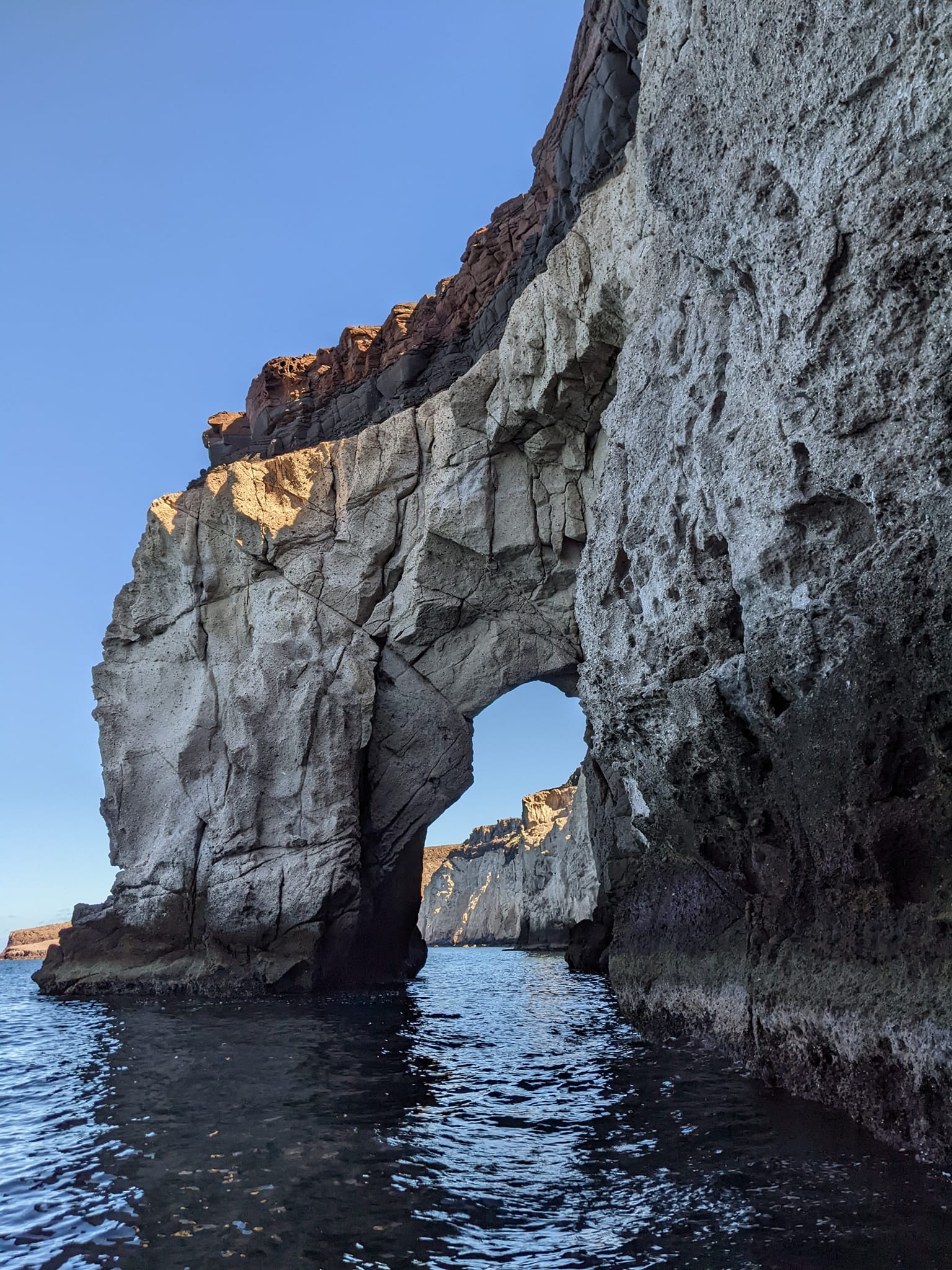
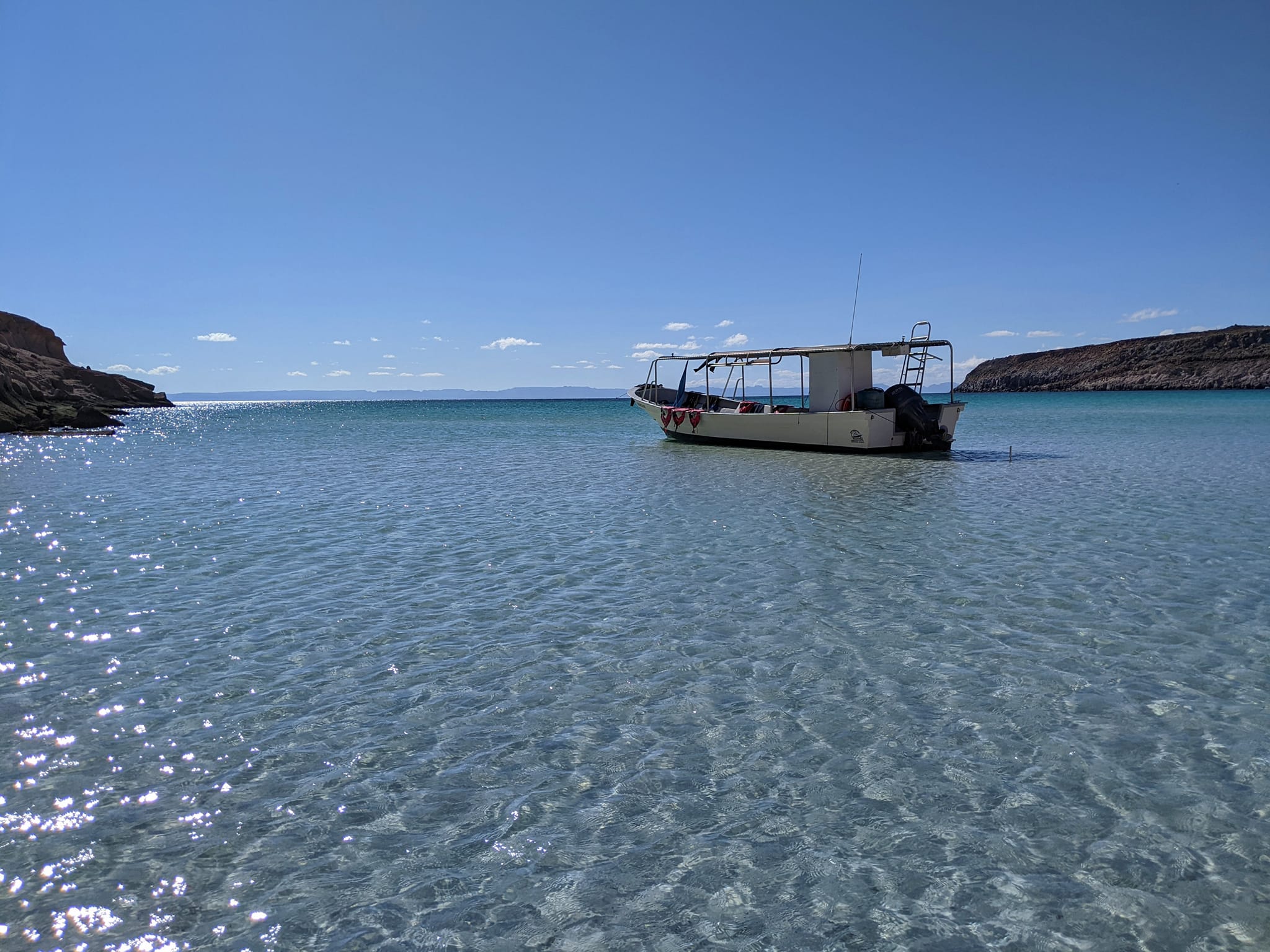
First off, we’ll start with my favorite beaches in Mexico. Located on the eastern side of Baja California, La Paz has some of the prettiest seascapes I’ve ever seen (and I’ve seen some stunners). If you’re looking for the most tranquilo place to vacation, this might just be it. La Paz is known for its beautiful sunsets, delicious seafood, and diverse sea life. We swam with the sea lions there, but you can also see whales, rays, and thousands of tropical fish. And if you don’t want to get in the water, there are plenty of catamaran, kayak, and glass-bottom boat options too. There are also nature preserves on either side of the city where you can hike, picnic, sand surf, ride ATVs, and so much more. In short, La Paz deserves more attention.
Chihuahua
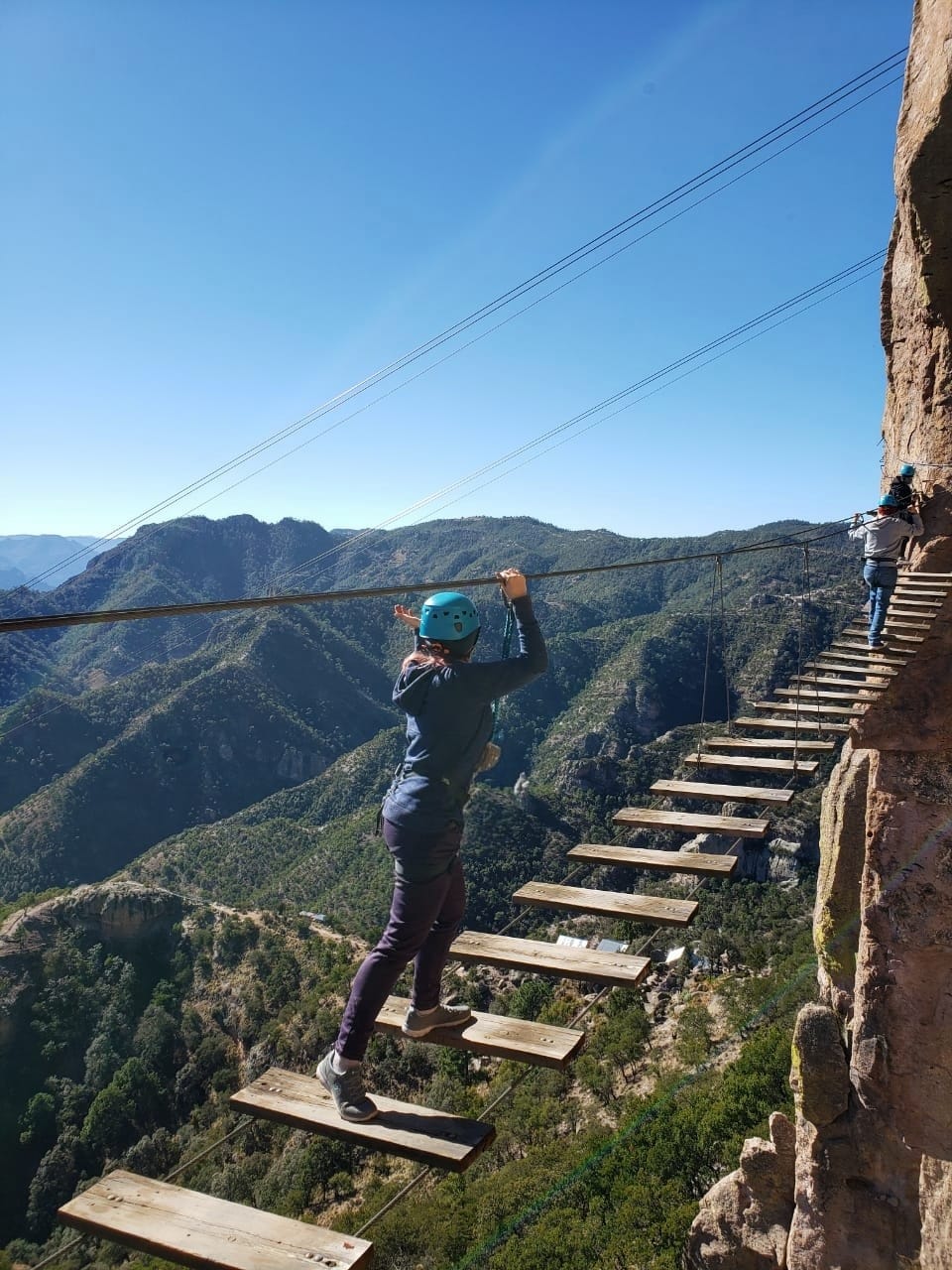
When you think of Mexico do you think of steep, red canyons and scenic train rides through the mountains? Well, I do when I think about Chihuahua and its Copper Canyon. This is a part of Mexico that any self-respecting nature-lover would drool over. Chihuahua might be more famous for the dog breed that originated there, but it’s also Mexico’s largest estado and has a vast number of amazing landscapes and exciting activities. Between riding the infamous El Chepe train through the mountains, rappelling down one of the rock faces of the canyon, and standing awestruck at the base of one of Mexico’s tallest waterfalls, I couldn’t believe I had never heard of any of these places prior to living in Mexico!
Monterrey
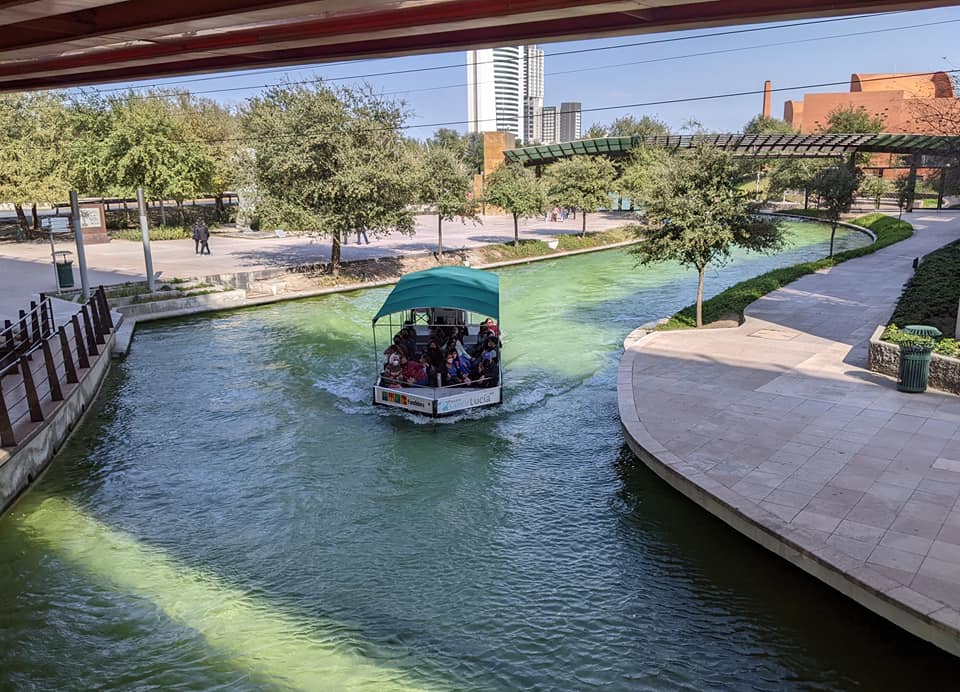
If sleek cities and big events are more your speed, then Monterrey might be perfect for you! Monterrey is big, modern, and just a short flight away from many major US cities, which is why there’s a lot of international business that takes place here. There’s also one of the coolest stadiums in the world, so if you want to catch a soccer game (or a concert), Monterrey is a great place to do it! And just because it’s a major city doesn’t mean you can’t get your dose of nature while you’re there because the city is surrounded by the beautiful Sierra Madres, giving the city stunning views, but also offering nearby hiking and climbing options. Oh, and be sure to check out the thermal pools while you’re there – simplemente mágico!
San Luis Potosí
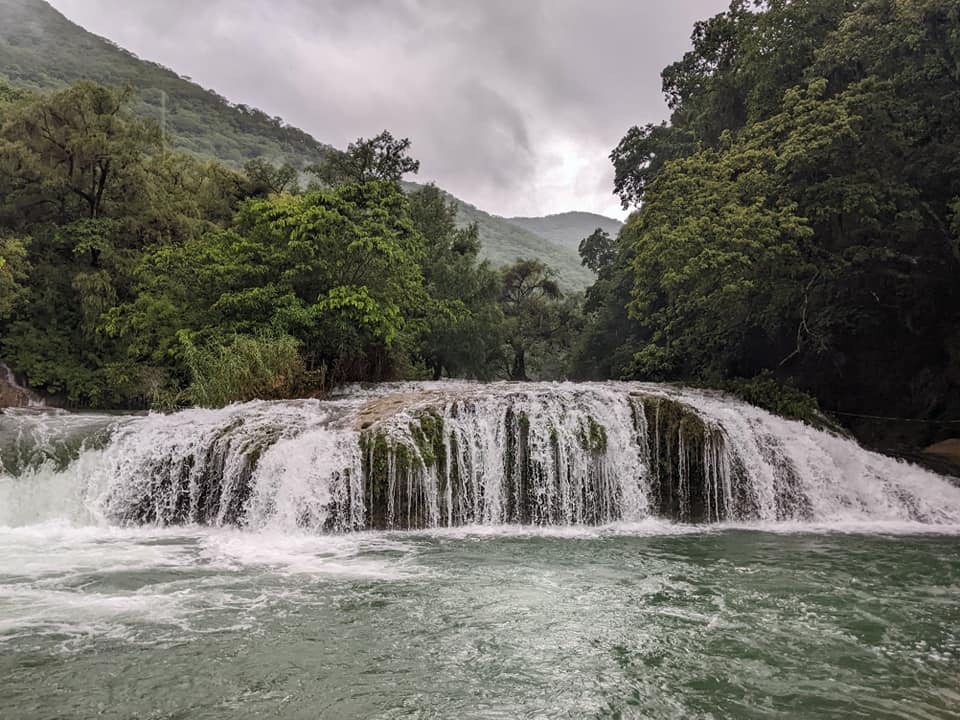
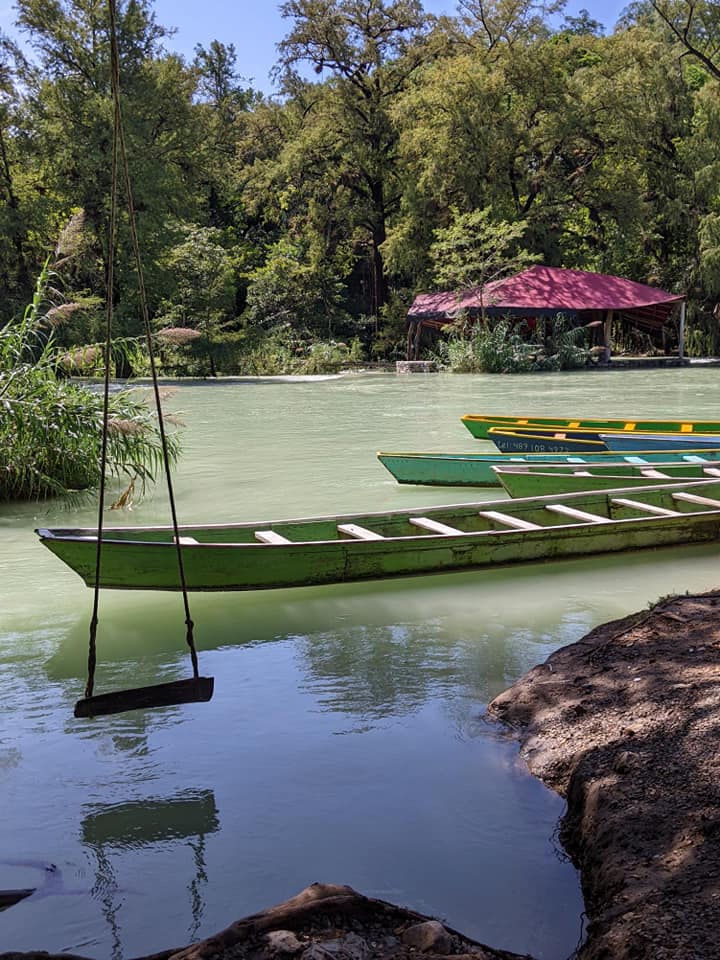
Rather than another week at the beach, you could choose to spend your time chasing waterfalls in San Luis Potosí instead. On the eastern side of this state, you’ll find the Huasteca Potosina, which is a region known for its abundance of waterfalls, turquoise rivers, and other unique natural features. There are a ton of itineraries for this part of Mexico because there is so much to see here! I took my parents on a road trip throughout this area, and we had the best time jumping from natural wonder to natural wonder. There aren’t so many large cities out this way, and you’ll definitely feel the jungle vibes, so if you like that kind of adventure, I can’t recommend San Luis Potosí enough.
Guadalajara
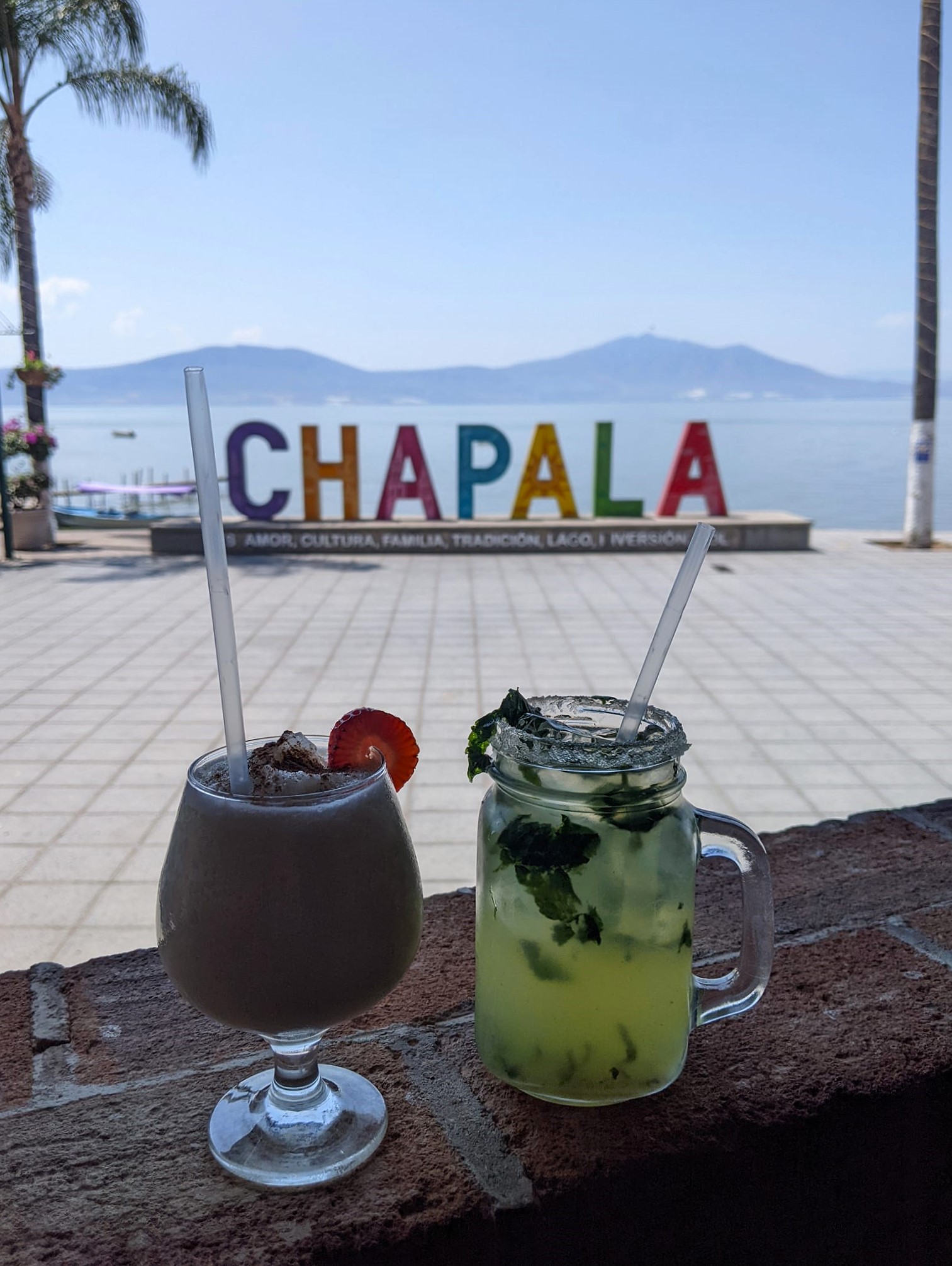
Ah, Guadalajara: one of my homes, and easily my favorite place in Mexico. Okay, yes, I’m aware I’m a little biased when it comes to this particular city, but I love it precisely because I know it so well! There’s so much fun to be had in GDL, and the food here is beyond incredible (perhaps only riveled by CDMX). In addition to the amazing city scene, there are several great day trips (less than an hour away) that you can easily fit into your trip as well, namely, Chapala, Tlaquepaque, and Tequila. There might not be a beach, but Chapala lies on a gorgeous lake not so far from the airport. Plus, Mexico’s pueblos mágicos are always fun, and Tlaquepaque and Tequila are two of the best. I mean, who doesn’t want to take a 45-minute all-you-can-drink train tour to the city where tequila was invented?
Querétaro
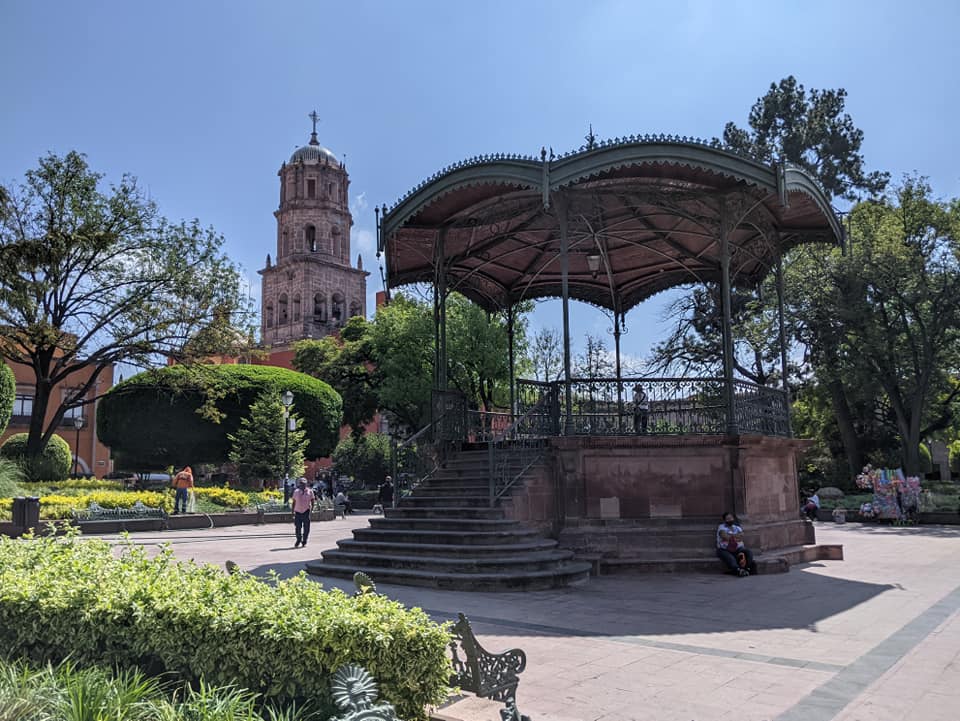
Another draw of Mexico’s interior is its colonial cities like Querétaro. With its gorgeous architecture, rich history, and cooler temperatures thanks to Central Mexico’s higher elevation – you really can’t go wrong! Querétaro is a picture-perfect city, and it, too, has a plethora of lovely day trip options. One of my favorites was the magic city Bernal, which is home to one of the largest monoliths in the world. Or if you’re a wine-lover, Querétaro is one of Mexico’s most famous wine regions. And if those things don’t draw you in, then maybe the name will because it has got to be the most fun state name to pronounce!
Mexico City (CDMX)
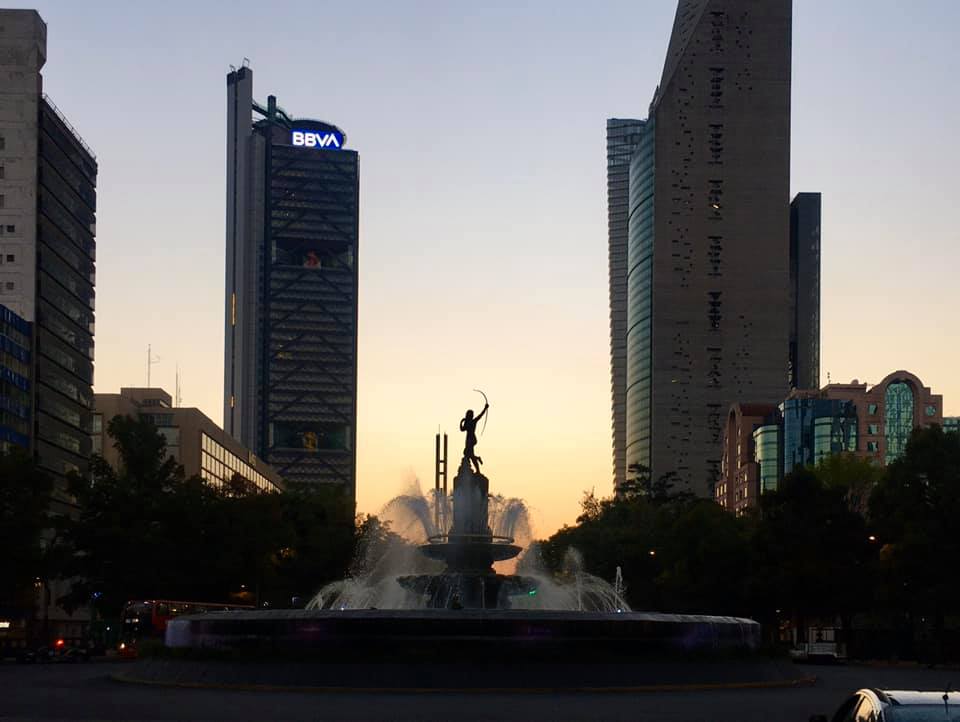
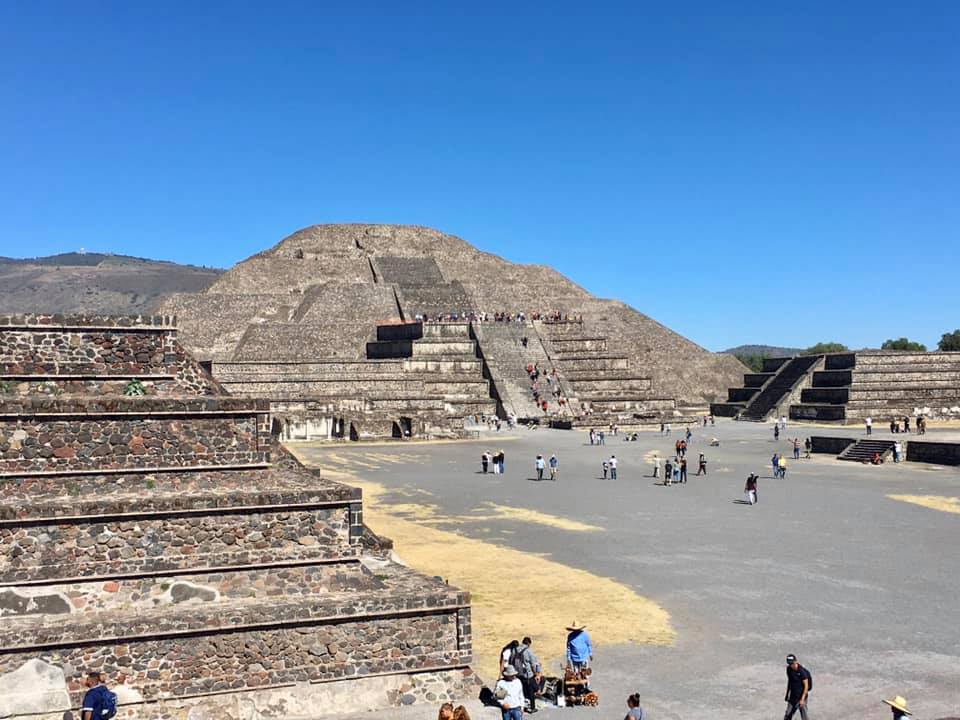
CDMX (or DF if you’re old enough) is La Capital, and rightfully so. Effortlessly cool with more to do than you could ever possibly manage on a vacation, and although I feel a rivalry of sorts due to my love of Guadalajara, even I can’t deny that CDMX is an amazing place to visit. Don’t let the size of the city scare you because that’s what allows you to do and see so much in a single city: massive plazas, gorgeous galleries, and the coolest museums, just to name a few of them. Nearby, you can also see what was the old Aztec capital, Teotihuacan, which will definitely leave an impression as well. Or equally memorable would be a trip out to El Rosario to see where millions of monarch butterflies overwinter every year. Honestly, so many things you can’t see on the beach!
Oaxaca
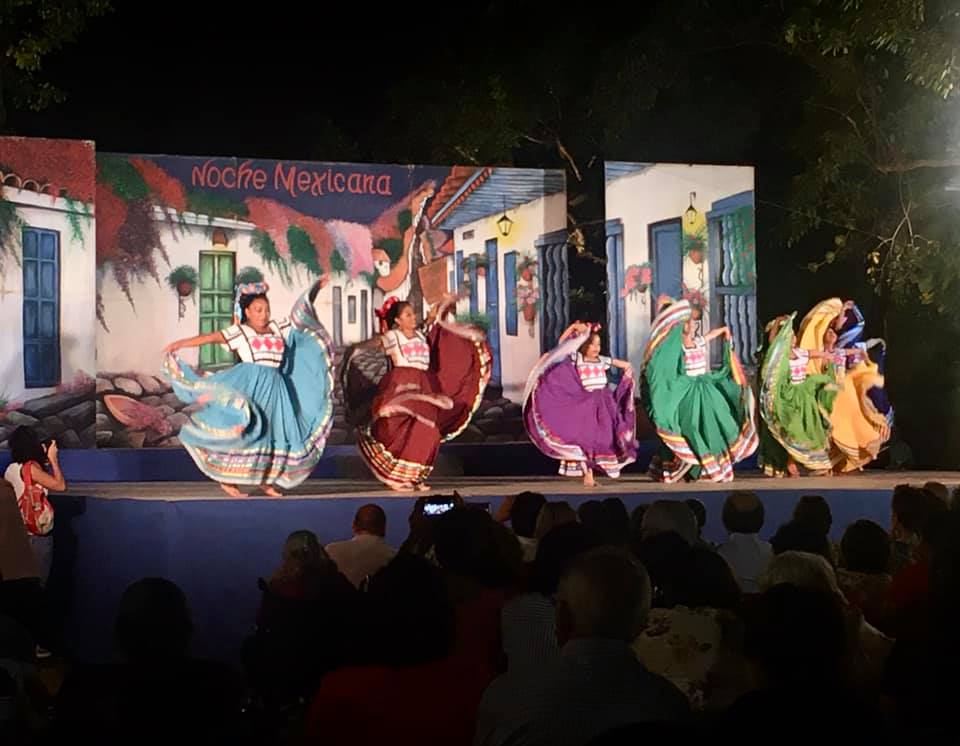
Or maybe witnessing one of Mexico’s many vibrant festivals like Día de Muertos or Día de la Independencia would be the way to go? Well, for that (and many other reasons) Oaxaca is another excellent choice. Oaxaca is located in southern Mexico, and if you just have to get to a beach (I hope you can hear my eyes roll as I type this) then you’re actually not too far from some of the best in Mexico. But beaches or no beaches, Oaxaca has a lot to offer as well. There’s an amazing mix of indigenous cultures there, which means an abundance of incredible festivals, bustling markets, and traditional food. Oaxaca is also the main producer of mezcal, so you can try just about any variety you can imagine. Definitely a great place for a fiesta!
Mérida
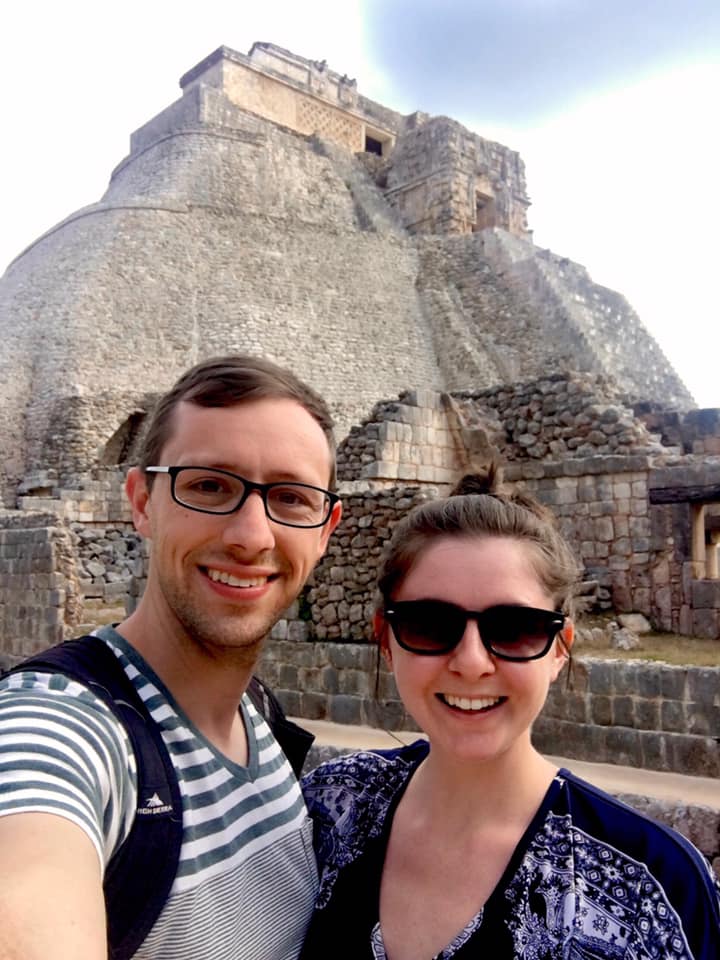
If you just can’t bear to part from your precious Cancún, then maybe you can at least divide your time between Quintana Roo and Yucatán. Mérida is the capital city of Yucatán, and it’s one of the most beautiful cities in the country. Mayan culture abounds here, and the best of all the Mayan ruins are nearby. If you haven’t seen at least Chichen Itza and Uxmal, then those should be your priority. Make sure you also try all the traditional Yucatán dishes like cochinita pibil, poc chuc, and papadzules. I promise, you will fall in love! And if you do choose to go to Mérida, you’ll only be short drive away from Riviera Maya and all the places that made it famous. Just make sure you save some time for the cenotes (they are far superior to the beach in my book).
Bacalar
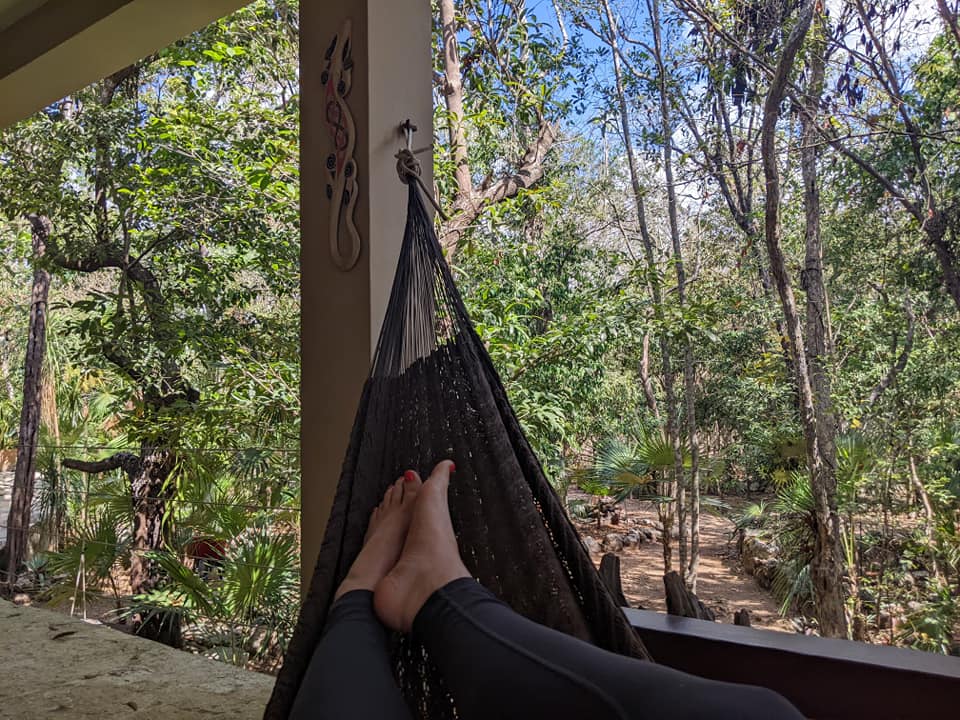
Last but not least, I recommend beautiful Bacalar, another of the most peaceful places I’ve even been. Located on a crystal-clear lagoon, Bacalar is closer to Belize than it is to Cancún, but it’s still fairly close to the Caribbean coast. In fact, the lagoon looks a lot like the Caribbean and is famous for its shades of blue. To me, Bacalar is what Tulum was 20 years ago. Mass tourism hasn’t spoiled it yet, and I hope it never does because what makes Bacalar so amazing is its tranquility. If you want to relax in a hammock suspended over gorgeous blue water while a gentle breeze ruffles your hair, Bacalar is waiting.
Of course, these ten places only scratch the surface of what all Mexico has to offer, but I do hope that this gave you some idea as to the massive variety there is to be seen South of the Border. Cancún, Cabo, and Puerto Vallarta are nice in their own ways, but there’s truly so much more to discover!
Somehow this month marks ten years since Tucker and I first sold most of our belongings and moved abroad. We really had no idea what we were getting into or how we were going to maintain the kind of life we knew we wanted, and even now, I’m not sure I could tell you how exactly we’ve managed to continue moving abroad again and again. I think it’s mostly been an experiment in just how flexible we can be, which is fitting because that’s one of the first skills you develop when you move abroad!
Over the past ten years, we went from the US to Poland and back to the US (to pay off all our student loans), and then we headed to China for a few years and then back to the US (this time for global lockdown), and then onto Mexico, and now Canada. It’s been a crazy decade to say the least, but the places we’ve lived and the people we’ve met have continued to shape us year after year in innumerable ways. And for this month’s somewhat reflective post, I want to share some of the many ways we’ve changed and grown as a result of our expat ways.
Not so young anymore!
We’ve become flexible to the extreme
As I alluded to earlier, when I think of the many skills we’ve developed as a result of moving abroad, flexibility has to be at the top of the list. Whether it’s little things like using Celsius with some people and Fahrenheit with others or big things like not knowing where we’ll be living next year, we’ve gotten incredibly good at going with the flow. When I look back at my early observations from our first year abroad, it always makes me laugh at how hard it was for me to relinquish control. Now I feel like I struggle when I have too much control! It seems I’ve really grown to love letting the universe decide for me.
We’re totally fine with ambiguity
Another early observation I often made had to do with not always understanding what was going on around me. In unfamiliar places with new languages and customs, the level of ambiguity you experience on a daily basis skyrockets. Are we supposed to do something here? Should we ask about that? What does this mean? Questions like these and general uncertainty used to plague us. Until they didn’t. Until we learned that there’s really no wrong way, only different ways. Eventually, we also learned the difference between being expats as opposed to pioneers. Expats get to rely on the experiences of those who came before them, and we definitely do. But if/when that fails, we’ve also learned to simply accept not knowing.
Blissfully unaware as usual
We’re stoic bureaucracy-handlers
One of the most taxing parts of maintaining legal status as an expat has to be all the paperwork: visas, residencies, IDs, taxes, health cards, driver’s licenses, bank accounts, etc. The list is never-ending. After so many years and so many forms and appointments, I can very confidently say that bureaucracy is messy and incredibly frustrating everywhere. We now just assume every process will take a few attempts and several months (if not years) of our lives, which has really helped set expectations and allowed us to remain stoic and unfeeling while jumping through hoop after hoop after hoop. Government office waiting rooms are great places for mindful meditation, you know.
We’re accidental minimalists
In addition to becoming masters at handling immigration processes, we’ve also become expert movers. We know exactly what we need and want in our homes, and over the years, we’ve shed all the fluff. And whenever we happen to collect additional fluff, we’re systematic and unsentimental in removing it before the next move. People are often surprised that we’ve moved countries so many times with nothing but suitcases. Quite a few suitcases, but still. It’s actually pretty easy to do when I remember all the things we took on our first move that we never used. Or when I remember all the things we’ve used in a particular place that wouldn’t make sense anywhere else. These days we tend to take a lot more art with us and a lot fewer dead appliances.
We’re expert home-makers
Speaking of homes though, we’ve had a lot of them over the years. From country to country or even apartment to apartment, every place we’ve lived has always felt like home. Early on in our expat experience, someone advised me to prioritize setting up our home because we’d be surprised at how quickly “later” becomes “never”. Well, we took that to heart and always make sure our apartment is set up before tackling other tasks. We also work really hard to make sure we feel at home in the community as well, which means joining groups, meeting neighbors, learning names and faces. It can be difficult being the new people in town, but we’ve found the quicker we reach out, the quicker we feel at home.
We’re nothing if not adaptable
Another skill that makes itself known every time someone visits one of our far-flung homes is our adaptability. No dishwasher? No problem. Drinking hot water in summer? Sure, why not? Have to do everything over the phone? Got it. Everywhere we’ve called home has changed us in so many ways. Sometimes we forget what was normal for us before moving abroad because we’ve so strongly adapted to several different lifestyles now. This is how I know it doesn’t really matter where we live or what we do because the skill of adaptability is such a broad and encompassing one, that I know we’ll be just fine anywhere.
We’re always adopting new habits
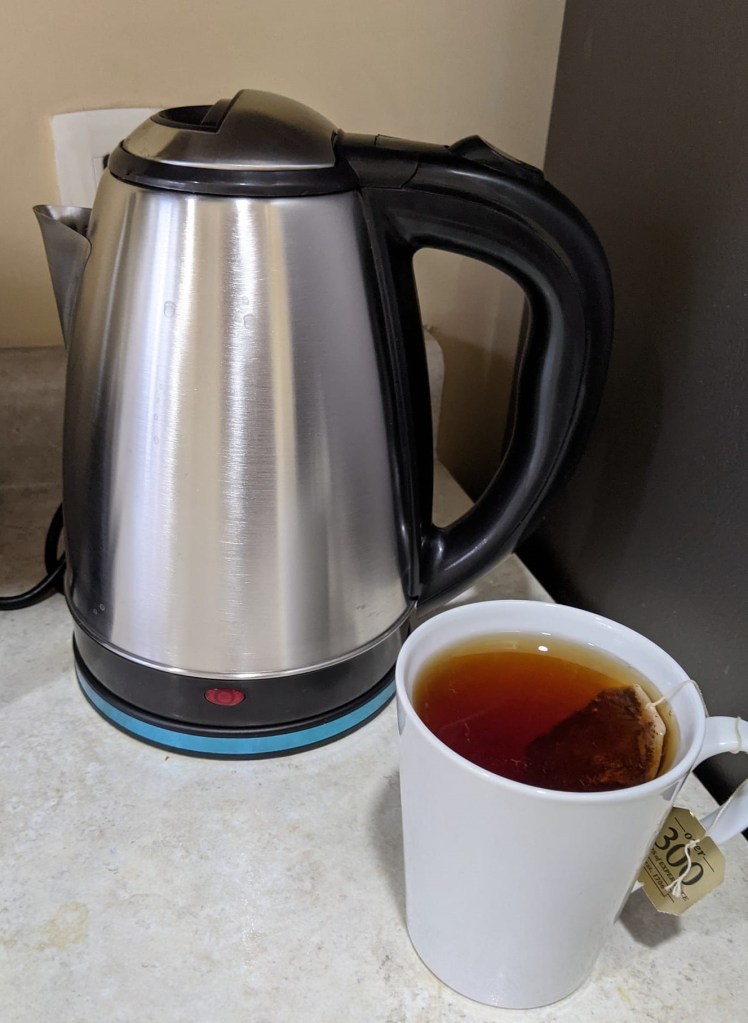
Likely due to all the adapting we’ve had to do over the years, we’ve also gained quite an assortment of international habits. For example, at some point, we became a strict no-shoes-inside household, and when I think back to all the shoes that walked across our carpeted US apartment floors, I shudder. I also can’t believe we lived 25 years without an electric kettle! You’ll have to pry that out of our cold, dead hands now. Similarly, after living in both tea and coffee cultures, we now find ourselves enjoying both regularly. We also find ourselves checking sunset/sunrise times, the weather, and the air quality index more than most, which are all habits we picked up in different places at different times. It’s interesting to note which things stay behind in the places we leave versus which ones we take with us as the ghosts of homes’ past.
We’re an interesting mix of cultures to say the least
Similar to our eclectic mix of habits picked up from around the world, I would say that we ourselves have ended up a strange mix of all our homes. It’s rare that someone immediately places us as American. Even when hearing us speak, our accents don’t give much away, especially when speaking something other than English (you’re likely to hear a very strange combination of linguistic features depending on the day). We also have very strong inclinations toward European showerheads, the use of chopsticks, and what should and should not go on a taco. We self-identify as Polish-American-Canadian-Tapatío laowais, and we’ll happily talk your ear off about life in Poland, the US, Canada, Mexico, and/or China because each of those places is a part of us and always will be.
We’re excited to make every day an adventure
All these fun little quirks keep us tied to the places we used to call home, but one of the best parts of being a perpetual expat (no matter where we are) is the fact that every day becomes an adventure. The smallest tasks are new and exciting, and we never know what we’re going to learn. This is really why we keep doing it; why we haven’t “settled down” yet. We’ve learned to love the daily micro-adventures and mini-challenges that keep us on our toes and forever entertained. Every time we start over in a new place, we get to experience so many firsts again. We get to find a new set of favorites and develop new habits that only enhance our lives. An adventure a day certainly keeps the boredom away!
Definitely never boring!
We’re constantly learning and reflecting
And last, but not least, all this moving and growing and changing allows us to continually learn and reflect. Before each move, we get to look back at our time in a given place and reflect on everything we did, all the changes we experienced, and what we could or should have done differently if given the chance. And then…we get another chance! I sometimes refer to Poland as our “first pancake” because with hindsight, it’s easy to see how we’ve continually gotten better at being expats. All these skills (and more) have been honed over the years, and we’ve learned how to make the most of our time in the places we call home. Of course, we also realize just how lucky we are, so to all our homes: thank you, dziękuję, xièxie, gracias, and merci for the best decade of our lives!
Now that I’m an official Québec City tour guide, I’ve realized that in-person walking tours can be a little overwhelming — in the best possible way, of course! There are so many names, dates, stories, and details coming at you all at once. So, I created this virtual tour as a way for people to revisit the incredible history that makes Québec City such a unique place to explore. But even if you haven’t taken the tour yourself, I hope you’ll still enjoy discovering these stories and learning more about the history behind my adoptive home.
Stop 1: Parc des Gouverneurs
I like to start our tour at the Parc des Gouverneurs, which sits right next to the famous Château Frontenac and has a beautiful view of the Saint Lawrence River. I think this is a great place to begin because from here, you can see both sides of the river and Île d’Olréans, which is the official start of one of the largest estuaries in the world. An estuary is where a river turns into an ocean, and this particular narrowing is precisely why Québec City is where it is, and it’s also how the city (and the province) got its name. Quebec means “where the river narrows” in Algonquin, highlighting the first group of people who called this region home.
Of course, it didn’t take long for other groups to see the potential of Quebec, starting with the French in the 1500s. Due to its strategic location and striking natural features, early explorers found Quebec to be the perfect place to stake a claim. Here, they had access to the already-established trade routes, and they were in the most easily-defensible position in the region. Jacques Cartier was the first to come and go a few times, staying just long enough to NOT find any diamonds, yet name the rocky cliff Cap Diamant anyway, but it was Samuel de Champlain, who really stuck it out and is credited with the official founding of Québec City in 1608.
Along with a small group of initial settlers, Champlain built the first habitations in Québec and quickly became known as the Father of New France, which is why we see his face everywhere around the city. Well, not his face exactly. Unfortunately, Champlain never had a portrait done, so we don’t actually know what he looked like. When the city started putting up statues of Champlain, they had to model them after another noble-looking French guy instead, so in all the artwork, statues, and history books, the man you’re looking at is not actually Champlain, but at least they’ve mostly stayed consistent with the image!
Of course, one of the most striking elements in Governor’s Park has to be the Wolfe-Montcalm monument. The second-oldest war monument in all of Canada, this impressive obelisk commemorates, arguably, the most important battle in Canadian history: the Battle of the Plains of Abraham (1759). This was such an important battle because it was the catalyst that led to British, as opposed to French, rule in Canada. Interestingly, for such an important battle, it didn’t actually last very long, only about 20 minutes from the point at which the two sides met on the battlefield. However, regardless of the outcome, both Wolfe (the English general) and Montcalm (the French general) were highly regarded by their men, and both are well-represented throughout the city today.
Stop 2: Château Frontenac & Dufferin Terrace
Okay, our next stop, of course, has to include the infamous Château Frontenac, allegedly the most-photographed hotel in the world! The oldest sections of the Château Frontenac were built in 1893, and despite the name, it has always been a hotel, never a true castle. Like the Château Lake Louise in Banff and many others across the country, the Château Frontenac is a Canadian Pacific Railway Hotel, all of which are incredible pieces of architecture initially built to generate passenger traffic for the transcontinental railway network that was completed in 1885.
Like many of these grand hotels, the Château Frontenac was built in several stages, and interestingly, the main tower (arguably its most distinguishing feature) was not included in the original section. It was added to the structure in 1924. The most recent addition to the hotel took place in the 1990s with the addition of the pool, spa, and fitness center because modern amenities are a must for that coveted 5-star status! As you can imagine, many famous people have graced the halls of this amazing building over the years: Queen Elizabeth II, Winston Churchill, Franklin Delano Roosevelt, Princess Grace of Monaco, Charlie Chaplin, Céline Dion, and Paul McCartney, just to name a few.
But what about the “Frontenac” part of the hotel’s name? Where does that come from? Well, Louis de Buade de Frontenac was a former Governor General of New France, and he was the one in charge when the city faced one of its first major attacks in 1690. Frontenac knew the young colony wasn’t fully prepared to take on the English at this point, so when one of their ships pulled up, he used a bit of psychological warfare to win the day. He gave his iconic “I’ll answer with the mouths of my cannons” line after blind-folding and tricking their envoy into thinking Québec was much more battle-ready than it actually was. Frontenac’s bold actions and pivotal role in early New France made him a fitting namesake of such an impressive hotel.
Right in front of the Château Frontenac is where you’ll find Dufferin Terrace, a 430m (1400ft) long boardwalk that runs along the edge of Cap Diamant. From here, you can see the Citadel perched even higher on the cape as well as the only still-functioning cannon in the city, which is fired every day at noon, so be sure to listen out for it! From here, you can also see the city’s beloved toboggan slide. Built in 1884, the slide is open all winter long, and thanks to its steep angle and long icy track, riders can reach speeds of up to 70 km/h (45mph)! The slide is super popular during Winter Carnival, which happens every year in February, and if you like ice castles, ice sculptures, ice canoe races, and/or signature cocktails, you absolutely have to come back and experience it all for yourself!
Also, along the boardwalk are a series of glass skylights, where you can catch glimpses of what is left of the original Fort/Château St-Louis, some of the first constructions built on the cliff. And at the other end of Dufferin Terrace, near the top of the funicular, there’s a large statue of Samuel de Champlain (well, at least one representation of him). This statue was added to the boardwalk in 1898 and was designed by an architect who survived the Titanic disaster. Lucky guy! The stone that makes up the base of the statue actually comes from the same quarry as the stone used to build the Arc de Triomphe in Paris, and the woman kneeling there is actually a personification of Québec City itself. If you look closely, you can see her crown is made up of the city’s famous walls.
Stop 3: École des Ursulines
Our next stop is the École des Ursulines, which began as a monastery that was founded in 1639, making it the oldest educational institution for girls in North America. One of the founders was Marie Guyart (aka Marie de I’Incarnation), a French widow turned nun, who came to Québec to educate young girls in the new colony. Because she had been married before and still had a son in France, she wrote thousands of letters about anything and everything that pertained to her daily life in New France: her work at the school, the indigenous girls she met, the battles that took place, and many other events that historians are still pouring over. For her contributions, she has also been memorialized across the city and beyond.
The school that the Ursulines started way back in 1639 is still a functioning school today, and in 2010, it started accepting boys as well as girls into its ranks. Throughout its history, the Ursulines’ school has always been known to be quite progressive. The early nuns learned several indigenous languages themselves, and they were among some of the first to teach girls subjects like arithmetic, astronomy, and chemistry. While the school is still going strong, the monastery is actually undergoing some major changes. The last of the remaining nuns, who are all quite long in the tooth now, officially moved into an assisted-living facility in 2018, and the complex is now in the process of becoming an archive of all the documents, artwork, and artifacts that have been collected by the nuns throughout the years. During this shift, there was one other important change to be made: the relocation of General Montcalm’s body.
Although the Battle of the Plains of Abraham was brief, it had a tremendous effect on Québec. During the battle, General Wolfe died on the Plains right after finding out the English had succeeded. General Montcalm was also shot during the battle, but his men were able to retreat with him back into the city. Unfortunately, he wouldn’t survive either, and the French had to quickly find a way to protect his corpse and his memory amid the British takeover. This is how he came to be buried beneath the floors of the Ursuline Monastery. That is, until 2001 when the city decided to relocate his remains to the cemetery where all his soldiers were buried, rightfully reuniting the general and his men almost 250 years later.
Stop 4: City Hall
Now we’re at Hôtel de Ville de Québec aka City Hall. Originally, there was a Jesuit College here, but after the British took over, it was converted into a military barracks. In the late 1800s, the building had been left abandoned, and the city chose to demolish it and build anew. From here, you can also see many different flags, such as the Canadian Maple Leaf, the Quebec provincial flag, known as the fleurdelisé, and the flag of Québec City, which is dark blue with a golden ship (Champlain’s “Don de Dieu”) surrounded in the city’s fortifications. Across the square, you can see another series of flags representing the different Francophone groups of Canada: Acadians, Quebecers, Franco-Ontarians, etc.
It’s here that I often get questions like “If the British took over 250+ years ago, why is Quebec still so French today?” Well, I’m glad you asked! Surprisingly, it’s because of the US. In the 1760s, the British had just taken control of Quebec, and they were so afraid the French-Canadians would join the Americans in their quest to kick the Crown out of North America that they signed something called the Quebec Act, which was essentially a pact allowing Quebec to keep their language, religion, and local laws so long as they didn’t fight against the British. Well, they never did and have kept their French-ness ever since! Vive la difference!
From City Hall, you also get a great view of the tallest building in Old Québec: the Price Building. Built in 1929 as a paper manufacturing company’s headquarters, it has a bit of a checkered past. Of course, the timing of the build wasn’t great (Stock Market Crash, anyone?), but the building itself was also hated by locals almost immediately. They felt it was too tall, too modern, and just out of place in Old Québec, which actually led the city to pass a law banning any buildings over seven stories within the fortifications. Luckily, the city has grown to love the Price Building over time. It now serves mostly as office space, except for the top 2 floors, which is where you can now find the permanent residence of the Premier of Quebec.
Stop 5: Notre-Dame de Québec
Next stop: church. La Notre-Dame de Québec to be exact. Although it’s not the exact church that was built by Champlain, it does sit in the same location, making it the oldest parish in the city (and thus in all of Canada). And with such a long history, Notre-Dame de Québec has a ton of interesting stories and facts surrounding it! First, it has burned down and been rebuilt at least four separate times since its original construction, which is pretty impressive in and of itself. You might also notice that there’s only one completed bell tower giving the church a unique, asymmetrical look. Well, that was actually due to a miscalculation on the architect’s part, which resulted in it being deemed unsafe to finish. Oopsies!
And while it might not have all its intended bell towers, it does have something super rare: a Holy Door. There are only a handful of Holy Doors in the world, the vast majority of which being in Italy, so this one (the only one in the Americas) is quite special. What is a Holy Door you ask? Well, it’s a bit like a spiritual carwash, but it’s only opened on jubilees, so we’ll all have to wait a number of years for the chance to walk through it and experience its power firsthand. What I can say is that, currently, it’s sealed very much like the Pope’s door during the conclave, which is still pretty cool to see!
Another prominent feature of Notre-Dame de Québec is the funerary chapel of François de Laval, Quebec’s first bishop. Laval was another highly influential figure in the early days of the colony, and for that reason, his name is another you’ll see all over Quebec. Notre-Dame de Québec is both a cathedral and a basilica, meaning it has a highly important functional role as well as a special, Pope-granted status. It is still the official seat of the Archbishop of the Québec diocese and has been since the 1600s. At its height, the region that was overseen by Notre-Dame de Québec stretched all the way from modern-day Quebec down to Louisiana, which might give a brief glimpse into just how busy (and influential) Laval and his contemporaries were back in the day.
Stop 6: Séminaire de Québec
While we’re on the topic of the city’s religious history, we should also take a look at the Séminaire de Québec, which is right next door to Notre-Dame. The Seminary of Québec is often touted as the oldest institution of higher education in Canada, and its buildings still house several schools today, including many departments of L’Université de Laval, the first French-language university in North America and one of the oldest universities in Canada. Within the original Seminary complex there is also a private high school as well as a significantly smaller, modern seminary, which continues to educate future Roman Catholic priests to this day.
Speaking of priests, I should probably mention that despite all this talk of churches and seminaries, today, Quebec is actually quite a secular place. The region has an extremely Catholic-centered history; however, it also experienced a massive shift in religious identity starting in the 1960s when Quebec went through what is called its “Quiet Revolution”. It was during this time that the people of Quebec starting feeling like the Church had a bit too much control over things like education, healthcare, and women’s rights, and instead of violently overthrowing anyone or anything, they opted to quietly step away, creating a variety of different public services and social policies in the process. Today, less than 10% of Quebecers are practicing Catholics, which is why a lot of the religious buildings in the city have been repurposed into schools, libraries, and cultural centers.
Another thing of note here in the Old Seminary’s courtyard is the amazing collection of architectural features on display. Throughout the city, you’ll notice a wide array of different building materials, styles, and structures, and this is partially due to the very distinctive French and British periods. Here, you can see a great example of what the early French period architecture looked like: steeply pitched roofs, unadorned windows and doors with small panes of glass, and natural stone walls covered in a thick white wash that helped to waterproof the structures. You can also see building that date back to the British period with their larger, more uniform stone blocks, double-door entryways, larger window panes and architectural details like arches and balconies.
Stop 7: Montmorency Park
Now we’ve officially started our decent into Lower Town. From here in Montmorency Park, we have a great view of the Château Frontenac and some of the oldest of the city’s fortifications. The first fortifications of Québec were built in the 1600s, but others weren’t completed until much later. In fact, the city wasn’t 100% walled-in until after 1820 when British troops finished the job. It was quite a job, too, because the walls stretch over 4.5 kilometers (3 miles). At one point, there were over 300 cannons lining the walls, which really highlights the fact that Québec was chosen with defense in mind.
Of course, eventually, the battles came to an end and things started settling down in North America, and Quebecers had to decide what they wanted to do with their fort of a city. Many wanted to tear down the walls and start over with more of an open-concept. However, one of Canada’s early Governor Generals, Lord Dufferin, had a different idea. He had traveled extensively and knew that Québec’s walls were an architectural jewel that needed to be preserved, and thankfully, he was able to persuade everyone else. By preserving the fortifications, enlarging the city gates, and building a massive public boardwalk (one that is now named in his honor), Lord Dufferin ensured Québec City would be welcoming tourists long after he was gone.
Looking around Montmorency Park, it’s not too hard to imagine it as it was in the past, a blank canvas of farmland. This is actually where the first farm in New France was located, which was created by two of the early settlers: Louis Hébert and Marie Rollet (other famous names of Québec). As the farm gave way to more modern building projects, Montmorency later became the site of the first parliament buildings of Quebec and later Lower Canada. In 1864, the British North America Act, a founding document of modern-day Canada, was actually drafted here. Unfortunately, a fire destroyed the last of the buildings in 1883, which is when the city decided to move Parliament outside the Old Town, a little further from the cannon fire (better safe than sorry, non?).
Stop 8: Casse-Cou Stairs
As we continue to make our way down, you really get to feel the immensity of Cap Diamant! Upper Town sits about 60 meters (200 feet) above Lower Town, which is why there are approximately 30 staircases throughout the city connecting the two. The oldest and most famous staircase is actually the one we just passed: Escalier Casse-Cou (or “Breakneck Stairs”). This staircase is located in the oldest part of the city and actually has a bit of a rough history. The stairs, much like the neighborhood itself, were often left in disrepair, which led to many accidents, thus the name. It’s hard to imagine now, but this neighborhood, Quartier Petit-Champlain, used to be the bad side of town. After the ship yards died out, all that was left was a bunch of brothels and bars, which is exactly why most Québec moms told their kids to stay away from this area!
That is, until the 1970s when a group of local entrepreneurs saw the potential and decided to take on the challenge. They bought up several buildings in the area, refurbished them, and started a co-op that invited local artists and artisans to live and work here in an effort to highlight Québec culture and revitalize an important and historical part of the city. They were extremely successful, and eventually the city joined in by refurbishing other parts of Petit-Champlain, making it a must-see part of the city today. I always recommend this area for its shops, restaurants, cafés, etc. Rue Petit Champlain is often said to be the first commercial district of North America, and looking at all the businesses here today, that’s easy to believe!
Speaking of businesses, another quite lucrative one can be found right at the base of Casse-Cou Stairs, and that’s the funicular (or inclined elevator). If you don’t want to take the stairs all the way back up, you can always let your wallet do the work for you! It’s up to $7 a person now, but at least you can rest easy in knowing you’re also experiencing a bit of history because the funicular dates back to 1879. It’s also located in another famous person’s house: Louis Joliet. If that name sounds familiar to you, that’s probably because he has cities named for him all over the US and Canada because he was one of the first to map the Mississippi River, and he grew up right down the street! How cool is that?!
Stop 9: Place Royale
But the heart of Lower Town has to be Place Royale (or Royal Plaza). This was where the first settlers stepped off the boat and began their lives as a new colony. The first permanent buildings (or habitations) were built on this square along with the first church of Lower Town (another one of the oldest churches in the country). Also in the square, stands a bust of King Louis XIV, and although it isn’t the same bust from the 1600s, there has almost always been a bust in that exact spot, forever linking the histories of Quebec and France.
Interestingly, the king never actually stepped foot in Quebec even though he was the lawful ruler during much of its early history, but he did manage to help the colony from afar. In those early days, the colony struggled with population issues. In particular, not enough women were there to ensure the desired population growth, so King Louis put his money where is mouth was and offered to give a sizeable dowry, free transport, and pieces of land to any women willing to journey to New France and start a family. About 800 women took him up on his offer, the majority of which being orphans, widows, or women of the lower classes who felt that this was their best option for a stable future. Over time, they became known as Les filles du roi (or the Daughters of the King).
These Daughters of the King made up such a large percentage of the early population in Quebec that approximately 2/3 of modern-day Quebecers can trace their linage back to one of these brave women. Several North American celebrities can do the same: Hillary Clinton, Angelina Jolie, and Madonna being among them. Honestly, Québec City has a lot of ties to various celebrities. Since the city looks so much like a movie set and also has the practical, money-saving advantage of being on the same continent as Hollywood, many movies have been filmed here over the years. Alfred Hitchcock’s “I Confess!” and Steven Spielberg’s “Catch Me If You Can”, for example.
Another standout feature of this square is the series of buildings all with different roofs. These were actually added during a reconstruction phase to show the evolution of changes the colonists experienced as they learned what worked and didn’t work in Quebec. You see, we get an average of 3 meters (10 feet) of snow every winter and temperatures regularly drop below -20°C (-5°F), which means in the early days, fireplaces were essential. Unfortunately, that also meant that fires were commonplace. Due to the compounding challenges of lots of snow, very cold temperatures, and the regularity of fires, there was a lot of trial and error needed, particularly with the roofs: cedar was too flammable, slate was too brittle, but it turns out, tin was just right, which is why it’s still one of the most common roofing materials in Quebec today.
Stop 10: Rue Sous-le-Fort
And now we’ve officially come to the last stop on this whirlwind tour: Rue Sous-le-Fort or Under-the-Fort Street. From here, we can see where the city meets the river. The ferry that travels across the St-Lawrence to Lévis (the oft-forgotten little brother of Québec City) is just down the road. Nearby, you can also find sunset cruises or whale watching tours departing from the quays; this is where the river starts opening up to the ocean after all. When there’s no ice in the water, you might also see cruise ships and yachts docking at the Old Port, which I like to imagine is just as exciting as when Champlain and other early explorers turned up in their ships.
From Lower Town, it’s easy to imagine how tough it would have been to take Québec City by sea. The British only managed a win because they fought on the Plains of Abraham (flat ground beyond the walls of the city). During the American Revolutionary War, Generals Benedict Arnold and Richard Montgomery thought they’d give it a shot, but it went very badly for them, and no one has tried since. It’s so amazing that everywhere you look in Québec City there’s another piece of the gigantic puzzle that is our history just waiting to fit into place. One of Québec City’s nicknames is The Old Capital, but I see it as more of an entryway. Here you can enter North America, but you can also enter the annals of history. Hope you enjoyed the journey!