

It’s pretty safe to say I’ve been learning and using quite a bit of Spanish as of late. Living abroad, immersed in a new language and culture tends to push certain language lessons to the forefront (like how to order food, how to pay your bills, etc.), but recently, I decided I wanted more lessons, formal lessons. So, I started taking intensive Spanish courses at the University of Guadalajara. It has been so much fun to be a student again and to learn so much about the Spanish language, a language that has been strikingly absent in my life prior to this move. I took Latin classes in high school and (mostly) French in university before focusing on Polish and Chinese, so for me Spanish is super exciting and feels brand new. In fact, it’s so exciting and new that I want to share some of the things I have loved most about getting to know good ol’ español.
1 The Arabic Influence
The first thing I noticed right off the bat was the huge Arabic influence. Of course, I know Spain and the Arab empires had a history (to put it mildly), but I was still really surprised at the number of daily-use Spanish words that have a strong Arabic flair. My favorite of which is definitely “ojalá”. Ojalá means “hopefully” in Spanish, and as soon as I heard it, I knew there was an “allah” connection in there. The sound and use are super similar to the expression “inshallah”, which I’ve been hearing my Saudi students say for years. Now I think I use “ojalá” almost as frequently as they use “inshallah”, and I absolutely love it. The name Guadalajara is actually another example of Arabic influence. It means “valley of the stone” in Arabic. Other common words with Arabic roots are: alberca (pool), arroz (rice), jarabe (syrup), naranja (orange), sandía (watermelon), taza (cup), and zanahoria (carrot).

2 The Drama
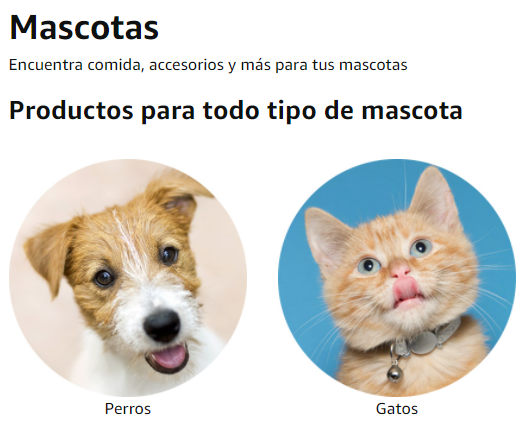
Another feature of Spanish that I immediately loved was the drama or passion that is imbedded directly into the language. For example, to say “I’m sorry” in Spanish, you might use “lo siento”. However, if you translate the phrase literally, it means something more like “I feel it”, which I feel has a bit more strength to it. Another super common expression in Spanish is “me gusta _____”, which is generally translated as “I like _____”; however, grammatically, it’s more like saying “I am pleased by ______”. I feel a little Victorian and definitely a tad dramatic when I translate phrases like these in my head (“Yes, the tacos please me immensely, thank you kind sir”). I can also feel the emotion in some of the vocabulary/etymology divergences as well. “Pets” in Spanish are “mascotas”, which feels so much stronger to my English brain. I also love the vivid images given to “word searches” and “ironing boards” in Mexican Spanish, which are “sopa de letras” (letter soup) and “burros de planchar” (ironing donkeys), respectively.
3 The Specificity
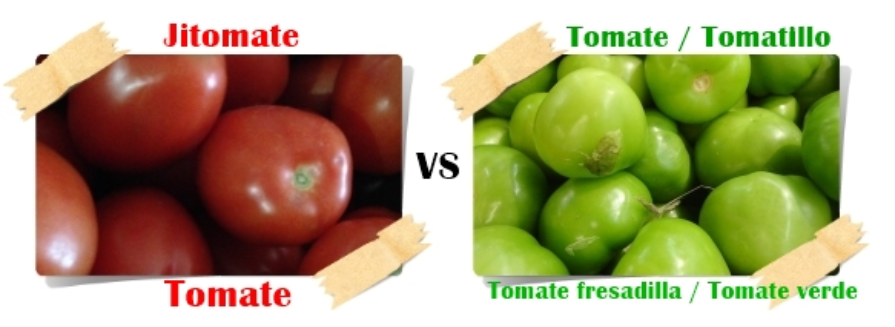
Something else that jumped out at me pretty early on in my Spanish crash course was the specificity of the language. The first example I was met with was the fact that in Spanish I can be American (“americana”) or I can be United Statesian (“estadounidense”). This is a specification I really wish was just as easy and natural to make in English. Another good example is the term “treintañeros” or thirty-somethings, which is a word that this particular treintañera has found quite useful. Of course, there is also a seemingly endless supply of words for taco-like things: tacos, vampiros, dorados, gringas, guisados, etc. We’re honestly still figuring out all the particulars there, but it’s not just Mexican dishes that require this level of specificity, the ingredients often call for it too: for example, the difference between tomate and jitomate. From my understanding, tomates are green and rather small, whereas jitomates are your general Romas, beefsteaks, etc. Neither of which should be confused with my personal favorite: jitomates cherry.
4 The Slang
Another fun feature (of every language really) is the slang. And no, I don’t necessarily mean bad words, just words that are used in a more playful way. Some of my recent Spanish favorites include:
-Chafa (crappy)
-Chavorucco (someone older that acts young)
-Chido (cool)
-Chin (darn)
-Codo (literally “elbow”, figuratively “stingy”)
-Crudo (literally “raw”, figuratively “hungover”)
-Fresa (stuck up/snobby)
-Garrón (freeloader)
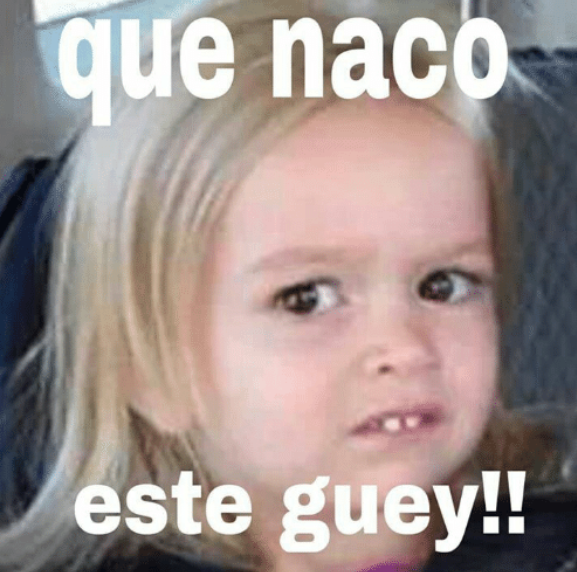
-Güey (dude)
-Moja pendejos (literally “wet idiots”, figuratively “annoying drizzly rain”)
-Naco (trashy/tacky)
5 The Trip-ups
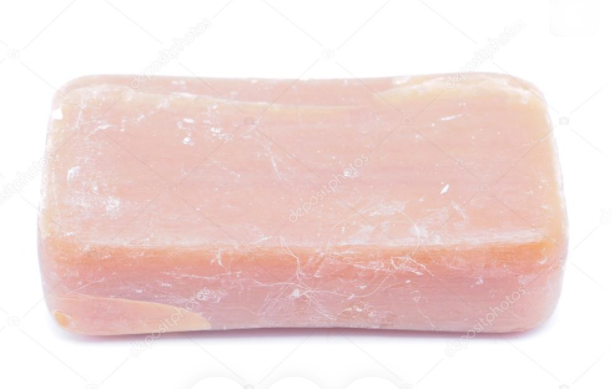
But perhaps the most fun (and memorable) part of learning a new language are the missteps. Language is tricky and one slip of the tongue or change of a vowel and you could be saying something completely different. For example, when I was asked if I have a boyfriend or spouse. Instead of saying, “sí, soy casada” (yes, I’m married), I said “sí, soy cansada” (yes, I’m tired). I’m pretty sure it sounded like I was tired of being married. Haha! Sorry Tucker! Another slip-up I made recently reminded me of my students. In English there is always an issue with the pronunciation of “soup” and “soap”. They’re super similar words, but definitely not interchangeable. Well, I made the same kind of strange substitution when attempting to ask for soap (jabón), but instead asking for ham (jamón). Oops! Sometimes the missteps can be a bit more extreme as well. When trying to recall the general word for seafood (mariscos), I actually said something not so nice in Spanish, and promptly got a lesson in pronunciation as well as political correctness.
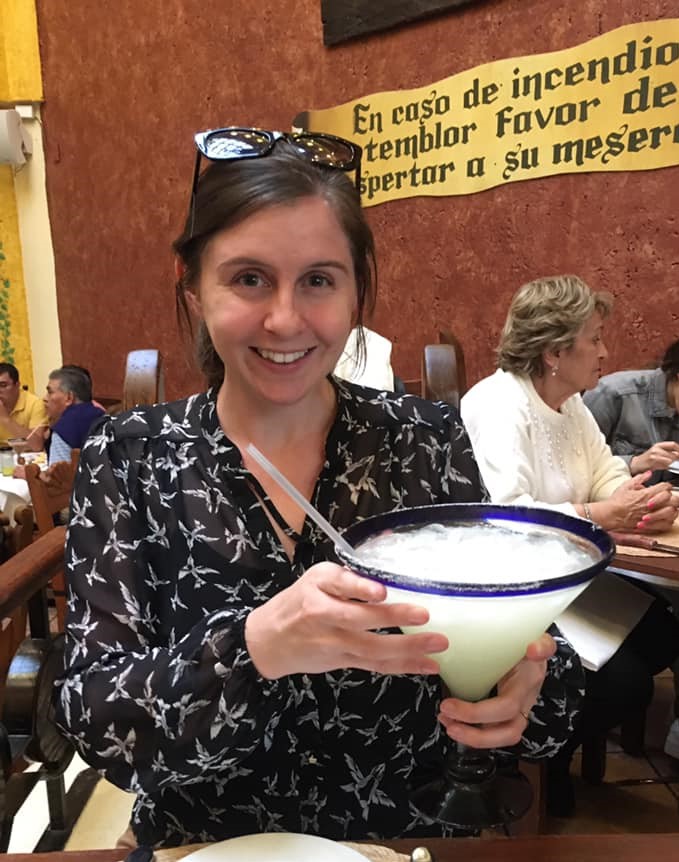
I’ve been having an amazing time learning and using such an incredibly rich and fun language. Making new friends and discussing the intricacies of linguistics (or else trying to ignore them completely and just speak) has continually reinforced all the reasons I love living abroad and being (currently) surrounded by all things español. ¡Qué buenas ondas! Ojalá this is only the beginning!
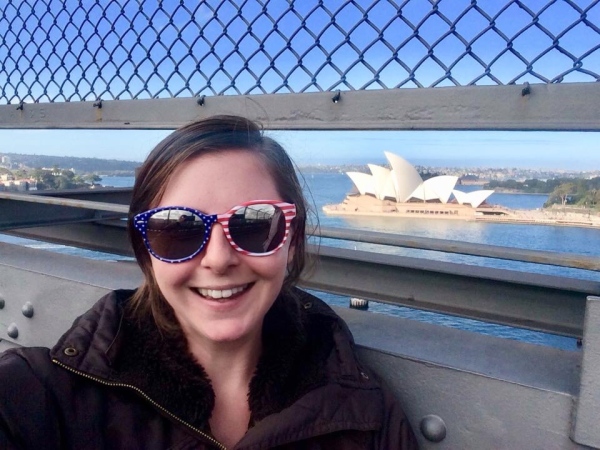
 As an English teacher I’m often asked to describe the United States and Americans, and for as long as I can remember, the first word that has come to mind is: independent. We love to feel independent! Independent financially, politically, emotionally; in our families, in our workplace, and in the world. Many of us longed to “be out on our own” at a very young age, and most Americans follow that course throughout their lives. We love expressions like “pull yourself up by your bootstraps” and “stand on your own two feet”. In our culture, there is an immense pride in (and often an expectation to) figure things out on our own. Whether this comes from the pioneer spirit of our history or from Hollywood’s “steal the spotlight” mentality, we can see the strong value placed on independence in all aspects of American lives. From our first declaration as a prospective country to our preference for ordering individual, non-shared meals, we focus every day on our individuality and personal independence, and if ever we feel it’s being threatened, look out.
 You might have noticed that I didn’t get very far into this post without mentioning Hollywood. As much as many Americans like to think of that place as somehow “other”, the truth is, we are massive consumers (and producers) of entertainment, all thanks to Tinseltown. In fact, many of my students from all over the world have surprised me with facts and details about life in the US that were gleaned entirely from our movies and TV; some have even confessed that’s how they started learning English or even why they continue today. Of course, what they see in the movies is not always true to American life, but there are definitely many of our values and perspectives shared through our obsession with entertainment. It’s hard to imagine America without movie trailers, award shows, film conventions, and dedicated fandoms. As someone who hasn’t seen such American classics as the Godfather, Stars Wars, or Top Gun, I’ve been described a few times as “simply unamerican”, but I promise I’ll get to them eventually!
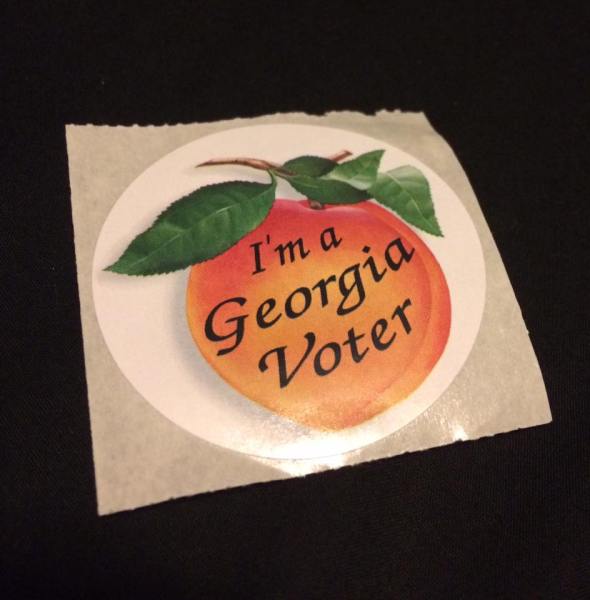 Another trait that I associate with America is our deep patriotism. We love our flag, our national anthem, and the values that we have long attached to our country, such as freedom, perseverance, and justice. Although patriotism means something a little different to each of us, as Americans this is our home, and we feel a certain pride and responsibility in that. Whether we show these feelings by hanging a flag outside our house, voting in every election, or representing our values abroad, we all like to feel that we have a role to play for America, and we’re happy to do it. Perhaps because we grew up with stories of how hard our forefathers, suffragettes, and civil rights activists fought for us to have what we have today, the sense that we need to take up the baton and continue to work for a better homeland has been deeply instilled. Or who knows, maybe it was just hearing that Lee Greenwood song year after year.
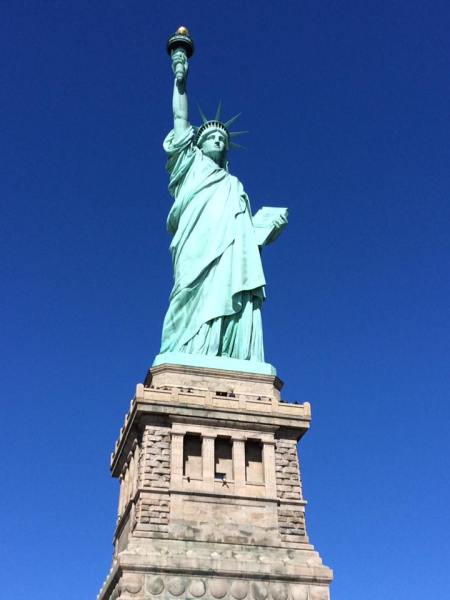 Although this word has taken on new meaning and significance in the last few years, the American Dream and the people who embody it are not new, nor I think are they bound by political lines. America was founded on dreams: dreams of a new nation, dreams of equal representation, dreams of prosperity. We can still hear the US referred to as a “Land of Opportunity” from both inside and out. We love the fact that “if you can dream it, you can do it”, and thanks to our lack of a formal class system, many Americans have been able to make it happen all throughout our history. Most of us have immigrants in our ancestry, which is maybe one of the most classic versions of the American Dream. Others have seen their dreams come true in regards to socioeconomic status or overall success. Just like independence, Americans value people who dream big and work hard to make it happen. In short, we believe dreams can come true.
 Dreams are wonderful, but all dreams are based in some sort of reality. And for Americans, right now that reality is a strong division. Party lines are more evident than ever, generation gaps and racial divides exist, and there’s no doubt that whatever the topic of conversation, people tend to divide up into various groups or “sides”. We have the Left and the Right, Boomers and Millennials, white collar and blue collar, Black and white, gay and straight, religious and non-religious, and so many other labels that, like it or not, separate us in some way from our fellow Americans. Although we are the “United” States and a supposed “Melting Pot”, many events have recently been shining a spotlight on our divisions and differences instead. Diversity can often beget division, or at least the perception of division, but I think we’re all also aware of the classic “United we stand; divided we fall”. Trends change everyday, and we can change as well.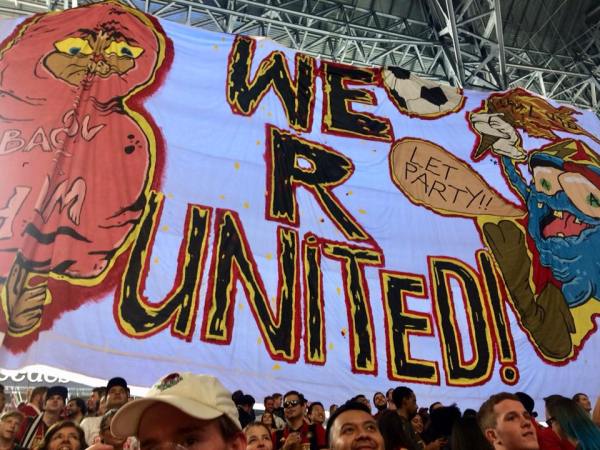

 Perhaps because we’ve always been in our own little world, the US has also been a hotbed for inventiveness and creativity right from its start. From Thomas Edison and Clara Barton to Bill Gates and Katie Bouman, Americans have contributed a great deal to global innovation. Even the average American likes to think and talk about the future, and we always, as Walt Disney famously said, “keep moving forward”. It’s no wonder our people were among the first to take to the skies, race to space, and create all types of digital media. We simply love to take risks and try something new. We have the phrase “necessity is the mother of invention”, but in America, it might not even require necessity.
 Dani Francuz Rose