
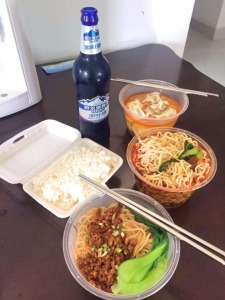
Tucker and I used to order Chinese food fairly often when we lived in Atlanta. It’s quick, it’s cheap, and it’s utterly delicious, but as I’m what I like to call a “safe eater” (read: picky), I only ever ordered Sesame Chicken, Beef with Broccoli, or some other entirely Americanized dish. However, now I find myself living in the Chinese food homeland (allegedly), and since I have yet to see anything remotely resembling those two stand-bys, I’m going to share some of my new favorite Chinese dishes. REAL Chinese food!


But First, About Meals: Mealtimes in China are quite similar to what I’m used to from the US – an early, light breakfast before work, lunch around noon, and a larger, warm dinner in the early evening. A little less familiar is the utter lack of liquids. I’ve previously mentioned the Chinese affinity for drinking hot water throughout the day, but what I haven’t yet described is the fact that it’s rare for locals to have a drink (of anything) while eating. Occasionally they’ll have a small bowl of soup or broth, which they use as a drink substitute, but most people eat OR drink rather than what I previously thought was universal, eat AND drink.

Another thing that stands out is the absence of sweet options. I’m used to having the option of a sweet breakfast and almost always being offered dessert after dinner, but these phenomena are rarer in China. Instead of cereal, pop-tarts, waffles, etc. we see people eating noodles and pork buns on their way to work/class. As a fan of leftovers for breakfast and a former noodletarian, I love that there’s no judgment for eating noodles multiple times a day! However, I do miss the occasional dessert. Sometimes in a vain effort to satisfy my sweet tooth, I’ll pick up a dessert-like-thing from Wal-mart or the campus store, and nine times out of ten, I’m disappointed by a bite of red bean instead of chocolate. Our Chinese friends swear red bean is a dessert (and a sweet one at that), but coming from the US, where processed sugar is pretty much its own category in the food pyramid, I haven’t found much that’s up to my “sweet” standard.

What we usually think of as “Family Style” serving/eating is another prominent characteristic of Chinese meals. It’s fairly rare to go out with a group (even a small group) and each order one individual dish. Instead everyone agrees on 8-10 dishes and shares everything, often at a table with a large lazy-susan in the middle for easy reaching. Tucker loves this way of dining out because he gets to try many different dishes all at one meal, and, of course, I don’t like it for the same reason. Have I mentioned it’s really difficult to be a picky eater in a foreign country?


Regional Cuisine: Very early on we were told about the different regional cuisines of China, and have since discovered that many restaurants will choose a specialty and run with it. For that reason, we can find Beijing, Sichuan, or Hong Kong style restaurants in pretty much every Chinese city; just like we can go to any city in the US and find Italian, Mexican, and Chinese places. Also similar to the US, many Chinese cities have special foods that are almost synonymous with that place (think deep-dish pizza and Chicago or cheesesteaks and Philadelphia). Every time we tell friends about our travels plans, they immediately tell us which foods we have to try when we get there. We’ve had the Hot Dry Noodles (Re Gan Mian) of Wuhan, the Sweet and Sour Pork (Gou Bao Rou) of Harbin, the Egg Puffs of Hong Kong, and many others.
My Favorite Dishes: Okay, time to make your mouth water! Here are the Chinese foods I’ve come to love over the last 6 months:
Dumplings (Jiao): Of course! Boiled (shui jiao) or fried (guo tie), filled with meat or vegetables, these are a staple in my life. You can get them in soup or not, with sauce or not, and we’ve even been known to buy them by the dozens in the frozen food section of the grocery store. Everyone loves dumplings, and China has the best I’ve ever had.


Noodles (Mian tiao): Another favorite that has more variations than I could possibly write out are the noodles of China. There are noodle soups (mian tang), mixed sauce noodles (zhajiang mian), cold noodles (liang mian), handmade noodles, and the list goes on. Noodles disheds can run the flavor gamut from spicy Sichuan style to sour, vinegar-forward Anhui varieties. I’m pretty sure my Chinese friends, students, and colleagues think the only thing I eat is noodles…


Ji Pai: Translated as “chicken steak”, it’s basically sliced, fried chicken breast served over steamed rice. The campus restaurants serve it with a white sauce (sha la – like salad, as in salad dressing), and it’s delicious! Crispy and juicy with a delicious cream-based sauced (another rarity in China), it ensures I don’t only eat noodles.
Dry Pot Veggies (Gan guo cai): A little difficult to describe, “dry pot” refers to the way these dishes are served: in a wok placed over a small burner on the table. They bubble and continue to soak up the sauces and spices in the wok as everyone works to mix and eat them up. Our favorites include dry pot cabbage with bacon, cauliflower with peppers, and spicy potatoes and onions.

Sticky Potatoes (Ba Si Hongshu): It is no secret that I love potatoes. In Poland I ate boiled potatoes with dill just about every other day, but in China, this is my go-to potato dish. Fried sweet potatoes with a sweet, sticky glaze on top – what’s not to love?

Hot Pot (Huo guo): I call this Chinese Fondue, but it’s not quite the same. Hot pot (literally translated as “fire pot”) is a sort of soup or broth that’s used to cook meats and vegetables at your table. There are many choices to be made when eating hot pot, like which style of broth (spicy, mushroom, tomato, etc.) and which foods to cook/eat, meats (the most popular being lamb, pork, beef, and shrimp), vegetables (like cabbage, cucumbers, and potatoes), and many other choices (including bamboo shoots, bread, mushrooms, noodles, etc.).


Fast Food: I’m not going to lie. There have been times I’ve craved “familiar” food, broke down, and went to a fast food chain for some nostalgia (and let’s face it, ease). In China we have plenty of McDonalds, KFCs, Subways, Burger Kings, and Pizza Huts. We’ve also seen Dominos, Dunkin’ Donuts, Haagen Dazs, and an Outback. If ever we find ourselves at a place like this, I safely, happily order something that I know and love, and Tucker tries the more adventurous route: like a shrimp burger at McDonald’s and a coffee and mochi blizzard at Dairy Queen. He’s a food gambler, and it has yet to truly pay off – fast food classics are popular for a reason, regardless of country.

To be honest this is just the tip of the Chinese food iceberg. In such a vast, diverse, and old country, there’s bound to be a plethora of culinary options. Maybe in the future I’ll write about Chinese snack foods, holiday foods, crazy menu translations, and/or the dishes that scare the hunger right out of me. Until then, I’m just going to eat some more noodles.


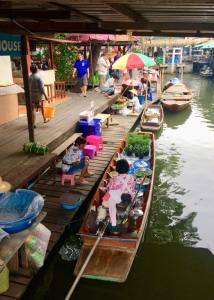
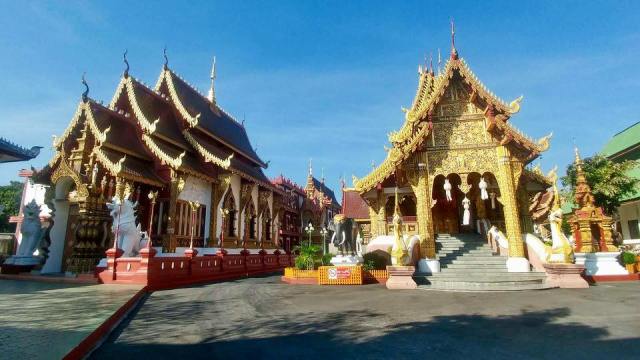


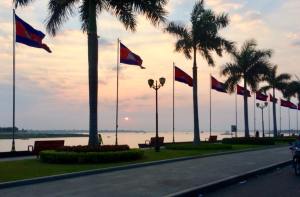




 Okay, I realize Milwaukee is not the most glamorous or exotic city on anyone’s list, but hear me out. This smallish city, famous for its breweries and cheese, is only about an hour north of Chicago. Perhaps because of this, it can sometimes be overshadowed by the fame of its neighbor; however, in addition to the flavorful brews and delicious cheese curds, the city also lies along Lake Michigan with a river running straight through its center (sound familiar?). It also has a very strong European influence, which can be seen in the architecture and abundance of towering cathedrals. It might be less than half the size of Chicago (and about half as expensive!), but this city has been modernizing in a way that would make any European enthusiast proud. Many historical neighborhoods have been beautifully restored, the additions of a city Riverwalk and a new park have livened up the outdoor scene, and if you’re brave enough to endure the temperatures, the city is absolutely breathtaking in the winter.


 The capital city of Ukraine has had a bit of a bumpy ride over the past few decades, but that isn’t so evident when traipsing around the city as an excited tourist. Although Ukraine is not in the EU yet, you’ll find many of the same European conveniences backpackers and travelers alike have come to expect: wonderful public transportation, many downtown hostels and hotels, and a slew of monuments, churches, and parks to wander around. The city is known for its monasteries and domed, Orthodox churches, but I remember it most for it’s extremely cheap and delicious food! Most signs are in Cyrillic (like the Russian alphabet), which I think adds greatly to the city’s charm, but if you’re worried about language skills, the English spoken is quite common and understandable, especially by the younger generation.


 “Huang-what?”, you might be asking yourself. Huangshan or Yellow Mountain is not particularly well-known outside of China, except perhaps by avid hikers or mountaineers. However, this city and the mountain it takes its name from are spectacular places for anyone to visit. Lying about 4 hours west of Shanghai (by train), Huangshan is a destination that really has it all: beautiful nature, historical sites, and modern shopping. It might not be one of the largest cities in China (or even close), but it’s still pretty large from my perspective, with a population of 1.5 million. Just outside the city, accessible by bus are the mountains (to the north) and the preserved ancient towns of Hongcun and Xidi (to the northwest). All are worth a visit, and will remind people why China is often referred to as a traveler’s dream.


 Known officially as the Former Yugoslav Republic of Macedonia (FYROM), Macedonia is a small country in southern Europe that most people wouldn’t be able to pick out on a map. The capital city of Skopje, lies in the north of the country and is completely surrounded by mountains, giving it spectacular views from every angle. The city was heavily influenced by ancient Greece, which you can easily see in the large stone bridges and plethora of white columns, but it uses the Cyrillic alphabet (like Russia) and also claims one of the largest numbers of mosques in Europe: talk about a melting pot! The culture there is a unique mix all seeming to revolve around food, the incredibly refreshing


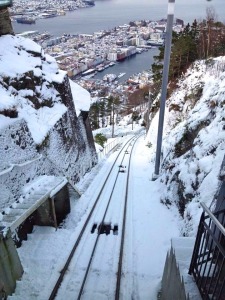 Ah, Norway! Land of trolls, fjords, and the midnight sun. When I hear people planning a trip to Norway, usually Oslo and other cities in the southern part of the country are the first to be mentioned. However, I would much rather choose Bergen, a little further north, nestled into the fjords on the country’s west coast. This city in winter or summer is a great jumping off point for further exploration of the fjords, but it has enough to do in town that you might not even want to leave! From town squares and colorful row houses to funiculars and downhill sledding, Bergen has a lot to offer for those who prefer to spend their time on activities that don’t break the bank. However, when the time comes to spend a little cash, a great way to do it is on the food! There is a wide variety available here from traditional Scandinavian specialties to a TGIFridays; the choice is really up to you!


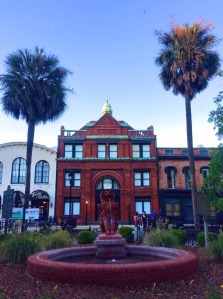 Another destination from my homeland (home state even) is Savannah, GA. This seaside city is always equated with the “old south”: plantation houses, buttery foods, and a slower pace of life come to mind. However, this city is a lot more than that. It can cater to a younger crowd nowadays with its bar streets and beaches, but there are also tree lined avenues, old cemeteries, and little antique shops that are great for the traveler with varied interests. Savannah is not as famous as perhaps New Orleans or Charleston, but maybe for that reason, I found it to be less affected by outside influences. It is a city that it uniquely itself: beautiful and eclectic, much like many Georgians I know.


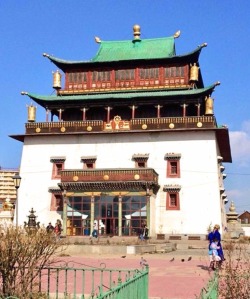 One of my more recent discoveries, Ulaanbaatar is an unexpected gem of the travel world. A unique combination of different cultures set in a landscape like no other I’ve seen. The city itself has plenty of sights and traditional Mongolian activities and foods, but just outside the city is a completely different side of life in one of the largest landlocked countries in the world. A nearby national park gives breathtaking views of the mountains and vast plains of Mongolia, while wild horses and yak stand on the side of the road grazing in the fields or drinking from the winding rivers. It’s a bit more rugged outside the city, but no less friendly. Ulaanbaatar is consistently ranked highly by travelers who are lucky enough to go there. The lamb dumplings alone are worth the journey!


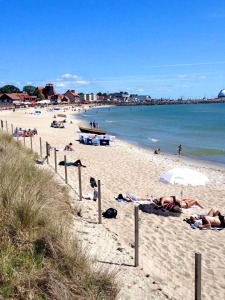 This destination (and the whole country really) is near and dear to my heart. I spent a year living in Poland and made it my job to explore every corner of the country. What I found was a series of destinations that many people gloss over in favor or Warsaw or Krakow, the more international locales. However, when I think of places to visit in Poland, my mind first goes to its Baltic Coast. Just across the Baltic sea from Sweden, Poland’s “Tricity” of Gdansk, Sopot, and Gdynia sits about four hours north of Warsaw (by car). These cities have an incredibly interesting history, which has allowed them to retain their distinct and varied atmospheres. Gdansk, formally German, has an industrious feel, an international airport, and an impressive city center. Sopot is a resort town with Europe’s longest wooden boardwalk and many fancy shops and hotels. And finally Gdynia, the most Polish of the three, boasts beautiful beaches, several hilly parks, and a ferry to Hel and back. Who wouldn’t want to to see all of that?!








 Dani Francuz Rose