

Over Thanksgiving break this year, Tucker and I decided it was finally time to hit the international travel trail again! Aside from our move to Mexico last winter, we hadn’t been abroad for business or pleasure since 2019, so it was definitely an exciting prospect for us. For this particular trip, we decided on Ecuador, which meant that we’d not only be traversing a new country, but also a new continent since this was our first time to South America as well. Woohoo! Here’s my take on our latest journey:
The Preparation
Of course, before venturing out, the first question we had to ask ourselves was where to go, which is not so easy in post-Covid times. Different countries have different restrictions and requirements for testing, vaccination, tourism, etc. We finally settled on Ecuador for several reasons. For one, I was happy that they require either a negative PCR test or a vaccination card for entry (a little regulation goes a long way). Two, we were also hoping to stick to the Spanish-speaking world (to continue our practice/immersion, of course). And three, I’ve always wanted to visit the equator – how cool is it to be able to stand in two different hemispheres at the same time!

Once we decided on the location and made sure we had the necessary documents ready, we were able to start planning. The planning also turned out to be a little different than our pre-2020 travels. A lot of services and attractions have been permanently closed (including the national postal system of Ecuador as we found out), and even those that remain open, often require additional amounts of flexibility because everything is very much subject to change these days. This was really my first glimpse into just how hard the tourism industry has been hit over the last two years. Prices, schedules, options, procedures – a lot has changed, but with any luck, it’ll continue to bounce back and hopefully be stronger than ever. I know I’m beyond ready for that.

The Capital: Quito
Our first stop and home base for this trip was Ecuador’s capital city, Quito. If you weren’t already aware, Quito is one of (if not the) highest capital city in the world at 2,850 m (9,350 ft). I love the fact that the elevation meant chilly temperatures (even so close to the equator), but, unfortunately, my head doesn’t particularly like the pressure changes that generally occur at elevation. The good news is I already knew about my sensitivity to high altitudes, and I was able to take Western medicine (Acetazolamide), drink the local coca tea, and share some traditional Chinese medicine with a fellow traveler, all to avoid any unwelcome bouts of altitude sickness. I’m not exactly sure which one did the trick, but other than a mild headache, I was totally fine to climb stairs, hike volcanos, and do anything and everything else I wanted to do Ecuador. Another success!
Aside from its elevation, Quito is also unique in that it is wedged between several Andean mountains and volcanoes. For this reason, although the city is about 40 km (25 mi) long, it’s only 5 km (3.1 miles) wide. It’s also extremely hilly, which made for many beautiful views all across the city as well as some of the most difficult driving conditions I’ve ever experienced. Imagine a 45-degree incline on slippery cobblestones in bumper-to-bumper traffic with a manual vehicle. I made sure to compliment the driving of every one of our taxi/Uber drivers – so impressive! Another amazing part of staying in Quito was the history. Quito has one of the least-altered and best-persevered historic centers in the Americas, and the plazas, churches, and neighborhoods were so much fun to explore.

The Food/Restaurants

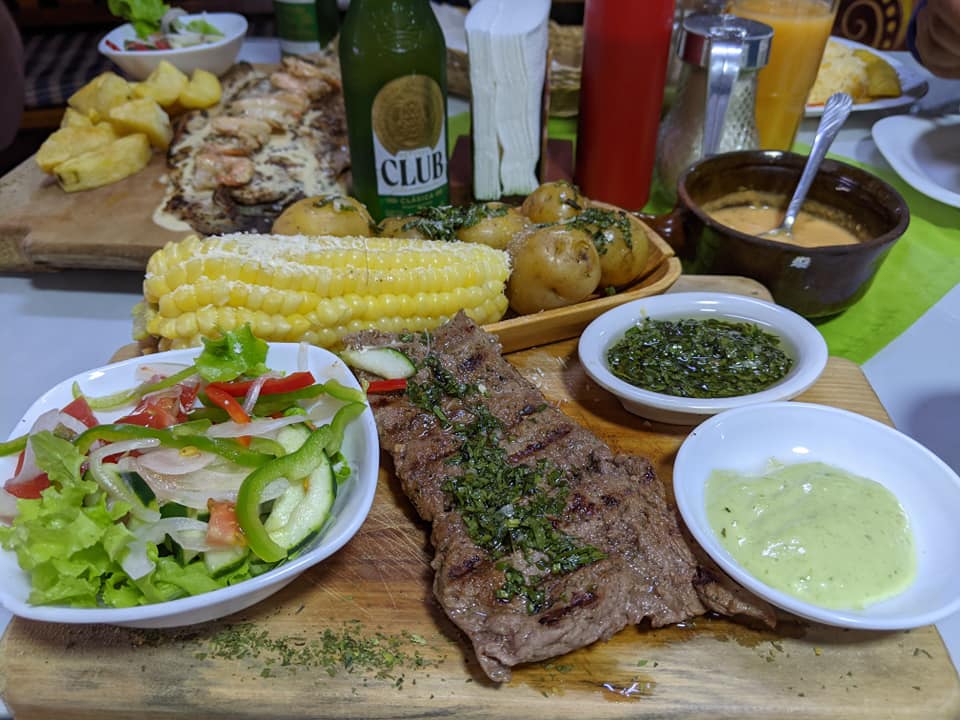
Another really fun part of this trip was the fact that we were trying out a completely new type of cuisine. Neither Tucker or I could remember ever having Ecuadorian food, so everything was completely unknown. From the tostados (or toasted corn kernels) and ají (a spicy sauce served with every meal) to the most famous dishes from the highlands, we loved learning and sampling everything. Some of our favorites included empanadas de verde (empanadas made of plantains stuffed with cheese), locro de papa (creamy potato soup), and pristiños (fried dough with honey). Another infamous dish in this region (one that we actually opted to forgo) is cuy, or in English, guinea pig. Definitely new to us!

While certain things (like rodents on the menu) made Ecuador seem very far from the US, other things made us feel like we’d gone north rather than south. For example, Ecuadorians use the US dollar as their currency, and I, for one, thoroughly enjoyed the break from constantly converting in my head. Another similarity is that servers in Ecuador often take your credit card to a register in the back of the restaurant for payment. Not so strange for the average American, but after years in countries where that would never fly, we found ourselves feeling a little concerned about identity theft. I mean, where’s the portable terminal? And why aren’t those commonplace everywhere?! It seems so bizarre to us now!
The Nature

As amazing as Quito (and its restaurant scene) is, the nature is the real draw. Ecuador is home to the Amazon, the Andes, and the Galapagos Islands. It has an incredible amount of biodiversity, and while we mostly stuck to the highlands (this time), we were absolutely blown away by what we saw. Our focus on this particular trip was definitely the volcanoes. Ecuador has the most volcanoes per square kilometer of any country, including some of the only volcanic glaciers on/near the equator. One of our favorite experiences in Ecuador was climbing Cotopaxi, the highest volcano in the country. Not being very experienced or even prepared climbers, we only hiked to the refuge (at 4,860 m / 15,744 ft), which was difficult enough with the lack of oxygen, unstable terrain, and hail we experienced along the way. Still, I’d definitely do it again in a heartbeat – so cool!


The other big hike we did was at the Quilotoa crater, about three hours from Cotopaxi. Quilotoa used to be a volcano, but after its last massive eruption in 1280, it is now classified as a caldera. Here we found ourselves climbing down rather than up as we made our way into the crater to get to the shores of the mineral lake that now fills the void. The hike down was absolutely breathtaking, but the hike back up was brutal: 1.7 km of steep, sandy paths (still at an elevation of over 3,914 m / 12,841 ft), and if that wasn’t enough of a challenge, it rained on us the whole way out. This was one of only a few trips where Tucker and I actually lost weight on vacation…despite all the good food. And speaking of food, my favorite part of this day might have actually been the meal we had after the hike – a Thanksgiving feast that will live in infamy.
The Random Facts We Gleaned
Since our buses out to Cotopaxi and Quilotoa were cancelled (because there weren’t enough people to warrant them), we actually got to tag along with a tour bus group instead. This meant that we got loads of information about Ecuador, the Andes, volcanoes, etc. – much more than I ever would have found on my own. For that reason, I have a plethora of other interesting facts to share about Ecuador. Here are some of my favorites:
-Ecuador was the first country to give constitutional rights to nature. In 2008, Ecuadorians voted to give its mountains, rivers, forests, air, and islands “legally enforceable rights to exist, flourish, and evolve”.
-One of the most widely spoken indigenous languages in this part of the world is Quechua, which is derived from the language used by the ancient Incan empire. Interestingly, Ecuadorians refer to the Peruvian dialect as Quechua while calling their own Quichua.
-Many place names and colloquial expressions in Ecuador combine Spanish and Quichua, such as the catchy “chulla vida”, which is the Ecuadorian version of “YOLO”.

-Llamas and alpacas are both endemic to this part of South America and can be commonly seen alongside other livestock throughout the highlands. But how can you tell them apart? Well, alpacas are much shorter, have softer fur, and are typically less aggressive. Llamas are the ones to look out for!
-Another interesting fact about Ecuador is that it is home to the highest mountain in the world…sort of. The peak of Mount Chimborazo is actually the furthest from the center of the Earth (or the closest to the sun). Mount Everest is the highest if compared to sea level.

-Gravity is lower at the equator, which is why many rocket launch sites are located close to the equator. It’s also the reason it’s supposedly easier to balance an egg on a nail. #huevochallenge
-Ecuador is also the world’s largest exporter of bananas. Unsurprisingly, the bananas we had while there were extremely cheap and perfectly ripe.
Overall, it was truly an incredible trip. I feel so grateful that we were able to have this experience, and I sincerely hope it won’t be so long before our next big adventure!
¡Gracias por un buen viaje, Ecuador!




























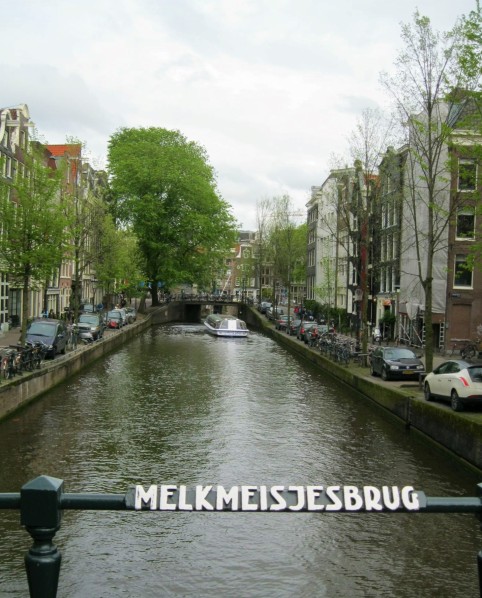 This was an obvious choice for this particular list because we only spent about 23 hours in the country. It was our first foray into long-layover travel, and we definitely fumbled our way through it. It wasn’t too difficult to get from the airport to the city center (and back again), but as we set off with absolutely no plan, it was mostly just a long walk around the beautiful canals. Amsterdam is a great walking city though, so even with our random ambling, we were able to take in the numerous and iconic bridges, bicycles, and fry-stands. We also explored the infamous Red Light District and (from a distance) the I AMsterdam sign, which is sadly no longer there.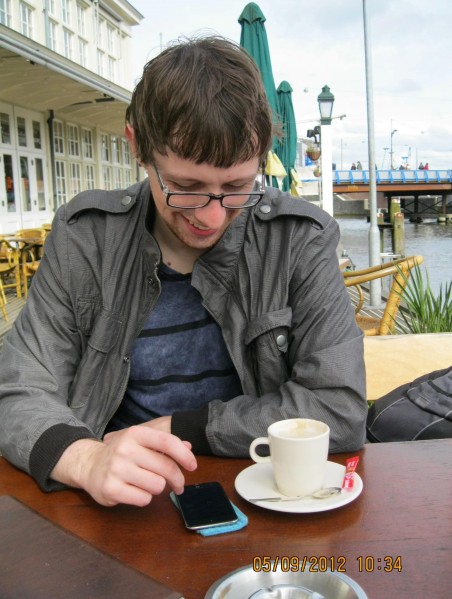
 Next on our “must return to” list is Finland, which might not have been an obvious choice seeing as we spent almost three weeks there, but at the time we 1) had very little money to spend, 2) were exhausted from finishing up our undergrad degrees, and 3) had just gotten married, which as anyone who has planned a wedding can attest, left us feeling a bit burnt out. Typically when we travel now, we avoid suitcases, and we move around a lot, but as this was our first trip sans car, we failed miserably at both packing lightly and at utilizing public transportation. We also weren’t able to afford train passes or much of anything at that time; in fact, our flights and accommodations were wrangled together with the help of some of our wedding gifts and useful family connections. Regardless of what now seems like a trip very far removed from our usual preferences, at the time, it was magical.

 Technically we’ve been to the Bahamas a few times now, but does it really count if it’s on a cruise? I mean, don’t get me wrong, cruises are fun and economical, but they definitely keep you in a bit of a bubble. For this reason, I would love to go back to the Bahamas, without the big boat. I think it would be amazing to fly into Nassau and explore New Providence Island a little more slowly and a lot more thoroughly. There are several forts I want to see on the island, not to mention the art galleries, lighthouses, and, of course, the beaches (especially the ones on the far side of the island). At some point, Tucker and I want to get our diving certification so we can explore the depths too, or if we don’t have time for that, then I want to do one of those bubble helmet dives instead!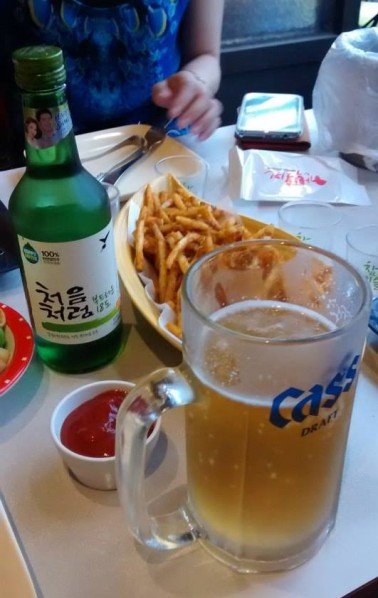

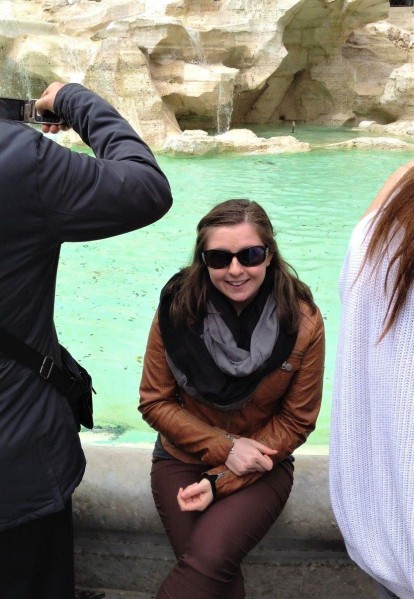

 Germany, unfortunately, represents another set of rookie moves on our part. We spent a year living just a few hours over the border in central Poland, yet we failed to A) make it to Oktoberfest and B) visit Bavaria, the most quintessential of all the German regions. While I do sorely regret not making time for southern Germany, we did really enjoy our time in Berlin and Potsdam, looking at the incredible architecture, sampling the infamous brews, and picnicking in numerous parks. It was an absolutely lovely time, but of course, I’d love to go back for a festival or two. It’s really not our fault we missed Oktoberfest; we had wrongly assumed it took place in October, but really it’s more of a September event that actually ends in early October. Ah well, it’s on the list for our inevitable return trip. As are other famous places like: Neuschwanstein Castle, the Rhine, Cologne, and, of course, Bavaria.
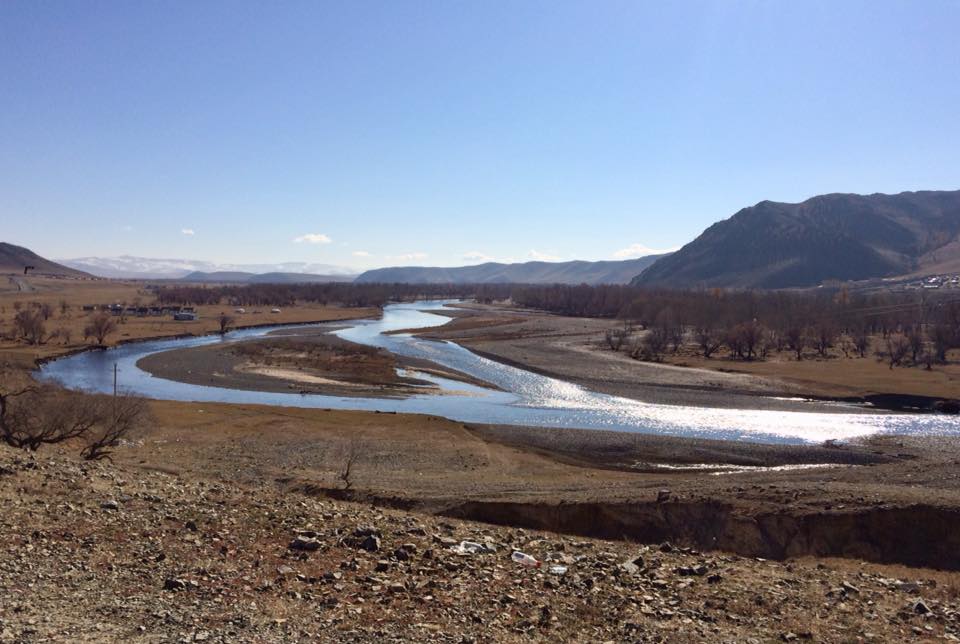
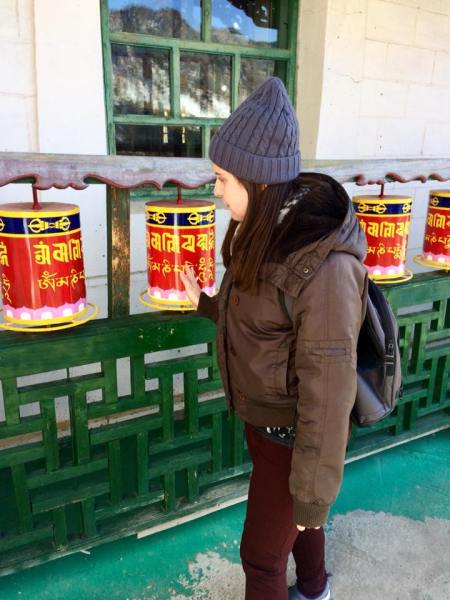 Perhaps unlike any other place we had been, Mongolia intrigued us in so many ways. It’s really a breathtakingly beautiful country that exceeded every expectation we had for it. We visited for about a week in 2017, but unfortunately, a lot of that time was taken up by work (conferences, presentations, etc.) In our free time though, we were able to pretty thoroughly explore Ulaanbaatar, including temples, yurt neighborhoods, live-music bars, and amazingly trendy restaurants. We also took a short road trip out to Gorkhi-Terelj National Park, which was honestly a bit frightening for me (mostly because we opted to dismiss the rental insurance), but ultimately it gave us the best glimpse of what life is like outside UB.

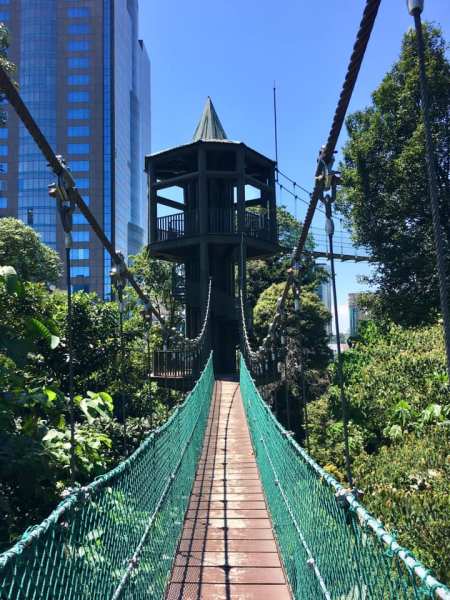 Last on this list (for now) is a place we actually visited just last year. On our way back to China from a work event in the Philippines, we took a bit of a roundabout path that allowed us to spend almost a week in Malaysia, well, in and around Kuala Lumpur anyway. Malaysia is a tricky country to fully explore in a short amount of time because it’s made up of part of a peninsula (West Malaysia) and part of the island of Borneo (East Malaysia), the two regions being about 400 miles apart. For this reason, although we feel pretty good about our exploration of the amazing capital city, typically called KL for short, we still really want to explore some of the other regions of this incredibly diverse country.
 We never made it to a beach while we were in Malaysia, so maybe we’ll start there on a subsequent trip. There are many islands off the coasts of both West and East Malaysia that look amazingly beautiful and relaxing. There are also several world-renowned national parks, which are home to a collection of unique indigenous species that Tucker really wants to check out. Of course, as we found in KL, Malaysia seems to enjoy extreme sports as well, so maybe we’ll try the popular zip-lining, white water rafting, or jungle trekking activities while we’re at it!
 Of course, there are three countries, not previously mentioned, that are and will indefinitely be on our return radar: the United States, Poland, and China. These are the places we have the greatest connection to, and thus will need many re-visits and reunions to sustain us. Luckily, our friends and family in Chicago, Atlanta, Orlando,
  Dani Francuz Rose