Ottawa is NOT Boring

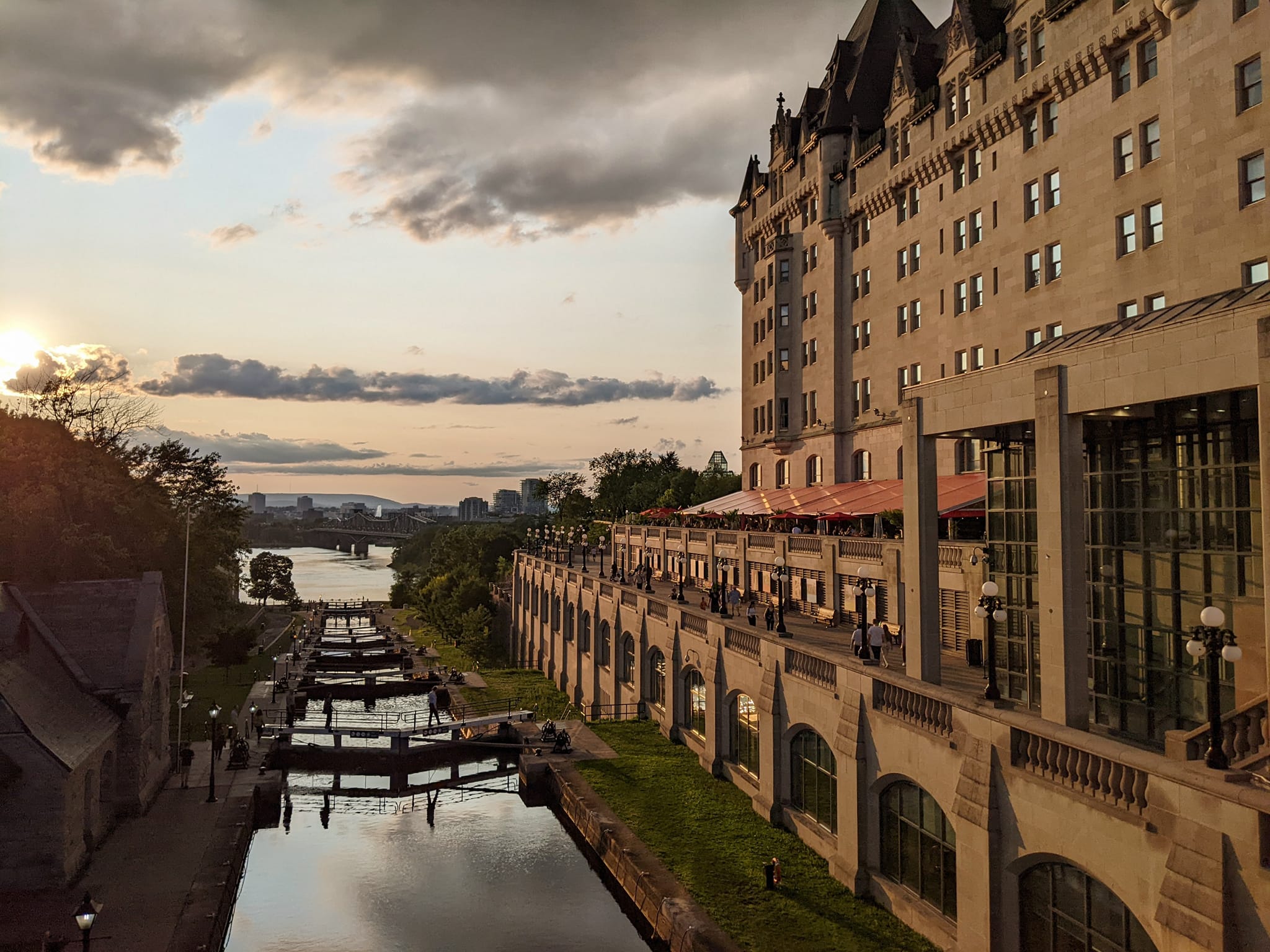
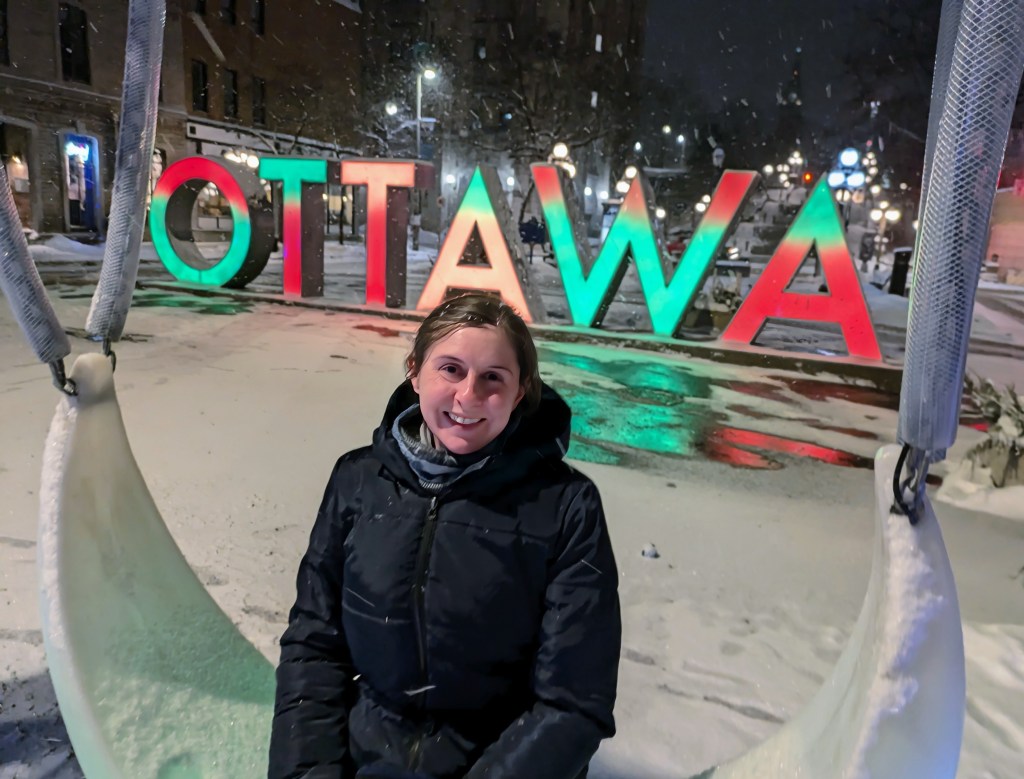
When we first started looking into Canadian cities and where we might want to live, we were a little surprised to find that Ottawa has a reputation for being boring. In fact, one of its less-flattering nicknames is The City Fun Forgot, but over the two years we’ve lived here, I can honestly say I don’t get that at all! There is SO MUCH to do in and around Ottawa, and in order to do my part in shifting this perception, this month, I’ve made a list highlighting just some of the fun you can have in Canada’s capital city.

Food & Drink-related Activities

First up has to be food, right? In a city this diverse, of course there are tons of options. In our neighborhood alone we have not one, not two, but three amazing African grills, several French bistros, at least three fantastic Chinese noodle spots, a couple of taco windows, and more shawarma restaurants than pretty much anywhere else on the continent. But of course, there are plenty of drinks to be had as well! Here are just a few of my many, many food and drink-related suggestions for Ottawa:

Charcuterie at Prohibition
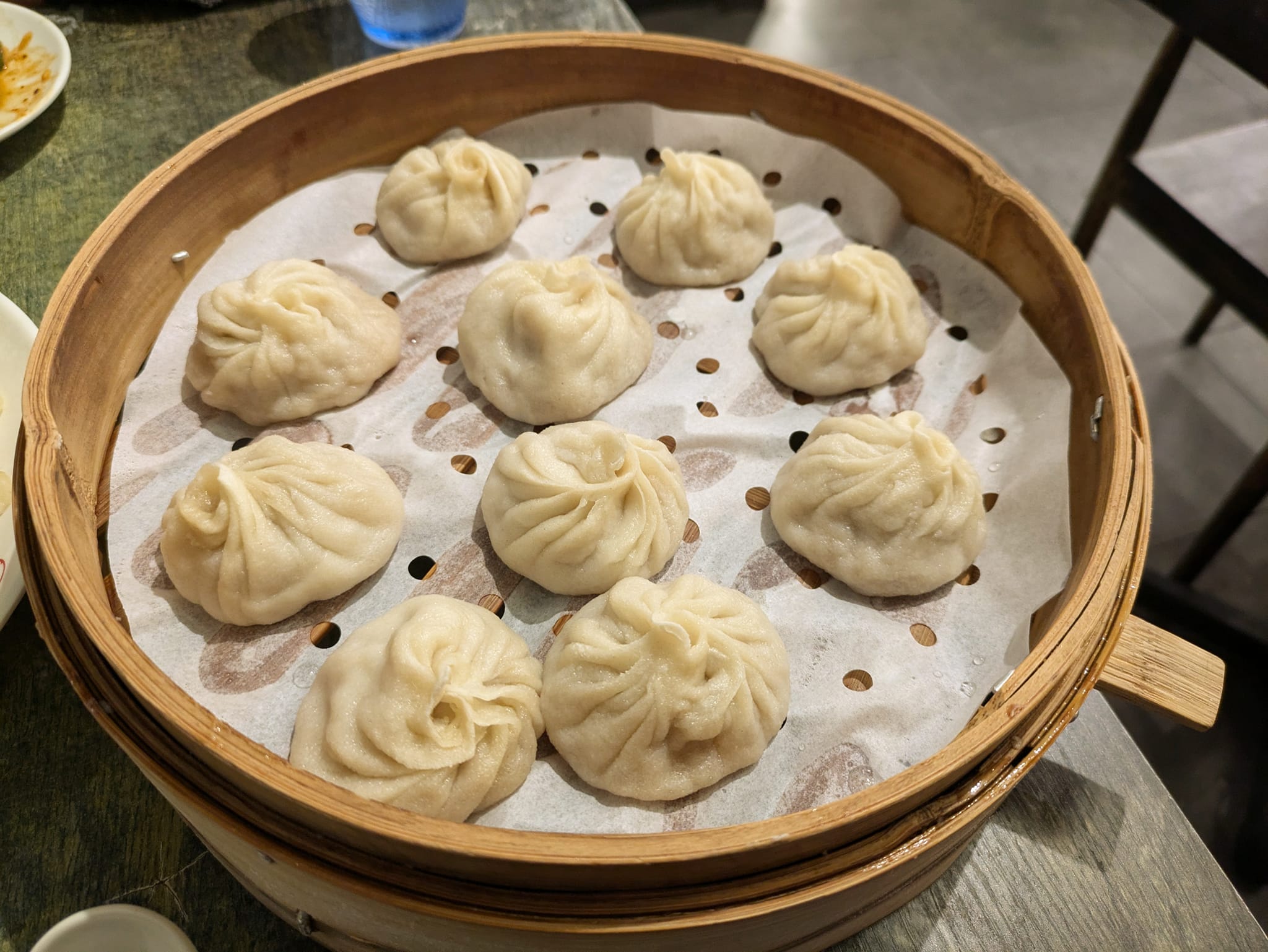
  • Try several of the city’s amazing restaurants. Some of our favorites include Sammi & Soupe Dumpling, Prohibition Public House, Metropolitain Brasserie, The King Eddy, and Bistro Coqlicorne.
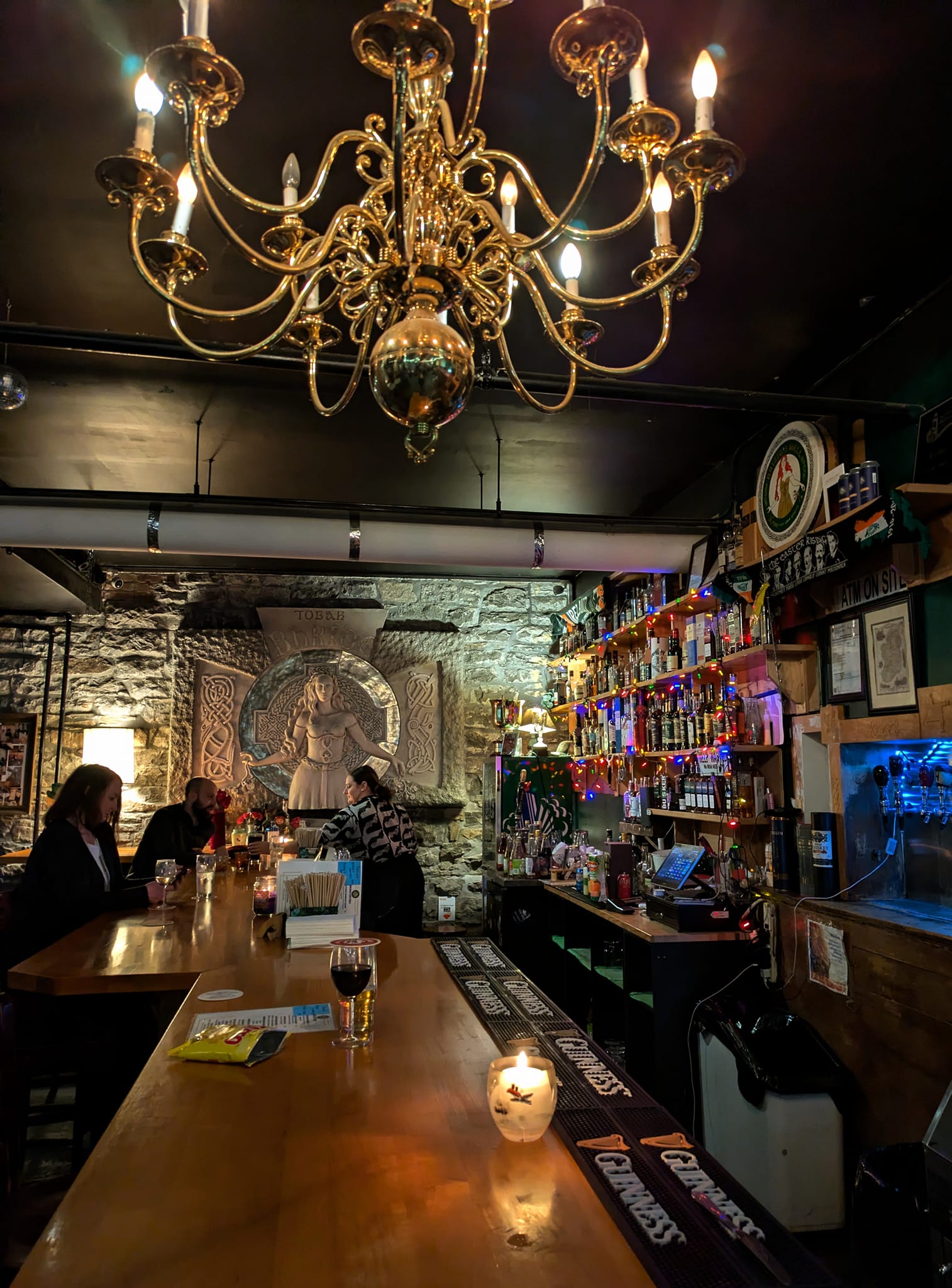
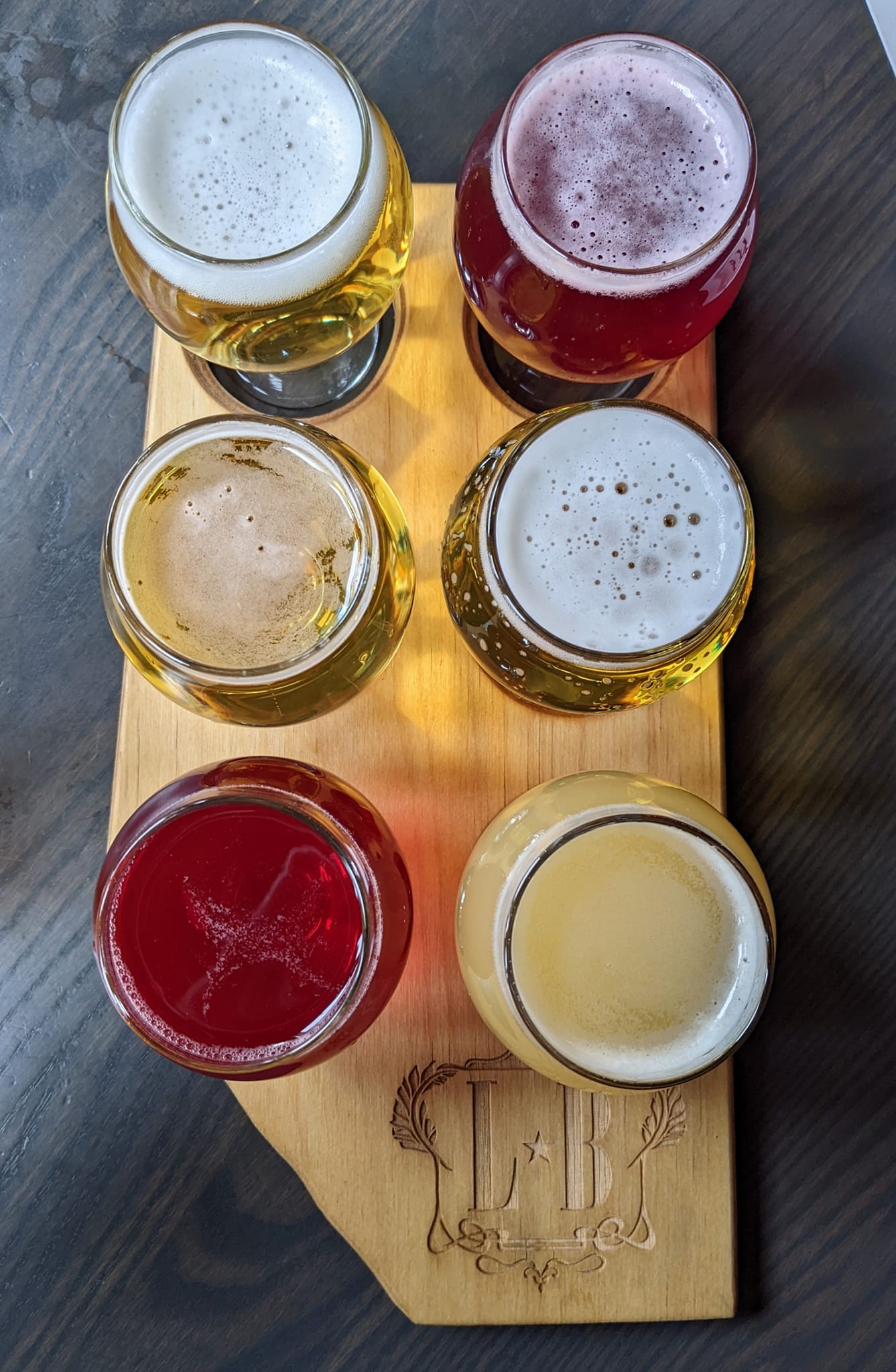
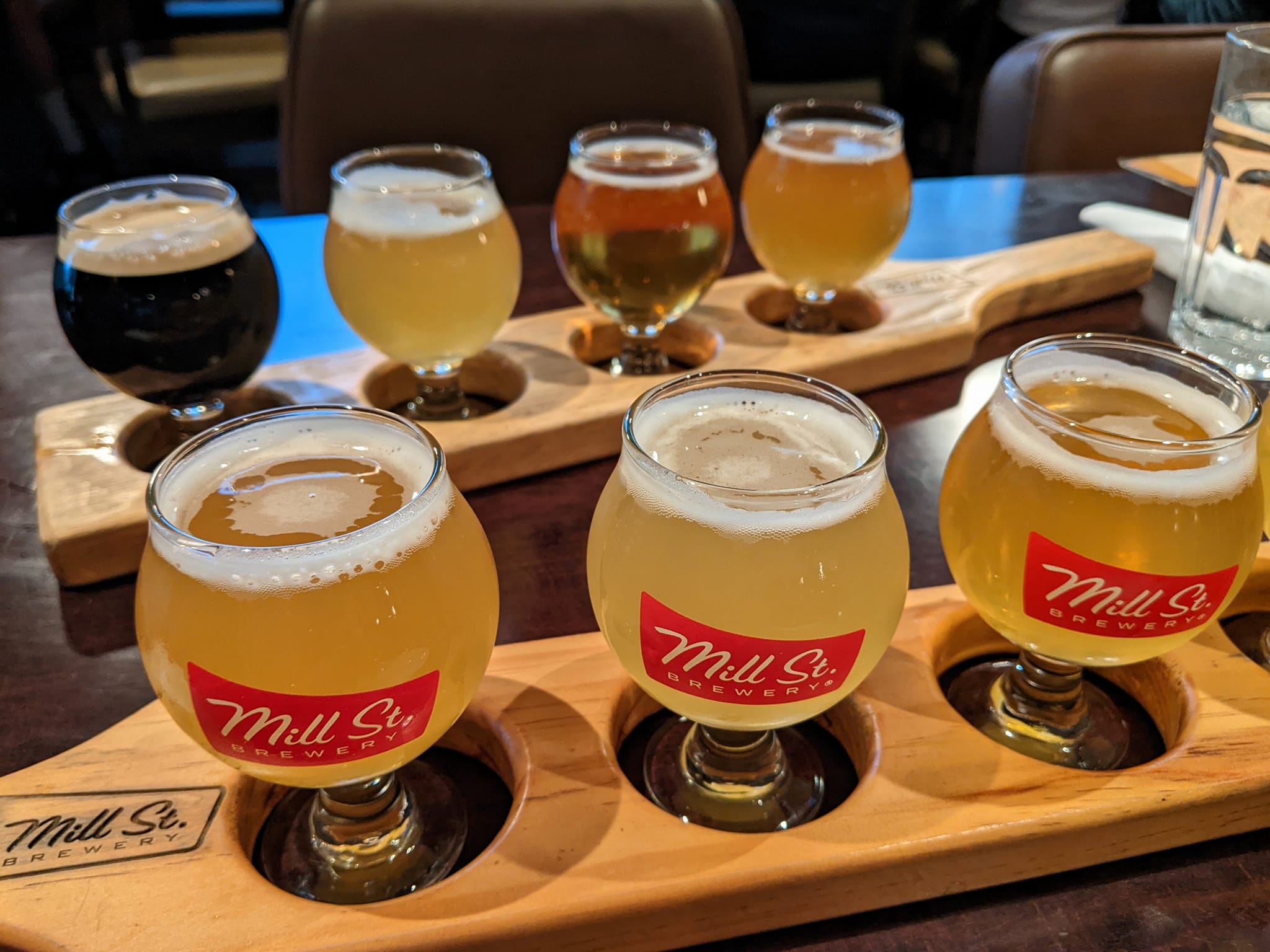
  • Grab a drink at a local brewery or pub. Our absolute favorites are Brigid’s (which is located in the basement a beautiful old church), Spark Pizza, Overflow Brewing Company, D’Arcy McGee’s, and Mill Street Brew Pub.
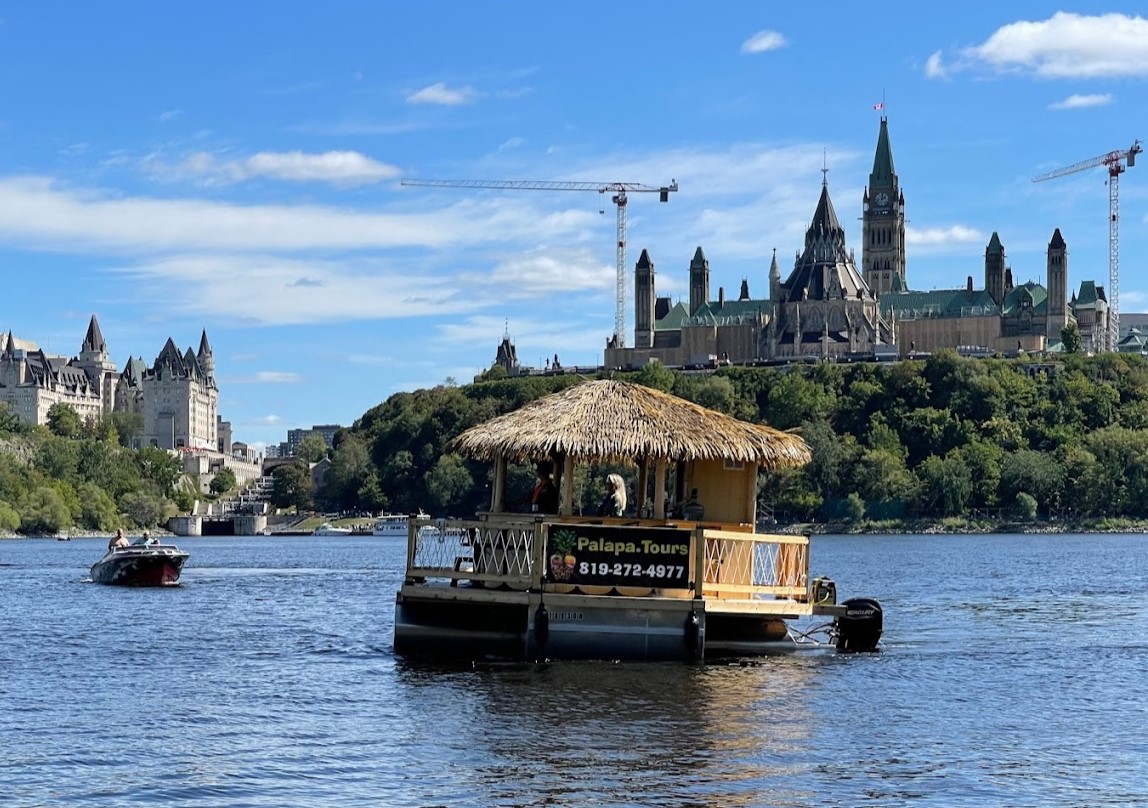
  • Meet new people while on a Thursty Pedaler or Palapa Tour.
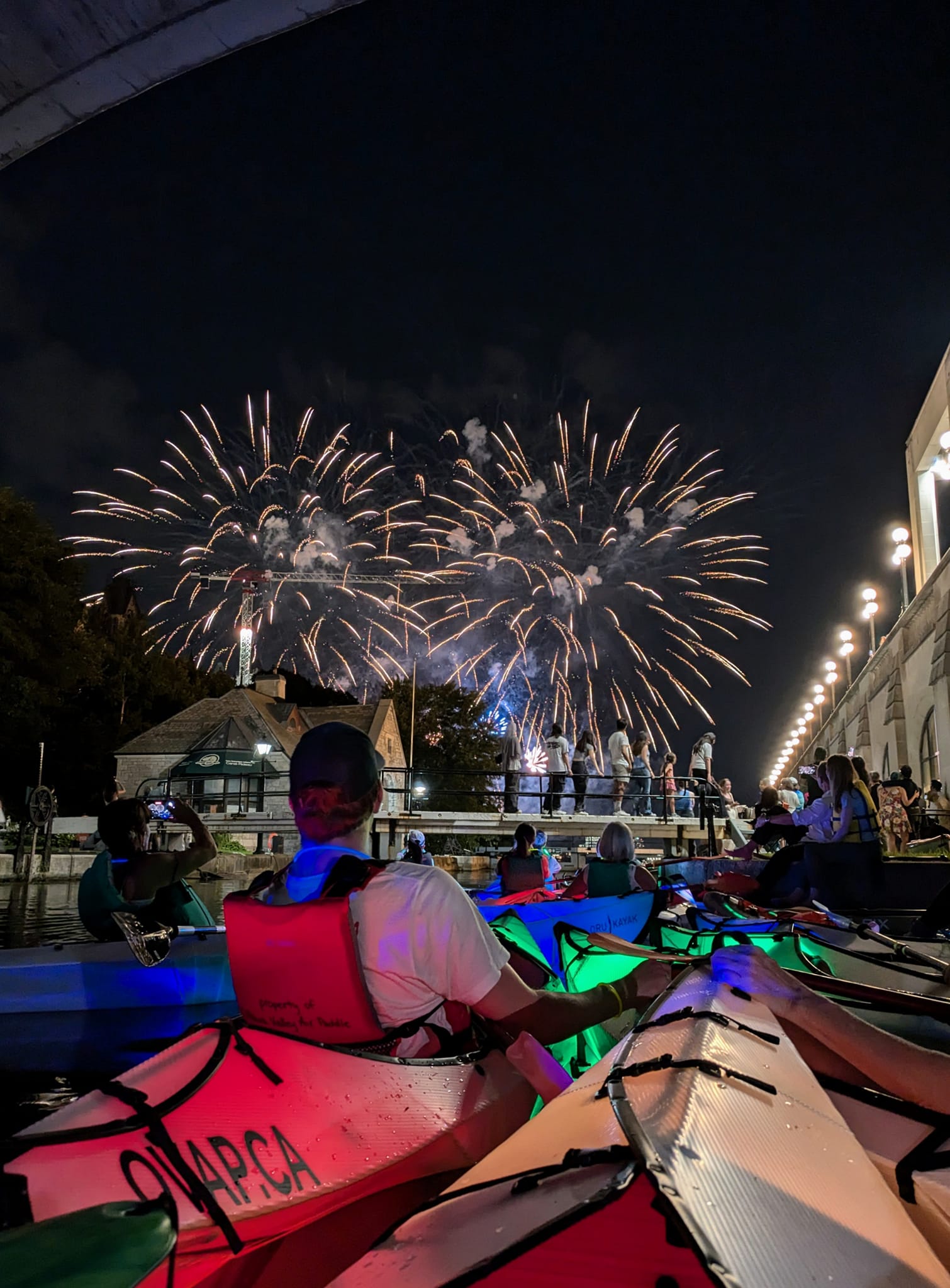
  • See the sights and share a snack or drink on a canal cruise.
  • Feel fancy (and productive) at a cocktail-making class.
Outdoorsy Activities

Canada, in general, is known for its great outdoors. Even in the city, there are tons of outdoor adventures you can have, and if you’re willing to drive (or ride) just a little outside of the city, these options truly multiply. Here are some of the most famous (and fun) outdoor activities you can do in and around Ottawa:
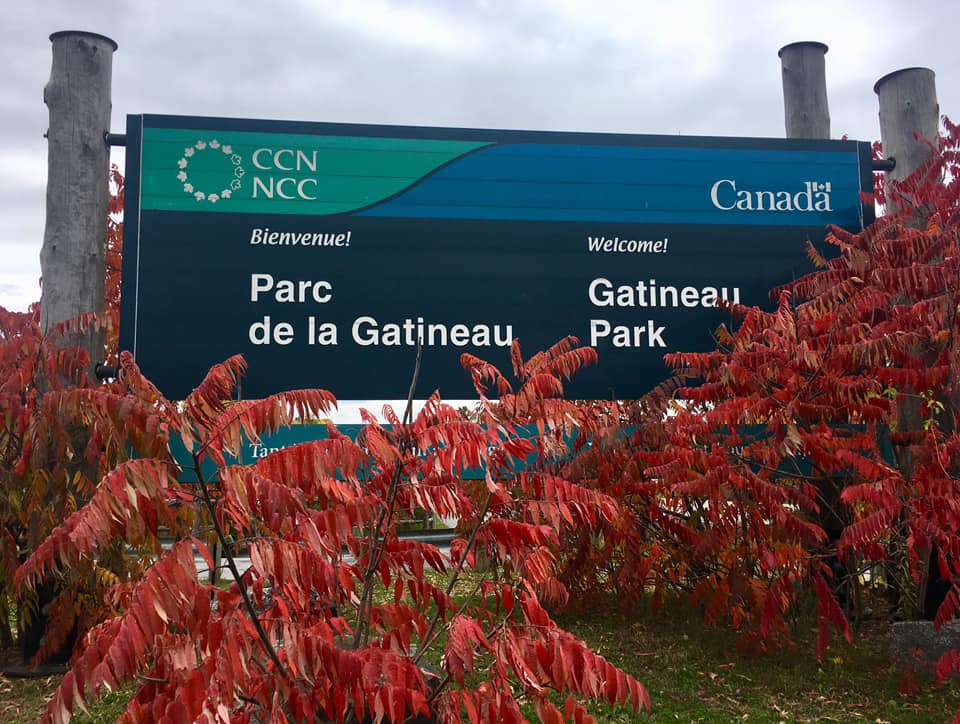
  • Drive, bike, or walk around Gatineau Park.
  • Complete a ropes course or simply zip-line from Ontario to Quebec.
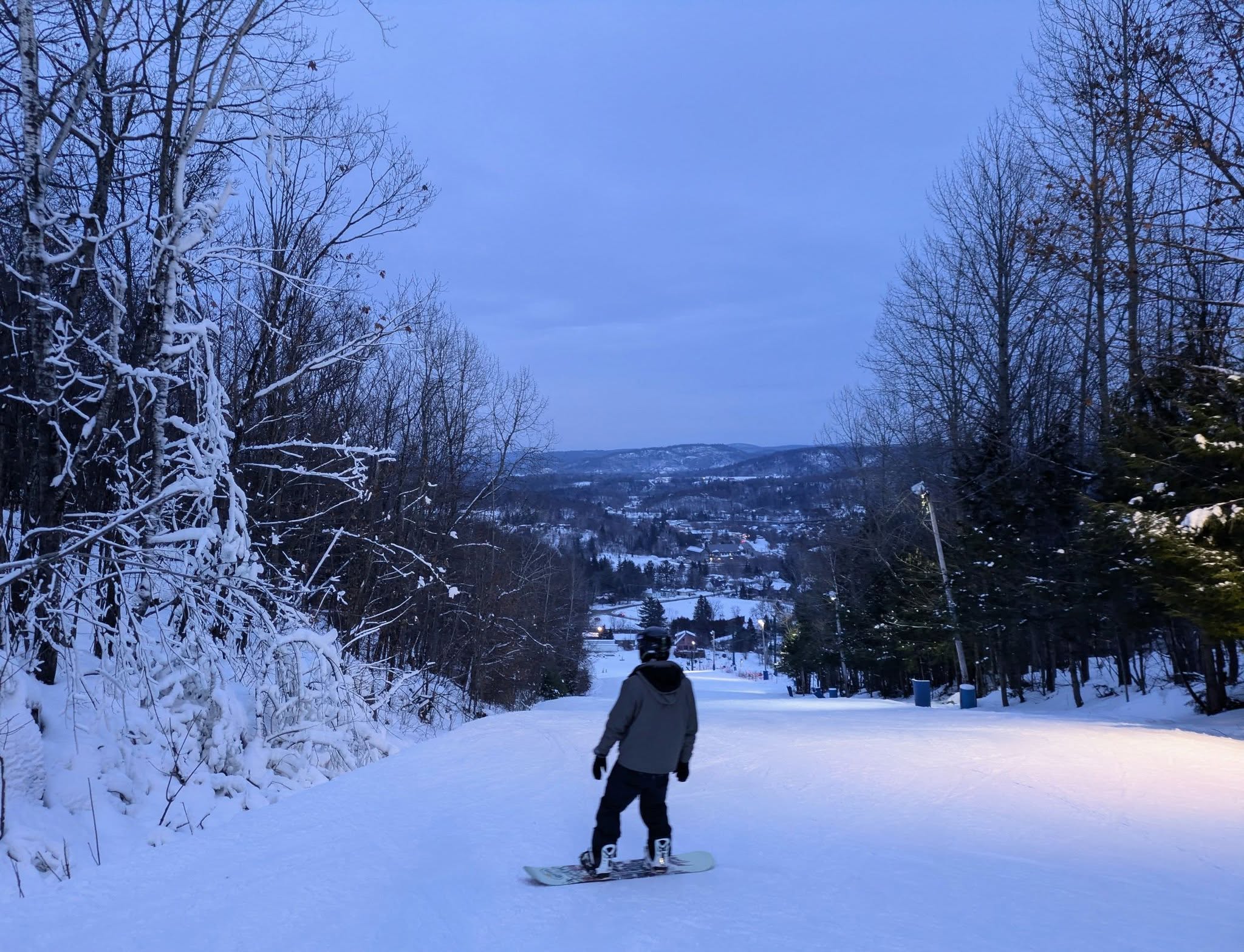
  • Go skiing or snowboarding at one of five resorts all within an hour of downtown Ottawa.
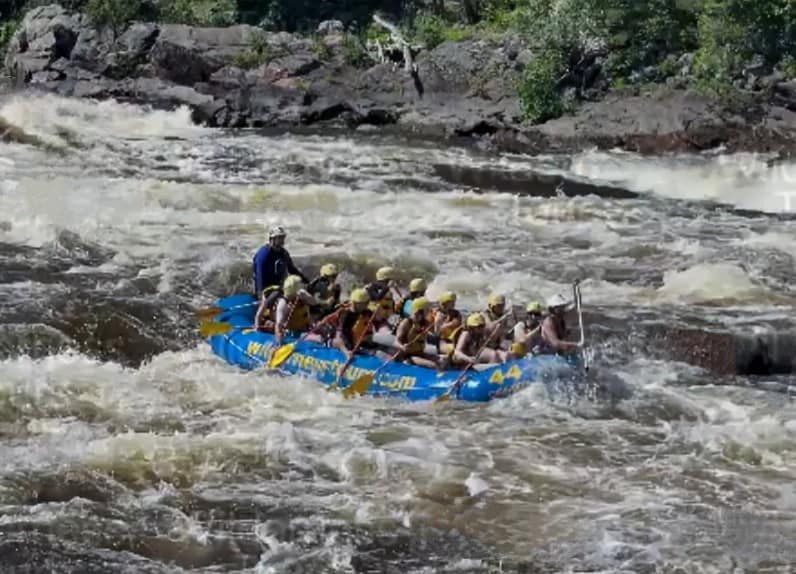
  • Get out on the water (i.e. go rafting, kayaking, paddle boarding, sailing, skating, swimming, something!)
  • Take a hike. In the city, we love the Rideau River Trail, the Rockcliffe Rockeries, and Hog’s Back Park. Outside the city, it’s tough to beat Eagle’s Nest in Calabogie, but there are plenty of other, even closer trails that rival it.

Cultural Activities

If adventure sports aren’t really your thing, maybe you’d prefer to do something a little more cultural. Ottawa has you covered there as well. Ottawa has the most museums of any Canadian city, and as the country’s capital, there are more festivals, exhibits, shows, and other amazing events rolling through here than anyone could ever hope to keep up with! Here’s a quick look at some of the more cultural things you can do:

Enjoying Winterlude 2024
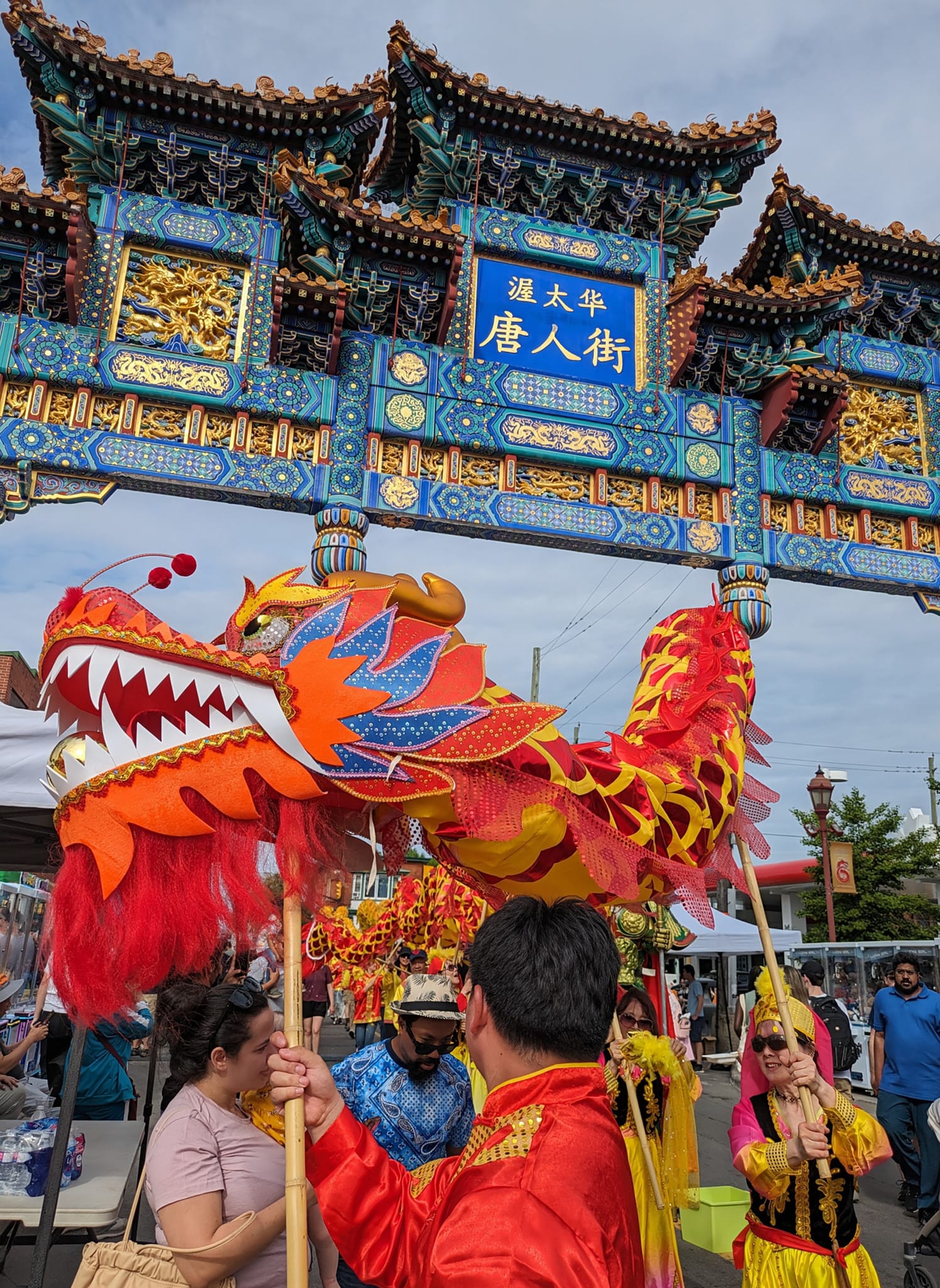
  • Attend a festival, such as Winterlude, the Tulip Festival, Bluesfest, Capital Pride, or any of the other countless festivals that are now synonymous with Ottawa. There’s actually a whole Wikipedia page dedicated to Ottawa’s Festivals, check it out!
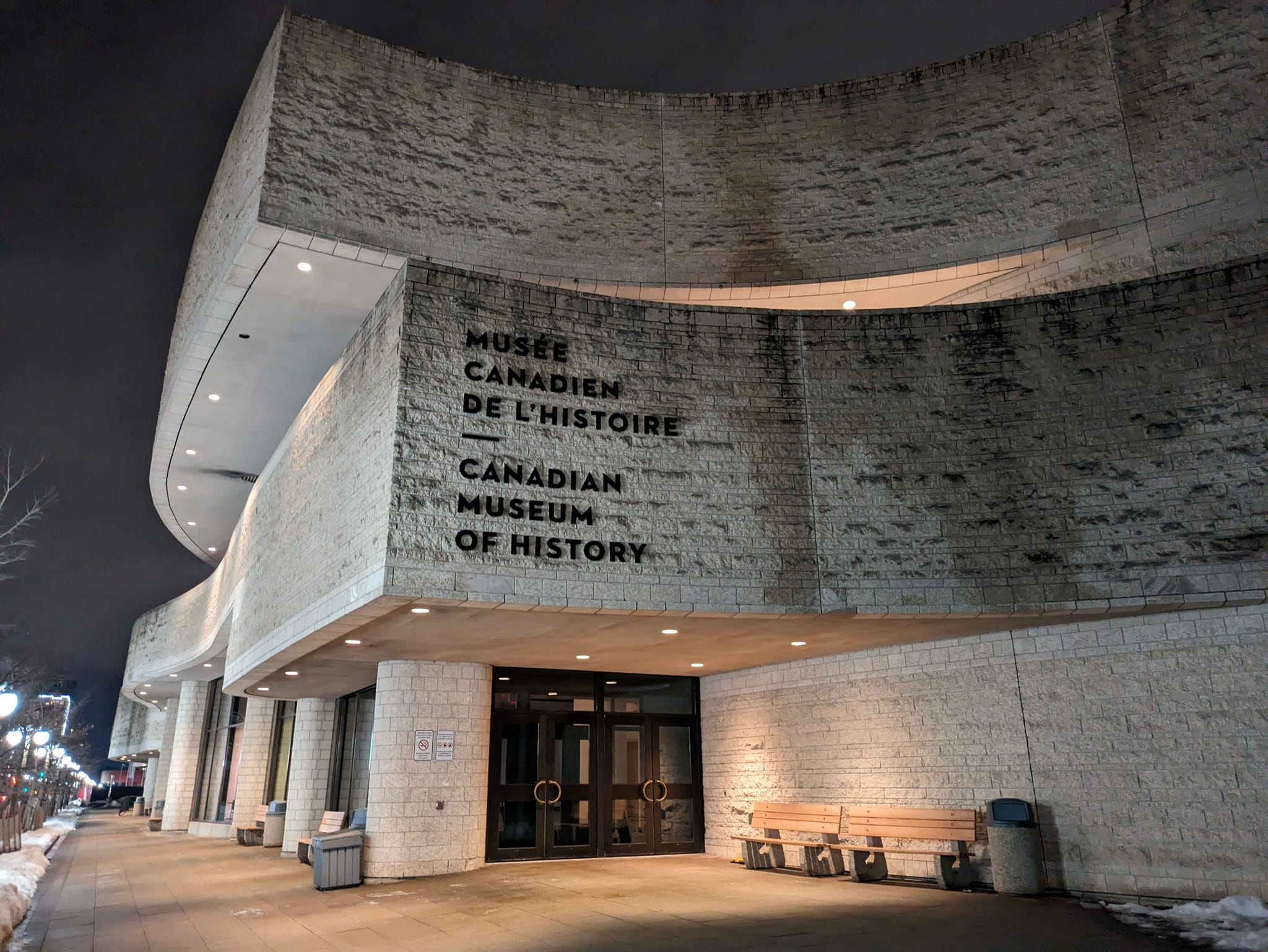
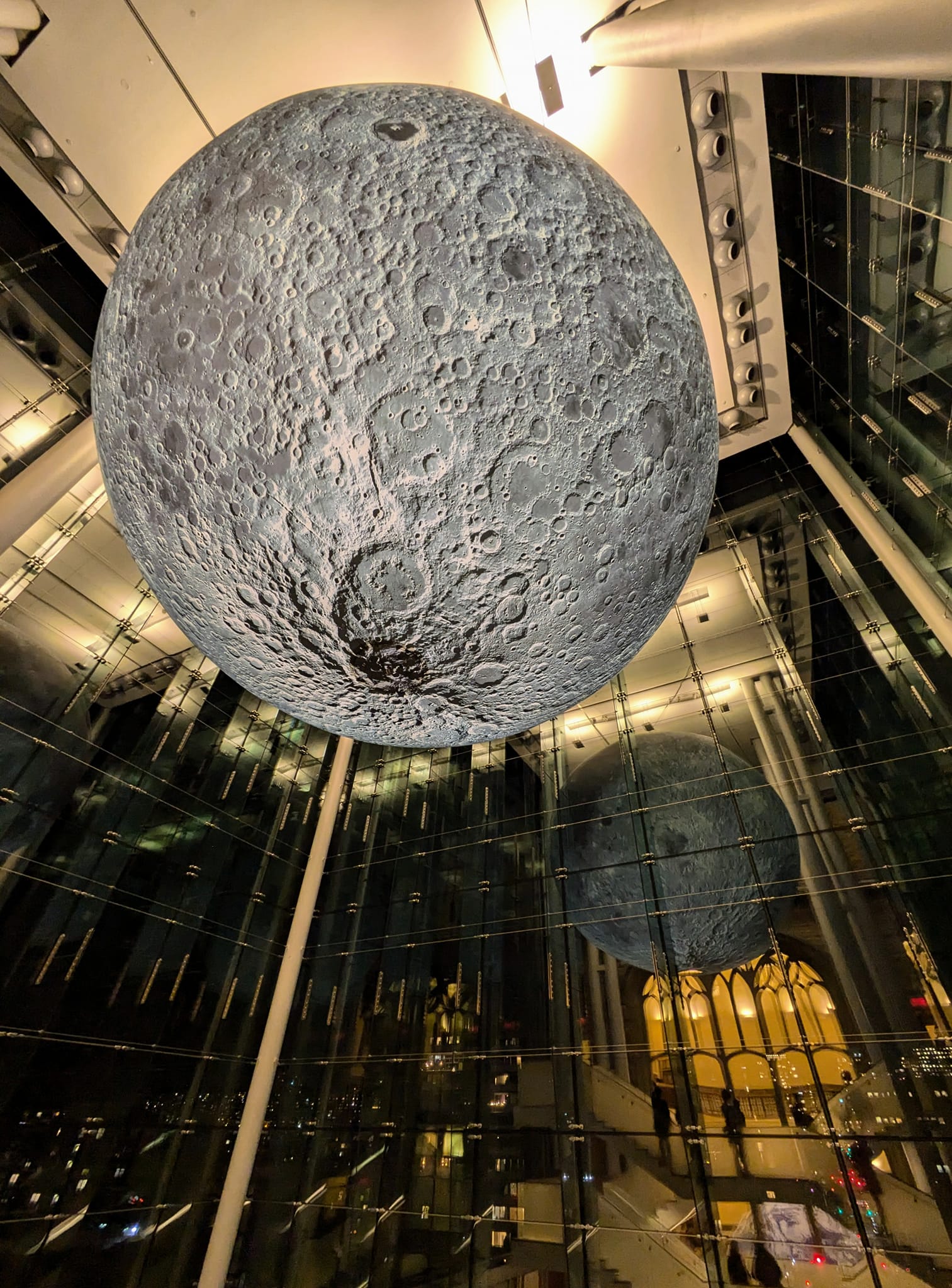
  • Visit a museum or gallery. Our favorites are the National Gallery of Canada, the Canadian Museum of History, and the Canadian Museum of Nature, and the best part is these and many of the other larger museums/galleries have free admission hours each week.
  • Watch a live Art Battle.
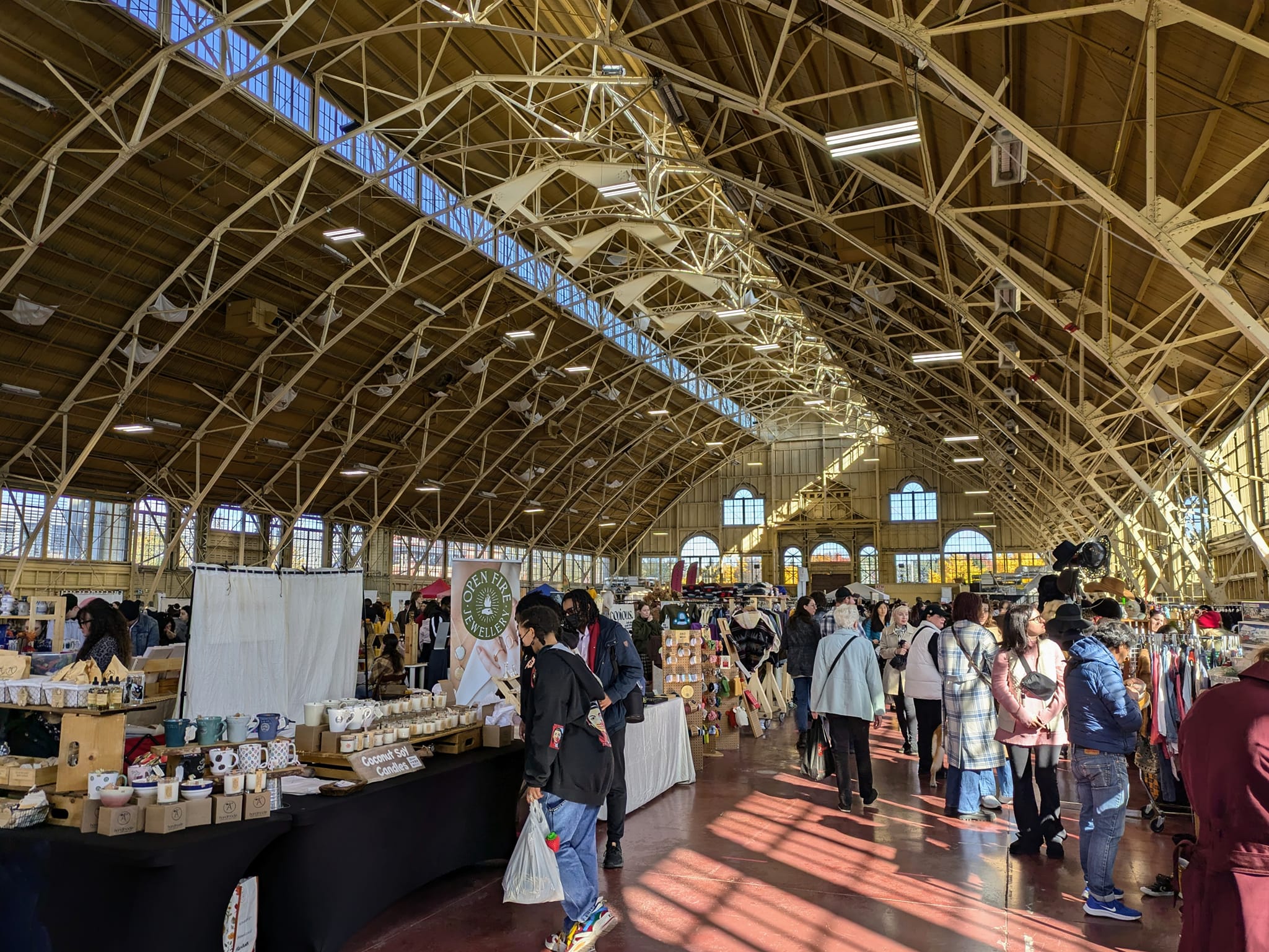
  • Do some crafts or else buy some at one of the many local markets.
  • Participate in a community event. If you find a place you like in Ottawa, follow them on social media, and I guarantee at some point they’ll share an event that interests you. This is how we found ourselves eating pierogi and making pisanki at Wedel in Westboro last Easter.
Game-like Activities

If you know me, you know I love games, and luckily, we’ve found a plethora of game-like activities in Ottawa as well. One of the many upsides to long winters is that people have to get more creative with their indoor time, and that is super obvious when it comes to indoor entertainment in Ottawa. Here are some of our favorite things to do when we want to play (or watch others play):
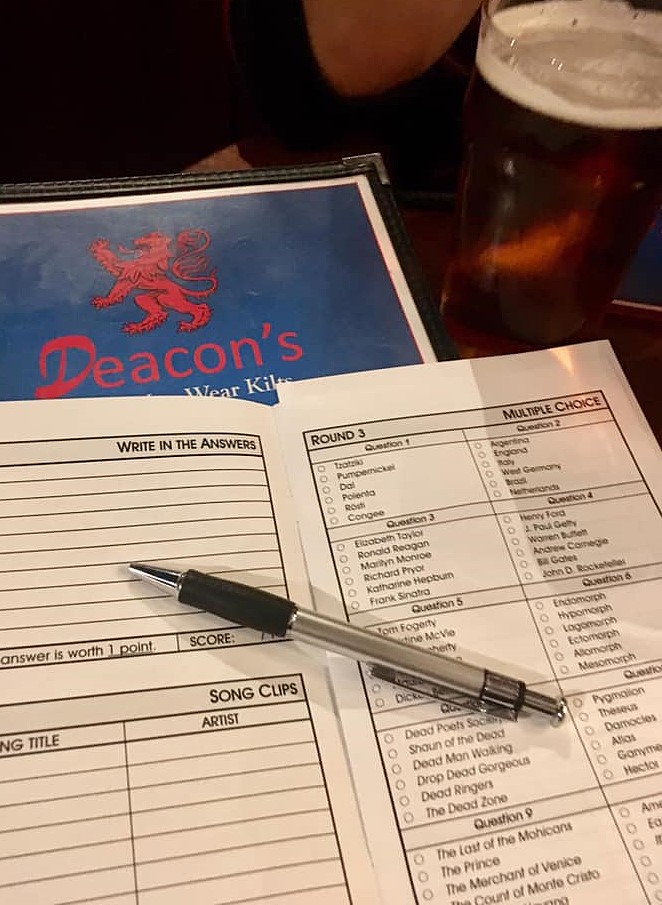
We ❤️ pub trivia!
  • See how much you know at pub trivia.
  • Escape from one of the many escape rooms in the city. I personally love Escape Manor because they have a super cool speakeasy-type bar and other fun games and activities like bocce ball and interactive darts.
  • Play one of the thousands of games (both tabletop and video) that they have at Level One Game Pub.
  • Watch a sports game. Extra points if you support the Ottawa Senators, Redblacks, or Titans because we do too!
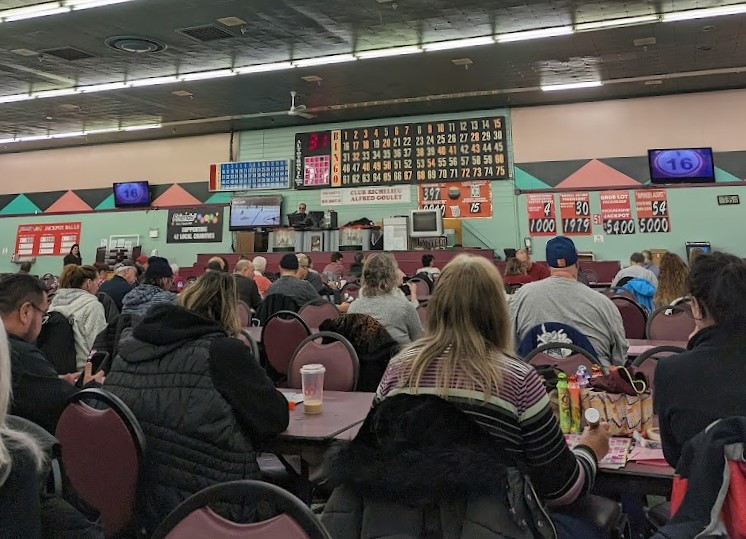
  • Enjoy a round of Bingo or two.

Just-plain-fun Activities

If you’ve already had your fill of all the food/drink, outdoorsy, cultural, and game-like activities on offer, might I suggest a few more things that might not fit neatly into one of those categories, but are still so much fun to do in and around Ottawa:

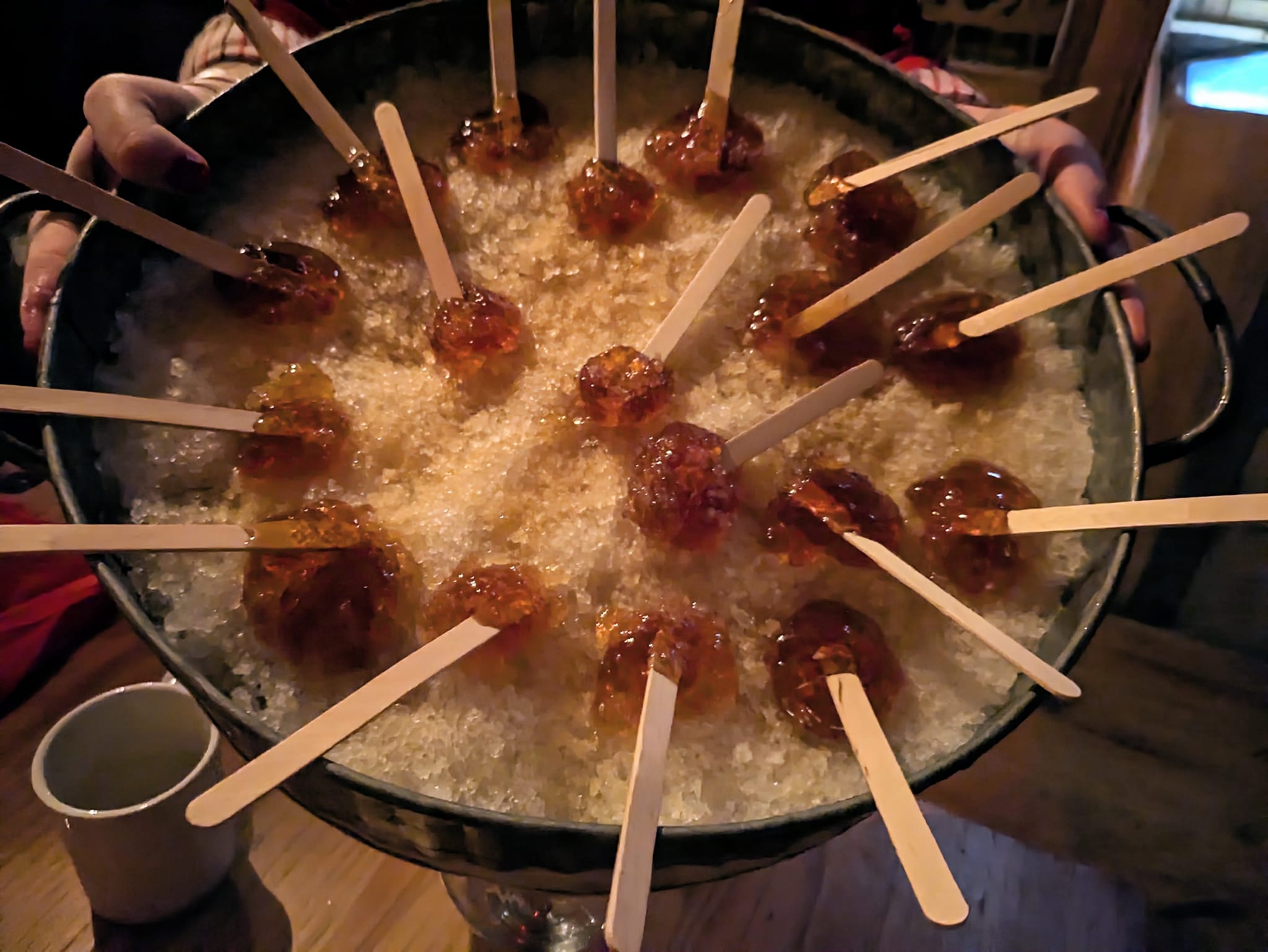
  • Head to a sugar shack for an incredibly unique Canadian experience.
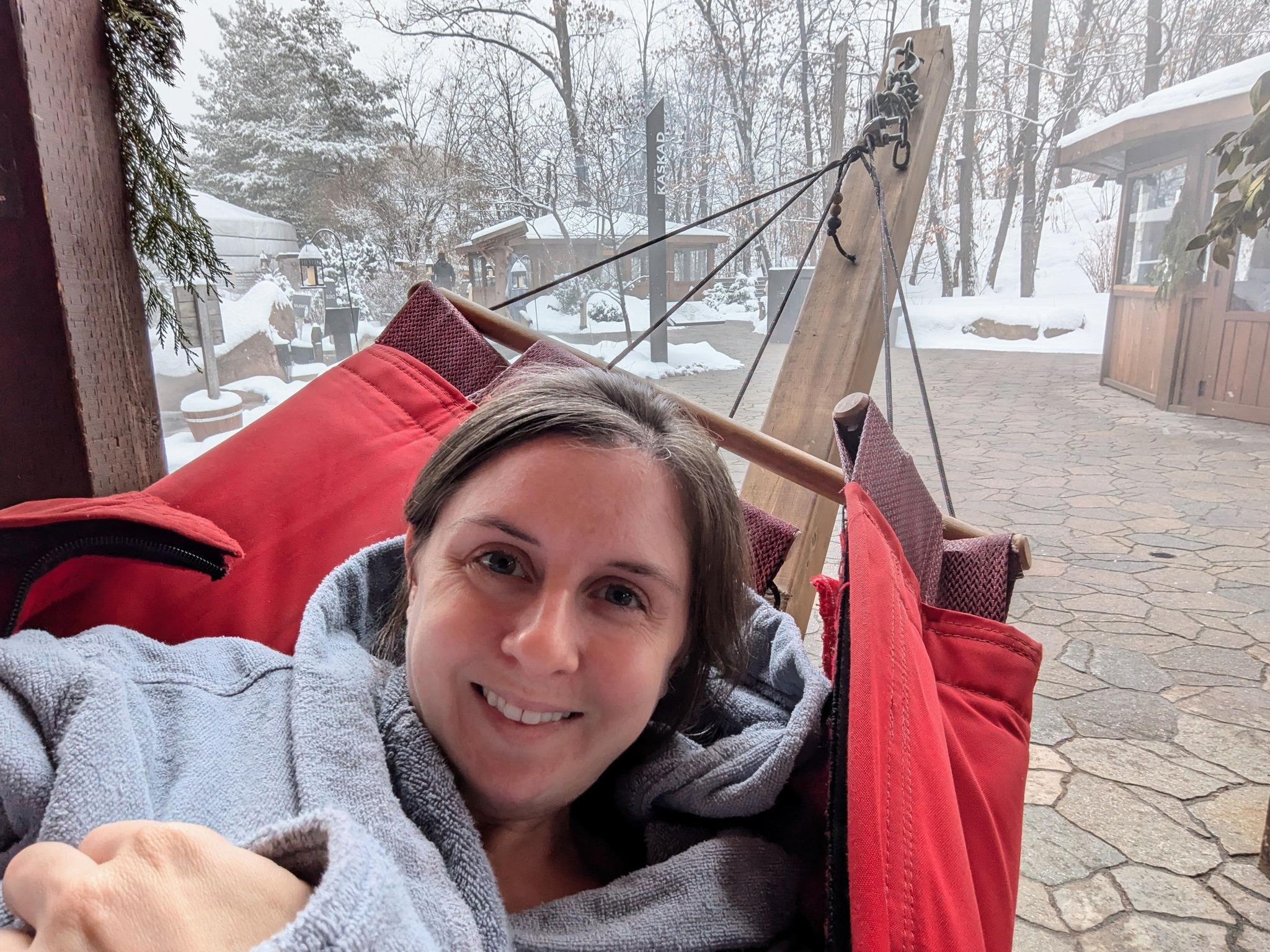
  • Relax at a nature spa.
  • Drive through Park Omega.
  • Interact with a movie at Bytowne Cinema. Drunken Cinema Night is so much fun, but they also have High Tea Sundays, Sing-a-longs, Sleep-overs, and other fun events every month!
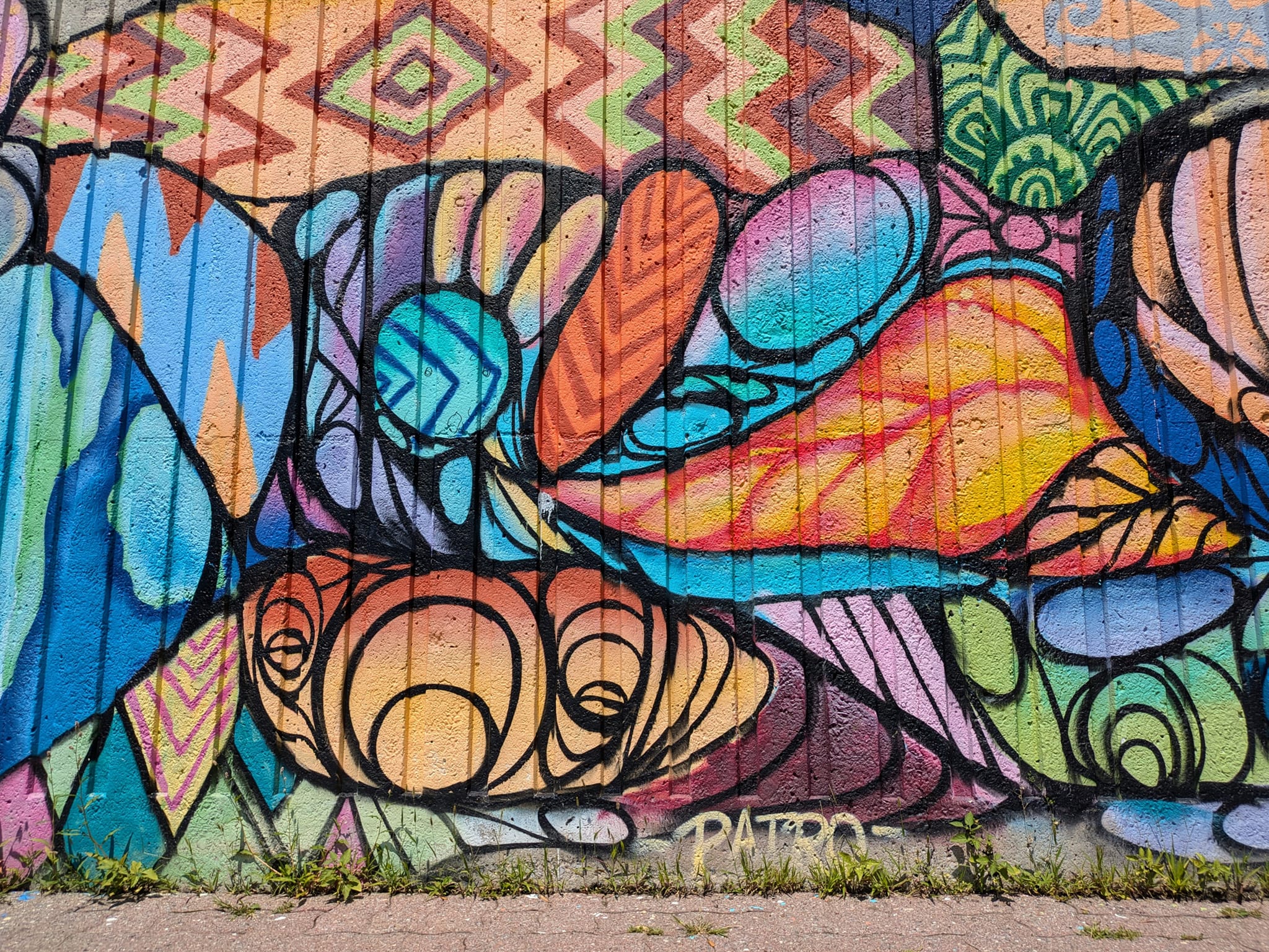
  • Take a free city walking tour or a DIY city murals tour.
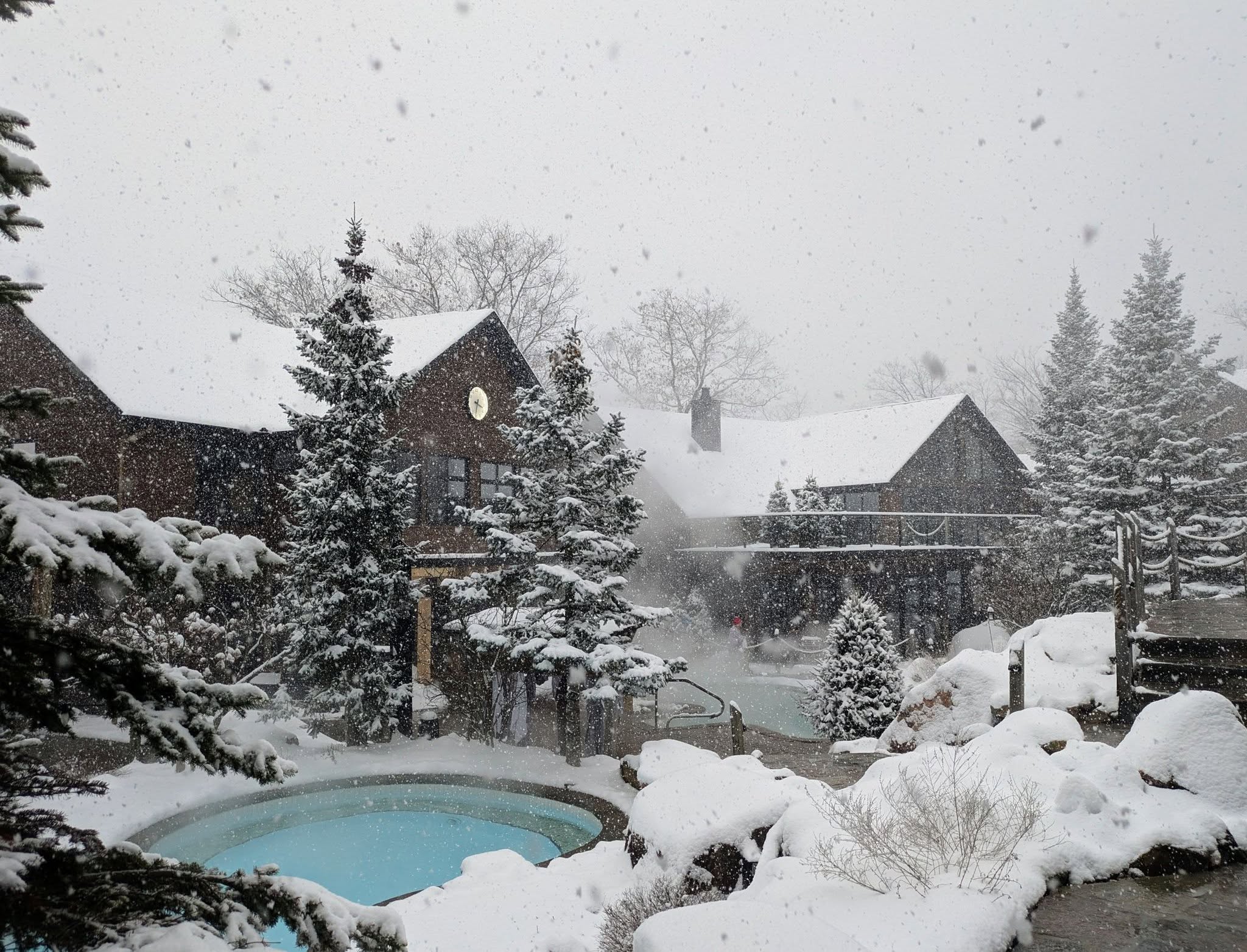
I hope this is enough to prove to anyone that Ottawa is absolutely NOT boring. But if you still have doubts, I invite you here to see for yourself. I promise, you won’t regret it!

Beautiful Banff

Last month, Tucker and I continued our Canadian explorations with a trip to Banff, Alberta. Of course, Banff had been on our list long before we knew we’d be living in Canada, and we can now say with absolute certainty that it should be on everyone’s bucket list! We were truly blown away with the seemingly infinite number of stunning views, trails, waterfalls, glaciers, and all sorts of other incredible landscapes. In fact, I had trouble narrowing down our plans to fit neatly into a one-week trip (many people spend weeks or months trekking around Banff and Jasper National Parks, and I now know why). But since most of us can’t do that, I thought I’d share our experience, which could be useful to others in planning their own epic trip to Banff!

Calgary, Alberta

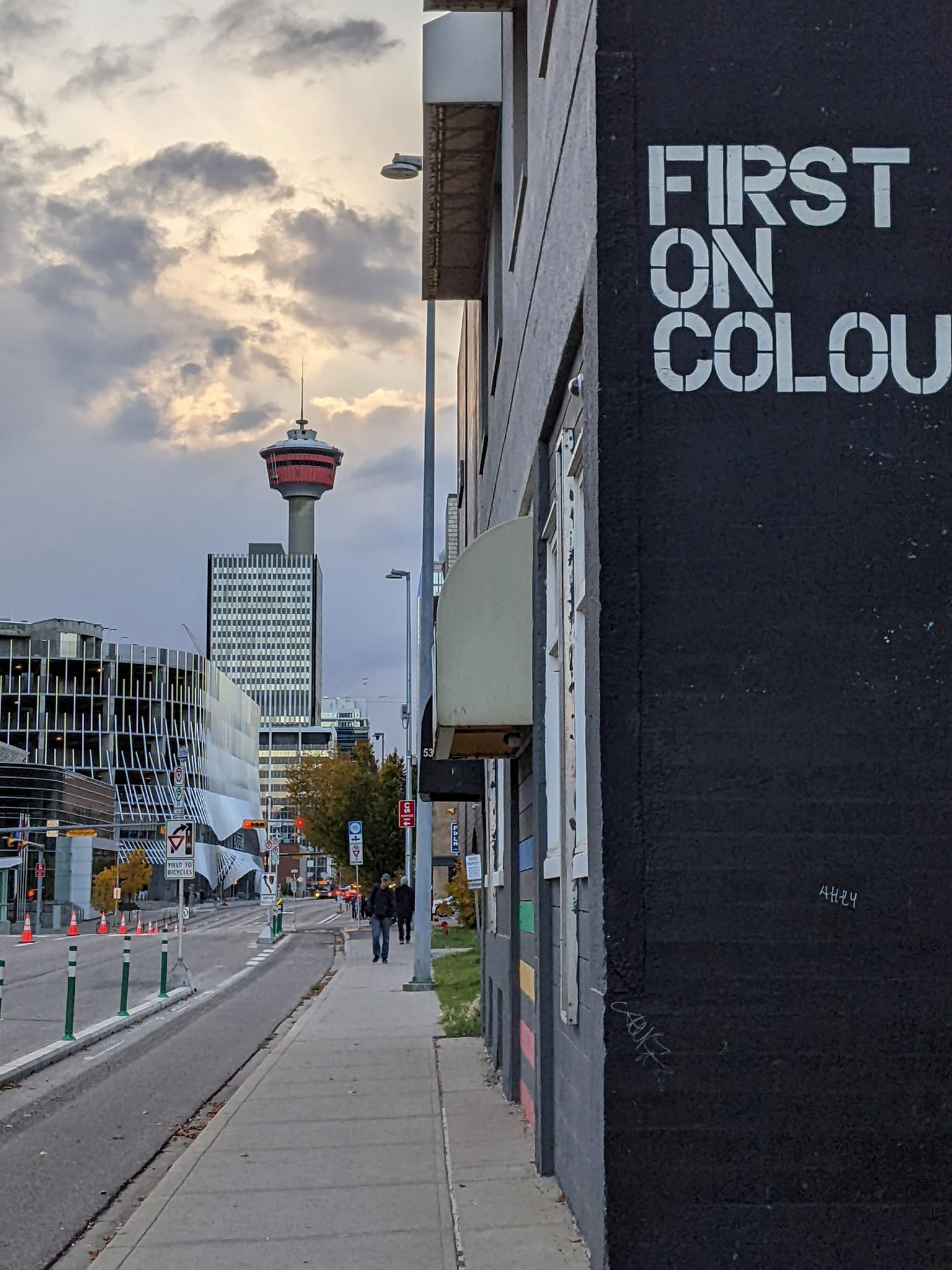
But before we get to the city of Banff, we have to get to the province of Alberta. The vast majority of visitors fly into Calgary, which is the nearest major city. This is what we did although we also considered flying into Edmonton and driving down through Jasper as an alternative. Ultimately, Calgary won out because it was closer and the flights were cheaper. I’m happy this was our choice though because it meant we got to spend several days in Calgary, which turned out to be a really fun city: two beautiful rivers running through it with gorgeous parks throughout, a very lively and impressive brewery scene, and several bar and restaurant streets where we were able to try the famous Albertan ginger beef. Seriously, don’t let the airport be the only thing you see in Calgary!

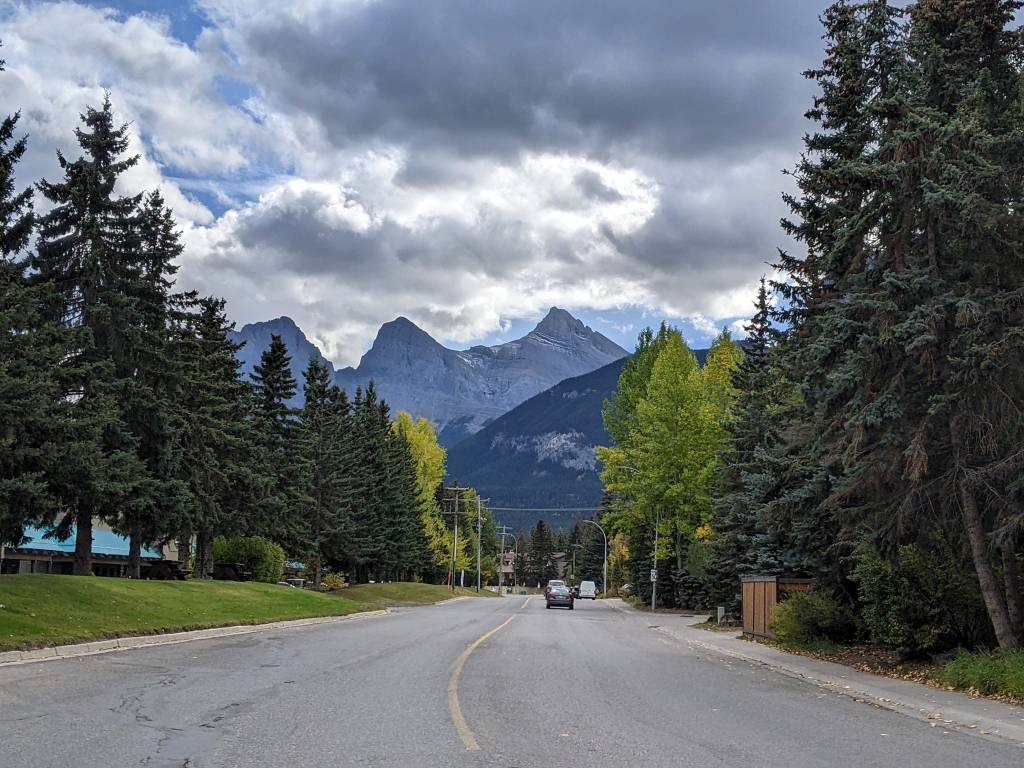
Of course, our main reason for being in Alberta wasn’t the cities, it was the beautiful Rocky Mountains, so how to get out there? Well, they’re really only about an hour drive from downtown Calgary, and you have several options. There are buses and shared cars aplenty, but we, like most people, ended up renting a car. The price was as expected: reasonable if you return it to the same place, outrageous if you don’t. In hindsight, having your own car is absolutely paramount if you want to see anything outside the teeming tourist bubble. One of the best parts about driving ourselves around Alberta was that we could (and did) stop at every possible turnoff for views, trails, signs, etc. not to mention the total freedom we had when driving the Icefields Pkwy. But if you’re sticking close to Banff (as in Banff City and the lakes) you really wouldn’t need a car at all if you didn’t want one.

Canmore & Banff

Once you’re successfully into the mountains, you have another choice to make: where to stay. If you’re camping, the options are limitless, but if you’re afraid of bears and/or you’re not a millionaire, you basically have two choices: Banff City or Canmore. Canmore is a little further from the main attractions and isn’t quite as touristy; therefore, it’s slightly cheaper, but there’s much less to do, which means you’ll likely be driving (and having to find parking) more often, or so we heard from fellow hikers. We stopped in Canmore both on the way out of and back into Calgary, and we really enjoyed it. It’s basically a baby Banff, and I think it’s a solid option, especially if you prefer a more low-key home-base.

We ended up staying in Banff though since this was our first time, and we had no idea what to expect. Since we went at the end of September (right before a lot of attractions and roads are to be closed for the season), there was a plethora of visitors. Options for accommodations were somewhat limited either by availability or by price. Fair warning – Banff is beautiful, but it is not cheap. We chose to stay in a private room at a hostel about 1.5 miles (2kms) from the city center. It was an easy walk, but there is also an amazingly quick and efficient public bus that runs through town and out to many of the resorts as well. Several hotels/hostels give free passes for the duration of your stay, but you can also buy a day pass for $5CAD.  

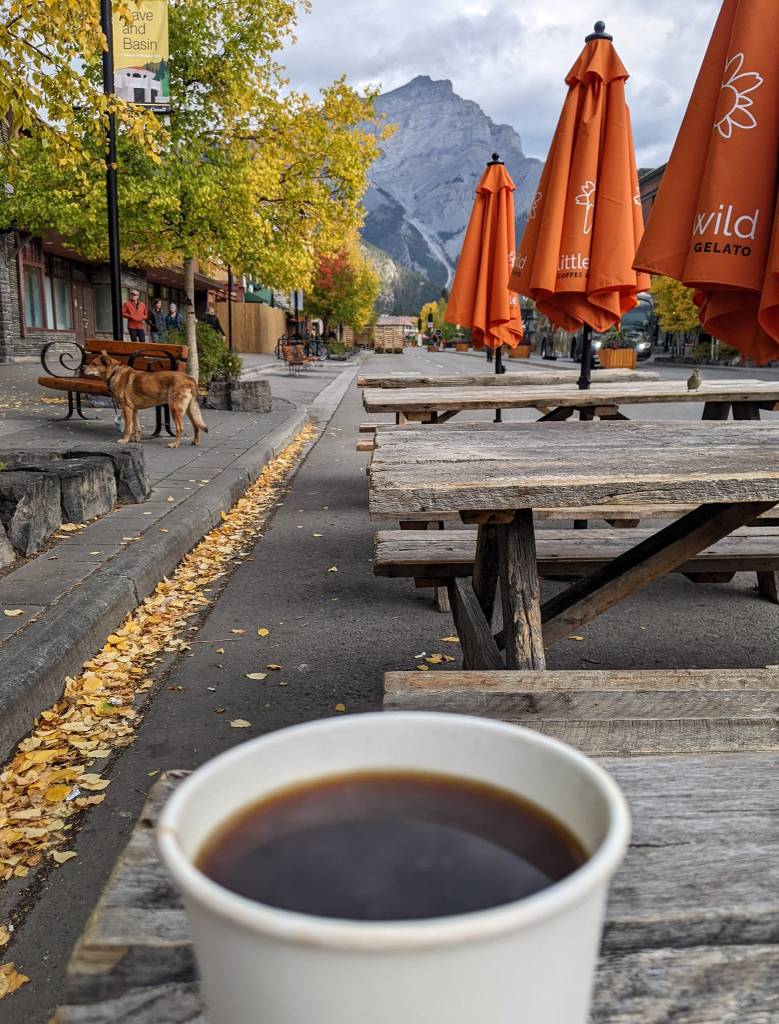
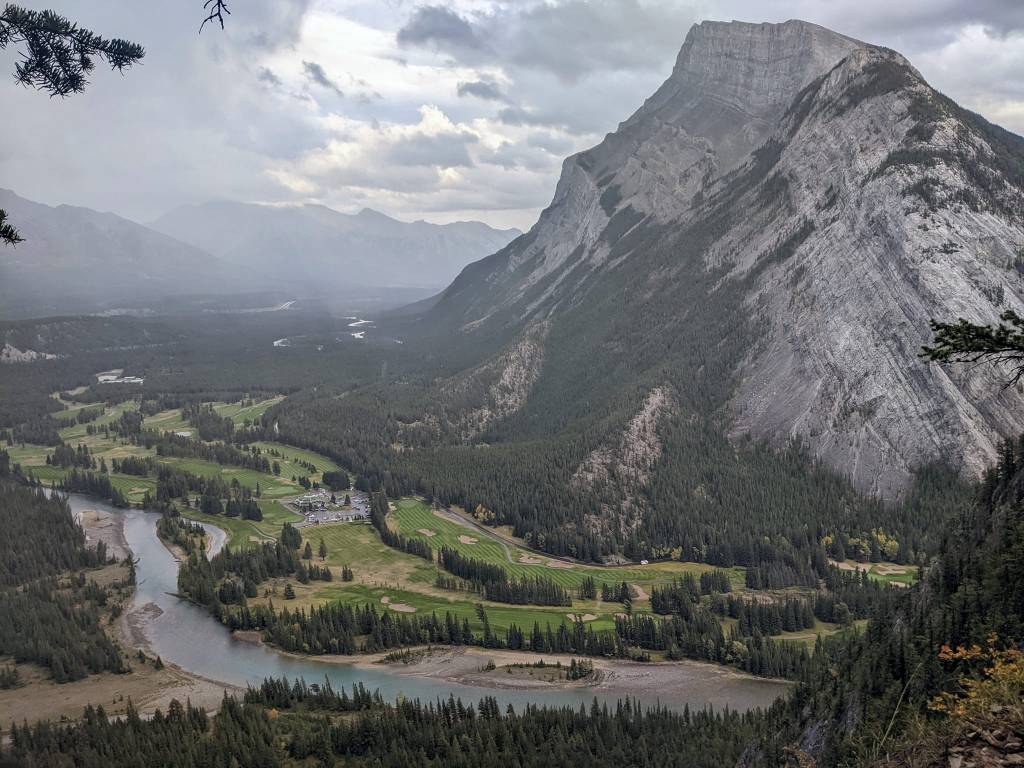
The city of Banff has much more to do than we originally thought. On our first evening, we climbed the nearby Tunnel Mountain, and there were countless other trails into the surrounding mountains and valleys. Evidently, there’s also a famous golf course there – who knew? And the town itself is well-worth a wander. Little shops selling everything from mountain gear to homemade fudge, lots of cozy cafés, and restaurants that run the gamut: we saw a McDonald’s right down the street from an extremely lavish steakhouse. We ended most of our days in Banff eating and drinking after spending the day outside hiking, and the choices were surprisingly diverse for such a small town.

Lake Louise & Moraine Lake

Likely two of the most famous views in all of Canada (maybe even North America) are those of Lake Louise and Moraine Lake. No matter how you feel about large-scale tourism or throngs of tourists, you can’t come all the way to Banff and NOT see these two icons. Somewhat recently, Parks Canada decided to close off the roads to the lakes for all private vehicles. The only way to visit them now is to take a shuttle (or a tour) from a parking lot/ski lodge just outside the park. This was very confusing to us when reading about it online, probably because it’s new, but it was actually really easy to do. You reserve a time slot and a direction (either LL->ML or ML->LL) and then present your digital “ticket” to the bus driver. The buses leave every 20 minutes, and as long as you get on within your window, you’re fine.

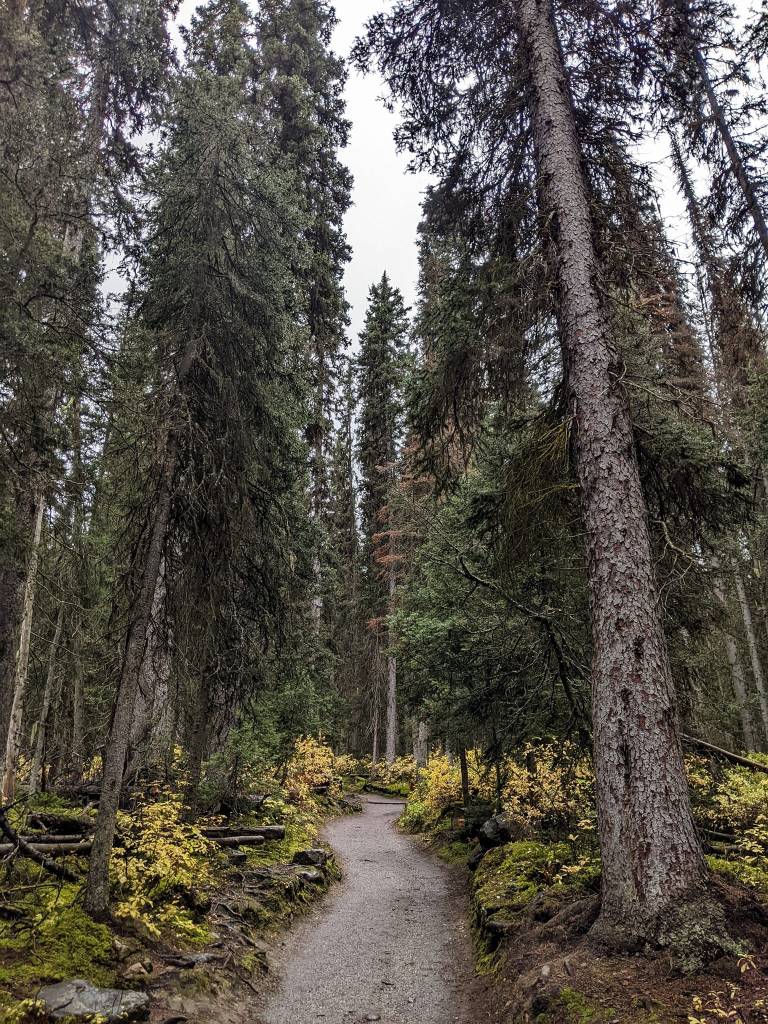
Lake Louise is huge. There are trails on either side of the lake and up the mountains on both sides with bird’s-eye views. You can also rent canoes and take to the water if you want ($145 for 30 minutes – yikes!) My advice for Lake Louise is to play it by ear depending on the time you’re there, what the weather is like, how many people you see going in either direction, etc. We were there in the afternoon, and it was quite crowded, so we took the path less traveled up to the Fairview Lookout on the lefthand side and found it absolutely perfect. There are signs everywhere showing the lengths and difficulty levels of all the trails, so you can pretty easily decide once you’re there. Just remember to bring water and snacks because there’s not a lot of options once you’re on the tourist circuit.  

Moraine Lake is not as big, and because of how it sits, you’re sort of on top of everyone else trying to see/take pictures of the lake. There are several trails here too, but most of them take you away from the lake. We did the 4-mile (6-km) trail to the Consolation Lakes and felt that they lived up to their name lol. In hindsight, I’d have rather brought a picnic and found a nice place to sit and eat while looking over one of the lakes. All the hikes were lovely, of course, but the views of the lakes were better. Also, we did see signs about hiking/traveling in larger groups because of bears, which we didn’t take very seriously then. After recent events, we plan to be more aware and prepared next time, and I would urge anyone else to do the same.

Icefields Pkwy & Jasper National Park

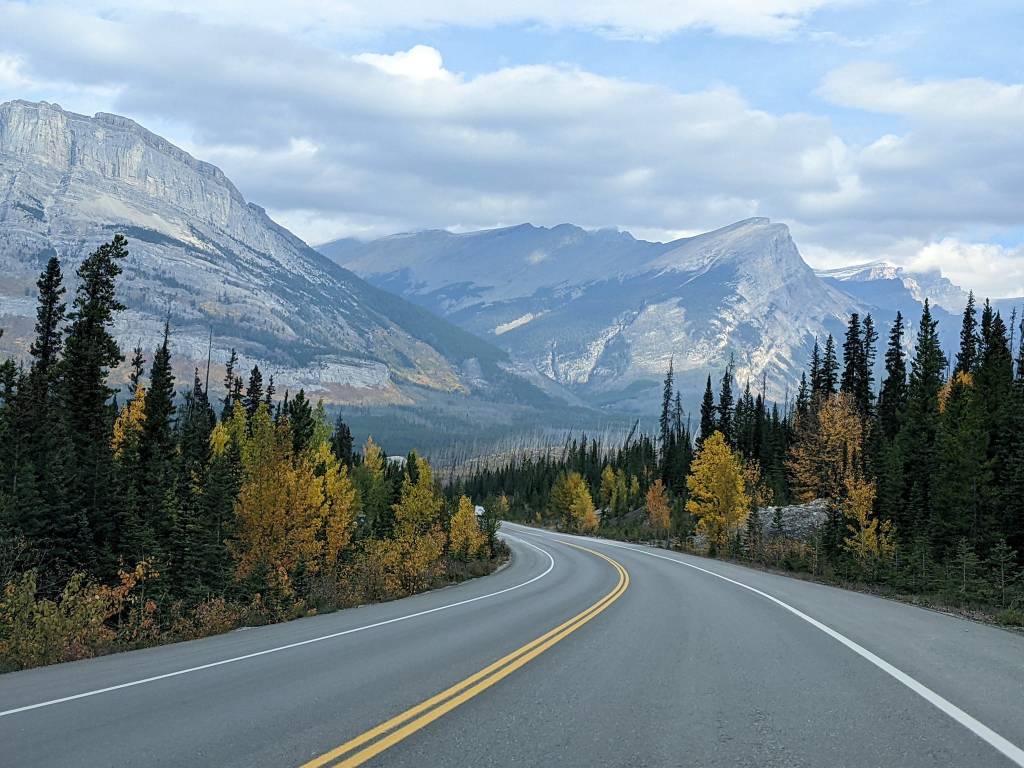
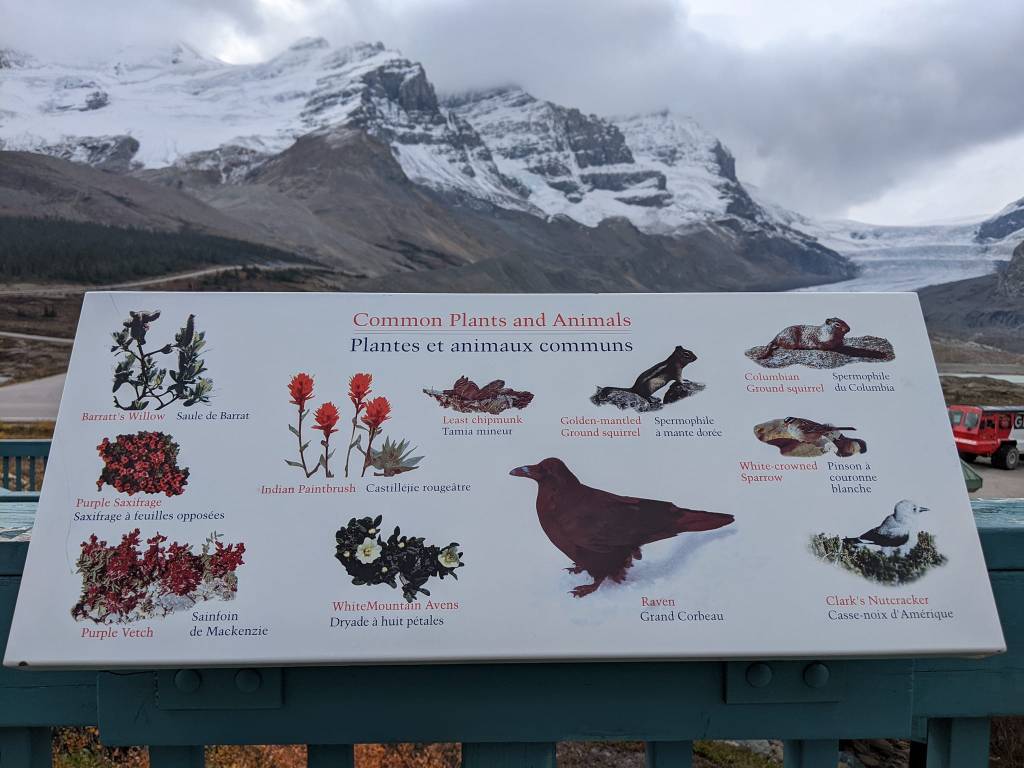
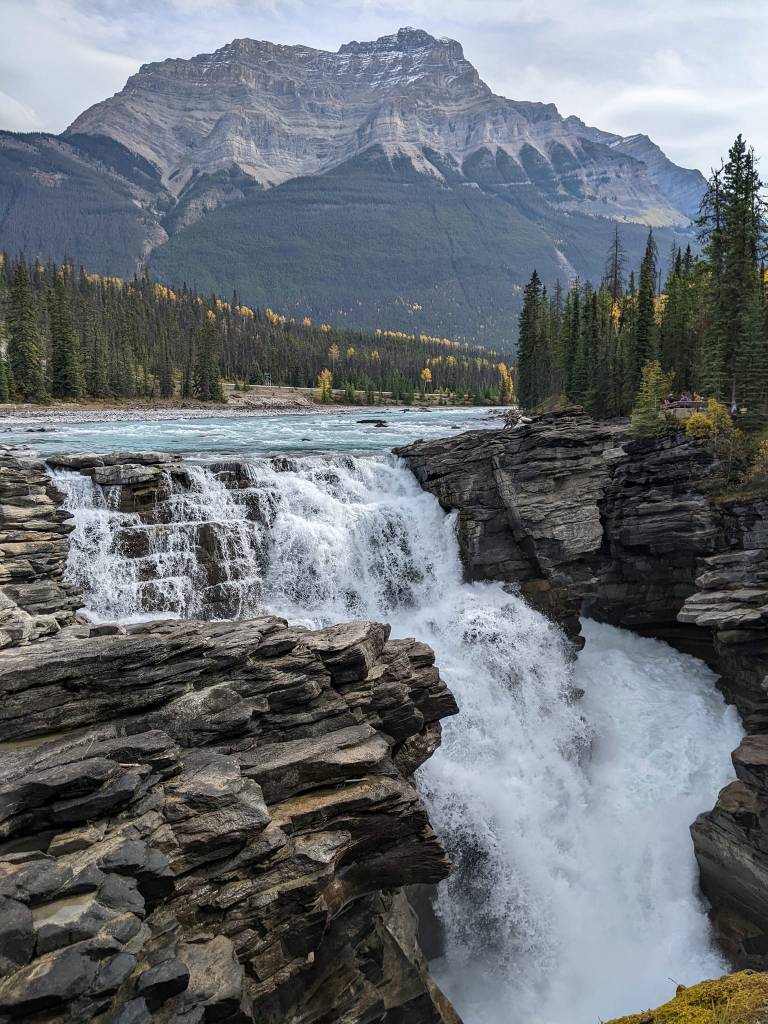
Our last great adventure in the Canadian Rockies was a drive from Banff City up to Athabasca Falls in Jasper National Park and back. This stretch of road is known as the Icefields Parkway because there are over 100 glaciers along this path, which gave us some of the most incredible views we’ve ever seen from a car. It’s only about 3 hours up to Athabasca Falls, but it took us over 4 because of all the stops we made along the way: the Columbia Icefield, Sunwapta Falls, Mistaya Canyon, Peyto Lake, and dozens of other incredible stop-offs. This drive was easily my favorite part of the trip, especially in the fall. We didn’t see very many people along the way, but there were endless signs teaching us all about the region, the various landforms, flora, fauna, you name it. It was very much like a DIY field trip, which, of course, I loved!

Ugh! After writing this and reliving all these incredible moments, I’m ready to plan a trip back to Alberta. Somehow, I feel like this might be a Huangshan (Yellow Mountain) situation, in which you haven’t really seen it until you’ve seen it in all four seasons. I do hope I’ve inspired you to put your plans to visit Banff into action not only because it’s one of the most beautiful places in the world, but also because some of these places won’t always be there for us to see in the future. Time really is of the essence, so bon voyage!

Exploring Ecuador

Over Thanksgiving break this year, Tucker and I decided it was finally time to hit the international travel trail again! Aside from our move to Mexico last winter, we hadn’t been abroad for business or pleasure since 2019, so it was definitely an exciting prospect for us. For this particular trip, we decided on Ecuador, which meant that we’d not only be traversing a new country, but also a new continent since this was our first time to South America as well. Woohoo! Here’s my take on our latest journey:  

The Preparation

Of course, before venturing out, the first question we had to ask ourselves was where to go, which is not so easy in post-Covid times. Different countries have different restrictions and requirements for testing, vaccination, tourism, etc. We finally settled on Ecuador for several reasons. For one, I was happy that they require either a negative PCR test or a vaccination card for entry (a little regulation goes a long way). Two, we were also hoping to stick to the Spanish-speaking world (to continue our practice/immersion, of course). And three, I’ve always wanted to visit the equator – how cool is it to be able to stand in two different hemispheres at the same time!

…or sit on the line…

Once we decided on the location and made sure we had the necessary documents ready, we were able to start planning. The planning also turned out to be a little different than our pre-2020 travels. A lot of services and attractions have been permanently closed (including the national postal system of Ecuador as we found out), and even those that remain open, often require additional amounts of flexibility because everything is very much subject to change these days. This was really my first glimpse into just how hard the tourism industry has been hit over the last two years. Prices, schedules, options, procedures – a lot has changed, but with any luck, it’ll continue to bounce back and hopefully be stronger than ever. I know I’m beyond ready for that.

The Capital: Quito

Our first stop and home base for this trip was Ecuador’s capital city, Quito. If you weren’t already aware, Quito is one of (if not the) highest capital city in the world at 2,850 m (9,350 ft). I love the fact that the elevation meant chilly temperatures (even so close to the equator), but, unfortunately, my head doesn’t particularly like the pressure changes that generally occur at elevation. The good news is I already knew about my sensitivity to high altitudes, and I was able to take Western medicine (Acetazolamide), drink the local coca tea, and share some traditional Chinese medicine with a fellow traveler, all to avoid any unwelcome bouts of altitude sickness. I’m not exactly sure which one did the trick, but other than a mild headache, I was totally fine to climb stairs, hike volcanos, and do anything and everything else I wanted to do Ecuador. Another success!  

Aside from its elevation, Quito is also unique in that it is wedged between several Andean mountains and volcanoes. For this reason, although the city is about 40 km (25 mi) long, it’s only 5 km (3.1 miles) wide. It’s also extremely hilly, which made for many beautiful views all across the city as well as some of the most difficult driving conditions I’ve ever experienced. Imagine a 45-degree incline on slippery cobblestones in bumper-to-bumper traffic with a manual vehicle. I made sure to compliment the driving of every one of our taxi/Uber drivers – so impressive! Another amazing part of staying in Quito was the history. Quito has one of the least-altered and best-persevered historic centers in the Americas, and the plazas, churches, and neighborhoods were so much fun to explore. 

The Food/Restaurants

Pristiños y chocolate caliente con queso

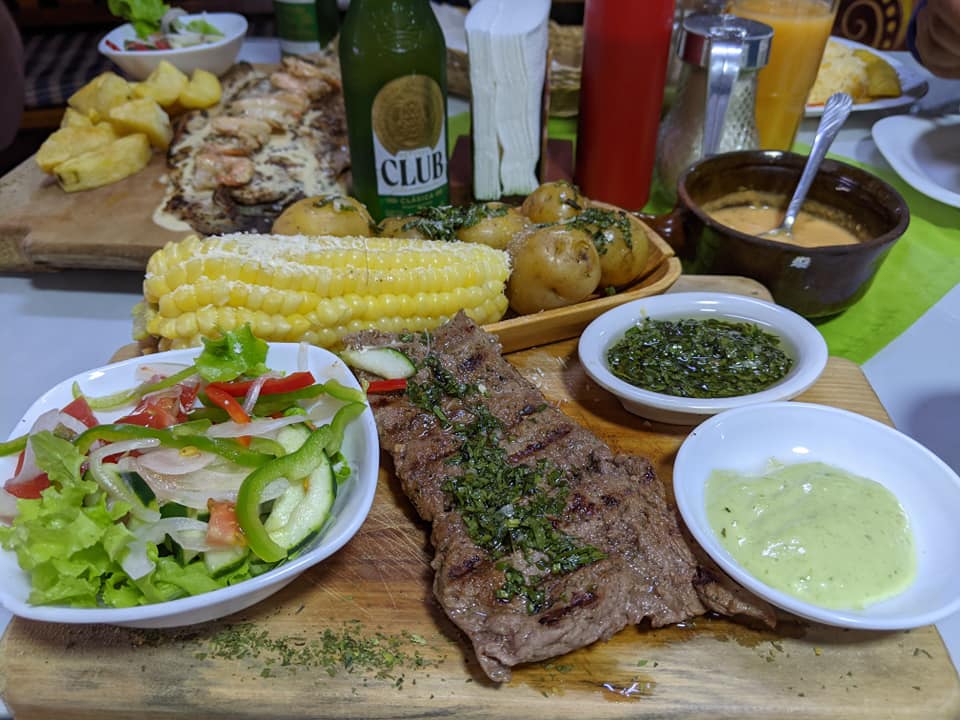
Another really fun part of this trip was the fact that we were trying out a completely new type of cuisine. Neither Tucker or I could remember ever having Ecuadorian food, so everything was completely unknown. From the tostados (or toasted corn kernels) and ají (a spicy sauce served with every meal) to the most famous dishes from the highlands, we loved learning and sampling everything. Some of our favorites included empanadas de verde (empanadas made of plantains stuffed with cheese), locro de papa (creamy potato soup), and pristiños (fried dough with honey). Another infamous dish in this region (one that we actually opted to forgo) is cuy, or in English, guinea pig. Definitely new to us!  

While certain things (like rodents on the menu) made Ecuador seem very far from the US, other things made us feel like we’d gone north rather than south. For example, Ecuadorians use the US dollar as their currency, and I, for one, thoroughly enjoyed the break from constantly converting in my head. Another similarity is that servers in Ecuador often take your credit card to a register in the back of the restaurant for payment. Not so strange for the average American, but after years in countries where that would never fly, we found ourselves feeling a little concerned about identity theft. I mean, where’s the portable terminal? And why aren’t those commonplace everywhere?! It seems so bizarre to us now!  

The Nature

As amazing as Quito (and its restaurant scene) is, the nature is the real draw. Ecuador is home to the Amazon, the Andes, and the Galapagos Islands. It has an incredible amount of biodiversity, and while we mostly stuck to the highlands (this time), we were absolutely blown away by what we saw. Our focus on this particular trip was definitely the volcanoes. Ecuador has the most volcanoes per square kilometer of any country, including some of the only volcanic glaciers on/near the equator. One of our favorite experiences in Ecuador was climbing Cotopaxi, the highest volcano in the country. Not being very experienced or even prepared climbers, we only hiked to the refuge (at 4,860 m / 15,744 ft), which was difficult enough with the lack of oxygen, unstable terrain, and hail we experienced along the way. Still, I’d definitely do it again in a heartbeat – so cool!

The other big hike we did was at the Quilotoa crater, about three hours from Cotopaxi. Quilotoa used to be a volcano, but after its last massive eruption in 1280, it is now classified as a caldera. Here we found ourselves climbing down rather than up as we made our way into the crater to get to the shores of the mineral lake that now fills the void. The hike down was absolutely breathtaking, but the hike back up was brutal: 1.7 km of steep, sandy paths (still at an elevation of over 3,914 m / 12,841 ft), and if that wasn’t enough of a challenge, it rained on us the whole way out. This was one of only a few trips where Tucker and I actually lost weight on vacation…despite all the good food. And speaking of food, my favorite part of this day might have actually been the meal we had after the hike – a Thanksgiving feast that will live in infamy.

The Random Facts We Gleaned

Since our buses out to Cotopaxi and Quilotoa were cancelled (because there weren’t enough people to warrant them), we actually got to tag along with a tour bus group instead. This meant that we got loads of information about Ecuador, the Andes, volcanoes, etc. – much more than I ever would have found on my own. For that reason, I have a plethora of other interesting facts to share about Ecuador. Here are some of my favorites:

-Ecuador was the first country to give constitutional rights to nature. In 2008, Ecuadorians voted to give its mountains, rivers, forests, air, and islands “legally enforceable rights to exist, flourish, and evolve”.

-One of the most widely spoken indigenous languages in this part of the world is Quechua, which is derived from the language used by the ancient Incan empire. Interestingly, Ecuadorians refer to the Peruvian dialect as Quechua while calling their own Quichua.

-Many place names and colloquial expressions in Ecuador combine Spanish and Quichua, such as the catchy “chulla vida”, which is the Ecuadorian version of “YOLO”.  

-Llamas and alpacas are both endemic to this part of South America and can be commonly seen alongside other livestock throughout the highlands. But how can you tell them apart? Well, alpacas are much shorter, have softer fur, and are typically less aggressive. Llamas are the ones to look out for!

-Another interesting fact about Ecuador is that it is home to the highest mountain in the world…sort of. The peak of Mount Chimborazo is actually the furthest from the center of the Earth (or the closest to the sun). Mount Everest is the highest if compared to sea level.

-Gravity is lower at the equator, which is why many rocket launch sites are located close to the equator. It’s also the reason it’s supposedly easier to balance an egg on a nail. #huevochallenge

-Ecuador is also the world’s largest exporter of bananas. Unsurprisingly, the bananas we had while there were extremely cheap and perfectly ripe.

Overall, it was truly an incredible trip. I feel so grateful that we were able to have this experience, and I sincerely hope it won’t be so long before our next big adventure!

¡Gracias por un buen viaje, Ecuador!