Ice Ice Baby

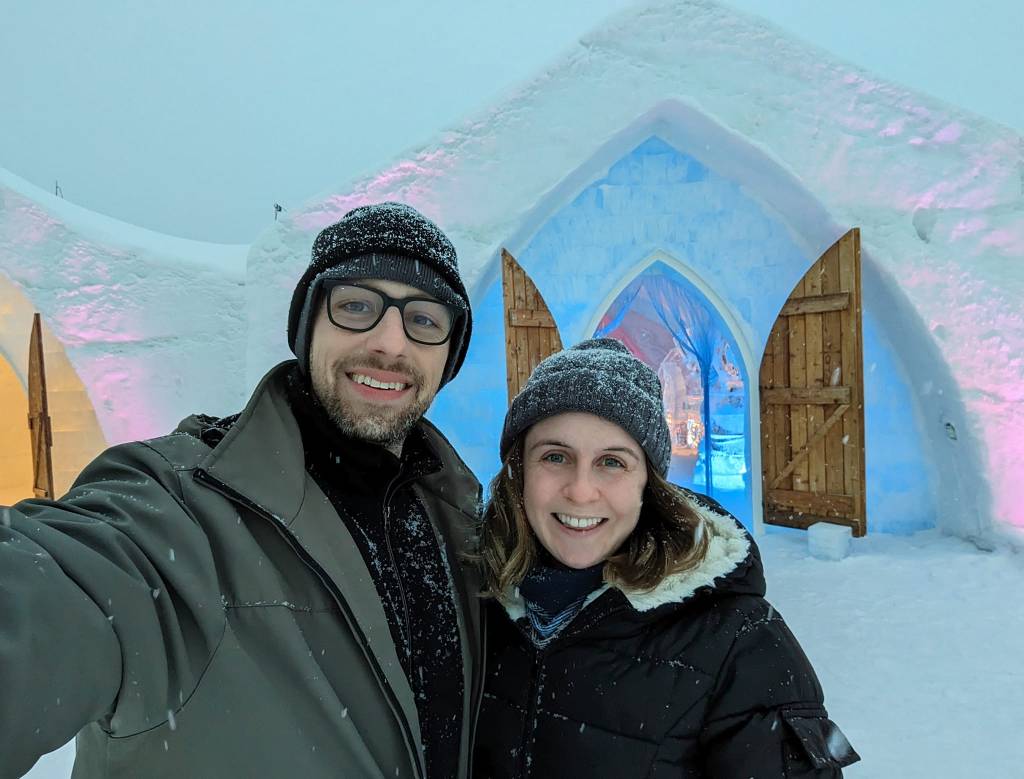
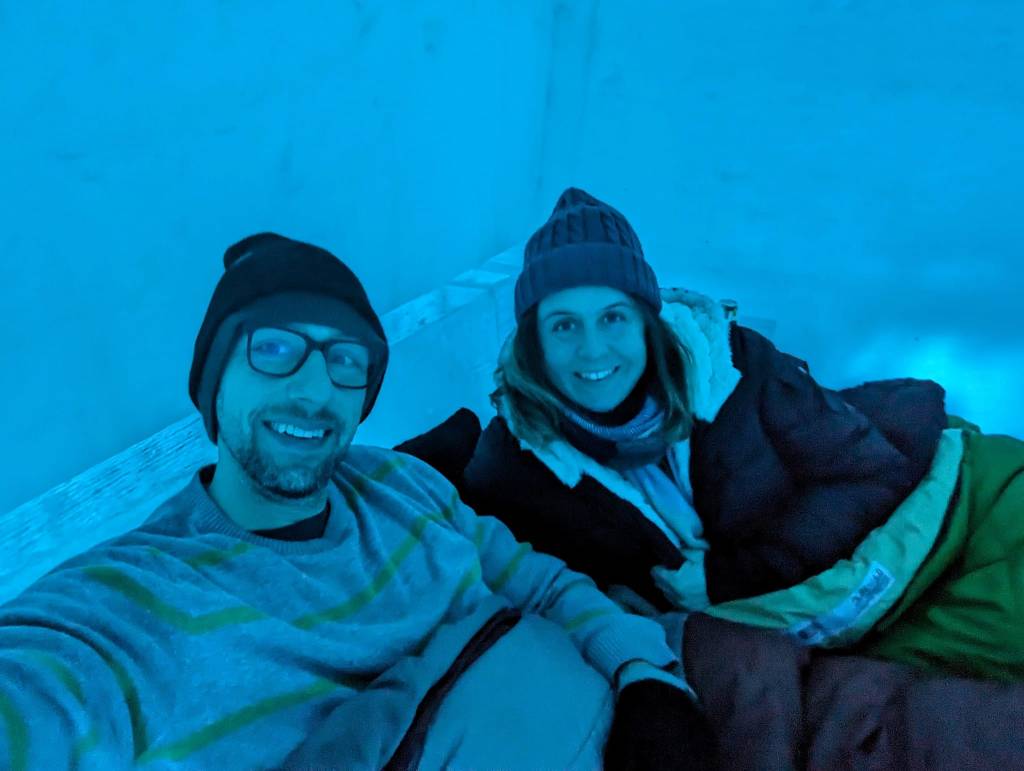
Well, we’re officially waist-deep into winter, and even though we’ve been ice skating, snowboarding, and snowduck making for months now, I still feel like I haven’t got my fill! So, in order to up our winter games even further, we spent last weekend in Québec City, a winter wonderland if ever there was one, and even more spectacularly wintery, we also spent a night at the Hôtel de Glace (aka the Ice Hotel).

This was definitely a once in a lifetime kind of experience, and I don’t want to forget any of the specifics, so this month, I’m sharing a detailed timeline of events as recorded by the many pictures I took throughout our stay. Bundle up and enjoy!

17:00 – Check in

Technically check-in started at 4pm, but we were a little late getting to the resort area for a few reasons. One, it was snowing, so everyone was driving slower than usual, and two, we totally forgot to bring our bathing suits and had to make a pitstop at Value Village. It happens. Luckily, the Hôtel de Glace and all of Village Vacances Valcartier is only 20-30 minutes outside of Québec City.

Once we arrived and found our way to the correct front desk (this place is massive, so it wasn’t as easy as you’d think), we got the usual check-in spiel plus a few irregularities. When you stay at the Ice Hotel you actually get two rooms: one outside made of ice and snow and one inside the Valcartier Hotel where you can put your bags, shower, brush your teeth, and at some point, finally take off your hat and gloves!

But before you can don your all-access pass of sorts, you have to watch a safety video and sign a waiver. The safety video talked a lot about what to wear and what not to wear overnight and expressed many times over that you must completely dry off after showering or hot tubbing before you go into your rooms at night. They also gave us maps of the premises and showed us where we could go if we needed help during the night.   

17:45 – First look around

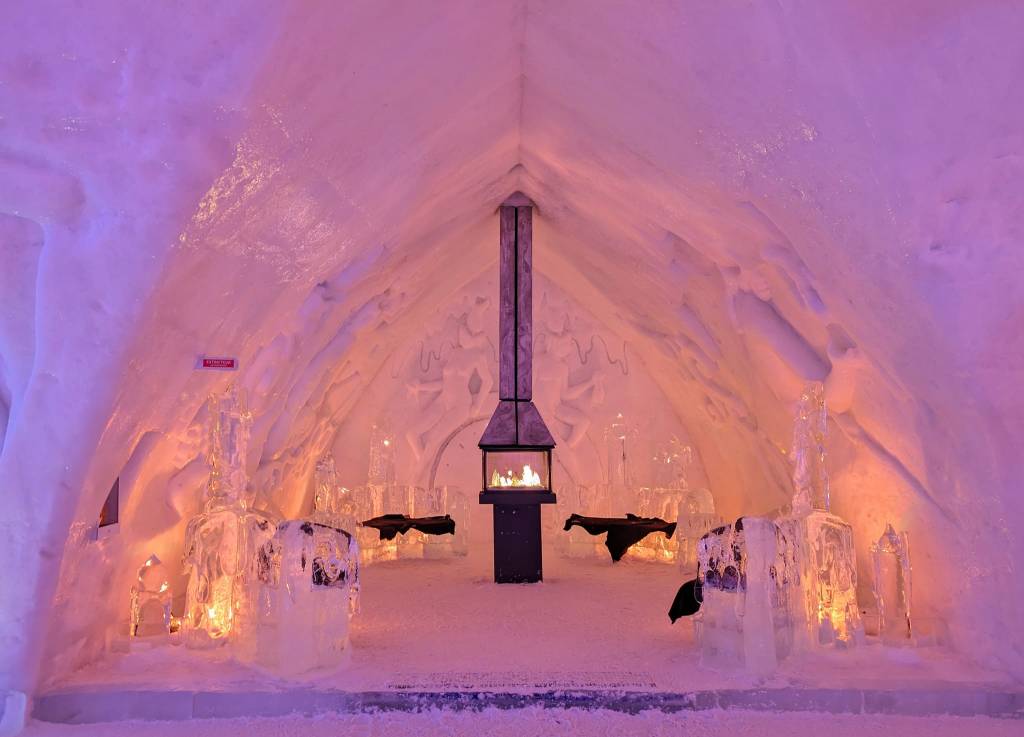
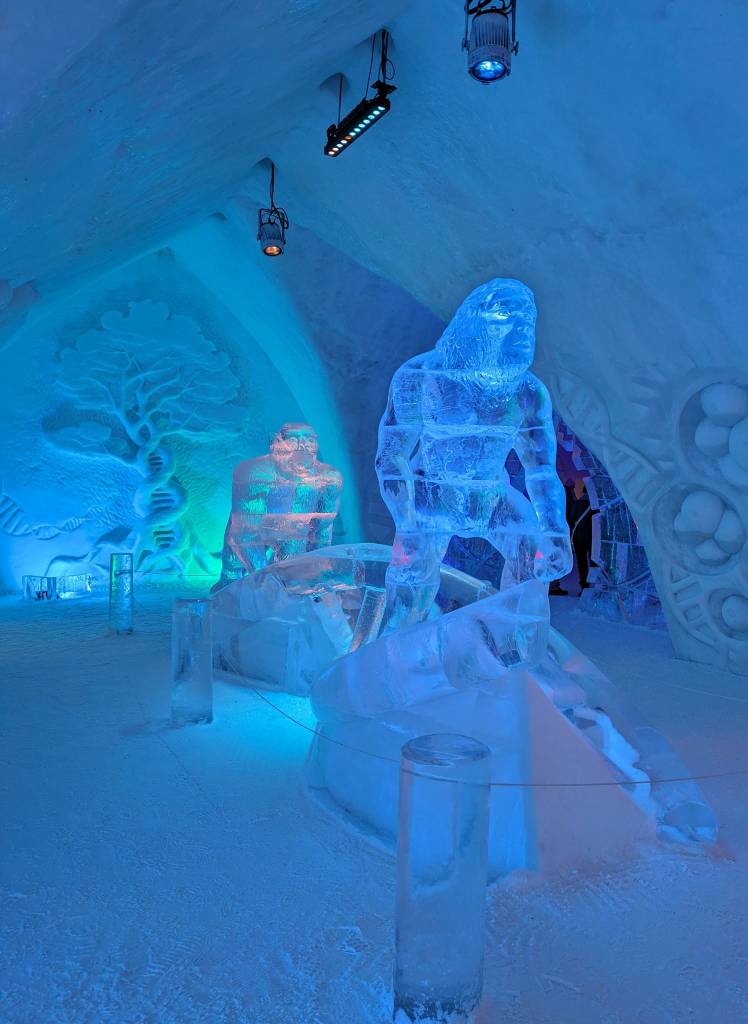
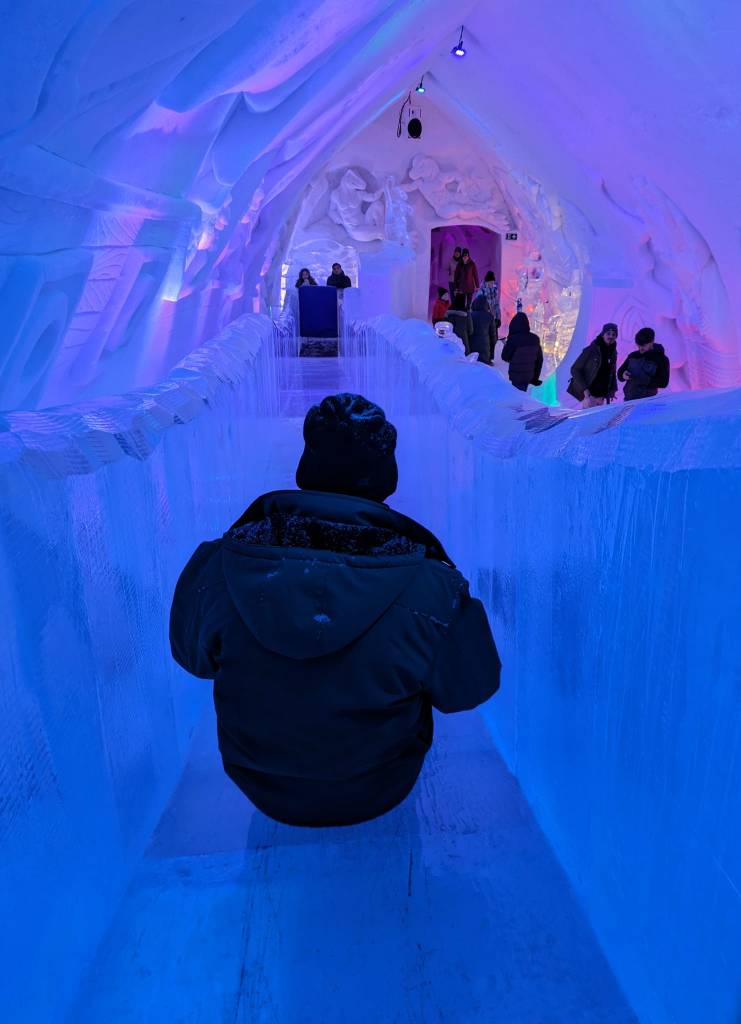
Needless to say, the excitement levels always increase when there’s a waiver to sign, so we quickly dropped off our stuff in our “dry room” and went to see what the Ice Hotel was all about. It’s divided into roughly three sections: the chapel, the communal rooms, and the individual rooms. The chapel was beautiful, but there wasn’t a wedding that day/night, so it was pretty empty. The communal rooms included several galleries, seating areas, the ice bar, and an ice slide. To say there was a lot to look at would be a gross understatement.

Between the ice sculptures, snow carvings, lights, and music, my senses were on overdrive. I think my favorite room was the “club room” with light-up instruments and DJ-ing composers on every wall. Tucker liked the “fire room”, which, although no warmer than anywhere else in the Ice Hotel, definitely felt cozier with the heatless fireplace, warm colors, and fur-lined benches. Of course, the ice slide was also super fun – it was in the “dinosaur room” and had us laughing hysterically as we scooted our way down the slide. You know what’s not very slippery? Jeans.

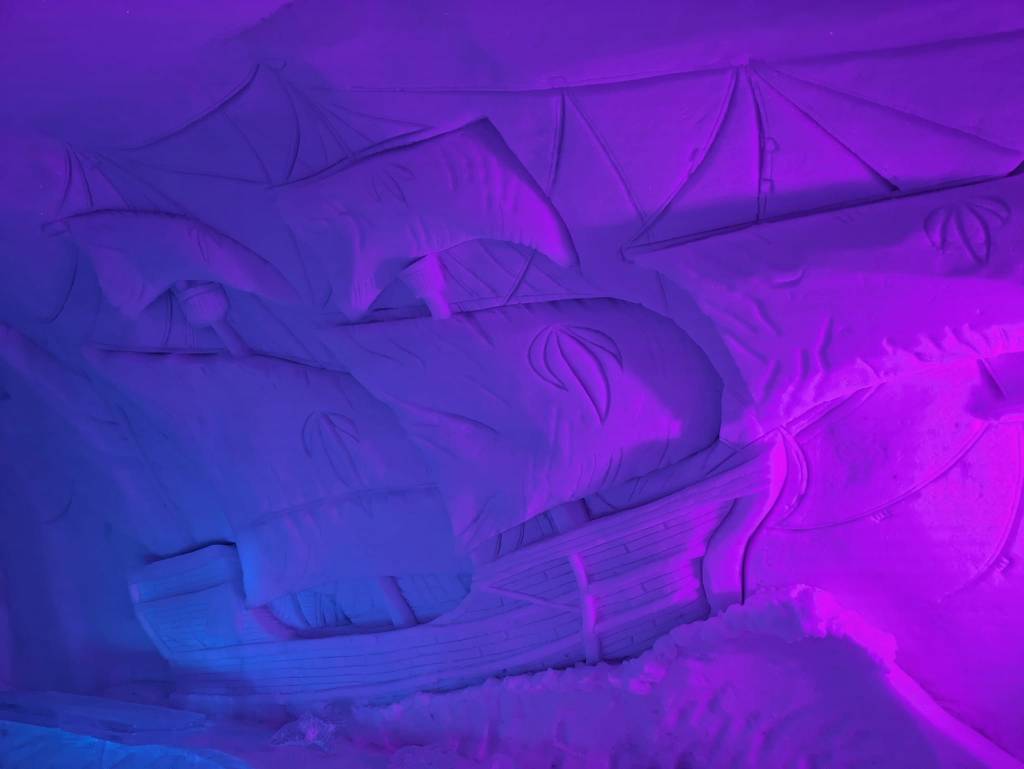
The individual rooms are also open for viewing during the day (of course, they did have ropes near the doors, so you couldn’t get on the beds or mess with any of the lights or anything). This year there were 30 guest rooms. The vast majority were single bed rooms, but there were a few doubles and even a triple as well. Every room had a theme and was designed by a different artist. My favorite was probably the exploration room with huge ships, maps, and a compass on the walls. Tucker liked the science-y ones, of which there were many.

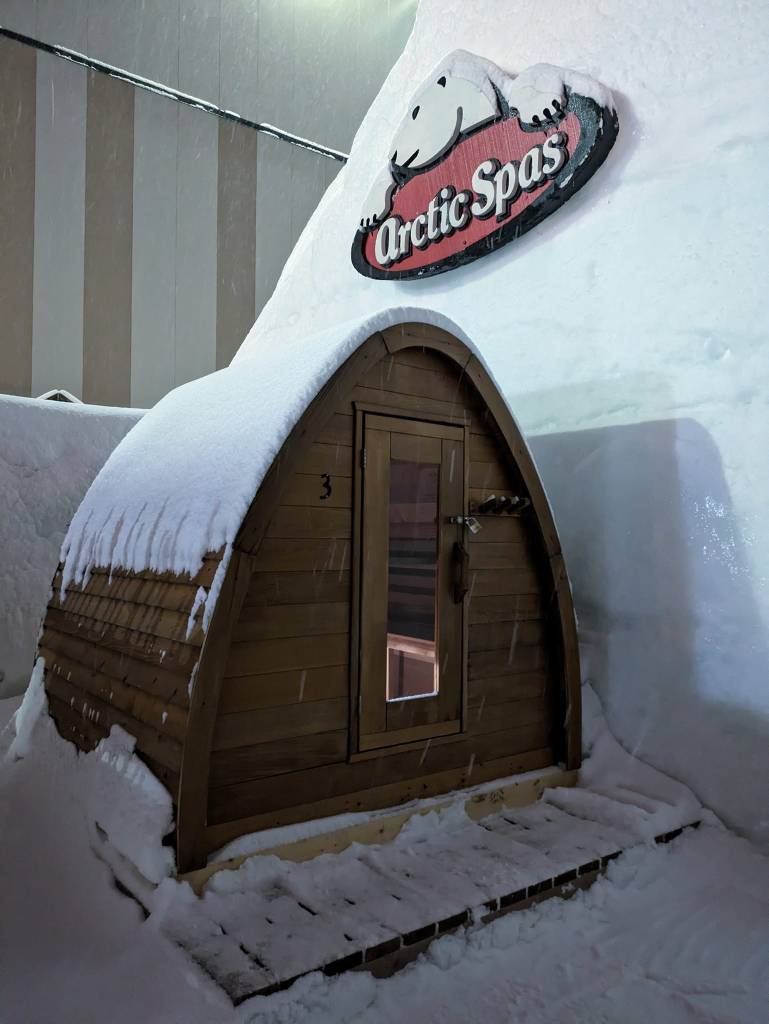
It honestly took us quite a while to see all the rooms because this part of the hotel is very maze-like, and we weren’t always sure if we had been in any given hallway before or not. The walls of the hallways were also covered with art, and there was a workshop room off to one side, which housed photos taken and machines used during the building process. During this part of our initial walk around, we also noted the hot tubs and sauna (free for guests to use) and started thinking about how we were going to manage that in the heavy snow with only our thrifted bathing suits and big winter boots.

19:30 – Drinks at the Ice Bar

But before we dealt with being cold and wet, we decided to cash in our complimentary drink tickets. The ice bar was SO COOL! Yes, pun-intended. The bartender was all bundled up as she mixed our drinks, the “Lave-Glace” and the “Accident de Ski-doo” (clever because it had a splash of red Grenadine and a little sprig of juniper in it) and poured them into ice glasses. The drinks were beautiful and tasty, and the glasses, well, the glasses were challenging. They were obviously really cold, but also very heavy and had very thick edges – not the easiest thing to sip on. Despite the odd mouth positioning required, we still felt pretty amazing drinking our fancy cocktails in the très chic Hôtel de Glace.

In hindsight, I should have held on to my ice glass since we opted to bring our own beers into our room later, alas we were too excited to shatter them (prematurely) into the collection bins. We also debated getting another drink at the bar because they had a lot of interesting cocktails and were surprisingly not that overpriced. But after another short walk through, we opted to hit the hot tubs instead, hopefully while they were still empty and we had enough time to enjoy them and fully dry off before heading to our frozen beds.  

20:45 – Hot tub and sauna in the snow

I really want to do a polar plunge before we leave Canada, and perhaps now I understand just how uncomfortable that will be when it happens. Running from our “dry room” to the hot tubs wasn’t so bad (I did wear my socks and boots with my bathing suit lol), but running to the sauna after the hot tub was painful, especially for my feet. From the crazy hot water to the crazy cold snow made my feet feel like they were burning! Stepping into the sauna was very welcome…that is until we had to get out and do it again.

Ultimately, lots of lessons were learned, like: the more towels you can take with you, the better; be sure to remember to take your shoes with you when you go back and forth, and also, just like we’re not really beach people, we’re not really hot tub or sauna people either, which is apparently a lesson we’re still in the process of learning.

22:50 – Final preparations

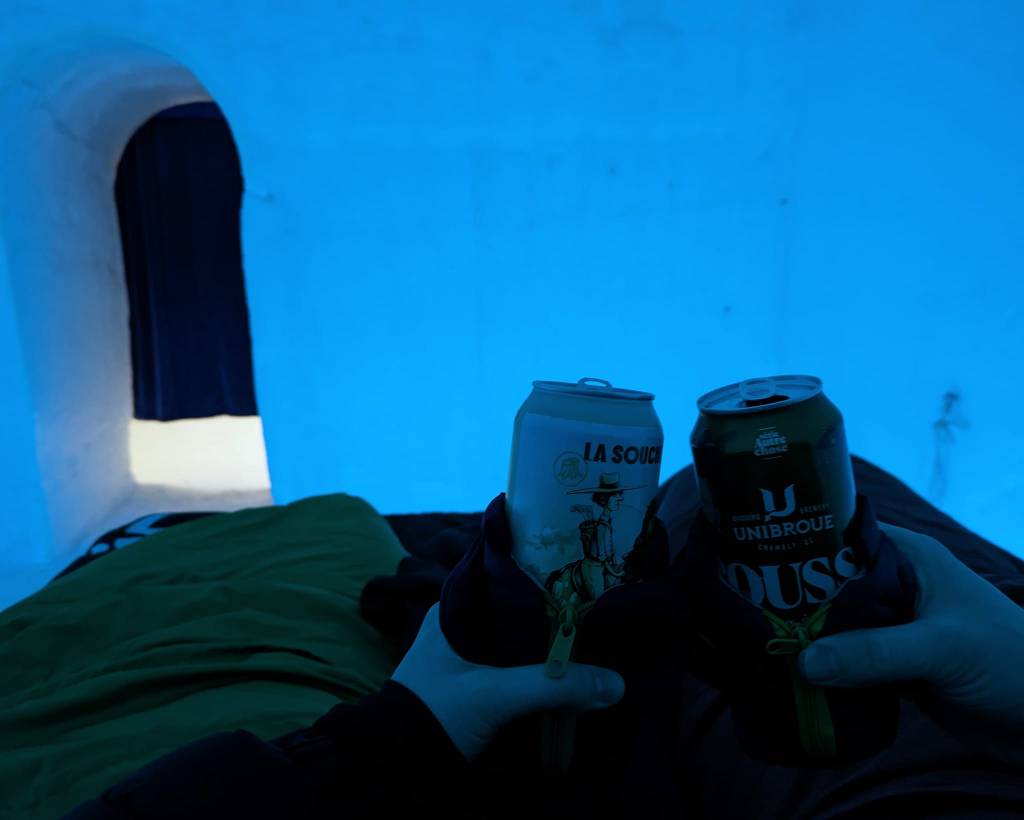
After we had our fair share of extreme temperature fun, it was time to prepare ourselves for sleeping overnight in a room that was approximately -5°C (23°F). First, as per the instructions, we had to be completely dry. Then, we had to decide what to wear and what to bring with us into the room. I don’t think I’ve ever planned my pajamas quite so carefully. In the end, we went for having as many options as we could – layers that we could take off or leave on depending on how warm we were in the sleeping bags they gave us. As for the snacks (much more important, obviously), we brought some local Québec beers, the rest of our Québec mix popcorn, and some chocolates from La Fudgerie. It was perfect!

23:30 – Bedtime snacks and hunkering down

Between 8-9pm the individual rooms portion of the hotel was closed off for the staff to clean and prepare the rooms for the overnight guests. When we pulled back the velvet curtain of our room, we were surprised to see they had raked the floors in addition to changing the sheets and leaving the sleeping bags. It felt very Zen and very cold. But we were ready! We rolled out our sleeping bags (rated for up to -30°C/-22°F), got into the liners as instructed, and put our outerwear away for the night. After enjoying our little picnic and watching a few videos, we zipped ourselves fully into the sleeping bags (well, mostly), and drifted to sleep.

4:17 – Slight panic

I say “mostly” because I actually struggled with zipping mine up over my head. I felt super claustrophobic and ended up choosing to be slightly colder than necessary just to keep my face from being covered. Unfortunately, in the middle of the night I woke up and the sleeping bag had fallen away from the top/back of my head a little, and I was very cold. That got my thoughts and heart racing as I wondered if I was doing irreparable damage to my system. You know, the normal things that keep a person up at night. Thankfully, I was able to calm myself down, readjust, and fall back asleep.

8:00 – Wake up call

As part of the check-in process, they informed us that someone would come to wake us up the next morning at 8am. This was in part to make sure that everyone would be up and out before they had to clean up and open for business again and also to make sure everyone was alive and well. Fortunately, we were! The sleeping bags, if anything, kept us too warm, and the main struggle we had was just getting comfortable enough to sleep through the night. Even without the claustrophobia issue, the sleeping bag was a bit like a strait jacket – not much movement possible, and if you’re not a back sleeper, good luck falling asleep as you lie there feeling like a mummy in a fluffy sarcophagus.

8:15 – Back to sleep

So, after not the best night’s sleep we’d ever gotten, we were very happy to return to our “dry room” once again and sleep in our nice, warm king size bed for a few more hours. Usually, we say there’s no place like your own bed, but honestly, this one was definitely a close second, especially in that moment!

11:00 – Check out

And just like that, our stay was at its end. We packed up our bags, scraped the snow and ice off the car, and headed back home to enjoy the rest of winter from our very own “dry room”.  

Canadian English, Eh?

On one of our very first trips to Canada I remember finding Canadian English extremely intriguing: the vowel differences! The mixed spelling system! The use of the quintessential “eh”! I love it all, but I think what has surprised me most as a freshly-carded, permanent resident of Ontario has been all the new English vocabulary I’ve been learning! And as the good little linguist I am, of course, I’ve kept a list of these Canadian English gems to share. 😊

Washroom (aka bathroom/restroom)

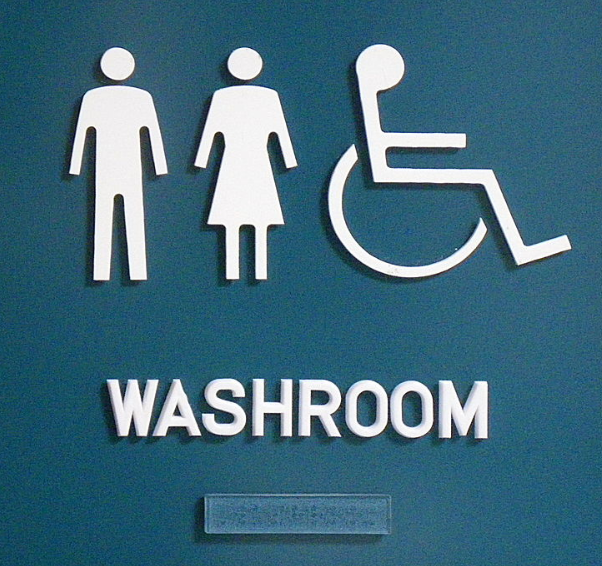
This was one of the first linguistic differences that stood out to me oh-so long ago. “Washroom” is virtually the ONLY way Canadians will ever refer to this place. In restaurants, airports, shopping malls, someone’s house, anywhere you go, if you throw out a “restroom” or a “bathroom”, it’ll likely be met with either blank stares or comments about what exactly Americans do when going to the toilet.

Hydro (aka electricity)

This one really threw us off when we were searching for our apartment. Sometimes utilities are included in the rental agreements here, and we’d see places mention both “hydro” and “water” in some form or another, which had us thoroughly confused. “Hydro” seems like a synonym for “water” to us, silly Americans, but with enough listings, we eventually realized we never saw “electricity” or “power” listed and were able to deduce. Evidently hydropower is so common here in Canada that the shortened form will do.

Tuque/toque (aka hat/beanie)

Another one we learned early on and have all but adopted ourselves is “tuque”. Such an important part of the Canadian wardrobe, a tuque is a winter hat that might be called a variety of things south of the border, but up here, it’s most definitely a tuque (which rhymes with “Luke”). Where this word comes from, much like its spelling, is hotly debated, but whatever you want to call it, just be sure you’ve got a good dozen before winter sets in.

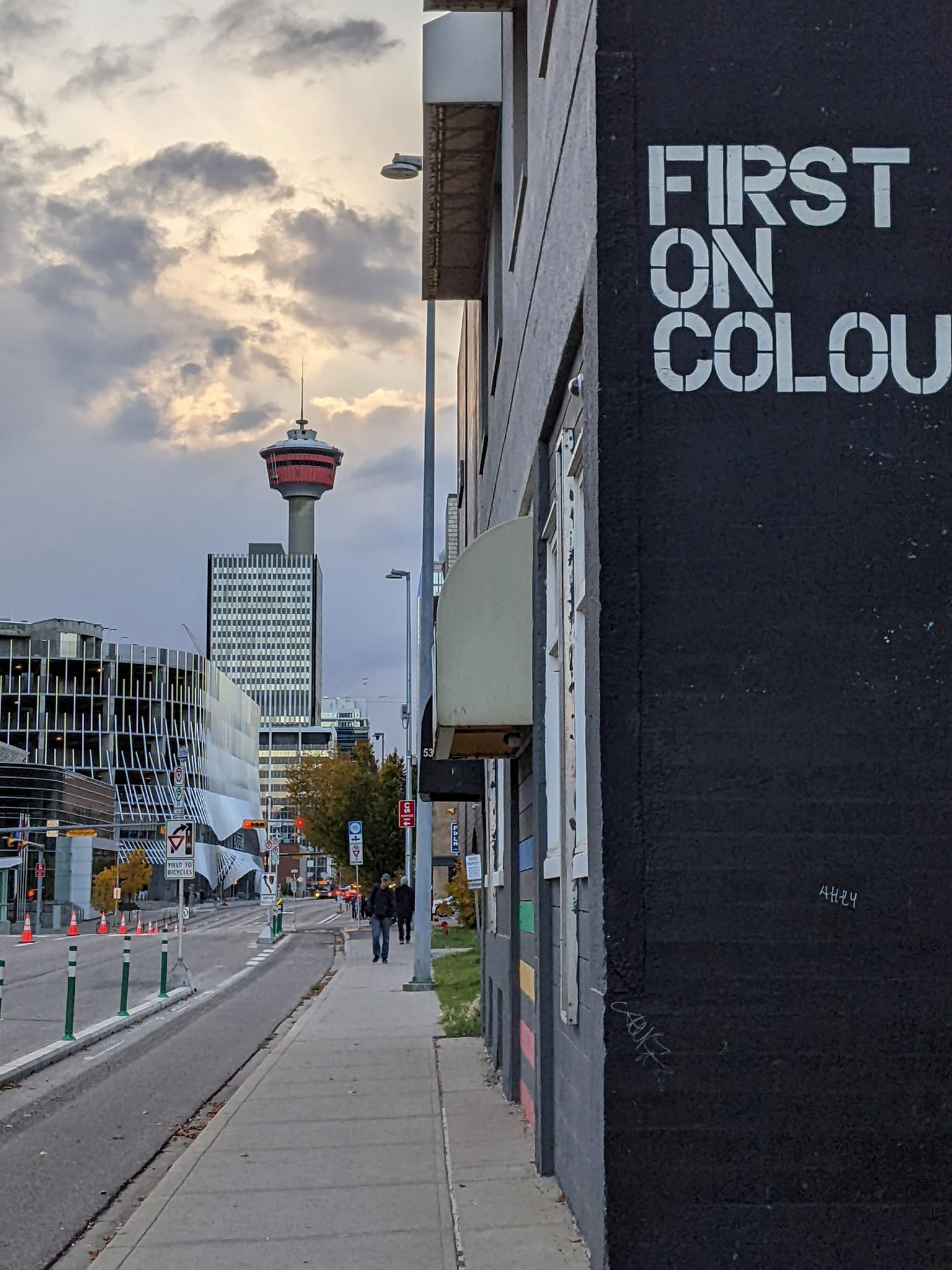
Parkade (aka parking garage)

Like many large countries, you’ll get a bit of a variety in how people refer to certain things from one region to another, which is exactly the case with “parkade”. We first saw signs for a parkade in downtown Calgary and had all sorts of wild imaginings of what went on there, but as it turns out, it’s just a Western Canadian way of saying “parking garage”, not nearly as exciting as we thought.

Dart (aka cigarette)  

I’m surprised these things even come up anymore, haven’t we all but killed smoking in North America? But somehow, we actually have heard “dart” used in casual conversation a few times. I feel like it’s mostly used jokingly among those under a certain age, but if you want to understand some really niche Canadian jokes, you do have to know that they call cigarettes “darts”, which is actually much less offensive than some other countries’ alternatives…

Keener (aka over-achiever)

A bit more abstract of a word, “keener” was a little harder to suss out from context alone; however, since it’s used pretty regularly, we were still able to catch on pretty quickly. To call someone a keener means you think they are an over-achiever. They’re the ones who do all the extra credit assignments or get overly excited about something they’re very passionate about, like me with English dialects, for example.

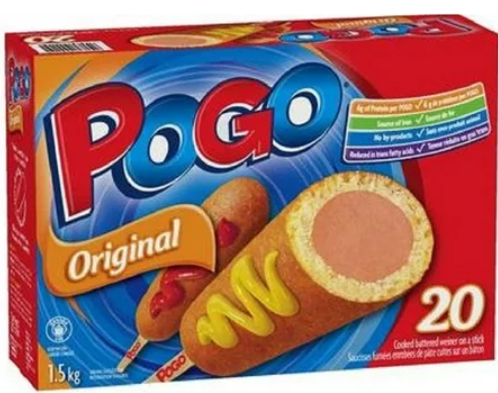
Pogos (aka corndogs)

Here we have our first Kleenex situation. Pogo is a popular brand of corndogs in Canada, and because of their superb timing (and marketing), their name will forever be entwined with that of the famous sticked festival food. How do the makers of Pogo Sticks feel about this? I have no idea, but it is now definitely on my Canadian bucket list to have a Pogo pogo.

Soccer baseball (aka kickball)

I’m pretty sure I burst out laughing when I first heard this one. You know that sport we all played in school? The one that’s basically baseball, but you kick the ball instead of hitting it with a bat? Yeah, Canadians very creatively call that sport “soccer baseball”, which is just so deliciously on-the-nose!

Bristol board (aka poster board)

When we officially moved in, one of the first things we wanted to get set up was a small sound proof area for work, and for that, we needed a large tri-fold poster board, which proved to be extremely difficult to source. That is until we realized we weren’t using the most common word for the item we wanted. I mean, “Bristol board”? Really? How do you even learn things like this unless you participate in a local science fair?

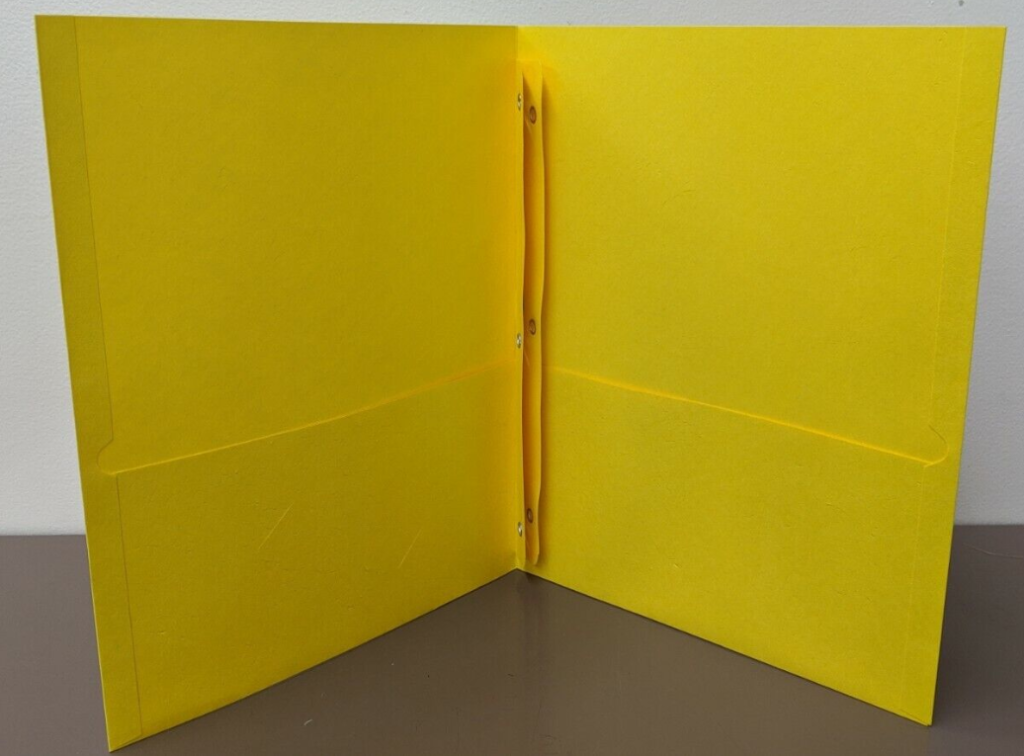
Duotang (aka folder with brads)

And while we’re on the topic of office supplies, another one that really threw me off was “duotang”. I wasn’t even sure that this was English at first, but evidently, it’s what Canadians call a very specific style of folder: the two-pocket ones with the brads in the center. Yeah, as far as I know, we don’t have a specific word for this in the US, so maybe it’s worth picking up?

Molsen muscle (aka beer belly)

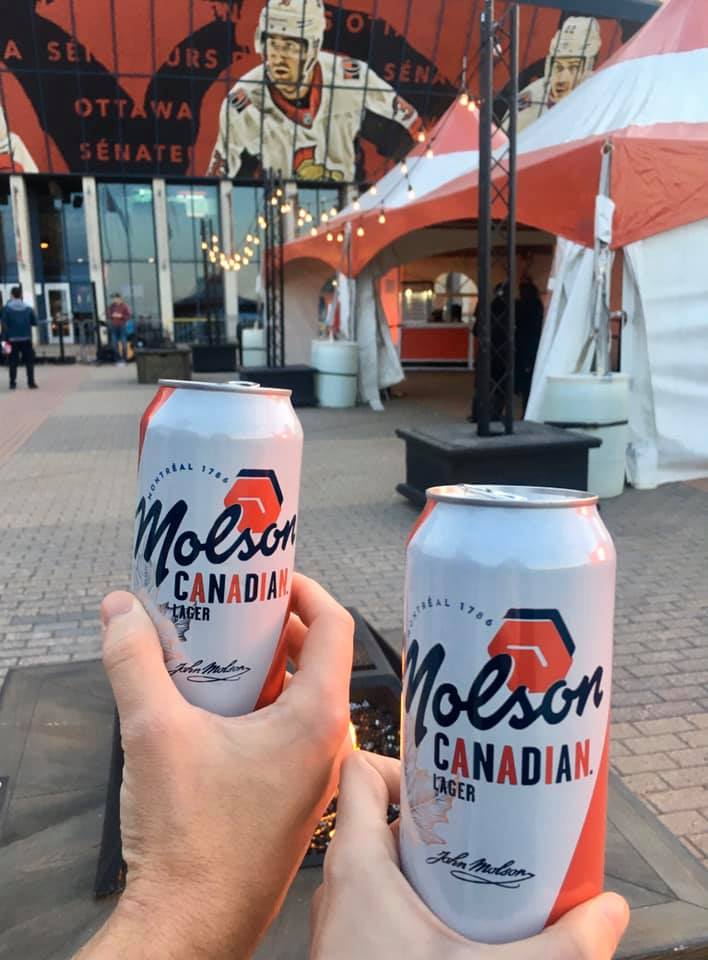
Possibly my absolute favorite Canadian expression has to be the beloved “Molsen muscle”. Molsen is the most popular national beer brand in Canada, and if you are particularly fond of them, you might have your very own Molsen muscle, which is, in my opinion, a much cooler way of saying “beer belly”.

Cobra chicken/Canada goose (aka Canadian goose)

Another joke-turned-expression is the good ol’ “cobra chicken” – half cobra, half chicken, that’s right, it’s the Canada goose. And while “cobra chicken” is really just for fun, Canadians actually do say “Canada goose” and never “Canadian goose” as we do. I guess they haven’t applied for citizenship yet.

So that’s my list as it stands now! Stay tuned for more Canadianisms as we continue to learn and adapt to life Up North.

Beautiful Banff

Last month, Tucker and I continued our Canadian explorations with a trip to Banff, Alberta. Of course, Banff had been on our list long before we knew we’d be living in Canada, and we can now say with absolute certainty that it should be on everyone’s bucket list! We were truly blown away with the seemingly infinite number of stunning views, trails, waterfalls, glaciers, and all sorts of other incredible landscapes. In fact, I had trouble narrowing down our plans to fit neatly into a one-week trip (many people spend weeks or months trekking around Banff and Jasper National Parks, and I now know why). But since most of us can’t do that, I thought I’d share our experience, which could be useful to others in planning their own epic trip to Banff!

Calgary, Alberta

But before we get to the city of Banff, we have to get to the province of Alberta. The vast majority of visitors fly into Calgary, which is the nearest major city. This is what we did although we also considered flying into Edmonton and driving down through Jasper as an alternative. Ultimately, Calgary won out because it was closer and the flights were cheaper. I’m happy this was our choice though because it meant we got to spend several days in Calgary, which turned out to be a really fun city: two beautiful rivers running through it with gorgeous parks throughout, a very lively and impressive brewery scene, and several bar and restaurant streets where we were able to try the famous Albertan ginger beef. Seriously, don’t let the airport be the only thing you see in Calgary!

Of course, our main reason for being in Alberta wasn’t the cities, it was the beautiful Rocky Mountains, so how to get out there? Well, they’re really only about an hour drive from downtown Calgary, and you have several options. There are buses and shared cars aplenty, but we, like most people, ended up renting a car. The price was as expected: reasonable if you return it to the same place, outrageous if you don’t. In hindsight, having your own car is absolutely paramount if you want to see anything outside the teeming tourist bubble. One of the best parts about driving ourselves around Alberta was that we could (and did) stop at every possible turnoff for views, trails, signs, etc. not to mention the total freedom we had when driving the Icefields Pkwy. But if you’re sticking close to Banff (as in Banff City and the lakes) you really wouldn’t need a car at all if you didn’t want one.

Canmore & Banff

Once you’re successfully into the mountains, you have another choice to make: where to stay. If you’re camping, the options are limitless, but if you’re afraid of bears and/or you’re not a millionaire, you basically have two choices: Banff City or Canmore. Canmore is a little further from the main attractions and isn’t quite as touristy; therefore, it’s slightly cheaper, but there’s much less to do, which means you’ll likely be driving (and having to find parking) more often, or so we heard from fellow hikers. We stopped in Canmore both on the way out of and back into Calgary, and we really enjoyed it. It’s basically a baby Banff, and I think it’s a solid option, especially if you prefer a more low-key home-base.

We ended up staying in Banff though since this was our first time, and we had no idea what to expect. Since we went at the end of September (right before a lot of attractions and roads are to be closed for the season), there was a plethora of visitors. Options for accommodations were somewhat limited either by availability or by price. Fair warning – Banff is beautiful, but it is not cheap. We chose to stay in a private room at a hostel about 1.5 miles (2kms) from the city center. It was an easy walk, but there is also an amazingly quick and efficient public bus that runs through town and out to many of the resorts as well. Several hotels/hostels give free passes for the duration of your stay, but you can also buy a day pass for $5CAD.  

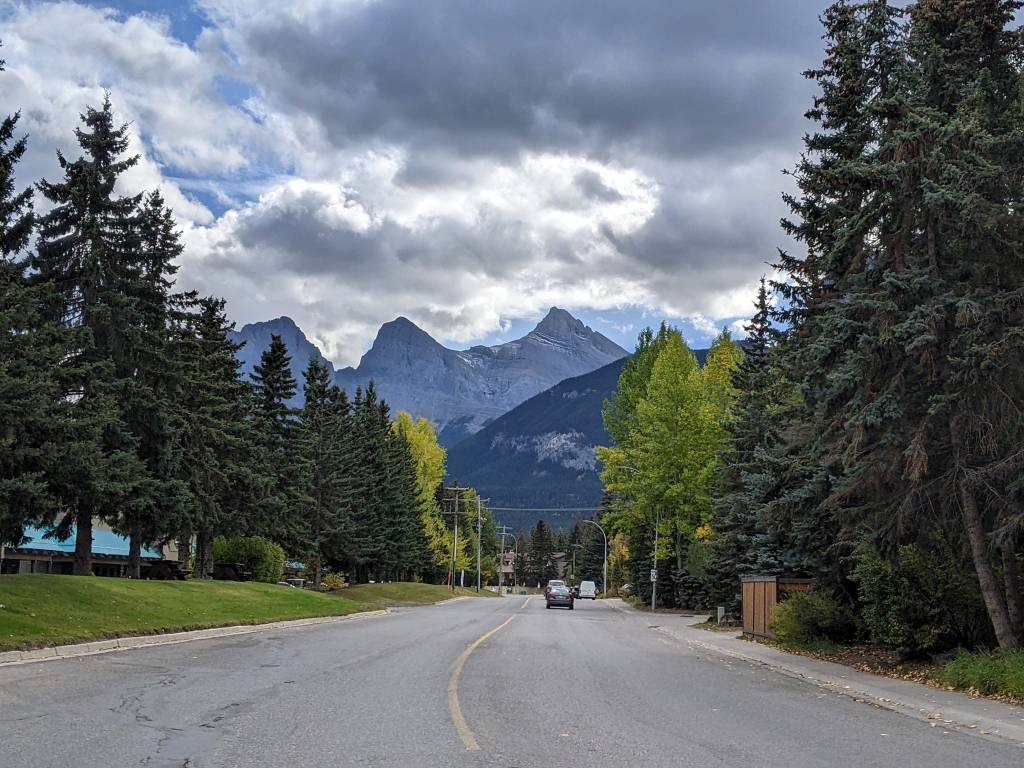
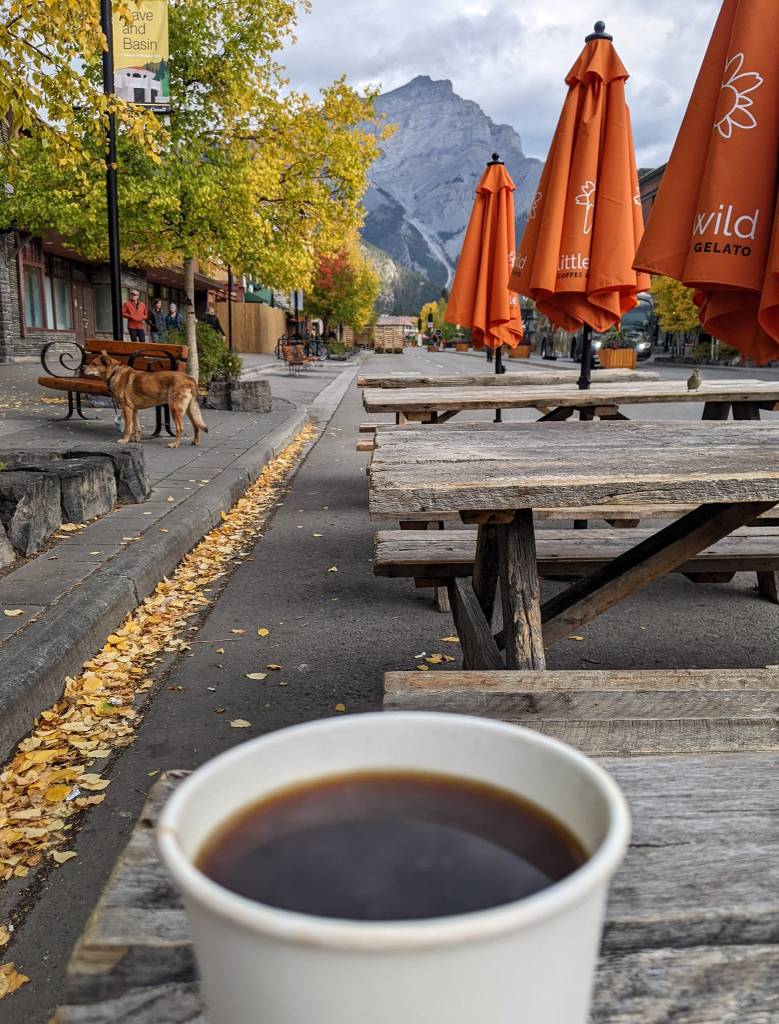
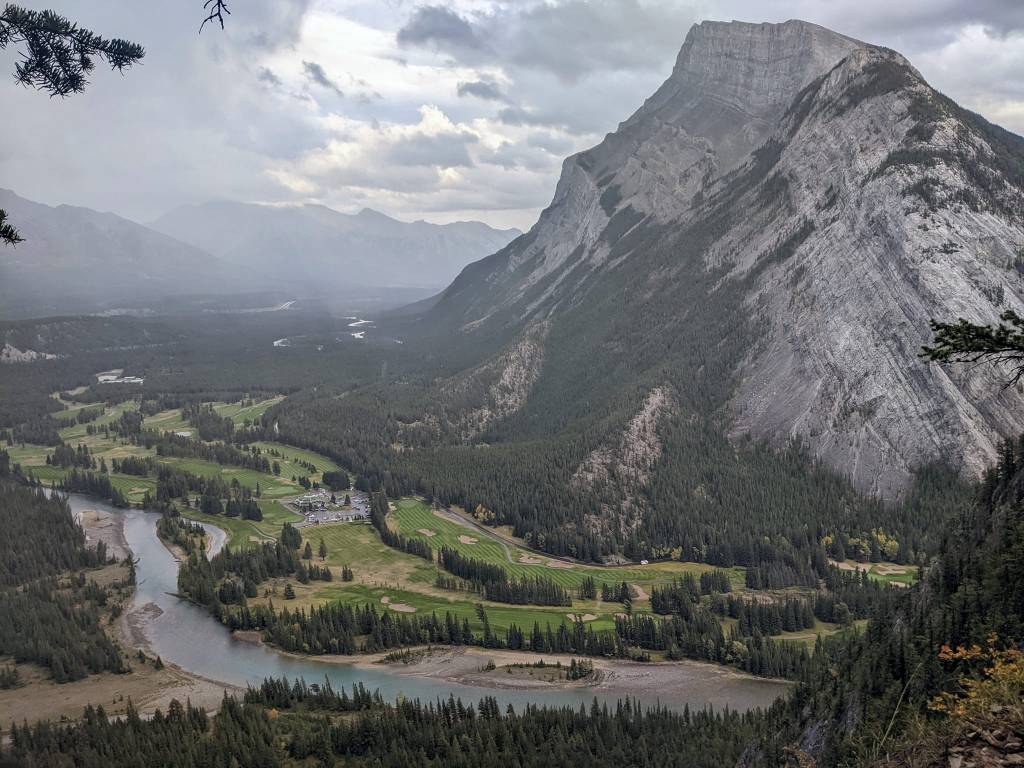
The city of Banff has much more to do than we originally thought. On our first evening, we climbed the nearby Tunnel Mountain, and there were countless other trails into the surrounding mountains and valleys. Evidently, there’s also a famous golf course there – who knew? And the town itself is well-worth a wander. Little shops selling everything from mountain gear to homemade fudge, lots of cozy cafés, and restaurants that run the gamut: we saw a McDonald’s right down the street from an extremely lavish steakhouse. We ended most of our days in Banff eating and drinking after spending the day outside hiking, and the choices were surprisingly diverse for such a small town.

Lake Louise & Moraine Lake

Likely two of the most famous views in all of Canada (maybe even North America) are those of Lake Louise and Moraine Lake. No matter how you feel about large-scale tourism or throngs of tourists, you can’t come all the way to Banff and NOT see these two icons. Somewhat recently, Parks Canada decided to close off the roads to the lakes for all private vehicles. The only way to visit them now is to take a shuttle (or a tour) from a parking lot/ski lodge just outside the park. This was very confusing to us when reading about it online, probably because it’s new, but it was actually really easy to do. You reserve a time slot and a direction (either LL->ML or ML->LL) and then present your digital “ticket” to the bus driver. The buses leave every 20 minutes, and as long as you get on within your window, you’re fine.

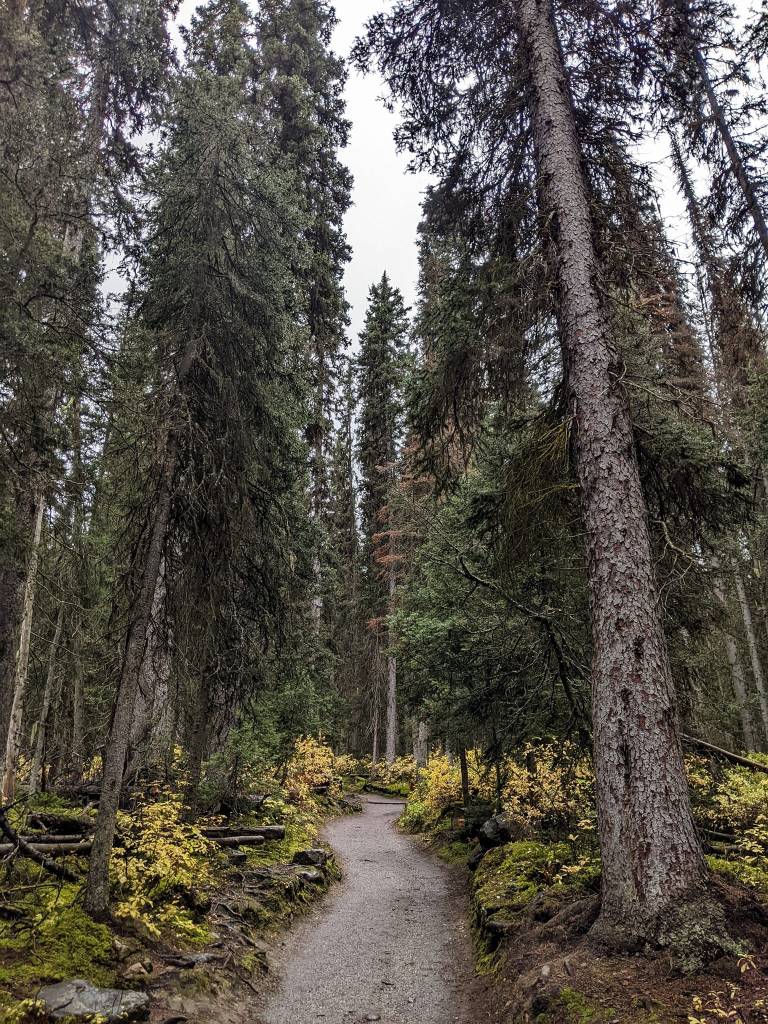
Lake Louise is huge. There are trails on either side of the lake and up the mountains on both sides with bird’s-eye views. You can also rent canoes and take to the water if you want ($145 for 30 minutes – yikes!) My advice for Lake Louise is to play it by ear depending on the time you’re there, what the weather is like, how many people you see going in either direction, etc. We were there in the afternoon, and it was quite crowded, so we took the path less traveled up to the Fairview Lookout on the lefthand side and found it absolutely perfect. There are signs everywhere showing the lengths and difficulty levels of all the trails, so you can pretty easily decide once you’re there. Just remember to bring water and snacks because there’s not a lot of options once you’re on the tourist circuit.  

Moraine Lake is not as big, and because of how it sits, you’re sort of on top of everyone else trying to see/take pictures of the lake. There are several trails here too, but most of them take you away from the lake. We did the 4-mile (6-km) trail to the Consolation Lakes and felt that they lived up to their name lol. In hindsight, I’d have rather brought a picnic and found a nice place to sit and eat while looking over one of the lakes. All the hikes were lovely, of course, but the views of the lakes were better. Also, we did see signs about hiking/traveling in larger groups because of bears, which we didn’t take very seriously then. After recent events, we plan to be more aware and prepared next time, and I would urge anyone else to do the same.

Icefields Pkwy & Jasper National Park

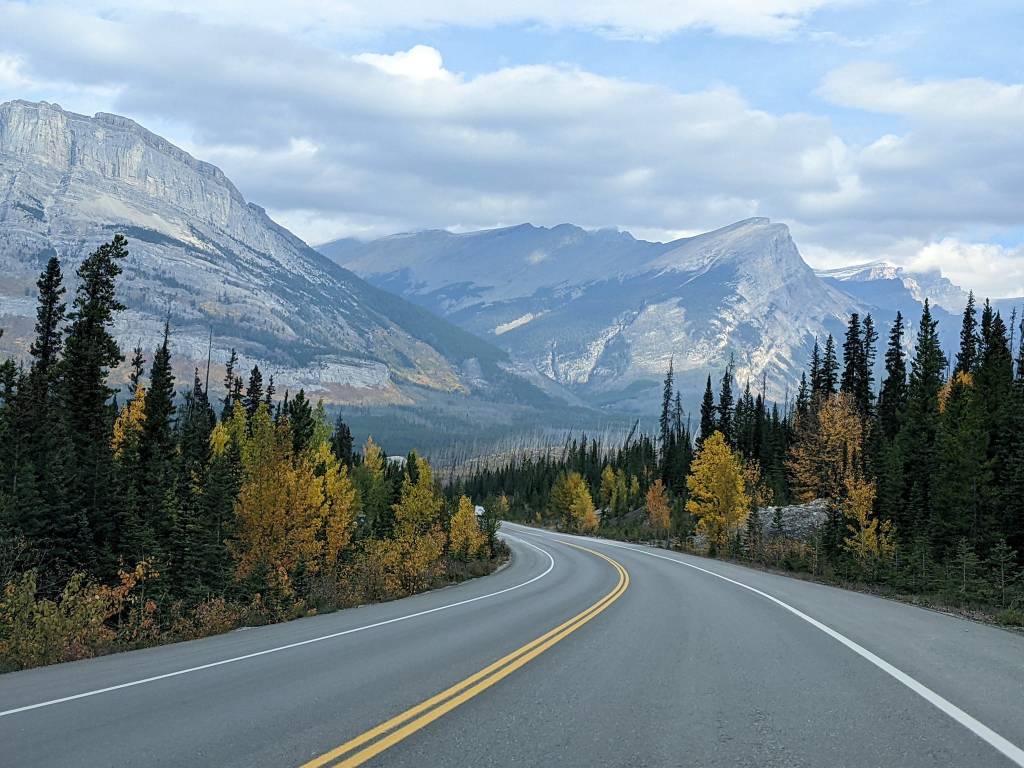
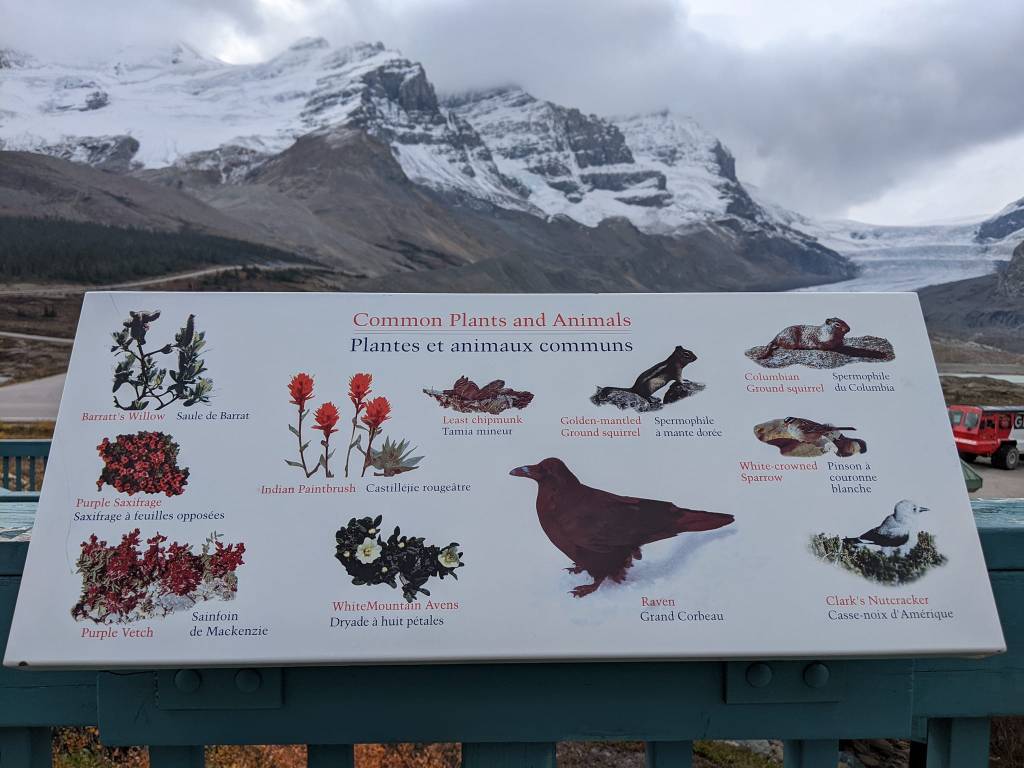
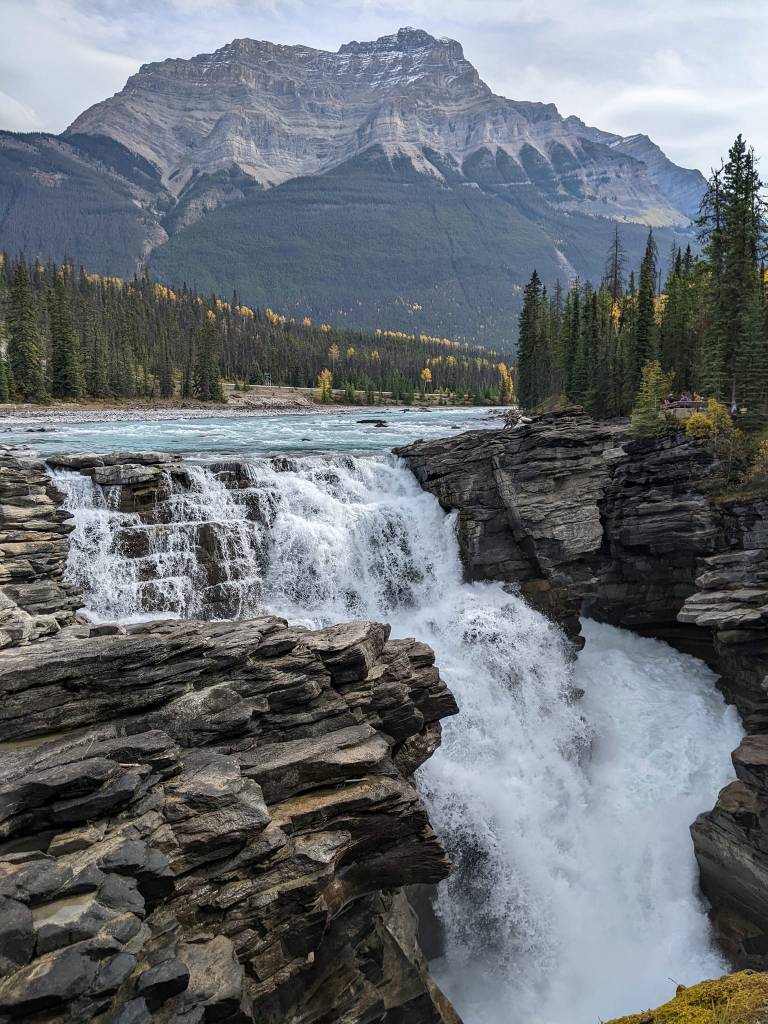
Our last great adventure in the Canadian Rockies was a drive from Banff City up to Athabasca Falls in Jasper National Park and back. This stretch of road is known as the Icefields Parkway because there are over 100 glaciers along this path, which gave us some of the most incredible views we’ve ever seen from a car. It’s only about 3 hours up to Athabasca Falls, but it took us over 4 because of all the stops we made along the way: the Columbia Icefield, Sunwapta Falls, Mistaya Canyon, Peyto Lake, and dozens of other incredible stop-offs. This drive was easily my favorite part of the trip, especially in the fall. We didn’t see very many people along the way, but there were endless signs teaching us all about the region, the various landforms, flora, fauna, you name it. It was very much like a DIY field trip, which, of course, I loved!

Ugh! After writing this and reliving all these incredible moments, I’m ready to plan a trip back to Alberta. Somehow, I feel like this might be a Huangshan (Yellow Mountain) situation, in which you haven’t really seen it until you’ve seen it in all four seasons. I do hope I’ve inspired you to put your plans to visit Banff into action not only because it’s one of the most beautiful places in the world, but also because some of these places won’t always be there for us to see in the future. Time really is of the essence, so bon voyage!

So Canada, eh?

And just like that, we’ve already been living full-time in Canada for over a month! It’s absolutely crazy how fast it goes! It’s also crazy just how quickly we can fall into a routine and feel extremely comfortable with so many new things, like seeing Canadian plates on our car, switching from “buenos días” to “hello, bonjour”, and/or re-adapting to hot, humid summers back down at sea level. As always, we’re so excited to be in a new place, learning new things about a country that we’re honestly a little surprised to find ourselves in! Actually, I think it has surprised a lot of people because some of the most common questions I get these days are: “Why Canada?”, “How did you choose Ottawa?”, “Why not somewhere in the States?”, and the ever-popular, “Where are you going next?” All great questions that I’m going to do my best to answer in this post!

Why Canada?

It was pretty tough 😅

To answer the “why Canada” question, we’ll have to go back in time a little, back to when we made the decision about which country to move to after living in China for two years. Picture it: it was 2019; there was no hint of a pandemic, but after two years of studying Mandarin and struggling to find work squarely in his field, Tucker really wanted to go somewhere English-speaking. Of course, I wanted a country with any other language because that’s a huge reason I love living abroad: the constant language practice. So, we narrowed down our search to bilingual countries, and with the shorter flights for family visits and the possibility of driving our pup home with us, Canada jumped to the top of the list!

Even now, after so much time has passed and so many things have changed (pandemics, cars, jobs, etc.) Canada still offers the amazing opportunity for me to work with French-speakers and Tucker to work with English-speakers, with both of us able to diversify and grow our careers in our respective fields simultaneously. This is how we chose Ottawa. While there are a lot of truly amazing bilingual cities in Canada, Ottawa seems to be one of the most evenly split. It’s the nation’s capital, representing bilingualism both in practice and by law, and it’s also located right on the border of Ontario and Quebec, meaning that every time we cross the river (aka the provincial line) we’re guaranteed a language switch. It really is the best of both worlds! Not to mention, it’s an incredibly beautiful city surrounded by so much nature and history!

In addition to the languages/work prospects available here, we both just seriously missed winter. I know when I say things like this, a lot of people roll their eyes and think “just you wait”. But I really think everyone underestimates just how much we love the cold, and especially the snow. We’re so excited to get back into snowboarding regularly. We can’t wait to try snowshoeing, natural-rink ice-skating, curling, snowmobiling, and maybe even hockey at some point. Winter people are our people, and we are ecstatic to be back in a country full of them! It’s finally our chance to really test our love of winter! This time as adults with a car to scrape ice off of and a dog to walk in minus-20 degree weather – sounds like fun, no?

Things like this do give us pause though…

Why not the US?

But, of course, the US gets pretty cold too, and there are many places there with languages other than English spoken. So why not go somewhere in the US? Another good question that I’m asked pretty frequently. Along with “do you think you’ll ever live in the US again?” To these, my answer is always the same: I lived in the US for 25 years. I have visited all 50 states. My job for the last decade has been teaching people all about the language and culture of my home country. The reason I want to live abroad is the simple fact that I enjoy discovering what else is out there! I love being immersed in a culture different from the one I grew up in. I love learning about another country’s history, language, customs, etc. Of course, I love the US too, and I write about it often: like about our incredible national park system, the joys of eating in Chicago, and what exactly I think makes the US so unique. But I also know how much else there is to explore and how much easier it is to do so if you can live it and be immersed in it every single day.

So, would we ever move back to the US? Probably not. There are 195+ other countries for us to potentially call home! How could I go back when there’s so much out there still to discover! Of course, we are starting to think more about the challenges of moving every few years and how much paperwork that requires year after year, which is why we’re also starting to consider citizenship in other countries. We’d never revoke our US citizenship, but having duel or even triple citizenship would give us so many more options as time goes on – who knows, maybe we’ll have a three-country rotation in our retirement years! We’ve also discussed the possibility of buying a boat and becoming nomads of the sea! Haha! Ultimately, there are just so many options available to us, and it seems a shame not to take advantage of them while we can. So, as much as I love the US (flaws and all), for the foreseeable future, we’re definitely planning to continue our signature country-hopping.

So where else?

This constant state of unsettled-ness tends to beg a few more questions, like: where will we go after Canada? And how do we decide which countries we ultimately move to? Really, I’d love to say it’s all extremely well-thought-out and carefully planned and executed step by step, but in reality, we have several concurrent plans as to where we might go in the future, and no idea which ones will pan out in the end! At the moment, our short list of contenders would be: Argentina, Ireland, Romania, Turkey, Tunisia, Thailand, and/or a South Pacific Island. We generally choose based on things like residency requirements, airports/travel times to and from, quality of life, how similar or different our day-to-day lives would be there, etc. However, every one of these aspects (and so many others) are changing every day, so our list has to be pretty fluid. Ultimately, we try to have a variety of possibilities (with plenty of contingencies) sometimes years in advance (because immigration/residency paperwork is no joke), but we also happily embrace the ambiguity and flexibility that comes with being perpetual expats. C’est la vie, non ?

So, where does that leave us? Well, we’ve definitely settled on two years here in Ottawa, followed by potentially two in Montreal, but if we can’t hack the winters here or if I get tired of all the English, we might be off to a different continent. Isn’t the unknown exciting? We’ll just have to see where the wind takes us! In the meantime, I hope this answered some of the “why”s and “what next”s. And as always, I’ll be sure to keep everyone updated as everything unfolds – starting with our upcoming Canadian capers! Should be fun, eh?

We Have Arrived!

We did it! We finally made it to Canada! We first applied for our residencies and came up to look for jobs/apartments way back in 2019, so to finally be here with any degree of longevity/stability feels so surreal! But how did we get here? What have we been doing these first few weeks? And what are we thinking for the future?

Getting to Canada:

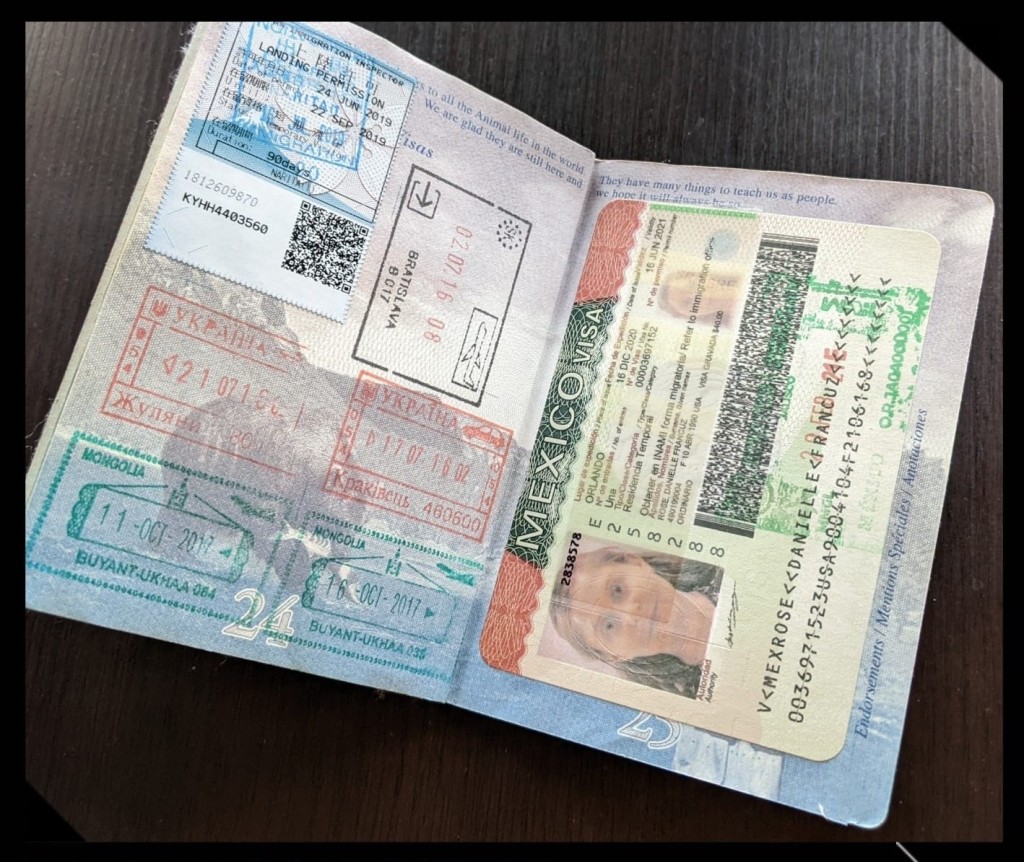
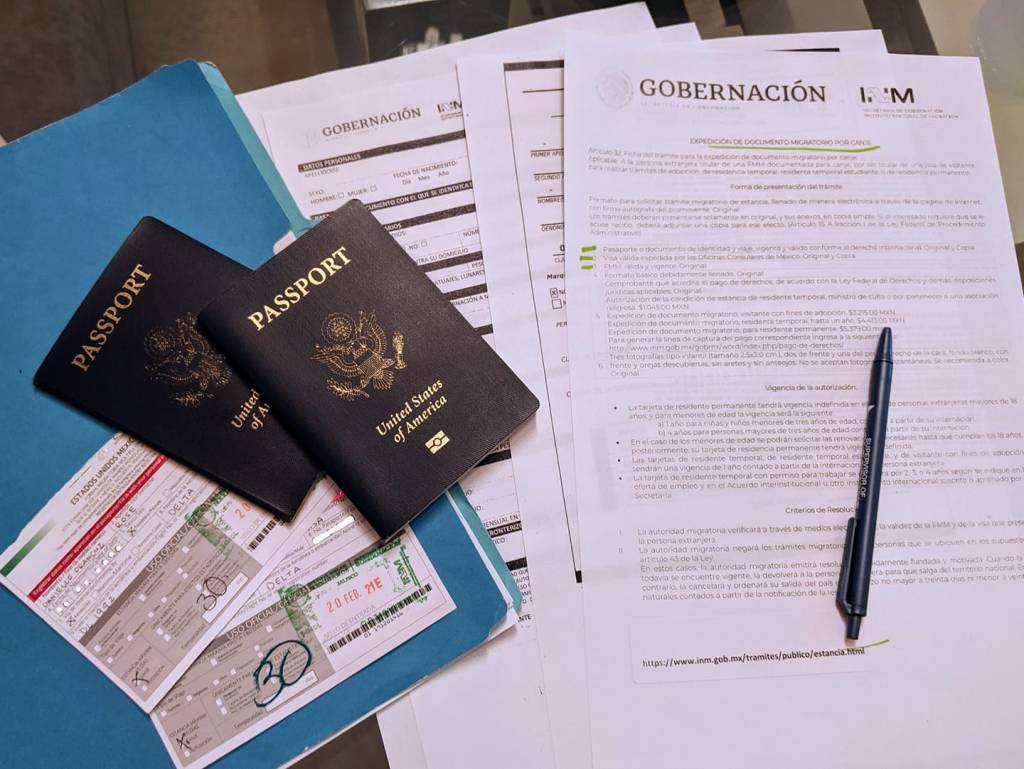
Where do I even begin with our journey to Canada?! I feel like I’ve relayed bits and pieces of our incredibly long and complicated paperwork journey in several posts throughout the last five years, so this time I’ll stick to describing our physical trip up to the Great White North.

Yay!

For this particular move, we opted to split it into two rounds: one by air and one by car. I documented a few things about our initial fly-up on Facebook, but as a quick recap: back in early May, Tucker and I flew up to Ottawa with several suitcases in order to 1) get our apartment keys and 2) clean/set up a few things before the big drive up/move in. In theory, it was supposed to be a somewhat relaxed way of getting our feet wet in Canada, giving us more time to focus on apartment things, and also freeing up a little more space in the car for what was going to be a very long drive. Turns out, we didn’t get near enough done in that short amount of time, little issues kept turning into bigger issues, and in the end, the car was fuller this time than when we originally drove down to Mexico. Lots of lessons learned though, so at least there’s that.

Spent WAY too much time here though…

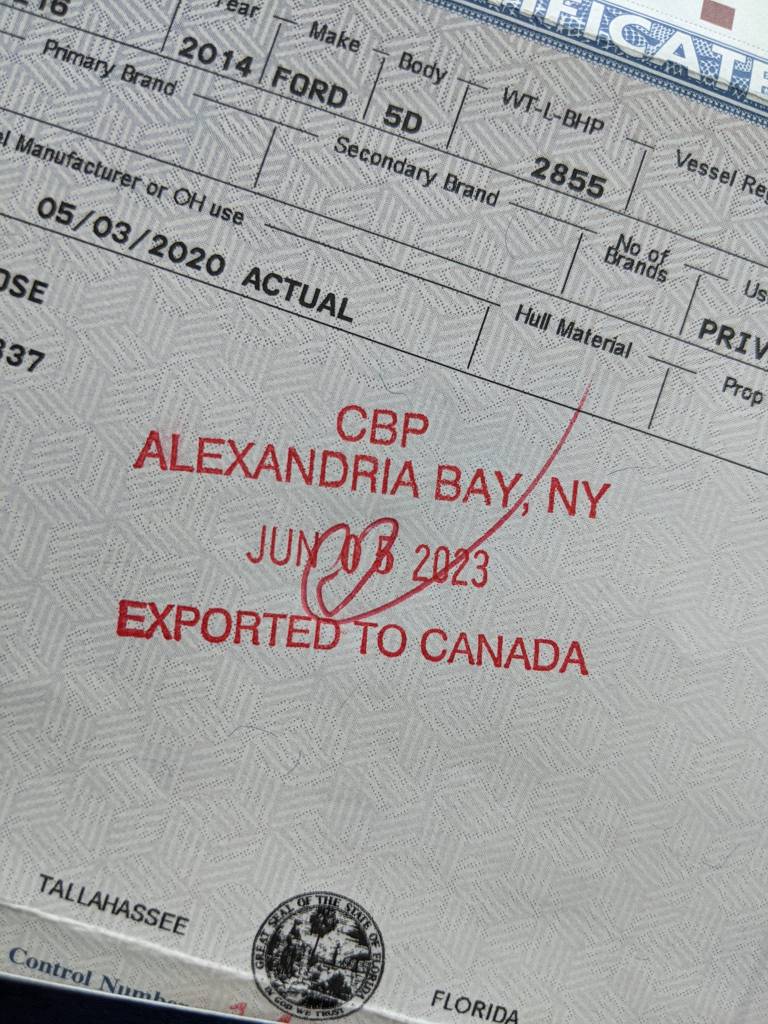
The actual driving part of round two went beautifully! Guadalajara to Laredo, Laredo to Little Rock, Little Rock to Tucker’s Dad’s place in Kentucky, Tucker’s Dad’s place to Watertown, and Watertown to Ottawa. 48 hours in total, but pretty smooth, all things considered. The issues we encountered actually occurred at either end of the trip, with the first problem cropping up a few days before we even left GDL. We already knew that we were going to have to export and import our car when we crossed into Canada, and we had everything we needed to complete that process. However, at some point, we read that the export office is only open Monday through Friday 9 to 4, and we were planning on arriving around 6pm on a Saturday. Oops. And that’s why our drive ended up taking a few extra days, and we got an unexpected stop in Watertown, NY. Fun times!

The next problem (that we absolutely should have foreseen, but totally didn’t) was the fact that all of our stuff no longer fit in the car. We were so optimistic in thinking that by bringing 4 suitcases up to Canada pre-drive, we would free up plenty of space in the car…but no, over the years, we have acquired quite a few additional household things like a Roomba, an Instant pot, a laundry basket, small trash cans, a paper towel holder, a cooler, and other items that we’d never think of buying and/or keeping had we been flying to our new home. Alas, we fell into the trap of thinking, “oh, we’ll just toss that in the car at the end”. Well, I did my best Tetris-ing work, trying to fit everything into what I now realize is quite a small car, but in the end, there were still a few things we could have used in Canada that my friends are now enjoying in Mexico! More lessons learned…

Yikes!

Setting up shop:

So, aside from having a pile of immigration tasks to accomplish upon rolling up to our new home, we also had quite a few things we needed to buy for the apartment. But before we could get to all that fun, we first had to shelter in place. The week we were making our way to Ottawa, which lies on the border of Quebec and Ontario, an unusual number of forest fires broke out in both of these provinces. Extreme fires, it turns out, the smoke of which blew its way down to us and then into several NE states as well. This was an unexpected wrench in our first few days, but not too detrimental to our plans because I actually had a lot of work to catch up on, and staying home wasn’t a tough ask after a week on the road. Not to mention, we were categorically prepared with a plethora of masks and DIY air purifier skills!

After the smoke had cleared, we were able to successfully apply for and request all the documents we’ll be needing (and/or make appointments for them). In the next few weeks, we should be receiving our PR cards, ON driver’s licenses, Social Insurance Numbers, vehicle registration, and OHIP cards. Fingers crossed! We were also able to get the vast majority of our apartment set up (unfortunately, still waiting on a few things to make their way to us, but photos to come soon, I promise!). In the midst of all this running around, we also hosted our very first guest (who thankfully brought her own bed in the form of an air mattress), which means we’re now prepared for any/all future guests! Of course, we’ve also begun to dip our toes into what our new neighborhood has to offer by sampling a few of the many, many restaurants and pubs that surround us.

We <3 Lowertown!

Looking ahead:

So, what’s next? Well, the usual, I suppose: trying all the delicious restaurants, walking the entirety of our neighborhood, getting familiar with our new grocery stores, and everything else that comes with finding our place in a new city. I’m super excited to report that we’ve already got library cards, a reservation for weekly trivia, and a growing list of observations to share about the differences we’re already experiencing between the US vs. Canada and Quebec vs. Ontario. As always, there’s so much to learn and explore, and for now, that’s exactly what we plan to do. At some point, we might even break out into something other than the five-block radius between us and the supermarket. Look out, Ottawa, we’re coming!

You might also be wondering just how long we have to explore here (aka how long we plan to stay this time). Good question, but I really never know. Our Canadian residency doesn’t have to be renewed until 2027, and if we stay in Canada for a total of 3 years, we can actually apply for citizenship and never worry about immigration paperwork here again, but honestly, we have no idea if we’ll stay that long. We do know that our current lease here in Ottawa is good until June 2024, so we’ll definitely be in this exact location for at least a year (and, honestly, after all this apartment set-up, we’re already leaning towards two lol). Ottawa is such a beautiful city with so many activities for us to enjoy; plus, Montreal is only an hour away, so I think we’ll definitely need at least two years to do the National Capital Region justice!

As for the more distant future, who knows? Two years in Ottawa could be followed by two in Quebec City (if we do end up loving the winters) or maybe we’ll head back to Guadalajara to thaw out? Or maybe onto Argentina, the Mediterranean, back to Poland or Asia, literally all of these options and more have been discussed, so place your bets! Either which way though, our time in Canada is likely going to fly by, so be sure to come up and visit us while you have the chance! We can definitely host you in Ottawa, or we can meet up somewhere else in this vast and beautiful country. I’m once again aiming to see as many provinces as we can, so you can bet there are already trips planned from coast to coast to coast! Hello, bonjour, Canada! We have arrived!

Our Latin American Travels (so far)

Chichen Itzá

Once again, the time has come for me to document our travels! This time, specifically in and around Latin America! We’ve been lucky enough to call Guadalajara, Mexico “home” for almost two and a half years now, and even with a global pandemic cramping our style in the beginning, we’ve made it a point to travel as much as possible throughout the region. Of course, we added a few new countries to our growing list over the past two years, but our main priority was definitely to explore the different regions of our home country. Therefore, in addition to the long list of names (and accompanying photos), I’ll also be highlighting our top 5 places to visit in Mexico! Hopefully this will help guide you on any future trips to Mexico because in our opinion, these are truly the best of the best!

Yucatán: Mérida, Chichen Itzá, Uxmal, & Progreso

Guadalajara, Jalisco – There is just no earthly way I could leave OUR city off this list! We have traveled to over half the states of Mexico, to some of the most popular tourist destinations in the world, and there is still nowhere else I’d rather be. Guadalajara has everything we could ever want in a city. Some of the best food in the world, the most friendly, progressive, helpful people, an incredible history, gorgeous architecture, the perfect, high-altitude climate, I really could go on! When I say “en mi corazón, soy una Tapatía”, I truly mean it. And if you ever want to visit GDL, please, please, please reach out! I have so much to share about one of, if not my absolute favorite, city in the world!

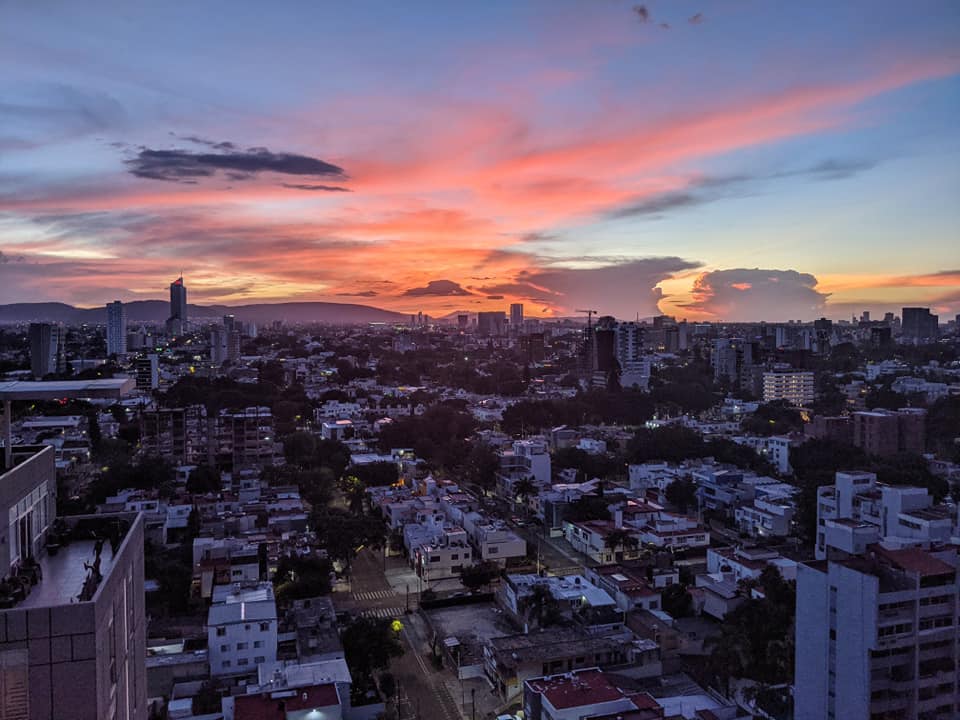
Hogar dulce hogar, Guadalajara <3

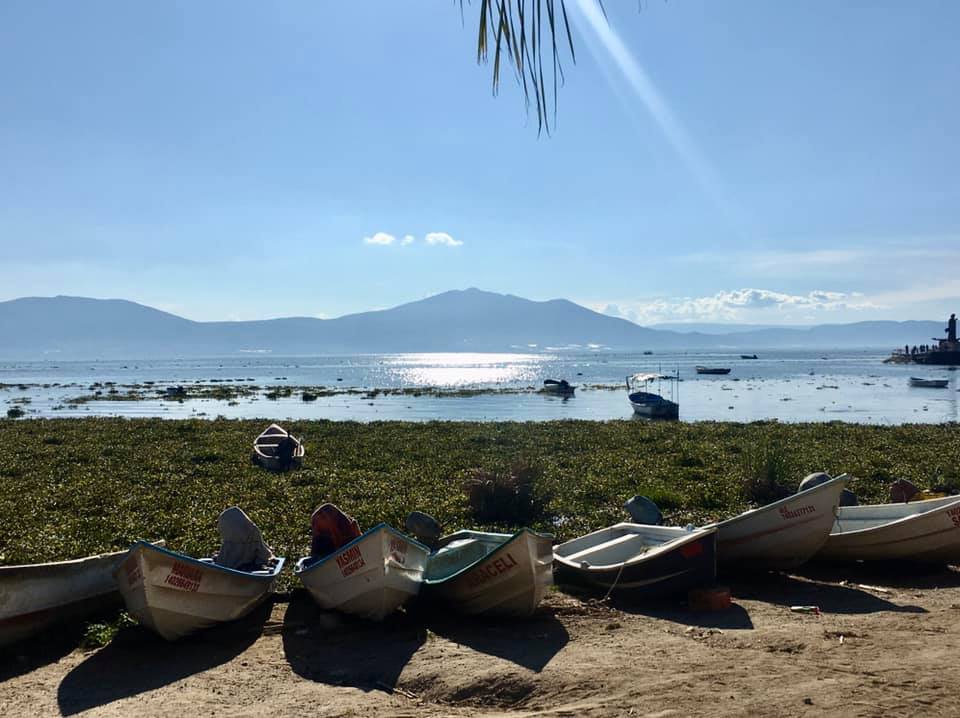
Chapala, Jalisco

CDMX & Teotihuacan, México

San Miguel de Allende, Guanajuato

Ajijic, Jalisco

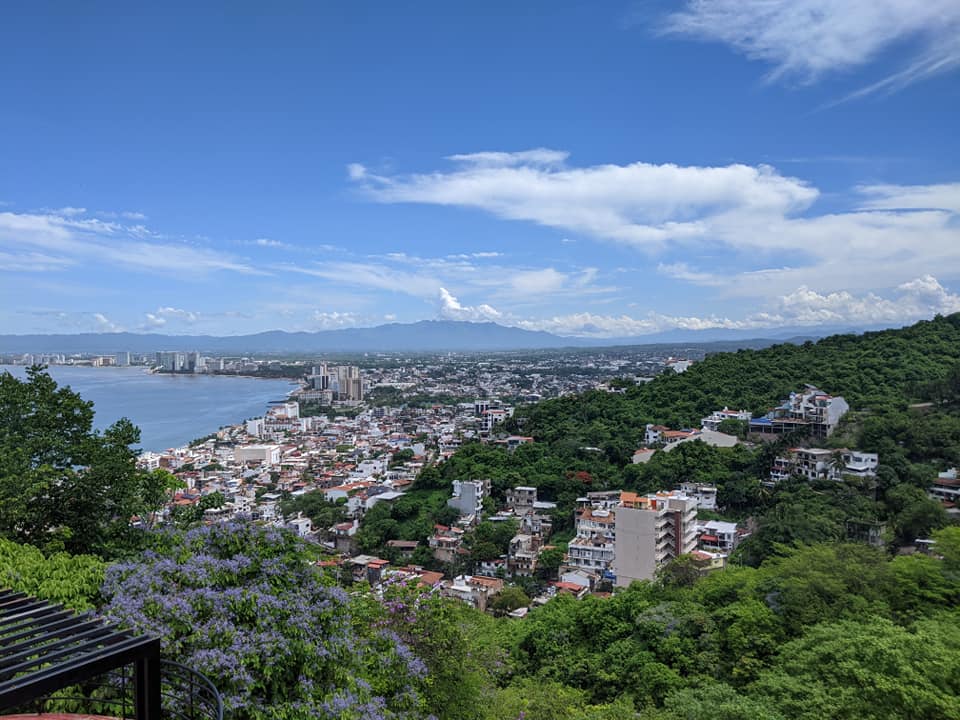
Puerto Vallarta, Jalisco

Teuchitlán, Jalisco

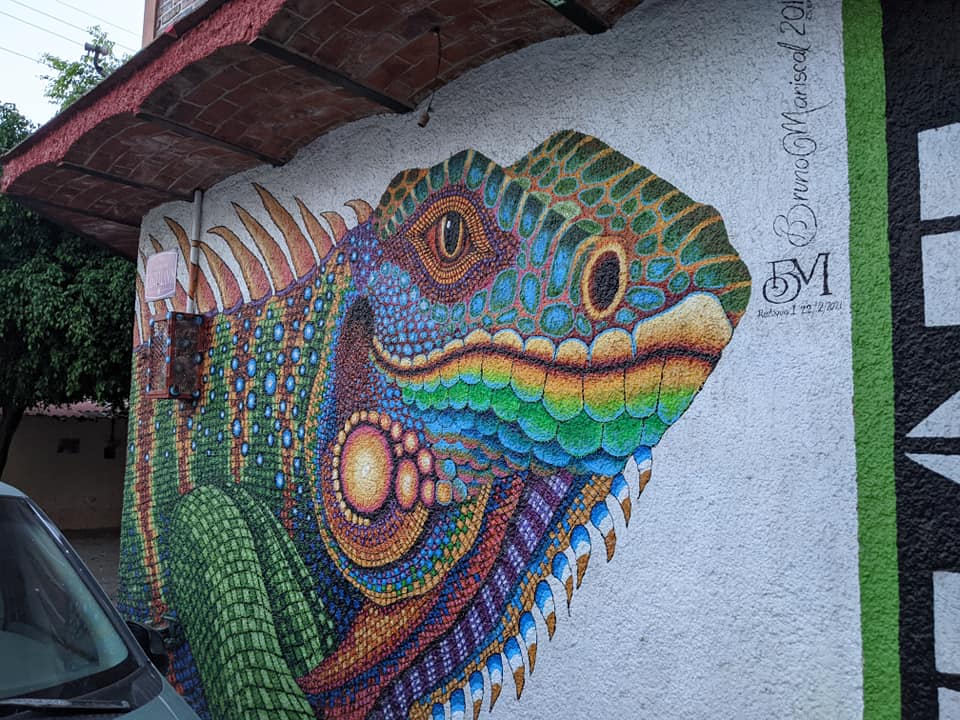
Bernal

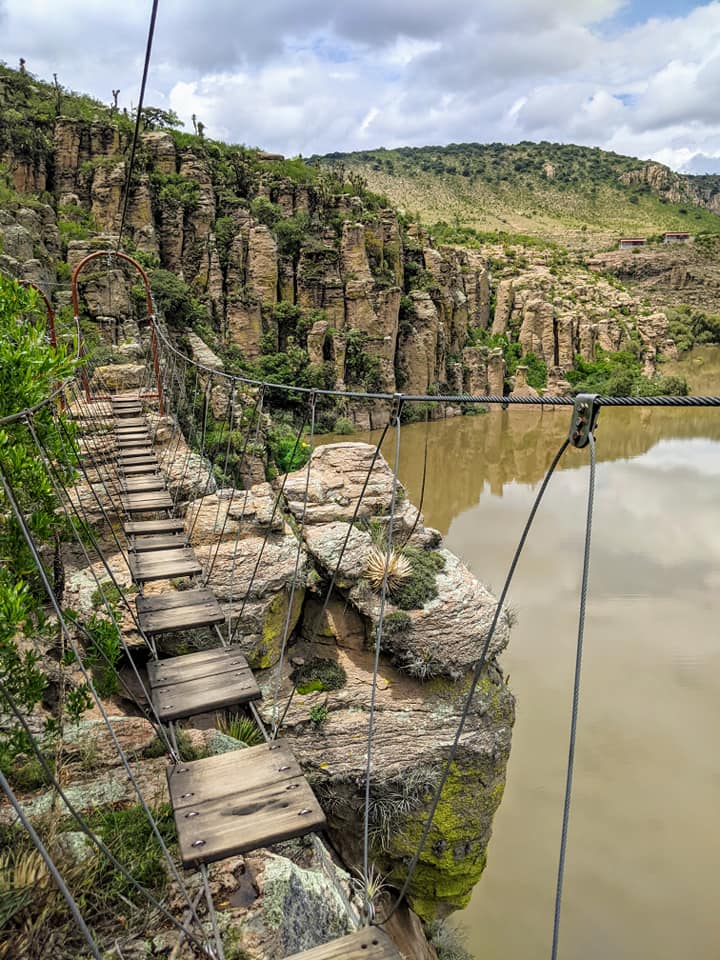
Aguascalientes & Boca de Túnel, Aguascalientes

Sayulita, Nayarit & Islas Marietas

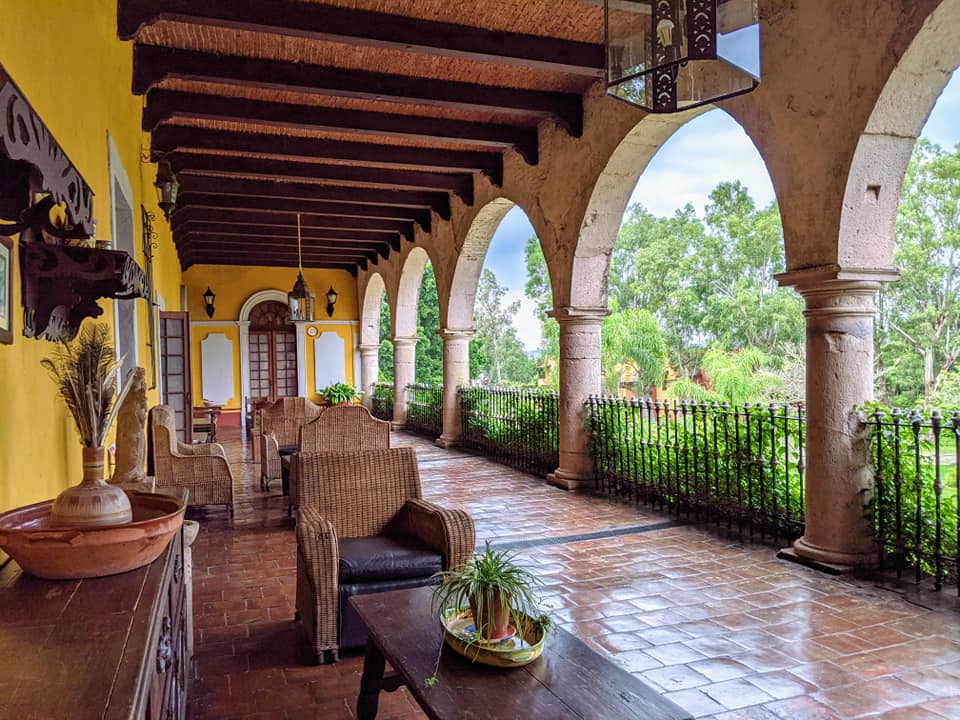
Querétaro & Bernal, Querétaro – Interestingly, most of the places that made this highly exclusive list were places that we had never heard of prior to moving to Mexico. Places like Querétaro. Querétaro is both a city and a state in the very center of Mexico, and it has so much to offer! A historic, colonial city-center, a wine region, and the nearby pueblo mágico, Bernal, which has the third largest monolith in the world jutting out from behind one of the most picturesque towns I’ve ever had the pleasure of photographing. It is what I call “real Mexico”, outside all the tourist hubs, a little bit off the beaten track, thus much richer in charm and Mexican spirit.

Ecuador: Quito, Cotopaxi, & Quilotoa

Tlaquepaque, Tonalá, & Zapopan, Jalisco

Tapalpa, Jalisco

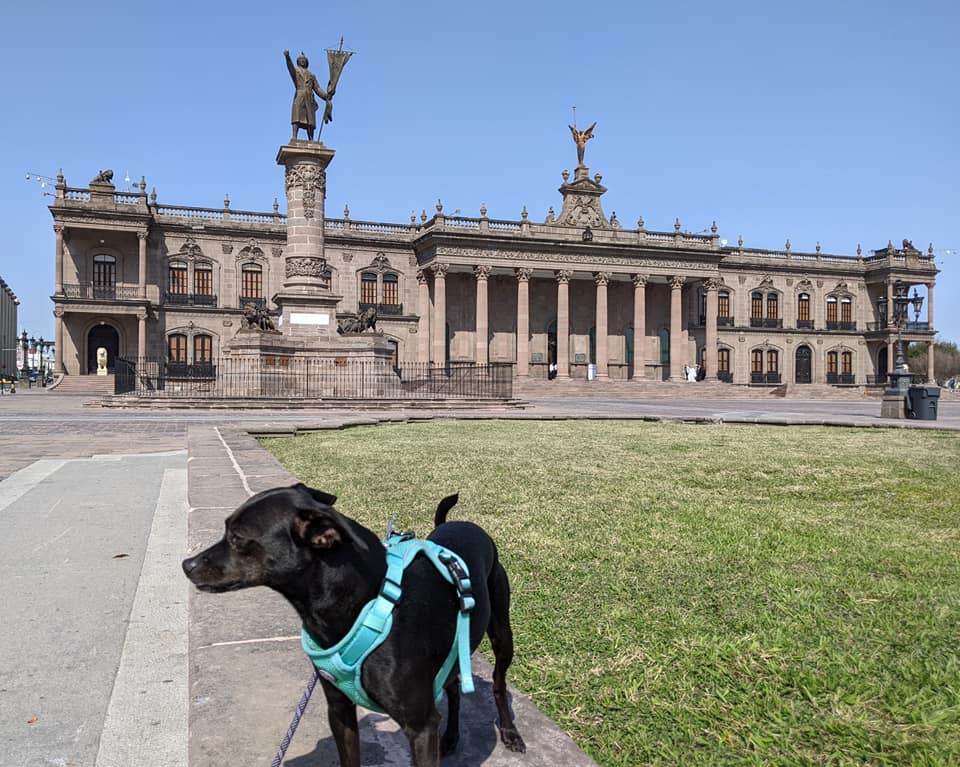
Monterrey, Nuevo León

Nuevo Laredo, Tamaulipas

Saltillo, Coahuila

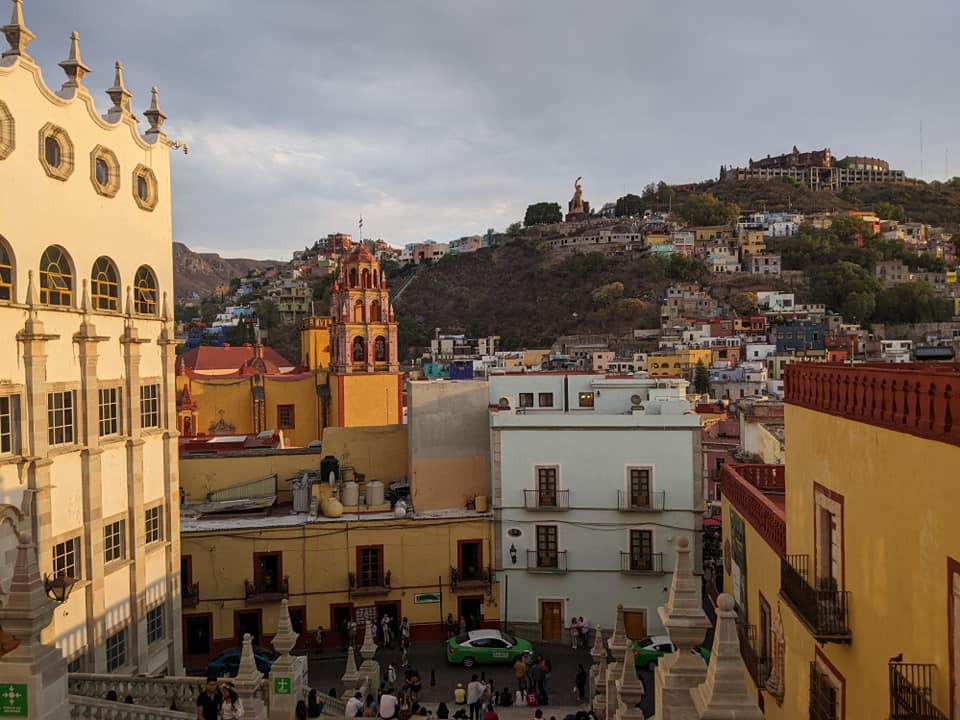
Guanajuato, Guanajuato – Another ciudad full of Mexican spirit and history is Guanajuato. Also located in central Mexico, Guanajuato is a true mountain city and is just downright cool. With all its twisting tunnels and spectacular views of the peaks and valleys that make up this city, Guanajuato is such an amazing place to explore some of the lesser-known traditions, dishes, and other elements of Mexican culture. Tucker and I spent Birthdays Week here last year, and we’ve been besotted ever since. It might be one of the best walking cities in the world with the incredibly unique cafes, shops, and historical sites around just about every corner!  

Guanajuato City

Quintana Roo: Cancún, Isla Mujeres, Playa del Carmen, Cozumel, Tulum, & Bacalar

Argentina: Buenos Aires & Ushuaia

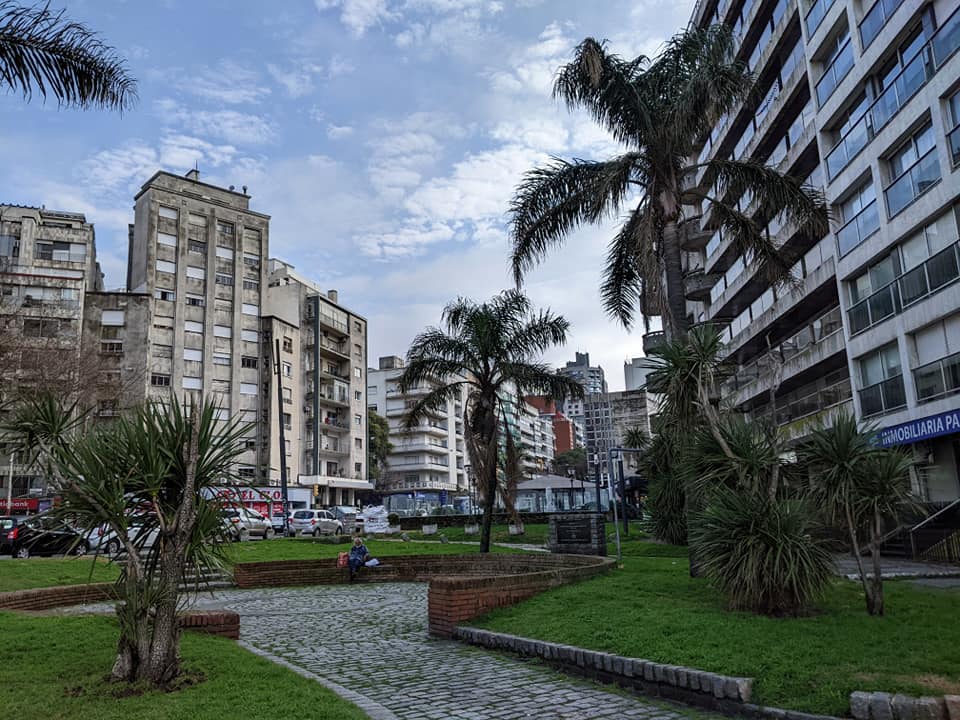
Uruguay: Montevideo

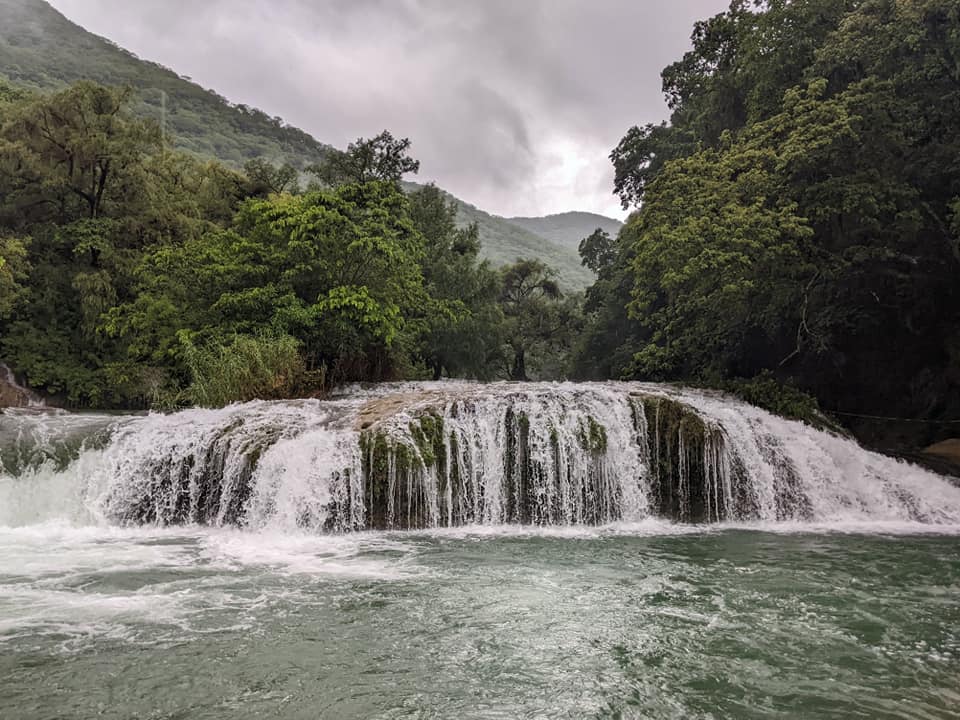
San Luis Potosí: Ciudad Valles, Tamasopo, Tamul & San Luis Potosí

El Meco, Tamaulipas

Tequila

Tequila, Jalisco – Ah, Tequila. The word probably brings up fond memories for us all (well, and maybe a few not-so-fond memories too), but the town of Tequila, aka the birthplace of the drink, is good vibes only. It’s one of 40 pueblos mágicos that we happened to visit during our time here, and it’s by far my favorite. Distillery tours, agave fields, markets, cantaritos, shows, and so much more with the absolute BEST atmosphere and a scenic train to boot. This is the side of Mexico that I love. It’s fun, and it’s a party, but it’s also so much more than that. And the best thing is, it’s only 45 minutes from Guadalajara – an easy and obvious day-trip for any future visitors!

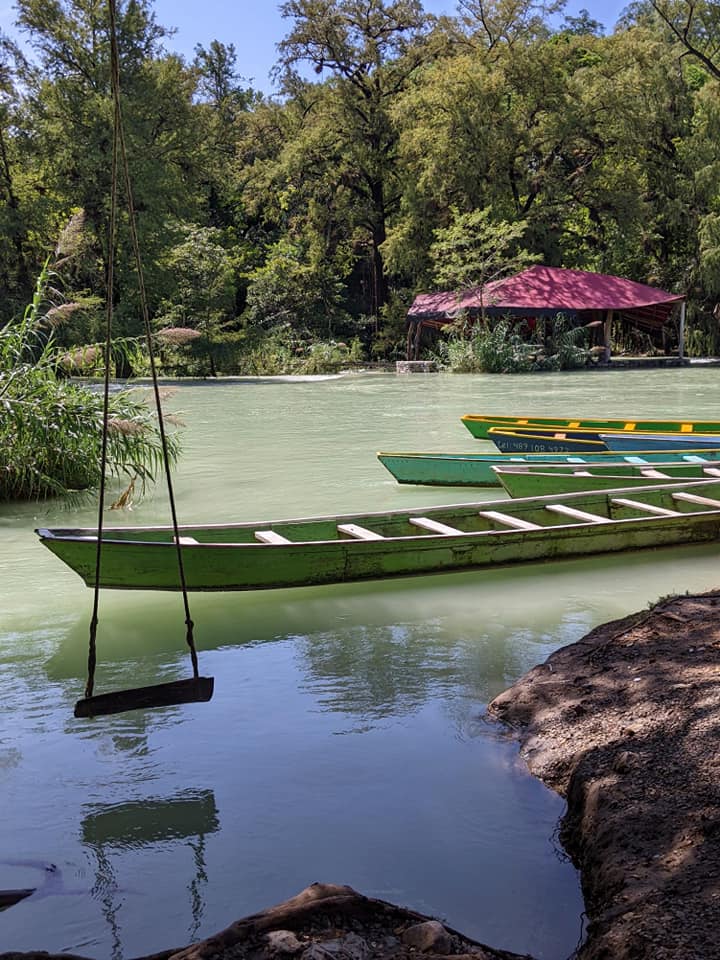
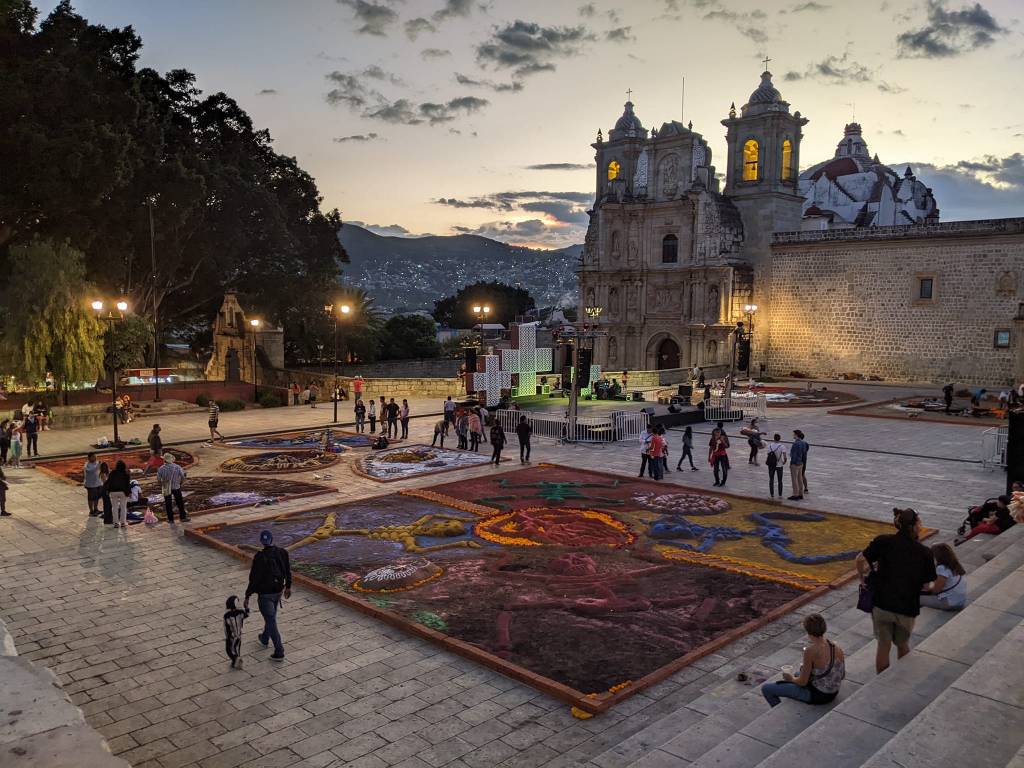
Oaxaca: Oaxaca, Monte Albán, Mitla, Tlacolula, & Hierve de Agua

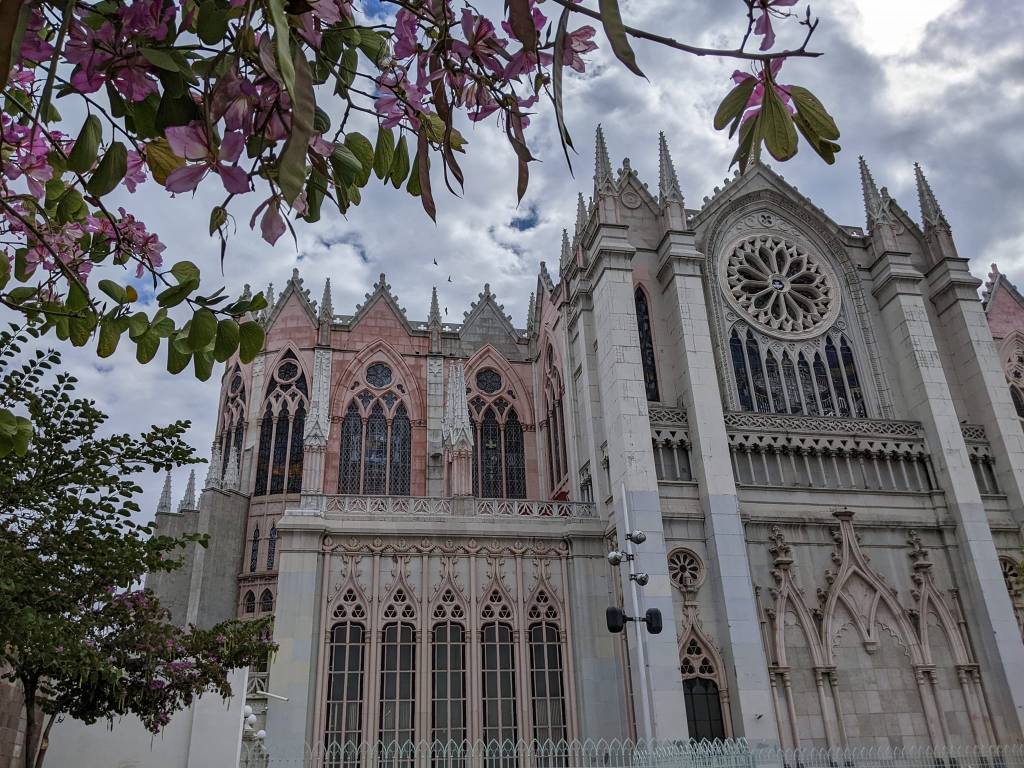
León, Guanajuato

Chihuahua: Chihuahua, Ciudad Cuauhtémoc, Creel, & Las Barrancas del Cobre

Baja California Sur: San José del Cabo, Cabo San Lucas, Todos Santos, La Paz, & Isla Espíritu Santo – And last, but certainly not least, is La Paz, Baja California Sur. Honestly, we weren’t expecting to be impressed with this one as beaches (especially with loads of tourists) aren’t really our thing, but the pure beauty of La Paz absolutely blew us away! If you read all the names on this list, you’ve seen that we’ve been to all the big-hitters: Cancún, Tulum, Cabo, Puerto Vallarta, etc. but let me tell you, none of those compare to the beaches and nature surrounding La Paz! Sea lions, whale sharks, crystal clear water, white sandy beaches, and if you ask me, a slightly more respectful collection of tourists. Other than Guadalajara, La Paz is the only other place in Mexico we’d consider living, and given our love of GDL, that really is saying something!

Playa Balandra, La Paz

Michoacán: Morelia & El Rosario

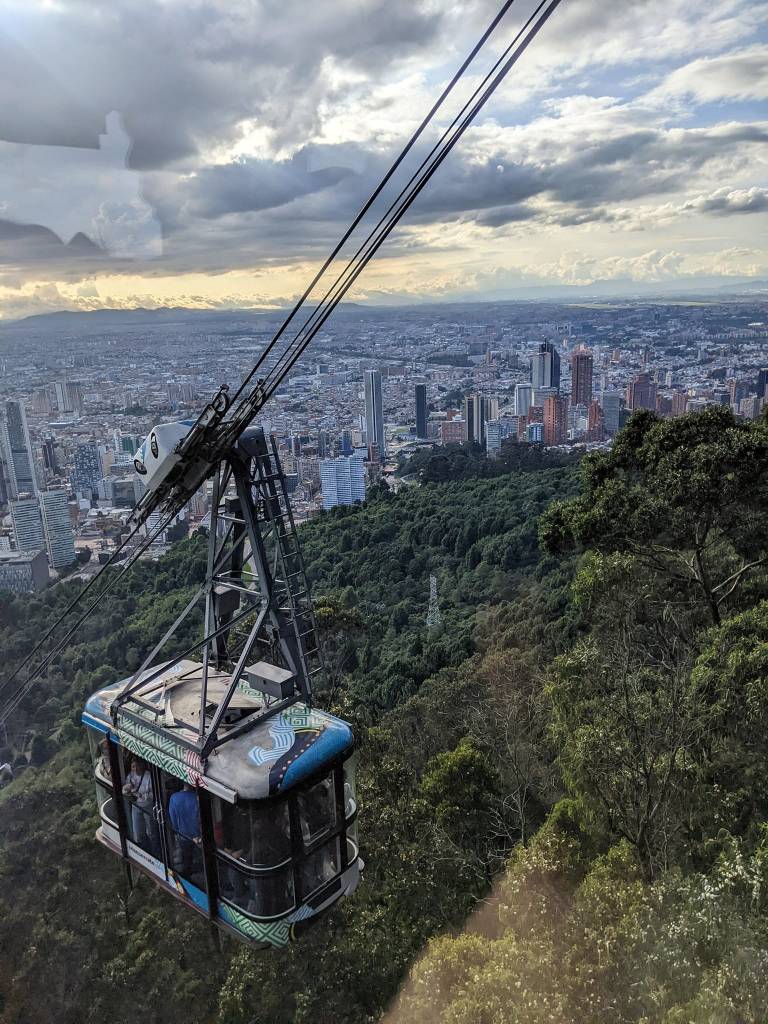
Bogotá, Colombia

And that’s the list! So many incredible places that we’ve had the privilege to see in person! I know some people wonder why we do it; why we uproot our lives and leave our families and friends behind every few years, well, this is it. Because every section of the world has so much to offer, and as long as I’m able to, I will do everything in my power to continue exploring it and learning everything I can along the way! Gracias, México, for one heck of a good journey!

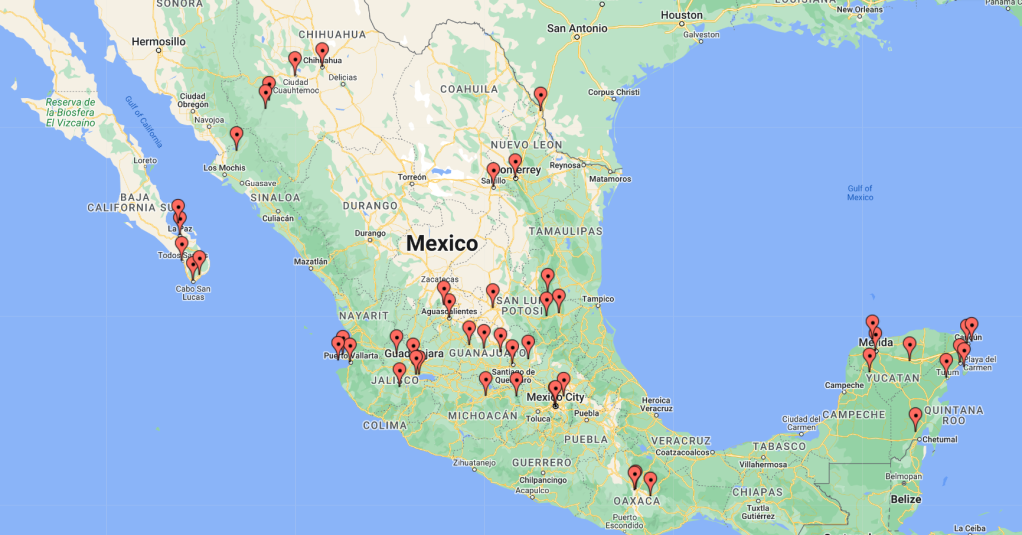
All the pins in our Mexico Map :)
Just getting started in South America!

Cosas que amo del español

For over two and a half years now, I’ve been learning (and using) Spanish on a daily basis, and I think it’s safe to say that it’s officially one of my favorite languages in the world. Beautiful and expressive, but also pretty straightforward and más o menos consistent, there’s really a lot to love (especially from a student’s perspective)! So, this month, I’d like to honor español and share some of my favorite things about este idioma super chido. ¡Disfruta! Enjoy!

#1 The ability to make things cuter with “-ito”

¡Adorable!

English occasionally has this ability with things like “duck” and “ducking”, but en español you can add “-ito” or “-ita” to any noun if you want to make it smaller and, therefore, cuter. For example, “engrapadora” means “stapler”, and “engrapadorita” means “tiny, adorable, little stapler”. See how fun?! Of course, it can also be used to differentiate meaning, which is just as cool! For example, “golf” and “golfito”, which would be “golf” and “putt-putt” respectively. Animals also get the “-ito” treatment when they’re babies, as with “gato” and “gatito” (“cat” and “kitten”). However, my all-time favorite will always be “caballito de mar” (“little horse of the sea”) – so cute!

# 2 The super fun pronunciations

I could talk about Spanish pronunciation and why I love it for much longer than most people would care to listen; however, I added this to my list not to discuss how amazingly consistent the pronunciation is, but, instead, just how fun it can be! The high tendency of consonant, vowel, consonant patterns means you get a lot of syllables that (usually) roll pretty effortlessly off the tongue. Sometimes these are just Spanish-ified English cognates, like “panqueuques”, which is just so much more fun than “pancakes”. Sometimes they have a Nahuatl flare like Tucker’s favorite: “cacahuate” (or “peanut”). And sometimes they just end up sounding a little bit dangerous, like “murciélago” (or “bat”). All of which make them great candidates for pet names, passwords, and/or expletive alternatives! And since you pretty much have to say these out loud, here are some English-y phonetics: “panqueques” = pan-kay-kays… “cacahuate” = ka-ka-wah-tay… and “murciélago” = moo-er-see-el-ah-go
#3 The usefulness of the accent marks

Lots of languages use diacritic marks. Even English will still throw in a few just for good measure (think café, façade, and piñata), but Spanish uses its accent marks way more often and way more efficiently. Rather than indicating something like foreignness, history, or even a sound change, Spanish accents will either tell you where the stress of a given word falls (super helpful) or if it’s actually a different word entirely. It’s like a little code within the code that language already is! So cool! Here are a few of my favorite examples: with the accent, “inglés” means “English”, but without it, “ingles” means “groins”. While that one can be quite jarring, others are super common like “sí” (“yes”) and “si” (“if”). Somewhat like seeing someone in English write “no” when they mean “know”, you can learn a lot from whether or not someone “nose” when to use accent marks. ;)
I still think about this particular error years later…apostrophes are important too!
I love Spanish Cs

#4 Seeing K-words written with Cs

Another thing I love about Spanish is its commitment to consistency. Many languages have both the letters C and K, and very often they sound the same. But somewhere along the line, Spanish was like, “no thanks, you can keep your redundant K”; therefore, there are a lot of quasi-universal K-words that always give me pause in Spanish, no matter how well I know the rules. Those jumpy animals in Australia: “canguros”. The Asian peninsula known for Gangnam Style and Samsung: “Corea”. And the super boring, beige material that a lot of 90s office workers wore, you guessed it: “caqui” (which is really minus K x2). I absolutely love it, but I have to be completely honest and admit that learning Spanish has severely decreased my confidence in English spelling…and that’s probably already saying something.

#5 Things that just make sense

While I’m sometimes confused when I see a random C where a K should totally be, I’ve definitely encountered more things in Spanish that just plain make sense. It happens quite frequently that I come across a new word or phrase, and although I’d never seen it before, I have no difficultly in deciphering its meaning. For example, I once read the phrase “caja torácica” or “thoracic box”- what else could that be besides “rib cage”? Or “telaraña” which is literally “fabric” + “spider”, obviously “spider web”. And finally, there’s the fact that Spanish loves to simply call a spade a spade: “goths” = “darks”, people who love to snack = “gordos”, and elderly people = “ancianos” – simultaneously extremely helpful in building my vocabulary and lessening my fears of offending someone en español, y por eso, ¡gracias!
#6 Things that make me laugh

But perhaps my favorite thing about learning any language is just how much it shows you the depth of which your own language shapes the way you think. I absolutely cannot get over the fact that there is no word for “toes” in Spanish. They are referred to as “dedos de los pies” (or “fingers of the feet”), and no matter how hard I try, I can’t accept that fingers = toes. They just don’t! Another one that never fails to make me laugh is the fact that peacocks are “pavos reales” or “regal turkeys”. This one is easier to understand, but I can’t help but feel like it paints peacocks in a slightly different light…then again, they do have “cock” in their English name, so who am I to judge? Finally, the last word that I can never use with a straight face is “molestar”. Coming from the same root, the English version isn’t that far off, but in Spanish it only means “to bother”, and it is used ALL THE TIME. Hotels even give you “no molestar” signs for the doors, which Tucker and I always make a point to snicker at. Ah, the joys of learning a new language!
So, there are just a handful of the things that I absolutely love about español. I hope you enjoyed them as much as I do! And personally, I can’t wait to revisit this list in a few years just to see if a) I’ve remembered all these details and b) if there’s anything I’d add to the list in hindsight. So stay tuned! Y por último, I just want to say that Spanish really is un idoma divertidísimo, so buena suerte to all those who are learning it and remember that tener otro idioma es posear otra alma. To have another language is to possess another soul. <3

Holiday Season in Mexico

It’s the most wonderful time of the year! 🎶 Which is my musical way of stating the obvious: another holiday season is here! And this year, I thought I’d really get myself into the spirit by chronicling all the upcoming días festivos that I have to look forward to. Interestingly, seven years ago, I wrote something quite similar about celebrating Christmas in Poland, and after reading that post again, I was amazed at just how many parallels there happen to be, particularly in the number of holidays celebrated on either side of the big day. So, if you find yourself in need of more holidays/international celebrations, here’s what Christmastime looks like en México:  

Día de la Virgen de Guadalupe

The first true holiday of the festive season falls on December 12th, but like any other Christmas-celebrating country, the decorations and festivities really start well before December. In fact, since Thanksgiving isn’t really a thing south of the border, there aren’t as many quarrels about when to start decorating; anything after Día de Muertos (November 2nd) is fair game. Of course, one of the first and most ubiquitous Christmas decorations you’re likely to see are the nochebuenas (or poinsettias). Nochebuenas are indigenous to Mexico and Guatemala and were used for wintertime celebrations even before Christmas was celebrated in the Americas. Actually, a lot of Mexico’s holidays tend to be a mix of customs from various indigenous groups (such as the Aztecs or Mayans) as well as from the colonists/Christians of Spain. And a great example of this is Día de la Virgin de Guadalupe.

La Virgen de Guadalupe is another name for the Virgin Mary, and she just so happens to be the patron saint of Mexico. On Día de la Virgin de Guadalupe there is a huge pilgrimage in her honor to a site of great importance in Mexican history. However, it’s really only the truly devout who partake in this annual event. For most Mexicans, this day is known first and foremost as the official mark of the holiday season, and it often kicks off the fiestas in the form of food, drinks, and posadas. I, personally, have come to associate the word “posada” with “party”, but it actually means “inn”, a nod to the nativity story. In practice though, posadas are very much like the Christmas parties we have in the US. There are generally posadas for every peer group: family, friends, co-workers, etc. and no matter who you’re celebrating with, you’ll likely see piñatas, eat buñuelos (a fried dough treat), and drink ponche (a warm, fruity beverage). Mmm!  

Noche Buena y Navidad

Next up is Christmas Eve or Noche Buena (not to be confused with nochebuenas the plants or Noche Buenas the beers haha). As a Catholic-majority country, church services are really common on Christmas Eve, including a very special midnight mass, also known as the Rooster’s Mass (it got this name because it is said that the crow of a rooster announced the birth of Christ). After mass, a feast is expected, and yes, that could be in the wee hours of the morning, which is why Christmas Day is seen as a rest and recovery sort of day. Of course, some people end up skipping church on Noche Buena, but the big family meal is rarely missed. Similar to our Thanksgiving, turkey or ham are common center pieces although the more traditional option would be bacalao, an olive and codfish dish. I’ll probably skip that one this year…

Another interesting thing about Christmas Eve night has to do with the all the nativity scenes. Nativity scenes (or Nacimientos) in general are extremely popular here. Like extremely. They feature in the décor of restaurants, banks, apartment buildings, malls, city squares, etc. Some are literally larger than life-sized and some are incredibly creative (we saw one this year made entirely out of poinsettias), but despite all the variety out there, they all have one thing in common: the baby Jesus is missing. That is, he is missing until Christmas Eve night. I absolutely love this detail and can’t believe how everyone pulls this off. Do they set an alarm to remember? Where do they keep the waiting babies? Who gets the placement privilege at the local mall? So many questions!

Día de los Santos Innocentes

Onto my least favorite of the wintertime holidays…Día de los Santos Innocentes is Mexico’s version of April Fool’s Day. It occurs every year on December 28th and started out as a day in which you could borrow something from someone without having to give it back, a sort of “finders keepers” day. However, over time, it has evolved to include all sorts of pranks pulled by family members, friends, and even news outlets. Basically, don’t trust anything you see or hear on this day, and definitely don’t lend anyone anything you might want back.

Noche Vieja y Año Nuevo

The next set of holidays on the list are, of course, New Years Eve and New Years Day. Celebrated much the same around the world, with food, fireworks, and late-night fun, there are a few Mexican traditions that stood out to me last year. The first being the 12 grapes you eat as the clock strikes midnight. The idea is that you make a wish for each grape (12 representing the 12 months of the New Year), and if you can get ‘em all down be the time the clock is done chiming, your wishes will come true. After trying this last year, I have to say that it is definitely harder than it sounds! Fireworks are another super common tradition, but not just at midnight. In fact, fireworks can be heard pretty much all December and well into January – another vestige of indigenous practices and a popular way of celebrating anything and everything in Mexico.

Día de los Reyes y Candelaria

Finally, we come to the last two holidays of the season Día de los Reyes (January 6th) and Candelaria (February 2nd). Día de los Reyes or Day of the Kings (often known as Three Kings Day or Epiphany in the US) is a holiday that is probably more exciting as a child. It’s another day where kids can expect presents, this time from the Wise Men. And while adults might not get any presents, everyone does get to partake in the sharing of the rosca de reyes. A rosca is a ring-shaped pastry that has a hidden figurine of the baby Jesus somewhere inside. Usually, you eat the rosca with family or friends, and whoever gets the baby, then has to buy the tamales the following month on Candelaria. Roscas come in all different shapes and sizes these days (in fact, we got a rosca of tacos last year in addition to a more traditional pastry), but no matter what kind of rosca you eat, just remember to bite carefully! Also, I advise you to order your tamales for Candelaria days in advance – a mistake I won’t make again!

Wow! So many festivities to look forward to in next two months! Honestly, celebrating the local holidays is one of my favorite parts of living abroad, especially because we get to take these customs with us and celebrate them wherever we end up in the future! And now you can too! ¡Felices fiestas a tod@s!

Día de Muertos (and Halloween)

Another spooky season is upon us, which, of course, has me reflecting on last year’s festivities, and since last year was our first full year in Mexico, I remember having a lot of questions regarding two very colorful (yet slightly morbid) holidays that happen to take place in the same fun-filled week. Thankfully, we had a brilliant education last year, and now I’m ready to share all that I learned! So, if you’ve ever found yourself wondering how Halloween and Día de Muertos are celebrated south of the border, well, you’re in for a treat (see what I did there?) because this post is about to get frightening(ly in-depth). Mwahaha!

Halloween in Mexico

So, first off, whenever we would ask locals about Halloween in Mexico, they’d typically tell us that it’s not really celebrated…but I beg to disagree. Grocery stores start selling costumes and decorations in September, many restaurants have jack-o-lanterns and spiders welcoming their guests, and last year on Halloween (and several days on either side of it) I witnessed creepy clowns, Squid Game contestants, and many other characters walking down the street. There are also Halloween-themed events advertised for both kids and adults all month long, so whether it’s gimmicky or not, I sense a bit of a celebration. Of course, we’ve also been told that the closer you get to the US border, the more Halloween-y it will feel. Places like Monterrey, Ciudad Juarez, and Tijuana have the most going on, but even down here in GDL, the global holiday influence is still felt. However, I also can’t deny that there is a lot more buzz around the infamous Day of the Dead, and rightly so.

Día de Muertos

With such a sinister sounding name, it’s easy to connect the ghosts and ghouls of Halloween to this particular holiday, but in reality, Día de Muertos seems to have more in common with the All Saints’ Day we experienced in Poland or with China’s Tomb Sweeping Day. The holiday’s purpose is to honor family members who have since passed, much like other memorial holidays around the world. In fact, Día de Muertos is partially connected to Catholicism, thus the same date as All Saints’ Day; however, there’s also an indigenous twist in Mexico’s version of remembrance. Origins and comparisons aside, the first thing that really confused me was actually the name itself. I was constantly hearing and seeing both Día de Muertos and Día de los Muertos…so which should I be using?! Apparently, no importa, both are used, both are correct. It’s a pick your own poison sort of thing.

The next thing we learned was that Día de Muertos is actually días, plural. The holiday consists of two very important days/celebrations, one on November first and one on November second (of course, like other holidays, the celebrating really stretches throughout the whole week), but the significance of these two days is really interesting. November first is the day when the spirits and souls of innocents (or children) are remembered and honored. This day was a bit quieter and included a lot more white flowers (as opposed to the usual gold) and decorations especially for kids. For example, one of the tombs we saw had an array of toy cars and candy set out. The next day, November second, is the big day, the day when all the other ancestors are to be remembered and celebrated, with even more flowers and special treats, of course.

So how does one celebrate Día de Muertos?

Well, like every other major holiday, there are lots of regional differences and personal preferences at play, but a few of the more traditional elements include cleaning and decorating the tombs/graves of your ancestors, making an ofrenda (or alter) in your home for more recently lost family members, and having a party to celebrate the circle of life in general. Last year, Tucker and I visited two cemeteries to see some of the tomb cleaning and decorating for ourselves, and we were absolutely amazed! Even in a large, modern city (which usually has fewer traditionalists) and even with some of the oldest cemeteries (whose descendants might also be gone at this point), not to mention a pandemic to contend with, people really went all out! Famous Jaliscienses (people from Jalisco) had the most going on with elaborate flower carpets, rows and rows of candles, and a huge amount of papel picado (the colorful paper flags), but due to the ongoing Covid battle, former nurses and doctors were also highly celebrated, as were all the other lucky souls who still have devoted family members living in the city.

The tombs are often set up much the same as the alters at home. Flowers are a must, specifically cempasúchiles (marigolds) because their bright color and strong scent help guide spirits back for the night. This is the indigenous twist I was mentioning earlier: the ancient belief was that only on this night and only if your family put up an alter for you could your spirit come back to Earth and enjoy the party. This is also why the alters are often adorned with the favorite foods, drinks, and other preferences of those who have passed – something for them to enjoy on their journey. Sometimes it’s real food and drink left out (which is usually eaten by the living family members at some point), but sometimes the alters are decorated with figurines of all the ancestors’ favorites, which you can find at pop-up markets all month long: tiny plates of tacos el pastor, little bottles of tequila, itty-bitty cigarettes, etc. If someone loved it, you can find it in miniature. Sugar skulls with the names of those who have passed are also common for the ofrendas, but today, kids often want their own names put on them, further emphasizing that this celebration is for both those who are gone and those who remain.

While the decorations and alters might be the most eye-catching parts of Día de Muertos celebrations, the most memorable part, for me, was the party atmosphere. There is nothing creepy or sad about this particular holiday. It is all joy; music is everywhere, families hugging, kids playing, even in the cemeteries themselves. And once the alters and ancestors are taken care of, more partying takes place in the form of parades, mariachi performances, and snacks for all (including the infamous pan de muerto, a sweet bread in the shape of crossbones). Sometimes in pictures, Día de Muertos can look like an homage to death with all the skeletons and tombs, but in reality, it is a celebration of life and family, and it’s something I’m very much looking forward to celebrating in person once again.

Road Trips en México

Our time in Mexico has been unique for several reasons (global pandemic anyone?), but honestly, one of the most notable differences is the fact that this is our first time living abroad with a car. While it seems like such a small thing, it has definitely changed many aspects of our day-to-day life here and has (very fortunately) allowed us to explore Mexico in a new and exciting way. Yay road trips!  

Of course, at first, we found the thought of driving our car down to Guadalajara a bit daunting (not to mention keeping up with basic maintenance and handling any issues that cropped up totalmente en español), but after almost two years, I feel like we’ve now got a pretty good idea of what to expect on Mexico’s roadways. So, for this month’s post, I thought I’d share some of the things I wish we had known from the beginning, things that might help anyone else who is planning to drive around Los Estados Unidos Mexicanos.

7,500 miles and counting!

Rules of the road:

First up, I have to mention some of the different (and sometimes unwritten) rules of the road here in Mexico. When we were first preparing to drive across the border, the main thing everyone kept saying was, “don’t drive at night”. It turns out that most of Mexico’s highways, especially those cross-crossing deserts and jungles, don’t have street lights, so it is really difficult (read: impossible) to see anything that might be in the road (be it half a tire, a pothole, an animal of some sort, whatever). We experienced just how crazy this type of driving can be on one early morning drive from Sayulita to Puerto Vallarta…not a very far drive, but jungle-y, hairpin turns and surprise speedbumps in the pitch-black darkness was not fun at all.

Another thing we learned on the fly was utilizing the phantom third lane. Since a lot of Mexico’s tollways are two-lane roads, which happen to have tons of semis and other big, slow trucks, drivers have come up with a solution, which I call the phantom third lane. Basically, everyone drives straddling the line that designates the shoulder, which creates a lot of space in the center of the road. People that need/want to pass can then use that middle “lane” to get around slower vehicles and then get back to the shoulder, so cars on the other side can have the same opportunity if needed. At first this scared the sh*t out of us, but now we love how efficient and consistent the process really is.

One last thing to mention about road rules in Mexico – pedestrians will be in the roads. In the cities, they’ll be there to clean your windshield, sell or replace your wipers, or entertain you with a bit of fire-dancing. In the countryside they’ll be crossing with a flock of sheep or flagging you down for some fresh fruit or nuts. And on the highways, they’ll be darting across to get to the bus stop or rest area, so be on the lookout for people crossing any and all roads at any and all times.

The roads themselves:

Now onto the types of roads. Immediately upon entering the highway system of Mexico, it becomes evident that there are two sets of roads: cuotas (tollways) and libres (freeways). The cuotas are often much newer, smoother, and in many instances straighter paths to wherever you may be heading, but they do come at a price. All along the tollways of Mexico there are casetas/plazas de cobro (toolbooths) which charge anywhere from 40-300 pesos (approximately $2-15USD). The tollbooths are very clearly marked, with prices listed for each vehicle type, and there are very rarely any issues, lines, etc. However, be prepared to pay in cash. Lots and lots of cash.

This is where a navigator comes in handy!

The good news is, it’s not only tolls that you’ll come across on the road. There is also a plethora of gas stations, rest stops, and roadside stands dotting Mexico’s highways. There are gas stations you’ll recognize (like Shell, BP, and Mobil) and some that are specific to Mexico (like the national chain Pemex). The major chains all have little convenience stores (usually Oxxos) and bathrooms, which are sometimes free and sometimes five pesos or 25 cents. One thing to be aware of, however, is that Mexico is like Oregon or New Jersey in that you can’t pump your own gas. When you pull up to the pump, someone will come over and ask which type and how much you want. They might also clean your windows and check your fluids for a tip.

In addition to the many places you can stop, go to the bathroom, and stretch your legs, Mexico also has several road safety services that you can use if needed. As you drive along, you’ll see emergency service numbers posted everywhere, which is super nice. You’ll also occasionally see the Green Angels themselves, which are roadside assistance vehicles that are supposedly bilingual and free. Thankfully we’ve not needed to use any of these services yet, but just the fact that they’re there makes me feel really good. Another interesting safety feature you can find along Mexican highways would be the water points, or places where you can get free, potable water if you ever run out. Desert driving has lots of potential hazards!

Why we do it:

With all the things that can go wrong on a road trip, especially one in an unforgiving and unknown environment, a lot of people wonder why we do it? Mexico has amazing long-distance bus services as well as super affordable domestic airlines, but no matter where you are, something about road trips just hits differently. Stopping when you want, snacking, blasting music, it’s all about the journey, right? Like most of North America, Mexico has an incredible diversity of things to see and do, and we wouldn’t have seen half of it if we hadn’t chosen to drive to so many places.

So, was there a steep learning curve? Sí. Was it worth every hard-earned lesson? ¡Absolutamente!