
Somehow this month marks ten years since Tucker and I first sold most of our belongings and moved abroad. We really had no idea what we were getting into or how we were going to maintain the kind of life we knew we wanted, and even now, I’m not sure I could tell you how exactly we’ve managed to continue moving abroad again and again. I think it’s mostly been an experiment in just how flexible we can be, which is fitting because that’s one of the first skills you develop when you move abroad!
Over the past ten years, we went from the US to Poland and back to the US (to pay off all our student loans), and then we headed to China for a few years and then back to the US (this time for global lockdown), and then onto Mexico, and now Canada. It’s been a crazy decade to say the least, but the places we’ve lived and the people we’ve met have continued to shape us year after year in innumerable ways. And for this month’s somewhat reflective post, I want to share some of the many ways we’ve changed and grown as a result of our expat ways.

We’ve become flexible to the extreme
As I alluded to earlier, when I think of the many skills we’ve developed as a result of moving abroad, flexibility has to be at the top of the list. Whether it’s little things like using Celsius with some people and Fahrenheit with others or big things like not knowing where we’ll be living next year, we’ve gotten incredibly good at going with the flow. When I look back at my early observations from our first year abroad, it always makes me laugh at how hard it was for me to relinquish control. Now I feel like I struggle when I have too much control! It seems I’ve really grown to love letting the universe decide for me.
We’re totally fine with ambiguity
Another early observation I often made had to do with not always understanding what was going on around me. In unfamiliar places with new languages and customs, the level of ambiguity you experience on a daily basis skyrockets. Are we supposed to do something here? Should we ask about that? What does this mean? Questions like these and general uncertainty used to plague us. Until they didn’t. Until we learned that there’s really no wrong way, only different ways. Eventually, we also learned the difference between being expats as opposed to pioneers. Expats get to rely on the experiences of those who came before them, and we definitely do. But if/when that fails, we’ve also learned to simply accept not knowing.

We’re stoic bureaucracy-handlers
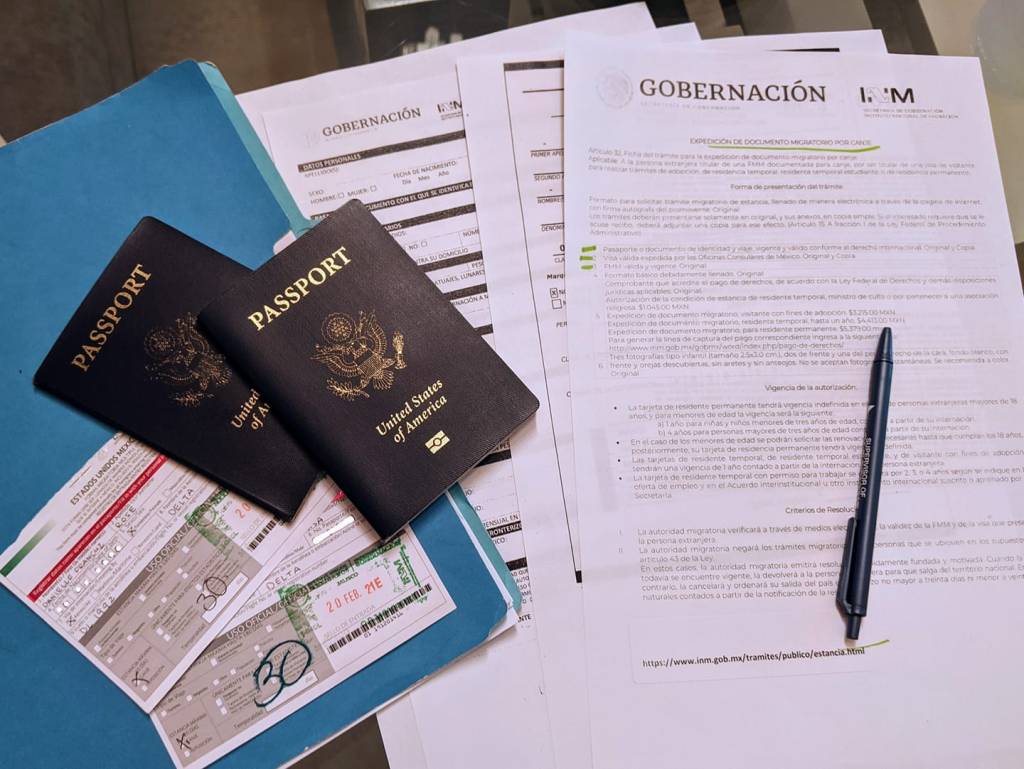
One of the most taxing parts of maintaining legal status as an expat has to be all the paperwork: visas, residencies, IDs, taxes, health cards, driver’s licenses, bank accounts, etc. The list is never-ending. After so many years and so many forms and appointments, I can very confidently say that bureaucracy is messy and incredibly frustrating everywhere. We now just assume every process will take a few attempts and several months (if not years) of our lives, which has really helped set expectations and allowed us to remain stoic and unfeeling while jumping through hoop after hoop after hoop. Government office waiting rooms are great places for mindful meditation, you know.
We’re accidental minimalists

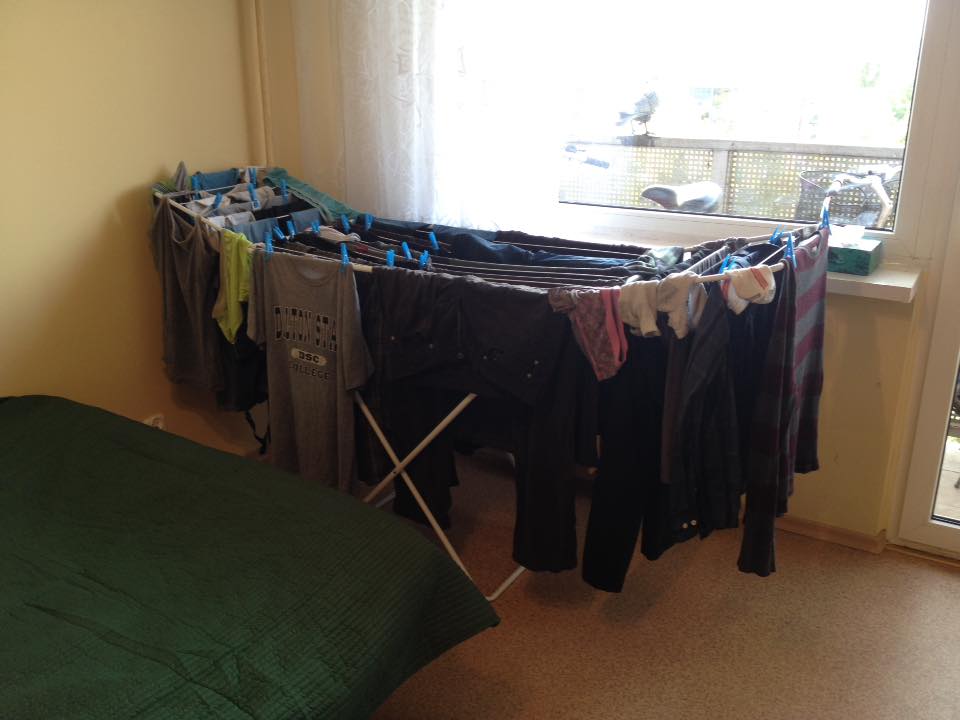
In addition to becoming masters at handling immigration processes, we’ve also become expert movers. We know exactly what we need and want in our homes, and over the years, we’ve shed all the fluff. And whenever we happen to collect additional fluff, we’re systematic and unsentimental in removing it before the next move. People are often surprised that we’ve moved countries so many times with nothing but suitcases. Quite a few suitcases, but still. It’s actually pretty easy to do when I remember all the things we took on our first move that we never used. Or when I remember all the things we’ve used in a particular place that wouldn’t make sense anywhere else. These days we tend to take a lot more art with us and a lot fewer dead appliances.
We’re expert home-makers
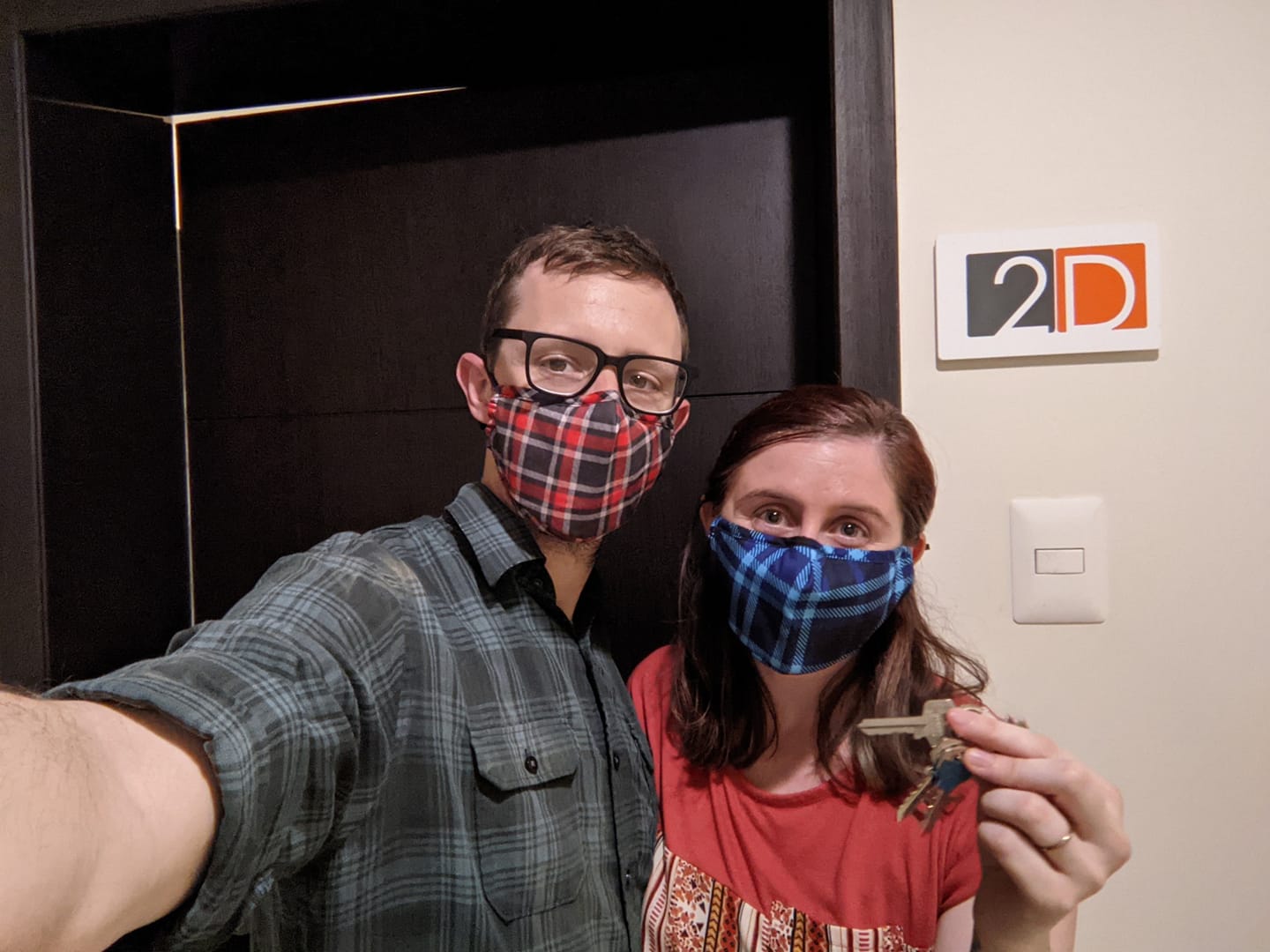
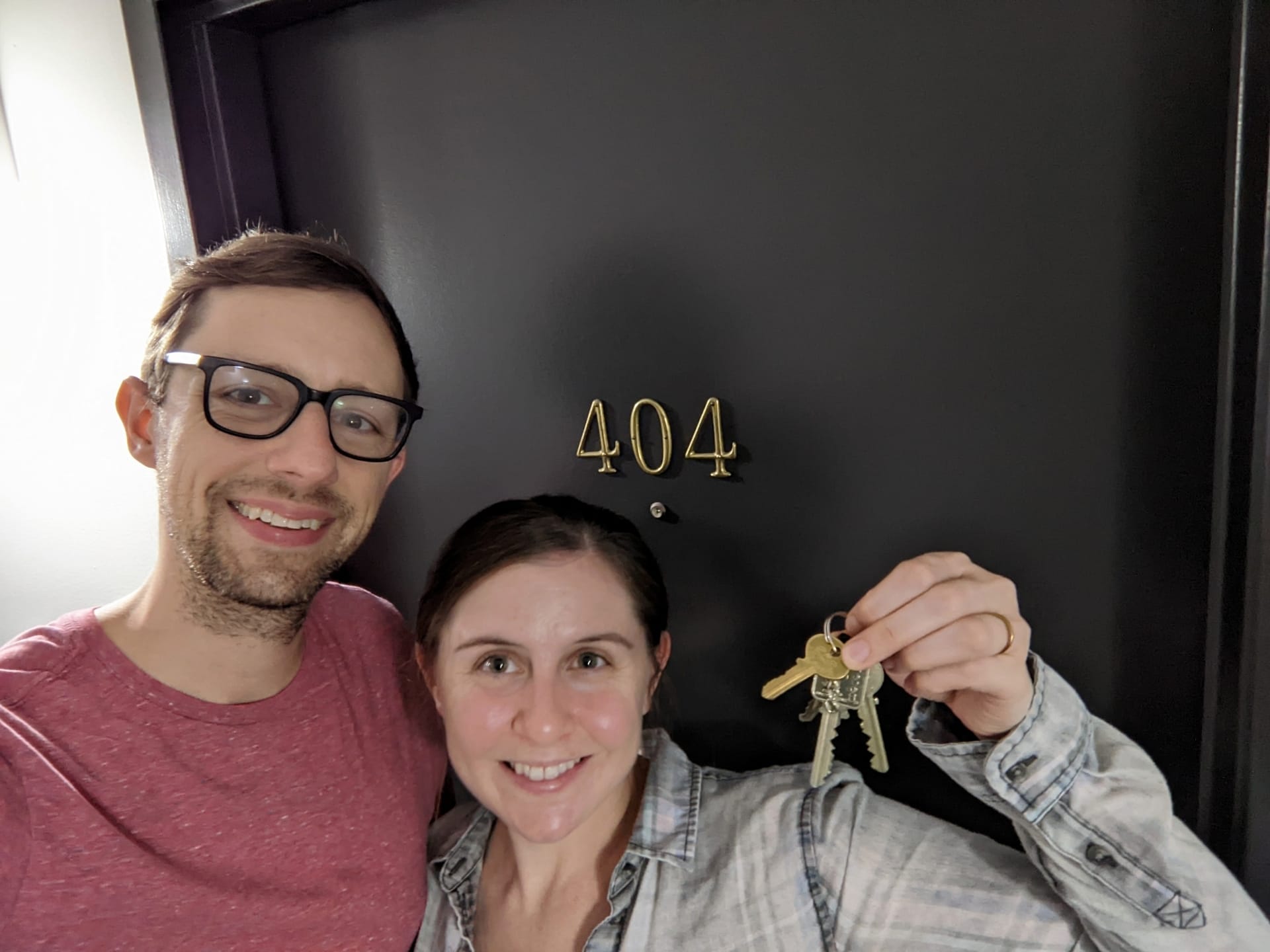
Speaking of homes though, we’ve had a lot of them over the years. From country to country or even apartment to apartment, every place we’ve lived has always felt like home. Early on in our expat experience, someone advised me to prioritize setting up our home because we’d be surprised at how quickly “later” becomes “never”. Well, we took that to heart and always make sure our apartment is set up before tackling other tasks. We also work really hard to make sure we feel at home in the community as well, which means joining groups, meeting neighbors, learning names and faces. It can be difficult being the new people in town, but we’ve found the quicker we reach out, the quicker we feel at home.


We’re nothing if not adaptable
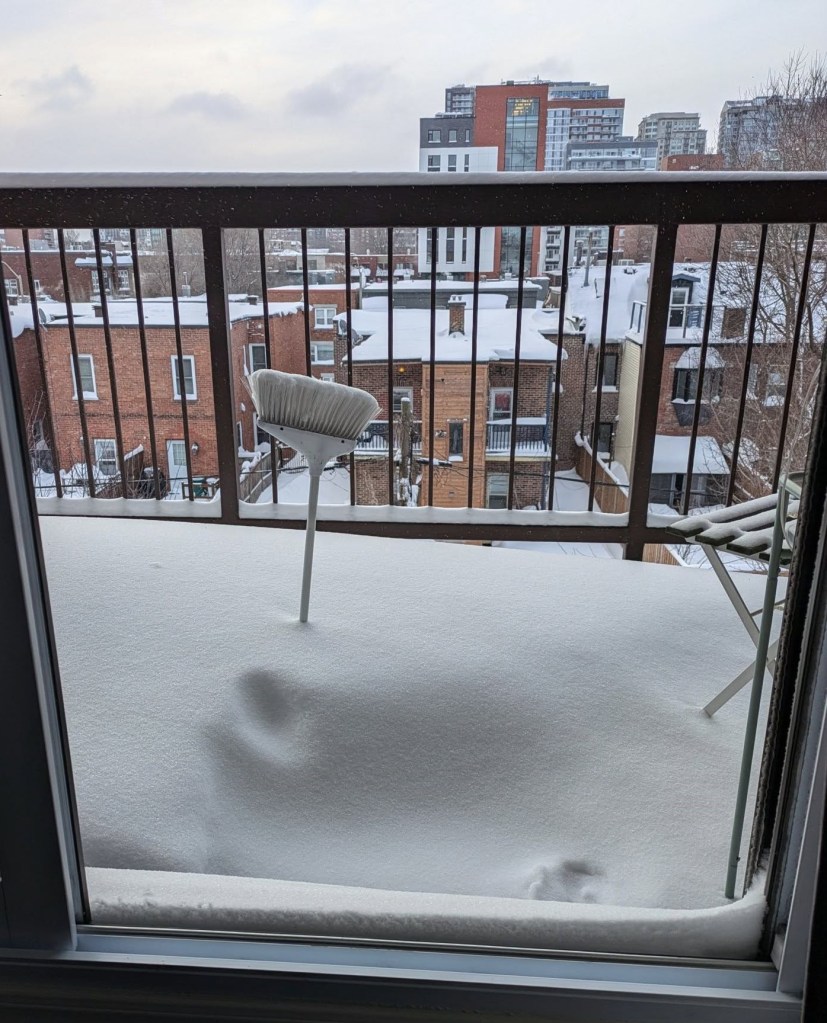
Another skill that makes itself known every time someone visits one of our far-flung homes is our adaptability. No dishwasher? No problem. Drinking hot water in summer? Sure, why not? Have to do everything over the phone? Got it. Everywhere we’ve called home has changed us in so many ways. Sometimes we forget what was normal for us before moving abroad because we’ve so strongly adapted to several different lifestyles now. This is how I know it doesn’t really matter where we live or what we do because the skill of adaptability is such a broad and encompassing one, that I know we’ll be just fine anywhere.
We’re always adopting new habits
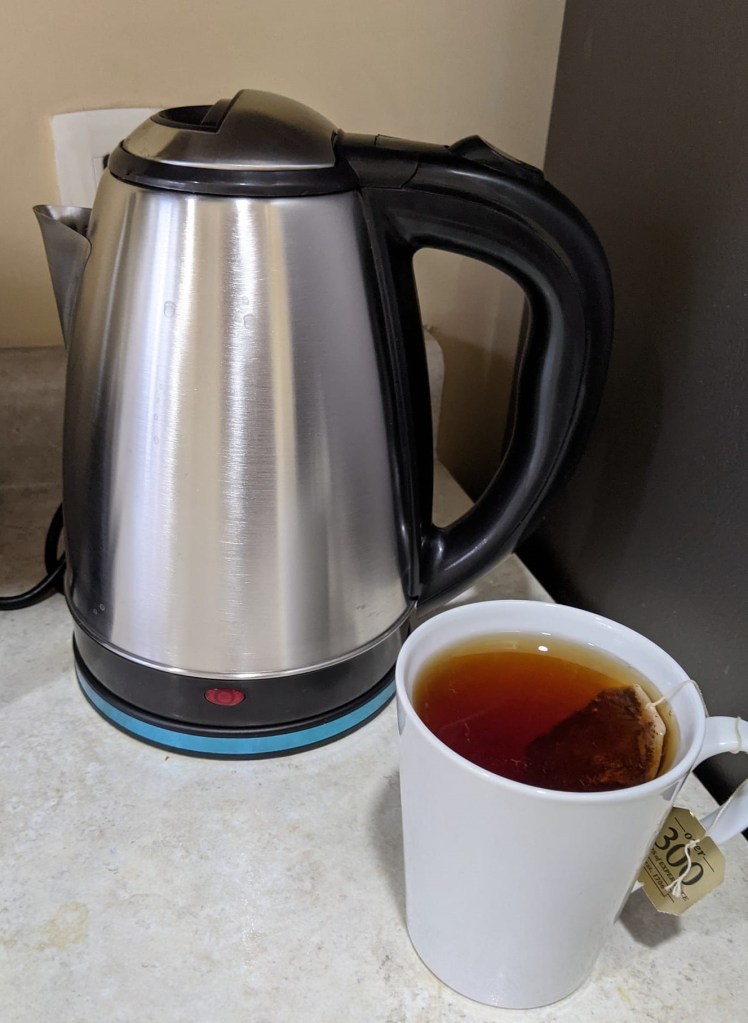
Likely due to all the adapting we’ve had to do over the years, we’ve also gained quite an assortment of international habits. For example, at some point, we became a strict no-shoes-inside household, and when I think back to all the shoes that walked across our carpeted US apartment floors, I shudder. I also can’t believe we lived 25 years without an electric kettle! You’ll have to pry that out of our cold, dead hands now. Similarly, after living in both tea and coffee cultures, we now find ourselves enjoying both regularly. We also find ourselves checking sunset/sunrise times, the weather, and the air quality index more than most, which are all habits we picked up in different places at different times. It’s interesting to note which things stay behind in the places we leave versus which ones we take with us as the ghosts of homes’ past.
We’re an interesting mix of cultures to say the least
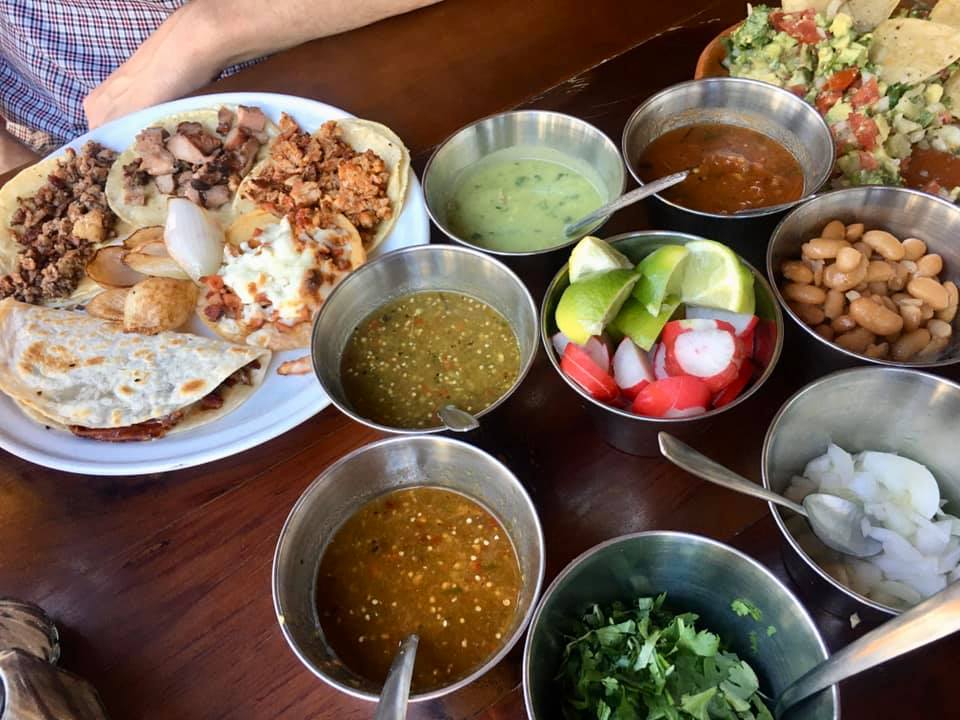
Similar to our eclectic mix of habits picked up from around the world, I would say that we ourselves have ended up a strange mix of all our homes. It’s rare that someone immediately places us as American. Even when hearing us speak, our accents don’t give much away, especially when speaking something other than English (you’re likely to hear a very strange combination of linguistic features depending on the day). We also have very strong inclinations toward European showerheads, the use of chopsticks, and what should and should not go on a taco. We self-identify as Polish-American-Canadian-Tapatío laowais, and we’ll happily talk your ear off about life in Poland, the US, Canada, Mexico, and/or China because each of those places is a part of us and always will be.


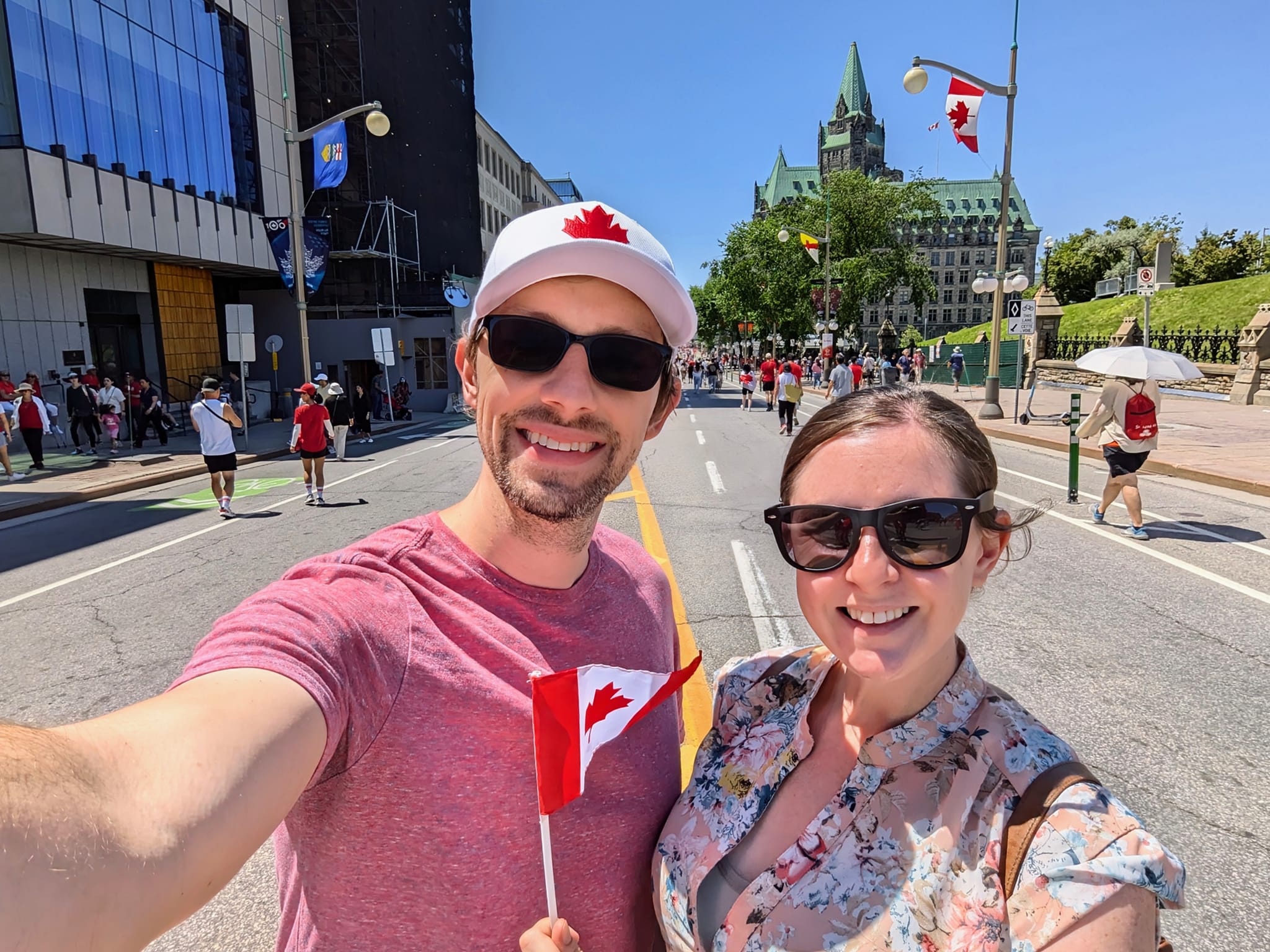
We’re excited to make every day an adventure
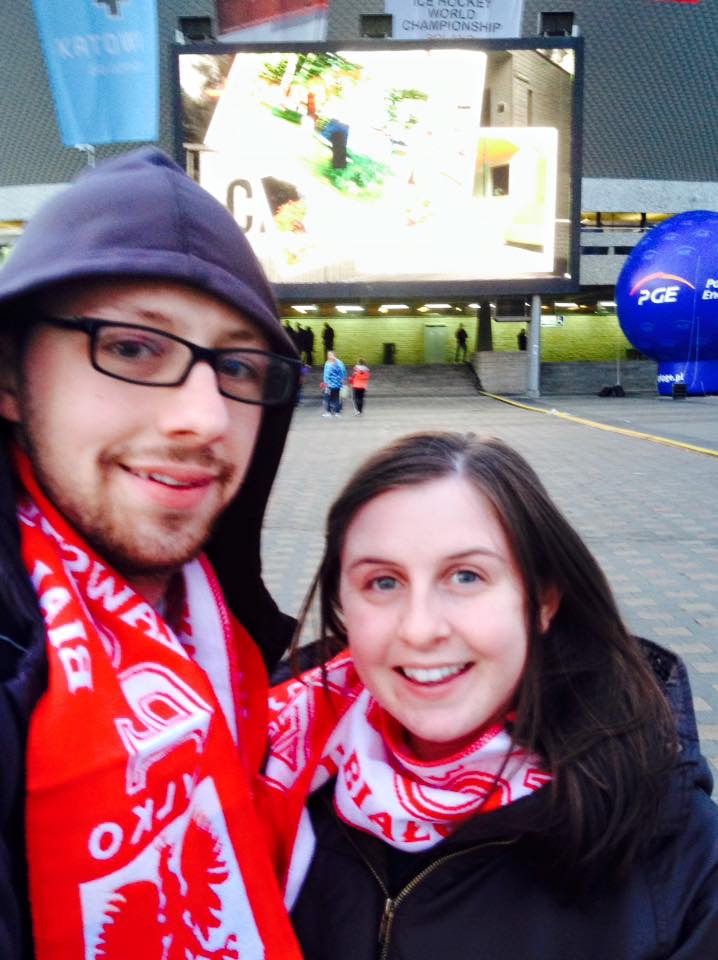
All these fun little quirks keep us tied to the places we used to call home, but one of the best parts of being a perpetual expat (no matter where we are) is the fact that every day becomes an adventure. The smallest tasks are new and exciting, and we never know what we’re going to learn. This is really why we keep doing it; why we haven’t “settled down” yet. We’ve learned to love the daily micro-adventures and mini-challenges that keep us on our toes and forever entertained. Every time we start over in a new place, we get to experience so many firsts again. We get to find a new set of favorites and develop new habits that only enhance our lives. An adventure a day certainly keeps the boredom away!

We’re constantly learning and reflecting
And last, but not least, all this moving and growing and changing allows us to continually learn and reflect. Before each move, we get to look back at our time in a given place and reflect on everything we did, all the changes we experienced, and what we could or should have done differently if given the chance. And then…we get another chance! I sometimes refer to Poland as our “first pancake” because with hindsight, it’s easy to see how we’ve continually gotten better at being expats. All these skills (and more) have been honed over the years, and we’ve learned how to make the most of our time in the places we call home. Of course, we also realize just how lucky we are, so to all our homes: thank you, dziękuję, xièxie, gracias, and merci for the best decade of our lives!




 This month I turned 30, which of course has me reflecting. Reflecting on the now three decades of life I’ve lived, and perhaps more importantly, on the three decades of lessons I’ve learned. I truly feel I learn something each and every day, and sometimes these lessons are what I consider to be “life lessons”, nuggets of advice that I try to take with me and live by, not just in the moments that test me, but throughout all the moments I’ve been given.
 Ask questions. One of the best ways I know to learn and grow is by asking questions. I used to be embarrassed to be the person who always had a question or two, but now I realize how valuable questions can truly be for our own understanding and for others’.
 There will always be someone _________ (insert comparative adjective here) than you. It’s no use chasing labels like “the best _______” or “the most _________” because somewhere out there someone will burst that bubble. We really shouldn’t compare ourselves because we’re just not the same.
 Find things that make you happy and do them often. So when you’re not working, find and do things that you like. Enjoy your hobby, spend time with people you love, take trips, do all the things!
 Stay positive. Especially right now, it can seem impossible to see the glass as half-full, but there’s always a silver lining and “happiness can be found even in the darkest of places” if you keep looking. Staying positive not only helps us get through tough times, but it allows us to move forward with hope for a better future.
 Some things don’t need to be said. Together with thinking before acting, we should definitely also think before speaking. I’ve had to edit a lot of papers in my day, so I’ve learned the art of reticence. I really love the proverb: “Before you speak, let your words pass through three gates. Is it true? Is it necessary? Is it kind?”
 People are more alike than different. Another truth that makes itself known to me every day is that we are all more alike than different. It’s fun to share and learn from our little differences, like customs, slang, preferences, etc. But ultimately, we’re all human, and we’re so much better off together.
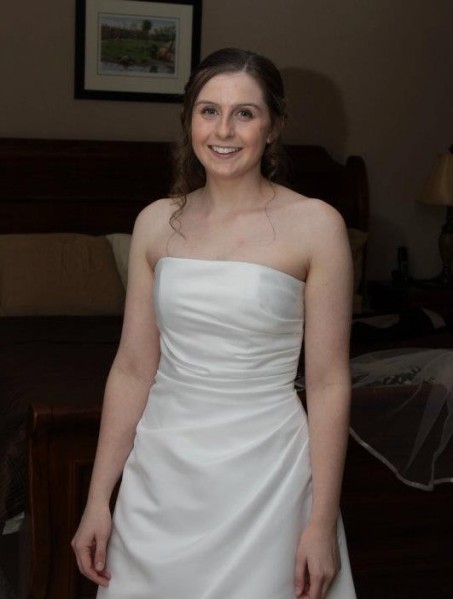 Awareness and open-mindedness are necessary for growth. We simply cannot hope to improve or progress without awareness and open-minded thinking. It can at times feel uncomfortable or strange, but the end results can be truly life-changing.
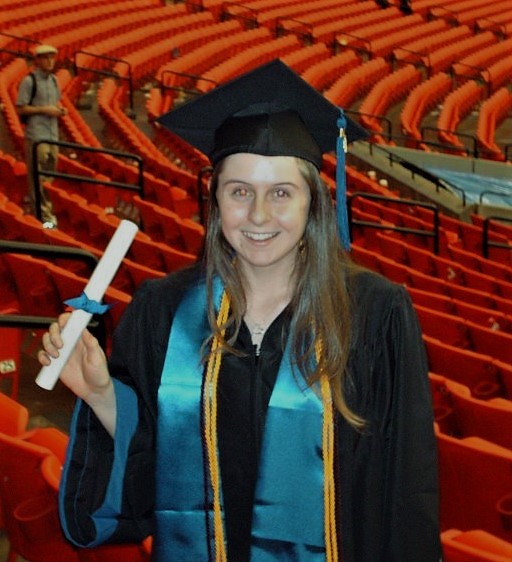 Be thankful and reflect on how/why. We all know we should be grateful for what we’ve been given in this life. It could always be worse, after all. Gratitude can really give us that big picture perspective and prompt so many other positive thoughts and actions in our lives.
 Not always having the answer is freeing. I have a motto: embrace ambiguity. It’s healthy to not have all the answers, and even healthier to recognize that we don’t.
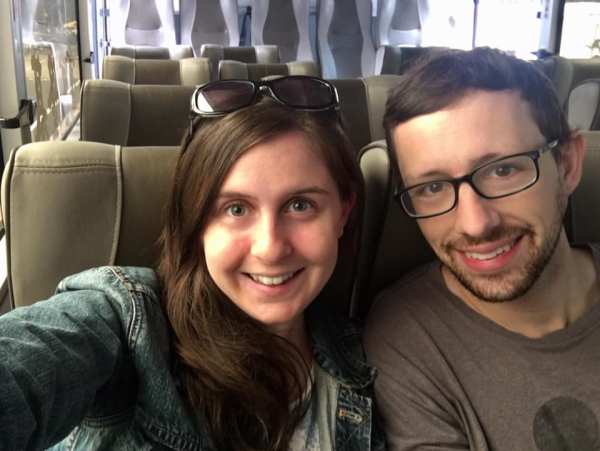
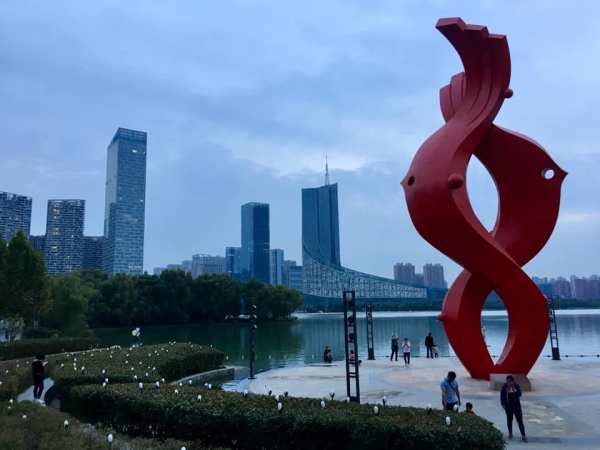












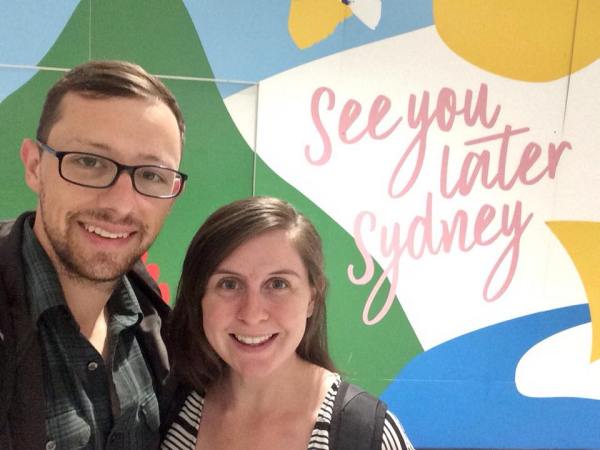 You might have noticed that Tucker and I like to go on trips. A lot of trips. :) And since we typically try to travel as cheaply as possible, we usually end up with long bus/train rides, fairly small accommodations (usually hostels), and ultimately a lot of walking. All of these factors (in addition to my scrawny arms and general aversion towards planning) have turned me into somewhat of an expert packer. For anything from 4 days to 40 days, I pack everything Tucker and I need in 2 regular-sized backpacks and 1 duffle bag, and it usually takes me about 20 minutes. I have whittled down my packing process and have come close to perfecting it (at least for our needs), and I’m happy to share what I’ve learned with other trip-takers!
 We also always bring a duffle bag as opposed to a rolling bag. The nice thing about a duffle is that it allows us to keep our hands free. One of us will sling it over our shoulder and happily traverse any sort of terrain (hundreds of stairs, cobble stones, dirt paths, etc.) all while holding a map, a phone, a water bottle, or anything else we might need. It’s also much easier to travel on a bus/train with a duffle than it is with a rolling bag. Our bag can be thrown in the overhead compartments, squashed under our feet, or stacked with other luggage in a separate area. We’ve also had zero issues with a duffle bag breaking (knock on wood!), and even if we did, they’re fairly easy to fix or replace. We have, however, broken wheels off of rolling bags, and that was not easily fixed. Instead it was dragged along behind us…rather loudly.


 Souvenirs: Finally I’ve heard several people mention that they have had to buy additional suitcases for the souvenirs they bought while traveling (this may or may not have happened to us on occasion as well!). Typically I try to focus on collecting photos (and the occasional, functional item) for myself, but we often want to bring back souvenirs for friends and family as well. When looking for things to bring back, we typically aim for flat, sturdy items (wall art, bookmarks, games, etc.). They pack the best, whether for short or long-term storage/travel. I also really like to send postcards in lieu of gifts. If you travel a lot or live abroad giving gifts becomes expensive and exceedingly difficult to do in a timely manner, so instead I like to show I’m thinking of someone by sending a postcard from wherever I happen to be. I absolutely love getting mail, and I think most people would agree!








 Dani Francuz Rose