
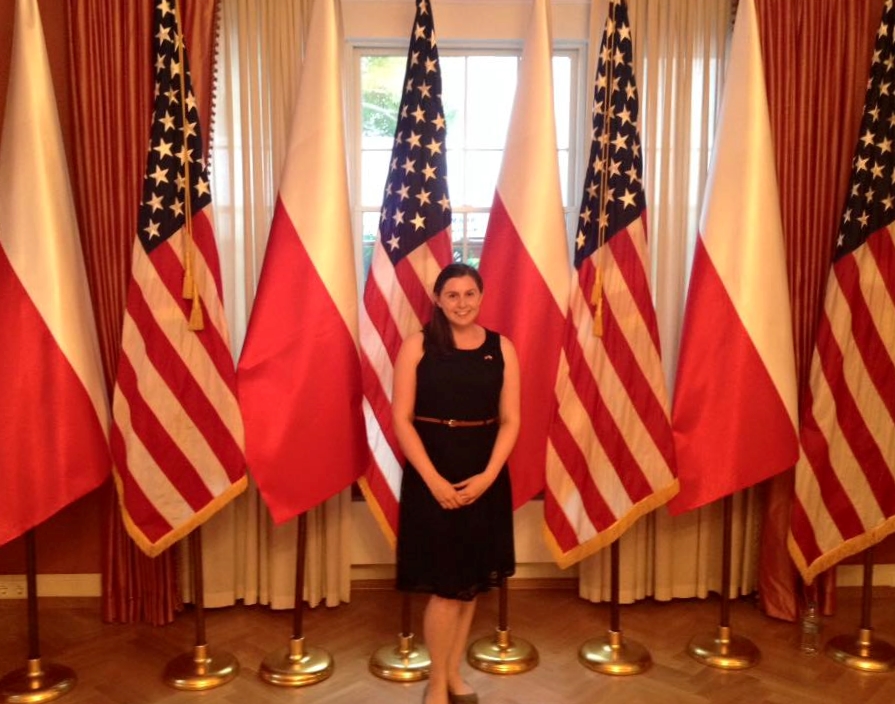
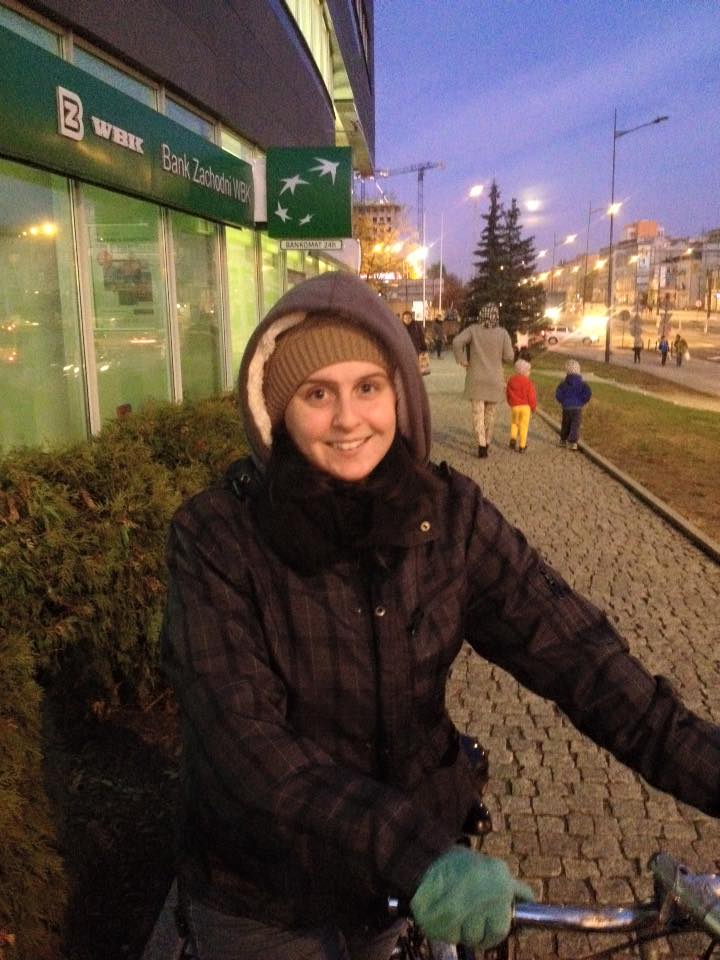
I’ve been living in Poland for two months now, and I still can’t believe how lucky I am! I will be forever grateful to Fulbright, to the University of Łódź, and to each and every person who helped make this dream a reality (which come to think of it, is quite a lot of people). To most of you reading this, it isn’t surprising that I’m loving every second of living abroad. Many of you have heard me ramble on about the places I’ve been and the places I’d like to go, or maybe we’ve traveled together and you’ve seen my excitement firsthand. Or maybe you’ve had classes with me, where I incessantly and passionately discuss every topic within the realm of language and culture. It’s fairly obvious that I’m in my element just being in a foreign country, but what exactly am I doing with my time spent over here? And why did I choose Poland as my second country of residence? These are just a few questions that I’m asked on a regular basis, so I thought I’d take some time to explain what led me here and what exactly I’ll be doing for the next year.
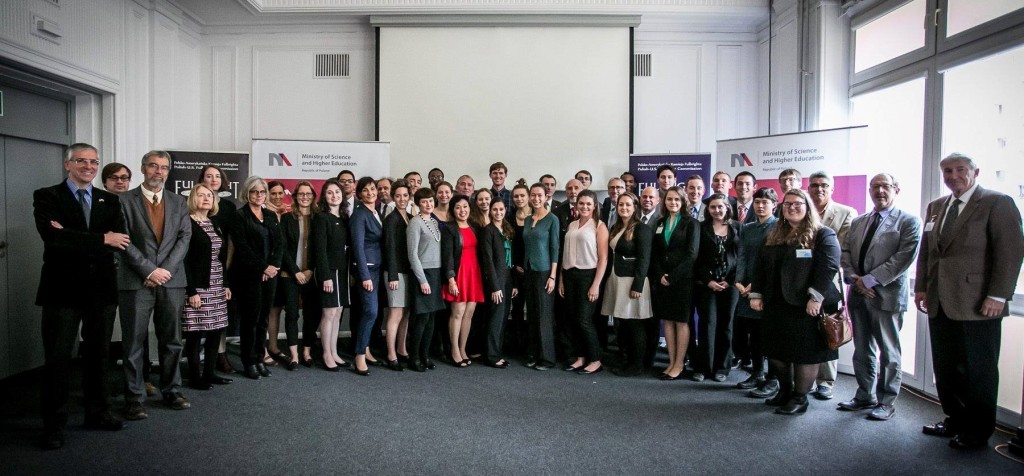
As many people already know, I am in Poland on a Fulbright grant. What many people might not know is that Fulbright is an amazing program that promotes international exchange by selecting students, teachers, scholars, professionals, researchers, and artists to share their talents and establish mutual understanding between their home and host countries. Fulbright Grantees include some of the most brilliant and ambitious individuals I have ever met, and I am extremely thankful to be a part of this prestigious family.
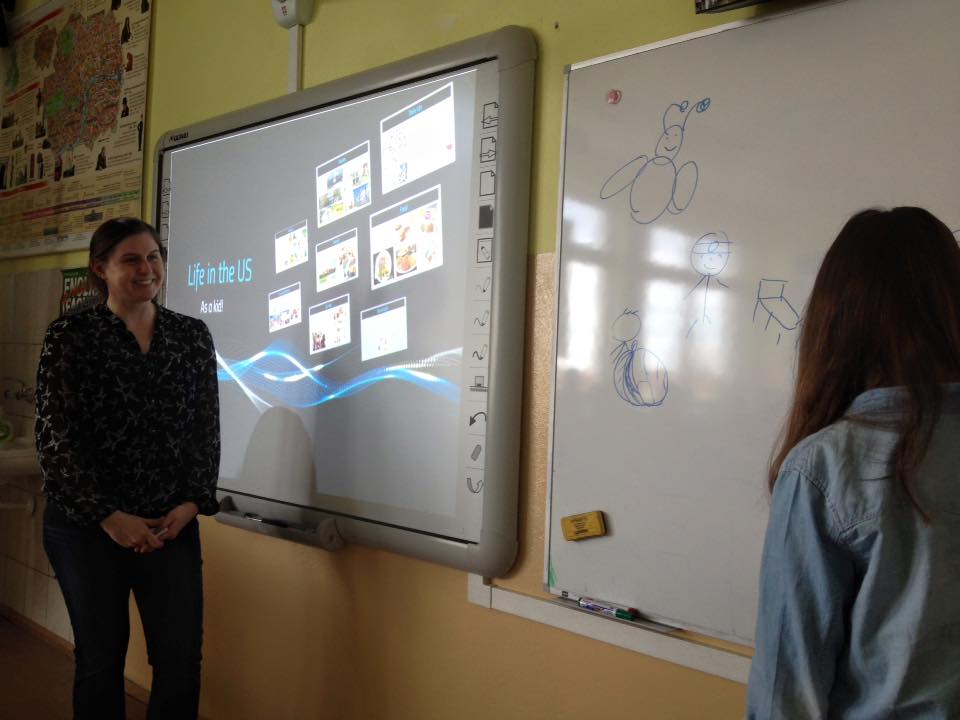
My role within Fulbright is that of an English teacher, thus most of my time is allocated to the teaching of Philology majors at the University of Łódź. I teach four classes in total: two sessions of Integrated Skills to BA students in their final year of study, and Academic Writing to first year MAs and last year BAs. My students fall into the Philology department, but are divided into different specializations including Linguistics, Methodology, Translation, and Literature. The majority are from Poland, but several are from other European countries and a few from as far away as Colombia. I love getting to know my students, and I am thankful for their positivity and support while I continue to navigate the challenges of teaching in a completely unfamiliar system.

While my paying job is at the university, I am also here as a representative of Fulbright and of the United States; therefore, I spend a good amount of time volunteering in the community. Most of my volunteering thus far has been within public education – I am a teacher after all! So far I have been able to visit two inner city primary schools in Łódź to talk about US holidays and customs, play games, sing songs, and just be a part of the kids’/teachers’ day. I have also been helping out in the American Corner in Łódź, which is a resource center created by a partnership between the university and the Public Affairs section of the US embassy. In the American Corner I help lead a conversation club each week, where we discuss a variety of topics and subsequently keep our English language skills sharp. I also give presentations on topics related to the United States and the English language, which have allowed me to share my culture and experiences while gleaning information about Poland’s perception of such subjects.
During this time in Poland, Fulbright also gives us time and resources to conduct research. At first, my mind was spinning with all the possibilities, but after many long, thoughtful hours on public transportation, I have decided to research grammatical gender in language and its effect on gender roles and societal perception. I would like to take both a quantitative and qualitative approach with this project: quantitatively measuring grammatical gender in a language and qualitatively assessing the effects through interviews and observations. Obviously I will begin with Polish, which is highly gendered and eventually move on to a moderately gendered language and finally a gender neutral language. I’m hoping to see a correlation between the amount of gender in a language and the fluidity of gender roles and perceptions.

Another goal of mine (partially research-driven) is to learn as much Polish as is possible. I absolutely love the language and am lucky to not only have Polish classes every week, but to also be fully immersed in the culture. It can’t get any better than this! I do have to admit, however, that while the Polish language is a linguist’s dream, it seems to be a learner’s nightmare. Seven grammatical cases, three genders, a multitude of consonant clusters, many conjugation exceptions, and the list goes on. To give you a taste of what I’m working with, here is a list of the 17 grammatical versions of the number “2”: dwa, dwie, dwoje, dwóch (or dwu), dwaj, dwiema, dwom (or dwóm), dwoma, dwojga, dwojgu, dwojgiem, dwójka, dwójki, dwójkę, dwójką, dwójce, i dwójko. Who wants to learn Polish with me?!
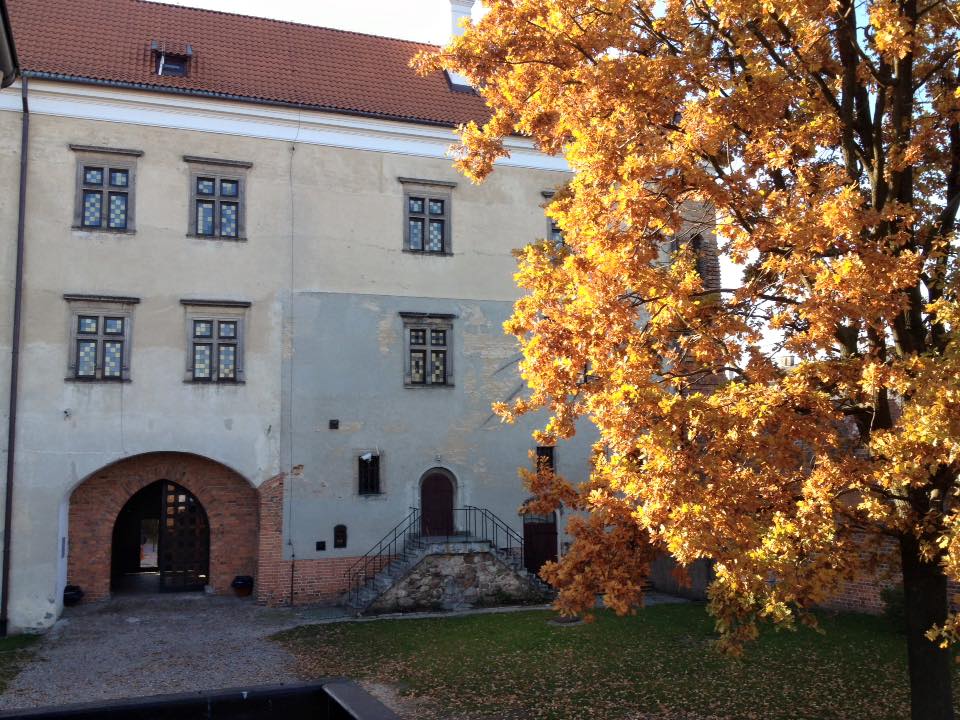
Last, but not least on my to-do list is travel. I’m living in Europe! How could I not take advantage of this amazing location? While I’m here, I am hoping to see as much of this continent as I can; however, I am starting with Poland. I chose to apply for a Fulbright grant in Poland for several reasons: my heritage, my love of Slavic languages, its location in the heart of Europe, etc. Everyday I’m here my connection to Poland is increasing; I want to get to know this country and these people as well as I can. To me, that means spending time as they spend time and getting to know the places they know. I am lucky enough to have gone through this process in the United States, and I feel like it gave me a great view of my country and the people who live there. Now I’d like to repeat the process in Poland. So far we’ve visited Warszawa, Łódź, Łęczyca, Kraków, Gdańsk, and Sopot, but there are many more cities on our list!
Well, that was probably more detail than anyone (except my family) would have wanted! If you’re still reading and have any questions, I’d love to answer them. It’s difficult to share absolutely everything I’m doing over here, but I’m happy to try. Fulbright is a program of international exchange. Half of my job is sharing my experiences with the people I meet in Poland, but the other half is sharing them with you!
Dziękuję za przeczytanie!


 Dani Francuz Rose