Initial Québec Observations

We’re almost halfway through April, and we’ve now officially been living in Québec for six weeks, which is crazy since it feels like the move was just last weekend, but that’s how the first few months always go. We get caught up in a daze of setting things up, collecting documents, making appointments, etc. But luckily, this isn’t our first rodeo! Not only are we completely on top of all our paperwork and logistical tasks, but we’ve also made good progress on our observations list. So how different is Québec from Ottawa? Well, here are the first few things that have caught our attention:

The French

Of course, the absolute first thing on the list has to be the use of French. While Ottawa is fairly bilingual, and we definitely got quite a bit of French exposure there, English was still absolutely the reigning language, sometimes even in Gatineau (which is technically in the province of Quebec). In Québec City, however, we’re not only expected to use French 100% of the time, we’re actually legally required to after six months of living here, which is honestly really great motivation!  

The Salutations

Living in multi-story apartment buildings means we tend to have a lot of neighbors, so we’re usually pretty quick to notice how (and how often) acquaintances interact, like in an elevator, the lobby, the parking garage, etc. In Ottawa, most people kept to themselves or smiled politely in passing, but here in Québec, it’s a steady stream of “bonne journées” and “bonne soirées” no matter how brief your interaction is. It reminds me so much of all the “buenos días” and “buenas tardes” we got in Mexico, and it immediately feels so welcoming!

We’re in a Port City
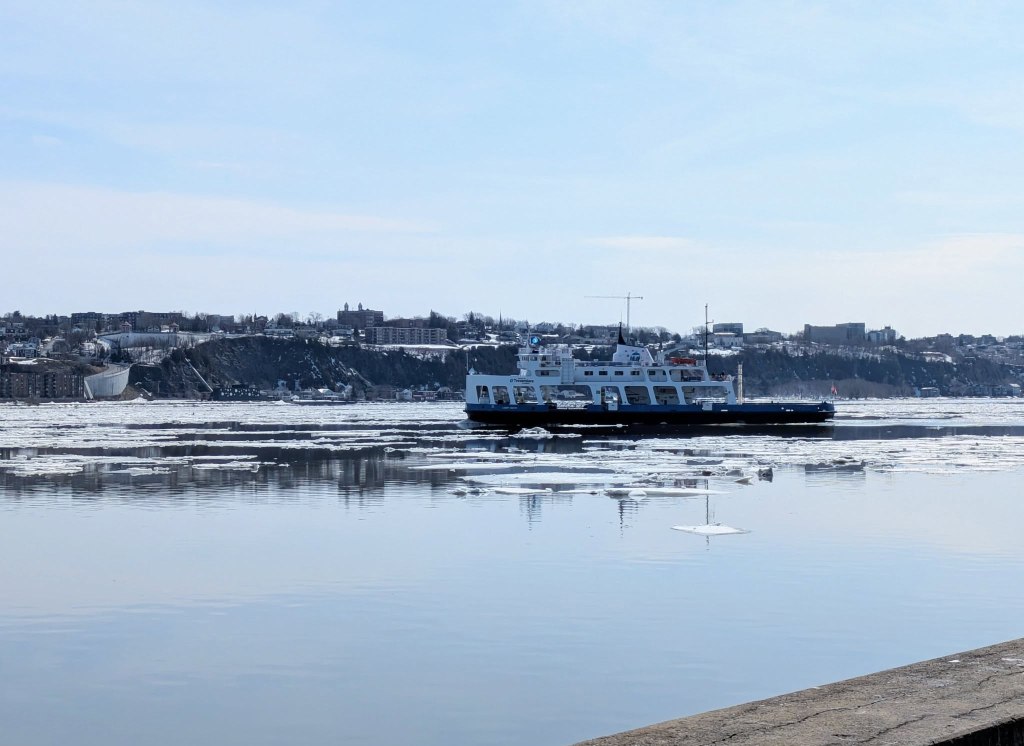
Ottawa is definitely a water city of sorts with two major rivers and a canal running through it, but Québec is even more water-forward. The Québec City icon is fittingly a ship, and with ferries being a common means of transport, international cruise ships docking nearby, and whale watching tours every weekend, we’re not just between rivers anymore, we’re practically seafaring. At least the seagulls make more sense here.

Bizarre Hours

I have no idea if this is a French thing or a Quebec thing or a Québec City thing, but we have noticed that stores, restaurants, and pretty much every kind of business here has bizarre hours. Monday 8:30-4, Tuesday 9-6, Wednesday, Thursday, Friday 10-2…I mean, what? Do they just like to keep us guessing or is there some hidden meaning behind these choices? We definitely need more time to investigate.

Definitely not easy to remember…

Laidback Vibes

This might have more to do with Ottawa being the nation’s capital and less to do with Québec, but we’ve definitely noticed things are a little less official here. Our car registration (ou immatriculation) is printed on regular printer paper rather than fancy cardstock, our lease paperwork was submitted while we were still missing a few things, and we’ve gotten several messages along the lines of “X will be sent to you at a later date”. Definitely feels like a slower pace here in general.

Flashing Green Lights

Another thing we immediately noticed (and subsequently had to google) are the flashing green lights or “advanced greens”. Very often in Québec, you’ll come to a stop light and the green light will be flashing, which we learned means it’s basically both a green light and a green arrow. Apparently, this is common in a lot of Canadian provinces (including Ontario), but we had never seen it or at least not regularly enough to really register a difference.

Pedestrian-friendly

Ottawa is pretty pedestrian-friendly as well, but in Québec (at least downtown) the crosswalks are set up to allow for regular double crossing. Instead of waiting for the lights to change and basically taking your turn to cross when the flow of traffic changes direction, cars will be stopped in all directions allowing people to cross diagonally if they want/need. This and the no-touch crossing sensors make this particular pedestrian so happy!

Vestiges from France

I didn’t know how else to label this one, but smoking is much more common here. And by smoking, I mean cigarettes. We went from smelling a lot of marijuana in Ottawa to smelling a lot of cigarettes in Québec, and I can’t help but feel the cultural influences in that.   

Drinking Culture

In a similar vein, Ontario seemed pretty strict when it came to alcohol sales/consumption. It was rare to see alcohol (even beer and wine) sold in stores, but in Quebec, that’s the norm. BYOB is also more frequent here, and it’s custom to bring wine to a park for a picnic.

Food Culture

We’ve also noticed a lot differences when it comes to food. The groceries here are overall cheaper, yet the selection of “fancy” food is definitely wider. There are like three types of caviar sold at the grocery store right next to our building, and if you wanted to try each type of cheese sold there, you’d need a few years. Restaurants here also seem to be a bit fancier – for example, there are fewer fast-casual options than in Ottawa, but way more multi-course menus.  
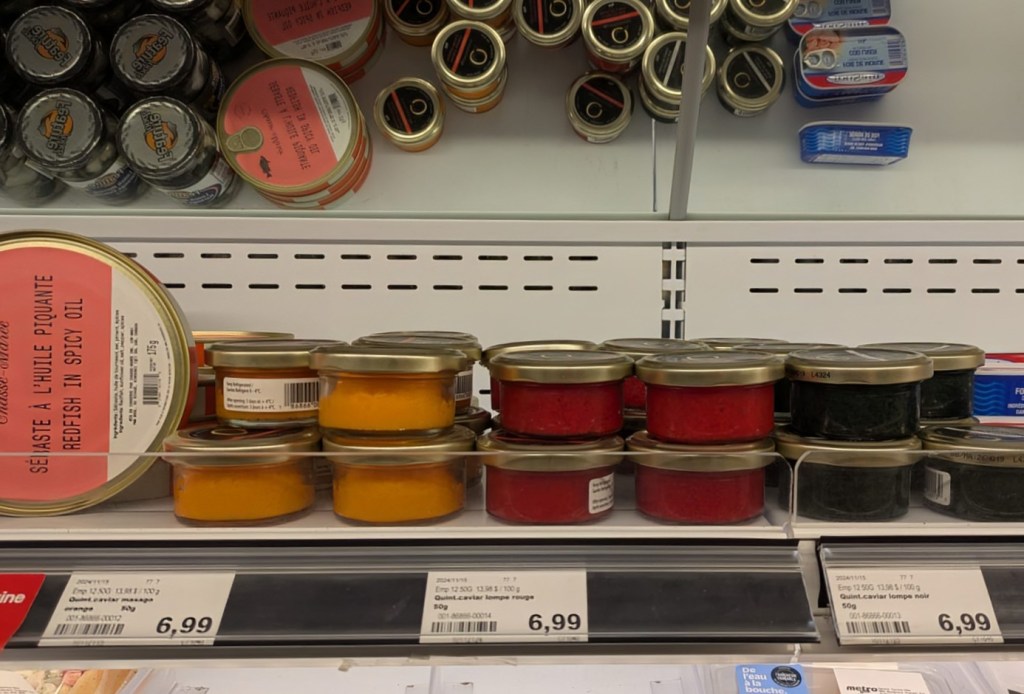
Still a hard “no” from me though.

Louder

We lived downtown in both cities, and we’re used to hearing a fair amount of shouting, singing, and laughing (especially on the weekends), but I think Québécois voices are literally just louder. Now we can hear the actual words being said, and even the volume of regular conversations here seems to be louder than what we grew accustomed to in Ottawa. Probably still not as loud as our country of origin, but a noticeable difference from the last two years nonetheless.

Colder, Windier, & More Humid

We had our suspicions about the weather being more extreme in Québec. I mean, we are further north and east, both of which usually get hit pretty hard, but we kind of thought we’d need a few months before we noticed if it was really much different. Turns out, we didn’t need long at all. The added humidity and constant wind means that the same temperature feels quite a bit colder. We keep seeing temperatures slightly above freezing, and then step outside only to realize that the real feel is significantly lower. Damp, windy cold is definitely tougher.

Snow-ready

Of course, both Ottawa and Québec are great at handling large amounts of snow, but it seems that they tackle the problem in different ways. Ottawa LOVES salt. The city and its inhabitants go hard on salting everything. Québec uses a mix of salt and sand, meaning that things are a bit slushier here. And maybe for that reason, it’s really common for buildings and houses here to put up tents in their driveways/entryways to keep the slush (and additional shoveling) at bay.

So that’s what we have on our list so far, but as usual, we plan to keep learning and sharing as we go. I’m sure by now it’s pretty apparent that these little differences are one of our favorite things about moving to a new place. Even one province over, there are just so many things to observe! How cool is that?
Fun Facts: Canada Edition

Less than 100 days in, and we’ve already had three guests come to see us in Ottawa, which means we’ve been learning (and sharing) A LOT about our new home. In fact, I’ve got so many fun facts swimming around in my head that I feel they deserve their own post! Who doesn’t love a little Canadian trivia, eh? So, without further ado, here are 20 interesting facts about our new home:

#1 Surely, we have to start with the name of the country, right? The word “Canada” actually comes from the Huron-Iroquois word “kanata”, meaning “village” or “settlement”. Its first usage was intended to specify one village in particular; however, early French explorers used it to describe not only the village, but also the surrounding area, which kept expanding, eventually giving name to the entire region.

#2 Interestingly, Ottawa (or Outaouais, as it’s called across the river) gets its name from a different indigenous language. “Ottawa” is derived from the Algonquin word “adawe”, which means “to trade”.  

#3 Of course, everyone associates Canada with English and French, but I was delighted to read that there are over 70 distinct indigenous languages spoken here as well. Who’s up for learning a little Inuktitut with me?

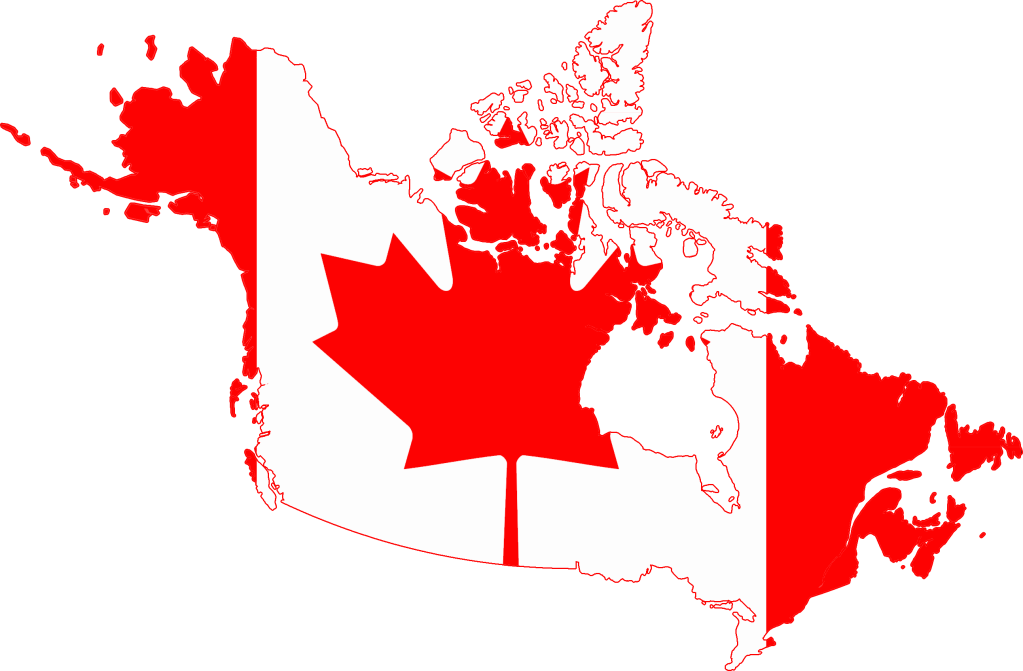
#4 No matter how you get to Canada (by boat, by car, or by plane), you’ll likely notice there’s a lot of water here. Canada actually has the most lakes of any country in the world, about 880,000 in all.

#5 The crazy number of lakes should really be of no surprise given the fact that Canada is the second largest country in the world. Only Russia is larger.

#6 Canada does beat out Russia (and every other country in the world) for longest coastline though. There really is water everywhere here!

#7 Speaking of Canada’s coast, Canada is surrounded by oceans: the Atlantic to the east, the Arctic to the north, and the Pacific to the west, which is why you frequently hear Canadian announcers say “from coast to coast to coast”, which I think is brilliant!

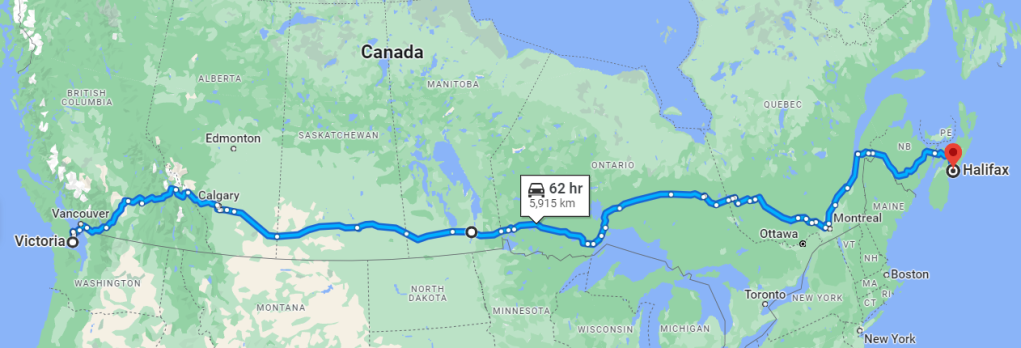
#8 Their roadways are also pretty impressive. There’s one highway, the fittingly named Trans-Canada Highway, that traverses some 7,800km (4,800 miles) from one end of the country to the other.

#9 For such a large country, there really aren’t a lot of people living in Canada. With a little under 40 million people, Canada is one of the least densely populated countries in the world with about 4 people per square kilometer (or 10 per square mile). For reference, the US has about 37 per km² (96 per mi²).

#10 But there are still quite a few famous Canadians among us! Celebrities like Keanu Reeves, Ryan Reynolds, Rachel McAdams, William Shatner, Pamela Anderson, Nelly Furtado, Michael J Fox, Jim Carrey, Ryan Gosling, Celine Dion, Drake, Elliot Page, and so many more all hail from the Great White North.

#11 Other notable Canadians include two of the most famous dog breeds in the world: the Labrador Retriever and the Newfoundland, coming somewhat obviously from Newfoundland and Labrador.

#12 Canada has ties to many animals, such as the moose, the polar bear, the orca, the Canada goose, etc. but none of those are the national animal. The national animal of Canada is the humble beaver, which I recently learned is actually classified as a rodent.

#13 Another symbol of Canada is the maple leaf, which has been associated with the region since the early 1800s. Surprisingly though, it only made it onto the flag in 1965, meaning the Toronto Maple Leafs logo is about 40 years older.

#14 Speaking of maple leaves, Canada produces about 80% of the world’s maple syrup.

#15 In addition to giving the world maple syrup (and poutine, of course), there is a huge number of other internationally famous Canadian inventions: basketball, lacrosse, insulin, peanut butter, IMAX, pagers, egg cartons, Hawaiian pizza, and the snowblower just to name a few.  

#16 Canola oil happens to be another Canadian specialty. Canola was first bred (in Canada) as a healthier alternative to rapeseed and has become one of the most ubiquitous cooking oils in the world. The name “Canola” is actually a portmanteau of “Can”, as in Canada, and “OLA” meaning “oil, low acid”. Half a century later, and Canada is still the world’s largest producer of Canola oil.

#17 The US and Canada have a lot of historical similarities, so it’s not surprising that we both celebrate Thanksgiving. The two holidays have similar origin stories and similar commercial influence, but are ultimately celebrated in different months. Canada celebrates their Thanksgiving on the second Monday of October.

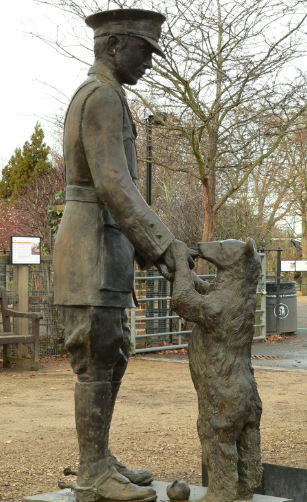
#18 Another somewhat random fact we recently learned about Canada is that the “Winnie” in Winnie the Pooh is actually short for Winnipeg (like the city). The stuffed bear was named after a real Canadian black bear that went by the name Winnipeg.

#19 Many of our fun facts stem from our observing differences between the US and Canada, and one of these interesting differences is the legal drinking age here. In three Canadian provinces (Alberta, Manitoba, and Quebec) it’s 18, and in the other provinces and territories it’s 19.

#20 And finally a few cold facts for you! Canada is without a doubt one of the coldest countries on the planet. In fact, a city in Yukon once recorded -63°C (-81°F), which is about the average temperature on Mars. Ottawa is often listed as one of the top 10 coldest capitals in world, with an average high of -5°C (23°F) for the month of January. Winter is coming for us…

Well, there you have it, my first Canadian facts round-up! I hope you found these tidbits as interesting as we did, and I hope you make it up to Canada soon to learn a few more in-person! Thanks for reading!

We Have Arrived!

We did it! We finally made it to Canada! We first applied for our residencies and came up to look for jobs/apartments way back in 2019, so to finally be here with any degree of longevity/stability feels so surreal! But how did we get here? What have we been doing these first few weeks? And what are we thinking for the future?

Getting to Canada:

Where do I even begin with our journey to Canada?! I feel like I’ve relayed bits and pieces of our incredibly long and complicated paperwork journey in several posts throughout the last five years, so this time I’ll stick to describing our physical trip up to the Great White North.

Yay!

For this particular move, we opted to split it into two rounds: one by air and one by car. I documented a few things about our initial fly-up on Facebook, but as a quick recap: back in early May, Tucker and I flew up to Ottawa with several suitcases in order to 1) get our apartment keys and 2) clean/set up a few things before the big drive up/move in. In theory, it was supposed to be a somewhat relaxed way of getting our feet wet in Canada, giving us more time to focus on apartment things, and also freeing up a little more space in the car for what was going to be a very long drive. Turns out, we didn’t get near enough done in that short amount of time, little issues kept turning into bigger issues, and in the end, the car was fuller this time than when we originally drove down to Mexico. Lots of lessons learned though, so at least there’s that.

Spent WAY too much time here though…

The actual driving part of round two went beautifully! Guadalajara to Laredo, Laredo to Little Rock, Little Rock to Tucker’s Dad’s place in Kentucky, Tucker’s Dad’s place to Watertown, and Watertown to Ottawa. 48 hours in total, but pretty smooth, all things considered. The issues we encountered actually occurred at either end of the trip, with the first problem cropping up a few days before we even left GDL. We already knew that we were going to have to export and import our car when we crossed into Canada, and we had everything we needed to complete that process. However, at some point, we read that the export office is only open Monday through Friday 9 to 4, and we were planning on arriving around 6pm on a Saturday. Oops. And that’s why our drive ended up taking a few extra days, and we got an unexpected stop in Watertown, NY. Fun times!

The next problem (that we absolutely should have foreseen, but totally didn’t) was the fact that all of our stuff no longer fit in the car. We were so optimistic in thinking that by bringing 4 suitcases up to Canada pre-drive, we would free up plenty of space in the car…but no, over the years, we have acquired quite a few additional household things like a Roomba, an Instant pot, a laundry basket, small trash cans, a paper towel holder, a cooler, and other items that we’d never think of buying and/or keeping had we been flying to our new home. Alas, we fell into the trap of thinking, “oh, we’ll just toss that in the car at the end”. Well, I did my best Tetris-ing work, trying to fit everything into what I now realize is quite a small car, but in the end, there were still a few things we could have used in Canada that my friends are now enjoying in Mexico! More lessons learned…

Yikes!

Setting up shop:

So, aside from having a pile of immigration tasks to accomplish upon rolling up to our new home, we also had quite a few things we needed to buy for the apartment. But before we could get to all that fun, we first had to shelter in place. The week we were making our way to Ottawa, which lies on the border of Quebec and Ontario, an unusual number of forest fires broke out in both of these provinces. Extreme fires, it turns out, the smoke of which blew its way down to us and then into several NE states as well. This was an unexpected wrench in our first few days, but not too detrimental to our plans because I actually had a lot of work to catch up on, and staying home wasn’t a tough ask after a week on the road. Not to mention, we were categorically prepared with a plethora of masks and DIY air purifier skills!

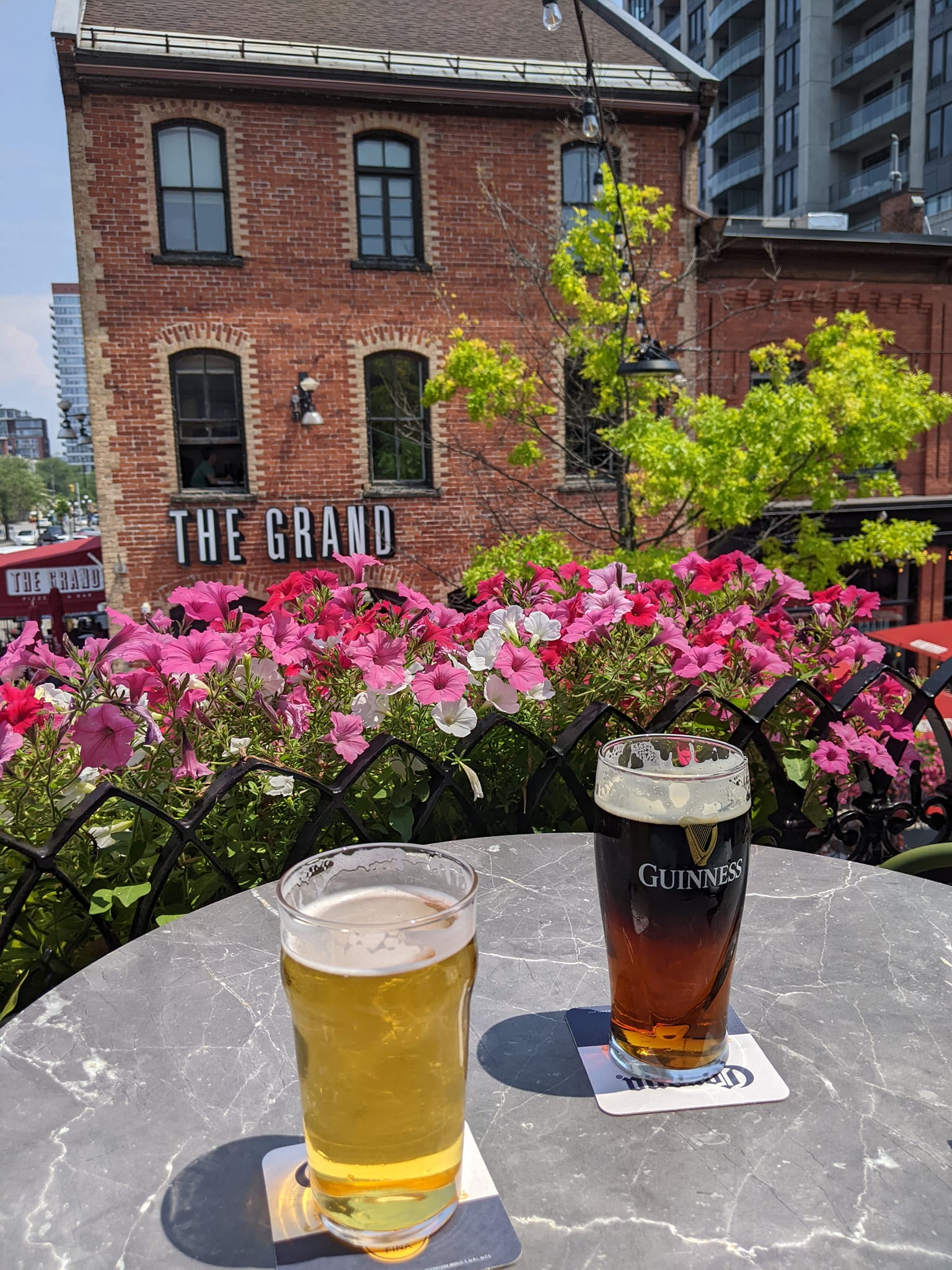
After the smoke had cleared, we were able to successfully apply for and request all the documents we’ll be needing (and/or make appointments for them). In the next few weeks, we should be receiving our PR cards, ON driver’s licenses, Social Insurance Numbers, vehicle registration, and OHIP cards. Fingers crossed! We were also able to get the vast majority of our apartment set up (unfortunately, still waiting on a few things to make their way to us, but photos to come soon, I promise!). In the midst of all this running around, we also hosted our very first guest (who thankfully brought her own bed in the form of an air mattress), which means we’re now prepared for any/all future guests! Of course, we’ve also begun to dip our toes into what our new neighborhood has to offer by sampling a few of the many, many restaurants and pubs that surround us.

We <3 Lowertown!

Looking ahead:

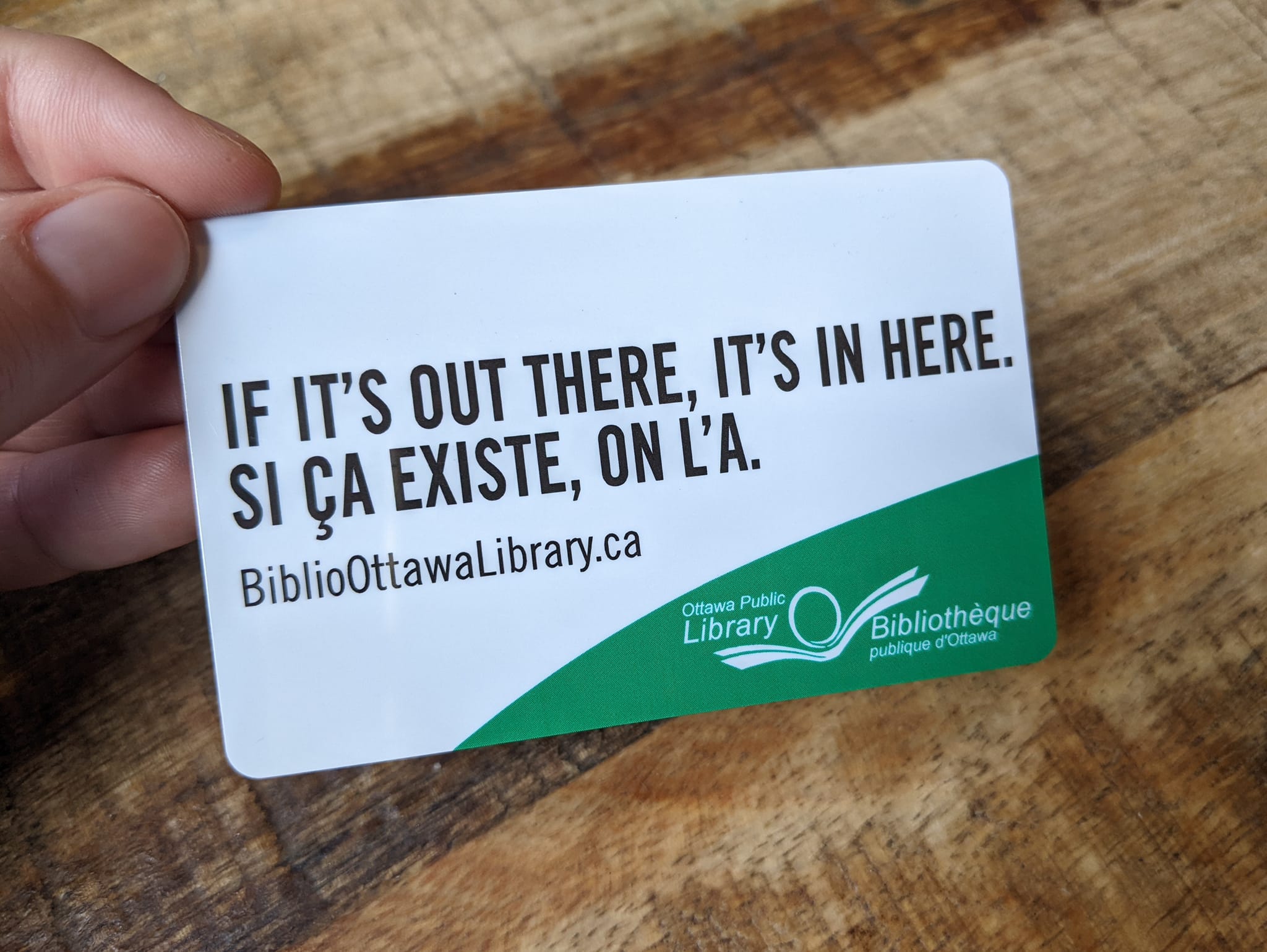
So, what’s next? Well, the usual, I suppose: trying all the delicious restaurants, walking the entirety of our neighborhood, getting familiar with our new grocery stores, and everything else that comes with finding our place in a new city. I’m super excited to report that we’ve already got library cards, a reservation for weekly trivia, and a growing list of observations to share about the differences we’re already experiencing between the US vs. Canada and Quebec vs. Ontario. As always, there’s so much to learn and explore, and for now, that’s exactly what we plan to do. At some point, we might even break out into something other than the five-block radius between us and the supermarket. Look out, Ottawa, we’re coming!

You might also be wondering just how long we have to explore here (aka how long we plan to stay this time). Good question, but I really never know. Our Canadian residency doesn’t have to be renewed until 2027, and if we stay in Canada for a total of 3 years, we can actually apply for citizenship and never worry about immigration paperwork here again, but honestly, we have no idea if we’ll stay that long. We do know that our current lease here in Ottawa is good until June 2024, so we’ll definitely be in this exact location for at least a year (and, honestly, after all this apartment set-up, we’re already leaning towards two lol). Ottawa is such a beautiful city with so many activities for us to enjoy; plus, Montreal is only an hour away, so I think we’ll definitely need at least two years to do the National Capital Region justice!

As for the more distant future, who knows? Two years in Ottawa could be followed by two in Quebec City (if we do end up loving the winters) or maybe we’ll head back to Guadalajara to thaw out? Or maybe onto Argentina, the Mediterranean, back to Poland or Asia, literally all of these options and more have been discussed, so place your bets! Either which way though, our time in Canada is likely going to fly by, so be sure to come up and visit us while you have the chance! We can definitely host you in Ottawa, or we can meet up somewhere else in this vast and beautiful country. I’m once again aiming to see as many provinces as we can, so you can bet there are already trips planned from coast to coast to coast! Hello, bonjour, Canada! We have arrived!

One Year in Mexico – What Have We Learned?

What a year! And what a question! As usual, the time is flying by, and the number of stories, facts, and lessons we’ve accumulated are innumerable. However, I thought it might be fun to share a few of the things that have stuck out this past year as we’ve continued adapting to our new home in Guadalajara, Mexico.

The Lifestyle

One of the first things that is easily recognizable as soon as someone enters Mexico is its vibe. Totally unique and bursting with energy, Mexico (and Guadalajara in particular) had an immediate effect on our mentality. Moving from China back to the US with Canada on the horizon during a global pandemic definitely had us in a more serious mindset. Luckily, only a few days in Mexico had us feeling considerably more relaxed.

More than relaxed actually – tranquilo is the word. The week we arrived in Mexico, I remember walking through a park and watching a man literally stop to smells the flowers. My American go-go-go brain couldn’t compute at first. But that was really all it was. He stopped, smelled the flowers, and went back to his walk. It was the first of many muy tranquilo instances we’ve encountered this year. You can’t help but slow down and ease up, even in a major city like Guadalajara. I have to imagine this year has been significantly better for my blood pressure!  

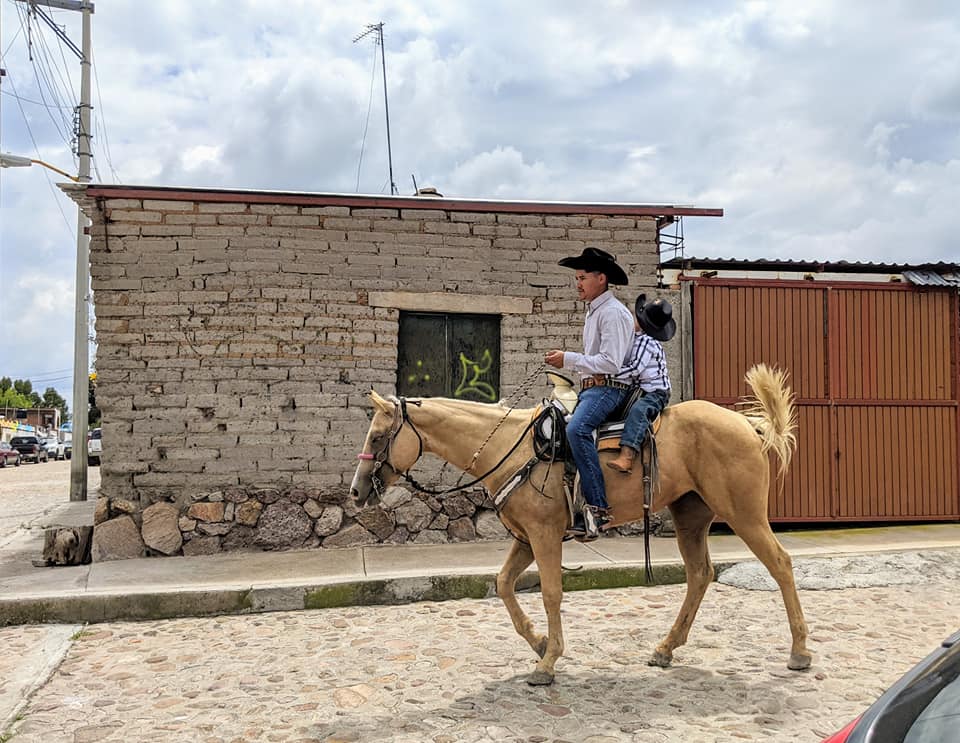
In addition to feeling more relaxed, we’ve also been re-learning the concept of divertido (fun). One image that will forever be ingrained in my head is that of a man we saw in Ajijic riding a horse down the middle of a road while simultaneously browsing his phone and downing a cerveza. He was definitely having fun. But it’s not just the so-called magic towns that have fun. We live a block away from the party street of GDL, and we hear ALL the fun. I know for some that sounds like a nightmare (light sleepers beware), but for us, it feels like we’re having a party every weekend. Even if we’re just in our PJs watching TV at a comfortable distance.  

Another aspect of our new lives in Mexico has to be living in the moment (o espontáneamente). Sometimes it seems like either something is done right then or else it’ll be “ahorita” (which basically means never). A good example of this would be the “afiladores” or “knife sharpeners”. Every week from our apartment we can hear a whistle and a shout from the afiladores who walk the neighborhood announcing their presence so residents in need can grab their knives and run down for an impromptu sharpening. So far, I’ve yet to attempt this, but maybe ahortia…       

The Lessons 

Of course, adapting to the lifestyle doesn’t happen overnight. We’re basically still fumbling our way through life’s daily routines, making error after error as we go, but for me that’s where all the fun is. The laughs we get from the mistakes we make along with the little annoyances or oddities that give us a window into our own cultural confines definitely make all the ambiguity and confusion worth it.

¿Cajeta o galleta?

Most likely our biggest area of failure revolves around language (as it has in every one of our previous homes abroad). One that is still making us laugh actually occurred in the privacy of our own vehicle on the long drive down. The GPS kept saying we were headed toward Oeste, but neither of us had heard of that city or ever saw it on the map. Turns out “oeste” just means west in Spanish. How had we never learned the cardinal directions? Other language faux pas include my use of the word “cansada” rather than “casada” (“tired” instead of “married”) when asked my civil status, and Tucker’s continual struggle with the pronunciation of “galleta” versus “cajeta” (“cookie” or “caramel”) – for the record, I prefer cajeta.  

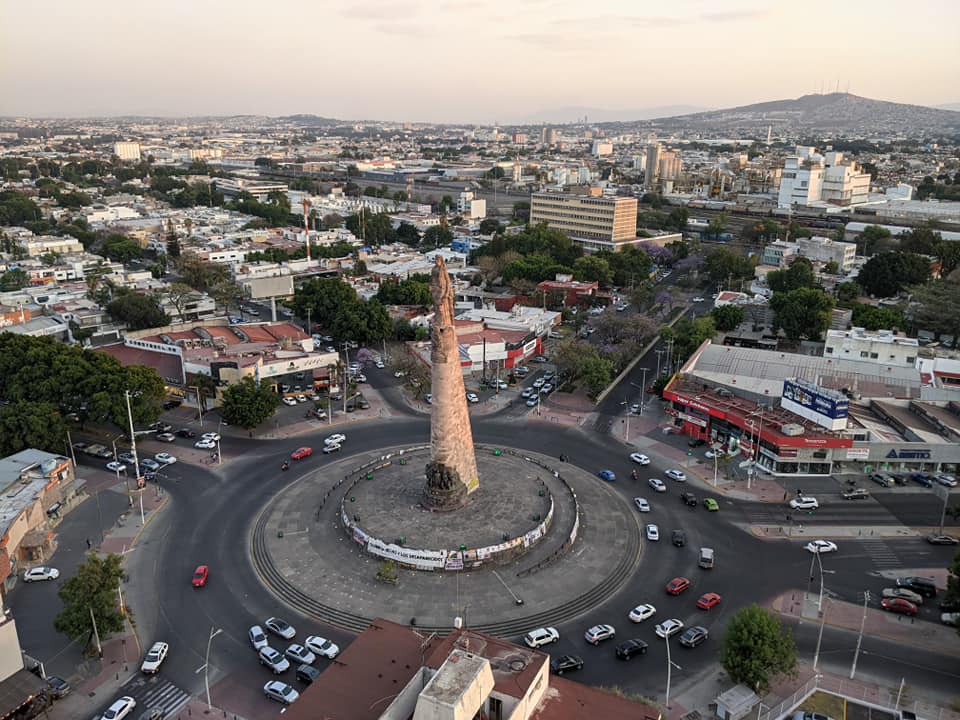
Another big lesson (mostly for Tucker) this year has been within the realm of driving. Driving in a foreign country is always challenging, but when you add increased frequency, the lessons just keep on coming. For example, we’ve just about reached our lifetime quota of driving through three-lane roundabouts. Still not always sure the best practices there, though. We’ve also realized that “yielding to flow” is not as easy as it sounds. But my personal favorite has been listening to forgotten 80s hits everywhere we go. The radio stations here absolutely love to play Rasputin, Take On Me, and the like.   

Glorieta de los Niños Héroes – pure chaos
Adiós Tony

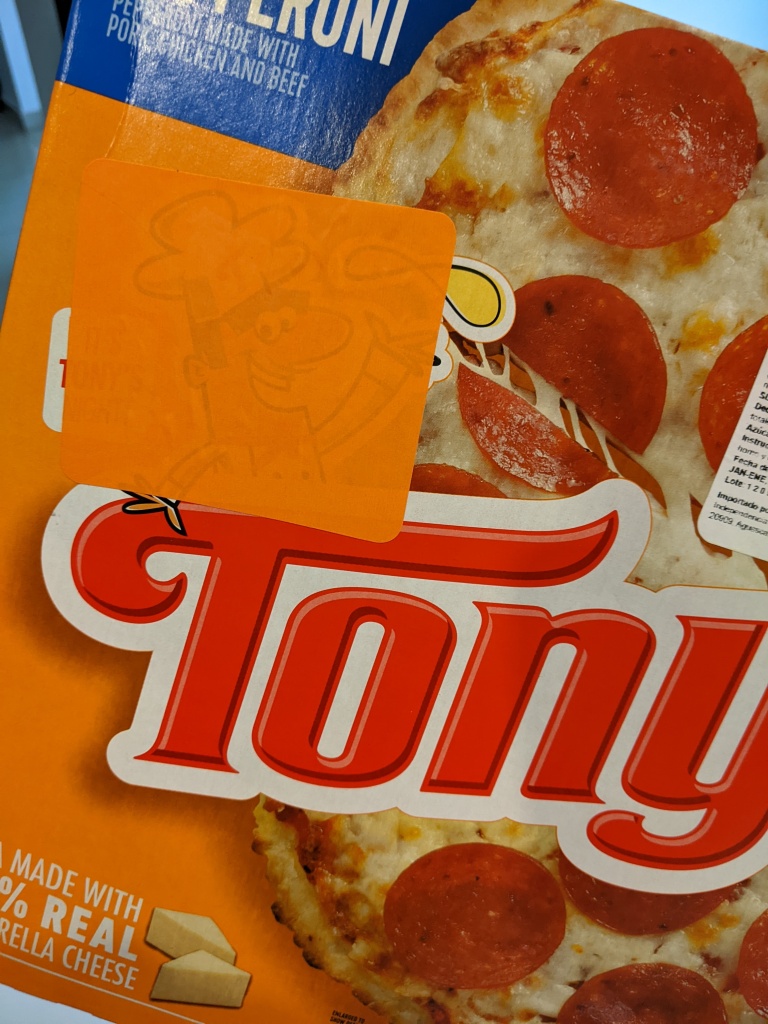
Shopping in Mexico has also taught us a few lessons over the past year. We had previously learned that we might be expected to sticker our own produce before checking out (thanks Poland and China), but in Mexico, they thankfully do that at the registers. However, here it’s the bakery and cosmetics sections that are separate in most grocery stores, requiring separate check-outs/payments. We definitely lost a carrot cake in this learning process. Another fun grocery store occurrence is the covering up of any cartoon mascots on food products. There’s a law in Mexico that banned characters like Chester Cheeto and Tony the Tiger in an effort to combat childhood obesity and skewed marketing tactics. When we buy products imported from the US, there’s very often a huge sticker covering up some well-known faces.

Other Surprising Tidbits

In all honesty, every time I write a post like this, it’s hard to choose what to put in and what to save for in-person stories. I usually try to group our experiences in some way, but there are so many things we come across that are really in a world of their own. Things like…

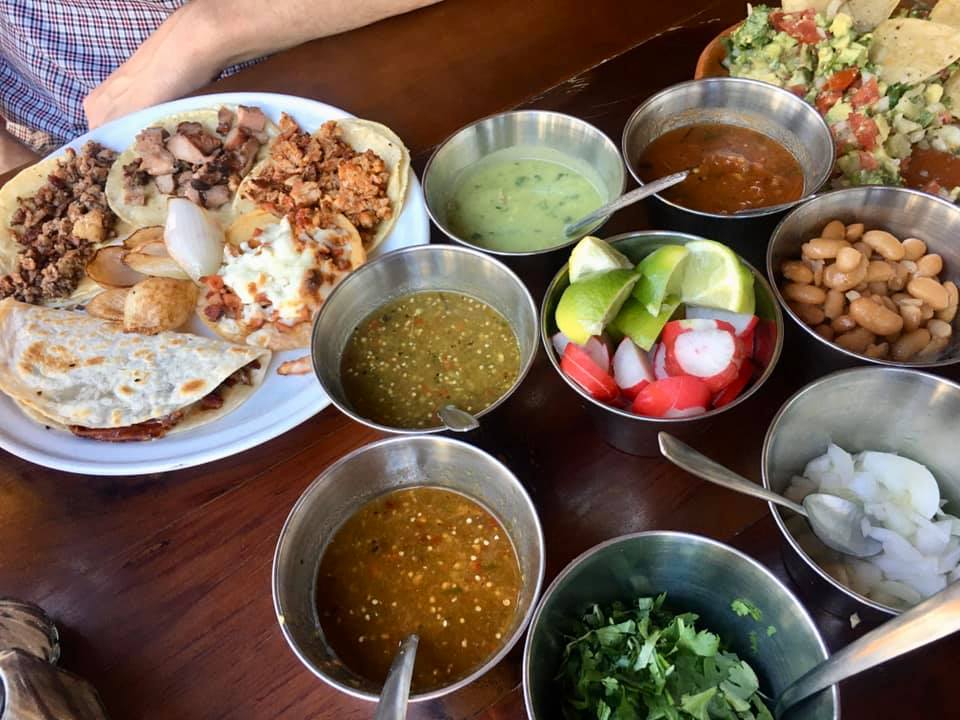
Taco facts. Tacos are a way of life in Mexico, and we’ve learned a lot about how to rate, make, and eat a taco. First of all, two corn tortillas are a must for any self-respecting taco. We’ve heard rumors that in El Norte you can get flour tortillas, but I don’t know, it seems sort of sacrilegious now. Sadly, I also found out that putting crema on your tacos is totally fresa (uppity or snobbish). In fact, the purist tacos should have only 5 things: tortillas, meat, onion, cilantro, and lime. Of course, the final addition to any taco is a good salsa, but I could (and might seriously) write an entire post about salsa in Mexico. 

Another discovery in our early Mexico days was the constant morning cowbells. It reminded us of the “bring out your dead” scene of Monty Python, but in reality, it’s the call of the garbage collectors. There aren’t traditional bins in downtown GDL (and good thing too because the sidewalks are well-trafficked and the sun is warm), so instead of a weekly collection day, each morning the bells are rung, and if you have a full bin, you set your bag outside for collecting as they pass by.

Last but not least, I thought I’d end on a cultural tidbit that I’m not sure if I find cute or creepy. When children lose their teeth in the US, the Tooth Fairy visits their room while they sleep, taking the tooth and leaving some money (also somewhat of a mix between cute and creepy to be honest…). And kids here in Mexico experience a similar swap; however, it’s not a fairy that makes the trade. It’s the Ratón de los Dientes (or the Tooth Mouse). Makes me wonder if Mickey’s got a collection of teeth somewhere in the Kingdom.

Anyway, that’s what we’ve been up to during our first year in Mexico. Picking it all up as we go along and having a ton of fun in the process. We’re currently busy renewing our residencies for an additional 3 years, so I think the learning has only begun! ¡Deseanos suerte!

Hogar dulce hogar <3

¡Guadalajara, Guadalajara!

Somehow, we’ve officially been residents of Mexico for 6 months already, and it’s absolutely crazy how fast the time went by! Of course, as we’re still in “pandemic times”, our usual explorations and goings-on in a new city have been pretty tame, but that doesn’t mean we’re not learning everything we can about the incredible city we call home: Guadalajara. Through virtual chats with local friends, outdoor excursions, online Spanish classes, and, of course, the internet, we’ve definitely gleaned a lot of information about GDL, and I would say we are already as fiercely proud of this city as any good Tapatío (or Guadalajara native) would be. We’re so enamored (okay maybe even a little obsessed) that this month I want to share some keys facts about Guadalajara in the hopes that someday soon anyone and everyone will want to visit this amazing city.  

History

First thing’s first: where did it all begin? This is always a tricky subject with colonized countries because there are typically two histories: one European and one indigenous. Guadalajara’s story is no different. In the region/state now known as Jalisco (of which Guadalajara is the capital), there were many indigenous groups such as the Tonallan, Tetlán, and Zapopan peoples. These names can actually still be seen and heard representing various parts of the modern-day, sprawling city, but it was in the early 1500s, when the Spanish settlers, continuing their journey west, officially founded the city known as “Guadalajara”. However, due to some unrest with the local indigenous groups of the time, the city was actually moved three times before finally settling in its current location in the Atemajac Valley, in 1542. In fact, the true founder of the city was Beatriz Hernández, one of the initial settlers, who got tired of all the moving around and finally put her foot down, ultimately choosing the city’s final placement.

From 1542 onward, Guadalajara has always played an important role in Mexico’s history. Miguel Hidalgo had his headquarters set up here during the Mexican War of Independence in the early 1800s. President Benito Juárez made Guadalajara the seat of his government during the Reform War of the 1850s. Throughout the turmoil of the Mexican Revolution, the Great Depression, and multiple domestic and international wars, Guadalajara continued to flourish and grow. By 1910, it solidified its place as the second largest city in Mexico, and since then has also become known as the “Silicon Valley” of Mexico, hosting a large number of innovative companies and international events throughout the years. As the city of Guadalajara expanded, neighboring cities have also been absorbed into the greater GDL area, including Tonalá, Tlaquepaque, and Zapopan, each of which still retains its unique vibe and perspective.

Geography/Climate

The geography of Guadalajara is a really interesting mix because while we’re squarely in Central Mexico in a “humid subtropical climate” zone, we’re also at 5,200 ft (1,560 m), roughly the same elevation as Denver, Colorado. For this reason, the weather is extremely mild (read: gorgeous). The hottest and driest months of the year here are April and May, but even then, the average high is only around 88°F (31°C). With no humidity and with temperatures dropping into the 50s (10-12°C) every night, it felt somewhat like a brief, very manageable (albeit early) summer. From June-September, GDL is in rainy season, which typically means rainy afternoons and some seriously stormy nights. Luckily, it also means the temperatures stay down as well. It’s currently August, and I usually have to wear a jacket when taking the dog out in the mornings – how awesome it that?! After the rainy season comes a cool, crisp autumn followed by a dry, mild winter. In GDL, winters are usually quite sunny and “spring-like”, but it has on occasion snowed. In fact, we’ve already heard several great stories about the infamous snow event of 1997!

Although it sits at a high elevation, Guadalajara is still technically in a valley, which means there are low-lying mountains surrounding the city. To the northeast there is a canyon system and several surrounding forests including Bosque Primavera. In general, Guadalajara is much lusher than I would have expected: green grasses, leafy trees, and many waterfalls can be found throughout Jalisco. There are also several volcanos in the area, a few small ones to the west (near Tequila) and a few more, southwest on the border of Colima, another one of Mexico’s 31 states. The city of Guadalajara itself is quite large: 58 sq mi (151 sq km) and is home to approximately 1.5 million people. If it helps, it’s about the same size and has a similar population density as Philadelphia, Pennsylvania. Guadalajara, like most large cities, is broken up into many distinctive barrios (or neighborhoods). We live in the slightly hipster Colonia Americana, which lies a little to the west of the oldest neighborhood in the city, the aptly named “Centro”.

Food

Of course, I cannot write about Guadalajara without highlighting some of its most characteristic foods. I wrote a bit about the common dishes found in the Bajío (lowland)/Western region of Mexico in a previous post, but for Guadalajara in particular there are a few specialties that must be mentioned. The first being the infamous torta ahogada (“drowned sandwich”). Perhaps the Philly-GDL comparison can continue here because the fame and ubiquity of this particular sandwich is very similar to that of the renowned cheesesteak in PA. A torta ahogada is essentially a pork sandwich made on baguette-like bread smothered in a spicy tomato sauce. It’s absolutely delicious and very unique. Other famous dishes here include birria (slow-cooked meat stew), carne en su jugo (beef broth with beans, eaten with tortillas), and jericalla (a flan/crème brûlée like dessert). The French flair that can be seen (and tasted) in a lot of Guadalajara’s signature dishes actually comes from the large swath of French immigrants who came into the area throughout the 1800s.

Not exactly a food, but I would be remiss if I didn’t share the fact that tequila is also an important claim of Guadalajara/Jalisco. The city of Tequila (which is how the drink got its name) is about 40 miles (65km) outside GDL. Grown only in this particular region of Mexico, the blue agave plant (as opposed to other varieties) is what separates tequila from other types of mezcal. Its status is highly protected, and the drink is as beloved here as it is the States. Although the margarita is really more of a US thing, cocktails containing tequila mixed with various fruits, juices, and either salt or tajín (a powder made of chilis and dried fruit) are super common here. In Guadalajara, I’d say the paloma is the most popular tequila-based cocktail, which is made with tequila, lime juice, grapefruit soda (usually Squirt), and salt mixed right into the drink.  

Other Notables

Guadalajara is known as a cultural hub of Mexico because not only does tequila (a national icon) originate here, but so does mariachi. The traditional music often associated with Mexico in general has gone through a lot of phases during its development and various influences. From handmade stringed instruments played by indigenous groups to the brightly colored outfits and trumpets of performers today, you can listen to a variety of mariachi styles in the Plaza de los Mariachis or in various restaurants across Guadalajara (and across Mexico as a whole), especially for important events. Mariachi, and its history, is widely celebrated in GDL, for example with a yearly Mariachi festival, during which (in 2009) a group of over 540 musicians gathered to break the world record for largest mariachi group playing together. One of the songs they played was, of course, “Guadalajara”, famously covered by Elvis Presley.

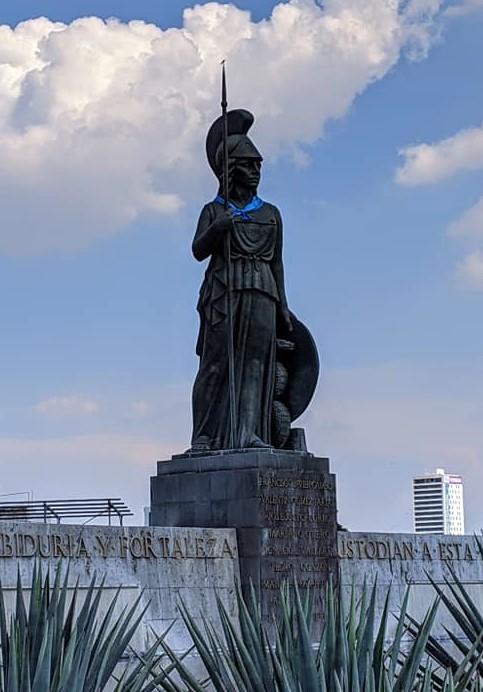
Other interesting facts about Guadalajara include: the Roman/Greek goddess Minerva/Athena has become a symbol of the city. She has a large statue near the Arch of Guadalajara and is also featured on the city’s license plates. GDL has two professional soccer teams: the Atlas and the Chivas, and from what I understand, the latter is arguably the most famous and successful team in Mexico. Guadalajara also has the largest indoor market in Latin America (Mercado San Juan de Dios also known as Mercado Libertad), which spans over 430,000 sq ft (40,000 sq m). GDL was also the birthplace of celebrities Guillermo del Toro (the director) and Canelo Álvarez (the boxer). And…it’s only a 4-5hour flight from Atlanta or Chicago! Ultimately, it’s a really remarkable city, and unlike some of the other places we’ve lived, the locals here know it and love it just as much as we do. I think you will too!

¡Todos bienvenidos!