
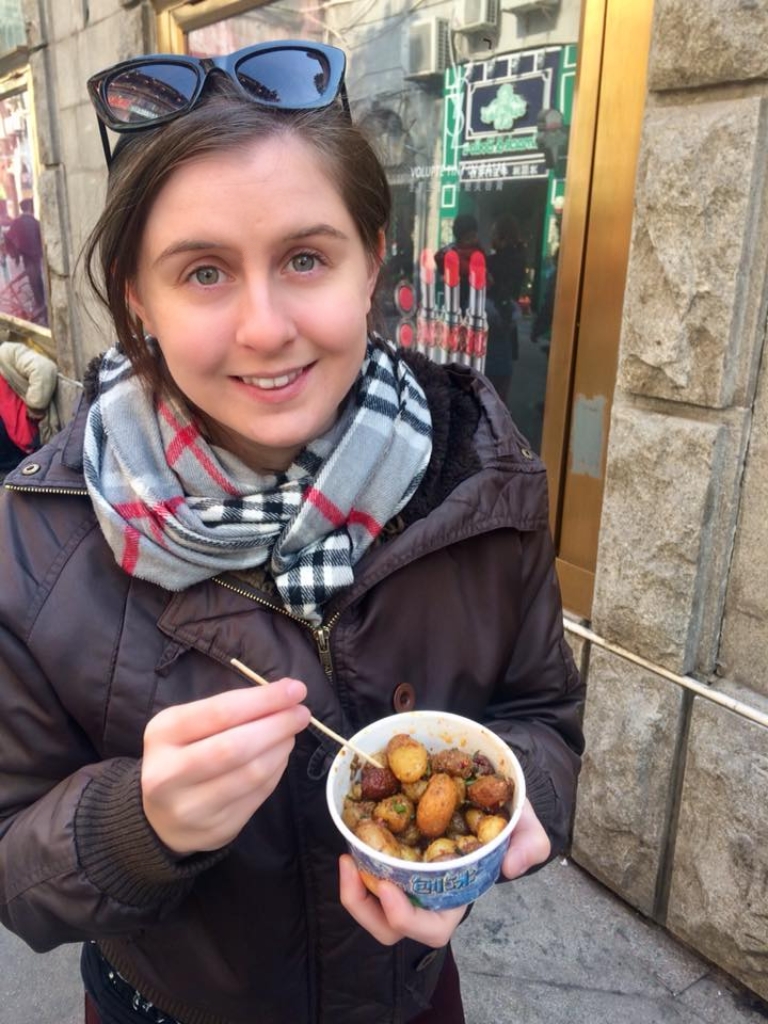
It’s officially November, which means we’re situated about halfway between the two Thanksgivings, and I think that calls for another food-related post! About this time last year, I wrote about some of our most memorable meals, which was fun and nostalgic, but this year, I wanted a challenge. For this month’s post, Tucker and I debated long and hard to come up with a list of the top ten best things we’ve ever eaten (in no particular order).
Sounds easy, doesn’t it? It was NOT. We struggled with remembering, with choosing, and ultimately with agreeing on a mere ten dishes out of the thousands of meals we’ve enjoyed over the years. But the hardest part, by far, was realizing it’ll be years and years before we can taste all these things again! Ugh! Oh well, let’s all make ourselves hungry, starting with…
Chongqing noodles from pretty much any noodle shop in Chongqing, China

I am borderline obsessed with noodles. I eat them several times a week in one form or another, so of course, a noodle dish had to be on this list. Surprisingly, I didn’t have too much trouble in choosing my absolute favorite noodles I’ve ever had. Probably because I had them every day for about a week while visiting Western China. What makes them so special? If I had to guess, I’d say it’s a few thousand years of practice. But it might also just be the perfect combination of thick noodles, spicy sauce, and crunchy toppings.
La Sauvagine Fondant from St Hubert in Gatineau, Québec
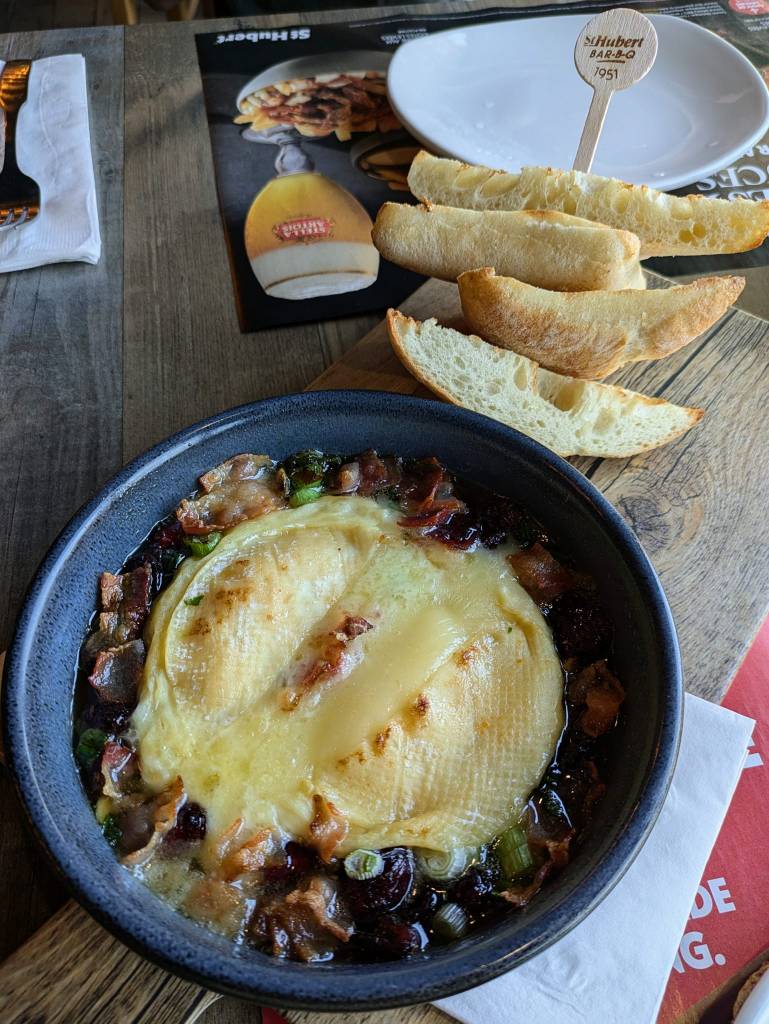
A somewhat surprising and recent addition to our list is an appetizer we ordered on a whim just last month. We were at one of our favorite restaurants here in Canada and happened to see a melted cheese dish that looked intriguing. Well, not only was it intriguing, it was absolutely addictive! We actually went back and had it again the very next week, which if you know Tucker, you know how big a deal that is. La Sauvagine, the main component, is a soft cheese from Québec to which they add dried cranberries, bacon, pumpkin seeds, green onions, and maple syrup all melted together in a skillet and served with grilled ciabatta. Oh mon dieu!
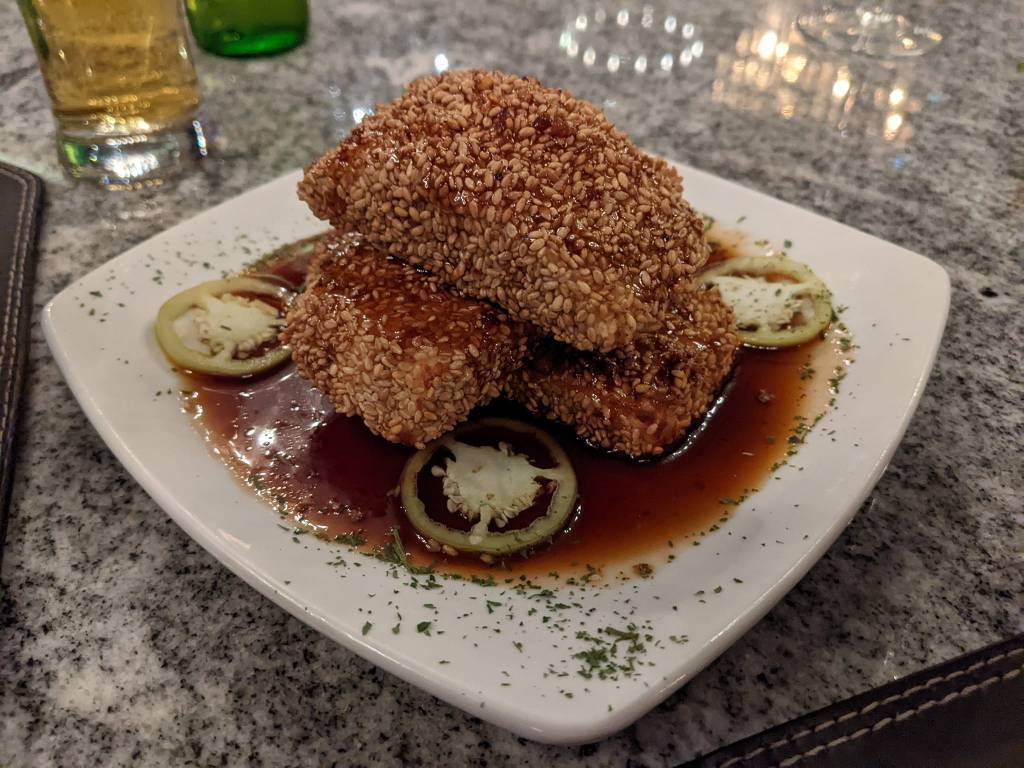
Sonoran specialties from Mochomos in Aguascalientes, México
Next up is really more of the entire menu than one specific dish, but if we had to choose just one, we could and it would still be on this list. Mochomos is a Sonoran-style restaurant with several branches in North and Central Mexico. Their concept is “Requeza Sonorense” or Sonoran Wealth, which means they highlight the best ingredients from the region in a simple but elegant way. The cortes, or cuts of meat, are the biggest draw, and they are done to perfection, but the sweet and spicy sesame panela is the dish we found ourselves going back for.
Zupy i kotlety from Gospoda Koko in Kraków, Poland

This was one dish we had a little trouble naming, but it stood out so clearly in our minds that we had to put it on the list. Tucked away on one of the many side streets of Kraków’s Old Town, there’s a rustic-looking restaurant (think hay and chickens) that’s still using handwritten menus, and they make the most delicious, homey Polish dishes that we’ve ever had outside of a Polish home. Both times we were there we shared a bowl of rosół (chicken noodle soup) and a plate of meat, sauce, and potatoes, which we’re still trying to recreate at home…to no avail, of course.
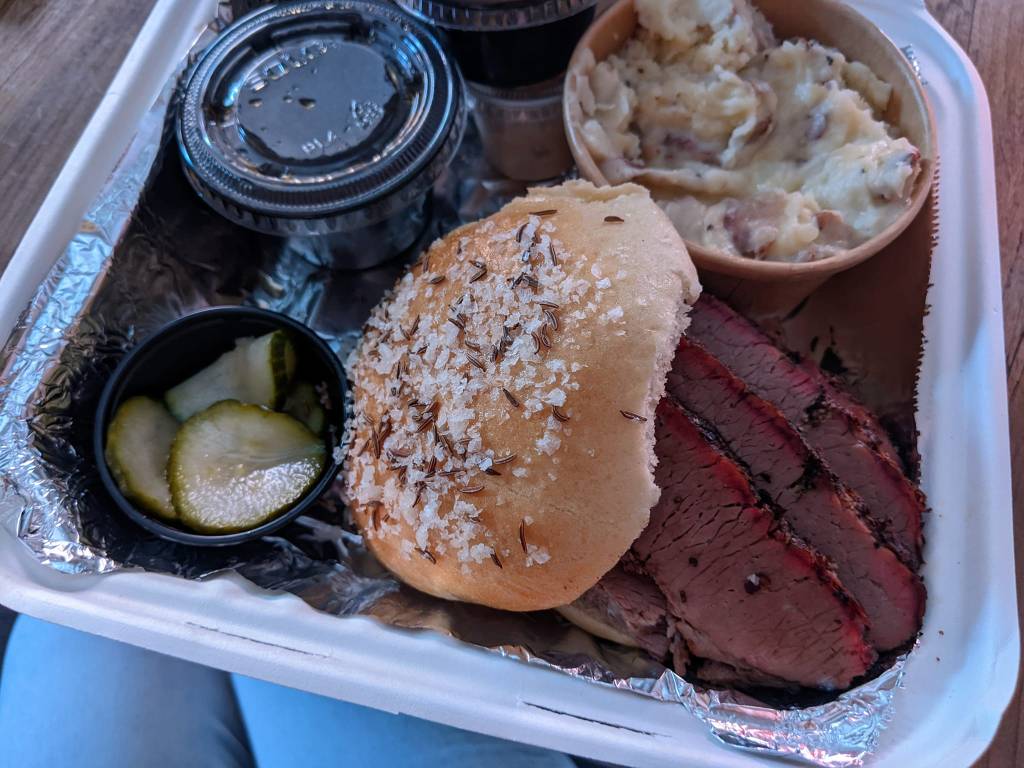
Brisket on weck sandwich from Fat Bob’s Smokehouse in Buffalo, New York
Beef on weck is a Buffalo staple made up of thinly sliced roast beef served on a kummelweck bread roll topped with salt and caraway seeds, and it’s really good! But when a place takes an already delicious traditional dish like that and adds slow-cooked brisket to the mix, well clearly, they make our list of best things we’ve ever eaten! In fact, we’re planning on driving quite a bit out of our way just to get this sandwich the next time we have to go south. And if you’re ever there, don’t forget the extra jus and horseradish! So good!
Cuban plates from Old’s Havana in Miami, Florida
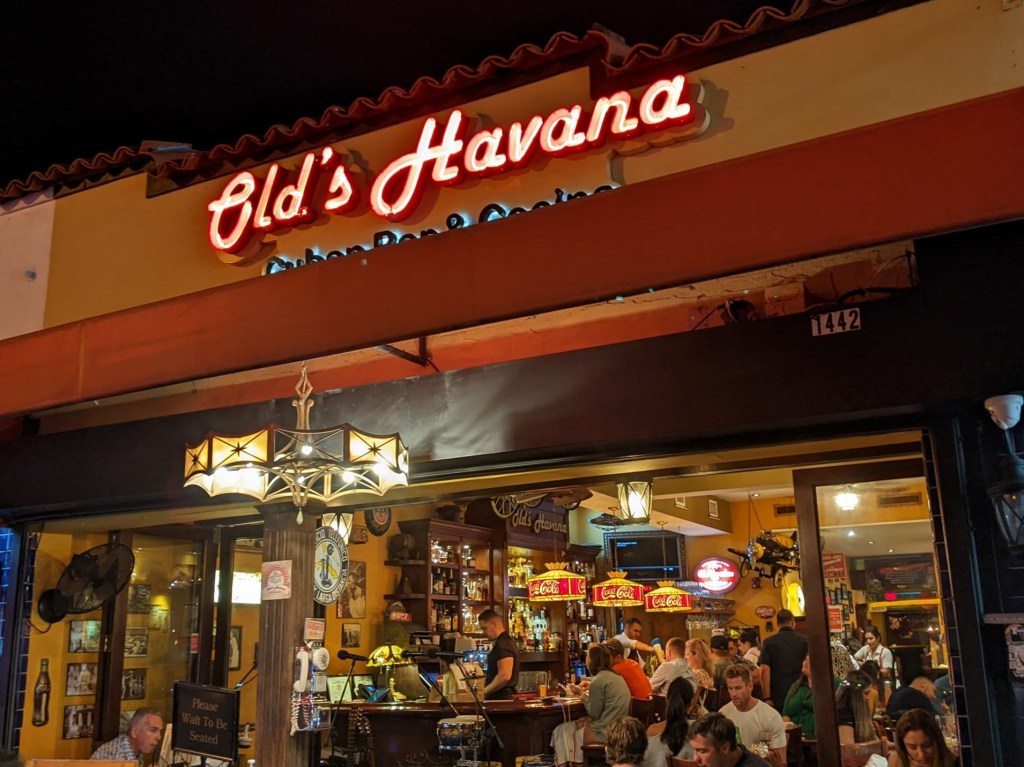
Cuban food, in general, is one of our favorites, so we have it fairly often (definitely every time we’re in Florida), and when thinking of the best plate of Cuban cuisine we’ve ever had, Old’s Havana is what comes to mind! It’s there that we had our favorite vaca frita, which is the most incredible mezcla of shredded and fried flank steak topped with sauteed onions and lime, and, of course, everything there is served with the equally delicious Cuban trifecta: rice, beans, and plantains. Also, I’d be remiss if I didn’t admit that the atmosphere of a place can totally affect how much we enjoy it, and Old’s is truly such a fun place that even if you didn’t like the food, you’d still love the experience!
Katsu from Katsukura in Kyoto, Japan
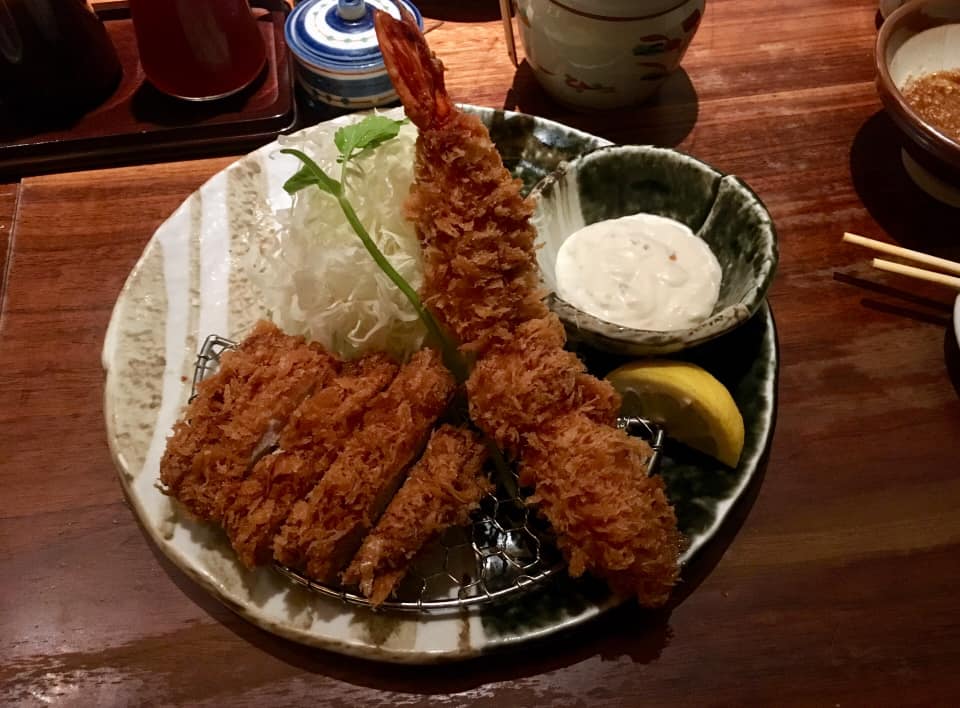
Japan takes their food seriously, and it definitely shows in their restaurant scene. Just like in Japanese architecture, there seems to be a focus on subtlety and presentation, which we absolutely fell in love with at Katsukura. The first thing we did upon sitting down at this gorgeous restaurant was grind a variety of sesame seeds by hand to make our own individualized dipping sauces. That freshness and attention to detail was also evident in each and every bite of our katsu (a panko-encrusted fried pork cutlet served with shredded cabbage). My mouth is literally watering as I write this…
Khao soi (made by Tucker) at Asia Scenic Thai Cooking School in Chiang Mai, Thailand
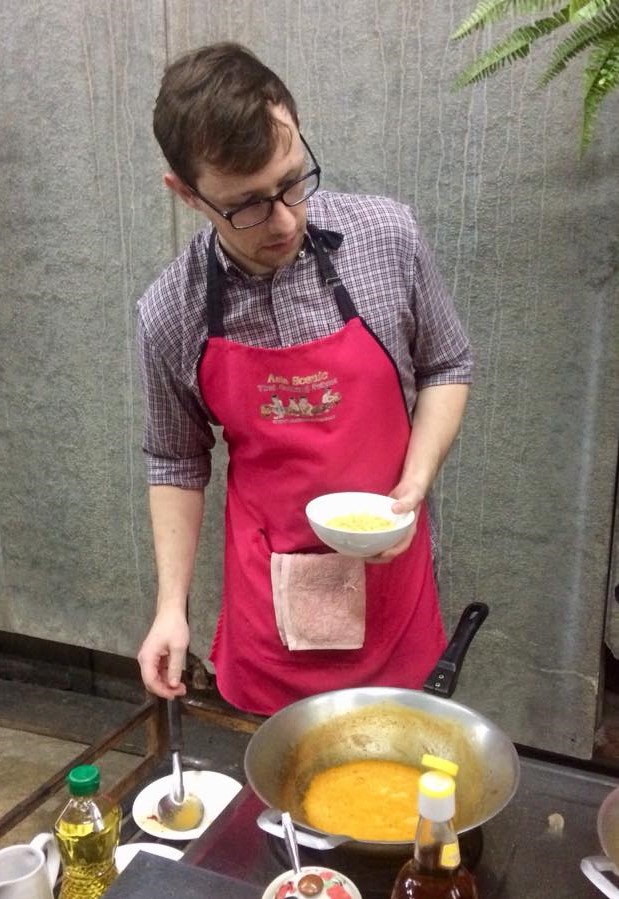
Next up is a dish made by Tucker with the help of Asia Scenic Thai Cooking School. For this one, we procured our own ingredients at a local market and followed along as a master Thai chef showed us how it’s done, and by the end of the class, we had one of our favorite dishes in the world made exactly how we like it. Khao soi is a coconut curry-based soup usually made with egg noodles (both boiled and fried), chicken, chilis, and lime. It is an incredibly unique and delicious dish that Tucker, to this day, has never been able to turn down.

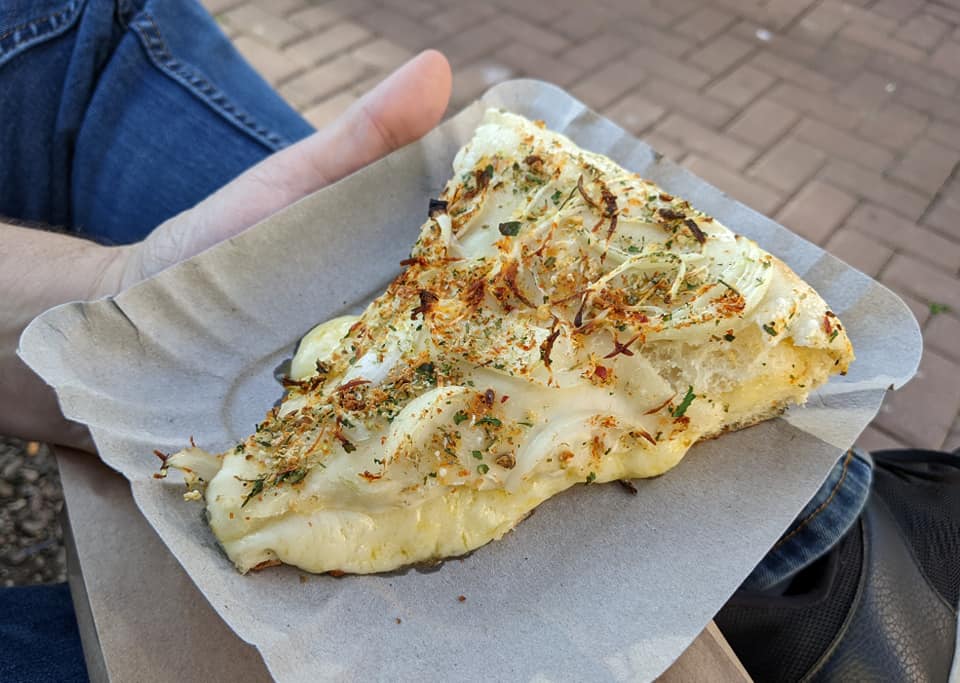
Fugazetta from Lunático in Buenos Aires, Argentina
Another somewhat surprising addition to our list is fugazetta. This seemingly simple dish is an Argentine specialty made up of two pizza crusts stuffed with cheese and topped with caramelized onions. I know what you’re thinking, “How can that be special enough to make it onto our top-ten-of-all-time list?” Well, I don’t know what to tell you other than it’s absolutely delicious. The ratio of bread, cheese, and onion is sheer perfection, and the fact that it’s usually made in a woodfire oven, gives it an amazing charred quality as well. ¡Absolutamente delicioso!
Shopska salad from Restaurant Skopski Merak in Skopje, North Macedonia
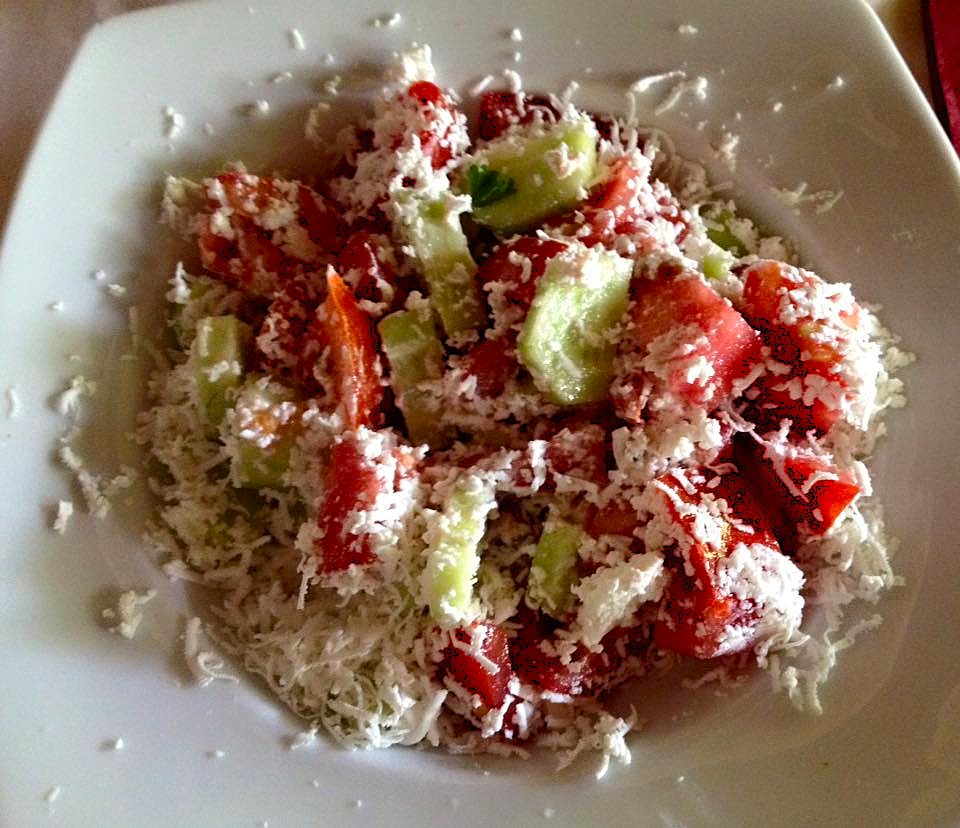
And last but not least, my beloved shopska salad. I feel like I talk about this salad quite a bit, and I make a North American version of it just about every month, but the original just can’t be beat. The shopska salad originates from Southeastern Europe. We first had it in North Macedonia, and as soon as we did, we were hooked. It’s a mix of fresh cucumbers, tomatoes, onions, and sirene cheese (which is kind of like feta) dressed with sunflower oil, vinegar, and salt. It’s incredibly refreshing and is often served with a shot of fruit brandy, so really how could you go wrong?
And that’s it! Our official list of the top ten best things we’ve ever eaten as of November 2024! I really should start keeping a list of all future contenders, so this won’t be quite so hard next time. But honestly, who knows when that’ll be, so until then, bon appétit!





 Dani Francuz Rose