These are a Few of our Favorite Words…

As you might have guessed (or observed), Tucker and I usually do our best to learn the languages of the countries we live in. Whether by way of formal university classes or informal lessons from native friends, Polish, Mandarin Chinese, Spanish, and French have all found their way into our homes, but recently, we found ourselves wondering which bits and pieces of these languages have stayed in our lives throughout the years and why. So, I did what I do best and made a list of our most-used non-English words (for possible future research, of course), and came up with:

Na zdrowie /nah zdrov.ee.yeh/

The first word, or in this case phrase, that fits the bill is definitely na zdrowie. It means “for health” in Polish and is used both when someone sneezes and as a “cheers” when clinking glasses. We typically use it in the sneezing scenario, and it never fails to elicit the fitting follow-up of “dzięki” (or even more frequently “dzięks”, the Poglish alternative). Why is this the call and response that stuck for something that obviously exists in English? No idea really, except that I think it’s way more fun to say!

Uwaga /oo.vah.gah/

The next word on the list has a clear reason for its common and continual usage. Uwaga means something like “attention” or “caution” in Polish, but it doesn’t sound so formal or pressing. It’s the one-word, light warning that we sometimes need, like for example, if there’s someone trying to get past the person you’re talking to or if there’s a puddle you’d rather your partner avoid. It’s too much to say “look out” or “caution”, but a little “uwaga” is perfect.

Laowai /lao.why/

Next up is laowai or “foreigner” in Chinese. This one we usually use out of politeness. When we need to specify someone not local to the area, “foreigner”, “outsider”, “gringo”, etc. all sound a little harsh to our ears, so instead we’ll throw out a “laowai”. It’s clear and to-the-point with a bit less emotional baggage/pejorative connotations. Sometimes I really miss the bluntness of Chinese, but then I remember having to shout “fuwuyuan” or “waiter” at restaurants, and on second thought, I’m all good.  

Cha bu duo /cha boo do.wuh/

Another phrase that we still find ourselves using post-China is cha bu duo, which literally translates as “not much difference”, but is used more or less like “good enough”. It’s something we use when events don’t exactly go to plan, but the end result is perhaps the best we (or anyone) could manage in the given situation. It’s a verbal shrug if you will, and somehow we find ourselves using it a lot.

Sip /seep/

Now onto probably the most used word on this list, one that I would conservatively guess we use daily: sip. It’s something we picked up in Mexico and haven’t dropped despite confused looks on various Quebecois faces. “Sip” is the Spanish equivalent of “yep”, and it’s just so quick and easy that it slips out all the time, even when we’re clearly not speaking Spanish with anyone.

Ojalá /oh.ha.la/

Another commonly used Mexican Spanish word in our house is ojalá. Ojalá might just be my favorite Spanish word punto because it has such a great etymology and is incredibly useful. It means “hopefully” but can also be used at the end of a thought to mean something like “fingers crossed” or “inshallah” (”if God wills it”), which is where it originally came from. For example, will we continue to grow our collection of amazing international words and phrases? ¡Ojalá!

Oh mon Dieu /oh mon dee.oo/

Speaking of Allah or Dieu, another non-English phrase we tend to favor over any English alternatives is oh mon Dieu. Maybe it’s because “oh my God” sounds a bit strong in English, while “omg” makes me sound like I’m twelve. Or maybe it’s just the perfect amount of French drama, but nothing feels more theatrical than an eyeroll and an “oh mon Dieu”.

Dangereux /dan.zher.oo/

And last but not least is another one we tend to sub out just because it’s way more fun to say: dangereux. It’s French for “dangerous”, but again I think it just gives the situation a certain je ne sais quoi, non ? The next time you want to playfully point out some implicit danger, I recommend using “dangereux” with just the right amount of emphasis – quel drame !

Okay, they might not be on par with “schadenfreude” or “fetch”, but these are definitely some fun and useful words as far and Tucker and I are concerned, and I sincerely hope you’ll start using them in your regular speech! Ojalá the next time we chat, you can be inducted into our weird little linguistic mélange. Until next time! Na zdrowie!


Fun Facts and Features of Mexican Spanish

Mi escuela

It’s pretty safe to say I’ve been learning and using quite a bit of Spanish as of late. Living abroad, immersed in a new language and culture tends to push certain language lessons to the forefront (like how to order food, how to pay your bills, etc.), but recently, I decided I wanted more lessons, formal lessons. So, I started taking intensive Spanish courses at the University of Guadalajara. It has been so much fun to be a student again and to learn so much about the Spanish language, a language that has been strikingly absent in my life prior to this move. I took Latin classes in high school and (mostly) French in university before focusing on Polish and Chinese, so for me Spanish is super exciting and feels brand new. In fact, it’s so exciting and new that I want to share some of the things I have loved most about getting to know good ol’ español.

1 The Arabic Influence

The first thing I noticed right off the bat was the huge Arabic influence. Of course, I know Spain and the Arab empires had a history (to put it mildly), but I was still really surprised at the number of daily-use Spanish words that have a strong Arabic flair. My favorite of which is definitely “ojalá”. Ojalá means “hopefully” in Spanish, and as soon as I heard it, I knew there was an “allah” connection in there. The sound and use are super similar to the expression “inshallah”, which I’ve been hearing my Saudi students say for years. Now I think I use “ojalá” almost as frequently as they use “inshallah”, and I absolutely love it. The name Guadalajara is actually another example of Arabic influence. It means “valley of the stone” in Arabic. Other common words with Arabic roots are: alberca (pool), arroz (rice), jarabe (syrup), naranja (orange), sandía (watermelon), taza (cup), and zanahoria (carrot).

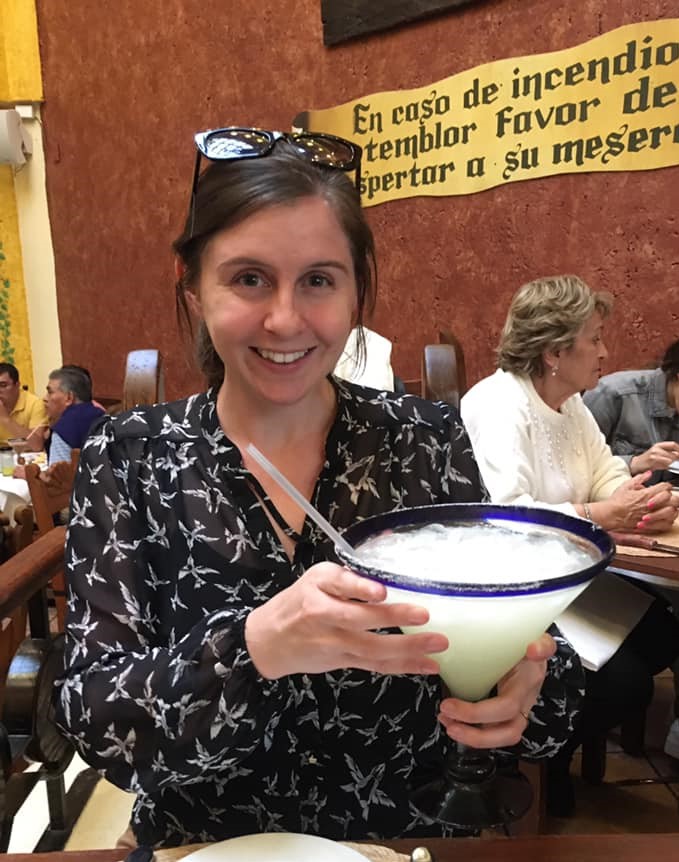
This is what comes to mind when I think “alberca”

2 The Drama

Go team perros!

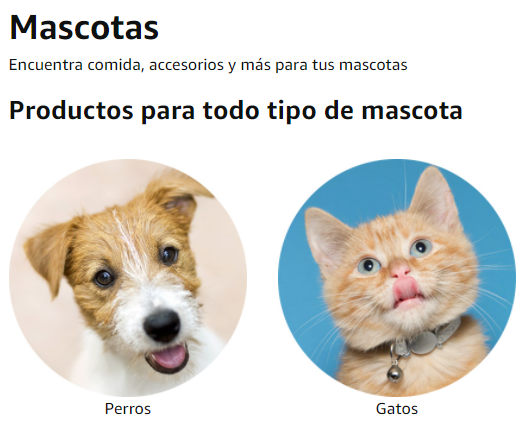
Another feature of Spanish that I immediately loved was the drama or passion that is imbedded directly into the language. For example, to say “I’m sorry” in Spanish, you might use “lo siento”. However, if you translate the phrase literally, it means something more like “I feel it”, which I feel has a bit more strength to it. Another super common expression in Spanish is “me gusta _____”, which is generally translated as “I like _____”; however, grammatically, it’s more like saying “I am pleased by ______”. I feel a little Victorian and definitely a tad dramatic when I translate phrases like these in my head (“Yes, the tacos please me immensely, thank you kind sir”). I can also feel the emotion in some of the vocabulary/etymology divergences as well. “Pets” in Spanish are “mascotas”, which feels so much stronger to my English brain. I also love the vivid images given to “word searches” and “ironing boards” in Mexican Spanish, which are “sopa de letras” (letter soup) and “burros de planchar” (ironing donkeys), respectively.

3 The Specificity

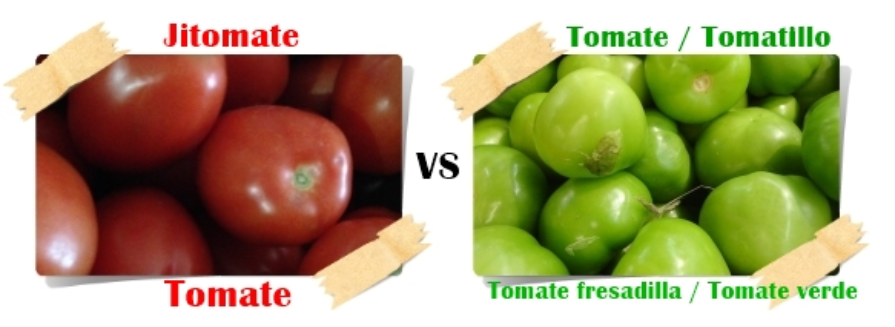
Something else that jumped out at me pretty early on in my Spanish crash course was the specificity of the language. The first example I was met with was the fact that in Spanish I can be American (“americana”) or I can be United Statesian (“estadounidense”). This is a specification I really wish was just as easy and natural to make in English. Another good example is the term “treintañeros” or thirty-somethings, which is a word that this particular treintañera has found quite useful. Of course, there is also a seemingly endless supply of words for taco-like things: tacos, vampiros, dorados, gringas, guisados, etc. We’re honestly still figuring out all the particulars there, but it’s not just Mexican dishes that require this level of specificity, the ingredients often call for it too: for example, the difference between tomate and jitomate. From my understanding, tomates are green and rather small, whereas jitomates are your general Romas, beefsteaks, etc. Neither of which should be confused with my personal favorite: jitomates cherry.

4 The Slang

Another fun feature (of every language really) is the slang. And no, I don’t necessarily mean bad words, just words that are used in a more playful way. Some of my recent Spanish favorites include:

-Chafa (crappy)

-Chavorucco (someone older that acts young)

-Chido (cool)

-Chin (darn)

-Codo (literally “elbow”, figuratively “stingy”)

-Crudo (literally “raw”, figuratively “hungover”)

-Fresa (stuck up/snobby)

-Garrón (freeloader)

-Güey (dude)

-Moja pendejos (literally “wet idiots”, figuratively “annoying drizzly rain”)

-Naco (trashy/tacky)

5 The Trip-ups

¿Jabón o jamón?

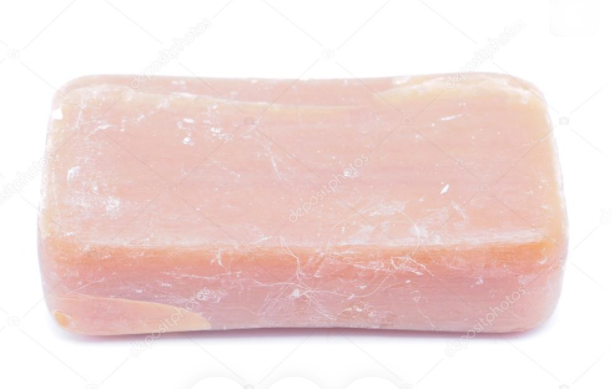
But perhaps the most fun (and memorable) part of learning a new language are the missteps. Language is tricky and one slip of the tongue or change of a vowel and you could be saying something completely different. For example, when I was asked if I have a boyfriend or spouse. Instead of saying, “sí, soy casada” (yes, I’m married), I said “sí, soy cansada” (yes, I’m tired). I’m pretty sure it sounded like I was tired of being married. Haha! Sorry Tucker! Another slip-up I made recently reminded me of my students. In English there is always an issue with the pronunciation of “soup” and “soap”. They’re super similar words, but definitely not interchangeable. Well, I made the same kind of strange substitution when attempting to ask for soap (jabón), but instead asking for ham (jamón). Oops! Sometimes the missteps can be a bit more extreme as well. When trying to recall the general word for seafood (mariscos), I actually said something not so nice in Spanish, and promptly got a lesson in pronunciation as well as political correctness.

I’ve been having an amazing time learning and using such an incredibly rich and fun language. Making new friends and discussing the intricacies of linguistics (or else trying to ignore them completely and just speak) has continually reinforced all the reasons I love living abroad and being (currently) surrounded by all things español. ¡Qué buenas ondas! Ojalá this is only the beginning!