Marvelous Morocco

Time seems to be flying as we scramble to catch up after our last whirlwind trip! Last month, we had the absolute privilege of spending almost two weeks in beautiful Morocco. This was our first time to Morocco, and actually our first time in Africa, so we were beyond excited and hyper-focused on doing and seeing as much as we could. To that end, we set out on completing a somewhat ambitious loop from Casablanca to Fes to Merzouga (and the desert) to Marrakesh and finally back to Casablanca. Whew, even typing it all out is a bit much! Anyway, here’s a little recap of what we did and what I would recommend to anyone traveling to Morocco for the first time. 

Casablanca

We didn’t choose to start and end in Casablanca for any reason other than that’s where the cheapest flights from Québec happened to be. But, of course, once we knew we were heading to Casablanca, we promptly watched the 1942 classic! Spoiler alert: modern-day Casablanca is absolutely nothing like the movie. Since we only had a couple of days planned here, we focused on hitting the highlights: Hassan II Mosque, Central Market, the port, Arab League Park etc.
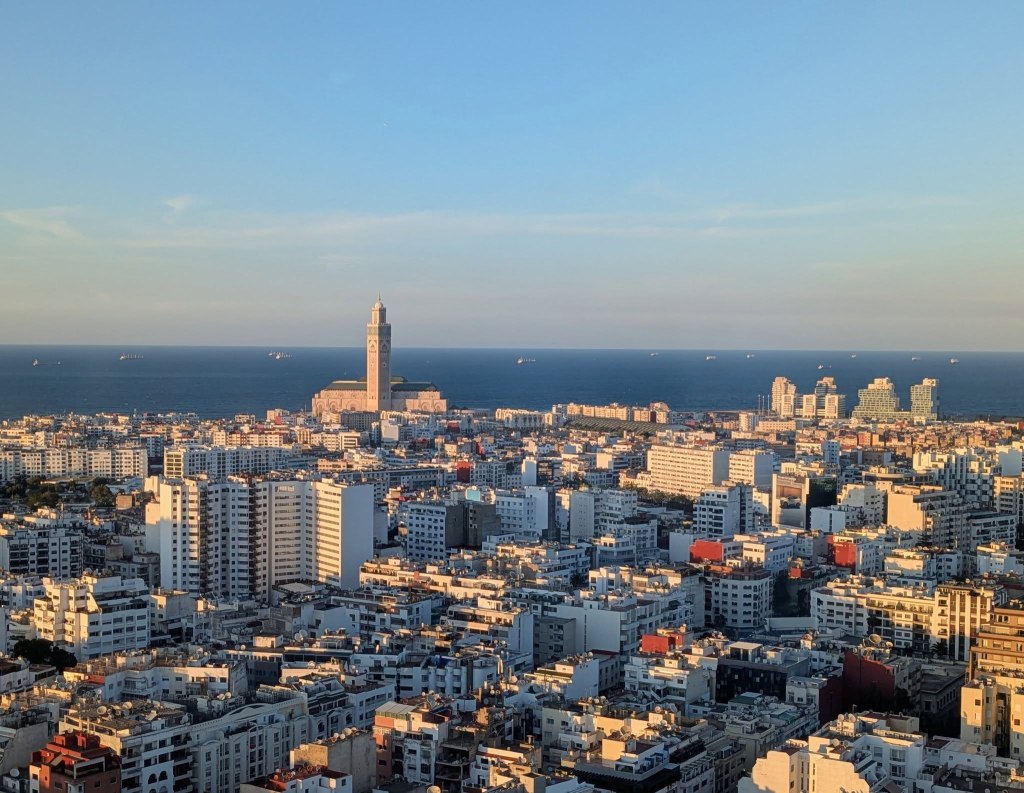
I feel like Casablanca is the sort of city that would be great to live in, but not so great for tourists. It’s the biggest city in Morocco, and we totally felt that as we trekked from site to site. If you are touristing in Casablanca, however, I would definitely recommend Sky 28 bar. It’s at the top of the Kenzi Tower Hotel and gives you amazing views of the city and the coastline. We went at sunset, and it was such a great way to see all that city sprawl!

Another Casablanca recommendation I would readily give is the restaurant Le Cuistot Traditionnel. It might have been our favorite of the trip, mostly because of the amazing Moroccan food and beautiful décor, but also in part because of the amazing owner and chef. He actually used to work for the king of Morocco and had such an amazing collection of photos, mementos, and stories from that time – really such a cool guy and place!

Fes

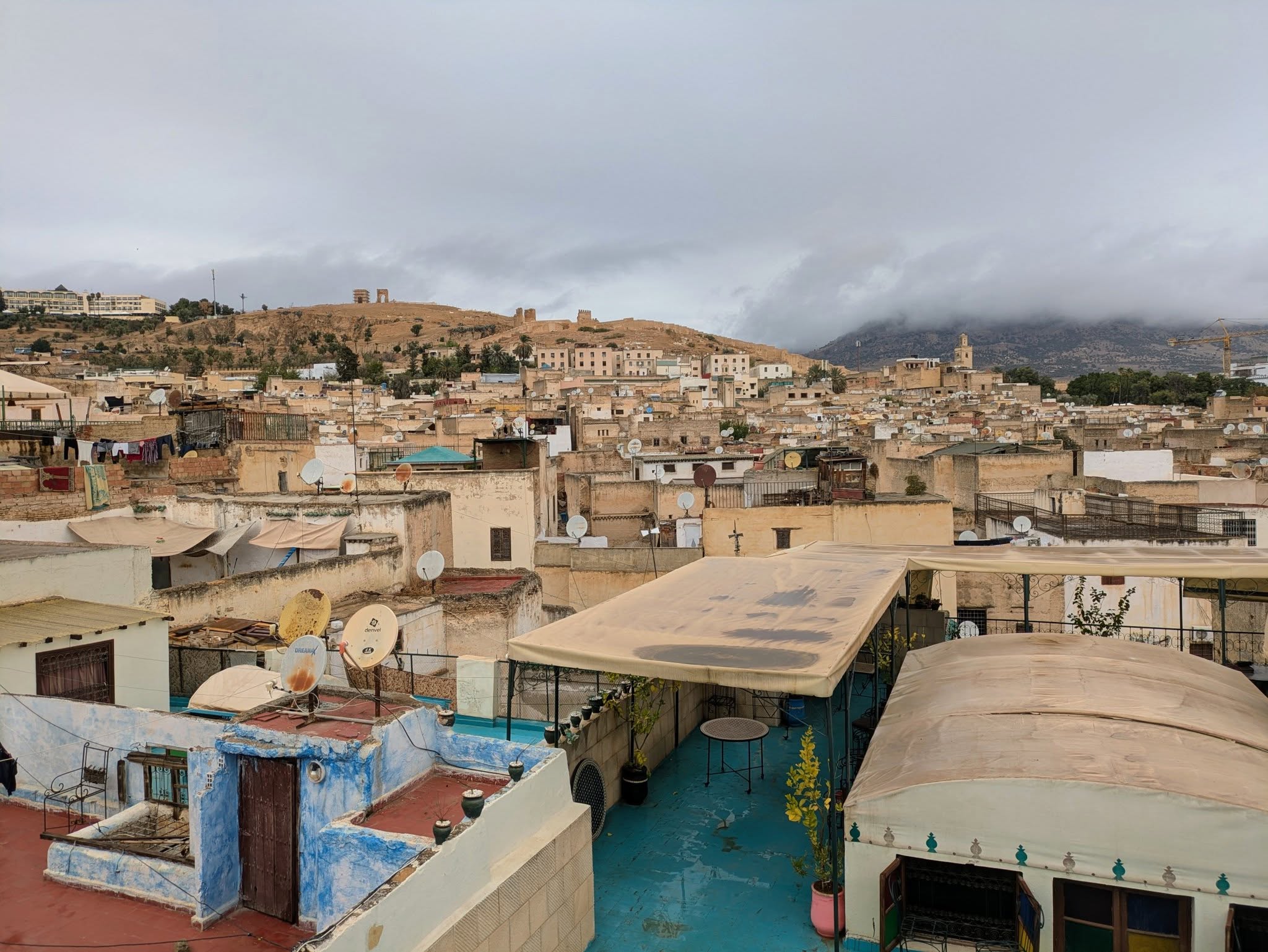
The next stop on our itinerary was Fes (or Fez), which is one of the oldest cities in Morocco. I think this was the city I was most looking forward to before our trip because I was so excited to experience the medina. The medina refers to some 9,000 streets and alleyways that make up what I can only compare to a massive hedge maze, except these walls are stone, several stories high, and about 800 years old. “Bustling” just isn’t a strong enough word to describe the medina, which is home to approximately 100,000 people, most of whom must be merchants of some sort given the insane number of markets, shops, and stalls!

Walking around the medina was chaotic in the absolute best way. There are souvenirs, snacks, businesses, and historic sites all crammed into the narrowest of spaces, not to mention all the people shopping, taking photos, transporting goods, etc. Unfortunately, Google Maps is almost no help in navigating since the vast majority of the streets in the medina are too small to be on the map. For that reason and so many others, walking around Fes felt a lot like traveling back in time. Of course, eventually you’d spot some stainless-steel water bottles or personalized power banks and instantly be back in the 2020s.

In my opinion, the absolute best thing to do in Fes is to wander. Just walk around, get lost, find your way back again by recognizing some sign or stall, and ultimately soak up the chaos. I also think staying in a dar (a room in a local house) or a riad (an inn) is essential in Fes. Hearing families eating dinner, buying your water at a little window shop, and feeling the warmth of Moroccan hospitality was such a great part of our stay in one of the most unique places we’ve ever been. Oh, and remember to prepare yourself mentally for bargaining at the markets, you absolutely have to have your head in the game for that!  

To/From the Desert

The next part of our trip was a bit out of the ordinary for us. When we were planning everything, we knew we wanted to get out to the dunes, but we weren’t sure the best way to do that. Renting a car our first time on the continent seemed challenging, but doing a multi-day tour had us wary as well. In the end, we decided on a tour that doubled as transportation between two of the cities we wanted to see, and included most meals, tickets to the various sites, and lodging for the two nights. Given how cheap it was and the huge number of different companies and individuals offering something oddly similar, we were a little worried it was all a big scam…
But nope, it was just as amazing as all the reviews said it would be! Of course, I was still very nervous when we hadn’t heard from them by the night before out 7am departure, but once we were put into contact with our driver/guide, Mahmoud, I was completely at ease. He was so skilled at giving us the right amount of time in each place, sharing enough information to keep us interested and entertained, and juggling all the logistical tasks it required to transport 10 foreigners across the country and into the desert for three days and two nights.

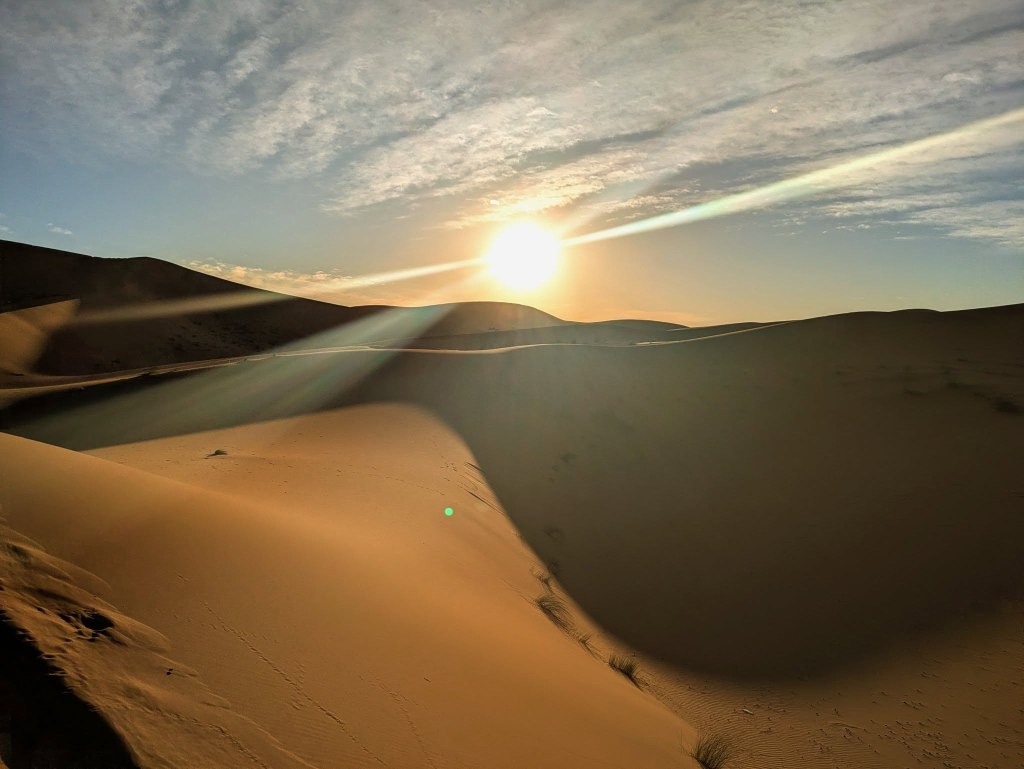
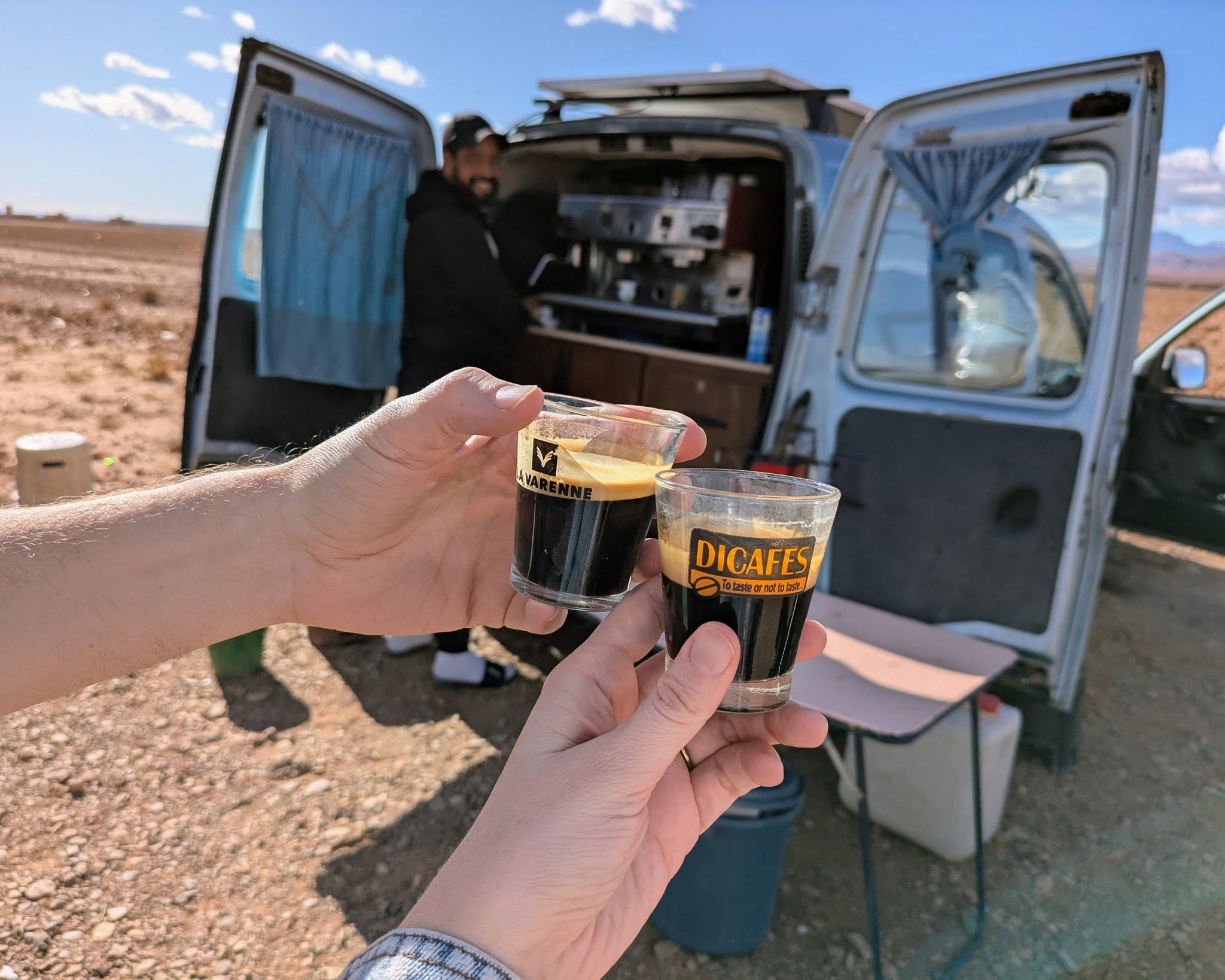
It takes 7 hours to get to Merzouga (and the Chebbi dunes) from Fes and another 9 hours to get to Marrakesh, so we covered a lot of ground and a lot of points of interest, including some of my favorite: the monkeys in Ifrane, the Todgha gorge, the random espresso bar van in the middle of nowhere, and the ancient city of Aït Benhaddou. But of course, the highlight of this adventure was our time in the dunes. Riding the camels, watching the sunset and sunrise, sandboarding, a bonfire, drinks shared with new friends, star gazing – it was one of those travel experiences that seems totally unreal, and I can’t recommend it enough.

Marrakesh

Honestly, you’re probably thinking, how could we possibly top what we’d already enjoyed thus far in Morocco, and we were a bit worried about that too, especially since we were told by almost everyone we talked to that Marrakesh was their least favorite city in Morocco. We had heard Marrakesh was noisy and dirty and that the people there were pushy and impatient, etc. Well, I don’t know if we’re just weird, but Marrakesh was our favorite of the cities we visited, pretty much precisely because it was all those things and more! To me, it felt so utterly authentic in its own ancient-trading-center-turned-major-tourist-destination sort of way.
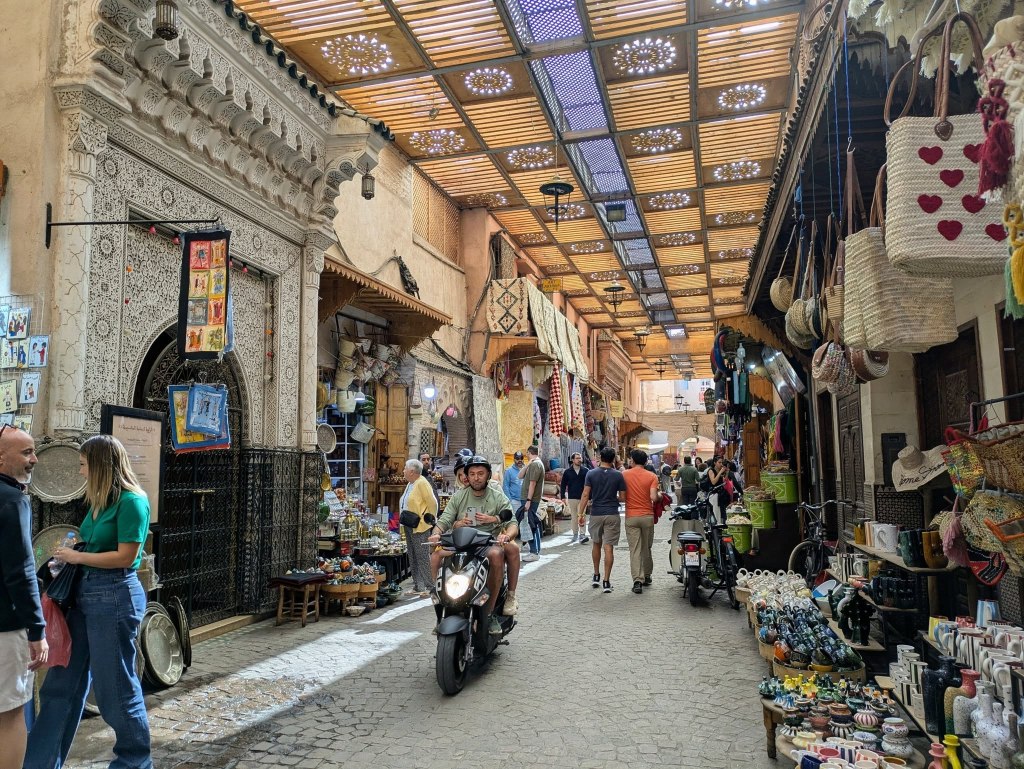
Much like Fes, Marrakesh also has a medina, but it’s actually much larger and thankfully fully mapped on Google Maps (plus one for navigation)! However, the medina in Marrakesh hasn’t banned motorcycles like Fes has, so it was a bit louder and dirtier. Of course, I found that more fun and probably more convenient for locals. We also found the people of Marrakesh to be super likeable! Maybe they seem pushy or impatient to some, but as city-people ourselves, we totally got it. We knew almost instantly that if we ever choose to move to Morocco, Marrakesh is the place for us.

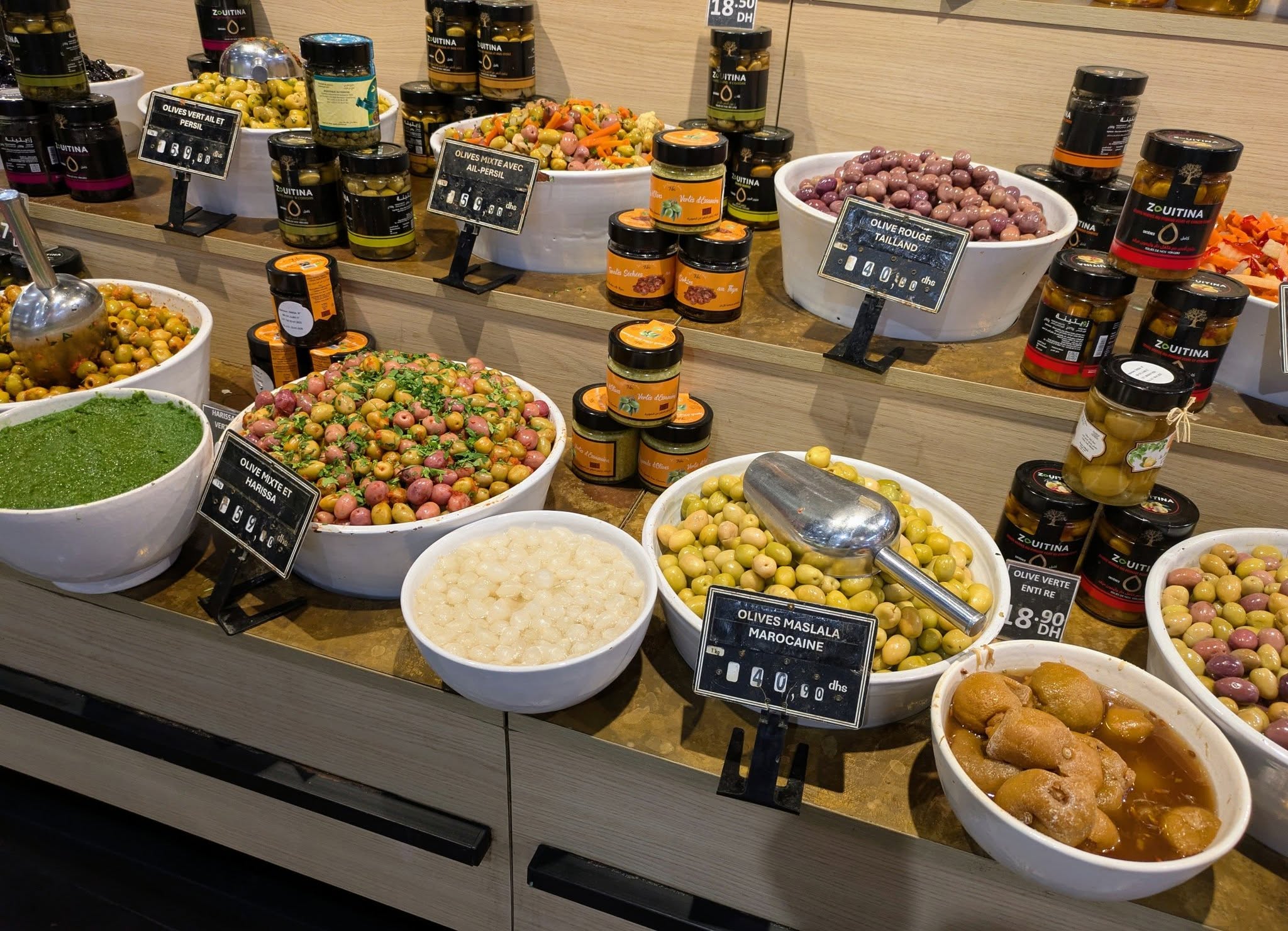
Hopefully, we’ve already done our part in hyping up Marrakesh, but for some more specific recommendations, I’d say first, make sure you walk through Jemaa el-Fnaa (the main square) often and at all times of day. You’ll see so many things you’ve never seen before and might never see anywhere else! But if you don’t like people hawking their goods/services, then I advise you walk with purpose lol. You should also go to a hammam and get scrubbed down. You might feel awkward or unsure, but it won’t last long. Just take it all in and think of the stories you’ll have to tell afterwards. Other highlights for us in Marrakesh were the Marrakesh Museum, MK Rooftop, and basically any supermarket (their Carrefour is *chef’s kiss*).

As is always the case with our trip recap posts, there’s just so much I want to share, but then, I’d really rather you go out there and experience it for yourself! Morocco might seem daunting at first; I know there’s a lot of information online about it (particularly a lot of cautionary tales), but we found it to be a very welcoming place that really puts a lot of effort into making sure tourists are well taken care of! It’s simply marvelous really! Shukran, Maroc – until next time!

Marveling at Murals

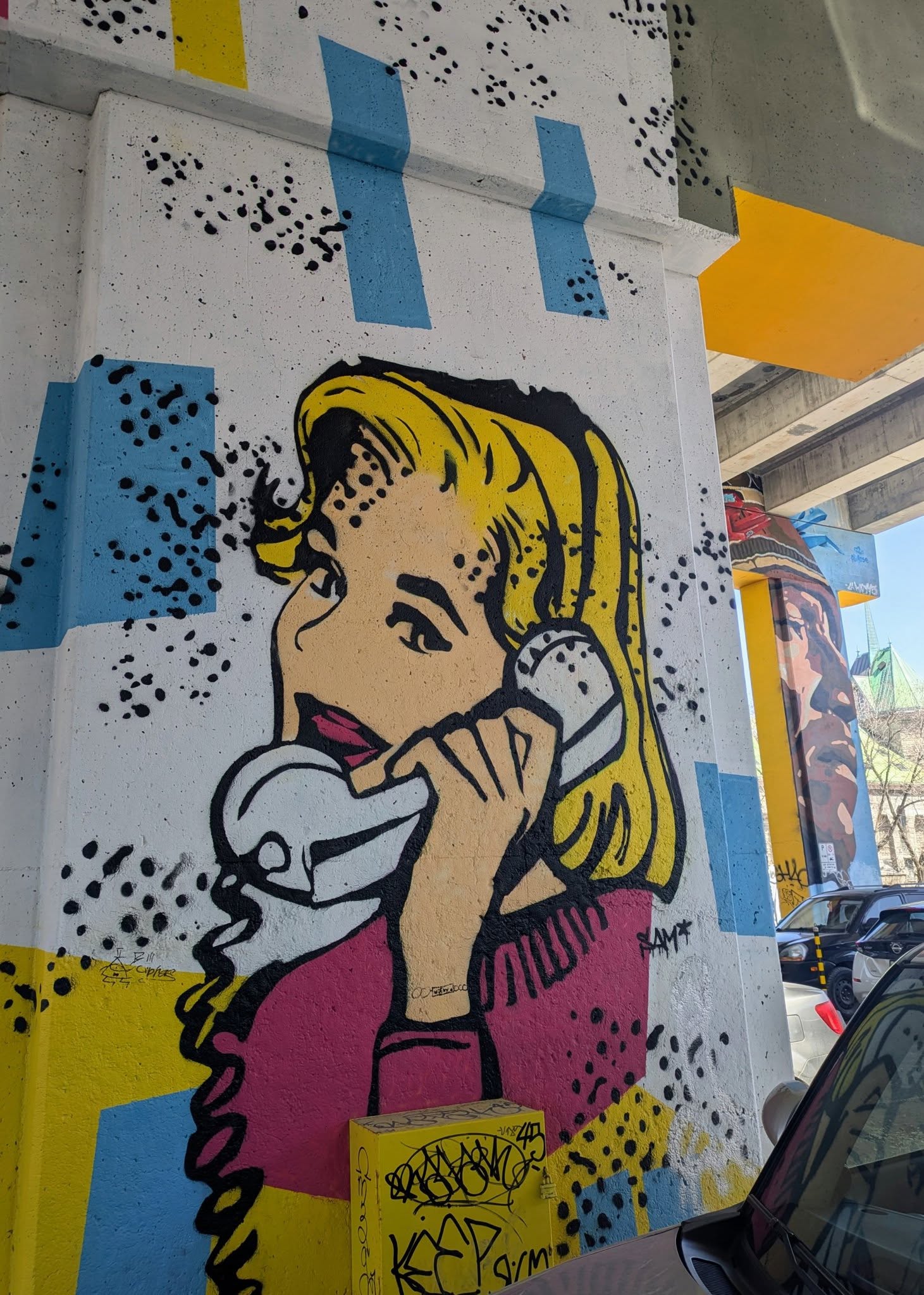
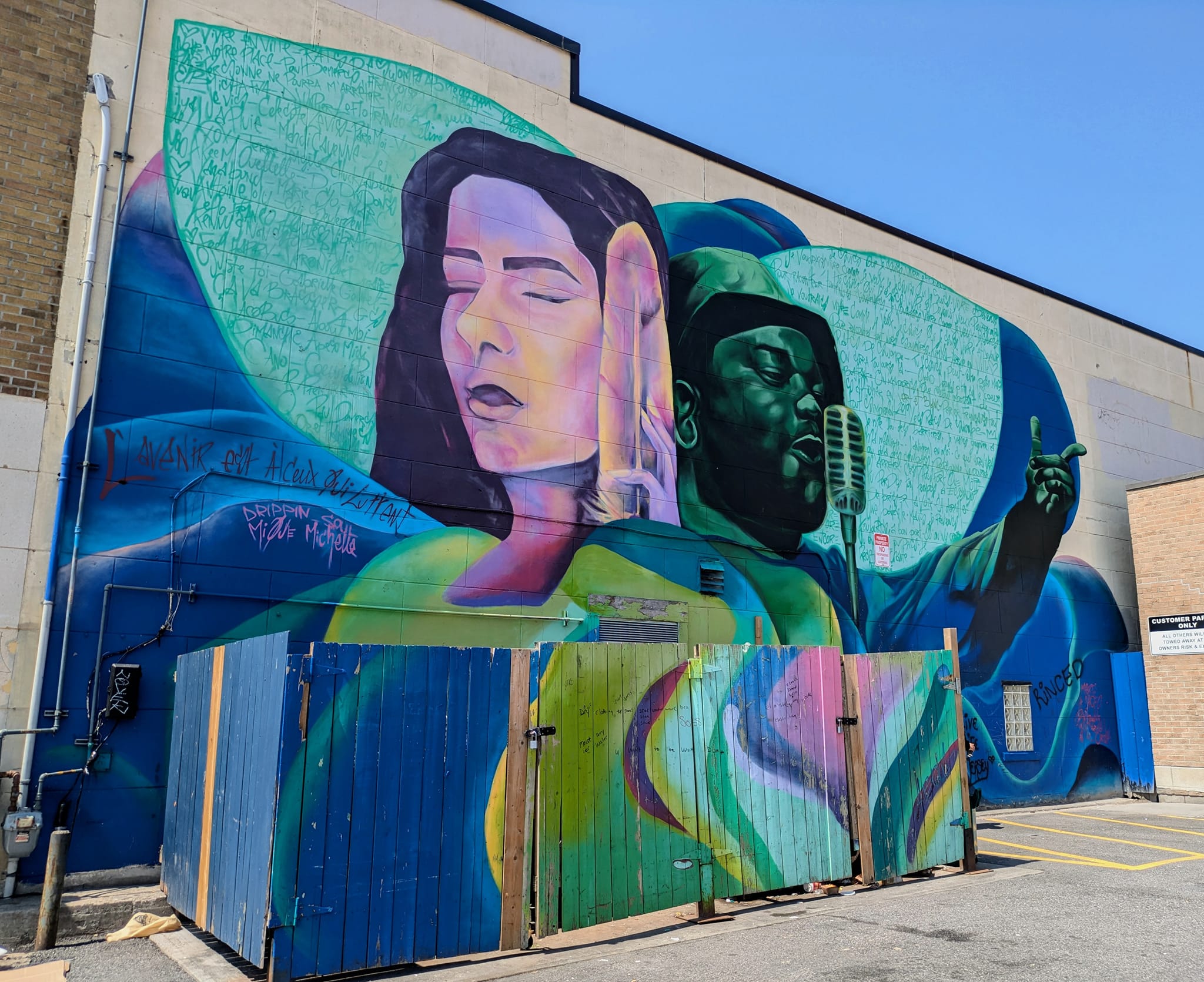
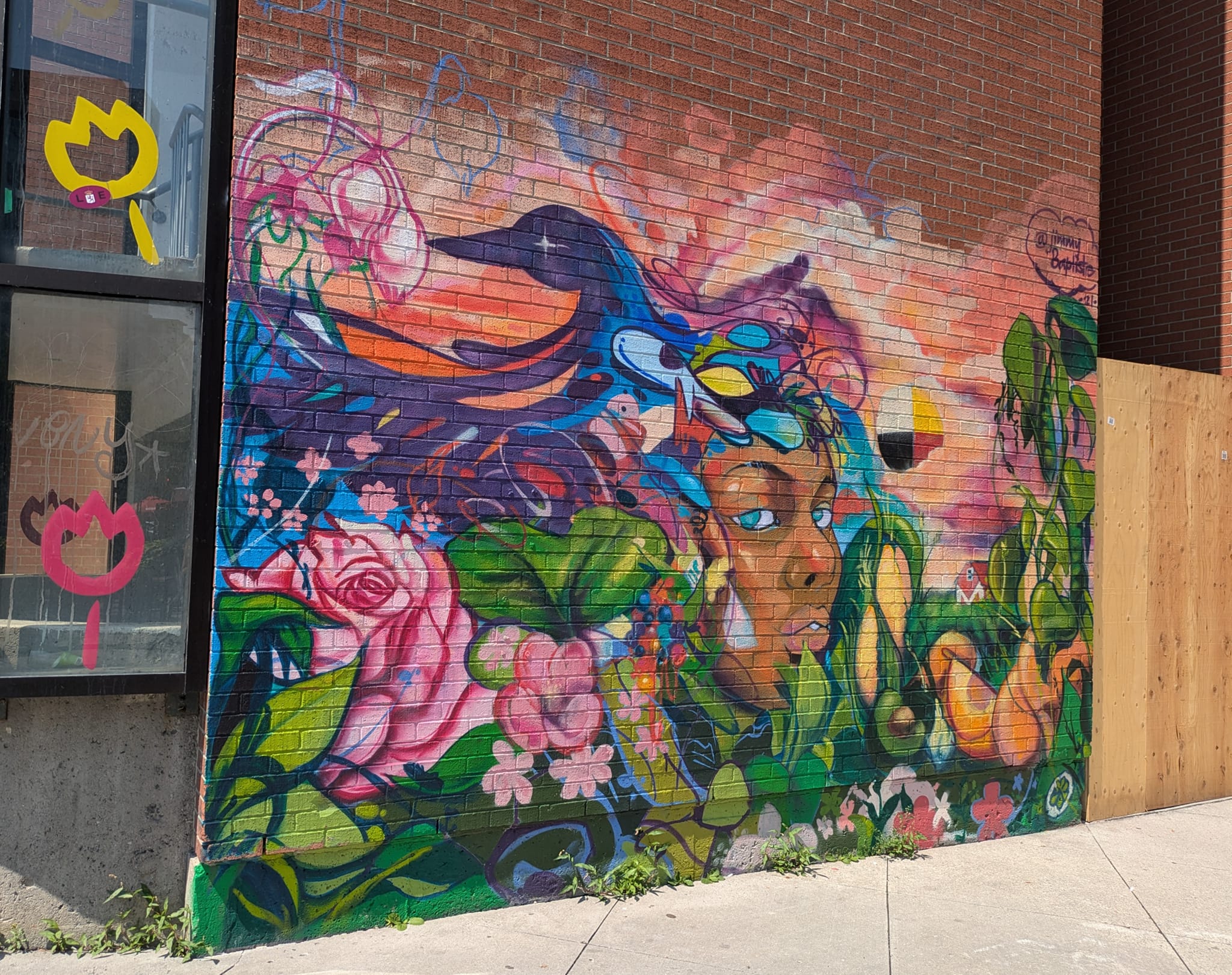
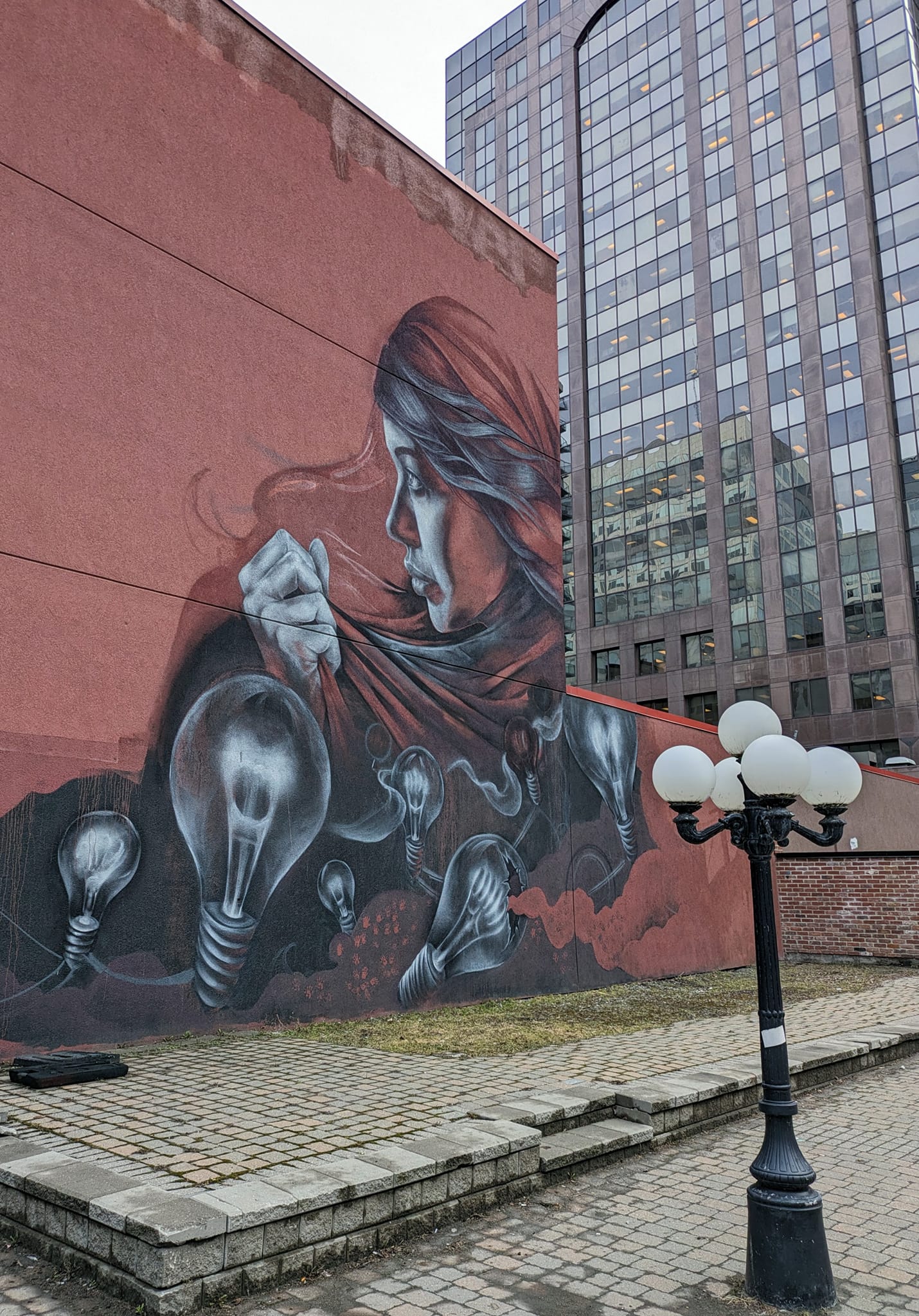
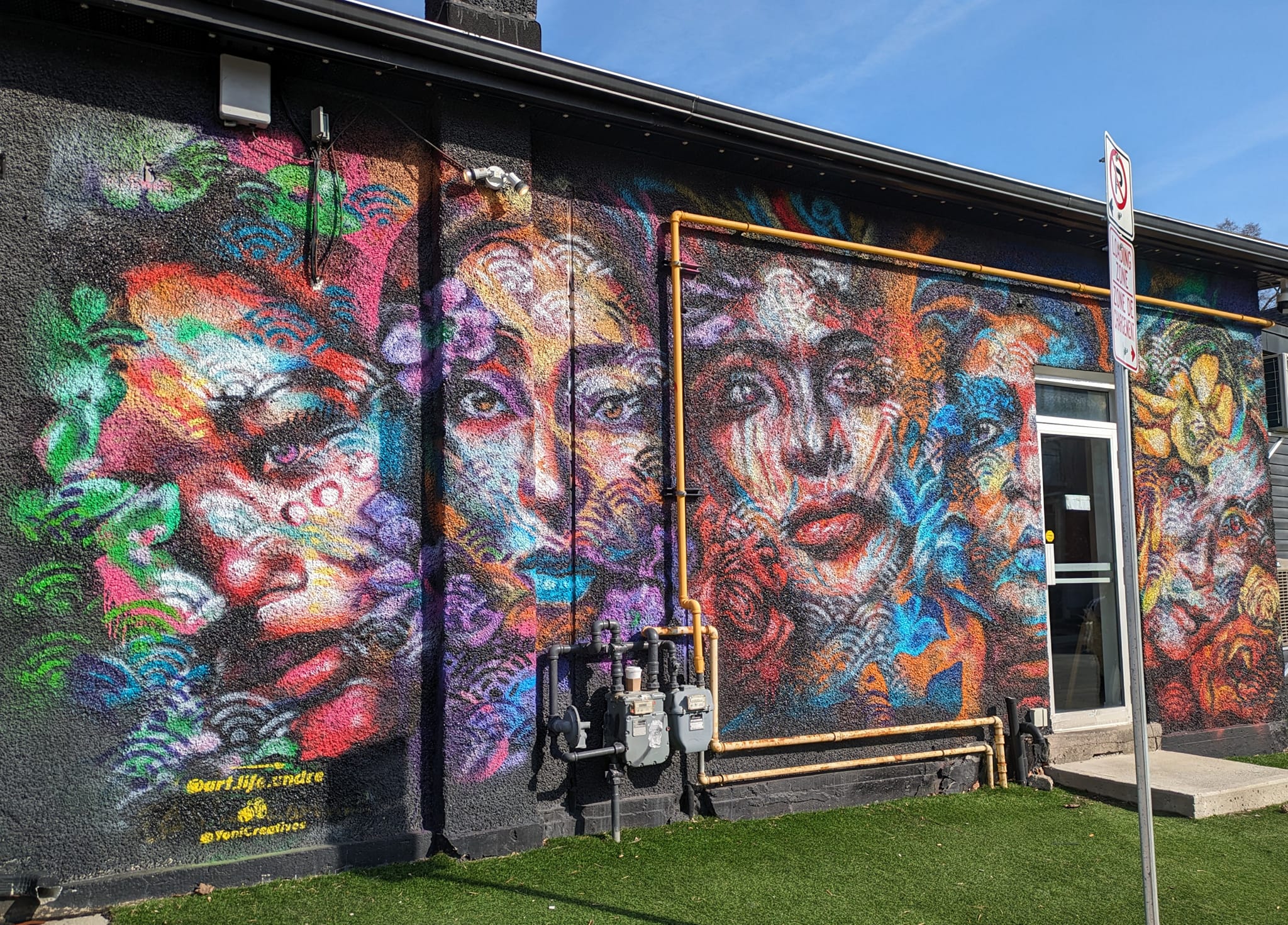
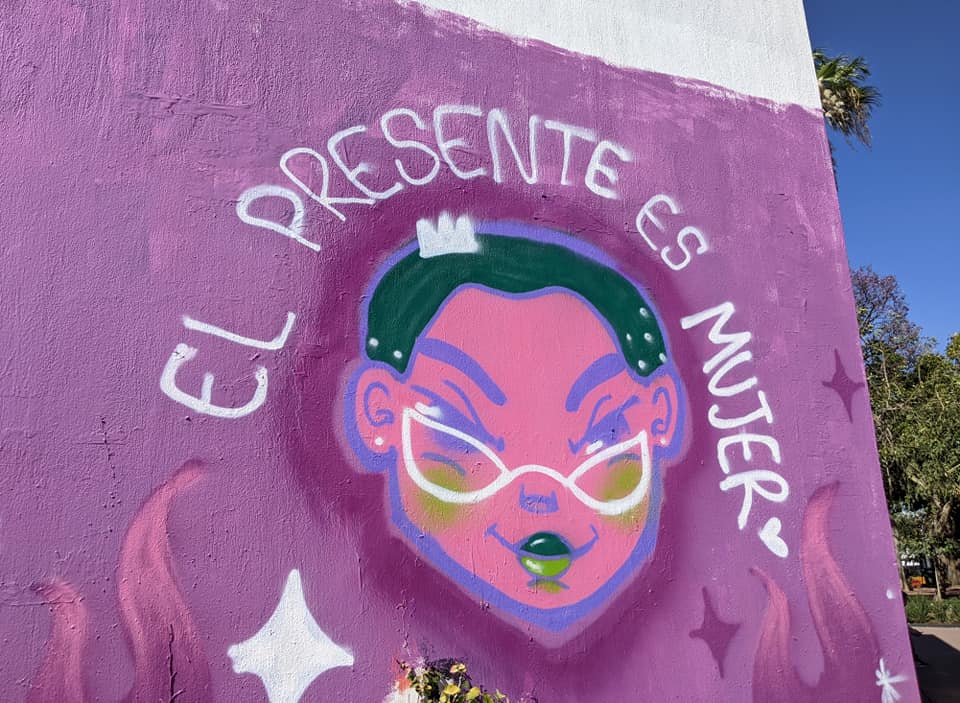
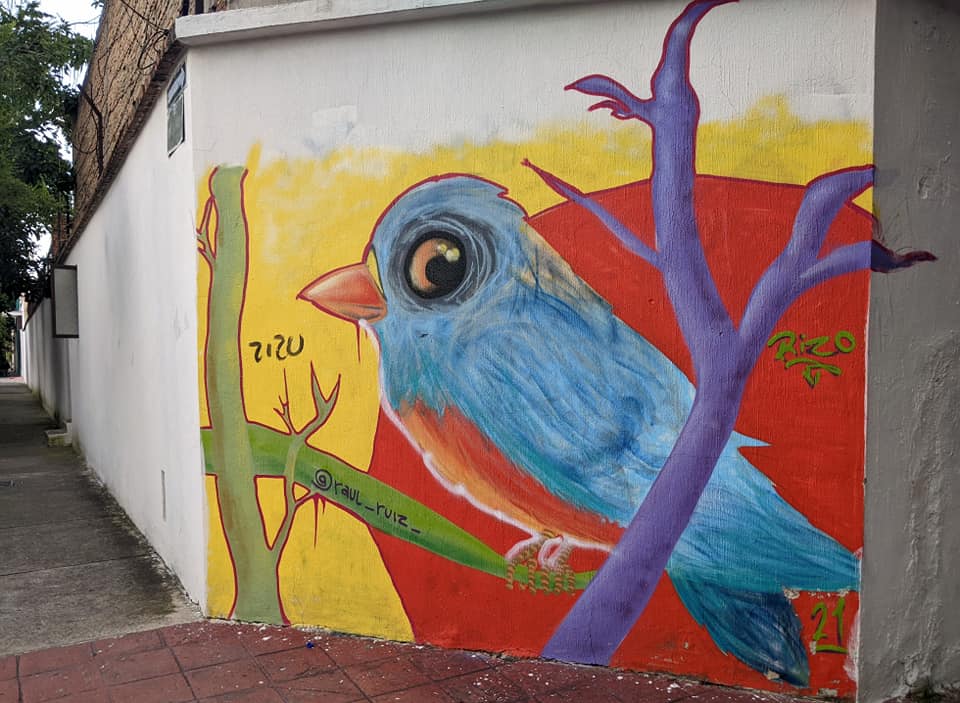
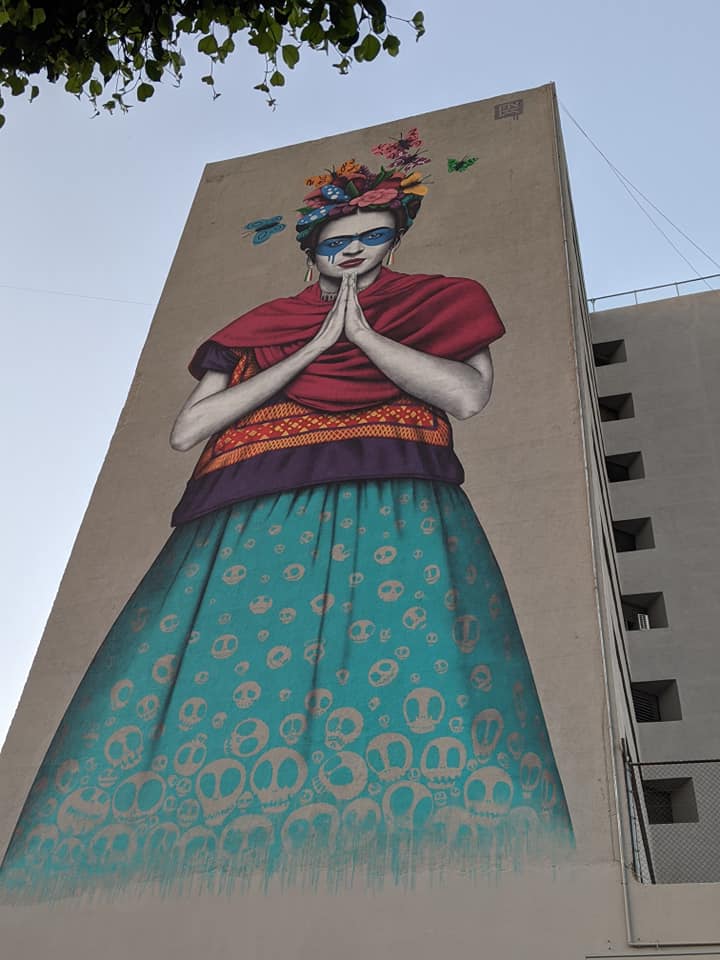
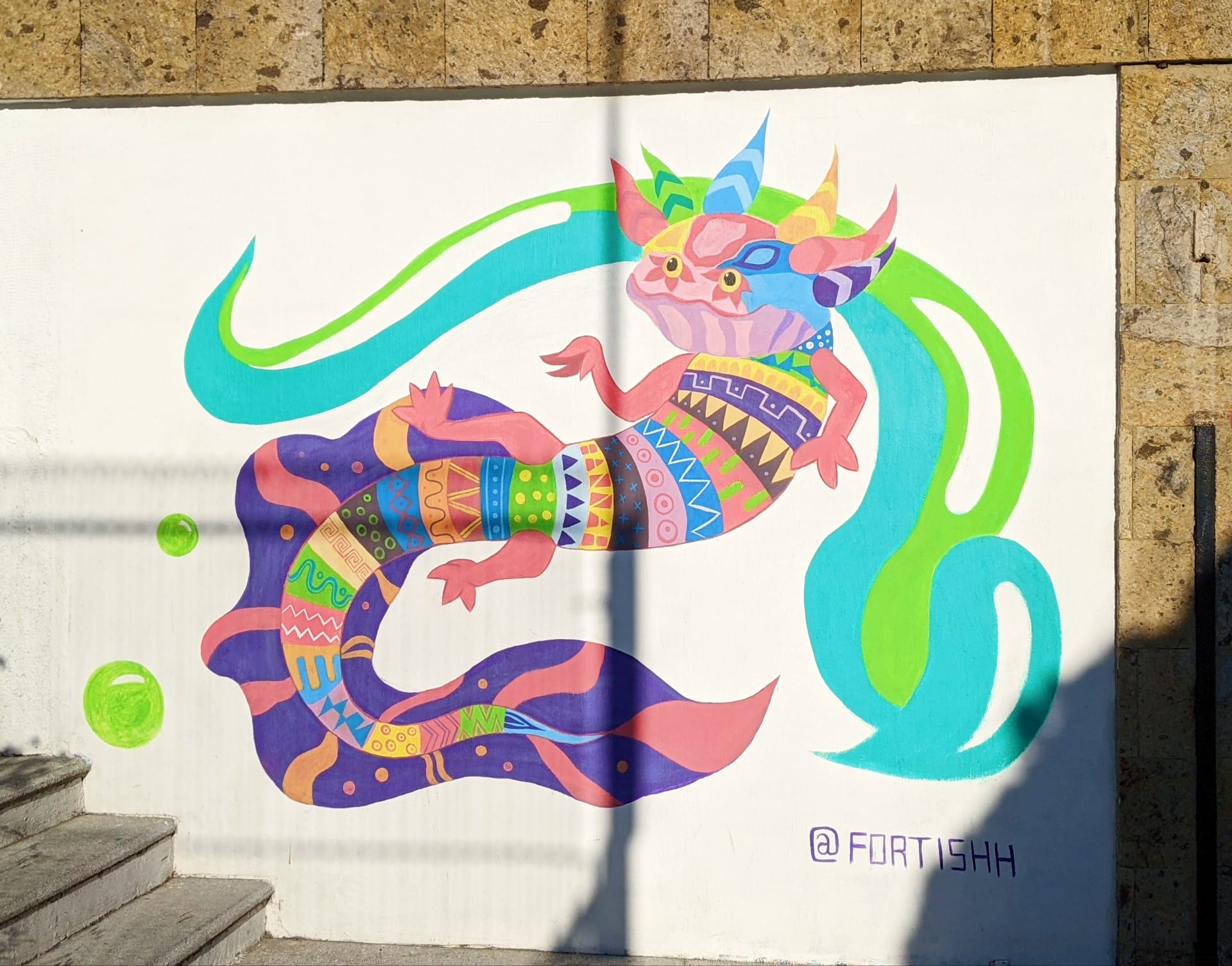
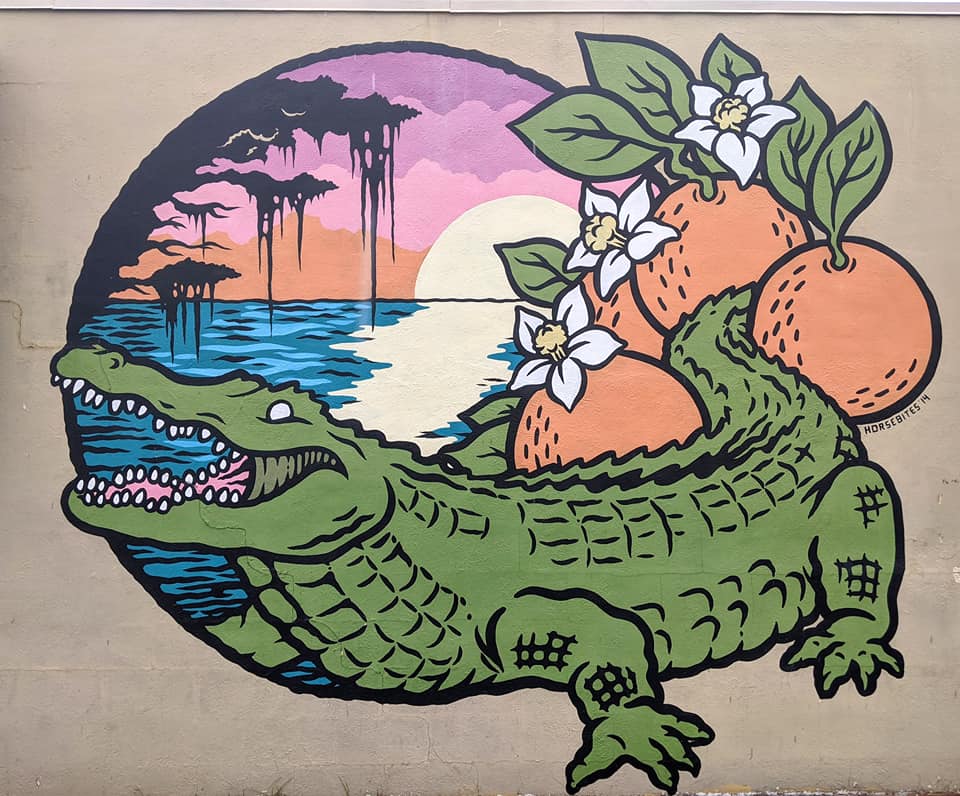
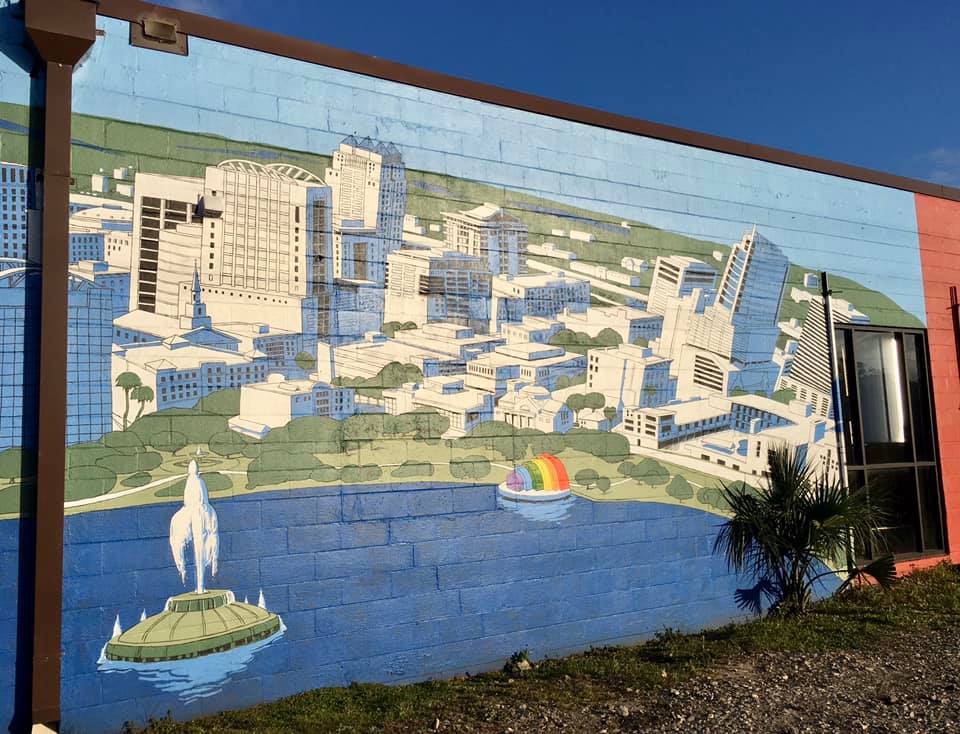
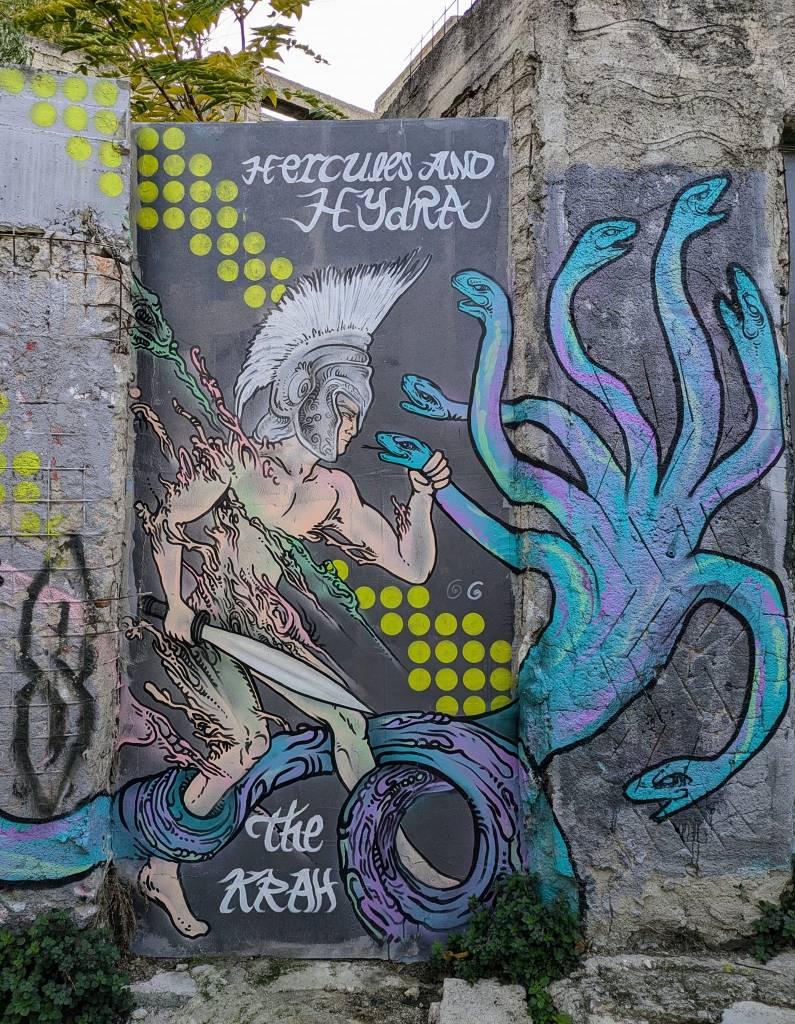
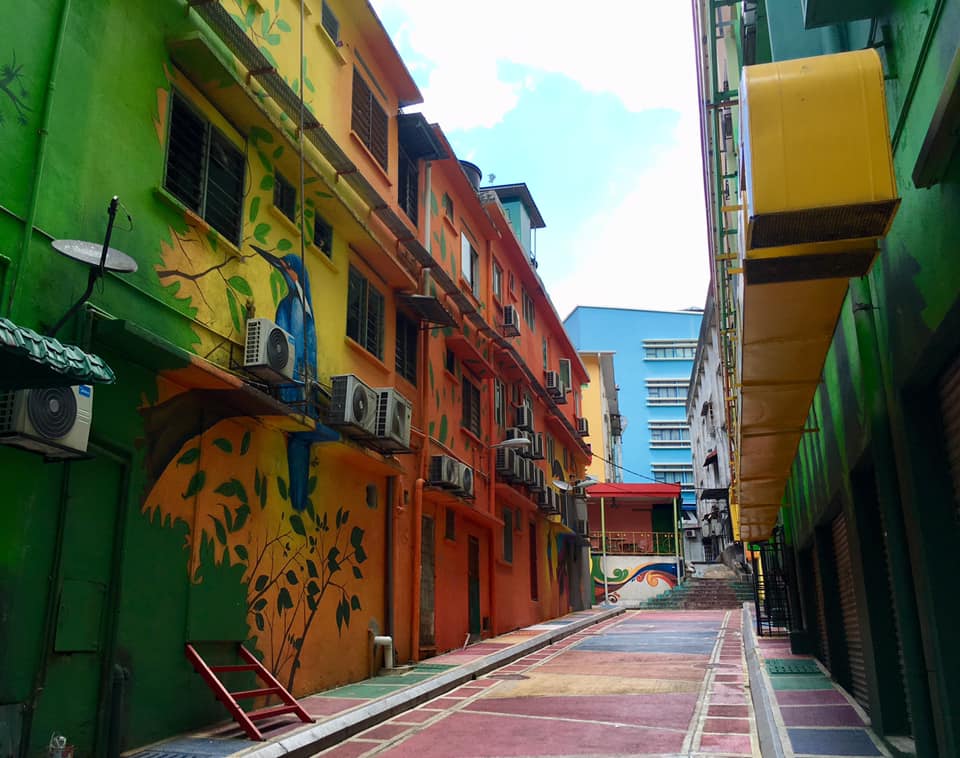
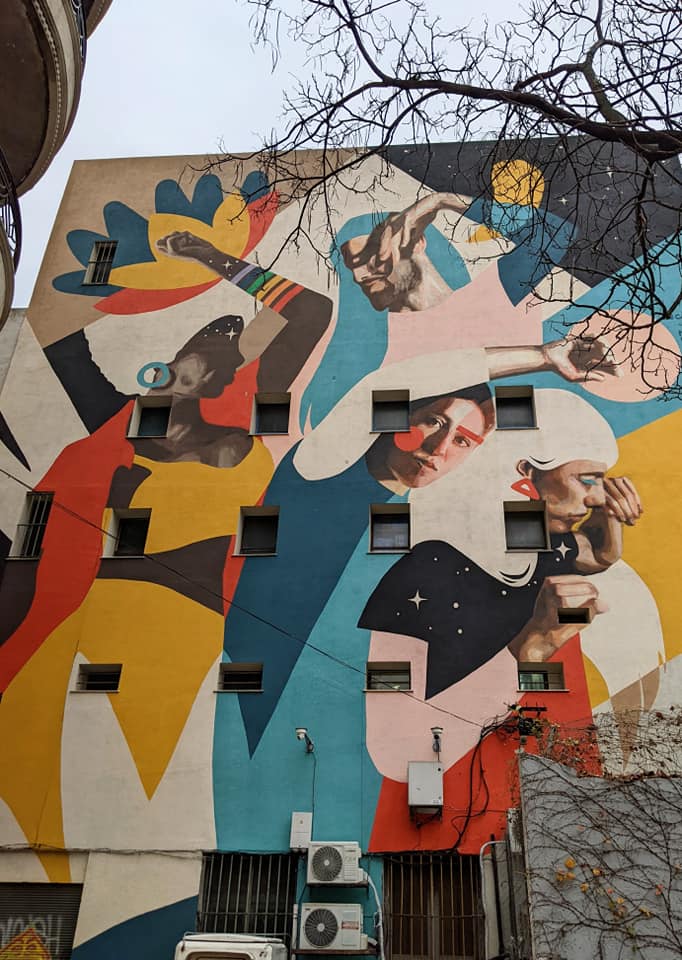
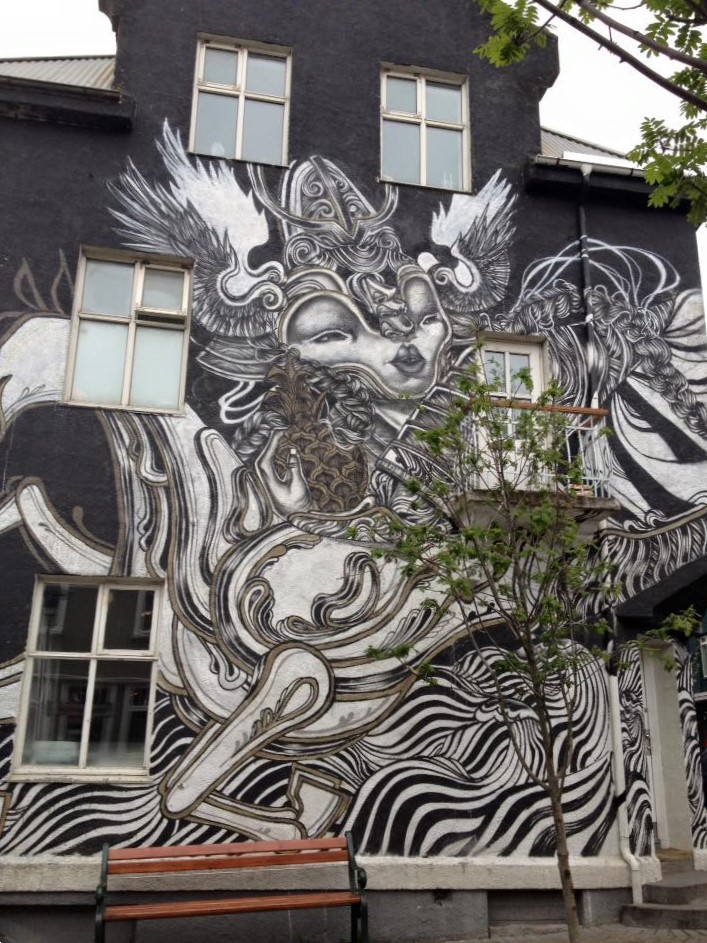
Over the years, I have developed a huge admiration for murals. At first, I saw them as purely decorative, something colorful to brighten up a dull corner of any given city, but the more time I spent in different cities, the more I amassed a photographic collection of their murals, and that’s when I started to notice different themes emerging. Whether the artists were telling a story, alluding to history or social issues, or just having fun, as a collective, murals seem to embody the culture around them. Here are a few of my favorite examples from some of my favorite cities:

Québec City

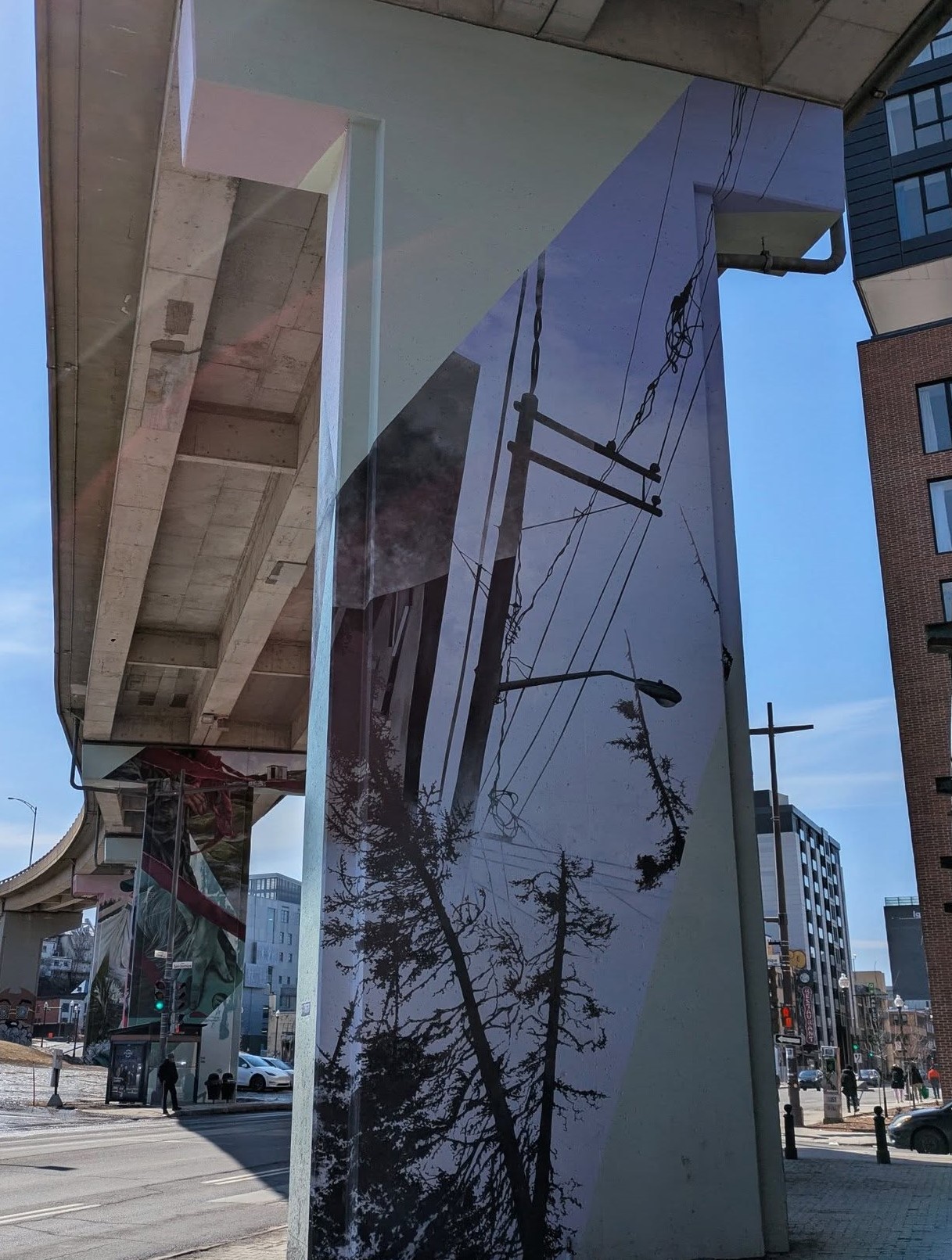
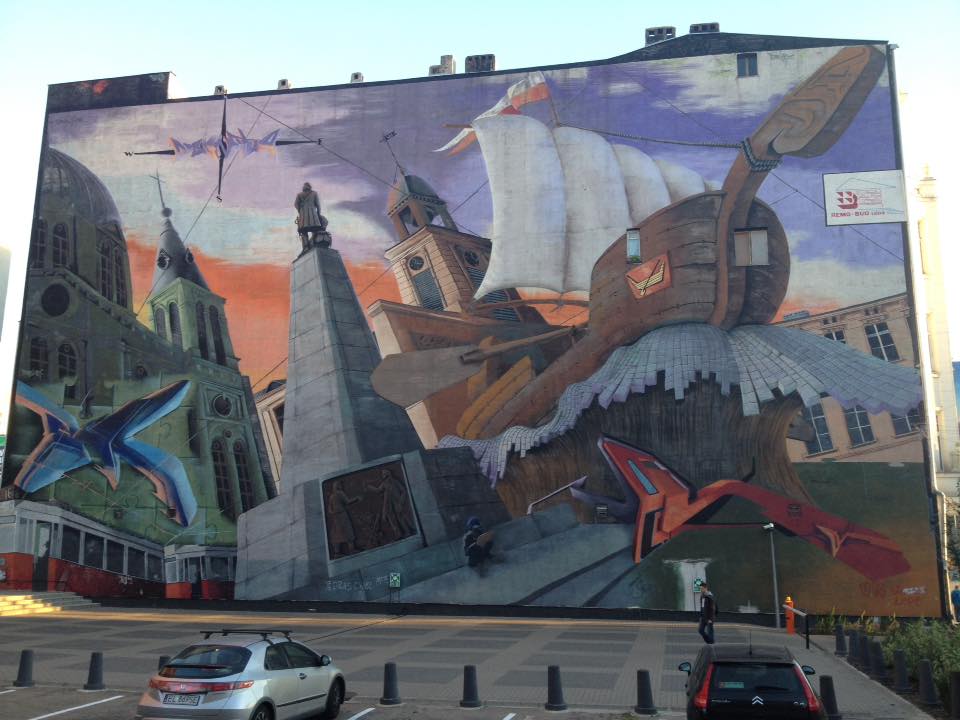
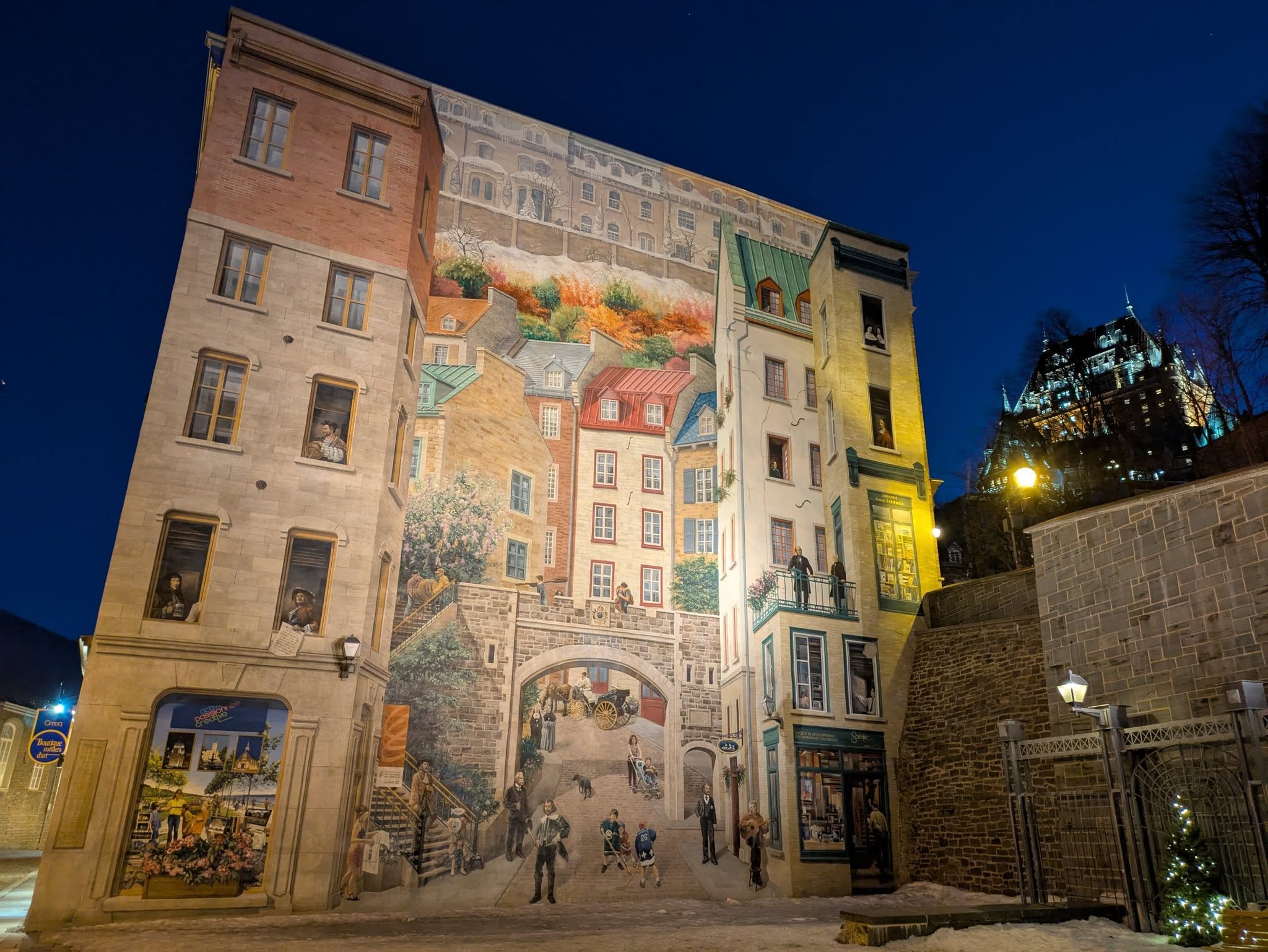
Québec is still new to me, but upon my first observations, I’d say Québec is proud. This city is proud of its unique history, its industrious people, and even its imperfections.

Ottawa, Canada

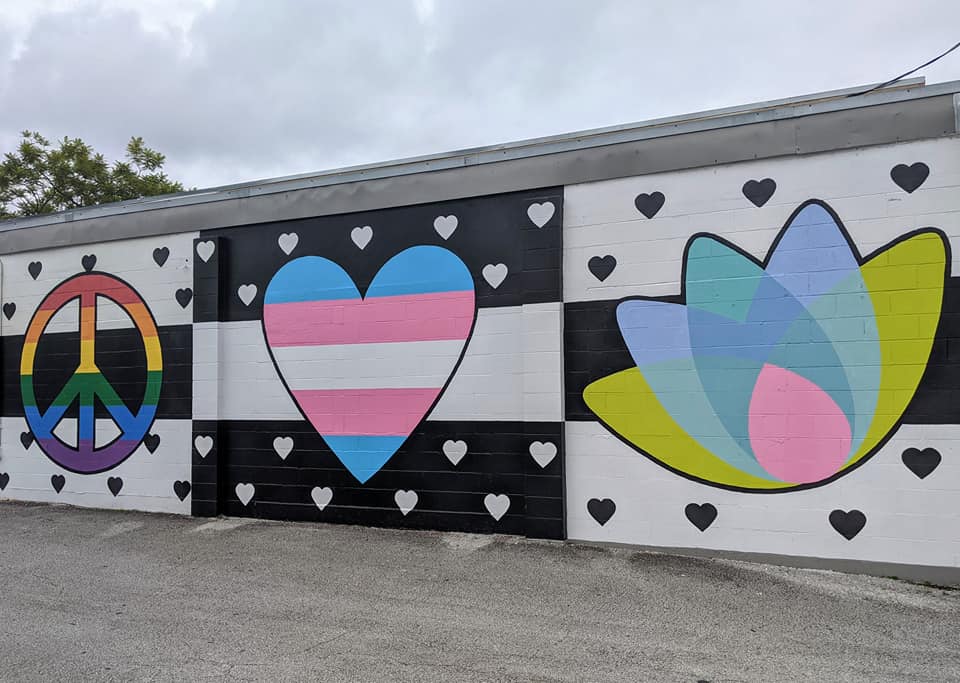
Ottawa is inclusive. This capital city is basically a microcosm of Canada’s Mosaic – there’s a little something from everyone on display here.

Guadalajara, México

Guadalajara is vibrant. This city, and much of the country really, is so alive and so fun, and that is immediately evident in its street art.

Orlando, Florida

Orlando is colorful. The people here are about as colorful as they come, and all those different cultures and backgrounds come together to make the beautiful rainbow that is Orlando.

Hefei, China

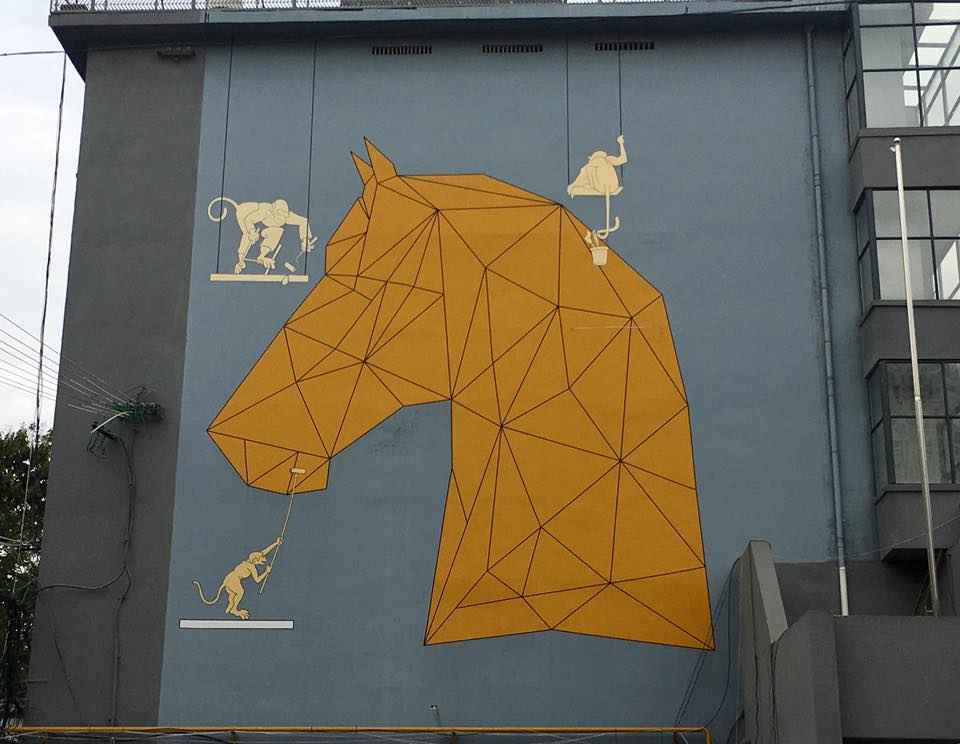
Hefei is prudent. This is a place where art and function collide. Like the city and its inhabitants, the art here is generally purposeful as well as captivating.

Łódź, Poland

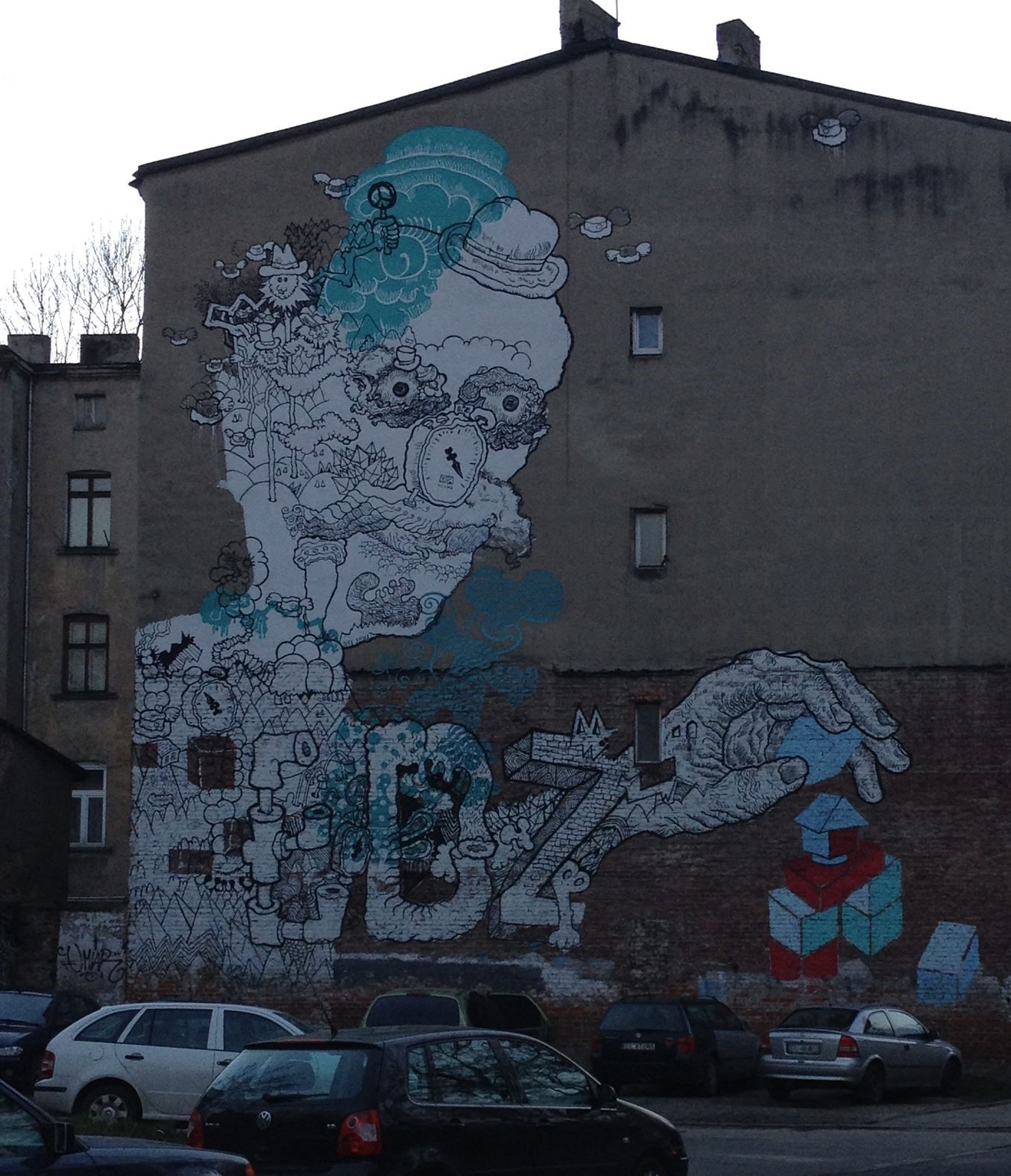
Łódź is quirky. The dark events of its past are evident, but the people here are experts at remembering the past while still enjoying the present.

Of course, it’s easier to see these patterns and make these connections when living in the heart of a city, experiencing the culture day after day. But I think if you look carefully, you can pick up the vibes of any city from even just a glance at its art. Here are some more examples of murals that I think capture the spirit of their homes.

Athens, Greece

Atlanta, Georgia, USA

Bogotá, Colombia

Cancún, México

Denver, Colorado

Hong Kong

Kuala Lumpur, Malaysia

Montevideo, Uruguay

Paris, France

Pisa, Italy

Quito, Ecuador

Reykjavík, Iceland

Singapore

Tampa, Florida

Tokyo, Japan

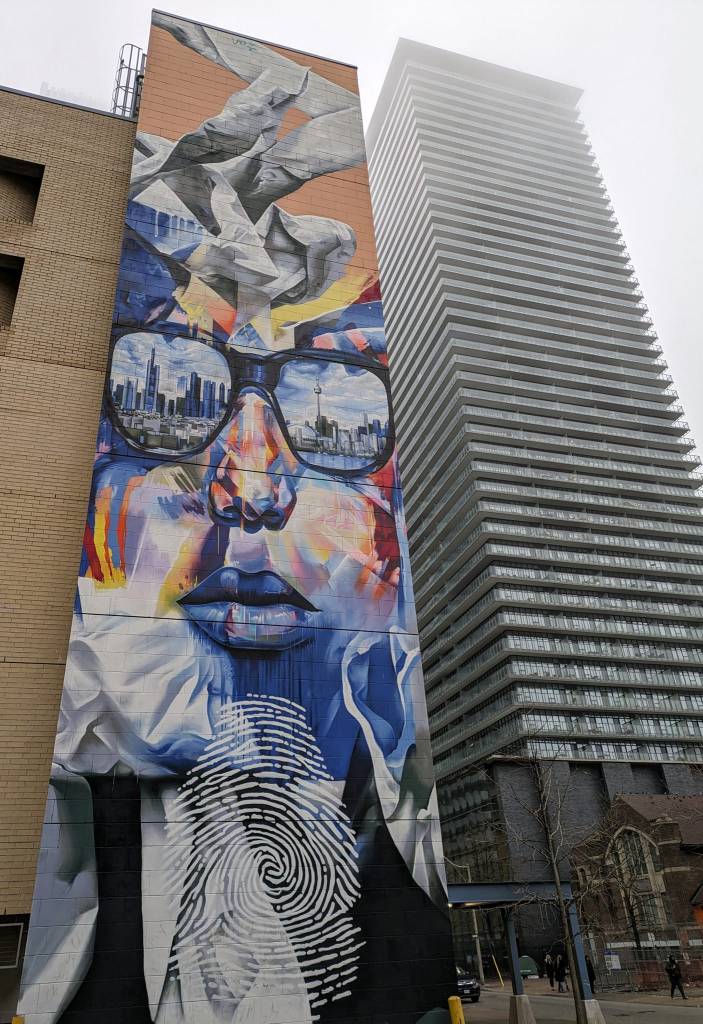
Toronto, Canada

Townsville, Queensland, Australia

So, what do you think? Do the murals match the vibes?

Surviving (and Loving) Yellowknife in Winter

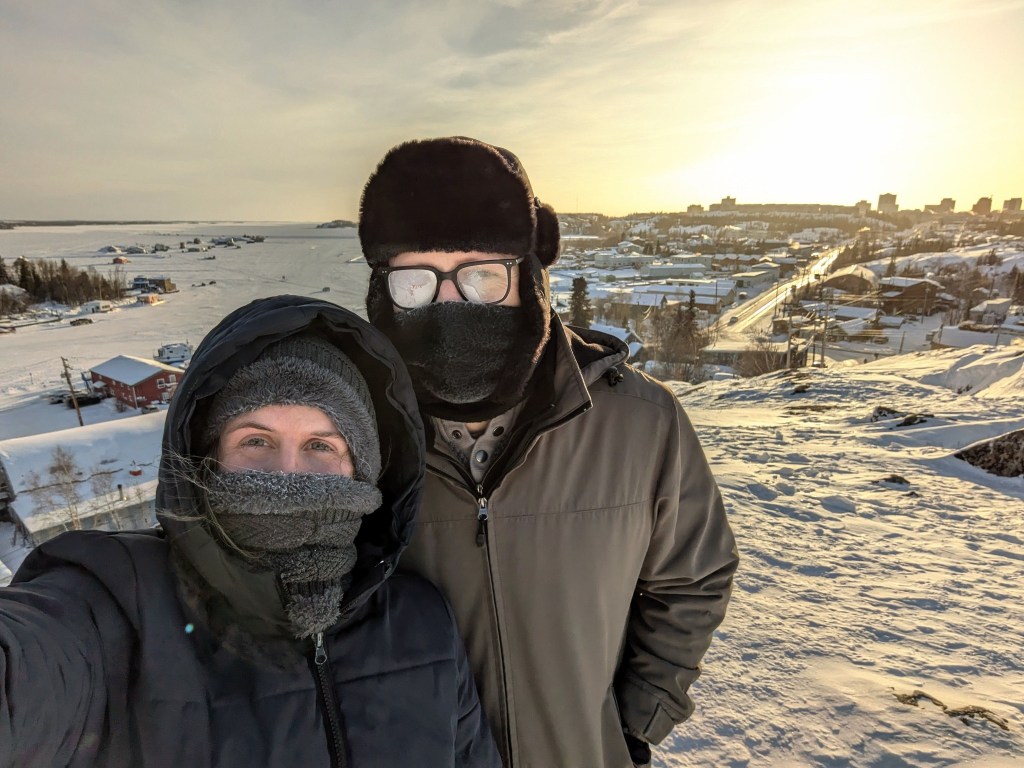
We did it! We took a 4-day trip to Yellowknife, Northwest Territories in February with only a backpack each and the clothes on our backs. Did people question our decision? Yes. Did our friends and family worry about us when checking the weather? Yes. Would we do it all again? Gladly! Yellowknife exceeded every expectation we had for it, and in this month’s post, I’m going to share some of what surprised us so much about this city in the far north of Canada.

The Remoteness

The first surprise actually came when we took a closer look at our flight times. Of course, we know Canada is huge, but we weren’t flying from end to end, more like from east middle to north middle. Regardless, we were in the air for over 7 hours to get from Ottawa to Yellowknife. It would have been faster to fly to Europe! We also flew in on a prop plane, which was another indication that we weren’t headed to a super populous place. And when we looked out the windows of that prop plane and saw literally nothing from Edmonton to Yellowknife (roughly 1,500 km), the message really sank in: we were in the middle of a vastness I’m not sure we’ve ever experienced before.
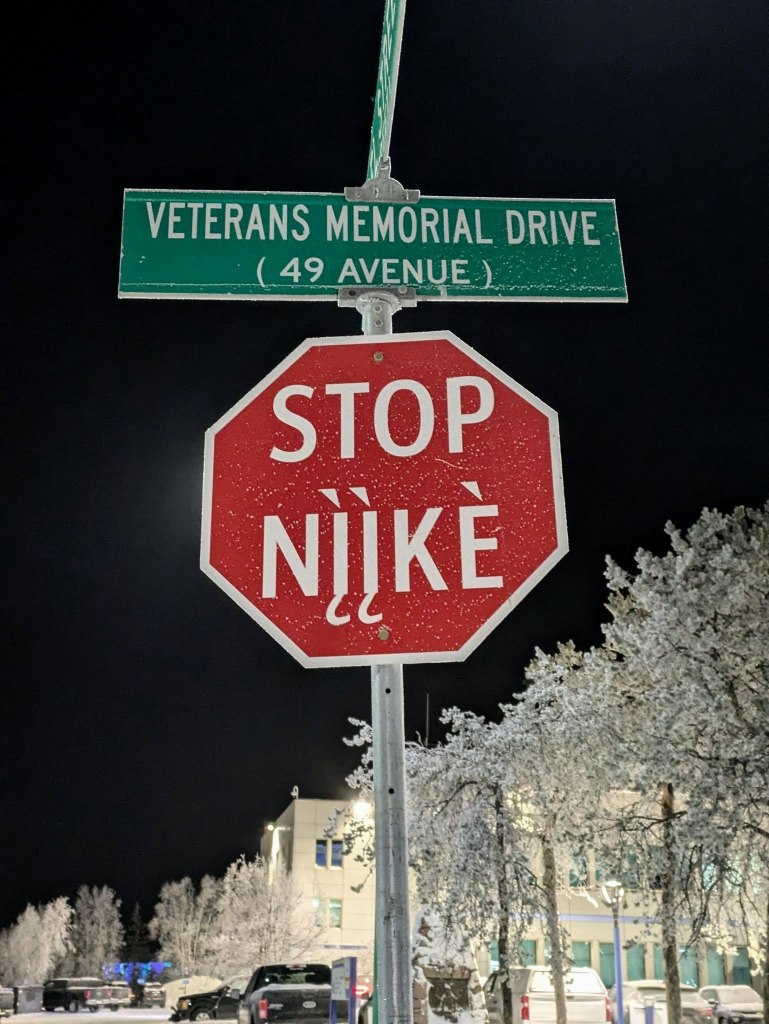
While we did end up feeling very isolated at first, the longer we were in Yellowknife, the more it felt like, well, Canada. We stopped by a Shopper’s Drug Mart, we got President’s Choice brand snacks, and we still had français to read on all the signage. We were also surprised that the prices of things weren’t as high as we had thought. We had been sure we’d see a crazy increase on all the groceries and food stuffs that had to be shipped in from beyond far away, but it really wasn’t too bad. There were definitely limited options, but overall, not too different from a similar sized city in Ontario or Quebec. The only thing that really stuck out as being outrageously priced was any beer outside of NWT Brewing Co. At one restaurant, we saw $14 Heinekens! Talk about not worth it…

The Cold

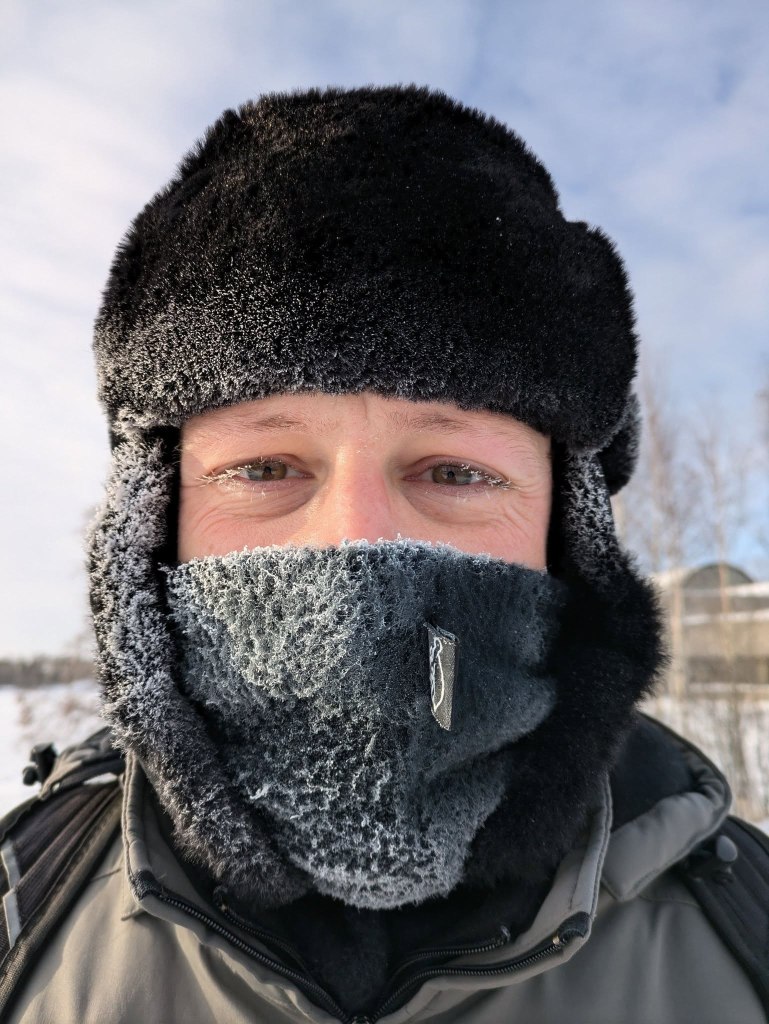
We specifically chose to go to Yellowknife in winter because we like the cold, and we wanted to experience the extreme cold of the Canadian hinterland. For weeks ahead of our trip, we tracked Yellowknife’s weather, so we could be as prepared as possible. We had already been to places like Bergen, Norway and Ushuaia, Argentina in their respective cold seasons, and we took those trips without boots or proper winter coats, so all things considered, we were absolutely better equipped for this trip than any that came before it. But did that really matter when we were standing outside in “feels like” -50°F? Not so much lol. We had actually heard several times, from several different people that after you get below -30 or so, it all just feels cold. However, I very much beg to differ; -40 definitely felt much colder than -30.

Fortunately, some things did come back to us when dealing with the extreme cold. We remembered the feeling of our eyelashes and nose hairs freezing. We quickly remembered the importance of breathing through your nose only. And once again, we fell back on the age-old lesson: you get what you pay for. Our $30 thermal socks have probably saved a few toes at this point. If I could give any advice to future Canadians or fellow cold weather travelers, you’re absolutely better off buying the expensive gear from the start – it’s expensive because it’s truly the only thing that works.   

We learned some new things during our time in Yellowknife as well though. It seems we do, in fact, fear the cold a lot more than the average NWT visitor (let alone resident/native). We opted to take the car pretty much any time we left after dark, mostly because that scene in “To Build a Fire” constantly replayed in our heads every time we took off our gloves! Also, you absolutely cannot function with glasses outdoors in Yellowknife, and even if you don’t need glasses, the cold weather can still really mess with your eyes. Our eyes struggled big time with the cold, the dryness, the ice crystals, the snow blindness, etc. It really felt like everything was out to hurt our eyes in Yellowknife!

The Lights

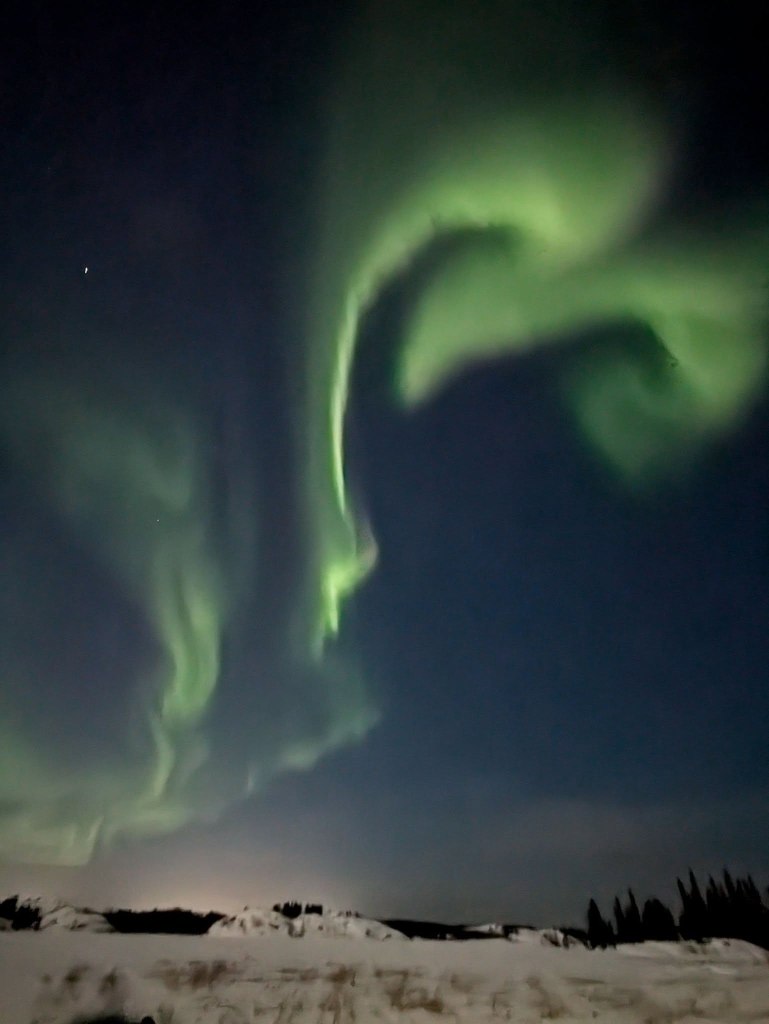
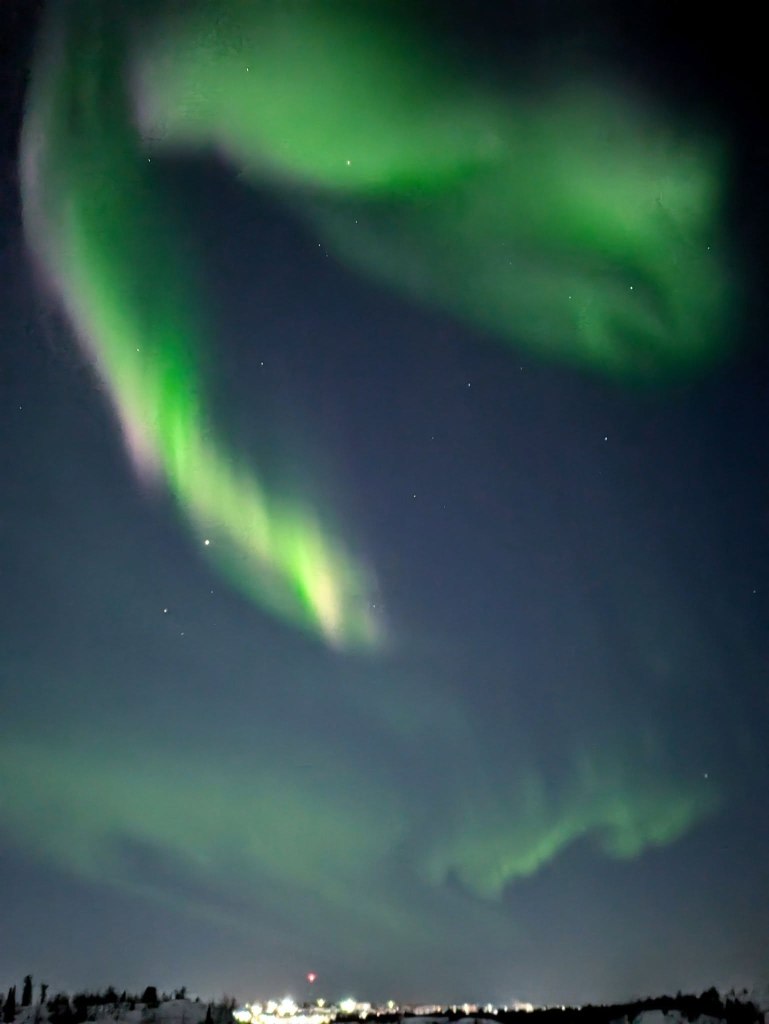
We have been super lucky with our northern lights sightings in Canada so far. Last May there was a big solar storm, and we actually saw them just about an hour north of Ottawa, so for this trip, we had our fingers crossed, but there wasn’t much pressure on the situation. And maybe that was key, because three of our four nights were full of gorgeous light shows. The colors were so much more vibrant and watching the lights spread out across such an expansive sky was absolutely incredible. Something we didn’t even know to account for in Ottawa were all the mountains and trees that would occasionally block our view of the lights, but we didn’t have that problem when standing on a massive frozen lake!
And just in case I never get around to writing anything about northern lights viewings in general, there are a few things I would have liked to know beforehand. 1) You must let your eyes adjust to the lights. They seem faint at first, but the more you watch, the clearer they become. 2) They move really quickly across the sky and make all sorts of crazy shapes. 3) There is no “peak time” so to say. They’re somewhat like storm clouds; they appear and disappear based on solar activity, so any forecasts are bound to be unreliable at best. 4) The darker it is, the brighter the lights appear, but neither the darkness nor the intensity matter if it’s cloudy, so if you’re hunting northern lights, pick a place known for having an abundance of clear nights. 5) Pictures simply can’t do the lights justice, not even those that have clearly been altered.

The Dettah Ice Road

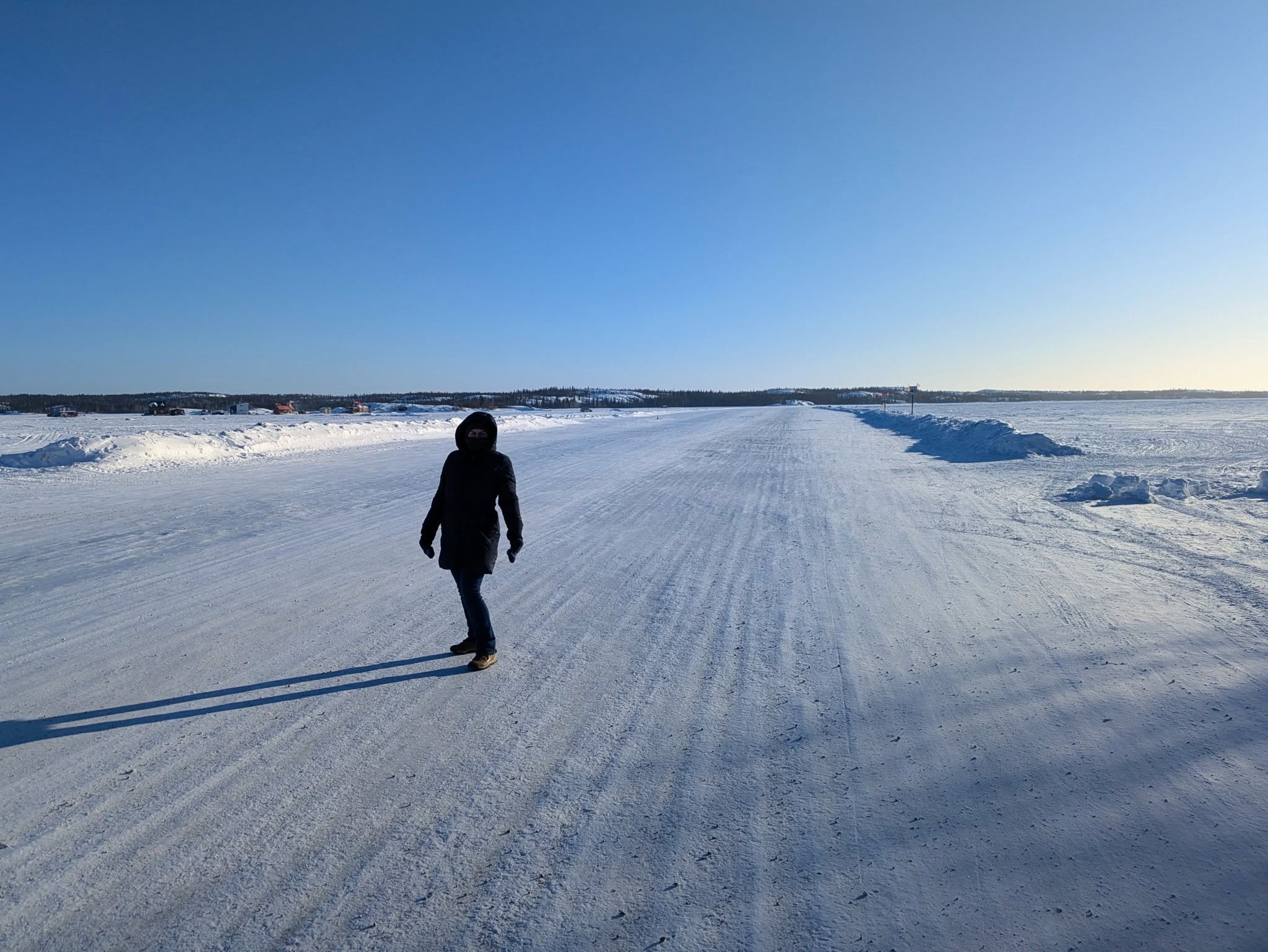
One of the most surprising experiences of this trip was our time on the Dettah Ice Road. When doing some research on Yellowknife, I came across the Dettah Ice Road listed as a tourist attraction and thought it sounded cool, but actually experiencing it and realizing that it’s not really a tourist attraction at all put it at the top of my list of reasons to visit Yellowknife in winter. The Dettah ice road is exactly what it sounds like: a road made of ice that leads to Dettah, a village southeast of Yellowknife. Usually, you have to drive about 27 km (17 miles) around Yellowknife Bay to get to Dettah, but in winter, since the Great Slave Lake completely freezes over, you can cut right across the bay and drive straight there (only 6.5 km/4 miles). The road itself is amazing! It looks like it’d be slippery or somehow feel different from a normal road, but no, it was business as usual driving across. Well, except for the blinding sun reflecting off the ice and all the cool photo ops along the way. Another incredible thing to experience!

The Yellowknives Dene

As part of our on-going comparison between Canada’s provinces and territories, we were excited to see the influence of the various indigenous groups of Yellowknife as well. Like a lot of Canadian cities, the name Yellowknife comes from a name given to a specific First Nations group, but unlike other Canadian cities, that First Nations group still makes up a considerable portion of the city’s population. Interestingly, the “city” of Yellowknife didn’t really exist until the gold rush of 1934, but the Yellowknives Dene had been settled there for hundreds of years; therefore, the majority of the region’s history revolves around these indigenous groups and how they helped outsiders acclimate to the extremes of the Northwest Territories. Today, their influence can easily be seen in the government, language, and culture of the region.

The Variety

When I shared our Yellowknife photos on social media, there were so many people who said things like “better you than me” or “too cold for me”, but I think the extremes are part of what makes Yellowknife such an intriguing destination. It was perfect for us, cold-loving freaks, but if you visit in August, you could be swimming in the lake rather than driving across it. The variety of activities Yellowknife has to offer is absolutely amazing, and that’s in each and every season. It’s not too often that Tucker and I make it back to a destination (at least not without many years in between), but Yellowknife might just be one we HAVE to see in another season. It also compelled me to move Whitehorse and Iqaluit (the capitals of the other two Canadian territories) up on our to-visit list, so stay tuned!

This was definitely a trip to remember, and for that, all I can say is a huge thank you to Yellowknife for treating us so well and an additional shoutout to all the winter gear we’ve been collecting over the last two years – it really came in clutch here!

Some of the Prettiest Views in Ottawa

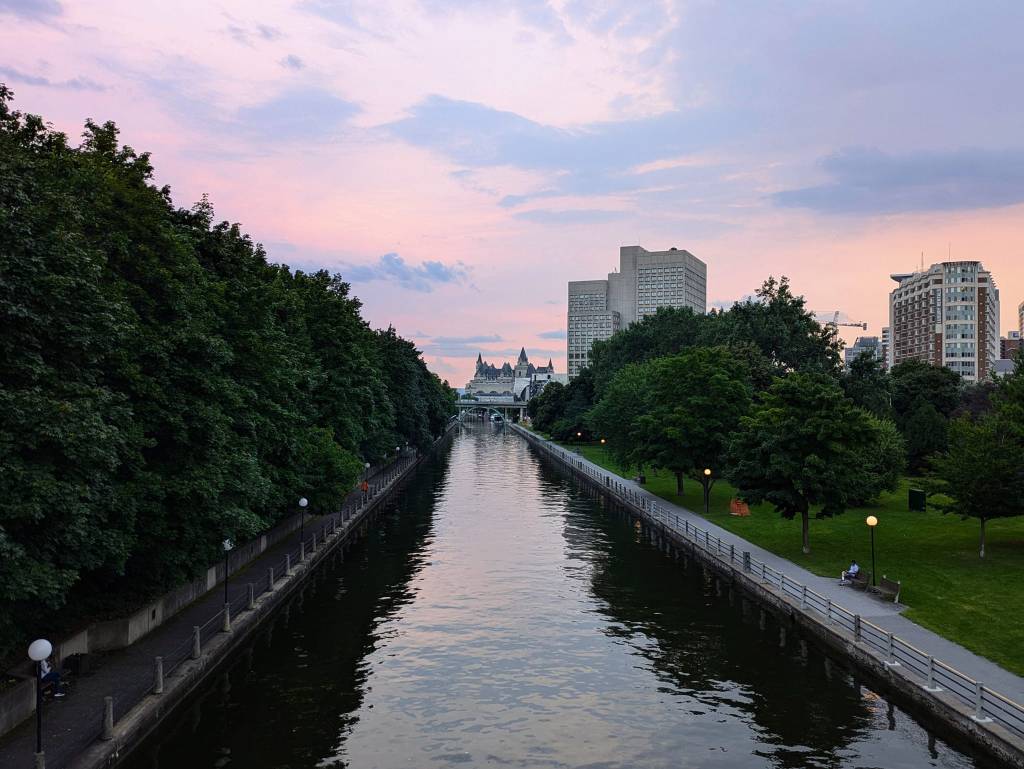
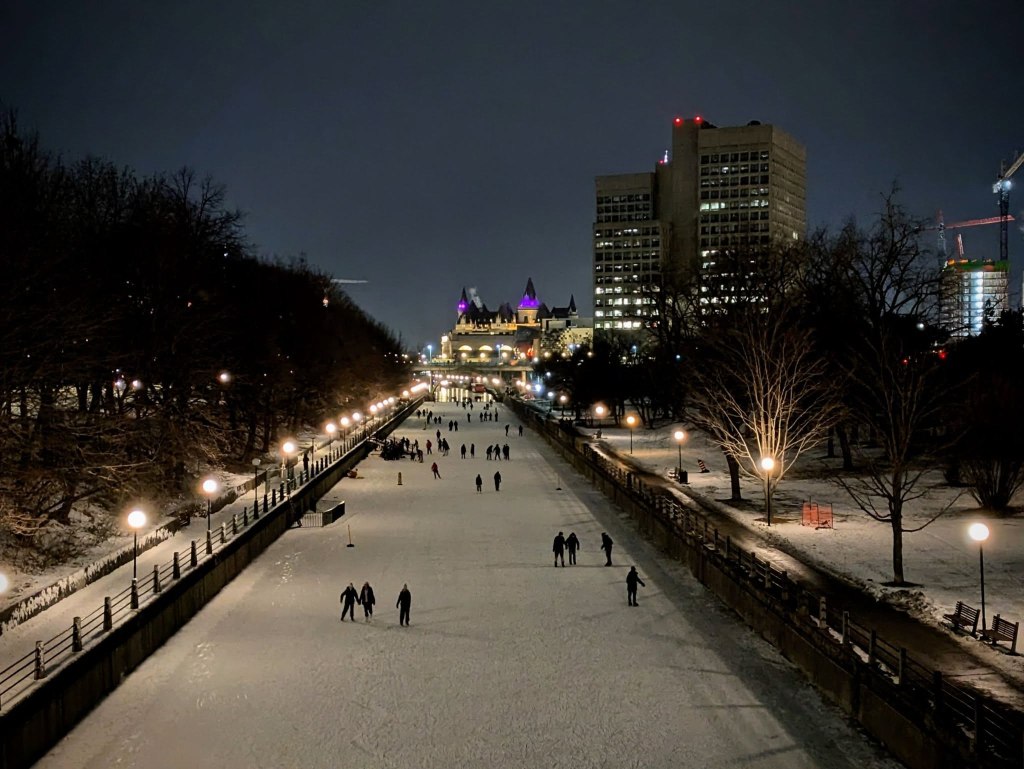
As I was writing about all the fun things to do in Ottawa, I realized some of my favorite places in the city wouldn’t make it on the list. They don’t have activities per se, but they’re really beautiful and perfect for just walking, sitting, thinking, and/or taking pictures. So, in no particular order, I give you:

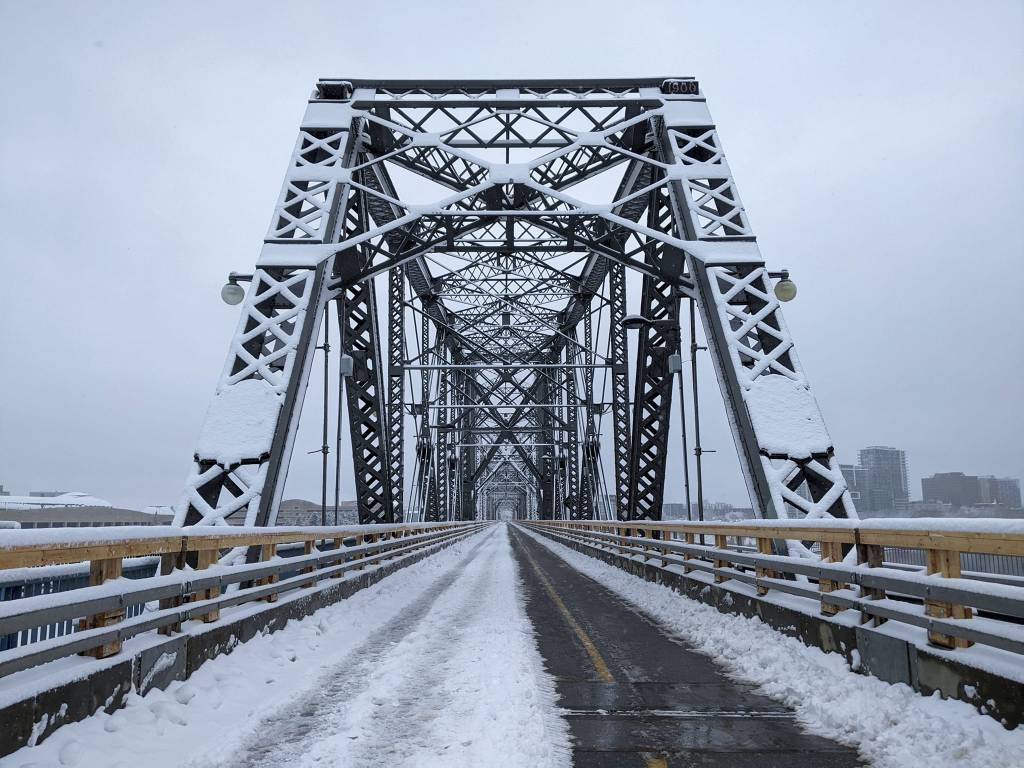
Alexandra Bridge

Rideau Falls

Major’s Hill Park & the Chateau Laurier

Rockcliffe Lookout

The Corktown Footbridge

Stanley Park

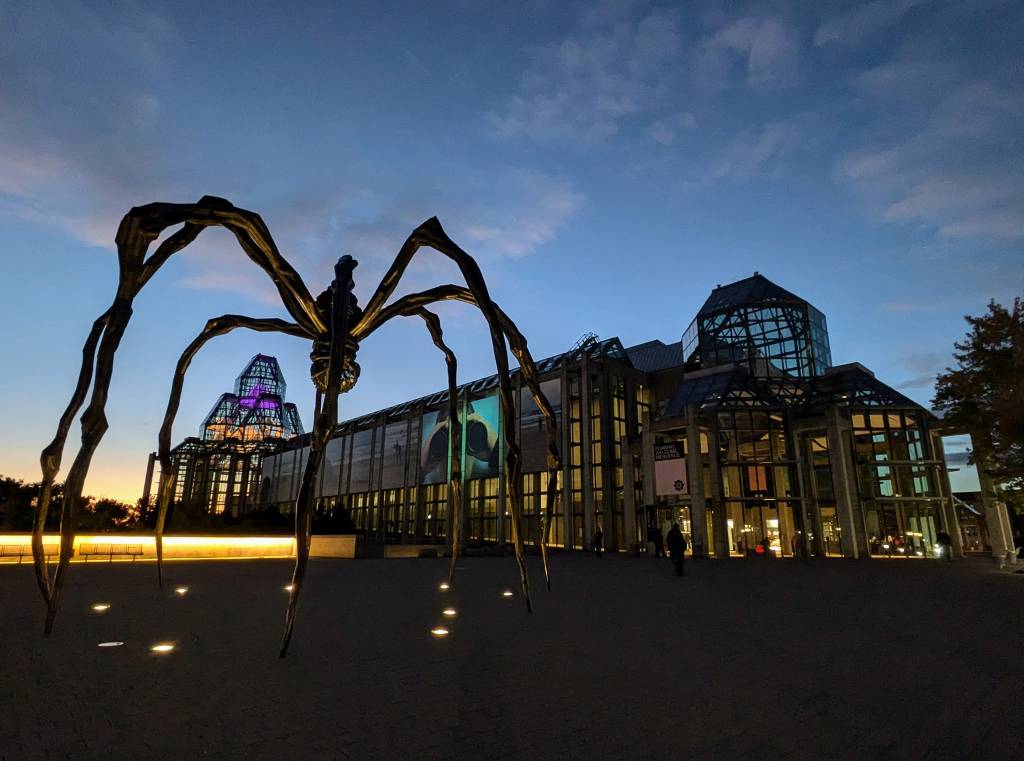
Maman & the National Gallery of Canada

Hudson’s Bay Overpass

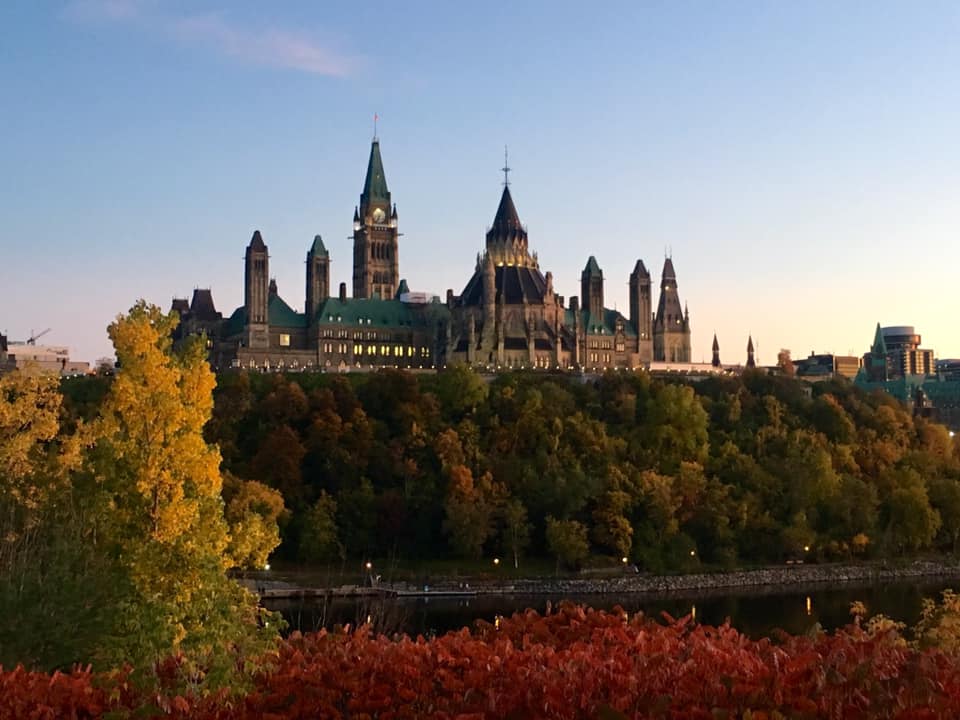
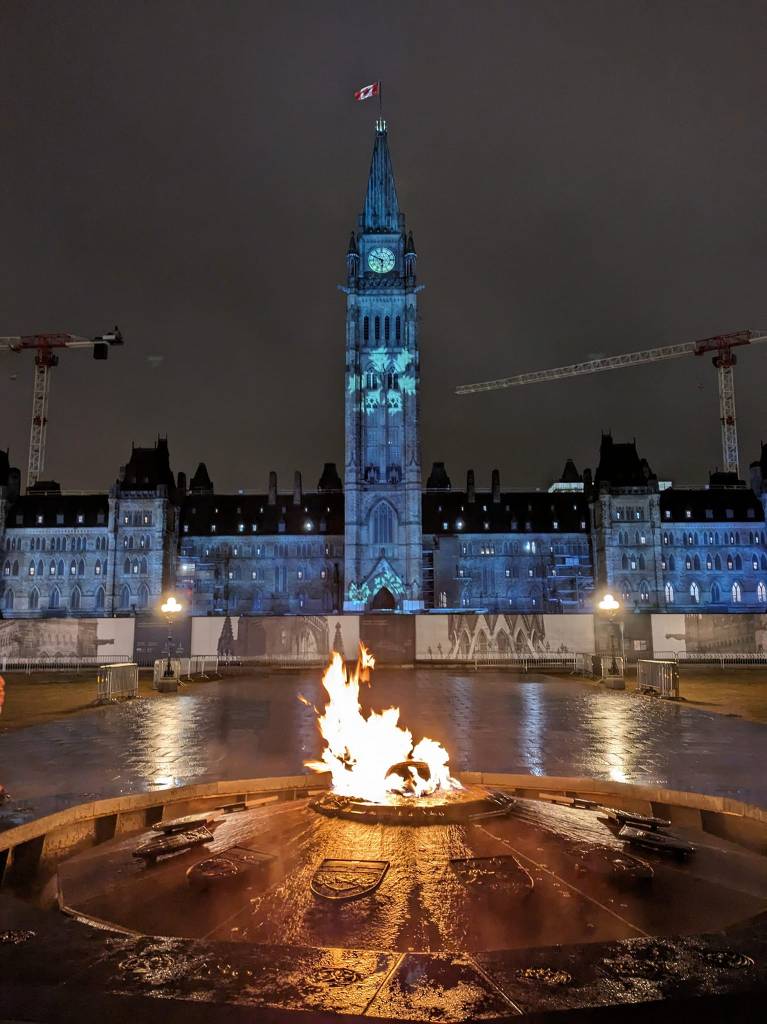
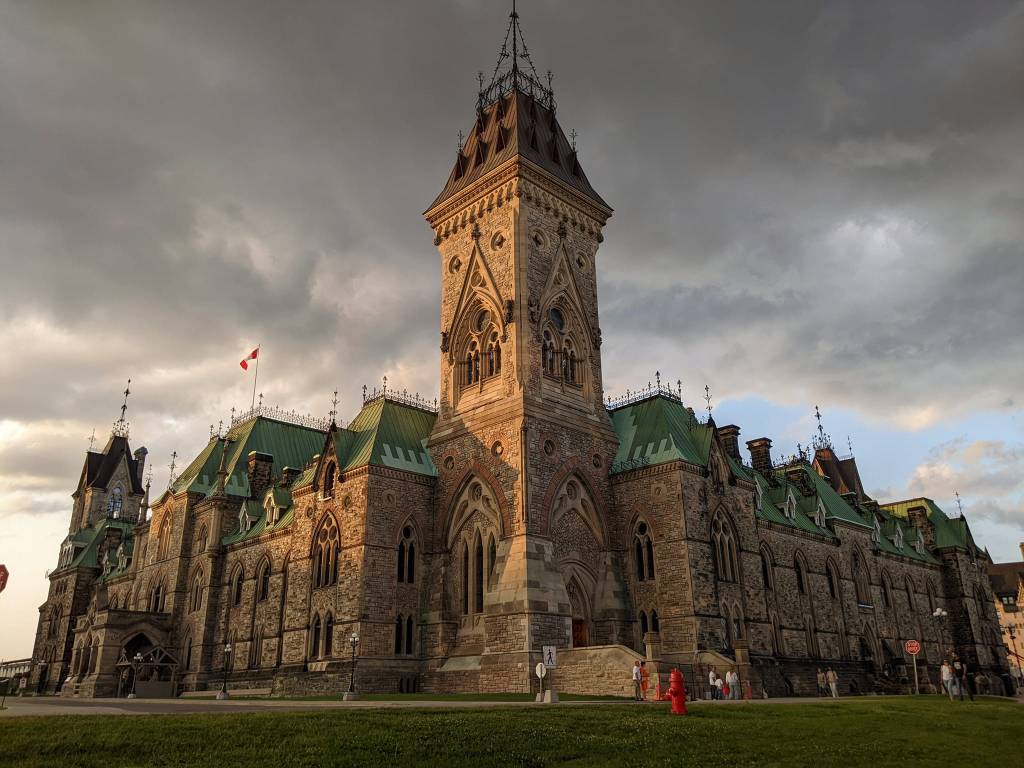
Parliament Hill

The Ottawa Sign

Our Top Picks for the Prettiest Places We’ve Visited (so far!)

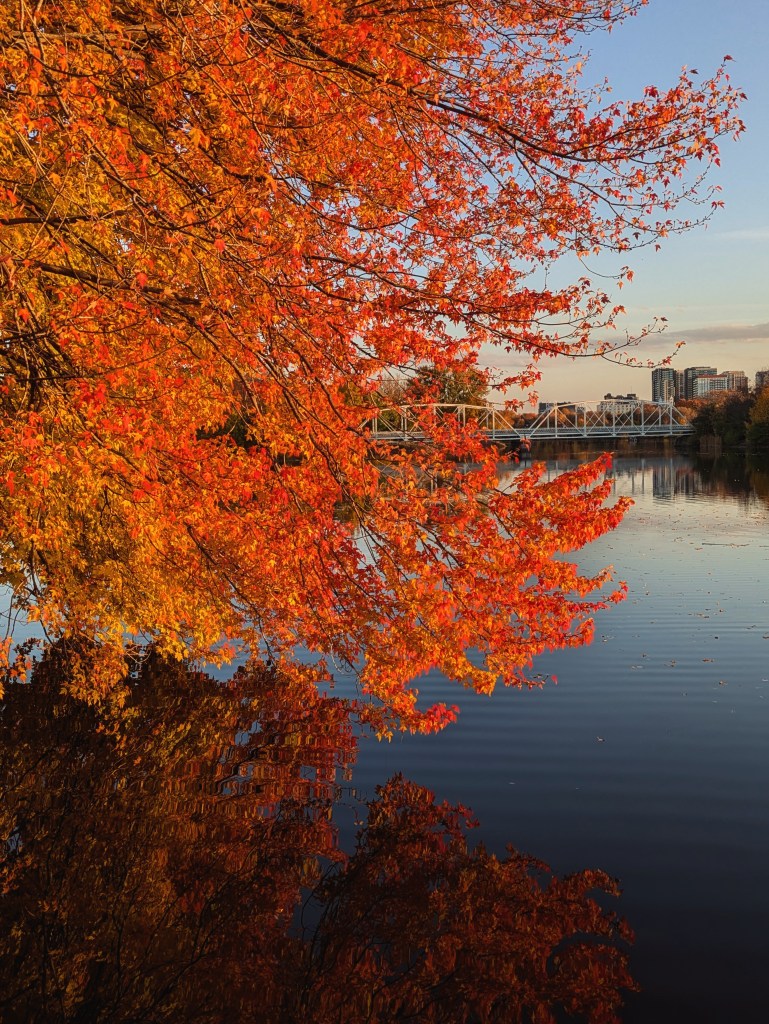
October in Ottawa is absolutely stunning, but I think regardless of the season, Ottawa might just be the prettiest place we’ve ever lived! But what about all the places we’ve visited over the years? To answer this extremely important question, Tucker and I scrolled through my Facebook albums to come up with our gut-reaction, top 10 prettiest places we’ve been list (in rough geographical order). It wasn’t an easy task, but somebody’s got to do it, right? Okay, maybe not, but it was still fun to do!

#1 Banff, Canada

As I think will become quite clear as this lists progresses, we love a good mountain scene, especially in fall/winter, which is why Banff had to be mentioned. Even before stepping foot into Alberta, we knew Banff was going to be pretty based on all the media constantly swirling around this vacation destination, but we were still absolutely blown away by the dynamic beauty of the Canadian Rockies.

#2 Moab, USA

If you’ve known me for any length of time, you know my favorite place in the United States is Arches National Park, located in Moab, Utah. I don’t know exactly what it is that I love so much, but ever since I first laid eyes on it (around 20 years ago, mind you), it has been one of my favorite landscapes in the world.

#3 Quintana Roo, Mexico

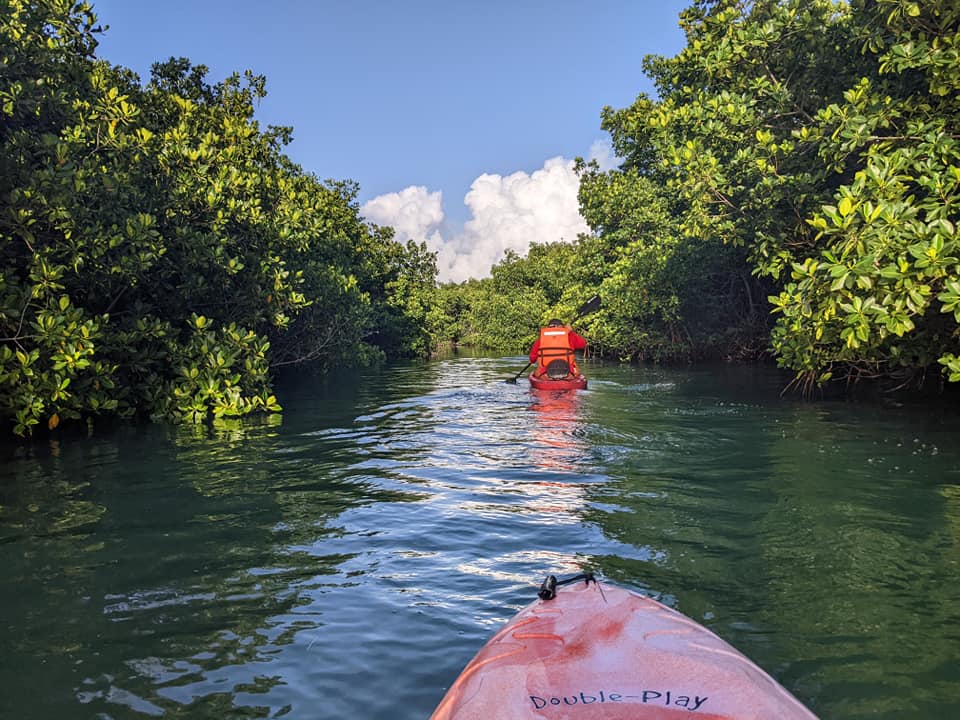
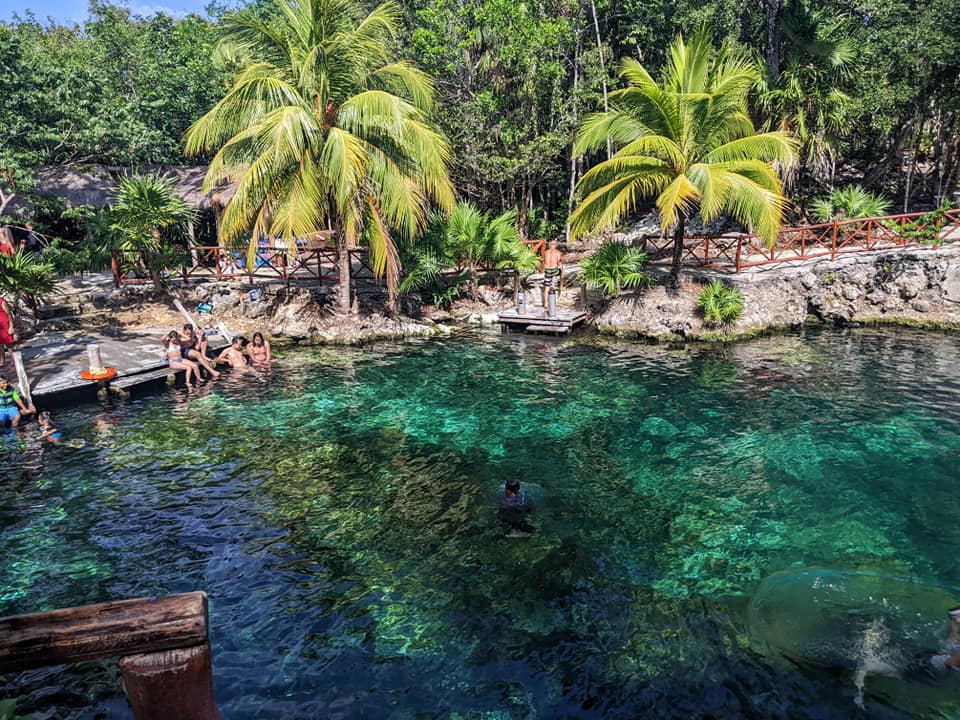
Although not usually beach people, Tucker and I have to concede that the beaches along Mexico’s Caribbean coast are simply on another level. Of course, it’s not just the beaches that we found so alluring – the cliffs, the cenotes, the lagoons, all of the nature and even some human-made structures in Quintana Roo really stand out to us on the prettiness scale.

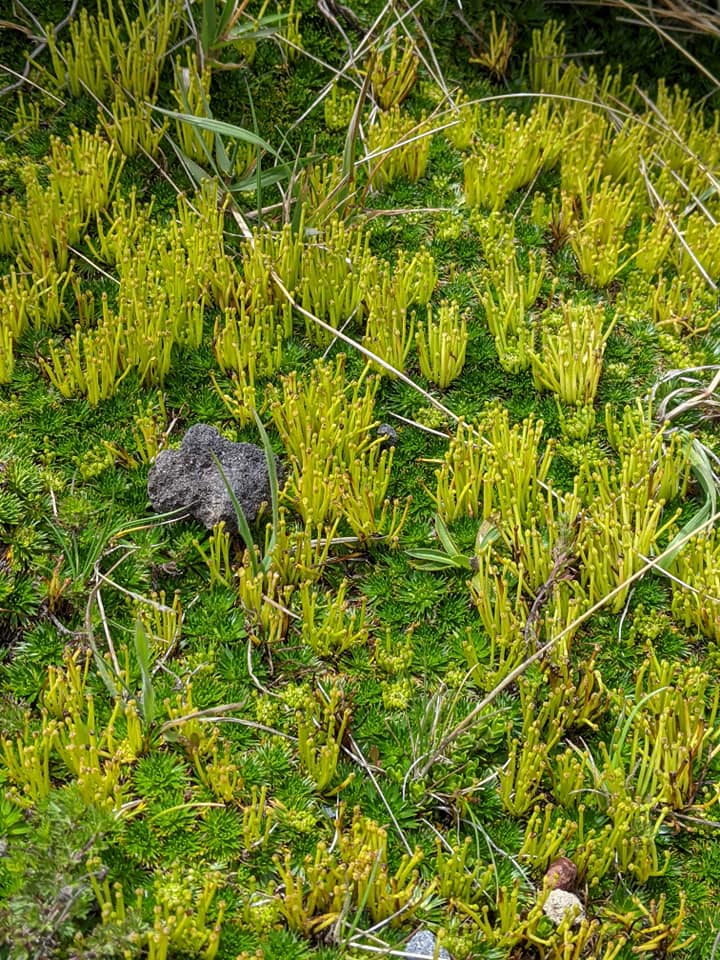
#4 Cotopaxi, Ecuador

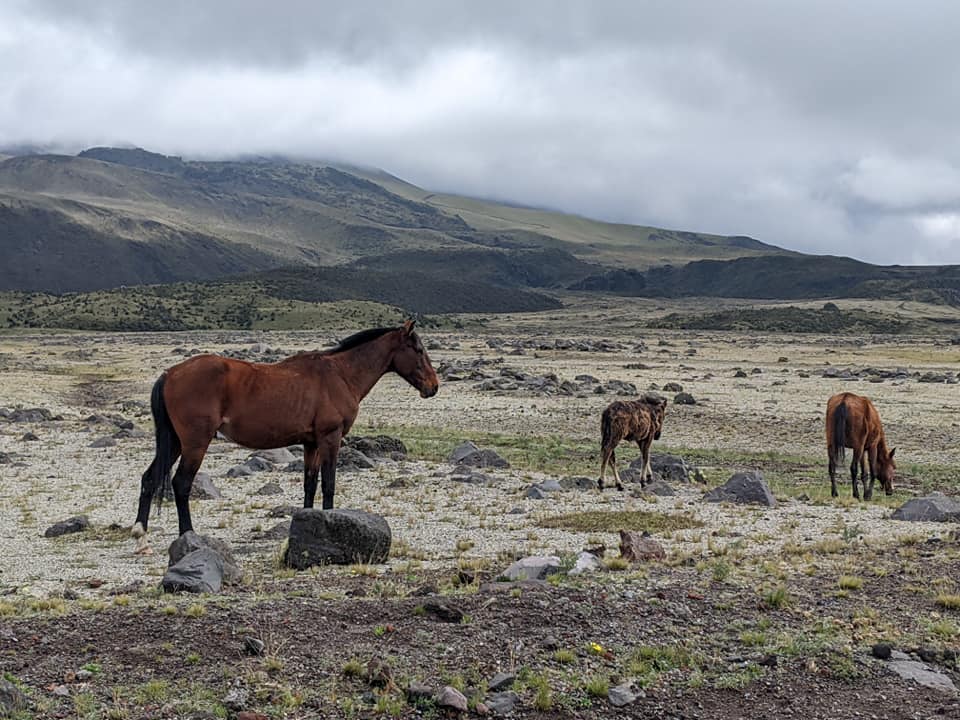
For pure, rugged beauty, there might not be a better example than Ecuador’s Cotopaxi National Park. Volcanos, calderas, pampas – even if you’re not a geologist, you can easily see the beauty these amazing natural features bring to the table.

#5 Ushuaia, Argentina

With beautiful snowy mountains, clear waters, and pink skies, Ushuaia is the closet you can get to Antarctica without a boat, and not only is it pretty, it’s pretty freaking awesome. Known as the “End of the World”, the remoteness only added to the beauty of this far-flung location.

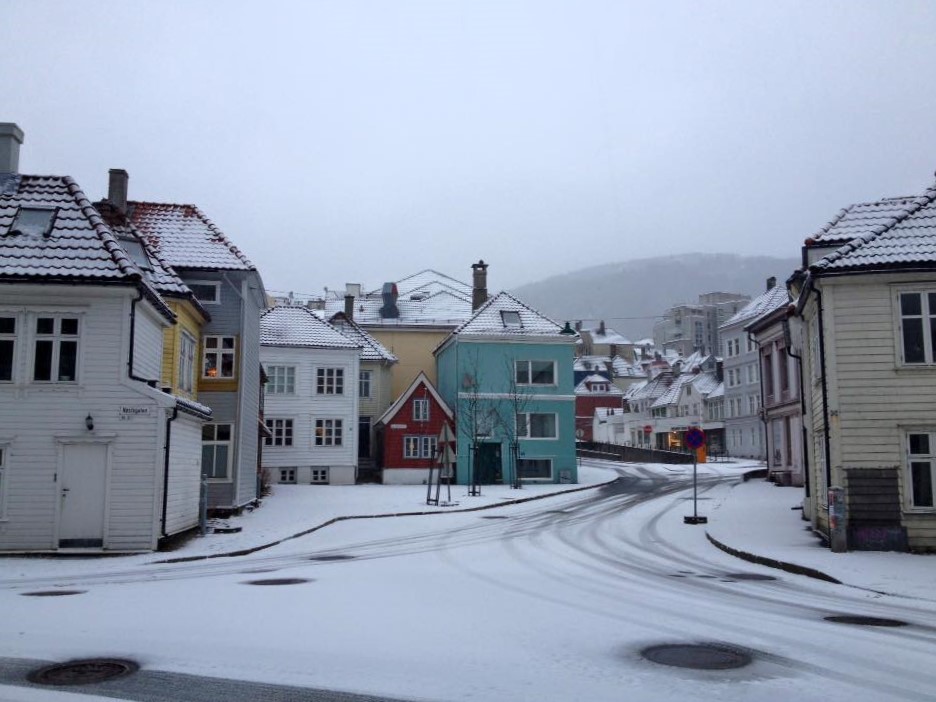
#6 Bergen, Norway            

Tired of snowy mountains yet? Well, what if we add fjords to the mix? Bergen is another place we’ll always mention when talking about gorgeous surroundings. Of course, we loved it in winter, but I have friends who visited in summer, and their photos also took my breath away!

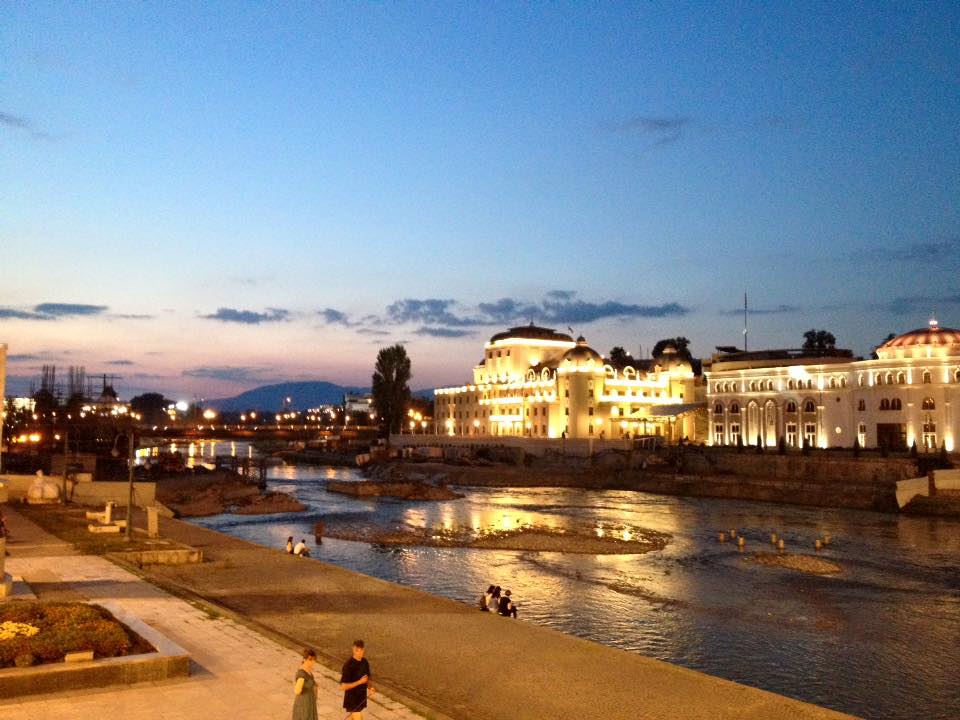
#7 Skopje, North Macedonia

North Macedonia surprised us from the moment we landed. We ended up in Skopje because it was one of the cheapest places we could fly to at the time, and I’m so glad it was! The city is full of beautiful architecture, and with Matka Canyon only a short bus ride away, I’m continually surprised that it isn’t yet packed with tourists!  

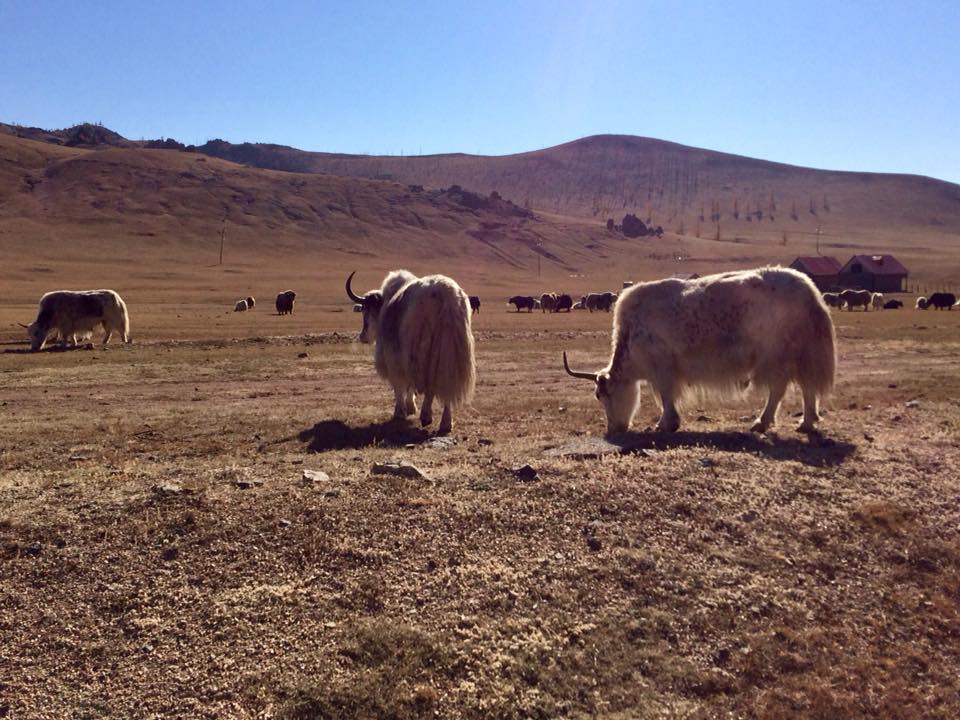
#8 Gorkhi-Terelj, Mongolia

Another one for the “rugged beauty” column, Mongolia is truly in a world of its own. More wide-open spaces than I’ve ever seen in my life and the bluest of blue skies gave us such a pretty picture of a place we never imagined we’d be able to see in person.

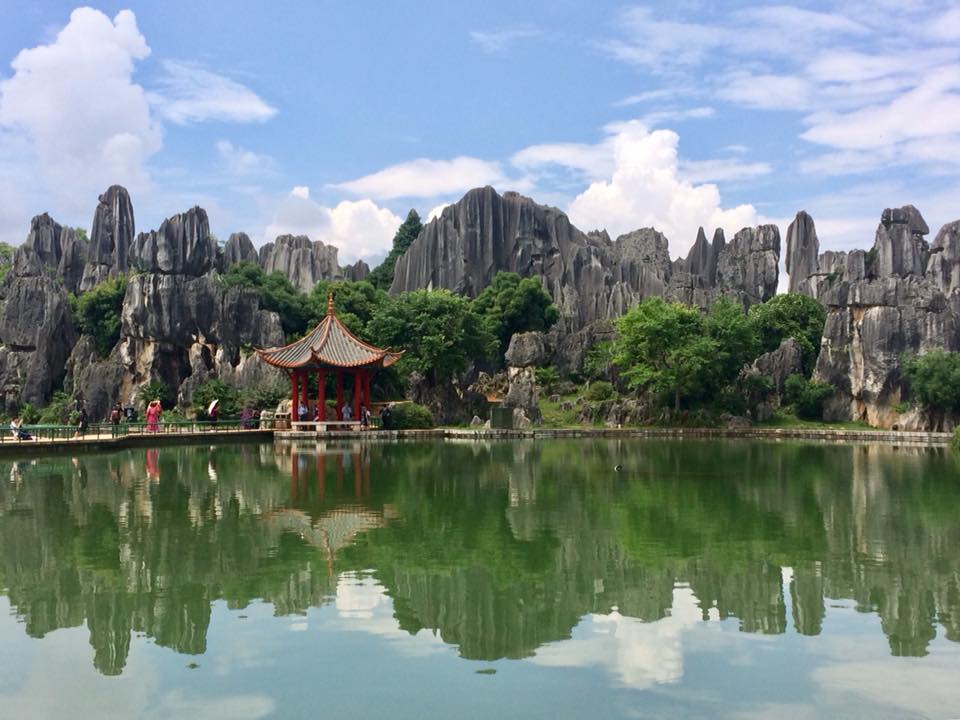
#9 Yunnan, China

As with several countries already on this list, sometimes we found it difficult to narrow down to just one region. China has a lot of extremely beautiful places, but the one that tops the list for us (excluding any biases, of course) is Yunnan. A province in the southwest corner of the country, it is blessed with an abundance of flora and fauna, and its capital is known as the “City of Eternal Spring” – it doesn’t get much prettier than that!

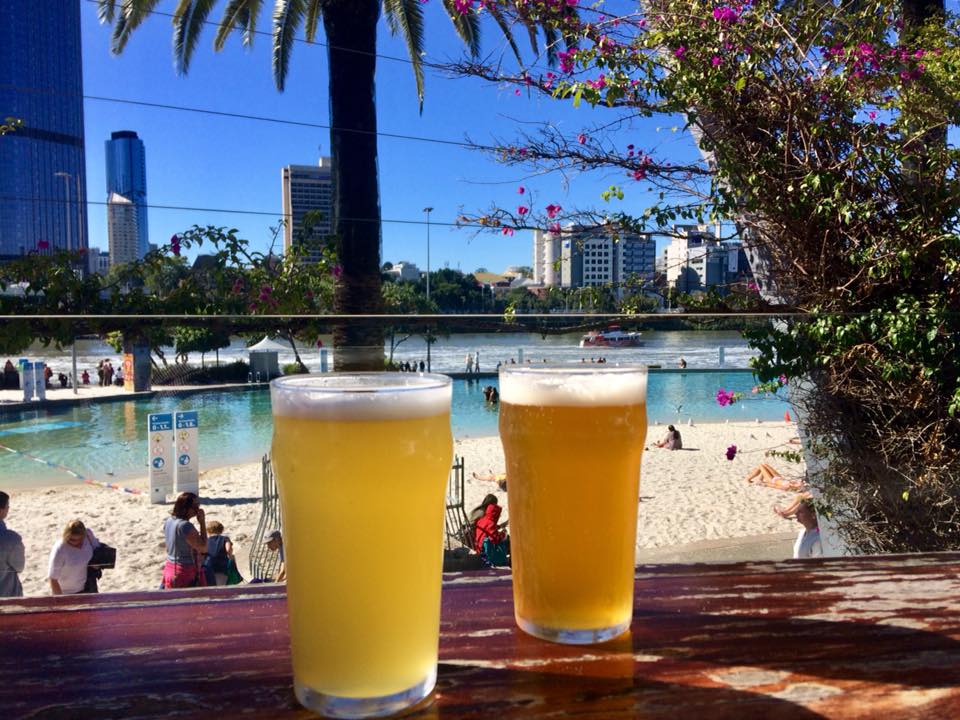
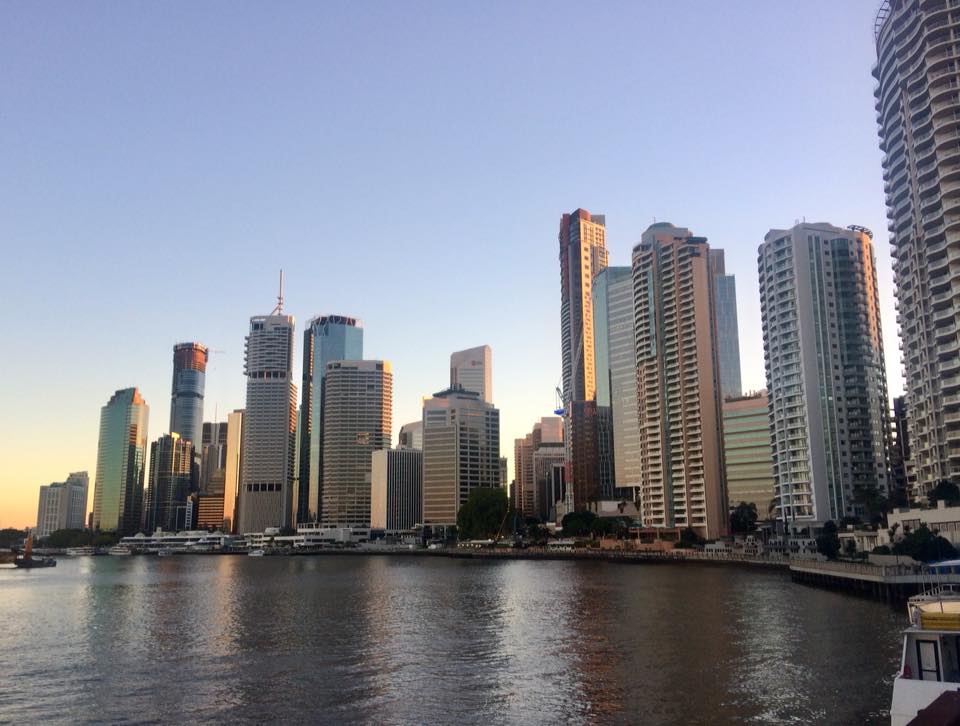
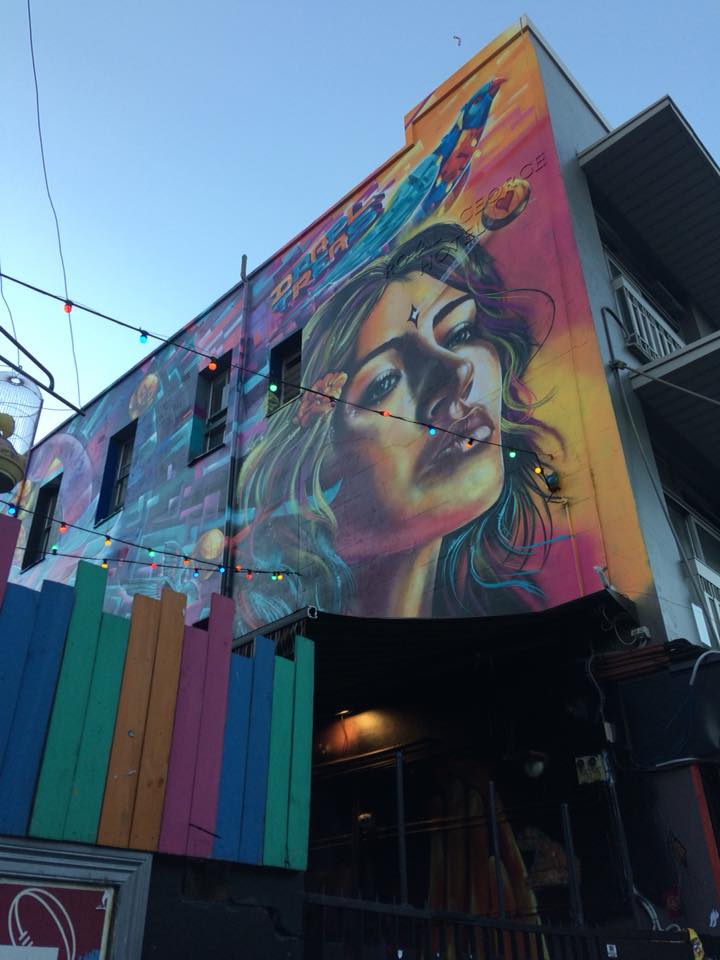
#10 Brisbane, Australia

And last but not least, Brisbane, Australia rounds out our list! It’s located between Sunshine Coast and Gold Coast, which even sounds pretty, but what struck us even more than the beautiful beaches nearby was the city itself. Gorgeous skylines, quirky architecture, and the only (and therefore most beautiful) “city beach” we’ve ever seen. Definitely worth the long trip Down Under!

Honestly, getting this list down to just 10 was really tricky, but in the end, I feel good about our choices. Of course, the pictures never really do the places justice, so if you can, I highly recommend seeing these beauties in person some day! If a picture is worth a thousand words, then a trip must be worth a million.

Merriment in the Maritimes

One of the things I love most about living abroad is getting to see much more of a country than I ever could on a more traditional vacation, and even though Canada is huge, I’m still setting my sights on visiting each and every province and territory while we’re here. So, to that end, we recently spent a week exploring the Maritime provinces of Nova Scotia, Prince Edward Island, and New Brunswick.

Of course, the Maritimes were high on our to-visit list for many reasons, including but not limited to famous lighthouses, rocky beaches, and vastly changing tides, but there were still many surprises for us to discover during our trip! Here are some of our favorite things we ate, drank, and did while wandering around in Eastern Canada:

Nova Scotia

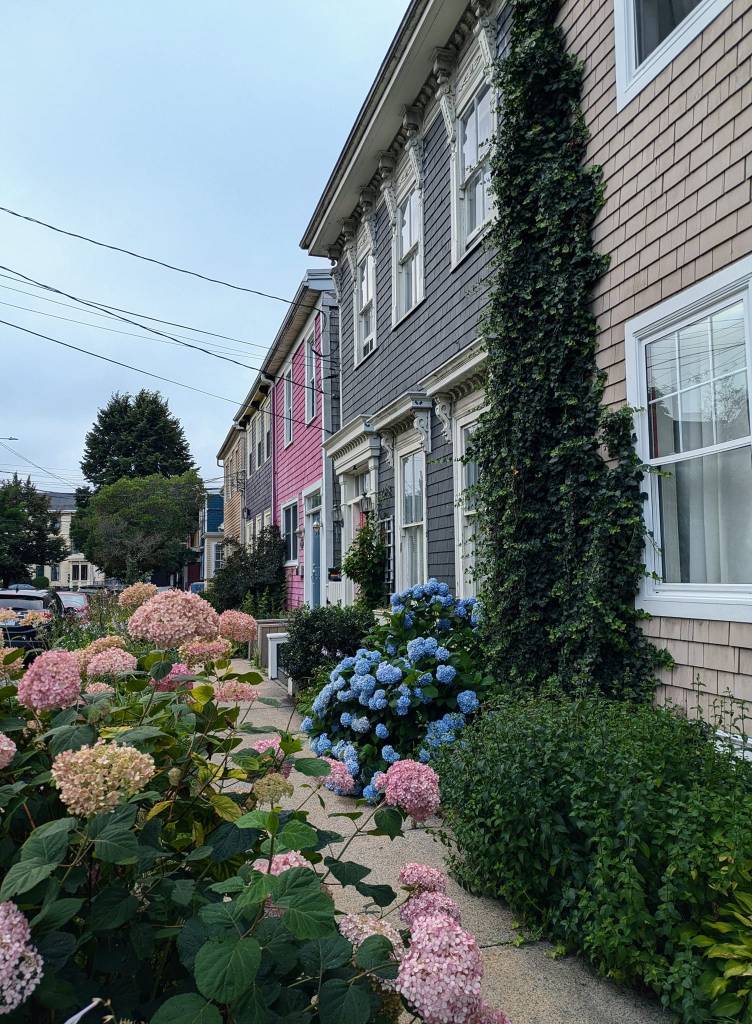
Probably the most famous of the three Maritime Provinces, we opted to fly in and out of Nova Scotia’s capital and largest city: Halifax. Prior to our visit, I think the only thing I really knew about Halifax was that there was a large explosion here in the early 1900s. However, I now have a plethora of opinions about this coastal city and a whole host of recommendations for anyone who visits in the future!

Good eats:

If you know me, you know seafood is not really my jam, so I was thinking I might be underwhelmed by Nova Scotia’s cuisine. Luckily, that wasn’t the case at all! One of the most famous dishes associated with Halifax is the curious Halifax Donair. Donair, doner, kebabs, or whatever you want to call them are popular in many places around the world, very often as a late-night, post-drinking meal, but the ones in Halifax definitely hit different. It might be the sweetened condensed milk in the sauce or maybe it’s the general vibes coming from the locals who hang around the most popular take-out joints, but if you’re going to Halifax, you absolutely must experience this delicacy for yourself!

Although I typically prefer savory dishes/meals as opposed to sweet snacks/desserts, I can’t not mention Nova Scotia’s Moon Mist ice cream. It was on my list of local foods to try as a unique swirl of grape, banana, and bubblegum ice cream specific to this region, but honestly, I thought, “oh, that’ll be nice to taste, but it probably won’t be my favorite”. But I was wrong! I loved it! I have no idea if the ice cream quality there was just superior or if that seemingly random combination is just something special, but I absolutely loved carrying my brightly colored ice cream cone with me down the waterfront feeling very much like a kid enjoying the last days of summer vacation!

Great drinks:

Trying out several local breweries has now become a habit of ours on longer trips, and Halifax did not disappoint. In fact, we were spoilt for choice and really only tried a small portion of all the brewery options in the city. One of our favorite spots was a newly opened Beer Garden from Good Robot Brewing. Their beers were really good and the atmosphere was perfect. Another place we really liked was Propeller Brewing Company. They had flight boards in the shape of propeller blades (so on theme!), and in addition to a beautiful patio, they also had board games and an arcade to enjoy while you sip.

Fun activities:

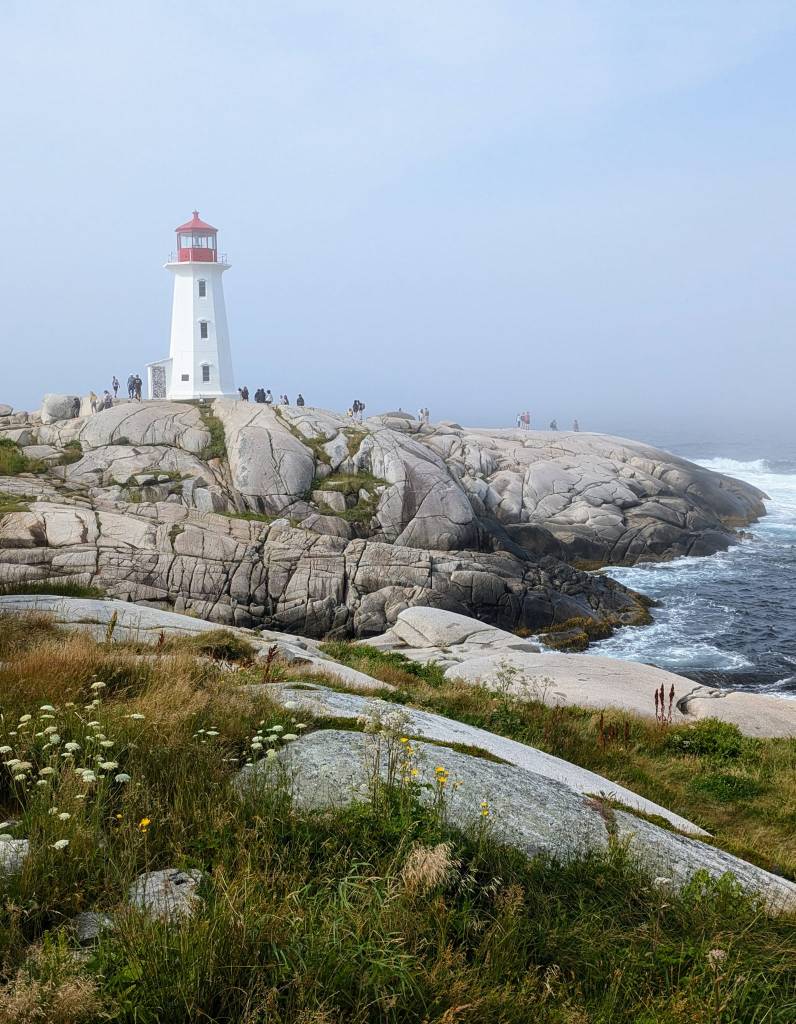
The most iconic thing we did while in Nova Scotia was probably our time spent at Peggy’s Cove. One of the most photographed places in Canada, Peggy’s Cove Lighthouse and its surroundings were absolutely beautiful. Don’t forget your jacket though because even on a hot August day, the wind and fog really cut deep (I truly felt bad for those wearing shorts and tank tops)! Another fun (and cheap) activity to do in Halifax is to take the ferry from the waterfront across the water to Dartmouth for a different view of the city. The ferry is part of the public transport system, so it was super easy and convenient.

Prince Edward Island

Perhaps the most idyllic Canadian province, Prince Edward Island is the setting for the classic Anne of Green Gables stories. Driving onto the island (across the second longest bridge in Canada), it really felt like we stepped back in time. Old wooden farmhouses are aplenty on PEI, and we even saw a horse-and-buggy crossing sign. If “charming” is something you’re looking for in a vacation destination, PEI might be the perfect place for you!

Good eats:

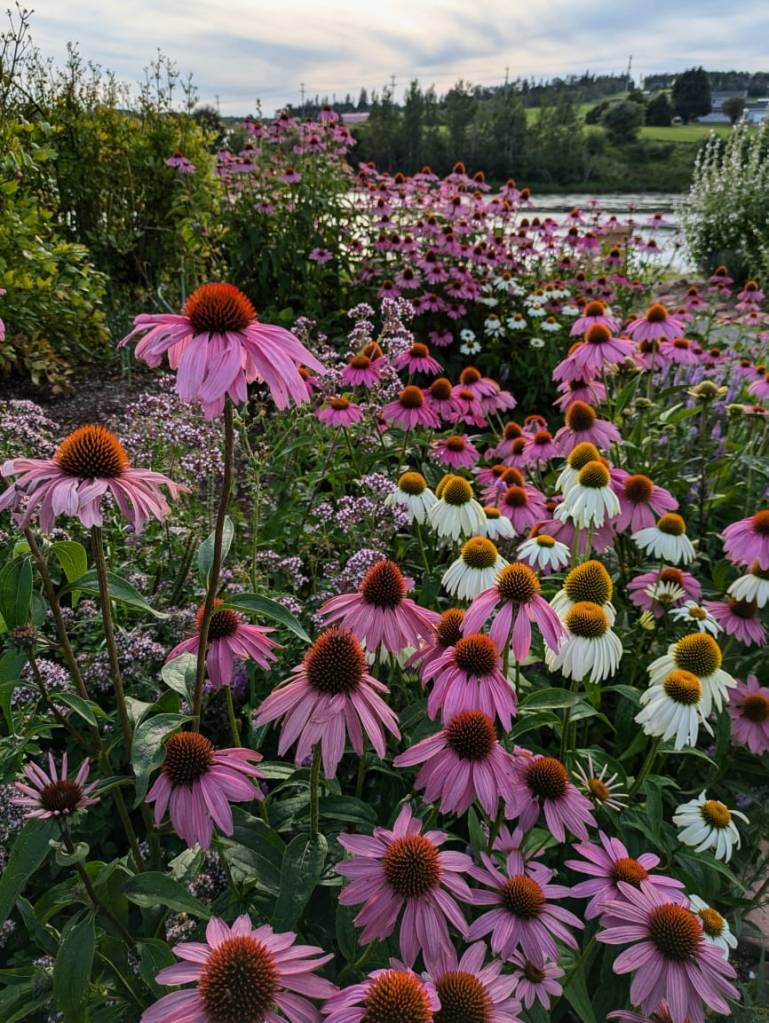
We only spent one day on the island, so our meals were somewhat limited. However, we did stumble upon a really cool place called the Prince Edward Island Preserve Company. Part store, part restaurant, part tourist attraction; it really checked off a lot of boxes! They serve several PEI specialties like seafood bubbly bake, potato pie, and raspberry cream cheese pie, and you can enjoy these treats in what looks like a dining room straight out of someone’s grandma’s house. There were quilts decorating the walls, hummingbird feeders at every picture window, and enough wooden furniture to make me think about fire safety. But my favorite part was definitely the walk around the gardens – so pretty!

Great drinks:

PEI is definitely what I’d call “rural”, but luckily, there are still several places you can go to try out some local brews, especially in Charlottetown (the capital). We opted for Craft Beer Corner, where we sampled some of Upstreet Craft Brewing’s beers. The beers were really good and the bathroom had a disco party option, so what more could you possibly ask for? We also considered checking out Deep Roots Distillery, which makes their own liquors from local ingredients, but unfortunately, we just didn’t have the time. There’s always something that gets moved to the next-time list!

Fun activities:

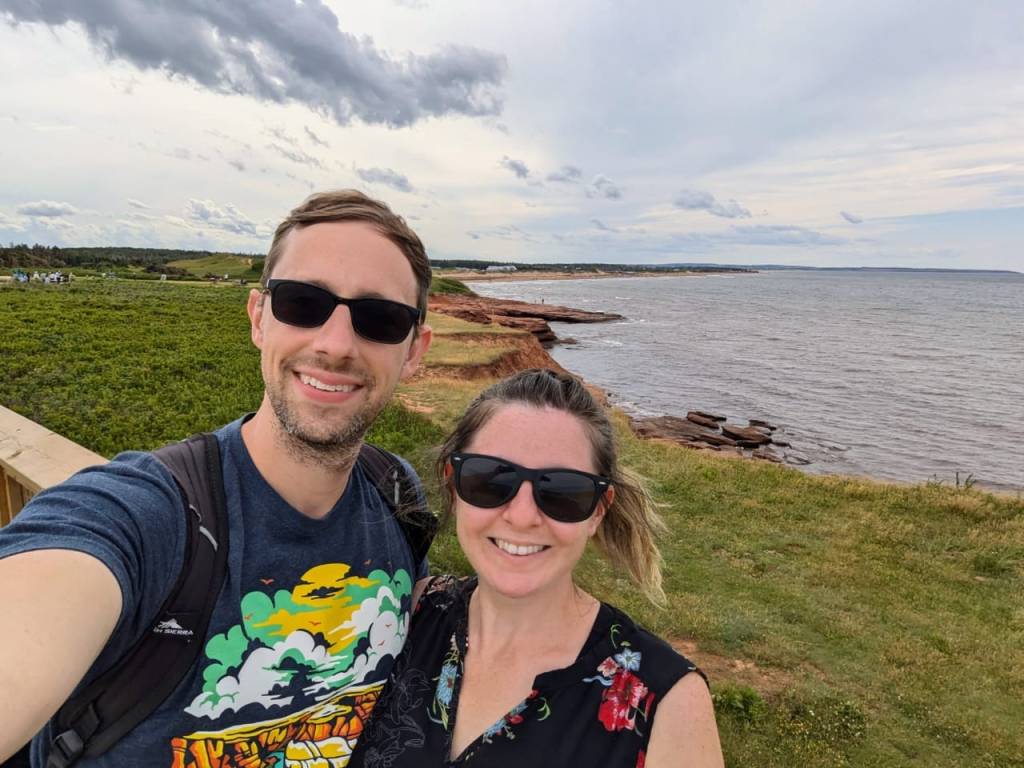
A lot of our day on Prince Edward Island was spent driving around to the different sights. After checking out the capital, we went to Cavendish beach/dunes/cliffs to get a little hiking in, but my favorite activity of the day (aside from the general windows-down, Canadian-music-blasting, road trip vibe) was watching the sunset on the western side of the island. With the help of Google maps and a sun-tracking app (which showed us exactly when and where the sun would set that day), we carefully selected and made our way to Seacow Head Cove and watched nature do its thing from the comfort of two very picturesque Muskoka chairs. Pure PEI Perfection!

New Brunswick

As a non-Canadian, the only thing that initially came to mind for New Brunswick was Brunswick stew, which as it turns out is from Brunswick County, Virginia…so prior to our trip, I had a bit of research to do on this one. And mostly because it was totally unknown to us, we actually chose to spend more than half our trip based in Moncton (the largest city of NB), and I’m so glad we did because it allowed us to see several different sides of this diverse and (in my opinion) underrepresented province!

Good eats:

We had a lot of delicious food in New Brunswick, including a lobster roll from the lobster capital of the world, scallops fresh from the Bay of Fundy, and another Maritime specialty: garlic fingers! However, our absolute favorite dish came from Tide & Boar Gastropub. It was a burrata and tomato appetizer, and we both strongly considered ordering another (which is unheard of for Tucker). In fact, the Gastropub was so good that we later went to Tide & Boar Brewing just to try more of their food and drinks. Speaking of…  

Great drinks:

I swear, I’m not being paid to hype up Tide & Boar, but they also had the best beers of the trip! Their watermelon sour was quite possibly the best sour I’ve ever had, and through multiple flights and multiple visits (plus a couple of free samples from the super friendly staff), we were able to try everything they had on tap, and it was all amazing. Tucker even made sure to compliment their brew master lol. Another amazing brewery we visited in NB was Holy Whale Brewery out in Alma. Holy Whale got its name from the old church that now houses the brewery, and the stained-glass windows alone are enough of a reason to visit. Luckily, the beers were also great!

Fun activities:

The main reason we wanted to spend several days in New Brunswick was to make sure we’d be able to experience both the high and low tides of the Bay of Fundy. This bay boasts the world’s greatest tidal change at over 50ft (16m), and it was definitely a once-in-a-lifetime experience. At low tide, you get to walk around on what is essentially the ocean floor, and if you want, you can find a place to sit, and over the course of an hour or two, watch the water level rise by several feet right in front of your eyes. So cool!

And there we have it! Another amazing trip in the books and another part of the world explored! Until next time, Maritimes! Cheers!

Oh là là! C’est Paris!

For as long as we’ve been traveling internationally, somehow, we had never made it to Paris. But thankfully, that wrong has now been righted as we recently spent nine incredible days in the City of Lights! I knew going into this trip we would have to make some tough choices because there’s so much to do and see in Paris, and it’s one of the most visited cities in the world, making it necessary to both plan ahead and have contingencies. However, despite the challenges of touristing in such popular location, I think we did a pretty good job hitting the major points of interest without getting lost in the crowds. There were, however, a few things that still surprised us when visiting some of the most popular Parisian attractions. Things like…

Eiffel Tower

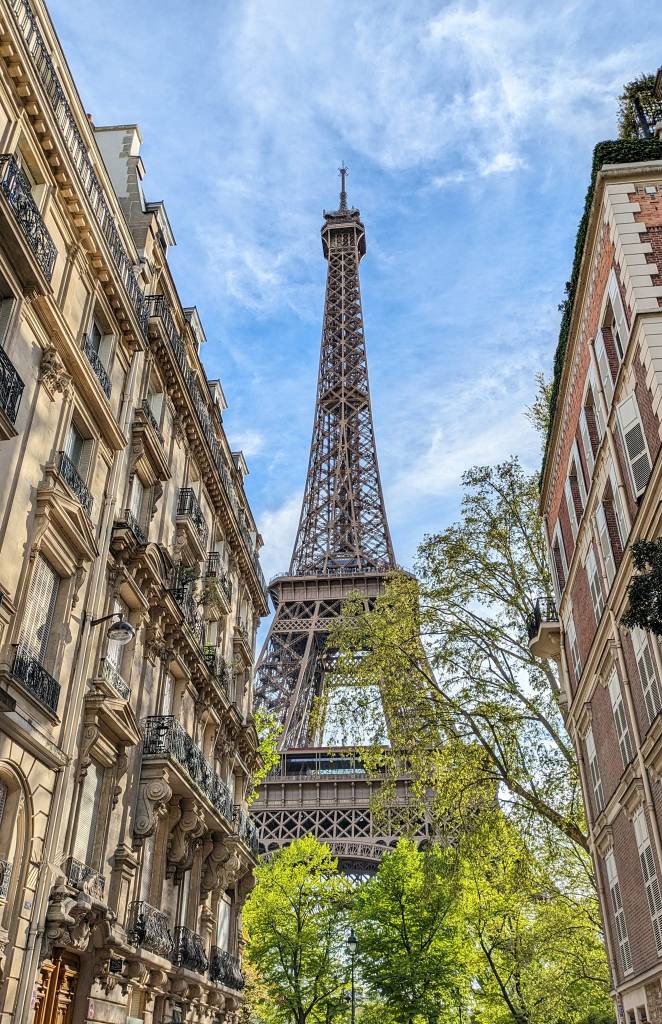
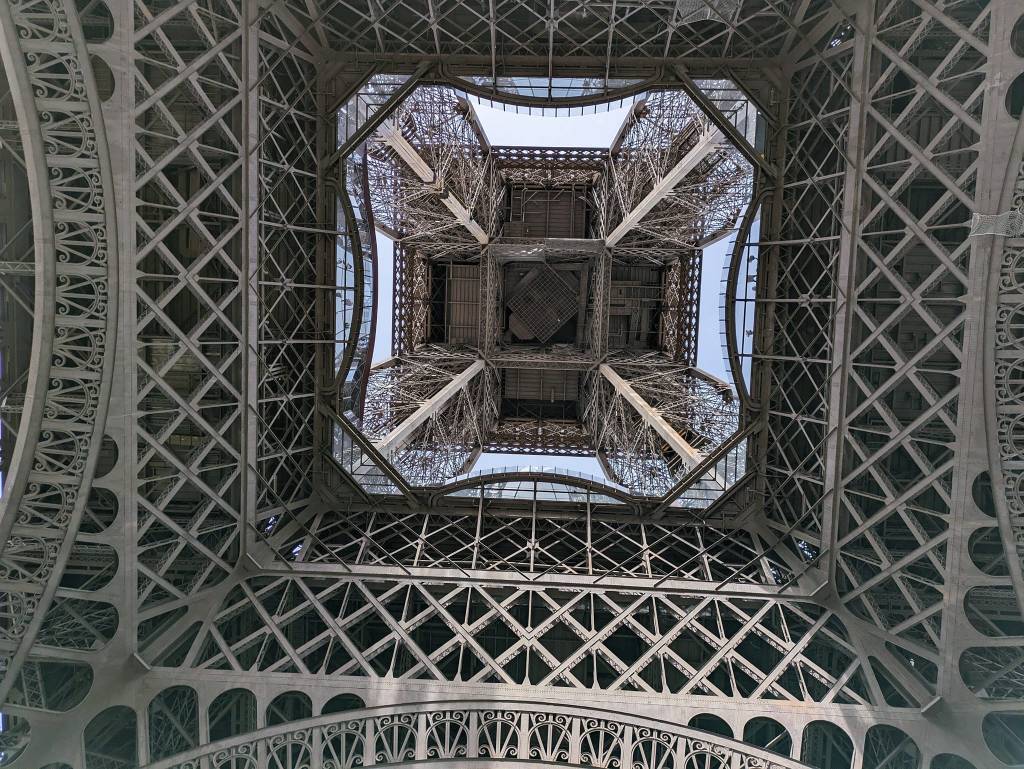
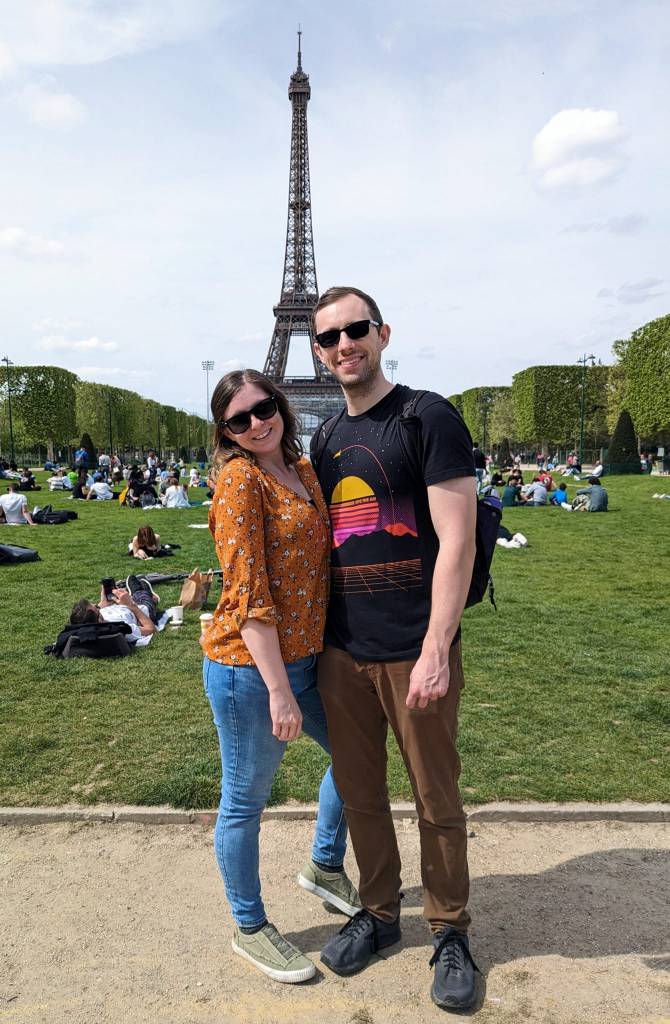
It takes multiple days to get the full Eiffel Tower experience. For some reason, I thought we’d just stop by the Eiffel Tower, take a few pictures, and continue on our way, but that’s not how it turned out. We did have that initial viewing and walk through the parks around the base, but then we decided we wanted to go back and ride/walk up and down the tower, view Paris from above, and see the Eiffel Tower from directly underneath – all of which were SO COOL, but took a lot more time because we had to buy tickets, go through security, wait in line, etc.

Of course, we also wanted to see the Eiffel Tower all lit up at night, especially with the twinkling lights, which meant that we’d have to go back at the top of the hour sometime between 10pm and 1am. So, at the very least, it’s absolutely necessary to be there at some point during the day and at a specific time after dark, but what about having a picnic on the lawn? Or sharing a glass of wine with the Eiffel Tower in view? Essentially, all roads kept leading us back to the Eiffel Tower.

Champs-Élysées & L’Arc de Triomphe

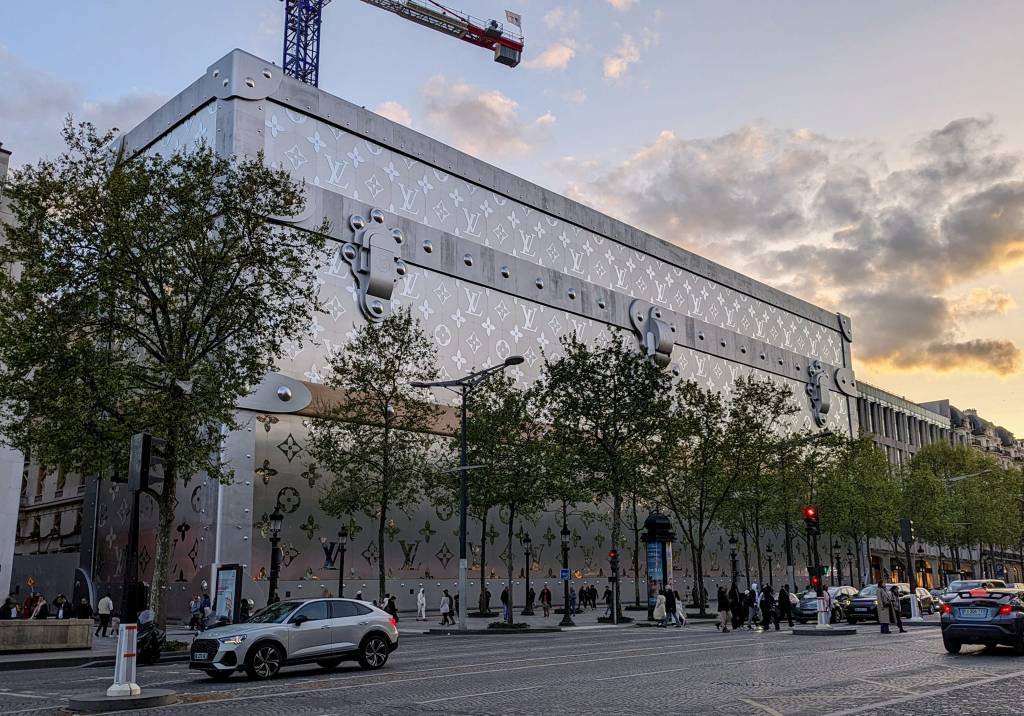
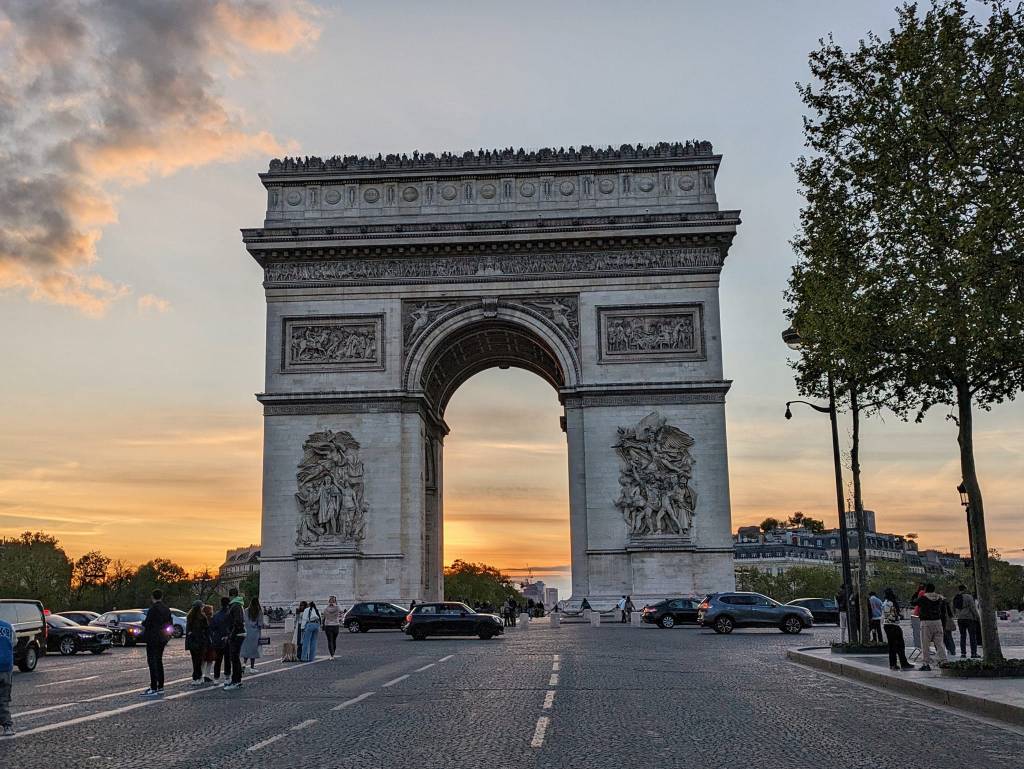
Speaking of roads, Avenue des Champs-Élysées was another surprise for me. I knew we’d be walking down it at some point because of the sights at either end, but I definitely didn’t plan enough time there. Even though we’re not big on shopping, there were so many cool stores (and restaurants) on this street, so for any subsequent trips, I’ve already made a mental note to give this area a little more time. The Arc de Triomphe might also get a special highlight on a future trip to Paris because you can (much like the Eiffel Tower) climb to the top of the arch and get a different view of Paris from above, this time with the Tower in the picture as well.

Le Louvre

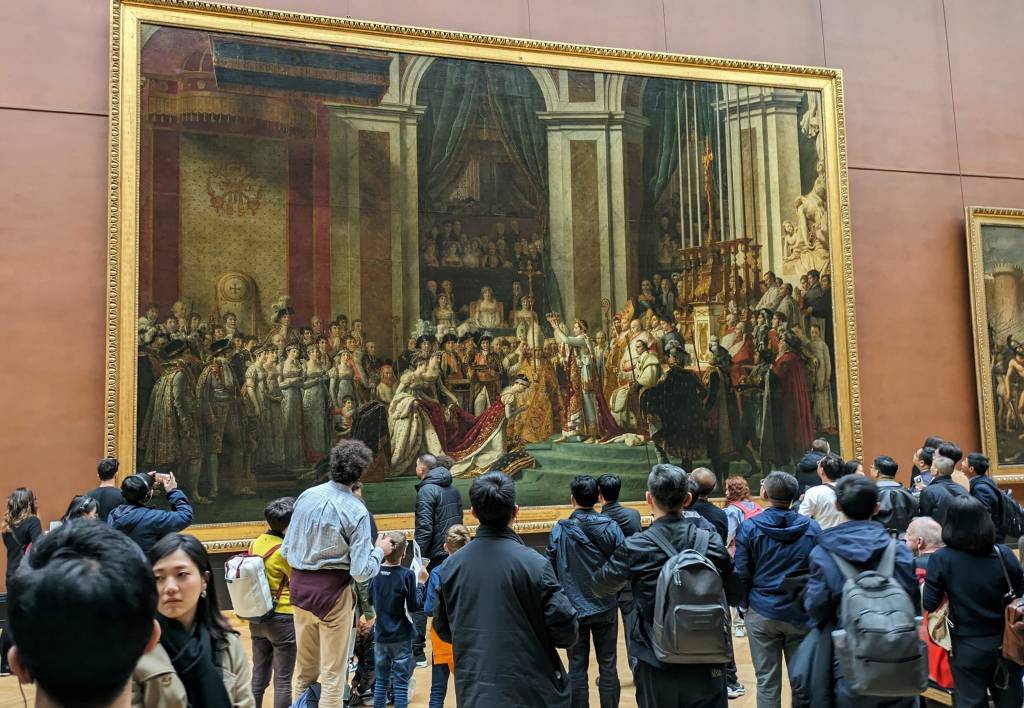
I’m pretty sure I’ve said it before, and I’ll probably say it again, but Tucker and I are not the best at museums. We have trouble slowing down when we’re in a new city, and honestly, I feel like I’ve seen enough ancient pottery to last me a lifetime. However, the Louvre was absolutely my favorite ticketed activity in Paris. We originally planned to spend three hours at the museum, but could easily have spent the whole day. There is just so much to see in every wing, on every floor! As you might expect, it was very crowded though, which, to me, is all the more reason to plan a whole day there. Take breaks, walk into the courtyards, get a cup of coffee, and then get back in there and marvel at not only the 40,000 pieces on display, but also the eight-hundred-year-old palace they’re housed in. And seriously, no matter how much you may dislike crowds or museums, you absolutely cannot skip this one.

The Catacombs

The Paris Catacombs were something I’d heard about many times, but whatever I’d heard or seen was nothing like experiencing them in person. Although they’re a little bit of a hike from the other sights, their uniqueness definitely makes them well-worth a visit. I’m actually really glad we jumped on the tickets-and-reservations bandwagon early in our Paris trip, because this was another one that we almost missed out on because there are limited spaces and most were already sold out by the time we decided to add this to our itinerary. I can only imagine how far in advance things have to be booked in the high season!

Disneyland Paris

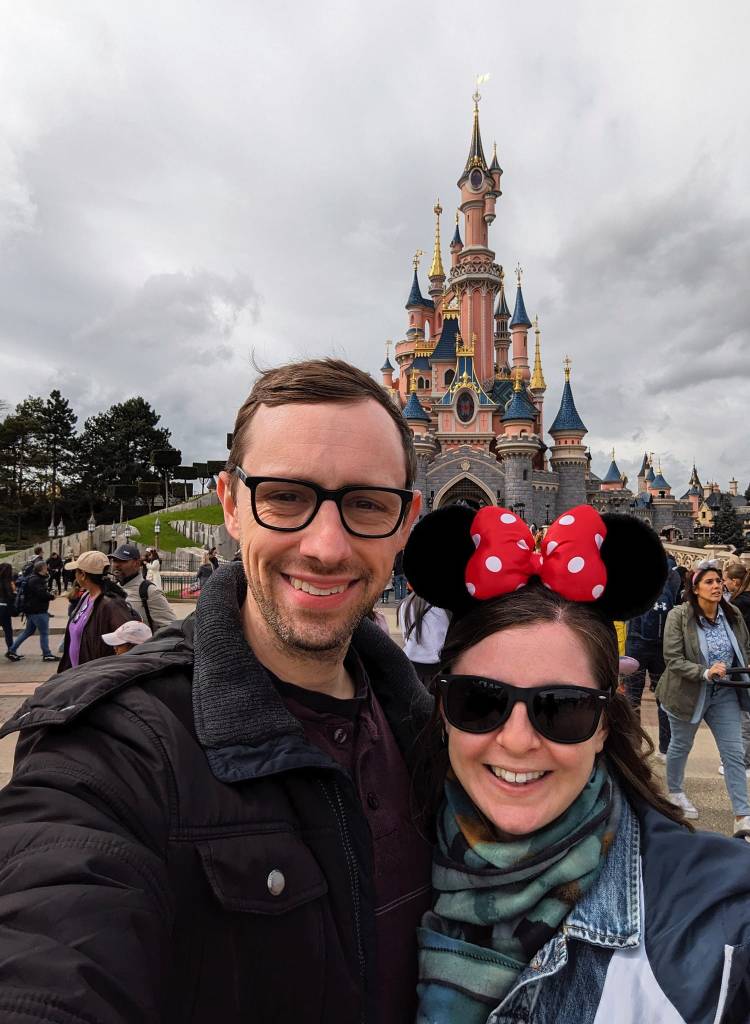
If you’re a Disney fan, like me and my family, you might have heard some negative things about Disneyland Paris. Before visiting, we had heard the food wasn’t really good, it’s not as clean as other Disney properties, it’s really small, etc. but now that we have been there, I definitely beg to differ. I, personally, loved the food. I mean, of course it doesn’t have the variety of Paris proper, but as far as the various Disneylands go, there were several things I preferred at this park! Overall, it felt very much on brand to me: spotlessly clean and with so much attention to detail throughout. There are also two parks there, so definitely not the smallest when combined. I do understand why people wouldn’t necessarily want to give up time in Paris to go to Disney, but I don’t regret it at all! We had a magical time, as always.

Vernon/Giverny & Monet’s Gardens

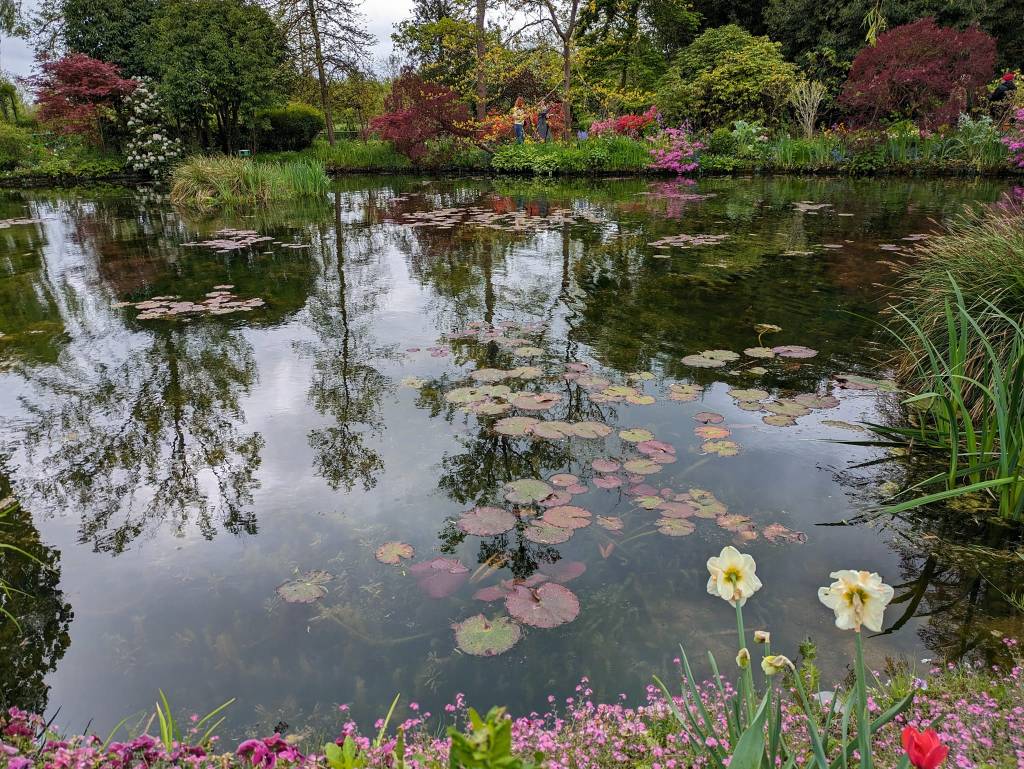
Anytime we’re in a city longer than a week, we try to do at least one day-trip to somewhere outside the city. For Paris, I contemplated several options, but in the end, we went for Vernon/Giverny to see Claude Monet’s incredible gardens. As amazing as the Louvre and other Paris landmarks were, and as fun and nostalgic as Disneyland was, getting away from the crowds was the perfect choice for our last full day in France (sorry Versailles, maybe another time). We loved everything about this little trip within a trip. The train ride out to the sleepy little town, walking down the many narrow cobblestoned streets, seeing all the flowers in bloom – everything.

Of course, our main reason for going to this little town was to see Claude Monet’s house and gardens, and they also exceeded every expectation. The whole area has really leaned into the artistry and beauty of the French countryside, and it was lovely to be a part of it, even if only for an afternoon.

Ultimately, no matter how many places we visit, we’re always in awe of what there is to do and see in every corner of the world. And, for me, the surprises we encounter along the way, make it that much more fun! I’m already ready for another trip! On y va!

Ice Ice Baby

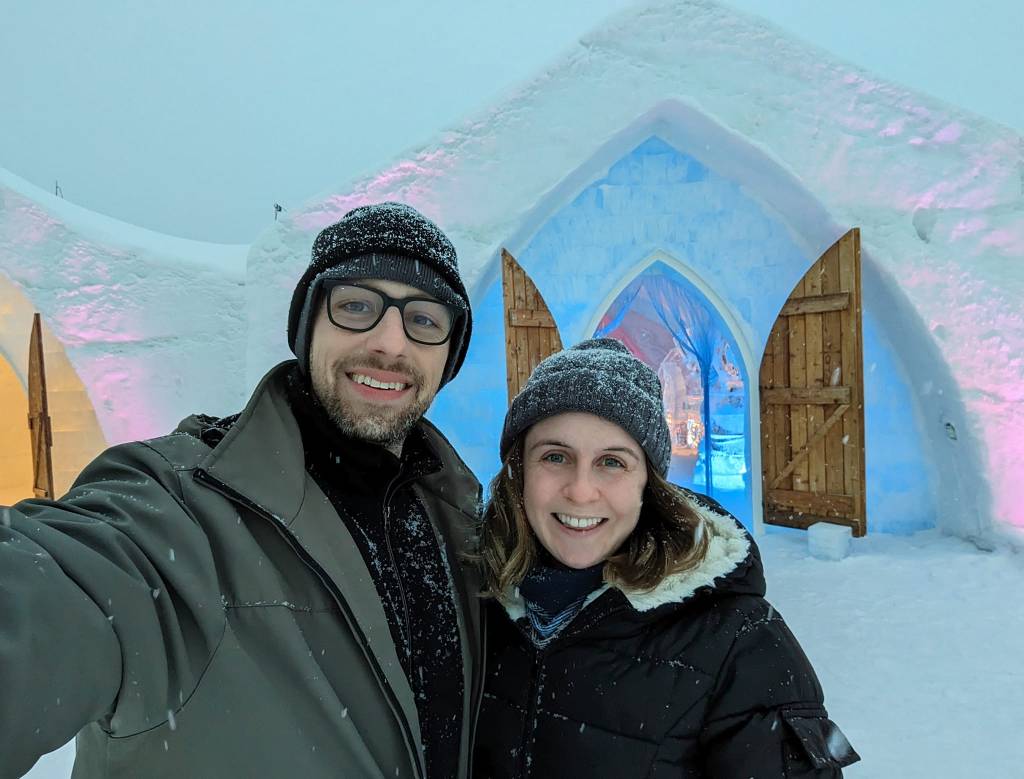
Well, we’re officially waist-deep into winter, and even though we’ve been ice skating, snowboarding, and snowduck making for months now, I still feel like I haven’t got my fill! So, in order to up our winter games even further, we spent last weekend in Québec City, a winter wonderland if ever there was one, and even more spectacularly wintery, we also spent a night at the Hôtel de Glace (aka the Ice Hotel).

This was definitely a once in a lifetime kind of experience, and I don’t want to forget any of the specifics, so this month, I’m sharing a detailed timeline of events as recorded by the many pictures I took throughout our stay. Bundle up and enjoy!

17:00 – Check in

Technically check-in started at 4pm, but we were a little late getting to the resort area for a few reasons. One, it was snowing, so everyone was driving slower than usual, and two, we totally forgot to bring our bathing suits and had to make a pitstop at Value Village. It happens. Luckily, the Hôtel de Glace and all of Village Vacances Valcartier is only 20-30 minutes outside of Québec City.

Once we arrived and found our way to the correct front desk (this place is massive, so it wasn’t as easy as you’d think), we got the usual check-in spiel plus a few irregularities. When you stay at the Ice Hotel you actually get two rooms: one outside made of ice and snow and one inside the Valcartier Hotel where you can put your bags, shower, brush your teeth, and at some point, finally take off your hat and gloves!

But before you can don your all-access pass of sorts, you have to watch a safety video and sign a waiver. The safety video talked a lot about what to wear and what not to wear overnight and expressed many times over that you must completely dry off after showering or hot tubbing before you go into your rooms at night. They also gave us maps of the premises and showed us where we could go if we needed help during the night.   

17:45 – First look around

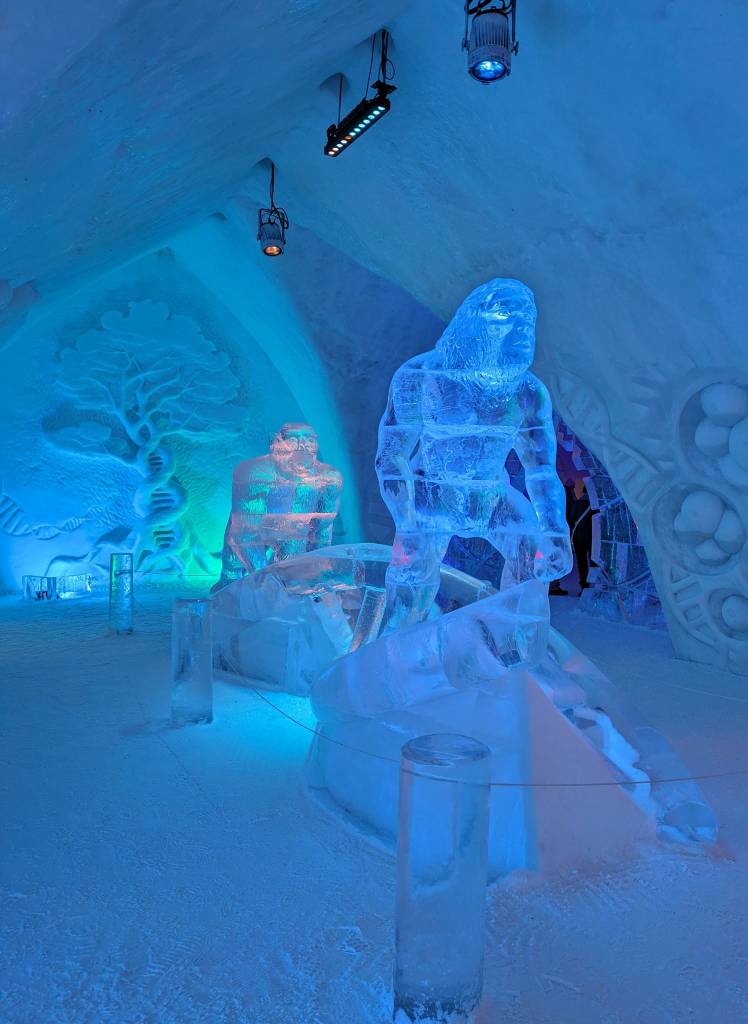
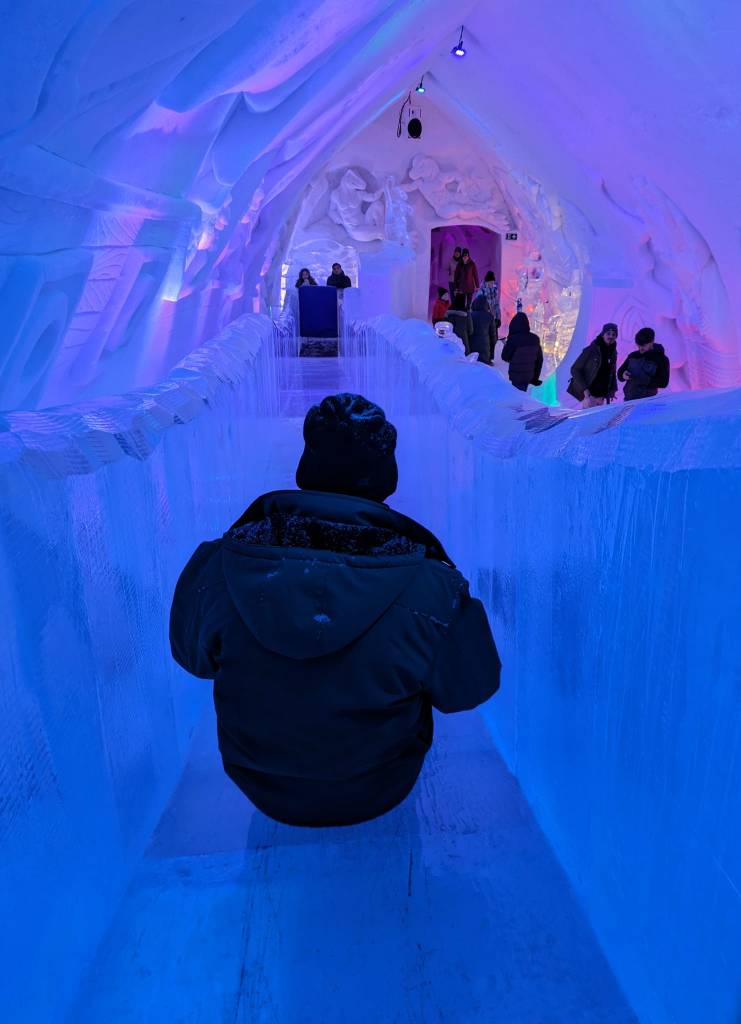
Needless to say, the excitement levels always increase when there’s a waiver to sign, so we quickly dropped off our stuff in our “dry room” and went to see what the Ice Hotel was all about. It’s divided into roughly three sections: the chapel, the communal rooms, and the individual rooms. The chapel was beautiful, but there wasn’t a wedding that day/night, so it was pretty empty. The communal rooms included several galleries, seating areas, the ice bar, and an ice slide. To say there was a lot to look at would be a gross understatement.

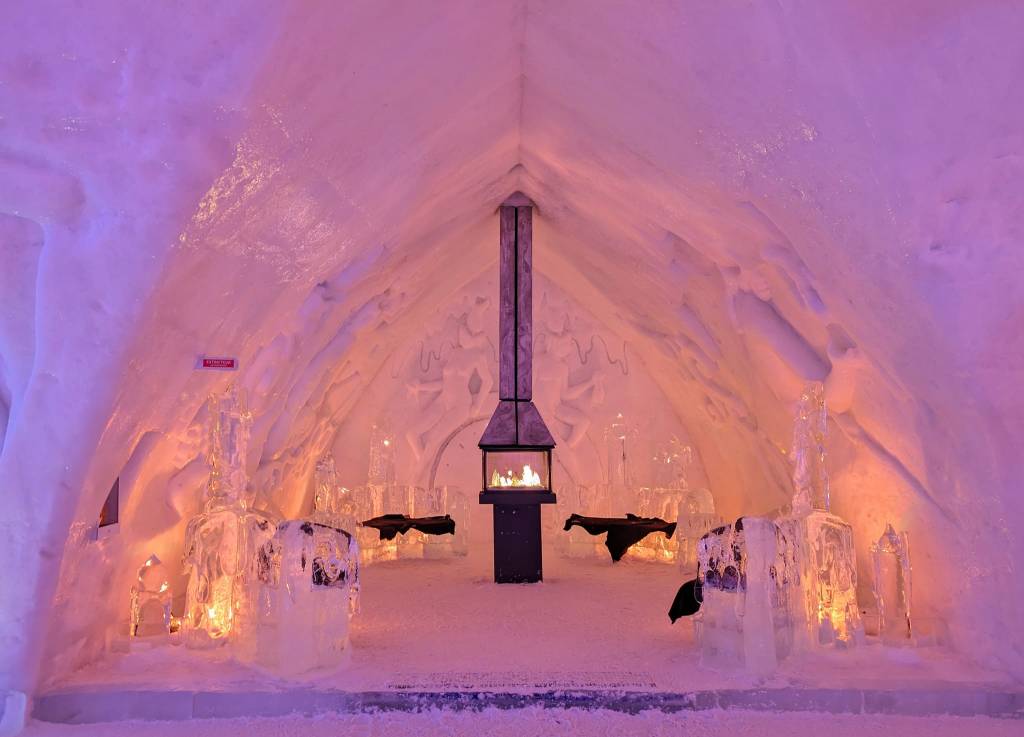
Between the ice sculptures, snow carvings, lights, and music, my senses were on overdrive. I think my favorite room was the “club room” with light-up instruments and DJ-ing composers on every wall. Tucker liked the “fire room”, which, although no warmer than anywhere else in the Ice Hotel, definitely felt cozier with the heatless fireplace, warm colors, and fur-lined benches. Of course, the ice slide was also super fun – it was in the “dinosaur room” and had us laughing hysterically as we scooted our way down the slide. You know what’s not very slippery? Jeans.

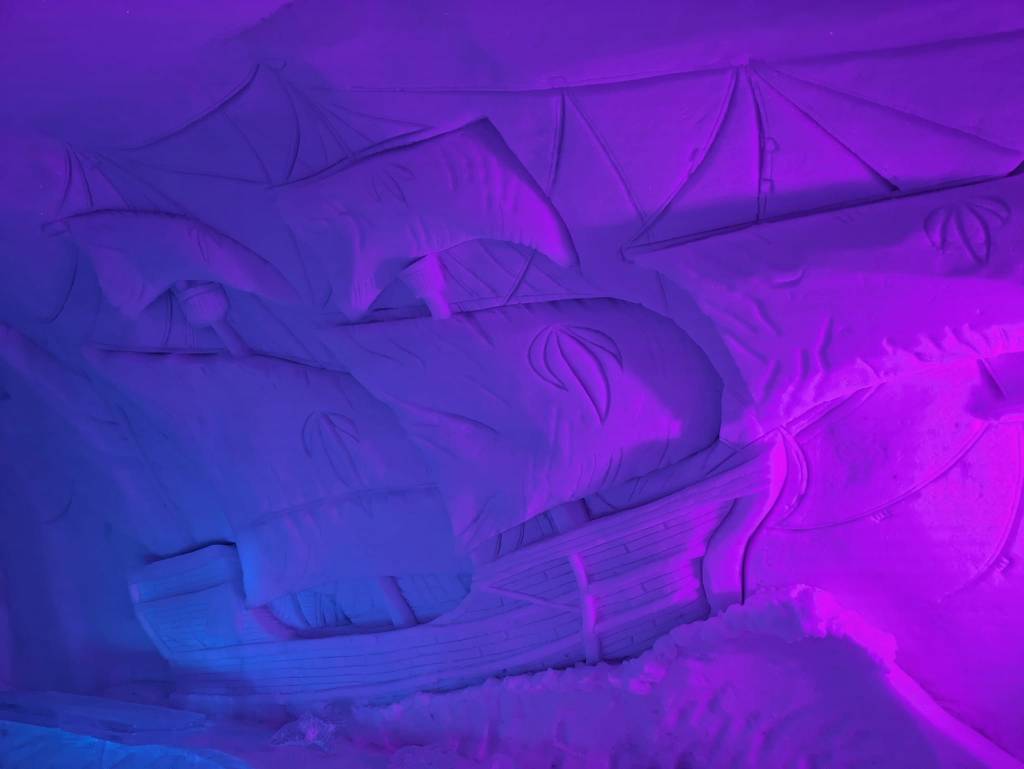
The individual rooms are also open for viewing during the day (of course, they did have ropes near the doors, so you couldn’t get on the beds or mess with any of the lights or anything). This year there were 30 guest rooms. The vast majority were single bed rooms, but there were a few doubles and even a triple as well. Every room had a theme and was designed by a different artist. My favorite was probably the exploration room with huge ships, maps, and a compass on the walls. Tucker liked the science-y ones, of which there were many.

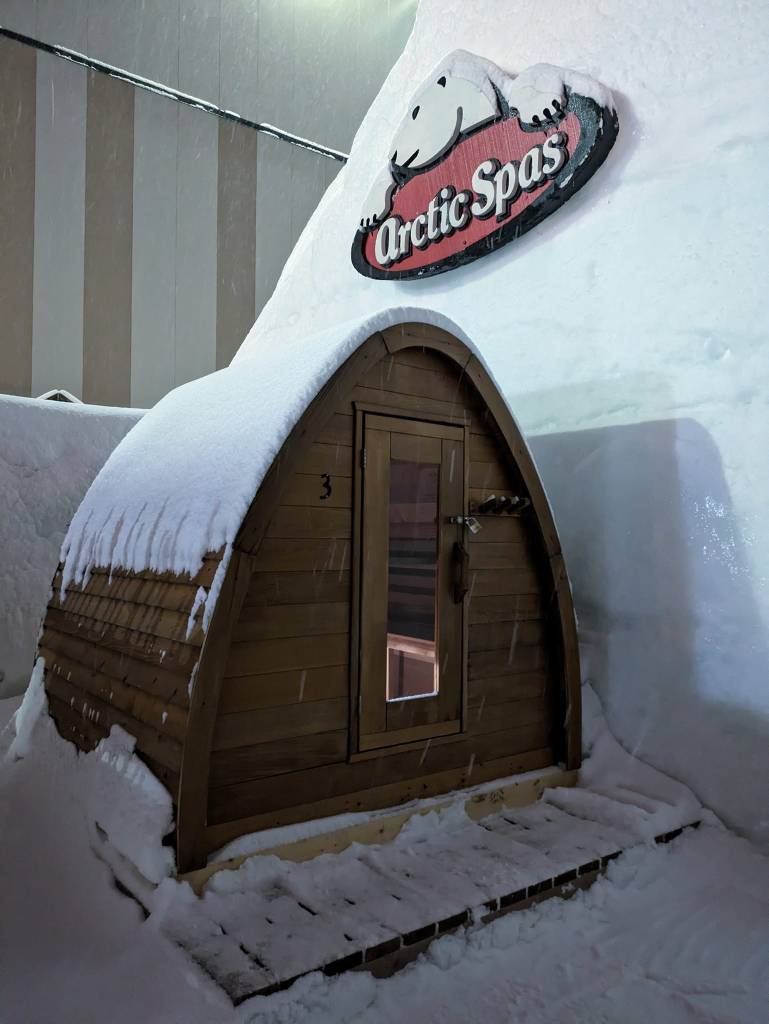
It honestly took us quite a while to see all the rooms because this part of the hotel is very maze-like, and we weren’t always sure if we had been in any given hallway before or not. The walls of the hallways were also covered with art, and there was a workshop room off to one side, which housed photos taken and machines used during the building process. During this part of our initial walk around, we also noted the hot tubs and sauna (free for guests to use) and started thinking about how we were going to manage that in the heavy snow with only our thrifted bathing suits and big winter boots.

19:30 – Drinks at the Ice Bar

But before we dealt with being cold and wet, we decided to cash in our complimentary drink tickets. The ice bar was SO COOL! Yes, pun-intended. The bartender was all bundled up as she mixed our drinks, the “Lave-Glace” and the “Accident de Ski-doo” (clever because it had a splash of red Grenadine and a little sprig of juniper in it) and poured them into ice glasses. The drinks were beautiful and tasty, and the glasses, well, the glasses were challenging. They were obviously really cold, but also very heavy and had very thick edges – not the easiest thing to sip on. Despite the odd mouth positioning required, we still felt pretty amazing drinking our fancy cocktails in the très chic Hôtel de Glace.

In hindsight, I should have held on to my ice glass since we opted to bring our own beers into our room later, alas we were too excited to shatter them (prematurely) into the collection bins. We also debated getting another drink at the bar because they had a lot of interesting cocktails and were surprisingly not that overpriced. But after another short walk through, we opted to hit the hot tubs instead, hopefully while they were still empty and we had enough time to enjoy them and fully dry off before heading to our frozen beds.  

20:45 – Hot tub and sauna in the snow

I really want to do a polar plunge before we leave Canada, and perhaps now I understand just how uncomfortable that will be when it happens. Running from our “dry room” to the hot tubs wasn’t so bad (I did wear my socks and boots with my bathing suit lol), but running to the sauna after the hot tub was painful, especially for my feet. From the crazy hot water to the crazy cold snow made my feet feel like they were burning! Stepping into the sauna was very welcome…that is until we had to get out and do it again.

Ultimately, lots of lessons were learned, like: the more towels you can take with you, the better; be sure to remember to take your shoes with you when you go back and forth, and also, just like we’re not really beach people, we’re not really hot tub or sauna people either, which is apparently a lesson we’re still in the process of learning.

22:50 – Final preparations

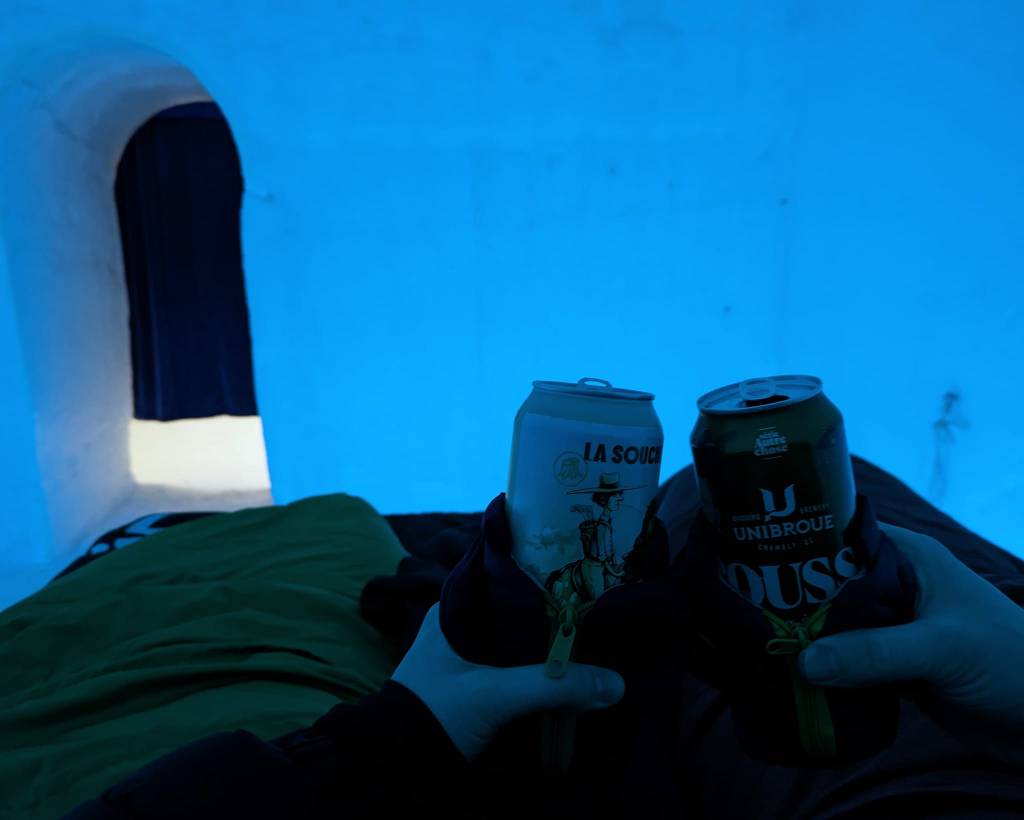
After we had our fair share of extreme temperature fun, it was time to prepare ourselves for sleeping overnight in a room that was approximately -5°C (23°F). First, as per the instructions, we had to be completely dry. Then, we had to decide what to wear and what to bring with us into the room. I don’t think I’ve ever planned my pajamas quite so carefully. In the end, we went for having as many options as we could – layers that we could take off or leave on depending on how warm we were in the sleeping bags they gave us. As for the snacks (much more important, obviously), we brought some local Québec beers, the rest of our Québec mix popcorn, and some chocolates from La Fudgerie. It was perfect!

23:30 – Bedtime snacks and hunkering down

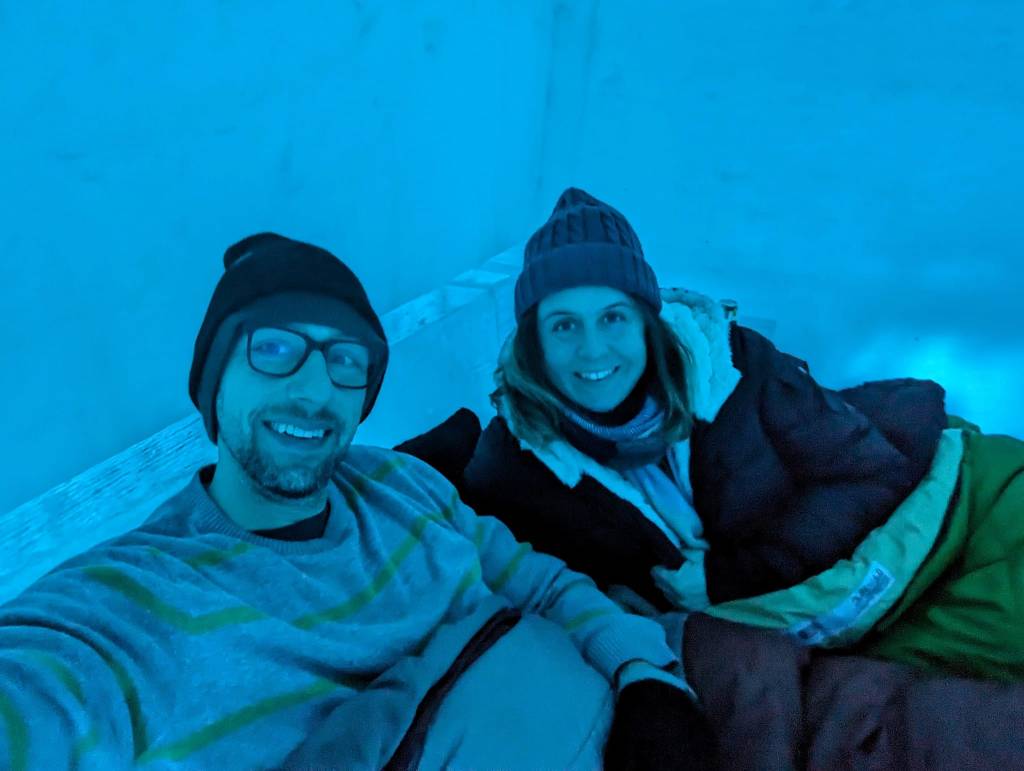
Between 8-9pm the individual rooms portion of the hotel was closed off for the staff to clean and prepare the rooms for the overnight guests. When we pulled back the velvet curtain of our room, we were surprised to see they had raked the floors in addition to changing the sheets and leaving the sleeping bags. It felt very Zen and very cold. But we were ready! We rolled out our sleeping bags (rated for up to -30°C/-22°F), got into the liners as instructed, and put our outerwear away for the night. After enjoying our little picnic and watching a few videos, we zipped ourselves fully into the sleeping bags (well, mostly), and drifted to sleep.

4:17 – Slight panic

I say “mostly” because I actually struggled with zipping mine up over my head. I felt super claustrophobic and ended up choosing to be slightly colder than necessary just to keep my face from being covered. Unfortunately, in the middle of the night I woke up and the sleeping bag had fallen away from the top/back of my head a little, and I was very cold. That got my thoughts and heart racing as I wondered if I was doing irreparable damage to my system. You know, the normal things that keep a person up at night. Thankfully, I was able to calm myself down, readjust, and fall back asleep.

8:00 – Wake up call

As part of the check-in process, they informed us that someone would come to wake us up the next morning at 8am. This was in part to make sure that everyone would be up and out before they had to clean up and open for business again and also to make sure everyone was alive and well. Fortunately, we were! The sleeping bags, if anything, kept us too warm, and the main struggle we had was just getting comfortable enough to sleep through the night. Even without the claustrophobia issue, the sleeping bag was a bit like a strait jacket – not much movement possible, and if you’re not a back sleeper, good luck falling asleep as you lie there feeling like a mummy in a fluffy sarcophagus.

8:15 – Back to sleep

So, after not the best night’s sleep we’d ever gotten, we were very happy to return to our “dry room” once again and sleep in our nice, warm king size bed for a few more hours. Usually, we say there’s no place like your own bed, but honestly, this one was definitely a close second, especially in that moment!

11:00 – Check out

And just like that, our stay was at its end. We packed up our bags, scraped the snow and ice off the car, and headed back home to enjoy the rest of winter from our very own “dry room”.  

Beautiful Banff

Last month, Tucker and I continued our Canadian explorations with a trip to Banff, Alberta. Of course, Banff had been on our list long before we knew we’d be living in Canada, and we can now say with absolute certainty that it should be on everyone’s bucket list! We were truly blown away with the seemingly infinite number of stunning views, trails, waterfalls, glaciers, and all sorts of other incredible landscapes. In fact, I had trouble narrowing down our plans to fit neatly into a one-week trip (many people spend weeks or months trekking around Banff and Jasper National Parks, and I now know why). But since most of us can’t do that, I thought I’d share our experience, which could be useful to others in planning their own epic trip to Banff!

Calgary, Alberta

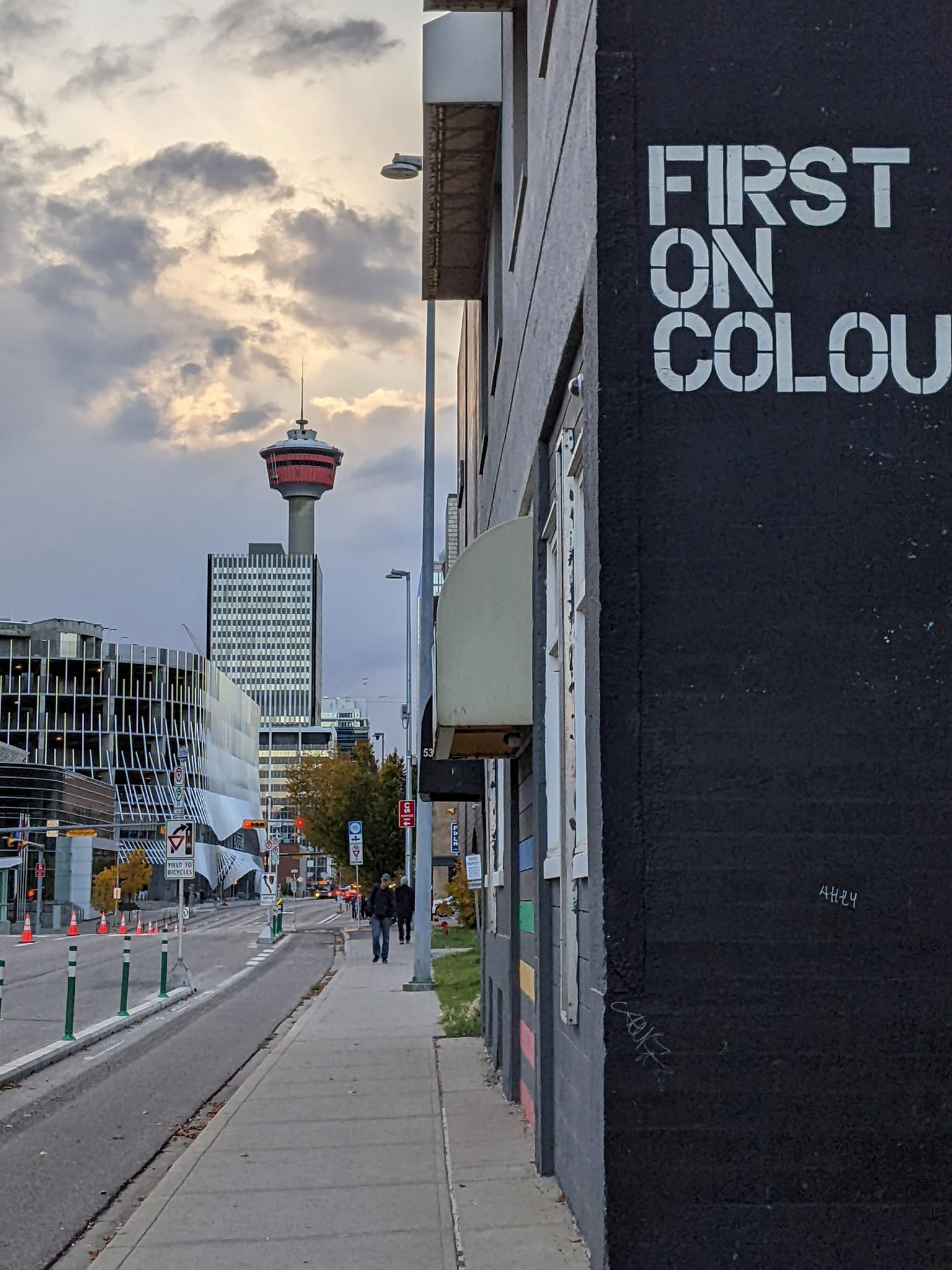
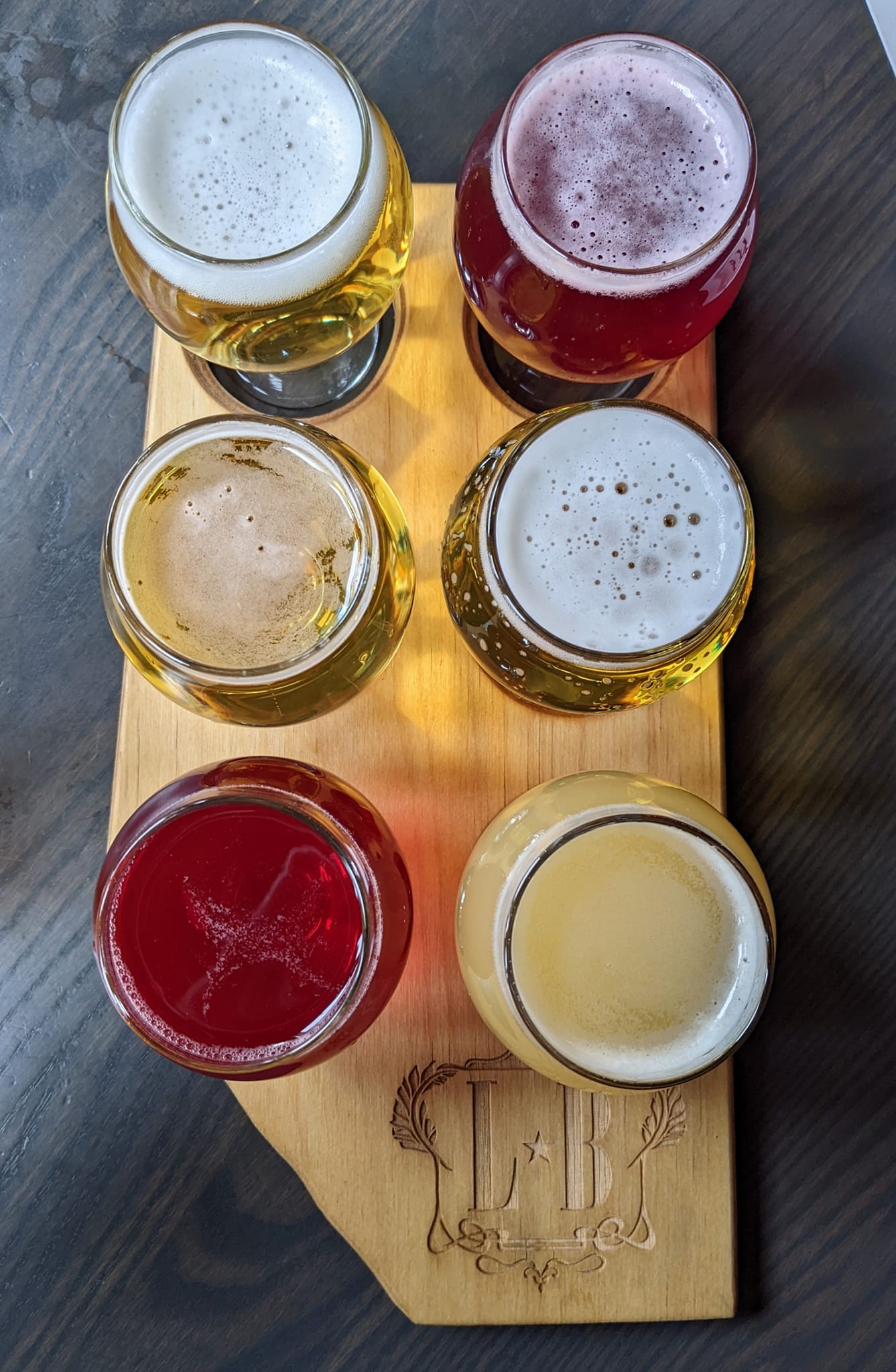
But before we get to the city of Banff, we have to get to the province of Alberta. The vast majority of visitors fly into Calgary, which is the nearest major city. This is what we did although we also considered flying into Edmonton and driving down through Jasper as an alternative. Ultimately, Calgary won out because it was closer and the flights were cheaper. I’m happy this was our choice though because it meant we got to spend several days in Calgary, which turned out to be a really fun city: two beautiful rivers running through it with gorgeous parks throughout, a very lively and impressive brewery scene, and several bar and restaurant streets where we were able to try the famous Albertan ginger beef. Seriously, don’t let the airport be the only thing you see in Calgary!

Of course, our main reason for being in Alberta wasn’t the cities, it was the beautiful Rocky Mountains, so how to get out there? Well, they’re really only about an hour drive from downtown Calgary, and you have several options. There are buses and shared cars aplenty, but we, like most people, ended up renting a car. The price was as expected: reasonable if you return it to the same place, outrageous if you don’t. In hindsight, having your own car is absolutely paramount if you want to see anything outside the teeming tourist bubble. One of the best parts about driving ourselves around Alberta was that we could (and did) stop at every possible turnoff for views, trails, signs, etc. not to mention the total freedom we had when driving the Icefields Pkwy. But if you’re sticking close to Banff (as in Banff City and the lakes) you really wouldn’t need a car at all if you didn’t want one.

Canmore & Banff

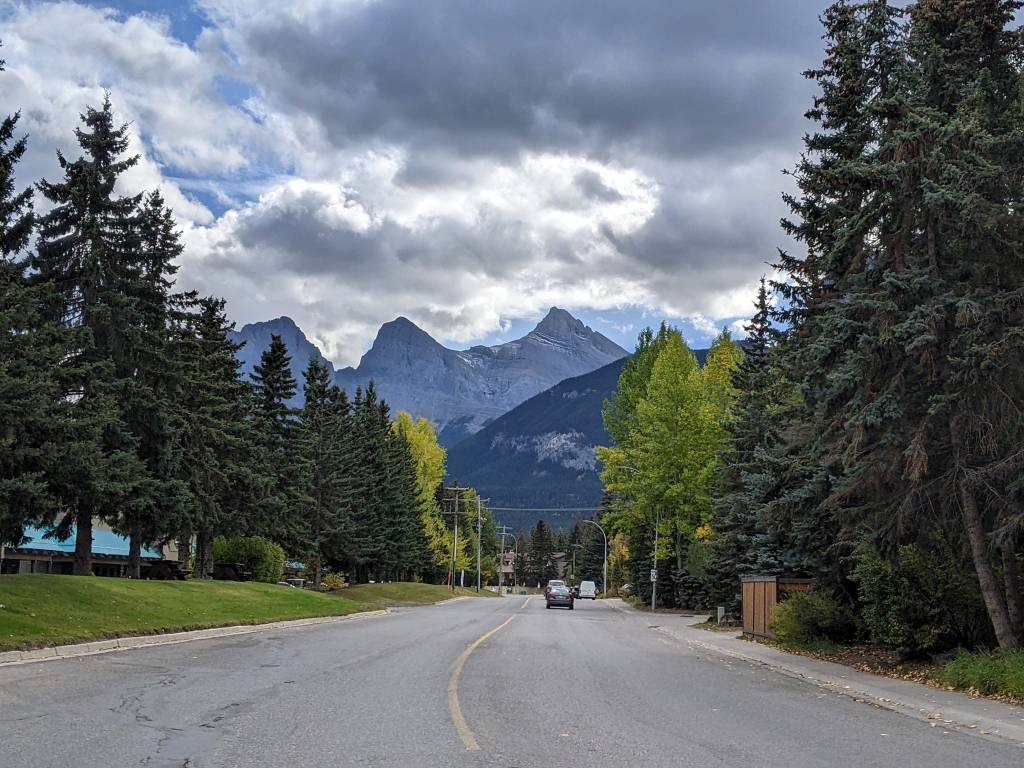
Once you’re successfully into the mountains, you have another choice to make: where to stay. If you’re camping, the options are limitless, but if you’re afraid of bears and/or you’re not a millionaire, you basically have two choices: Banff City or Canmore. Canmore is a little further from the main attractions and isn’t quite as touristy; therefore, it’s slightly cheaper, but there’s much less to do, which means you’ll likely be driving (and having to find parking) more often, or so we heard from fellow hikers. We stopped in Canmore both on the way out of and back into Calgary, and we really enjoyed it. It’s basically a baby Banff, and I think it’s a solid option, especially if you prefer a more low-key home-base.

We ended up staying in Banff though since this was our first time, and we had no idea what to expect. Since we went at the end of September (right before a lot of attractions and roads are to be closed for the season), there was a plethora of visitors. Options for accommodations were somewhat limited either by availability or by price. Fair warning – Banff is beautiful, but it is not cheap. We chose to stay in a private room at a hostel about 1.5 miles (2kms) from the city center. It was an easy walk, but there is also an amazingly quick and efficient public bus that runs through town and out to many of the resorts as well. Several hotels/hostels give free passes for the duration of your stay, but you can also buy a day pass for $5CAD.  

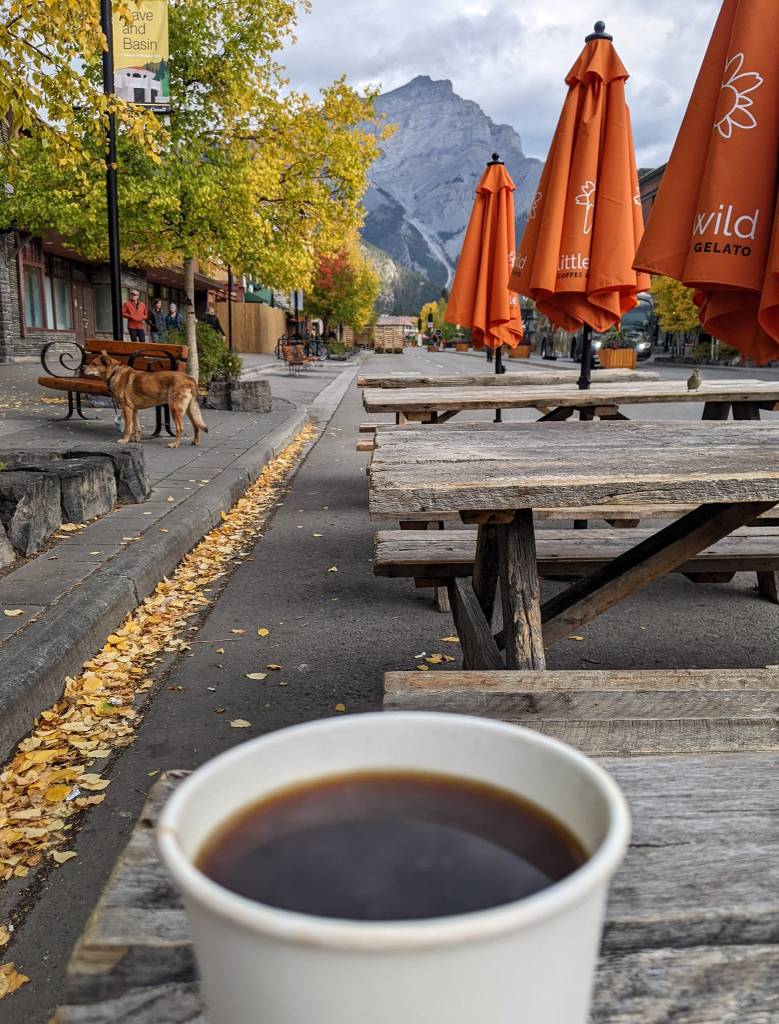
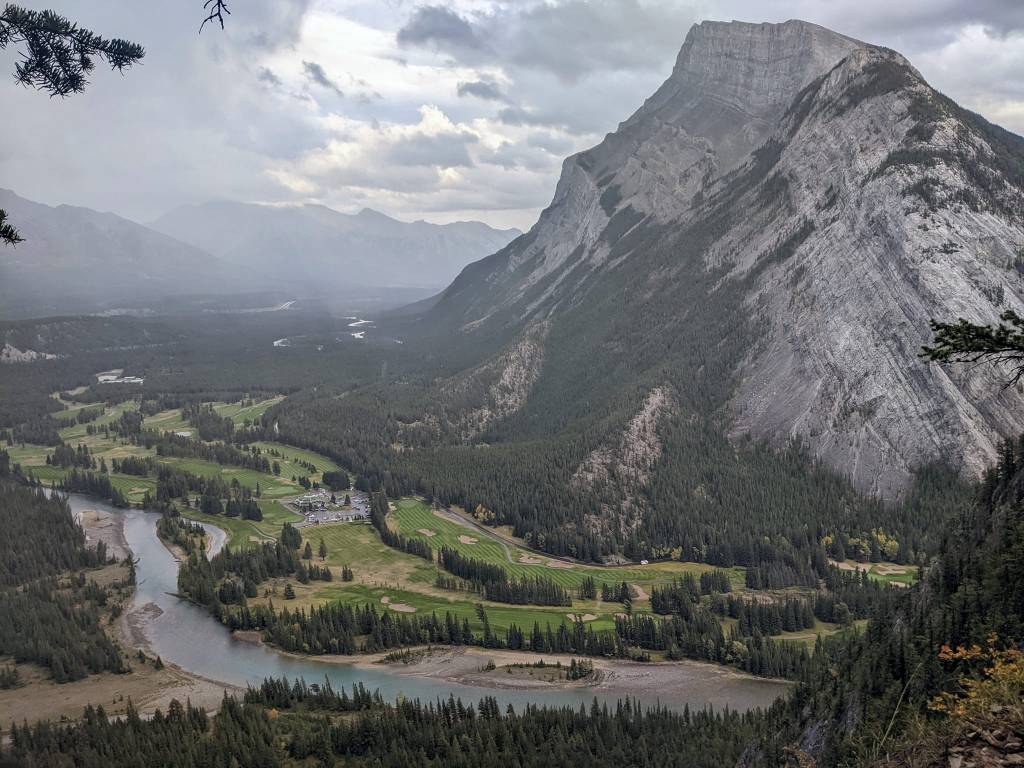
The city of Banff has much more to do than we originally thought. On our first evening, we climbed the nearby Tunnel Mountain, and there were countless other trails into the surrounding mountains and valleys. Evidently, there’s also a famous golf course there – who knew? And the town itself is well-worth a wander. Little shops selling everything from mountain gear to homemade fudge, lots of cozy cafés, and restaurants that run the gamut: we saw a McDonald’s right down the street from an extremely lavish steakhouse. We ended most of our days in Banff eating and drinking after spending the day outside hiking, and the choices were surprisingly diverse for such a small town.

Lake Louise & Moraine Lake

Likely two of the most famous views in all of Canada (maybe even North America) are those of Lake Louise and Moraine Lake. No matter how you feel about large-scale tourism or throngs of tourists, you can’t come all the way to Banff and NOT see these two icons. Somewhat recently, Parks Canada decided to close off the roads to the lakes for all private vehicles. The only way to visit them now is to take a shuttle (or a tour) from a parking lot/ski lodge just outside the park. This was very confusing to us when reading about it online, probably because it’s new, but it was actually really easy to do. You reserve a time slot and a direction (either LL->ML or ML->LL) and then present your digital “ticket” to the bus driver. The buses leave every 20 minutes, and as long as you get on within your window, you’re fine.

Lake Louise is huge. There are trails on either side of the lake and up the mountains on both sides with bird’s-eye views. You can also rent canoes and take to the water if you want ($145 for 30 minutes – yikes!) My advice for Lake Louise is to play it by ear depending on the time you’re there, what the weather is like, how many people you see going in either direction, etc. We were there in the afternoon, and it was quite crowded, so we took the path less traveled up to the Fairview Lookout on the lefthand side and found it absolutely perfect. There are signs everywhere showing the lengths and difficulty levels of all the trails, so you can pretty easily decide once you’re there. Just remember to bring water and snacks because there’s not a lot of options once you’re on the tourist circuit.  

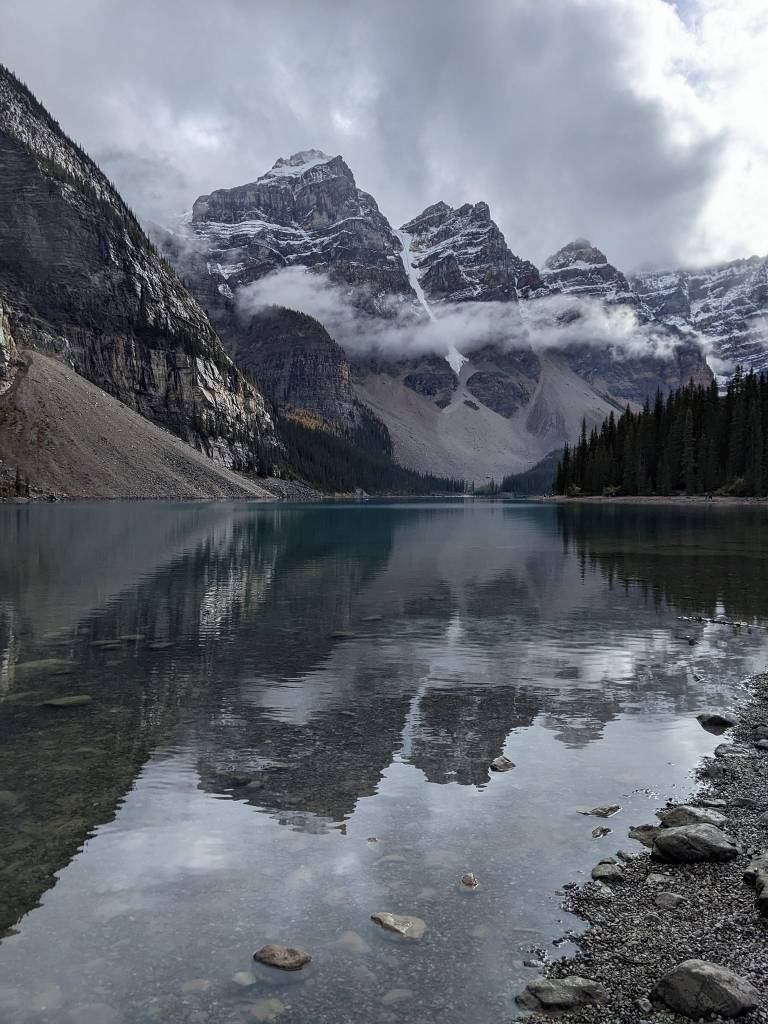
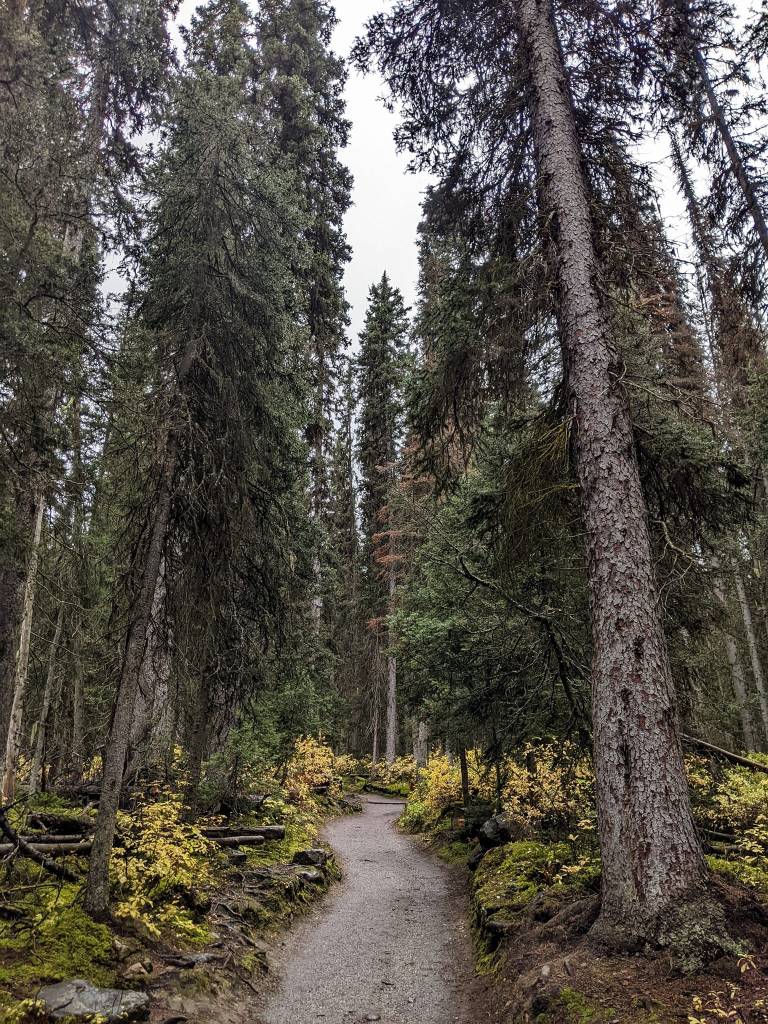
Moraine Lake is not as big, and because of how it sits, you’re sort of on top of everyone else trying to see/take pictures of the lake. There are several trails here too, but most of them take you away from the lake. We did the 4-mile (6-km) trail to the Consolation Lakes and felt that they lived up to their name lol. In hindsight, I’d have rather brought a picnic and found a nice place to sit and eat while looking over one of the lakes. All the hikes were lovely, of course, but the views of the lakes were better. Also, we did see signs about hiking/traveling in larger groups because of bears, which we didn’t take very seriously then. After recent events, we plan to be more aware and prepared next time, and I would urge anyone else to do the same.

Icefields Pkwy & Jasper National Park

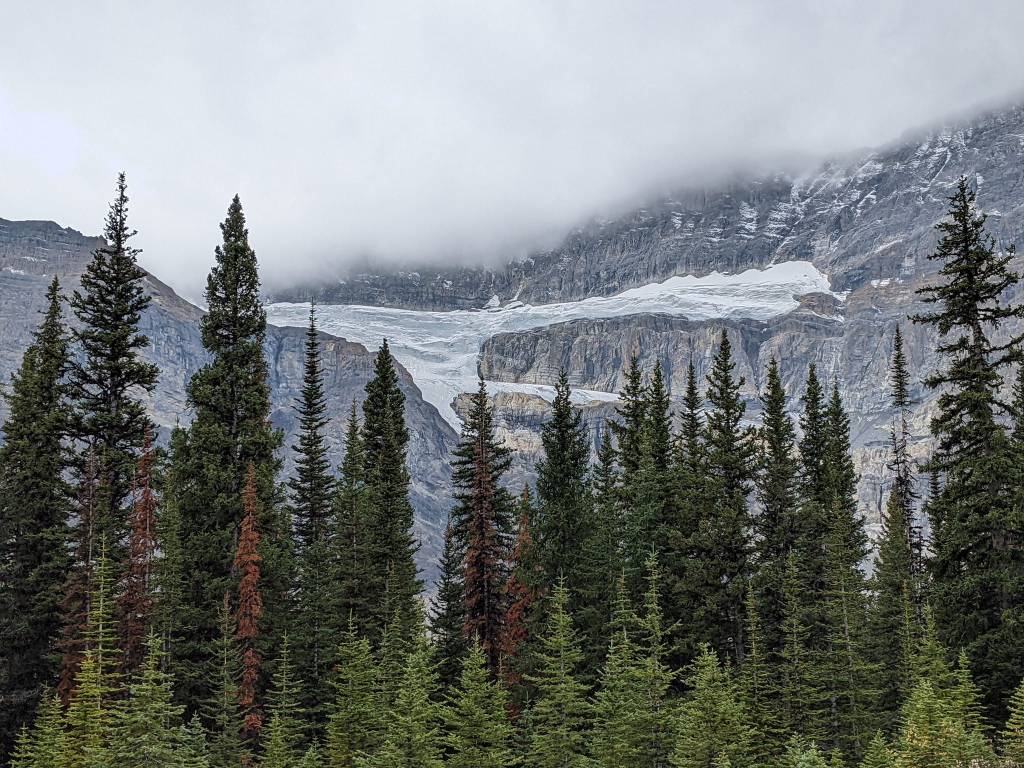
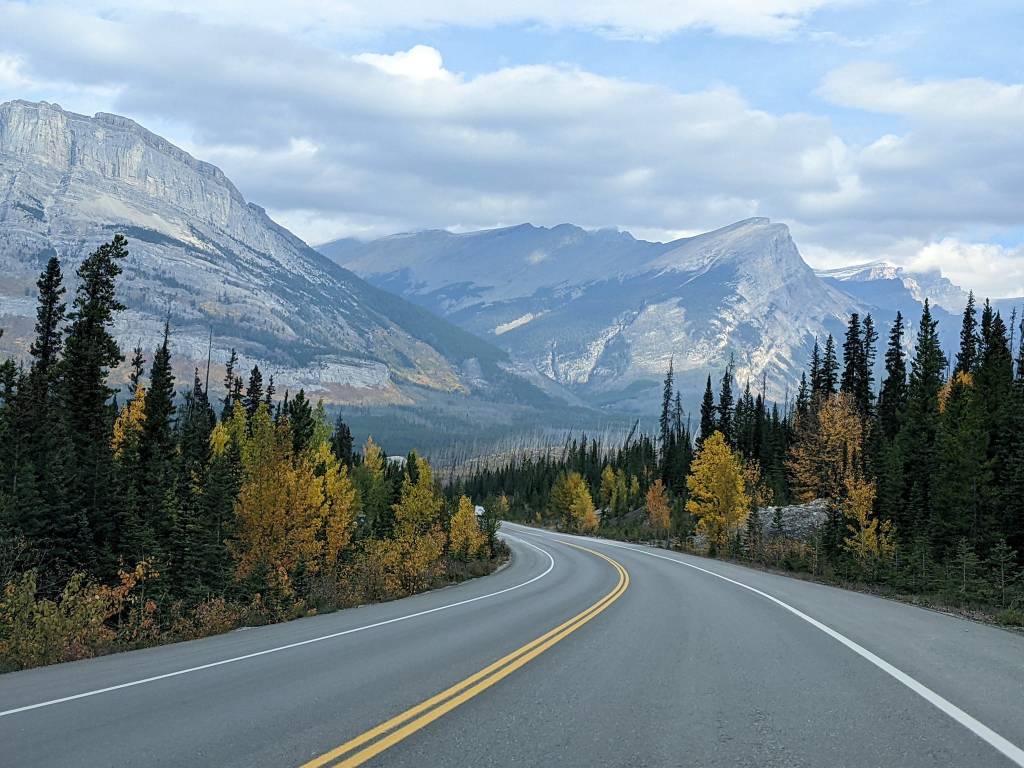
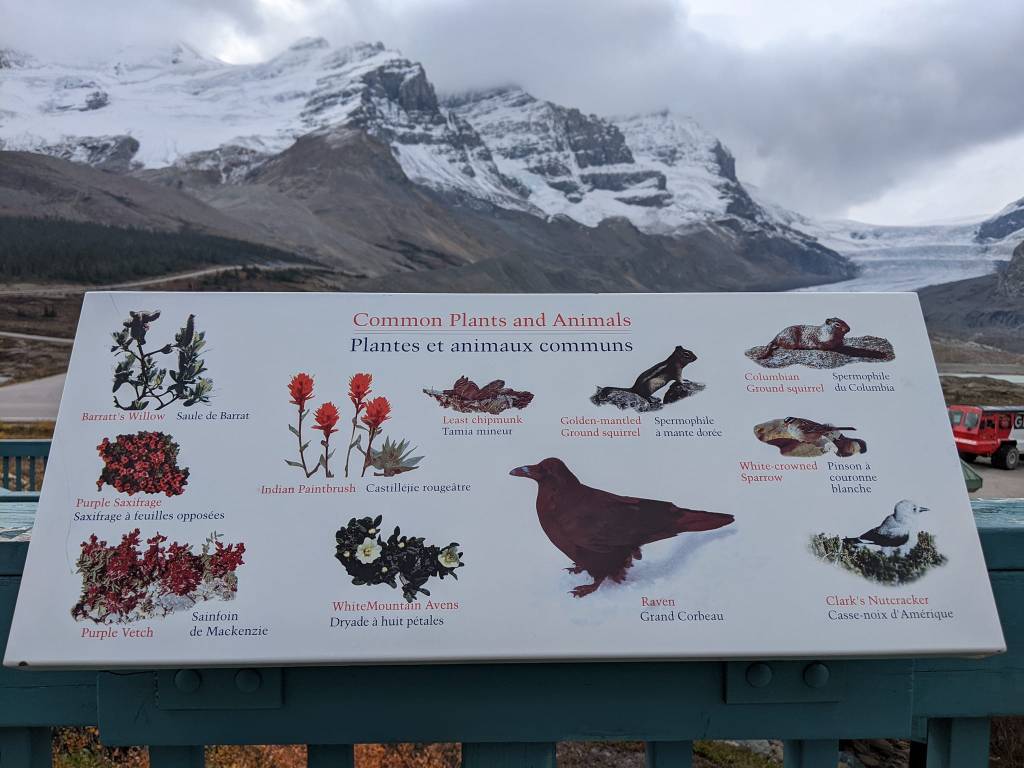
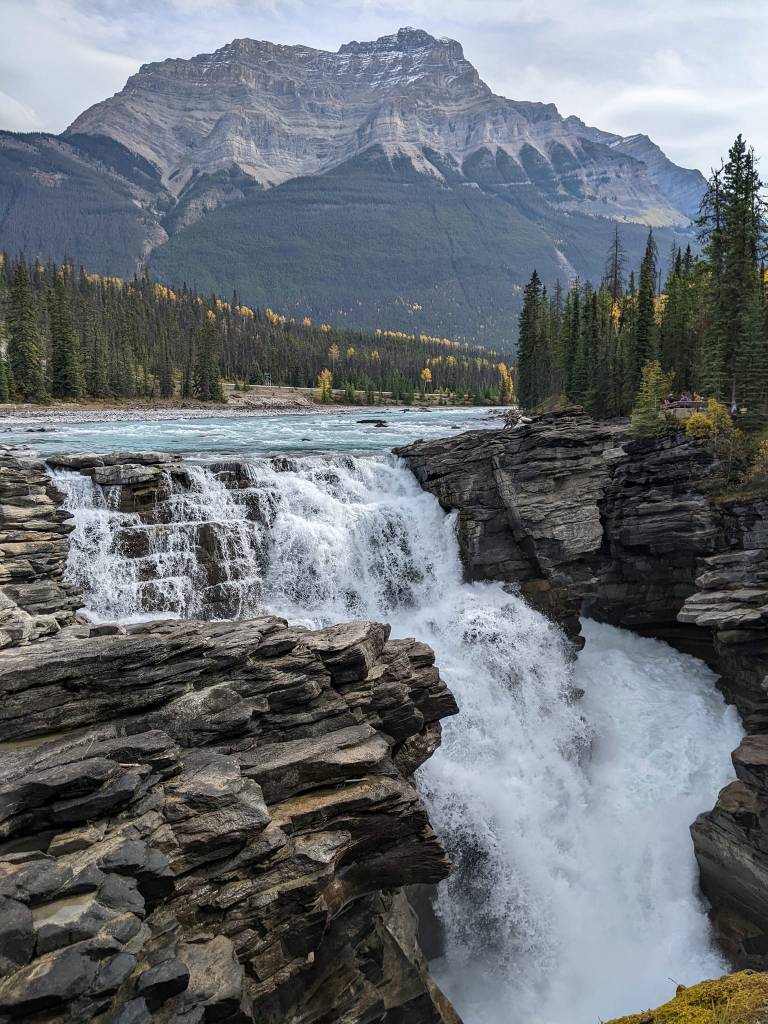
Our last great adventure in the Canadian Rockies was a drive from Banff City up to Athabasca Falls in Jasper National Park and back. This stretch of road is known as the Icefields Parkway because there are over 100 glaciers along this path, which gave us some of the most incredible views we’ve ever seen from a car. It’s only about 3 hours up to Athabasca Falls, but it took us over 4 because of all the stops we made along the way: the Columbia Icefield, Sunwapta Falls, Mistaya Canyon, Peyto Lake, and dozens of other incredible stop-offs. This drive was easily my favorite part of the trip, especially in the fall. We didn’t see very many people along the way, but there were endless signs teaching us all about the region, the various landforms, flora, fauna, you name it. It was very much like a DIY field trip, which, of course, I loved!

Ugh! After writing this and reliving all these incredible moments, I’m ready to plan a trip back to Alberta. Somehow, I feel like this might be a Huangshan (Yellow Mountain) situation, in which you haven’t really seen it until you’ve seen it in all four seasons. I do hope I’ve inspired you to put your plans to visit Banff into action not only because it’s one of the most beautiful places in the world, but also because some of these places won’t always be there for us to see in the future. Time really is of the essence, so bon voyage!

Our Latin American Travels (so far)

Chichen Itzá

Once again, the time has come for me to document our travels! This time, specifically in and around Latin America! We’ve been lucky enough to call Guadalajara, Mexico “home” for almost two and a half years now, and even with a global pandemic cramping our style in the beginning, we’ve made it a point to travel as much as possible throughout the region. Of course, we added a few new countries to our growing list over the past two years, but our main priority was definitely to explore the different regions of our home country. Therefore, in addition to the long list of names (and accompanying photos), I’ll also be highlighting our top 5 places to visit in Mexico! Hopefully this will help guide you on any future trips to Mexico because in our opinion, these are truly the best of the best!

Yucatán: Mérida, Chichen Itzá, Uxmal, & Progreso

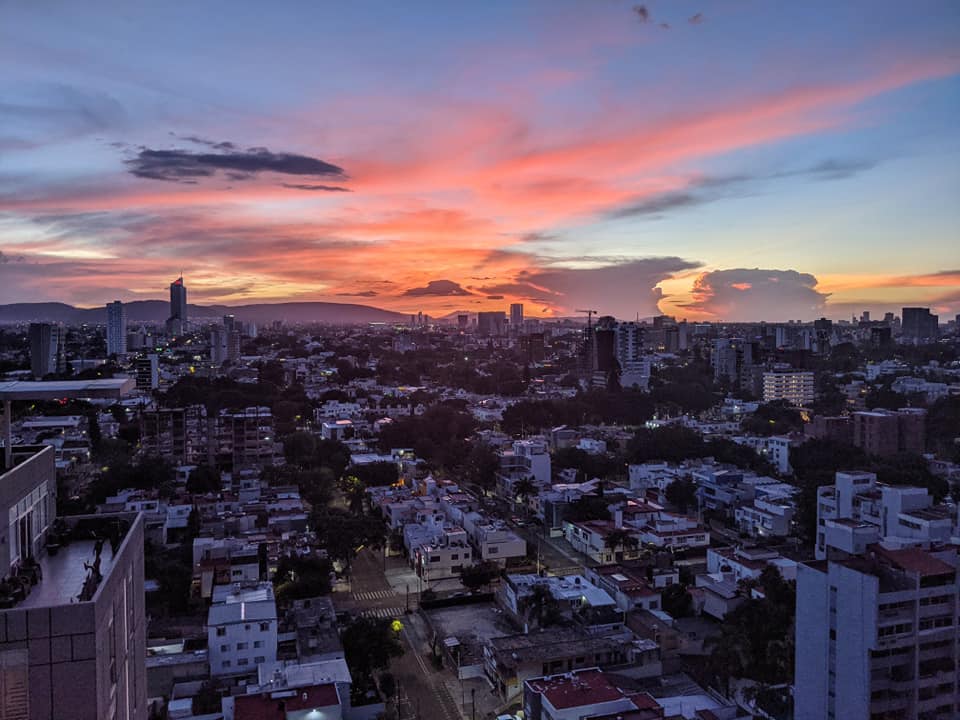
Guadalajara, Jalisco – There is just no earthly way I could leave OUR city off this list! We have traveled to over half the states of Mexico, to some of the most popular tourist destinations in the world, and there is still nowhere else I’d rather be. Guadalajara has everything we could ever want in a city. Some of the best food in the world, the most friendly, progressive, helpful people, an incredible history, gorgeous architecture, the perfect, high-altitude climate, I really could go on! When I say “en mi corazón, soy una Tapatía”, I truly mean it. And if you ever want to visit GDL, please, please, please reach out! I have so much to share about one of, if not my absolute favorite, city in the world!

Hogar dulce hogar, Guadalajara <3

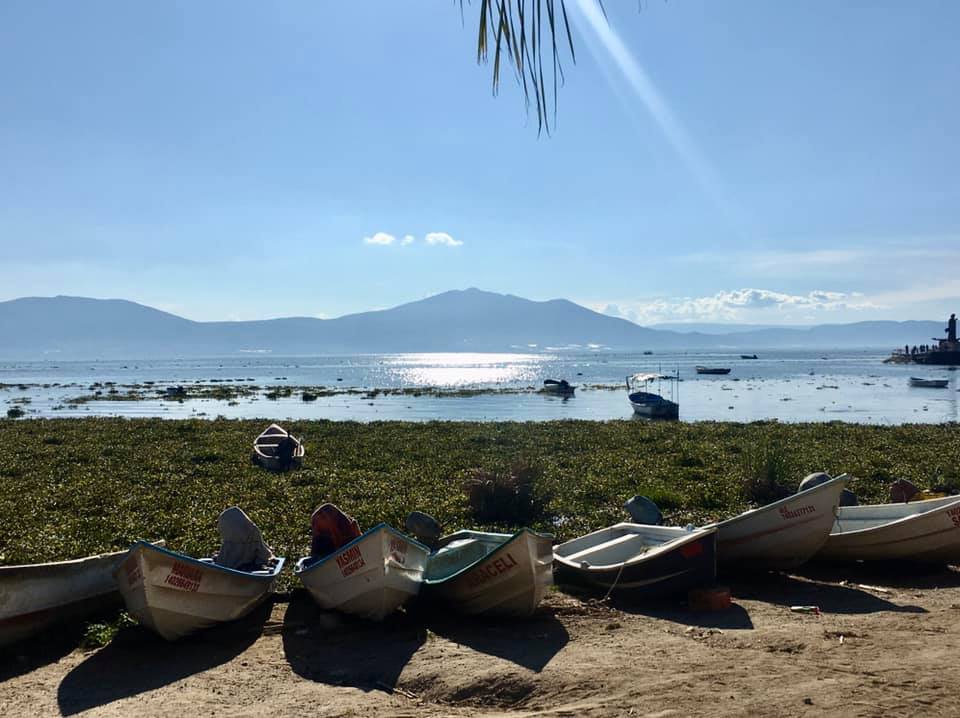
Chapala, Jalisco

CDMX & Teotihuacan, México

San Miguel de Allende, Guanajuato

Ajijic, Jalisco

Puerto Vallarta, Jalisco

Teuchitlán, Jalisco

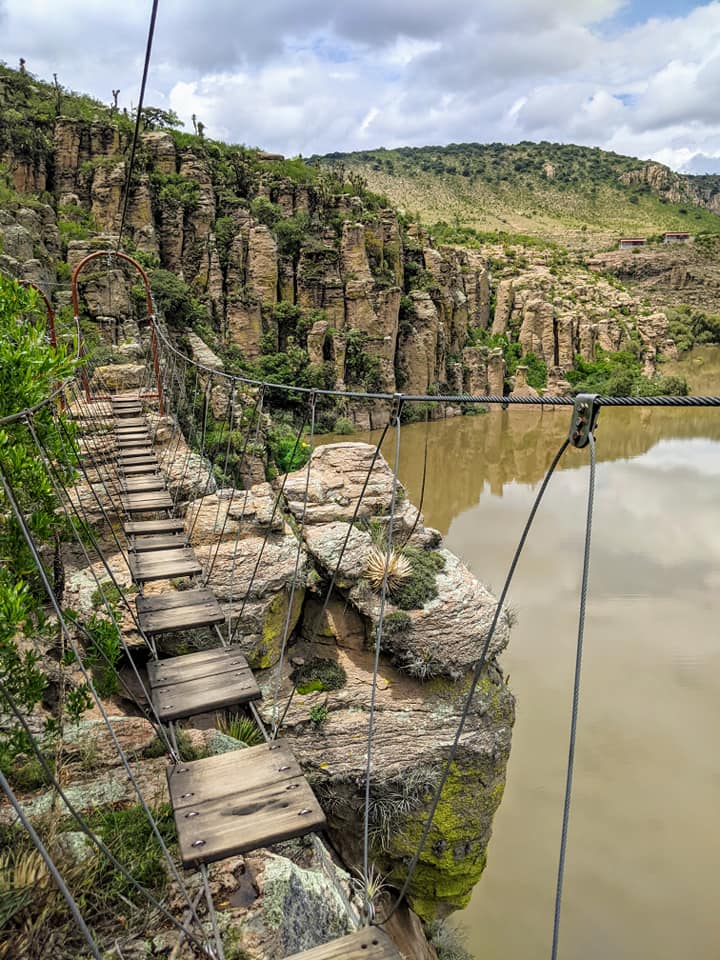
Bernal

Aguascalientes & Boca de Túnel, Aguascalientes

Sayulita, Nayarit & Islas Marietas

Querétaro & Bernal, Querétaro – Interestingly, most of the places that made this highly exclusive list were places that we had never heard of prior to moving to Mexico. Places like Querétaro. Querétaro is both a city and a state in the very center of Mexico, and it has so much to offer! A historic, colonial city-center, a wine region, and the nearby pueblo mágico, Bernal, which has the third largest monolith in the world jutting out from behind one of the most picturesque towns I’ve ever had the pleasure of photographing. It is what I call “real Mexico”, outside all the tourist hubs, a little bit off the beaten track, thus much richer in charm and Mexican spirit.

Ecuador: Quito, Cotopaxi, & Quilotoa

Tlaquepaque, Tonalá, & Zapopan, Jalisco

Tapalpa, Jalisco

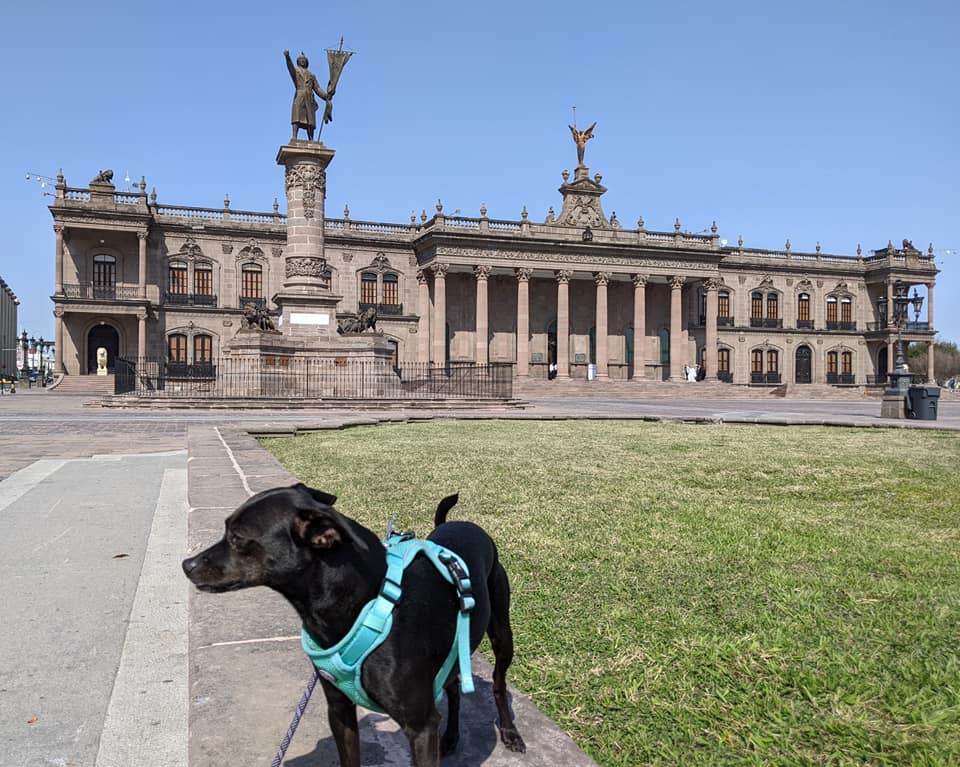
Monterrey, Nuevo León

Nuevo Laredo, Tamaulipas

Saltillo, Coahuila

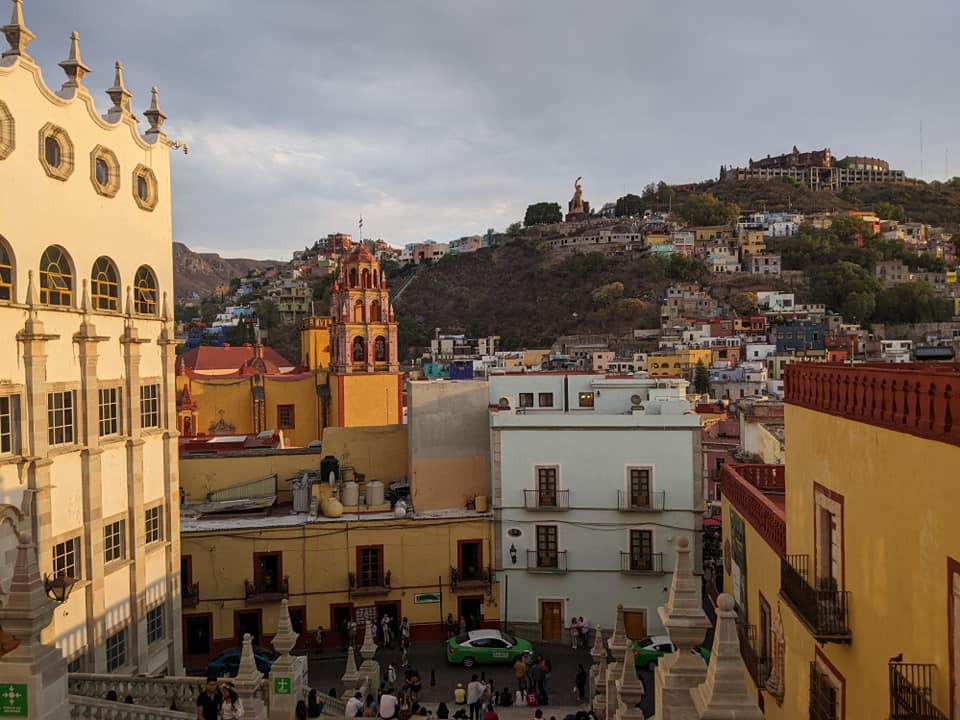
Guanajuato, Guanajuato – Another ciudad full of Mexican spirit and history is Guanajuato. Also located in central Mexico, Guanajuato is a true mountain city and is just downright cool. With all its twisting tunnels and spectacular views of the peaks and valleys that make up this city, Guanajuato is such an amazing place to explore some of the lesser-known traditions, dishes, and other elements of Mexican culture. Tucker and I spent Birthdays Week here last year, and we’ve been besotted ever since. It might be one of the best walking cities in the world with the incredibly unique cafes, shops, and historical sites around just about every corner!  

Guanajuato City

Quintana Roo: Cancún, Isla Mujeres, Playa del Carmen, Cozumel, Tulum, & Bacalar

Argentina: Buenos Aires & Ushuaia

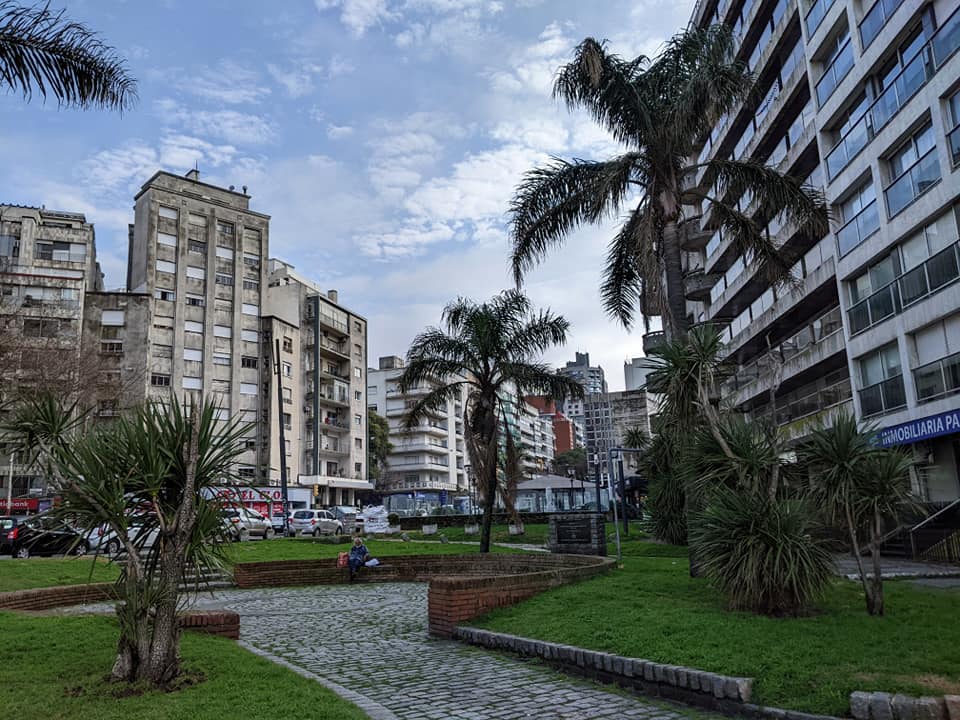
Uruguay: Montevideo

San Luis Potosí: Ciudad Valles, Tamasopo, Tamul & San Luis Potosí

El Meco, Tamaulipas

Tequila

Tequila, Jalisco – Ah, Tequila. The word probably brings up fond memories for us all (well, and maybe a few not-so-fond memories too), but the town of Tequila, aka the birthplace of the drink, is good vibes only. It’s one of 40 pueblos mágicos that we happened to visit during our time here, and it’s by far my favorite. Distillery tours, agave fields, markets, cantaritos, shows, and so much more with the absolute BEST atmosphere and a scenic train to boot. This is the side of Mexico that I love. It’s fun, and it’s a party, but it’s also so much more than that. And the best thing is, it’s only 45 minutes from Guadalajara – an easy and obvious day-trip for any future visitors!

Oaxaca: Oaxaca, Monte Albán, Mitla, Tlacolula, & Hierve de Agua

León, Guanajuato

Chihuahua: Chihuahua, Ciudad Cuauhtémoc, Creel, & Las Barrancas del Cobre

Baja California Sur: San José del Cabo, Cabo San Lucas, Todos Santos, La Paz, & Isla Espíritu Santo – And last, but certainly not least, is La Paz, Baja California Sur. Honestly, we weren’t expecting to be impressed with this one as beaches (especially with loads of tourists) aren’t really our thing, but the pure beauty of La Paz absolutely blew us away! If you read all the names on this list, you’ve seen that we’ve been to all the big-hitters: Cancún, Tulum, Cabo, Puerto Vallarta, etc. but let me tell you, none of those compare to the beaches and nature surrounding La Paz! Sea lions, whale sharks, crystal clear water, white sandy beaches, and if you ask me, a slightly more respectful collection of tourists. Other than Guadalajara, La Paz is the only other place in Mexico we’d consider living, and given our love of GDL, that really is saying something!

Playa Balandra, La Paz

Michoacán: Morelia & El Rosario

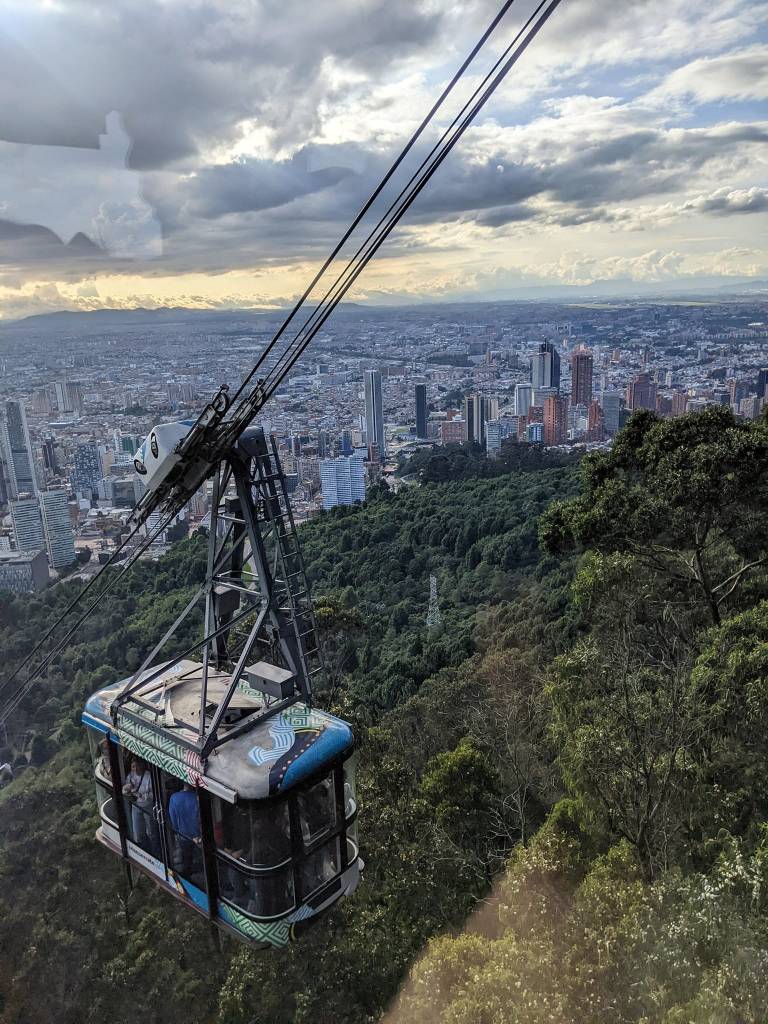
Bogotá, Colombia

And that’s the list! So many incredible places that we’ve had the privilege to see in person! I know some people wonder why we do it; why we uproot our lives and leave our families and friends behind every few years, well, this is it. Because every section of the world has so much to offer, and as long as I’m able to, I will do everything in my power to continue exploring it and learning everything I can along the way! Gracias, México, for one heck of a good journey!

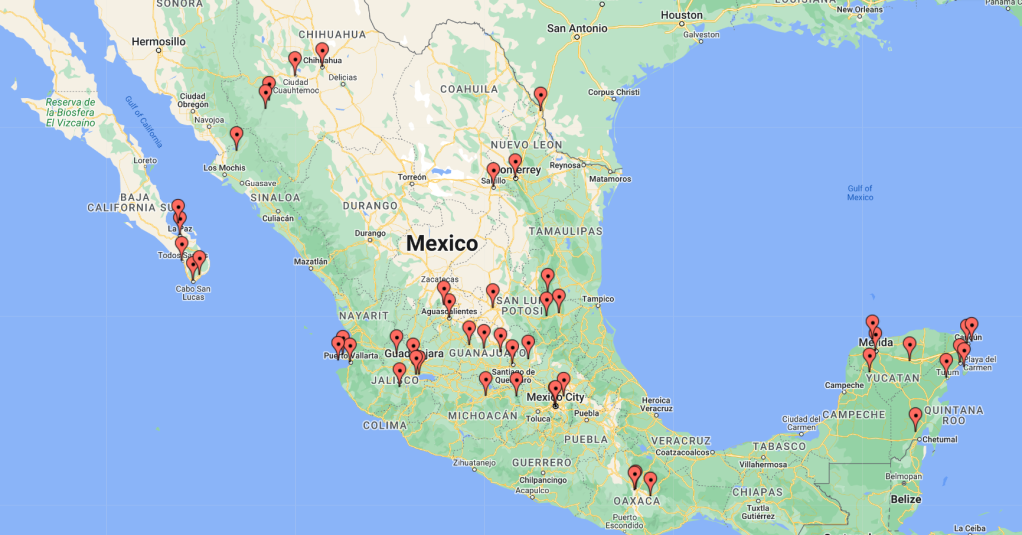
All the pins in our Mexico Map :)
Just getting started in South America!