
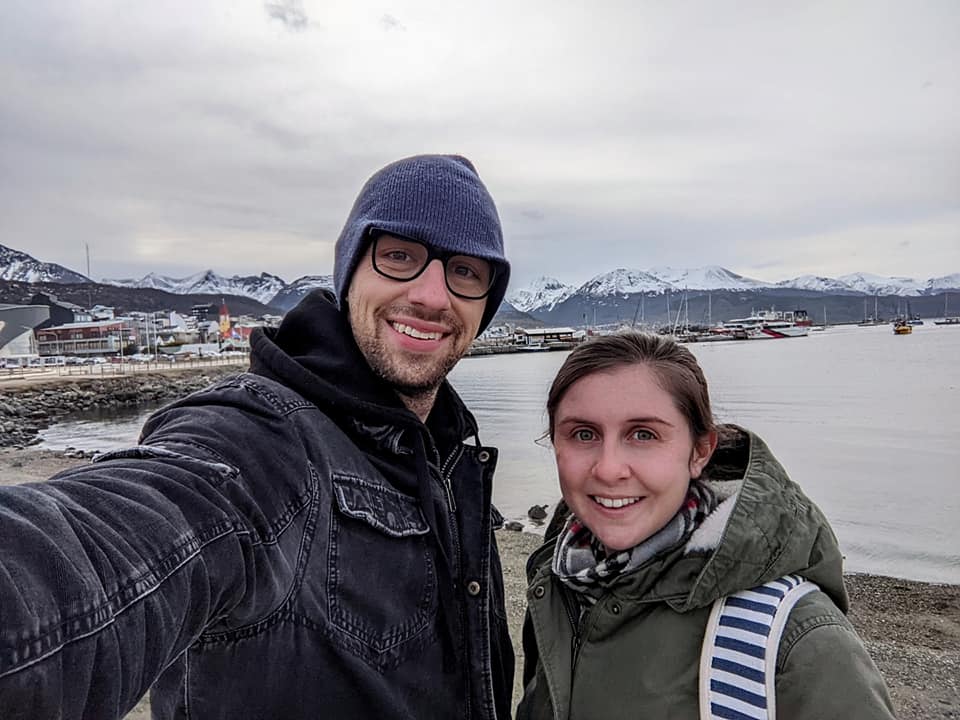
Summer is officially here, so where better to celebrate than South America, where it happens to be winter! Of course, escaping the heat wasn’t our main reason to take off to Argentina this month, but I won’t lie, we were very happy to be donning our coats in July. Such a surreal experience!
In reality, we had many reasons to head to the opposite side of the Americas. For one, when we booked this trip, Canada was still an unknown, and Buenos Aires was at the top of our list for places to go after Guadalajara. Therefore, a large part of this trip was a scouting mission. Would we like southern South America? Would we prefer Buenos Aires or the nearby Montevideo, Uruguay? Could we picture ourselves moving there? Lots of questions to be answered even if the potential move has been pushed a bit further down the line. So, once again, we took to the road (or sky in this case) for some more “research”, and here’s what we discovered:
Seasonal Switch
First off, packing coats, scarves, and gloves for a July vacation was really strange. Of course, we knew the southern hemisphere is always in the opposite season as the northern hemisphere, but experiencing that drastic switch overnight in the dead of summer/winter was still disorienting. As was the fact that the weather got colder as we went further south. I didn’t realize how ingrained “north = colder” was in my brain! We also found it really entertaining to be all bundled up on the 4th of July – I can only imagine how strange Christmas in Argentina would be for me!
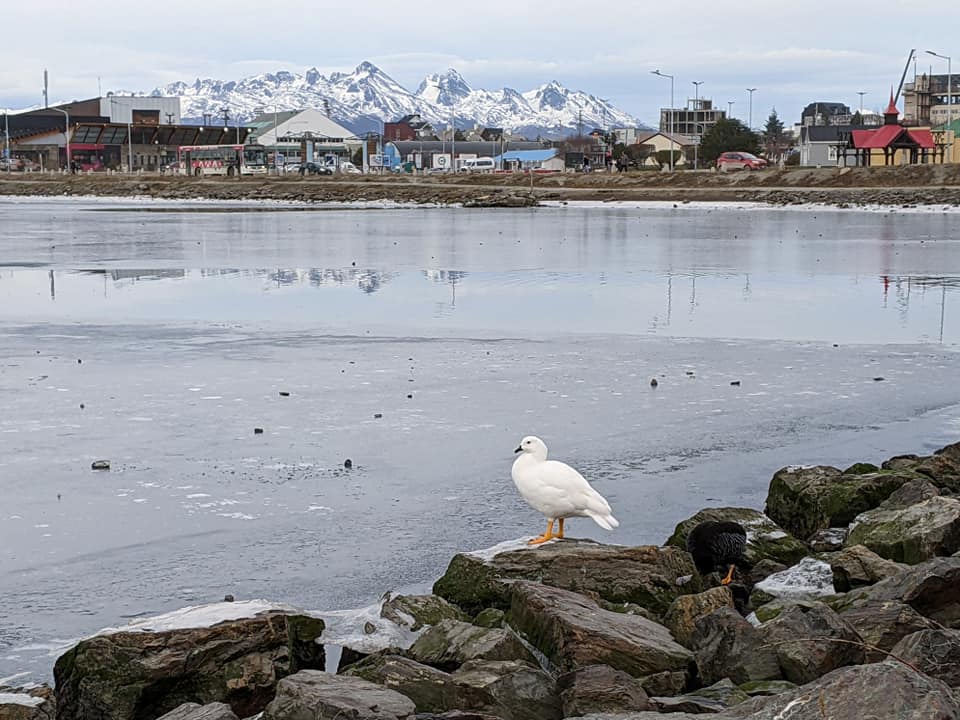
Another surprising, geography-related experience was just how far south Buenos Aires is! Our flight from Mexico City was 9 hours. We could have crossed an ocean in that amount of time! However, I think the long flight is worth it to have four distinct seasons. It was lovely to have brown leaves crunching beneath our feet again. Slightly less lovely was the fact that Buenos Aires is an hour ahead of Eastern Time. In Mexico, we’re an hour behind, and apparently, we’ve gotten really used to our work days ending at 4pm.
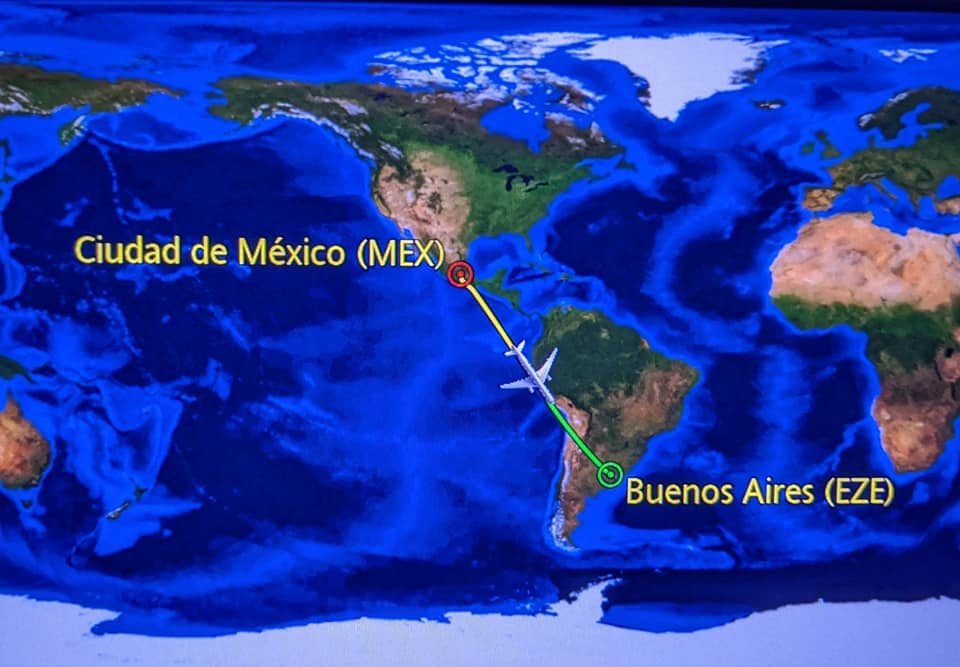
Amazing Food
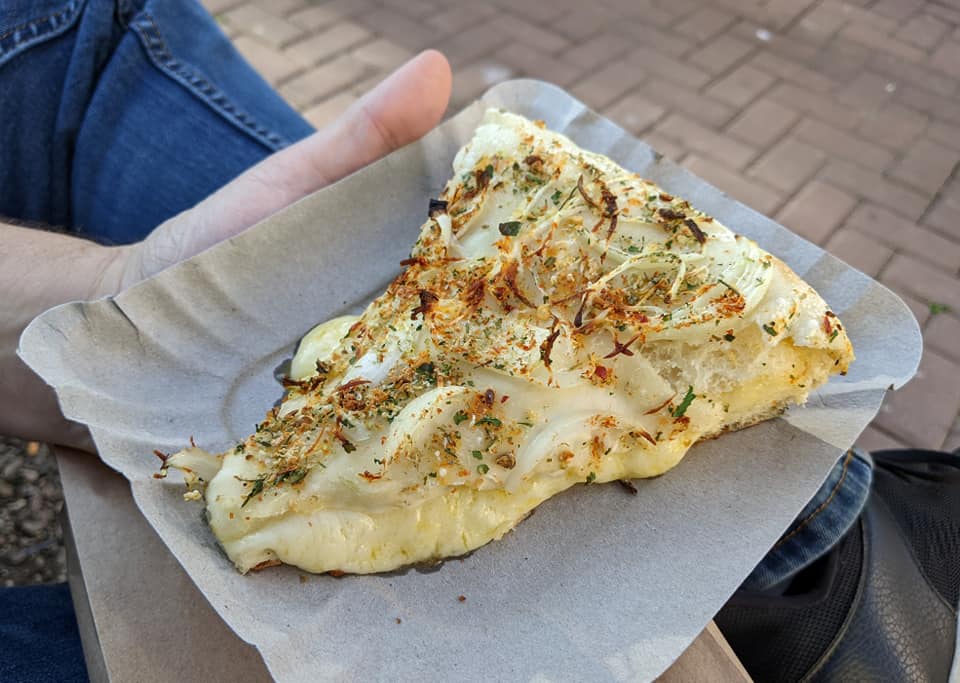
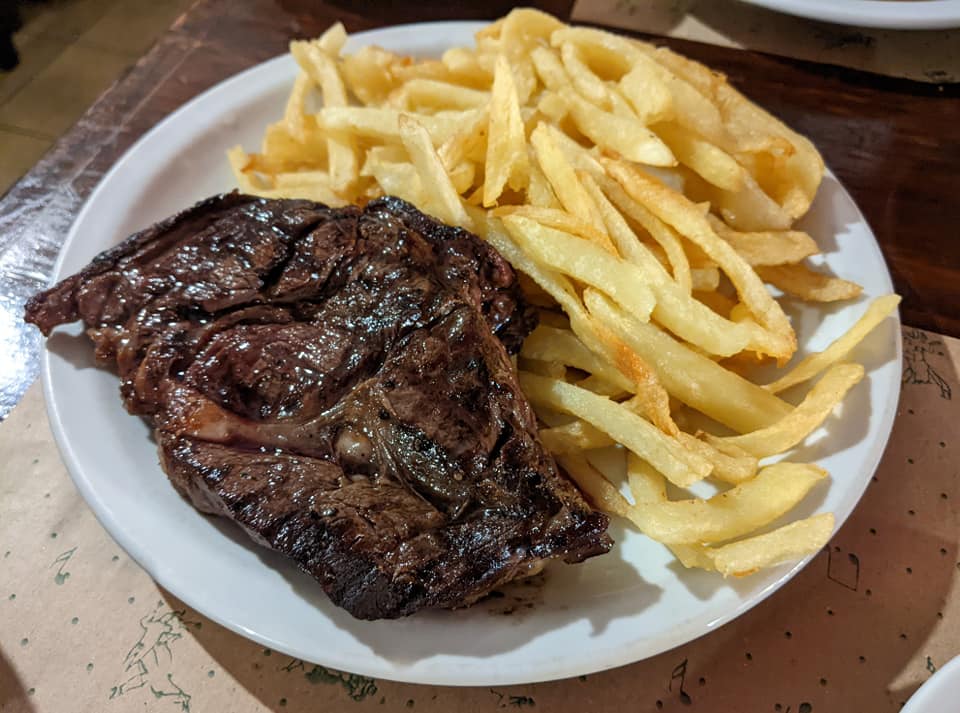
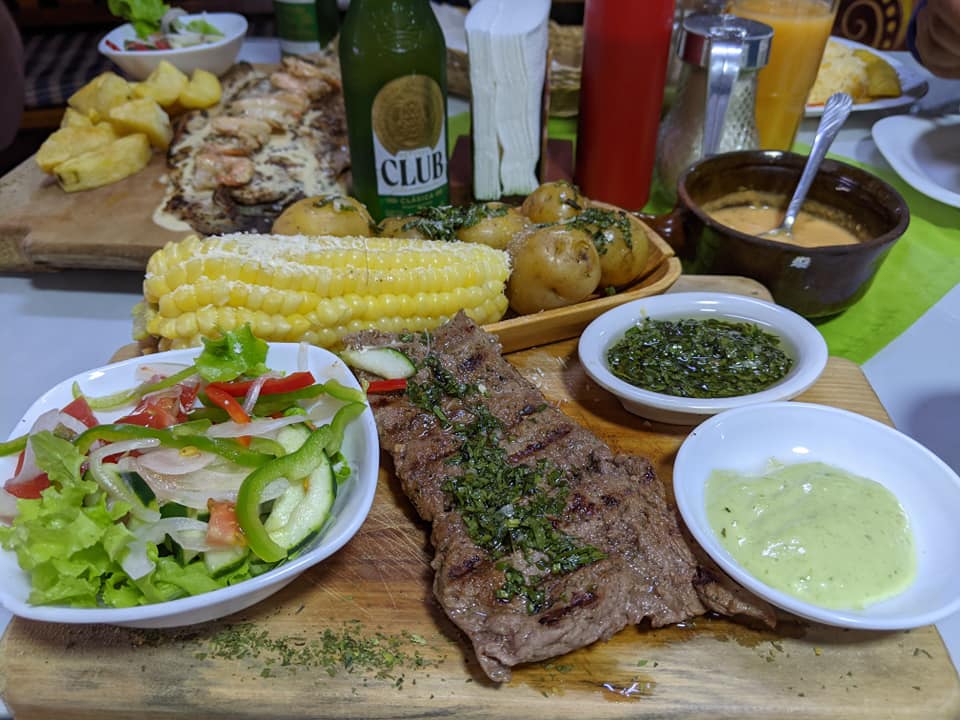
Next up on our list of discoveries was actually more of a confirmation. Near our apartment in Guadalajara, we have several Argentine restaurants, and they’re easily some of our favorites in the city. We were beyond excited to try some of our favorite dishes in their country of origin. Thankfully, Argentina did not disappoint! Of course, the steak and wine were incredible (and SO inexpensive!), but the provoleta, the empanadas, the huge number of sandwiches, the dulce de leche – omg. I was extremely impressed with all the international options we had as well. Italian, German, Korean, Asian-style pay-by-weight places, we were definitely able to branch out even in just 2 weeks.


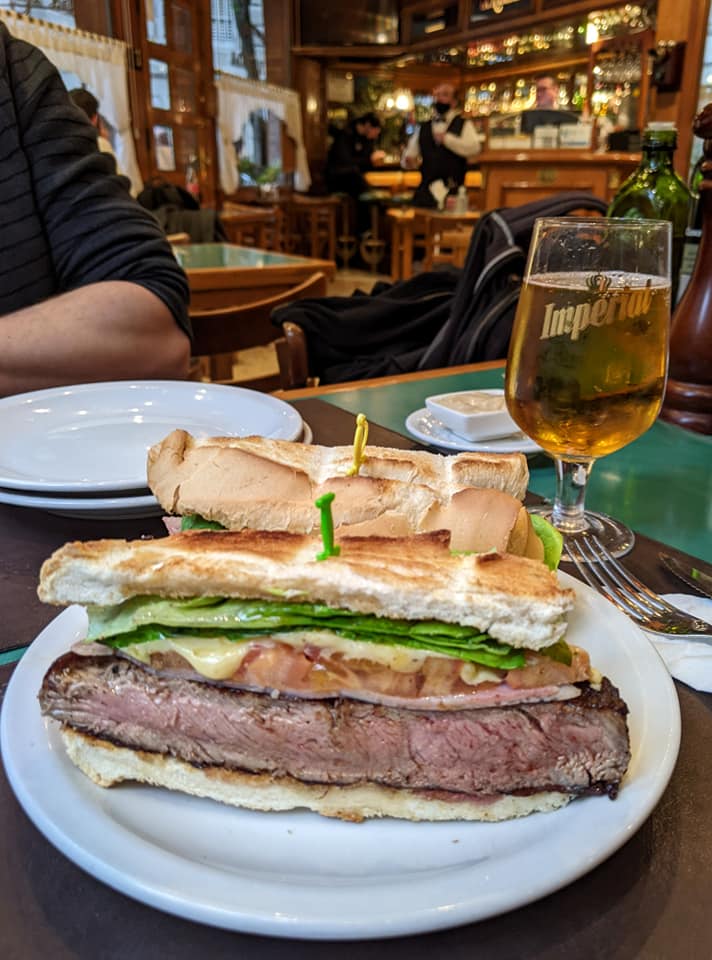
I was also blown away by the café culture of Argentina. I knew that people in South America have an affinity for drinking mate (a tea-like drink) and, of course, as part of Latin America, coffee is popular as well, but what I didn’t expect was just how abundant and accommodating the cafés would be. Literally every block of downtown BA had at least one café, most of which had several floors offering comfortable places to sit, eat, drink, and chat to your heart’s content. And whether at a café or a restaurant, you absolutely must ask for the check because they’ll never hurry you out.
So Much Nature
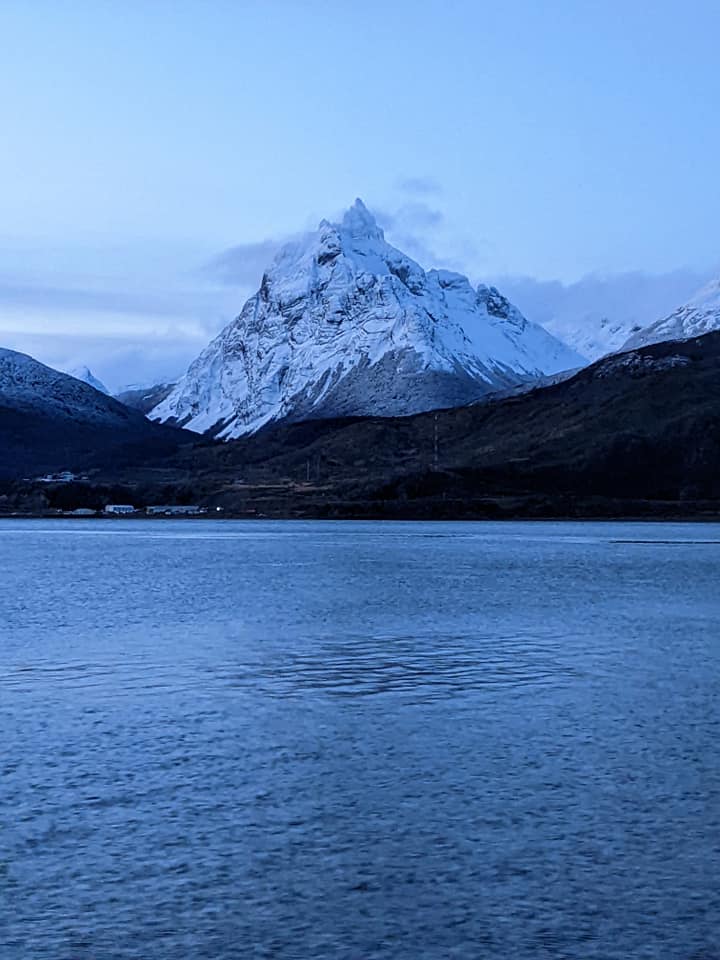
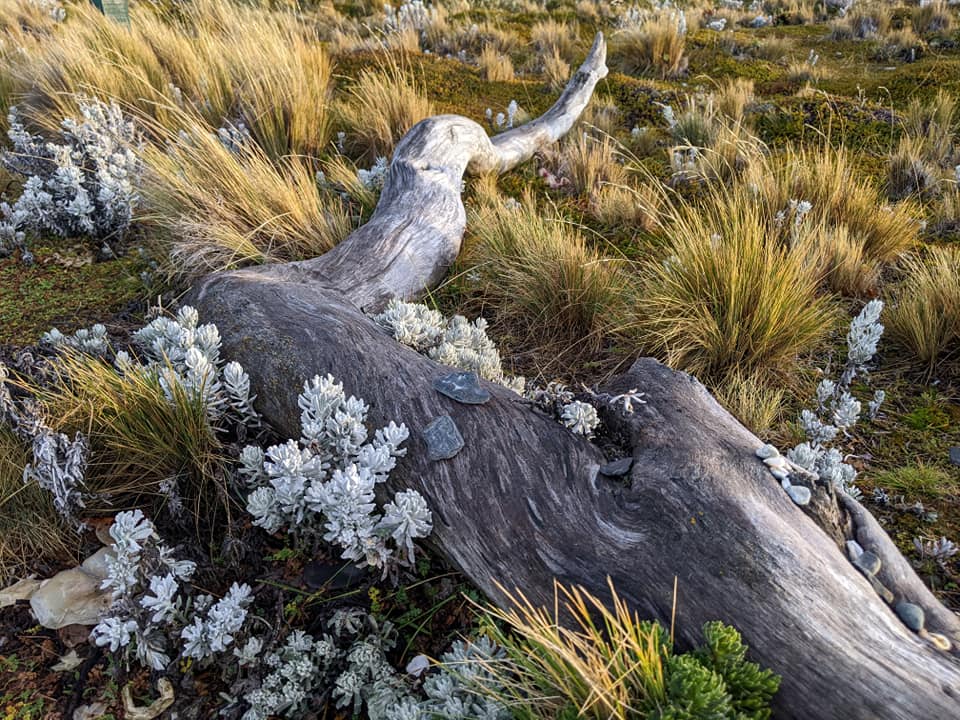
While the local food is always a priority for us when we travel, the memories that stick with us longer are often our forays into the surrounding nature, which is something that South America has in spades. We knew we wanted to take a few trips outside Buenos Aires while we were there, but deciding on where to go was so tricky! An overnight train to the Andes out west? A trek through the jungle to see the infamous Iguazu Falls? Or fully embrace winter with a flight down to Cape Horn? Of course, we went with the coldest option!
Thanks to Argentina’s budget airline, Flybondi (which is thankfully still operating post 2020), we were able to find cheap tickets down to Ushuaia. Ushuaia sits in the far south of Patagonia and is known as “the southernmost city in the world”. Here we were able to play in the snow, chill our craft beers on the window sill, and tour the icy Beagle Channel. As a geography nerd, the sheer fact that I was at the southern tip of the Americas, only about 1000km from Antarctica was enough for my bucket list, but the incredible mountains and pink morning skies just made it that much more beautiful.


Fantastic Cities

As amazing as it was to be surrounded by such diverse nature, we definitely spent the majority of our time in the two major capital cities: Buenos Aires and Montevideo. Turns out we could have used even more time because Buenos Aires is huge! That’s really the immediate impression I got from the city. It was a 45-minute ride from the airport to Retiro (a downtown neighborhood), and aside from the distance, the number of massive buildings, many of which were apartments, definitely stood out. Walking downtown, I was also amazed by how tall so many of the building are. Very old, very European-style architecture, but much taller than I seem to remember in Poland (or than what we find in Guadalajara). Luckily everything seemed to be bigger in Buenos Aires because there were also gigantic plazas and parks, wide sidewalks, and many-laned throughfares. It seemed like the kind of place you could live for years and still be discovering new points of interest.
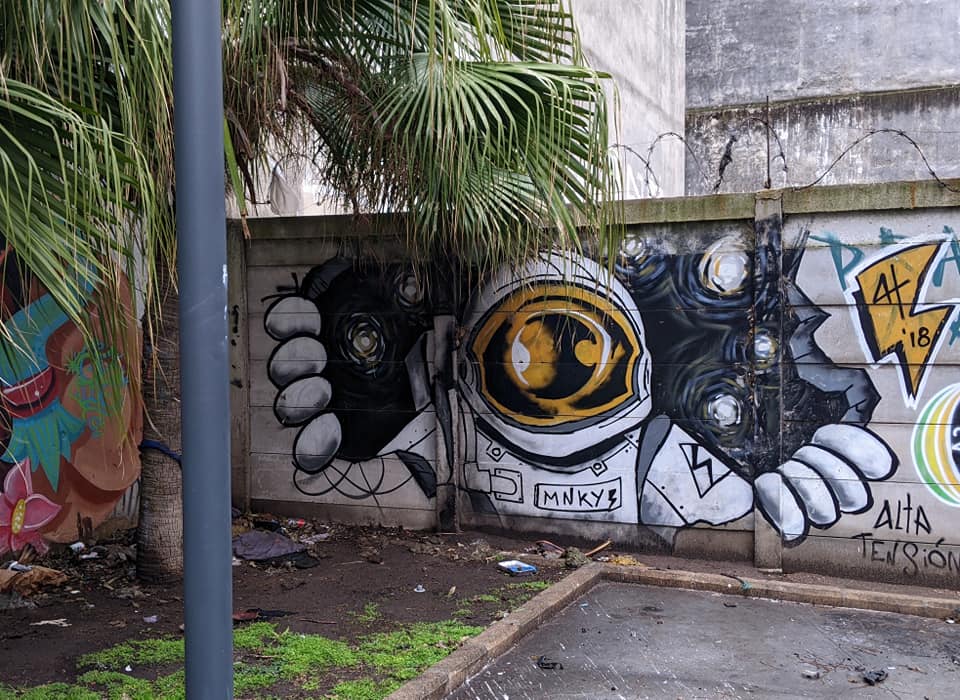
Montevideo, on the other hand, was much smaller. Both in terms of the city’s size and the architecture. Although just a few hours away, across the Rio de la Plata, Montevideo is the capital of Uruguay and has an entirely different vibe. Of course, we were super interested in noting any and all differences (in the name of research) and couldn’t help comparing as we went along. To me, Montevideo felt a little like the quirky younger sibling of Buenos Aires. It was much more colorful with lots of street art and eclectic architecture throughout the old and new sections of the city. It also felt much more coastal with its huge rambla (promenade) and beaches. While a lot of the culinary traditions are similar between the two countries, Uruguay has a few of its own stand-outs as well, like the Chivito sandwich, which is now in Tucker’s top 5 sandwiches of all time.

Spanish Differences
Another interesting experience on this trip (as well as on our trip last year to Ecuador) was the Spanish we were hearing and eventually using. The Spanish I’m learning is Mexican, and this is never more obvious than when we’re traveling in another Spanish-speaking country. Words like “alquilar” (to rent), “maní” (peanut), and “palta” (avocado) gave me pause because we regularly (read: only) use “rentar”, “cacahuate”, and “aguacate”. Just like learning to use “chulla vida” in Ecuador, it was really interesting to see which indigenous words Argentina and Uruguay have adopted and how these (and other) influences still serve to differentiate Spanish varieties around the globe.

However, it wasn’t just the vocabulary that caught our attention on this trip to South America. The first real conversation we had in Argentina was with the security guard in the building where we were staying. He gave us our keys and made sure we knew what to expect with entering, exiting, etc. Luckily, having a few Argentine teachers in the past helped prepare me for hearing things like “sha” and “shaves” instead of “ya” and “llaves”, but it was still much harder than I expected. The accent is SO different from what I’ve grown accustomed to, but it was surprisingly easy to pick up and start using ourselves. After just a few days we were saying “sho” (yo) and “para shevar” (para llevar) like everyone around us!
So, What’s the Verdict?
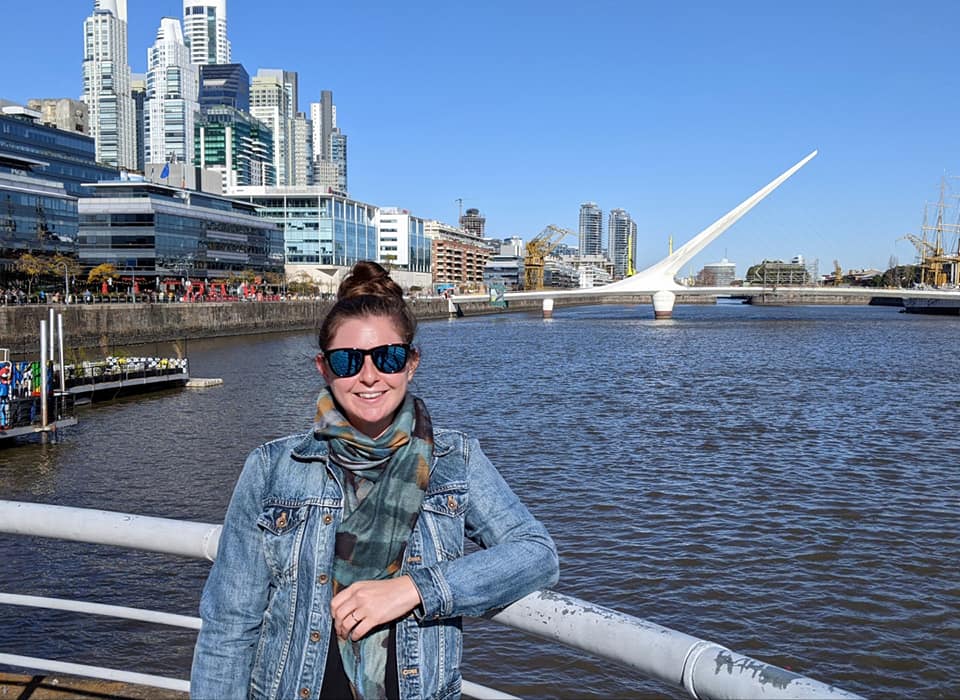
Well, we loved it all! We could definitely see ourselves moving to either Buenos Aires or Montevideo in the future, and I would absolutely love to have a few years down there (at least!) to more thoroughly explore South America. Even though we might be going north before we make it back down south, I’m beyond thankful for the opportunity we had to get even a glimpse of such an amazing part of the world! Until next time! ¡Chau!

































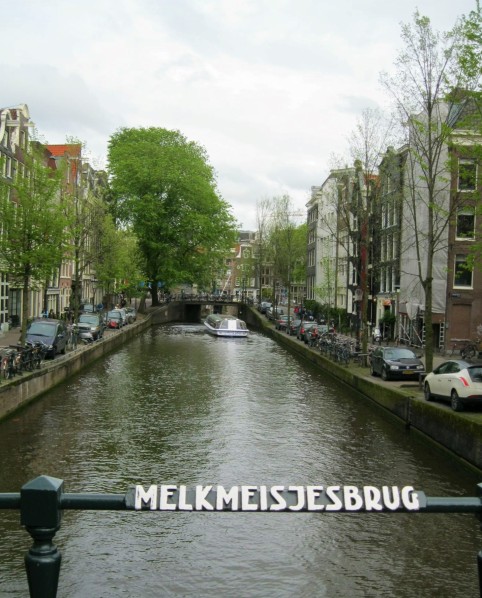 This was an obvious choice for this particular list because we only spent about 23 hours in the country. It was our first foray into long-layover travel, and we definitely fumbled our way through it. It wasn’t too difficult to get from the airport to the city center (and back again), but as we set off with absolutely no plan, it was mostly just a long walk around the beautiful canals. Amsterdam is a great walking city though, so even with our random ambling, we were able to take in the numerous and iconic bridges, bicycles, and fry-stands. We also explored the infamous Red Light District and (from a distance) the I AMsterdam sign, which is sadly no longer there.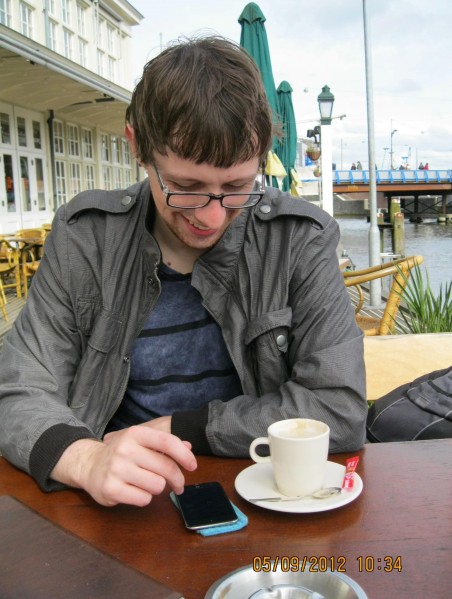
 Next on our “must return to” list is Finland, which might not have been an obvious choice seeing as we spent almost three weeks there, but at the time we 1) had very little money to spend, 2) were exhausted from finishing up our undergrad degrees, and 3) had just gotten married, which as anyone who has planned a wedding can attest, left us feeling a bit burnt out. Typically when we travel now, we avoid suitcases, and we move around a lot, but as this was our first trip sans car, we failed miserably at both packing lightly and at utilizing public transportation. We also weren’t able to afford train passes or much of anything at that time; in fact, our flights and accommodations were wrangled together with the help of some of our wedding gifts and useful family connections. Regardless of what now seems like a trip very far removed from our usual preferences, at the time, it was magical.

 Technically we’ve been to the Bahamas a few times now, but does it really count if it’s on a cruise? I mean, don’t get me wrong, cruises are fun and economical, but they definitely keep you in a bit of a bubble. For this reason, I would love to go back to the Bahamas, without the big boat. I think it would be amazing to fly into Nassau and explore New Providence Island a little more slowly and a lot more thoroughly. There are several forts I want to see on the island, not to mention the art galleries, lighthouses, and, of course, the beaches (especially the ones on the far side of the island). At some point, Tucker and I want to get our diving certification so we can explore the depths too, or if we don’t have time for that, then I want to do one of those bubble helmet dives instead!

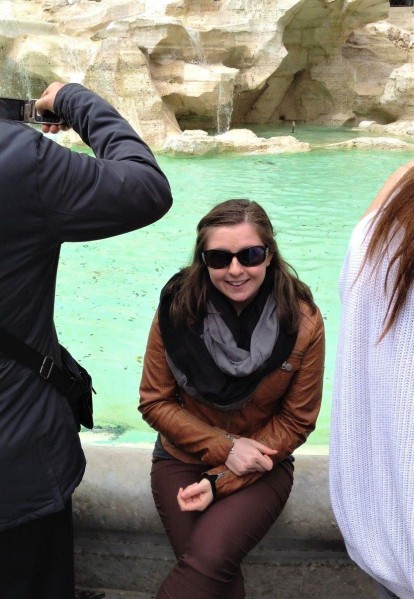

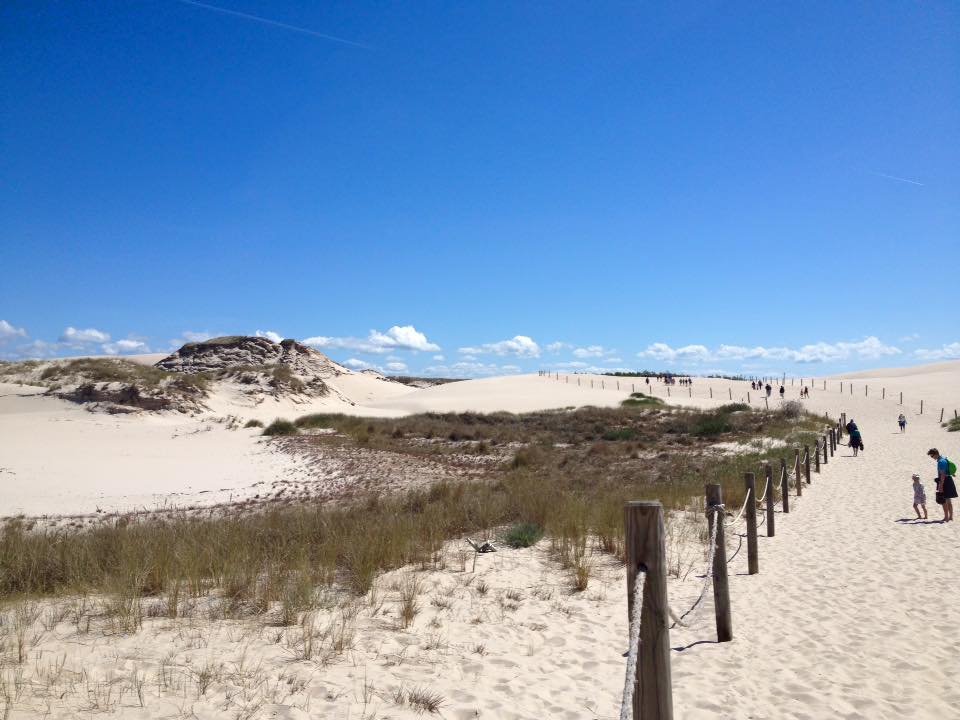
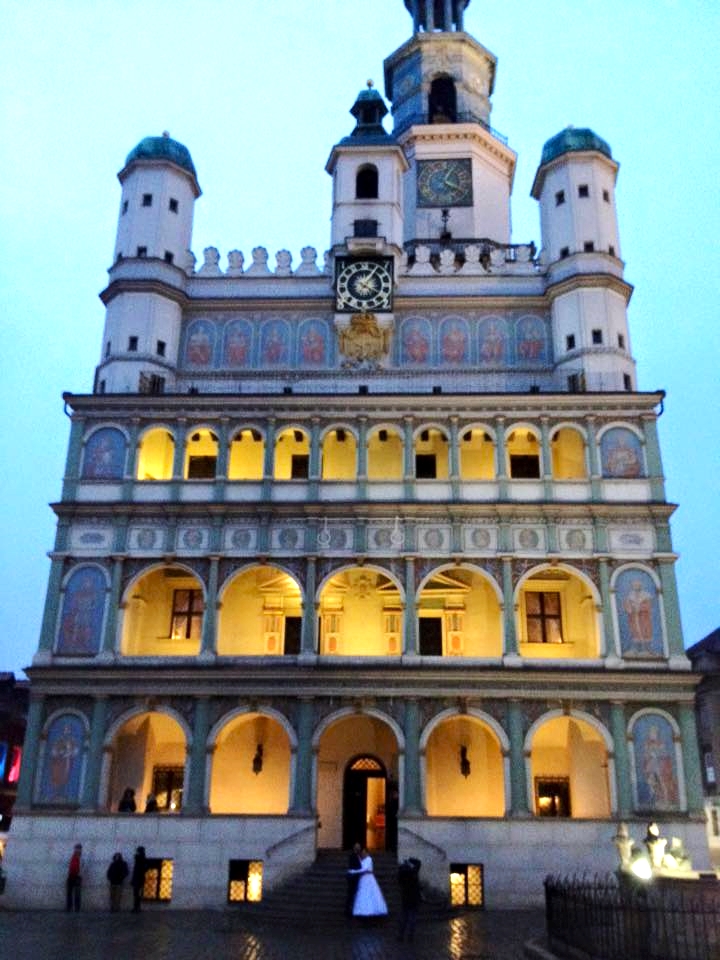
 Germany, unfortunately, represents another set of rookie moves on our part. We spent a year living just a few hours over the border in central Poland, yet we failed to A) make it to Oktoberfest and B) visit Bavaria, the most quintessential of all the German regions. While I do sorely regret not making time for southern Germany, we did really enjoy our time in Berlin and Potsdam, looking at the incredible architecture, sampling the infamous brews, and picnicking in numerous parks. It was an absolutely lovely time, but of course, I’d love to go back for a festival or two. It’s really not our fault we missed Oktoberfest; we had wrongly assumed it took place in October, but really it’s more of a September event that actually ends in early October. Ah well, it’s on the list for our inevitable return trip. As are other famous places like: Neuschwanstein Castle, the Rhine, Cologne, and, of course, Bavaria.
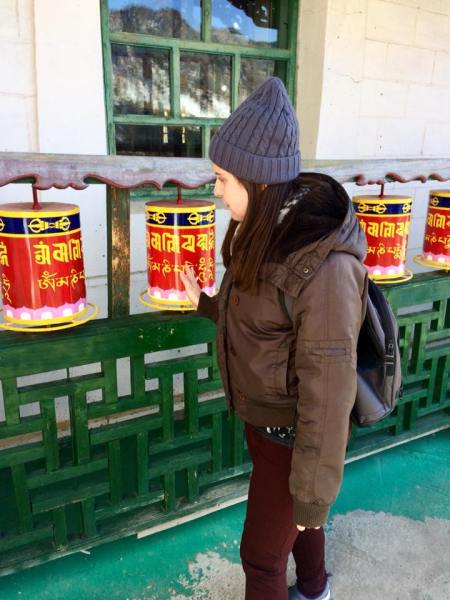 Perhaps unlike any other place we had been, Mongolia intrigued us in so many ways. It’s really a breathtakingly beautiful country that exceeded every expectation we had for it. We visited for about a week in 2017, but unfortunately, a lot of that time was taken up by work (conferences, presentations, etc.) In our free time though, we were able to pretty thoroughly explore Ulaanbaatar, including temples, yurt neighborhoods, live-music bars, and amazingly trendy restaurants. We also took a short road trip out to Gorkhi-Terelj National Park, which was honestly a bit frightening for me (mostly because we opted to dismiss the rental insurance), but ultimately it gave us the best glimpse of what life is like outside UB.

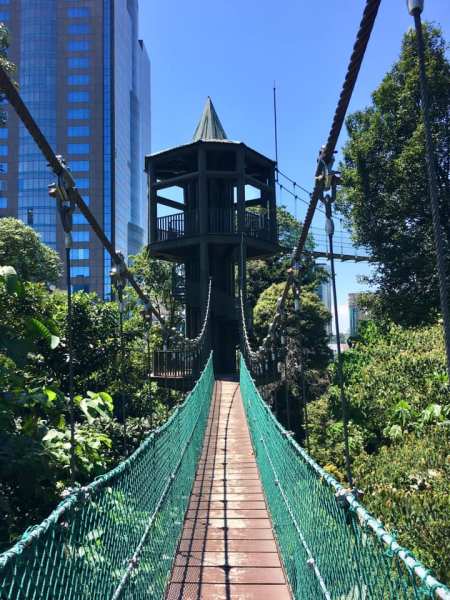 Last on this list (for now) is a place we actually visited just last year. On our way back to China from a work event in the Philippines, we took a bit of a roundabout path that allowed us to spend almost a week in Malaysia, well, in and around Kuala Lumpur anyway. Malaysia is a tricky country to fully explore in a short amount of time because it’s made up of part of a peninsula (West Malaysia) and part of the island of Borneo (East Malaysia), the two regions being about 400 miles apart. For this reason, although we feel pretty good about our exploration of the amazing capital city, typically called KL for short, we still really want to explore some of the other regions of this incredibly diverse country.
 We never made it to a beach while we were in Malaysia, so maybe we’ll start there on a subsequent trip. There are many islands off the coasts of both West and East Malaysia that look amazingly beautiful and relaxing. There are also several world-renowned national parks, which are home to a collection of unique indigenous species that Tucker really wants to check out. Of course, as we found in KL, Malaysia seems to enjoy extreme sports as well, so maybe we’ll try the popular zip-lining, white water rafting, or jungle trekking activities while we’re at it!
 Of course, there are three countries, not previously mentioned, that are and will indefinitely be on our return radar: the United States, Poland, and China. These are the places we have the greatest connection to, and thus will need many re-visits and reunions to sustain us. Luckily, our friends and family in Chicago, Atlanta, Orlando,
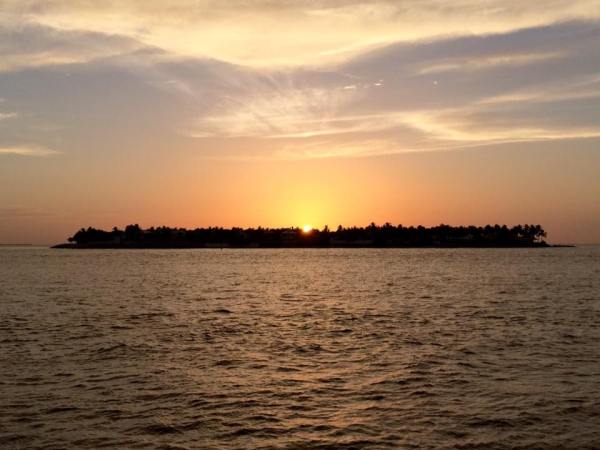

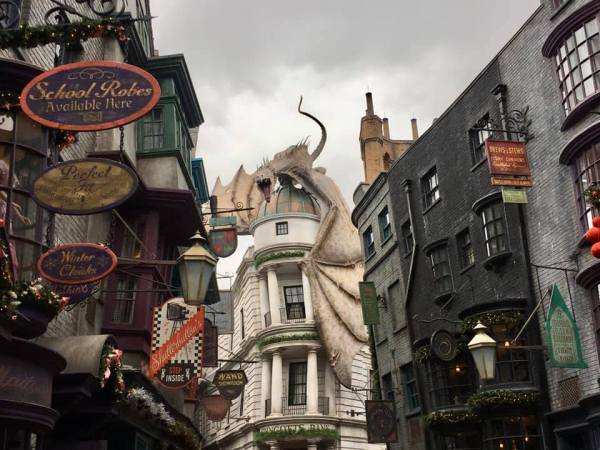


 Next up, my dad wanted to try a famous seafood place (Dixie Crossroads) out on the Atlantic coast, which I quickly paired up with a drive to Cocoa Beach and Port Canaveral. Although it was a quick visit, we walked along the beach and the pier, looked for the cruise ships and the Space Center, and learned that Florida has a nickname for every single section of coastline.






 Dani Francuz Rose