Languages Are Hard

As anyone who has studied a foreign language knows, learning another language is challenging to say the least. After years and years of studying language after language, I am still constantly surprised by just how much there is to continually learn, practice, and perfect. I also well and truly know just how many pitfalls there can be with any particular language, which brings me to this month’s post: what makes learning languages so hard (I mean, rewarding).

Subtle differences

One of the first things that comes to mind when I think of my own challenges in learning the various languages I’ve needed has to be some of the subtle, yet extremely important differences that exist within them. These seem to have a way of sticking in my memory because they’re often brought to my attention after a blunder of sorts. Take for example Polish’s use of “wyjscie” versus “wejscie”. Those are clearly quite similar, so you’d think context would be able to help you differentiate, but you’d be wrong because these are the words for “exit” and “entrance”. I’ll also never forget when I started wearing glasses a little more frequently. It was in China when trying to figure out if the character I was reading was 着, 看, 春, or 眷. In Spanish, I can’t even tell you how many times I answered “cansada” instead of “casada” (“tired” instead of “married”) when asked my marital status. And in French, I’ve experienced several Who’s-on-First moments over the phone with things like “deux heures” versus “douze heures”. Unfortunately, these subtle differences have a real knack for tripping learners up and can really get into our heads, which is exactly what makes these small but mighty in terms of difficulty.
Pronunciation challenges

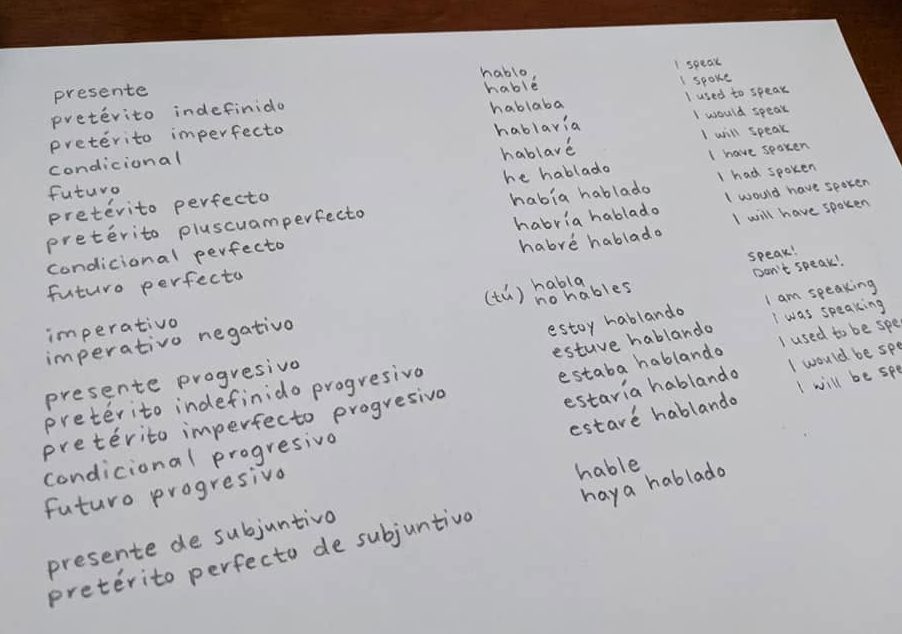
You’re probably already thinking, “well, a lot of those subtle differences stem from pronunciation errors”, and you betcha! Pronunciation is another reason languages are so hard! Our written systems rarely match up perfectly with our spoken sounds, not to mention the variety of dialects that exist in each and every language. But even without taking those things into account, there are simply a lot of sounds used in certain languages but not in others. And when you start compounding these sounds into what seem like literal tongue twisters…well, more difficulty ensues. Don’t get me wrong, we’ve definitely got some doozies in English, too. I mean, I don’t know anyone who doesn’t struggle with “Worcestershire”, but the more new/different sounds there are, the more my mouth doesn’t want to cooperate, like with “szczęście” or “serrurerie” for example. And then, there are tones. Mandarin has four tones to master, and if you don’t, you could be saying I hugged my horse (马 mǎ) instead of my mom (妈 mā). Lots of room for oopsies there.
Grammatical gender
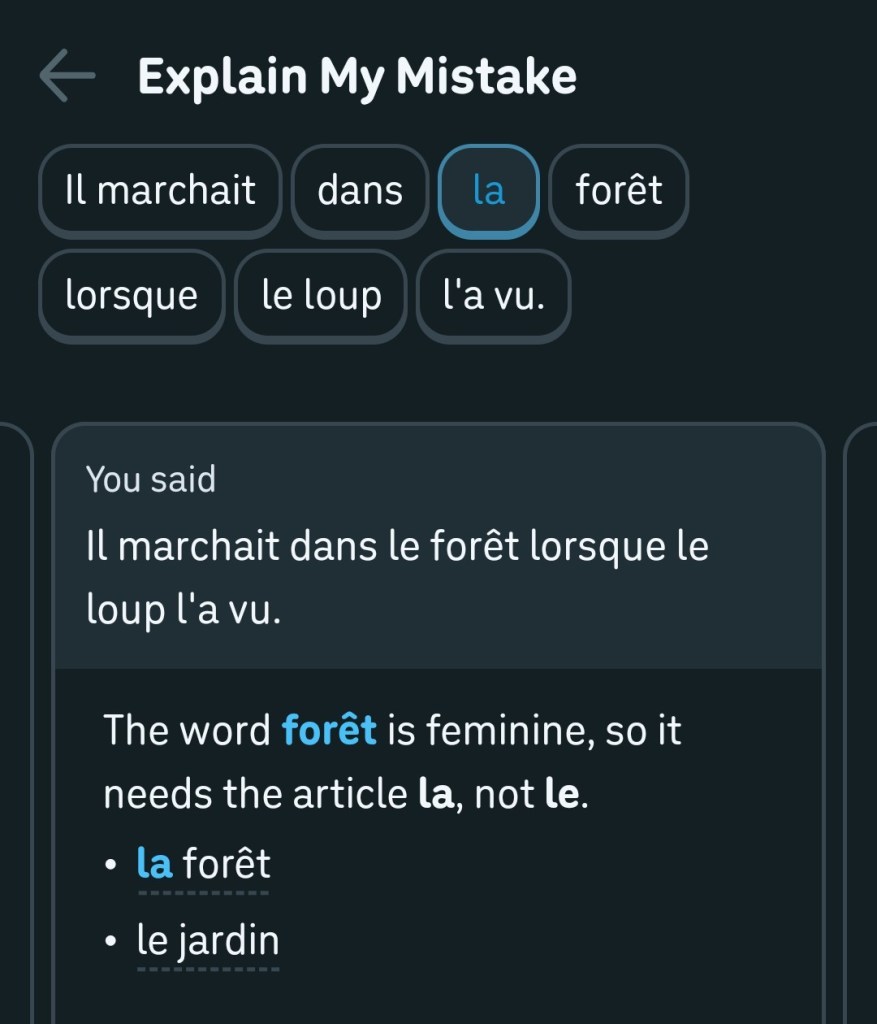
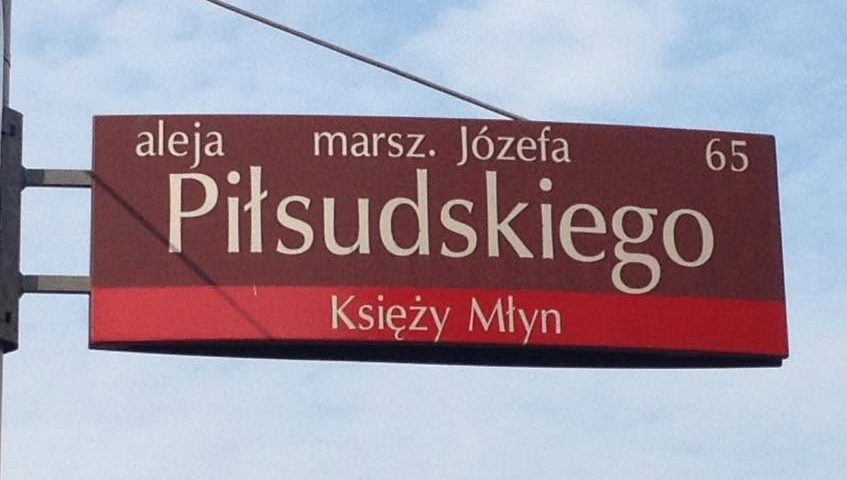
However, the true bane of my language learning life has to be gender. Grammatical gender is really just a way of categorizing words, but since a lot of the romance languages have two main categories, and those were the languages most often analyzed during a time when gender roles were super black and white, they were called genders (i.e. masculine and feminine). Of course, if you’ve studied a language with gender in it, you’ll know it has nothing to do with actual gender. Does “drink” (“boisson”) seem inherently feminine to you? How about “beard” (barbe”)? Well, both are feminine in French, yet “utérus” is masculine, so clearly there’s no rhyme or reason to it, and that’s what gets me. There’s no rhyme or reason to it! It’s not just that grammatical gender has no relation to social gender, but the categories don’t have clear patterns to them even when you start adding “neuter” or “inanimate objects” or any other categories that exist in the world’s languages. Therefore, in a variety of languages, I’m constantly trying to figure out which words should get my endings versus Tucker’s. Yes, that’s how I choose to see masculine and feminine now: my team or Tucker’s team. Let the best personne (feminine) win!

Grammatical cases

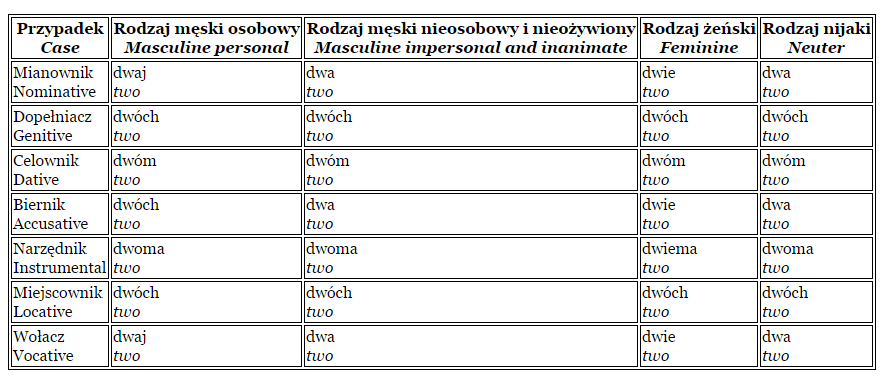
It’s funny that I find gender to be so challenging because the first language I had to learn on the job, so to say, was Polish, which not only has three genders, but seven grammatical cases. What is a grammatical case, you ask? Well, it’s like gender, but harder. Gender is a set category that can be memorized with a given noun (in addition to its pronunciation and meaning, of course), but cases change based on the function of that word in a sentence. Meaning in Polish, there are seven different case endings (nominative, genitive, dative, accusative, instrumental, locative, and vocative) to memorize for every single noun. And to make matters worse, there are certain classes of words that have to agree with a noun’s case and its gender, which means there are some words in Polish that have 21 different versions to memorize. I think the moment I first laid eyes on the chart of all the different forms of the word “two” in Polish is the exact moment I realized I was never going to be fluent in Polish. Trudno.
Non-alphabetic writing systems

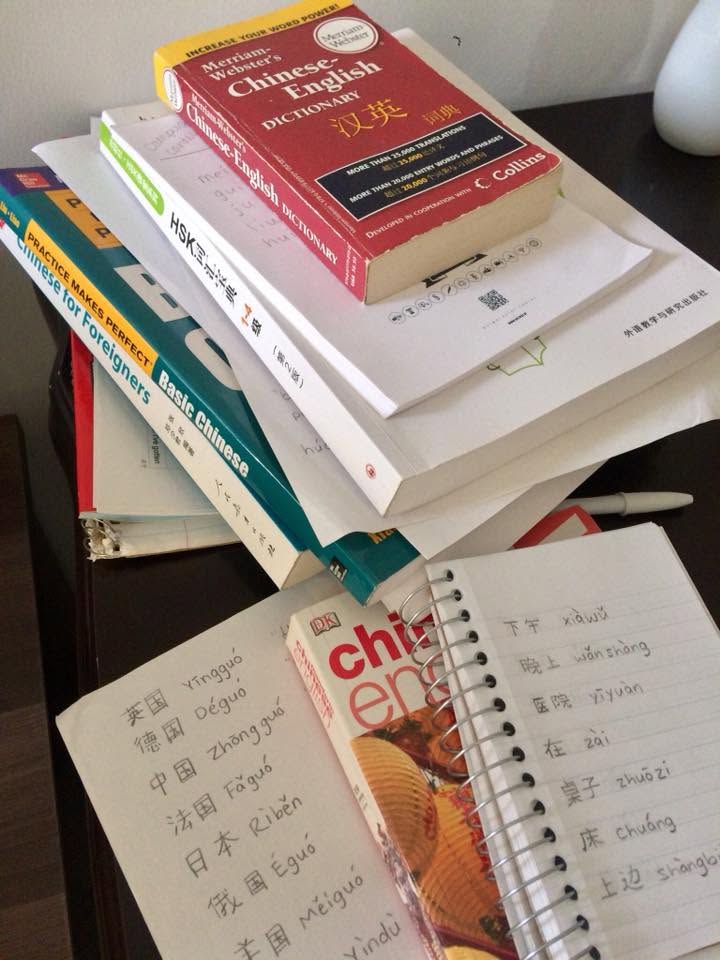
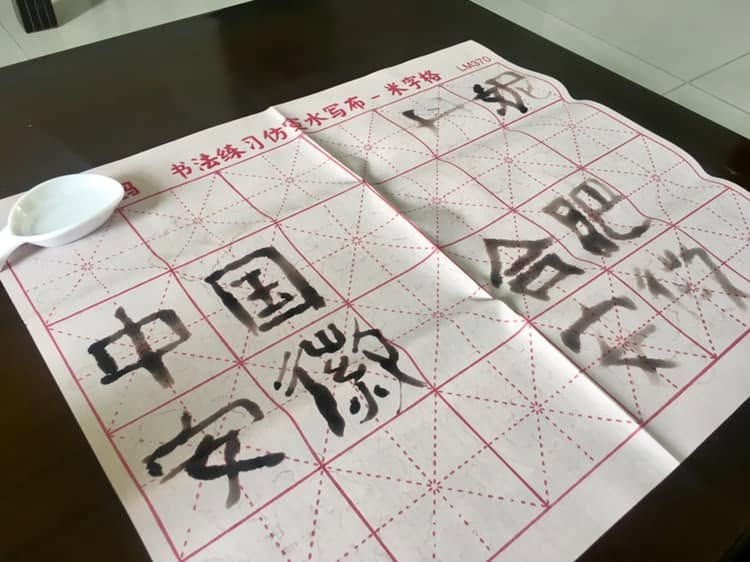
Of course, with Polish, Spanish, and French I should be thankful, right? Because at least I went into learning those languages with some level of literacy. Sure, there were sounds and combinations I didn’t know, diacritic marks and new letters I had to learn, but overall, the alphabets were familiar. Not so when we got to China. I remember sharing just how strange it felt to be rendered completely illiterate as an adult. Walking by storefronts and having no idea what they sell inside; not even able to write our own names without using a reference! It was a whole new level of starting over, which is why I’ve added non-alphabetic writing systems to my list although you might argue that even just a non-Latin alphabet brings its own challenges to the table. With Mandarin, however, it wasn’t just a new alphabet to learn, it was a wholly different way of organizing language. For example, we had to learn stroke order (or the order in which you write the characters) not even to actually write, but to even be able to search for a word in a dictionary. We also had to learn to read without spaces between words and occasionally in different directions (left to right or up to down), and trust me when I say this was only the beginning. Have I mentioned languages are hard?
So many words
Finally, the sheer number of words there are to learn is absolutely insane. This is something I think about, in all honesty, probably a little too often, but isn’t it incredible how many words there are in any given language, let alone all the world’s languages?! I absolutely love those lists of words that aren’t translatable like “schadenfreude” or “hygge”, but when you start learning a new language, you’re suddenly really impressed with how many words you do know in your native language. Just the other day, I was trying to teach Tucker the word “chétif” (“puny”) by describing it and having him guess the English translation. After “weak”, “scrawny”, “feeble”, “wimpy” and several others, he finally got to “puny” while I was busy reverse translating, trying to come up with that many synonyms in French, most of which I’ll never remember! Interestingly, no one can agree on just how many words exist in a given language. Counting them is complicated because would you count “run” and “runs” as separate words? What about “color” and “colour”? Regardless, it’s way more than any vocabulary exercise or even years and years of vocabulary exercises could ever get through. From the tiny differences to the mountain of information needed to memorize, there are clearly countless reasons learning a language feels so monumental!

So, the next time you feel like you just can’t do it or you want to give up, remember, it’s not you, it’s languages! To put it simply: learning a language is most definitely hard / trudny / 难的 / duro / difficile, but it’s also incredibly rewarding / satysfakcjonujący / 有益的 / gratificante / enrichissant! There is truly nothing like the feeling of getting it right, of expressing yourself in another language. The understanding, the communication, and the connections are absolutely worth each and every hurdle you have to jump over, so keep on trucking / tak trzymaj / 加油 / ánimo / lâche pas! You can do it!💪
Missing Polska

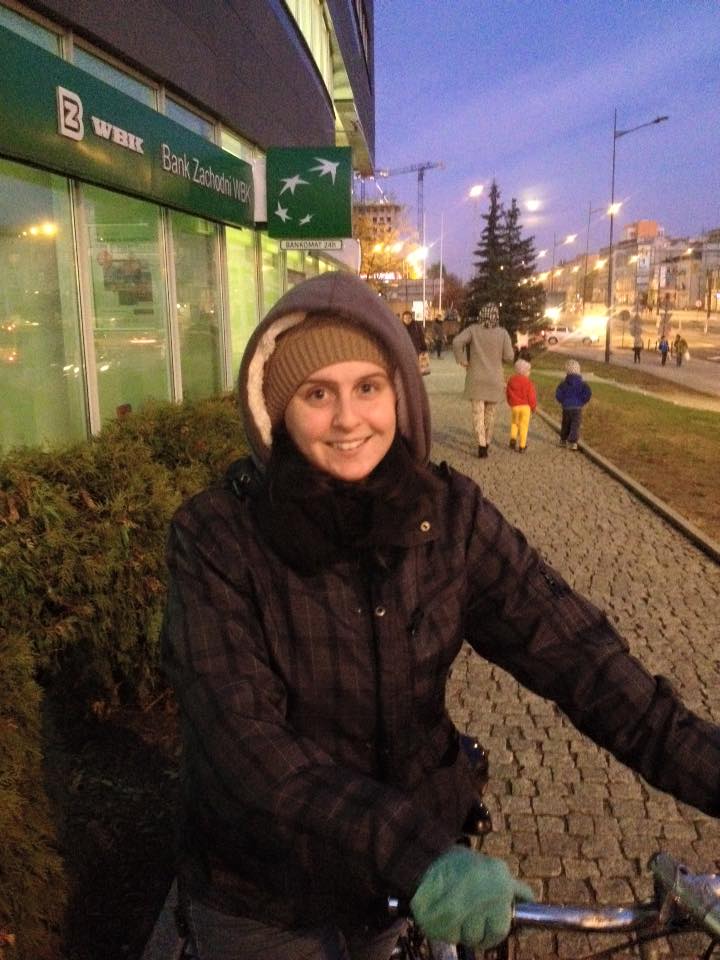
It’s Christmastime once again, and I find myself pining (see what I did there?) for Poland. This time last year, Tucker and I were decorating our apartment in Łódź and brushing up on Polish Christmas traditions (of which there are plenty). This year, while I’m very excited to be celebrating Christmas with my family, American-style, there are definitely many things I’m missing about life in Poland. For example:

Drinking Tea with Friends

I miss Polish tea culture! In the United States, coffee is generally the warm drink of choice, and, unfortunately, I really hate coffee. In Poland, I was gradually forced into drinking some form of hot liquid (especially on cold mornings), and eventually, I learned to love hot tea. Although at first I fought it, now I find myself missing the constant drink (and snack) offers at every Polish gathering (from dinner at a friend’s house to a meeting at work) as well as always getting the choice of coffee or tea. In the past few months I have done my best to bring this tradition to my life in the US, but sadly all I’ve done is become known as the weird, coffee-hating, hot tea-drinker.

The Language

I’m very sad that I will not get to use my well-practiced “Wesołych Swiąt” this year (or the even more challenging “Szczęśliwego Nowego Roku”). Instead, I have to waver with the very difficult “Merry Christmas” vs. “Happy Holidays” debacle. Not only am I missing Polish greetings, but I’m also missing the intensive grammar practice. I know that sounds crazy to most people, but I loved it – and it’s just not the same outside of Poland. I’m really doing my best to continue studying the complex Polish language, but it’s not nearly as gratifying without the unsuspecting strangers to practice with.

Public Transportation

I miss not having to worry about driving. Weather, distance, gas prices: there are so many things we consider when deciding if it’s worth it to leave the house in the United States. However, in Poland, I never worried about that. I had trains, trams, buses, sidewalks…plenty of methods at my disposal; thus, we found ourselves out and about much more often. I used to think having a car meant having freedom (and to an extent in the US it sort of does), but it’s definitely a limited freedom. Access to a good public transportation system is real freedom.

Proximity of Destinations

Somewhat related to public transportation, I also miss the nearness of points of interest. Poland (and Europe in general) has so much to see (mountains, castles, seas, etc.), and it’s not nearly as spread out as the United States. It was easy for us to go to a different region of Poland or even a different country just for the weekend. I miss being surrounded by the diverse histories and cultures of Central Europe. It’s only a 2.5-hour flight from Warsaw to Rome, Athens, Paris, or London. Location, location, location!

The Food

Where do I even begin when talking about the food? I miss everything about Polish food. I miss the buffets at the university cafeteria; I miss the cheap ham sandwiches sold at train stations; I miss the home-cooked feel of everything we ate in Poland. The żurek, rosół, pierogi, kotlet schabowy, kopytka, even the surówka, I miss it all! This is another aspect I tried to bring back to the States, but alas, it’s just not the same. Atlanta doesn’t even have a Polish restaurant where I can get my fix! At least when I was in Chicago I was able to get some fresh kabanosy and wash it down with a cold Żywiec.

The Hospitality

Perhaps most of all, I miss the people. I miss my Polish friends, and I miss the friendliness of Polish strangers. Poles are very genuine, and in my experience they make great friends and mentors. I miss the conversations we had – always very intelligent and rarely superficial, and I miss the interest they took in learning anything they could about US culture and the English language. After spending some time back in the US, I’ve witnessed so many differences that I didn’t realize existed, and I love sharing them with the people I left across the Atlantic. I have a feeling I will be making realizations about Polish and American culture forever!

Of course, there are many other aspects of Polish life that I find myself missing – seriously, I could go on. Fortunately, I have been able to incorporate a few Polish customs into my American life. Things like drinking beer with a straw (and on occasion fruit juice), not taking off my jacket as I shop for groceries, wearing slippers around the house, and you better believe we’ll be watching “Home Alone” on Christmas Eve! :) In short, my time in Poland changed my life. I’m still so grateful for that opportunity and am ready for my next overseas adventure (soon to come)!

My First Impressions of Poland and its People

I really should have written something about my expectations of Poland prior to our arrival, but alas I did not have that foresight. What I can share is that I did not expect what we have seen/experienced thus far. Maybe my prior experiences in Europe shaped my preconceptions, but I learned very quickly that Poland is not like anywhere else I have been. When traveling, it is impossible for me not to make comparisons. Comparisons to the life I know in the United States, comparisons to my time abroad in other countries, and comparisons to what I have been told about the destination. To me these comparisons are extremely interesting and informative. They always show new ways of thinking and living, but they also shed light on how I view myself and the world, which is why travel and intercultural communication is so awesome! Many of us already know all of this, but some people might not have ever had feelings or experiences like this, so despite my aversion to 1) creative writing, 2) using technology more than absolutely necessary, and 3) sharing personal details about myself online, I have decided to write and share this blog-like thing about my time living and teaching in Poland.

So, Poland. What do people think of when they think of Poland? I thought of long, cold winters, colorful traditional dresses, accordions, vodka, potatoes, and my dad’s family. And maybe those things are associated with Poland (and other places), but what I realize now is that I had a very superficial understanding of Poland. I knew where it was on a map, and I knew a little of its history, but I did not take much time thinking about how those things would translate into a culture. You may or may not be surprised to learn that Poland highly values security and order. They seem to obey even the most trivial (to me) of rules. For example: jaywalking. We’ve been here 24 days and have yet to see someone walk across a street without getting the OK sign from the little green man. Even when it’s snowing and there are no cars in sight, everyone patiently waits for the crossing symbol. I’ve never seen anything like it! But it completely makes sense when you think about their history. Security and safety are relatively new concepts here, and the people respect that. We now do, too.

Another virtue I have seen in the people of Poland is hospitality. This surprised me because in other European countries I have noticed a certain value placed on independence. Sort of a keep-to-yourself-and-don’t-bother-anyone vibe. But in Poland, we’ve had several people ask us for directions or just start up a conversation on the sidewalk (both in Polish and English). We’ve seen strangers chatting and joking while waiting for a bus, and on the day we arrived (with our 5 suitcases and 2 carry-ons) we had people at every turn offering to help us get up the stairs or on the train. The hospitality here is also shown in their attitudes towards foreign languages. Last week I witnessed the tech-person at the University correctly observe that I “feel bad” when I have to use English in Poland. He was right, and he went on, “You feel that way because in your country everyone is expected to speak the native language, but we do not feel that way here.” I was blown away with how concisely and accurately he summed up my feelings, and with how quickly he diminished my angst. Poles really try to make everyone feel comfortable, and for someone who rarely feels comfortable around people, I’m amazed with their success.

There really are so many things I could say about Poland, and so many stories I could tell (and we’ve not even been here a full month!). I will do my best to share some of my experiences, thoughts, and reflections with you in this form, but, of course, I will also be continuously posting things on Facebook and in the captions of my many photos. Please, ask questions if you’ve got them, and I would love to hear what you think about what I’ve shared. Until next time, Do widzenia!