Peruvian Adventure

We just got back from another incredible trip, which means it’s time to reflect and reminisce. This trip was unlike many others because it required a lot more prep than we’re used to, so if you’re planning a trip to Peru, hopefully I can help you out a little with my breakdown of some of our plans and experiences. And if you’re not planning a trip to Peru, here’s your sign to start!

The Preparations

As I mentioned, we actually had to do quite a few things well in advance for this trip. Generally, we just book our flights and lodging and let the rest of the trip unfold in real time; however, there are two things about Peru that forced us to think ahead a bit more: 1, we knew we’d be at elevation again, and 2, Machu Picchu is one of the most popular tourist destinations in the world.

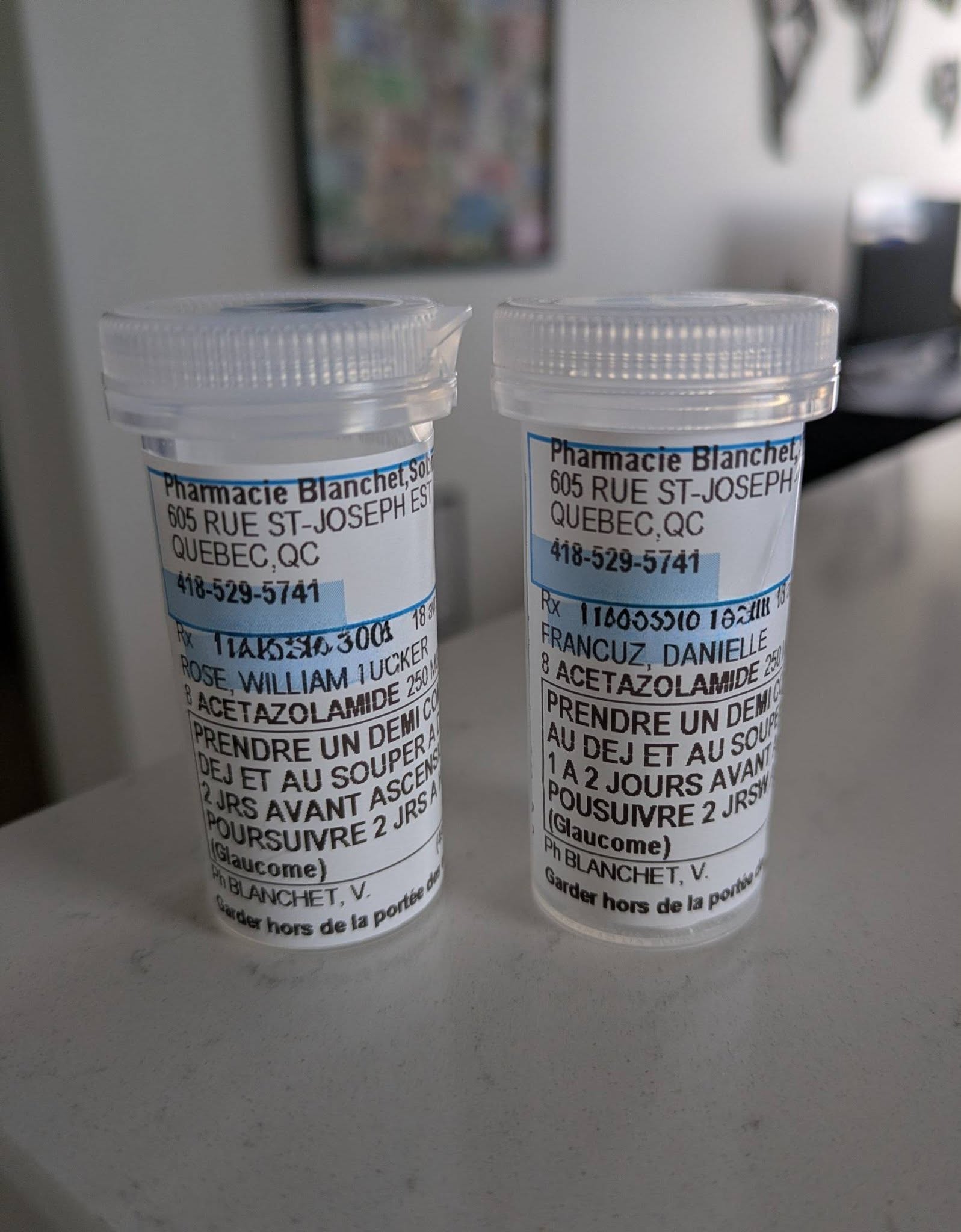
For the elevation issue, we decided to play it safe and get a prescription for Acetazolamide from our local pharmacy. Here in Québec, we didn’t need to see a doctor, we just had to talk to the pharmacist about our trip (how long it was, what the elevation would be, etc.), and he gave us a week’s worth of a medication that we started to take a couple of days before we left. This medication works by helping your blood carry more oxygen, which can prevent the symptoms of altitude sickness (known in Peru as “soroche”). 

The other challenge we faced months before our trip was booking everything for Machu Picchu. To say there are a lot of options would be a gross understatement. You can take weeks and hike in from far away places in almost every direction; you can camp; you can glamp; you can take a scenic train ride; you can stay in Cusco and do a day trip; you can stay at the base of the mountain in Aguas Calientes – really there are so many options, and you basically have to decide all that before you can buy your park tickets for the specific day/time you want. The trickiest part is the fact that those park tickets are released in batches about 5 months in advance, and they get snapped up pretty darn quick!

Cusco
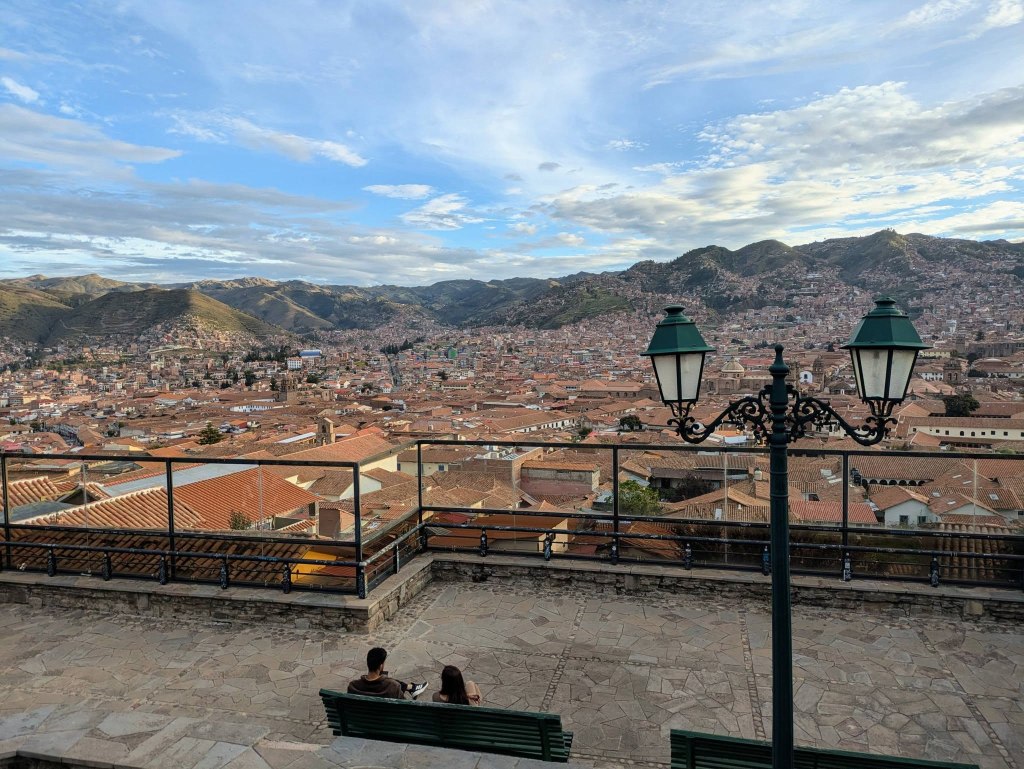
So, we chose Cusco as our main base for this trip because we knew we needed to acclimate to the elevation (Cusco sits at 3,400m or 11,200ft), and it’s such a great jumping off point for things like Machu Picchu, Sacred Valley, and Vinicunca. We totally thought it’d just be a place for us to rest and generally just pass through, but we absolutely LOVED Cusco! It has so much to do and is so beautiful that even when our lungs were screaming after climbing all the stairs, we continued to push through just to see a little more. Everyone we met was extremely friendly, and the food was some of the best we’ve had, so really, I cannot recommend Cusco enough!

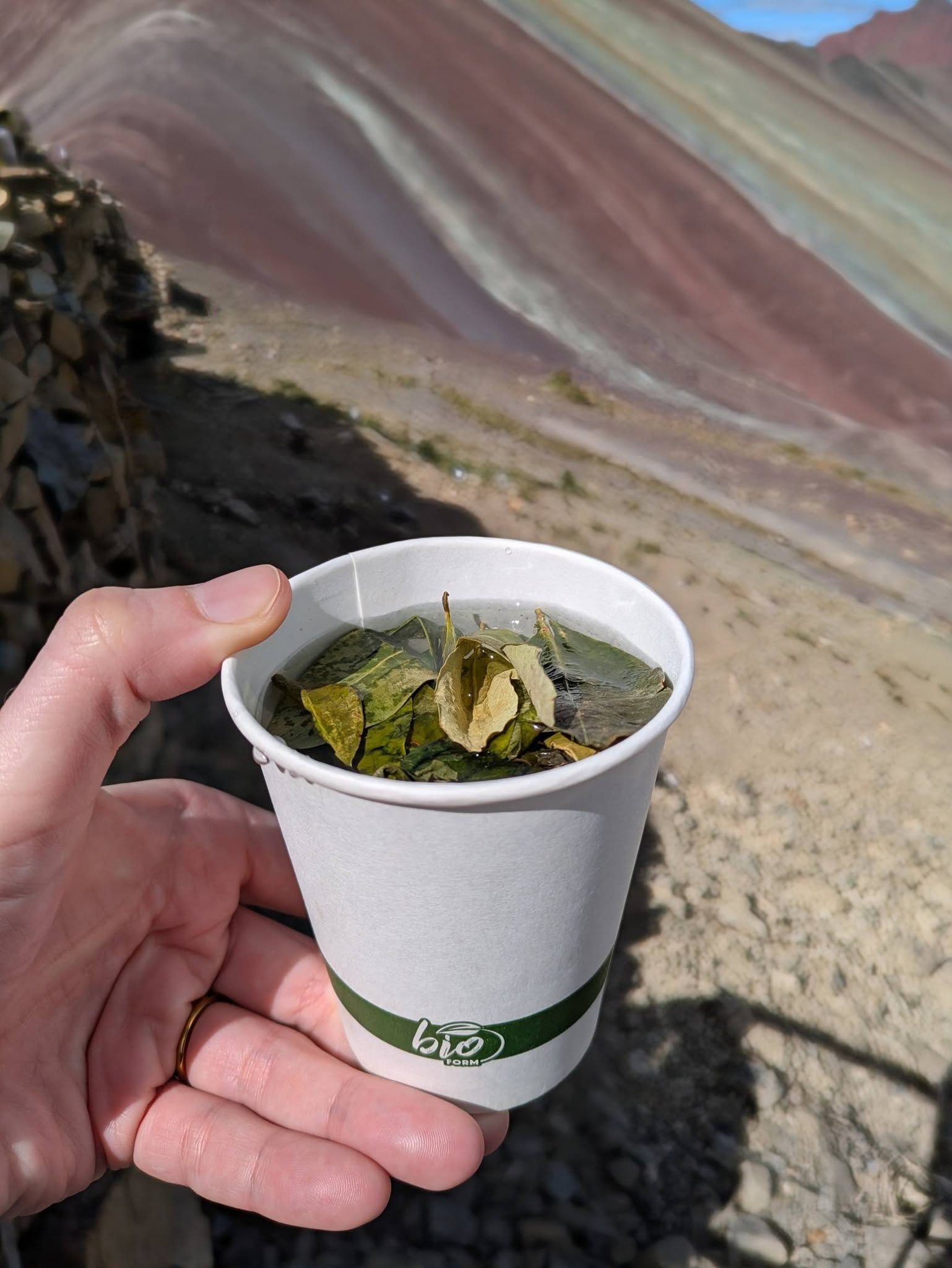
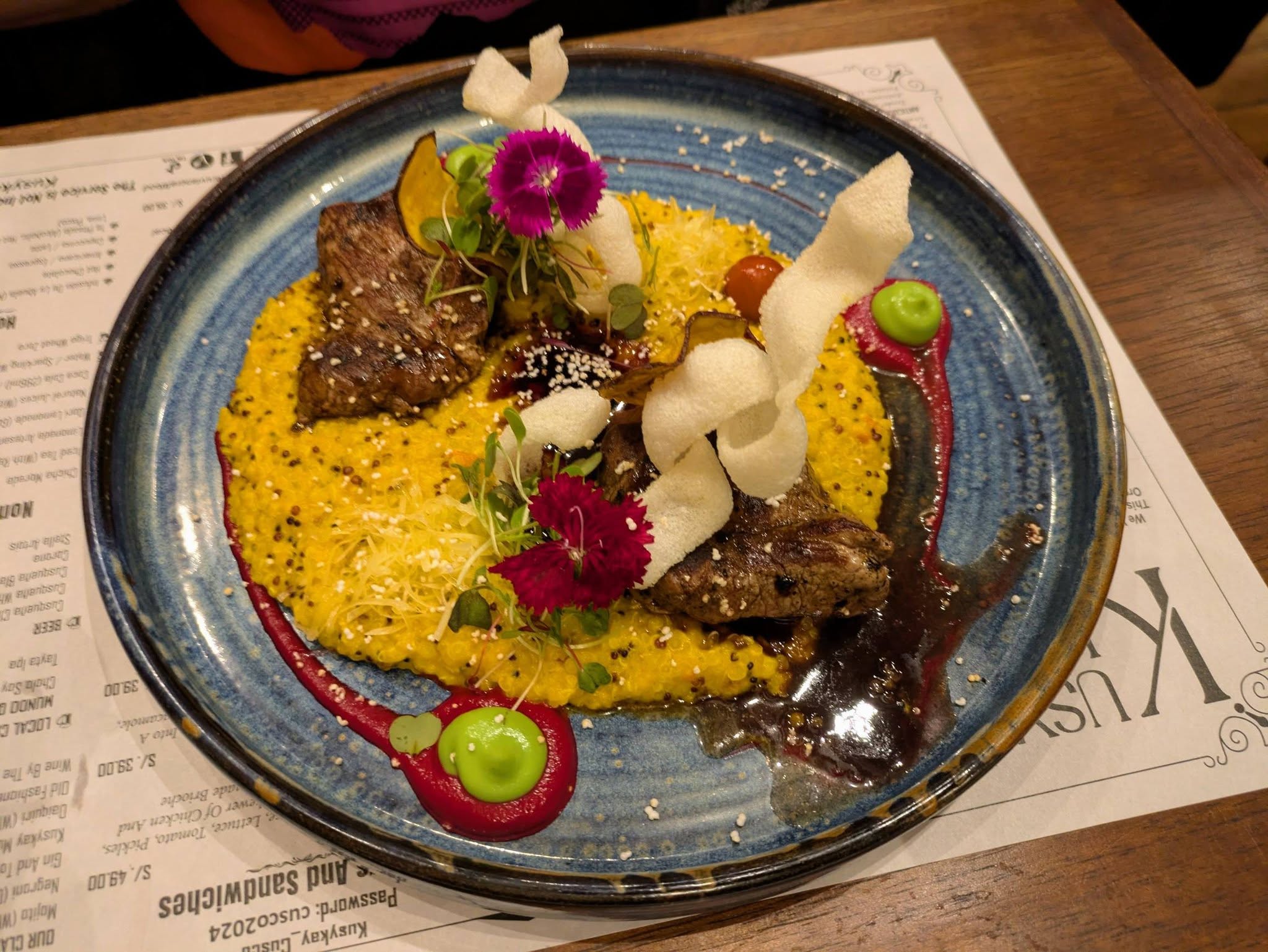
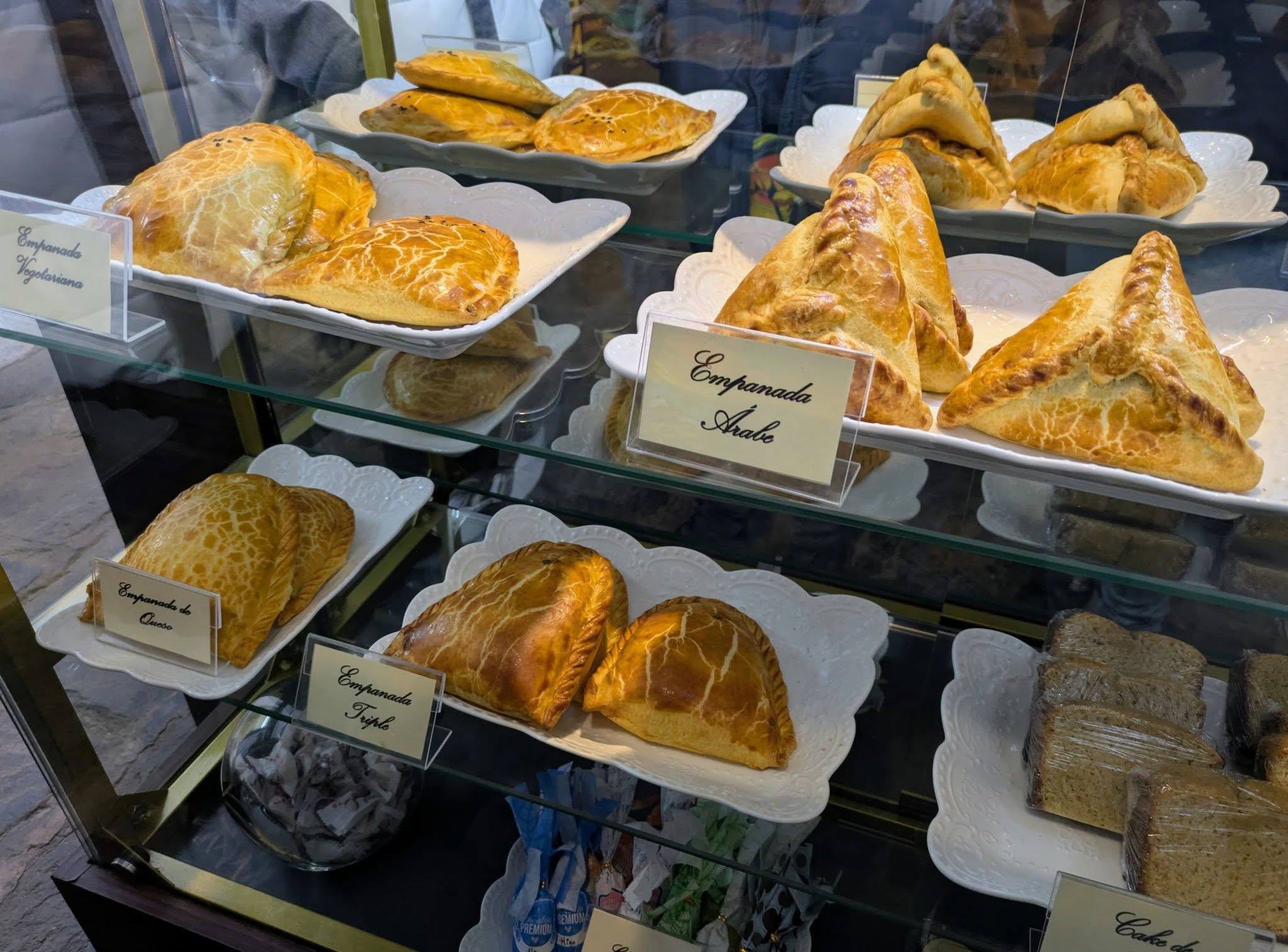
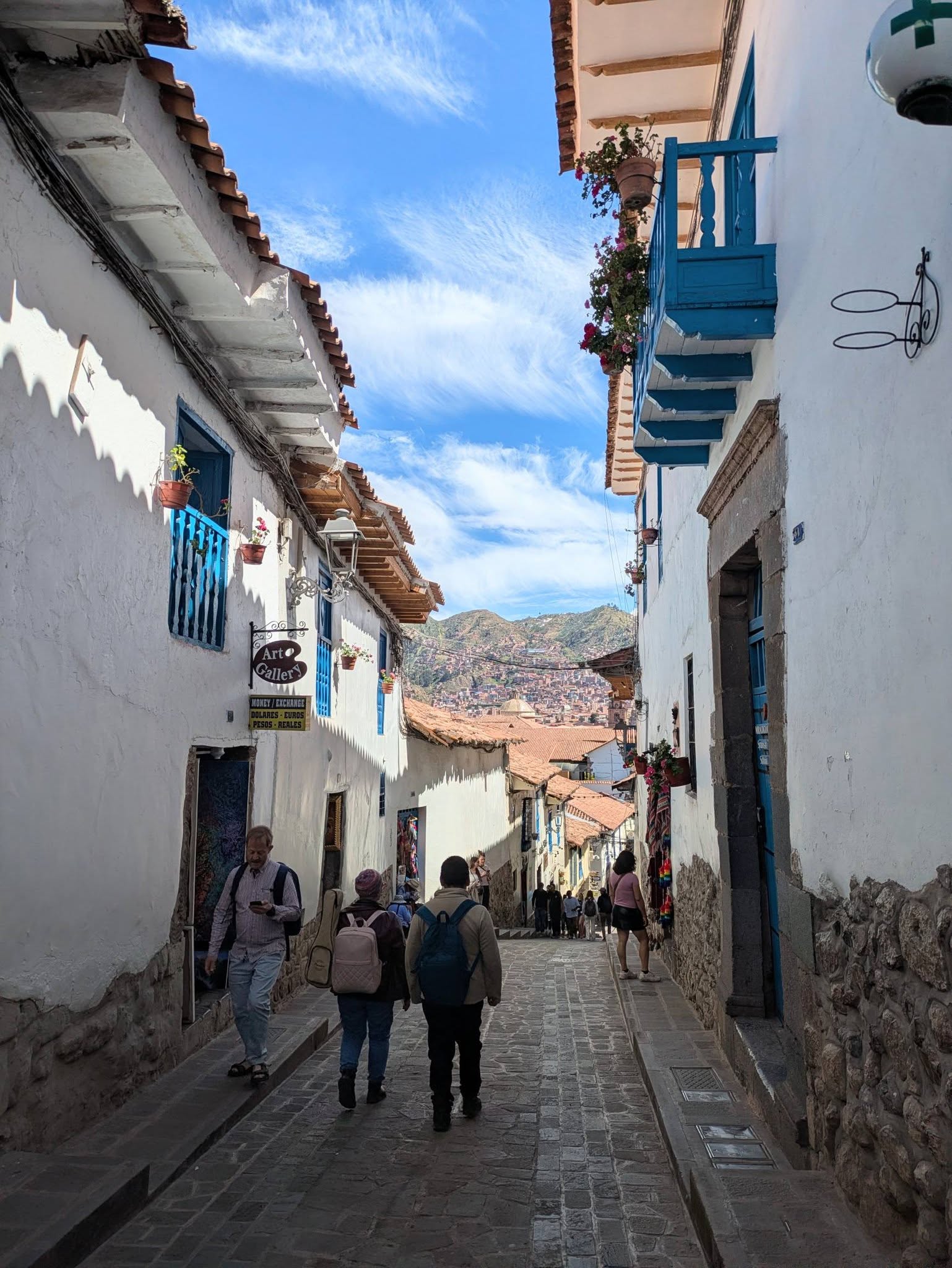
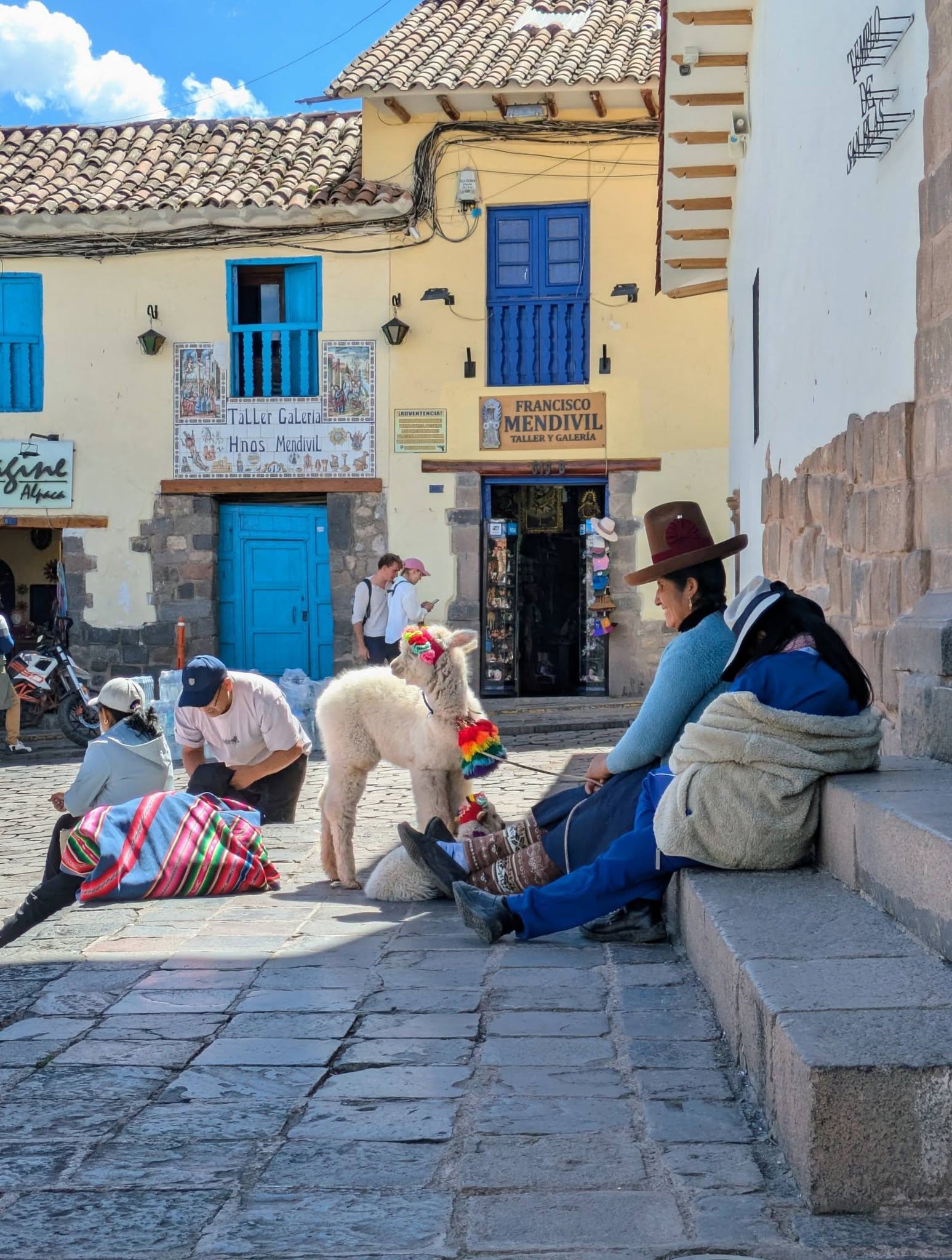
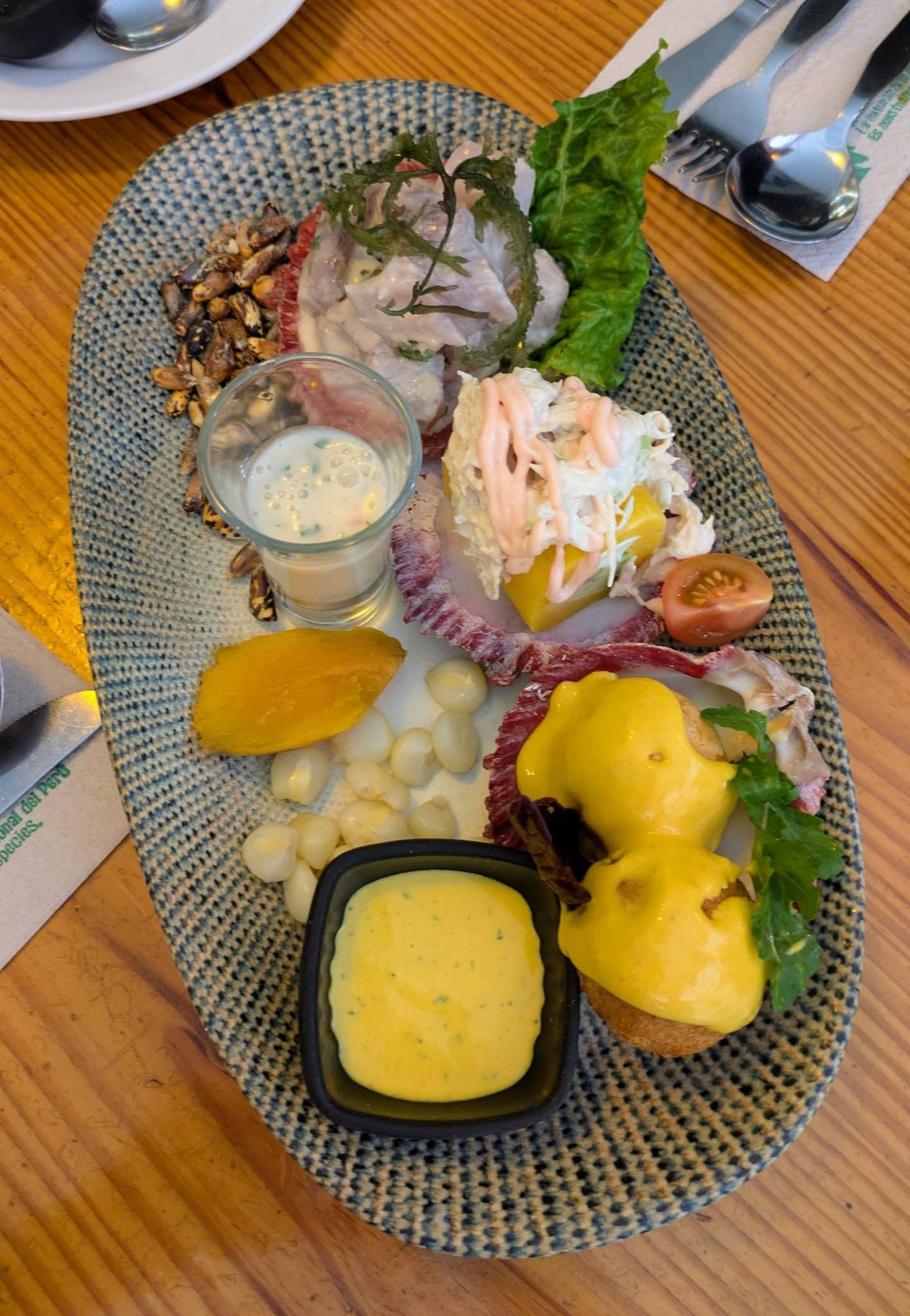
One of our favorite things to do in Cusic was to just wander the different neighborhoods. We stayed in San Blas, and it was absolutely beautiful, but there are many points of interest and fun things to see everywhere you turn. We also enjoyed grabbing a coca tea infusion or a coffee at one of the many cafés in the city. The Chocolate Museum was free and definitely worth a pop-in, plus right next door is Cervecería del Valle Sagrado, which had our favorite beers of the trip. Also, I mentioned the food in general was excellent, but our favorite restaurant of the trip was LOCAL where we had their empanadas, grilled fish, ceviche, and lomo saltado (all delicious)!
Machu Picchu
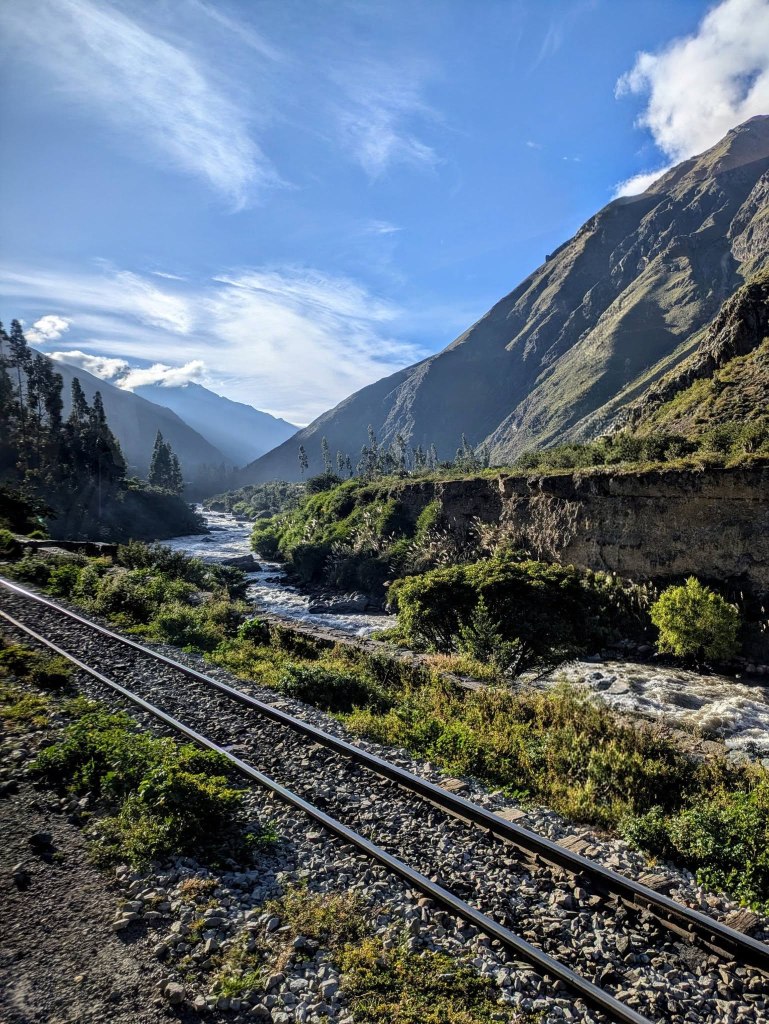
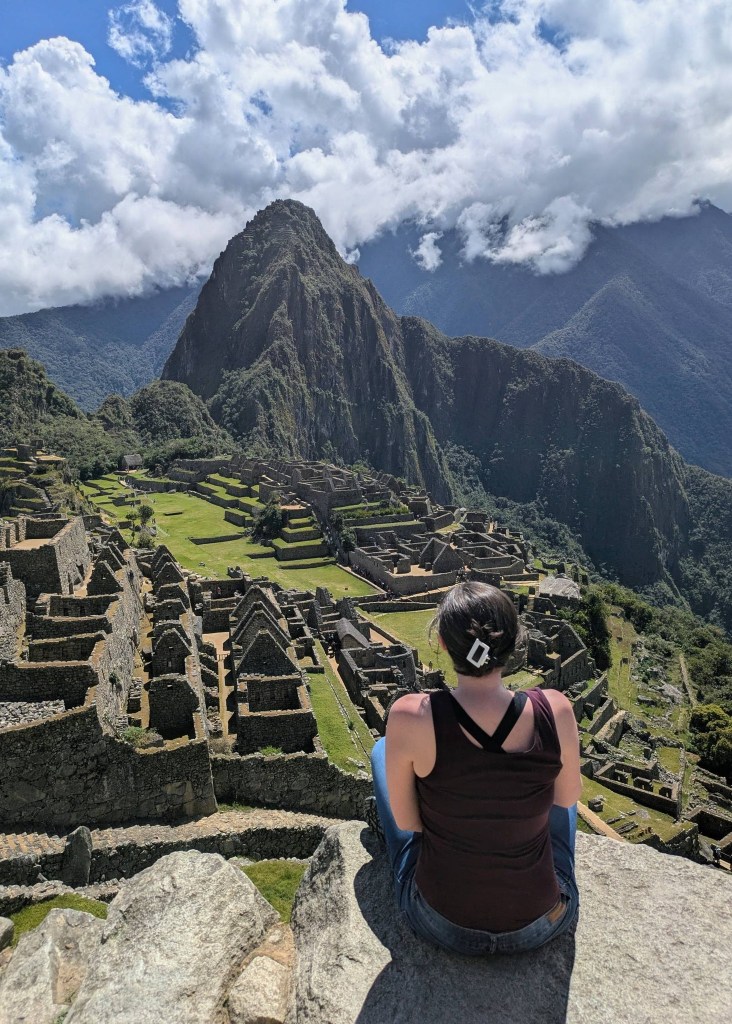
And now for the main event! Of course, one of the main reasons we chose Peru was to visit Machu Picchu, but I’ll be honest, you have to really want it! Since we decided on a day trip from Cusco, we started our morning at 3am by walking to the IncaRail office where we got on shuttle bus (i.e. van) that drove us the 2 hours out to Ollantaytambo. From there, we got on the train that took us another 2 hours through the Sacred Valley to Aguas Calientes, the town at the base of Machu Picchu. Aguas Calientes was another surprise for us – it’s such a cute town with quite a few restaurants/shops and a local flavor of its own. If I were planning this trip again, I think I would have made it an overnight trip to Machu Picchu, staying at least 1 night in Aguas Calientes.

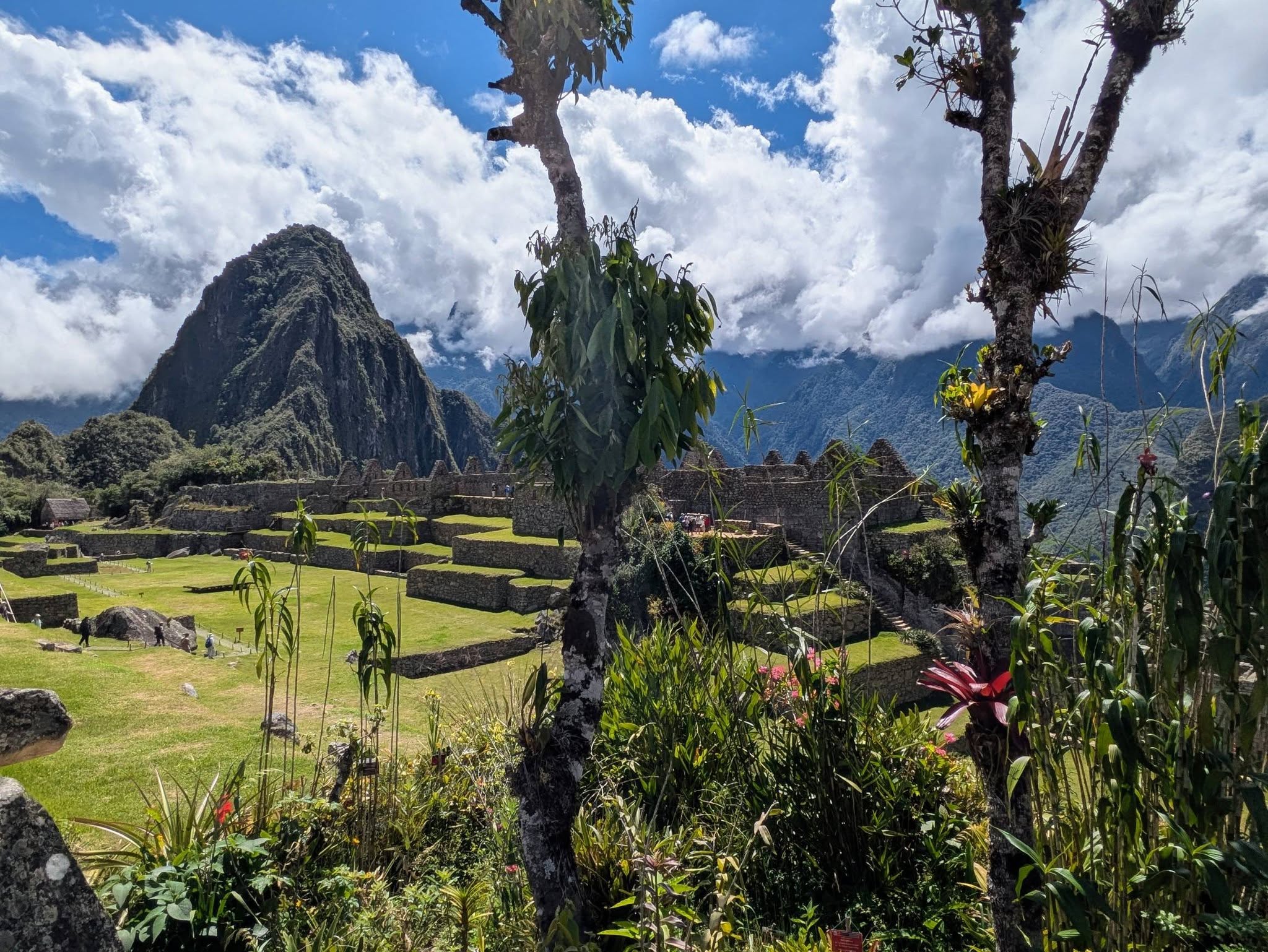
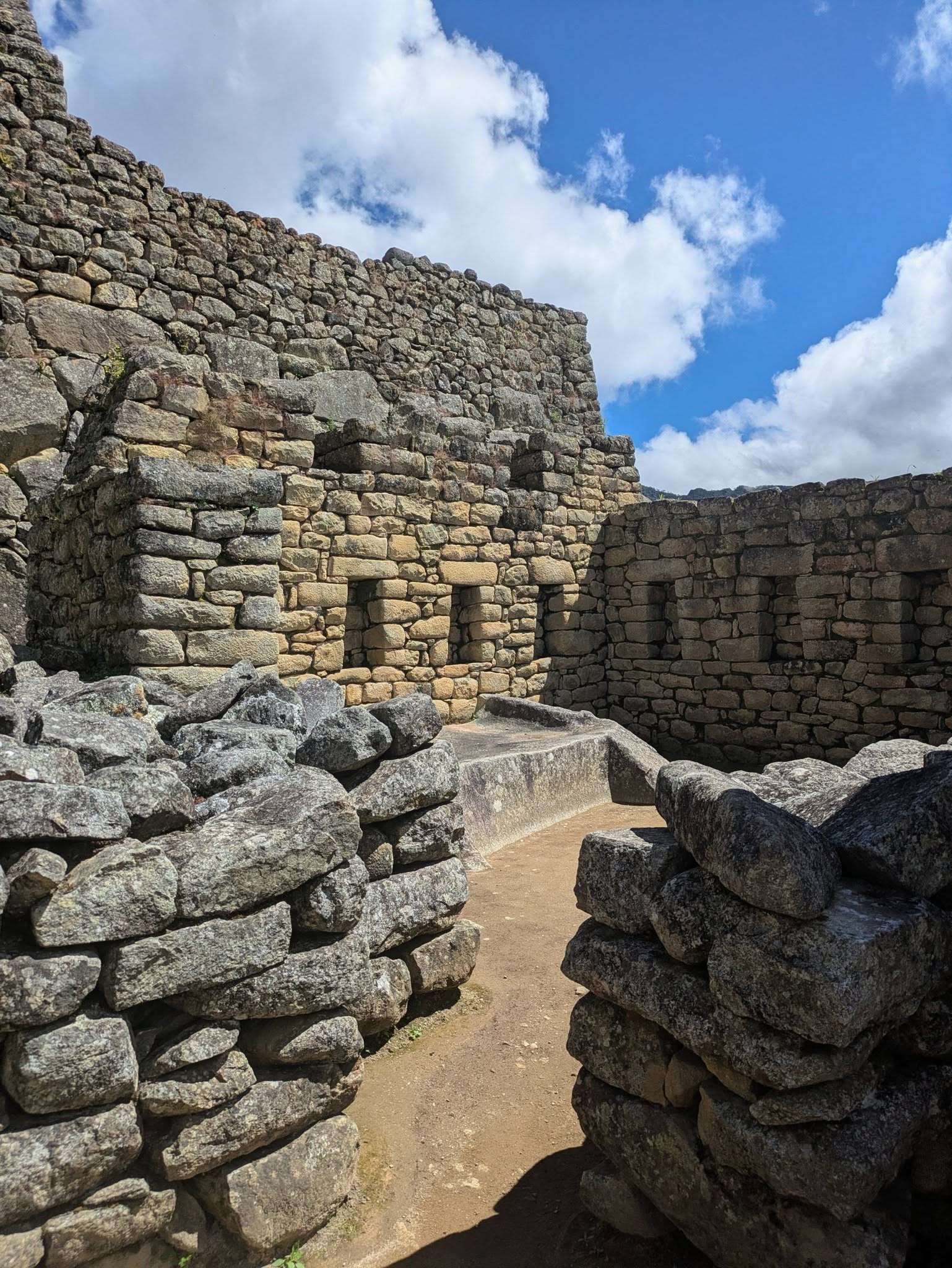
Once at the base of the mountain, we opted for the bus ride to the top. You can hike up, and it apparently only takes an hour or two, but I’m so glad we chose the bus! The buses kick up a lot of dust that the people walking had to battle along the way, not mention the bugs, the sun, and lots and lots of stairs. Once in the park, the “circuits” or paths that you choose from when buying tickets, ended up looking quite similar and even crisscrossed at points, so don’t let that decision haunt you for too long. There are also some additional hikes you can do that take you out of the park, but I felt we got plenty of incredible views and hiking opportunities regardless.

However, I do wish we had taken them up on hiring a guide to accompany us up from Aguas Calientes because unlike any other tourist attraction I’ve ever been to, there were no information signs anywhere on the mountain. We followed our roped path and wondered aloud about everything. Whose llamas are these? When did they begin restoration? How many people lived here? Basically, we had a lot of Googling to do, so if you want real-time commentary, definitely get a guide. The other thing I would make sure to do next time is to book any and all train transport during daylight hours – the train ride in was incredibly beautiful, and it was a shame that we rode back in the dark. I absolutely wanted to see it all again in reverse!
Vinicunca
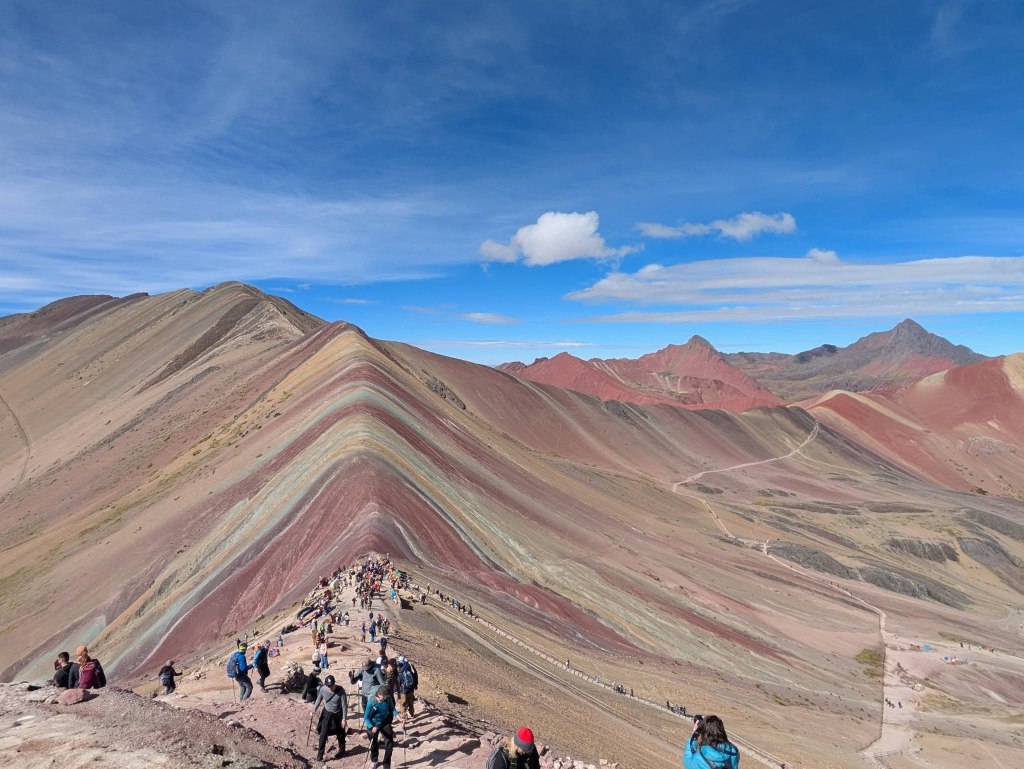
Our second day trip was down to Vinicunca, also known as Rainbow Mountain. This particular Airbnb Experience also required a very early start as we made our way to a pick-up location in the city, this time to be shuttled 2 hours in the opposite direction of Machu Picchu to Cusipata. There we had a buffet breakfast and guzzled down some more coca tea in preparation for our hike. After another very windy 2 hours in the van, we were at the base of Vinicuna. Here we could opt to either hike on foot, ride a horse, or wild out with some dirt bikes. We went the traditional route even though it was the slowest option, but again, I’m so glad we did. We took our time looking in every direction at the stunning scenery around us, and eventually we summited the 5,0036m (16,500ft) mountain.

We’ve done a few hikes at elevation now, and we’ve always been fine. We take any recommended medication, local remedies, and general acclimation advice, and although we often experience minor symptoms like a headache and breathlessness, we’ve never gotten sick. I will say though that in both Ecuador and Peru, we saw several people being helped down with stretchers, and at Vinicunca, someone left in an ambulance, so I would recommend anyone traveling or hiking in these conditions to do your research and take it easy! That said, Vinicuna has 1,600m (5,000ft) on Machu Picchu, and we absolutely noticed that difference – I’m not sure we felt anything elevation related at Machu Picchu, whereas Vinicunca was tough.
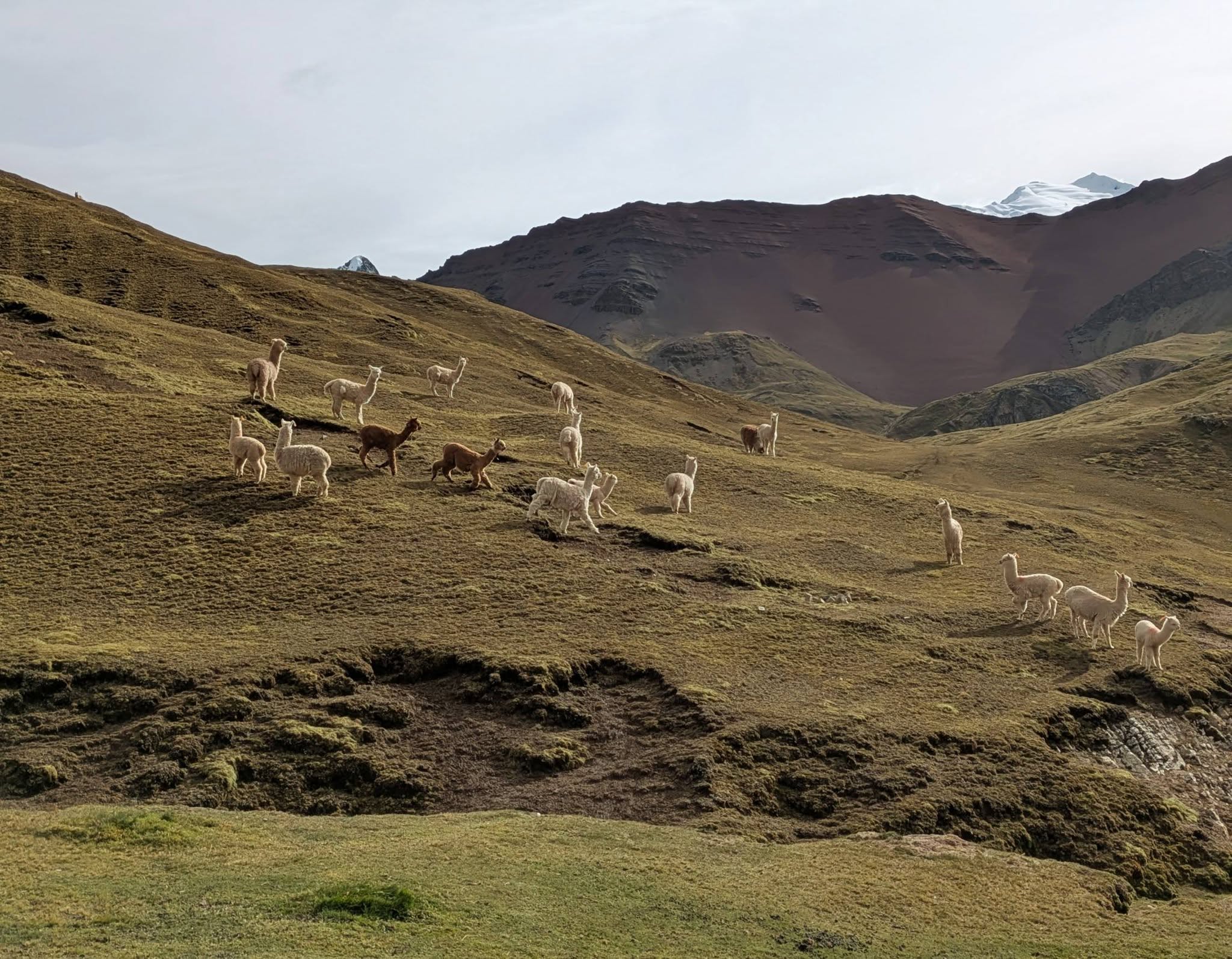
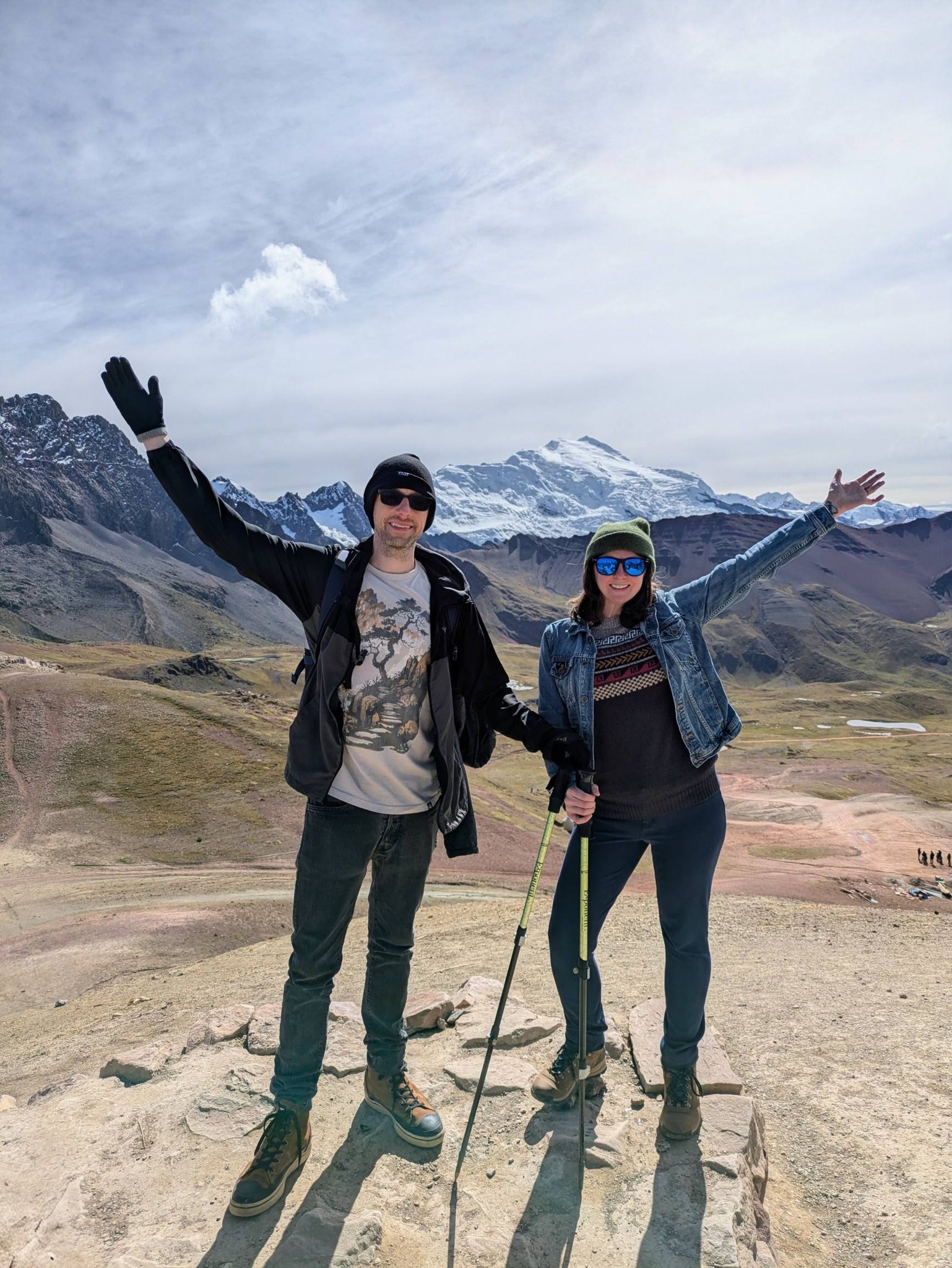
After our gorgeous hike up and down, we went back to Cusipata for another buffet and then napped the rest of the way back to Cusco. This excursion started at 4am and ended at 5pm. Our Machu Picchu day started at 3am and ended at midnight (honestly a day trip and a half). And all of this was after our 24+ hour-long journey just to get to Cusco from Québec City, which is why I’ll say it again, you really have to want it! Of course, I hope it also goes without saying that it was absolutely worth every second of uncomfortable travel, and I’d do it all again in a heartbeat! #YOLO

Lima
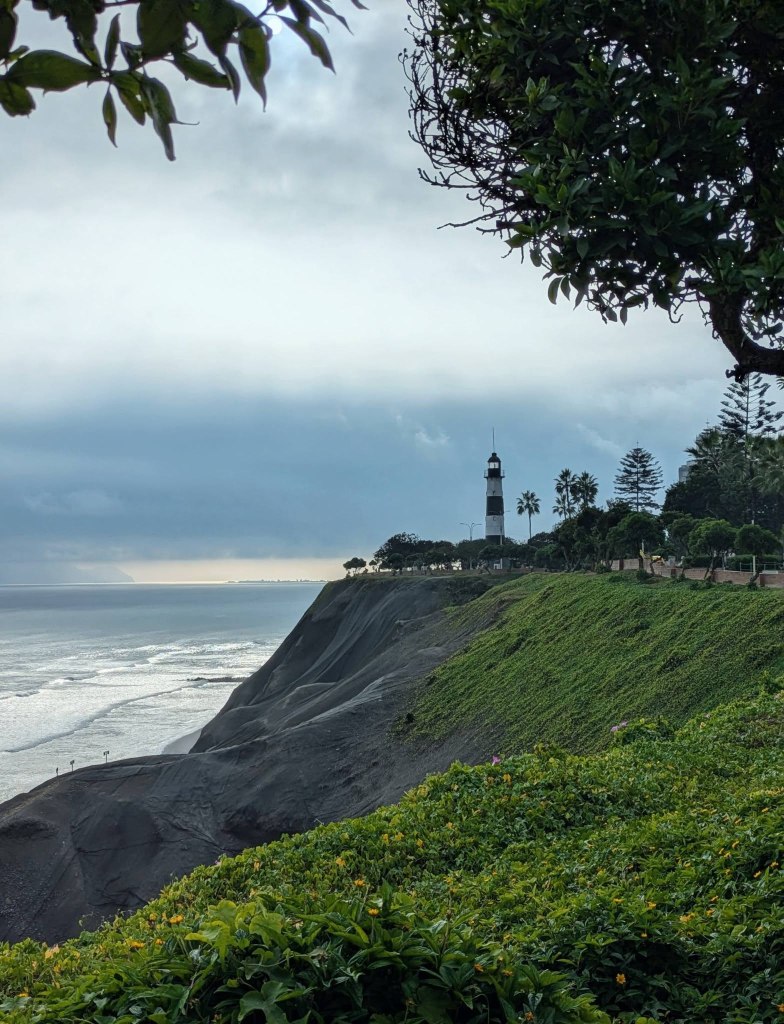
After Cusco, we went onto to Lima for a couple of days to recover and reset before the long journey home. Lima is the capital of Peru, and it’s located in a desert on the coast – very different from Cusco or anywhere in the highlands. Lima is huge, and the first decision you have to make is which neighborhood do you want to stay in: Cercado (the historic center), Miraflores (the modern tourist hub), or Barranco (the artsy, bohemian district). We chose Miraflores and were happy to be in the middle, well-positioned to explore all three neighborhoods. We did a walking tour of Cercado, and it was fantastic – my only regret was that we did it on the last day of our stay rather than the first!

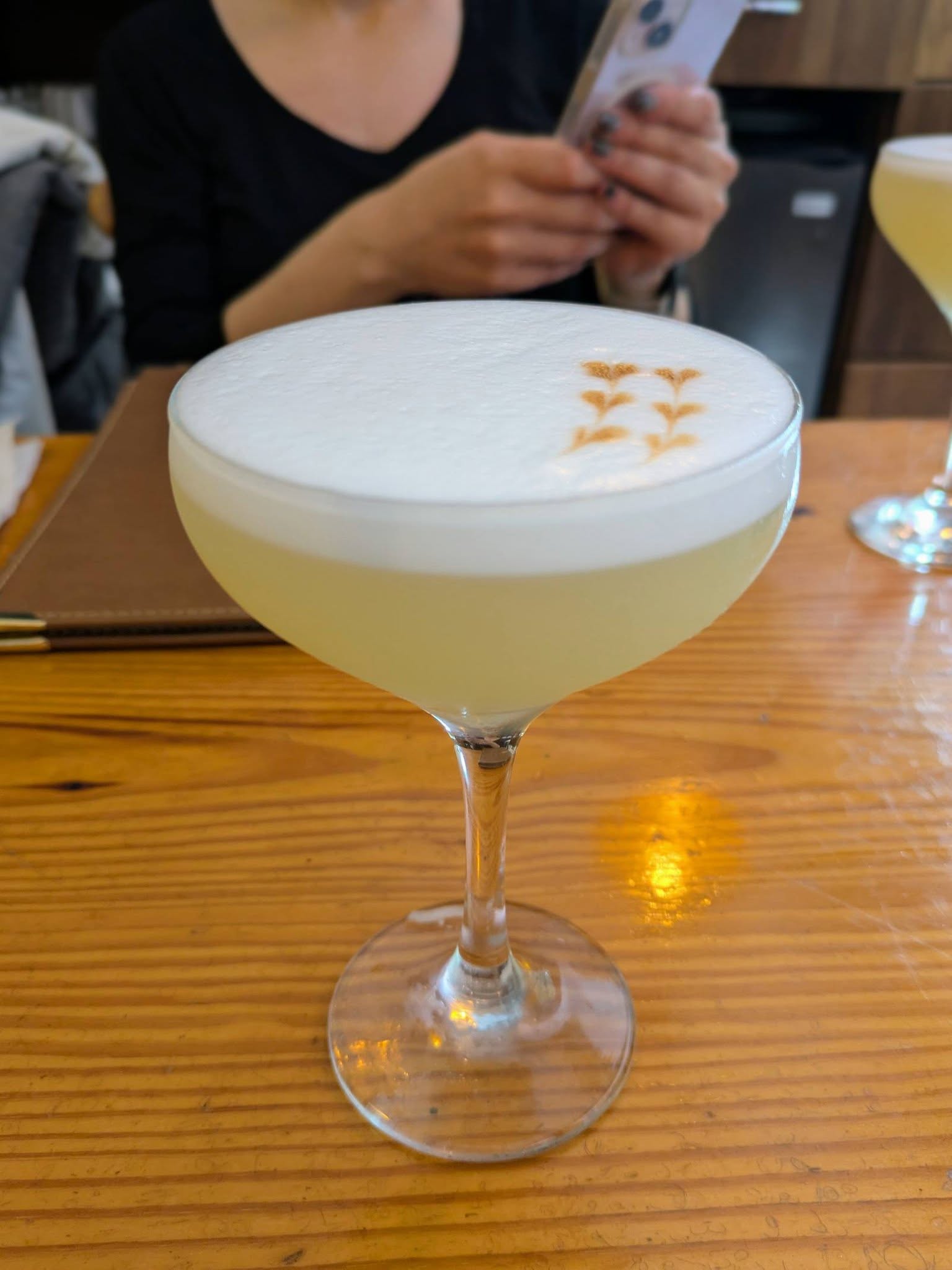
Other than the walking tour, we really enjoyed strolling along the malecón (boardwalk) and watching all the paragliders. If we’re ever back in Lima, that’s the first activity I’ll be planning! We also loved sipping our Pisco sours at the Gran Bolivar Hotel, where the drink was allegedly created, and walking through Parque Kennedy and seeing all the cats (and their embassy-sponsored shelters) was also really fun. Despite being the sixth South American country we’ve visited, Peru surprised us at just about every corner, which is, of course, just how I like it!  

The Food

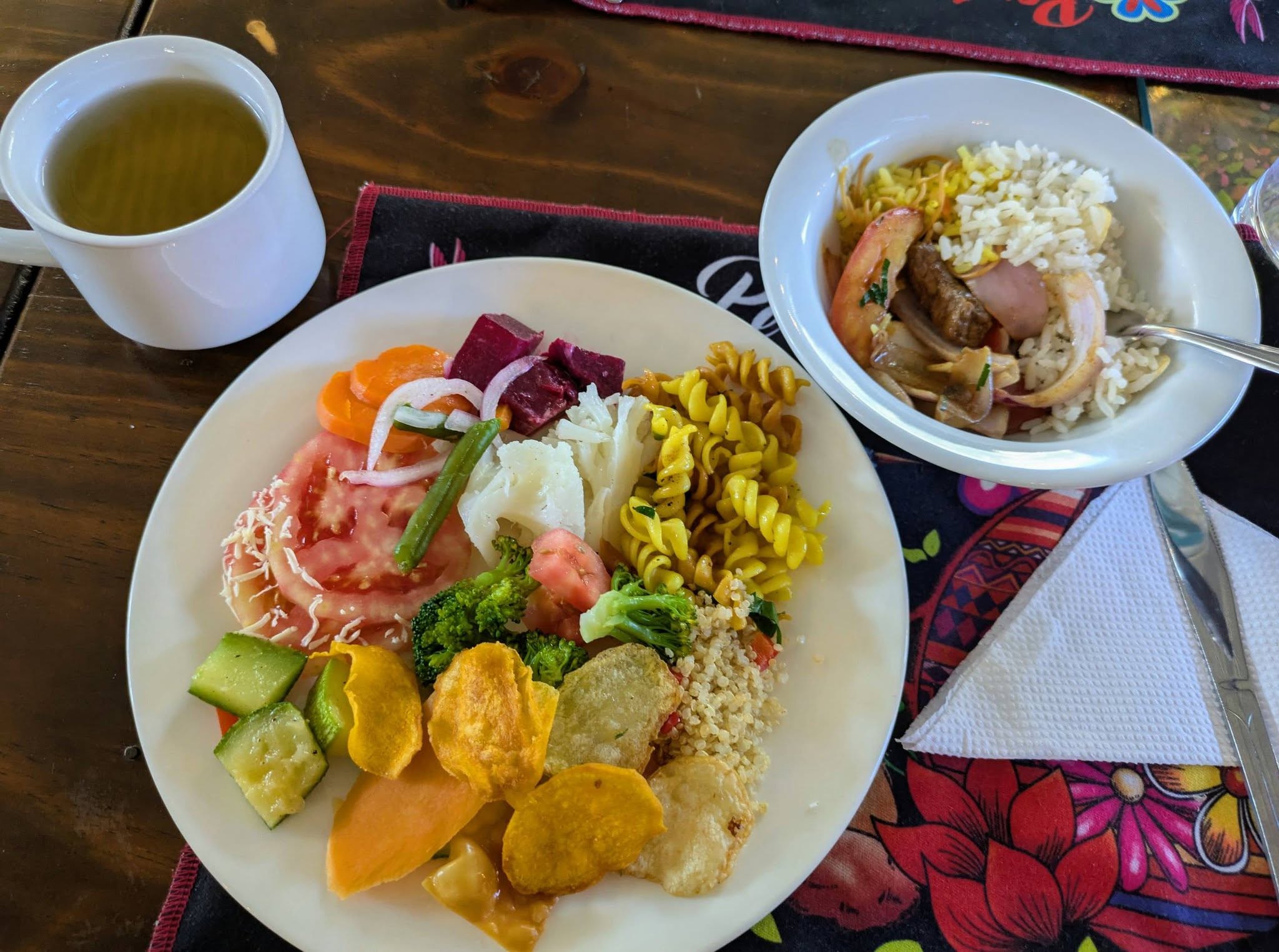
And last but not least, as has become a sort of custom on these posts, I want to end with a list of all the Peruvian dishes we were able to try while there. We always make ourselves a little checklist, and here’s what we had for Peru:

Ají de gallina (chicken stew)
Alpaca meat

Butifarra sandwich (ham, pickled veggies, and chilies)

Causa Limeña (stuffed mashed potatoes)

Ceviche

Chifa (Peruvian-Chinese fusion)

Chica morada (purple corn and fruit drink)

Empandas

Grandma’s soup (chicken noodle soup)

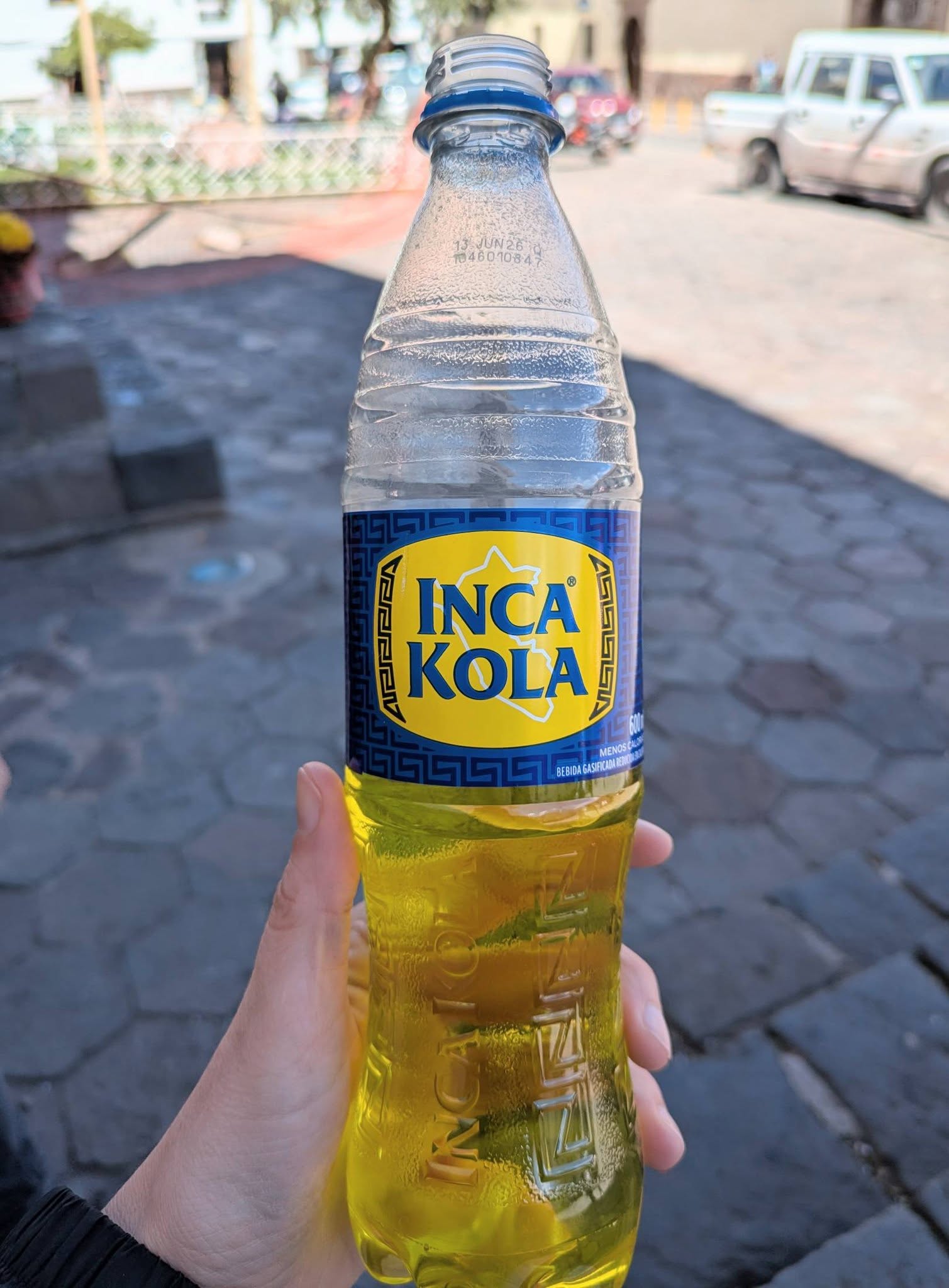
Inca Cola (most popular soft drink)

Lomo saltado (stir-fried beef and veggies)

Native potatoes

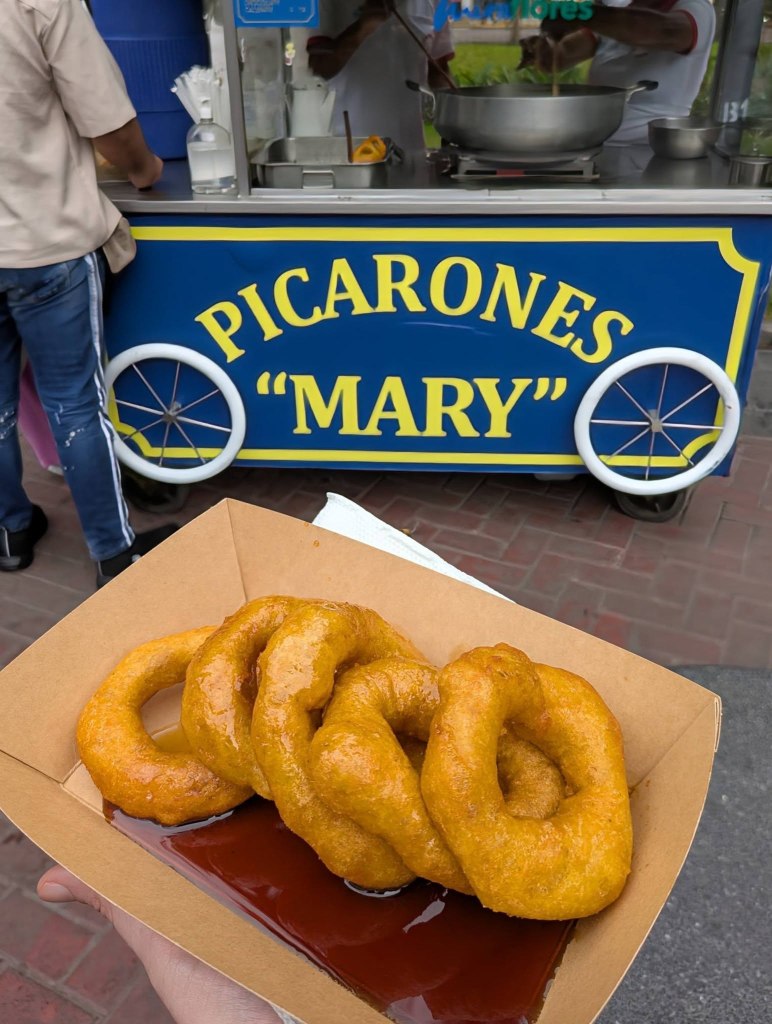
Picarones (sweet potato donuts with spiced syrup)

Pisco sour (Peruvian cocktail)

Pollo a la brassa (rotisserie chicken)
The Things We Really Miss

In one of the classes I’m teaching this semester, we’re reading a book called The Culture Map, which discusses various cultural differences by comparing some of the norms and expectations that can be seen across different countries. Unsurprisingly, reading and talking about what it’s like to live and work in places like the US, Poland, China, and Mexico has me reminiscing a whole lot!

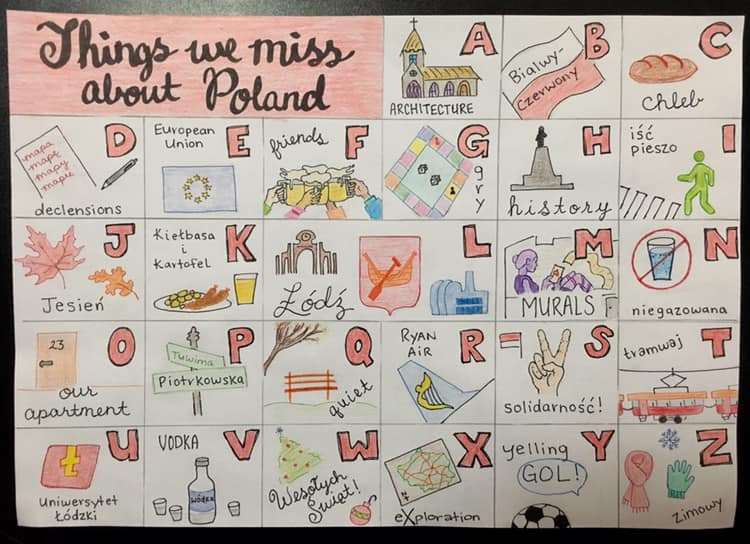
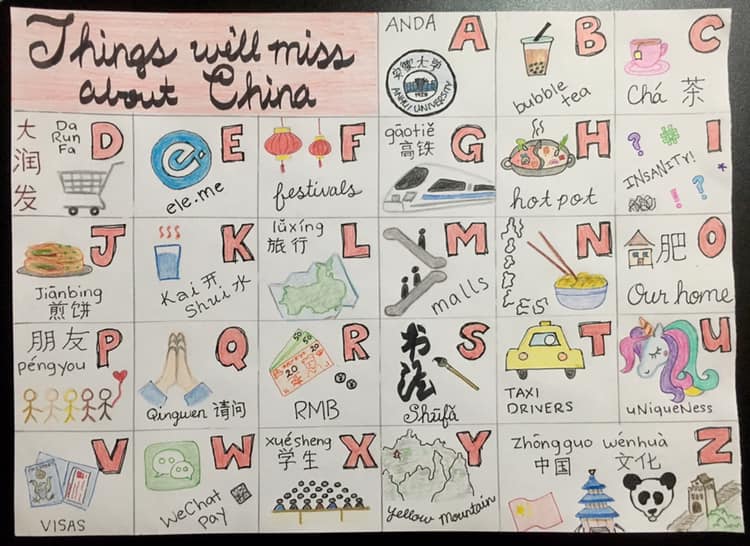
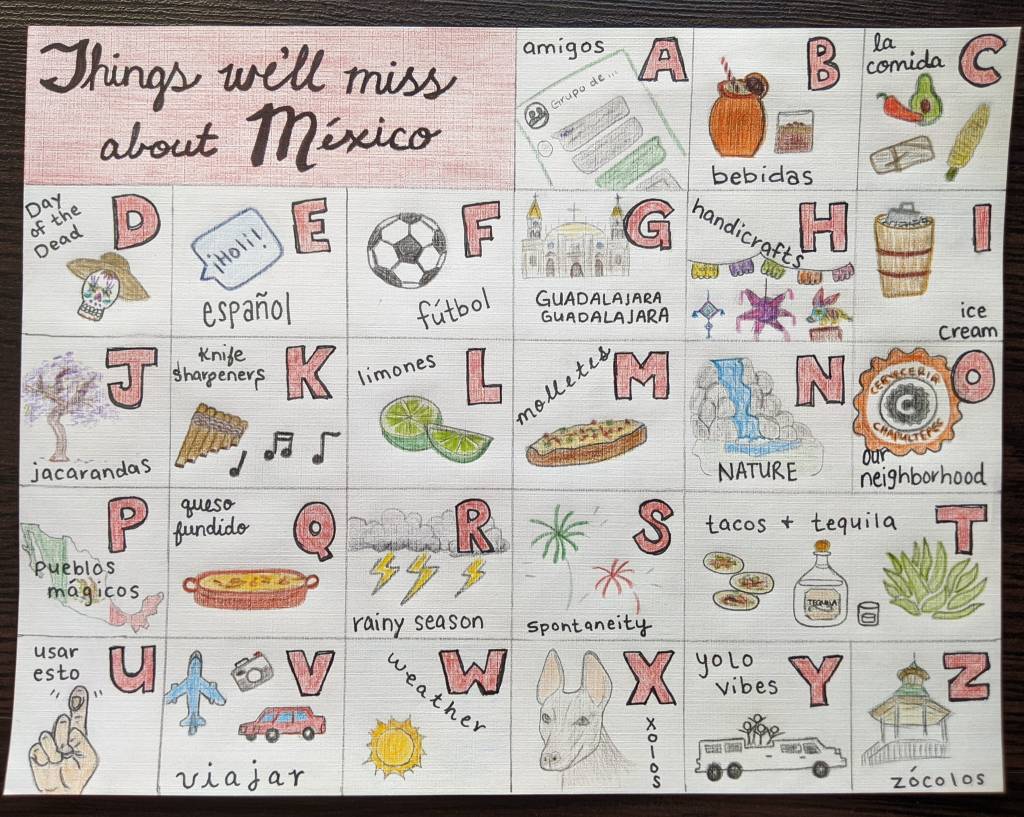
In fact, I recently took a look back at some of the posts I wrote about my experiences living and working in these countries, which got me thinking about the things we miss most about each of them, and I started wondering if those A-Z lists I made near the end of our time in Poland (2016), China (2019), and Mexico (2023) ended up being correct, or if there are other things we miss that I didn’t even think of at the time. So, for this month’s post, take a walk with me down Memory Lane as I delve into what we REALLY miss about some of our first homes abroad.
But first, a disclaimer: each of my original lists had some form of “our home”, “our apartment”, or “our neighborhood”, the cities we lived in: Łódź, Hefei, Guadalajara, and their respective languages: Polish, Mandarin, and Spanish on them, and those would easily make it on any list I were to make today because, well, those were our homes and communities, and I simply love language! But for this post, rather than sentimentality, I’m hoping to narrow down all the other features of each place as objectively as possible. Maybe one day I can use this to find the perfect hybrid of a future home country. You never know!

Poland

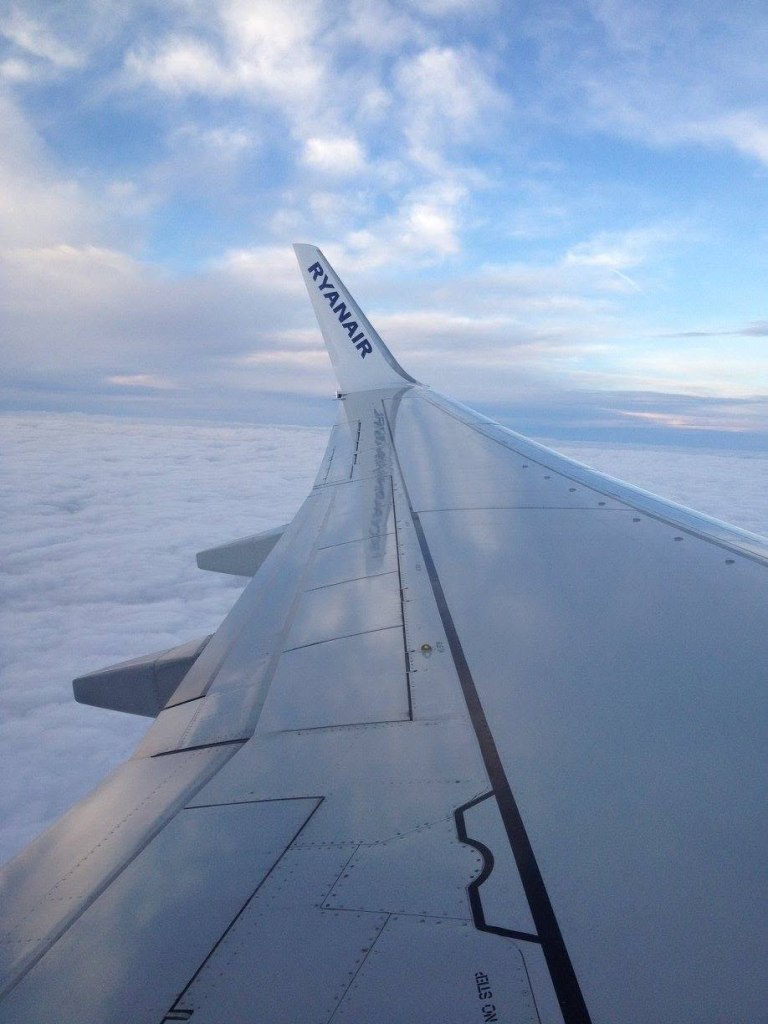
When thinking about our time Poland, the first thing that comes to mind, which is, in fact, on my original list, is Ryan Air. Although now I’d probably just say “budget airlines” in general as I have no specific allegiance to Ryan Air over Whizz Air or Easy Jet, the concept as a whole is absolutely one of the things we miss most. In 2016, we took a €30 flight from Warsaw to Porto, Portugal. Can you imagine?! A similar distance here would be for us to go to Winnipeg (not even international), and it would cost at least $400. Of course, digging a little deeper, it’s not just the cost, but the variety and closeness that Poland/Europe provided us. We could and did take a bus to four of Poland’s neighboring countries and a local train to several others in the region, and that’s really what we miss: close international options.

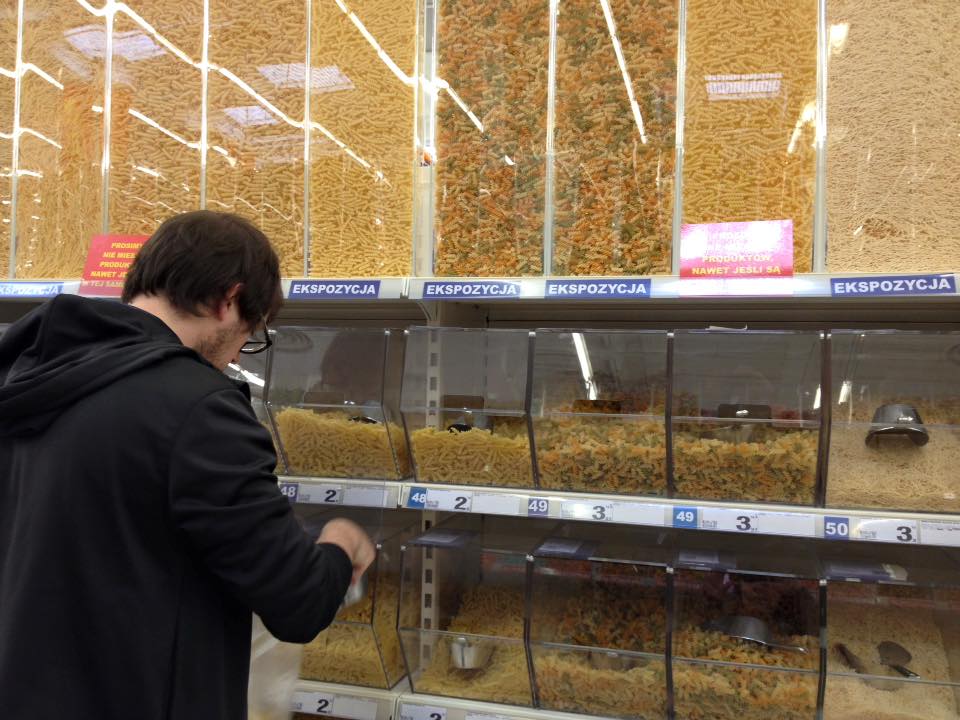
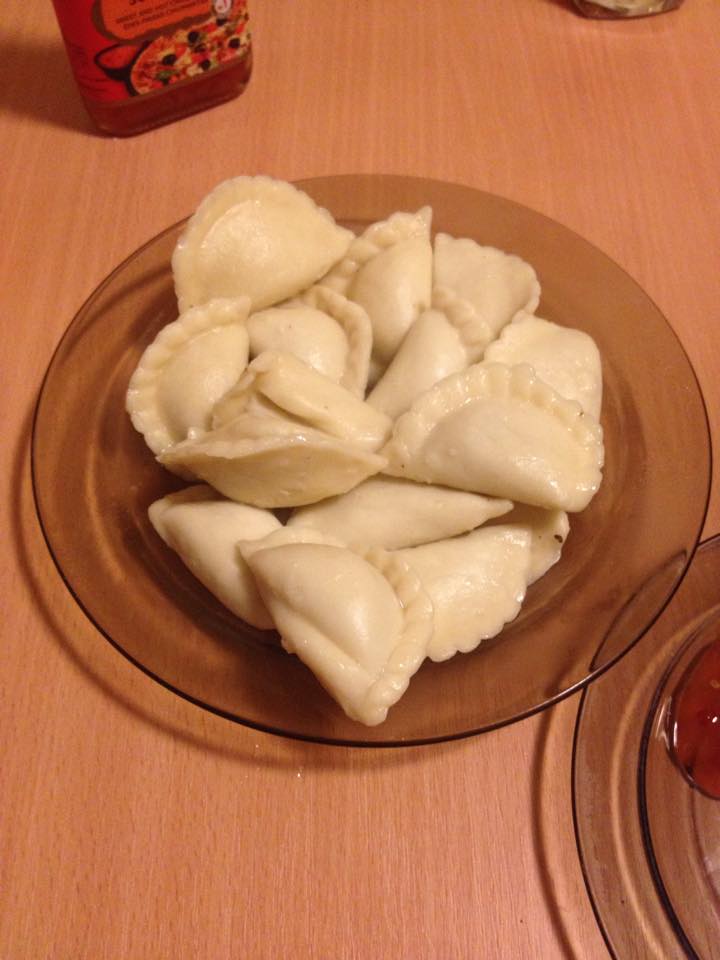
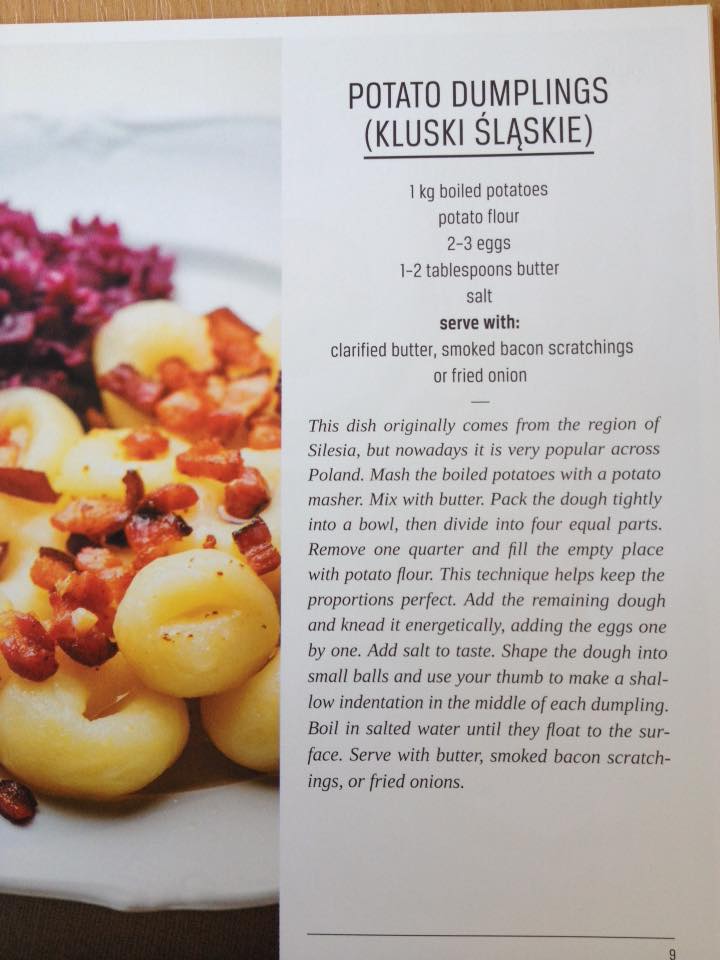
Next up would be the grocery stores, which isn’t on the list exactly, but the idea is there in “chleb” (bread), “kiełbasa” (sausage), and “kartofel” (potatoes). We miss the quality and the freshness of Polish products. At first, I remember lamenting the fact that we had to make so many things (like sauces and salad dressings) from scratch, but now I wish we had fostered those skills a bit more. Thankfully, we did learn some lessons and still habitually make our own bread and pickles, but it feels less purposeful and more avoidance strategy here. I also really miss having a huge variety of all the foods I grew up on. Only in Chicago am I able to find several, authentic varieties of my beloved kabanosy and homemade pierogi (although Ottawa gave us a smaller, but still respectable selection as well), but nothing compares to Poland!

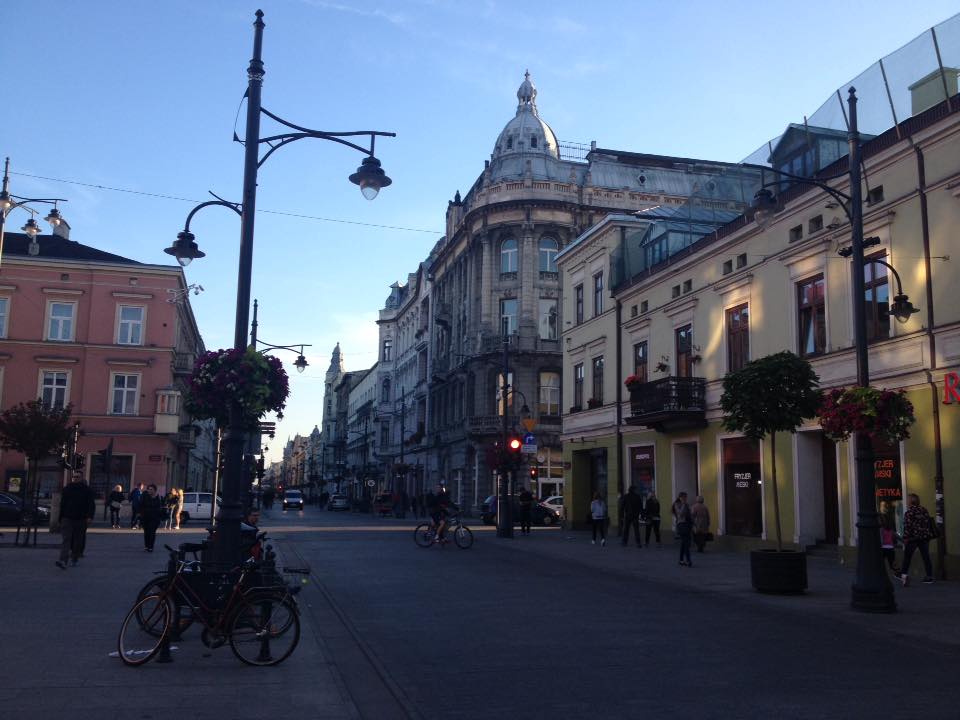
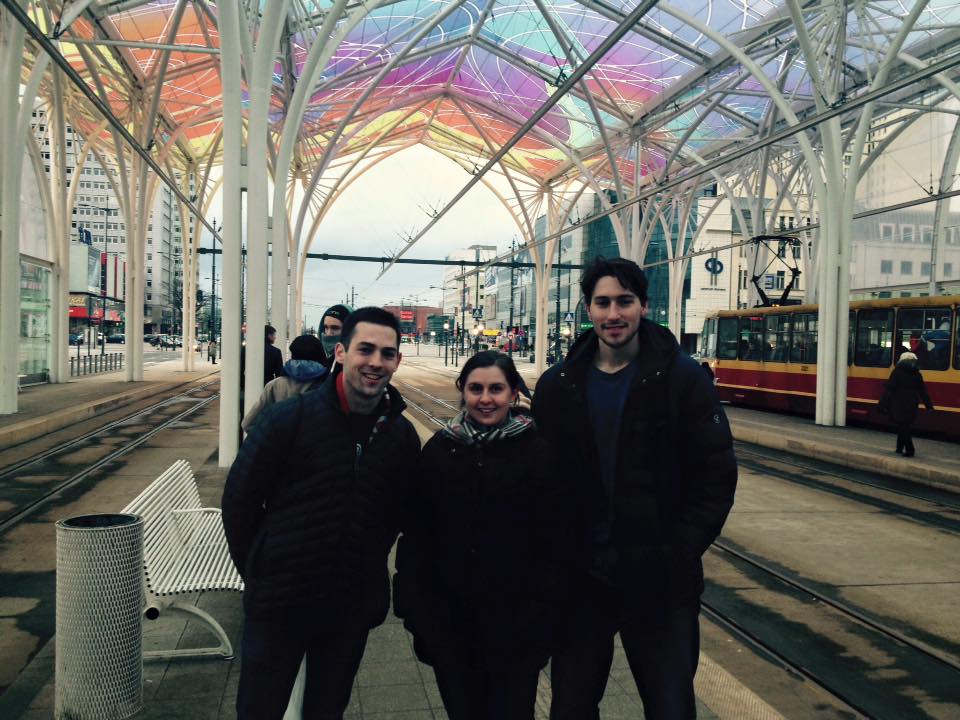
And rounding out the podium of things we miss most about Poland has to be the architecture, which is also on the original list. Honestly, that was one of the things that immediately struck me about living in Łódź, and I never grew tired of staring at all the incredible buildings around me. I’m sure this is partially why we keep choosing historical cities like Guadalajara and Québec because I love being even just a small part of the incredible history of the spaces I inhabit. We don’t often find ourselves re-visiting places, but when we do, by far our favorite pastime is to see how the city has changed because even more impressive than the architecture itself is how it’s adapted again and again. Through its factories turned malls and power stations turned cultural centers, Łódź taught us to look a little deeper at the architecture around us, and I sincerely miss seeing those impressive transformations and how they’ve shaped and re-shaped the city.

China

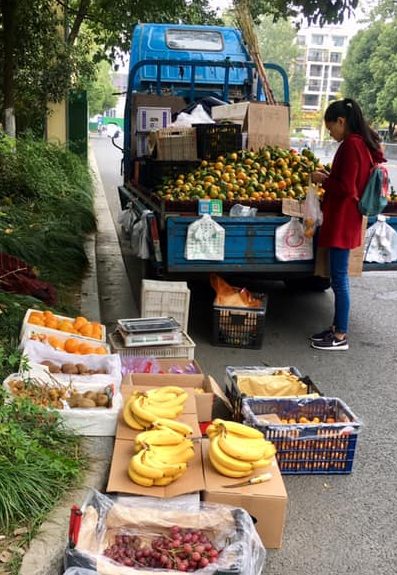
The first thing we miss about China is so obvious because we bring it up all the time: QR-code payment (represented by “WeChat Pay” on the list). We didn’t use cash at all while we were living in China, and that was close to a decade ago! Stores, restaurants, street vendors, farmers selling produce out of the backs of their trucks – literally everyone used digital forms of payment, and I miss it so much. Not only was it way faster and easier for us linguistically-challenged foreigners, but think of all the paper we saved by avoiding all those receipts! Related to the use of digital payment, I also miss the fact that I could go anywhere with just my phone in my pocket. In China, I almost never bothered with a purse or a bag because everything I needed was on my phone. I’m not generally a huge fan of technology, but that’s absolutely one piece of tech I wish was the norm everywhere.  

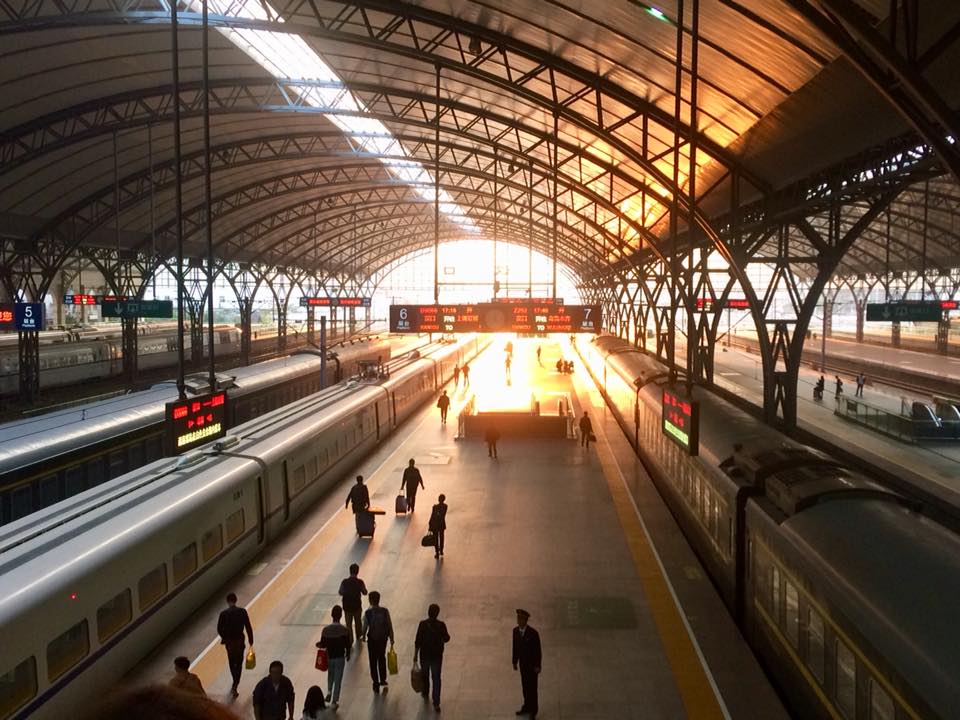
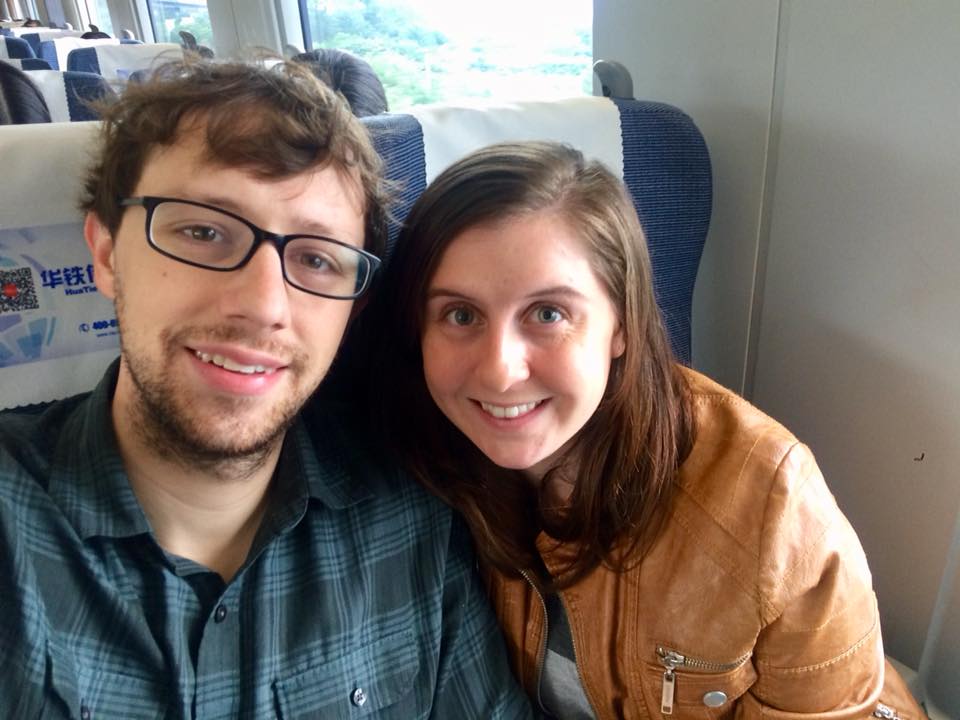
Next up for China has to be the fast trains (or the “gāotiě”). Similar to the budget airlines in Poland, I miss the extensive, cheap, and super-easy-to-use train system of China. I often say you can get anywhere in China without a car, which isn’t exactly accurate, but that’s definitely what it felt like. We never worried about getting from city to city or even planning our trips much in advance because there was always another train. In addition to the plentiful (and affordable) travel options the train system gave us, I straight up just miss taking the train. It’s easily my favorite method of transport, and I’m sad that options for it are limited (to say the least) in North America. There’s simply nothing quite like casually slurping up some ramen while the vastness of China zooms by at 200km/h.

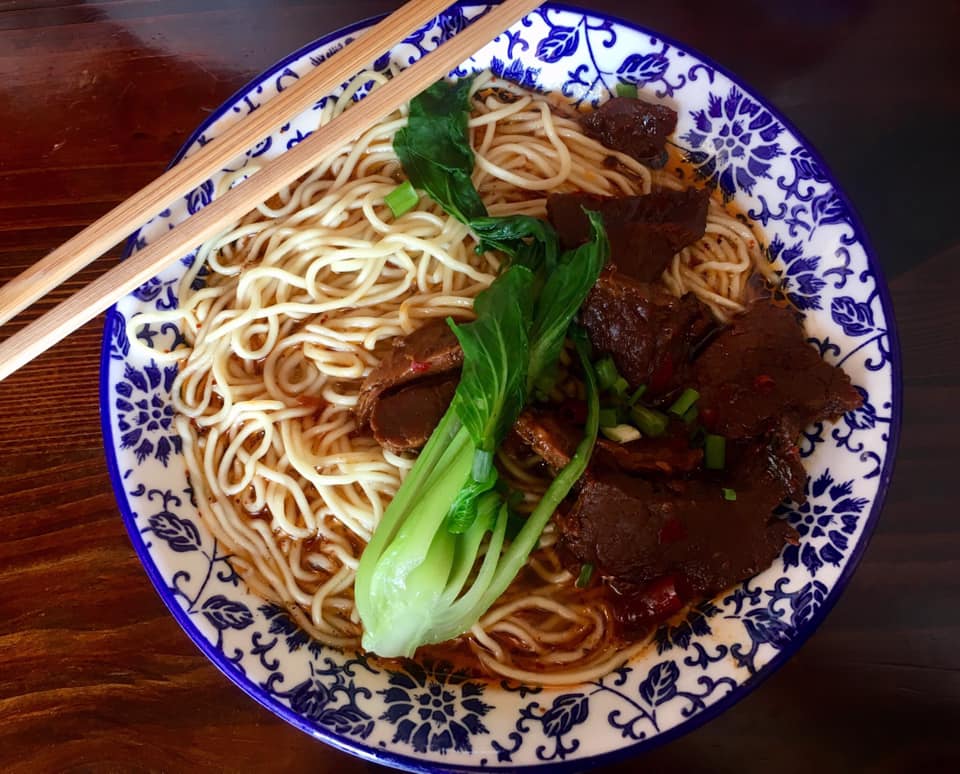
The third thing for China has to be some of my favorite Chinese dishes, which is hilarious because I actually struggled with eating nothing but Chinese food for months after we first arrived. I initially found real Chinese food to be altogether too different from what I was used to, and I just couldn’t get over the lack of familiarity. That is until I found my favorites and learned how to ask for what I wanted, essentially creating a new level of familiarity. And now that we can’t get real Chinese food regularly, I find myself making those things myself (which if you know me, you know is a huge deal because as a general rule, I don’t cook). There’s just something so utterly unique about authentic Chinese food, and once you find what you love (which for me includes but is not limited to Chongqing noodles and jianbing, both of which are on the list), it’s hard to live without it. Of course, it’s also hard to live without Ele.me and free tea everywhere we go too, but I’ll save those for another list…  

Mexico

I knew without a doubt that I would miss rainy season when we left Mexico. The US is blessed with an abundance of regular storms, and that was something I quickly came to miss when we first moved abroad. But Mexico upped the ante, and now I miss having a whole season of daily storms and crazy weather. There’s just something about a storm that is so exciting, yet calming at the same time, and being able to set your watch by that phenomenon every day for three months is magical. I know rainy season can actually be dangerous for many people and places around the world, but from my home office in Guadalajara, it was beautiful. And the fact that it brought cooler temperatures every year only added to its appeal. I’m probably one of only a few people in the world aiming for rainy season when I travel, but hey, I knew that about myself then, and it’s still true now!

Another thing we really miss about Mexico was summed up pretty nicely with “spontaneity”, but I don’t think we realized just how much we’d miss it in basically every aspect of life. It could be due to the huge swing back into a super schedule-oriented country like Canada, but we definitely struggled at first getting back into the habit of making reservations and planning things out months in advance. Even now, I sorely miss the ahorita of it all! Nothing felt as rushed or as imperative, and yet everything still got done. When I find myself worrying about things piling up and deadlines fast approaching, I try to channel our GDL years and the tranquilo way of life that everyone loves about Mexico, and rather than making a plan to do something fun next weekend, we’ll up and go right then instead. ¿Por qué no?

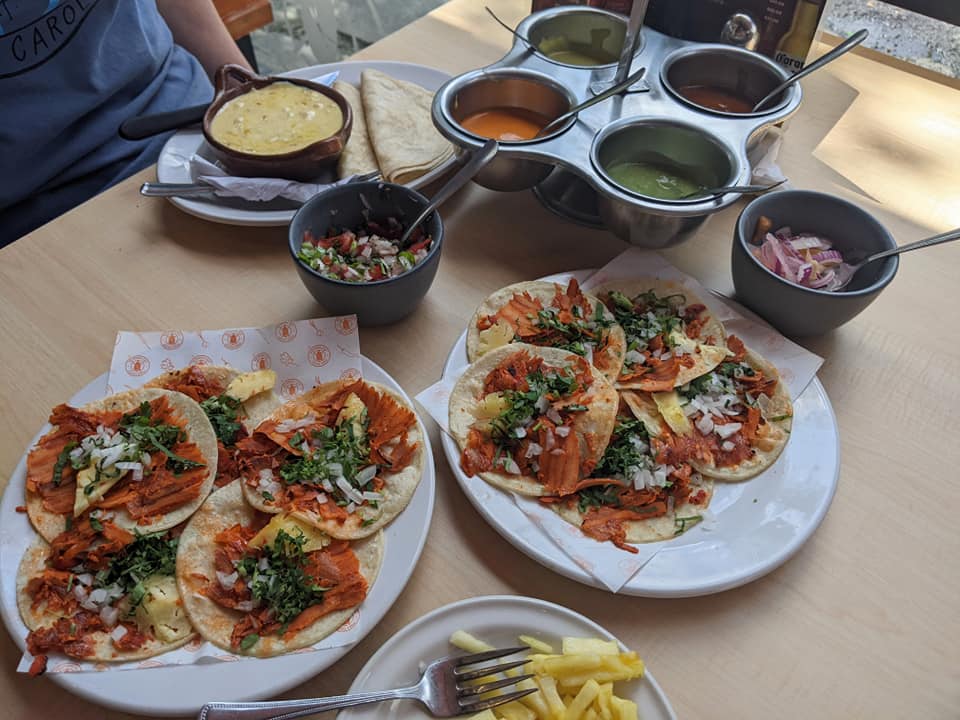
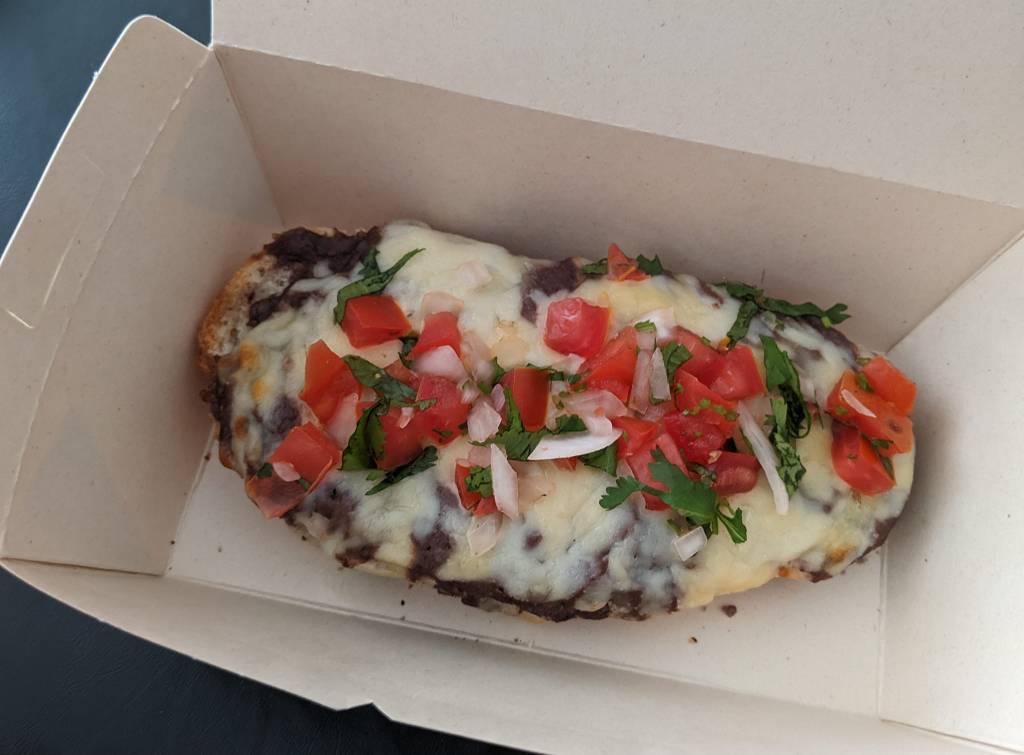
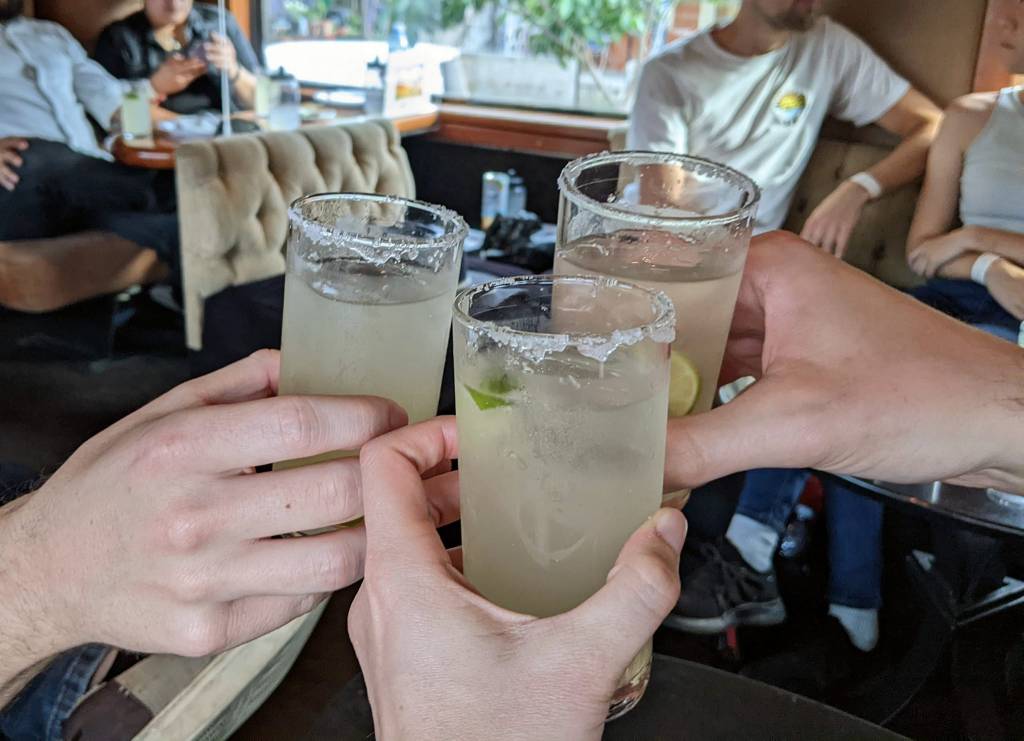
And last but not least for Mexico is, of course, the cuisine. Are you sensing a theme? We miss the high-quality groceries of Poland, the unique foods we came to love in China, and for Mexico, it’s all about the perfect collection of ingredients which have come together to make the most delicious cuisine in the world, and you can fight me on that! Tacos – perfect. Molletes – perfect. Palomas – perfect. You name it, I love it. And much like finding authentic Chinese food, the further away you get from Mexico, the less likely you are to find it (especially at a reasonable price). But again, as I reflect, I feel like it’s not just the food that I miss, but the way it was enjoyed. 3am tacos after a night out; molletes for a quick-and-easy breakfast on the go; palomas sipped on a sunny rooftop terrace – the food is incredible, but the atmosphere is even more so!

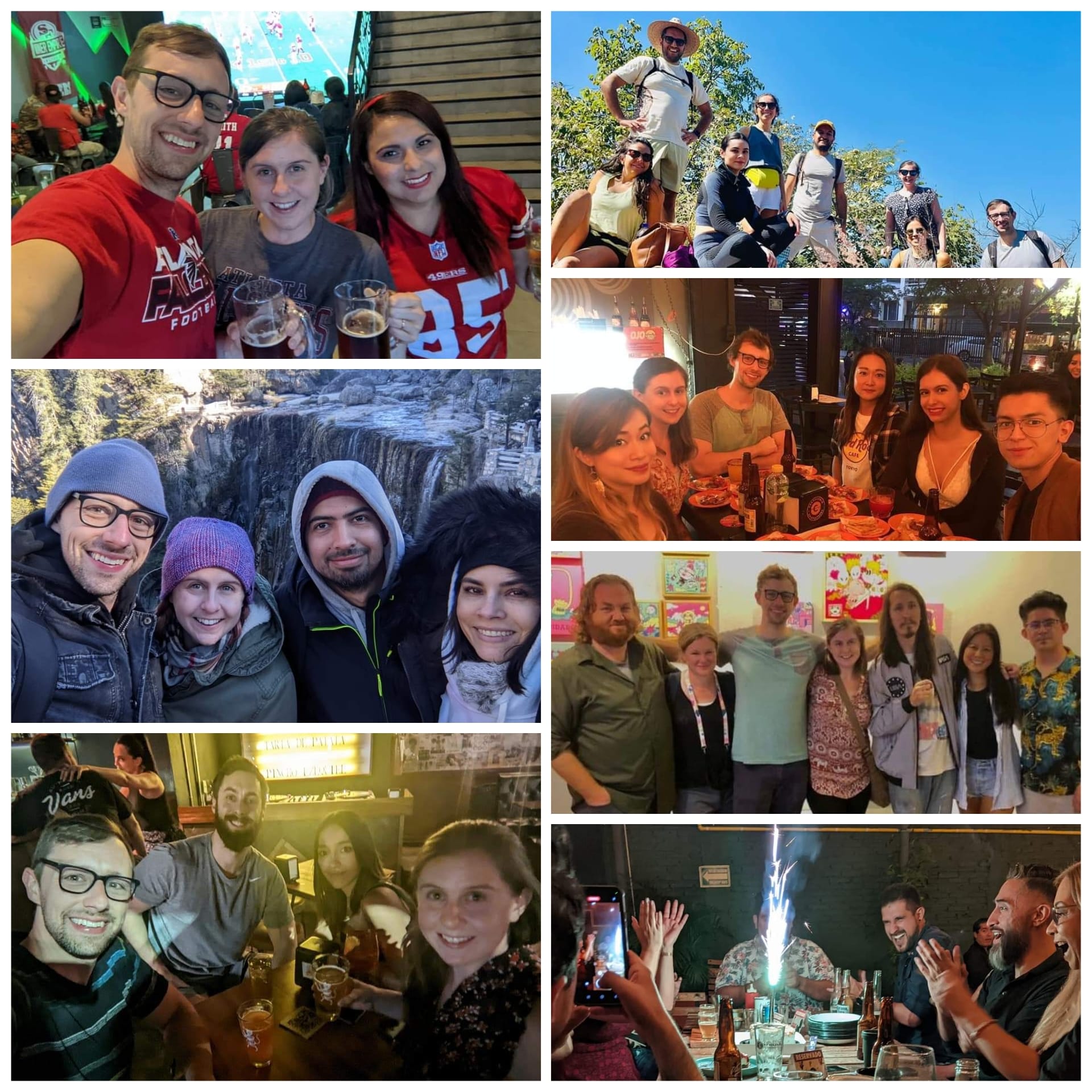
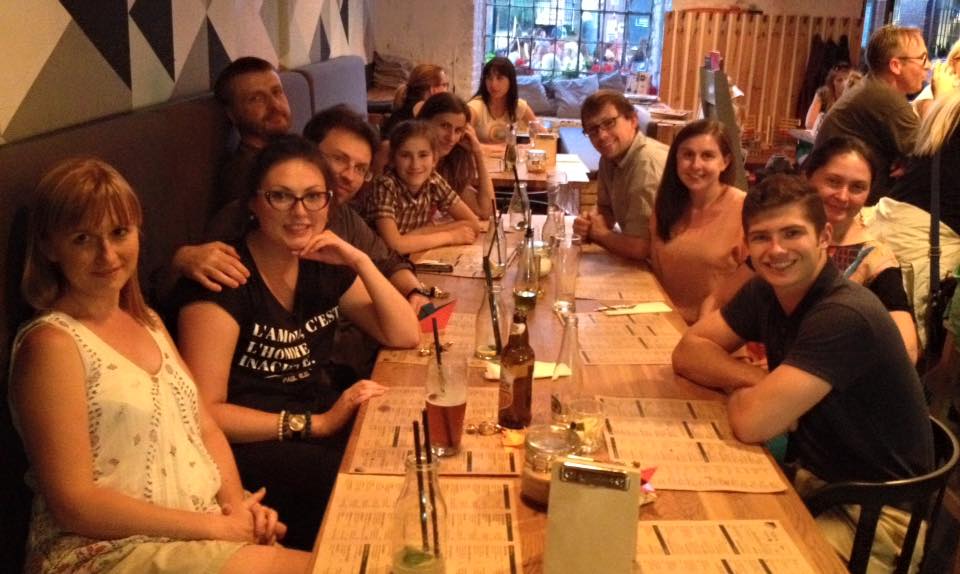
And while we’re full-on reminiscing here, there was one other thing that happened to be on all three of my original lists: “amigos”, “péngyǒu”, or “friends”, and honestly, more than anything else, that’s what we miss the most. Sometimes it’s hard to have our friends spread out all over the world, but it’s also pretty special. So, here’s to the next time we see each other – reminiscing in one of our homes or off exploring another! Either way, you know we’ll be eating something delicious!

Ten Years an Expat

So young!

Somehow this month marks ten years since Tucker and I first sold most of our belongings and moved abroad. We really had no idea what we were getting into or how we were going to maintain the kind of life we knew we wanted, and even now, I’m not sure I could tell you how exactly we’ve managed to continue moving abroad again and again. I think it’s mostly been an experiment in just how flexible we can be, which is fitting because that’s one of the first skills you develop when you move abroad!

Over the past ten years, we went from the US to Poland and back to the US (to pay off all our student loans), and then we headed to China for a few years and then back to the US (this time for global lockdown), and then onto Mexico, and now Canada. It’s been a crazy decade to say the least, but the places we’ve lived and the people we’ve met have continued to shape us year after year in innumerable ways. And for this month’s somewhat reflective post, I want to share some of the many ways we’ve changed and grown as a result of our expat ways.

Not so young anymore!

We’ve become flexible to the extreme

As I alluded to earlier, when I think of the many skills we’ve developed as a result of moving abroad, flexibility has to be at the top of the list. Whether it’s little things like using Celsius with some people and Fahrenheit with others or big things like not knowing where we’ll be living next year, we’ve gotten incredibly good at going with the flow. When I look back at my early observations from our first year abroad, it always makes me laugh at how hard it was for me to relinquish control. Now I feel like I struggle when I have too much control! It seems I’ve really grown to love letting the universe decide for me.

We’re totally fine with ambiguity

Another early observation I often made had to do with not always understanding what was going on around me. In unfamiliar places with new languages and customs, the level of ambiguity you experience on a daily basis skyrockets. Are we supposed to do something here? Should we ask about that? What does this mean? Questions like these and general uncertainty used to plague us. Until they didn’t. Until we learned that there’s really no wrong way, only different ways. Eventually, we also learned the difference between being expats as opposed to pioneers. Expats get to rely on the experiences of those who came before them, and we definitely do. But if/when that fails, we’ve also learned to simply accept not knowing.

Blissfully unaware as usual

We’re stoic bureaucracy-handlers

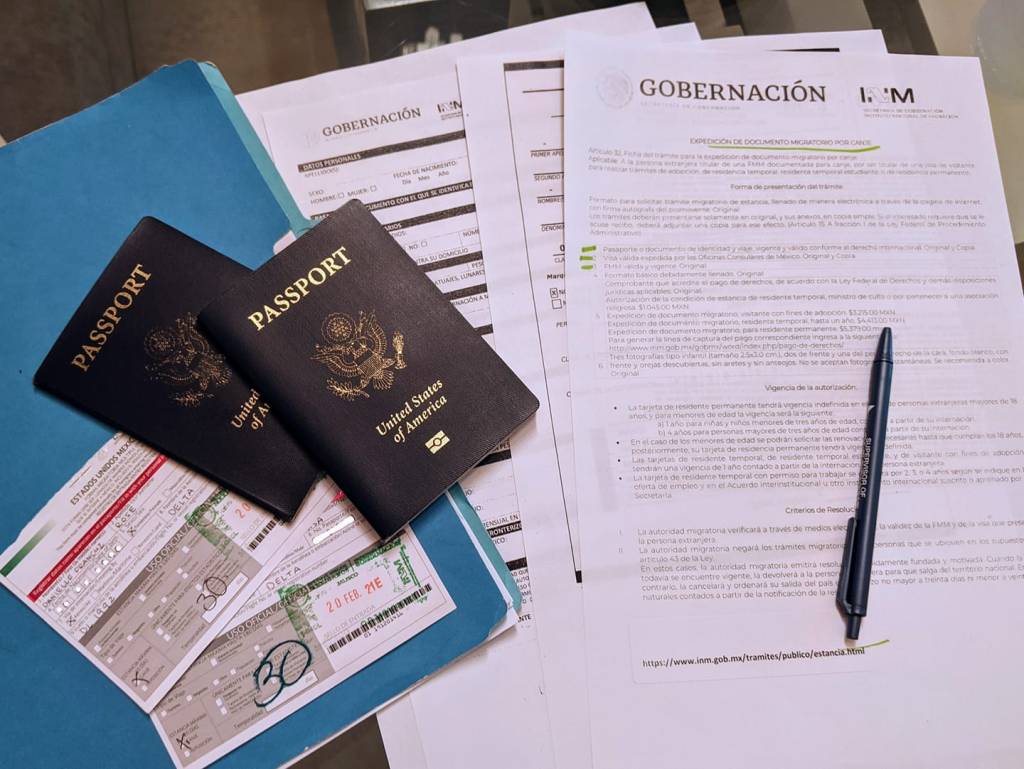
One of the most taxing parts of maintaining legal status as an expat has to be all the paperwork: visas, residencies, IDs, taxes, health cards, driver’s licenses, bank accounts, etc. The list is never-ending. After so many years and so many forms and appointments, I can very confidently say that bureaucracy is messy and incredibly frustrating everywhere. We now just assume every process will take a few attempts and several months (if not years) of our lives, which has really helped set expectations and allowed us to remain stoic and unfeeling while jumping through hoop after hoop after hoop. Government office waiting rooms are great places for mindful meditation, you know.

We’re accidental minimalists

In addition to becoming masters at handling immigration processes, we’ve also become expert movers. We know exactly what we need and want in our homes, and over the years, we’ve shed all the fluff. And whenever we happen to collect additional fluff, we’re systematic and unsentimental in removing it before the next move. People are often surprised that we’ve moved countries so many times with nothing but suitcases. Quite a few suitcases, but still. It’s actually pretty easy to do when I remember all the things we took on our first move that we never used. Or when I remember all the things we’ve used in a particular place that wouldn’t make sense anywhere else. These days we tend to take a lot more art with us and a lot fewer dead appliances.

We’re expert home-makers

Speaking of homes though, we’ve had a lot of them over the years. From country to country or even apartment to apartment, every place we’ve lived has always felt like home. Early on in our expat experience, someone advised me to prioritize setting up our home because we’d be surprised at how quickly “later” becomes “never”. Well, we took that to heart and always make sure our apartment is set up before tackling other tasks. We also work really hard to make sure we feel at home in the community as well, which means joining groups, meeting neighbors, learning names and faces. It can be difficult being the new people in town, but we’ve found the quicker we reach out, the quicker we feel at home.

We’re nothing if not adaptable

Another skill that makes itself known every time someone visits one of our far-flung homes is our adaptability. No dishwasher? No problem. Drinking hot water in summer? Sure, why not? Have to do everything over the phone? Got it. Everywhere we’ve called home has changed us in so many ways. Sometimes we forget what was normal for us before moving abroad because we’ve so strongly adapted to several different lifestyles now. This is how I know it doesn’t really matter where we live or what we do because the skill of adaptability is such a broad and encompassing one, that I know we’ll be just fine anywhere.

We’re always adopting new habits

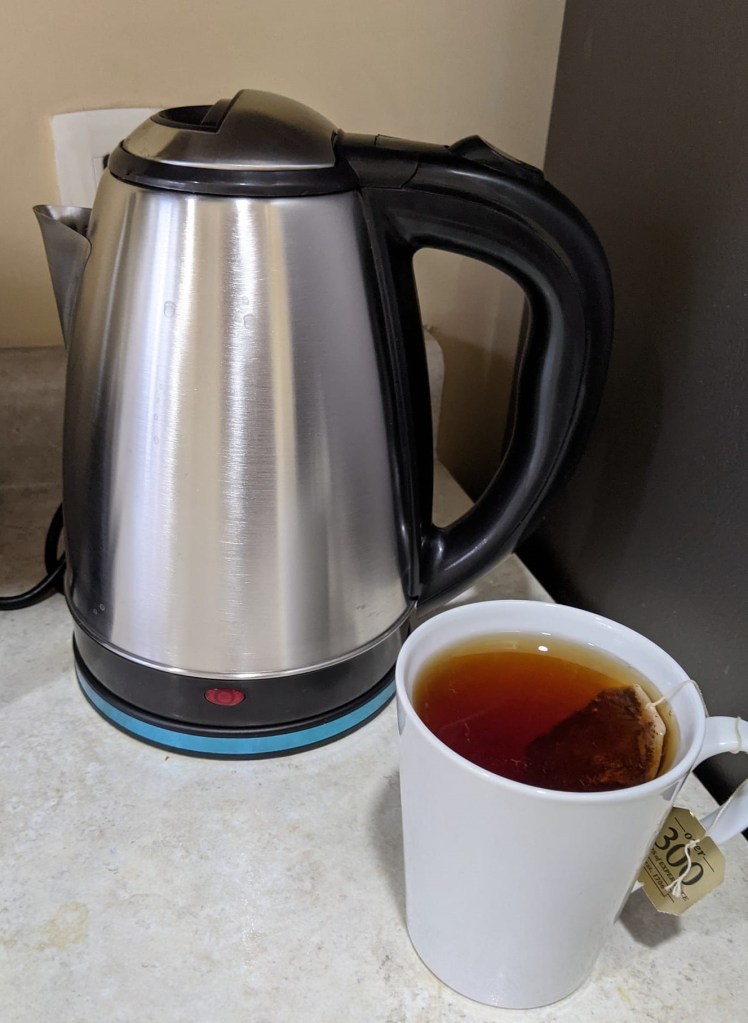
Likely due to all the adapting we’ve had to do over the years, we’ve also gained quite an assortment of international habits. For example, at some point, we became a strict no-shoes-inside household, and when I think back to all the shoes that walked across our carpeted US apartment floors, I shudder. I also can’t believe we lived 25 years without an electric kettle! You’ll have to pry that out of our cold, dead hands now. Similarly, after living in both tea and coffee cultures, we now find ourselves enjoying both regularly. We also find ourselves checking sunset/sunrise times, the weather, and the air quality index more than most, which are all habits we picked up in different places at different times. It’s interesting to note which things stay behind in the places we leave versus which ones we take with us as the ghosts of homes’ past.

We’re an interesting mix of cultures to say the least

Similar to our eclectic mix of habits picked up from around the world, I would say that we ourselves have ended up a strange mix of all our homes. It’s rare that someone immediately places us as American. Even when hearing us speak, our accents don’t give much away, especially when speaking something other than English (you’re likely to hear a very strange combination of linguistic features depending on the day). We also have very strong inclinations toward European showerheads, the use of chopsticks, and what should and should not go on a taco. We self-identify as Polish-American-Canadian-Tapatío laowais, and we’ll happily talk your ear off about life in Poland, the US, Canada, Mexico, and/or China because each of those places is a part of us and always will be.  

We’re excited to make every day an adventure

All these fun little quirks keep us tied to the places we used to call home, but one of the best parts of being a perpetual expat (no matter where we are) is the fact that every day becomes an adventure. The smallest tasks are new and exciting, and we never know what we’re going to learn. This is really why we keep doing it; why we haven’t “settled down” yet. We’ve learned to love the daily micro-adventures and mini-challenges that keep us on our toes and forever entertained. Every time we start over in a new place, we get to experience so many firsts again. We get to find a new set of favorites and develop new habits that only enhance our lives. An adventure a day certainly keeps the boredom away!

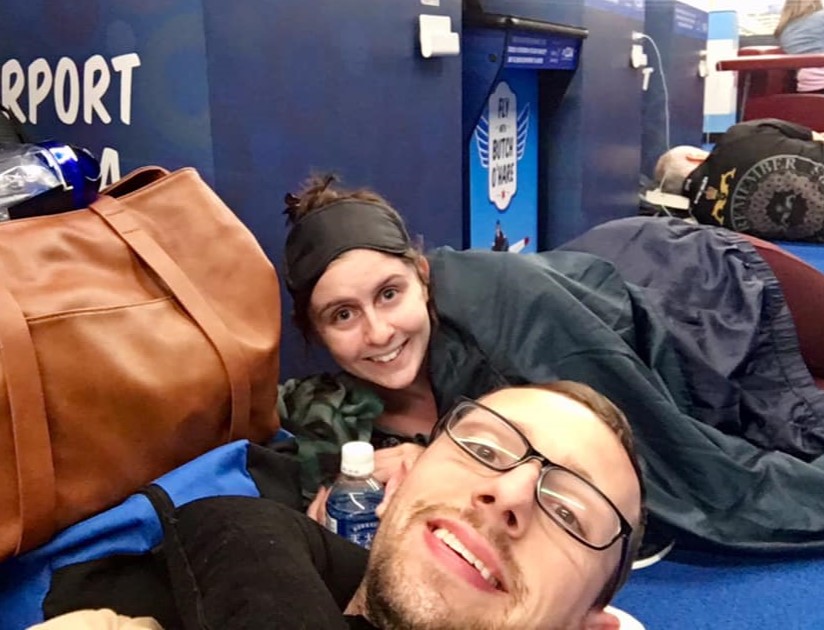
Definitely never boring!

We’re constantly learning and reflecting

And last, but not least, all this moving and growing and changing allows us to continually learn and reflect. Before each move, we get to look back at our time in a given place and reflect on everything we did, all the changes we experienced, and what we could or should have done differently if given the chance. And then…we get another chance! I sometimes refer to Poland as our “first pancake” because with hindsight, it’s easy to see how we’ve continually gotten better at being expats. All these skills (and more) have been honed over the years, and we’ve learned how to make the most of our time in the places we call home. Of course, we also realize just how lucky we are, so to all our homes: thank you, dziękuję, xièxie, gracias, and merci for the best decade of our lives!