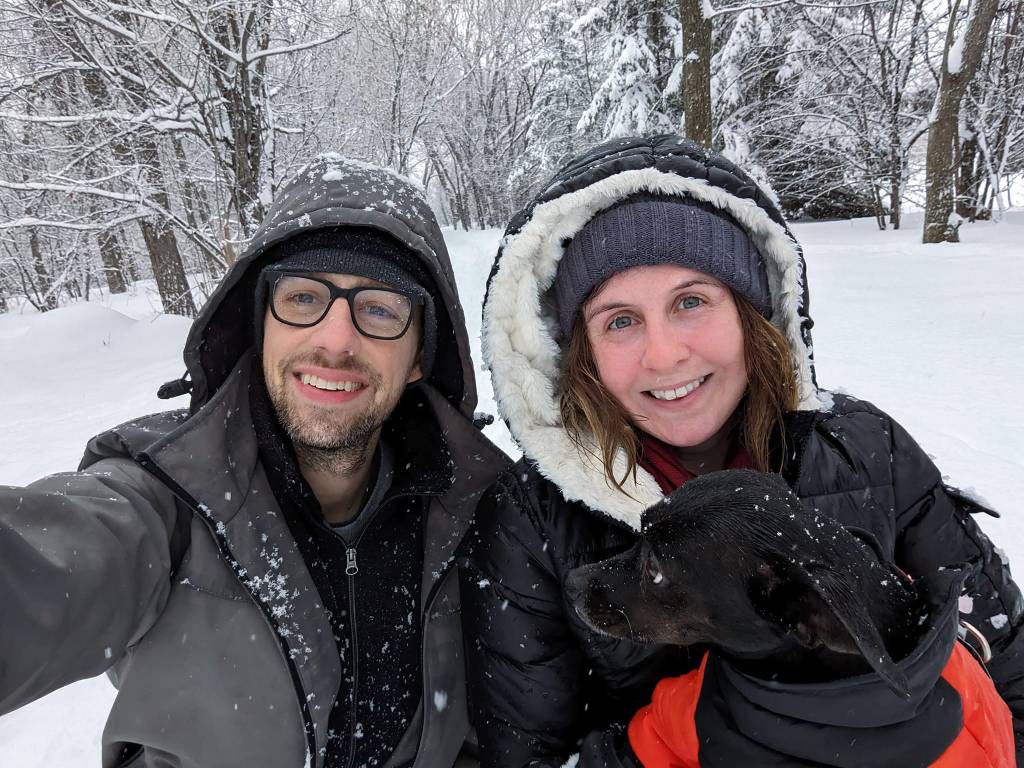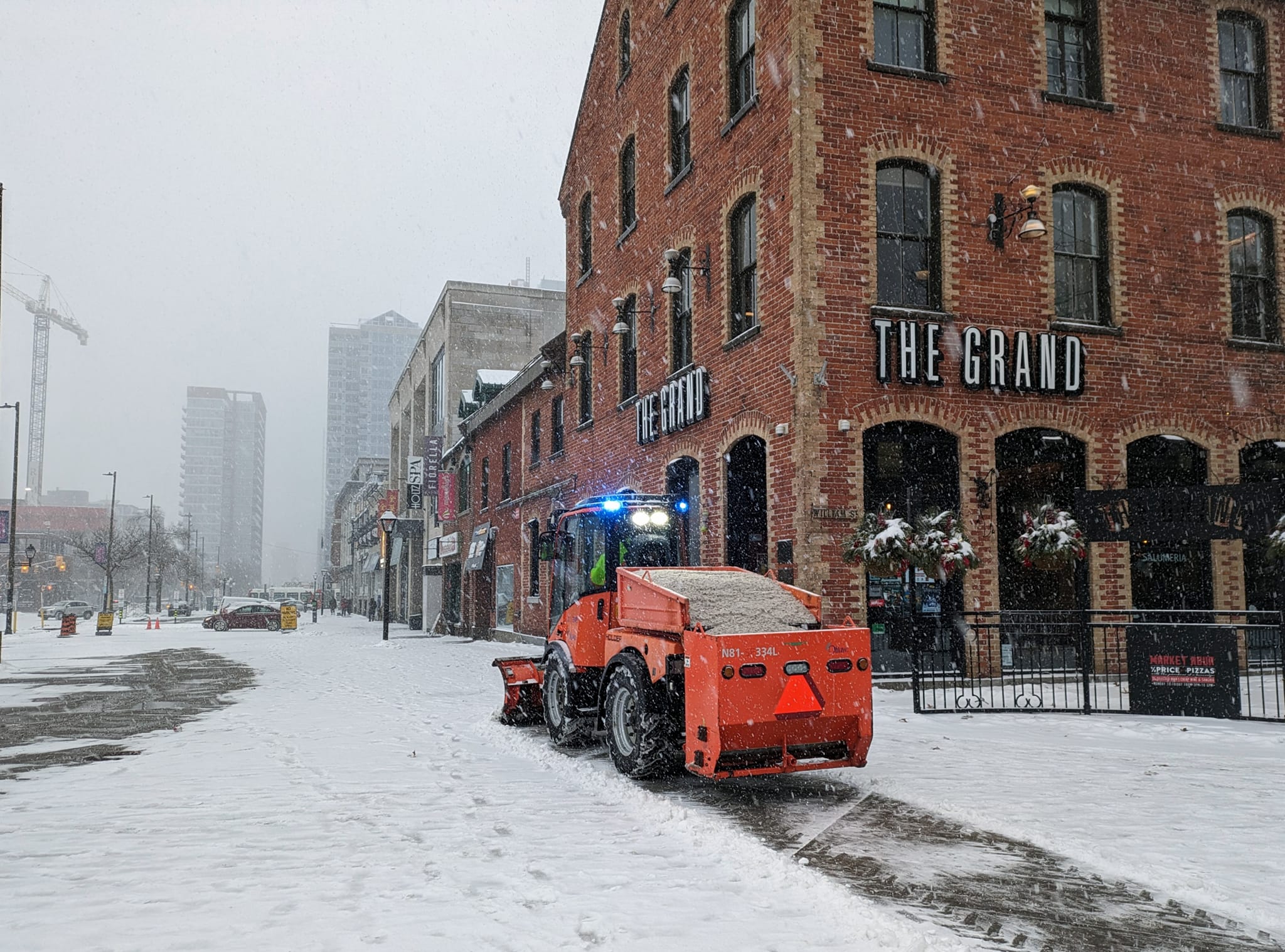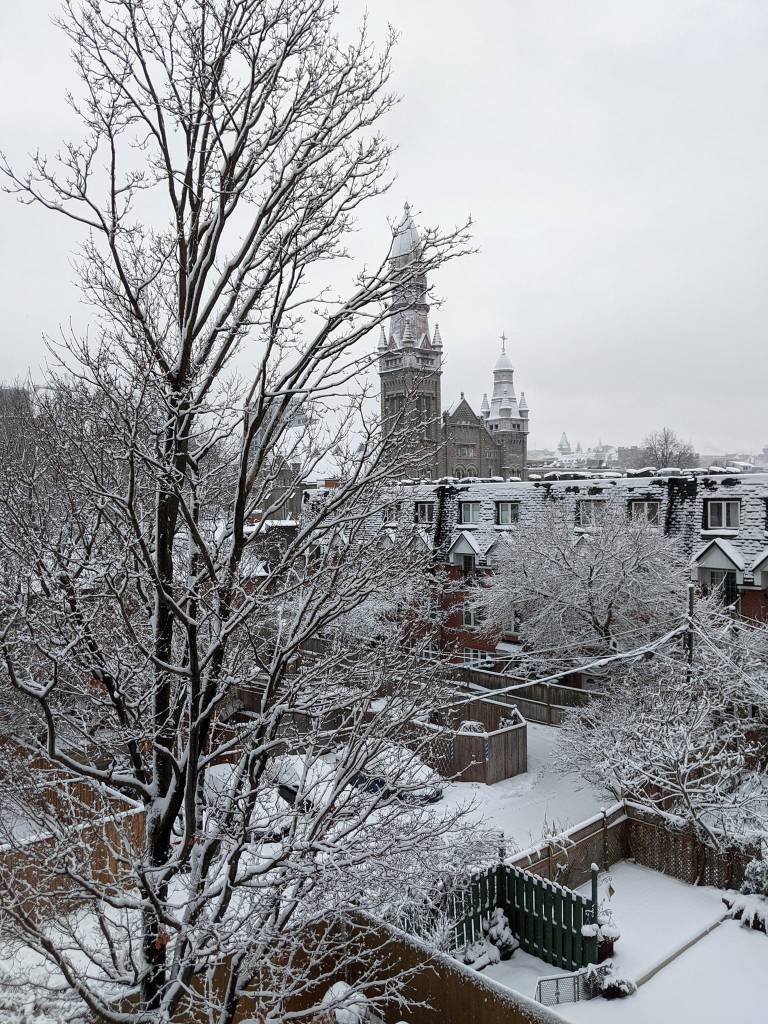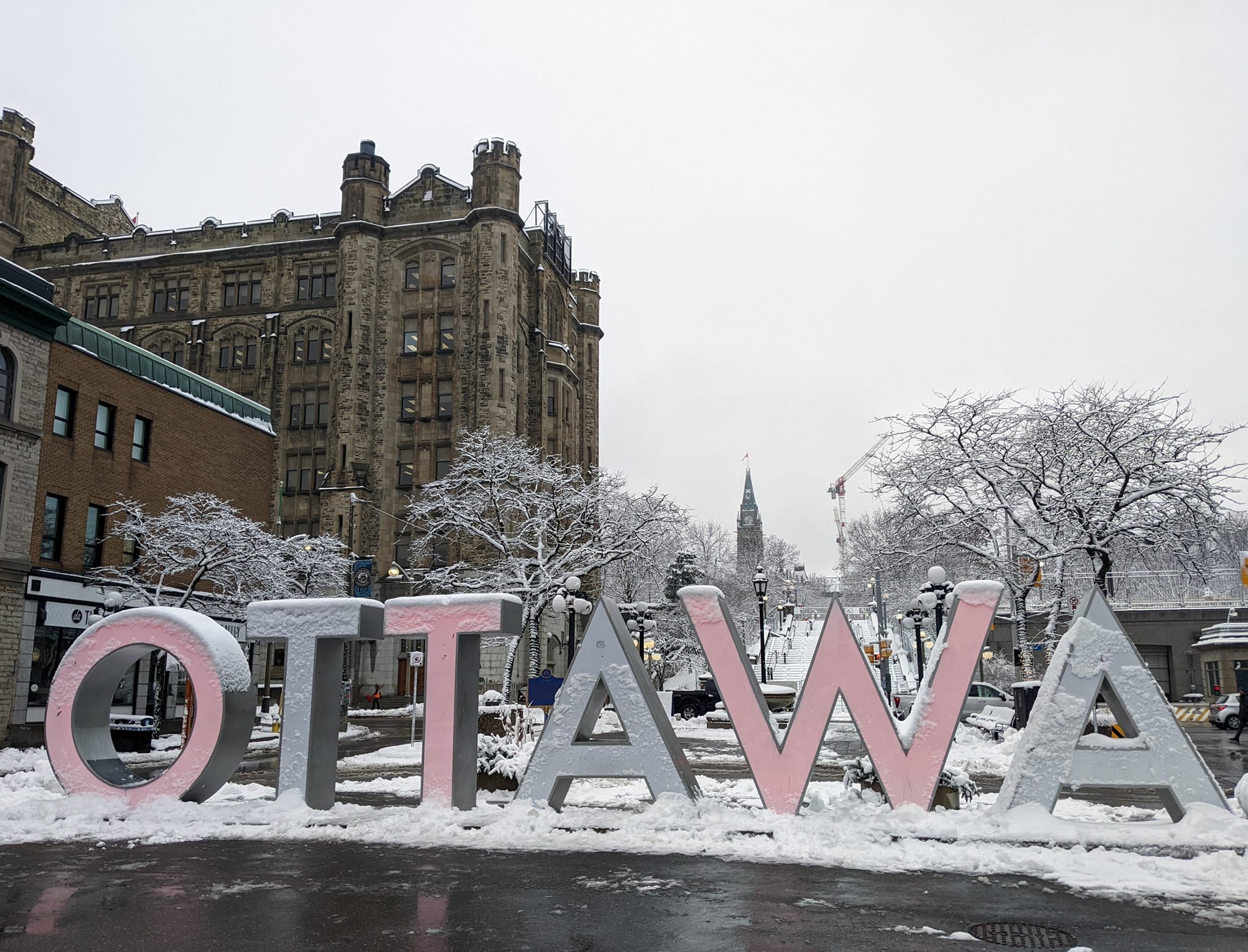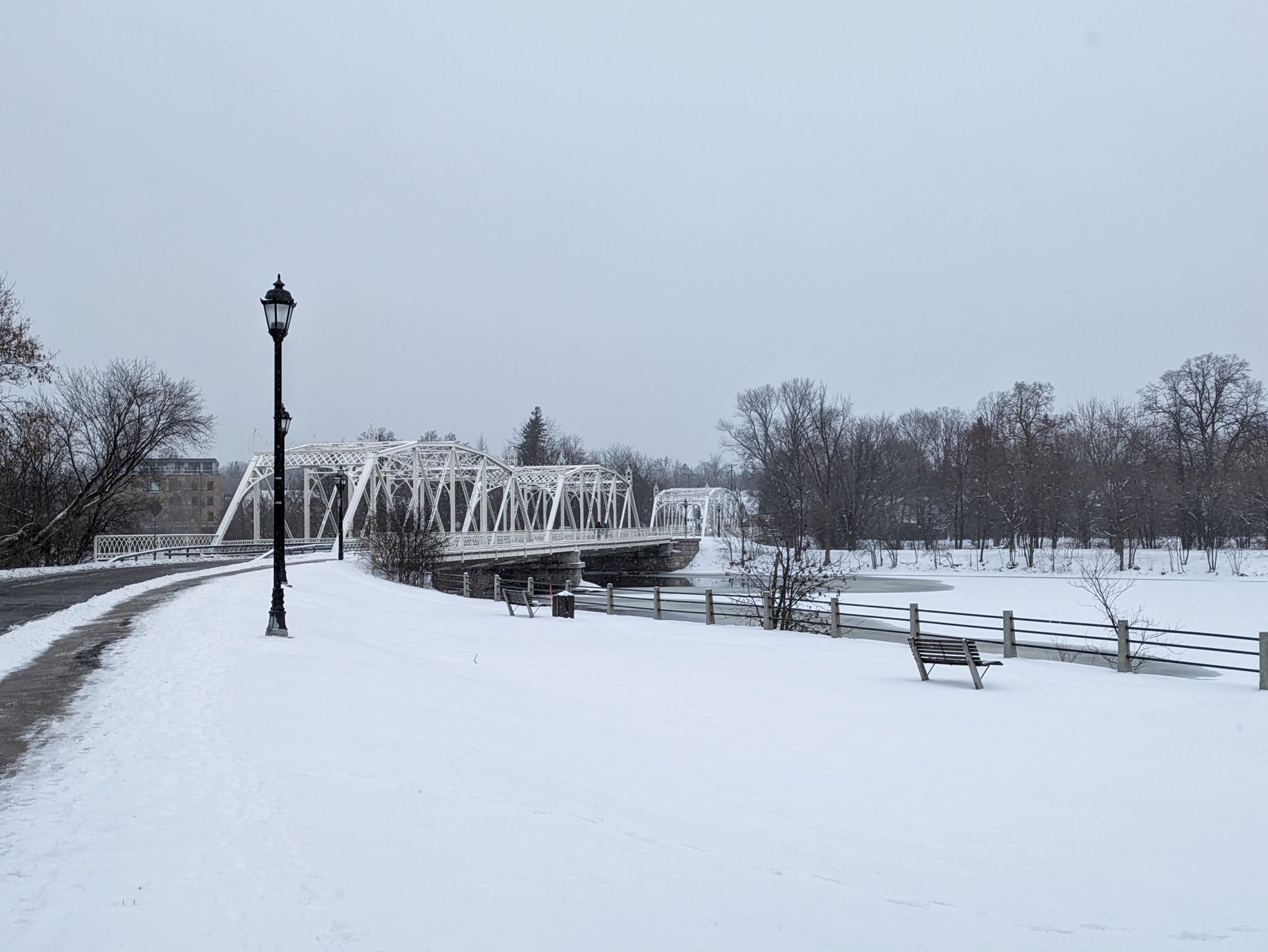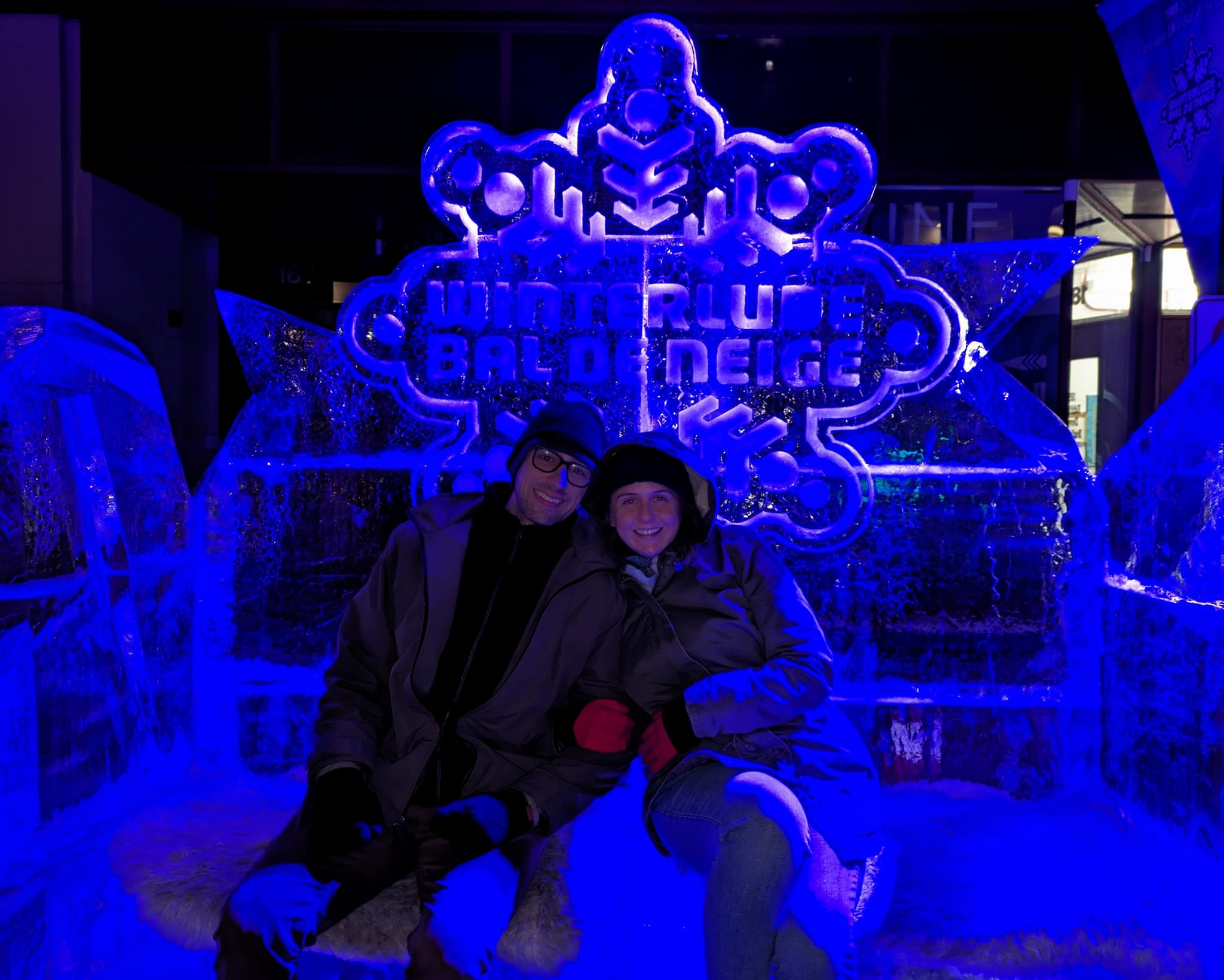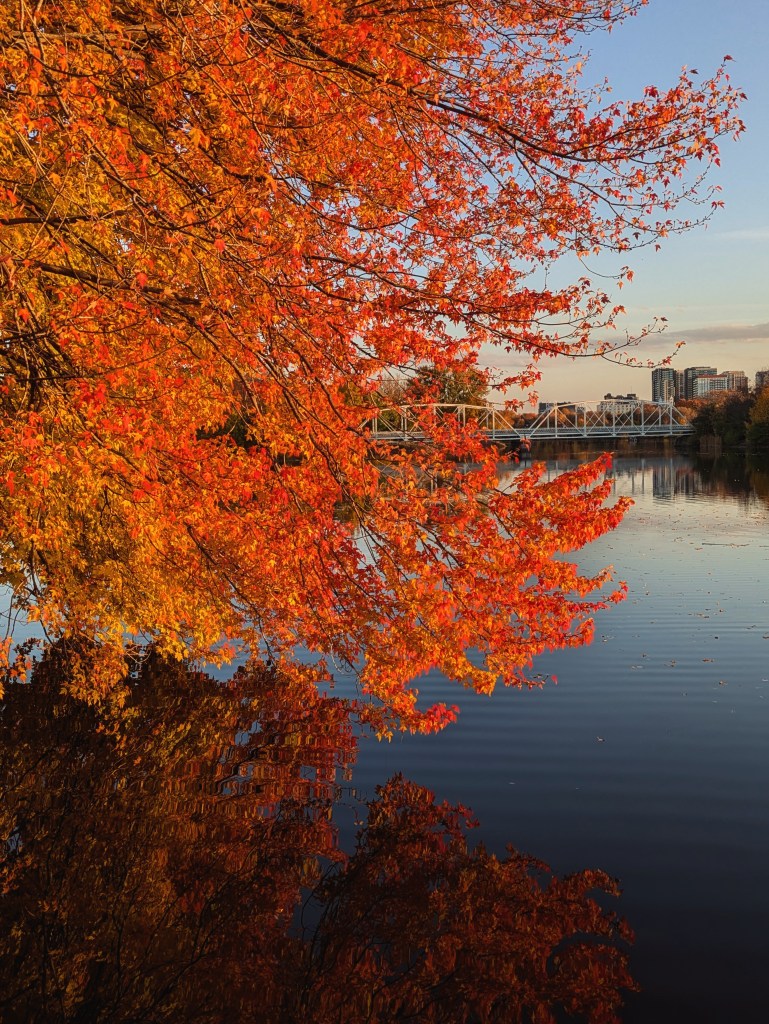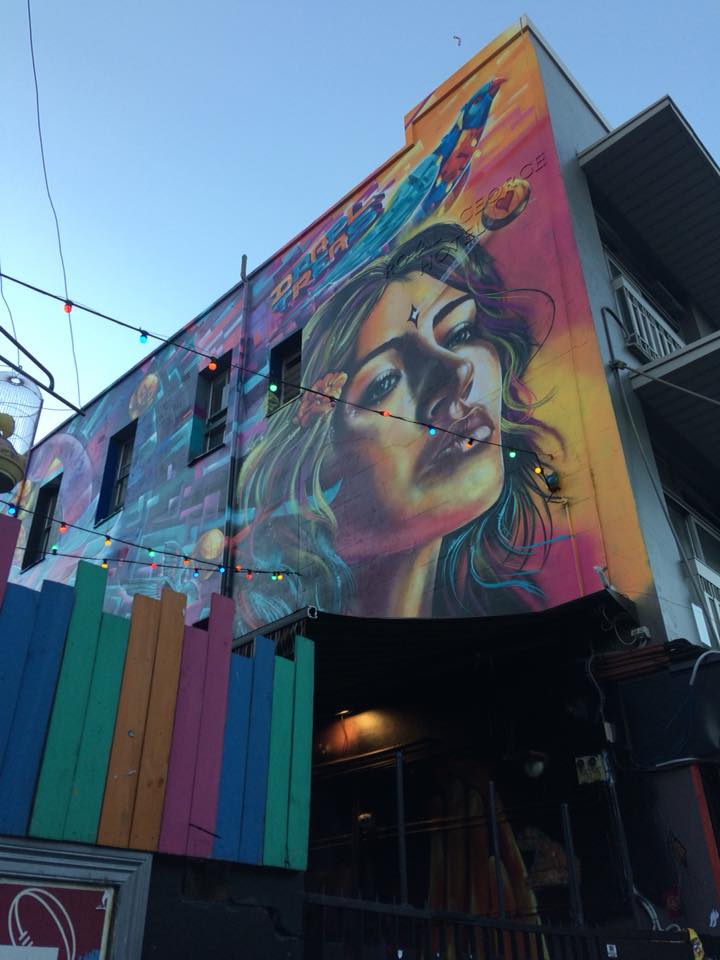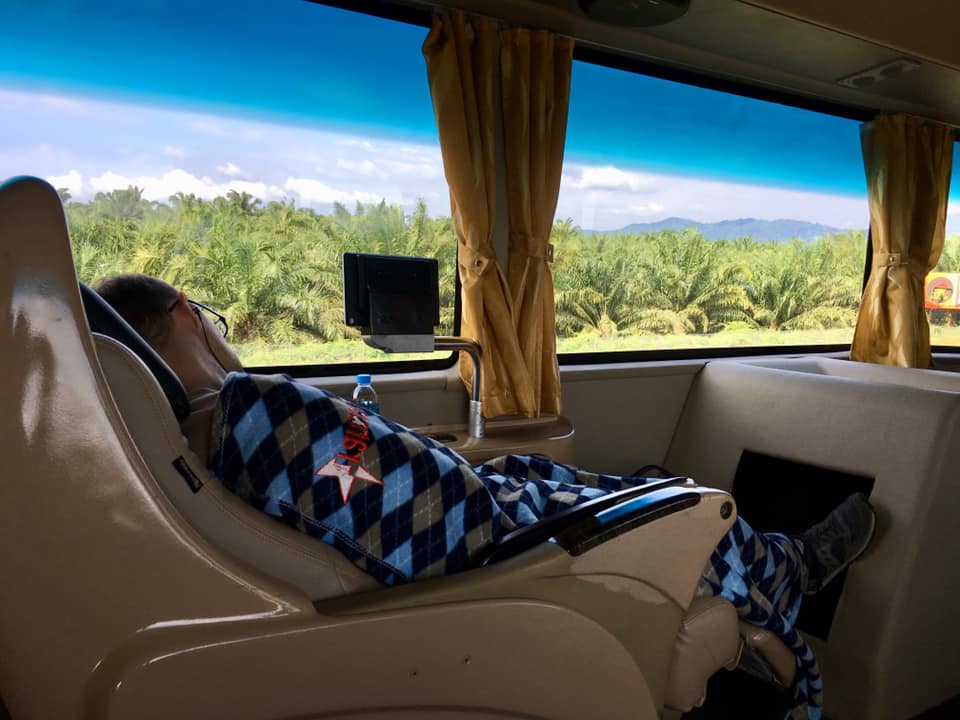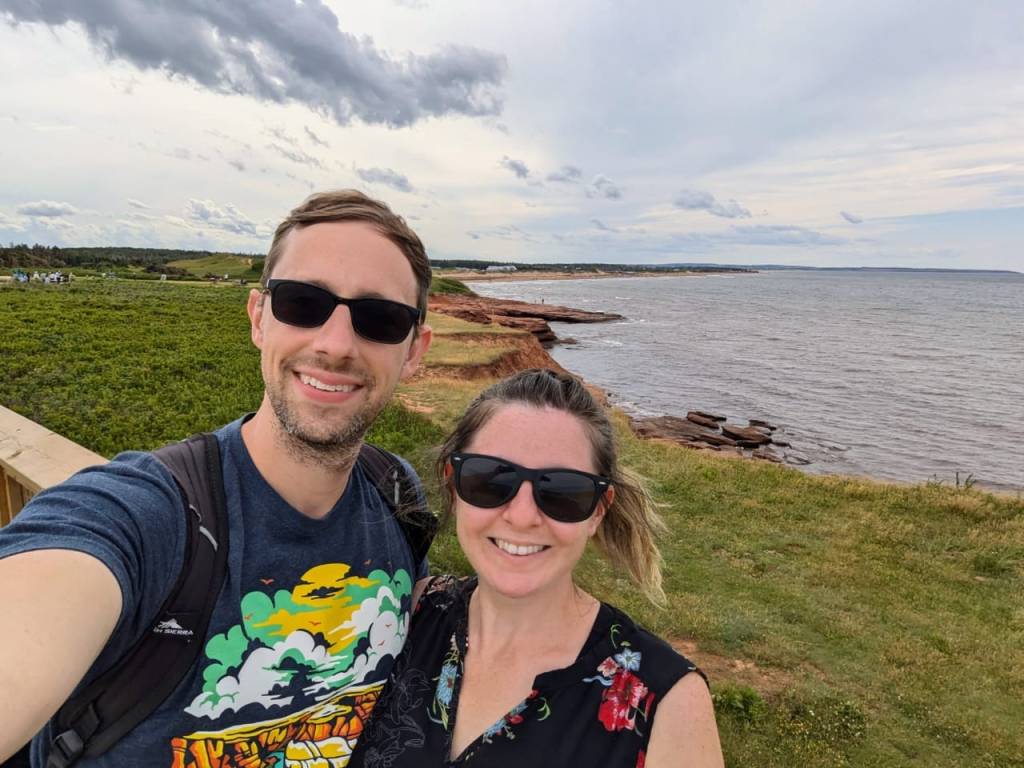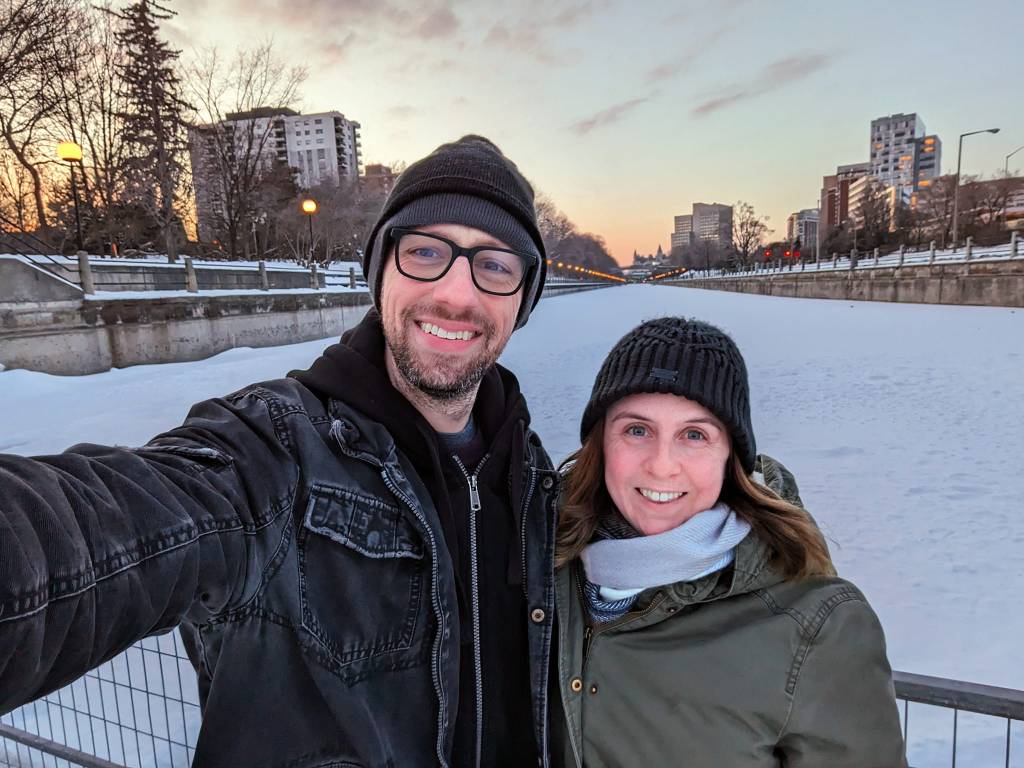
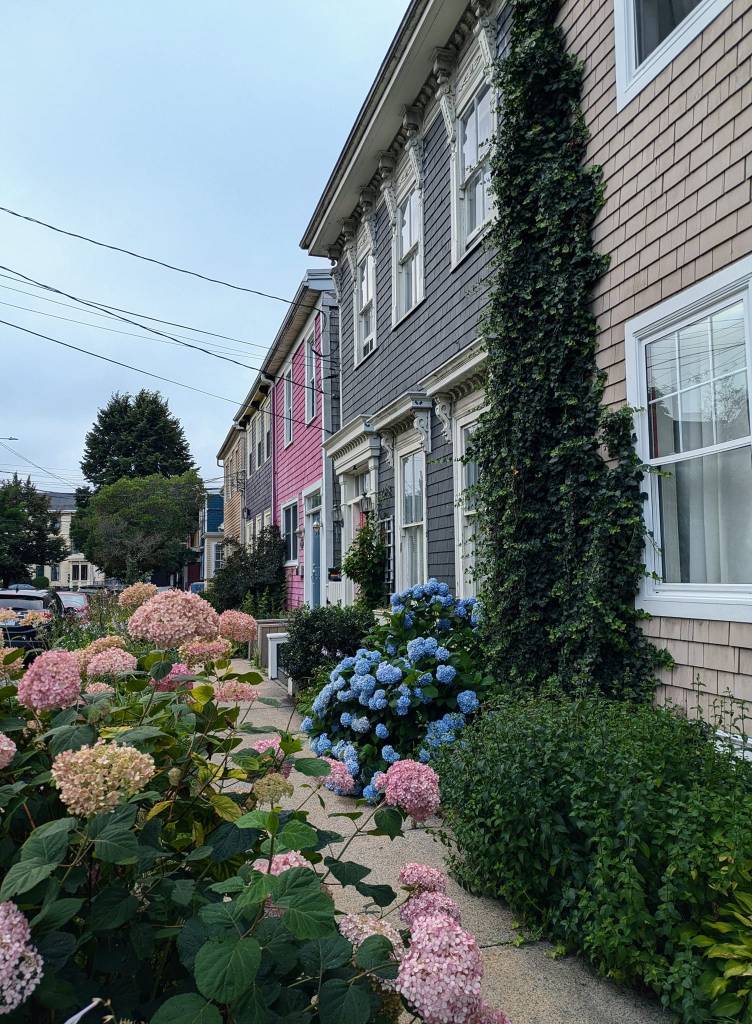
October in Ottawa is absolutely stunning, but I think regardless of the season, Ottawa might just be the prettiest place we’ve ever lived! But what about all the places we’ve visited over the years? To answer this extremely important question, Tucker and I scrolled through my Facebook albums to come up with our gut-reaction, top 10 prettiest places we’ve been list (in rough geographical order). It wasn’t an easy task, but somebody’s got to do it, right? Okay, maybe not, but it was still fun to do!
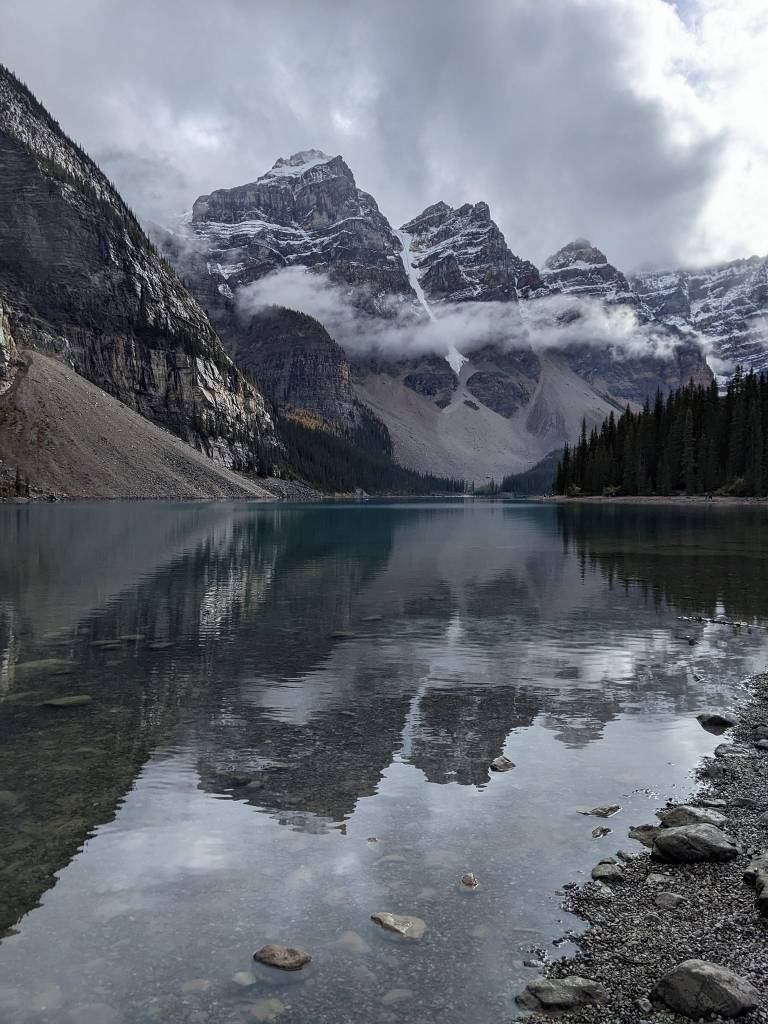
#1 Banff, Canada
As I think will become quite clear as this lists progresses, we love a good mountain scene, especially in fall/winter, which is why Banff had to be mentioned. Even before stepping foot into Alberta, we knew Banff was going to be pretty based on all the media constantly swirling around this vacation destination, but we were still absolutely blown away by the dynamic beauty of the Canadian Rockies.
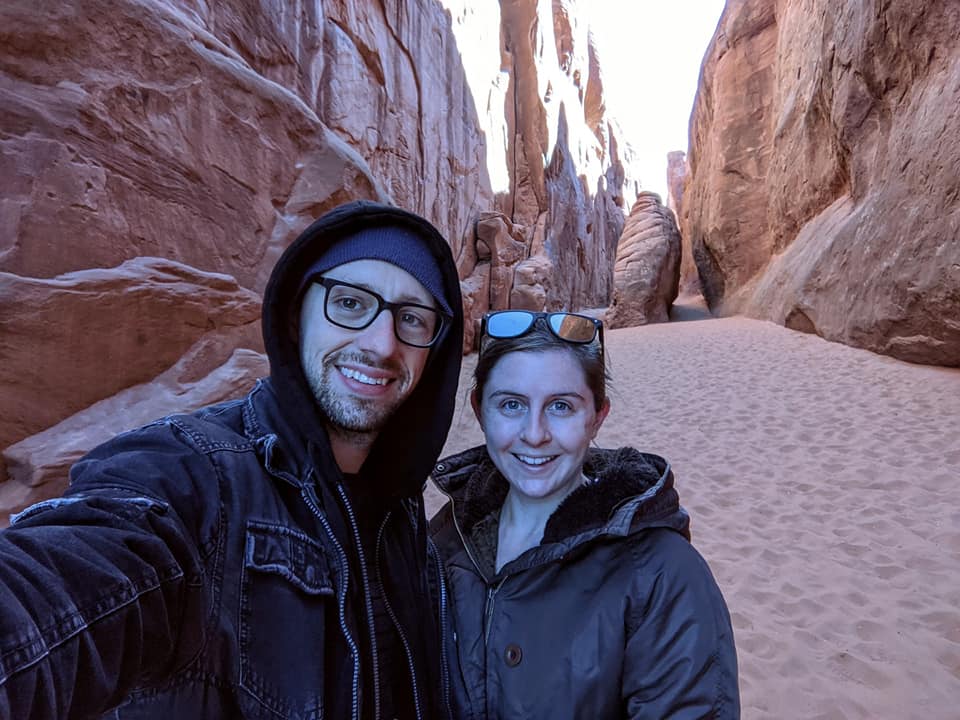
#2 Moab, USA
If you’ve known me for any length of time, you know my favorite place in the United States is Arches National Park, located in Moab, Utah. I don’t know exactly what it is that I love so much, but ever since I first laid eyes on it (around 20 years ago, mind you), it has been one of my favorite landscapes in the world.
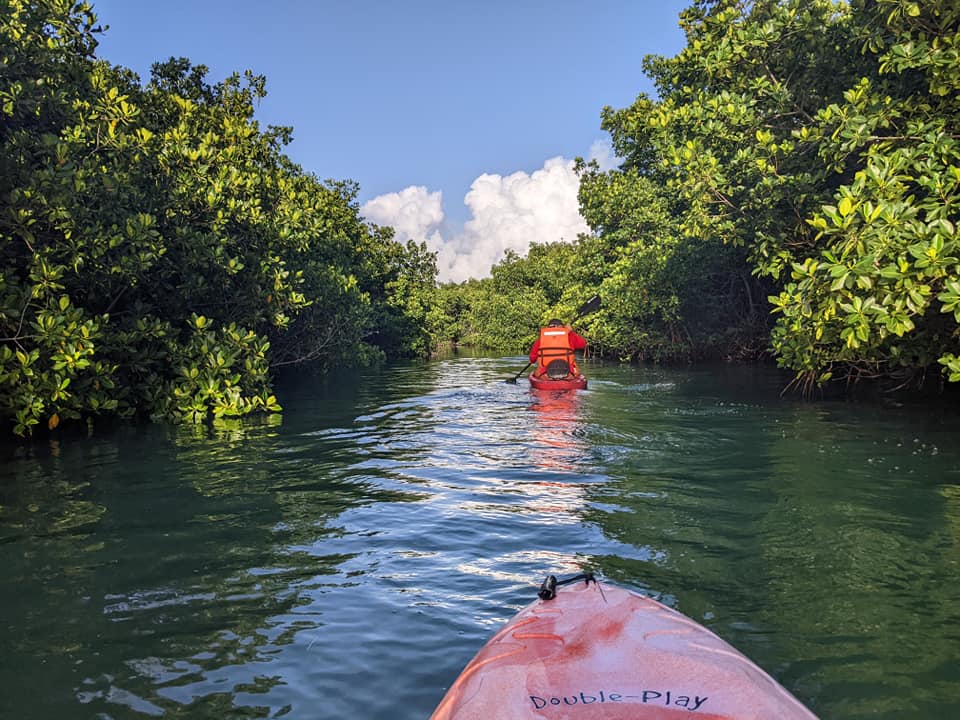
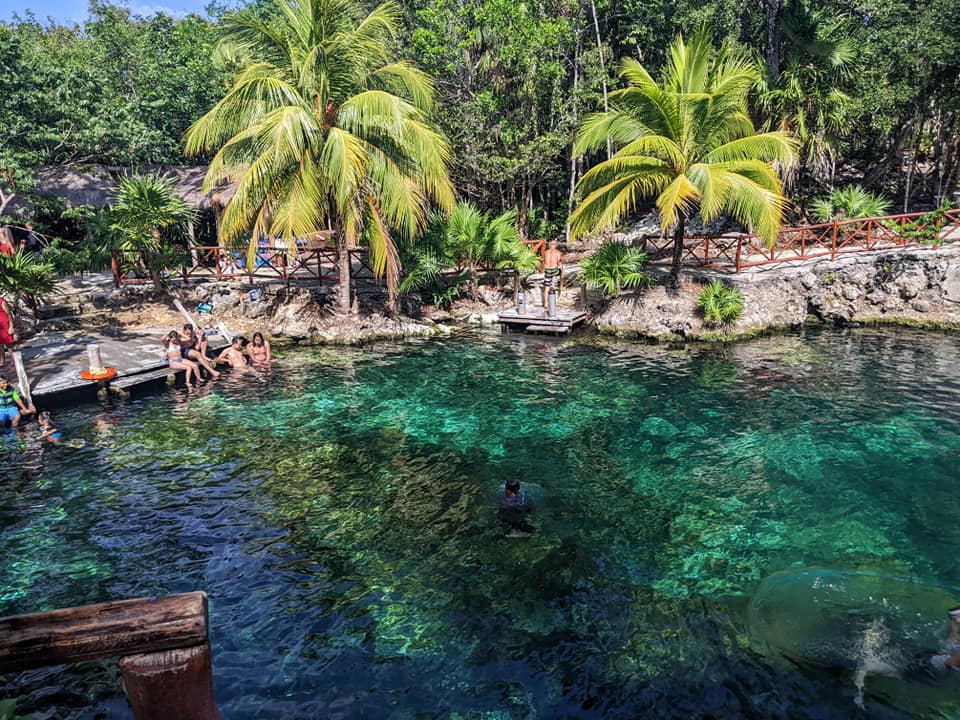
#3 Quintana Roo, Mexico
Although not usually beach people, Tucker and I have to concede that the beaches along Mexico’s Caribbean coast are simply on another level. Of course, it’s not just the beaches that we found so alluring – the cliffs, the cenotes, the lagoons, all of the nature and even some human-made structures in Quintana Roo really stand out to us on the prettiness scale.
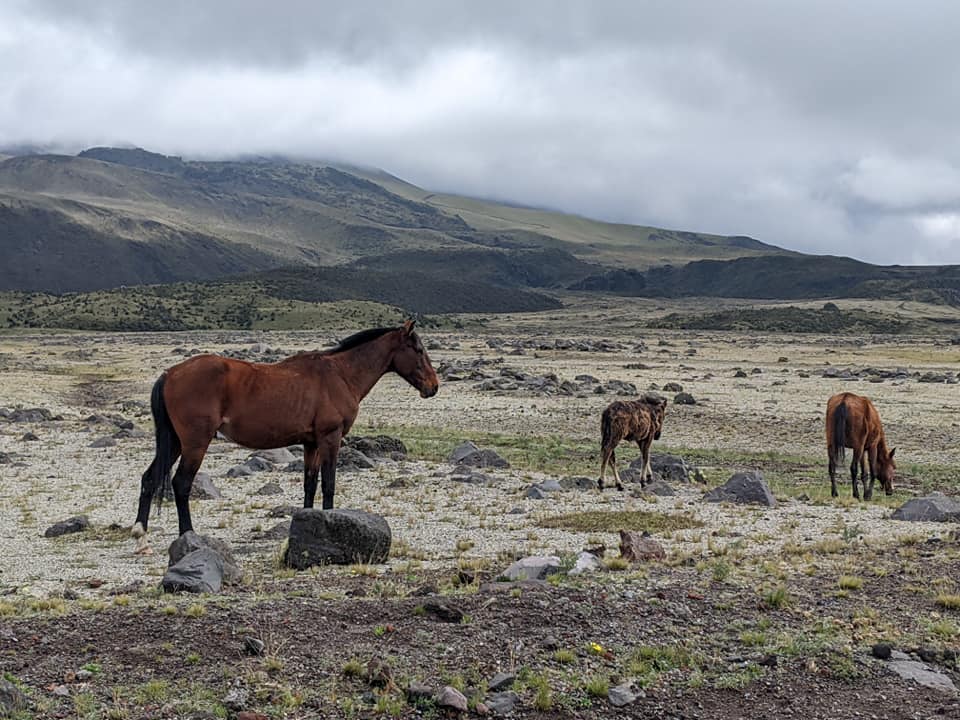
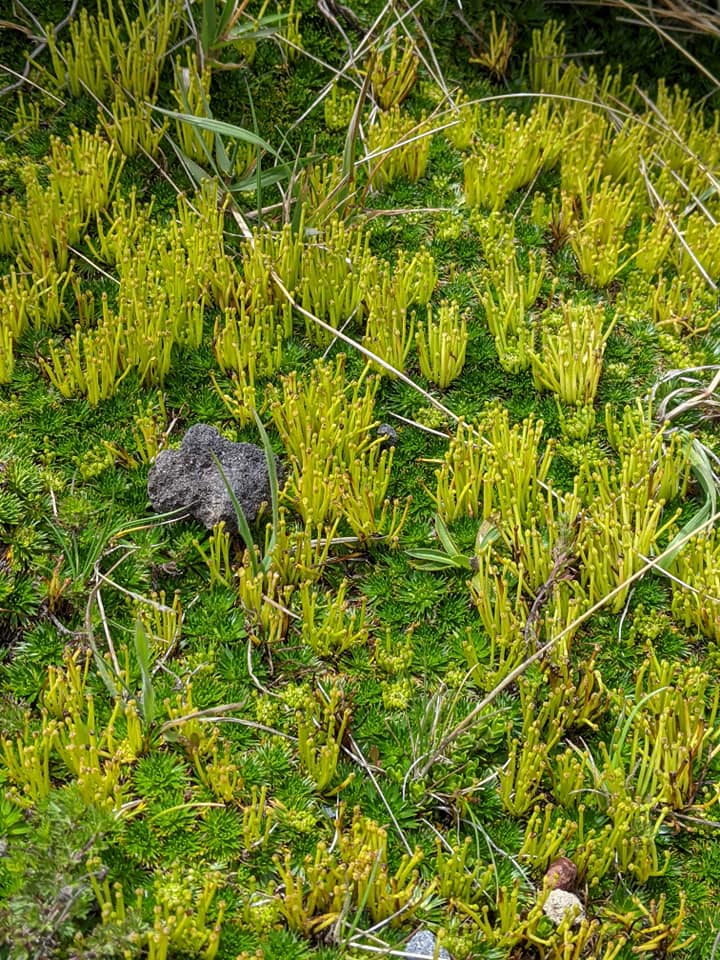
#4 Cotopaxi, Ecuador
For pure, rugged beauty, there might not be a better example than Ecuador’s Cotopaxi National Park. Volcanos, calderas, pampas – even if you’re not a geologist, you can easily see the beauty these amazing natural features bring to the table.
#5 Ushuaia, Argentina
With beautiful snowy mountains, clear waters, and pink skies, Ushuaia is the closet you can get to Antarctica without a boat, and not only is it pretty, it’s pretty freaking awesome. Known as the “End of the World”, the remoteness only added to the beauty of this far-flung location.
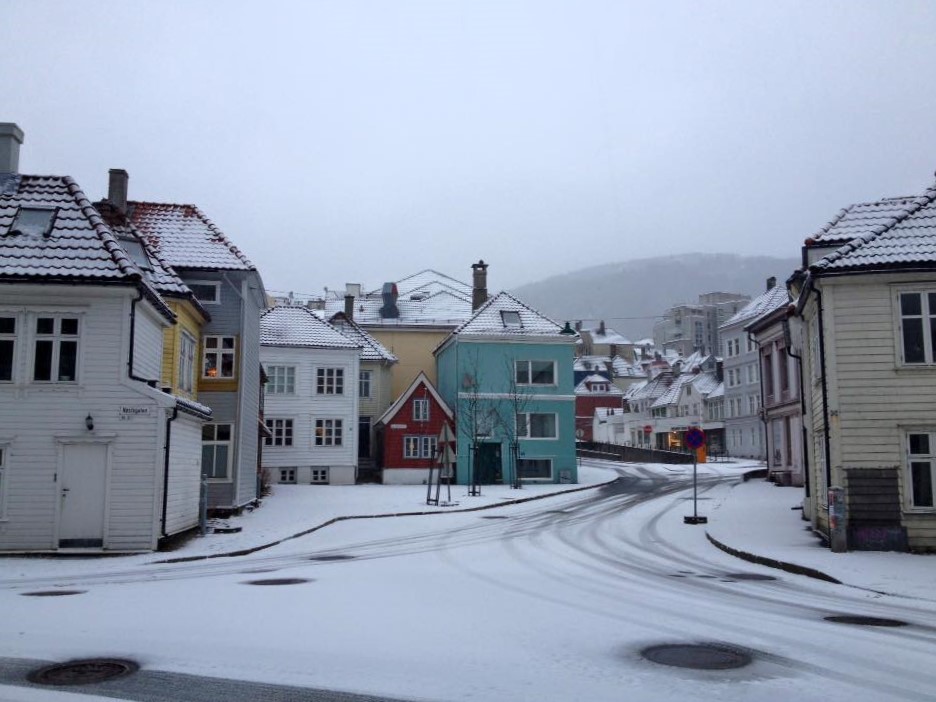
#6 Bergen, Norway
Tired of snowy mountains yet? Well, what if we add fjords to the mix? Bergen is another place we’ll always mention when talking about gorgeous surroundings. Of course, we loved it in winter, but I have friends who visited in summer, and their photos also took my breath away!
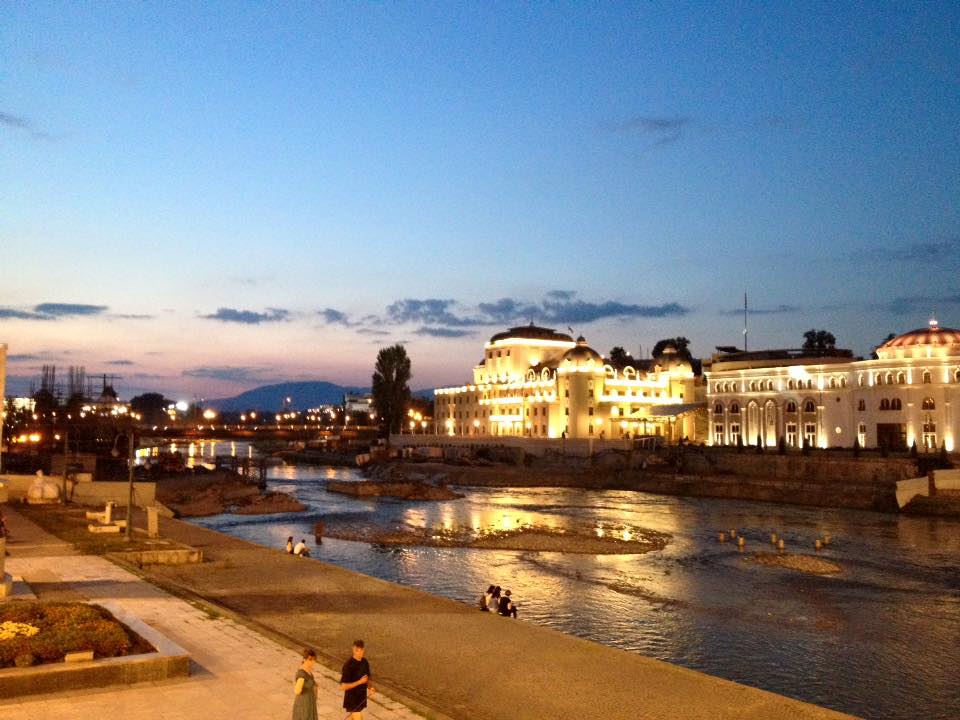
#7 Skopje, North Macedonia
North Macedonia surprised us from the moment we landed. We ended up in Skopje because it was one of the cheapest places we could fly to at the time, and I’m so glad it was! The city is full of beautiful architecture, and with Matka Canyon only a short bus ride away, I’m continually surprised that it isn’t yet packed with tourists!
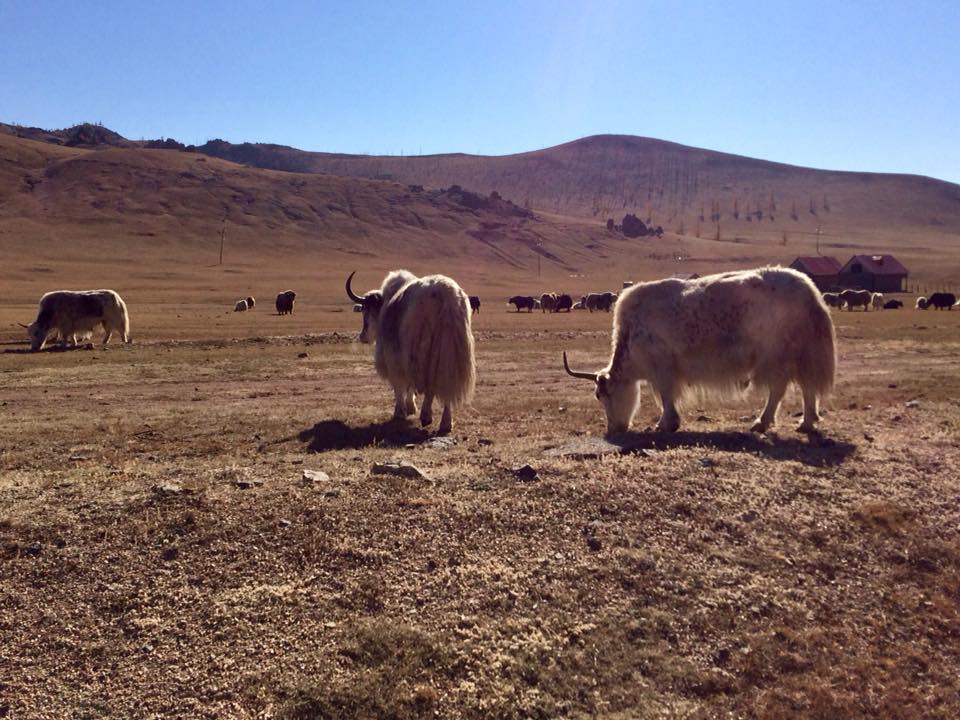
#8 Gorkhi-Terelj, Mongolia
Another one for the “rugged beauty” column, Mongolia is truly in a world of its own. More wide-open spaces than I’ve ever seen in my life and the bluest of blue skies gave us such a pretty picture of a place we never imagined we’d be able to see in person.
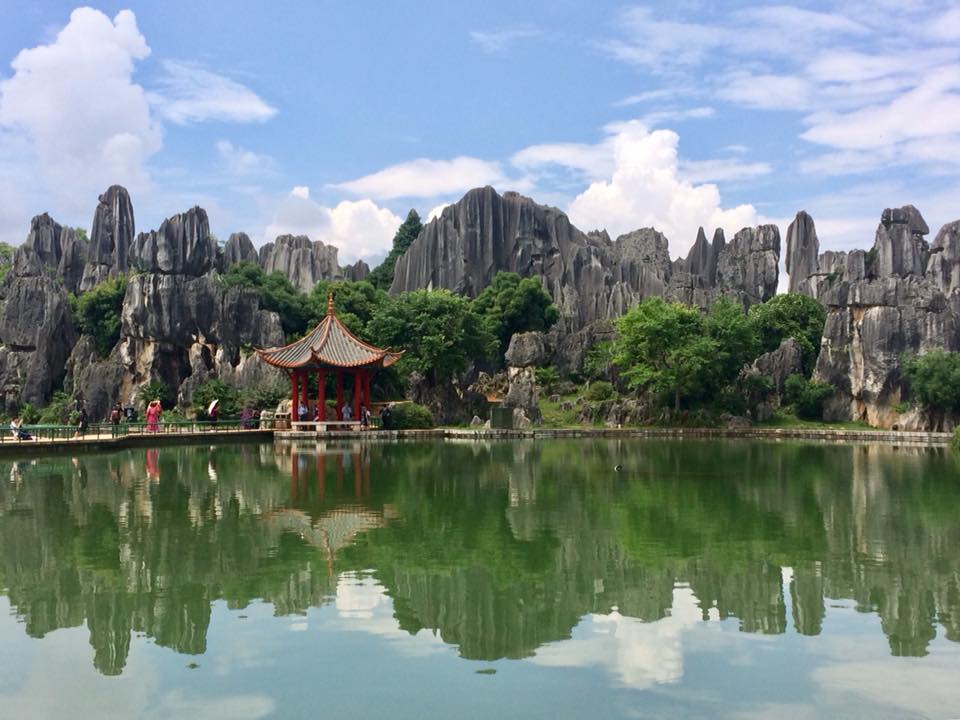
#9 Yunnan, China
As with several countries already on this list, sometimes we found it difficult to narrow down to just one region. China has a lot of extremely beautiful places, but the one that tops the list for us (excluding any biases, of course) is Yunnan. A province in the southwest corner of the country, it is blessed with an abundance of flora and fauna, and its capital is known as the “City of Eternal Spring” – it doesn’t get much prettier than that!
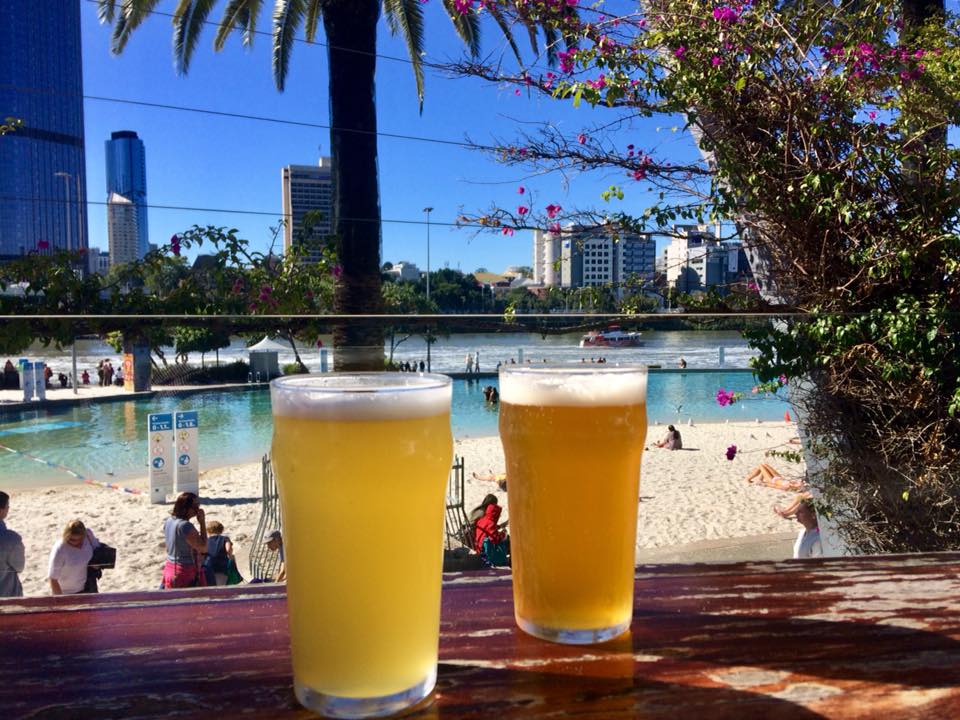
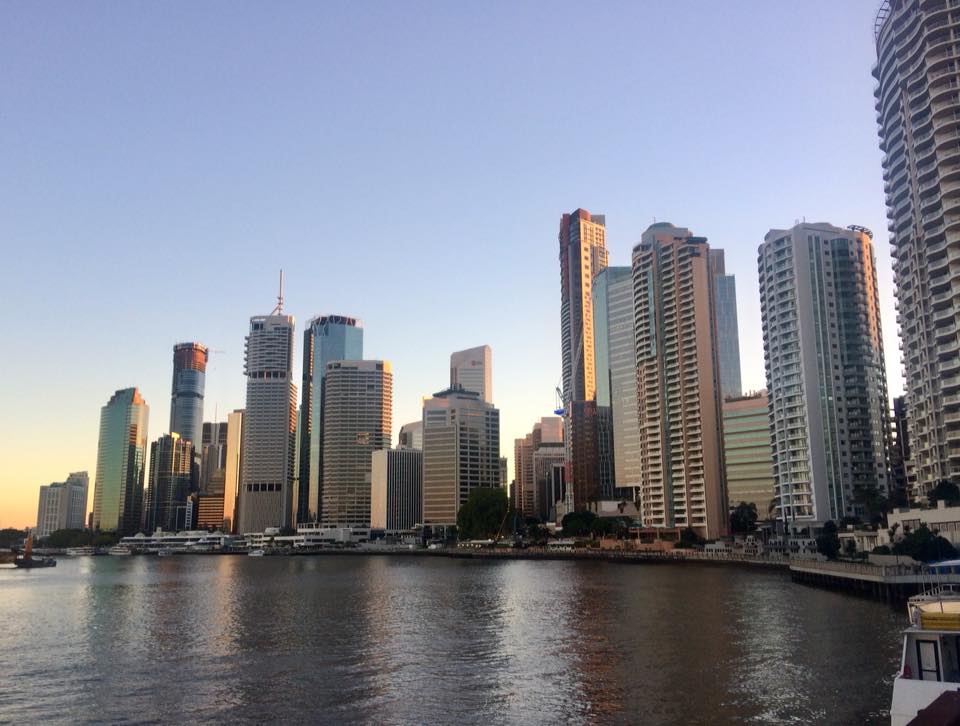
#10 Brisbane, Australia
And last but not least, Brisbane, Australia rounds out our list! It’s located between Sunshine Coast and Gold Coast, which even sounds pretty, but what struck us even more than the beautiful beaches nearby was the city itself. Gorgeous skylines, quirky architecture, and the only (and therefore most beautiful) “city beach” we’ve ever seen. Definitely worth the long trip Down Under!
Honestly, getting this list down to just 10 was really tricky, but in the end, I feel good about our choices. Of course, the pictures never really do the places justice, so if you can, I highly recommend seeing these beauties in person some day! If a picture is worth a thousand words, then a trip must be worth a million.
So, you may have noticed that we go on a lot of trips. I can tell you, very honestly, that I think about future trips pretty much every day. My mind is always putting together itineraries and thinking up plans for future adventures (both near and far) because I love every aspect of the process! However, I’ve noticed that some people get a little anxious when planning things either far in advance or far away, which is totally understandable. And if you’re one of such people, perhaps a little unsure of how to plan an international trip (or even if you’ve just wondered how exactly we do this so often and seemingly so quickly), this post is for you! Strap in, it’s time to plan!
Who?
We often start with the question of who. Is it just me and Tucker? Or do we have family or friends joining us? What about Jenn (our dog)? The number of people/animals and their particular interests and abilities often affect all the other questions, so first you have to know who will be with you.
When?
Next up is when. This is an important question both in regards to where you’re coming from and where you’re going. We always try to find a nice balance of traveling over a holiday (which means less PTO time needed) and avoiding the crowds at our chosen destination. Often this means choosing to travel over US-centric holidays like MLK Jr. Day, Memorial Day, the Fourth of July, etc. Our preferred duration is typically eight days (ideally Saturday to the following Sunday if we can swing it). If you’re leaving the continent, it’s also good to remember that the travel days to and from your destination won’t really feel like vacation, and sometimes it’s really nice to have an extra day after you get home but before you have to go back to work: aka a buffer day.
Traveling can certainly wear you out!
In addition to carefully picking our days based on the holidays being celebrated around us, we also have to be aware of holidays in the places we might be visiting. Those are usually pretty easy to check online, but we also try to be aware of the seasons more broadly, which can be a little trickier. Depending on where you want to go and what you want to do, you might want to avoid peak travel seasons (like Europe in summer), rainy seasons (like Central America in fall), or even seasonal extremes (like the UAE in summer or Iceland in winter). Ultimately, it’s a bit of dance between what you want to spend (because some seasons are pricier than others), what vacation time is possible for you, and what you want to do/see at your destination.
Rainy season. NBD, right?
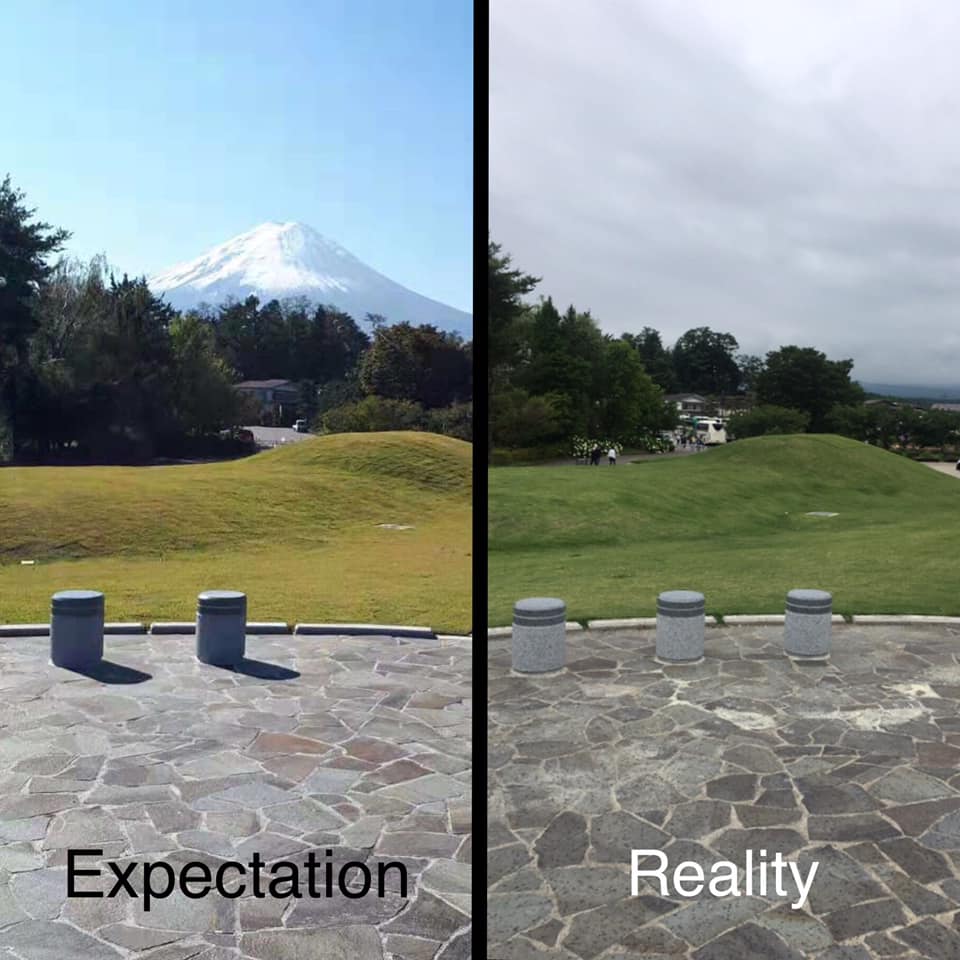
I will just add that there’s really never a wrong time to travel. There are busier times, more expensive times, good weather days, bad weather days, etc. And unfortunately, no amount of pre-planning is going to stop the occasional storm from blowing in or that surprise festival/event from happening, so don’t sweat it too much! We once went to Fuji, Japan and didn’t see Mount Fuji. How iconic is that?
Where?
Now the big question. Where to? Usually, this is an easy one when it’s just me and Tucker because we want to go everywhere, but even we still find ourselves asking questions like where is the cheapest flight? Where can we do a lot in a short amount of time? And other similar questions. More recently, we’ve also been asking ourselves about priorities. Where are the places we want to go most? Over the years, we’ve realized that you never know when a global pandemic or political unrest might arise to make a lifelong dream of yours come to a crashing halt, so when choosing where to go, just know that you won’t remember the price of the plane tickets, but you’ll be telling stories about what you did and where you went for the rest of your life.
The surprisingly polarizing Bratislava
If you’re not as much of a geography nerd as I am, you might also just not really know what kind of places you’d even like. Or what it’ll be like when you’re there. Luckily, the internet has this well and truly covered – there are countless YouTube videos, blogs, websites, documentaries, basically anything and everything you might want to know about a given destination online, so you can always start there. Of course, recommendations are also great, but definitely take them with a grain of salt because everything about travel is highly subjective, and in my experience, no two people feel the same way about a place (just ask Tucker and I how we both feel about Bratislava).
If you’re still struggling with narrowing down all the options, I also think it’s a good idea to combine your other interests with travel, so if you like hiking/nature, maybe a trip to South America would be perfect for you. Or if you’re history buff, it’s hard to beat Europe. Foodies typically love Asia, and those really up for an adventure don’t mind the long flights needed to go trekking in Africa or scuba diving in Oceania. There’s really so much to see in every corner of the world, so again, don’t sweat it too much! It’s all about the journey not the destination, right?
How?
Speaking of the journey, once you’ve decided (roughly) where you want to go, how do you put it into action? The order in which we typically book things is pretty much always FLIGHTS -> LODGINGS -> EXCURSIONS. Essentially, I have an idea of where I want to go, very often the main country or region I want to see and a possible “home base” or “anchor city”, which is where we’ll fly in and out of, but until we officially look at flights, even that might change.
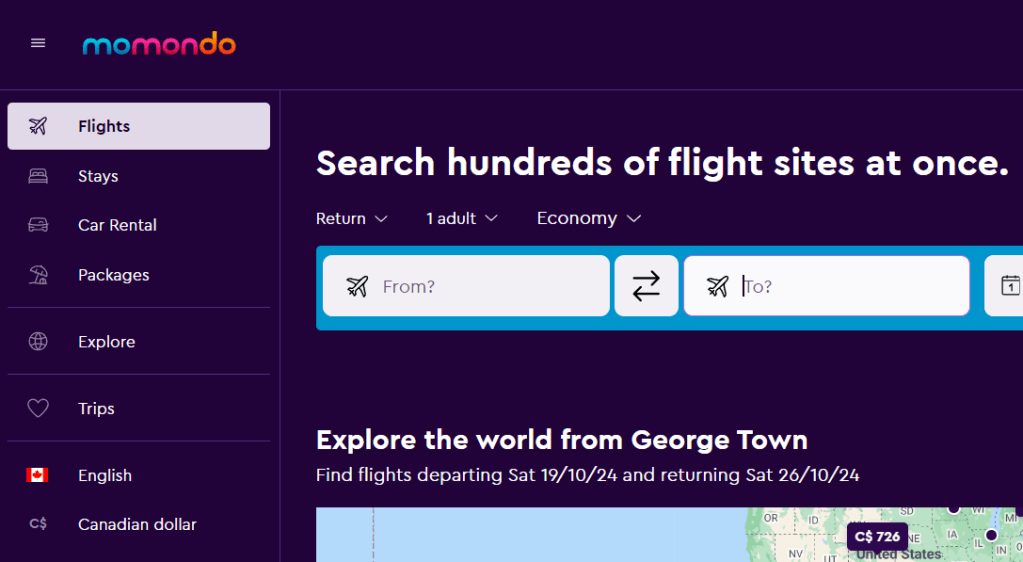
When we check the flights, we might see that it’s much cheaper to go to a different, nearby city and take a train to where I initially wanted to go. Or I might see there are a lot more flights to a different city in the area and start researching why that is, possibly choosing that as our base instead. We like to let the flights guide us somewhat, but if you already know where you want to go, just book it! Unfortunately, post-pandemic travel is super variable, and there’s no longer a reliable system of finding cheap flights. Gone are the days when leaving on a Tuesday or booking 4 months out might save you some money, so save yourself the headache and just book when it makes sense for you. We usually start our flight search on an aggregator site like Momondo, which allows us to play around with the days, times, and paths to find the best option, but when we do our actual booking, we prefer use the airlines’ websites because they’re much easier to contact if there’s an issue.
Just one of many similar sites
Once we’ve figured out how we’ll get in and out, we then work on where we’ll spend our days. If we’re somewhere like Europe and we can easily get from city to city or even country to country, I might split the trip into two or three stops, usually in somewhat of a circle to ensure we get back to the airport city. Other times, I rely on day trips to see more for my money. This is often the easiest way because then I only need to find one hotel/hostel/Airbnb for the duration. In any case, when booking a place to stay, we tend to use Booking.com because the filters really help us narrow down all the options based on what we need for a given trip (i.e. “parking”, “dog-friendly”, etc.). We also have the added bonus of being able to look back at places we’ve stayed in the past, which we’ve used on several return trips.
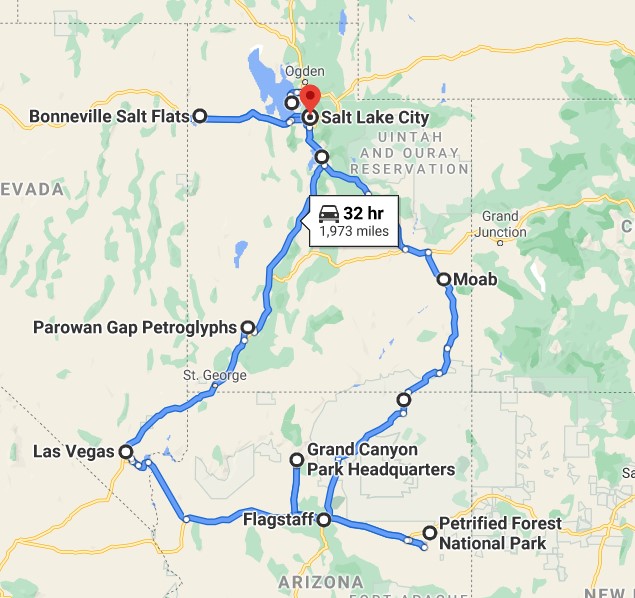
Whether we go for a loop or a series of day trips, I love a good map!
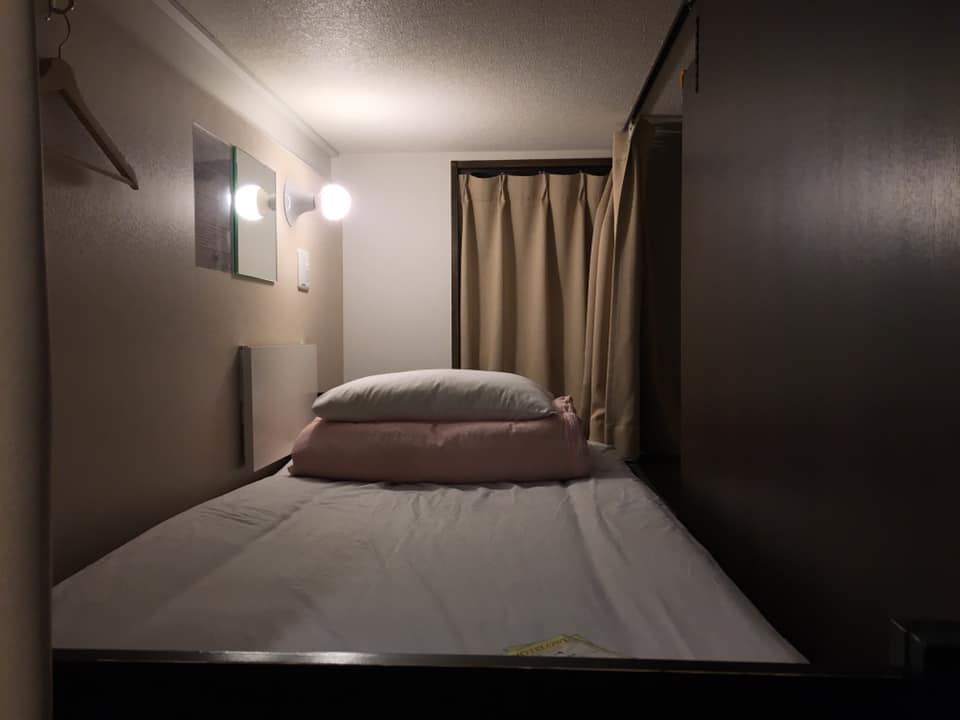
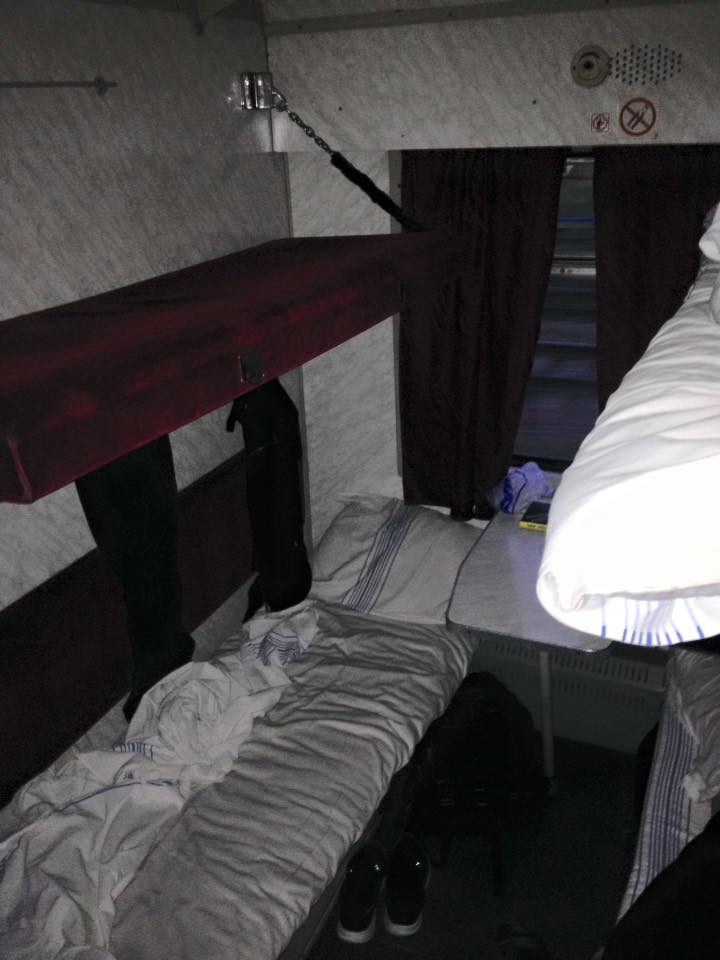
Throughout our years of traveling together, we’ve basically run the gamut, staying in dormitories, pods, hotels, inns, apartments, houses, etc. It really all depends on what you want to spend, what you’re comfortable with, and what’s available in the destination. My advice when choosing a place is to really focus on the most recent reviews. If there aren’t any reviews from the last few months, there’s probably a reason for that. You should also pay particular attention to the things that are most relevant to you. If you can’t sleep when there’s too much noise, search for that in the reviews. If you have to have AC, make sure you check that on the amenities list, etc. Also, remember that if you are bringing any electronics, you’ll likely need adapters to be able to use them abroad. We’ve forgotten so many times that I now have an army of adapters at home.
Okay, now that flights and hotels are taken care of, we can start looking into the things we might want to do while there. Usually, there are very few things I book in advance aside from transportation and lodging, but if we’re going somewhere very touristy (like Paris, Angor Wat, etc.) then we might need to pre-purchase tickets to the main attractions. Similarly, if we’re making a trip down to Peru with the main goal of seeing Machu Picchu, then I’d like to make sure we have any tickets, tours, or whatever else we might need for a large-scale excursion like that. Thankfully, so much of this can be done online these days although the final process might not be super clear until you actually arrive. There have been many times when we weren’t sure if we did what we were supposed to do ahead of time, but it has absolutely always worked out once we were there. Embrace the ambiguity as part of the adventure and remember that you’re a tourist, not a pioneer – there’s always someone to ask for help if you need it!
What?
And finally, the best part! How will you spend your days? Usually right after we book our flights, I like to start with a general Google search of “things to see in _____”, and go from there. I also love to read blogs written either by other tourists/travelers or even better, by people who live there. This is not only practical, but it also serves to get me super excited for the upcoming trip! Once I have enough ideas/information, I usually end up making a general list of things we might want to do, see, and eat while on the trip, which we can then check off as we go. Of course, I don’t think I’ve ever checked everything off of one of these lists, and things are typically added to it throughout our trip as well, but ultimately, it really helps us in coming up with plans while on the go and making sure we don’t forget anything in all the excitement of exploring a new place.
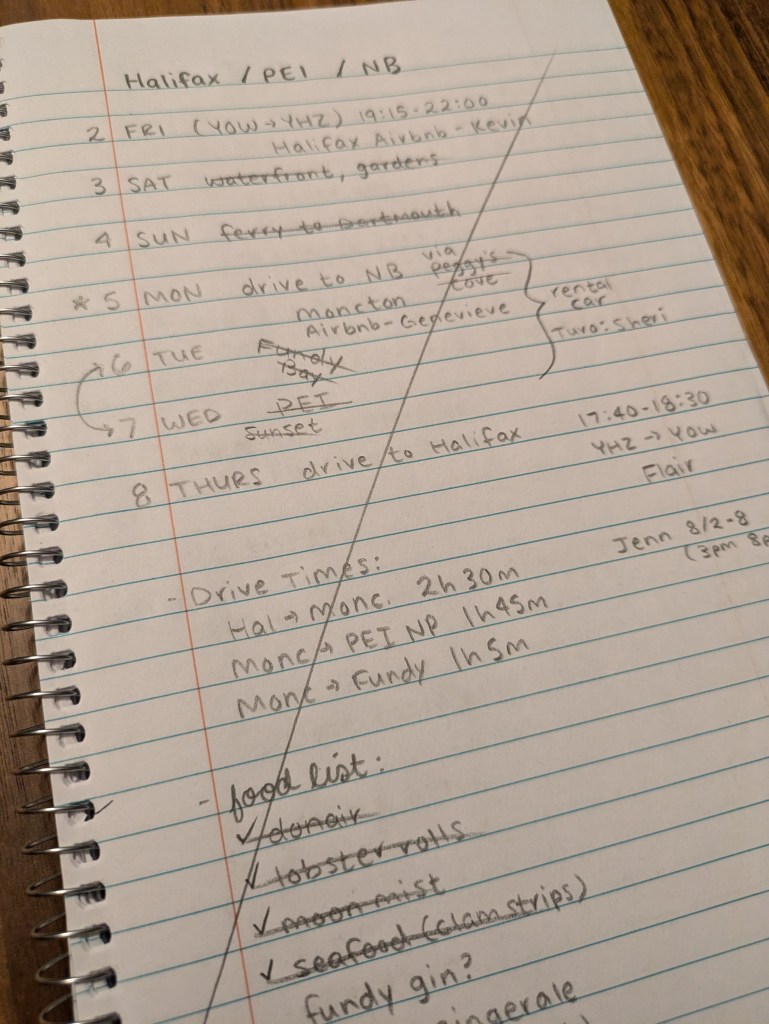
Even before we had smartphones lol
Once we’ve made it to our destination, we typically spend the first day or two just walking around to get our bearings and get acquainted with the area. We’ll usually wander around the major points of interest on a map or group some of the items from my list and do our own sort of walking tour. Most major cities have their own free walking tours that you can join if you prefer something with more structure. We’ve done many of these throughout the years and have always enjoyed them. Tucker tends to focus on the food during our travels, so whenever we’re hungry, we’ll usually find a park bench or a café, and he’ll go on the hunt (through heaps of Google reviews) for a place that possibly ticks even more things off our list.
Of course, our own research only goes so far, so another thing we love to do is ask locals what they would recommend. Usually starting with taxi/Uber drivers, we try to ask several people throughout our stay what they would recommend to tourists as far as things to see, foods to try, places to go, etc. This is why the list usually ends up with so many amendments! But some of our absolute favorite places were only discovered once we landed and started talking to locals about their home, so don’t be shy! Things are always changing, and those who live there always know best!
So that’s how we do it! As I was writing this, I started worrying whether or not this would be helpful to anyone since there really is so much variance between people, destinations, trips, etc. But hopefully something in here stuck out to you and might be of use during your next trip-planning session! Happy planning and bon voyage!
One of the things I love most about living abroad is getting to see much more of a country than I ever could on a more traditional vacation, and even though Canada is huge, I’m still setting my sights on visiting each and every province and territory while we’re here. So, to that end, we recently spent a week exploring the Maritime provinces of Nova Scotia, Prince Edward Island, and New Brunswick.
Of course, the Maritimes were high on our to-visit list for many reasons, including but not limited to famous lighthouses, rocky beaches, and vastly changing tides, but there were still many surprises for us to discover during our trip! Here are some of our favorite things we ate, drank, and did while wandering around in Eastern Canada:
Nova Scotia
Probably the most famous of the three Maritime Provinces, we opted to fly in and out of Nova Scotia’s capital and largest city: Halifax. Prior to our visit, I think the only thing I really knew about Halifax was that there was a large explosion here in the early 1900s. However, I now have a plethora of opinions about this coastal city and a whole host of recommendations for anyone who visits in the future!
Good eats:
If you know me, you know seafood is not really my jam, so I was thinking I might be underwhelmed by Nova Scotia’s cuisine. Luckily, that wasn’t the case at all! One of the most famous dishes associated with Halifax is the curious Halifax Donair. Donair, doner, kebabs, or whatever you want to call them are popular in many places around the world, very often as a late-night, post-drinking meal, but the ones in Halifax definitely hit different. It might be the sweetened condensed milk in the sauce or maybe it’s the general vibes coming from the locals who hang around the most popular take-out joints, but if you’re going to Halifax, you absolutely must experience this delicacy for yourself!
Although I typically prefer savory dishes/meals as opposed to sweet snacks/desserts, I can’t not mention Nova Scotia’s Moon Mist ice cream. It was on my list of local foods to try as a unique swirl of grape, banana, and bubblegum ice cream specific to this region, but honestly, I thought, “oh, that’ll be nice to taste, but it probably won’t be my favorite”. But I was wrong! I loved it! I have no idea if the ice cream quality there was just superior or if that seemingly random combination is just something special, but I absolutely loved carrying my brightly colored ice cream cone with me down the waterfront feeling very much like a kid enjoying the last days of summer vacation!
Great drinks:
Trying out several local breweries has now become a habit of ours on longer trips, and Halifax did not disappoint. In fact, we were spoilt for choice and really only tried a small portion of all the brewery options in the city. One of our favorite spots was a newly opened Beer Garden from Good Robot Brewing. Their beers were really good and the atmosphere was perfect. Another place we really liked was Propeller Brewing Company. They had flight boards in the shape of propeller blades (so on theme!), and in addition to a beautiful patio, they also had board games and an arcade to enjoy while you sip.
Fun activities:
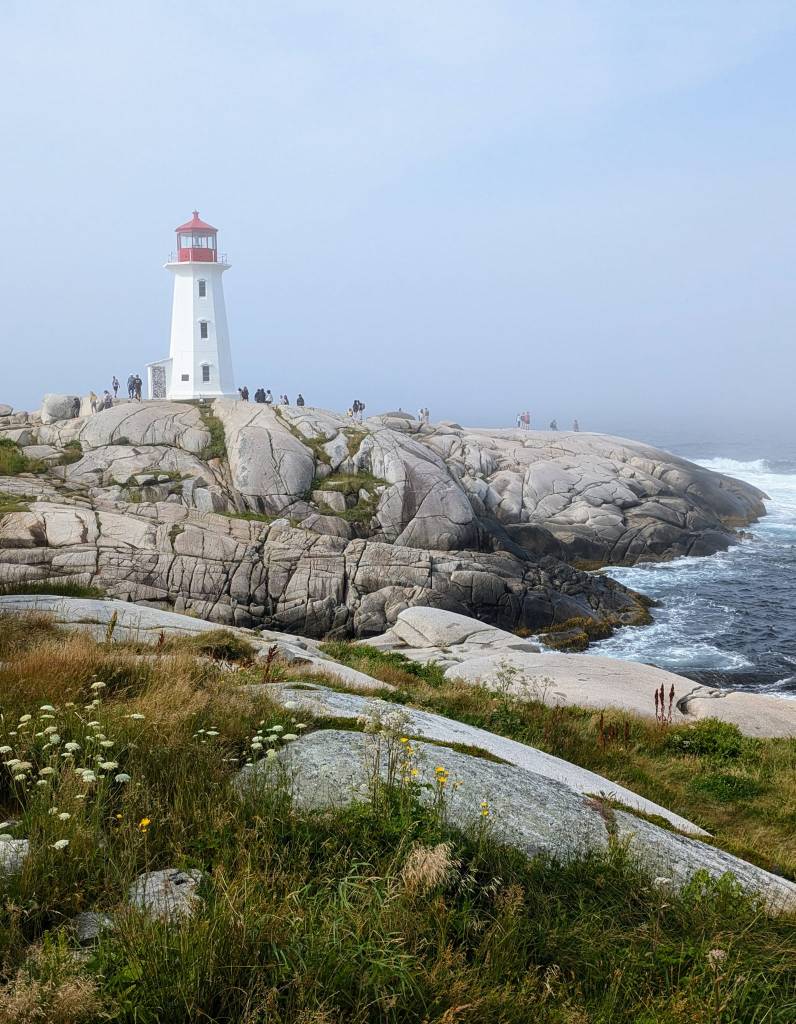
The most iconic thing we did while in Nova Scotia was probably our time spent at Peggy’s Cove. One of the most photographed places in Canada, Peggy’s Cove Lighthouse and its surroundings were absolutely beautiful. Don’t forget your jacket though because even on a hot August day, the wind and fog really cut deep (I truly felt bad for those wearing shorts and tank tops)! Another fun (and cheap) activity to do in Halifax is to take the ferry from the waterfront across the water to Dartmouth for a different view of the city. The ferry is part of the public transport system, so it was super easy and convenient.
Prince Edward Island
Perhaps the most idyllic Canadian province, Prince Edward Island is the setting for the classic Anne of Green Gables stories. Driving onto the island (across the second longest bridge in Canada), it really felt like we stepped back in time. Old wooden farmhouses are aplenty on PEI, and we even saw a horse-and-buggy crossing sign. If “charming” is something you’re looking for in a vacation destination, PEI might be the perfect place for you!
Good eats:
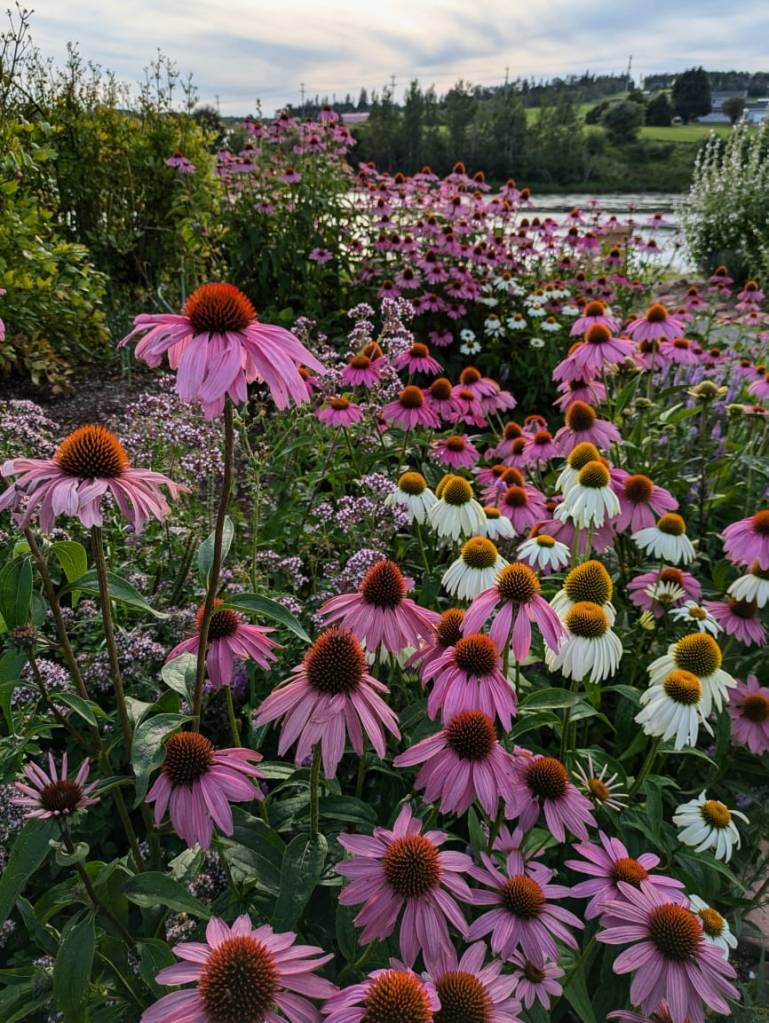
We only spent one day on the island, so our meals were somewhat limited. However, we did stumble upon a really cool place called the Prince Edward Island Preserve Company. Part store, part restaurant, part tourist attraction; it really checked off a lot of boxes! They serve several PEI specialties like seafood bubbly bake, potato pie, and raspberry cream cheese pie, and you can enjoy these treats in what looks like a dining room straight out of someone’s grandma’s house. There were quilts decorating the walls, hummingbird feeders at every picture window, and enough wooden furniture to make me think about fire safety. But my favorite part was definitely the walk around the gardens – so pretty!
Great drinks:
PEI is definitely what I’d call “rural”, but luckily, there are still several places you can go to try out some local brews, especially in Charlottetown (the capital). We opted for Craft Beer Corner, where we sampled some of Upstreet Craft Brewing’s beers. The beers were really good and the bathroom had a disco party option, so what more could you possibly ask for? We also considered checking out Deep Roots Distillery, which makes their own liquors from local ingredients, but unfortunately, we just didn’t have the time. There’s always something that gets moved to the next-time list!
Fun activities:
A lot of our day on Prince Edward Island was spent driving around to the different sights. After checking out the capital, we went to Cavendish beach/dunes/cliffs to get a little hiking in, but my favorite activity of the day (aside from the general windows-down, Canadian-music-blasting, road trip vibe) was watching the sunset on the western side of the island. With the help of Google maps and a sun-tracking app (which showed us exactly when and where the sun would set that day), we carefully selected and made our way to Seacow Head Cove and watched nature do its thing from the comfort of two very picturesque Muskoka chairs. Pure PEI Perfection!
New Brunswick
As a non-Canadian, the only thing that initially came to mind for New Brunswick was Brunswick stew, which as it turns out is from Brunswick County, Virginia…so prior to our trip, I had a bit of research to do on this one. And mostly because it was totally unknown to us, we actually chose to spend more than half our trip based in Moncton (the largest city of NB), and I’m so glad we did because it allowed us to see several different sides of this diverse and (in my opinion) underrepresented province!
Good eats:
We had a lot of delicious food in New Brunswick, including a lobster roll from the lobster capital of the world, scallops fresh from the Bay of Fundy, and another Maritime specialty: garlic fingers! However, our absolute favorite dish came from Tide & Boar Gastropub. It was a burrata and tomato appetizer, and we both strongly considered ordering another (which is unheard of for Tucker). In fact, the Gastropub was so good that we later went to Tide & Boar Brewing just to try more of their food and drinks. Speaking of…
Great drinks:
I swear, I’m not being paid to hype up Tide & Boar, but they also had the best beers of the trip! Their watermelon sour was quite possibly the best sour I’ve ever had, and through multiple flights and multiple visits (plus a couple of free samples from the super friendly staff), we were able to try everything they had on tap, and it was all amazing. Tucker even made sure to compliment their brew master lol. Another amazing brewery we visited in NB was Holy Whale Brewery out in Alma. Holy Whale got its name from the old church that now houses the brewery, and the stained-glass windows alone are enough of a reason to visit. Luckily, the beers were also great!
Fun activities:
The main reason we wanted to spend several days in New Brunswick was to make sure we’d be able to experience both the high and low tides of the Bay of Fundy. This bay boasts the world’s greatest tidal change at over 50ft (16m), and it was definitely a once-in-a-lifetime experience. At low tide, you get to walk around on what is essentially the ocean floor, and if you want, you can find a place to sit, and over the course of an hour or two, watch the water level rise by several feet right in front of your eyes. So cool!
And there we have it! Another amazing trip in the books and another part of the world explored! Until next time, Maritimes! Cheers!
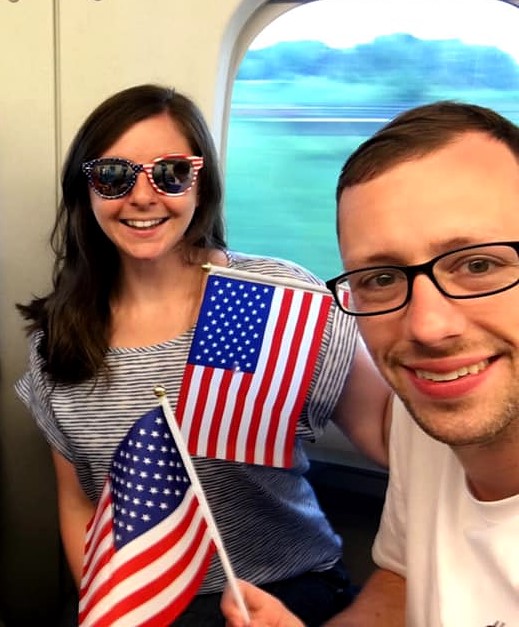
Happy Fourth of July!! For Tucker and I, this week has become an even bigger holiday celebration since we now get to celebrate Canada Day on the first, followed by our own hotdog-fueled Independence Day party on the fourth. Double the patriotism, double the fun (I always say)! And while I’ve been writing a lot about Canada over the past year, this month, it’s all about the red, white, and blue!
Every Fourth of July, I tend to do some reflecting about my country of origin, and this year, I thought I’d make a list of some of the things I miss the most about life in the US, a list we can all cheers to today! Because USA USA USA!
Nature/National Parks
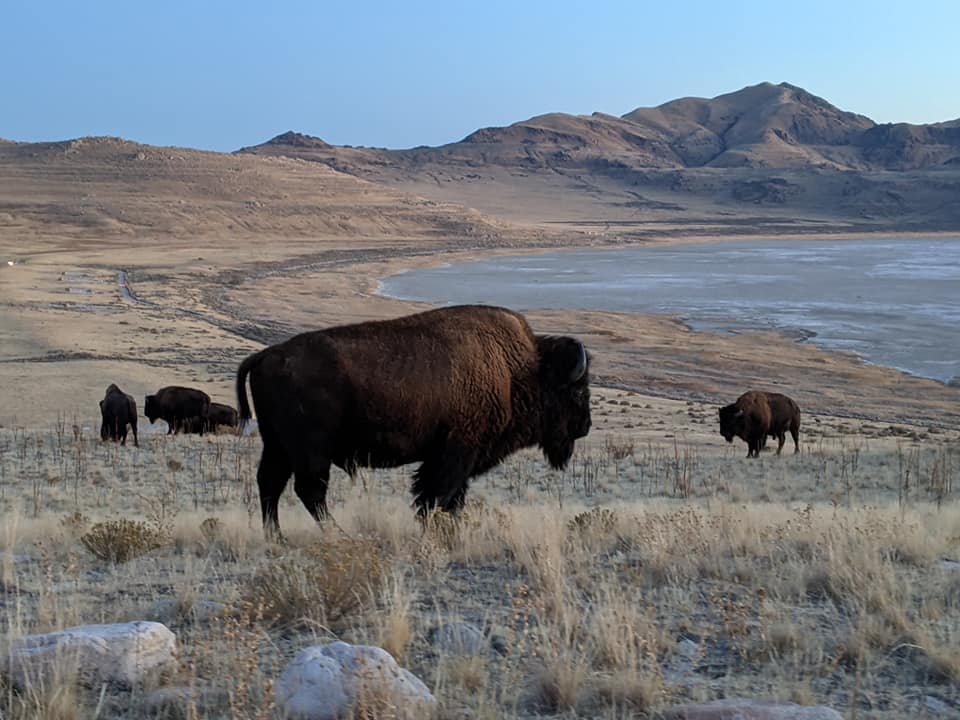
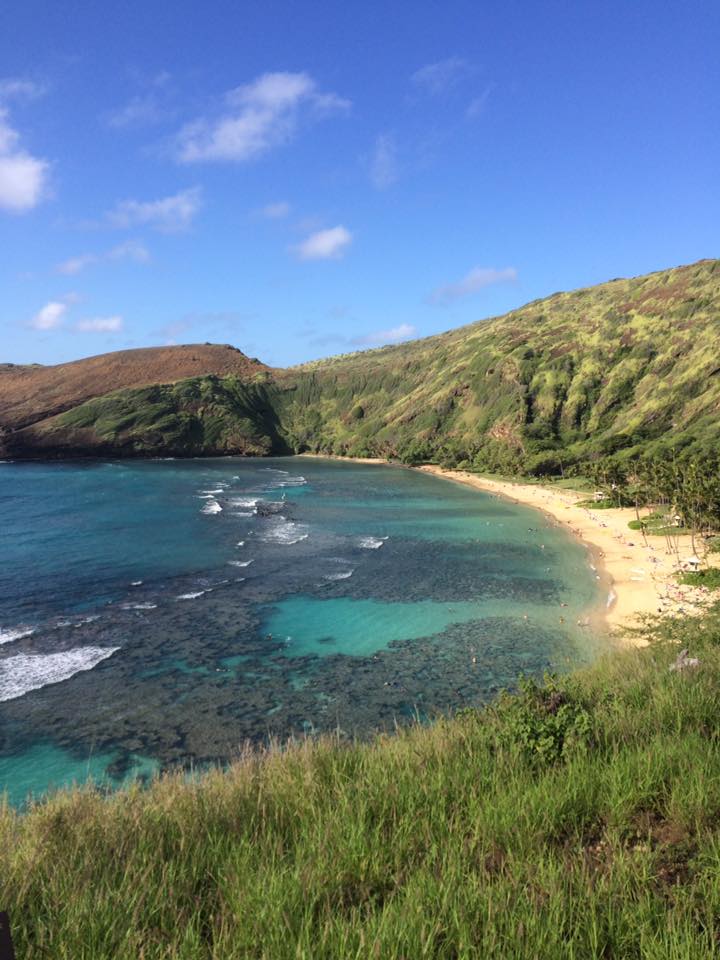
First up is, of course, our natural environment and the national parks created to help preserve it. I’ve already written something about my love for our national and state parks, but I still can’t leave it off this list! Having also lived in China and Mexico, which are both heavyweights in their own right when it comes to geographical and bio-diversity, I still think the US wins out in this category. We’re really lucky to be in the absolute perfect location for some incredible natural extremes and awe-inspiring landscapes.
Sunset Crater Volcano National MonumentAntelope Island State ParkGrand Canyon National ParkArches National ParkSunset Key, FloridaHanauma Bay, Hawaii
24-Hour Stores
Next on my list is the abundance of 24-hour stores and restaurants. Maybe this has changed a bit post-Covid, but in general, I love that you can go to Waffle House for 3am hashbrowns or CVS for just about anything you might need whenever you might need it. Honestly, I don’t even remember doing this all that often, but it was just so comforting to know that I could!
I could absolutely eat WH any time, day or night…
Direct, yet Friendly People
I know a lot of people have a lot of opinions about American personalities, but depending on where I am in the world, sometimes I really find myself missing their (our?) directness, and sometimes I find myself really missing their (our?) friendliness. We really are a strange mix of totally casual, amicable yet to-the-point, and always ready for an argument. In general, of course. ;)
Fast Food Options Galore
As Canada slowly introduces more US fast food chains to their line-up, I’m reminded just how many fast food icons we have in the US. I sincerely wish I could bring Shake Shack burgers, In-N-Out animal fries, and Culver’s frozen custard to all my friends around the world. I mean, there’s nothing wrong with McDonald’s and KFC (I absolutely love them too), but they’re really only the tip of the incredibly unhealthy but super delicious iceberg that is American fast food!
I ❤️ Mickey D’sSo good!
Highways
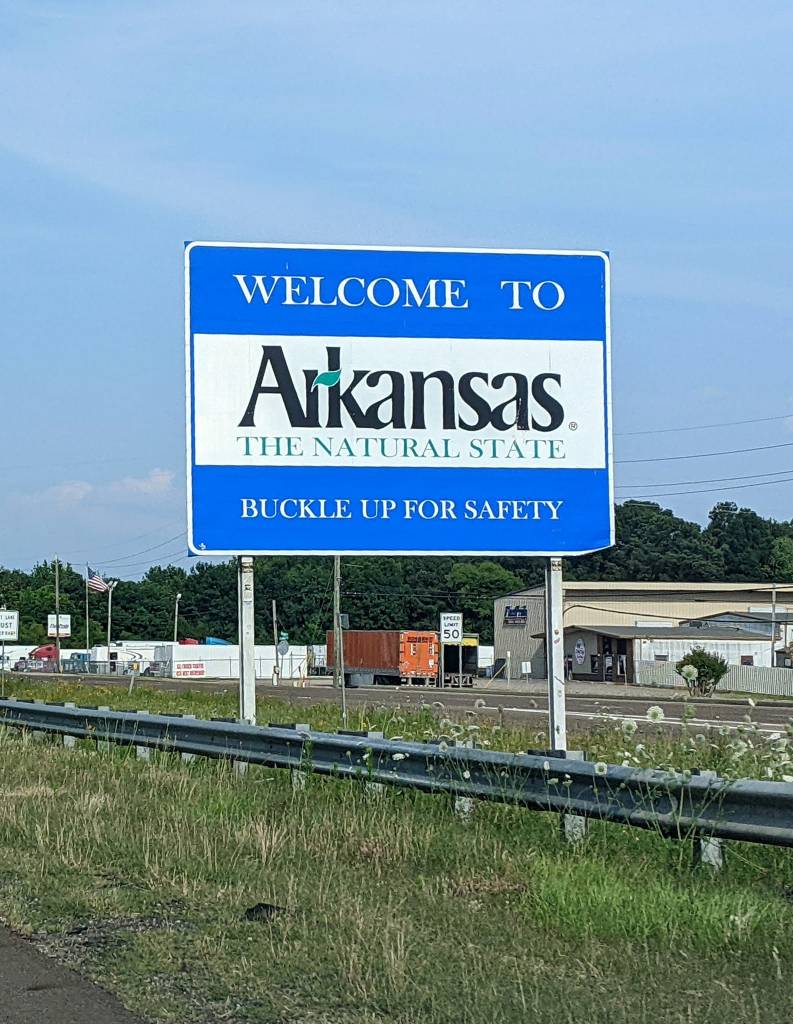
Last year we had the pleasure of driving from the middle of Mexico across Texas, Arkansas, Tennessee, Kentucky, Ohio, Pennsylvania, and New York to Eastern Ontario, Canada. We’ve also had more than our fair share of road trips in both Canada and Mexico, as well as in Europe and Asia. And still, US highways are my favorite! They’re honestly in really good condition throughout the country, super clearly marked, and there are always tons of places to stop along the way (along any way)! I used to think US road trips were so popular because we have no choice but to drive a long way, but that’s not it. They’re just so much more convenient!
Optimism
I didn’t really realize I was an optimist until I left the US (when it was subsequently pointed out to me time and time again). Apparently, it isn’t the norm to constantly feel like “it’ll all work out in the end”. But I do love that despite whatever nonsense is going on around us, which, let’s face it, is pretty constant, Americans generally have the “oh well, let’s just see what happens and make the most of it” kind of attitude, which I tend to find refreshing these days.
Grocery Stores on Steroids
I now completely understand why people take photos of US grocery stores or even the “American section” in their local stores for social media. The number of options we have is insane! The cereal aisle alone would take someone years to get through if they wanted to try ‘em all! Maybe this is why Tucker and I are so good at seeking out all the options and putting them to the test? It is what we grew up with after all.
There was no end to our taste tests during the pandemic lol
Free Refills
This one kills me when I’m abroad! Coffee, tea, and soft drinks will never be worth what you have to pay at a restaurant, movie theater, etc. unless they come with free refills, which they almost never do outside of the US. Also, don’t even get me started on having to pay for water! We might have issues with our healthcare system, but at least we’re not constantly dehydrated!
A Shared Love of Efficiency
Another thing I’ve noticed any time I’m back in the US is that we generally like to be as efficient as possible. Get it done and get it done quickly is the true American way! From self-paying at gas station pumps and doing all your shopping in one place to never actually honestly answering the ubiquitous “how’re you doing?”, there are so many aspects of life in the US that focus on speed and efficiency, and while sometimes that can be a bad thing, I’m usually all about it.
The US Dollar
I think what I really miss about the US dollar is not having to do conversions and calculations every time I see the price of something; however, as someone who is still getting paid in US dollars, I also have to be thankful of its current international standing. I do think we could really do with another redesign though. I want colorful money too!
Ah, there’s nothing like a little reminiscing around the holidays! I hope you enjoyed my list, and I’d love to know some of your favorite American things, so feel free to share! Now excuse me while I go drink a Bud Light and listen to some Lee Greenwood! Happy 4th everyone!
Years ago, we came to Canada to see if it might be a place we’d want to move to in the future. During that month-long trip, we noticed many differences between Canada and the US, which ultimately piqued our interest enough to start the immigration paperwork. Of course, we had no idea that we’d be derailed by a pandemic and end up in Mexico for a few years first; alas, we eventually moved to Ottawa and recently celebrated one year of living in this beautiful city!
Quickly becoming honorary Ottawans
As always, the first year in a new place brings about so many fun new challenges and observations, which, of course, we did our best to keep track of! And in honor of our CAnniversary, I thought I’d share some of the most salient differences we’ve experienced as Americans living in Ottawa.
Differences in Administration:
One of the very first differences we encountered was when we went to make a copy of the key to our new apartment. They told us it was a “secure key”, which meant they’d have to contact the building’s board to make sure we were on the list of tenants, and thus legally able to copy the key. So thorough!
No matter how long we live outside the US, we still struggle with anything other than the month-day-year formula. When I see 10/4, I automatically think October, not my birthday.
We were also really confused the first time we looked at an expiration date that said “MA 2024”. Is that March or May?? In Canada, the months are abbreviated JA FE MR AL MA JN JL AU SE OC NO DE to make it work in both English and French.
Although we had experienced something like this in other countries, we were still surprised to learn that Canada doesn’t have joint tax filing. Tucker and I had to file separately even though my payment came from the same account his refund will be going to.
Differences in Cars & Driving:
After years in Mexico, driving in Canada felt like going back to beginner mode. In fact, there are some things that make us feel like drivers here are not really trusted to make good decisions, like the fact that there are more “no right on red” signs here than we’ve ever seen in our lives.
Another immediately obvious difference was the lack of locking clips on the gas pumps. Most gas stations force you to hold the nozzle the whole time you’re pumping (yes, even in -10° weather).
Something we’ve long gotten used to, but is still a pretty big US-CAN difference is the use of the metric system here. Our car, which was bought in FL, prominently displays miles per hour, thus we’ve gotten really good at converting on the go.
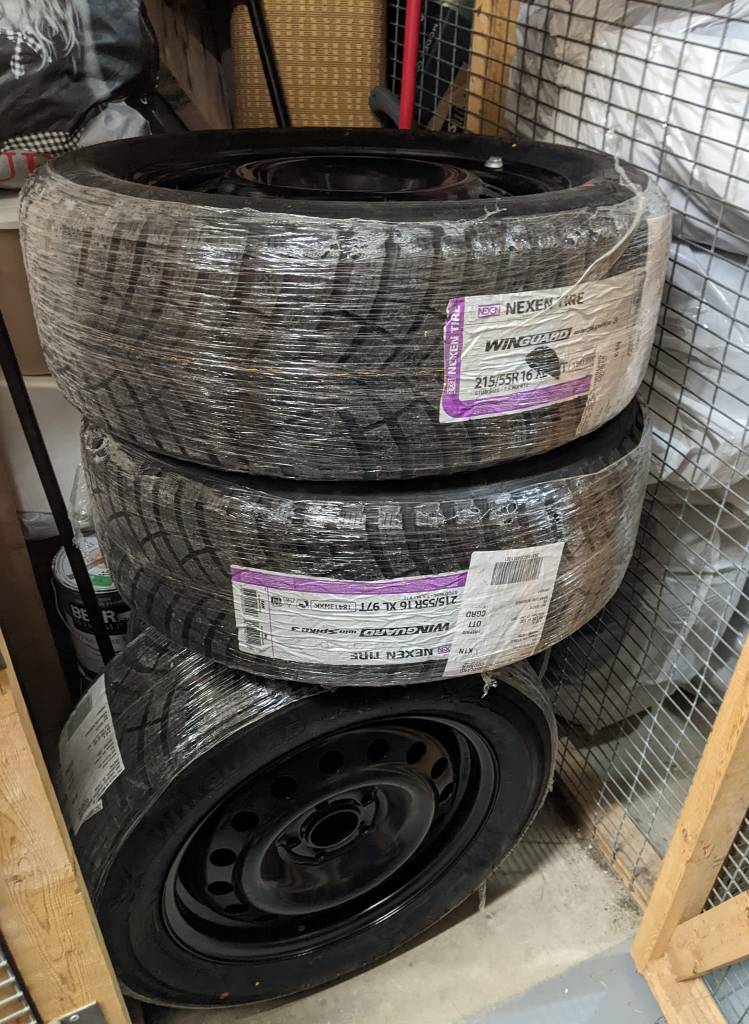
We also were surprised to learn that in some provinces of Canada winter tires are not just recommended, they’re mandatory. We had to provide proof of purchase to our insurance company as well.
Differences in Communication:
In our first week in Canada, strangers asked us questions at least 10 times in 10 different places (on the metro, in Canadian Tire, etc.), and it definitely surprised us. It’s common to talk to strangers in the US and Mexico, but to ask for anything other than directions or small talk felt different.
Canada (or at least the parts we’ve been to thus far) absolutely loves reservations! A place could be entirely empty at eleven a.m. on a weekday, but when you walk in, they’ll still ask you if you have a reservation. Only recently have I been able to suppress my eyeroll.
I’ve already shared some of my favorite Canadian English phrases, but I also have to mention how noticeable the pronunciation of some words is as well. The Canadian “soorry” will forever be engrained in my head!
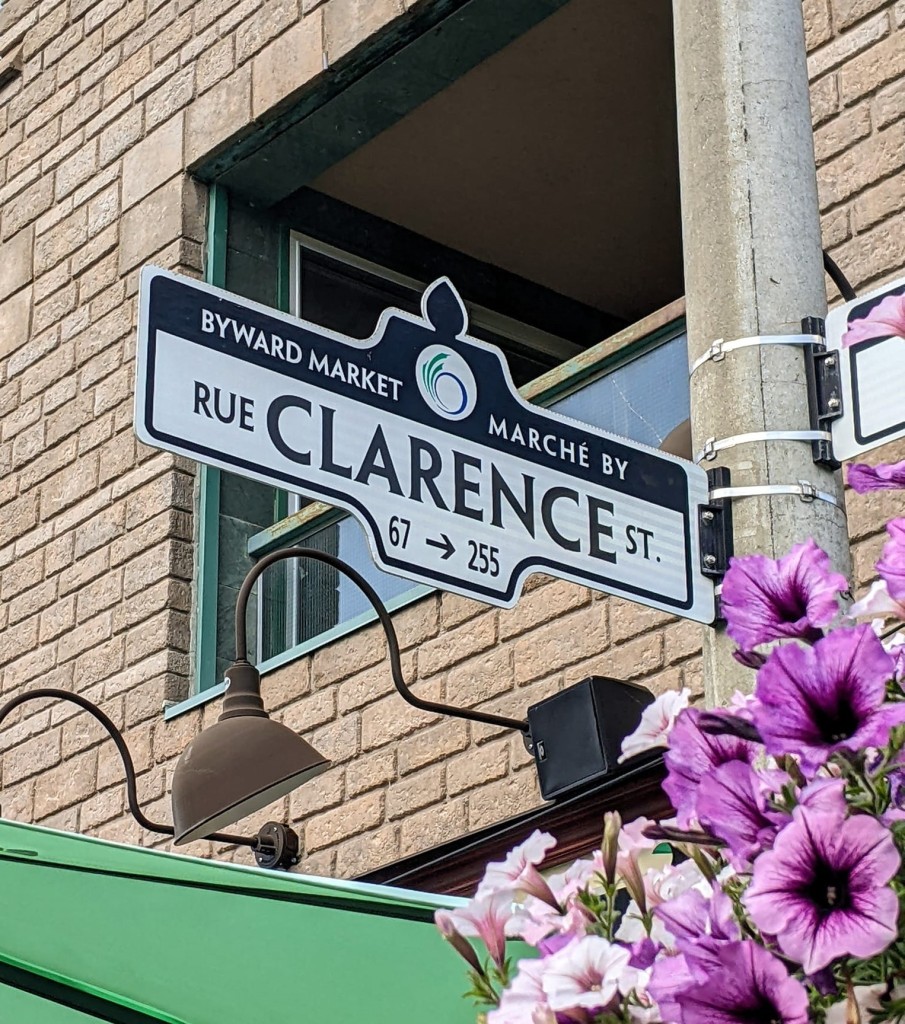
And then there’s the bilingual bit. Always seeing street signs like “rue Clarence st” and Coke cans that say “goût original” definitely reminds us we’re not in Kansas anymore.
Differences in Allegiance:
There are probably many Americans who pay attention to celebrities, but I’d bet that even the most Hollywood-centric Americans likely don’t keep close track of where those celebrities are from. Canadians do though. If you so much as mention someone who happens to be from Canada, you can be pretty certain that fact will soon be pointed out.
In a difference that feels somewhat related to the previous one, Canadians seem a little touchy when it comes to comparisons with the US. I imagine it must be like growing up with a famous, somewhat annoying older sibling always stealing the spotlight, which anyone would resent.
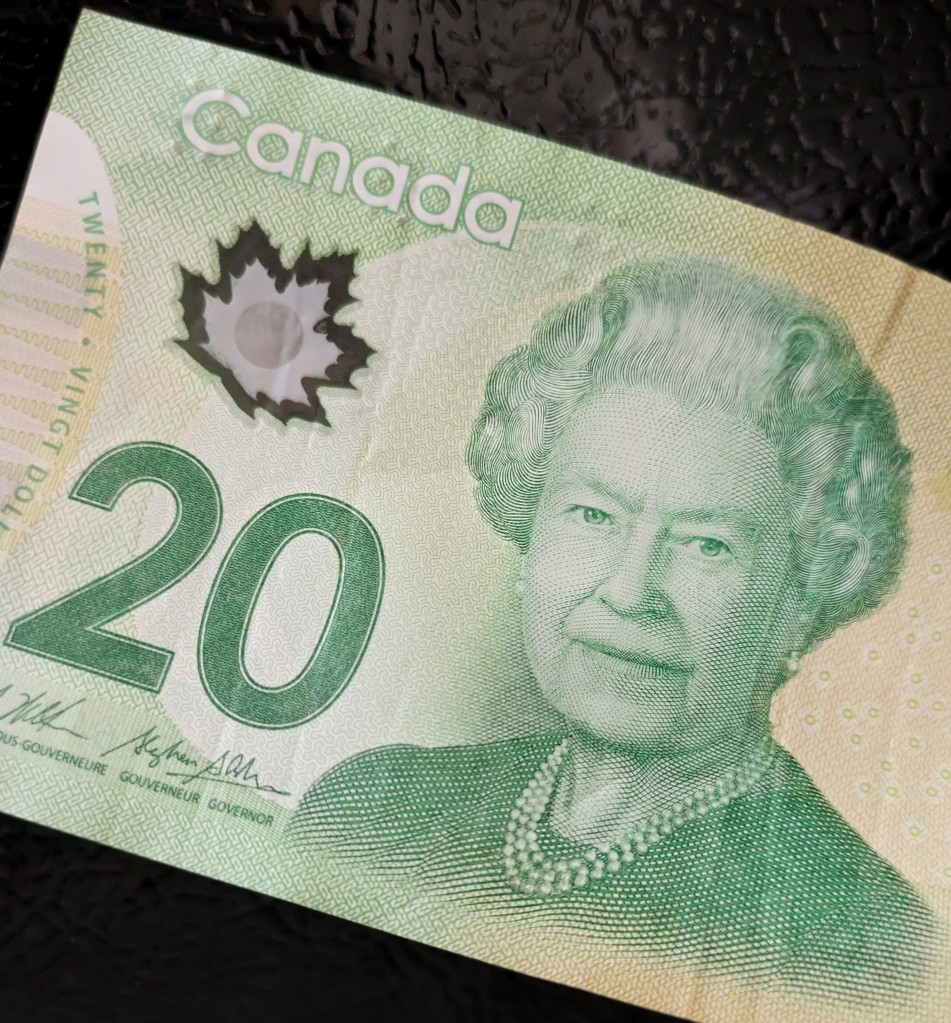
Another clear difference comes from the past. Despite having separated from the UK over 150 years ago, the royal presence is still absolutely felt here. Canada has both a national anthem and a royal anthem (which, you guessed it, is “God Save the King”). Queen Elizabeth II is on several pieces of Canadian currency, and there are plans to get King Charles III on at least one bill by 2027. And some of the most popular streets around us include George, King Edward, and Queen Street.
Of course, the governments are also quite different, but that’s a long, boring topic for another time. For now, I’ll just say that one interesting difference is that the liberal party here is red and the conservative is blue. Not confusing at all…
Differences in Environment:
Another surprise early on in our move was when we received a pamphlet explaining all the city recycling rules, dates, exceptions, etc. There are even hazardous waste or electronic waste pick-up days and Christmas tree collection/composting!
Something else we noticed last summer and are eager to see if it holds true again was that any time we went to a restaurant with outdoor seating, they automatically assumed that would be our first choice.
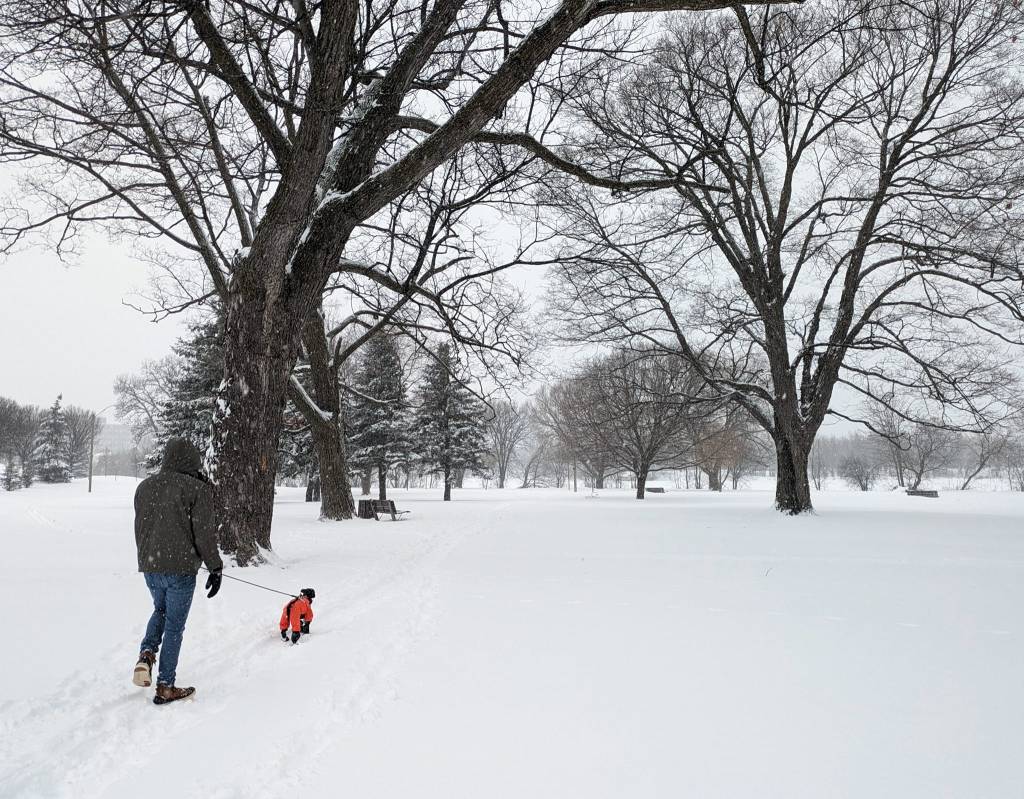
In general, Canadians are very nonchalant about the weather, whatever it is. Freezing rain isn’t a reason to miss work or a night out with friends, okay? Just give’er!
Another difference (that we absolutely love!) is the abundance of seasonal menus. The food, the drinks, the specials all change with the seasons, which has actually given Tucker a reason to go back to places we’ve already been. Hooray!
Just your average day in January
Misc. Differences:
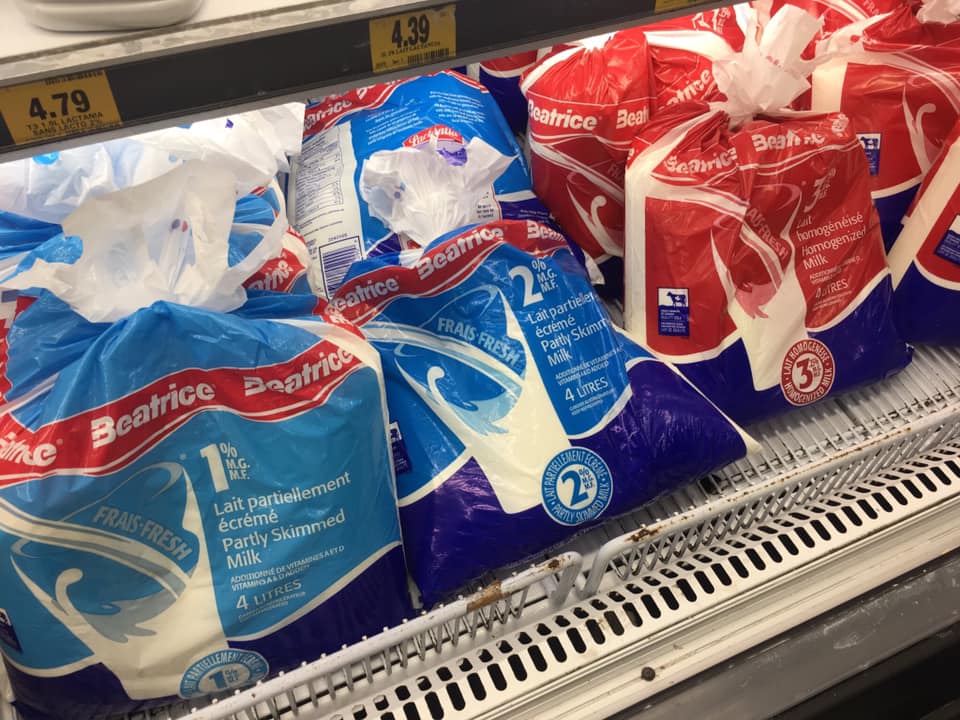
Here in Ontario, milk comes in bags. It’s incredibly unwieldy and honestly way too much milk (three 1.33 liter bags), but it’s definitely different.
Canada no longer has a penny. And can I just say, I don’t think anyone misses it. It’s time for the US to do the same.
Another interesting difference is the fact that the legal drinking age differs by province, and all of them are lower than the US’s standard of 21.
And one more difference that must be mentioned, but not in full because that would take much too long is the healthcare. Pretty much every aspect of it is different, but I think our biggest shock so far was when the dentist gave us both free Sonicare toothbrushes.
Bet you didn’t think I’d have that much to say about the differences between Canada and the US! Honestly, just like every other country we’ve lived in, the longer we’re here, the more differences become apparent. But also like our other homes, we’re quickly adapting to our surroundings and carefully choosing our favorite cultural gems to adopt and take with us to our next home. O Canada – thanks for a great first year!
For as long as we’ve been traveling internationally, somehow, we had never made it to Paris. But thankfully, that wrong has now been righted as we recently spent nine incredible days in the City of Lights! I knew going into this trip we would have to make some tough choices because there’s so much to do and see in Paris, and it’s one of the most visited cities in the world, making it necessary to both plan ahead and have contingencies. However, despite the challenges of touristing in such popular location, I think we did a pretty good job hitting the major points of interest without getting lost in the crowds. There were, however, a few things that still surprised us when visiting some of the most popular Parisian attractions. Things like…
Eiffel Tower
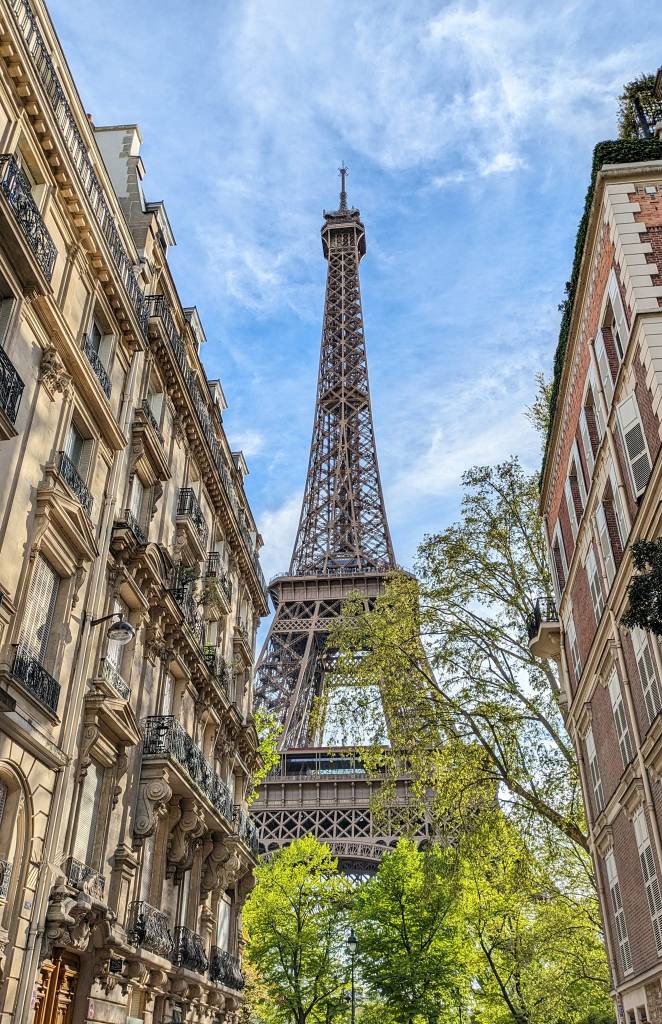
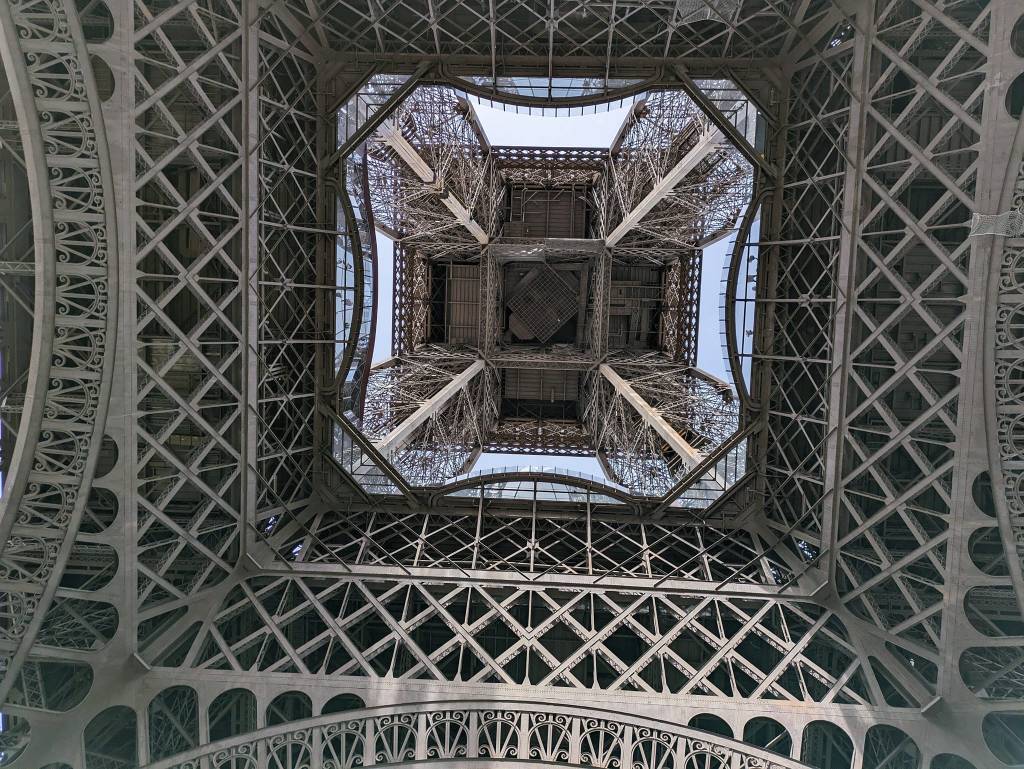
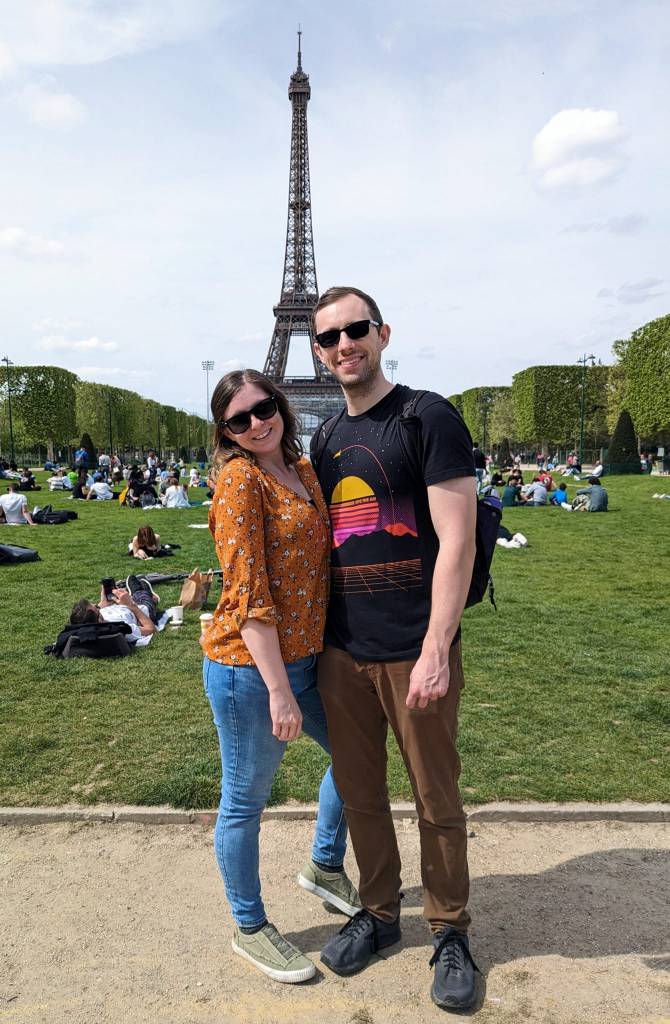
It takes multiple days to get the full Eiffel Tower experience. For some reason, I thought we’d just stop by the Eiffel Tower, take a few pictures, and continue on our way, but that’s not how it turned out. We did have that initial viewing and walk through the parks around the base, but then we decided we wanted to go back and ride/walk up and down the tower, view Paris from above, and see the Eiffel Tower from directly underneath – all of which were SO COOL, but took a lot more time because we had to buy tickets, go through security, wait in line, etc.
Of course, we also wanted to see the Eiffel Tower all lit up at night, especially with the twinkling lights, which meant that we’d have to go back at the top of the hour sometime between 10pm and 1am. So, at the very least, it’s absolutely necessary to be there at some point during the day and at a specific time after dark, but what about having a picnic on the lawn? Or sharing a glass of wine with the Eiffel Tower in view? Essentially, all roads kept leading us back to the Eiffel Tower.
Champs-Élysées & L’Arc de Triomphe
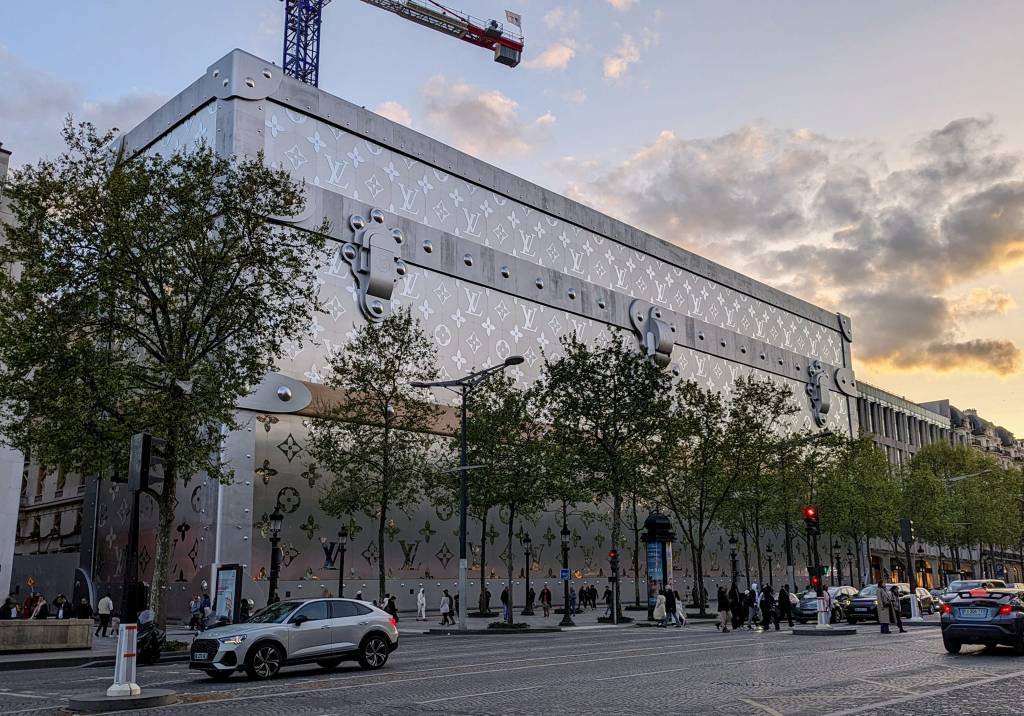
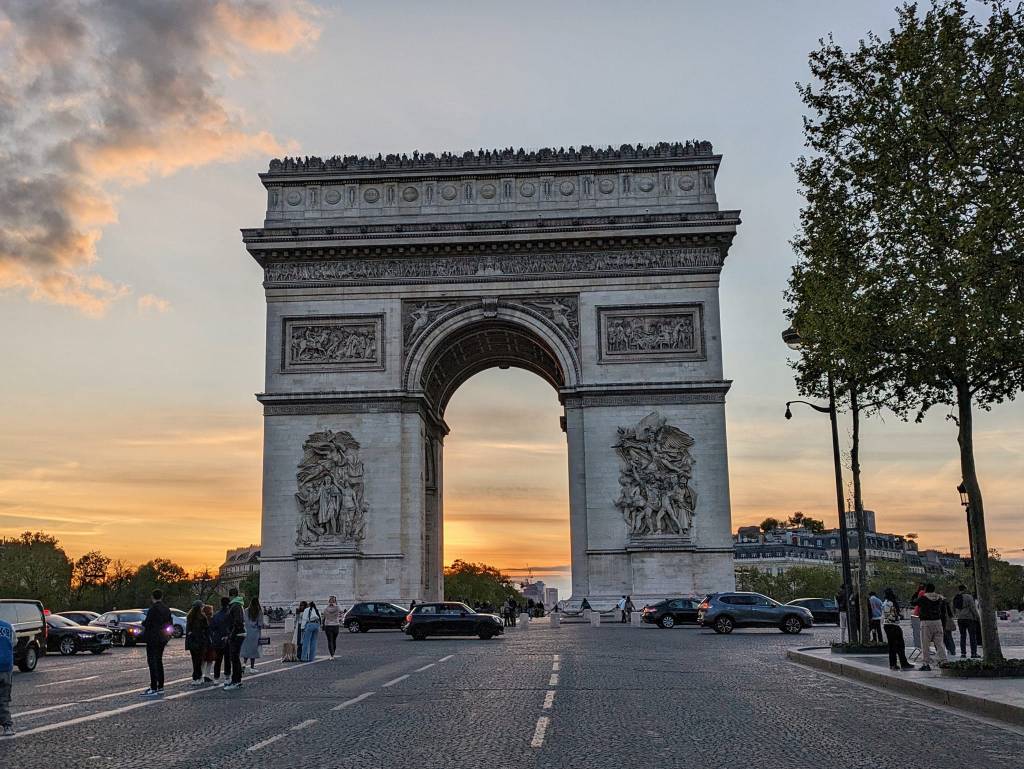
Speaking of roads, Avenue des Champs-Élysées was another surprise for me. I knew we’d be walking down it at some point because of the sights at either end, but I definitely didn’t plan enough time there. Even though we’re not big on shopping, there were so many cool stores (and restaurants) on this street, so for any subsequent trips, I’ve already made a mental note to give this area a little more time. The Arc de Triomphe might also get a special highlight on a future trip to Paris because you can (much like the Eiffel Tower) climb to the top of the arch and get a different view of Paris from above, this time with the Tower in the picture as well.
Le Louvre
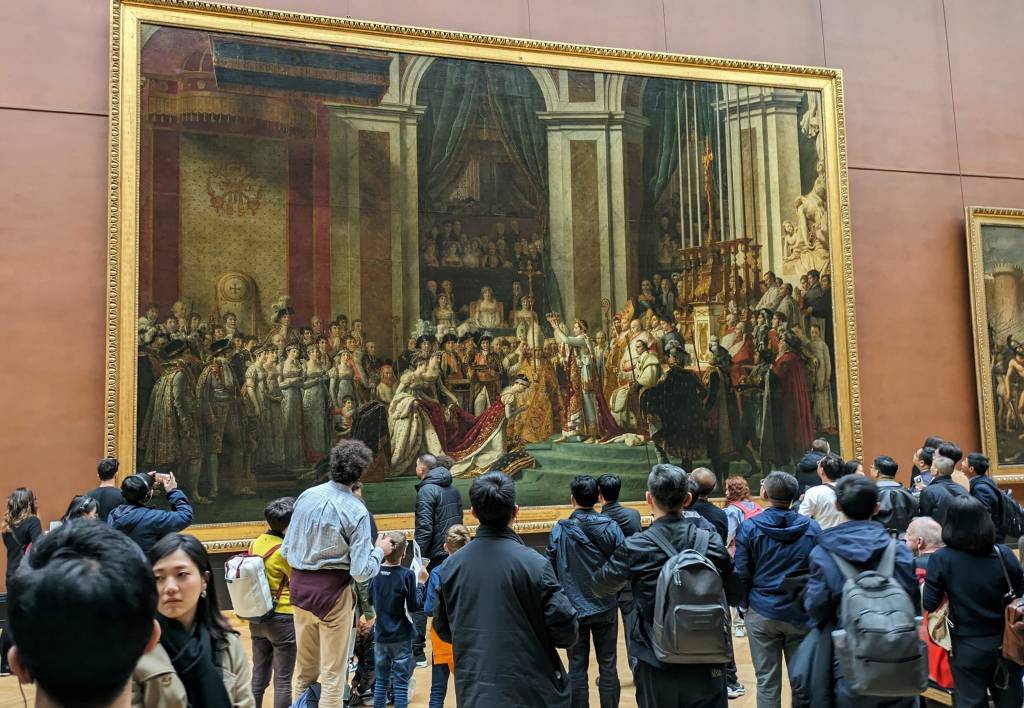
I’m pretty sure I’ve said it before, and I’ll probably say it again, but Tucker and I are not the best at museums. We have trouble slowing down when we’re in a new city, and honestly, I feel like I’ve seen enough ancient pottery to last me a lifetime. However, the Louvre was absolutely my favorite ticketed activity in Paris. We originally planned to spend three hours at the museum, but could easily have spent the whole day. There is just so much to see in every wing, on every floor! As you might expect, it was very crowded though, which, to me, is all the more reason to plan a whole day there. Take breaks, walk into the courtyards, get a cup of coffee, and then get back in there and marvel at not only the 40,000 pieces on display, but also the eight-hundred-year-old palace they’re housed in. And seriously, no matter how much you may dislike crowds or museums, you absolutely cannot skip this one.
The Catacombs
The Paris Catacombs were something I’d heard about many times, but whatever I’d heard or seen was nothing like experiencing them in person. Although they’re a little bit of a hike from the other sights, their uniqueness definitely makes them well-worth a visit. I’m actually really glad we jumped on the tickets-and-reservations bandwagon early in our Paris trip, because this was another one that we almost missed out on because there are limited spaces and most were already sold out by the time we decided to add this to our itinerary. I can only imagine how far in advance things have to be booked in the high season!
Disneyland Paris
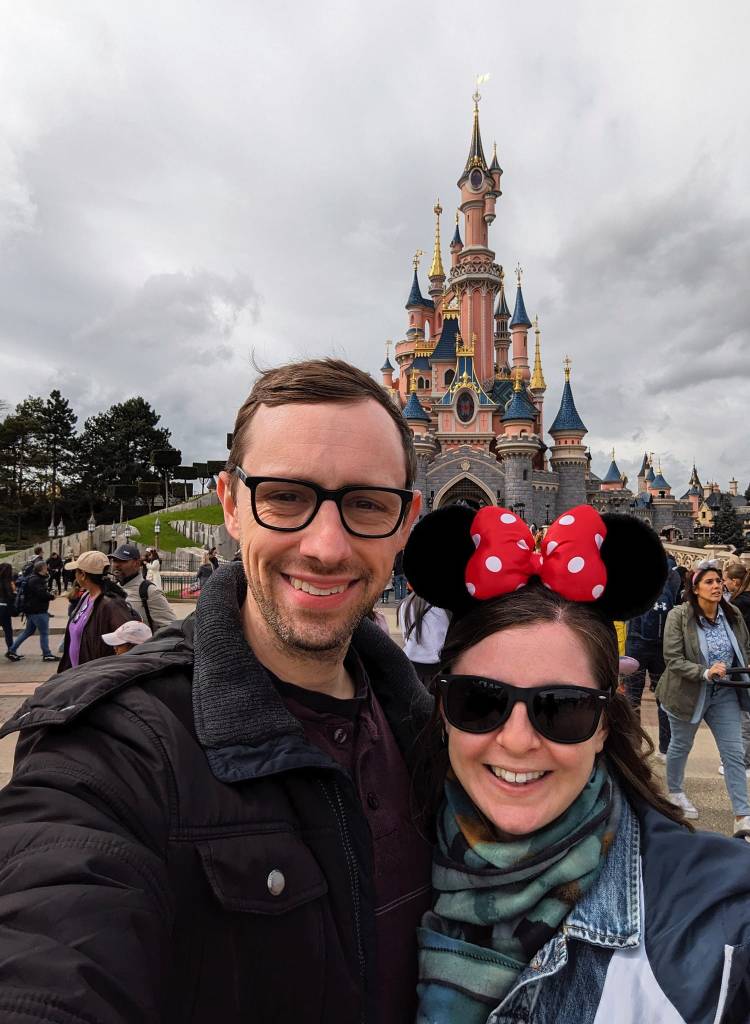
If you’re a Disney fan, like me and my family, you might have heard some negative things about Disneyland Paris. Before visiting, we had heard the food wasn’t really good, it’s not as clean as other Disney properties, it’s really small, etc. but now that we have been there, I definitely beg to differ. I, personally, loved the food. I mean, of course it doesn’t have the variety of Paris proper, but as far as the various Disneylands go, there were several things I preferred at this park! Overall, it felt very much on brand to me: spotlessly clean and with so much attention to detail throughout. There are also two parks there, so definitely not the smallest when combined. I do understand why people wouldn’t necessarily want to give up time in Paris to go to Disney, but I don’t regret it at all! We had a magical time, as always.
Vernon/Giverny & Monet’s Gardens
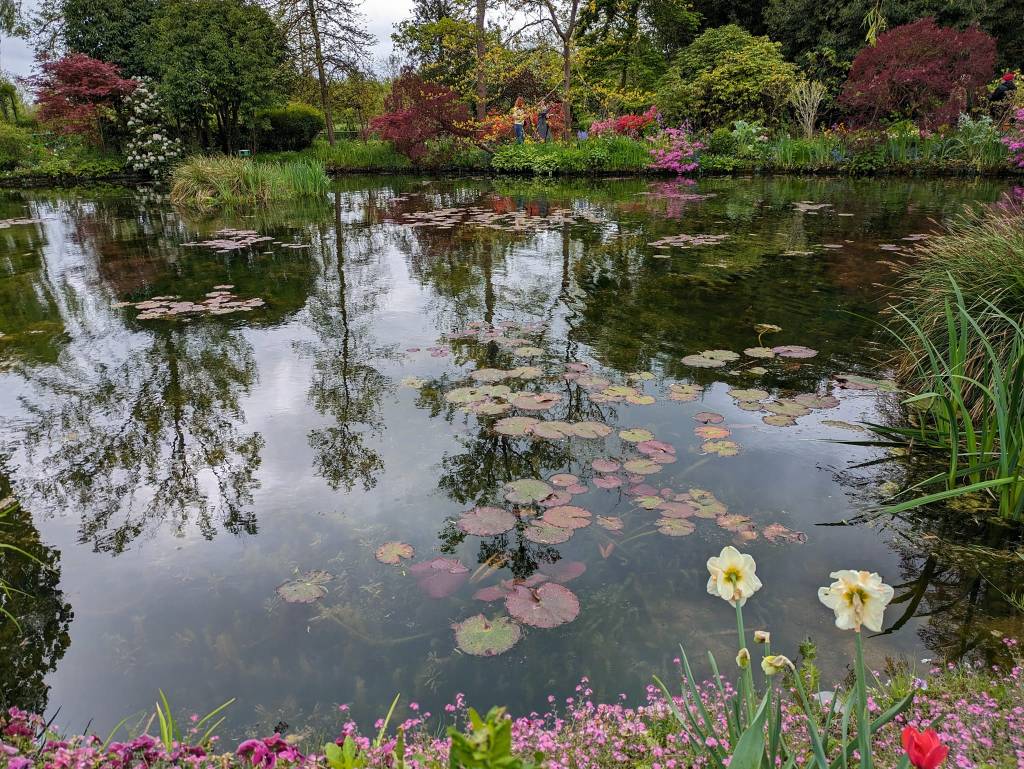
Anytime we’re in a city longer than a week, we try to do at least one day-trip to somewhere outside the city. For Paris, I contemplated several options, but in the end, we went for Vernon/Giverny to see Claude Monet’s incredible gardens. As amazing as the Louvre and other Paris landmarks were, and as fun and nostalgic as Disneyland was, getting away from the crowds was the perfect choice for our last full day in France (sorry Versailles, maybe another time). We loved everything about this little trip within a trip. The train ride out to the sleepy little town, walking down the many narrow cobblestoned streets, seeing all the flowers in bloom – everything.
Of course, our main reason for going to this little town was to see Claude Monet’s house and gardens, and they also exceeded every expectation. The whole area has really leaned into the artistry and beauty of the French countryside, and it was lovely to be a part of it, even if only for an afternoon.
Ultimately, no matter how many places we visit, we’re always in awe of what there is to do and see in every corner of the world. And, for me, the surprises we encounter along the way, make it that much more fun! I’m already ready for another trip! On y va!
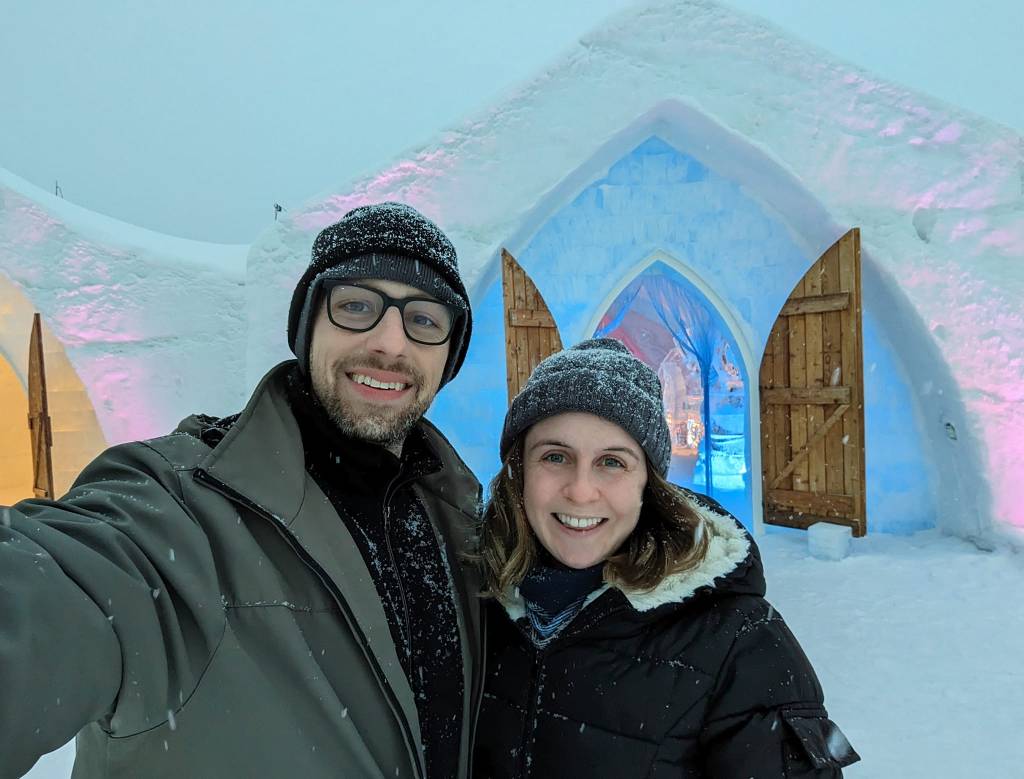
Well, we’re officially waist-deep into winter, and even though we’ve been ice skating, snowboarding, and snowduck making for months now, I still feel like I haven’t got my fill! So, in order to up our winter games even further, we spent last weekend in Québec City, a winter wonderland if ever there was one, and even more spectacularly wintery, we also spent a night at the Hôtel de Glace (aka the Ice Hotel).
This was definitely a once in a lifetime kind of experience, and I don’t want to forget any of the specifics, so this month, I’m sharing a detailed timeline of events as recorded by the many pictures I took throughout our stay. Bundle up and enjoy!
17:00 – Check in
Technically check-in started at 4pm, but we were a little late getting to the resort area for a few reasons. One, it was snowing, so everyone was driving slower than usual, and two, we totally forgot to bring our bathing suits and had to make a pitstop at Value Village. It happens. Luckily, the Hôtel de Glace and all of Village Vacances Valcartier is only 20-30 minutes outside of Québec City.
Once we arrived and found our way to the correct front desk (this place is massive, so it wasn’t as easy as you’d think), we got the usual check-in spiel plus a few irregularities. When you stay at the Ice Hotel you actually get two rooms: one outside made of ice and snow and one inside the Valcartier Hotel where you can put your bags, shower, brush your teeth, and at some point, finally take off your hat and gloves!
But before you can don your all-access pass of sorts, you have to watch a safety video and sign a waiver. The safety video talked a lot about what to wear and what not to wear overnight and expressed many times over that you must completely dry off after showering or hot tubbing before you go into your rooms at night. They also gave us maps of the premises and showed us where we could go if we needed help during the night.
17:45 – First look around
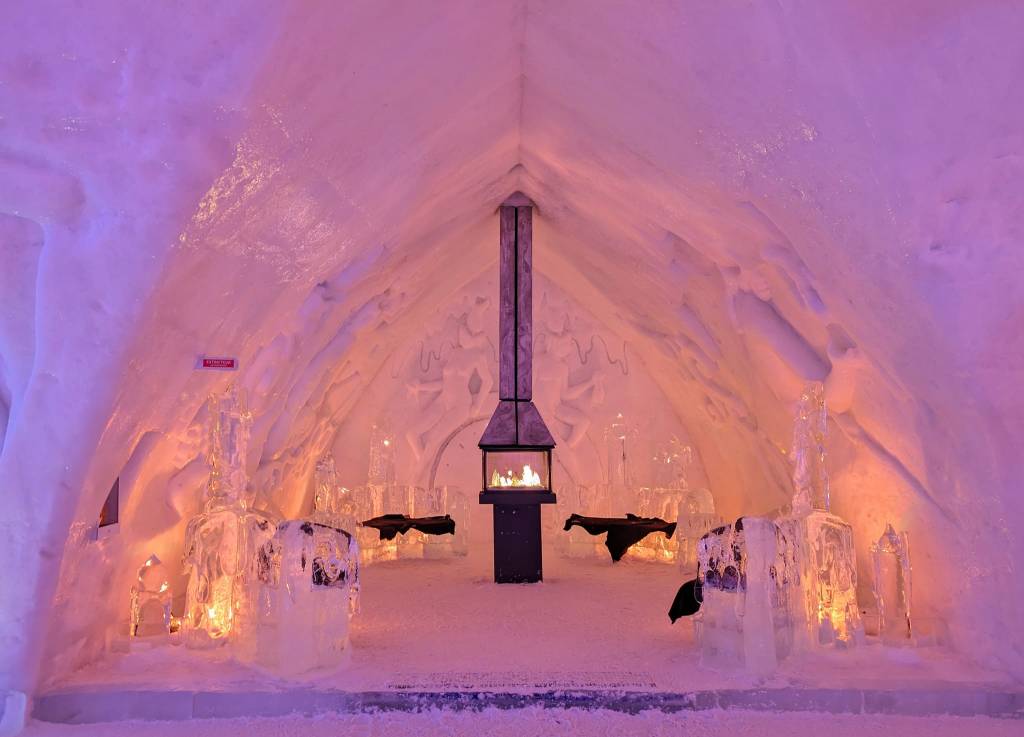
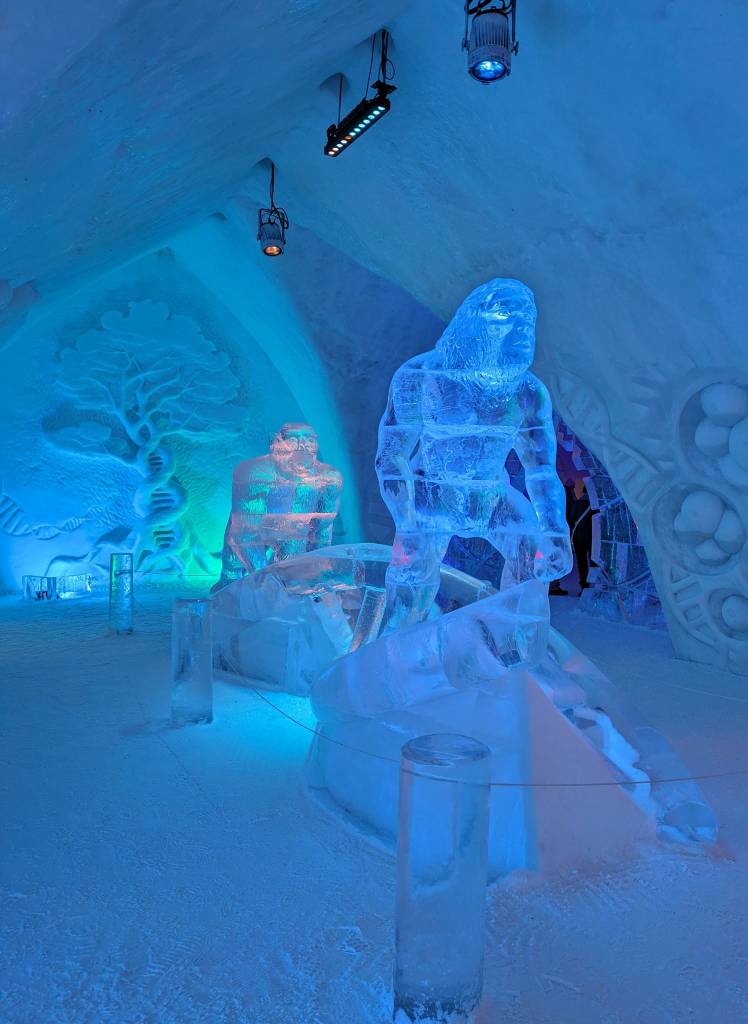
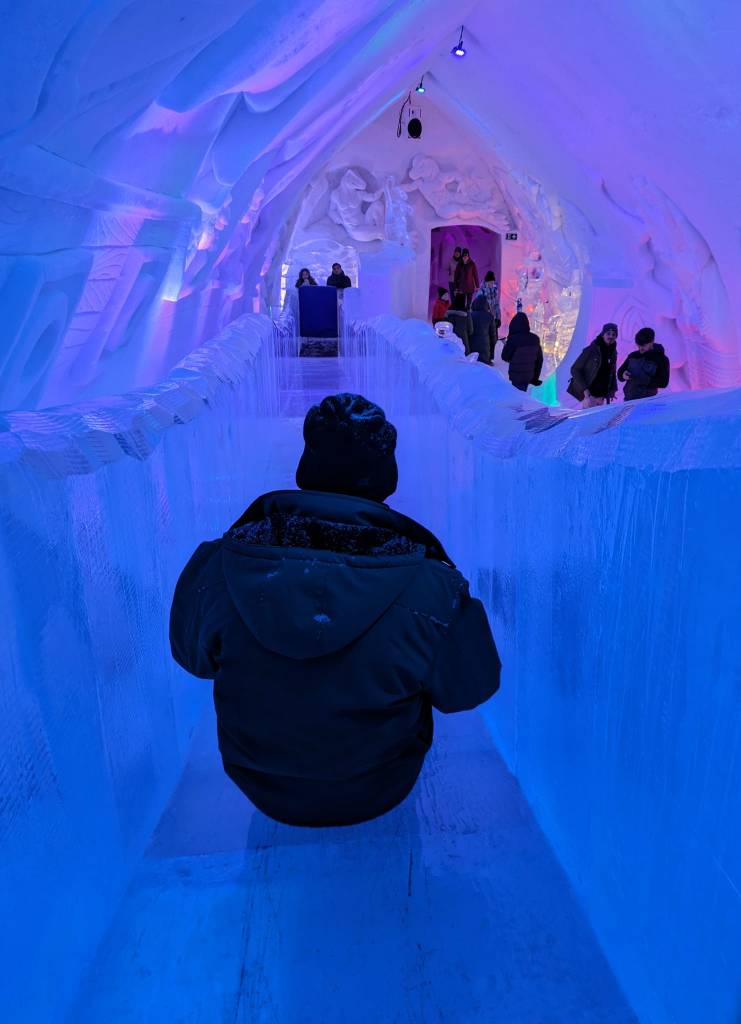
Needless to say, the excitement levels always increase when there’s a waiver to sign, so we quickly dropped off our stuff in our “dry room” and went to see what the Ice Hotel was all about. It’s divided into roughly three sections: the chapel, the communal rooms, and the individual rooms. The chapel was beautiful, but there wasn’t a wedding that day/night, so it was pretty empty. The communal rooms included several galleries, seating areas, the ice bar, and an ice slide. To say there was a lot to look at would be a gross understatement.
Between the ice sculptures, snow carvings, lights, and music, my senses were on overdrive. I think my favorite room was the “club room” with light-up instruments and DJ-ing composers on every wall. Tucker liked the “fire room”, which, although no warmer than anywhere else in the Ice Hotel, definitely felt cozier with the heatless fireplace, warm colors, and fur-lined benches. Of course, the ice slide was also super fun – it was in the “dinosaur room” and had us laughing hysterically as we scooted our way down the slide. You know what’s not very slippery? Jeans.
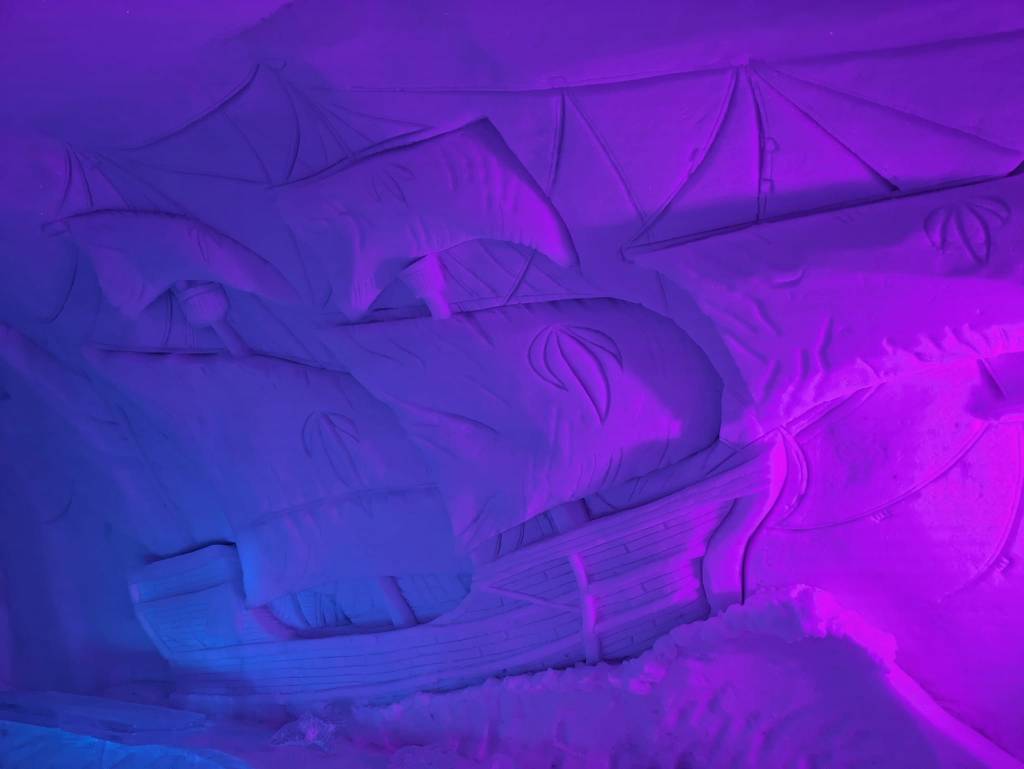
The individual rooms are also open for viewing during the day (of course, they did have ropes near the doors, so you couldn’t get on the beds or mess with any of the lights or anything). This year there were 30 guest rooms. The vast majority were single bed rooms, but there were a few doubles and even a triple as well. Every room had a theme and was designed by a different artist. My favorite was probably the exploration room with huge ships, maps, and a compass on the walls. Tucker liked the science-y ones, of which there were many.
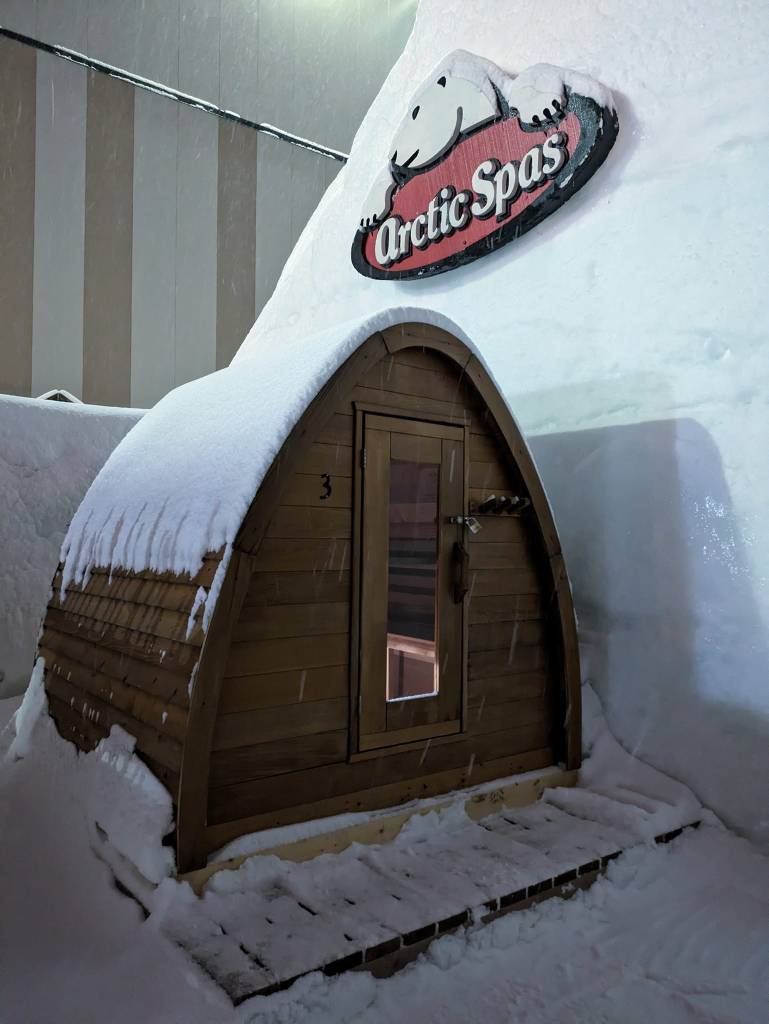
It honestly took us quite a while to see all the rooms because this part of the hotel is very maze-like, and we weren’t always sure if we had been in any given hallway before or not. The walls of the hallways were also covered with art, and there was a workshop room off to one side, which housed photos taken and machines used during the building process. During this part of our initial walk around, we also noted the hot tubs and sauna (free for guests to use) and started thinking about how we were going to manage that in the heavy snow with only our thrifted bathing suits and big winter boots.
19:30 – Drinks at the Ice Bar
But before we dealt with being cold and wet, we decided to cash in our complimentary drink tickets. The ice bar was SO COOL! Yes, pun-intended. The bartender was all bundled up as she mixed our drinks, the “Lave-Glace” and the “Accident de Ski-doo” (clever because it had a splash of red Grenadine and a little sprig of juniper in it) and poured them into ice glasses. The drinks were beautiful and tasty, and the glasses, well, the glasses were challenging. They were obviously really cold, but also very heavy and had very thick edges – not the easiest thing to sip on. Despite the odd mouth positioning required, we still felt pretty amazing drinking our fancy cocktails in the très chic Hôtel de Glace.
In hindsight, I should have held on to my ice glass since we opted to bring our own beers into our room later, alas we were too excited to shatter them (prematurely) into the collection bins. We also debated getting another drink at the bar because they had a lot of interesting cocktails and were surprisingly not that overpriced. But after another short walk through, we opted to hit the hot tubs instead, hopefully while they were still empty and we had enough time to enjoy them and fully dry off before heading to our frozen beds.
20:45 – Hot tub and sauna in the snow
I really want to do a polar plunge before we leave Canada, and perhaps now I understand just how uncomfortable that will be when it happens. Running from our “dry room” to the hot tubs wasn’t so bad (I did wear my socks and boots with my bathing suit lol), but running to the sauna after the hot tub was painful, especially for my feet. From the crazy hot water to the crazy cold snow made my feet feel like they were burning! Stepping into the sauna was very welcome…that is until we had to get out and do it again.
Ultimately, lots of lessons were learned, like: the more towels you can take with you, the better; be sure to remember to take your shoes with you when you go back and forth, and also, just like we’re not really beach people, we’re not really hot tub or sauna people either, which is apparently a lesson we’re still in the process of learning.
22:50 – Final preparations
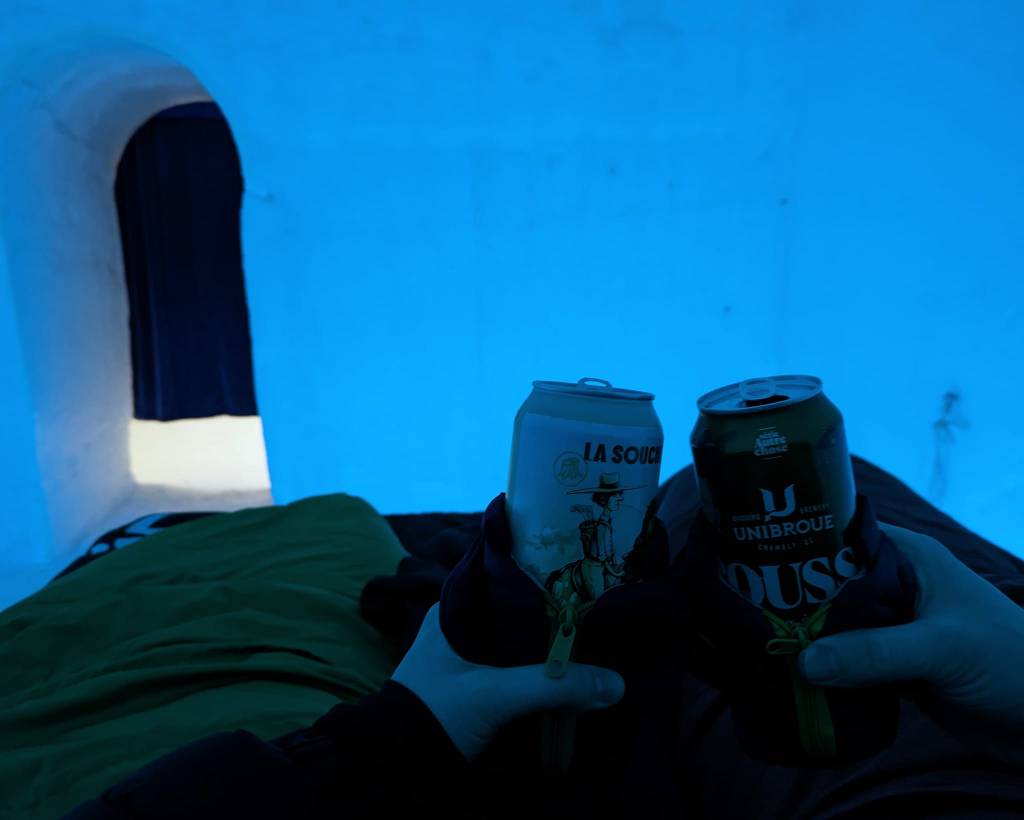
After we had our fair share of extreme temperature fun, it was time to prepare ourselves for sleeping overnight in a room that was approximately -5°C (23°F). First, as per the instructions, we had to be completely dry. Then, we had to decide what to wear and what to bring with us into the room. I don’t think I’ve ever planned my pajamas quite so carefully. In the end, we went for having as many options as we could – layers that we could take off or leave on depending on how warm we were in the sleeping bags they gave us. As for the snacks (much more important, obviously), we brought some local Québec beers, the rest of our Québec mix popcorn, and some chocolates from La Fudgerie. It was perfect!
23:30 – Bedtime snacks and hunkering down
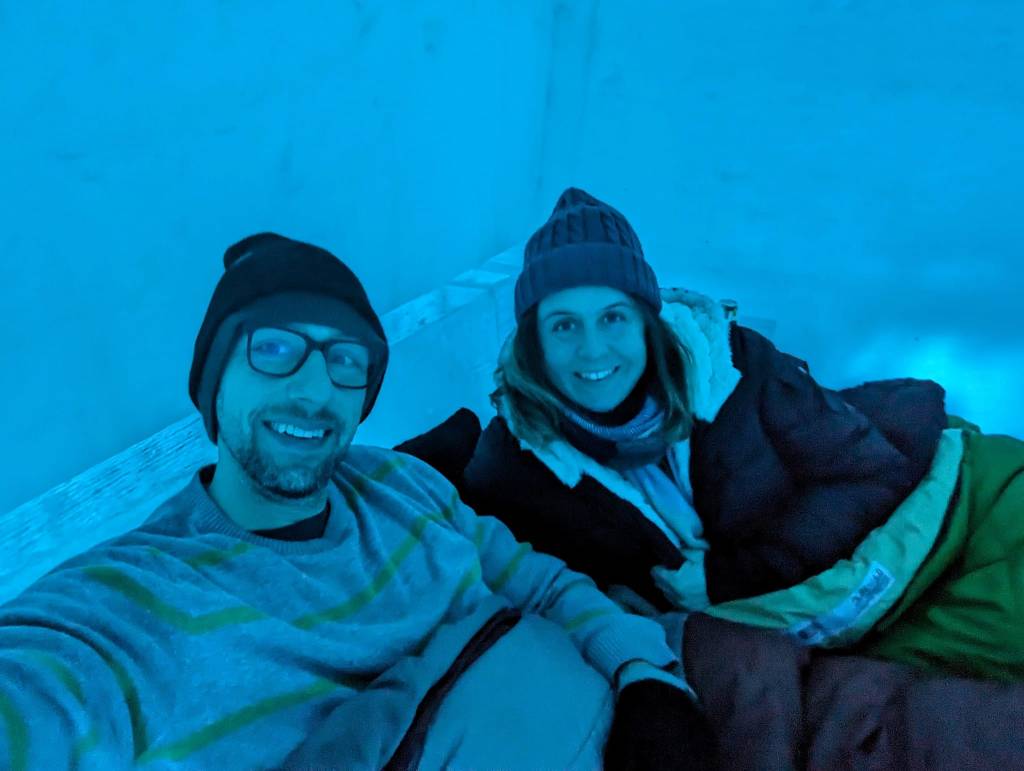
Between 8-9pm the individual rooms portion of the hotel was closed off for the staff to clean and prepare the rooms for the overnight guests. When we pulled back the velvet curtain of our room, we were surprised to see they had raked the floors in addition to changing the sheets and leaving the sleeping bags. It felt very Zen and very cold. But we were ready! We rolled out our sleeping bags (rated for up to -30°C/-22°F), got into the liners as instructed, and put our outerwear away for the night. After enjoying our little picnic and watching a few videos, we zipped ourselves fully into the sleeping bags (well, mostly), and drifted to sleep.
4:17 – Slight panic
I say “mostly” because I actually struggled with zipping mine up over my head. I felt super claustrophobic and ended up choosing to be slightly colder than necessary just to keep my face from being covered. Unfortunately, in the middle of the night I woke up and the sleeping bag had fallen away from the top/back of my head a little, and I was very cold. That got my thoughts and heart racing as I wondered if I was doing irreparable damage to my system. You know, the normal things that keep a person up at night. Thankfully, I was able to calm myself down, readjust, and fall back asleep.
8:00 – Wake up call
As part of the check-in process, they informed us that someone would come to wake us up the next morning at 8am. This was in part to make sure that everyone would be up and out before they had to clean up and open for business again and also to make sure everyone was alive and well. Fortunately, we were! The sleeping bags, if anything, kept us too warm, and the main struggle we had was just getting comfortable enough to sleep through the night. Even without the claustrophobia issue, the sleeping bag was a bit like a strait jacket – not much movement possible, and if you’re not a back sleeper, good luck falling asleep as you lie there feeling like a mummy in a fluffy sarcophagus.
8:15 – Back to sleep
So, after not the best night’s sleep we’d ever gotten, we were very happy to return to our “dry room” once again and sleep in our nice, warm king size bed for a few more hours. Usually, we say there’s no place like your own bed, but honestly, this one was definitely a close second, especially in that moment!
11:00 – Check out
And just like that, our stay was at its end. We packed up our bags, scraped the snow and ice off the car, and headed back home to enjoy the rest of winter from our very own “dry room”.
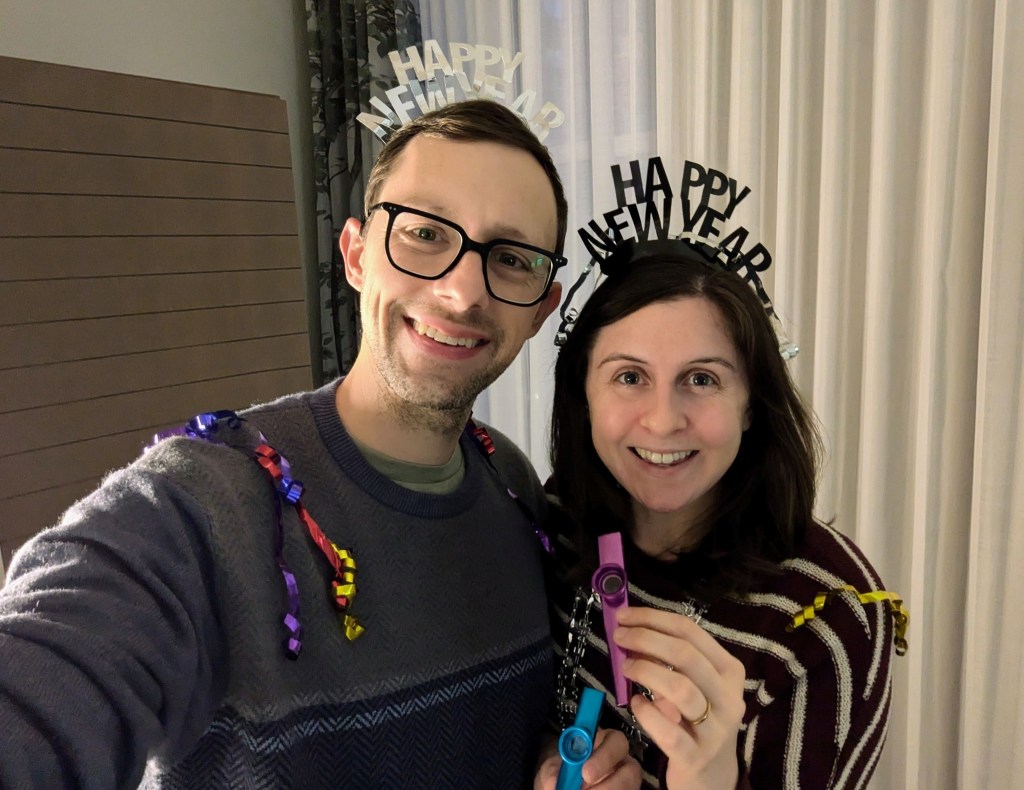
As you might have guessed (or observed), Tucker and I usually do our best to learn the languages of the countries we live in. Whether by way of formal university classes or informal lessons from native friends, Polish, Mandarin Chinese, Spanish, and French have all found their way into our homes, but recently, we found ourselves wondering which bits and pieces of these languages have stayed in our lives throughout the years and why. So, I did what I do best and made a list of our most-used non-English words (for possible future research, of course), and came up with:
Na zdrowie /nah zdrov.ee.yeh/
The first word, or in this case phrase, that fits the bill is definitely na zdrowie. It means “for health” in Polish and is used both when someone sneezes and as a “cheers” when clinking glasses. We typically use it in the sneezing scenario, and it never fails to elicit the fitting follow-up of “dzięki” (or even more frequently “dzięks”, the Poglish alternative). Why is this the call and response that stuck for something that obviously exists in English? No idea really, except that I think it’s way more fun to say!
Uwaga /oo.vah.gah/
The next word on the list has a clear reason for its common and continual usage. Uwaga means something like “attention” or “caution” in Polish, but it doesn’t sound so formal or pressing. It’s the one-word, light warning that we sometimes need, like for example, if there’s someone trying to get past the person you’re talking to or if there’s a puddle you’d rather your partner avoid. It’s too much to say “look out” or “caution”, but a little “uwaga” is perfect.
Laowai /lao.why/
Next up is laowai or “foreigner” in Chinese. This one we usually use out of politeness. When we need to specify someone not local to the area, “foreigner”, “outsider”, “gringo”, etc. all sound a little harsh to our ears, so instead we’ll throw out a “laowai”. It’s clear and to-the-point with a bit less emotional baggage/pejorative connotations. Sometimes I really miss the bluntness of Chinese, but then I remember having to shout “fuwuyuan” or “waiter” at restaurants, and on second thought, I’m all good.
Cha bu duo /cha boo do.wuh/
Another phrase that we still find ourselves using post-China is cha bu duo, which literally translates as “not much difference”, but is used more or less like “good enough”. It’s something we use when events don’t exactly go to plan, but the end result is perhaps the best we (or anyone) could manage in the given situation. It’s a verbal shrug if you will, and somehow we find ourselves using it a lot.
Sip /seep/
Now onto probably the most used word on this list, one that I would conservatively guess we use daily: sip. It’s something we picked up in Mexico and haven’t dropped despite confused looks on various Quebecois faces. “Sip” is the Spanish equivalent of “yep”, and it’s just so quick and easy that it slips out all the time, even when we’re clearly not speaking Spanish with anyone.
Ojalá /oh.ha.la/
Another commonly used Mexican Spanish word in our house is ojalá. Ojalá might just be my favorite Spanish word punto because it has such a great etymology and is incredibly useful. It means “hopefully” but can also be used at the end of a thought to mean something like “fingers crossed” or “inshallah” (”if God wills it”), which is where it originally came from. For example, will we continue to grow our collection of amazing international words and phrases? ¡Ojalá!
Oh mon Dieu /oh mon dee.oo/
Speaking of Allah or Dieu, another non-English phrase we tend to favor over any English alternatives is oh mon Dieu. Maybe it’s because “oh my God” sounds a bit strong in English, while “omg” makes me sound like I’m twelve. Or maybe it’s just the perfect amount of French drama, but nothing feels more theatrical than an eyeroll and an “oh mon Dieu”.
Dangereux /dan.zher.oo/
And last but not least is another one we tend to sub out just because it’s way more fun to say: dangereux. It’s French for “dangerous”, but again I think it just gives the situation a certain je ne sais quoi, non ? The next time you want to playfully point out some implicit danger, I recommend using “dangereux” with just the right amount of emphasis – quel drame !
Okay, they might not be on par with “schadenfreude” or “fetch”, but these are definitely some fun and useful words as far and Tucker and I are concerned, and I sincerely hope you’ll start using them in your regular speech! Ojalá the next time we chat, you can be inducted into our weird little linguistic mélange. Until next time! Na zdrowie!
Last month, Tucker and I continued our Canadian explorations with a trip to Banff, Alberta. Of course, Banff had been on our list long before we knew we’d be living in Canada, and we can now say with absolute certainty that it should be on everyone’s bucket list! We were truly blown away with the seemingly infinite number of stunning views, trails, waterfalls, glaciers, and all sorts of other incredible landscapes. In fact, I had trouble narrowing down our plans to fit neatly into a one-week trip (many people spend weeks or months trekking around Banff and Jasper National Parks, and I now know why). But since most of us can’t do that, I thought I’d share our experience, which could be useful to others in planning their own epic trip to Banff!
Calgary, Alberta
But before we get to the city of Banff, we have to get to the province of Alberta. The vast majority of visitors fly into Calgary, which is the nearest major city. This is what we did although we also considered flying into Edmonton and driving down through Jasper as an alternative. Ultimately, Calgary won out because it was closer and the flights were cheaper. I’m happy this was our choice though because it meant we got to spend several days in Calgary, which turned out to be a really fun city: two beautiful rivers running through it with gorgeous parks throughout, a very lively and impressive brewery scene, and several bar and restaurant streets where we were able to try the famous Albertan ginger beef. Seriously, don’t let the airport be the only thing you see in Calgary!
Of course, our main reason for being in Alberta wasn’t the cities, it was the beautiful Rocky Mountains, so how to get out there? Well, they’re really only about an hour drive from downtown Calgary, and you have several options. There are buses and shared cars aplenty, but we, like most people, ended up renting a car. The price was as expected: reasonable if you return it to the same place, outrageous if you don’t. In hindsight, having your own car is absolutely paramount if you want to see anything outside the teeming tourist bubble. One of the best parts about driving ourselves around Alberta was that we could (and did) stop at every possible turnoff for views, trails, signs, etc. not to mention the total freedom we had when driving the Icefields Pkwy. But if you’re sticking close to Banff (as in Banff City and the lakes) you really wouldn’t need a car at all if you didn’t want one.
Canmore & Banff
Once you’re successfully into the mountains, you have another choice to make: where to stay. If you’re camping, the options are limitless, but if you’re afraid of bears and/or you’re not a millionaire, you basically have two choices: Banff City or Canmore. Canmore is a little further from the main attractions and isn’t quite as touristy; therefore, it’s slightly cheaper, but there’s much less to do, which means you’ll likely be driving (and having to find parking) more often, or so we heard from fellow hikers. We stopped in Canmore both on the way out of and back into Calgary, and we really enjoyed it. It’s basically a baby Banff, and I think it’s a solid option, especially if you prefer a more low-key home-base.
We ended up staying in Banff though since this was our first time, and we had no idea what to expect. Since we went at the end of September (right before a lot of attractions and roads are to be closed for the season), there was a plethora of visitors. Options for accommodations were somewhat limited either by availability or by price. Fair warning – Banff is beautiful, but it is not cheap. We chose to stay in a private room at a hostel about 1.5 miles (2kms) from the city center. It was an easy walk, but there is also an amazingly quick and efficient public bus that runs through town and out to many of the resorts as well. Several hotels/hostels give free passes for the duration of your stay, but you can also buy a day pass for $5CAD.
The city of Banff has much more to do than we originally thought. On our first evening, we climbed the nearby Tunnel Mountain, and there were countless other trails into the surrounding mountains and valleys. Evidently, there’s also a famous golf course there – who knew? And the town itself is well-worth a wander. Little shops selling everything from mountain gear to homemade fudge, lots of cozy cafés, and restaurants that run the gamut: we saw a McDonald’s right down the street from an extremely lavish steakhouse. We ended most of our days in Banff eating and drinking after spending the day outside hiking, and the choices were surprisingly diverse for such a small town.
Lake Louise & Moraine Lake
Likely two of the most famous views in all of Canada (maybe even North America) are those of Lake Louise and Moraine Lake. No matter how you feel about large-scale tourism or throngs of tourists, you can’t come all the way to Banff and NOT see these two icons. Somewhat recently, Parks Canada decided to close off the roads to the lakes for all private vehicles. The only way to visit them now is to take a shuttle (or a tour) from a parking lot/ski lodge just outside the park. This was very confusing to us when reading about it online, probably because it’s new, but it was actually really easy to do. You reserve a time slot and a direction (either LL->ML or ML->LL) and then present your digital “ticket” to the bus driver. The buses leave every 20 minutes, and as long as you get on within your window, you’re fine.
Lake Louise is huge. There are trails on either side of the lake and up the mountains on both sides with bird’s-eye views. You can also rent canoes and take to the water if you want ($145 for 30 minutes – yikes!) My advice for Lake Louise is to play it by ear depending on the time you’re there, what the weather is like, how many people you see going in either direction, etc. We were there in the afternoon, and it was quite crowded, so we took the path less traveled up to the Fairview Lookout on the lefthand side and found it absolutely perfect. There are signs everywhere showing the lengths and difficulty levels of all the trails, so you can pretty easily decide once you’re there. Just remember to bring water and snacks because there’s not a lot of options once you’re on the tourist circuit.
Moraine Lake is not as big, and because of how it sits, you’re sort of on top of everyone else trying to see/take pictures of the lake. There are several trails here too, but most of them take you away from the lake. We did the 4-mile (6-km) trail to the Consolation Lakes and felt that they lived up to their name lol. In hindsight, I’d have rather brought a picnic and found a nice place to sit and eat while looking over one of the lakes. All the hikes were lovely, of course, but the views of the lakes were better. Also, we did see signs about hiking/traveling in larger groups because of bears, which we didn’t take very seriously then. After recent events, we plan to be more aware and prepared next time, and I would urge anyone else to do the same.
Icefields Pkwy & Jasper National Park
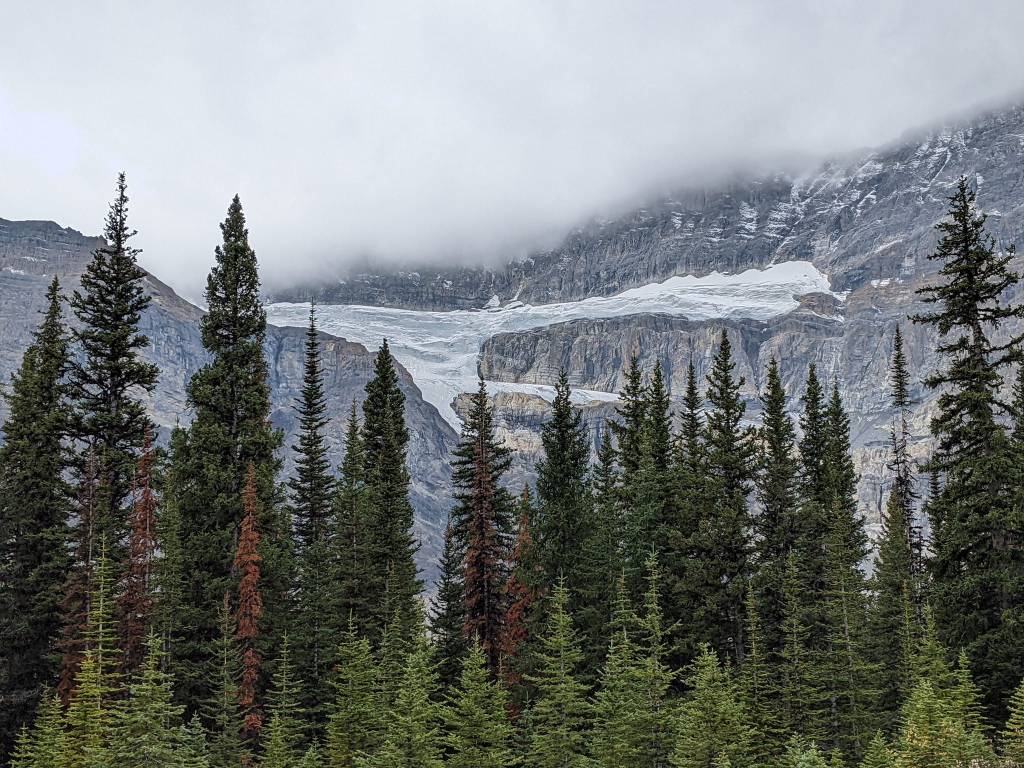
Our last great adventure in the Canadian Rockies was a drive from Banff City up to Athabasca Falls in Jasper National Park and back. This stretch of road is known as the Icefields Parkway because there are over 100 glaciers along this path, which gave us some of the most incredible views we’ve ever seen from a car. It’s only about 3 hours up to Athabasca Falls, but it took us over 4 because of all the stops we made along the way: the Columbia Icefield, Sunwapta Falls, Mistaya Canyon, Peyto Lake, and dozens of other incredible stop-offs. This drive was easily my favorite part of the trip, especially in the fall. We didn’t see very many people along the way, but there were endless signs teaching us all about the region, the various landforms, flora, fauna, you name it. It was very much like a DIY field trip, which, of course, I loved!
Ugh! After writing this and reliving all these incredible moments, I’m ready to plan a trip back to Alberta. Somehow, I feel like this might be a Huangshan (Yellow Mountain) situation, in which you haven’t really seen it until you’ve seen it in all four seasons. I do hope I’ve inspired you to put your plans to visit Banff into action not only because it’s one of the most beautiful places in the world, but also because some of these places won’t always be there for us to see in the future. Time really is of the essence, so bon voyage!
Less than 100 days in, and we’ve already had three guests come to see us in Ottawa, which means we’ve been learning (and sharing) A LOT about our new home. In fact, I’ve got so many fun facts swimming around in my head that I feel they deserve their own post! Who doesn’t love a little Canadian trivia, eh? So, without further ado, here are 20 interesting facts about our new home:
#1 Surely, we have to start with the name of the country, right? The word “Canada” actually comes from the Huron-Iroquois word “kanata”, meaning “village” or “settlement”. Its first usage was intended to specify one village in particular; however, early French explorers used it to describe not only the village, but also the surrounding area, which kept expanding, eventually giving name to the entire region.
#2 Interestingly, Ottawa (or Outaouais, as it’s called across the river) gets its name from a different indigenous language. “Ottawa” is derived from the Algonquin word “adawe”, which means “to trade”.
#3 Of course, everyone associates Canada with English and French, but I was delighted to read that there are over 70 distinct indigenous languages spoken here as well. Who’s up for learning a little Inuktitut with me?
#4 No matter how you get to Canada (by boat, by car, or by plane), you’ll likely notice there’s a lot of water here. Canada actually has the most lakes of any country in the world, about 880,000 in all.
#5 The crazy number of lakes should really be of no surprise given the fact that Canada is the second largest country in the world. Only Russia is larger.
#6 Canada does beat out Russia (and every other country in the world) for longest coastline though. There really is water everywhere here!
#7 Speaking of Canada’s coast, Canada is surrounded by oceans: the Atlantic to the east, the Arctic to the north, and the Pacific to the west, which is why you frequently hear Canadian announcers say “from coast to coast to coast”, which I think is brilliant!
#8 Their roadways are also pretty impressive. There’s one highway, the fittingly named Trans-Canada Highway, that traverses some 7,800km (4,800 miles) from one end of the country to the other.
#9 For such a large country, there really aren’t a lot of people living in Canada. With a little under 40 million people, Canada is one of the least densely populated countries in the world with about 4 people per square kilometer (or 10 per square mile). For reference, the US has about 37 per km² (96 per mi²).
#10 But there are still quite a few famous Canadians among us! Celebrities like Keanu Reeves, Ryan Reynolds, Rachel McAdams, William Shatner, Pamela Anderson, Nelly Furtado, Michael J Fox, Jim Carrey, Ryan Gosling, Celine Dion, Drake, Elliot Page, and so many more all hail from the Great White North.
#11 Other notable Canadians include two of the most famous dog breeds in the world: the Labrador Retriever and the Newfoundland, coming somewhat obviously from Newfoundland and Labrador.
#12 Canada has ties to many animals, such as the moose, the polar bear, the orca, the Canada goose, etc. but none of those are the national animal. The national animal of Canada is the humble beaver, which I recently learned is actually classified as a rodent.
#13 Another symbol of Canada is the maple leaf, which has been associated with the region since the early 1800s. Surprisingly though, it only made it onto the flag in 1965, meaning the Toronto Maple Leafs logo is about 40 years older.
#14 Speaking of maple leaves, Canada produces about 80% of the world’s maple syrup.
#15 In addition to giving the world maple syrup (and poutine, of course), there is a huge number of other internationally famous Canadian inventions: basketball, lacrosse, insulin, peanut butter, IMAX, pagers, egg cartons, Hawaiian pizza, and the snowblower just to name a few.
#16 Canola oil happens to be another Canadian specialty. Canola was first bred (in Canada) as a healthier alternative to rapeseed and has become one of the most ubiquitous cooking oils in the world. The name “Canola” is actually a portmanteau of “Can”, as in Canada, and “OLA” meaning “oil, low acid”. Half a century later, and Canada is still the world’s largest producer of Canola oil.
#17 The US and Canada have a lot of historical similarities, so it’s not surprising that we both celebrate Thanksgiving. The two holidays have similar origin stories and similar commercial influence, but are ultimately celebrated in different months. Canada celebrates their Thanksgiving on the second Monday of October.
#18 Another somewhat random fact we recently learned about Canada is that the “Winnie” in Winnie the Pooh is actually short for Winnipeg (like the city). The stuffed bear was named after a real Canadian black bear that went by the name Winnipeg.
#19 Many of our fun facts stem from our observing differences between the US and Canada, and one of these interesting differences is the legal drinking age here. In three Canadian provinces (Alberta, Manitoba, and Quebec) it’s 18, and in the other provinces and territories it’s 19.
#20 And finally a few cold facts for you! Canada is without a doubt one of the coldest countries on the planet. In fact, a city in Yukon once recorded -63°C (-81°F), which is about the average temperature on Mars. Ottawa is often listed as one of the top 10 coldest capitals in world, with an average high of -5°C (23°F) for the month of January. Winter is coming for us…
Well, there you have it, my first Canadian facts round-up! I hope you found these tidbits as interesting as we did, and I hope you make it up to Canada soon to learn a few more in-person! Thanks for reading!