Our Trip to South South America

Summer is officially here, so where better to celebrate than South America, where it happens to be winter! Of course, escaping the heat wasn’t our main reason to take off to Argentina this month, but I won’t lie, we were very happy to be donning our coats in July. Such a surreal experience!

In reality, we had many reasons to head to the opposite side of the Americas. For one, when we booked this trip, Canada was still an unknown, and Buenos Aires was at the top of our list for places to go after Guadalajara. Therefore, a large part of this trip was a scouting mission. Would we like southern South America? Would we prefer Buenos Aires or the nearby Montevideo, Uruguay? Could we picture ourselves moving there? Lots of questions to be answered even if the potential move has been pushed a bit further down the line. So, once again, we took to the road (or sky in this case) for some more “research”, and here’s what we discovered:

Seasonal Switch

First off, packing coats, scarves, and gloves for a July vacation was really strange. Of course, we knew the southern hemisphere is always in the opposite season as the northern hemisphere, but experiencing that drastic switch overnight in the dead of summer/winter was still disorienting. As was the fact that the weather got colder as we went further south. I didn’t realize how ingrained “north = colder” was in my brain! We also found it really entertaining to be all bundled up on the 4th of July – I can only imagine how strange Christmas in Argentina would be for me!

Happy 4th of July!

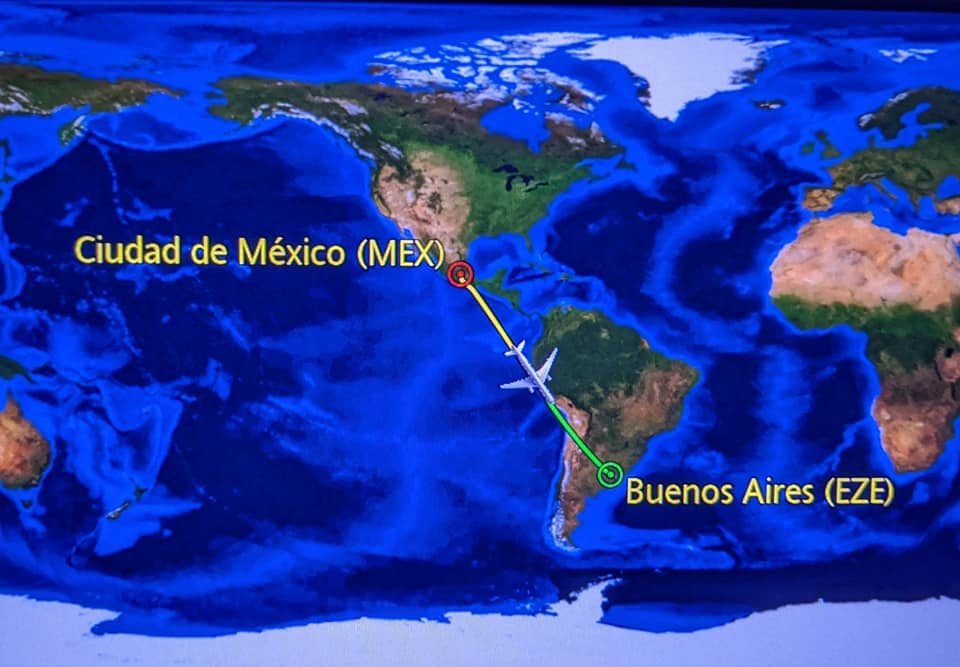
Another surprising, geography-related experience was just how far south Buenos Aires is! Our flight from Mexico City was 9 hours. We could have crossed an ocean in that amount of time! However, I think the long flight is worth it to have four distinct seasons. It was lovely to have brown leaves crunching beneath our feet again. Slightly less lovely was the fact that Buenos Aires is an hour ahead of Eastern Time. In Mexico, we’re an hour behind, and apparently, we’ve gotten really used to our work days ending at 4pm.

Map courtesy of Aeromexico :)

Amazing Food

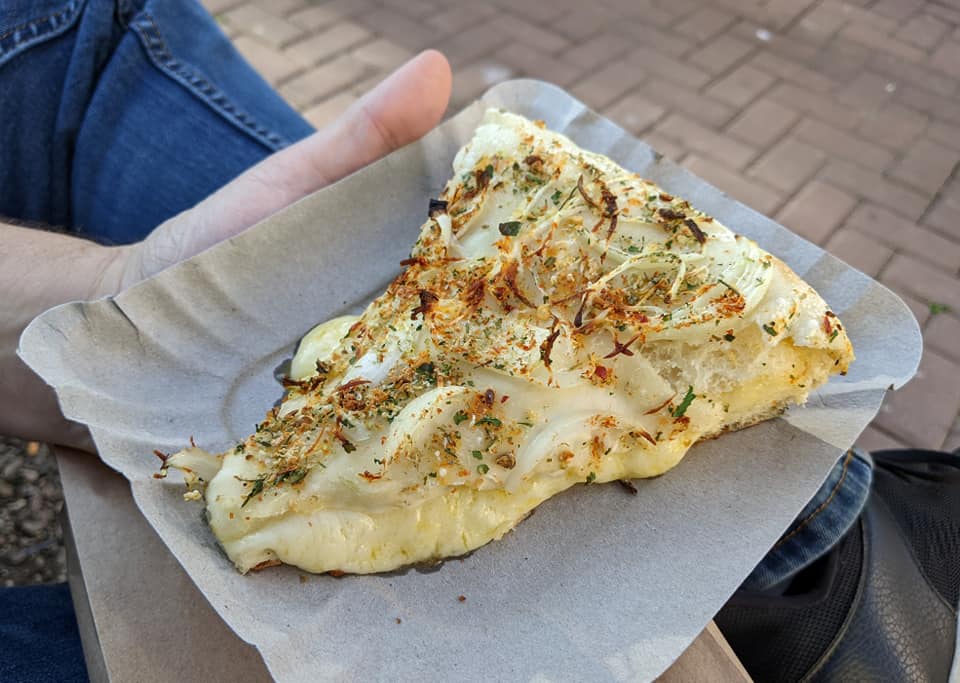
Fugazzetta

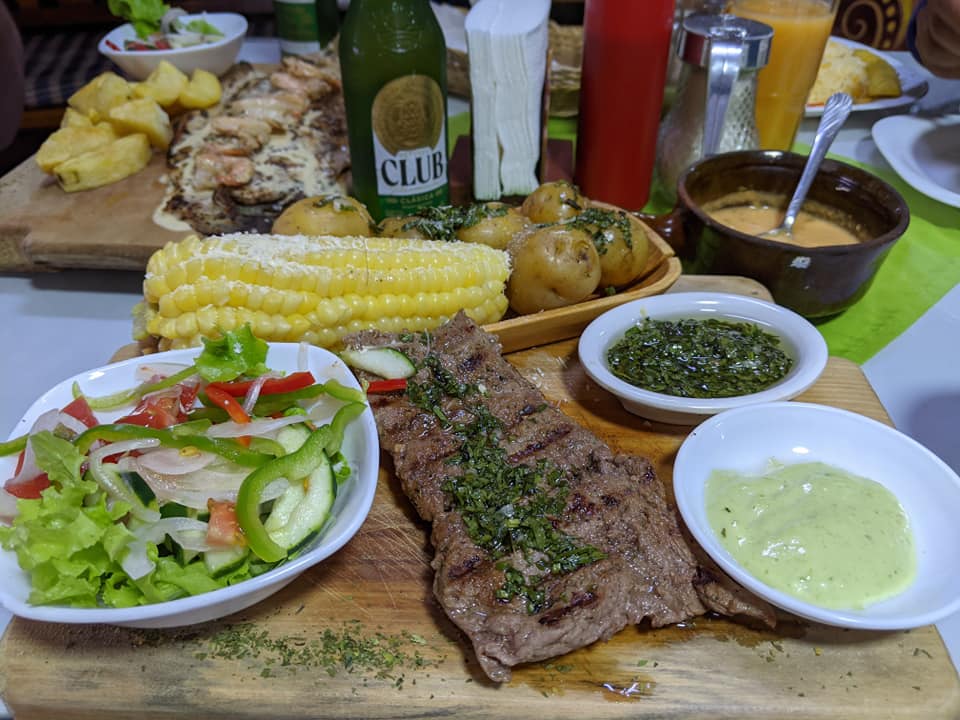
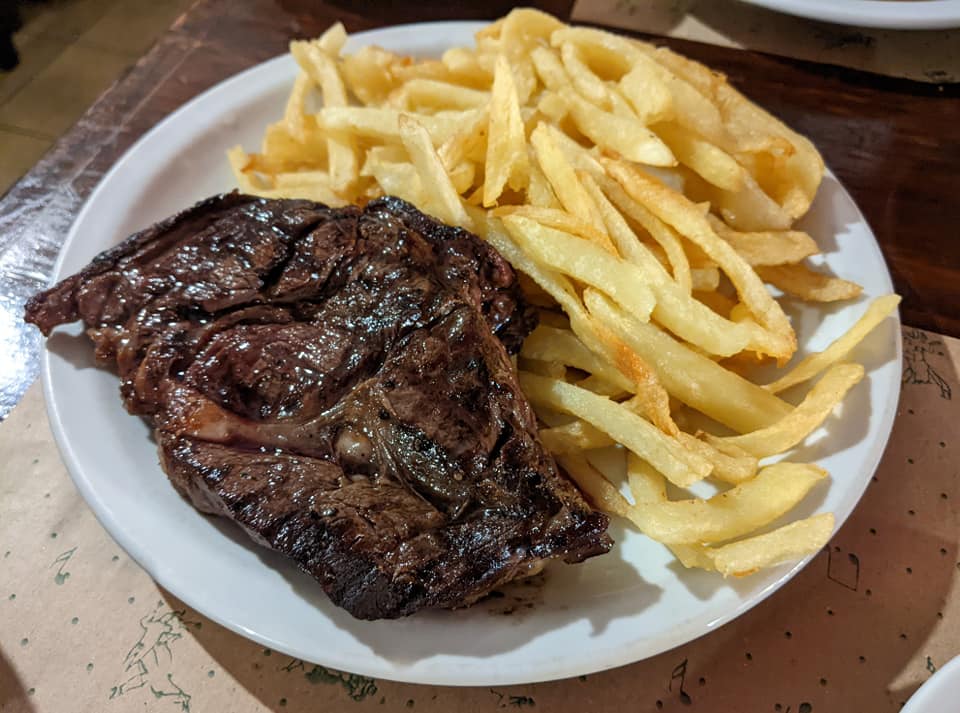
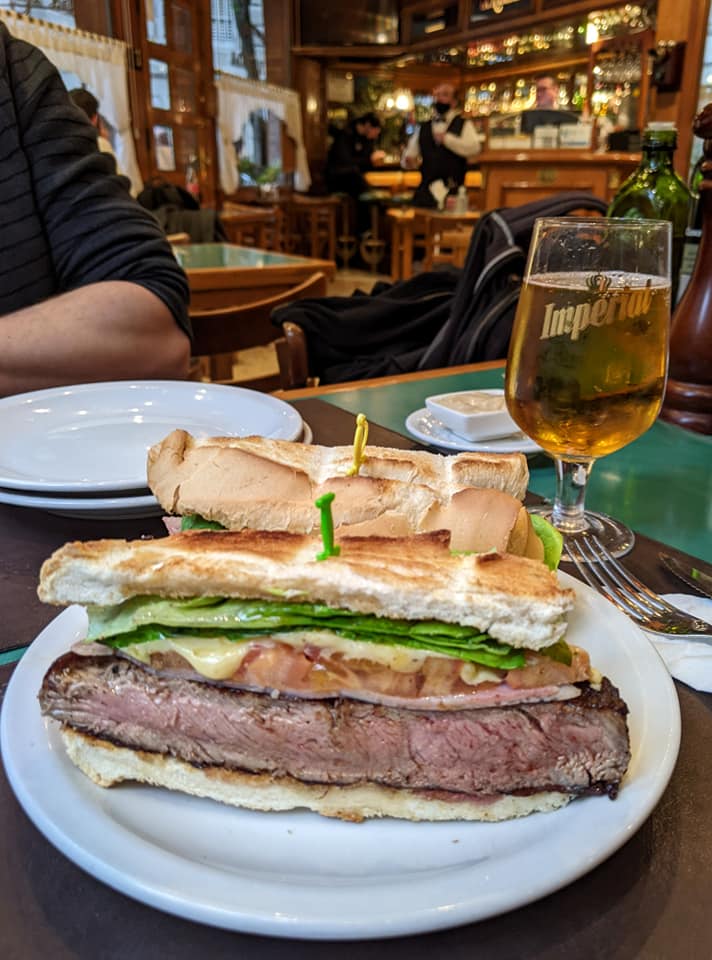
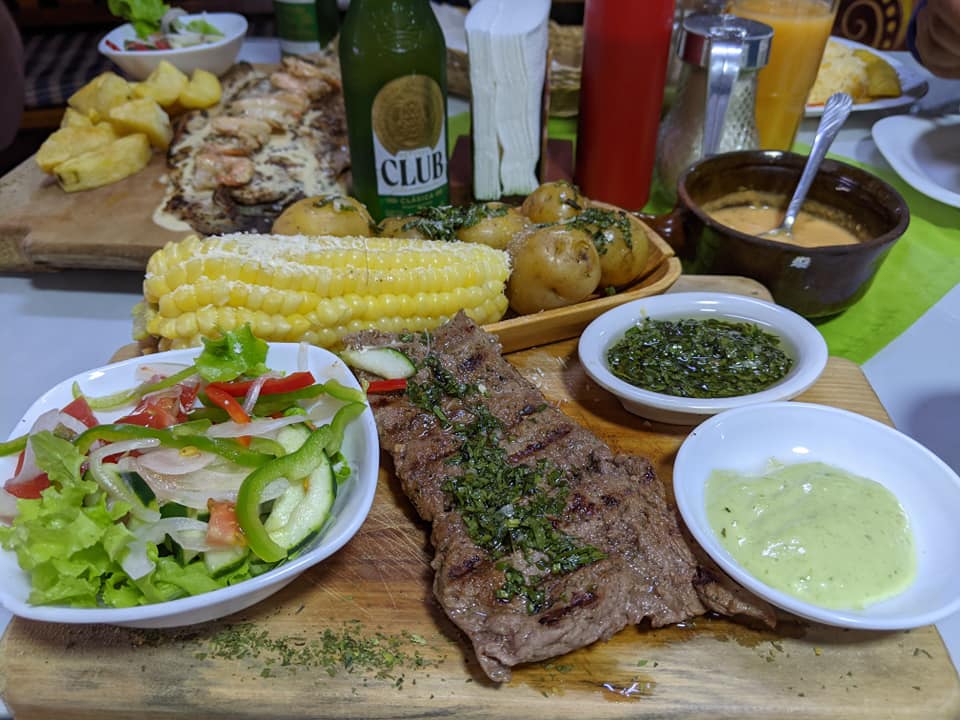
Next up on our list of discoveries was actually more of a confirmation. Near our apartment in Guadalajara, we have several Argentine restaurants, and they’re easily some of our favorites in the city. We were beyond excited to try some of our favorite dishes in their country of origin. Thankfully, Argentina did not disappoint! Of course, the steak and wine were incredible (and SO inexpensive!), but the provoleta, the empanadas, the huge number of sandwiches, the dulce de leche – omg. I was extremely impressed with all the international options we had as well. Italian, German, Korean, Asian-style pay-by-weight places, we were definitely able to branch out even in just 2 weeks.

I was also blown away by the café culture of Argentina. I knew that people in South America have an affinity for drinking mate (a tea-like drink) and, of course, as part of Latin America, coffee is popular as well, but what I didn’t expect was just how abundant and accommodating the cafés would be. Literally every block of downtown BA had at least one café, most of which had several floors offering comfortable places to sit, eat, drink, and chat to your heart’s content. And whether at a café or a restaurant, you absolutely must ask for the check because they’ll never hurry you out.    

So Much Nature

While the local food is always a priority for us when we travel, the memories that stick with us longer are often our forays into the surrounding nature, which is something that South America has in spades. We knew we wanted to take a few trips outside Buenos Aires while we were there, but deciding on where to go was so tricky! An overnight train to the Andes out west? A trek through the jungle to see the infamous Iguazu Falls? Or fully embrace winter with a flight down to Cape Horn? Of course, we went with the coldest option!

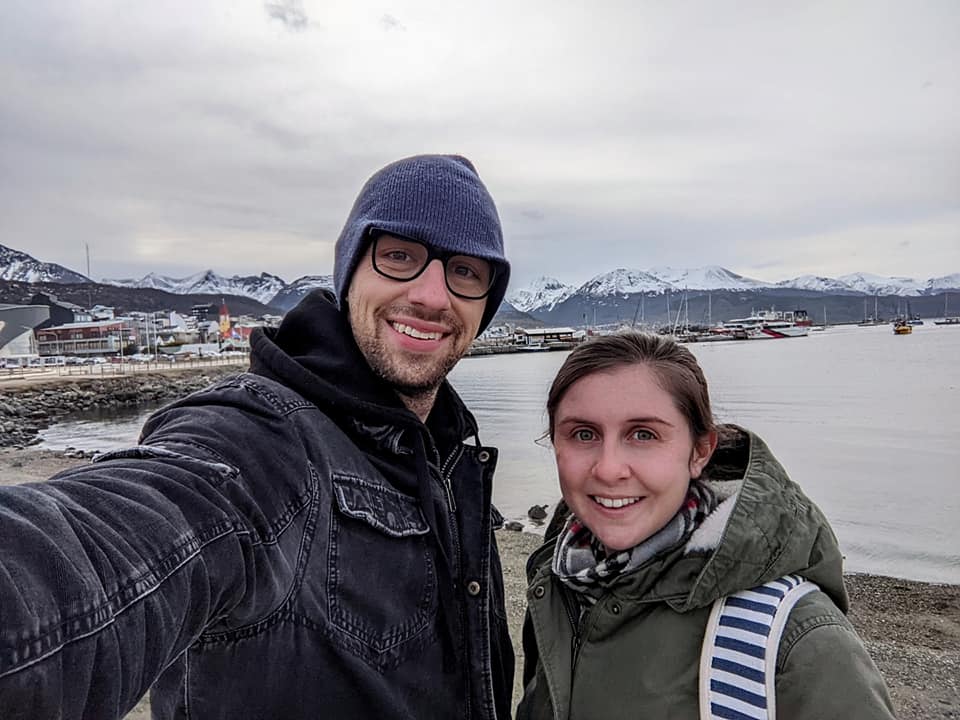
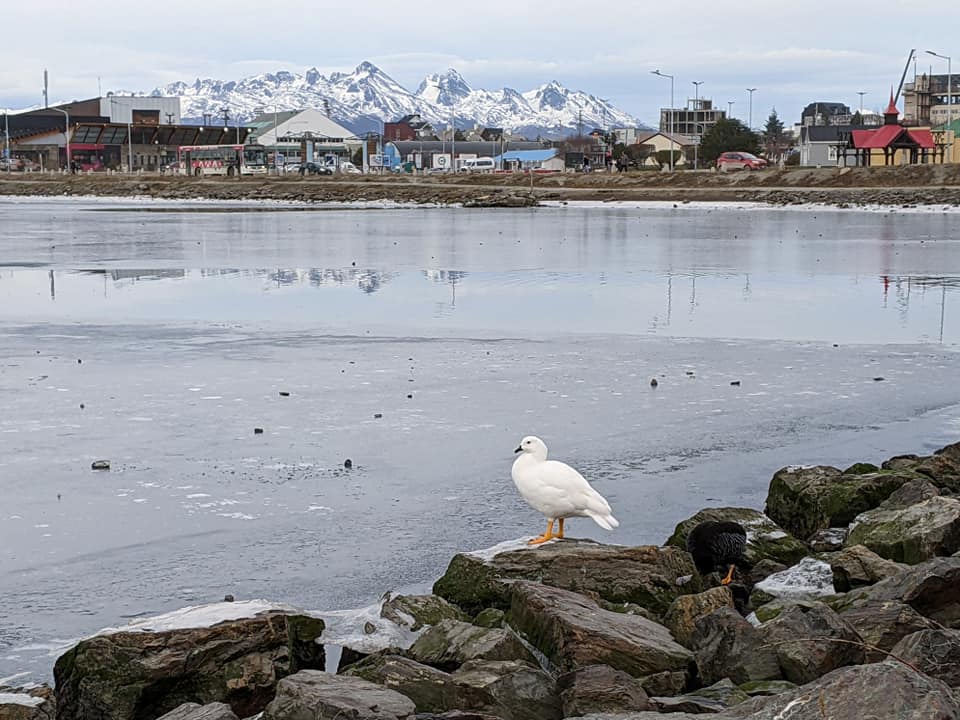
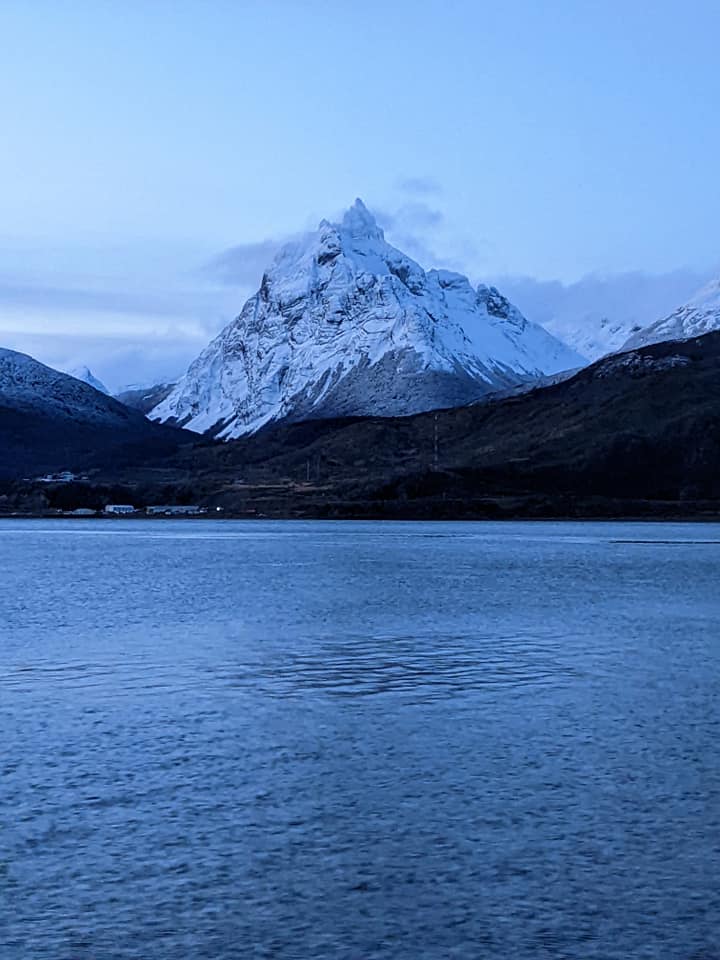
Thanks to Argentina’s budget airline, Flybondi (which is thankfully still operating post 2020), we were able to find cheap tickets down to Ushuaia. Ushuaia sits in the far south of Patagonia and is known as “the southernmost city in the world”. Here we were able to play in the snow, chill our craft beers on the window sill, and tour the icy Beagle Channel. As a geography nerd, the sheer fact that I was at the southern tip of the Americas, only about 1000km from Antarctica was enough for my bucket list, but the incredible mountains and pink morning skies just made it that much more beautiful.

Fantastic Cities

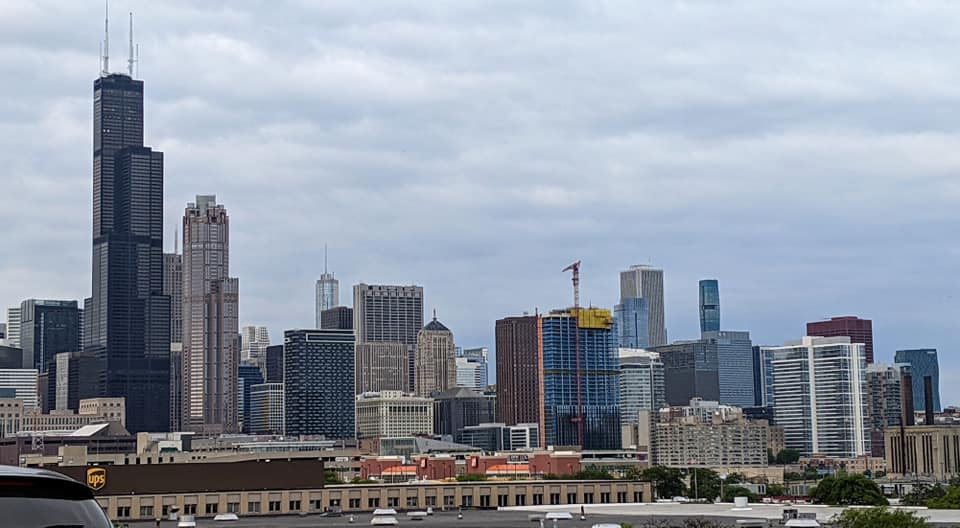
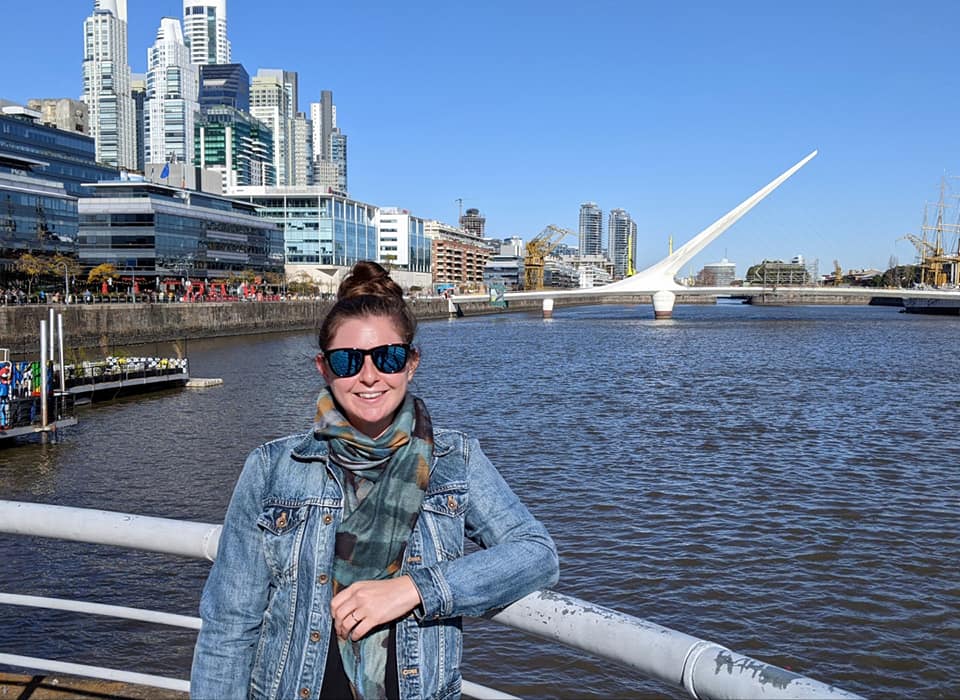
As amazing as it was to be surrounded by such diverse nature, we definitely spent the majority of our time in the two major capital cities: Buenos Aires and Montevideo. Turns out we could have used even more time because Buenos Aires is huge! That’s really the immediate impression I got from the city. It was a 45-minute ride from the airport to Retiro (a downtown neighborhood), and aside from the distance, the number of massive buildings, many of which were apartments, definitely stood out. Walking downtown, I was also amazed by how tall so many of the building are. Very old, very European-style architecture, but much taller than I seem to remember in Poland (or than what we find in Guadalajara). Luckily everything seemed to be bigger in Buenos Aires because there were also gigantic plazas and parks, wide sidewalks, and many-laned throughfares. It seemed like the kind of place you could live for years and still be discovering new points of interest.

Montevideo, on the other hand, was much smaller. Both in terms of the city’s size and the architecture. Although just a few hours away, across the Rio de la Plata, Montevideo is the capital of Uruguay and has an entirely different vibe. Of course, we were super interested in noting any and all differences (in the name of research) and couldn’t help comparing as we went along. To me, Montevideo felt a little like the quirky younger sibling of Buenos Aires. It was much more colorful with lots of street art and eclectic architecture throughout the old and new sections of the city. It also felt much more coastal with its huge rambla (promenade) and beaches. While a lot of the culinary traditions are similar between the two countries, Uruguay has a few of its own stand-outs as well, like the Chivito sandwich, which is now in Tucker’s top 5 sandwiches of all time.

I give you the Chivito

Spanish Differences

Another interesting experience on this trip (as well as on our trip last year to Ecuador) was the Spanish we were hearing and eventually using. The Spanish I’m learning is Mexican, and this is never more obvious than when we’re traveling in another Spanish-speaking country. Words like “alquilar” (to rent), “maní” (peanut), and “palta” (avocado) gave me pause because we regularly (read: only) use “rentar”, “cacahuate”, and “aguacate”. Just like learning to use “chulla vida” in Ecuador, it was really interesting to see which indigenous words Argentina and Uruguay have adopted and how these (and other) influences still serve to differentiate Spanish varieties around the globe.

However, it wasn’t just the vocabulary that caught our attention on this trip to South America. The first real conversation we had in Argentina was with the security guard in the building where we were staying. He gave us our keys and made sure we knew what to expect with entering, exiting, etc. Luckily, having a few Argentine teachers in the past helped prepare me for hearing things like “sha” and “shaves” instead of “ya” and “llaves”, but it was still much harder than I expected. The accent is SO different from what I’ve grown accustomed to, but it was surprisingly easy to pick up and start using ourselves. After just a few days we were saying “sho” (yo) and “para shevar” (para llevar) like everyone around us!  

So, What’s the Verdict?

Well, we loved it all! We could definitely see ourselves moving to either Buenos Aires or Montevideo in the future, and I would absolutely love to have a few years down there (at least!) to more thoroughly explore South America. Even though we might be going north before we make it back down south, I’m beyond thankful for the opportunity we had to get even a glimpse of such an amazing part of the world! Until next time! ¡Chau!

Top 12 Photos from Poland

Last month I finally decided to move my writings from our time in Poland off Facebook and onto my blog site as individual posts. (Sorry to those of you who got email updates before I remembered to turn off the notifications!) This was a long time coming, and although the process was a little tedious, I thoroughly enjoyed reminiscing about all our trips and experiences in Europe. Therefore, for this month’s blog post, I thought I’d do a little countdown of some of my favorite photos (and the memories that accompany them) from our beloved Polska. Enjoy!

#12 – St. Jakob’s Orthodox Church, Częstochowa

We had never heard of Częstochowa prior to moving to Poland, but after visiting, we fell in love with this highly-organized city of international pilgrimage fame. 

#11 – Orłowo Pier, Gdynia

The Tri-City area of Poland might just be our favorite because it is filled with all sorts of unexpected sights and activities! For example: intriguing pirate ships, beautiful sandy beaches, and a lovely ferry to Hel and back. 

#10 – Słowiński National Park, Łeba

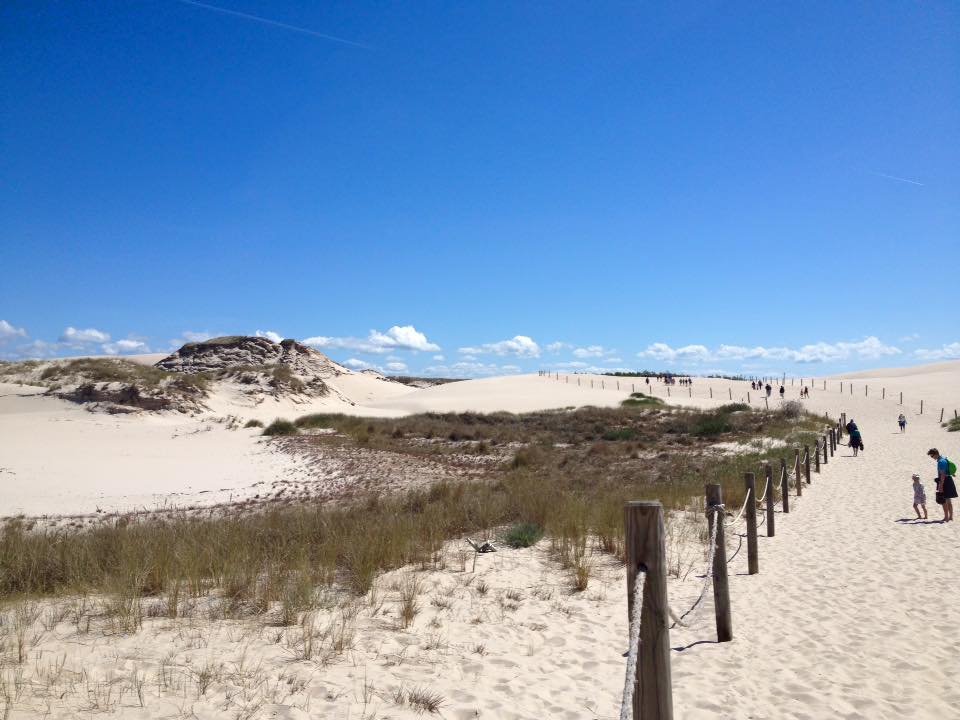
The sand dunes of Słowiński National Park are also high on our list of incredible (yet unexpected) sights in Northern Poland. Is this even Poland? Tak, to jest Polska.

#9 – Market Square, Wrosław

Some cities have something so unique that they will always stand out in your memory. For me, I will always remember Wrosław for its legion of tiny dwarf statues.

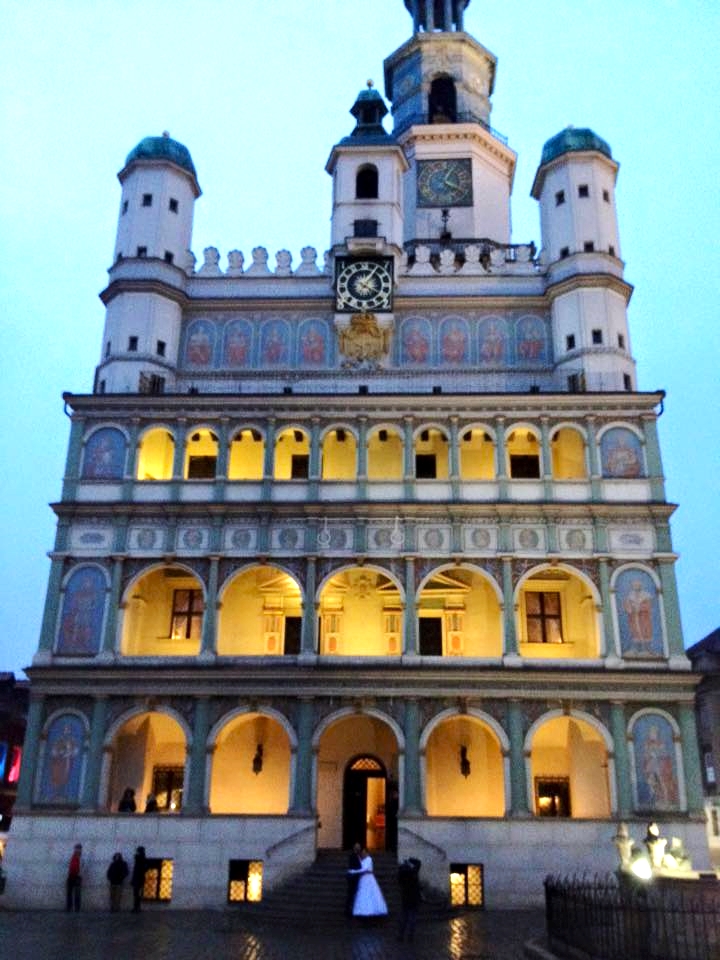
#8 – Town Hall, Poznań

Poznań was another city of surprises with the legendary goat dance and the highly revered rogal świętomarciński, a pastry with its own museum. Smacznego!

#7 – Countryside, Silesia

Our main method of transportation around Poland was Polskibus (something I miss dearly). Views of the beautiful countryside from the windows of a double decker bus will forever be etched in my brain.

#6 – Wawel Royal Castle, Kraków

We were lucky enough to visit Kraków several times, but the bar crawl we did on a whim one night gave us more stories than any other singular event in Poland. My head still spins at the memory.

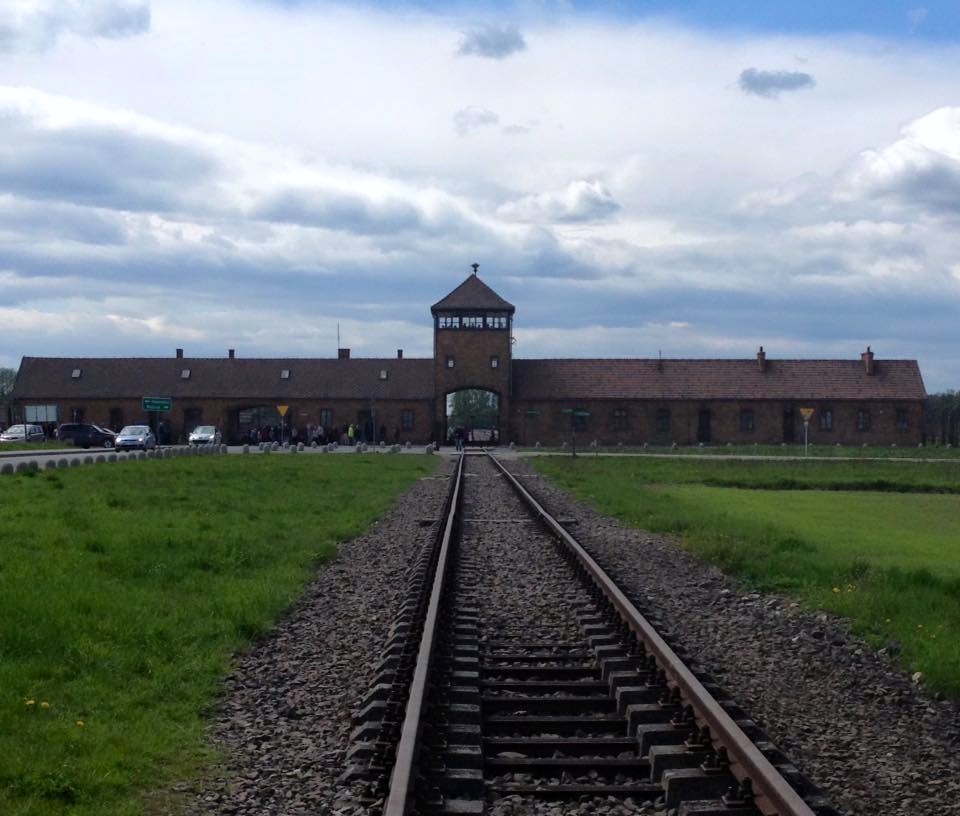
#5 – Oświęcim

Oświęcim, the Polish name for Auschwitz, was a sobering reminder of the horrific events that occurred here and the fact that those who do not remember the past are surely condemned to repeat it.

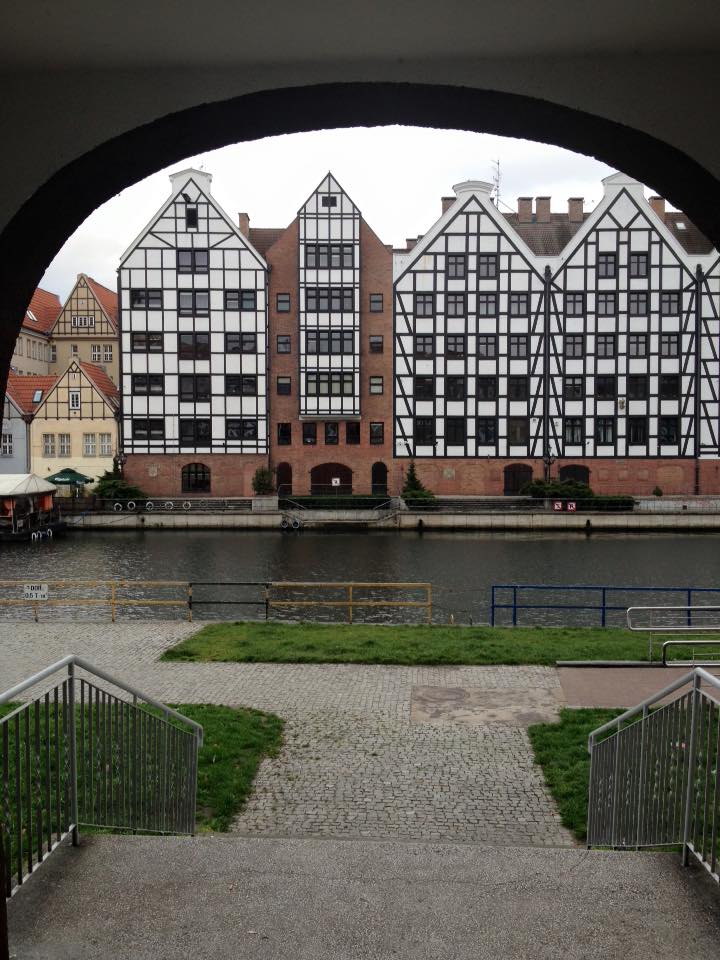
#4 – Motława River, Gdańsk

Another part of the Tri-City area, Gdańsk, has such an interesting history and local flair. Reflecting on it now, Gdańsk seems like the most likely candidate for a potential return stint (other than Łódź, of course).  

#3 – Tatra Mountains

Truly a winter wonderland, hiking in the snowy Tatras was utterly surreal. As was the fact that we traversed the 16km trail thick with fresh snow…in gym shoes. I can still feel my frozen toes.

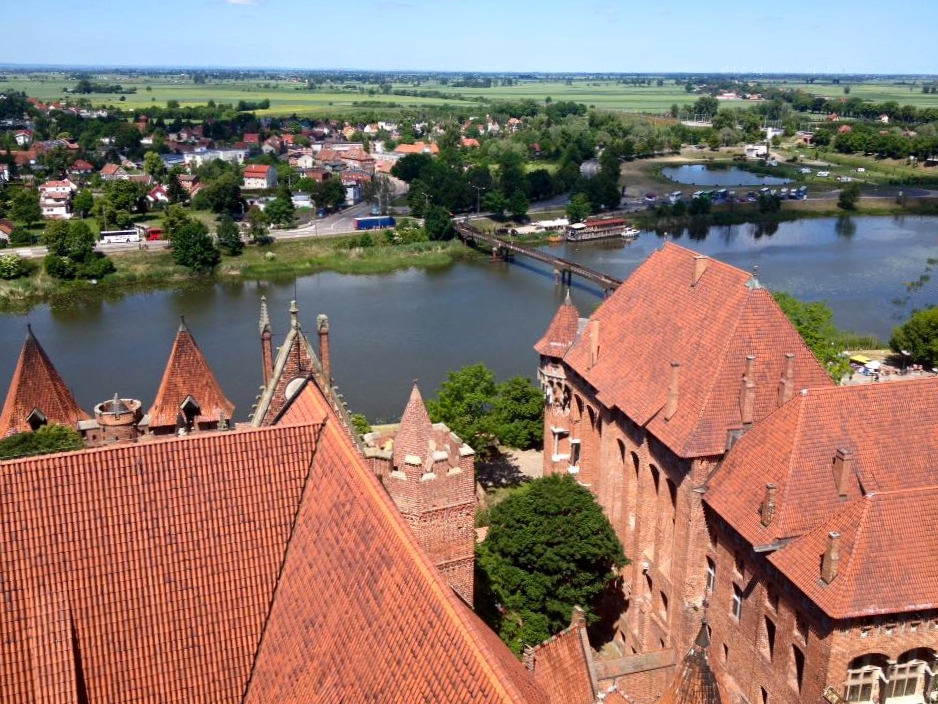
#2 – Malbork Castle, Malbork 

Europe has such a knack for making you and your life feel small in the face of so much history. This was certainly the case in Malbork, exploring the largest Teutonic castle in the world. 

#1 – Główny Rynek, Kalisz

Regardless of destination, the memories (and photos) that mean the most often have to do with friends and family. For me, walking around one of the oldest cities of Poland with my parents falls directly into this category.  

Locations of the 12 photos

What an incredible country! I love reminiscing about all the things we did and saw while living in Poland (thanks for humoring me, by the way). One of the most shocking things about this little project was realizing that this was 7 years ago! We’re clearly long overdue for a trip back. Fingers crossed it happens sooner rather than later! Naprawdę tęsknię za Tobą Polsko.

Quintana Roo – Mexico’s Caribbean Coast

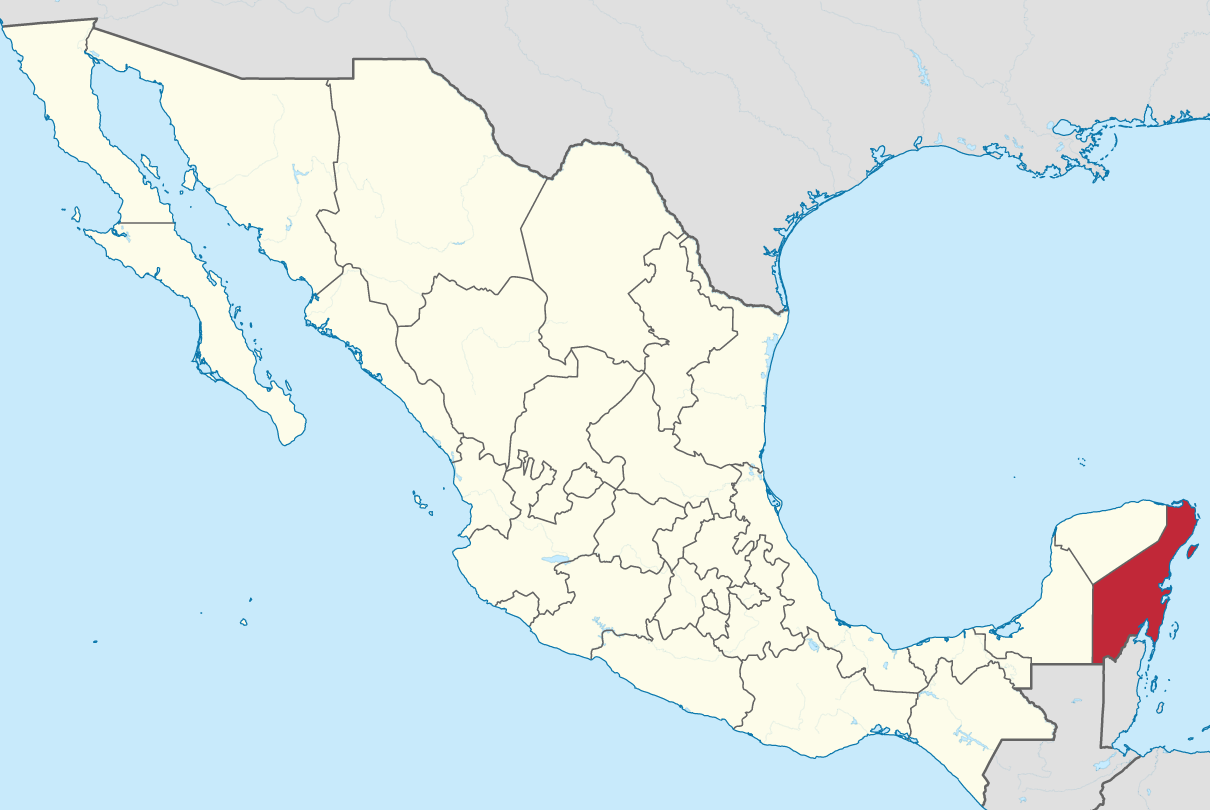
One of my goals for our time spent living in Mexico is to visit as many of the 31 states as I can. In fact, this lofty goal, coupled with the fact that my mother-in-law loves the beach, is what led us on our most recent adventure to Mexico’s easternmost state, Quintana Roo (pronounced “keen-tah-nah row”). Typically, we don’t spend quite as much time (two weeks!) in one state, nor do we often have the luxury of visiting four separate cities and two islands on one trip; however, we definitely wanted to be thorough here because these are some of the most popular tourist destinations both within Mexico and internationally! So, if you’ve always wanted to head on down to Riviera Maya, here’s my summary of what you can see, do, and expect:

Cancún / Isla Mujeres

Our first stop was in Cancún for many reasons. For one, Cancún International Airport is the second largest in the country, which means there are tons of flights in and out from a huge variety of locales. Another solid, practical reason to start in Cancún is the fact that it’s located at the very tip of the Yucatán peninsula, meaning flights from east of the Mississippi are quite short and very affordable. Personally, I also wanted to start in Cancún because I had (erroneously, as it turns out) thought that Cancún would be my least favorite of the cities on our itinerary, and I’m very much a save-the-best-for-last kind of person.

The Best Parts:

Speaking of bests, one of our favorite experiences in Cancún was kayaking among the mangroves in the Nichupte Lagoon. As a planned city, Cancún has several distinct “zones”, and the Nichupte Lagoon is actually what separates the Hotel Zone from the city center, making it very convenient regardless of where you’re staying. The lagoon is part of a protected reserve and boasts incredibly clear and calm water as well as a plethora of flora and fauna. Another must-do, as far as we’re concerned, is a catamaran ride to Isla Mujeres. On a whim, we booked an all-day package that included a catamaran ride, snorkeling through MUSA (an underwater art museum), an open bar, a buffet, and several hours of free time on the island. It was amazing! Dancing to the macarena with a group of strangers was the cherry on top of the perfect beach day. Of course, all the beaches on Cancún and Isla Mujeres are glorious. I have never felt sand so powdery soft or seen such beautiful water both on the shore and out at sea. I totally get why people fall in love with these beaches.

Things to Note:

For me, Cancún (and really all of Riviera Maya) is not the place to go for true Mexican culture. It is a tourist haven, and there are essentially zero Quintana Roo locals. Cancún, especially, has a bit of a Vegas vibe as the city is divided into the Centro and the somewhat remote Hotel Zone – the Hotel Zone being very much like “The Strip”. We actually learned the hard way that getting around Cancún isn’t as easy as it usually is in Mexico. Ubers are banned from the airport and the Hotel Zone, taxis do everything they can to ensure they’re getting their money’s worth, and the buses (while frequent) are quite crowded and more expensive than usual as well. The resorts can also be a bit of a headache for those who are staying downtown. Although, by law, all beaches in Mexico are open to the public, private hotels can and have put up walls that require a long walk around to specified access points along the Hotel Zone. That said, once you’re on the beach, you can walk anywhere you want, and there’s nothing they can do about it!

Speaking of headaches…

Playa del Carmen / Cozumel

Our next stop was Playa del Carmen, another resort-focused city along the coast and without question an integral part of the infamous Riviera Maya. As it’s only about an hour from Cancún, it’s really easy to travel from one to the other, and like Cancún, Playa del Carmen also has a famous island destination right off its shores: Cozumel. Interestingly, I had been to Cozumel as a pre-teen while on a family cruise, but to be honest, my memory of it was almost non-existent…maybe that should have been my first clue as to how I would feel about it as an adult.

The Best Parts:

But first, the positives. The center or anchor of Playa del Carmen is a long shopping/restaurant street called Quinta Avenida (5th Avenue). Here they have everything from high-end malls to beach trinkets and 5-star dining to taco stands. We ate at Aldea Corazón, which had an absolutely delicious take on modern Mexican cuisine. They also have a waterfall and cenote in the outdoor dining area, so the atmosphere is as excellent as the food. After Cancún, it was nice that everything: hotels, restaurants, shops, etc. were all running parallel to the beach, just one block inland. I appreciated not needing any form of transportation while seeing the sights. Playa del Carmen is also beautifully placed directly between Cancún and Tulum, making it easily accessible from either direction.

Things to Note:

Okay, now I’ll be the first one to admit that sometimes you have bad days or bad experiences while traveling (it has definitely happened to us on more than one occasion), and it doesn’t usually affect how I feel about a particular destination. However, our time in Playa del Carmen, definitely had some extreme travel lows. Tourist scams are abundant, upcharges are frequent, and Cozumel is catered to cruise ships. All I can say, is you’ll have to pay A LOT to see and do things that were honestly better in Cancún and Isla Mujeres. Another thing to note (really in all heavily touristed areas/large cities) is to be aware of your surroundings. While we were in Playa del Carmen, we witnessed a serious street fight that got out of hand and could have easily escalated into something much worse. Remember it’s not only family vacationers that frequent high-end resort areas.

$25, over 45 minutes, blacked out windows…find another way!

Tulum

After our day in Playa del Carmen, we drove down to our next destination: the highly touted, Tulum. If you consume a lot of travel-related media (like I do), Tulum is/was most likely already on your bucket list as well. Mayan ruins on the cliffs, underground rivers and cenotes, eco-tourism at its finest! I think for this particular trip, Tulum was the city I was looking forward to the most.

The Best Parts:

The things that have put Tulum on the map are definitely the main reasons to visit. The Tulum ruins are incredible! There is so much history and beauty in these sites (although I do have to say that Uxmal, which is closer to Mérida in Yucatán, is still my favorite Mayan site. Yes, even over Chichén Itzá.) The cenotes, of which there are so many in this area, are also well worth the trip. Crystal clear freshwater swimming holes that have so many interesting facts and stories surrounding them – what’s not to love? Downtown Tulum isn’t quite as developed as either Playa del Carmen or Cancún, but the number of independently owned, vegan/vegetarian-friendly restaurants is certainly top notch. The main road through the city is the aptly named Avenida Tulum, but I highly recommend walking parallel to the main drag (on either side) to see a little more of the real day-to-day life of Tulum. And if you are planning to stay in Tulum, I cannot recommend Casa Libélula enough – such a beautiful little oasis tucked away in the chaos that is a burgeoning tourism hub.

Things to Note:

As I mentioned, Tulum is still a growing tourist destination, meaning there are some kinks they’re still working out. Sidewalks are mostly present, but not always, and the locals are still figuring out the right prices for their wares…in my opinion, they’re aiming quite high at the moment. Unfortunately, another thing that goes along with these up-and-coming tourist destinations is the yolo mentality (on both sides). The tourists are yolo-ing it up with a lot of noise and trash (and no resort personnel to clean up after them), and the vendors are making the most of a current fad that they know might not last forever by taking advantage when and where they see fit. In addition to the pandemic-related slump that has affected tourism globally, over the past few years, the Caribbean coast of Mexico has also been inundated with sargassum, or seagrass, and Tulum is unfortunately not immune.

So much Sargassum!

Bacalar

Finally, our last stop on this epic journey, the future tourist hot-spot of Bacalar. Bacalar is about 4 hours south of Cancún, an hour north of Belize, and sits on the pristine Bacalar Lagoon. Unlike the other three cities we visited, Bacalar had not been on my radar until after we moved to Mexico. This is a favorite among locals, and anyone who visits can easily understand why. During our time in Bacalar, I actually felt quite sad thinking about whether or not it’s going to become the next Tulum or Playa del Carmen, but I have to think that it will always retain the special type of mágico that exists there now. ¡Ojalá!

The Best Parts:

Immediately, one of the best parts of Bacalar for me was that it felt much more like the Mexico that I have come to know. It is much more laid back (even with the growing tourism industry). Bacalar has a more traditional main square, an old Spanish fort, and plenty of places to just sit and chill out in the shade. Thankfully, price-gauging hasn’t become an issue in the local shops, and here, more than anywhere else on our trip, was my Spanish needed (as it should be!). Then there’s the lagoon itself. 42km by 2km (26mi by 1.2mi) of incredibly clear blue water (in fact, Bacalar Lagoon is known for having 7 distinct shades of blue). As there is a lot of shoreline available along the lagoon, it’s very common and affordable to stay right on the water, which is what we did. We stayed at Seven Blue House and had an amazing time swinging in hammocks on the dock, kayaking in the lagoon, and watching the sun and wind play on the water from our balcony right over the edge of the lagoon.

Things to Note:

Of course, with Bacalar being so much smaller than the other notable cities in Quintana Roo, the amenities are limited (no Señor Frog’s here!). It’s also not on the beach if that’s something you’re looking for. The lagoon is a couple of hours from the nearest Caribbean beach and all that accompanies it (like sand, for instance). Bacalar is also the furthest away from the big airports and most of the famous sites of the Yucatán peninsula, so if you want to do and see it all, Bacalar might not be the best home base for a trip like that.

TL;DR

Ultimately, this was a trip full of surprises for us, which shouldn’t actually be so surprising given all the expectations and preconceived notions we came into it with! In summary, I do feel a little guilty about how hard I was on Cancún (before I even visited) because in reality I enjoyed the variety it had to offer. Playa del Carmen isn’t really my vibe, but I can see the draw. I wish I had traveled to Tulum 10 years ago, but it’s still such a sight to see. And with Bacalar, the baby of Quintana Roo’s tourism industry, all I can do is wish it well, and hope it remains as unique as it is in this moment.

And with that, another extraordinary trip is in the books! Just so everyone knows, I still pinch myself quite often over the fact that we’re able to do and see all these amazing places. What an incredible planet we inhabit! Hopefully everyone reading this is currently planning their next adventure, but if not, I hope you enjoyed living this one through my eyes. Here’s to the next one!

¡Salud!

Pandora’s Paperwork-filled Box

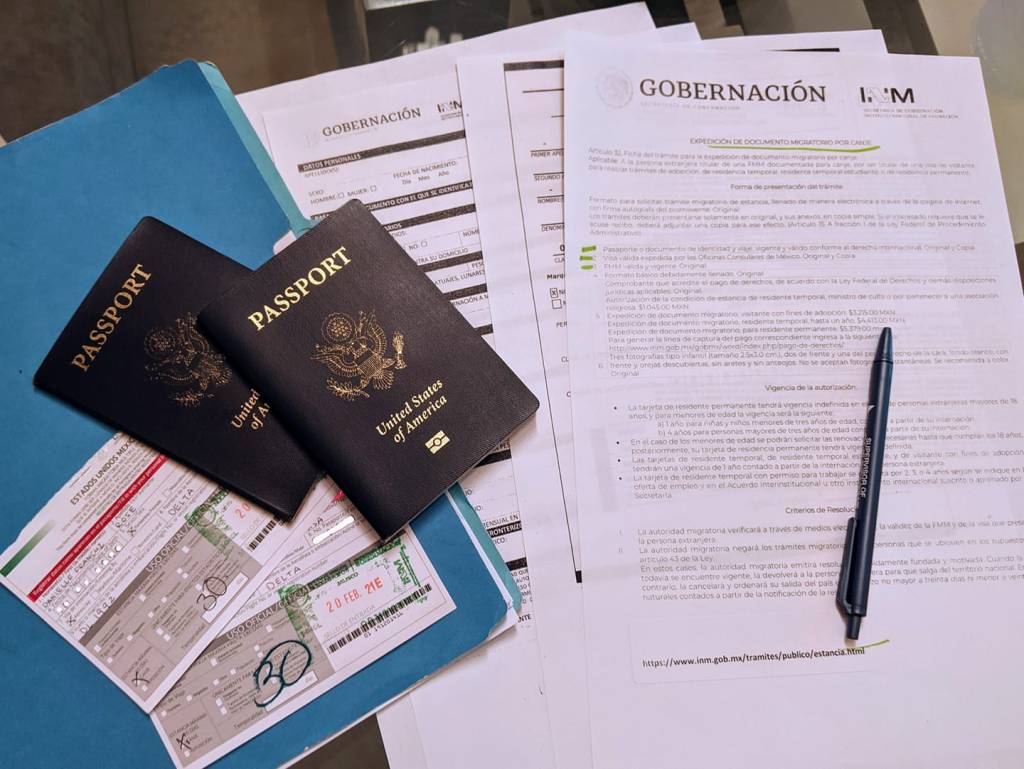
This month’s post might be a little different than usual. Actually, at this point I’m not convinced this isn’t just a form of catharsis (if I write it all down, I can let it go, right? Right?) We’ll see what happens. In reality, I hope this will be more than just my venting about my last few months in paperwork hell. I would actually like for this to serve as a record in case I have to do some of these things again and perhaps also as a guide for anyone else that has to go through these incredibly tedious processes. So, all I can say is buckle up as I endeavor to take you on a journey of a thousand citas (or “appointments”).

Okay, you might at this point be wondering what the heck I’m even talking about in this post. To clarify (and to account for any absenteeism these last few months), Tucker and I have been absolutely elbow-deep in various administrative processes. It all started in January when Canadian immigration (which we applied for back in 2019) contacted us needing updated and additional documentation to continue their processing of our permanent residency status. They needed another “up-front medical exam” and a copy of my renewed passport.

Up-Front Medical Exam

While not the most complicated of our soon-to-be mountain of administrative tasks, getting a medical exam in a foreign country always comes with a few added challenges. For one, Canada requires the exams be performed by one of their IRCC-approved doctors, of which there are only 12 in Mexico. Super unfortunately, none of these twelve happened to be in Guadalajara. However, there was one clinic in Monterrey, which we knew we’d be driving through in February while on another paperwork errand. The next (and probably somewhat obvious) issue with medical exams abroad is the language barrier. I had to call and make our appointments in Spanish and, of course, all the background questions and instructions throughout the exam were also en español. I learned quite a few new words throughout this process (como altura, vejiga, aguja, y radiografía), and I even made a joke about Tucker needing a paleta after his scary, scary blood draw.

Happy to have an excuse to visit Monterrey, honestly

Passport Renewal

The next request from Canada was for my renewed passport information. This was a tricky one because they needed me to renew it 6 months before it expired! When you live abroad your passport is your main ID, so to change it before we renewed our Mexican residency would have been impossible. We also knew we’d be going back to the border in February, so for this one, I actually appealed to Canadian immigration and asked for an extension. I was somewhat successful.

I think they’re just as sick of me at this point…

Mexican Residency Renewal

Truly our 2nd home in GDL

Of course, we also knew that in February our Mexican residency status would also need to be renewed. Everyone who applies for temporary residency in Mexico is given one year at the start, and after those first 365 days, you have the option to renew for 1, 2, or 3 more years. Since getting our initial residency cards was a fairly straight-forward process, I (perhaps) naively thought the renewal process would be even easier. We’re already in the system, no?! However, a series of extremely unfortunate events had us going back and forth to the Immigration Bureau 5 times (often having to wait weeks in between citas due to the new Covid procedures, thanks a lot Omicron). Unfortunately, one of the main reasons for all of these trips was a confusion with my apellidos (“last names”).  

Reimbursement at SAT

In Spanish “apellido” refers to your family name or last name. In Mexico everyone has 2 apellidos – their paternal surname and their maternal surname. My name actually follows this structure pretty well, nombre: Danielle, apellido 1: Francuz, apellido 2: Rose. So, when the bank processed my payment that’s how the documents were filled out. However, in the eyes of the US (i.e. in my passport) and thus to the Immigration Bureau, I actually have 2 nombres: Danielle Francuz and 1 apellido: Rose. This discrepancy was a huge one in that I had to pay twice and later file for a reimbursement at yet a different office. I’ve now been to the SAT office (Mexico’s version of the IRS) twice to receive instructions and then my very own Mexican tax ID. I’m now in a “virtual line” for a third appointment where I will need to get my electronic signature before hopefully (finally) getting the reimbursement. Fingers crossed!

Import Permit Re-do

Of course, that wasn’t the only problem we had with the residency renewal…another issue came about because in order to straighten out the name debacle and successfully renew our residency cards within the new Covid procedures, we actually went past our initial residency cards’ expiration dates. Fortunately, the office assured us this wouldn’t be a problem with immigration because everyone was given leniency with the new digital cita process; however, very unfortunately, the Banjercito office (at the US-MX border), which issues import permits for foreign vehicles, did not have the same leniency in place. This meant that while we could remain in Mexico beyond our cards’ expiration dates, our car could not.

Flo, the trouble-maker

For this reason, we had to drive back to the border (before the expiration date) not exactly knowing what we would be able to do without the new residency cards to tie the permit to. Turns out there wasn’t anything we could do. You have to have either a tourist entry or a residency card to get an import permit (both of which were impossible for us as we were in limbo with cards on the verge of expiring and a scheduled appointment in another month). We also couldn’t just drive in Mexico without the permit and/or an expired permit because if we got caught, or when we came back to get a new permit, they could impound the car. Therefore, we opted for door number 3: drive the car across the border, store it for 6 weeks while we get our new residency cards, and fly up at a later date to re-do our permit and drive back down. OMG.

Police Certificates

If that wasn’t enough, while we were dealing with all the chaos of our Mexican residency renewal, Canada asked for MORE documents. With our updated location (i.e. Mexico) we needed to provide a police certificate verifying our legal/non-criminal status in yet another country (they already have these forms from us for the US, Poland, and China). However, completing the background check process in Mexico was yet another new experience for us, and it led us to another new office: the Fiscalía General Del Estado de Jalisco. Here, it took us a scouting mission, a few phone calls (en español), 3 citas, and a trip to another office (for a permission slip of all things) to finally get our fingerprints taken. Although, “fingerprints” is not really the right word. In Mexico, they take prints of your fingers, your palms, and the sides of your hands, it was actually really interesting. I’m also happy to say that I am officially NOT a criminal in Mexico. Tucker’s still waiting on his results…

Passport Renewal (for real this time)

Okay, so now it’s April. We’ve got our renewed residency cards (good until 2025), got our car with its rightful import permit back in GDL. Our appointment to try again for the reimbursement is pending, police certificates are in process, medical exams have been sent to Canada…time to renew my passport (still several months early, but what Canada wants, apparently, Canada gets). Much like all the other processes, this one took me 2 attempts. Forms, photos, payment methods, etc. everything the website says differs from the actual requirements in person, on the day. However, I have now successfully crossed this off my to-do list as well, and the new passport should be shipped sometime in the next 2-5 weeks. Praise be!  

And with that, I think we’re done, or at least very nearly. I do feel a little better getting all of this off my chest. I also feel extremely proud that we were able to juggle various forms of bureaucracy from three different countries all at once. Sometimes I think people see my travel photos and have the idea that Tucker and I are on a perpetual vacation, but I’m here to tell you it isn’t easy to live abroad. Of course, for me, it’s worth absolutely any amount of paperwork! This is my life now. :)  

One Year in Mexico – What Have We Learned?

What a year! And what a question! As usual, the time is flying by, and the number of stories, facts, and lessons we’ve accumulated are innumerable. However, I thought it might be fun to share a few of the things that have stuck out this past year as we’ve continued adapting to our new home in Guadalajara, Mexico.

The Lifestyle

One of the first things that is easily recognizable as soon as someone enters Mexico is its vibe. Totally unique and bursting with energy, Mexico (and Guadalajara in particular) had an immediate effect on our mentality. Moving from China back to the US with Canada on the horizon during a global pandemic definitely had us in a more serious mindset. Luckily, only a few days in Mexico had us feeling considerably more relaxed.

More than relaxed actually – tranquilo is the word. The week we arrived in Mexico, I remember walking through a park and watching a man literally stop to smells the flowers. My American go-go-go brain couldn’t compute at first. But that was really all it was. He stopped, smelled the flowers, and went back to his walk. It was the first of many muy tranquilo instances we’ve encountered this year. You can’t help but slow down and ease up, even in a major city like Guadalajara. I have to imagine this year has been significantly better for my blood pressure!  

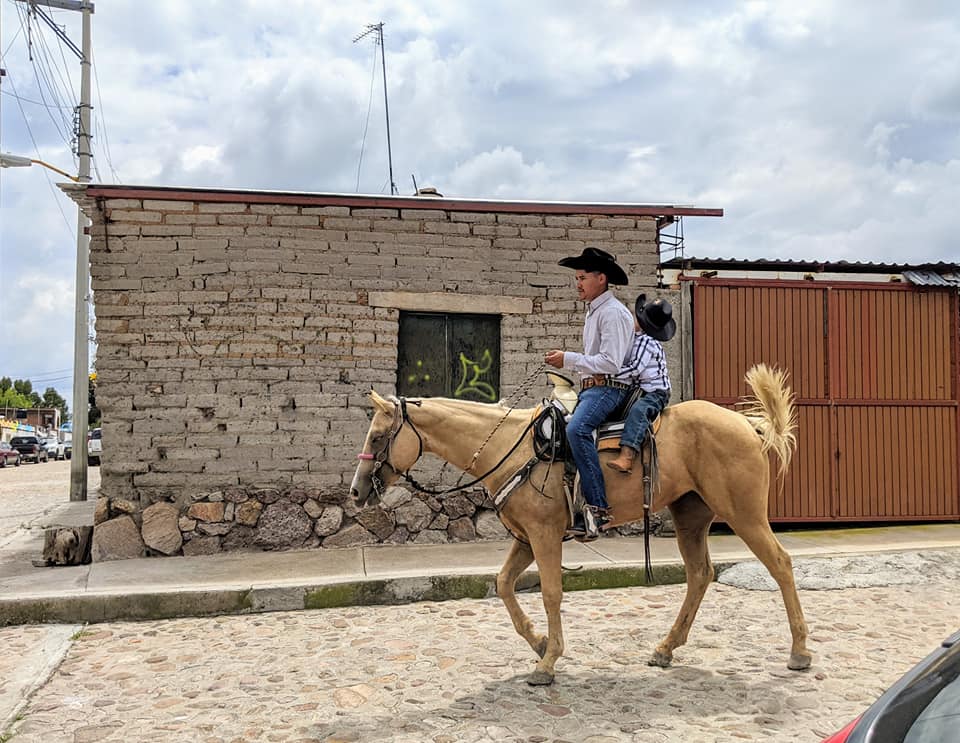
In addition to feeling more relaxed, we’ve also been re-learning the concept of divertido (fun). One image that will forever be ingrained in my head is that of a man we saw in Ajijic riding a horse down the middle of a road while simultaneously browsing his phone and downing a cerveza. He was definitely having fun. But it’s not just the so-called magic towns that have fun. We live a block away from the party street of GDL, and we hear ALL the fun. I know for some that sounds like a nightmare (light sleepers beware), but for us, it feels like we’re having a party every weekend. Even if we’re just in our PJs watching TV at a comfortable distance.  

Another aspect of our new lives in Mexico has to be living in the moment (o espontáneamente). Sometimes it seems like either something is done right then or else it’ll be “ahorita” (which basically means never). A good example of this would be the “afiladores” or “knife sharpeners”. Every week from our apartment we can hear a whistle and a shout from the afiladores who walk the neighborhood announcing their presence so residents in need can grab their knives and run down for an impromptu sharpening. So far, I’ve yet to attempt this, but maybe ahortia…       

The Lessons 

Of course, adapting to the lifestyle doesn’t happen overnight. We’re basically still fumbling our way through life’s daily routines, making error after error as we go, but for me that’s where all the fun is. The laughs we get from the mistakes we make along with the little annoyances or oddities that give us a window into our own cultural confines definitely make all the ambiguity and confusion worth it.

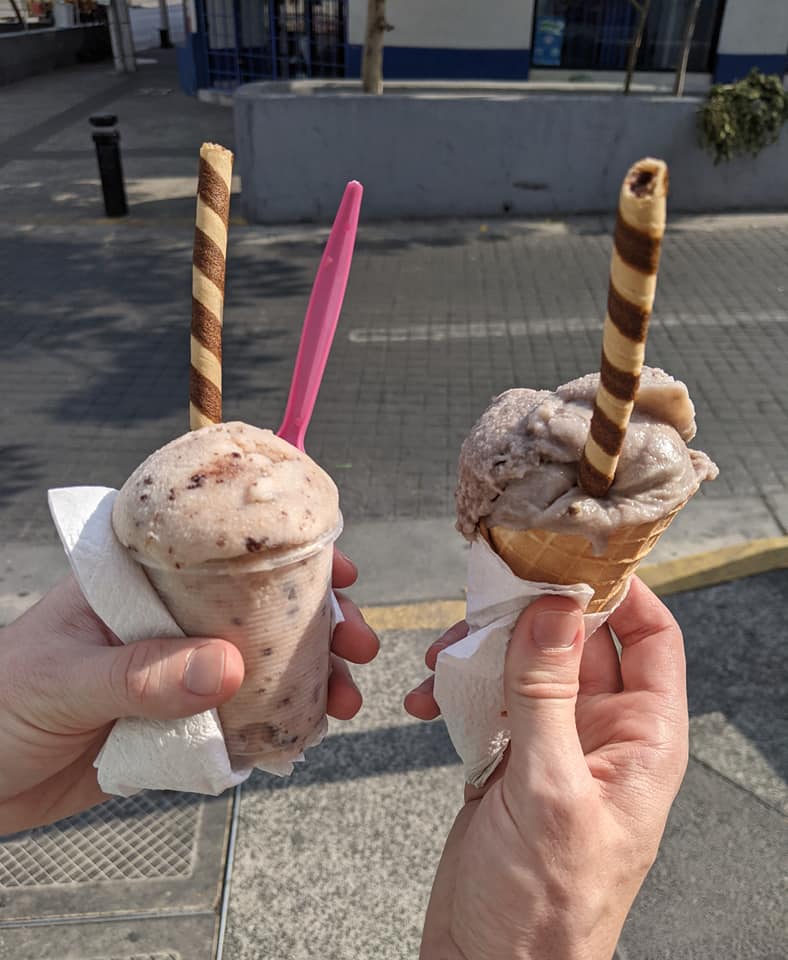
¿Cajeta o galleta?

Most likely our biggest area of failure revolves around language (as it has in every one of our previous homes abroad). One that is still making us laugh actually occurred in the privacy of our own vehicle on the long drive down. The GPS kept saying we were headed toward Oeste, but neither of us had heard of that city or ever saw it on the map. Turns out “oeste” just means west in Spanish. How had we never learned the cardinal directions? Other language faux pas include my use of the word “cansada” rather than “casada” (“tired” instead of “married”) when asked my civil status, and Tucker’s continual struggle with the pronunciation of “galleta” versus “cajeta” (“cookie” or “caramel”) – for the record, I prefer cajeta.  

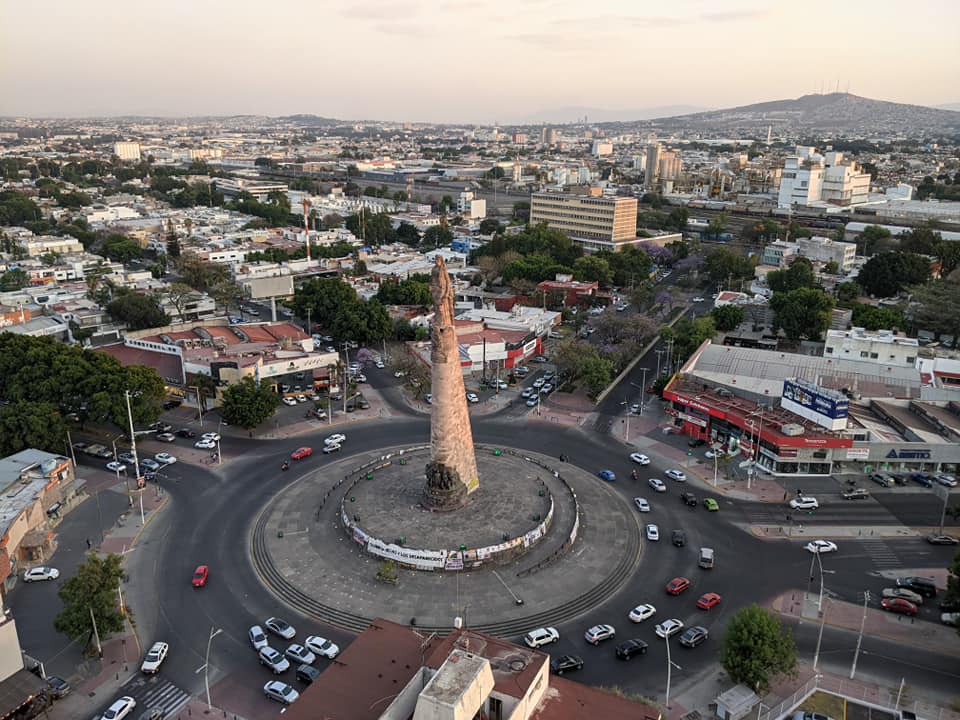
Another big lesson (mostly for Tucker) this year has been within the realm of driving. Driving in a foreign country is always challenging, but when you add increased frequency, the lessons just keep on coming. For example, we’ve just about reached our lifetime quota of driving through three-lane roundabouts. Still not always sure the best practices there, though. We’ve also realized that “yielding to flow” is not as easy as it sounds. But my personal favorite has been listening to forgotten 80s hits everywhere we go. The radio stations here absolutely love to play Rasputin, Take On Me, and the like.   

Glorieta de los Niños Héroes – pure chaos
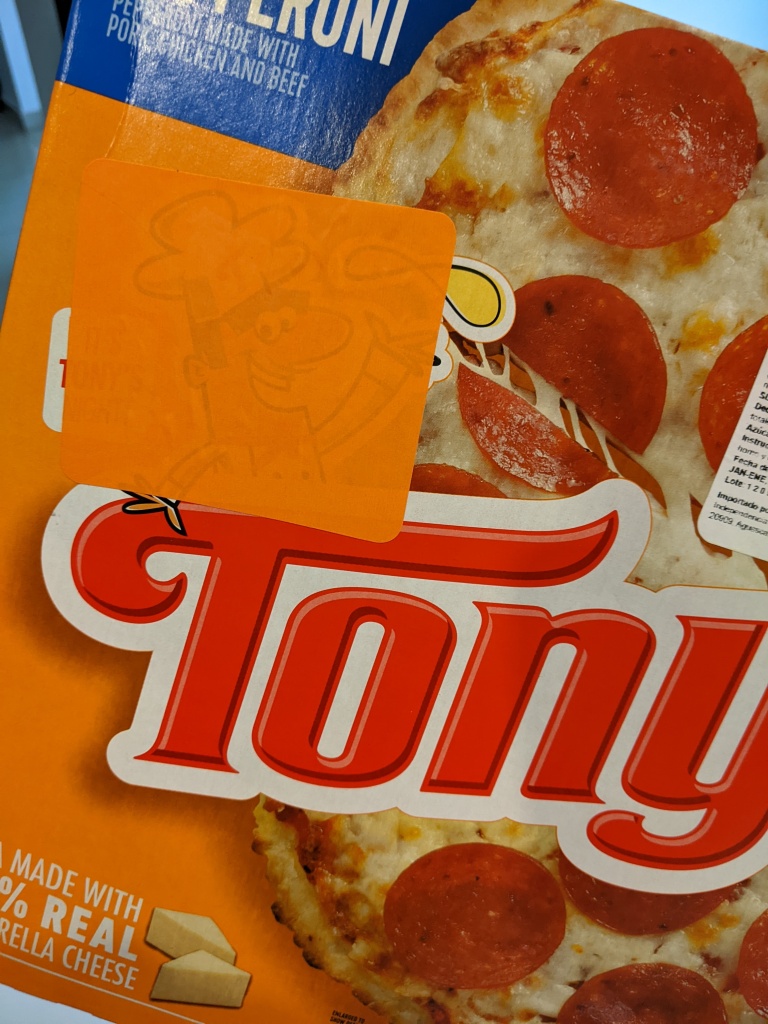
Adiós Tony

Shopping in Mexico has also taught us a few lessons over the past year. We had previously learned that we might be expected to sticker our own produce before checking out (thanks Poland and China), but in Mexico, they thankfully do that at the registers. However, here it’s the bakery and cosmetics sections that are separate in most grocery stores, requiring separate check-outs/payments. We definitely lost a carrot cake in this learning process. Another fun grocery store occurrence is the covering up of any cartoon mascots on food products. There’s a law in Mexico that banned characters like Chester Cheeto and Tony the Tiger in an effort to combat childhood obesity and skewed marketing tactics. When we buy products imported from the US, there’s very often a huge sticker covering up some well-known faces.

Other Surprising Tidbits

In all honesty, every time I write a post like this, it’s hard to choose what to put in and what to save for in-person stories. I usually try to group our experiences in some way, but there are so many things we come across that are really in a world of their own. Things like…

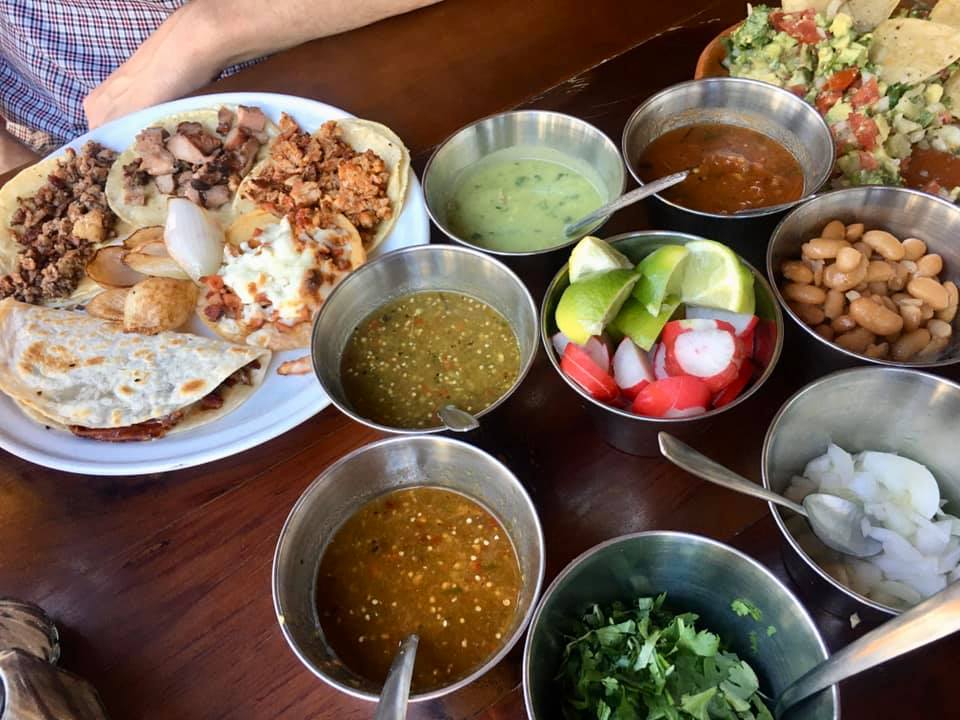
Taco facts. Tacos are a way of life in Mexico, and we’ve learned a lot about how to rate, make, and eat a taco. First of all, two corn tortillas are a must for any self-respecting taco. We’ve heard rumors that in El Norte you can get flour tortillas, but I don’t know, it seems sort of sacrilegious now. Sadly, I also found out that putting crema on your tacos is totally fresa (uppity or snobbish). In fact, the purist tacos should have only 5 things: tortillas, meat, onion, cilantro, and lime. Of course, the final addition to any taco is a good salsa, but I could (and might seriously) write an entire post about salsa in Mexico. 

Another discovery in our early Mexico days was the constant morning cowbells. It reminded us of the “bring out your dead” scene of Monty Python, but in reality, it’s the call of the garbage collectors. There aren’t traditional bins in downtown GDL (and good thing too because the sidewalks are well-trafficked and the sun is warm), so instead of a weekly collection day, each morning the bells are rung, and if you have a full bin, you set your bag outside for collecting as they pass by.

Last but not least, I thought I’d end on a cultural tidbit that I’m not sure if I find cute or creepy. When children lose their teeth in the US, the Tooth Fairy visits their room while they sleep, taking the tooth and leaving some money (also somewhat of a mix between cute and creepy to be honest…). And kids here in Mexico experience a similar swap; however, it’s not a fairy that makes the trade. It’s the Ratón de los Dientes (or the Tooth Mouse). Makes me wonder if Mickey’s got a collection of teeth somewhere in the Kingdom.

Anyway, that’s what we’ve been up to during our first year in Mexico. Picking it all up as we go along and having a ton of fun in the process. We’re currently busy renewing our residencies for an additional 3 years, so I think the learning has only begun! ¡Deseanos suerte!

Hogar dulce hogar <3

2021 Wrap-up

Another year is coming to an end…and although it wasn’t quite as crazy as 2020, it was close. For me and Tucker there were definitely some things that changed (drastically) and others that were oddly more consistent than ever before; all of which has me reflecting. So, here’s a look back at our 2021: the good, the bad, and the ugly.

In an effort to cleanse ourselves from the craziness of the previous year, we started 2021 by burning everything we could find that said “2020” on it. It was extremely cathartic. As was our drive to Florida’s west coast for sunset followed by a drive to the east coast for the first sunrise of 2021. I enjoyed the dramatic ending of what was objectively one of the worst years in recent history. Although, unfortunately, a lot of what made 2020 so bad seemed to follow us into 2021, I was still extremely happy that I was able to use the New Year as an excuse to move on (mentally and physically as it turned out).

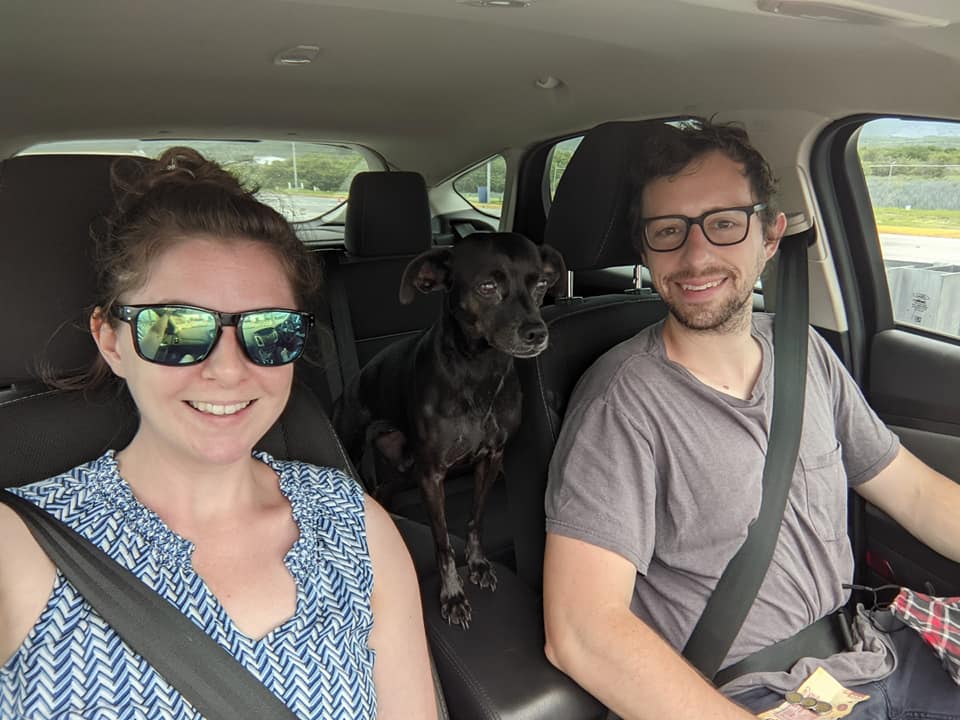
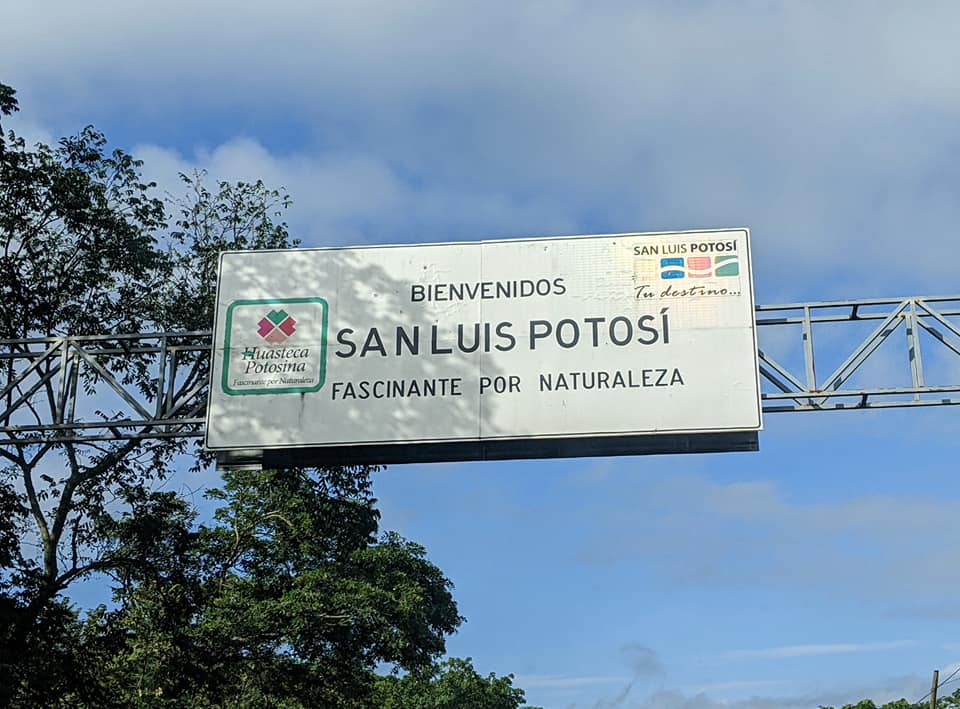
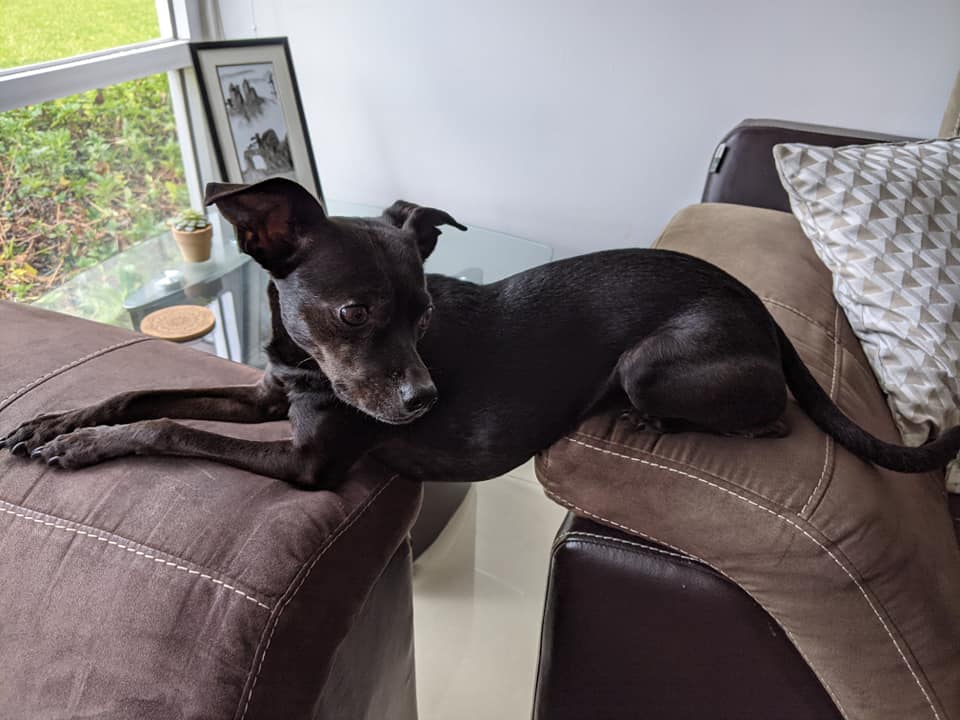
In February we finally said “au revoir” to Quebec (at least for now, accepting the long immigration pause as a bit more permanent than we had originally thought), and then we literally said “goodbye” to Orlando as we packed up and headed out for yet another (different) international move. This time we went south, moving to beautiful Guadalajara, Mexico! With all the new challenges, like obtaining residency, driving across the border, and settling in with a four-legged family member this time, we all felt completely refreshed. It’s amazing what having tangible plans and clear goals can do for your mentality, especially after a year of complete stagnation. I joke that Mexico became my therapist because I had seriously needed something to focus my energy on post-2020, and luckily, I found it.

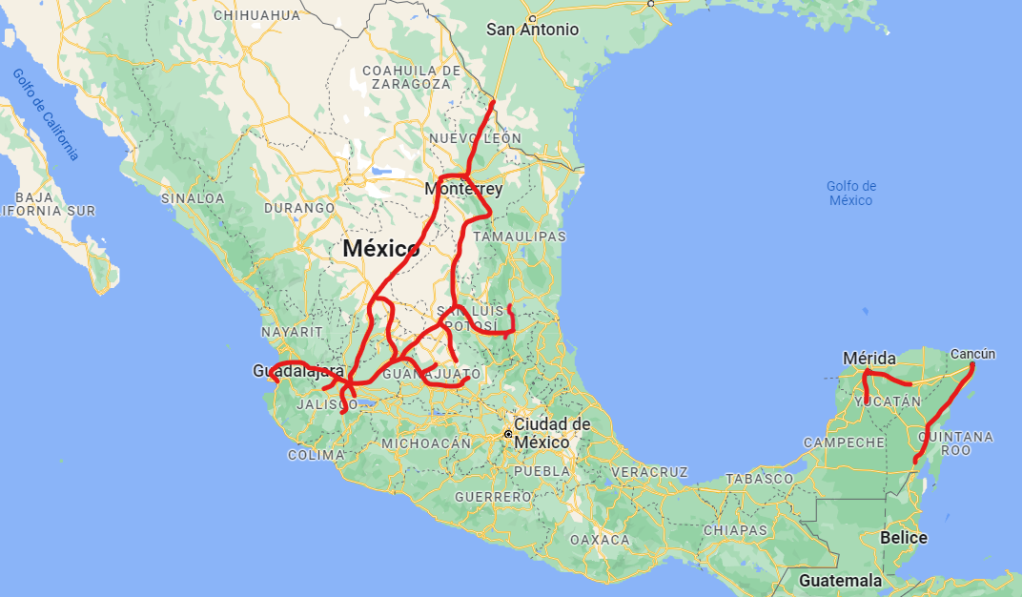
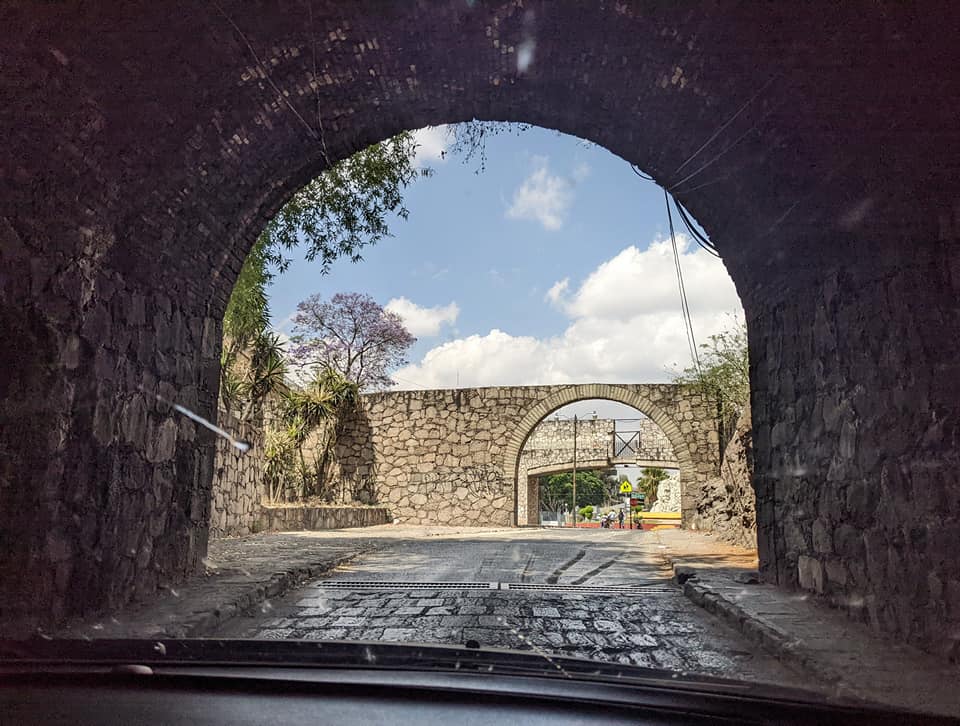
In addition to giving us a new focus, Mexico has been an incredibly fun experience! In April, Tucker and I celebrated our birthdays with piñatas and cervezas before getting the best birthday presents ever: our vaccines! Getting vaccinated was another sort of turning point for us as we had severely limited our time outside the house prior to the vaccines. Having some sort of protection (in addition to our masks and other precautions) allowed us to begin exploring again. Since we brought our trusty steed (our Ford Focus) down to Mexico, we’ve actually been able to take several road trips thus far: visits to Puerto Vallarta, Aguascalientes, and Querétaro just to name a few.

Of course, we’ve also spent a good amount of the year simply adapting to life in Mexico. We’ve settled into our incredible neighborhood, and like I did with Orlando, I’ve essentially walked as far as I can in every possible direction to really get the feel for where we live (apparently this is my favorite pandemic-induced hobby: neighborhood walks). Another favorite pastime for me this year has been taking a plethora of Spanish classes. With the flexibility of my remote work schedule, I’ve made it a point to really work on my own language learning in 2021. I hope to continue this trend in the New Year as well. As for Tucker, he’s been paying a lot more attention to soccer as of late. We recently watched Atlas (our home team) win a championship, and we have plans to watch them play in person at some point. Fingers crossed!

Go Atlas!

While there have been many changes for us this year, one of the biggest things that hasn’t changed is work. This is the first time in many, many years that Tucker and I both started 2021 with the same jobs that we’re ending it with. Gotta love the remote work life! We’re also happy to report that our international family visits have continued as well without too much difficulty. As always, it has been such an amazing experience to share our new home with our most adventurous family members! During a lull in the variants, Tucker and I even got to continue our international travels by visiting an entirely new (to us) continent with our Thanksgiving trip to Ecuador. I honestly couldn’t be more grateful for that particular spur-of-the-moment decision. Maybe it’ll tide me over for a while…but probably not.

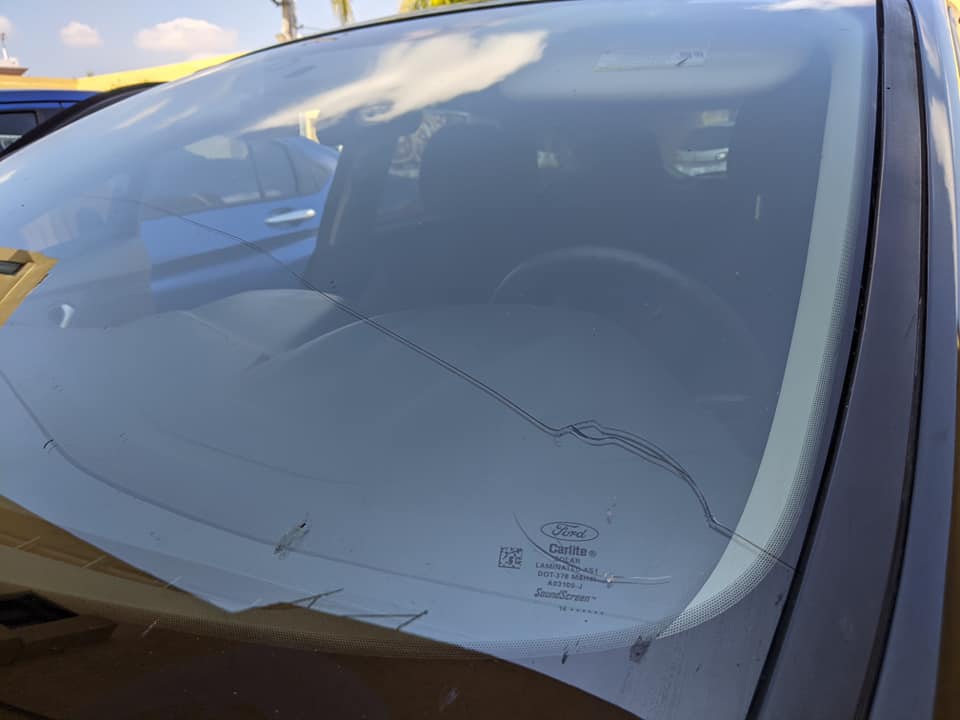
In contrast to all the triumphs, whether new or continued, we’ve also had a few unexpected hurdles this year. International apartment hunting amid a global pandemic was quite a challenge as was the procurement and installation of the most irritating dishwasher known to man. I also had to have a medical procedure done back in September, which not only tested our Spanish, but also our ability to lean into the unknown/ambiguous aspects of living abroad. Thankfully all went well, and I have only great things to say about the healthcare system of Mexico. Another difficulty arose a few months ago when a rogue highway rock hit and cracked our car’s windshield beyond repair. Dealing with car issues and insurance is never fun, but in a foreign country, in another language, it was torturous. However, as I kept reminding myself throughout the mishaps, this is exactly why we love living abroad: new challenges and endless lessons in patience.

As I write this, we’re enjoying the peace and quiet of the days between Christmas and New Year, which brings me to yet another one of the most exciting aspects of our year: celebrating all the holidays! Learning that Cinco de Mayo is mostly an American invention, reliving the events of “Coco” during Día de Muertos, and wishing everyone “Feliz Navidad” this month have all been incredible additions to our collective cultural knowledge. Now I can’t wait to eat my 12 grapes on New Year’s Eve and ring in what I hope will be an even more exciting and transformational year! Here’s to a próspero 2022!

Exploring Ecuador

Over Thanksgiving break this year, Tucker and I decided it was finally time to hit the international travel trail again! Aside from our move to Mexico last winter, we hadn’t been abroad for business or pleasure since 2019, so it was definitely an exciting prospect for us. For this particular trip, we decided on Ecuador, which meant that we’d not only be traversing a new country, but also a new continent since this was our first time to South America as well. Woohoo! Here’s my take on our latest journey:  

The Preparation

Of course, before venturing out, the first question we had to ask ourselves was where to go, which is not so easy in post-Covid times. Different countries have different restrictions and requirements for testing, vaccination, tourism, etc. We finally settled on Ecuador for several reasons. For one, I was happy that they require either a negative PCR test or a vaccination card for entry (a little regulation goes a long way). Two, we were also hoping to stick to the Spanish-speaking world (to continue our practice/immersion, of course). And three, I’ve always wanted to visit the equator – how cool is it to be able to stand in two different hemispheres at the same time!

…or sit on the line…

Once we decided on the location and made sure we had the necessary documents ready, we were able to start planning. The planning also turned out to be a little different than our pre-2020 travels. A lot of services and attractions have been permanently closed (including the national postal system of Ecuador as we found out), and even those that remain open, often require additional amounts of flexibility because everything is very much subject to change these days. This was really my first glimpse into just how hard the tourism industry has been hit over the last two years. Prices, schedules, options, procedures – a lot has changed, but with any luck, it’ll continue to bounce back and hopefully be stronger than ever. I know I’m beyond ready for that.

The Capital: Quito

Our first stop and home base for this trip was Ecuador’s capital city, Quito. If you weren’t already aware, Quito is one of (if not the) highest capital city in the world at 2,850 m (9,350 ft). I love the fact that the elevation meant chilly temperatures (even so close to the equator), but, unfortunately, my head doesn’t particularly like the pressure changes that generally occur at elevation. The good news is I already knew about my sensitivity to high altitudes, and I was able to take Western medicine (Acetazolamide), drink the local coca tea, and share some traditional Chinese medicine with a fellow traveler, all to avoid any unwelcome bouts of altitude sickness. I’m not exactly sure which one did the trick, but other than a mild headache, I was totally fine to climb stairs, hike volcanos, and do anything and everything else I wanted to do Ecuador. Another success!  

Aside from its elevation, Quito is also unique in that it is wedged between several Andean mountains and volcanoes. For this reason, although the city is about 40 km (25 mi) long, it’s only 5 km (3.1 miles) wide. It’s also extremely hilly, which made for many beautiful views all across the city as well as some of the most difficult driving conditions I’ve ever experienced. Imagine a 45-degree incline on slippery cobblestones in bumper-to-bumper traffic with a manual vehicle. I made sure to compliment the driving of every one of our taxi/Uber drivers – so impressive! Another amazing part of staying in Quito was the history. Quito has one of the least-altered and best-persevered historic centers in the Americas, and the plazas, churches, and neighborhoods were so much fun to explore. 

The Food/Restaurants

Pristiños y chocolate caliente con queso

Another really fun part of this trip was the fact that we were trying out a completely new type of cuisine. Neither Tucker or I could remember ever having Ecuadorian food, so everything was completely unknown. From the tostados (or toasted corn kernels) and ají (a spicy sauce served with every meal) to the most famous dishes from the highlands, we loved learning and sampling everything. Some of our favorites included empanadas de verde (empanadas made of plantains stuffed with cheese), locro de papa (creamy potato soup), and pristiños (fried dough with honey). Another infamous dish in this region (one that we actually opted to forgo) is cuy, or in English, guinea pig. Definitely new to us!  

While certain things (like rodents on the menu) made Ecuador seem very far from the US, other things made us feel like we’d gone north rather than south. For example, Ecuadorians use the US dollar as their currency, and I, for one, thoroughly enjoyed the break from constantly converting in my head. Another similarity is that servers in Ecuador often take your credit card to a register in the back of the restaurant for payment. Not so strange for the average American, but after years in countries where that would never fly, we found ourselves feeling a little concerned about identity theft. I mean, where’s the portable terminal? And why aren’t those commonplace everywhere?! It seems so bizarre to us now!  

The Nature

As amazing as Quito (and its restaurant scene) is, the nature is the real draw. Ecuador is home to the Amazon, the Andes, and the Galapagos Islands. It has an incredible amount of biodiversity, and while we mostly stuck to the highlands (this time), we were absolutely blown away by what we saw. Our focus on this particular trip was definitely the volcanoes. Ecuador has the most volcanoes per square kilometer of any country, including some of the only volcanic glaciers on/near the equator. One of our favorite experiences in Ecuador was climbing Cotopaxi, the highest volcano in the country. Not being very experienced or even prepared climbers, we only hiked to the refuge (at 4,860 m / 15,744 ft), which was difficult enough with the lack of oxygen, unstable terrain, and hail we experienced along the way. Still, I’d definitely do it again in a heartbeat – so cool!

The other big hike we did was at the Quilotoa crater, about three hours from Cotopaxi. Quilotoa used to be a volcano, but after its last massive eruption in 1280, it is now classified as a caldera. Here we found ourselves climbing down rather than up as we made our way into the crater to get to the shores of the mineral lake that now fills the void. The hike down was absolutely breathtaking, but the hike back up was brutal: 1.7 km of steep, sandy paths (still at an elevation of over 3,914 m / 12,841 ft), and if that wasn’t enough of a challenge, it rained on us the whole way out. This was one of only a few trips where Tucker and I actually lost weight on vacation…despite all the good food. And speaking of food, my favorite part of this day might have actually been the meal we had after the hike – a Thanksgiving feast that will live in infamy.

The Random Facts We Gleaned

Since our buses out to Cotopaxi and Quilotoa were cancelled (because there weren’t enough people to warrant them), we actually got to tag along with a tour bus group instead. This meant that we got loads of information about Ecuador, the Andes, volcanoes, etc. – much more than I ever would have found on my own. For that reason, I have a plethora of other interesting facts to share about Ecuador. Here are some of my favorites:

-Ecuador was the first country to give constitutional rights to nature. In 2008, Ecuadorians voted to give its mountains, rivers, forests, air, and islands “legally enforceable rights to exist, flourish, and evolve”.

-One of the most widely spoken indigenous languages in this part of the world is Quechua, which is derived from the language used by the ancient Incan empire. Interestingly, Ecuadorians refer to the Peruvian dialect as Quechua while calling their own Quichua.

-Many place names and colloquial expressions in Ecuador combine Spanish and Quichua, such as the catchy “chulla vida”, which is the Ecuadorian version of “YOLO”.  

-Llamas and alpacas are both endemic to this part of South America and can be commonly seen alongside other livestock throughout the highlands. But how can you tell them apart? Well, alpacas are much shorter, have softer fur, and are typically less aggressive. Llamas are the ones to look out for!

-Another interesting fact about Ecuador is that it is home to the highest mountain in the world…sort of. The peak of Mount Chimborazo is actually the furthest from the center of the Earth (or the closest to the sun). Mount Everest is the highest if compared to sea level.

-Gravity is lower at the equator, which is why many rocket launch sites are located close to the equator. It’s also the reason it’s supposedly easier to balance an egg on a nail. #huevochallenge

-Ecuador is also the world’s largest exporter of bananas. Unsurprisingly, the bananas we had while there were extremely cheap and perfectly ripe.

Overall, it was truly an incredible trip. I feel so grateful that we were able to have this experience, and I sincerely hope it won’t be so long before our next big adventure!

¡Gracias por un buen viaje, Ecuador!

¡Guadalajara, Guadalajara!

Somehow, we’ve officially been residents of Mexico for 6 months already, and it’s absolutely crazy how fast the time went by! Of course, as we’re still in “pandemic times”, our usual explorations and goings-on in a new city have been pretty tame, but that doesn’t mean we’re not learning everything we can about the incredible city we call home: Guadalajara. Through virtual chats with local friends, outdoor excursions, online Spanish classes, and, of course, the internet, we’ve definitely gleaned a lot of information about GDL, and I would say we are already as fiercely proud of this city as any good Tapatío (or Guadalajara native) would be. We’re so enamored (okay maybe even a little obsessed) that this month I want to share some keys facts about Guadalajara in the hopes that someday soon anyone and everyone will want to visit this amazing city.  

History

First thing’s first: where did it all begin? This is always a tricky subject with colonized countries because there are typically two histories: one European and one indigenous. Guadalajara’s story is no different. In the region/state now known as Jalisco (of which Guadalajara is the capital), there were many indigenous groups such as the Tonallan, Tetlán, and Zapopan peoples. These names can actually still be seen and heard representing various parts of the modern-day, sprawling city, but it was in the early 1500s, when the Spanish settlers, continuing their journey west, officially founded the city known as “Guadalajara”. However, due to some unrest with the local indigenous groups of the time, the city was actually moved three times before finally settling in its current location in the Atemajac Valley, in 1542. In fact, the true founder of the city was Beatriz Hernández, one of the initial settlers, who got tired of all the moving around and finally put her foot down, ultimately choosing the city’s final placement.

From 1542 onward, Guadalajara has always played an important role in Mexico’s history. Miguel Hidalgo had his headquarters set up here during the Mexican War of Independence in the early 1800s. President Benito Juárez made Guadalajara the seat of his government during the Reform War of the 1850s. Throughout the turmoil of the Mexican Revolution, the Great Depression, and multiple domestic and international wars, Guadalajara continued to flourish and grow. By 1910, it solidified its place as the second largest city in Mexico, and since then has also become known as the “Silicon Valley” of Mexico, hosting a large number of innovative companies and international events throughout the years. As the city of Guadalajara expanded, neighboring cities have also been absorbed into the greater GDL area, including Tonalá, Tlaquepaque, and Zapopan, each of which still retains its unique vibe and perspective.

Geography/Climate

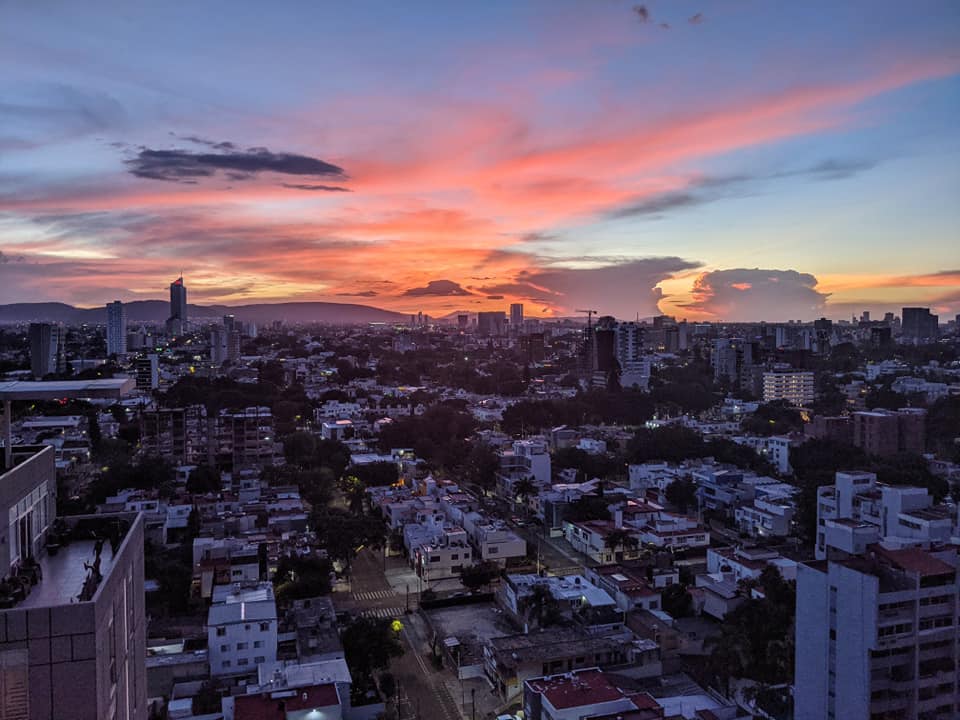
The geography of Guadalajara is a really interesting mix because while we’re squarely in Central Mexico in a “humid subtropical climate” zone, we’re also at 5,200 ft (1,560 m), roughly the same elevation as Denver, Colorado. For this reason, the weather is extremely mild (read: gorgeous). The hottest and driest months of the year here are April and May, but even then, the average high is only around 88°F (31°C). With no humidity and with temperatures dropping into the 50s (10-12°C) every night, it felt somewhat like a brief, very manageable (albeit early) summer. From June-September, GDL is in rainy season, which typically means rainy afternoons and some seriously stormy nights. Luckily, it also means the temperatures stay down as well. It’s currently August, and I usually have to wear a jacket when taking the dog out in the mornings – how awesome it that?! After the rainy season comes a cool, crisp autumn followed by a dry, mild winter. In GDL, winters are usually quite sunny and “spring-like”, but it has on occasion snowed. In fact, we’ve already heard several great stories about the infamous snow event of 1997!

Although it sits at a high elevation, Guadalajara is still technically in a valley, which means there are low-lying mountains surrounding the city. To the northeast there is a canyon system and several surrounding forests including Bosque Primavera. In general, Guadalajara is much lusher than I would have expected: green grasses, leafy trees, and many waterfalls can be found throughout Jalisco. There are also several volcanos in the area, a few small ones to the west (near Tequila) and a few more, southwest on the border of Colima, another one of Mexico’s 31 states. The city of Guadalajara itself is quite large: 58 sq mi (151 sq km) and is home to approximately 1.5 million people. If it helps, it’s about the same size and has a similar population density as Philadelphia, Pennsylvania. Guadalajara, like most large cities, is broken up into many distinctive barrios (or neighborhoods). We live in the slightly hipster Colonia Americana, which lies a little to the west of the oldest neighborhood in the city, the aptly named “Centro”.

Food

Of course, I cannot write about Guadalajara without highlighting some of its most characteristic foods. I wrote a bit about the common dishes found in the Bajío (lowland)/Western region of Mexico in a previous post, but for Guadalajara in particular there are a few specialties that must be mentioned. The first being the infamous torta ahogada (“drowned sandwich”). Perhaps the Philly-GDL comparison can continue here because the fame and ubiquity of this particular sandwich is very similar to that of the renowned cheesesteak in PA. A torta ahogada is essentially a pork sandwich made on baguette-like bread smothered in a spicy tomato sauce. It’s absolutely delicious and very unique. Other famous dishes here include birria (slow-cooked meat stew), carne en su jugo (beef broth with beans, eaten with tortillas), and jericalla (a flan/crème brûlée like dessert). The French flair that can be seen (and tasted) in a lot of Guadalajara’s signature dishes actually comes from the large swath of French immigrants who came into the area throughout the 1800s.

Not exactly a food, but I would be remiss if I didn’t share the fact that tequila is also an important claim of Guadalajara/Jalisco. The city of Tequila (which is how the drink got its name) is about 40 miles (65km) outside GDL. Grown only in this particular region of Mexico, the blue agave plant (as opposed to other varieties) is what separates tequila from other types of mezcal. Its status is highly protected, and the drink is as beloved here as it is the States. Although the margarita is really more of a US thing, cocktails containing tequila mixed with various fruits, juices, and either salt or tajín (a powder made of chilis and dried fruit) are super common here. In Guadalajara, I’d say the paloma is the most popular tequila-based cocktail, which is made with tequila, lime juice, grapefruit soda (usually Squirt), and salt mixed right into the drink.  

Other Notables

Guadalajara is known as a cultural hub of Mexico because not only does tequila (a national icon) originate here, but so does mariachi. The traditional music often associated with Mexico in general has gone through a lot of phases during its development and various influences. From handmade stringed instruments played by indigenous groups to the brightly colored outfits and trumpets of performers today, you can listen to a variety of mariachi styles in the Plaza de los Mariachis or in various restaurants across Guadalajara (and across Mexico as a whole), especially for important events. Mariachi, and its history, is widely celebrated in GDL, for example with a yearly Mariachi festival, during which (in 2009) a group of over 540 musicians gathered to break the world record for largest mariachi group playing together. One of the songs they played was, of course, “Guadalajara”, famously covered by Elvis Presley.

Other interesting facts about Guadalajara include: the Roman/Greek goddess Minerva/Athena has become a symbol of the city. She has a large statue near the Arch of Guadalajara and is also featured on the city’s license plates. GDL has two professional soccer teams: the Atlas and the Chivas, and from what I understand, the latter is arguably the most famous and successful team in Mexico. Guadalajara also has the largest indoor market in Latin America (Mercado San Juan de Dios also known as Mercado Libertad), which spans over 430,000 sq ft (40,000 sq m). GDL was also the birthplace of celebrities Guillermo del Toro (the director) and Canelo Álvarez (the boxer). And…it’s only a 4-5hour flight from Atlanta or Chicago! Ultimately, it’s a really remarkable city, and unlike some of the other places we’ve lived, the locals here know it and love it just as much as we do. I think you will too!

¡Todos bienvenidos!

Interesting Country Facts A-Z

April is here and with it, as always, comes birthdays week. Generally, around this time, Tucker and I are gearing up for a celebratory trip; however, just like last year, no such adventure is on our horizon. No worries though because over the past year I’ve done more than enough armchair travelling for another round-up of interesting country facts, this time coming to you alphabetically. Enjoy!

Antigua – This relatively small island in the Eastern Caribbean has a sweet secret known as the Antigua Black, the world’s sweetest and rarest variety of pineapple.

Belize – Many countries are known for their wines, but Belize puts a bit of a spin on the traditional recipe. In this Central American country, they specialize in making cashew wine, or wine made from the fermented fruits of cashew trees.

Chile – While the world’s first potatoes are generally thought to have been grown in Peru, approximately 99% of modern-day potato varieties are genetically linked to a small island off the cost of Southern Chile.

Dominican Republic – Located on Hispaniola, one of the largest and most diverse islands of the Caribbean, the Dominican Republic was highly sought after during the Colonial Era. Due to the relatively early Spanish presence/conquest of the area, the Cathedral of Santa Maria la Menor in Santo Domingo is actually the oldest cathedral in the Americas (completed in 1541).

Equatorial Guinea – People from this Central African nation are called Equatoguineans and their official language is, somewhat surprisingly, Spanish.

Fiji – The name “Fiji” is actually the Tongan word/pronunciation of the island; the Fijian word is “Viti”. The misnomer occurred because the first encounters between western explorers and Fijians took place on the island of Tonga.  

Ghana – Ghana, which means “Warrior King”, is located on the Gold Coast of West Africa. It is home to the world’s largest artificial lake, Lake Volta, which has a surface area of over 2 million acres.

Haiti – On the other half of Hispaniola (the second largest island in the Caribbean) lies Haiti, which is often associated with Voodoo. However, “voodoo” is actually more of a product of US pop culture than an accurate portrayal of the Haitian religion known as Vodou.  

India – As a country well-known for its delicious curries, I found it interesting that the word “curry” likely comes from the Tamil word “kari” meaning “sauce”. Tamil is spoken throughout most of Southern India.

Jamaica – Like many English-speaking islands in the Caribbean, Jamaica celebrates Boxing Day and/or New Year’s Day with a colorful parade known as Junkanoo. Interestingly, “Junkanoo!” is also the name of a Baha Men album. 

Kyrgyzstan – Kyrgyzstan has a long history, thus it’s not so surprising that it has its fair share of epics, such as one of the world’s longest poems, the Epic of Manas. This poem of more than 500,000 lines revolves around the hero Manas and his many adventures.

Lesotho – An enclaved country entirely within South Africa, Lesotho has the distinction of having the world’s highest low point. In fact, the elevation of the entire country is above 1,000m (3,300ft), which is why it has the nickname “Kingdom in the Sky”.  

Madagascar – Madagascar is home to many diverse ethnic groups, each of which has their own traditional customs and rituals. One that I found particularly interesting was the Famadihana ceremony, or the turning of the bones, where families rebury their ancestors with fresh cloth, on which they write the names of the deceased so they will always be remembered.

Nepal – Most people know that Mount Everest sits on the border of Nepal and Tibet/China, but I recently learned that the Nepalese name of the infamous mountain is Sagarmatha. In Tibetan it’s known as Chomolungma.

Oman – The humble Sultanate of Oman is actually the oldest independent state in the Arab world, but perhaps even more interestingly, the most popular soft drink there is Mountain Dew.

Panama – The recent Ever Given debacle has shed some light on the importance of shipping canals, and where there’s a need, there’s a price. The Panama Canal makes over $2 billion per year in shipping fees. The average toll for a ship to travel through the canal is about $150,000.

Qatar – A peninsula on a peninsula, Qatar is the flattest non-island country in the world. It would also be a fantastic Scrabble word if proper nouns were allowed!

Russia – Russia is big. The Trans-Siberian railway, which crosses the entire country, is over 9,300km (5,700 miles) long. It’s easily one of the longest and busiest railway lines in the world. 

Sri Lanka – The teardrop of India is known for its tea (Ceylon being a former name of Sri Lanka), but it’s also where cinnamon was first cultivated.

Tanzania – While there are many notable features of Tanzania, my favorite country fact is that Zanzibar, an island just off the coast, was the location for the world’s shortest war. The Anglo-Zanzibar War of 1896 lasted about 40 minutes.

Uganda – This Central African country was given the nickname “the Pearl of Africa” by none other than Winston Churchill. He wrote fondly of the country and its diversity in his book “My African Journey” published in 1908.

Vatican City – Technically a city-state, the Vatican City has lots of strange laws, one of which has to do with the guards they employ. Evidently the guards that protect the Vatican must be Swiss males between 19-30 years of age and they must be over 174cm (5’8’’) tall. The uniforms are also required.

Wales – Part of the United Kingdom, Wales is sometimes overlooked by its somewhat more famous neighbors, but a surprising number of celebrities are Welsh: Roald Dahl, Catherine Zeta Jones, and Anthony Hopkins just to name a few.

Yemen – Yet another country on the Arabian Peninsula, Yemen is the suspected home of the infamous Queen of Sheba. 

Zimbabwe – Zimbabwe has had a rough history of leaders. From the late 1980’s to 2017, a disastrous authoritarian regime threw the country’s economy into a tizzy leading to many crashes and insane hyperinflation. For this reason, Zimbabwe’s government was printing 100 trillion-dollar notes as recently as 2009.

Fun Facts: US Presidents Edition

Lots of holidays this week, no? Pączki Day, Lunar New Year, Valentine’s Day, and on Monday, Presidents’ Day! Yay! I know you probably feel like you’ve heard enough about US politics to last you a lifetime, but since I love a good theme AND I actually read a really interesting book about the US presidents last year, I thought I’d post some fun facts about our chief executives throughout the years. I promise these are solely amusing trivia tidbits – nothing that will make you want to smash your head against the wall or angrily take to Facebook.

Washington strikes me as a cat’s eye man.

1 – George Washington was an avid marble player.

2 – John Adams and Thomas Jefferson died on the same oddly fitting day: July 4th, 1826. James Monroe also died on July 4th (five years later in 1831).

3 – Thomas Jefferson loved pasta and designed and built his own “macaroni machine”.

Macaroni machine or torture device?

4 – James Madison was the shortest president (Lincoln was the tallest).

5 – James Monroe ran uncontested in 1820 ushering in the “The Era of Good Feelings”.

6 – John Q Adams liked to swim naked across the Potomac.

7 – Andrew Jackson was known for dueling and occasionally taking a bullet for his wife’s honor.

8 – Martin Van Buren had the nickname “Old Kinderhook”, which many believe is where we get the expression “O.K.”

9 – William Harrison got sick after his long, outdoor inaugural address and died after only 1 month in office.

Polk’s No Fun Zone

10 – John Tyler was called “His Accidency” as he was the first “Act of God” president.

11 – James Polk banned alcohol and dancing (among other things) from the White House.

12 – Zachary Taylor laid the cornerstone of the Washington Monument while snacking on cherries and milk, which might have given him the bacterial infection that eventually killed him.

13 – Millard Fillmore married his teacher, Abigail Powers.

14 – Franklin Pierce was friends with Nathanial Hawthorne.

15 – James Buchanan never married, the only president thus far to remain a bachelor.

16 – Abraham Lincoln had the legislation for creating the Secret Service agency on his desk the night he was assassinated (although at the time it was an agency meant to stop counterfeiting, not bullets).

You know what they say about hindsight…

17 – Andrew Johnson’s wife, Eliza McCardle, taught him how to write.

18 – Ulysses Grant hated wearing uniforms and received many demerits during his time at West Point.

19 – Rutherford Hayes and his wife Lucy were given a Siamese cat from Bangkok, it was the first Siamese cat in the US.

The Carters also had a Siamese cat, Misty Malarky Ying Yang.

20 – James Garfield was shot by an assassin in July 1881, but died 79 days later due to the misuse of the newly-invented metal detector as well as unsanitary conditions.

21 – Chester Arthur had Louis Tiffany of Tiffany & Co. redecorate the White House.

22 – Grover Cleveland was distantly related to the guy whom the city of Cleveland was named after.

23 – Benjamin Harrison was the first president to have his voice recorded.

24 – Grover Cleveland (again): after being diagnosed with mouth cancer, he had part of his upper jaw removed in a clandestine operation on a yacht.  

25 – William McKinley used to be on the $500 bill, which was last printed in 1934.

Puts those Benjamins to shame!

26 – Theodore Roosevelt was the youngest person to assume the role of president at age 42.

27 – William Taft might have never gotten stuck in a bathtub, but he did install custom-made tubs throughout the White House and various US ships.  

There is just something so bizarre with this…

28 – Woodrow Wilson kept a flock of sheep on the White House lawn.

29 – William Harding’s death might have been caused by an intentional poisoning.

30 – Calvin Coolidge was sworn into office by his father, an official notary public. Also, Coolidge was the only president (thus far) to be born on the 4th of July.

31 – Herbert Hoover was the first president born west of the Mississippi.

32 – Franklin Roosevelt was extremely passionate about his hobby of stamp-collecting. (Bonus fact: FDR’s wife Eleanor once had the KKK put out a $25,000 reward for her assassination.) 

33 – Harry Truman’s solo initial “S” was given to represent both of his grandfathers: Anderson Shipp Truman and Solomon Young.

34 – Dwight Eisenhower changed the name of the famous presidential getaway from Shangri-La to Camp David. He didn’t want to sound too fancy.

35 – John Kennedy was once marooned on an island and sent a successful SOS message via coconut in order to be rescued.

SOS! -JFK

36 – Lyndon Johnson had to deal with the assassinations of JFK, MLK Jr. and Robert Kennedy although he, himself, was never targeted.

37 – Richard Nixon’s daughter, Julie, married the grandson of former president Dwight D. Eisenhower.

38 – Gerald Ford is the only person to have been both vice president and president without ever being elected by the public/Electoral College.

Joan Quigley, Reagan’s astrologer. The 80s must have been wild.

39 – Jimmy Carter was the first president born in a hospital.

40 – Ronald Reagan frequently consulted with an astrologist during his presidency, even keeping a calendar of “good” and “bad” days. Somehow the assassination attempt just wasn’t in the signs…

41 – George H W Bush considered asking Clint Eastwood to be his running mate in 1988.

42 – Bill Clinton has won two Grammy Awards (other presidential Grammy recipients include Jimmy Carter and Barak Obama).

43 – George W Bush’s daughters, Jenna and Barbara, were the first First Family twins.

44 – Barack Obama’s first job was as an ice-cream scooper at Baskin Robbins.

45 – Donald Trump’s wife, Melania, is from Novo Mesto, Slovenia (formerly a part of Yugoslavia) in Central Europe.

Such a good boy!

46 – Joe Biden’s German shepherd, Major, is the first rescue dog to reside in the White House.