

Somehow, we’ve officially been residents of Mexico for 6 months already, and it’s absolutely crazy how fast the time went by! Of course, as we’re still in “pandemic times”, our usual explorations and goings-on in a new city have been pretty tame, but that doesn’t mean we’re not learning everything we can about the incredible city we call home: Guadalajara. Through virtual chats with local friends, outdoor excursions, online Spanish classes, and, of course, the internet, we’ve definitely gleaned a lot of information about GDL, and I would say we are already as fiercely proud of this city as any good Tapatío (or Guadalajara native) would be. We’re so enamored (okay maybe even a little obsessed) that this month I want to share some keys facts about Guadalajara in the hopes that someday soon anyone and everyone will want to visit this amazing city.
History

First thing’s first: where did it all begin? This is always a tricky subject with colonized countries because there are typically two histories: one European and one indigenous. Guadalajara’s story is no different. In the region/state now known as Jalisco (of which Guadalajara is the capital), there were many indigenous groups such as the Tonallan, Tetlán, and Zapopan peoples. These names can actually still be seen and heard representing various parts of the modern-day, sprawling city, but it was in the early 1500s, when the Spanish settlers, continuing their journey west, officially founded the city known as “Guadalajara”. However, due to some unrest with the local indigenous groups of the time, the city was actually moved three times before finally settling in its current location in the Atemajac Valley, in 1542. In fact, the true founder of the city was Beatriz Hernández, one of the initial settlers, who got tired of all the moving around and finally put her foot down, ultimately choosing the city’s final placement.
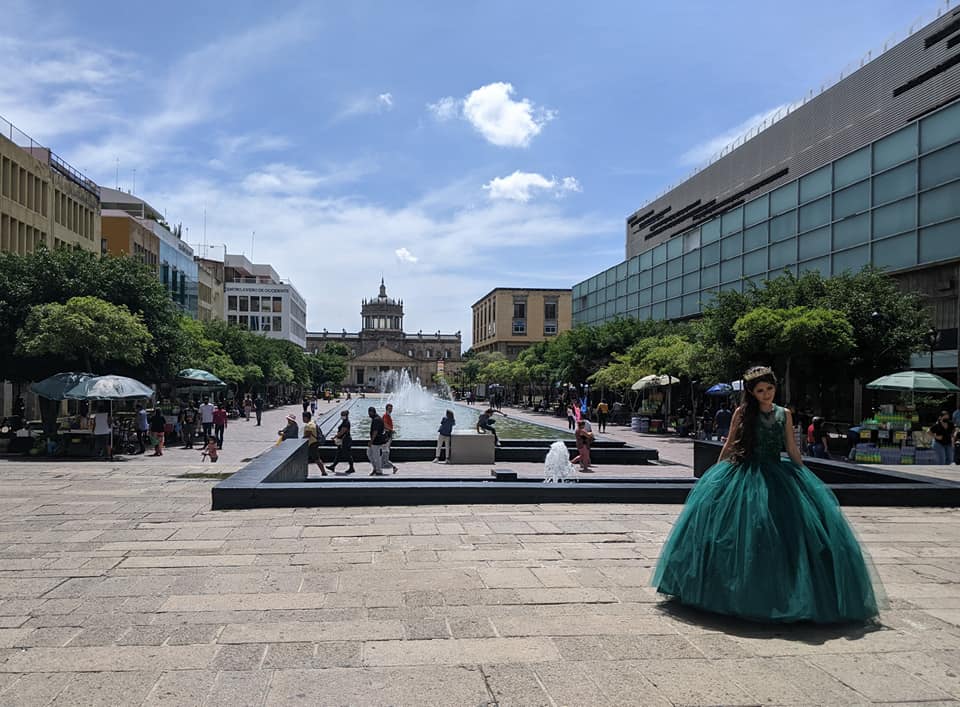
From 1542 onward, Guadalajara has always played an important role in Mexico’s history. Miguel Hidalgo had his headquarters set up here during the Mexican War of Independence in the early 1800s. President Benito Juárez made Guadalajara the seat of his government during the Reform War of the 1850s. Throughout the turmoil of the Mexican Revolution, the Great Depression, and multiple domestic and international wars, Guadalajara continued to flourish and grow. By 1910, it solidified its place as the second largest city in Mexico, and since then has also become known as the “Silicon Valley” of Mexico, hosting a large number of innovative companies and international events throughout the years. As the city of Guadalajara expanded, neighboring cities have also been absorbed into the greater GDL area, including Tonalá, Tlaquepaque, and Zapopan, each of which still retains its unique vibe and perspective.

Geography/Climate

The geography of Guadalajara is a really interesting mix because while we’re squarely in Central Mexico in a “humid subtropical climate” zone, we’re also at 5,200 ft (1,560 m), roughly the same elevation as Denver, Colorado. For this reason, the weather is extremely mild (read: gorgeous). The hottest and driest months of the year here are April and May, but even then, the average high is only around 88°F (31°C). With no humidity and with temperatures dropping into the 50s (10-12°C) every night, it felt somewhat like a brief, very manageable (albeit early) summer. From June-September, GDL is in rainy season, which typically means rainy afternoons and some seriously stormy nights. Luckily, it also means the temperatures stay down as well. It’s currently August, and I usually have to wear a jacket when taking the dog out in the mornings – how awesome it that?! After the rainy season comes a cool, crisp autumn followed by a dry, mild winter. In GDL, winters are usually quite sunny and “spring-like”, but it has on occasion snowed. In fact, we’ve already heard several great stories about the infamous snow event of 1997!

Although it sits at a high elevation, Guadalajara is still technically in a valley, which means there are low-lying mountains surrounding the city. To the northeast there is a canyon system and several surrounding forests including Bosque Primavera. In general, Guadalajara is much lusher than I would have expected: green grasses, leafy trees, and many waterfalls can be found throughout Jalisco. There are also several volcanos in the area, a few small ones to the west (near Tequila) and a few more, southwest on the border of Colima, another one of Mexico’s 31 states. The city of Guadalajara itself is quite large: 58 sq mi (151 sq km) and is home to approximately 1.5 million people. If it helps, it’s about the same size and has a similar population density as Philadelphia, Pennsylvania. Guadalajara, like most large cities, is broken up into many distinctive barrios (or neighborhoods). We live in the slightly hipster Colonia Americana, which lies a little to the west of the oldest neighborhood in the city, the aptly named “Centro”.

Food

Of course, I cannot write about Guadalajara without highlighting some of its most characteristic foods. I wrote a bit about the common dishes found in the Bajío (lowland)/Western region of Mexico in a previous post, but for Guadalajara in particular there are a few specialties that must be mentioned. The first being the infamous torta ahogada (“drowned sandwich”). Perhaps the Philly-GDL comparison can continue here because the fame and ubiquity of this particular sandwich is very similar to that of the renowned cheesesteak in PA. A torta ahogada is essentially a pork sandwich made on baguette-like bread smothered in a spicy tomato sauce. It’s absolutely delicious and very unique. Other famous dishes here include birria (slow-cooked meat stew), carne en su jugo (beef broth with beans, eaten with tortillas), and jericalla (a flan/crème brûlée like dessert). The French flair that can be seen (and tasted) in a lot of Guadalajara’s signature dishes actually comes from the large swath of French immigrants who came into the area throughout the 1800s.

Not exactly a food, but I would be remiss if I didn’t share the fact that tequila is also an important claim of Guadalajara/Jalisco. The city of Tequila (which is how the drink got its name) is about 40 miles (65km) outside GDL. Grown only in this particular region of Mexico, the blue agave plant (as opposed to other varieties) is what separates tequila from other types of mezcal. Its status is highly protected, and the drink is as beloved here as it is the States. Although the margarita is really more of a US thing, cocktails containing tequila mixed with various fruits, juices, and either salt or tajín (a powder made of chilis and dried fruit) are super common here. In Guadalajara, I’d say the paloma is the most popular tequila-based cocktail, which is made with tequila, lime juice, grapefruit soda (usually Squirt), and salt mixed right into the drink.
Other Notables

Guadalajara is known as a cultural hub of Mexico because not only does tequila (a national icon) originate here, but so does mariachi. The traditional music often associated with Mexico in general has gone through a lot of phases during its development and various influences. From handmade stringed instruments played by indigenous groups to the brightly colored outfits and trumpets of performers today, you can listen to a variety of mariachi styles in the Plaza de los Mariachis or in various restaurants across Guadalajara (and across Mexico as a whole), especially for important events. Mariachi, and its history, is widely celebrated in GDL, for example with a yearly Mariachi festival, during which (in 2009) a group of over 540 musicians gathered to break the world record for largest mariachi group playing together. One of the songs they played was, of course, “Guadalajara”, famously covered by Elvis Presley.
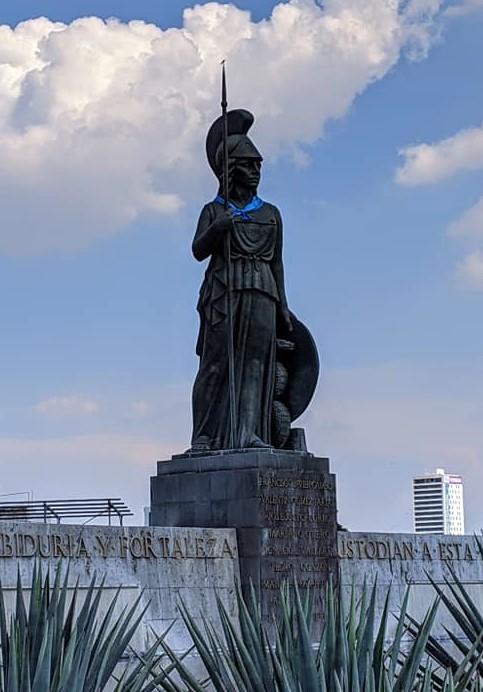
Other interesting facts about Guadalajara include: the Roman/Greek goddess Minerva/Athena has become a symbol of the city. She has a large statue near the Arch of Guadalajara and is also featured on the city’s license plates. GDL has two professional soccer teams: the Atlas and the Chivas, and from what I understand, the latter is arguably the most famous and successful team in Mexico. Guadalajara also has the largest indoor market in Latin America (Mercado San Juan de Dios also known as Mercado Libertad), which spans over 430,000 sq ft (40,000 sq m). GDL was also the birthplace of celebrities Guillermo del Toro (the director) and Canelo Álvarez (the boxer). And…it’s only a 4-5hour flight from Atlanta or Chicago! Ultimately, it’s a really remarkable city, and unlike some of the other places we’ve lived, the locals here know it and love it just as much as we do. I think you will too!
¡Todos bienvenidos!

























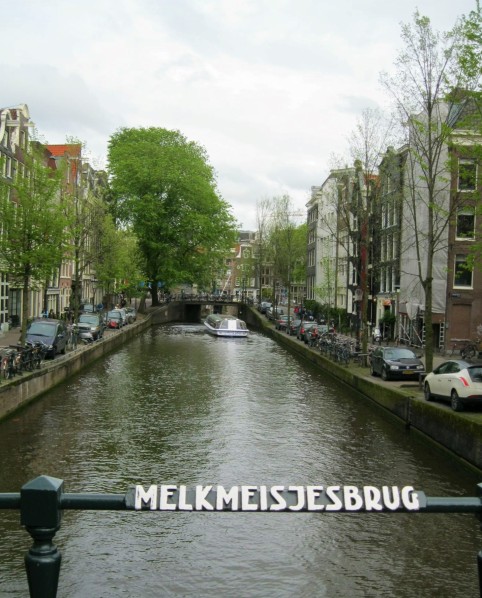 This was an obvious choice for this particular list because we only spent about 23 hours in the country. It was our first foray into long-layover travel, and we definitely fumbled our way through it. It wasn’t too difficult to get from the airport to the city center (and back again), but as we set off with absolutely no plan, it was mostly just a long walk around the beautiful canals. Amsterdam is a great walking city though, so even with our random ambling, we were able to take in the numerous and iconic bridges, bicycles, and fry-stands. We also explored the infamous Red Light District and (from a distance) the I AMsterdam sign, which is sadly no longer there.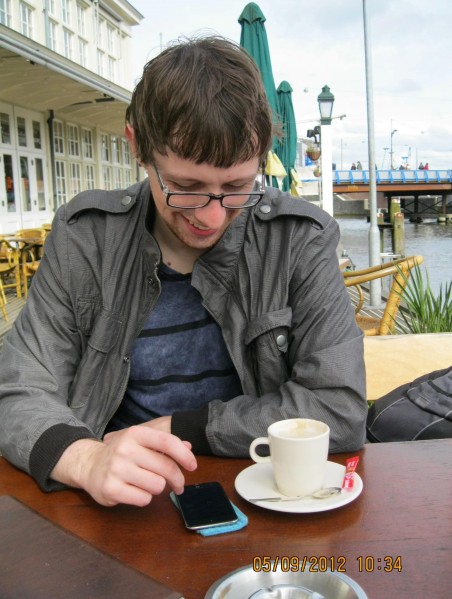
 Next on our “must return to” list is Finland, which might not have been an obvious choice seeing as we spent almost three weeks there, but at the time we 1) had very little money to spend, 2) were exhausted from finishing up our undergrad degrees, and 3) had just gotten married, which as anyone who has planned a wedding can attest, left us feeling a bit burnt out. Typically when we travel now, we avoid suitcases, and we move around a lot, but as this was our first trip sans car, we failed miserably at both packing lightly and at utilizing public transportation. We also weren’t able to afford train passes or much of anything at that time; in fact, our flights and accommodations were wrangled together with the help of some of our wedding gifts and useful family connections. Regardless of what now seems like a trip very far removed from our usual preferences, at the time, it was magical.

 Technically we’ve been to the Bahamas a few times now, but does it really count if it’s on a cruise? I mean, don’t get me wrong, cruises are fun and economical, but they definitely keep you in a bit of a bubble. For this reason, I would love to go back to the Bahamas, without the big boat. I think it would be amazing to fly into Nassau and explore New Providence Island a little more slowly and a lot more thoroughly. There are several forts I want to see on the island, not to mention the art galleries, lighthouses, and, of course, the beaches (especially the ones on the far side of the island). At some point, Tucker and I want to get our diving certification so we can explore the depths too, or if we don’t have time for that, then I want to do one of those bubble helmet dives instead!

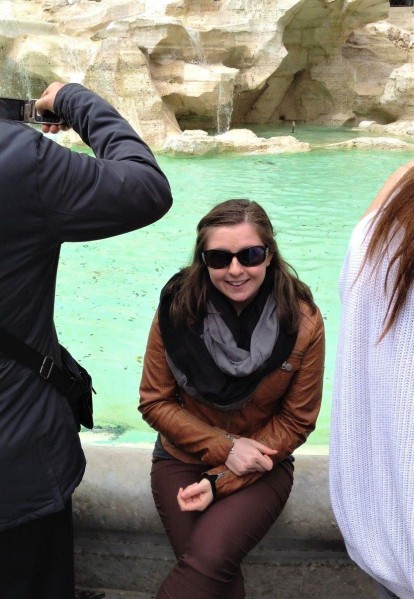

 Germany, unfortunately, represents another set of rookie moves on our part. We spent a year living just a few hours over the border in central Poland, yet we failed to A) make it to Oktoberfest and B) visit Bavaria, the most quintessential of all the German regions. While I do sorely regret not making time for southern Germany, we did really enjoy our time in Berlin and Potsdam, looking at the incredible architecture, sampling the infamous brews, and picnicking in numerous parks. It was an absolutely lovely time, but of course, I’d love to go back for a festival or two. It’s really not our fault we missed Oktoberfest; we had wrongly assumed it took place in October, but really it’s more of a September event that actually ends in early October. Ah well, it’s on the list for our inevitable return trip. As are other famous places like: Neuschwanstein Castle, the Rhine, Cologne, and, of course, Bavaria.
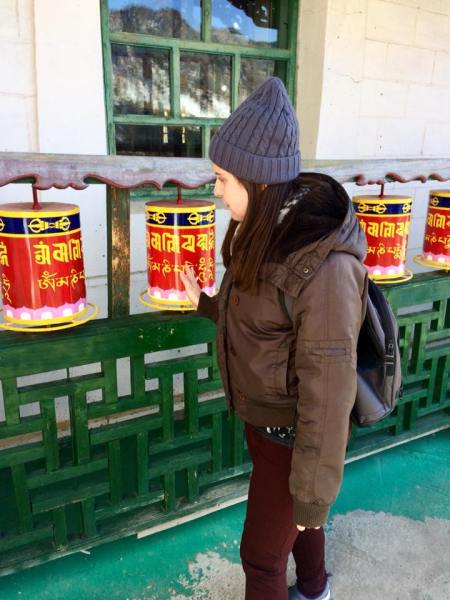 Perhaps unlike any other place we had been, Mongolia intrigued us in so many ways. It’s really a breathtakingly beautiful country that exceeded every expectation we had for it. We visited for about a week in 2017, but unfortunately, a lot of that time was taken up by work (conferences, presentations, etc.) In our free time though, we were able to pretty thoroughly explore Ulaanbaatar, including temples, yurt neighborhoods, live-music bars, and amazingly trendy restaurants. We also took a short road trip out to Gorkhi-Terelj National Park, which was honestly a bit frightening for me (mostly because we opted to dismiss the rental insurance), but ultimately it gave us the best glimpse of what life is like outside UB.

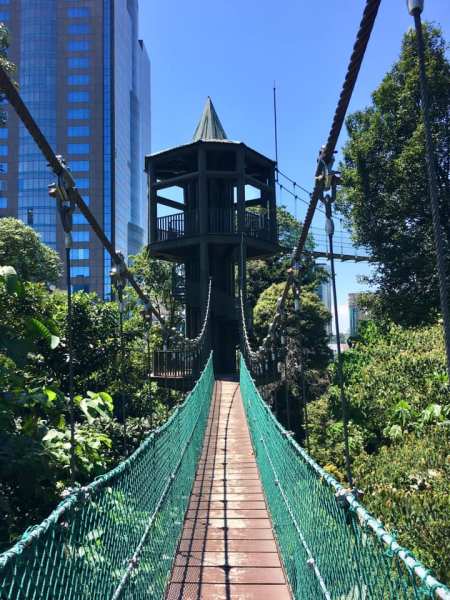 Last on this list (for now) is a place we actually visited just last year. On our way back to China from a work event in the Philippines, we took a bit of a roundabout path that allowed us to spend almost a week in Malaysia, well, in and around Kuala Lumpur anyway. Malaysia is a tricky country to fully explore in a short amount of time because it’s made up of part of a peninsula (West Malaysia) and part of the island of Borneo (East Malaysia), the two regions being about 400 miles apart. For this reason, although we feel pretty good about our exploration of the amazing capital city, typically called KL for short, we still really want to explore some of the other regions of this incredibly diverse country.
 We never made it to a beach while we were in Malaysia, so maybe we’ll start there on a subsequent trip. There are many islands off the coasts of both West and East Malaysia that look amazingly beautiful and relaxing. There are also several world-renowned national parks, which are home to a collection of unique indigenous species that Tucker really wants to check out. Of course, as we found in KL, Malaysia seems to enjoy extreme sports as well, so maybe we’ll try the popular zip-lining, white water rafting, or jungle trekking activities while we’re at it!
 Of course, there are three countries, not previously mentioned, that are and will indefinitely be on our return radar: the United States, Poland, and China. These are the places we have the greatest connection to, and thus will need many re-visits and reunions to sustain us. Luckily, our friends and family in Chicago, Atlanta, Orlando,
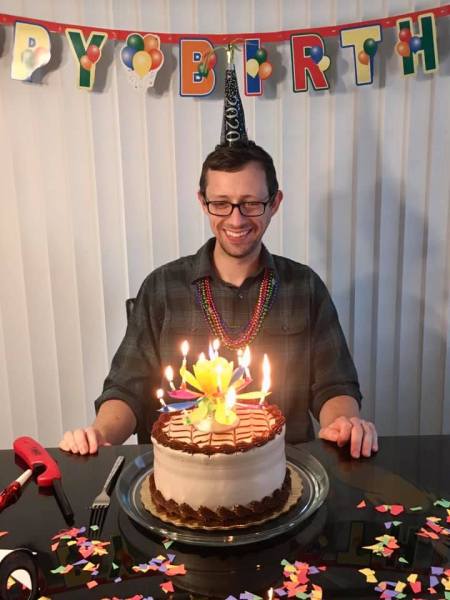
  This month I turned 30, which of course has me reflecting. Reflecting on the now three decades of life I’ve lived, and perhaps more importantly, on the three decades of lessons I’ve learned. I truly feel I learn something each and every day, and sometimes these lessons are what I consider to be “life lessons”, nuggets of advice that I try to take with me and live by, not just in the moments that test me, but throughout all the moments I’ve been given.
 Ask questions. One of the best ways I know to learn and grow is by asking questions. I used to be embarrassed to be the person who always had a question or two, but now I realize how valuable questions can truly be for our own understanding and for others’.
 There will always be someone _________ (insert comparative adjective here) than you. It’s no use chasing labels like “the best _______” or “the most _________” because somewhere out there someone will burst that bubble. We really shouldn’t compare ourselves because we’re just not the same.
 Find things that make you happy and do them often. So when you’re not working, find and do things that you like. Enjoy your hobby, spend time with people you love, take trips, do all the things!
 Stay positive. Especially right now, it can seem impossible to see the glass as half-full, but there’s always a silver lining and “happiness can be found even in the darkest of places” if you keep looking. Staying positive not only helps us get through tough times, but it allows us to move forward with hope for a better future.
 Some things don’t need to be said. Together with thinking before acting, we should definitely also think before speaking. I’ve had to edit a lot of papers in my day, so I’ve learned the art of reticence. I really love the proverb: “Before you speak, let your words pass through three gates. Is it true? Is it necessary? Is it kind?”
 People are more alike than different. Another truth that makes itself known to me every day is that we are all more alike than different. It’s fun to share and learn from our little differences, like customs, slang, preferences, etc. But ultimately, we’re all human, and we’re so much better off together.
 Awareness and open-mindedness are necessary for growth. We simply cannot hope to improve or progress without awareness and open-minded thinking. It can at times feel uncomfortable or strange, but the end results can be truly life-changing.
 Be thankful and reflect on how/why. We all know we should be grateful for what we’ve been given in this life. It could always be worse, after all. Gratitude can really give us that big picture perspective and prompt so many other positive thoughts and actions in our lives.
 Not always having the answer is freeing. I have a motto: embrace ambiguity. It’s healthy to not have all the answers, and even healthier to recognize that we don’t.

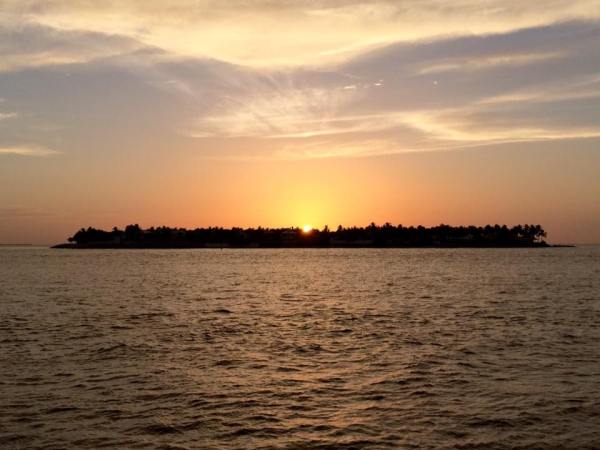


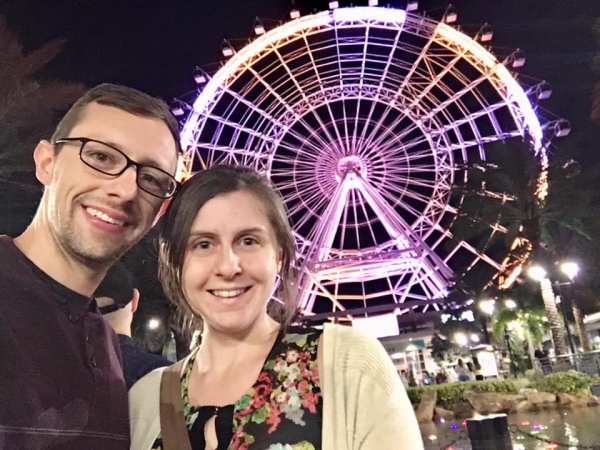
 Next up, my dad wanted to try a famous seafood place (Dixie Crossroads) out on the Atlantic coast, which I quickly paired up with a drive to Cocoa Beach and Port Canaveral. Although it was a quick visit, we walked along the beach and the pier, looked for the cruise ships and the Space Center, and learned that Florida has a nickname for every single section of coastline.




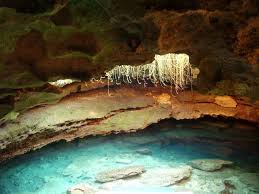
 I don’t intend on writing about my 30 Day Challenges (see January’s blog) each month, or even ever again; however, I just couldn’t pass up the opportunity to share some of what I have learned this month with my “read about a different country every day” challenge. For each day in February (more or less), I selected a country to explore digitally (i.e. with the help of various web resources), and in the process, I have gleaned a plethora of fun facts!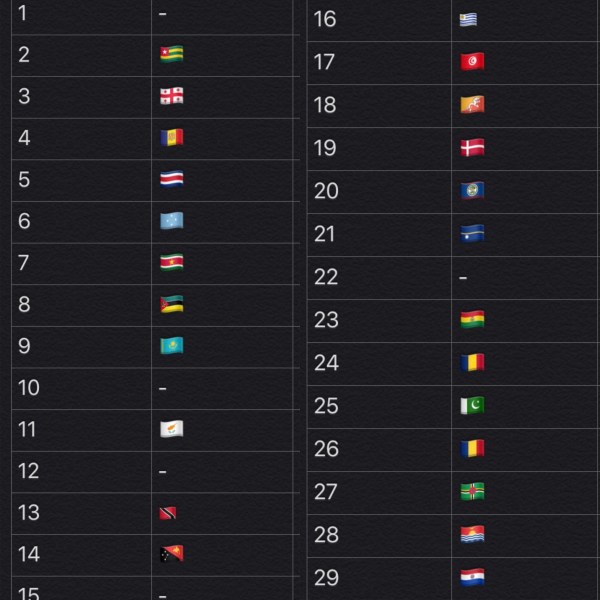


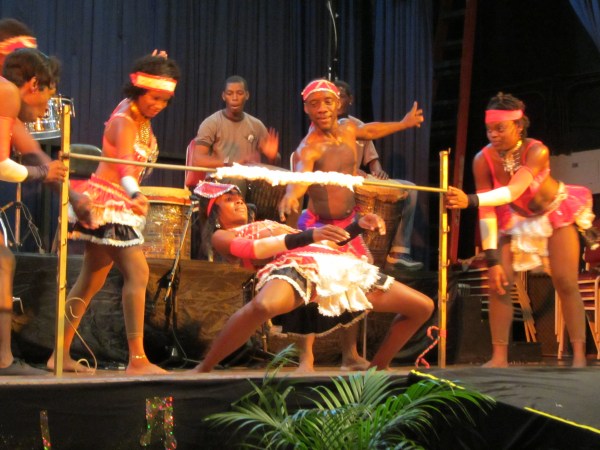
 Uruguay: A country consistently providing the world with incredible soccer players, Uruguay was the first country to win the FIFA World Cup (in 1930).

 Dani Francuz Rose