Ten Years an Expat

So young!

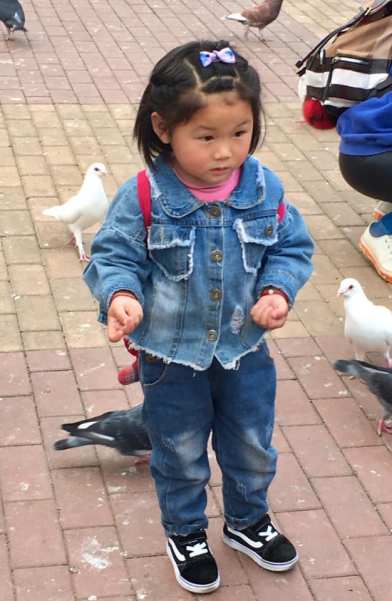
Somehow this month marks ten years since Tucker and I first sold most of our belongings and moved abroad. We really had no idea what we were getting into or how we were going to maintain the kind of life we knew we wanted, and even now, I’m not sure I could tell you how exactly we’ve managed to continue moving abroad again and again. I think it’s mostly been an experiment in just how flexible we can be, which is fitting because that’s one of the first skills you develop when you move abroad!

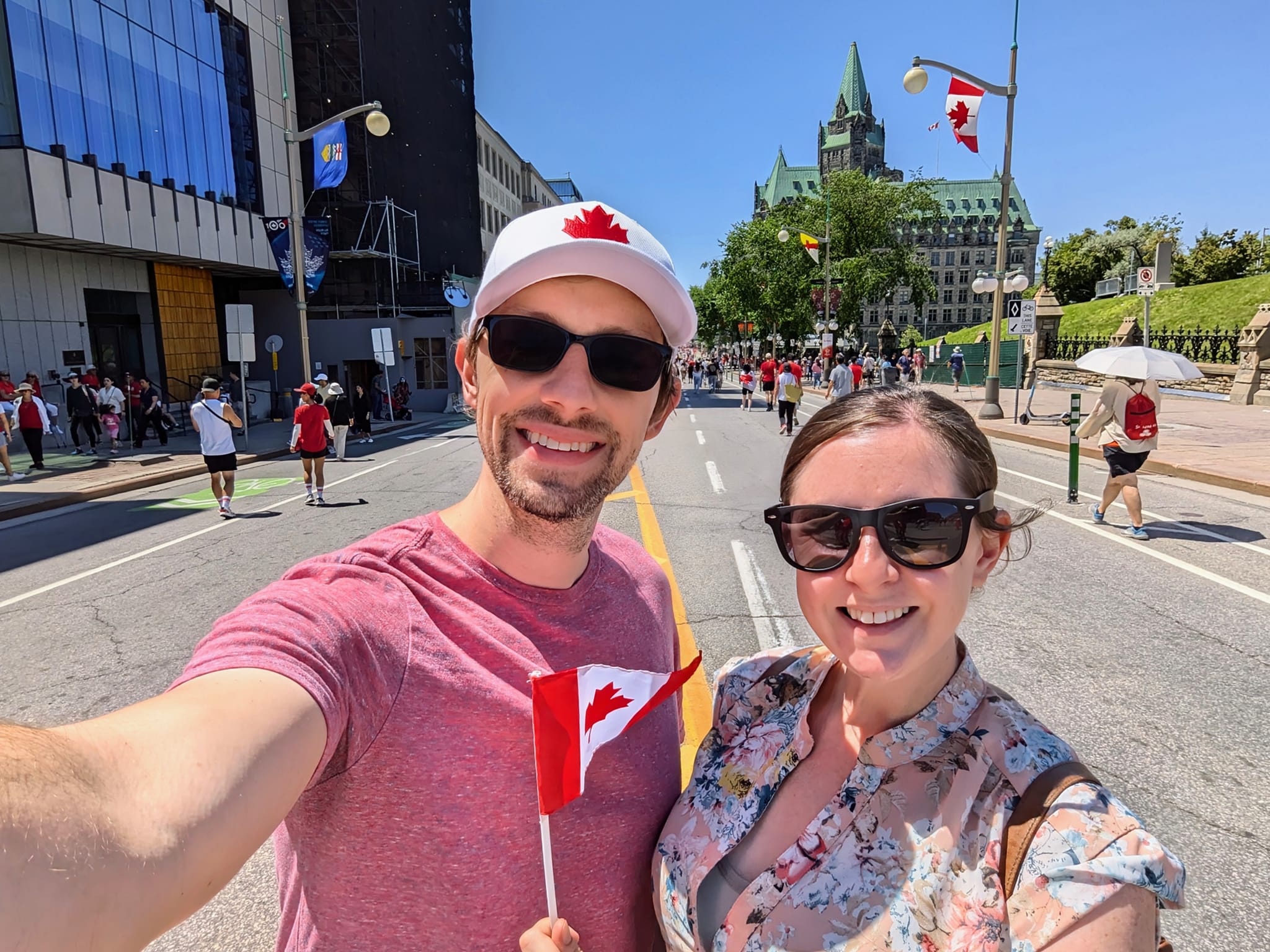
Over the past ten years, we went from the US to Poland and back to the US (to pay off all our student loans), and then we headed to China for a few years and then back to the US (this time for global lockdown), and then onto Mexico, and now Canada. It’s been a crazy decade to say the least, but the places we’ve lived and the people we’ve met have continued to shape us year after year in innumerable ways. And for this month’s somewhat reflective post, I want to share some of the many ways we’ve changed and grown as a result of our expat ways.

Not so young anymore!

We’ve become flexible to the extreme

As I alluded to earlier, when I think of the many skills we’ve developed as a result of moving abroad, flexibility has to be at the top of the list. Whether it’s little things like using Celsius with some people and Fahrenheit with others or big things like not knowing where we’ll be living next year, we’ve gotten incredibly good at going with the flow. When I look back at my early observations from our first year abroad, it always makes me laugh at how hard it was for me to relinquish control. Now I feel like I struggle when I have too much control! It seems I’ve really grown to love letting the universe decide for me.

We’re totally fine with ambiguity

Another early observation I often made had to do with not always understanding what was going on around me. In unfamiliar places with new languages and customs, the level of ambiguity you experience on a daily basis skyrockets. Are we supposed to do something here? Should we ask about that? What does this mean? Questions like these and general uncertainty used to plague us. Until they didn’t. Until we learned that there’s really no wrong way, only different ways. Eventually, we also learned the difference between being expats as opposed to pioneers. Expats get to rely on the experiences of those who came before them, and we definitely do. But if/when that fails, we’ve also learned to simply accept not knowing.

Blissfully unaware as usual

We’re stoic bureaucracy-handlers

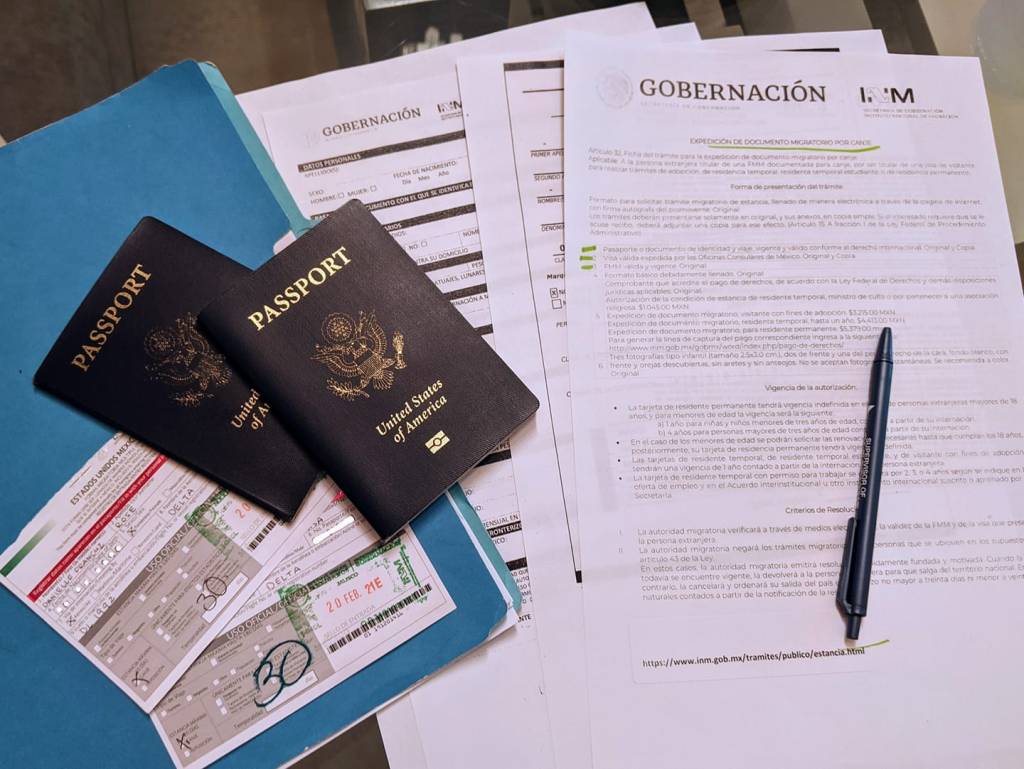
One of the most taxing parts of maintaining legal status as an expat has to be all the paperwork: visas, residencies, IDs, taxes, health cards, driver’s licenses, bank accounts, etc. The list is never-ending. After so many years and so many forms and appointments, I can very confidently say that bureaucracy is messy and incredibly frustrating everywhere. We now just assume every process will take a few attempts and several months (if not years) of our lives, which has really helped set expectations and allowed us to remain stoic and unfeeling while jumping through hoop after hoop after hoop. Government office waiting rooms are great places for mindful meditation, you know.

We’re accidental minimalists

In addition to becoming masters at handling immigration processes, we’ve also become expert movers. We know exactly what we need and want in our homes, and over the years, we’ve shed all the fluff. And whenever we happen to collect additional fluff, we’re systematic and unsentimental in removing it before the next move. People are often surprised that we’ve moved countries so many times with nothing but suitcases. Quite a few suitcases, but still. It’s actually pretty easy to do when I remember all the things we took on our first move that we never used. Or when I remember all the things we’ve used in a particular place that wouldn’t make sense anywhere else. These days we tend to take a lot more art with us and a lot fewer dead appliances.

We’re expert home-makers

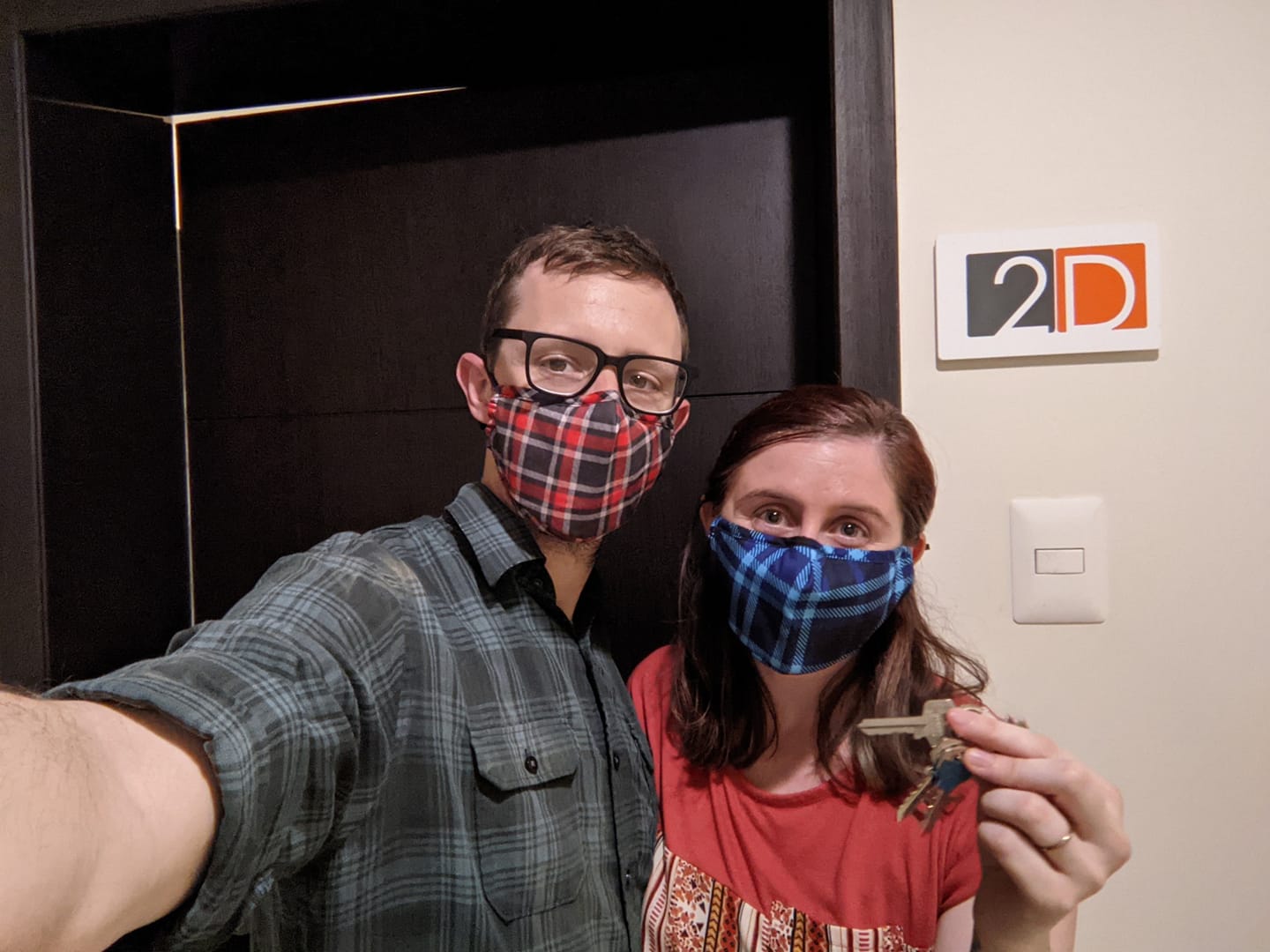
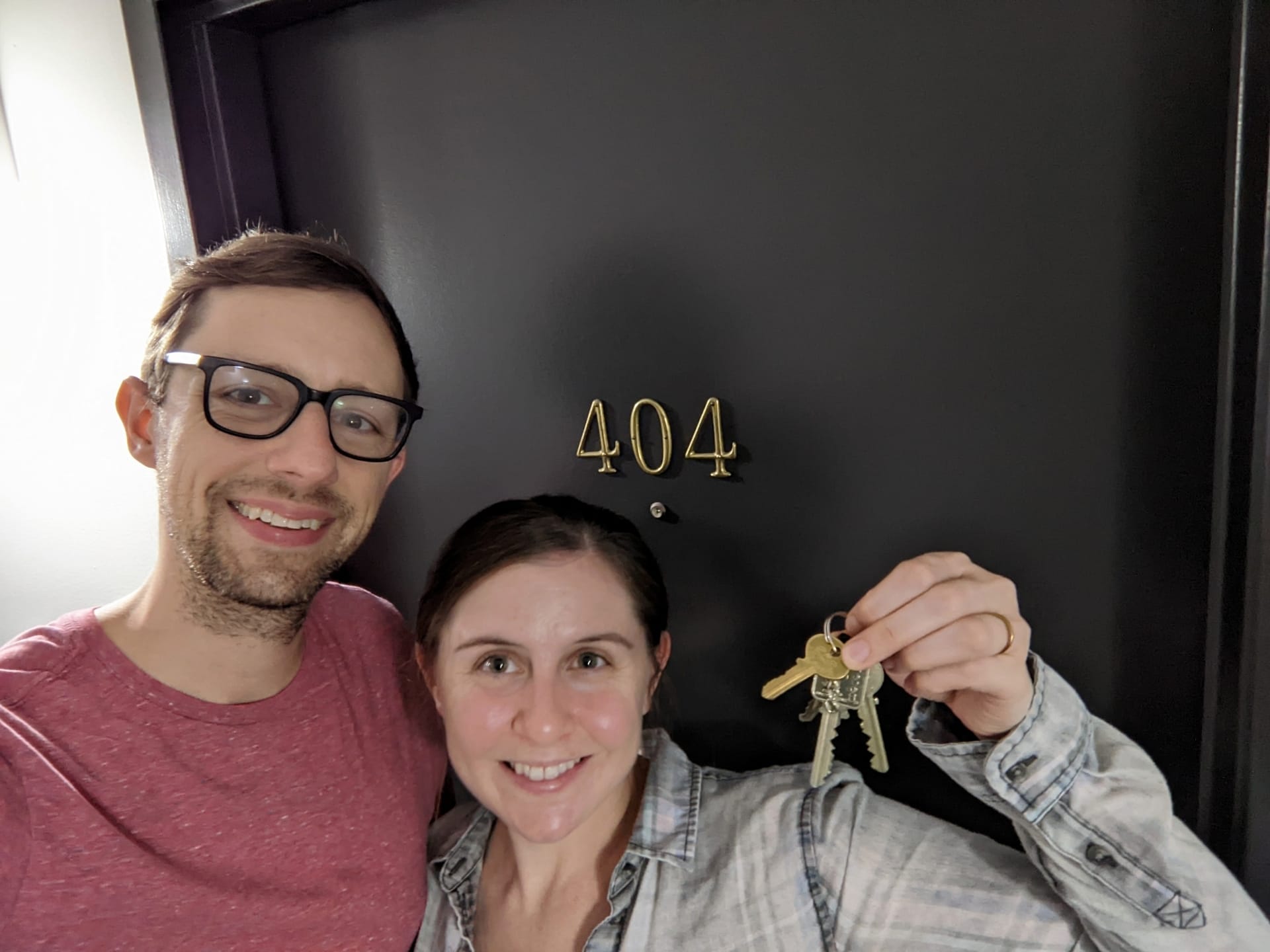
Speaking of homes though, we’ve had a lot of them over the years. From country to country or even apartment to apartment, every place we’ve lived has always felt like home. Early on in our expat experience, someone advised me to prioritize setting up our home because we’d be surprised at how quickly “later” becomes “never”. Well, we took that to heart and always make sure our apartment is set up before tackling other tasks. We also work really hard to make sure we feel at home in the community as well, which means joining groups, meeting neighbors, learning names and faces. It can be difficult being the new people in town, but we’ve found the quicker we reach out, the quicker we feel at home.

We’re nothing if not adaptable
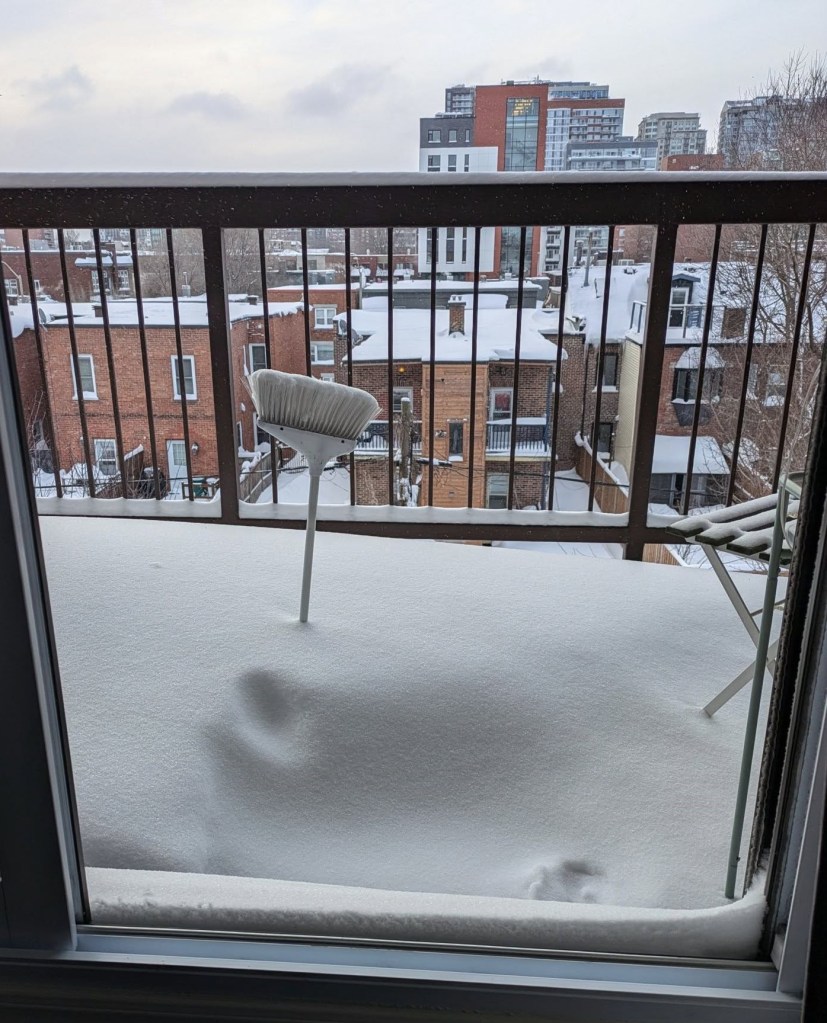
Another skill that makes itself known every time someone visits one of our far-flung homes is our adaptability. No dishwasher? No problem. Drinking hot water in summer? Sure, why not? Have to do everything over the phone? Got it. Everywhere we’ve called home has changed us in so many ways. Sometimes we forget what was normal for us before moving abroad because we’ve so strongly adapted to several different lifestyles now. This is how I know it doesn’t really matter where we live or what we do because the skill of adaptability is such a broad and encompassing one, that I know we’ll be just fine anywhere.

We’re always adopting new habits
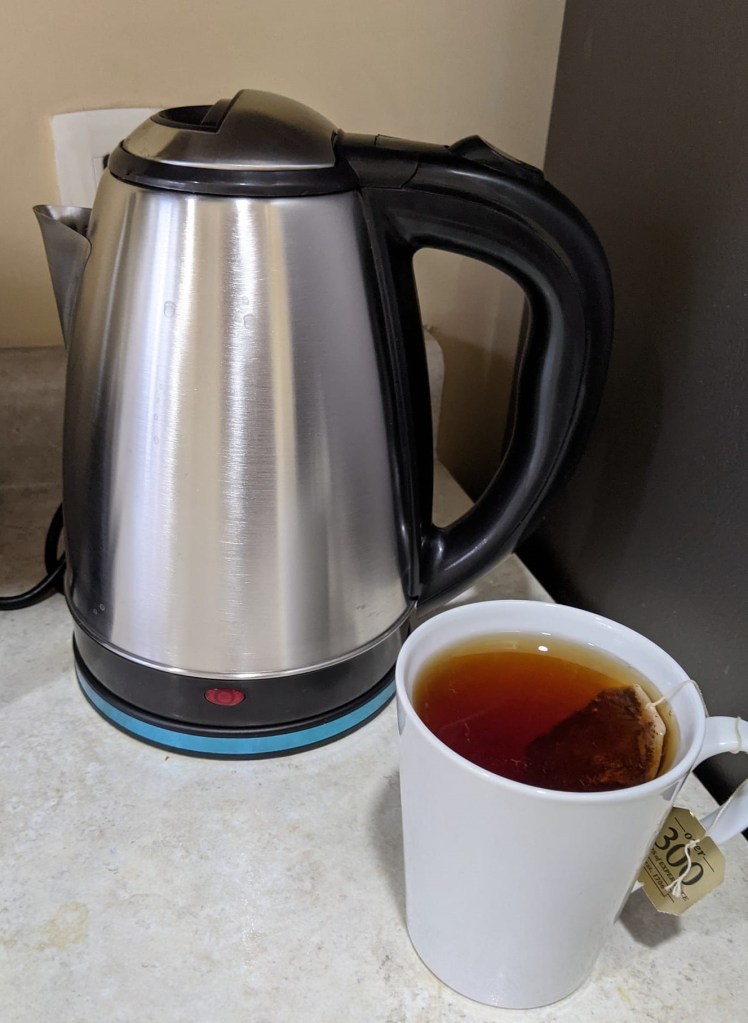
Likely due to all the adapting we’ve had to do over the years, we’ve also gained quite an assortment of international habits. For example, at some point, we became a strict no-shoes-inside household, and when I think back to all the shoes that walked across our carpeted US apartment floors, I shudder. I also can’t believe we lived 25 years without an electric kettle! You’ll have to pry that out of our cold, dead hands now. Similarly, after living in both tea and coffee cultures, we now find ourselves enjoying both regularly. We also find ourselves checking sunset/sunrise times, the weather, and the air quality index more than most, which are all habits we picked up in different places at different times. It’s interesting to note which things stay behind in the places we leave versus which ones we take with us as the ghosts of homes’ past.

We’re an interesting mix of cultures to say the least

Similar to our eclectic mix of habits picked up from around the world, I would say that we ourselves have ended up a strange mix of all our homes. It’s rare that someone immediately places us as American. Even when hearing us speak, our accents don’t give much away, especially when speaking something other than English (you’re likely to hear a very strange combination of linguistic features depending on the day). We also have very strong inclinations toward European showerheads, the use of chopsticks, and what should and should not go on a taco. We self-identify as Polish-American-Canadian-Tapatío laowais, and we’ll happily talk your ear off about life in Poland, the US, Canada, Mexico, and/or China because each of those places is a part of us and always will be.  
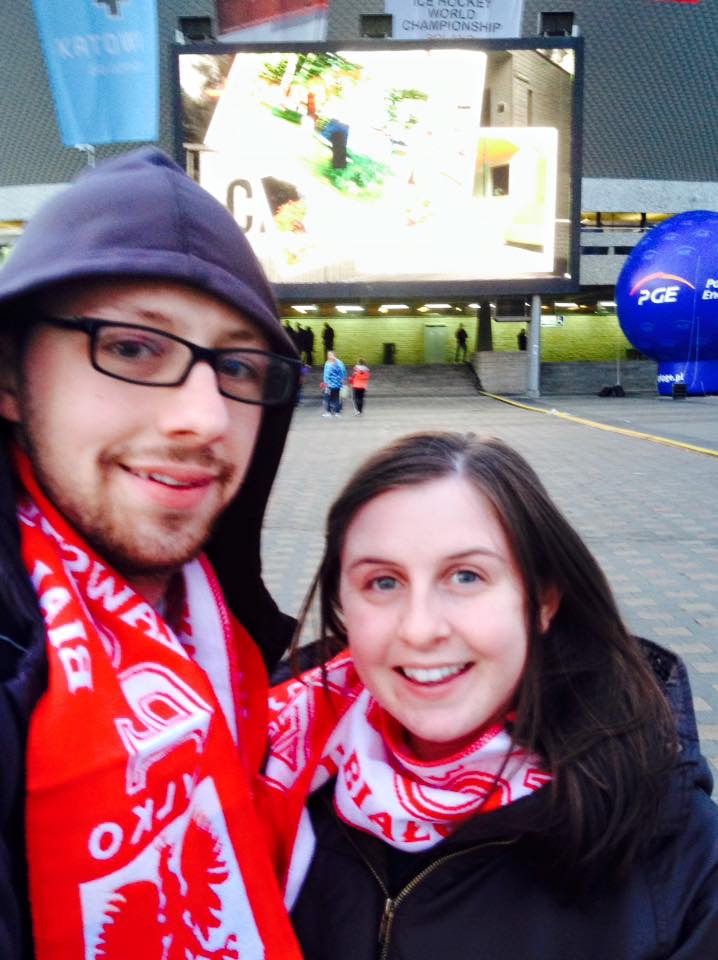
We’re excited to make every day an adventure

All these fun little quirks keep us tied to the places we used to call home, but one of the best parts of being a perpetual expat (no matter where we are) is the fact that every day becomes an adventure. The smallest tasks are new and exciting, and we never know what we’re going to learn. This is really why we keep doing it; why we haven’t “settled down” yet. We’ve learned to love the daily micro-adventures and mini-challenges that keep us on our toes and forever entertained. Every time we start over in a new place, we get to experience so many firsts again. We get to find a new set of favorites and develop new habits that only enhance our lives. An adventure a day certainly keeps the boredom away!

Definitely never boring!

We’re constantly learning and reflecting

And last, but not least, all this moving and growing and changing allows us to continually learn and reflect. Before each move, we get to look back at our time in a given place and reflect on everything we did, all the changes we experienced, and what we could or should have done differently if given the chance. And then…we get another chance! I sometimes refer to Poland as our “first pancake” because with hindsight, it’s easy to see how we’ve continually gotten better at being expats. All these skills (and more) have been honed over the years, and we’ve learned how to make the most of our time in the places we call home. Of course, we also realize just how lucky we are, so to all our homes: thank you, dziękuję, xièxie, gracias, and merci for the best decade of our lives!
Duolingo Dossier

So, let me start off by saying I have absolutely no personal or professional stake in Duolingo. In fact, I actually applied for a writing job for them once and never heard back…but that slight misstep (on their part) aside, I really love Duolingo, and for this month’s post, I’m going to tell you why.

Generally, I’m all about setting goals and challenges for the New Year, but alas, my goal this year is actually to have zero expectations whatsoever (we’ll see how that goes…). However, for those of you who haven’t been quite so jaded by 2020, January is still a great time to develop new habits, such as learning or practicing a foreign language. And for me, Duolingo has been an amazing way to keep that particular habit up for the last 446 days (yes, that’s my current streak number – woohoo!).

They seriously get me.

Of course, before I can get into the specifics of the app/website itself, I have to recount why learning a foreign language is such a great thing to do. In short: it does amazing things for your brain, it gives you new insights/perspectives, it can connect you to other people and cultures, it can be incredibly useful for travelling abroad, and it can be a fun way to diversify your skills and spend some time away from Netflix/social media, just to name a few of the major benefits. Even if you try Duolingo and hate it, I still recommend finding a language-learning system that works for you (in-person classes, one-on-one video chats, traditional workbooks, etc.) because there is really nothing like learning a foreign language!

Now back to Duolingo. One of the reasons I love this particular app and website so much is that they are completely free. It’s not the usual you get all the basics for free, but as you advance you need to pay or spend a certain amount of time on the app or whatever other hoops they’ve come up with. No, with Duolingo, you can access all the materials and completely finish as many courses as you’d like without ever having to pay. Of course, they do have a “Duolingo Plus” option, which allows you to work offline and skip any ads, but in my years and years of using Duolingo, I’ve not often been tempted because, honestly, the ads are super minimal and who’s ever “offline” these days anyway? 

Another absolutely amazing thing about Duolingo is that there is a plethora of language options/courses to choose from (from Irish and Hebrew to Klingon and High Valyrian, no joke), and it’s super easy to switch back and forth between them. This is great if you’re like me and feel like French Fridays should be a thing. It’s also great because not only does it track and keep record of your progress, you can also test into a course and not have to start at the very beginning (for example, if you took Spanish in high school or gained some previous experience elsewhere). I’ve also mentioned a few times now that there is both an app and a website – they’re linked by your account, but they each have slightly different options, views, exercises, etc.

I also love that Duolingo allows you to set personal goals, for example, how much time you want to spend practicing each day. It also can send you reminder notifications or emails if, like me, you have trouble remembering if something happened early this morning or yesterday… Of course, these goals and reminders are completely optional and customizable, so you can turn them all off and live a more low-pressured life if you’d prefer. The lessons themselves are also extremely quick (or “bite-sized” as Duolingo touts), so it’s actually really easy to fit them into your schedule. I typically do mine while I’m waiting for something: the water to boil, the dog to pee, etc.

With Duolingo I also love the variety it offers. The courses/lessons are fun, and they aim to create useful yet entertaining sentences, scenarios, etc. but there are other features that are equally helpful and perhaps even more dynamic. I especially love going through the “stories”, which use the vocabulary and grammar you learn in the courses to create dialogues with a bit more context and substance. The stories and characters are quite entertaining – one of my favorites was when a character’s son thought his parents were lion tamers because he found a whip in their closet! Tell me that’s not an intriguing story to read in any language! Haha! Tucker and I have also been competing to complete all the different achievements (like earn 100 crowns, finish #1 in the leaderboard, etc.), which is another way to increase motivation and add another level to our learning. The Duolingo podcasts are also really fun (and free). They use both English and your target language to narrate longer, true stories related to life, culture, and the human experience.  

Everything is bigger online!

I also really love how intuitive the interface and activities are. I recently got my parents (who aren’t necessarily “app-people”) into it and no matter how tech savvy (or not) you are, it’s super easy to set up and use. It’s also not very grammar-y (which I realize is a plus for most people). The courses aim for immersion-like teaching (similar to Rosetta Stone), so you cover the major skills without having to sit through grammar instruction. There are “tips” that you can check at the beginning of each section, but they’re not necessary. Duolingo also takes a thematic approach and groups its sections according to topics like “greetings, restaurant, travel”, etc. which build on themselves as you progress.

Ultimately, it feels like playing a game. You complete the activities, you win gems, which you can then use to “buy” outfits for Duo (the owl mascot), or for fun courses like “idioms, dating”, etc. There are also “leagues” where you can see how you stack up against other learners, “wagers” where you can bet some of your hard-earned gems and go for double-or-nothing if you maintain a 7-day streak, etc. And oh, the streak! Probably my favorite of the stats they keep up with – it feels amazing to see that number climb and know that while I didn’t do much in 2020, at least I can say that I practiced a foreign language every. single. day. :)

So proud!

Finally, I think it’s important to remember that everything in Duolingo is take it or leave it; some people focus on the streak, others on the checkpoints, others pick it up and put down every few years or so; it’s really whatever flotter votre bateau. And even though Duolingo isn’t sponsoring this post (not yet anyway), I still really think you should give it a try, because for me it has been a simple, fun way to develop a skill that can bring tremendous benefits and entertainment, for free! So, try it out, and when you do, be sure to say “hola” to Duo for me!

New Skills Brought to Us by Life in China

Last month I wrote about the things we’ll be leaving behind when we say goodbye to China, but this month I want to focus on the things we’ll be taking with us when we go: the skills and perspectives we have been developing over the past 20 months.

Flexibility and Patience
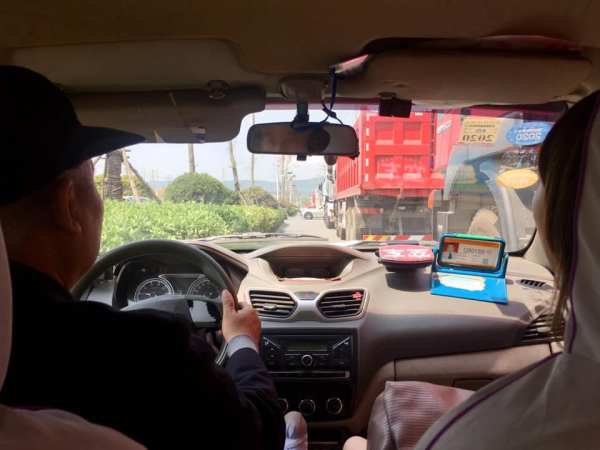
Our taxi drivers might need to work on their patience levels.

The first two skills that we have undoubtedly been cultivating during our China time are our flexibility and patience. Any time you’re in an unfamiliar place or situation these two traits are brought to attention, but China has a unique talent for testing just how flexible and patient a person can be (red tape anyone?). In order to cope with some of the more annoying aspects of life as an American in China, we’ve picked up the phrase “cha bu duo” – it’s a Chinese phrase that has become our hakuna matata, but rather than “no worries” it means “alright” or “close enough”. We use it when plans fall through, when new arrangements pop up over night, or when something that should have taken a few hours ends up taking a few days. It’s all cha bu duo, and it’ll all work out in the end. We’ve definitely become pretty zen in China.

Adaptability
Fruit juice in blood bags? Sure, why not?

Another trait we’ve been honing is our adaptability. China is certainly full of surprises, and keeping up is all any of us can hope for. In fact, early on in our move here we visited Wuhan, a large city in central China, and learned that they have a slogan: “Wuhan: Different Every Day”. However, we’ve long suspected that this particular saying really applies to the country as a whole. I can’t count the number of times we’ve been bewildered by something we’ve seen or heard, but I can say that now it doesn’t really phase us. We’ve learned to take it all in and roll with the punches better than we’ve ever be able to before. From unexplained detours and missing reservations to chicken feet pasta and drinking hot water on 90 degree days, whatever comes, we’ll keep calm, cool, and ready for anything.

Ambiguity
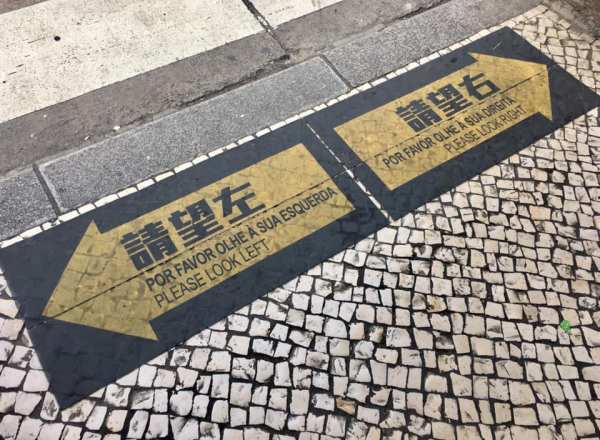
But which way will the cars be coming from?!

Accepting ambiguity is definitely another newly acquired skill. Living abroad always comes with a lot of ambiguity because we’re never quite sure what’s going on (even after asking our thousandth question of the day). However, with China, the ambiguity is off the charts! Partially because the writing system is more like code than language and partially because things have been done in a certain way here for thousands of years – even the locals aren’t always sure why! Luckily rather than frustration, we’ve found peace in not always knowing everything, and more than that, we’ve found that trusting others can really help ease the uncertainty and fear that often accompany ambiguity.

Positivity
On a double-decker bus! Yay, simple things! :)

Perhaps a surprising virtue to have further developed in China is our positivity. Before coming to China most of what we heard was negative, in fact, even while living here, we hear a lot of negative things about the people and culture we’re surrounded in (and other cultures and people as well), but rather than bring us down, it has actually increased our positivity and positive associations. We’ve asked a lot of hard questions, and we’ve be given a lot of really great answers. We’ve met so many friends, colleagues, and students that are extremely positive and excited about both the present and the future of their lives, their country, and the world that it has began to rub off on us. The smallest things now seem to bring us joy, and a positive attitude is our norm. We all really are more alike than different, and it’s easy to stay positive when faced with that reality every day.

Accepting Compliments
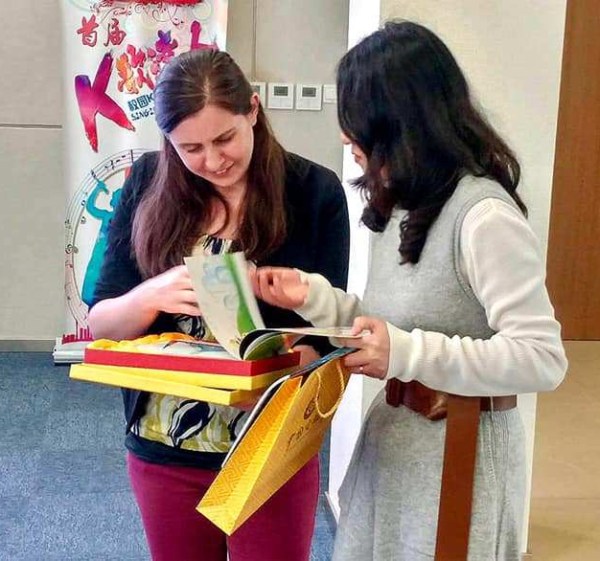
Works for accepting gifts too!

While I’m actually still working on this one, I think we have developed a bit of a knack for taking compliments. It is very common here to give compliments to your friends, and at first it made me super uncomfortable. I’ve had compliments about my “jade arms”, my “3D face”, and my “beautiful nail shape”, which all left me completely embarrassed and occasionally speechless. With time, however, I’ve learned to take my well-practiced American/European self-deprecation and turn it into a humble reply followed by a reciprocating compliment. A very useful skill!

Focus
Cameras, cars, crazy onlookers – no problem!

Another really useful skill we’ve definitely sharpened over these two years is our ability to focus. Noise essentially means nothing to us now. The daily (very early) singing street sweeper, the constant construction clatter, the whirring of air filters, all sorts of clamoring people and blaring traffic are so easily blocked out now. Living in close quarters with 8 million other people has allowed us to focus our attention as never before, which is something we’ll forever appreciate as we intend to continue city living for the foreseeable future.

Communication
Her face says it all

In the process of all this development, another set of skills has subsequently been brought to our attention in China: communication methods. It’s clear to me now that words are not truly needed for communication. Gestures, facial expressions, pictures, and so many other visual cues end up being more than sufficient. I’ve actually really enjoyed exploring work-arounds for complex topics such as how to get the grocery store people to understand the fundamentals of American life (ie we need deodorant, garlic powder, and tortillas to sustain life!). We’ve also refined our questioning techniques because in English, questions can be complicated and often ambiguous – another skill I had no idea I needed. And if all else fails, we’ve learned to embrace the complex language of emojis and stickers (although my students say my particular style is old-school…and not in the cool way).

Cultural Skills
Tea expert Tuck

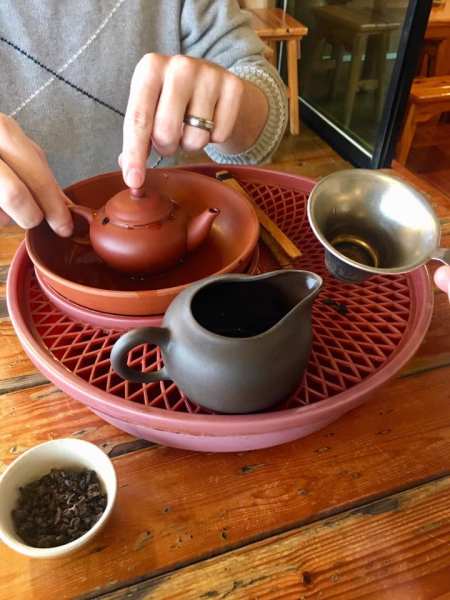
There are also a handful of cultural skills we’ve been able to adopt such as the precise methods of selecting, brewing, and sipping some of the finest teas in the world. With that, has also come the ability to drink and occasionally be splashed by scalding hot water. We’ve also perfected our chopsticks skills. I actually now prefer them to a knife and fork, which Tucker finds a little strange, but hey, I’m adaptable. ;) And finally, one more modern skill we’ve picked up: the art of online shopping. I was never really into Cyber Monday and often failed at buying products online in the US only to end up giving them away rather than attempting a return and redo. But here in China, we’ve become experts at scanning reviews, looking for the tiniest details in photos, measuring twice and buying once. Taobao has been our teacher, and I can’t wait to test out my new found talent on Amazon when we next visit the US.

So many useful skills and so many new perspectives and changes to our collective mindset. I have to thank China and my Chinese culture guides for so effortlessly guiding us through 20 months of one of the most demanding self-development courses I’ve ever been a part of. Just like when we left Poland, I was sure there were changes we’d undergone that would forever be a part of us, and so it is with China as well. Living in a new place changes you, and for that I’m thankful.

Fitting in
Here’s hoping we’ll “fit in” wherever we go next! ;)