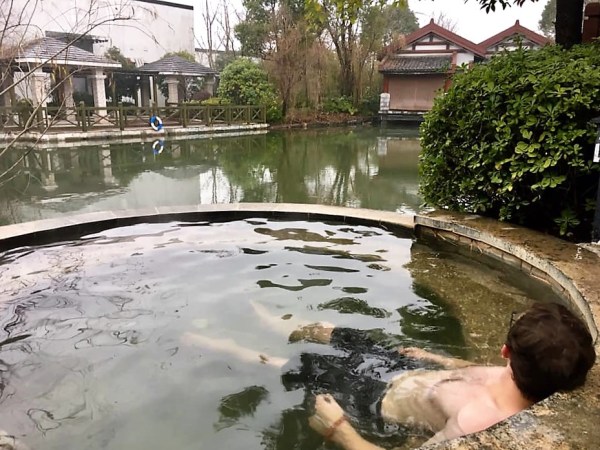
This month we hit another milestone! We have officially been to all 10 provinces of Canada! Of course, we haven’t even come close to visiting all the places we want to see within the 10 provinces (not to mention the territories), but still, it is pretty cool to have been able to see as much as we have! So, for this month’s post, I wanted to write a little bit about our time spent in each province so far and share a few of the things still on our list for whenever we make it back. Enjoy!
Alberta
We first went to Banff just a few months after moving to Canada, and we were absolutely blown away! I have a feeling we’ll be back to the Canadian Rockies a few times before we leave the continent because they are truly spectacular. Calgary was an easy entry point, Canmore and Banff were amazing, but the highlight was definitely the drive up to Jasper National Park on the Canadian Icefields Highway. Lake Louise, Moraine Lake, Athabasca Falls, countless glaciers: it was incredible! In fact, for our next trip out that way, we’re actually thinking of doing it again just in reverse: flying into Edmonton, spending time in Jasper, and taking the Icefields Highway back down to Banff – the same gorgeous scenery in the opposite direction, and ideally, in a different season. The biggest challenge will definitely be deciding which season because I have a feeling all four are equally stunning!
British Columbia
Okay, so technically, British Columbia was the first province Tucker and I ever visited together. In 2008, we went on an Alaskan cruise, which served as my 50th US state expedition and our high school graduation trip, but unfortunately, we were only in Vancouver for a day. Therefore, it is high time for a BC re-do! Luckily, that trip is already in the books for January 2027. We’ll be stomping around the city for about a week, snowboarding for a day or two, and hopefully hopping over to the island as well. Of course, Whistler is also an option or the Sea-to-Sky Highway or more of the Rockies… Clearly, I’m still workshopping this trip, but whatever we don’t get done this time will just be on the list for a subsequent trip! Like the majority of Canadian provinces, BC is huge, and it really requires multiple trips to see and do all the things we’d like!
Manitoba
The very last province we made it out to was Manitoba, right in the center of the country. Here, we spent the majority of our time in Winnipeg, aka The Peg. Somehow, I feel like Winnipeg gets a bit of a bad rap, but we found the city to be super fun! It’s all very spread out, but it has a plethora of beautiful parks, lots of unique activities, and a solid amount of local color. I absolutely loved Assiniboine Park; Tucker loved all the breweries, and on our mini road trip day, we had a great time checking off a ton of fun roadside attractions en route to/from Riding Mountain National Park. Of course, I’m still eager to get back out to Winnipeg in winter, so we can see if “Winterpeg” really lives up to its name! Maybe we’ll combine that with a trip up to Churchill, the Polar Bear Capital of the World, which is on Hudson Bay on the northside of Manitoba. If you know us, you know that’s exactly the sort of thing we’d do…
New Brunswick
I sometimes feel a bit bad for New Brunswick. It seems like the most underrated/left-out province of them all, but it’s honestly so nice! The Bay of Fundy was probably our favorite sight since it’s so unique, but really, there is a lot we love about visiting NB (I think after Québec and Ontario, both of which we’ve called home, NB is our most-visited province). New Brunswick is right in the middle of Québec, Nova Scotia, and Maine, and I think it has a lovely mix of all the things you associate with those three slightly more famous destinations: French, forests, coastlines, etc. Of course, the Bay of Fundy is the true draw of NB. This bay actually has the highest tidal range in the world at over 50 feet, so here, you can literally watch the tide change right in front of your eyes. You can also walk on what is essentially the ocean floor if you time your visit correctly. Anyway, I actually wrote a whole post about the Maritimes, so if they’re on your to-visit list, definitely check it out!
Newfoundland and Labrador
The Far East, okay, not as far east as China, but as far east as you can get in Canada! In fact, the time zone in NL is 30 minutes ahead of East Coast time, which was just the first of many interesting facts we learned out there. Our trip centered around Newfoundland, which is an island affectionately known as “The Rock”, and I’d say that’s a fair assessment. NL is incredibly rugged. It’s also a bit isolated, which explains why it feels vastly different from the rest of the provinces. We spent a lot of our time in Newfoundland hiking because the coastline is dotted with lighthouses, lookout points, and depending on the season, either icebergs or rare birds. Despite some challenging weather, we had an absolutely amazing time schlepping around the island, and of course, the hospitality of the locals is second to none in all of Canada, so we also spent a good amount of our time chatting and drinking with locals who were just as curious about us as we were about Newfoundland. All in all, definitely a trip I’d love to do again, perhaps this time making it up to Labrador as well!
Nova Scotia
Another heavy-hitter in Canadian tourism, Nova Scotia has a lot to see. Halifax, of course, but the infamous Cabot Trail and Peggy’s Cove are here as well. Plus, the lobster rolls, Halifax donair, Moon Mist ice cream…it sort of seems like food was a driving force during our time spent in Nova Scotia, and on that front, we were never disappointed (well, unless you count that time a seagull stole a $30 lobster roll right out of Tucker’s hand lol). Seagulls notwithstanding, Nova Scotia is absolutely beautiful and really accessible. When compared to some of the other provinces, driving across NS seems downright quick! And, like Newfoundland, the locals are incredibly welcoming and really seem to enjoy sharing their favorite local hangouts. At one point, we were even considering moving to Halifax, so you never know, we might soon be exploring even more of Canada’s Ocean Playground!
Ontario
Where do I even begin with Ontario? We called this province home for 2 years, so obviously Ottawa is my favorite city in Ontario. But we also took trips to Niagara Falls, Toronto, Kingston, and about a dozen smaller towns in southeastern Ontario. Our first Canada Days were celebrated here. Ontario was where we were introduced to Beavertails, butter tarts, ketchup chips, and Coffee Crisps. This is also where we learned to love the extreme seasons of Canada, specifically of Central Canada. And even though we’ve already made trips back to Ontario after having moved to another province, there are many more we still want to make. Top of the list would probably be Thunder Bay. Lake Superior is the only Great Lake I have yet to see in person, and Thunder Bay looks like a stunning place to do just that. The problem with Ontario is that it’s absolutely massive. If I wanted to drive from Ottawa to Thunder Bay (both of which are in southern Ontario), it would take 16 hours. Maybe we’ll just fly.
Prince Edward Island
PEI might be the tiniest province of Canada, but it definitely packs a punch! I associate the island with Anne of Green Gables, but there’s a lot more to see than the rolling green hills and red dirt paths described in the novels. Prince Edward Island has a little bit of everything: farmland, gorgeous coasts, vineyards, the longest bridge in Canada! One of the best things about it is how much you can see there in a short amount of time. It only takes 3 hours to drive from one side to the other. While we were there, we saw the most beautiful sunset on the west coast of the island, and ever since then, I’ve had the idea to go back and watch a sunrise on the east coast in the morning, spend the day crisscrossing the island, exploring all the amazing restaurants, shops, coastal drives, etc. ending up on the west coast for another spectacular sunset. Of course, these days, I’ve been talking with a lot of people who have cruised to the island, which also seems like it would be a lovely way to see PEI. We’ll just have to see!
Saskatchewan
We finally made it out to Saskatchewan on one of our most recent trips, and I’m so glad we went full-on prairies! I knew I wanted to see the prairies in all their glory, so not only did we spend several days in Saskatoon walking the Meewasin Valley Trail, we also rented a car and drove for hours around the vast nothing between Saskatoon and Regina. And if that wasn’t enough, we also took a 14-hour train ride right through the prairies so I could be absolutely sure we saw the true extent of the province’s vast supplies of wheat, canola, and potash from every possible angle. I’m not sure what we expected before spending time in Saskatoon, but we left feeling like this was another underrated city that is well-worth a visit. It’s called the Paris of the Prairies, and I’d say for good reason. The Saskatchewan River is extremely picturesque, and the city wraps around it beautifully with a collection of lovely bridges. Calgary and Winnipeg on either side have vastly different vibes; Saskatoon feels to me a bit more like Québec: a little calmer, a little more relaxed, and really just a great place to slow down and take it all in. I can easily see us going back to Saskatchewan. I mean, we didn’t even make it all the way down to the City that Rhymes with Fun (aka Regina)!
Quebec
Another one that’s hard to sum up into one short paragraph! Quebec is our home, and even before moving here, we had visited several times. There’s no denying Montreal is effortlessly cool, but clearly, I’m Team Québec City all the way! As much as it’s cliché to say, there really is a certain je ne sais quoi about Quebec. The province has glittering lakes, winding rivers, forested mountains, colorful leaves, snowy winters, and everything else you could ever want from nature. Quebec is culturally rich as well; it’s indigenous, French, English, and Canadian all at the same time! During our time here, of course, we’ve seen a lot of what Montreal and Québec have to offer, but also Charlevoix, Saguenay, Rivière-du-Loup, Mont Tremblant, and more. Our next big trip within Quebec will probably be out to Gaspé, another one of the most beautiful landscapes in all of Canada. And in case you were wondering, I do in fact pinch myself often just to make sure this really is my life and not just a dream!
So, here’s to the 10 incredibly beautiful provinces of Canada! I sincerely hope you also get the chance to visit them all one day because from coast to coast to coast, Canada really is something special!
Now that I’m an official Québec City tour guide, I’ve realized that in-person walking tours can be a little overwhelming — in the best possible way, of course! There are so many names, dates, stories, and details coming at you all at once. So, I created this virtual tour as a way for people to revisit the incredible history that makes Québec City such a unique place to explore. But even if you haven’t taken the tour yourself, I hope you’ll still enjoy discovering these stories and learning more about the history behind my adoptive home.
Stop 1: Parc des Gouverneurs
I like to start our tour at the Parc des Gouverneurs, which sits right next to the famous Château Frontenac and has a beautiful view of the Saint Lawrence River. I think this is a great place to begin because from here, you can see both sides of the river and Île d’Olréans, which is the official start of one of the largest estuaries in the world. An estuary is where a river turns into an ocean, and this particular narrowing is precisely why Québec City is where it is, and it’s also how the city (and the province) got its name. Quebec means “where the river narrows” in Algonquin, highlighting the first group of people who called this region home.
Of course, it didn’t take long for other groups to see the potential of Quebec, starting with the French in the 1500s. Due to its strategic location and striking natural features, early explorers found Quebec to be the perfect place to stake a claim. Here, they had access to the already-established trade routes, and they were in the most easily-defensible position in the region. Jacques Cartier was the first to come and go a few times, staying just long enough to NOT find any diamonds, yet name the rocky cliff Cap Diamant anyway, but it was Samuel de Champlain, who really stuck it out and is credited with the official founding of Québec City in 1608.
Along with a small group of initial settlers, Champlain built the first habitations in Québec and quickly became known as the Father of New France, which is why we see his face everywhere around the city. Well, not his face exactly. Unfortunately, Champlain never had a portrait done, so we don’t actually know what he looked like. When the city started putting up statues of Champlain, they had to model them after another noble-looking French guy instead, so in all the artwork, statues, and history books, the man you’re looking at is not actually Champlain, but at least they’ve mostly stayed consistent with the image!
Of course, one of the most striking elements in Governor’s Park has to be the Wolfe-Montcalm monument. The second-oldest war monument in all of Canada, this impressive obelisk commemorates, arguably, the most important battle in Canadian history: the Battle of the Plains of Abraham (1759). This was such an important battle because it was the catalyst that led to British, as opposed to French, rule in Canada. Interestingly, for such an important battle, it didn’t actually last very long, only about 20 minutes from the point at which the two sides met on the battlefield. However, regardless of the outcome, both Wolfe (the English general) and Montcalm (the French general) were highly regarded by their men, and both are well-represented throughout the city today.
Stop 2: Château Frontenac & Dufferin Terrace
Okay, our next stop, of course, has to include the infamous Château Frontenac, allegedly the most-photographed hotel in the world! The oldest sections of the Château Frontenac were built in 1893, and despite the name, it has always been a hotel, never a true castle. Like the Château Lake Louise in Banff and many others across the country, the Château Frontenac is a Canadian Pacific Railway Hotel, all of which are incredible pieces of architecture initially built to generate passenger traffic for the transcontinental railway network that was completed in 1885.
Like many of these grand hotels, the Château Frontenac was built in several stages, and interestingly, the main tower (arguably its most distinguishing feature) was not included in the original section. It was added to the structure in 1924. The most recent addition to the hotel took place in the 1990s with the addition of the pool, spa, and fitness center because modern amenities are a must for that coveted 5-star status! As you can imagine, many famous people have graced the halls of this amazing building over the years: Queen Elizabeth II, Winston Churchill, Franklin Delano Roosevelt, Princess Grace of Monaco, Charlie Chaplin, Céline Dion, and Paul McCartney, just to name a few.
But what about the “Frontenac” part of the hotel’s name? Where does that come from? Well, Louis de Buade de Frontenac was a former Governor General of New France, and he was the one in charge when the city faced one of its first major attacks in 1690. Frontenac knew the young colony wasn’t fully prepared to take on the English at this point, so when one of their ships pulled up, he used a bit of psychological warfare to win the day. He gave his iconic “I’ll answer with the mouths of my cannons” line after blind-folding and tricking their envoy into thinking Québec was much more battle-ready than it actually was. Frontenac’s bold actions and pivotal role in early New France made him a fitting namesake of such an impressive hotel.
Right in front of the Château Frontenac is where you’ll find Dufferin Terrace, a 430m (1400ft) long boardwalk that runs along the edge of Cap Diamant. From here, you can see the Citadel perched even higher on the cape as well as the only still-functioning cannon in the city, which is fired every day at noon, so be sure to listen out for it! From here, you can also see the city’s beloved toboggan slide. Built in 1884, the slide is open all winter long, and thanks to its steep angle and long icy track, riders can reach speeds of up to 70 km/h (45mph)! The slide is super popular during Winter Carnival, which happens every year in February, and if you like ice castles, ice sculptures, ice canoe races, and/or signature cocktails, you absolutely have to come back and experience it all for yourself!
Also, along the boardwalk are a series of glass skylights, where you can catch glimpses of what is left of the original Fort/Château St-Louis, some of the first constructions built on the cliff. And at the other end of Dufferin Terrace, near the top of the funicular, there’s a large statue of Samuel de Champlain (well, at least one representation of him). This statue was added to the boardwalk in 1898 and was designed by an architect who survived the Titanic disaster. Lucky guy! The stone that makes up the base of the statue actually comes from the same quarry as the stone used to build the Arc de Triomphe in Paris, and the woman kneeling there is actually a personification of Québec City itself. If you look closely, you can see her crown is made up of the city’s famous walls.
Stop 3: École des Ursulines
Our next stop is the École des Ursulines, which began as a monastery that was founded in 1639, making it the oldest educational institution for girls in North America. One of the founders was Marie Guyart (aka Marie de I’Incarnation), a French widow turned nun, who came to Québec to educate young girls in the new colony. Because she had been married before and still had a son in France, she wrote thousands of letters about anything and everything that pertained to her daily life in New France: her work at the school, the indigenous girls she met, the battles that took place, and many other events that historians are still pouring over. For her contributions, she has also been memorialized across the city and beyond.
The school that the Ursulines started way back in 1639 is still a functioning school today, and in 2010, it started accepting boys as well as girls into its ranks. Throughout its history, the Ursulines’ school has always been known to be quite progressive. The early nuns learned several indigenous languages themselves, and they were among some of the first to teach girls subjects like arithmetic, astronomy, and chemistry. While the school is still going strong, the monastery is actually undergoing some major changes. The last of the remaining nuns, who are all quite long in the tooth now, officially moved into an assisted-living facility in 2018, and the complex is now in the process of becoming an archive of all the documents, artwork, and artifacts that have been collected by the nuns throughout the years. During this shift, there was one other important change to be made: the relocation of General Montcalm’s body.
Although the Battle of the Plains of Abraham was brief, it had a tremendous effect on Québec. During the battle, General Wolfe died on the Plains right after finding out the English had succeeded. General Montcalm was also shot during the battle, but his men were able to retreat with him back into the city. Unfortunately, he wouldn’t survive either, and the French had to quickly find a way to protect his corpse and his memory amid the British takeover. This is how he came to be buried beneath the floors of the Ursuline Monastery. That is, until 2001 when the city decided to relocate his remains to the cemetery where all his soldiers were buried, rightfully reuniting the general and his men almost 250 years later.
Stop 4: City Hall
Now we’re at Hôtel de Ville de Québec aka City Hall. Originally, there was a Jesuit College here, but after the British took over, it was converted into a military barracks. In the late 1800s, the building had been left abandoned, and the city chose to demolish it and build anew. From here, you can also see many different flags, such as the Canadian Maple Leaf, the Quebec provincial flag, known as the fleurdelisé, and the flag of Québec City, which is dark blue with a golden ship (Champlain’s “Don de Dieu”) surrounded in the city’s fortifications. Across the square, you can see another series of flags representing the different Francophone groups of Canada: Acadians, Quebecers, Franco-Ontarians, etc.
It’s here that I often get questions like “If the British took over 250+ years ago, why is Quebec still so French today?” Well, I’m glad you asked! Surprisingly, it’s because of the US. In the 1760s, the British had just taken control of Quebec, and they were so afraid the French-Canadians would join the Americans in their quest to kick the Crown out of North America that they signed something called the Quebec Act, which was essentially a pact allowing Quebec to keep their language, religion, and local laws so long as they didn’t fight against the British. Well, they never did and have kept their French-ness ever since! Vive la difference!
From City Hall, you also get a great view of the tallest building in Old Québec: the Price Building. Built in 1929 as a paper manufacturing company’s headquarters, it has a bit of a checkered past. Of course, the timing of the build wasn’t great (Stock Market Crash, anyone?), but the building itself was also hated by locals almost immediately. They felt it was too tall, too modern, and just out of place in Old Québec, which actually led the city to pass a law banning any buildings over seven stories within the fortifications. Luckily, the city has grown to love the Price Building over time. It now serves mostly as office space, except for the top 2 floors, which is where you can now find the permanent residence of the Premier of Quebec.
Stop 5: Notre-Dame de Québec
Next stop: church. La Notre-Dame de Québec to be exact. Although it’s not the exact church that was built by Champlain, it does sit in the same location, making it the oldest parish in the city (and thus in all of Canada). And with such a long history, Notre-Dame de Québec has a ton of interesting stories and facts surrounding it! First, it has burned down and been rebuilt at least four separate times since its original construction, which is pretty impressive in and of itself. You might also notice that there’s only one completed bell tower giving the church a unique, asymmetrical look. Well, that was actually due to a miscalculation on the architect’s part, which resulted in it being deemed unsafe to finish. Oopsies!
And while it might not have all its intended bell towers, it does have something super rare: a Holy Door. There are only a handful of Holy Doors in the world, the vast majority of which being in Italy, so this one (the only one in the Americas) is quite special. What is a Holy Door you ask? Well, it’s a bit like a spiritual carwash, but it’s only opened on jubilees, so we’ll all have to wait a number of years for the chance to walk through it and experience its power firsthand. What I can say is that, currently, it’s sealed very much like the Pope’s door during the conclave, which is still pretty cool to see!
Another prominent feature of Notre-Dame de Québec is the funerary chapel of François de Laval, Quebec’s first bishop. Laval was another highly influential figure in the early days of the colony, and for that reason, his name is another you’ll see all over Quebec. Notre-Dame de Québec is both a cathedral and a basilica, meaning it has a highly important functional role as well as a special, Pope-granted status. It is still the official seat of the Archbishop of the Québec diocese and has been since the 1600s. At its height, the region that was overseen by Notre-Dame de Québec stretched all the way from modern-day Quebec down to Louisiana, which might give a brief glimpse into just how busy (and influential) Laval and his contemporaries were back in the day.
Stop 6: Séminaire de Québec
While we’re on the topic of the city’s religious history, we should also take a look at the Séminaire de Québec, which is right next door to Notre-Dame. The Seminary of Québec is often touted as the oldest institution of higher education in Canada, and its buildings still house several schools today, including many departments of L’Université de Laval, the first French-language university in North America and one of the oldest universities in Canada. Within the original Seminary complex there is also a private high school as well as a significantly smaller, modern seminary, which continues to educate future Roman Catholic priests to this day.
Speaking of priests, I should probably mention that despite all this talk of churches and seminaries, today, Quebec is actually quite a secular place. The region has an extremely Catholic-centered history; however, it also experienced a massive shift in religious identity starting in the 1960s when Quebec went through what is called its “Quiet Revolution”. It was during this time that the people of Quebec starting feeling like the Church had a bit too much control over things like education, healthcare, and women’s rights, and instead of violently overthrowing anyone or anything, they opted to quietly step away, creating a variety of different public services and social policies in the process. Today, less than 10% of Quebecers are practicing Catholics, which is why a lot of the religious buildings in the city have been repurposed into schools, libraries, and cultural centers.
Another thing of note here in the Old Seminary’s courtyard is the amazing collection of architectural features on display. Throughout the city, you’ll notice a wide array of different building materials, styles, and structures, and this is partially due to the very distinctive French and British periods. Here, you can see a great example of what the early French period architecture looked like: steeply pitched roofs, unadorned windows and doors with small panes of glass, and natural stone walls covered in a thick white wash that helped to waterproof the structures. You can also see building that date back to the British period with their larger, more uniform stone blocks, double-door entryways, larger window panes and architectural details like arches and balconies.
Stop 7: Montmorency Park
Now we’ve officially started our decent into Lower Town. From here in Montmorency Park, we have a great view of the Château Frontenac and some of the oldest of the city’s fortifications. The first fortifications of Québec were built in the 1600s, but others weren’t completed until much later. In fact, the city wasn’t 100% walled-in until after 1820 when British troops finished the job. It was quite a job, too, because the walls stretch over 4.5 kilometers (3 miles). At one point, there were over 300 cannons lining the walls, which really highlights the fact that Québec was chosen with defense in mind.
Of course, eventually, the battles came to an end and things started settling down in North America, and Quebecers had to decide what they wanted to do with their fort of a city. Many wanted to tear down the walls and start over with more of an open-concept. However, one of Canada’s early Governor Generals, Lord Dufferin, had a different idea. He had traveled extensively and knew that Québec’s walls were an architectural jewel that needed to be preserved, and thankfully, he was able to persuade everyone else. By preserving the fortifications, enlarging the city gates, and building a massive public boardwalk (one that is now named in his honor), Lord Dufferin ensured Québec City would be welcoming tourists long after he was gone.
Looking around Montmorency Park, it’s not too hard to imagine it as it was in the past, a blank canvas of farmland. This is actually where the first farm in New France was located, which was created by two of the early settlers: Louis Hébert and Marie Rollet (other famous names of Québec). As the farm gave way to more modern building projects, Montmorency later became the site of the first parliament buildings of Quebec and later Lower Canada. In 1864, the British North America Act, a founding document of modern-day Canada, was actually drafted here. Unfortunately, a fire destroyed the last of the buildings in 1883, which is when the city decided to move Parliament outside the Old Town, a little further from the cannon fire (better safe than sorry, non?).
Stop 8: Casse-Cou Stairs
As we continue to make our way down, you really get to feel the immensity of Cap Diamant! Upper Town sits about 60 meters (200 feet) above Lower Town, which is why there are approximately 30 staircases throughout the city connecting the two. The oldest and most famous staircase is actually the one we just passed: Escalier Casse-Cou (or “Breakneck Stairs”). This staircase is located in the oldest part of the city and actually has a bit of a rough history. The stairs, much like the neighborhood itself, were often left in disrepair, which led to many accidents, thus the name. It’s hard to imagine now, but this neighborhood, Quartier Petit-Champlain, used to be the bad side of town. After the ship yards died out, all that was left was a bunch of brothels and bars, which is exactly why most Québec moms told their kids to stay away from this area!
That is, until the 1970s when a group of local entrepreneurs saw the potential and decided to take on the challenge. They bought up several buildings in the area, refurbished them, and started a co-op that invited local artists and artisans to live and work here in an effort to highlight Québec culture and revitalize an important and historical part of the city. They were extremely successful, and eventually the city joined in by refurbishing other parts of Petit-Champlain, making it a must-see part of the city today. I always recommend this area for its shops, restaurants, cafés, etc. Rue Petit Champlain is often said to be the first commercial district of North America, and looking at all the businesses here today, that’s easy to believe!
Speaking of businesses, another quite lucrative one can be found right at the base of Casse-Cou Stairs, and that’s the funicular (or inclined elevator). If you don’t want to take the stairs all the way back up, you can always let your wallet do the work for you! It’s up to $7 a person now, but at least you can rest easy in knowing you’re also experiencing a bit of history because the funicular dates back to 1879. It’s also located in another famous person’s house: Louis Joliet. If that name sounds familiar to you, that’s probably because he has cities named for him all over the US and Canada because he was one of the first to map the Mississippi River, and he grew up right down the street! How cool is that?!
Stop 9: Place Royale
But the heart of Lower Town has to be Place Royale (or Royal Plaza). This was where the first settlers stepped off the boat and began their lives as a new colony. The first permanent buildings (or habitations) were built on this square along with the first church of Lower Town (another one of the oldest churches in the country). Also in the square, stands a bust of King Louis XIV, and although it isn’t the same bust from the 1600s, there has almost always been a bust in that exact spot, forever linking the histories of Quebec and France.
Interestingly, the king never actually stepped foot in Quebec even though he was the lawful ruler during much of its early history, but he did manage to help the colony from afar. In those early days, the colony struggled with population issues. In particular, not enough women were there to ensure the desired population growth, so King Louis put his money where is mouth was and offered to give a sizeable dowry, free transport, and pieces of land to any women willing to journey to New France and start a family. About 800 women took him up on his offer, the majority of which being orphans, widows, or women of the lower classes who felt that this was their best option for a stable future. Over time, they became known as Les filles du roi (or the Daughters of the King).
These Daughters of the King made up such a large percentage of the early population in Quebec that approximately 2/3 of modern-day Quebecers can trace their linage back to one of these brave women. Several North American celebrities can do the same: Hillary Clinton, Angelina Jolie, and Madonna being among them. Honestly, Québec City has a lot of ties to various celebrities. Since the city looks so much like a movie set and also has the practical, money-saving advantage of being on the same continent as Hollywood, many movies have been filmed here over the years. Alfred Hitchcock’s “I Confess!” and Steven Spielberg’s “Catch Me If You Can”, for example.
Another standout feature of this square is the series of buildings all with different roofs. These were actually added during a reconstruction phase to show the evolution of changes the colonists experienced as they learned what worked and didn’t work in Quebec. You see, we get an average of 3 meters (10 feet) of snow every winter and temperatures regularly drop below -20°C (-5°F), which means in the early days, fireplaces were essential. Unfortunately, that also meant that fires were commonplace. Due to the compounding challenges of lots of snow, very cold temperatures, and the regularity of fires, there was a lot of trial and error needed, particularly with the roofs: cedar was too flammable, slate was too brittle, but it turns out, tin was just right, which is why it’s still one of the most common roofing materials in Quebec today.
Stop 10: Rue Sous-le-Fort
And now we’ve officially come to the last stop on this whirlwind tour: Rue Sous-le-Fort or Under-the-Fort Street. From here, we can see where the city meets the river. The ferry that travels across the St-Lawrence to Lévis (the oft-forgotten little brother of Québec City) is just down the road. Nearby, you can also find sunset cruises or whale watching tours departing from the quays; this is where the river starts opening up to the ocean after all. When there’s no ice in the water, you might also see cruise ships and yachts docking at the Old Port, which I like to imagine is just as exciting as when Champlain and other early explorers turned up in their ships.
From Lower Town, it’s easy to imagine how tough it would have been to take Québec City by sea. The British only managed a win because they fought on the Plains of Abraham (flat ground beyond the walls of the city). During the American Revolutionary War, Generals Benedict Arnold and Richard Montgomery thought they’d give it a shot, but it went very badly for them, and no one has tried since. It’s so amazing that everywhere you look in Québec City there’s another piece of the gigantic puzzle that is our history just waiting to fit into place. One of Québec City’s nicknames is The Old Capital, but I see it as more of an entryway. Here you can enter North America, but you can also enter the annals of history. Hope you enjoyed the journey!
We did it! We took a 4-day trip to Yellowknife, Northwest Territories in February with only a backpack each and the clothes on our backs. Did people question our decision? Yes. Did our friends and family worry about us when checking the weather? Yes. Would we do it all again? Gladly! Yellowknife exceeded every expectation we had for it, and in this month’s post, I’m going to share some of what surprised us so much about this city in the far north of Canada.
The Remoteness
The first surprise actually came when we took a closer look at our flight times. Of course, we know Canada is huge, but we weren’t flying from end to end, more like from east middle to north middle. Regardless, we were in the air for over 7 hours to get from Ottawa to Yellowknife. It would have been faster to fly to Europe! We also flew in on a prop plane, which was another indication that we weren’t headed to a super populous place. And when we looked out the windows of that prop plane and saw literally nothing from Edmonton to Yellowknife (roughly 1,500 km), the message really sank in: we were in the middle of a vastness I’m not sure we’ve ever experienced before.
While we did end up feeling very isolated at first, the longer we were in Yellowknife, the more it felt like, well, Canada. We stopped by a Shopper’s Drug Mart, we got President’s Choice brand snacks, and we still had français to read on all the signage. We were also surprised that the prices of things weren’t as high as we had thought. We had been sure we’d see a crazy increase on all the groceries and food stuffs that had to be shipped in from beyond far away, but it really wasn’t too bad. There were definitely limited options, but overall, not too different from a similar sized city in Ontario or Quebec. The only thing that really stuck out as being outrageously priced was any beer outside of NWT Brewing Co. At one restaurant, we saw $14 Heinekens! Talk about not worth it…
The Cold
We specifically chose to go to Yellowknife in winter because we like the cold, and we wanted to experience the extreme cold of the Canadian hinterland. For weeks ahead of our trip, we tracked Yellowknife’s weather, so we could be as prepared as possible. We had already been to places like Bergen, Norway and Ushuaia, Argentina in their respective cold seasons, and we took those trips without boots or proper winter coats, so all things considered, we were absolutely better equipped for this trip than any that came before it. But did that really matter when we were standing outside in “feels like” -50°F? Not so much lol. We had actually heard several times, from several different people that after you get below -30 or so, it all just feels cold. However, I very much beg to differ; -40 definitely felt much colder than -30.
FahrenheitCelcius
Fortunately, some things did come back to us when dealing with the extreme cold. We remembered the feeling of our eyelashes and nose hairs freezing. We quickly remembered the importance of breathing through your nose only. And once again, we fell back on the age-old lesson: you get what you pay for. Our $30 thermal socks have probably saved a few toes at this point. If I could give any advice to future Canadians or fellow cold weather travelers, you’re absolutely better off buying the expensive gear from the start – it’s expensive because it’s truly the only thing that works.
We learned some new things during our time in Yellowknife as well though. It seems we do, in fact, fear the cold a lot more than the average NWT visitor (let alone resident/native). We opted to take the car pretty much any time we left after dark, mostly because that scene in “To Build a Fire” constantly replayed in our heads every time we took off our gloves! Also, you absolutely cannot function with glasses outdoors in Yellowknife, and even if you don’t need glasses, the cold weather can still really mess with your eyes. Our eyes struggled big time with the cold, the dryness, the ice crystals, the snow blindness, etc. It really felt like everything was out to hurt our eyes in Yellowknife!
The Lights
We have been super lucky with our northern lights sightings in Canada so far. Last May there was a big solar storm, and we actually saw them just about an hour north of Ottawa, so for this trip, we had our fingers crossed, but there wasn’t much pressure on the situation. And maybe that was key, because three of our four nights were full of gorgeous light shows. The colors were so much more vibrant and watching the lights spread out across such an expansive sky was absolutely incredible. Something we didn’t even know to account for in Ottawa were all the mountains and trees that would occasionally block our view of the lights, but we didn’t have that problem when standing on a massive frozen lake!
And just in case I never get around to writing anything about northern lights viewings in general, there are a few things I would have liked to know beforehand. 1) You must let your eyes adjust to the lights. They seem faint at first, but the more you watch, the clearer they become. 2) They move really quickly across the sky and make all sorts of crazy shapes. 3) There is no “peak time” so to say. They’re somewhat like storm clouds; they appear and disappear based on solar activity, so any forecasts are bound to be unreliable at best. 4) The darker it is, the brighter the lights appear, but neither the darkness nor the intensity matter if it’s cloudy, so if you’re hunting northern lights, pick a place known for having an abundance of clear nights. 5) Pictures simply can’t do the lights justice, not even those that have clearly been altered.
The Dettah Ice Road
One of the most surprising experiences of this trip was our time on the Dettah Ice Road. When doing some research on Yellowknife, I came across the Dettah Ice Road listed as a tourist attraction and thought it sounded cool, but actually experiencing it and realizing that it’s not really a tourist attraction at all put it at the top of my list of reasons to visit Yellowknife in winter. The Dettah ice road is exactly what it sounds like: a road made of ice that leads to Dettah, a village southeast of Yellowknife. Usually, you have to drive about 27 km (17 miles) around Yellowknife Bay to get to Dettah, but in winter, since the Great Slave Lake completely freezes over, you can cut right across the bay and drive straight there (only 6.5 km/4 miles). The road itself is amazing! It looks like it’d be slippery or somehow feel different from a normal road, but no, it was business as usual driving across. Well, except for the blinding sun reflecting off the ice and all the cool photo ops along the way. Another incredible thing to experience!
The Yellowknives Dene
As part of our on-going comparison between Canada’s provinces and territories, we were excited to see the influence of the various indigenous groups of Yellowknife as well. Like a lot of Canadian cities, the name Yellowknife comes from a name given to a specific First Nations group, but unlike other Canadian cities, that First Nations group still makes up a considerable portion of the city’s population. Interestingly, the “city” of Yellowknife didn’t really exist until the gold rush of 1934, but the Yellowknives Dene had been settled there for hundreds of years; therefore, the majority of the region’s history revolves around these indigenous groups and how they helped outsiders acclimate to the extremes of the Northwest Territories. Today, their influence can easily be seen in the government, language, and culture of the region.
The Variety
When I shared our Yellowknife photos on social media, there were so many people who said things like “better you than me” or “too cold for me”, but I think the extremes are part of what makes Yellowknife such an intriguing destination. It was perfect for us, cold-loving freaks, but if you visit in August, you could be swimming in the lake rather than driving across it. The variety of activities Yellowknife has to offer is absolutely amazing, and that’s in each and every season. It’s not too often that Tucker and I make it back to a destination (at least not without many years in between), but Yellowknife might just be one we HAVE to see in another season. It also compelled me to move Whitehorse and Iqaluit (the capitals of the other two Canadian territories) up on our to-visit list, so stay tuned!
This was definitely a trip to remember, and for that, all I can say is a huge thank you to Yellowknife for treating us so well and an additional shoutout to all the winter gear we’ve been collecting over the last two years – it really came in clutch here!
Last month, Tucker and I continued our Canadian explorations with a trip to Banff, Alberta. Of course, Banff had been on our list long before we knew we’d be living in Canada, and we can now say with absolute certainty that it should be on everyone’s bucket list! We were truly blown away with the seemingly infinite number of stunning views, trails, waterfalls, glaciers, and all sorts of other incredible landscapes. In fact, I had trouble narrowing down our plans to fit neatly into a one-week trip (many people spend weeks or months trekking around Banff and Jasper National Parks, and I now know why). But since most of us can’t do that, I thought I’d share our experience, which could be useful to others in planning their own epic trip to Banff!
Calgary, Alberta
But before we get to the city of Banff, we have to get to the province of Alberta. The vast majority of visitors fly into Calgary, which is the nearest major city. This is what we did although we also considered flying into Edmonton and driving down through Jasper as an alternative. Ultimately, Calgary won out because it was closer and the flights were cheaper. I’m happy this was our choice though because it meant we got to spend several days in Calgary, which turned out to be a really fun city: two beautiful rivers running through it with gorgeous parks throughout, a very lively and impressive brewery scene, and several bar and restaurant streets where we were able to try the famous Albertan ginger beef. Seriously, don’t let the airport be the only thing you see in Calgary!
Of course, our main reason for being in Alberta wasn’t the cities, it was the beautiful Rocky Mountains, so how to get out there? Well, they’re really only about an hour drive from downtown Calgary, and you have several options. There are buses and shared cars aplenty, but we, like most people, ended up renting a car. The price was as expected: reasonable if you return it to the same place, outrageous if you don’t. In hindsight, having your own car is absolutely paramount if you want to see anything outside the teeming tourist bubble. One of the best parts about driving ourselves around Alberta was that we could (and did) stop at every possible turnoff for views, trails, signs, etc. not to mention the total freedom we had when driving the Icefields Pkwy. But if you’re sticking close to Banff (as in Banff City and the lakes) you really wouldn’t need a car at all if you didn’t want one.
Canmore & Banff
Once you’re successfully into the mountains, you have another choice to make: where to stay. If you’re camping, the options are limitless, but if you’re afraid of bears and/or you’re not a millionaire, you basically have two choices: Banff City or Canmore. Canmore is a little further from the main attractions and isn’t quite as touristy; therefore, it’s slightly cheaper, but there’s much less to do, which means you’ll likely be driving (and having to find parking) more often, or so we heard from fellow hikers. We stopped in Canmore both on the way out of and back into Calgary, and we really enjoyed it. It’s basically a baby Banff, and I think it’s a solid option, especially if you prefer a more low-key home-base.
We ended up staying in Banff though since this was our first time, and we had no idea what to expect. Since we went at the end of September (right before a lot of attractions and roads are to be closed for the season), there was a plethora of visitors. Options for accommodations were somewhat limited either by availability or by price. Fair warning – Banff is beautiful, but it is not cheap. We chose to stay in a private room at a hostel about 1.5 miles (2kms) from the city center. It was an easy walk, but there is also an amazingly quick and efficient public bus that runs through town and out to many of the resorts as well. Several hotels/hostels give free passes for the duration of your stay, but you can also buy a day pass for $5CAD.
The city of Banff has much more to do than we originally thought. On our first evening, we climbed the nearby Tunnel Mountain, and there were countless other trails into the surrounding mountains and valleys. Evidently, there’s also a famous golf course there – who knew? And the town itself is well-worth a wander. Little shops selling everything from mountain gear to homemade fudge, lots of cozy cafés, and restaurants that run the gamut: we saw a McDonald’s right down the street from an extremely lavish steakhouse. We ended most of our days in Banff eating and drinking after spending the day outside hiking, and the choices were surprisingly diverse for such a small town.
Lake Louise & Moraine Lake
Likely two of the most famous views in all of Canada (maybe even North America) are those of Lake Louise and Moraine Lake. No matter how you feel about large-scale tourism or throngs of tourists, you can’t come all the way to Banff and NOT see these two icons. Somewhat recently, Parks Canada decided to close off the roads to the lakes for all private vehicles. The only way to visit them now is to take a shuttle (or a tour) from a parking lot/ski lodge just outside the park. This was very confusing to us when reading about it online, probably because it’s new, but it was actually really easy to do. You reserve a time slot and a direction (either LL->ML or ML->LL) and then present your digital “ticket” to the bus driver. The buses leave every 20 minutes, and as long as you get on within your window, you’re fine.
Lake Louise is huge. There are trails on either side of the lake and up the mountains on both sides with bird’s-eye views. You can also rent canoes and take to the water if you want ($145 for 30 minutes – yikes!) My advice for Lake Louise is to play it by ear depending on the time you’re there, what the weather is like, how many people you see going in either direction, etc. We were there in the afternoon, and it was quite crowded, so we took the path less traveled up to the Fairview Lookout on the lefthand side and found it absolutely perfect. There are signs everywhere showing the lengths and difficulty levels of all the trails, so you can pretty easily decide once you’re there. Just remember to bring water and snacks because there’s not a lot of options once you’re on the tourist circuit.
Moraine Lake is not as big, and because of how it sits, you’re sort of on top of everyone else trying to see/take pictures of the lake. There are several trails here too, but most of them take you away from the lake. We did the 4-mile (6-km) trail to the Consolation Lakes and felt that they lived up to their name lol. In hindsight, I’d have rather brought a picnic and found a nice place to sit and eat while looking over one of the lakes. All the hikes were lovely, of course, but the views of the lakes were better. Also, we did see signs about hiking/traveling in larger groups because of bears, which we didn’t take very seriously then. After recent events, we plan to be more aware and prepared next time, and I would urge anyone else to do the same.
Icefields Pkwy & Jasper National Park
Our last great adventure in the Canadian Rockies was a drive from Banff City up to Athabasca Falls in Jasper National Park and back. This stretch of road is known as the Icefields Parkway because there are over 100 glaciers along this path, which gave us some of the most incredible views we’ve ever seen from a car. It’s only about 3 hours up to Athabasca Falls, but it took us over 4 because of all the stops we made along the way: the Columbia Icefield, Sunwapta Falls, Mistaya Canyon, Peyto Lake, and dozens of other incredible stop-offs. This drive was easily my favorite part of the trip, especially in the fall. We didn’t see very many people along the way, but there were endless signs teaching us all about the region, the various landforms, flora, fauna, you name it. It was very much like a DIY field trip, which, of course, I loved!
Ugh! After writing this and reliving all these incredible moments, I’m ready to plan a trip back to Alberta. Somehow, I feel like this might be a Huangshan (Yellow Mountain) situation, in which you haven’t really seen it until you’ve seen it in all four seasons. I do hope I’ve inspired you to put your plans to visit Banff into action not only because it’s one of the most beautiful places in the world, but also because some of these places won’t always be there for us to see in the future. Time really is of the essence, so bon voyage!
Last month I finally decided to move my writings from our time in Poland off Facebook and onto my blog site as individual posts. (Sorry to those of you who got email updates before I remembered to turn off the notifications!) This was a long time coming, and although the process was a little tedious, I thoroughly enjoyed reminiscing about all our trips and experiences in Europe. Therefore, for this month’s blog post, I thought I’d do a little countdown of some of my favorite photos (and the memories that accompany them) from our beloved Polska. Enjoy!
#12 – St. Jakob’s Orthodox Church, Częstochowa
We had never heard of Częstochowa prior to moving to Poland, but after visiting, we fell in love with this highly-organized city of international pilgrimage fame.
#11 – Orłowo Pier, Gdynia
The Tri-City area of Poland might just be our favorite because it is filled with all sorts of unexpected sights and activities! For example: intriguing pirate ships, beautiful sandy beaches, and a lovely ferry to Hel and back.
#10 – Słowiński National Park, Łeba
The sand dunes of Słowiński National Park are also high on our list of incredible (yet unexpected) sights in Northern Poland. Is this even Poland? Tak, to jest Polska.
#9 – Market Square, Wrosław
Some cities have something so unique that they will always stand out in your memory. For me, I will always remember Wrosław for its legion of tiny dwarf statues.
#8 – Town Hall, Poznań
Poznań was another city of surprises with the legendary goat dance and the highly revered rogal świętomarciński, a pastry with its own museum. Smacznego!
#7 – Countryside, Silesia
Our main method of transportation around Poland was Polskibus (something I miss dearly). Views of the beautiful countryside from the windows of a double decker bus will forever be etched in my brain.
#6 – Wawel Royal Castle, Kraków
We were lucky enough to visit Kraków several times, but the bar crawl we did on a whim one night gave us more stories than any other singular event in Poland. My head still spins at the memory.
#5 – Oświęcim
Oświęcim, the Polish name for Auschwitz, was a sobering reminder of the horrific events that occurred here and the fact that those who do not remember the past are surely condemned to repeat it.
#4 – Motława River, Gdańsk
Another part of the Tri-City area, Gdańsk, has such an interesting history and local flair. Reflecting on it now, Gdańsk seems like the most likely candidate for a potential return stint (other than Łódź, of course).
#3 – Tatra Mountains
Truly a winter wonderland, hiking in the snowy Tatras was utterly surreal. As was the fact that we traversed the 16km trail thick with fresh snow…in gym shoes. I can still feel my frozen toes.
#2 – Malbork Castle, Malbork
Europe has such a knack for making you and your life feel small in the face of so much history. This was certainly the case in Malbork, exploring the largest Teutonic castle in the world.
#1 – Główny Rynek, Kalisz
Regardless of destination, the memories (and photos) that mean the most often have to do with friends and family. For me, walking around one of the oldest cities of Poland with my parents falls directly into this category.
Locations of the 12 photos
What an incredible country! I love reminiscing about all the things we did and saw while living in Poland (thanks for humoring me, by the way). One of the most shocking things about this little project was realizing that this was 7 years ago! We’re clearly long overdue for a trip back. Fingers crossed it happens sooner rather than later! Naprawdę tęsknię za Tobą Polsko.
With so much to see in the world (and currently so much time to plan) Tucker and I find ourselves talking about trips we’d like to take fairly often. We typically have no problem jumping into the logistics and research of a given location, but we do sometimes get stuck on the initial “where should we go” question. There are so many places we’d absolutely love to visit, but there is also a growing list of places we’d really like to return to, places we clearly haven’t explored thoroughly enough for our liking, places, including but not limited to:
The Netherlands
This was an obvious choice for this particular list because we only spent about 23 hours in the country. It was our first foray into long-layover travel, and we definitely fumbled our way through it. It wasn’t too difficult to get from the airport to the city center (and back again), but as we set off with absolutely no plan, it was mostly just a long walk around the beautiful canals. Amsterdam is a great walking city though, so even with our random ambling, we were able to take in the numerous and iconic bridges, bicycles, and fry-stands. We also explored the infamous Red Light District and (from a distance) the I AMsterdam sign, which is sadly no longer there.
Pre-smartphone days
If/when we return, however, there many things we have added to our NL itinerary. Mostly notably, all the incredible museums that we missed! Anne Frank, Van Gogh, Rembrandt – we definitely needed more time. I also want to visit Castle De Haar, see the tulips, and maybe spend the night in a houseboat. We’ll also need to do a better job of trying some Dutch specialties on our next trip: poffertjes (small fluffy pancakes), bitterballen (fried meat balls), and some fresh Gouda, for a start.
Finland
Next on our “must return to” list is Finland, which might not have been an obvious choice seeing as we spent almost three weeks there, but at the time we 1) had very little money to spend, 2) were exhausted from finishing up our undergrad degrees, and 3) had just gotten married, which as anyone who has planned a wedding can attest, left us feeling a bit burnt out. Typically when we travel now, we avoid suitcases, and we move around a lot, but as this was our first trip sans car, we failed miserably at both packing lightly and at utilizing public transportation. We also weren’t able to afford train passes or much of anything at that time; in fact, our flights and accommodations were wrangled together with the help of some of our wedding gifts and useful family connections. Regardless of what now seems like a trip very far removed from our usual preferences, at the time, it was magical.
Holiday Club Katinkulta
Newlyweds
It was actually my first trip overseas, and I quite literally cried on the plane from sheer excitement. Even with very little planning and even less travel experience, we found time to act our age in a youth hostel in the Olympic Stadium of Helsinki; we then honeymooned properly in a cabin (with its very own sauna) at a lakeside resort in Kajaani, and we also watched a series of bizarre sunsets around 11pm each night. I really wouldn’t change anything about our time in Finland, but for the next visit, I do have a list of a few more things I’d like to see/do. Things like: cross into the Arctic Circle, see the Northern Lights, meet Santa Claus, go snowshoeing, step foot in Turku, and visit Olavinlinna Castle, all while listening to my favorite language in the world: suomen.
The Bahamas
Technically we’ve been to the Bahamas a few times now, but does it really count if it’s on a cruise? I mean, don’t get me wrong, cruises are fun and economical, but they definitely keep you in a bit of a bubble. For this reason, I would love to go back to the Bahamas, without the big boat. I think it would be amazing to fly into Nassau and explore New Providence Island a little more slowly and a lot more thoroughly. There are several forts I want to see on the island, not to mention the art galleries, lighthouses, and, of course, the beaches (especially the ones on the far side of the island). At some point, Tucker and I want to get our diving certification so we can explore the depths too, or if we don’t have time for that, then I want to do one of those bubble helmet dives instead!
South Korea
Chimek
Another clear case of not enough time: our quick trip to South Korea still feels like a bit of a blur. I had just spent a month studying abroad in China, but before taking the long plane ride back to the US, Tucker and I tacked on a few days in Seoul as well. Luckily, we had our very own personal tour guide as a former student of mine (and his wife) took us around the city showing us all the famous sights and, more importantly, the best eats. We tried to act cool in Gangnam, we saw the famous Blue House, we crisscrossed the many bridges and marveled at the surrounding mountains. We were also treated to the most amazing Korean BBQ, bingsu (shaved ice dessert), chimek (fried chicken and beer), and soju (traditional Korean alcohol), which fueled our love of gochujang (red chili paste) for years to come. It was truly unlike any trip we’d ever taken, and spending the time with new friends was the best part.
Thanks Hyung-Bin and Jessica!
Of course, with so little time (and a tightly packed and carefully arranged agenda), we didn’t really even make it out of the capital. Next time, we’d love to see the notorious DMZ or head south to the highly regarded Jeju Island. I find that a lot of my Korean students speak very fondly of the nature in their home country, and I’d love to hike a mountain, view a waterfall, or whatever else is going on in the season we find ourselves in. I’m also pretty sure I’ll never get my fill of Korean food, so obviously we need more time and access on that front. I know we didn’t even try half of what was on our list, and everything we did try, we mostly certainly want to have again!
Italy
So sick :(
Does anyone feel like they’ve ever seen enough of Italy? I feel like even Italians are always discovering new things they want to do and see in a country that clearly has culture coming out of every orifice. Speaking of orifices, mine were a bit sneeze-y, stuffy, and runny when we took our trip to Rome a few years ago. It was actually a bit heartbreaking to not be able to fully taste what many people regard as the king of international cuisines. Due to my weakened state and a surprise address from the Pope that weekend, we weren’t able to check off quite as many things as we’d hoped in planning that particular trip. Fortunately, we did still hit most of the highlights of the Eternal City, plus we got to see the Pope pop his head out of the little carpeted window in the Vatican, so how can I really complain?
For Rome specifically though, I know we need to see the Sistine Chapel and the rest of the Vatican museums (when we were there, the wait to go inside was over 4 hours long). We also opted not to go into the Colosseum when we were there, partly because of crowds but also because it just looked so touristy. In hindsight, we regret not taking a closer look at such a historic structure. And then, there’s the rest of Italy we still need to explore: the fashion of Milan, the waterways of Venice, the architecture of Pisa, the art of Florence, the pizza of Naples; I mean really, there is so so much we still have to see in Italy. I also want to have a clear nose and a few more cannoli taste-tests next time.
Waiting to hear Pope Francis
Germany
Germany, unfortunately, represents another set of rookie moves on our part. We spent a year living just a few hours over the border in central Poland, yet we failed to A) make it to Oktoberfest and B) visit Bavaria, the most quintessential of all the German regions. While I do sorely regret not making time for southern Germany, we did really enjoy our time in Berlin and Potsdam, looking at the incredible architecture, sampling the infamous brews, and picnicking in numerous parks. It was an absolutely lovely time, but of course, I’d love to go back for a festival or two. It’s really not our fault we missed Oktoberfest; we had wrongly assumed it took place in October, but really it’s more of a September event that actually ends in early October. Ah well, it’s on the list for our inevitable return trip. As are other famous places like: Neuschwanstein Castle, the Rhine, Cologne, and, of course, Bavaria.
Mongolia
Perhaps unlike any other place we had been, Mongolia intrigued us in so many ways. It’s really a breathtakingly beautiful country that exceeded every expectation we had for it. We visited for about a week in 2017, but unfortunately, a lot of that time was taken up by work (conferences, presentations, etc.) In our free time though, we were able to pretty thoroughly explore Ulaanbaatar, including temples, yurt neighborhoods, live-music bars, and amazingly trendy restaurants. We also took a short road trip out to Gorkhi-Terelj National Park, which was honestly a bit frightening for me (mostly because we opted to dismiss the rental insurance), but ultimately it gave us the best glimpse of what life is like outside UB.
Roadtrip!
UB sunset
It was this glimpse that sparked our conversations of returning to Mongolia. We’d love to experience more of the steppes, perhaps to try our hand at some serious horseback riding, yurt living, and other nomadic fundamentals. I’m also really eager to return to Mongolia in the dead of winter because Ulaanbaatar is consistently ranked the world’s coldest capital, and that’s something I want to experience. Although, on the flip side, I also want to make the long trek out to the Gobi desert or the Flaming Cliffs; as one of the least densely populated countries in the world, the nature in the Land of Eternal Blue Sky is unspoiled and absolutely stunning. Okay, so apparently we need two or three more trips to Mongolia.
Malaysia
Last on this list (for now) is a place we actually visited just last year. On our way back to China from a work event in the Philippines, we took a bit of a roundabout path that allowed us to spend almost a week in Malaysia, well, in and around Kuala Lumpur anyway. Malaysia is a tricky country to fully explore in a short amount of time because it’s made up of part of a peninsula (West Malaysia) and part of the island of Borneo (East Malaysia), the two regions being about 400 miles apart. For this reason, although we feel pretty good about our exploration of the amazing capital city, typically called KL for short, we still really want to explore some of the other regions of this incredibly diverse country.
We never made it to a beach while we were in Malaysia, so maybe we’ll start there on a subsequent trip. There are many islands off the coasts of both West and East Malaysia that look amazingly beautiful and relaxing. There are also several world-renowned national parks, which are home to a collection of unique indigenous species that Tucker really wants to check out. Of course, as we found in KL, Malaysia seems to enjoy extreme sports as well, so maybe we’ll try the popular zip-lining, white water rafting, or jungle trekking activities while we’re at it!
Of course, there are three countries, not previously mentioned, that are and will indefinitely be on our return radar: the United States, Poland, and China. These are the places we have the greatest connection to, and thus will need many re-visits and reunions to sustain us. Luckily, our friends and family in Chicago, Atlanta, Orlando, Łódź, Hefei, and Shanghai continue to make us feel like we never left. Traveling around the world and learning about different cultures and languages has been a huge part of my life, and I sincerely hope it always will be. Whether we make it back to any of these places, or on to any of the other 150+ countries still on my list, I’ll forever be grateful for these opportunities and the people who have had a hand in making them happen.
The second New Year (also known as the Chinese New Year or the Lunar New Year) has come and gone, and with it, possibly our last long winter break off together. Just like last year, the Chinese university semester break coincides with the holiday giving us several weeks off, which, of course, we put to good use! My program had its mid-year meeting and conference in the Philippines this year, and somehow, Tucker and I managed to squeeze in three (and a half) other destinations on our island hopping itinerary. You might have seen the hundreds of photos on Facebook, but I’d also like to share a few words about our time traveling in South Asia. To be honest, it’s a little surreal to be writing this as I watch the snow fall outside, but here we go!
Macau/HK
Our first stop was Macau, a “special administrative region” of China. It gets this rather long name due to it being somewhere in between a province and another country entirely. It’s a part of China, but it’s also not China, which is actually one of the reasons we wanted to visit. We wanted to see if there were any noticeable differences. We also wanted to visit because we were eager for another taste of Portugal. Macau used to be a Portuguese colony and has retained quite a bit of the Portuguese flair in architecture, food, and language.
It was an incredible mix of the two cultures: tons of Chinese New Year decorations along the beautiful mosaic walkways, pork dumplings could be ordered with a side of garlic bread and red wine, and all the signs were in both Chinese and Portuguese, which was very exciting for this language nerd. The weather was beautiful while we were there, so we were able to walk almost the entire city by foot. Macau is made up of a small peninsula and island on the southern coast of China. The peninsula is where the Old Town is with its ruins, churches, and forts, and the casino-filled island gives Macau the nickname “The Vegas of the East”. We had an amazing time exploring both: taking selfies, eating all the street food, and even trying our hand at gambling again (much to my chagrin).
After a few days of strolling around Macau’s narrow alleyways, we took a massive speed boat (TurboJet) to our next destination just across the water: Hong Kong. This was actually our second trip to Hong Kong, but last time we didn’t quite get to everything on our list – this short stopover on the way to Midyear was our second chance. We had less than 24 hours in the city, but we managed to make it out to Lantou Island to see the incredible Buddha and cableway there, we took the bus to the top of Victoria Peak to watch the sunset over the city, and we went to Tim Ho Wan for the world’s cheapest Michelin Star eats. While I definitely preferred Macau’s laid back, European vibes, it’s hard to not like Hong Kong as well. Macau and Hong Kong are a couple of tiny islands (and respective peninsulas) that I highly recommend everyone to visit! No visas needed for US citizens! :)
The Philippines
All too soon it was time to fly to the Philippines and get to work. When we first landed in the Philippines it was chaos! Passengers getting up and grabbing their bags before the plane had stopped moving; people sitting on seemingly every inch of the floor in the airport; signs for flight changes being moved by hand from gate to gate; loud cover songs of 2000’s hits playing in every corner of the terminal, etc. All I could think was “Well, we’re definitely not in China anymore.” As we sat waiting for our flight though, the newness wore off, and it was easy to see that the Philippines are just plain fun! In fact, their national slogan is “It’s more fun in the Philippines”, and I totally got it. Smiles were everywhere! The flight attendants wore bright yellow polos and hummed songs as we boarded. Fellow passengers sang along with the music they heard on the plane. The joy was contagious!
The first week we were in the Philippines I had to “work”. I attended meetings with the other Fellows, we planned and executed various group activities, and generally bonded and reconnected after our last five months apart in our various host cities/countries. For this part of Midyear, we were put up in a resort on Mactan Island, which was incredibly fancy and not the sort of place Tucker and I usually go for (I’ve never heard so many “yes ma’ams” and “hello sirs” in my life). It was beyond beautiful though, and luckily Tucker was able to take full advantage of the beach, the snorkeling, the infinity pool, etc. However, after a few days completely devoid of local culture, I was definitely ready to get to our next location: Cebu City. It was here that we attended and presented at a local teacher training conference held at the University San Jose Recoletos. Easily my favorite part of Midyear, I was able to meet and interact with many local Filipina/o teachers and get a much better feel for what life in the Philippines is really like.
Once the conference and Midyear were officially over, Tucker and I hadn’t quite had our fill of the Philippines, so we headed to Manila for some good old-fashioned touristing. Manila is an incredible city with some of the best food I’ve had in a long while. Their specialty seemed to be fusion restaurants. We had super interesting and delicious food at Loco Manuk (Filipino, Peruvian, and Chinese) and El Chupacabra (Filipino and Mexican), and saw a Japanese-French Cafe that looked amazing as well! In addition to the incredible food, we also had a great time walking around Manila Bay, grabbing a drink in Intramuros (the Old Town), and watching the Super Bowl at a local expat bar. The Philippines boasts an amazing mix of languages and cultures, and it was so fun for us to be able to use English (commonly spoken there) to ask about a million questions of our taxi drivers, servers, and any other local we could find. We learned about the strong influence of Catholicism in the Philippines, the new-ish movement towards environmental clean up, and most of all, we learned how welcoming and friendly the people are.
Singapore
At this point we were over the halfway mark of our trip, and my body had had enough. I left Manila with a fever and several other ailments (not so fun to describe), but I was still super excited to see Singapore! We watched Crazy Rich Asians on another leg of this trip in preparation, but the movie doesn’t do the city justice. It is by far the cleanest city I’ve ever seen, and has represented its multicultural population incredibly well! Singapore is made up of large groups of ethnic Chinese, Malays, and Indians, and each has a dedicated area of the city where you can find their respective religious buildings, restaurants, and specialized grocery stores. Even with the diverse neighborhoods in place, the city as a whole really seems to cater to each group in so many ways. Colorful, artistic, and clearly very well-off, there are so many lovely parks and public spaces in this city, where we saw families wearing everything from tank tops and sundresses to saris and hijabs. I often talk about places where there is a mix of cultures, but its usually a watered down mix, where clearly one culture has dominated, but in Singapore they were all there loud and proud. It was amazing!
However, after a few days in Singapore, I definitely had another “this is clearly not China moment”. Everything was so quiet, there weren’t many people around, and the “no spitting” signs actually seemed to work, as we saw absolutely no spitting while we were there! Signs like these were everywhere, covering the basics like “no littering $1000” and the bizarre like “no chewing gum $500”, ultimately giving the city a punny nickname: Singapore, a “fine” city. Tucker really loved Singapore – so many interesting foods to try, lots of activities to partake in (the Trick Eye Museum, Universal Studios, and beer tastings to name a few), but I was a little hesitant. It was almost a little too clean and a little too “nice” for me. I guess I like my cities a little more rough around the edges, but as far as a place to vacation and experience as many authentic Asian cultures and foods as possible, it has got to be number one on my list!
Malaysia
The last stop on this epic journey was Kuala Lumpur (usually called KL), Malaysia. We ended up taking a Transtar bus from Singapore to Malaysia because it was only about a 6-hour drive, and the price was right. Little did I know that $30 was going to buy me the best bus ride of my life! We had recliners, tea service, lunch, personal TVs, and gorgeous views of the Malaysian jungles. If you’re ever in this area, take this bus ride! Upon our arrival in KL, I couldn’t help feeling a little like Goldilocks. The Philippines was maybe a little too outgoing for me, and Singapore was a little too uppity, was Malaysia going to be just right?
It turns out KL was full of surprises for us. The majority of people living in Malaysia are Muslim, so it was much more conservative than I was expecting. Most everyone wore long sleeves and pants despite the high temperatures, and the presence of beautiful and delicious “mocktails” was at an all time high for me. KL is actually not on an island, and to us, it seemed like we lost that friendly, carefree island-vibe as soon as we arrived. Interactions were a bit more abrupt and businesslike – like they usually are, I suppose. Another surprise was the color we saw all around us – both the Philippines and Singapore were incredibly colorful cities, but I think any city would be hard pressed to match the vibrancy of KL. Brightly colored murals everywhere, some of the lushest, greenest trees I’ve ever seen against the bluest of skies, and the insanely colorful Batu Caves just outside the city made for some incredible scenes (and photos).
There’s no possible way for me to share everything we saw and learned on this trip, but I hope you enjoyed reading a few of the details! After reflecting on any of our travels, it never ceases to amaze me how little I actually know about the world I live in, and taking trips like this only intensifies the curiosity I have for all the places I haven’t yet been to! I hope no matter where Tucker and I end up next, we can continue these adventures because this experience, like so many before it, was truly remarkable.
The New Year is here! And like many people, it has me both reminiscing about 2018 and planning for the upcoming year. In particular, Tucker and I have been looking at what we’ve accomplished China-wise since our move to Hefei. It’s beginning to hit us that we only have a few months left of living in this incredible country, so our China bucket list has become a bit of a priority. With this in mind, here are some of the things we accomplished in 2018 and a few more that we’re still hoping to cross off before our impending departure. If you’re ever in China, I highly recommend each item on this list!
✔ Learn to play Mahjong
As game lovers, we knew we would have to learn to play Mahjong while in China, but what we didn’t expect was how much we’d love it! Since our learning the game, we have bought our own set of tiles and have played in many a Mahjong room. It’s a bit like Gin Rummy, but with added Chinese practice – perfect for me!
✔ Visit a Buddhist Temple
Although China as a whole isn’t very religious, there are many temples still in use around the country. When we visited Nanjing during Golden Week last year, we climbed to the top of Jiming Temple and burned incense in order to strip away our negative qualities and purify our inner-selves (or so they say).
✔ Perfect our Chopsticks Skills
Just like many other Chinese takeout lovers around the world, we weren’t exactly new to chopsticks; however, there were many foods we had never attempted to eat with them before (like soup or salad for instance). But it didn’t take long for our hand cramps to disappear, leaving behind beautiful chopstick form and a sense of mastery.
✔ Hike Huangshan
We live in Anhui province, which is famous for having the most beautiful mountain in China: Huangshan (Yellow Mountain). It was made very clear to us that we had to visit the mountain, preferably once in each season. Well, a year and a half in, and we’ve made it to the top of Huangshan twice – once in November and once in April.
✔ Share Hotpot and Selfies with Friends
This is a bucket list item that we have happily done dozens of times. If grabbing a burger and a beer is the American way of hanging out with friends, hotpot and selfies are the Chinese way, and we’ve had so much fun every time!
✔ Stare in Awe at the Terra-Cotta Warriors
History was never my favorite subject, but when it’s right in front of you, it’s hard to feel that way. The massive tomb and insane number of true-to-size warriors, horses, and chariots is something I’ll never forget. There is so much history here, and I’m happy to be taking it all in.
✔ Visit the Harbin Ice and Snow Festival
Another absolute must-do for us in China was the Ice Festival in the far north of Dongbei. We’d heard about and seen many pictures of this event, but being surrounded in buildings made of ice was way cooler (see what I did there) than anything we could have imagined. Honestly, I’m still not sure if it was the cold or the beautiful sculptures that took our breath away.
✔ Devour the Dim Sum in South China
When people ask me what my favorite Chinese food is, I often say Guangdong style. Sweet BBQ pork buns, light and fresh spring rolls, fluffy pineapple pastries, never ending tea for the table; dim sum is my favorite, and the best version we’ve ever had was in the region itself, in the city of Guangzhou.
✔ Wander around West Lake
There’s a Chinese saying “in Heaven there is paradise, on Earth, Suzhou and Hangzhou”. These are two cities know for their beauty and ancient Chinese charm. Tucker and I have been fortunate enough to visit them both (multiple times), and can now say with certainty that West Lake is one of the prettiest places in all of China.
✔ Feel like a Kid at Disneyland Shanghai
Everyone knows my family loves Disney, so of course it was on our list to visit the newest of the parks. How can I describe it as anything other than magical? A large pink castle, new roller coasters to ride, completely different foods and snacks to try, plus, we went with my parents which meant that we also got a much-needed dose of family time.
✔ Learn about the Minority Groups in China
China is a big place with a lot of people, and in many regions that means there are different ethnicities mixed in. When we visited Yunnan (in China’s southwest corner), we were able to learn more about these groups of people, where they live, what languages they speak, and how they have coped with the rapidly changing, modern China.
✔ Celebrate Dragon Boat Festival
Every summer, China celebrates an ancient legend by racing their famous dragon boats and eating lots of zongzi (think Chinese tamales). We were able to take part in these festivities by joining the crowds at Hefei’s Swan Lake for the races and following them up with a home-cooked meal (including many varieties of zongzi) at a colleague’s house.
✔ Drink Tsingtao from the Source
One of the most popular beers in China (thus one of the most popular beers in the world) is Tsingtao, which comes from the previously German-occupied city of Qingdao. As beer lovers, Tucker and I were very excited to traipse around this coastal city tasting all the local brews. We also visited the brewery itself, which had surprises around every corner – including a drunkenness simulator and a pop-up rave with pandas!
✔ Show our Families around our Home
This is one of the things I’m most thankful to have crossed off our list. We have both been lucky enough to host family members in China. It’s so much fun for us to show the places we love to the people we love. My parents visited in the spring, and Tucker’s mom and aunt in the fall. So many memories made and priceless experiences shared in-person this time!
✔ Explore some Rice Paddies
When you picture China maybe you picture vast terraced mountains like these. I can’t remember what I first pictured when thinking of China, but I hope it was this. Although now I know that views like this aren’t around every corner, it doesn’t change the fact that when you do happen across them, you can’t help but be amazed. Definitely makes me think about my daily bowl of rice a little differently.
✔ Walk along the Great Wall
The most famous landmark in all of China has to be the Great Wall. Of course, it’s on every China bucket list, but we took it one step further. We have actually walked on the 3 most famous sections of the Great Wall: Mutianyu, Badaling, and Jinshanling. Three sections, in three different seasons. Maybe we’ll have to come back one winter to see a fourth, snowy section.
✔ Make Dumplings from Scratch
Although I’m not really into cooking, I did want to experience the magic of Chinese cuisine firsthand. We made a friend just after we arrived in China who said she loves to cook, and offered to show us how to make our own dumplings. Filling, wrappers, everything! We had a great time shopping, preparing, cooking, and eating, and now I can say I’ve done it at least once!
✔ Crisscross the Yangtze
Along with the Great Wall, the Yangtze river is synonymous with China in my mind. I wanted to walk along it, cruise down it, maybe even swim in it (hard “no” on that now though). The river is central to China in so many ways, and nothing seems to remind me of what I thought about China prior to coming here quite like the Great River.
✔ View the Real Pandora at Zhangjiajie
So many places ended up on our list because of the recommendations of others, and Zhangjiajie was one of these. It’s the inspiration behind Pandora’s floating mountains in the movie Avatar, but I think hands down the real mountains were more beautiful. We visited on a snowy day in December and were definitely drawn into another world.
✔ Soak in some Natural Hot Springs
The most recently completed item on our list was to relax and enjoy some of nature’s jacuzzis (otherwise known as hot springs). Near Hefei is a city called Chaohu, which is home to one of the largest freshwater lakes in China as well as a number of natural hot springs. It was a great way to end the semester, and begin thinking about what’s coming up on our collective agenda.
Still to come…
□ See some Pandas in Chengdu
In just a few days, we’ll be on our way to Sichuan – a province in the west of China, famous for housing the country’s national treasure and some of the spiciest food on the continent. Can’t wait!
□ Gamble in Macau
We meant to go to Macau last year, but due to poor planning and holiday crowds, we didn’t make it. Luckily, it’s back on the schedule for later this month! It’s known as the Vegas of the East, so maybe we’ll finally have a little luck at a casino.
□ Try Acupuncture
While not as popular as I thought it would be in China, as a TCM (Traditional Chinese Medicine) practice, both Tucker and I are eager to try it out. He’s not a huge fan of needles though – wish us luck!
□ Practice Chinese Calligraphy
Shufa (or calligraphy) is a well-respected art form here, and it’s easy to see why. Chinese characters are rich in meaning and symbolism, which is why calligraphy here is more than just nice handwriting. It’s often compared to poetry or painting, and I’m super excited to try out my abilities.
□ Sample the Top 10 Noodles and Top 10 Teas of China
One last ongoing item on our list is to try the most famous noodles and most famous teas from around China. We’re always on the lookout for items on our list as we travel around, but we’ve also been able to scout out some imported noodles/teas here in Hefei as well. Gotta try ’em all!
In reality, there are so many more things that made it onto our China bucket list, and we seemingly add something new just about every week, ensuring there’s no end to our exploration. However, these definitely stand out as some of the highlights so far – experiences that we’re not likely to ever forget. What a truly amazing way to spend our 2018! Here’s to even more adventures in 2019!

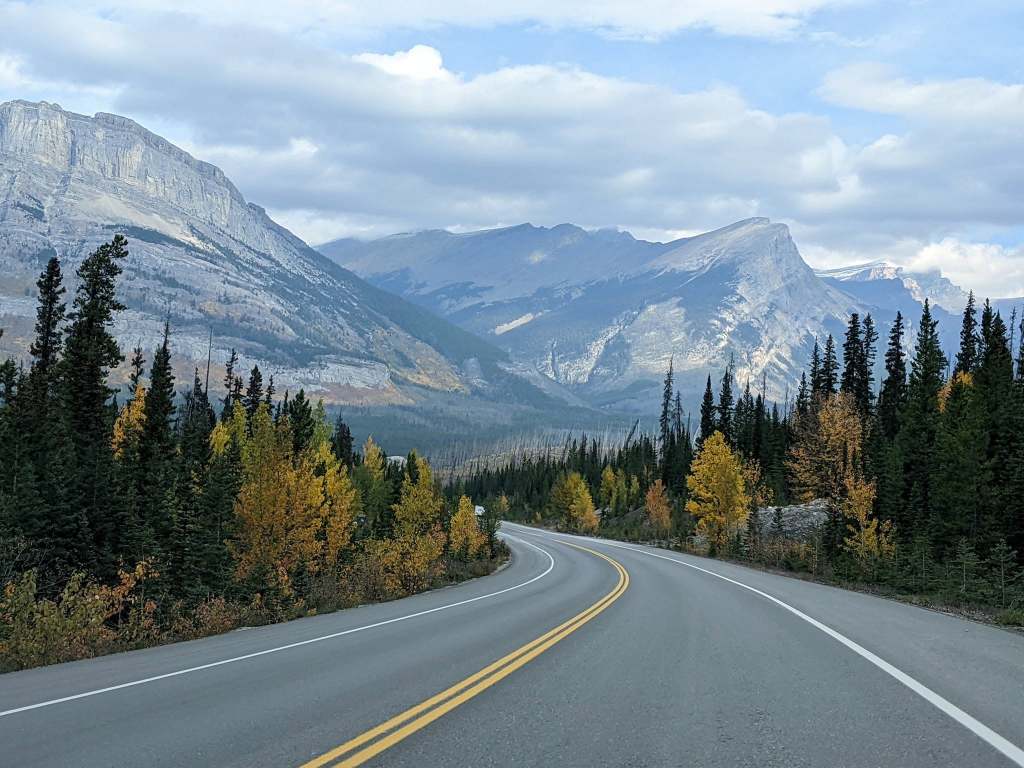
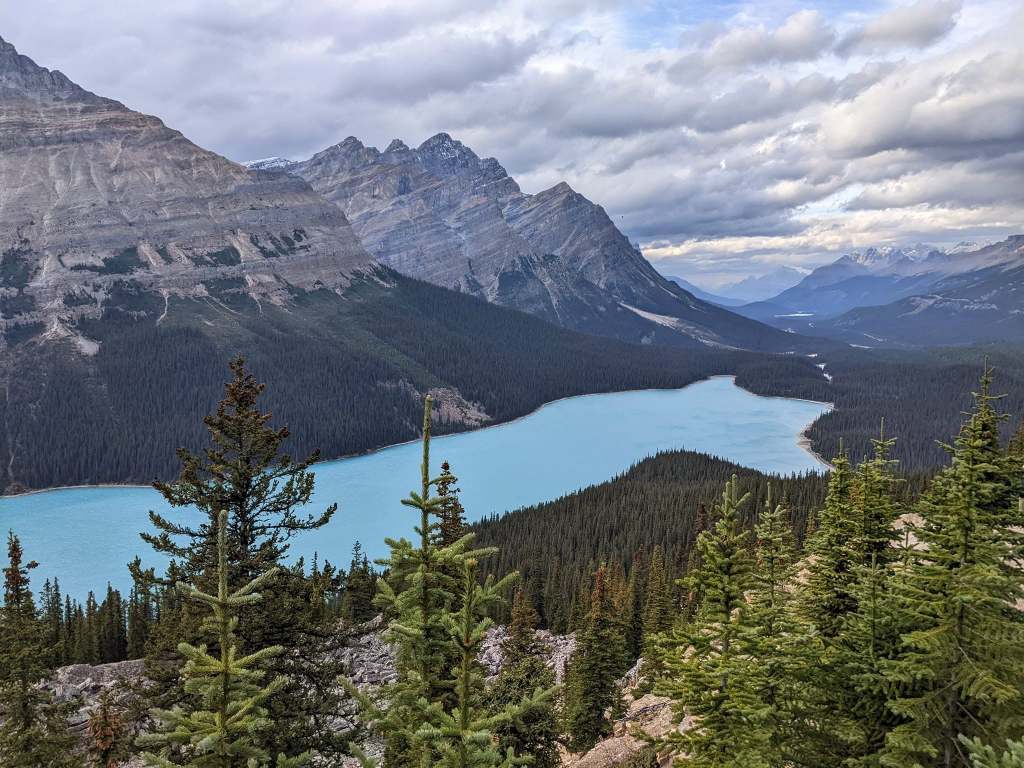
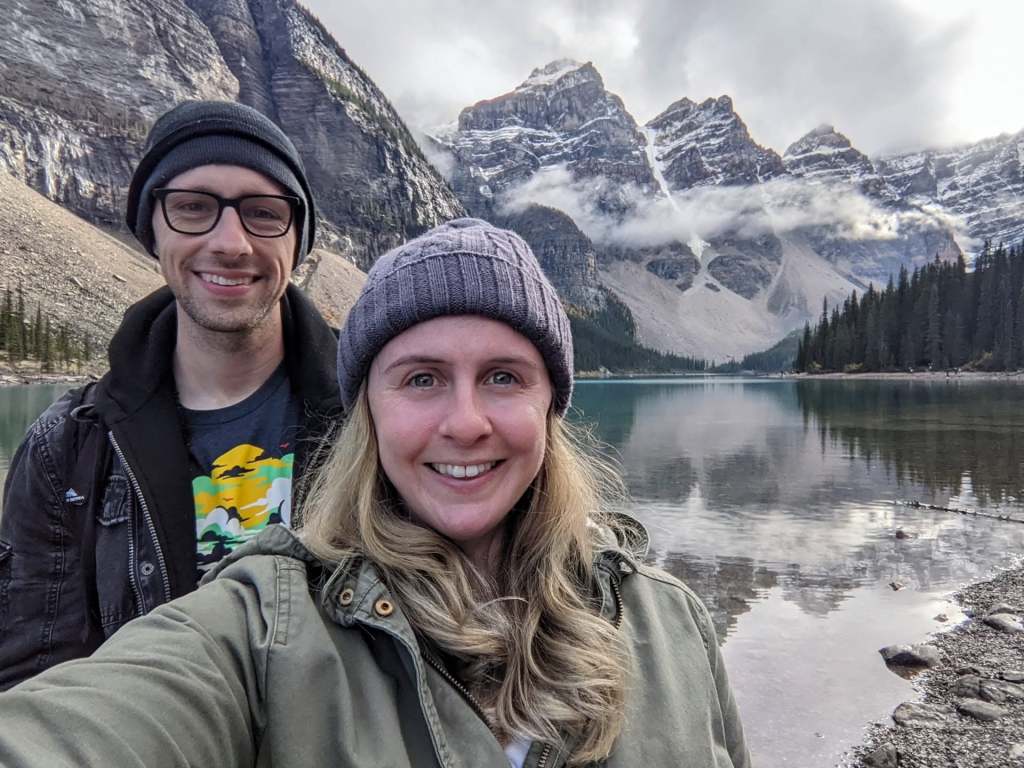
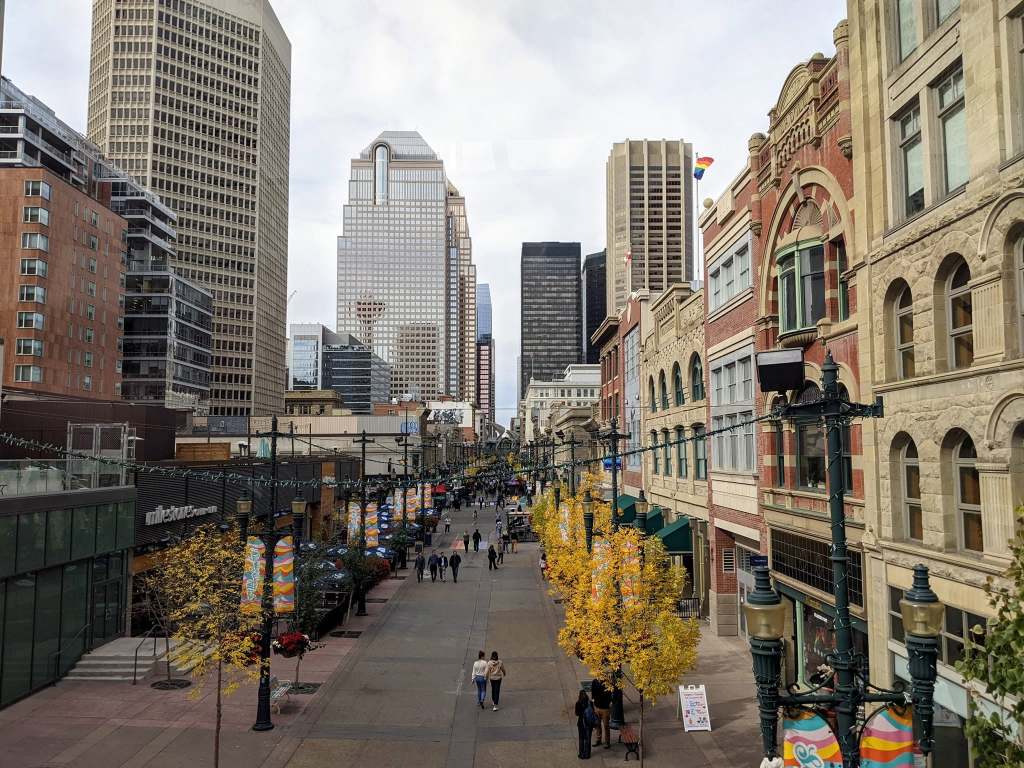
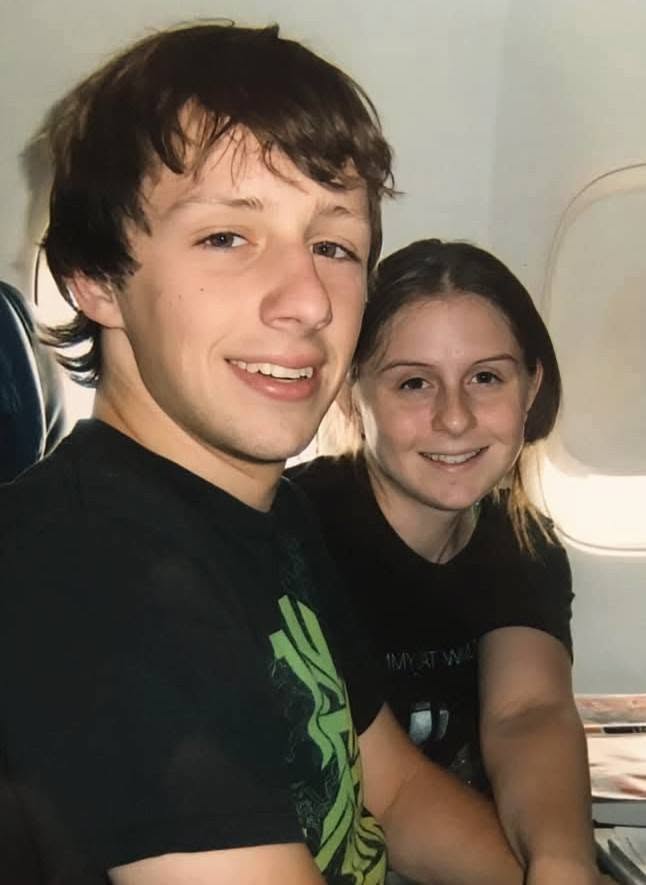
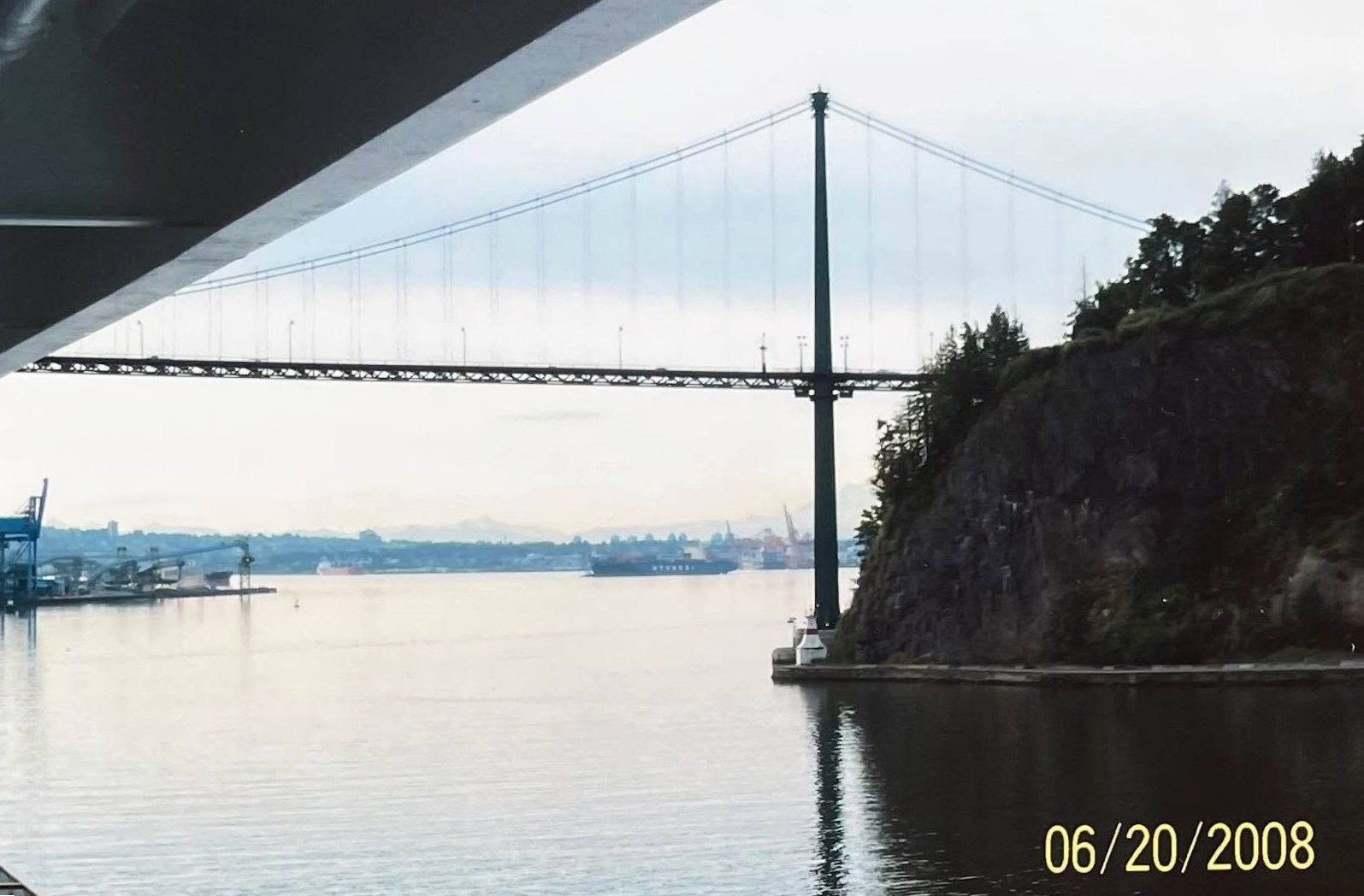
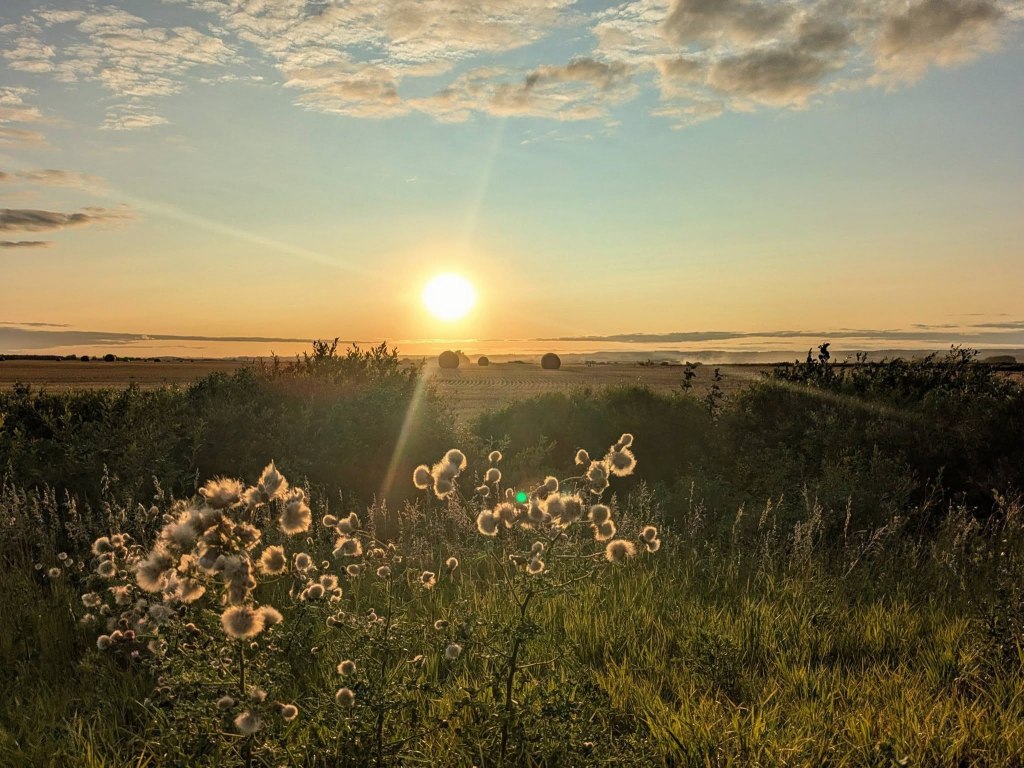
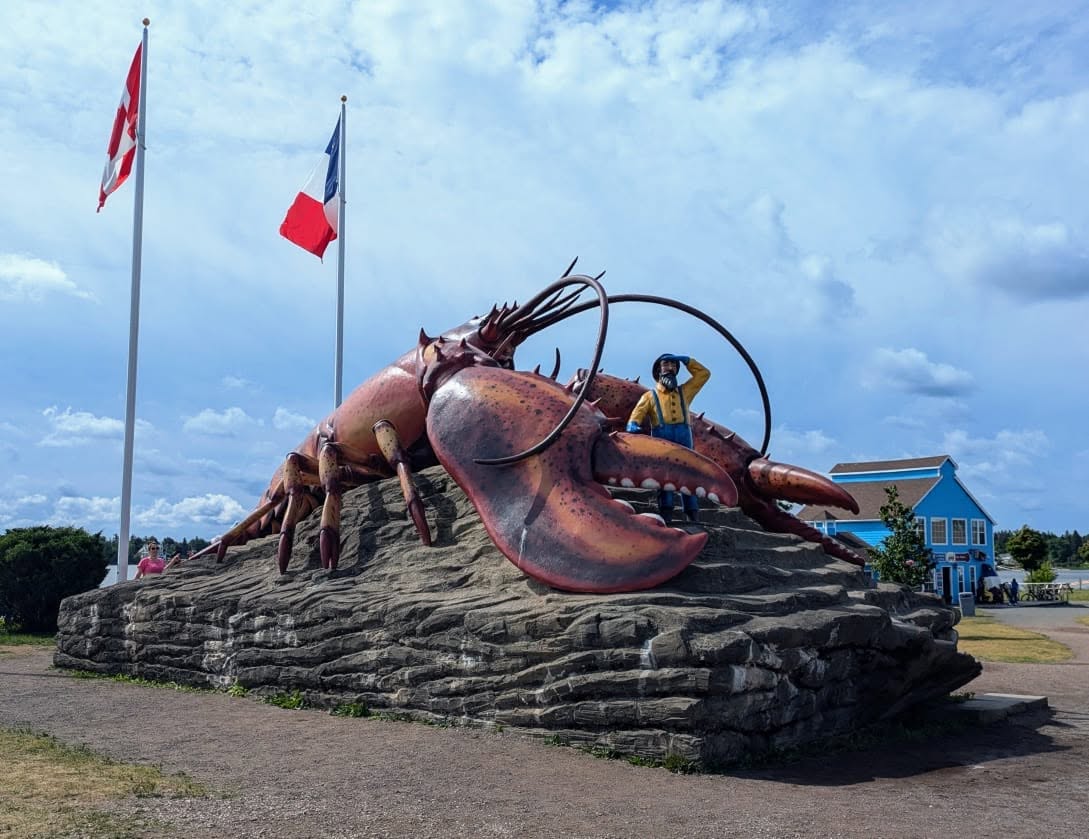
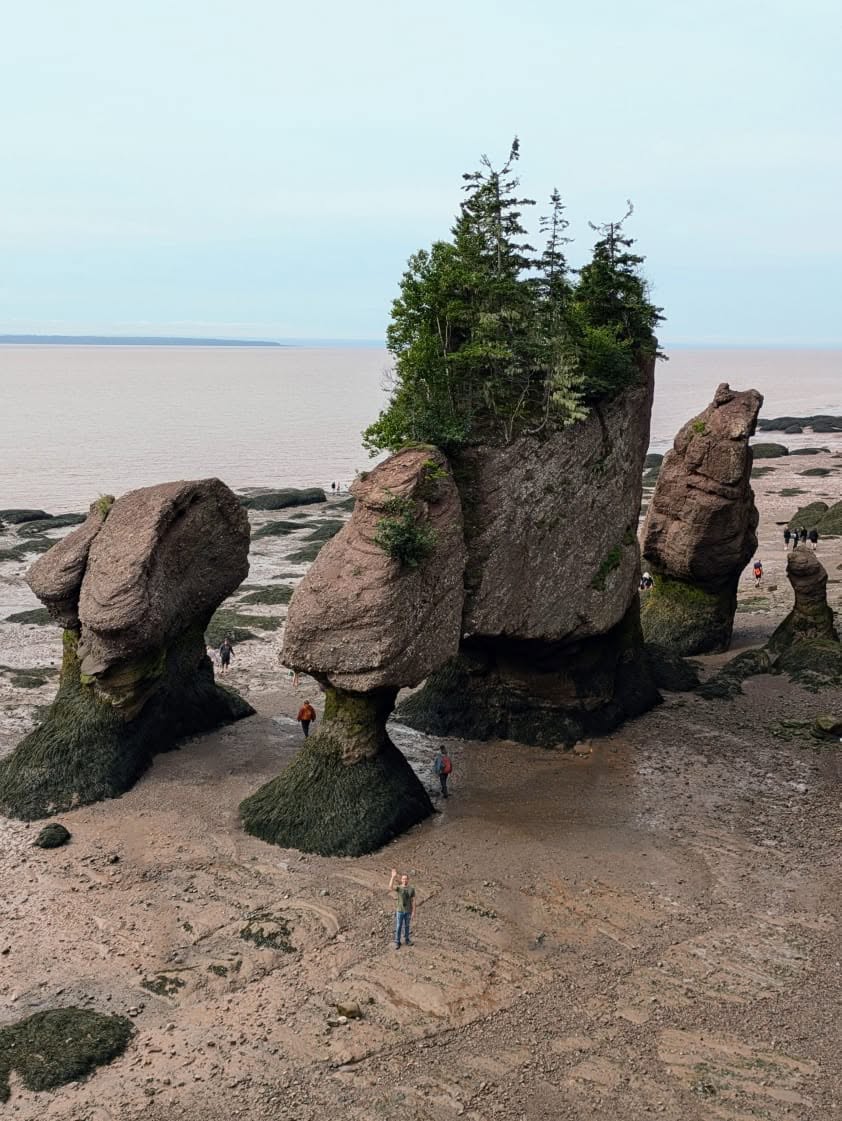
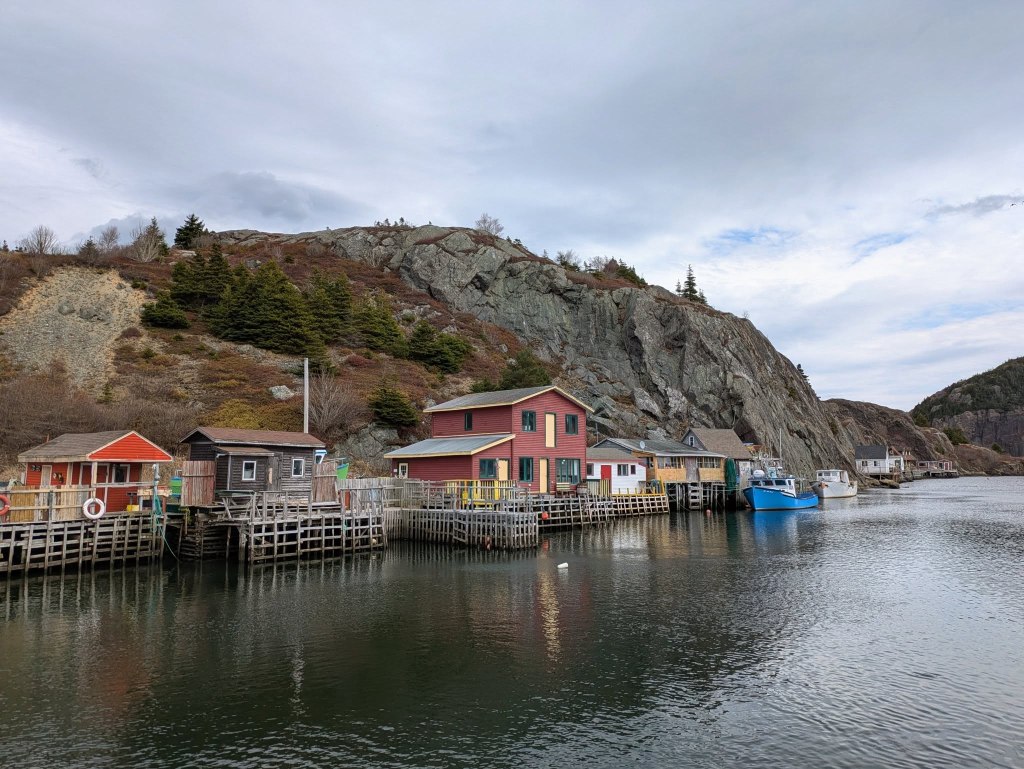
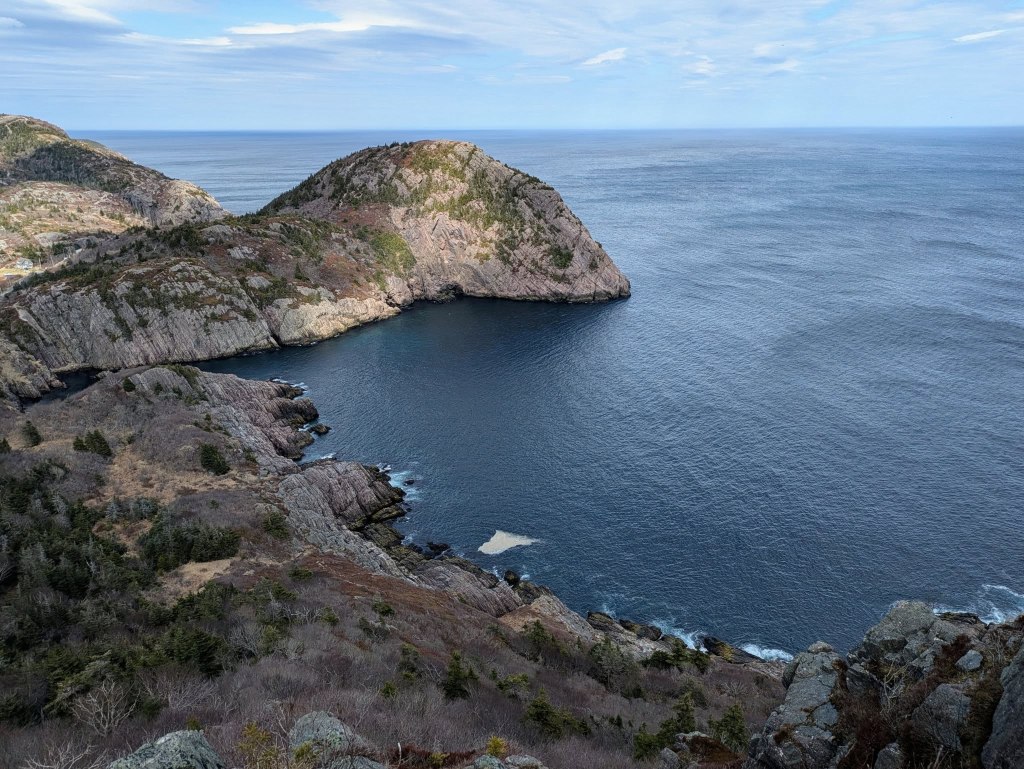
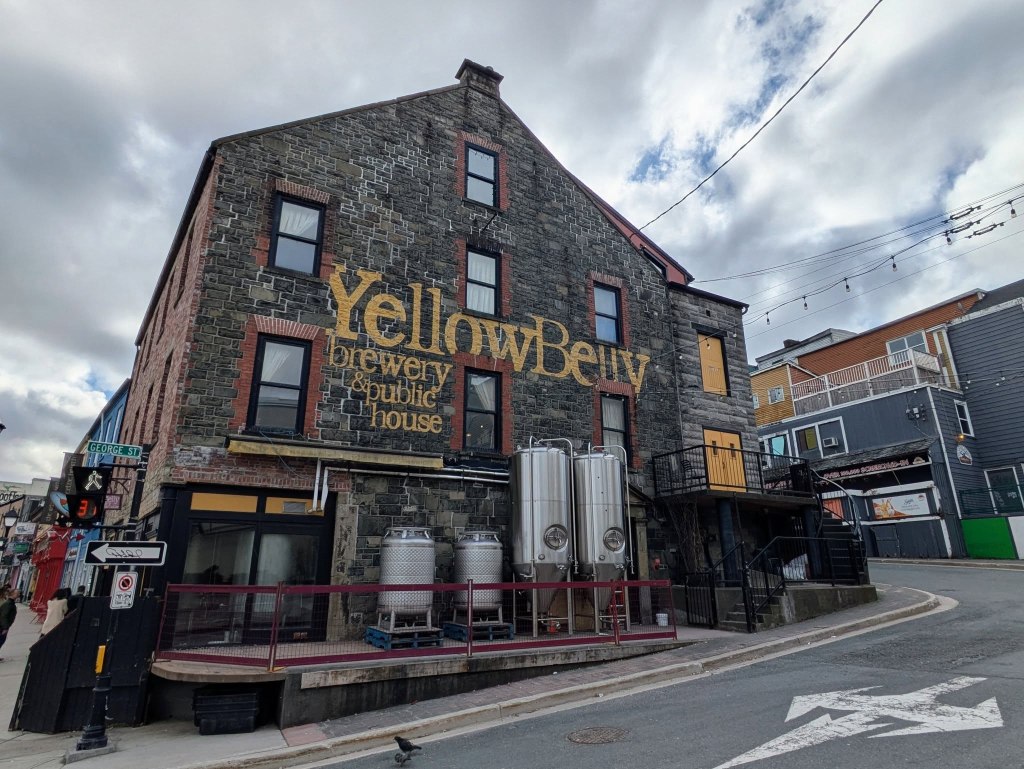
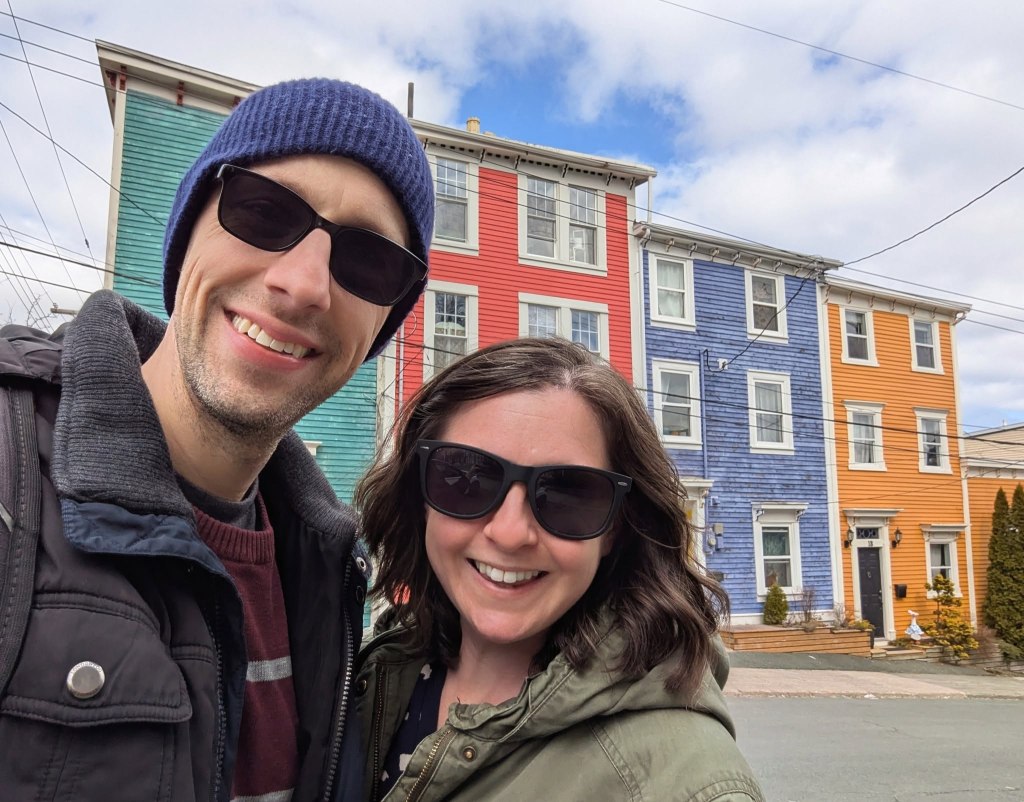
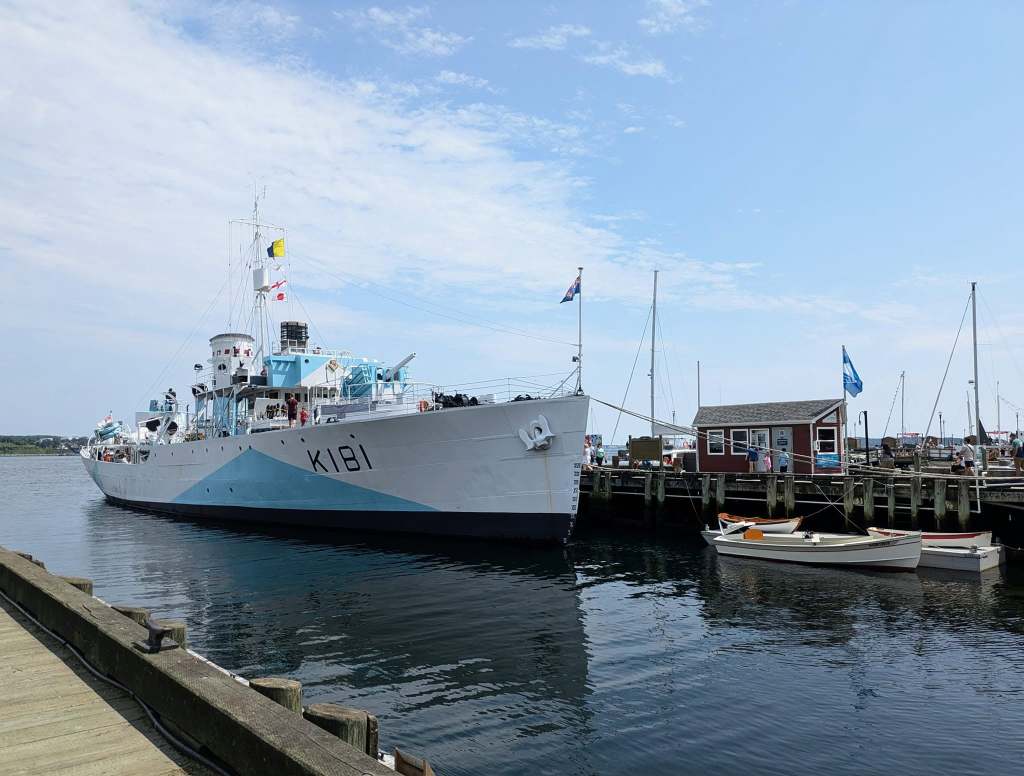
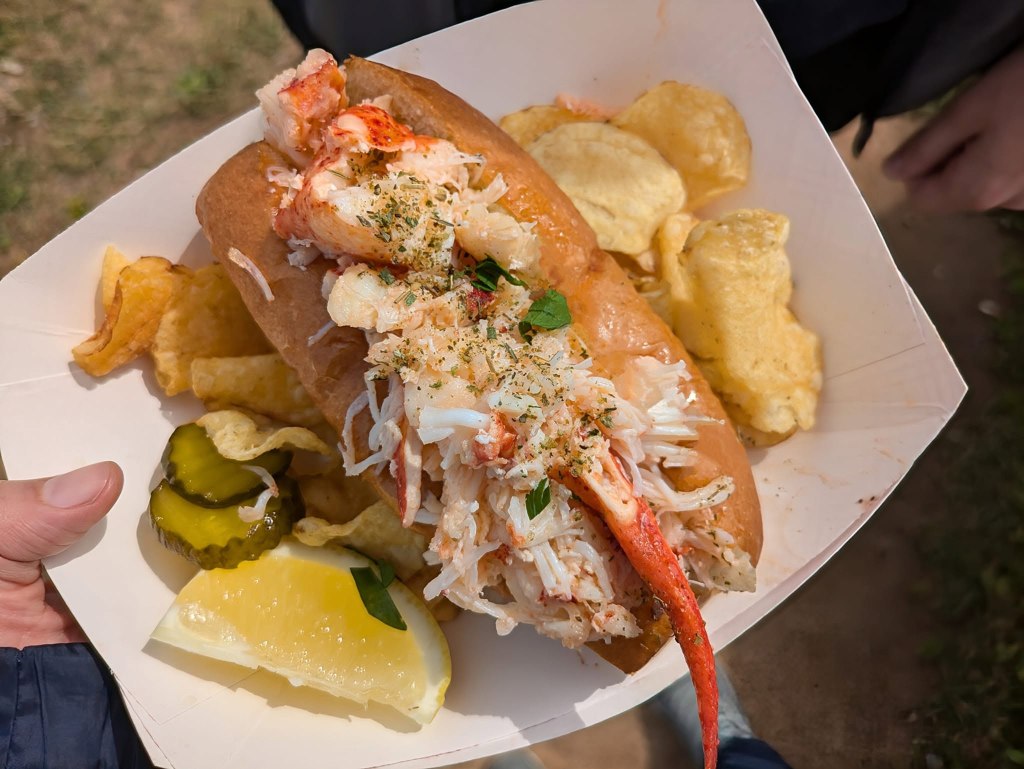
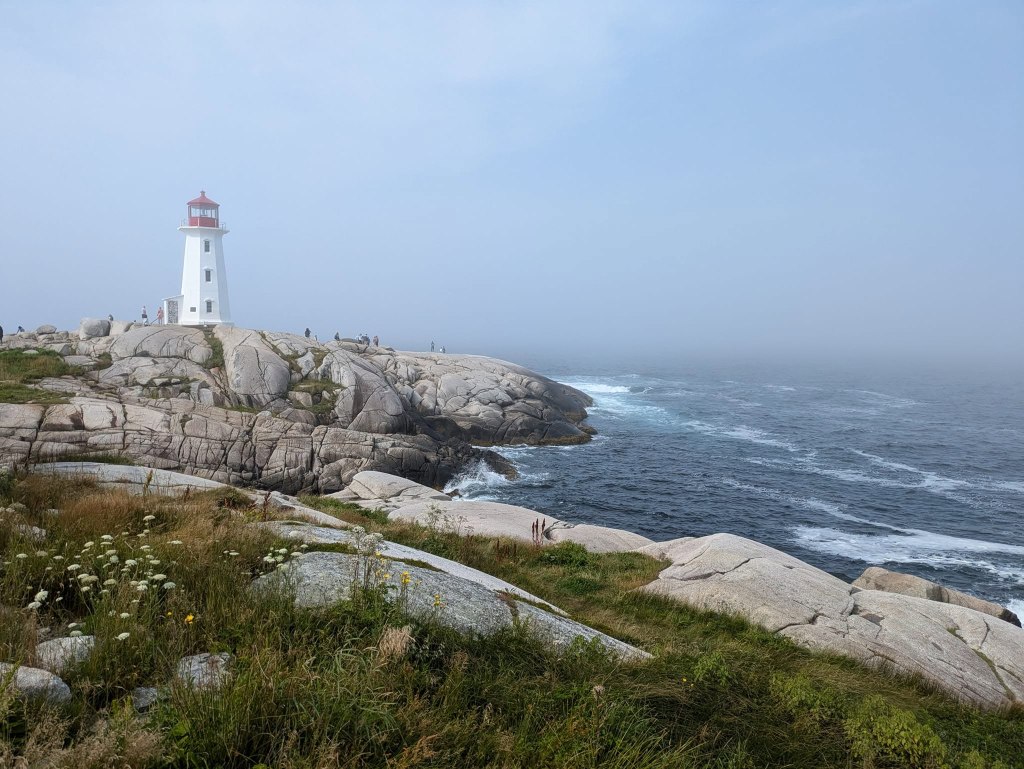
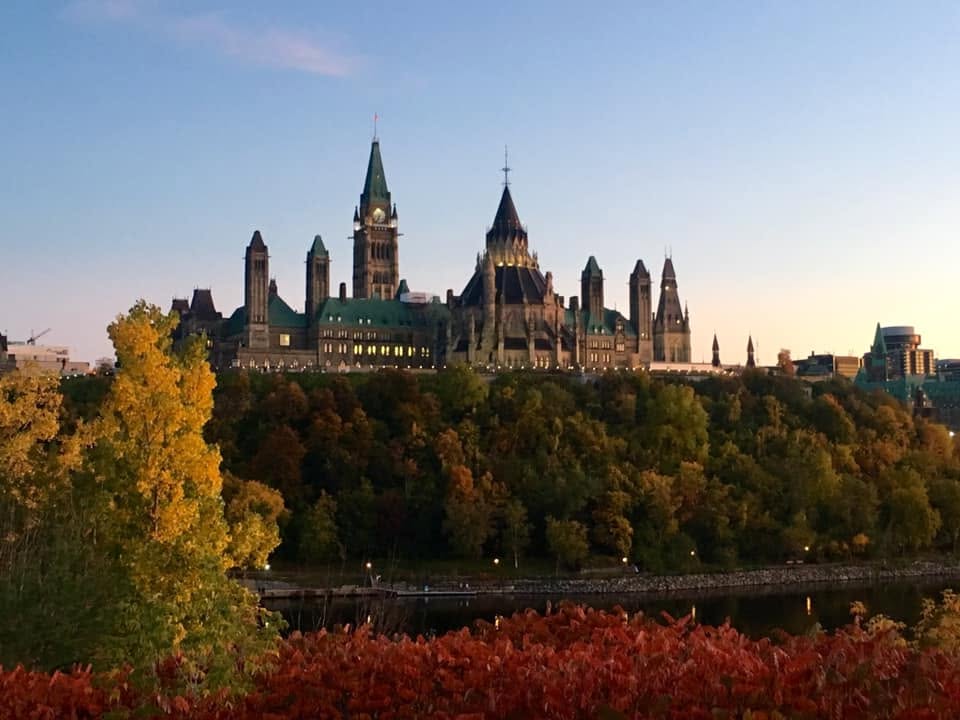
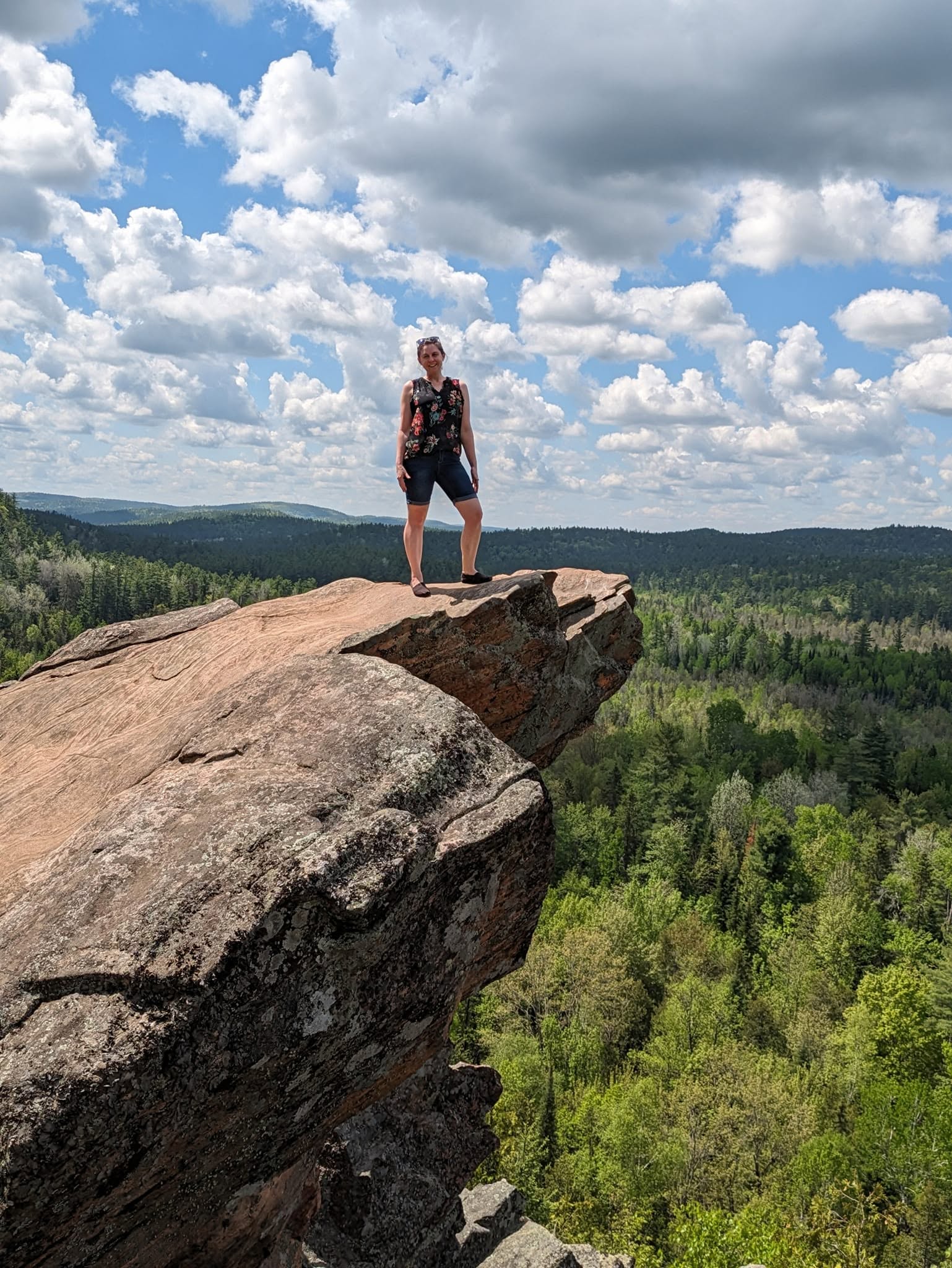
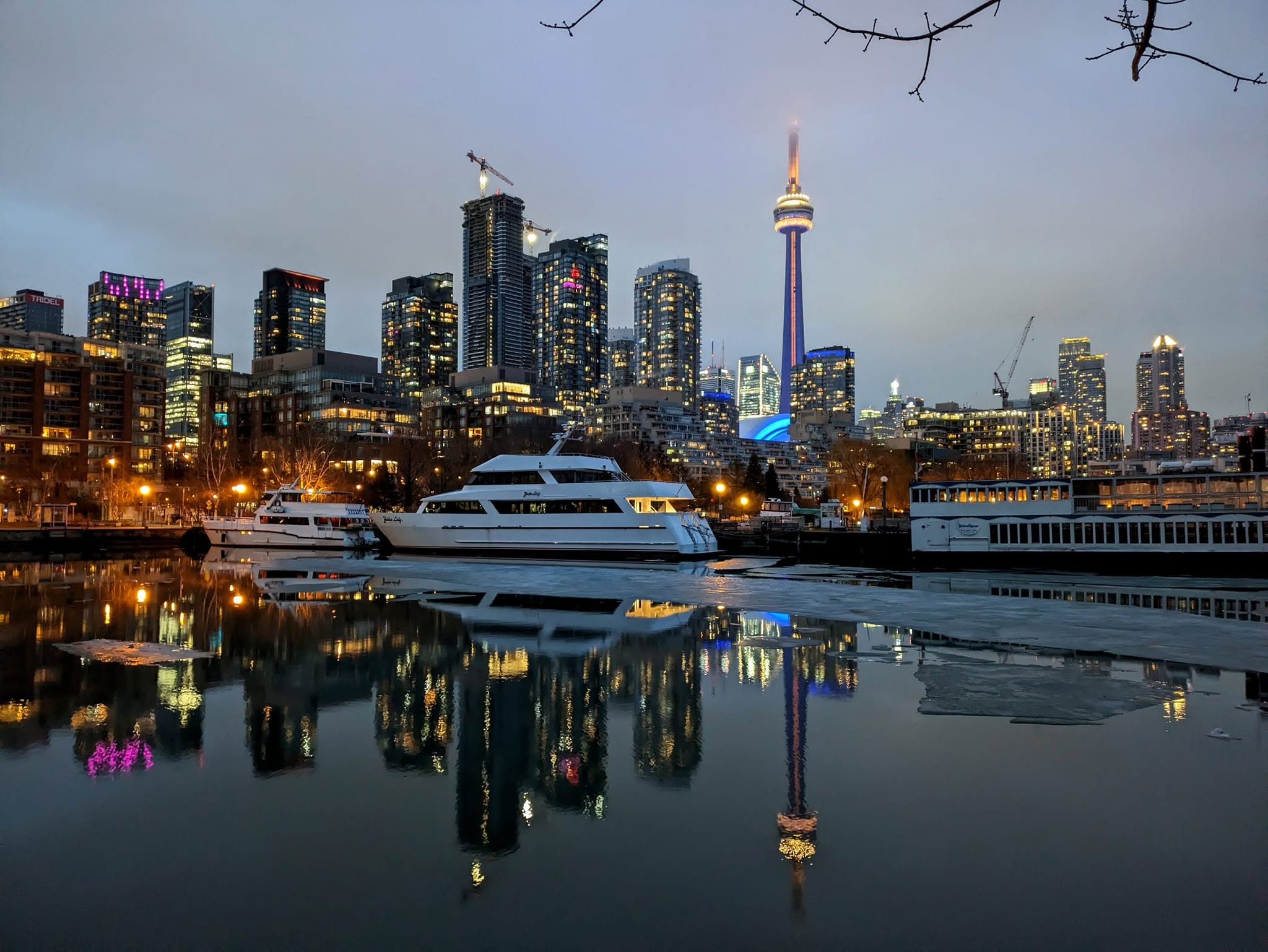
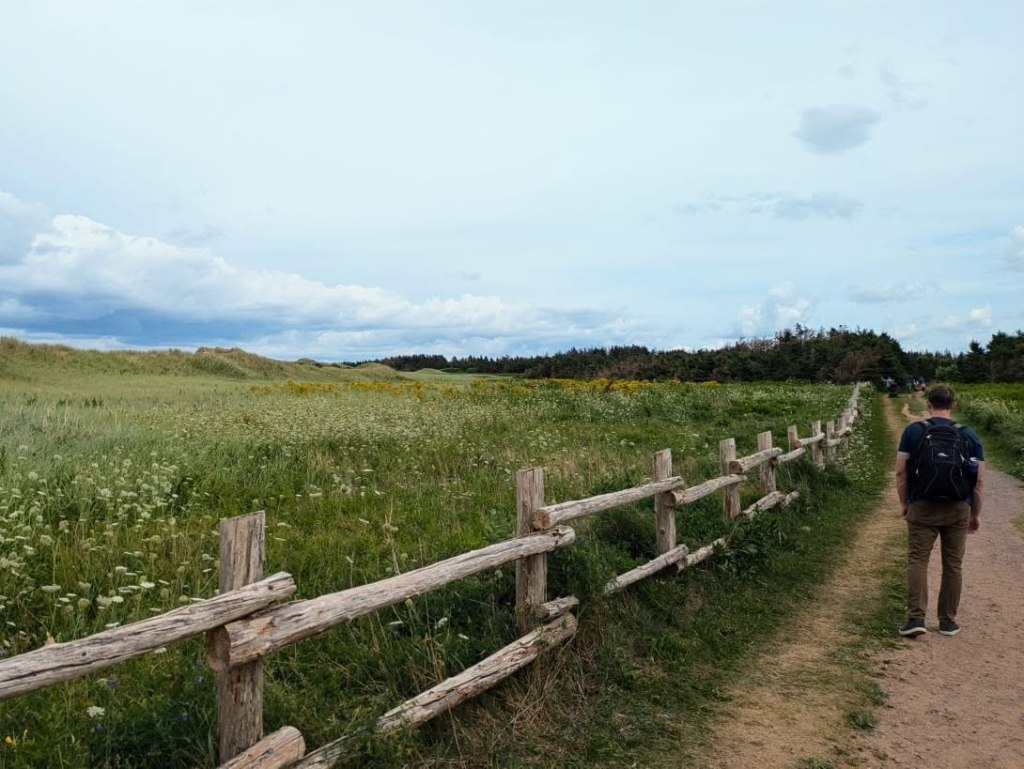
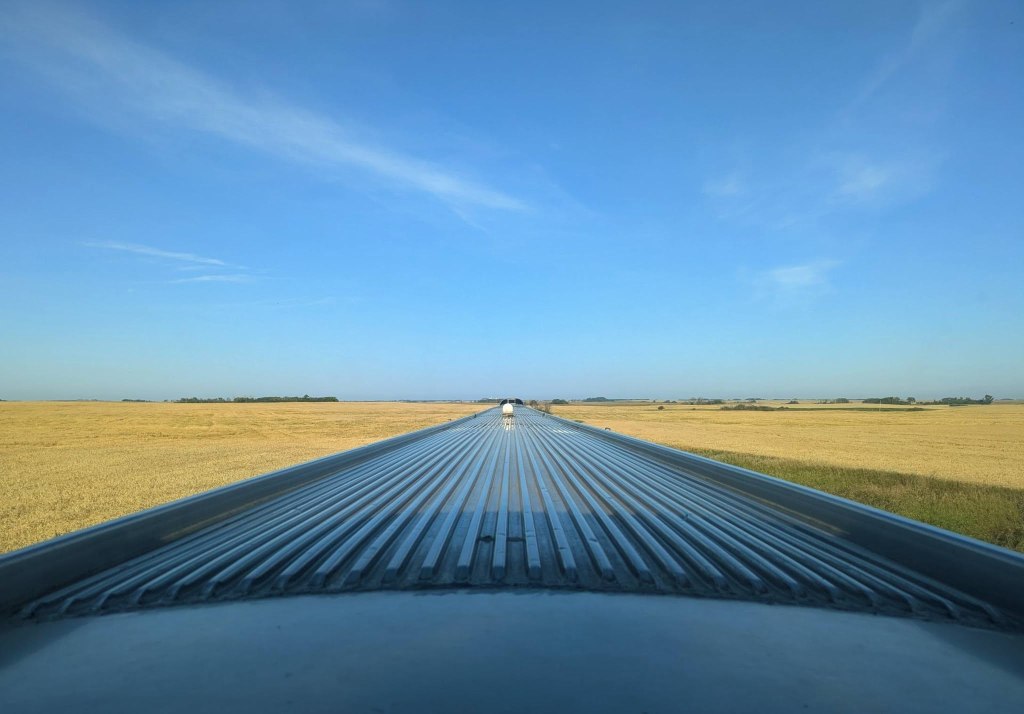
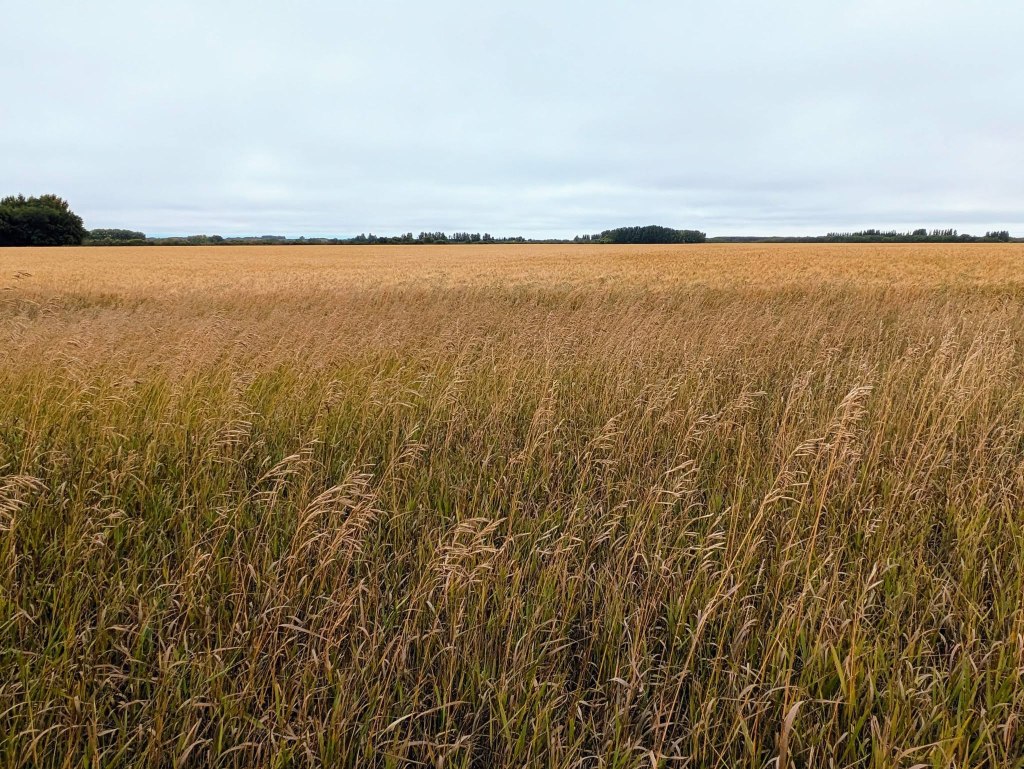
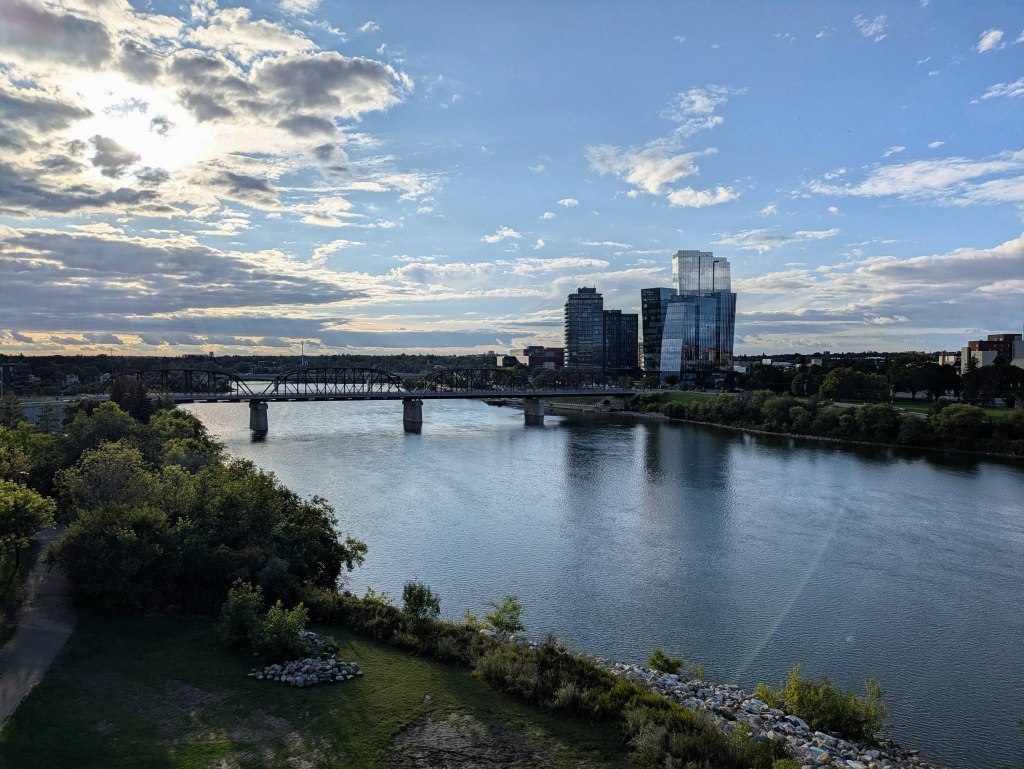
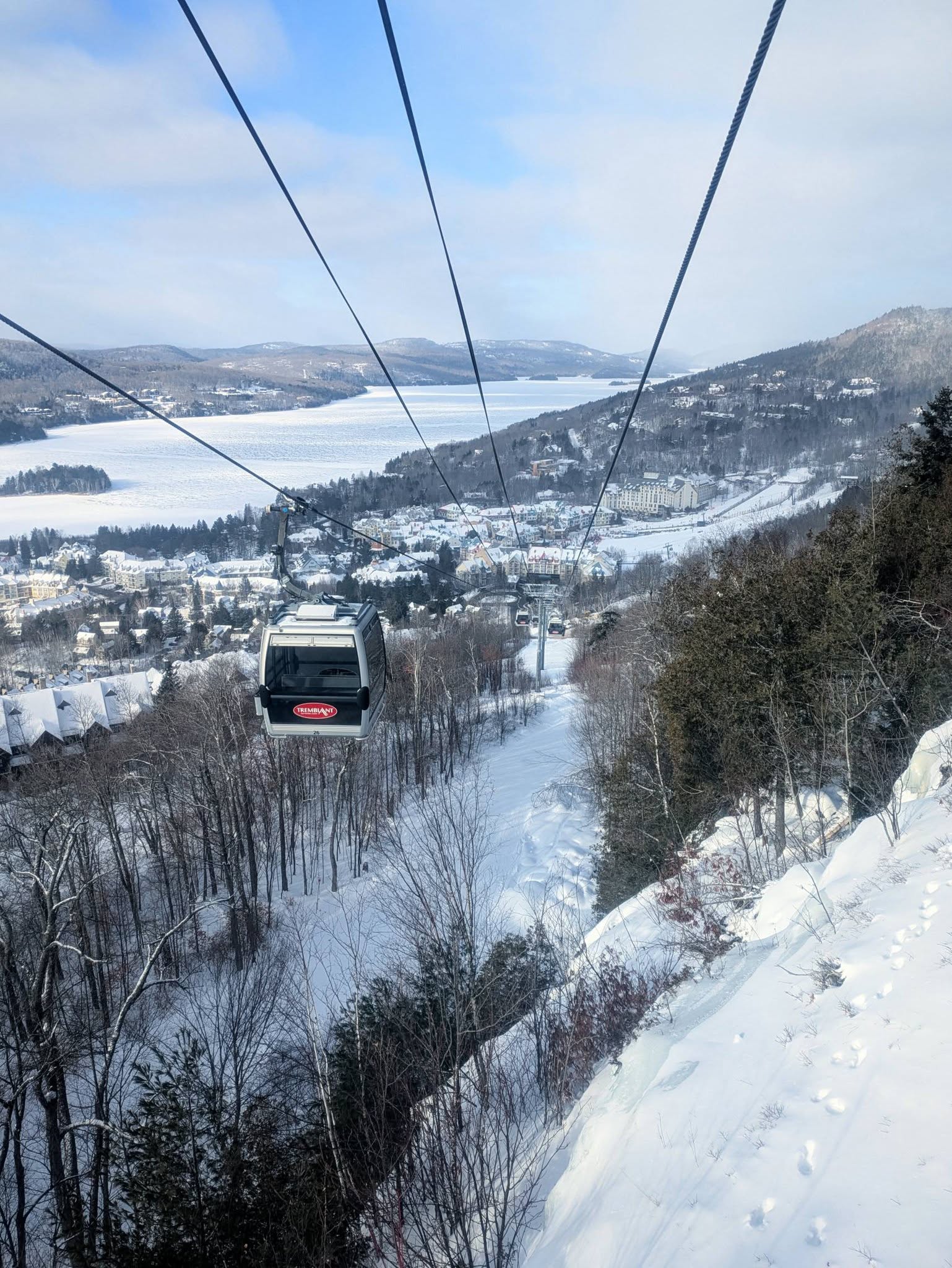
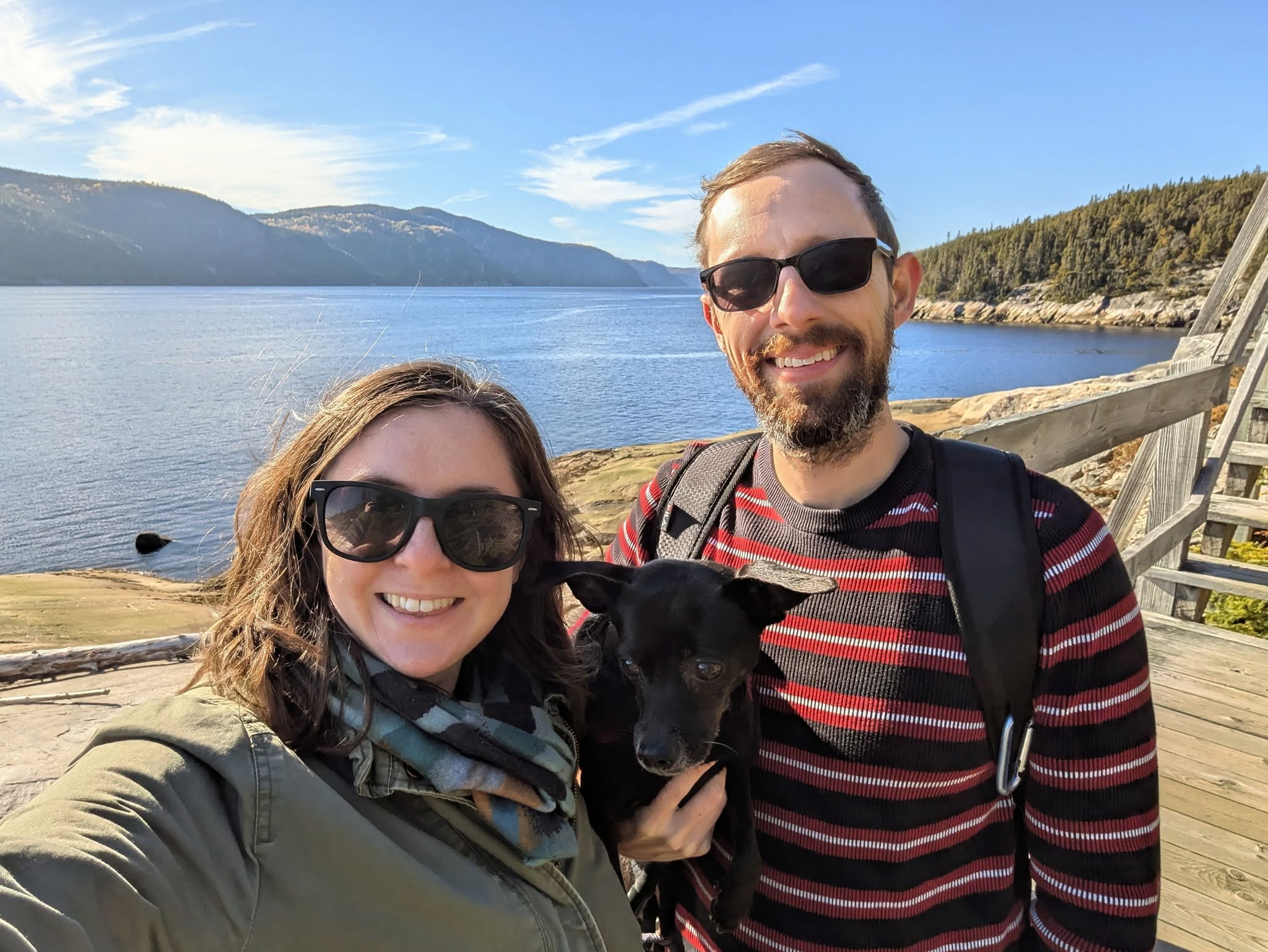
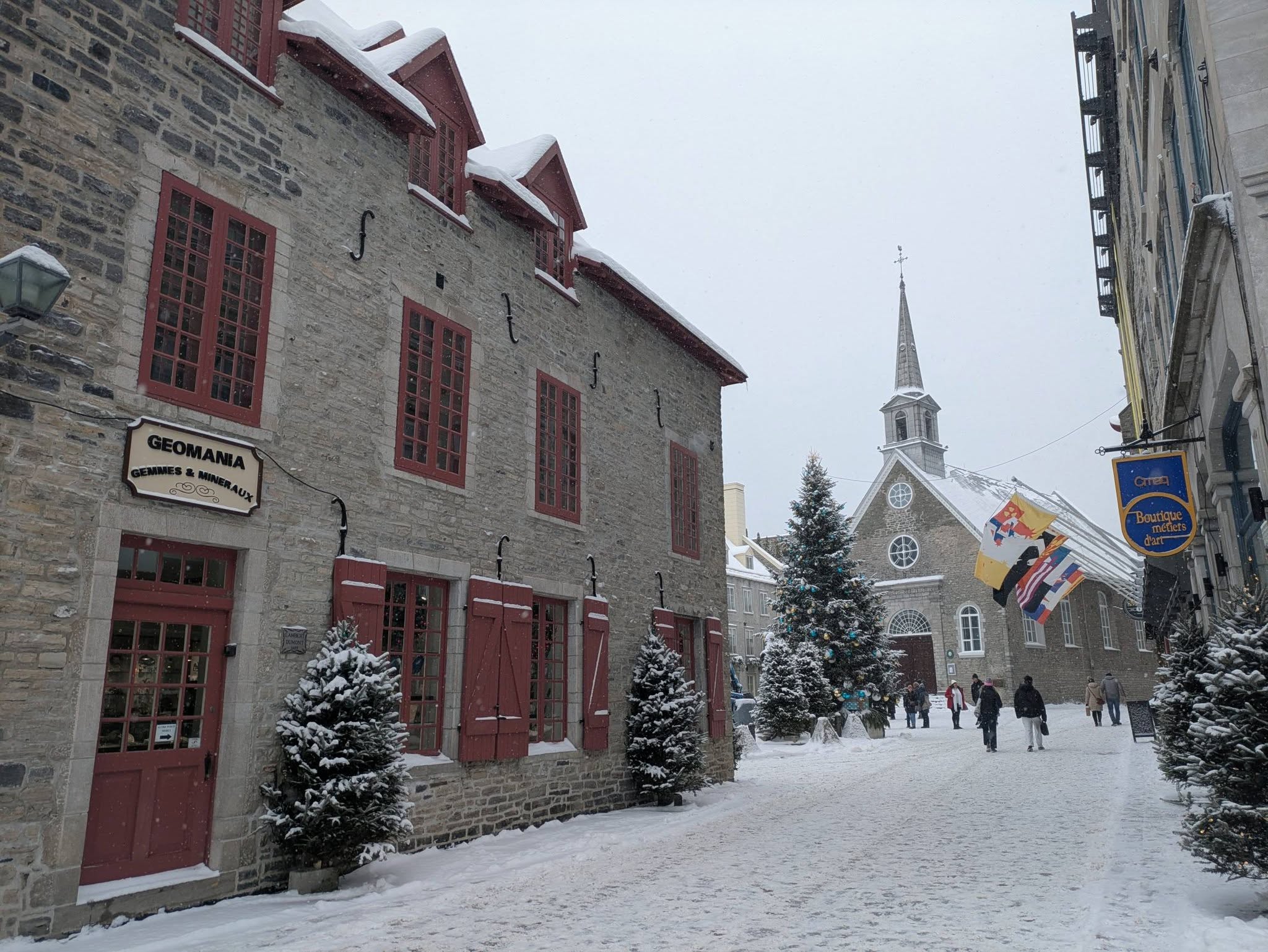
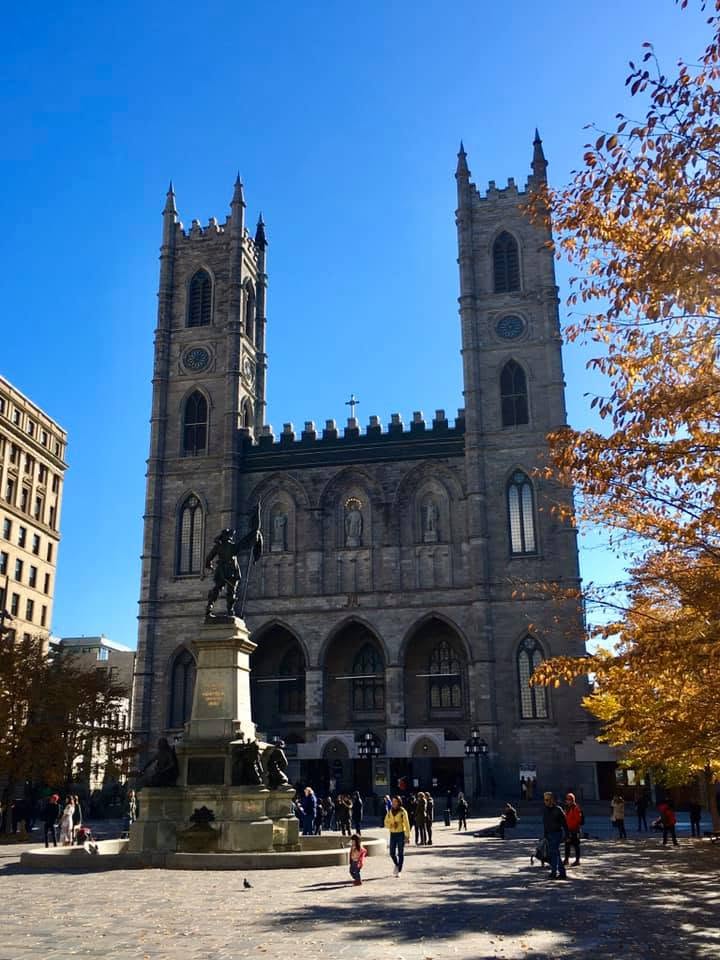
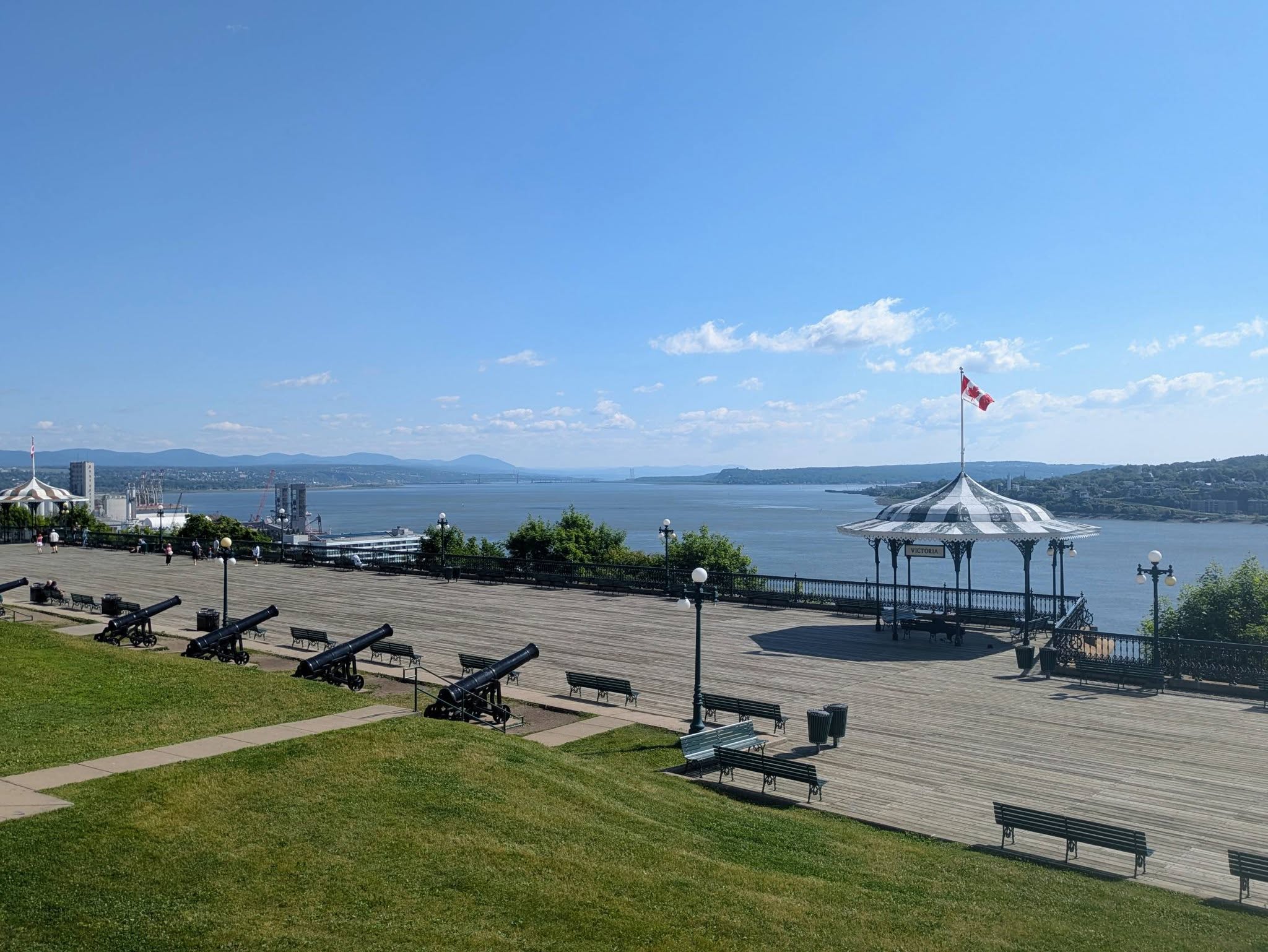
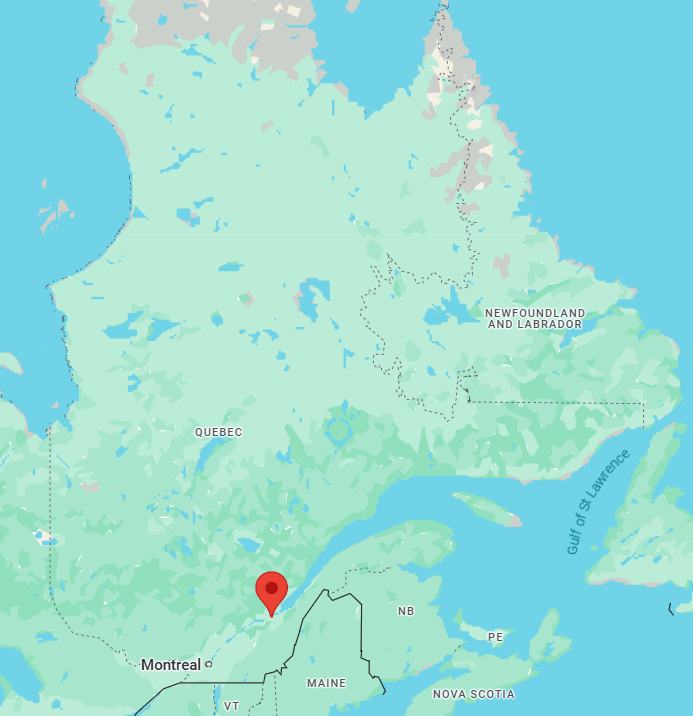

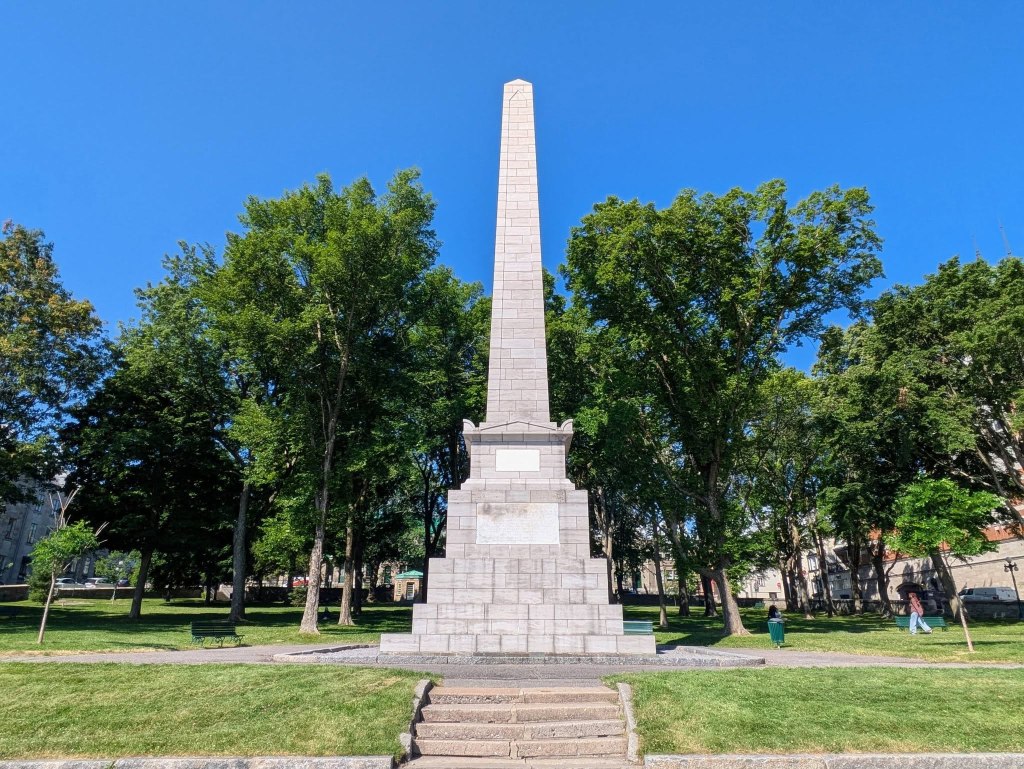
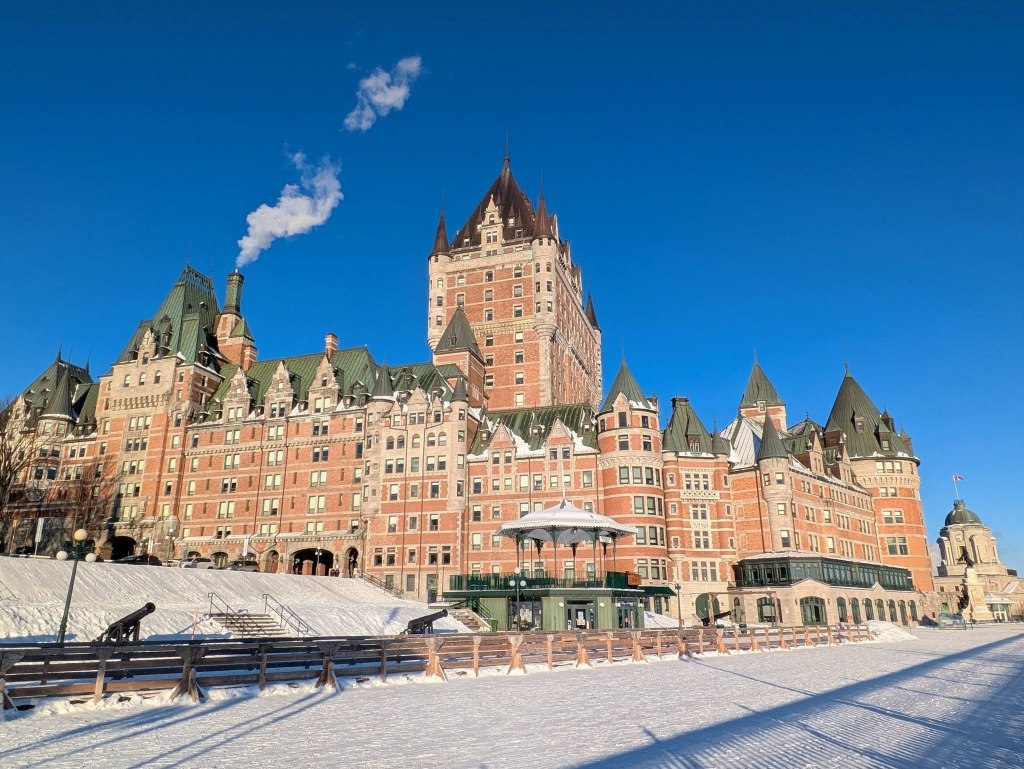
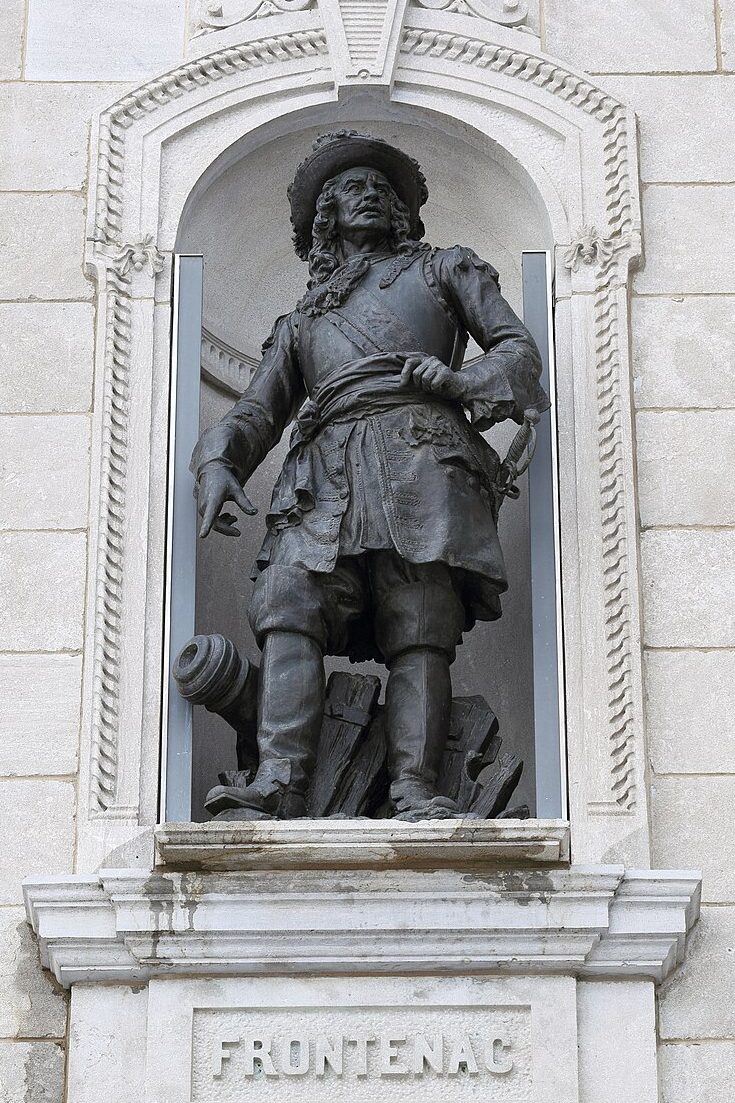
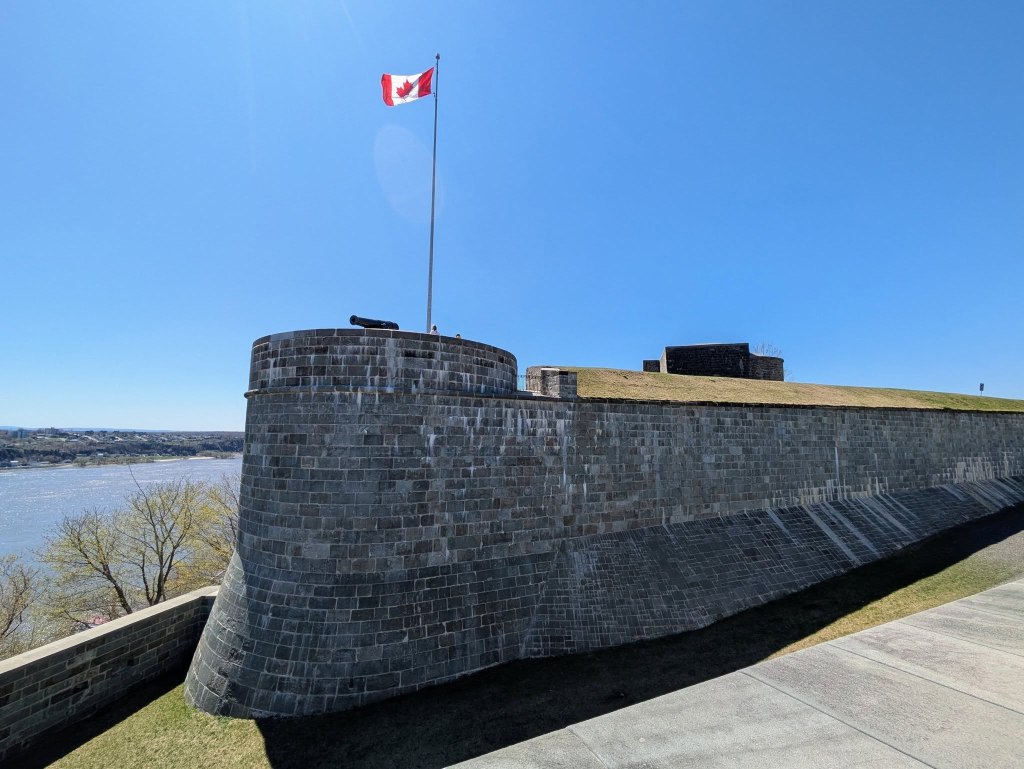


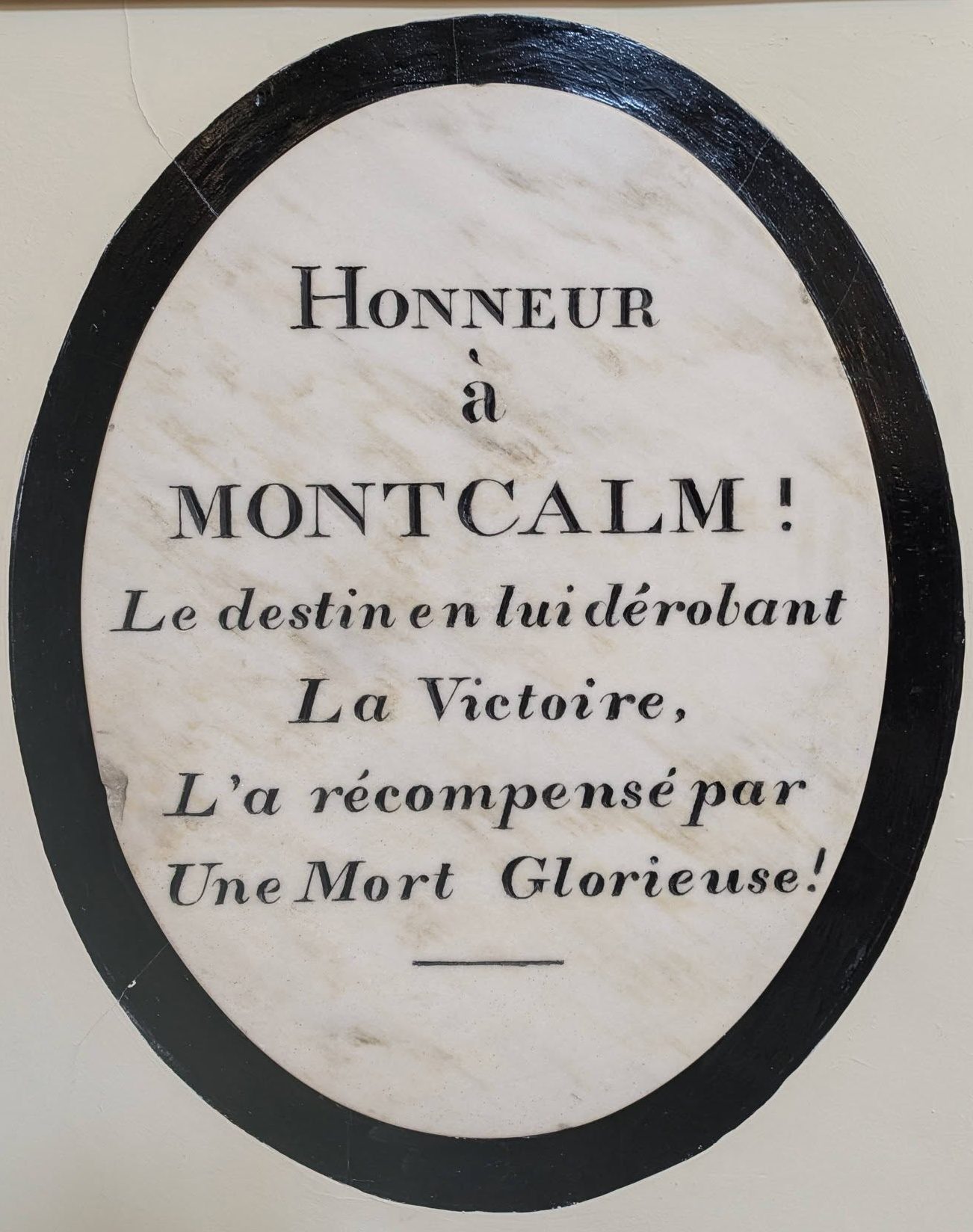
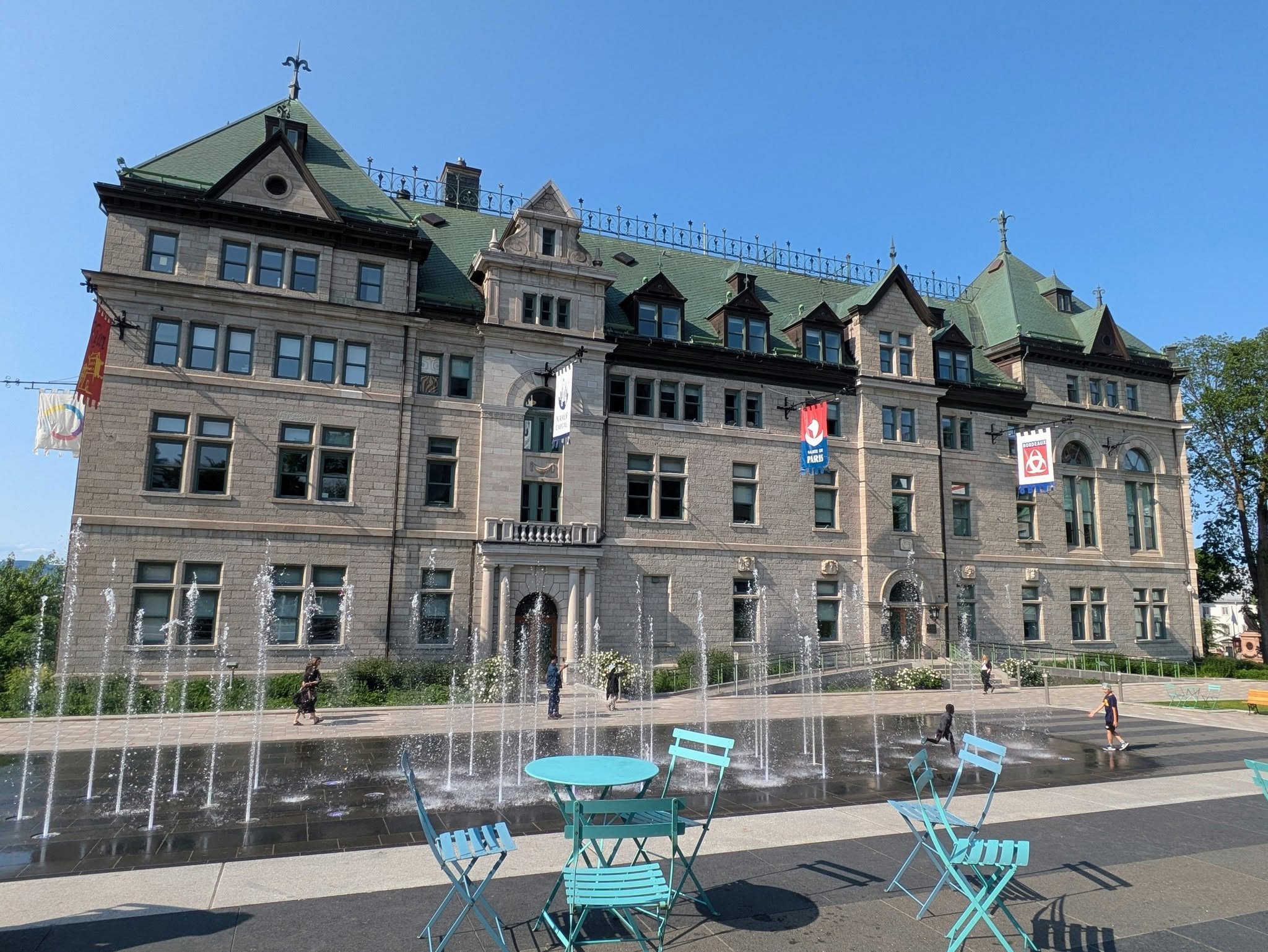
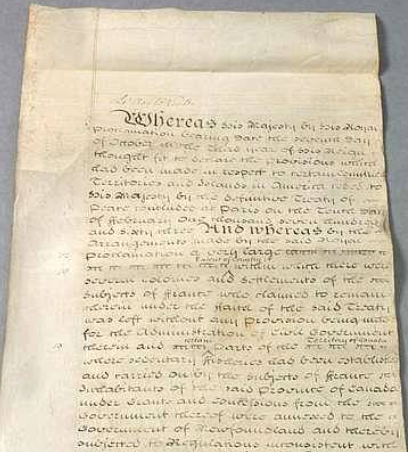
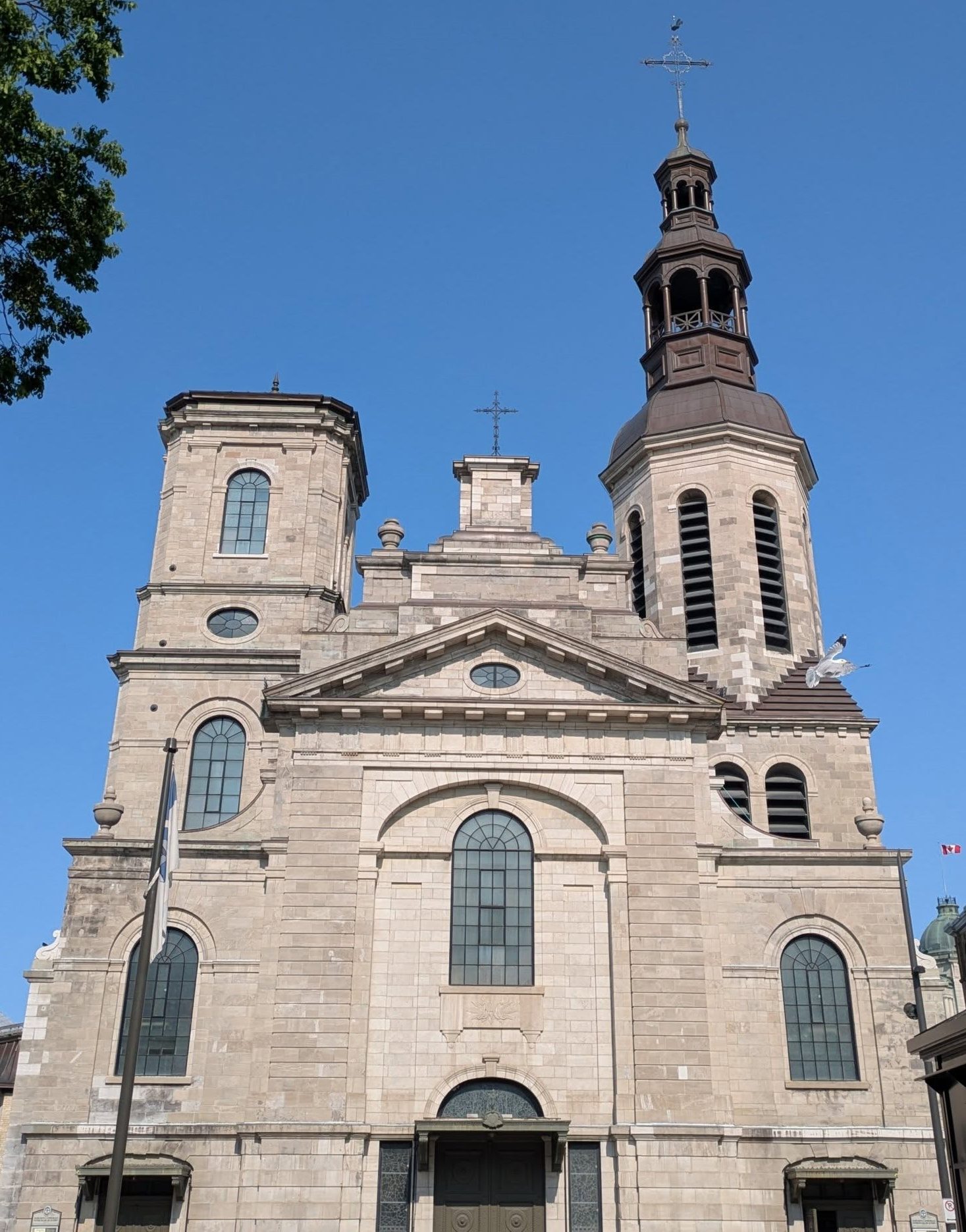


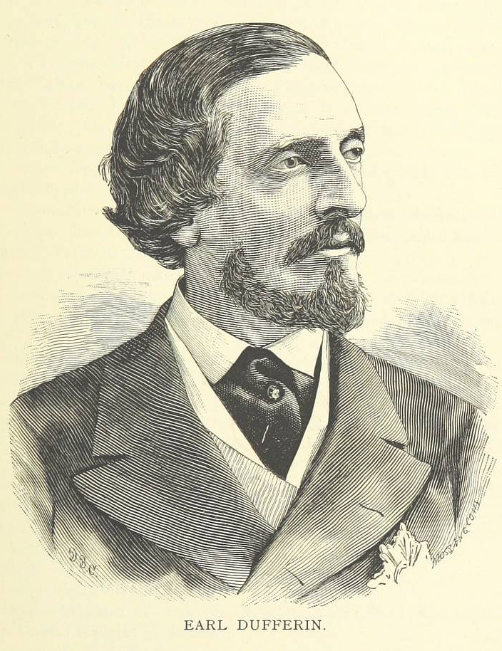
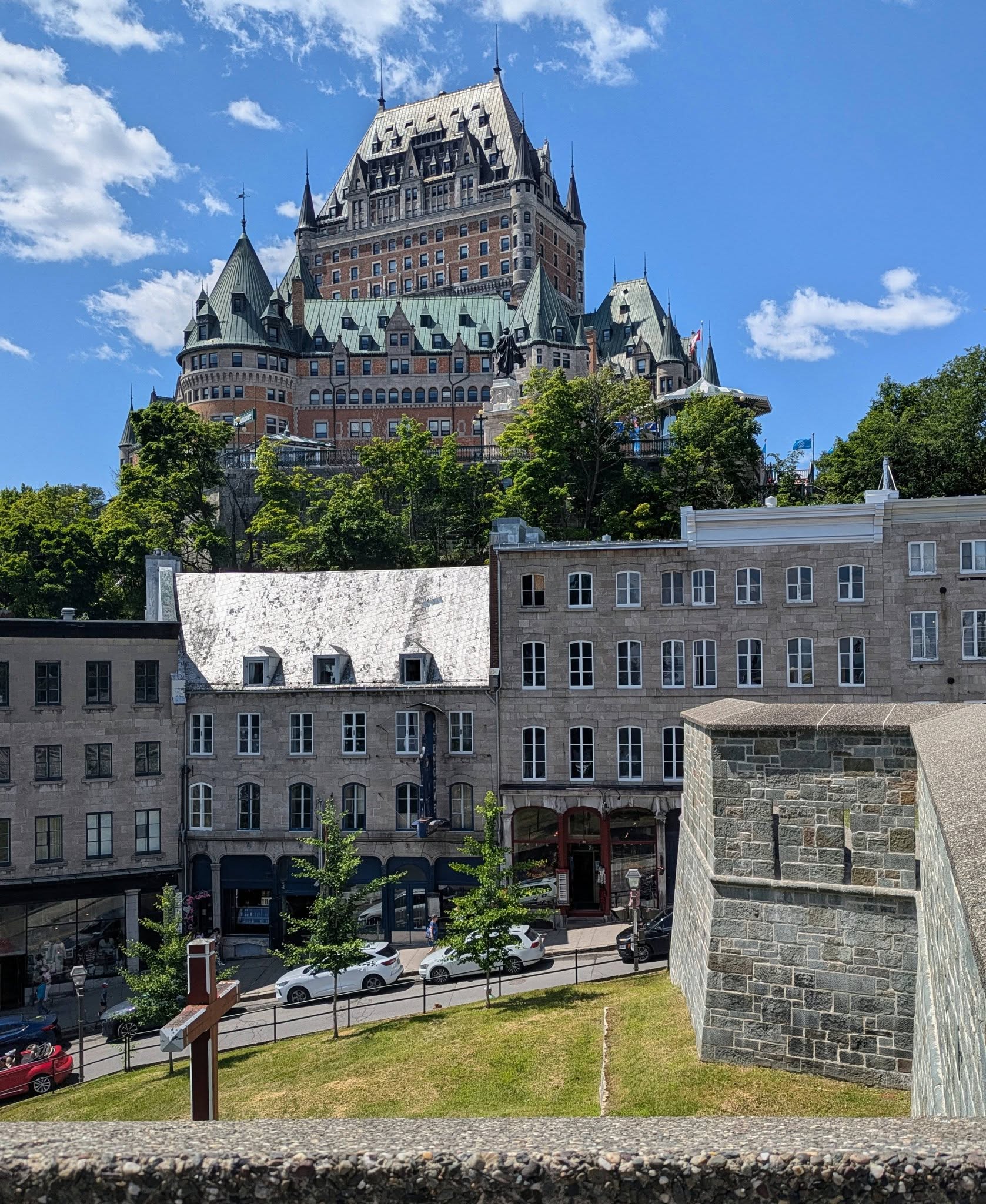


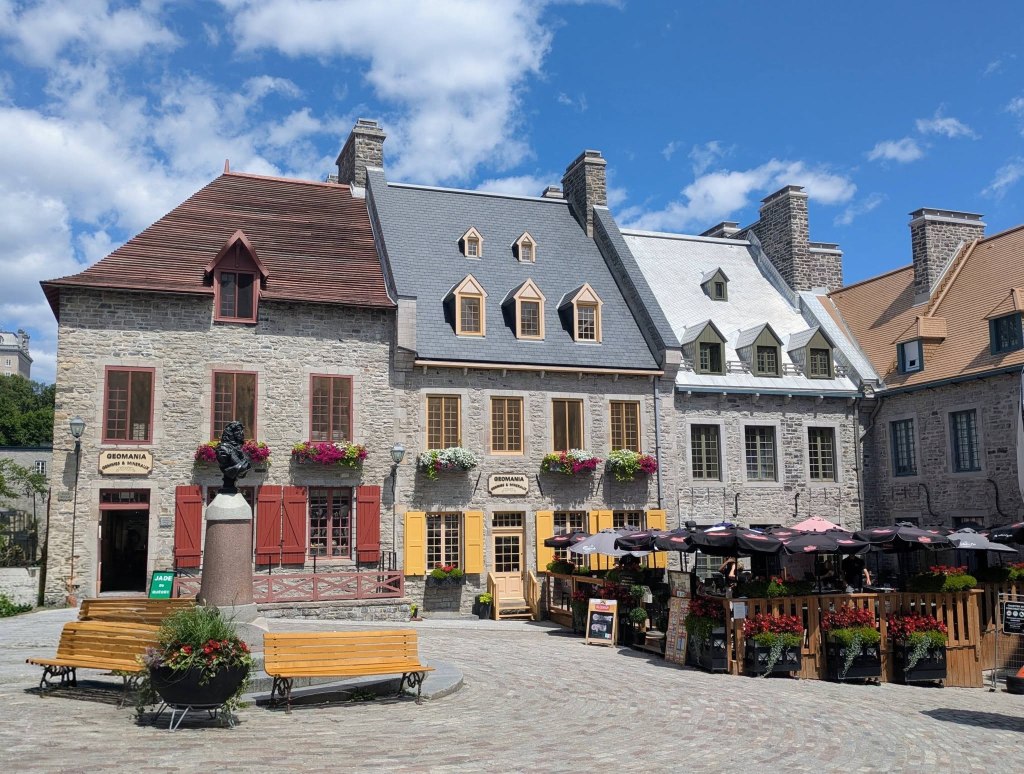
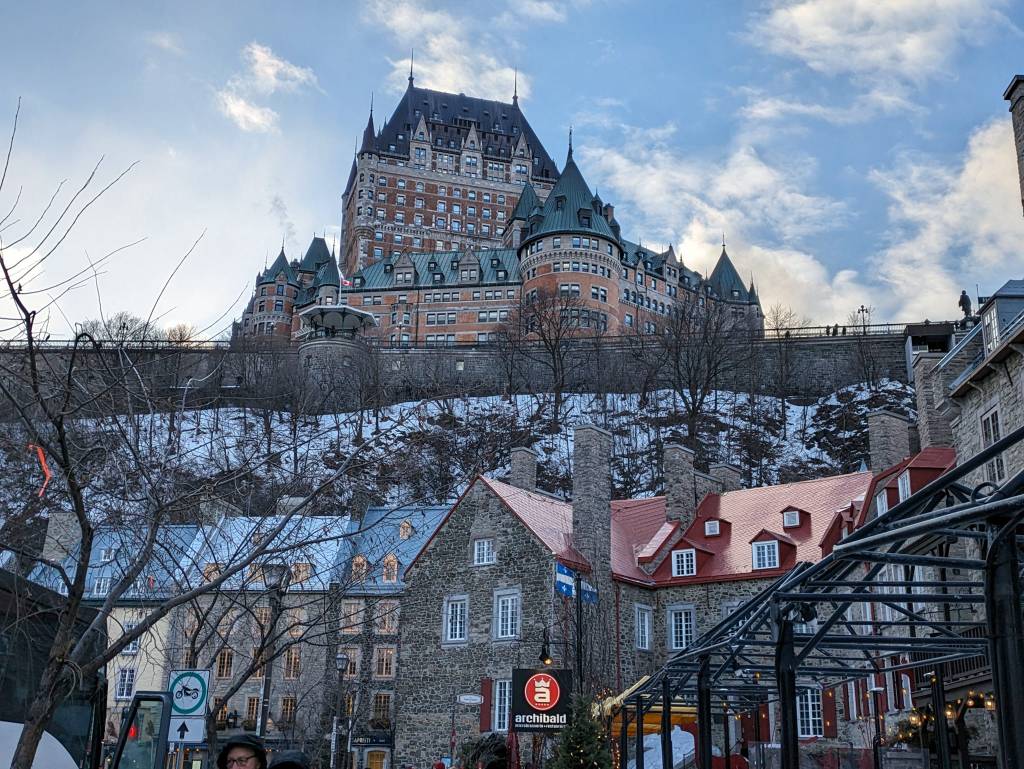
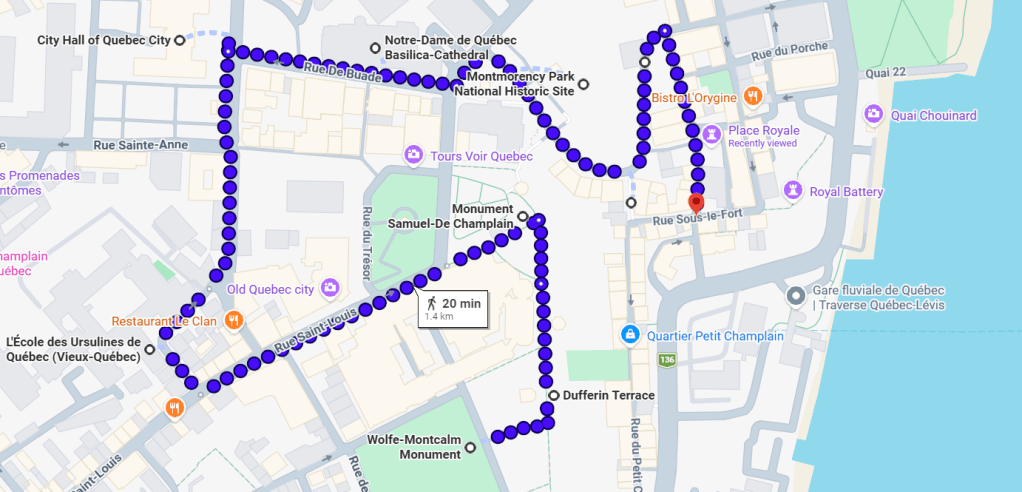
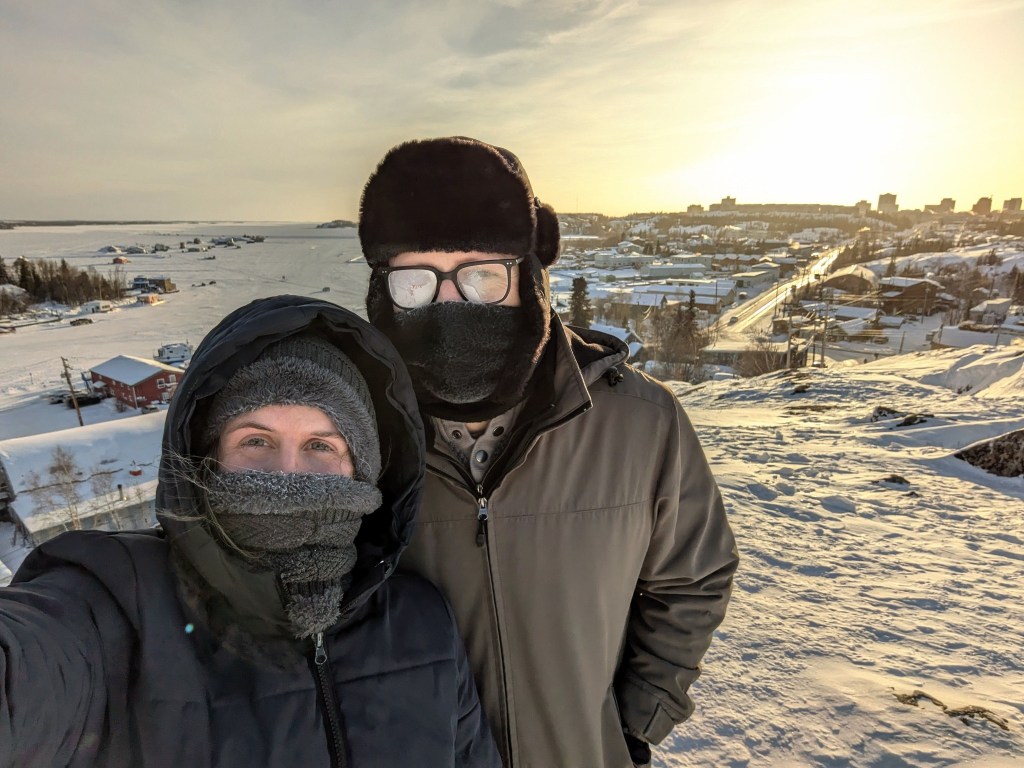


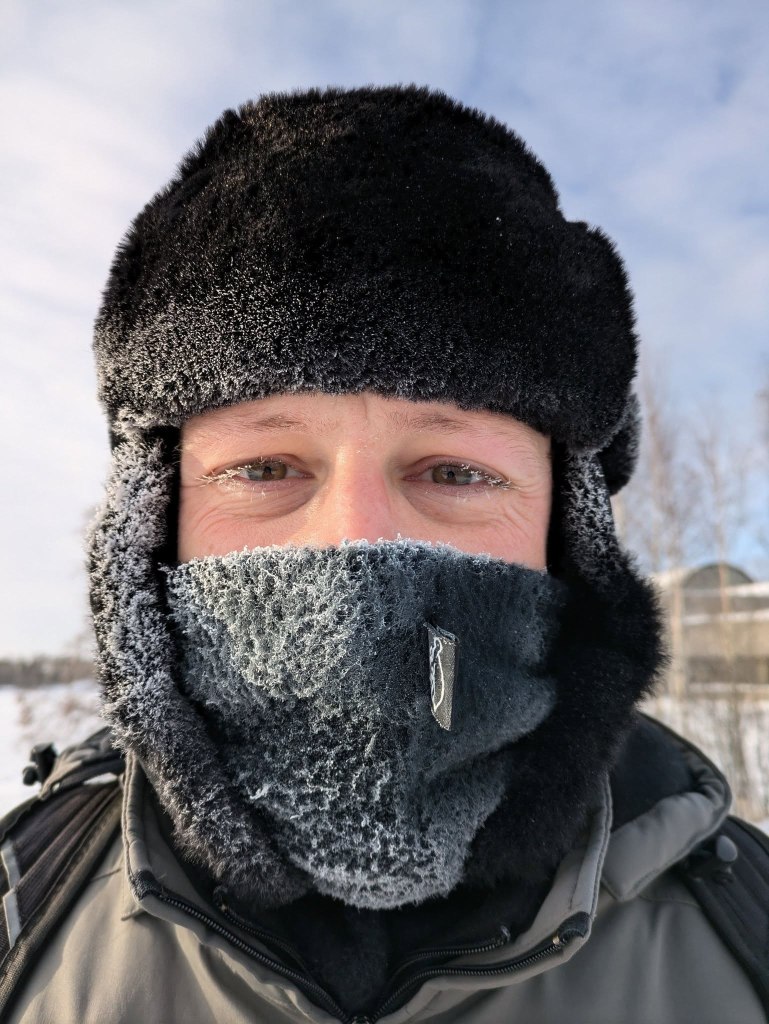

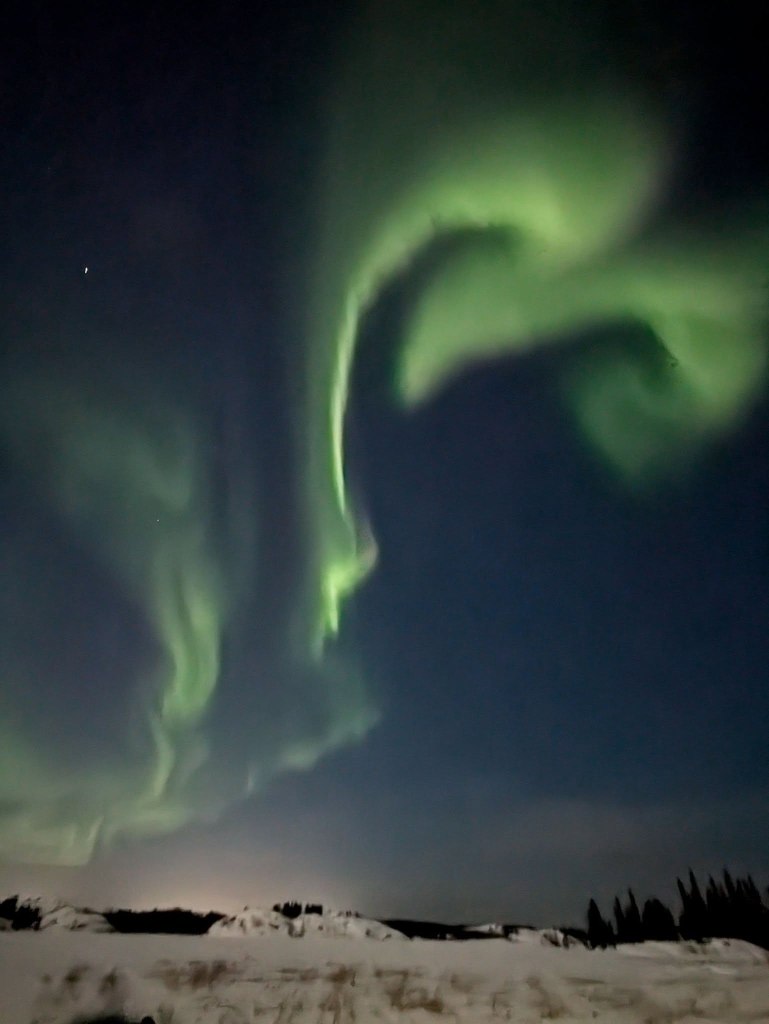
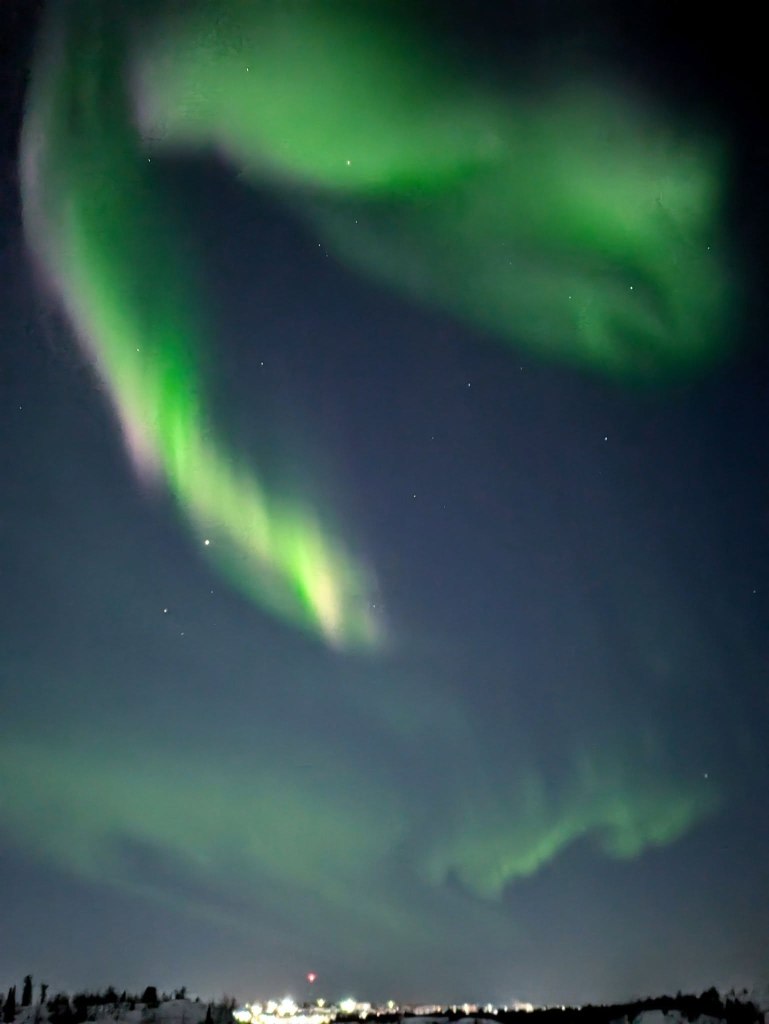

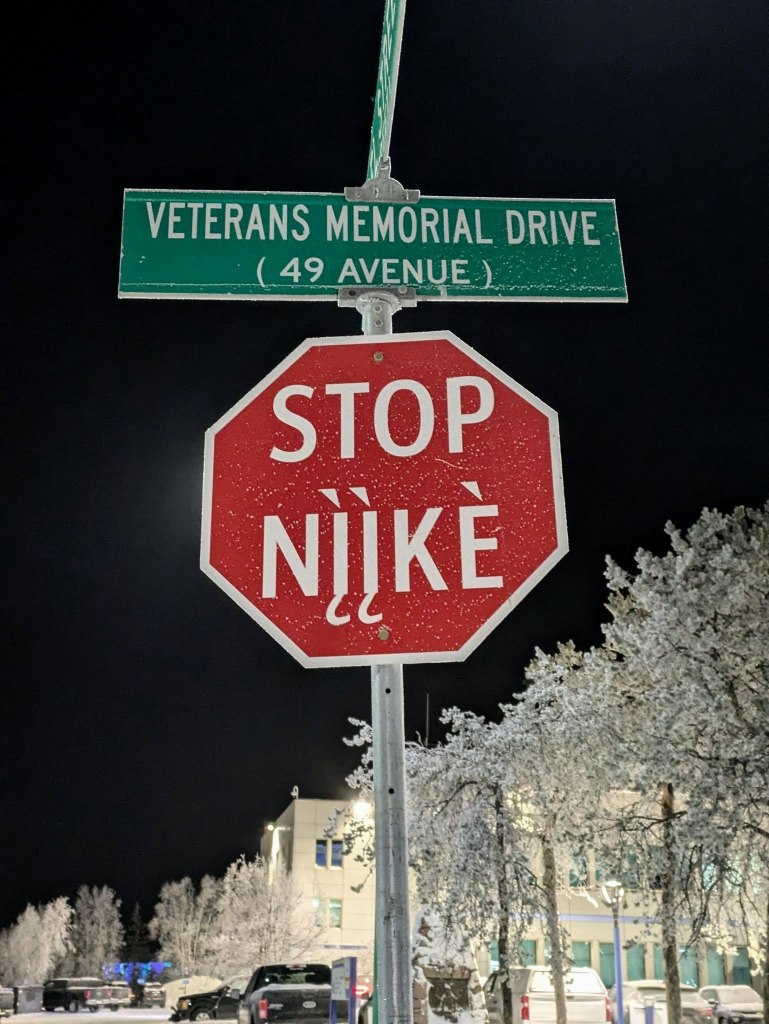


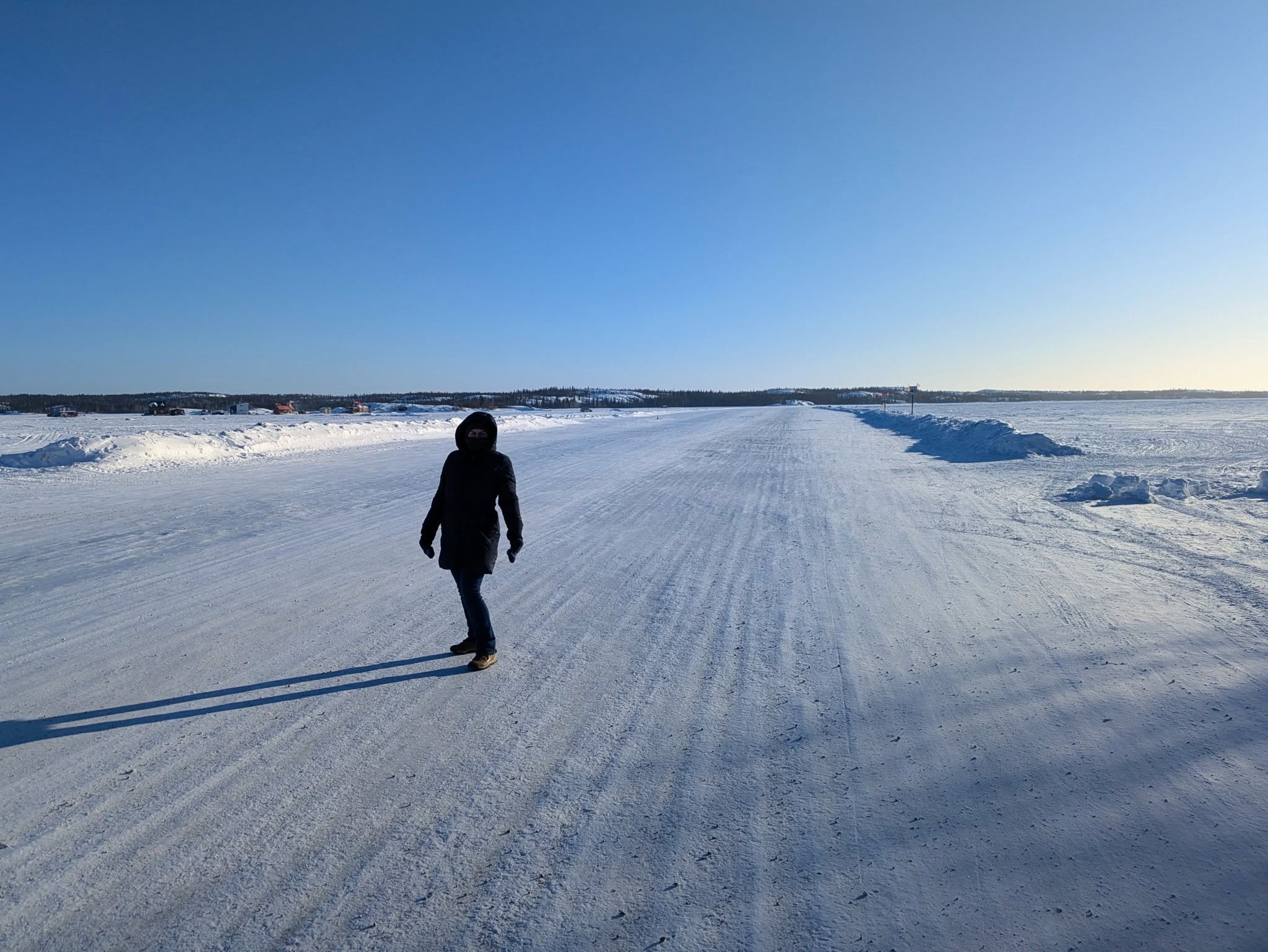


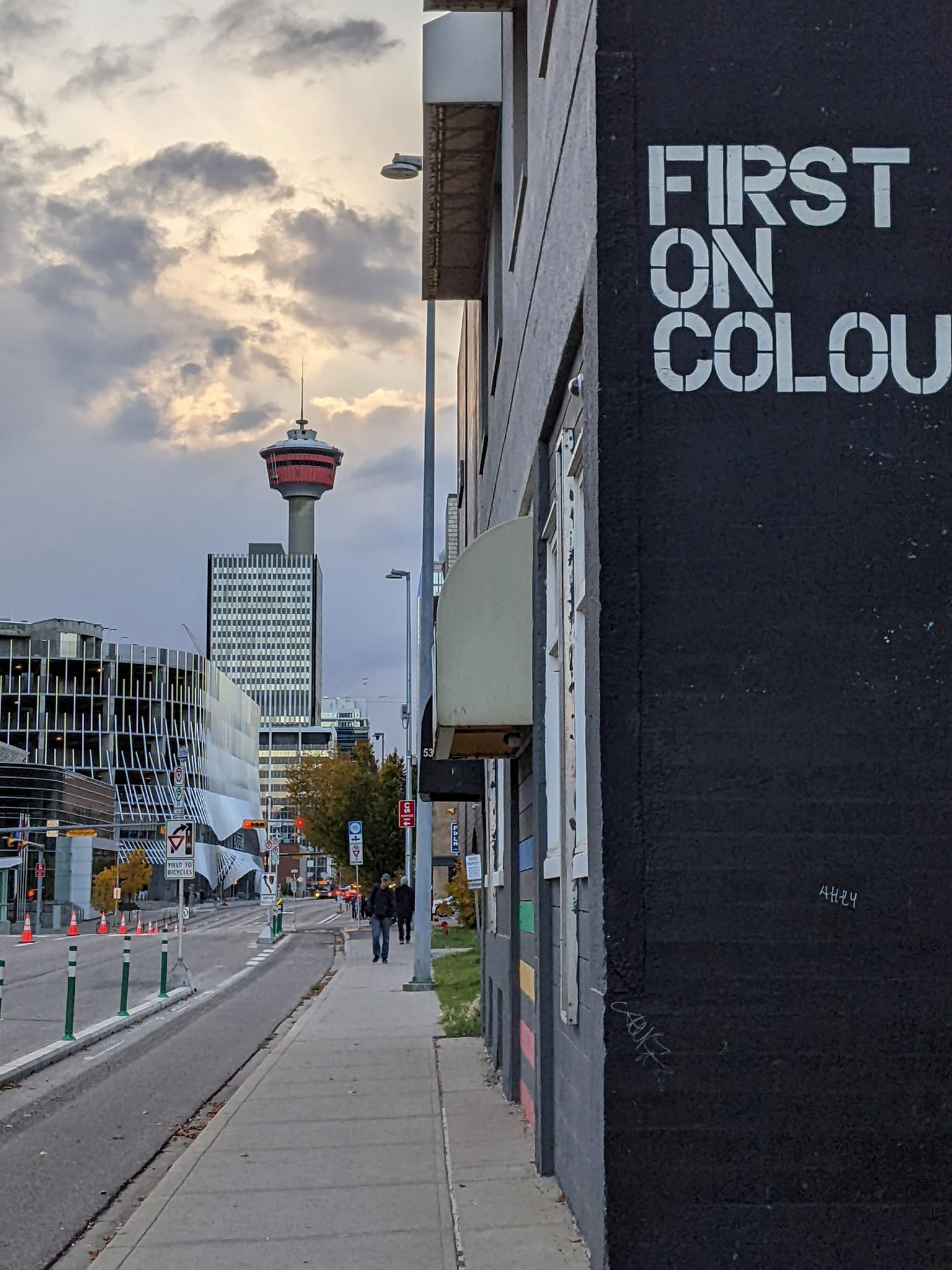
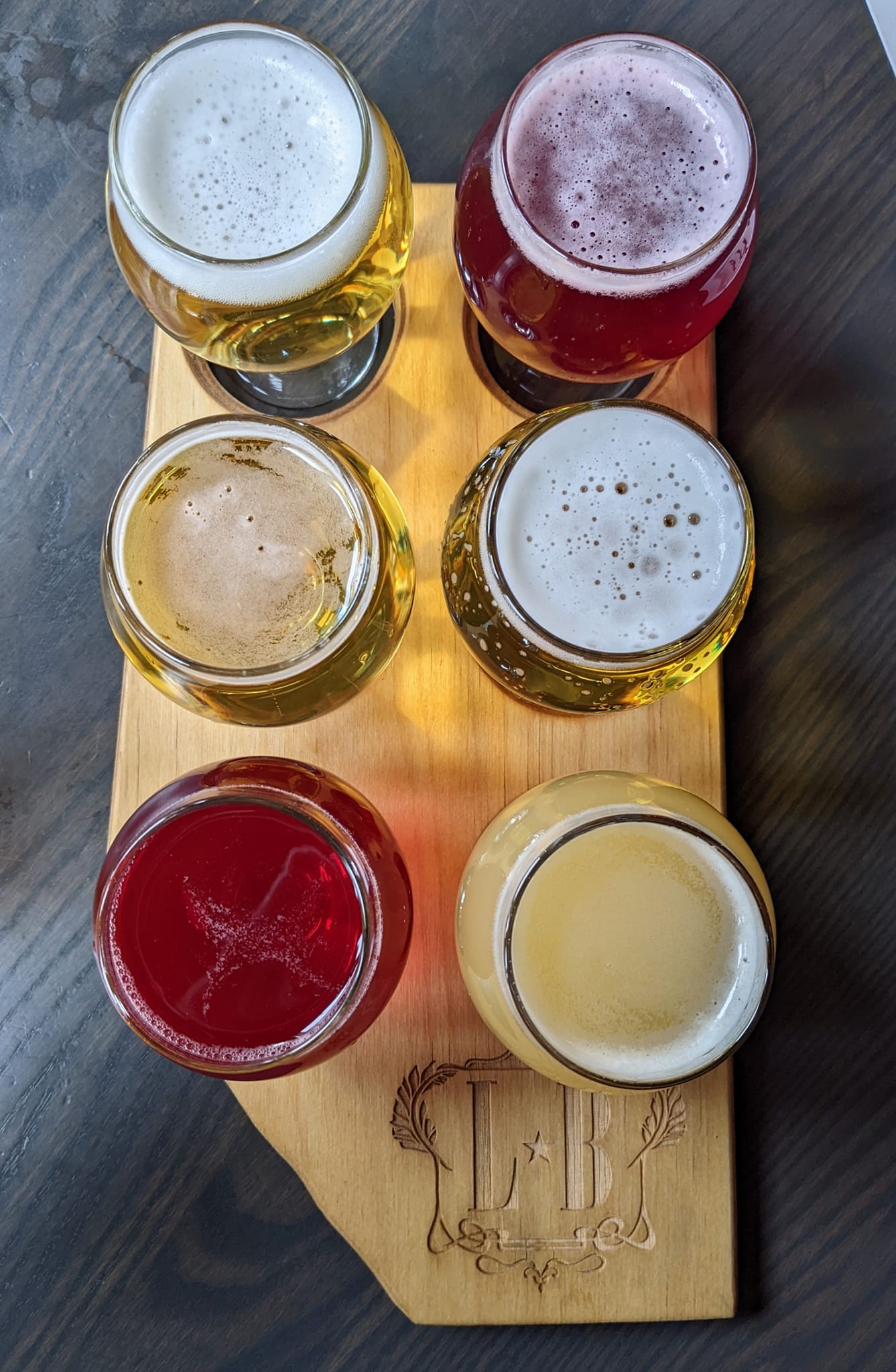


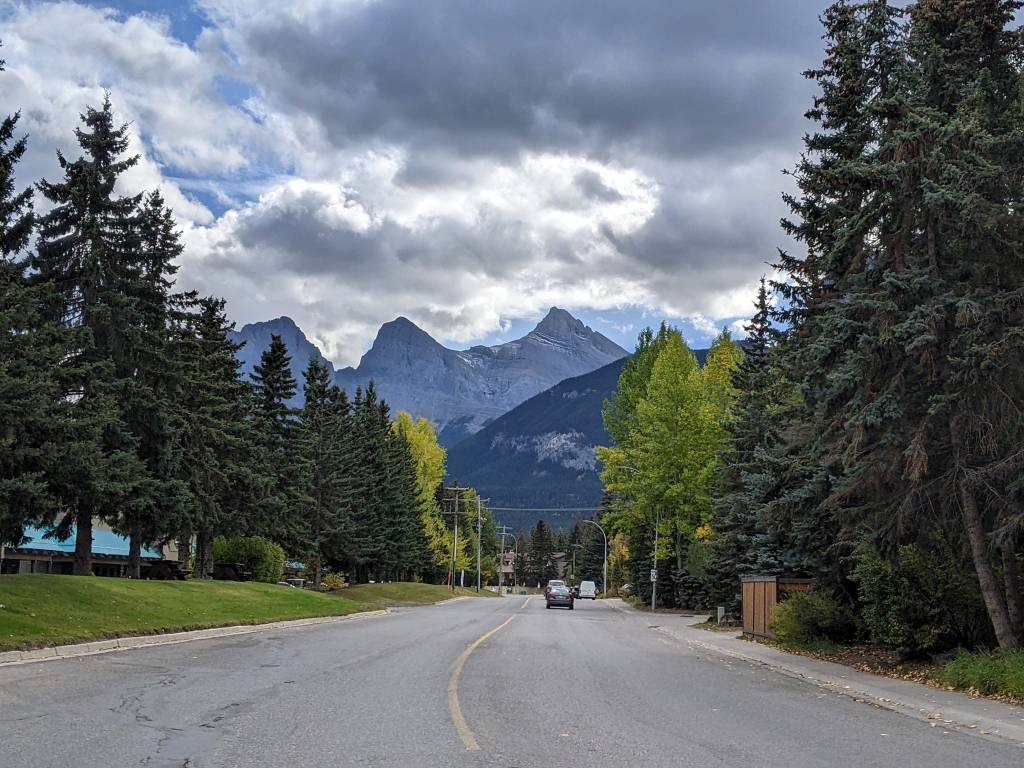


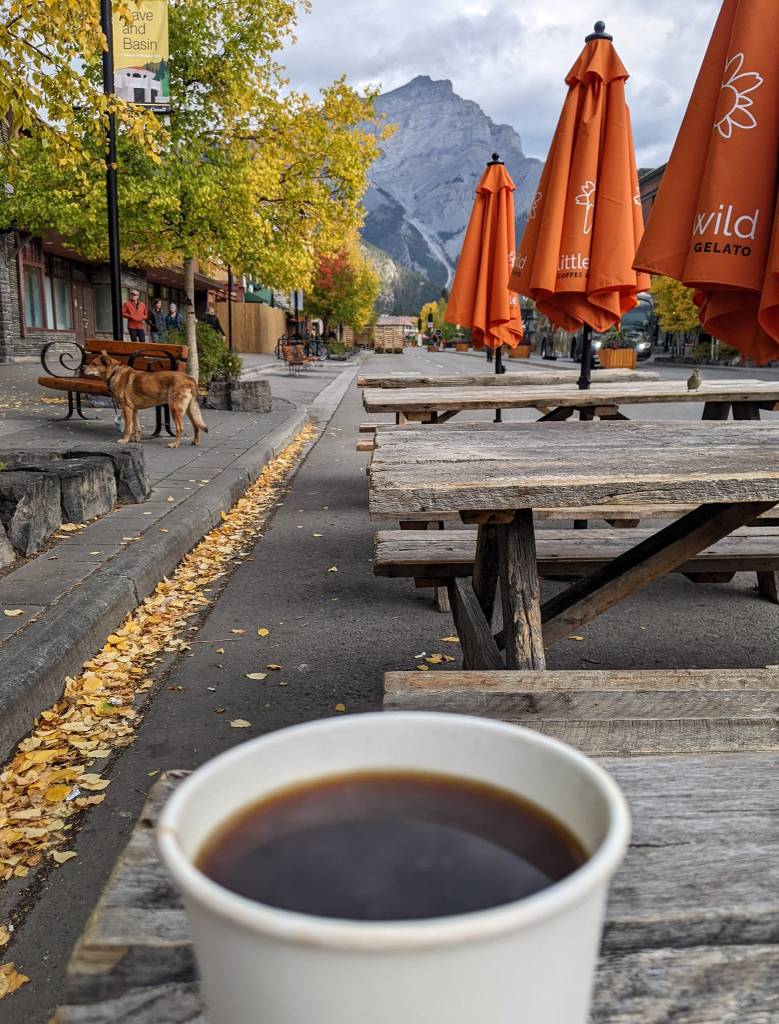
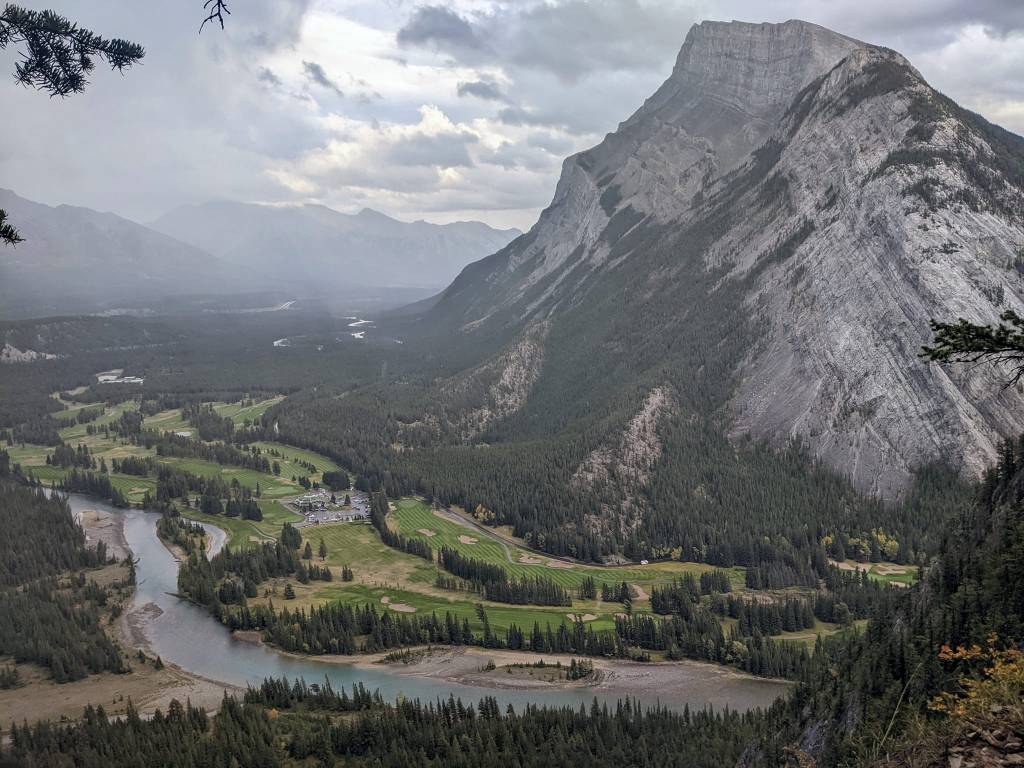
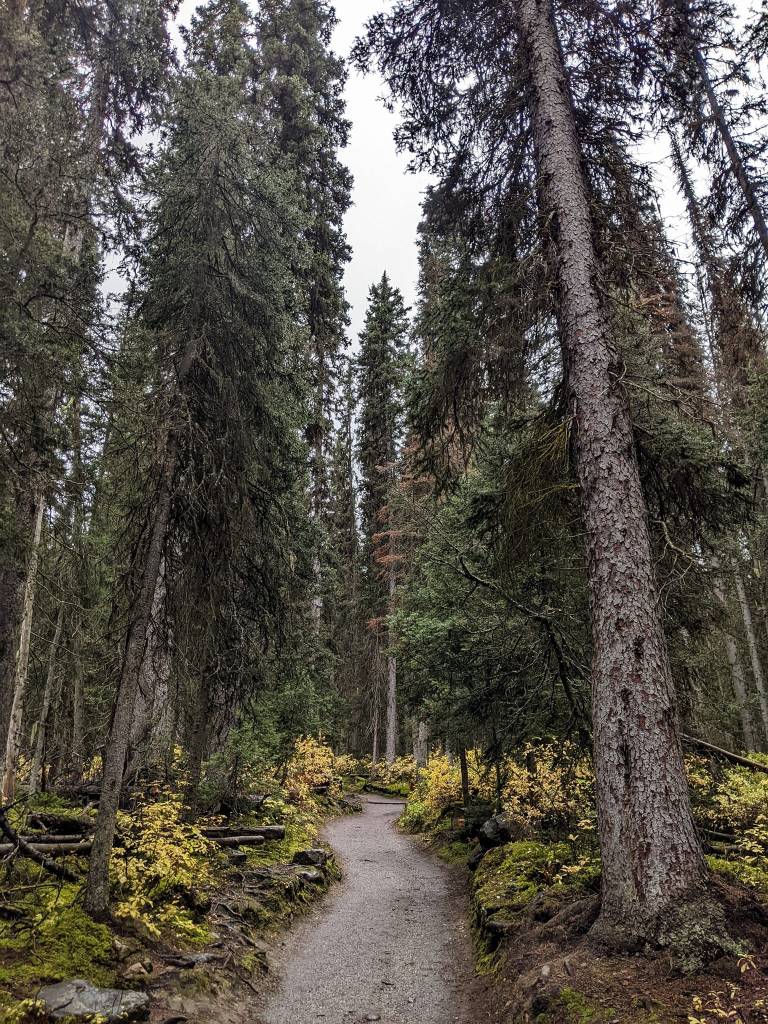


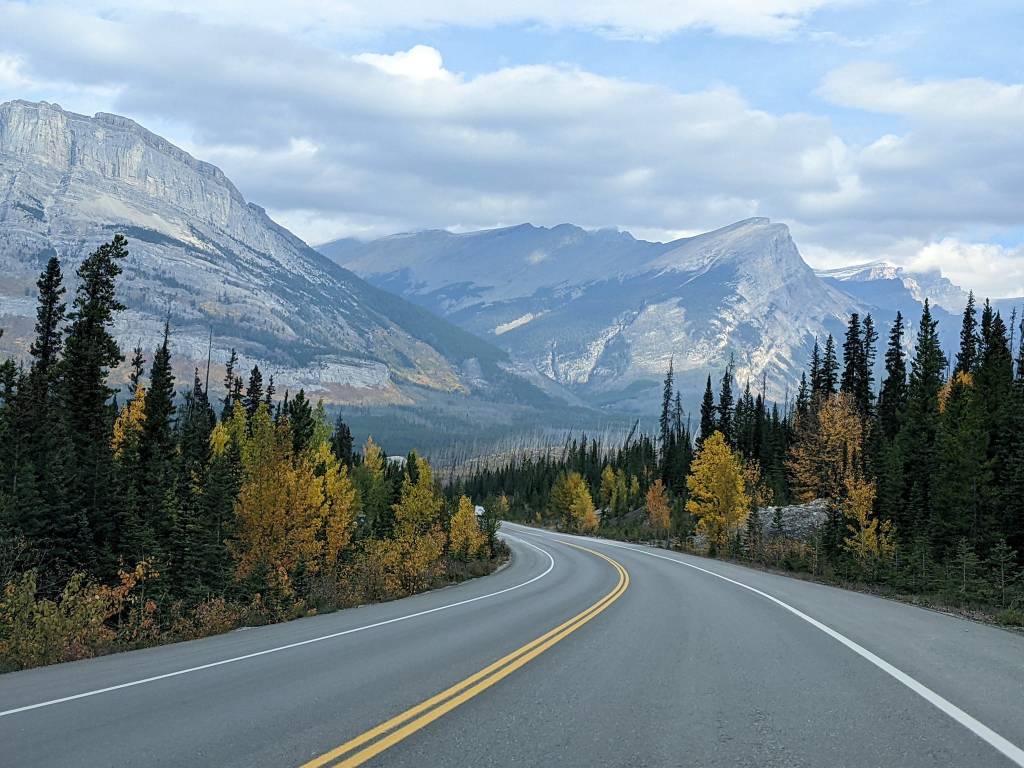


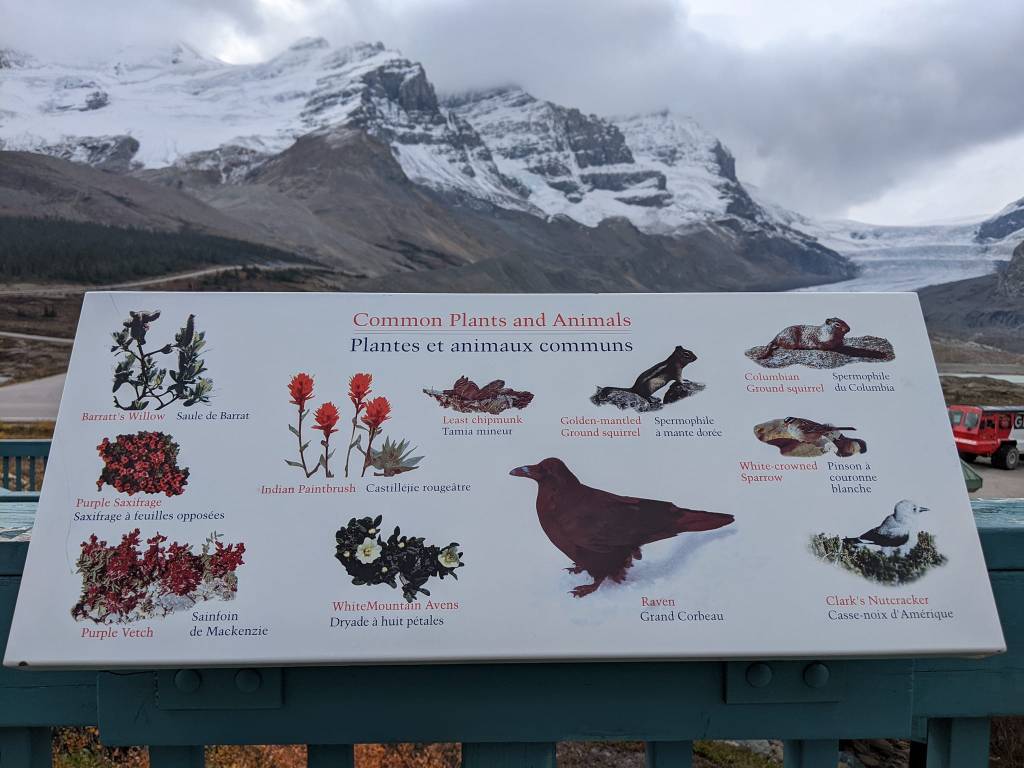
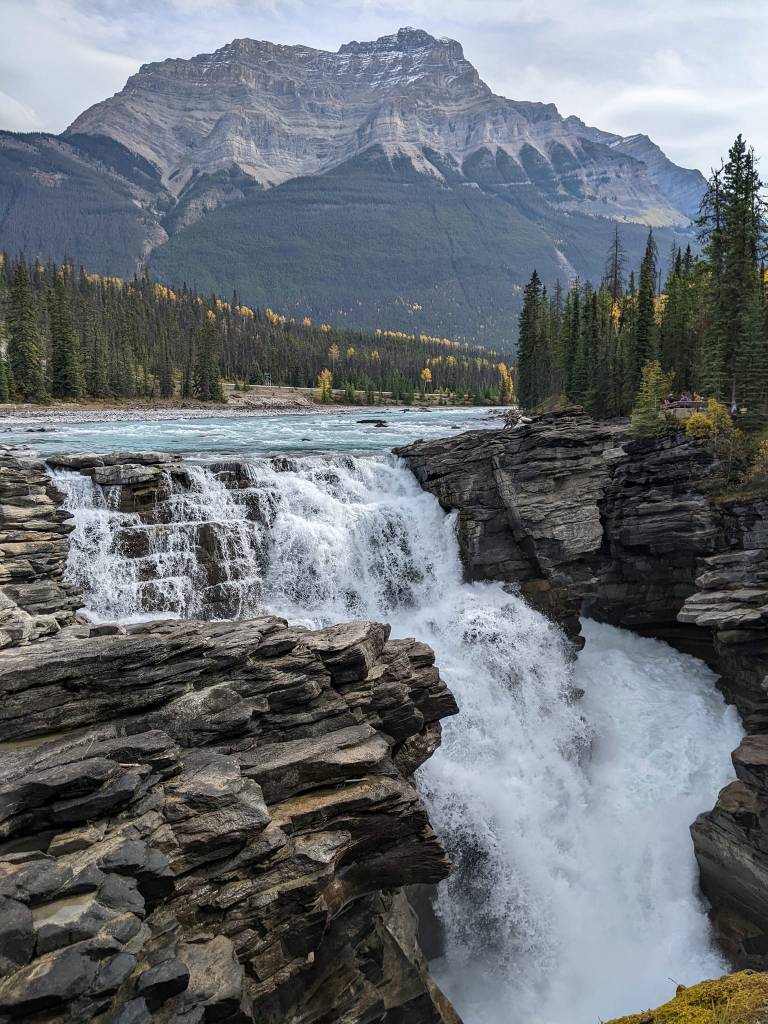


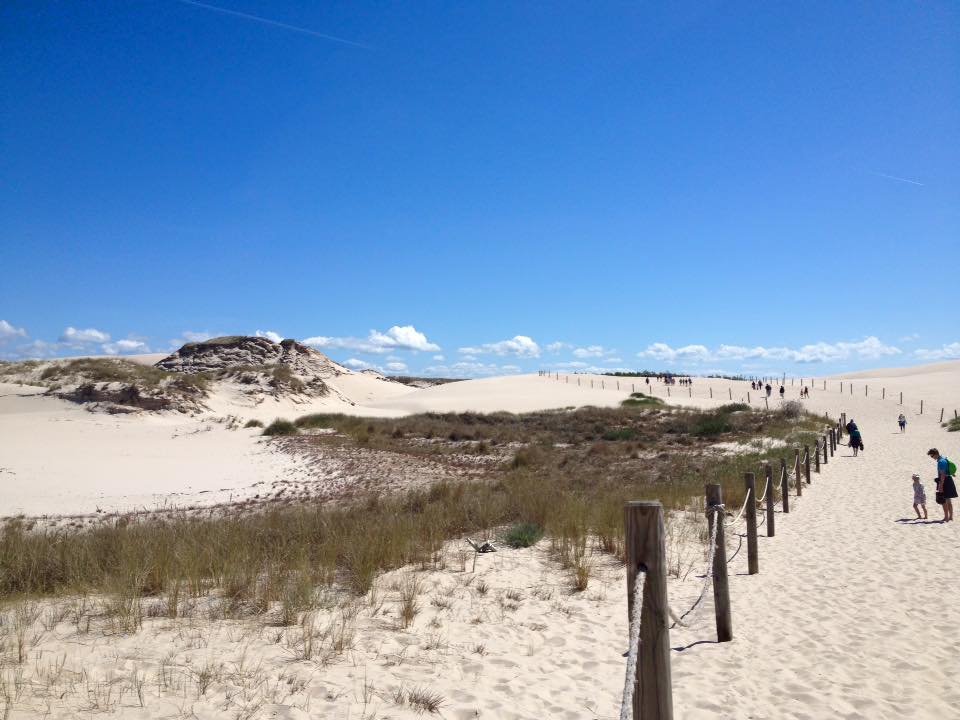

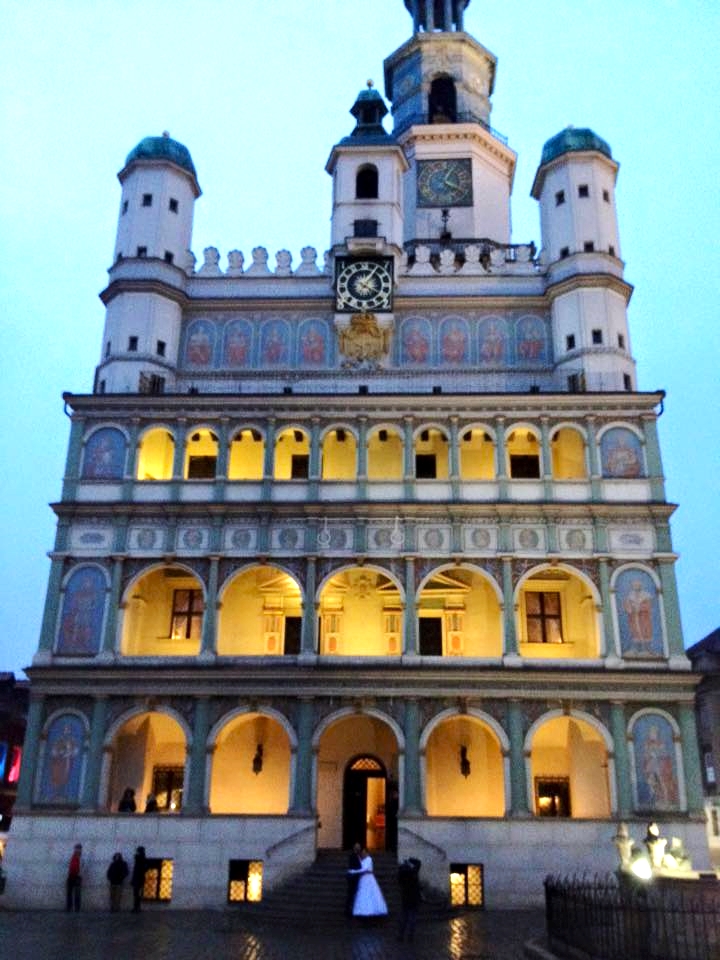


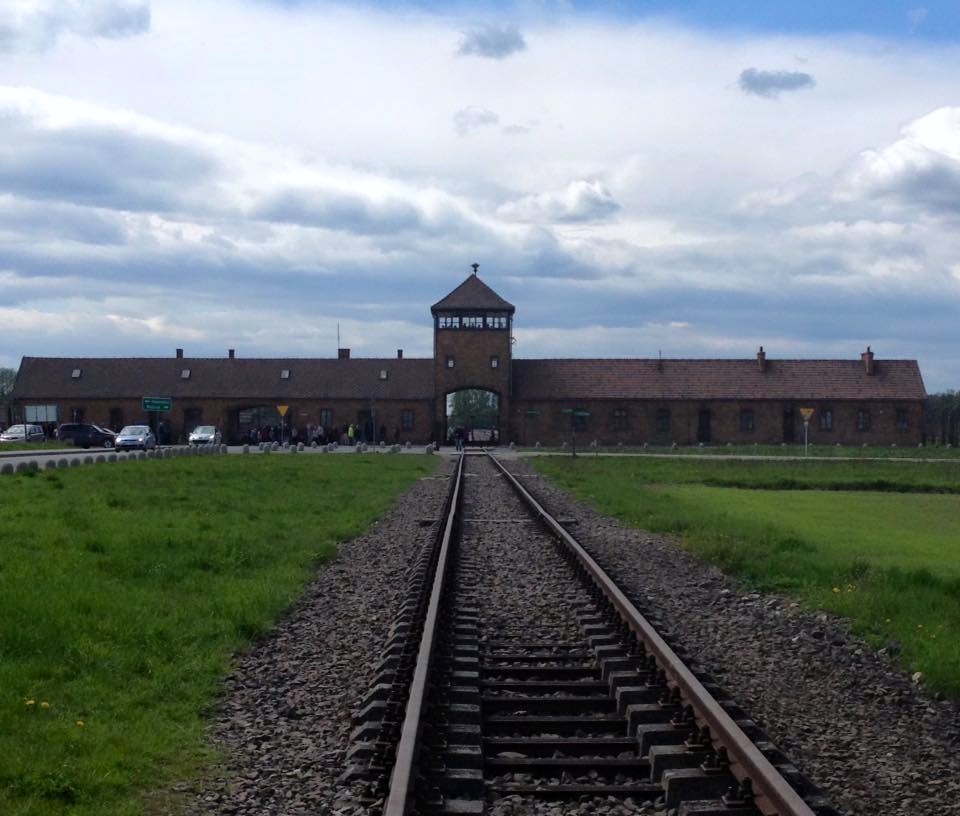
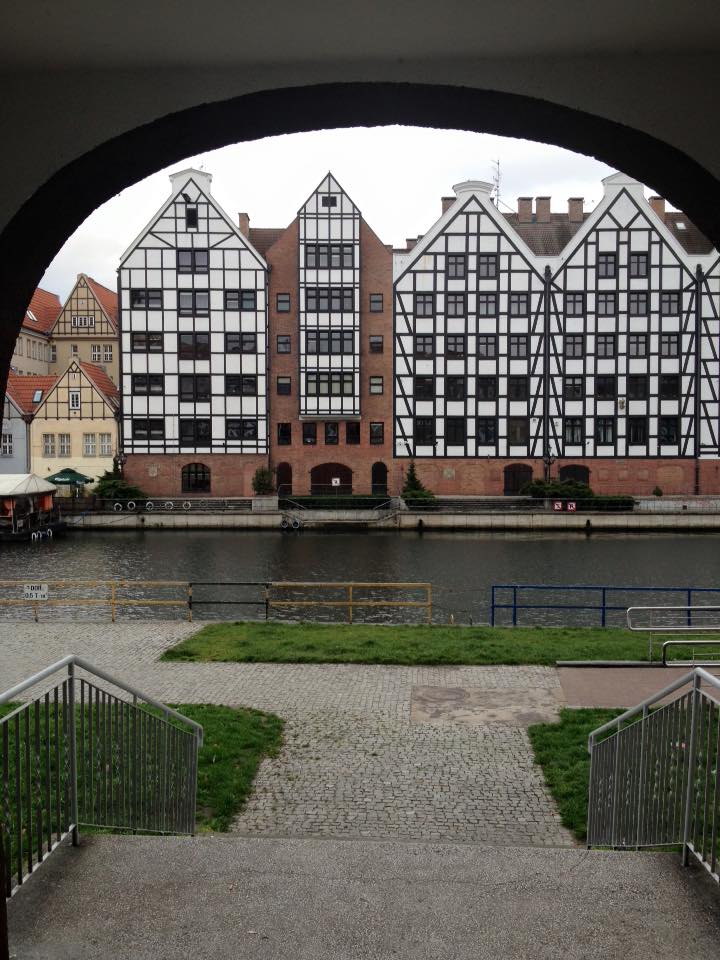

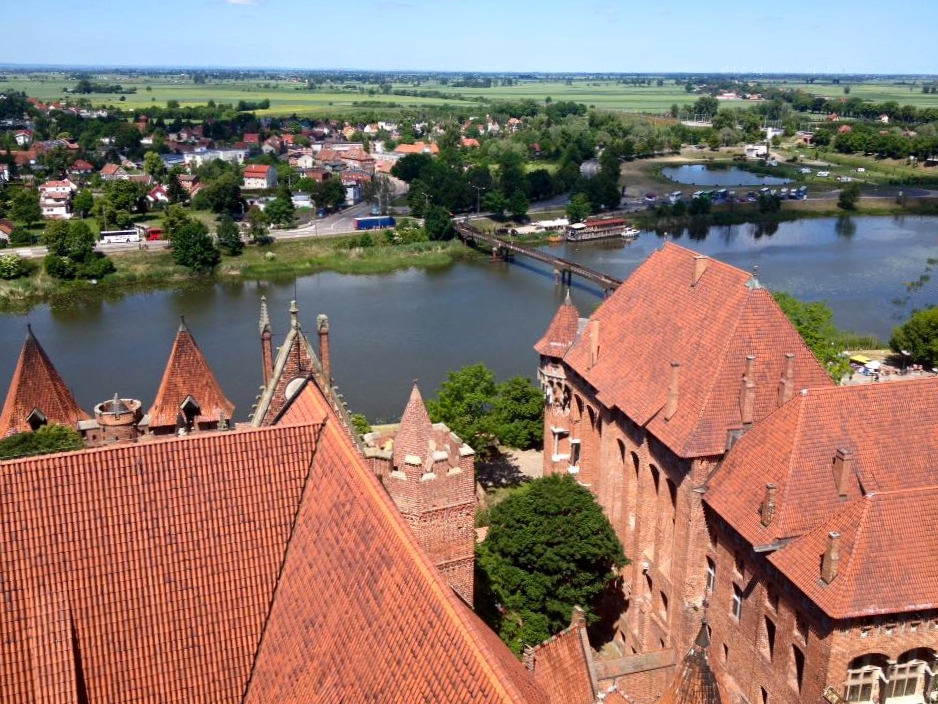


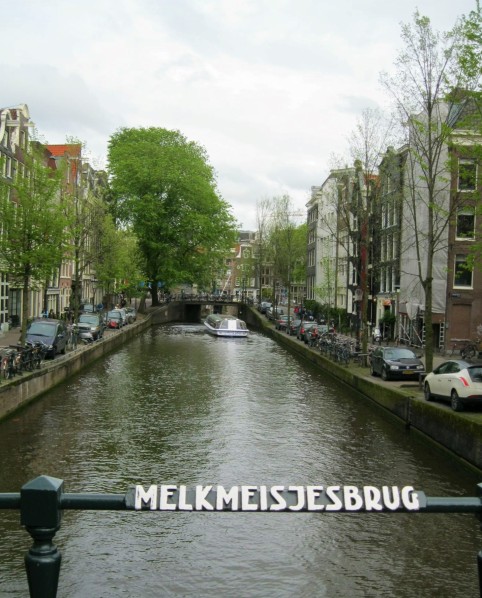 This was an obvious choice for this particular list because we only spent about 23 hours in the country. It was our first foray into long-layover travel, and we definitely fumbled our way through it. It wasn’t too difficult to get from the airport to the city center (and back again), but as we set off with absolutely no plan, it was mostly just a long walk around the beautiful canals. Amsterdam is a great walking city though, so even with our random ambling, we were able to take in the numerous and iconic bridges, bicycles, and fry-stands. We also explored the infamous Red Light District and (from a distance) the I AMsterdam sign, which is sadly no longer there.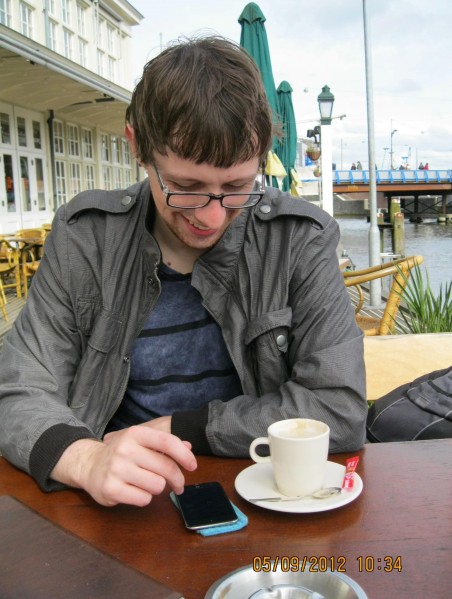
 Next on our “must return to” list is Finland, which might not have been an obvious choice seeing as we spent almost three weeks there, but at the time we 1) had very little money to spend, 2) were exhausted from finishing up our undergrad degrees, and 3) had just gotten married, which as anyone who has planned a wedding can attest, left us feeling a bit burnt out. Typically when we travel now, we avoid suitcases, and we move around a lot, but as this was our first trip sans car, we failed miserably at both packing lightly and at utilizing public transportation. We also weren’t able to afford train passes or much of anything at that time; in fact, our flights and accommodations were wrangled together with the help of some of our wedding gifts and useful family connections. Regardless of what now seems like a trip very far removed from our usual preferences, at the time, it was magical.

 Technically we’ve been to the Bahamas a few times now, but does it really count if it’s on a cruise? I mean, don’t get me wrong, cruises are fun and economical, but they definitely keep you in a bit of a bubble. For this reason, I would love to go back to the Bahamas, without the big boat. I think it would be amazing to fly into Nassau and explore New Providence Island a little more slowly and a lot more thoroughly. There are several forts I want to see on the island, not to mention the art galleries, lighthouses, and, of course, the beaches (especially the ones on the far side of the island). At some point, Tucker and I want to get our diving certification so we can explore the depths too, or if we don’t have time for that, then I want to do one of those bubble helmet dives instead!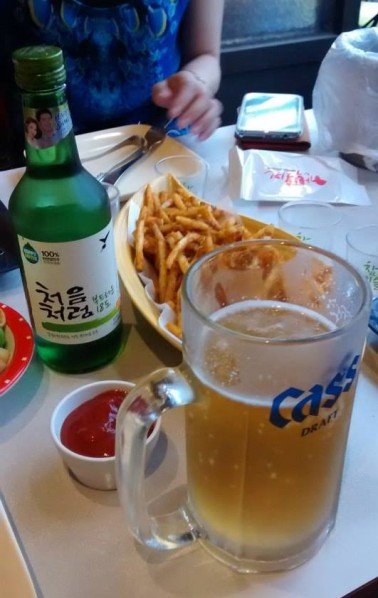

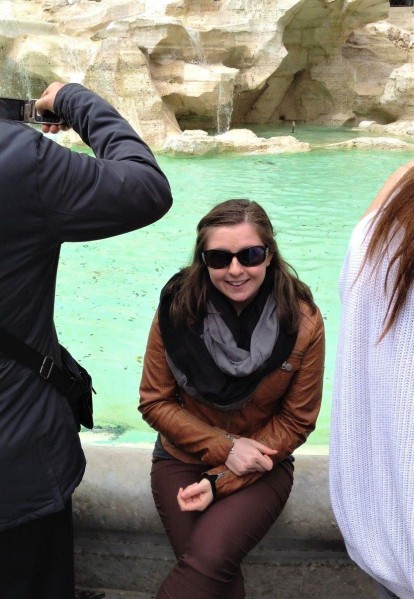

 Germany, unfortunately, represents another set of rookie moves on our part. We spent a year living just a few hours over the border in central Poland, yet we failed to A) make it to Oktoberfest and B) visit Bavaria, the most quintessential of all the German regions. While I do sorely regret not making time for southern Germany, we did really enjoy our time in Berlin and Potsdam, looking at the incredible architecture, sampling the infamous brews, and picnicking in numerous parks. It was an absolutely lovely time, but of course, I’d love to go back for a festival or two. It’s really not our fault we missed Oktoberfest; we had wrongly assumed it took place in October, but really it’s more of a September event that actually ends in early October. Ah well, it’s on the list for our inevitable return trip. As are other famous places like: Neuschwanstein Castle, the Rhine, Cologne, and, of course, Bavaria.
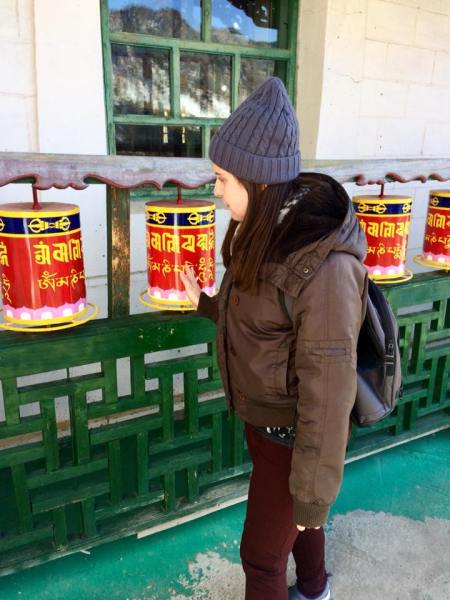 Perhaps unlike any other place we had been, Mongolia intrigued us in so many ways. It’s really a breathtakingly beautiful country that exceeded every expectation we had for it. We visited for about a week in 2017, but unfortunately, a lot of that time was taken up by work (conferences, presentations, etc.) In our free time though, we were able to pretty thoroughly explore Ulaanbaatar, including temples, yurt neighborhoods, live-music bars, and amazingly trendy restaurants. We also took a short road trip out to Gorkhi-Terelj National Park, which was honestly a bit frightening for me (mostly because we opted to dismiss the rental insurance), but ultimately it gave us the best glimpse of what life is like outside UB.

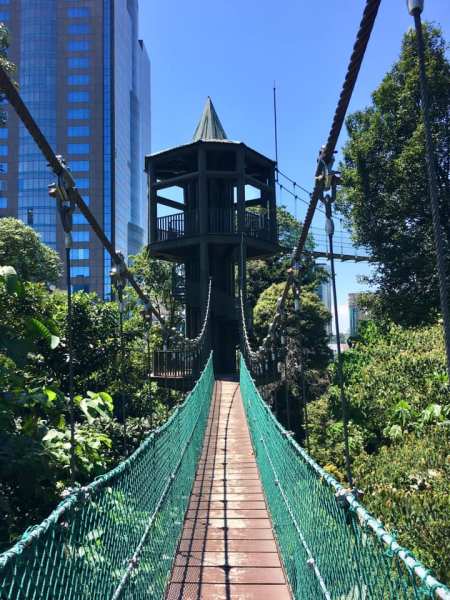 Last on this list (for now) is a place we actually visited just last year. On our way back to China from a work event in the Philippines, we took a bit of a roundabout path that allowed us to spend almost a week in Malaysia, well, in and around Kuala Lumpur anyway. Malaysia is a tricky country to fully explore in a short amount of time because it’s made up of part of a peninsula (West Malaysia) and part of the island of Borneo (East Malaysia), the two regions being about 400 miles apart. For this reason, although we feel pretty good about our exploration of the amazing capital city, typically called KL for short, we still really want to explore some of the other regions of this incredibly diverse country.
 We never made it to a beach while we were in Malaysia, so maybe we’ll start there on a subsequent trip. There are many islands off the coasts of both West and East Malaysia that look amazingly beautiful and relaxing. There are also several world-renowned national parks, which are home to a collection of unique indigenous species that Tucker really wants to check out. Of course, as we found in KL, Malaysia seems to enjoy extreme sports as well, so maybe we’ll try the popular zip-lining, white water rafting, or jungle trekking activities while we’re at it!
 Of course, there are three countries, not previously mentioned, that are and will indefinitely be on our return radar: the United States, Poland, and China. These are the places we have the greatest connection to, and thus will need many re-visits and reunions to sustain us. Luckily, our friends and family in Chicago, Atlanta, Orlando,
 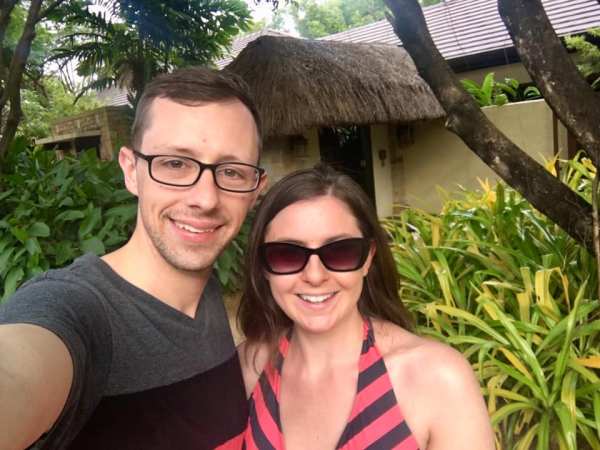 The second New Year (also known as the Chinese New Year or the Lunar New Year) has come and gone, and with it, possibly our last long winter break off together. Just like last year, the Chinese university semester break coincides with the holiday giving us several weeks off, which, of course, we put to good use! My program had its mid-year meeting and conference in the Philippines this year, and somehow, Tucker and I managed to squeeze in three (and a half) other destinations on our island hopping itinerary. You might have seen the hundreds of photos on Facebook, but I’d also like to share a few words about our time traveling in South Asia. To be honest, it’s a little surreal to be writing this as I watch the snow fall outside, but here we go!
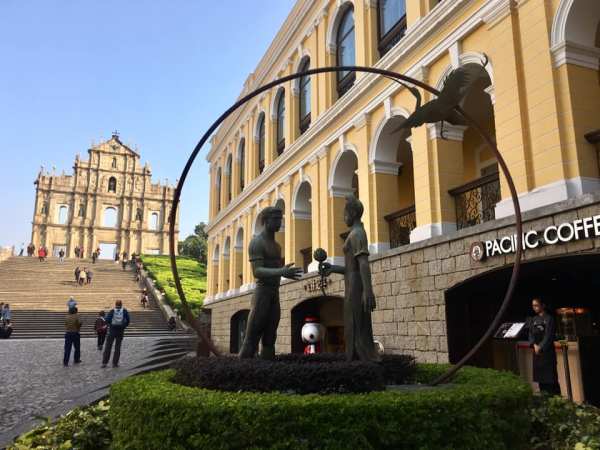 Our first stop was Macau, a “special administrative region” of China. It gets this rather long name due to it being somewhere in between a province and another country entirely. It’s a part of China, but it’s also not China, which is actually one of the reasons we wanted to visit. We wanted to see if there were any noticeable differences. We also wanted to visit because we were eager for another taste of Portugal. Macau used to be a Portuguese colony and has retained quite a bit of the Portuguese flair in architecture, food, and language.


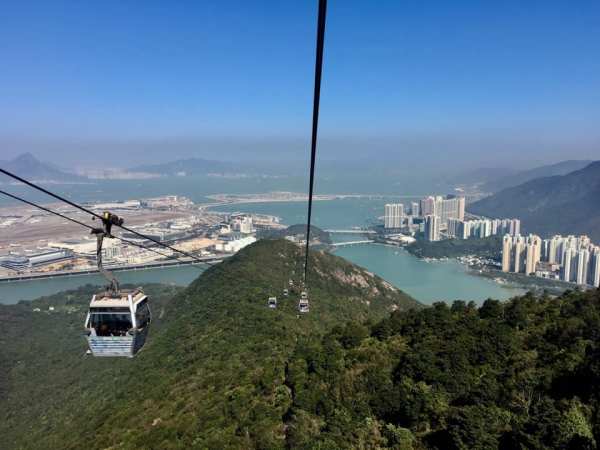 After a few days of strolling around Macau’s narrow alleyways, we took a massive speed boat (TurboJet) to our next destination just across the water: Hong Kong. This was actually our second trip to Hong Kong, but last time we didn’t quite get to everything on our list – this short stopover on the way to Midyear was our second chance. We had less than 24 hours in the city, but we managed to make it out to Lantou Island to see the incredible Buddha and cableway there, we took the bus to the top of Victoria Peak to watch the sunset over the city, and we went to Tim Ho Wan for the world’s cheapest Michelin Star eats. While I definitely preferred Macau’s laid back, European vibes, it’s hard to not like Hong Kong as well. Macau and Hong Kong are a couple of tiny islands (and respective peninsulas) that I highly recommend everyone to visit! No visas needed for US citizens! :)
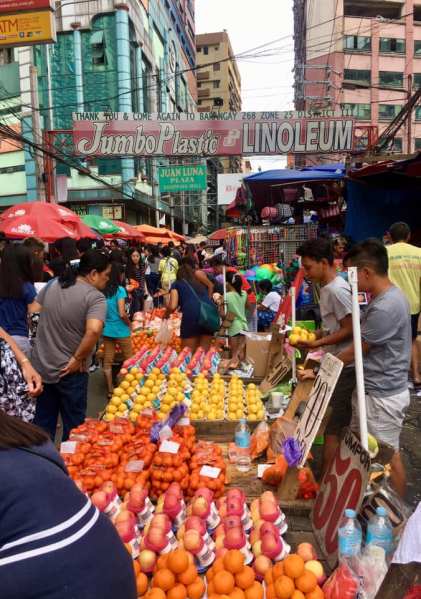 All too soon it was time to fly to the Philippines and get to work. When we first landed in the Philippines it was chaos! Passengers getting up and grabbing their bags before the plane had stopped moving; people sitting on seemingly every inch of the floor in the airport; signs for flight changes being moved by hand from gate to gate; loud cover songs of 2000’s hits playing in every corner of the terminal, etc. All I could think was “Well, we’re definitely not in China anymore.” As we sat waiting for our flight though, the newness wore off, and it was easy to see that the Philippines are just plain fun! In fact, their national slogan is “It’s more fun in the Philippines”, and I totally got it. Smiles were everywhere! The flight attendants wore bright yellow polos and hummed songs as we boarded. Fellow passengers sang along with the music they heard on the plane. The joy was contagious!
 The first week we were in the Philippines I had to “work”. I attended meetings with the other Fellows, we planned and executed various group activities, and generally bonded and reconnected after our last five months apart in our various host cities/countries. For this part of Midyear, we were put up in a resort on Mactan Island, which was incredibly fancy and not the sort of place Tucker and I usually go for (I’ve never heard so many “yes ma’ams” and “hello sirs” in my life). It was beyond beautiful though, and luckily Tucker was able to take full advantage of the beach, the snorkeling, the infinity pool, etc. However, after a few days completely devoid of local culture, I was definitely ready to get to our next location: Cebu City. It was here that we attended and presented at a local teacher training conference held at the University San Jose Recoletos. Easily my favorite part of Midyear, I was able to meet and interact with many local Filipina/o teachers and get a much better feel for what life in the Philippines is really like.

 Once the conference and Midyear were officially over, Tucker and I hadn’t quite had our fill of the Philippines, so we headed to Manila for some good old-fashioned touristing. Manila is an incredible city with some of the best food I’ve had in a long while. Their specialty seemed to be fusion restaurants. We had super interesting and delicious food at Loco Manuk (Filipino, Peruvian, and Chinese) and El Chupacabra (Filipino and Mexican), and saw a Japanese-French Cafe that looked amazing as well! In addition to the incredible food, we also had a great time walking around Manila Bay, grabbing a drink in Intramuros (the Old Town), and watching the Super Bowl at a local expat bar. The Philippines boasts an amazing mix of languages and cultures, and it was so fun for us to be able to use English (commonly spoken there) to ask about a million questions of our taxi drivers, servers, and any other local we could find. We learned about the strong influence of Catholicism in the Philippines, the new-ish movement towards environmental clean up, and most of all, we learned how welcoming and friendly the people are.


 At this point we were over the halfway mark of our trip, and my body had had enough. I left Manila with a fever and several other ailments (not so fun to describe), but I was still super excited to see Singapore! We watched Crazy Rich Asians on another leg of this trip in preparation, but the movie doesn’t do the city justice. It is by far the cleanest city I’ve ever seen, and has represented its multicultural population incredibly well! Singapore is made up of large groups of ethnic Chinese, Malays, and Indians, and each has a dedicated area of the city where you can find their respective religious buildings, restaurants, and specialized grocery stores. Even with the diverse neighborhoods in place, the city as a whole really seems to cater to each group in so many ways. Colorful, artistic, and clearly very well-off, there are so many lovely parks and public spaces in this city, where we saw families wearing everything from tank tops and sundresses to saris and hijabs. I often talk about places where there is a mix of cultures, but its usually a watered down mix, where clearly one culture has dominated, but in Singapore they were all there loud and proud. It was amazing!


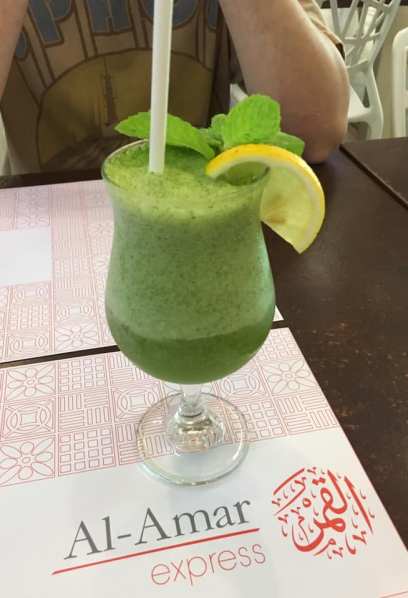 It turns out KL was full of surprises for us. The majority of people living in Malaysia are Muslim, so it was much more conservative than I was expecting. Most everyone wore long sleeves and pants despite the high temperatures, and the presence of beautiful and delicious “mocktails” was at an all time high for me. KL is actually not on an island, and to us, it seemed like we lost that friendly, carefree island-vibe as soon as we arrived. Interactions were a bit more abrupt and businesslike – like they usually are, I suppose. Another surprise was the color we saw all around us – both the Philippines and Singapore were incredibly colorful cities, but I think any city would be hard pressed to match the vibrancy of KL. Brightly colored murals everywhere, some of the lushest, greenest trees I’ve ever seen against the bluest of skies, and the insanely colorful Batu Caves just outside the city made for some incredible scenes (and photos).


 ✔ Learn to play Mahjong
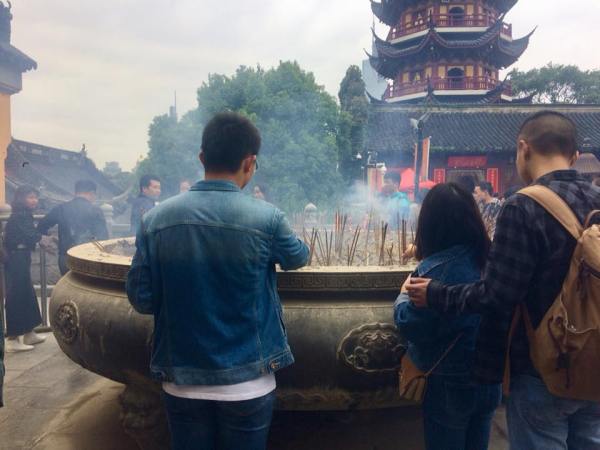 ✔ Visit a Buddhist Temple
 ✔ Perfect our Chopsticks Skills
 ✔ Hike Huangshan
 ✔ Share Hotpot and Selfies with Friends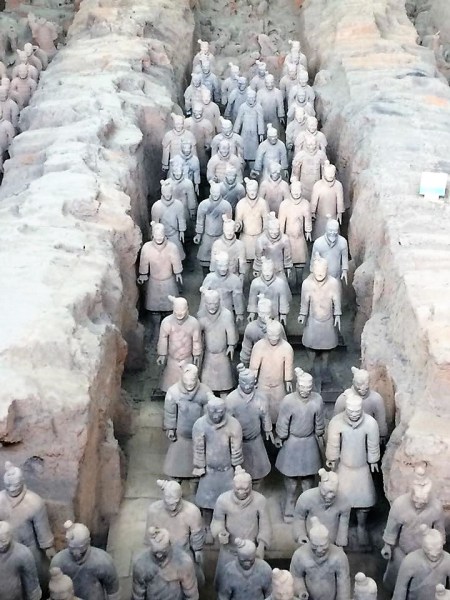
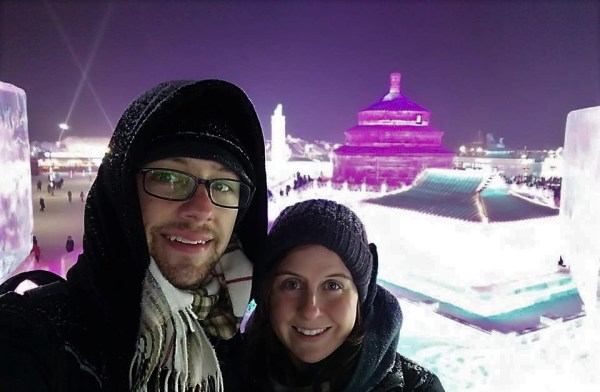
 ✔ Devour the Dim Sum in South China
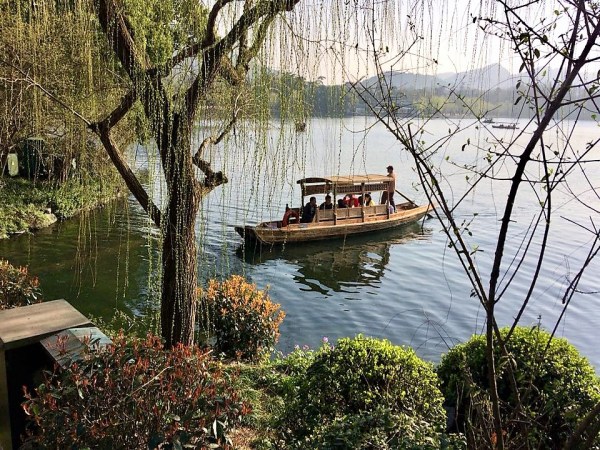 ✔ Wander around West Lake
 ✔ Feel like a Kid at Disneyland Shanghai
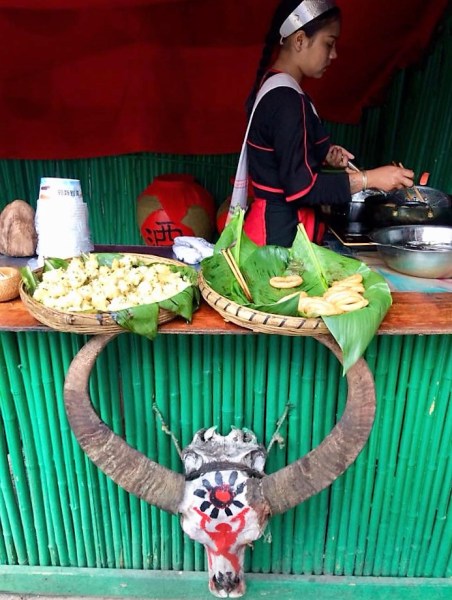 ✔ Learn about the Minority Groups in China
 ✔ Celebrate Dragon Boat Festival
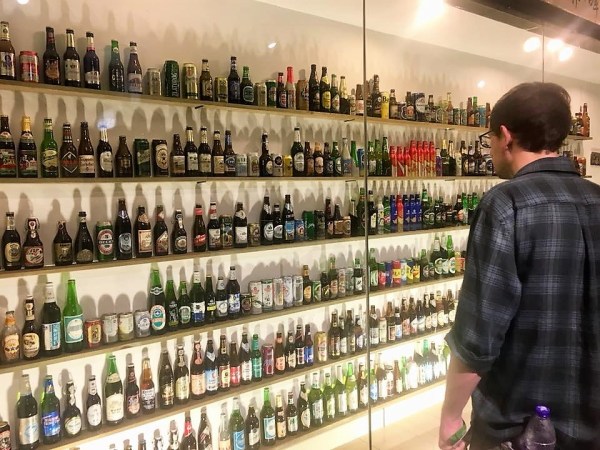 ✔ Drink Tsingtao from the Source


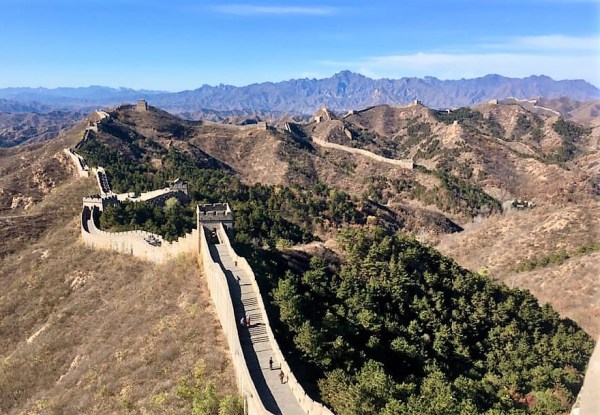 ✔ Walk along the Great Wall
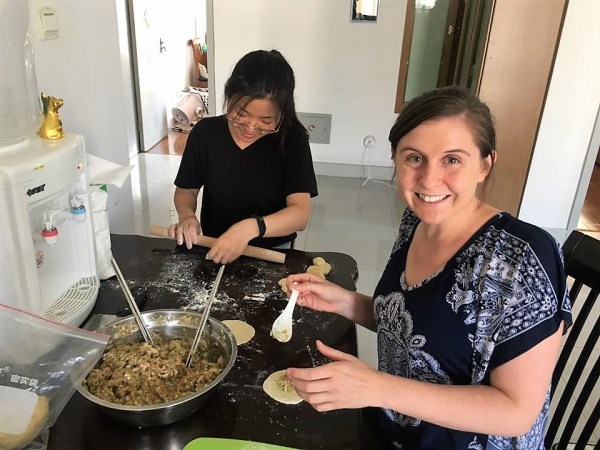 ✔ Make Dumplings from Scratch
 ✔ Crisscross the Yangtze