Time seems to be flying as we scramble to catch up after our last whirlwind trip! Last month, we had the absolute privilege of spending almost two weeks in beautiful Morocco. This was our first time to Morocco, and actually our first time in Africa, so we were beyond excited and hyper-focused on doing and seeing as much as we could. To that end, we set out on completing a somewhat ambitious loop from Casablanca to Fes to Merzouga (and the desert) to Marrakesh and finally back to Casablanca. Whew, even typing it all out is a bit much! Anyway, here’s a little recap of what we did and what I would recommend to anyone traveling to Morocco for the first time.
Casablanca
We didn’t choose to start and end in Casablanca for any reason other than that’s where the cheapest flights from Québec happened to be. But, of course, once we knew we were heading to Casablanca, we promptly watched the 1942 classic! Spoiler alert: modern-day Casablanca is absolutely nothing like the movie. Since we only had a couple of days planned here, we focused on hitting the highlights: Hassan II Mosque, Central Market, the port, Arab League Park etc.
I feel like Casablanca is the sort of city that would be great to live in, but not so great for tourists. It’s the biggest city in Morocco, and we totally felt that as we trekked from site to site. If you are touristing in Casablanca, however, I would definitely recommend Sky 28 bar. It’s at the top of the Kenzi Tower Hotel and gives you amazing views of the city and the coastline. We went at sunset, and it was such a great way to see all that city sprawl!
Another Casablanca recommendation I would readily give is the restaurant Le Cuistot Traditionnel. It might have been our favorite of the trip, mostly because of the amazing Moroccan food and beautiful décor, but also in part because of the amazing owner and chef. He actually used to work for the king of Morocco and had such an amazing collection of photos, mementos, and stories from that time – really such a cool guy and place!
Fes
The next stop on our itinerary was Fes (or Fez), which is one of the oldest cities in Morocco. I think this was the city I was most looking forward to before our trip because I was so excited to experience the medina. The medina refers to some 9,000 streets and alleyways that make up what I can only compare to a massive hedge maze, except these walls are stone, several stories high, and about 800 years old. “Bustling” just isn’t a strong enough word to describe the medina, which is home to approximately 100,000 people, most of whom must be merchants of some sort given the insane number of markets, shops, and stalls!
Walking around the medina was chaotic in the absolute best way. There are souvenirs, snacks, businesses, and historic sites all crammed into the narrowest of spaces, not to mention all the people shopping, taking photos, transporting goods, etc. Unfortunately, Google Maps is almost no help in navigating since the vast majority of the streets in the medina are too small to be on the map. For that reason and so many others, walking around Fes felt a lot like traveling back in time. Of course, eventually you’d spot some stainless-steel water bottles or personalized power banks and instantly be back in the 2020s.
In my opinion, the absolute best thing to do in Fes is to wander. Just walk around, get lost, find your way back again by recognizing some sign or stall, and ultimately soak up the chaos. I also think staying in a dar (a room in a local house) or a riad (an inn) is essential in Fes. Hearing families eating dinner, buying your water at a little window shop, and feeling the warmth of Moroccan hospitality was such a great part of our stay in one of the most unique places we’ve ever been. Oh, and remember to prepare yourself mentally for bargaining at the markets, you absolutely have to have your head in the game for that!
To/From the Desert
The next part of our trip was a bit out of the ordinary for us. When we were planning everything, we knew we wanted to get out to the dunes, but we weren’t sure the best way to do that. Renting a car our first time on the continent seemed challenging, but doing a multi-day tour had us wary as well. In the end, we decided on a tour that doubled as transportation between two of the cities we wanted to see, and included most meals, tickets to the various sites, and lodging for the two nights. Given how cheap it was and the huge number of different companies and individuals offering something oddly similar, we were a little worried it was all a big scam…
But nope, it was just as amazing as all the reviews said it would be! Of course, I was still very nervous when we hadn’t heard from them by the night before our 7am departure, but once we were put into contact with our driver/guide, Mahmoud, I was completely at ease. He was so skilled at giving us the right amount of time in each place, sharing enough information to keep us interested and entertained, and juggling all the logistical tasks it required to transport 10 foreigners across the country and into the desert for three days and two nights.
It takes 7 hours to get to Merzouga (and the Chebbi dunes) from Fes and another 9 hours to get to Marrakesh, so we covered a lot of ground and a lot of points of interest, including some of my favorite: the monkeys in Ifrane, the Todgha gorge, the random espresso bar van in the middle of nowhere, and the ancient city of Aït Benhaddou. But of course, the highlight of this adventure was our time in the dunes. Riding the camels, watching the sunset and sunrise, sandboarding, a bonfire, drinks shared with new friends, star gazing – it was one of those travel experiences that seems totally unreal, and I can’t recommend it enough.
Marrakesh
Honestly, you’re probably thinking, how could we possibly top what we’d already enjoyed thus far in Morocco, and we were a bit worried about that too, especially since we were told by almost everyone we talked to that Marrakesh was their least favorite city in Morocco. We had heard Marrakesh was noisy and dirty and that the people there were pushy and impatient, etc. Well, I don’t know if we’re just weird, but Marrakesh was our favorite of the cities we visited, pretty much precisely because it was all those things and more! To me, it felt so utterly authentic in its own ancient-trading-center-turned-major-tourist-destination sort of way.
Much like Fes, Marrakesh also has a medina, but it’s actually much larger and thankfully fully mapped on Google Maps (plus one for navigation)! However, the medina in Marrakesh hasn’t banned motorcycles like Fes has, so it was a bit louder and dirtier. Of course, I found that more fun and probably more convenient for locals. We also found the people of Marrakesh to be super likeable! Maybe they seem pushy or impatient to some, but as city-people ourselves, we totally got it. We knew almost instantly that if we ever choose to move to Morocco, Marrakesh is the place for us.
Hopefully, we’ve already done our part in hyping up Marrakesh, but for some more specific recommendations, I’d say first, make sure you walk through Jemaa el-Fnaa (the main square) often and at all times of day. You’ll see so many things you’ve never seen before and might never see anywhere else! But if you don’t like people hawking their goods/services, then I advise you walk with purpose lol. You should also go to a hammam and get scrubbed down. You might feel awkward or unsure, but it won’t last long. Just take it all in and think of the stories you’ll have to tell afterwards. Other highlights for us in Marrakesh were the Marrakesh Museum, MK Rooftop, and basically any supermarket (their Carrefour is *chef’s kiss*).
As is always the case with our trip recap posts, there’s just so much I want to share, but then, I’d really rather you go out there and experience it for yourself! Morocco might seem daunting at first; I know there’s a lot of information online about it (particularly a lot of cautionary tales), but we found it to be a very welcoming place that really puts a lot of effort into making sure tourists are well taken care of! It’s simply marvelous really! Shukran, Maroc – until next time!
It’s summertime, which can mean only one thing: it’s time for Tucker and Dani to hop on down to the southern hemisphere because one can never have too many winters! Of course, our destination didn’t feel very wintery at all this time because for this trip, we chose to go to beautiful Rio de Janeiro, Brazil! Here’s a recap of what we did, how we did it, and most importantly, a list of the best foods we had while we were there.
Sugarloaf Mountain
The first thing we did after dropping our bags off at the Airbnb was head to Sugarloaf Mountain for a couple of cable car rides and gorgeous views of the city. We opted to take an Uber as we had just arrived and didn’t have much time before sunset, and I think that ended up being a good choice. Ubers are fairly inexpensive and easy to use in Rio, just know that you might have a few cancelations before getting one that sticks. Also, like most major cities, traffic can be…difficult, so be ready for that as well.
Sugarloaf Mountain is a major tourist attraction, so everything was in English, Spanish, and Portuguese, making the ticket-buying process super simple. The cable car rides were quick and efficient, and the views at the top were absolutely breathtaking. But what surprised us most was definitely how much there was to do at the halfway point (Morro da Urca). There are shops, restaurants, a mini-brewery, helicopter rides (for a price, of course), and tons of marmosets to watch! This was our first reminder that we were in a very lush land, full of all sorts of flora and fauna, even in the most populous parts of the city.
Copacabana & Ipanema
Next, we went to the beach, and actually, we found ourselves in and around both Copacabana Beach and Ipanema Beach a lot during the week. The beaches are absolutely massive, and there were so many people swimming, sunbathing, running, eating, drinking, playing games, taking pictures, doing anything and everything it seemed, which makes sense because once you’re on the beach, you’ll want for nothing because there is a constant stream of vendors selling everything from popsicles and steamed corn to bathing suits and hard drugs. Seriously, there was something for everyone!
Copacabana Beach
You can take your time in the sand, or you can walk along the wide, tiled sidewalks literally for miles along all the beaches. There are plenty of beachside cabanas to choose from as well if you want a little treat with a nice view and some shade. And if you don’t feel like walking, there are lots of shared bikes (which can be rented through Uber) or scooters (which have their own app) that you can rent instead, and with as many times as we ended up going to the far ends of the beaches, I was very thankful for those options! The neighborhoods in this part of the city have tons of cafes and restaurants to choose from as well, which were very lively even in the off season. It was actually really hard to narrow down all the choices here!
Centro
Prior to our visit, I was a definitely a little wary of spending a lot of time walking around Rio’s Centro. This part of the city doesn’t exactly have a squeaky-clean reputation, so I was wondering just how rough it would feel. Fortunately, we didn’t have any issues at all, but there were definitely some areas that felt a little less safe than Copacabana or Ipanema. As you always should when traveling, make sure you’re completely aware of your surroundings, and if possible, try to stick to the more populated streets. Safety in numbers (at least in this instance).
Some of my highlights from our day in Centro would be the Santa Teresa tram ride, the Metropolitan Cathedral, and the Royal Portuguese Cabinet of Reading. I knew I wanted to at least see the old tram, but once we were there, we decided we might as well take the ride even though we had no idea where it was going, and I am SO glad we did because it was an incredible (round)trip through the heart of the city. The Metropolitan Cathedral is essentially the center of Centro, so you can’t miss it. Definitely check out the inside too though because it’s one of the most unique churches I’ve ever seen. And the Royal Portuguese Cabinet of Reading was also just spectacular! I mean, free entry and tons of books? How could you go wrong?
Metropolitan CathedralRoyal Portuguese Cabinet of Reading
Christ the Redeemer
And finally, the symbol of Rio: Cristo Redentor (or Christ the Redeemer). For this particular sight, we had actually bought tickets for the scenic train ride up and down, but we had to choose a day at random, and when that day came, it was stormy. Needless to say, there would be no view of the city nor of Cristo himself as he was well and fully in the clouds that day. Luckily, they let us change our date and time, which still felt like a bit of a gamble, but the second time, it worked out for us. I would still recommend buying the tickets in advance though, because when we did show up on that sunny day, the line for buying tickets was hours long.
The train ride was nowhere near as nice as the Santa Teresa tram, so now you know which to skip if it comes down to it. You can also get up to the statue by van or by walking (although some people advise not to walk due to some sketchy areas). I also wouldn’t allot a ton of time for this particular activity because there’s not a whole lot of space up at the top, and once you get your selfie with Jesus, there’s not much to do besides wait in line to go back down. All that to say, I’m still super glad we got to see this New World Wonder up close and in person because it truly is a wonder.
Cristo Redentor
The Food
And now, everyone’s favorite part! Here’s a list of the foods we made sure to try while in Rio:
Açaí na tigela (a frozen açaí smoothie snack)
Baião de dois (a rice and beans dish from the northeast region of Brazil)
Cassava croquettes
Bob’s (Brazil’s most popular fast-food joint)
Brigadeiro (chocolate sprinkle-covered truffle)
Cassava croquettes (croquettes made from cassava)
Churrasco (an assortment of grilled meats)
Coxinha (a fried dumpling of sorts, similar to a croquette)
Feijoada
Empanadas (no explanation needed)
Farofa (toasted cassava powder)
Feijoada (bean stew)
Pão de queijo (baked cheese balls)
Pastel de Belem (egg/custard tart)
Picanha (steak)
Tapioca crêpe (crêpe made of tapioca flour)
Tapioca dadinhos (delicious little cubes of fried tapioca and parmesan cheese)
And because I can’t leave it off this post entirely, you should also try a caipirinha (or four) when in Brazil. The caipirinha is the country’s signature cocktail and is made with a sugarcane liquor called cachaça and the fruit of your choice. For what it’s worth, I think the traditional lime is BY FAR the best option.
So, who’s ready to go to Brazil now? I know we’re eager to go back already! Rio was so much fun, but Brazil is a huge country with so much to offer! I hope we’ll be saying “bom dia” again before too long! Until then, I’ll just keep dreaming of all that delicious food!
As we settle into our new home, I’ve been busy reading and learning all I can about Québec City and its history. Honestly, I’ve become a little obsessed because there are just so many interesting stories and details, which I’m very excited to share. And since I learned a lot of this information through various walking tours, I decided to organize this into a sort of virtual walking tour for anyone to enjoy! On y va!
Stop 1: Parc des Gouverneurs
I want to start our little tour at the Parc des Gouverneurs, which sits right next to the famous Château Frontenac and has a beautiful view of the Saint Lawrence River. I think this is a great place to begin because from here you can see both sides of the river and Île d’Olréans, which is the official start of one of the largest estuaries in the world. An estuary is where a river turns into an ocean, and this particular narrowing is precisely why Québec City is where it is, and it’s also how the city (and the province) got its name. Québec means “where the river narrows” in Algonquin.
Partly due to its location, Québec City has played an important role in the history of North America. Founded in 1608, it was the first permanent settlement of what was then New France, and like many of Canada’s first cities, it started as a trading center. However, its strategic position and striking natural features are what prompted early explorers and settlers (first Cartier and then Champlain) to develop the area. Cartier couldn’t quite handle the harsh winters here, so he came and went a few times, but it was Samuel de Champlain who decided to buckle down and make Québec City a home.
Along with a small group of initial settlers, Champlain built the first habitation in Québec and quickly became known as the Father of New France, which is why his face is everywhere around the city. Well, not his face exactly. Apparently, Champlain never actually had a portrait done, so we don’t know what he looked like, and when the city started putting up statues of him, they had to just go with another noble-looking French guy instead. So, in all the artwork, statues, and history books, the man you’re looking at is not Champlain, but at least they stayed consistent with the image.
Stop 2: École des Ursulines
Our next stop is the École des Ursulines, which began as a monastery that was founded in 1639, making it the oldest educational institution for women in North America. One of the founders was Marie Guyart (aka Marie de I’Incarnation), a French widow turned nun, who came to Québec to educate young girls in the new colony. Because she had been married before and still had a son in France, she wrote thousands of letters about daily life in New France, the indigenous people of the region, and many other events that historians are still pouring over. For her contributions, she has been memorialized across the city and beyond.
Québec City (and all of its early inhabitants) really saw a lot of important events unfold in what was a fairly turbulent time for North America. Québec City sits on a 300ft cape situated at the narrowest point of a difficult-to-navigate river, meaning it was pretty intimidating even before all the fortifications, which is likely why there have only been a handful of battles fought here. The first battle is one of the most famous (and interesting) because it was won with a bit of psychological warfare. Louis de Baude de Frontenac, the Governor General at the time (1690), gave the iconic “I’ll answer the with the mouths of my cannons” line after blind-folding and tricking a scout into thinking Québec was much more battle-ready than it actually was.
Another famous battle took place here in 1759: the Battle of the Plains of Abraham, which is essentially how the British ended up with all of Canada. Interestingly, although the British won the battle, the generals on both sides, Wolfe (EN) and Montcalm (FR) are still well-represented throughout the city. Also, of interest is the fact that Montcalm’s remains were actually found beneath the floors of the École des Ursulines somewhat recently (2001) because one of the nuns ended up sharing that little piece of history on her deathbed. What a way to go out!
Stop 3: St-Louis Gate
Next, we’ll take a stroll over to the St-Louis Gate, one of the oldest gates in the city. The St-Louis Gate stretches over rue St-Louis, which was one of the first roads in Québec City as it led directly to Fort St-Louis, Champlain’s (and later several other Québec leaders’) official residence. The fortifications around all the city gates weren’t actually completed until a bit later, and the city wasn’t 100% walled-in until after 1820 when British troops finished the job. It was quite a job, too, because the walls stretch over 4.6kms (2.9mi). At one point, there were over 300 cannons lining the walls, which definitely added to Québec’s image as a hard-to-conquer city.
Of course, eventually, the wars ended and things settled down in North America, and Quebecers had to decide what they wanted to do with their fort of a city. Many wanted to tear down the walls and start over with more of an open-concept. However, another Governor General, Lord Dufferin, had a different idea. He had traveled extensively and knew that Québec’s walls were an architectural jewel that needed to be preserved, and thankfully, he was able to persuade everyone else. By preserving the fortifications, enlarging the city gates, and building a massive public boardwalk, Lord Dufferin ensured Québec City would be welcoming tourists long after he was gone.
The city’s infamous walls encircle what is now known as Vieux Québec (Old Québec), and in 1985, this section of the city became a UNESCO World Heritage site, meaning it’s now protected by international law. Lord Dufferin would be happy. However, life goes on and cities grow; therefore, there are a lot of important places outside the walls now too, including the Parliament Building of Québec, which was built in the late 1800s and was inspired by the Louvre – a somewhat obvious nod to France as opposed to Britain. Old habits die hard it seems.
Stop 4: Overlook at St-Jean
Another important part of the city that technically lies outside the fortifications is Basse-Ville (or Lowertown). This part of the city is important for many reasons, one of which is the fact that I live here. 😊 But I’m not the only one! La Basse-Ville was, historically, where the average Quebecers lived, the working-class people, and Haute-Ville (or Uppertown), which includes Vieux Québec, was where the upper classes lived: governors, doctors, lawyers, etc. Funny how it still sort of works like that, non? I can attest Basse-Ville is definitely cheaper than Haute-Ville.
And nothing makes me feel the socio-economical difference more than when I have to make the trek up to Vieux Québec. Cape Diamant was great for battles and enemy intimidation, but it’s definitely tough on the knees! There are approximately 30 staircases throughout the city connecting Basse-Ville to Haute-Ville. Our closest staircase is Lépine, which has 118 stairs going straight up the cliff. Perhaps the most famous staircase though would be Casse-Cou (or “Breakneck”). It’s located in the oldest part of Basse-Ville, and has a bit of a rough history. The stairs, much like the neighborhood itself, were often in disrepair and led to many accidents, thus the name.
Interestingly, you’ll see a lot of buildings high-up on the cape, but you won’t see so many skyscrapers in general in Québec City. That’s because the two tall buildings that were built in the Old Town really ticked off the locals at the time, forcing them to enact a law banning any buildings over 7 stories tall. The two buildings in question were allowed to stay, however. One is the Price Building (1929) which was originally a lumber firm’s headquarters, but now houses the Premier of Québec, and the other is an addition to Hôtel-Dieu de Québec (a teaching hospital), which obviously had good intentions, but was really quite ugly.
Stop 5: Morrin Centre
Now onto a few buildings that are anything but ugly, starting with the Morrin Centre. This building has quite a varied history and is so well-hidden in the heart of the city that I might never have known about it if not for the walking tours. It was originally the city’s prison, and despite its stately appearance, you can still pretty easily see where the bars were attached to the windows. Unfortunately, it wasn’t long before the city needed a larger prison (which was built on the Plains of Abraham and is now an art gallery), so the Morrin Centre became an English college. Today, it still functions as an English library and cultural center that has fun events like Victorian-style teatimes and summer reading clubs.
Right next to the Morrin Centre/English library is an old church turned French library, Maison de la Littérature. I absolutely love the relationship between English and French here in Canada, but particularly in Québec, it never ceases to amaze me! Early on in my studies of Canadian history I wondered how Québec remained so French given the fact that the English took over in the 1700s. Surprisingly, it’s because of the US. The British during that time were so afraid the French would swap sides and join the Americans that they signed the Québec Act ensuring Québec could keep their language and local laws as long as they wouldn’t fight against them. Well, they never did and have kept their French-ness ever since.
The Morrin Centre and Maison de la Littérature are great examples of something Québec City has done amazingly well time and time again: historical site conversion. It seems there’s not a building around that doesn’t have an extensive and diverse history, which is why I keep reading every sign and every plaque I come across. There’s a museum that used to be the old city vault, a private club that was once a military barracks, and pretty much every restaurant downtown was someone’s house at some point. 400+ years is a long time for social institutions, but not so long for buildings.
Stop 6: Notre-Dame
Next stop: church. La Notre-Dame de Québec to be exact. While not technically the oldest church in the city (we’ll get there soon), Notre-Dame de Québec has its fair share of interesting stories and facts as well. First, it has burned down and been rebuilt three times since its original 1647 construction date, which is pretty impressive in and of itself. You might also notice that there’s only one completed bell tower giving the church a unique, asymmetrical look. Well, that was actually due to a miscalculation on the architect’s part, which resulted in it being deemed unsafe to finish. Oopsies!
And while it might not have all its intended bell towers, it does have something super rare: a Holy Door. There are only a handful of Holy Doors in the world, the vast majority of which being in Italy, so this one (the only one in the Americas) is quite special. What is a Holy Door you ask? Well, I’m not quite sure. It’s only opened on jubilees, so I’ll have to wait a number of years for the chance to walk through it and experience its power myself. What I can say is that, currently, it’s sealed very much like the Pope’s door during the Conclave, which is still pretty cool to see.
While we’re on the topic of the city’s religious history, we should also take a look at the Séminaire de Québec, which is right next door to Notre-Dame. The Seminary of Québec is often touted as the oldest educational institution in Canada, and its buildings still house several schools today, including many departments of L’Université de Laval, the first French-language university in North America and the oldest university in Canada. You’ll see and hear the name Laval quite often in Québec because he was New France’s first bishop.
Stop 7: Château Frontenac
It’s finally time for the structure that dominates pretty much any photo of Québec City, Le Château Frontenac! Earlier, I mentioned Fort St-Louis as one of the first buildings in the city (aka Champlain’s home). Well, the Château Frontenac and Lord Dufferin’s boardwalk are actually sitting on top of the ruins of Fort St-Louis. In fact, you can see quite a bit of them on display beneath the boardwalk. Also, on the boardwalk is a massive statue of Champlain (but not his face, remember). Two other interesting facts about this statue: one, it was actually designed by an architect who survived the Titanic, and two, the base is made of the same stone as that of the Arc de Triomphe – connections to France abound!
The Château Frontenac itself wasn’t built until 1893, and despite the name, it isn’t actually a castle. It was built as a hotel, and that’s what it’s always been. Like the Château Laurier in Ottawa, it’s one of the Pacific Railway Hotels, which are all incredible pieces of architecture spread across the whole of Canada. Another interesting fact about the Château Frontenac is that the main tower, arguably its most distinguishing feature, was an afterthought, added in 1924. The hotel has actually had a lot of work done over the years, including the addition of a pool and fitness center, which was done solely to maintain its coveted 5-Star status.
As you can imagine, many famous people have graced the halls of this amazing building: Queen Elizabeth, Winston Churchill, FDR, Princess Grace of Monaco, Charlie Chaplin, Céline Dion, Paul McCartney, and Leonardo DiCaprio, just to name a few. There are 610 rooms/suites in the hotel, and thanks to some progressively-minded designers, there is no hierarchy to the placement of the various rooms and suites. You could book their cheapest room and end up on the top floor with a view of the St-Lawrence. Of course, even the cheapest room is still around $300, but still.
Stop 8: Montmorency Park
Walking down one of the many staircases in the city, we cross Prescott Gate and come to a stop in Montmorency Park. Now a beautiful park somewhat between Basse-Ville and Haute-Ville, Montmorency was first a farm. Actually, the first farm in New France, created by two of the early settlers: Louis Hébert and Marie Rollet. They were one of the first pioneer families in Canada and have come to represent a lot of the early values of the region: perseverance, adaptability, amity, etc. Across from the park, you can see (and smell) Mary’s popcorn, which I think is a lovely connection between the region’s entrepreneurs, both past and present.
As the farm gave way to modern building projects, Montmorency later became the site of the first parliament buildings of Québec and later Lower Canada. In 1864, the British North America Act, a founding document of modern-day Canada, was actually drafted there. Unfortunately, a fire destroyed the last of the buildings in 1883, which is when the city decided to move Parliament outside the Old Town (for safety reasons, of course).
From Montmorency Park, you can also see the Casse-Cou stairs, which take you down into Quartier Petit-Champlain. This is the neighborhood I mentioned earlier that has a bit of a rough history. Basse-Ville was where the working class lived, and so there was never a lot of money there. But there has always been an entrepreneurial spirit! Petit-Champlain is often sited as the continent’s first commercial district, and when you look down its bustling streets lined with business after business, that’s really easy to believe.
Stop 9: Place Royale
But the heart of Basse-Ville has to be Place Royale (or Royal Plaza). This was where the first settlers stepped off the boat and began their lives as a new colony. The first permanent buildings were built on this square along with the first church of Basse-Ville (technically the oldest church in the city since it still has its original walls). You can still see the foundation stones for the second habitation among the cobblestones of the square. Also in the square, stands a bust of King Louis XIV, and although it isn’t the same bust from the 1600s, there has almost always been a bust in that exact spot, forever linking the histories of Québec and France.
Interestingly, the king never actually stepped foot in Québec even though he was the lawful ruler, but he did manage to help the colony from afar. In the early days, the colony struggled with population issues. In particular, not enough women were there to ensure the desired population growth, so King Louis started a program where he would give a dowry and land to any females willing to journey to New France and start a family. Usually, these were orphans or widows who felt that this was their best option for a stable future, and so they became known as the King’s Daughters.
The King’s Daughters made up such a large percentage of the early population in Québec that many North American celebrities have been able to trace their lineage back to one of the daughters: Hilary Clinton, Madonna, Angelina Jolie, and Tom Bergeron being among them. Honestly, Québec City has a lot of ties to various celebrities. Since the city basically looks like a movie set and also has the practical, money-saving advantage of being on the same continent as Hollywood, many movies that take place in Europe are actually filmed here. Alfred Hitchcock’s “I Confess!” and Steven Spielberg’s “Catch Me If You Can”, for example.
Stop 10: Royal Battery
And now we’ve come to the last stop on this (maybe not-so-little) tour. The Royal Battery is the end of the line so to say. It’s where the city meets the river. Here you can see the ferry that travels across the St-Lawrence to Lévis, the often-forgotten little brother of Québec City. You can also find fishing expeditions or whale watching tours departing from these quays; this is where the river turns to ocean after all. When there’s no ice in the water, you might also see cruise ships and yachts docking at the Old Port, which I like to imagine is just as exciting as when Champlain and other early explorers rolled up in their ships.
From the Royal Battery, it’s easy to imagine how tough it would have been to take Québec City by sea. The British only managed a win because they fought on the Plains of Abraham (flat ground beyond the walls of the city). During the American Revolutionary War, Generals Benedict Arnold and Richard Montgomery thought they’d give it a shot, but it went very badly for them, and no one has tried since. Thus, Québec City gets to keep its impressive win/loss record.
Near the battery, you’ll also find the funicular, which leads back up to Haute-Ville, where we started this adventure. The funicular entrance is located in a house that dates back to 1682 and used to belong to Louis Jolliet, another famous North American explorer you might have heard of. Really everywhere you look in Québec City there’s another piece of the gigantic puzzle that is our history just waiting to fit into place. One of Québec City’s nicknames is The Old Capital, but I see it more as an entryway. Here you can enter North America, but you can also enter the annals of history. Hope you enjoyed the journey!
Over the years, I have developed a huge admiration for murals. At first, I saw them as purely decorative, something colorful to brighten up a dull corner of any given city, but the more time I spent in different cities, the more I amassed a photographic collection of their murals, and that’s when I started to notice different themes emerging. Whether the artists were telling a story, alluding to history or social issues, or just having fun, as a collective, murals seem to embody the culture around them. Here are a few of my favorite examples from some of my favorite cities:
Québec City
Québec is still new to me, but upon my first observations, I’d say Québec is proud. This city is proud of its unique history, its industrious people, and even its imperfections.
Ottawa, Canada
Ottawa is inclusive. This capital city is basically a microcosm of Canada’s Mosaic – there’s a little something from everyone on display here.
Guadalajara, México
Guadalajara is vibrant. This city, and much of the country really, is so alive and so fun, and that is immediately evident in its street art.
Orlando, Florida
Orlando is colorful. The people here are about as colorful as they come, and all those different cultures and backgrounds come together to make the beautiful rainbow that is Orlando.
Hefei, China
Hefei is prudent. This is a place where art and function collide. Like the city and its inhabitants, the art here is generally purposeful as well as captivating.
Łódź, Poland
Łódź is quirky. The dark events of its past are evident, but the people here are experts at remembering the past while still enjoying the present.
Of course, it’s easier to see these patterns and make these connections when living in the heart of a city, experiencing the culture day after day. But I think if you look carefully, you can pick up the vibes of any city from even just a glance at its art. Here are some more examples of murals that I think capture the spirit of their homes.
Athens, Greece
Atlanta, Georgia, USA
Bogotá, Colombia
Cancún, México
Denver, Colorado
Hong Kong
Kuala Lumpur, Malaysia
Montevideo, Uruguay
Paris, France
Pisa, Italy
Quito, Ecuador
Reykjavík, Iceland
Singapore
Tampa, Florida
Tokyo, Japan
Toronto, Canada
Townsville, Queensland, Australia
So, what do you think? Do the murals match the vibes?
We did it! We took a 4-day trip to Yellowknife, Northwest Territories in February with only a backpack each and the clothes on our backs. Did people question our decision? Yes. Did our friends and family worry about us when checking the weather? Yes. Would we do it all again? Gladly! Yellowknife exceeded every expectation we had for it, and in this month’s post, I’m going to share some of what surprised us so much about this city in the far north of Canada.
The Remoteness
The first surprise actually came when we took a closer look at our flight times. Of course, we know Canada is huge, but we weren’t flying from end to end, more like from east middle to north middle. Regardless, we were in the air for over 7 hours to get from Ottawa to Yellowknife. It would have been faster to fly to Europe! We also flew in on a prop plane, which was another indication that we weren’t headed to a super populous place. And when we looked out the windows of that prop plane and saw literally nothing from Edmonton to Yellowknife (roughly 1,500 km), the message really sank in: we were in the middle of a vastness I’m not sure we’ve ever experienced before.
While we did end up feeling very isolated at first, the longer we were in Yellowknife, the more it felt like, well, Canada. We stopped by a Shopper’s Drug Mart, we got President’s Choice brand snacks, and we still had français to read on all the signage. We were also surprised that the prices of things weren’t as high as we had thought. We had been sure we’d see a crazy increase on all the groceries and food stuffs that had to be shipped in from beyond far away, but it really wasn’t too bad. There were definitely limited options, but overall, not too different from a similar sized city in Ontario or Quebec. The only thing that really stuck out as being outrageously priced was any beer outside of NWT Brewing Co. At one restaurant, we saw $14 Heinekens! Talk about not worth it…
The Cold
We specifically chose to go to Yellowknife in winter because we like the cold, and we wanted to experience the extreme cold of the Canadian hinterland. For weeks ahead of our trip, we tracked Yellowknife’s weather, so we could be as prepared as possible. We had already been to places like Bergen, Norway and Ushuaia, Argentina in their respective cold seasons, and we took those trips without boots or proper winter coats, so all things considered, we were absolutely better equipped for this trip than any that came before it. But did that really matter when we were standing outside in “feels like” -50°F? Not so much lol. We had actually heard several times, from several different people that after you get below -30 or so, it all just feels cold. However, I very much beg to differ; -40 definitely felt much colder than -30.
FahrenheitCelcius
Fortunately, some things did come back to us when dealing with the extreme cold. We remembered the feeling of our eyelashes and nose hairs freezing. We quickly remembered the importance of breathing through your nose only. And once again, we fell back on the age-old lesson: you get what you pay for. Our $30 thermal socks have probably saved a few toes at this point. If I could give any advice to future Canadians or fellow cold weather travelers, you’re absolutely better off buying the expensive gear from the start – it’s expensive because it’s truly the only thing that works.
We learned some new things during our time in Yellowknife as well though. It seems we do, in fact, fear the cold a lot more than the average NWT visitor (let alone resident/native). We opted to take the car pretty much any time we left after dark, mostly because that scene in “To Build a Fire” constantly replayed in our heads every time we took off our gloves! Also, you absolutely cannot function with glasses outdoors in Yellowknife, and even if you don’t need glasses, the cold weather can still really mess with your eyes. Our eyes struggled big time with the cold, the dryness, the ice crystals, the snow blindness, etc. It really felt like everything was out to hurt our eyes in Yellowknife!
The Lights
We have been super lucky with our northern lights sightings in Canada so far. Last May there was a big solar storm, and we actually saw them just about an hour north of Ottawa, so for this trip, we had our fingers crossed, but there wasn’t much pressure on the situation. And maybe that was key, because three of our four nights were full of gorgeous light shows. The colors were so much more vibrant and watching the lights spread out across such an expansive sky was absolutely incredible. Something we didn’t even know to account for in Ottawa were all the mountains and trees that would occasionally block our view of the lights, but we didn’t have that problem when standing on a massive frozen lake!
And just in case I never get around to writing anything about northern lights viewings in general, there are a few things I would have liked to know beforehand. 1) You must let your eyes adjust to the lights. They seem faint at first, but the more you watch, the clearer they become. 2) They move really quickly across the sky and make all sorts of crazy shapes. 3) There is no “peak time” so to say. They’re somewhat like storm clouds; they appear and disappear based on solar activity, so any forecasts are bound to be unreliable at best. 4) The darker it is, the brighter the lights appear, but neither the darkness nor the intensity matter if it’s cloudy, so if you’re hunting northern lights, pick a place known for having an abundance of clear nights. 5) Pictures simply can’t do the lights justice, not even those that have clearly been altered.
The Dettah Ice Road
One of the most surprising experiences of this trip was our time on the Dettah Ice Road. When doing some research on Yellowknife, I came across the Dettah Ice Road listed as a tourist attraction and thought it sounded cool, but actually experiencing it and realizing that it’s not really a tourist attraction at all put it at the top of my list of reasons to visit Yellowknife in winter. The Dettah ice road is exactly what it sounds like: a road made of ice that leads to Dettah, a village southeast of Yellowknife. Usually, you have to drive about 27 km (17 miles) around Yellowknife Bay to get to Dettah, but in winter, since the Great Slave Lake completely freezes over, you can cut right across the bay and drive straight there (only 6.5 km/4 miles). The road itself is amazing! It looks like it’d be slippery or somehow feel different from a normal road, but no, it was business as usual driving across. Well, except for the blinding sun reflecting off the ice and all the cool photo ops along the way. Another incredible thing to experience!
The Yellowknives Dene
As part of our on-going comparison between Canada’s provinces and territories, we were excited to see the influence of the various indigenous groups of Yellowknife as well. Like a lot of Canadian cities, the name Yellowknife comes from a name given to a specific First Nations group, but unlike other Canadian cities, that First Nations group still makes up a considerable portion of the city’s population. Interestingly, the “city” of Yellowknife didn’t really exist until the gold rush of 1934, but the Yellowknives Dene had been settled there for hundreds of years; therefore, the majority of the region’s history revolves around these indigenous groups and how they helped outsiders acclimate to the extremes of the Northwest Territories. Today, their influence can easily be seen in the government, language, and culture of the region.
The Variety
When I shared our Yellowknife photos on social media, there were so many people who said things like “better you than me” or “too cold for me”, but I think the extremes are part of what makes Yellowknife such an intriguing destination. It was perfect for us, cold-loving freaks, but if you visit in August, you could be swimming in the lake rather than driving across it. The variety of activities Yellowknife has to offer is absolutely amazing, and that’s in each and every season. It’s not too often that Tucker and I make it back to a destination (at least not without many years in between), but Yellowknife might just be one we HAVE to see in another season. It also compelled me to move Whitehorse and Iqaluit (the capitals of the other two Canadian territories) up on our to-visit list, so stay tuned!
This was definitely a trip to remember, and for that, all I can say is a huge thank you to Yellowknife for treating us so well and an additional shoutout to all the winter gear we’ve been collecting over the last two years – it really came in clutch here!
October in Ottawa is absolutely stunning, but I think regardless of the season, Ottawa might just be the prettiest place we’ve ever lived! But what about all the places we’ve visited over the years? To answer this extremely important question, Tucker and I scrolled through my Facebook albums to come up with our gut-reaction, top 10 prettiest places we’ve been list (in rough geographical order). It wasn’t an easy task, but somebody’s got to do it, right? Okay, maybe not, but it was still fun to do!
#1 Banff, Canada
As I think will become quite clear as this lists progresses, we love a good mountain scene, especially in fall/winter, which is why Banff had to be mentioned. Even before stepping foot into Alberta, we knew Banff was going to be pretty based on all the media constantly swirling around this vacation destination, but we were still absolutely blown away by the dynamic beauty of the Canadian Rockies.
#2 Moab, USA
If you’ve known me for any length of time, you know my favorite place in the United States is Arches National Park, located in Moab, Utah. I don’t know exactly what it is that I love so much, but ever since I first laid eyes on it (around 20 years ago, mind you), it has been one of my favorite landscapes in the world.
#3 Quintana Roo, Mexico
Although not usually beach people, Tucker and I have to concede that the beaches along Mexico’s Caribbean coast are simply on another level. Of course, it’s not just the beaches that we found so alluring – the cliffs, the cenotes, the lagoons, all of the nature and even some human-made structures in Quintana Roo really stand out to us on the prettiness scale.
#4 Cotopaxi, Ecuador
For pure, rugged beauty, there might not be a better example than Ecuador’s Cotopaxi National Park. Volcanos, calderas, pampas – even if you’re not a geologist, you can easily see the beauty these amazing natural features bring to the table.
#5 Ushuaia, Argentina
With beautiful snowy mountains, clear waters, and pink skies, Ushuaia is the closet you can get to Antarctica without a boat, and not only is it pretty, it’s pretty freaking awesome. Known as the “End of the World”, the remoteness only added to the beauty of this far-flung location.
#6 Bergen, Norway
Tired of snowy mountains yet? Well, what if we add fjords to the mix? Bergen is another place we’ll always mention when talking about gorgeous surroundings. Of course, we loved it in winter, but I have friends who visited in summer, and their photos also took my breath away!
#7 Skopje, North Macedonia
North Macedonia surprised us from the moment we landed. We ended up in Skopje because it was one of the cheapest places we could fly to at the time, and I’m so glad it was! The city is full of beautiful architecture, and with Matka Canyon only a short bus ride away, I’m continually surprised that it isn’t yet packed with tourists!
#8 Gorkhi-Terelj, Mongolia
Another one for the “rugged beauty” column, Mongolia is truly in a world of its own. More wide-open spaces than I’ve ever seen in my life and the bluest of blue skies gave us such a pretty picture of a place we never imagined we’d be able to see in person.
#9 Yunnan, China
As with several countries already on this list, sometimes we found it difficult to narrow down to just one region. China has a lot of extremely beautiful places, but the one that tops the list for us (excluding any biases, of course) is Yunnan. A province in the southwest corner of the country, it is blessed with an abundance of flora and fauna, and its capital is known as the “City of Eternal Spring” – it doesn’t get much prettier than that!
#10 Brisbane, Australia
And last but not least, Brisbane, Australia rounds out our list! It’s located between Sunshine Coast and Gold Coast, which even sounds pretty, but what struck us even more than the beautiful beaches nearby was the city itself. Gorgeous skylines, quirky architecture, and the only (and therefore most beautiful) “city beach” we’ve ever seen. Definitely worth the long trip Down Under!
Honestly, getting this list down to just 10 was really tricky, but in the end, I feel good about our choices. Of course, the pictures never really do the places justice, so if you can, I highly recommend seeing these beauties in person some day! If a picture is worth a thousand words, then a trip must be worth a million.
So, you may have noticed that we go on a lot of trips. I can tell you, very honestly, that I think about future trips pretty much every day. My mind is always putting together itineraries and thinking up plans for future adventures (both near and far) because I love every aspect of the process! However, I’ve noticed that some people get a little anxious when planning things either far in advance or far away, which is totally understandable. And if you’re one of such people, perhaps a little unsure of how to plan an international trip (or even if you’ve just wondered how exactly we do this so often and seemingly so quickly), this post is for you! Strap in, it’s time to plan!
Who?
We often start with the question of who. Is it just me and Tucker? Or do we have family or friends joining us? What about Jenn (our dog)? The number of people/animals and their particular interests and abilities often affect all the other questions, so first you have to know who will be with you.
When?
Next up is when. This is an important question both in regards to where you’re coming from and where you’re going. We always try to find a nice balance of traveling over a holiday (which means less PTO time needed) and avoiding the crowds at our chosen destination. Often this means choosing to travel over US-centric holidays like MLK Jr. Day, Memorial Day, the Fourth of July, etc. Our preferred duration is typically eight days (ideally Saturday to the following Sunday if we can swing it). If you’re leaving the continent, it’s also good to remember that the travel days to and from your destination won’t really feel like vacation, and sometimes it’s really nice to have an extra day after you get home but before you have to go back to work: aka a buffer day.
Traveling can certainly wear you out!
In addition to carefully picking our days based on the holidays being celebrated around us, we also have to be aware of holidays in the places we might be visiting. Those are usually pretty easy to check online, but we also try to be aware of the seasons more broadly, which can be a little trickier. Depending on where you want to go and what you want to do, you might want to avoid peak travel seasons (like Europe in summer), rainy seasons (like Central America in fall), or even seasonal extremes (like the UAE in summer or Iceland in winter). Ultimately, it’s a bit of dance between what you want to spend (because some seasons are pricier than others), what vacation time is possible for you, and what you want to do/see at your destination.
Rainy season. NBD, right?
I will just add that there’s really never a wrong time to travel. There are busier times, more expensive times, good weather days, bad weather days, etc. And unfortunately, no amount of pre-planning is going to stop the occasional storm from blowing in or that surprise festival/event from happening, so don’t sweat it too much! We once went to Fuji, Japan and didn’t see Mount Fuji. How iconic is that?
Where?
Now the big question. Where to? Usually, this is an easy one when it’s just me and Tucker because we want to go everywhere, but even we still find ourselves asking questions like where is the cheapest flight? Where can we do a lot in a short amount of time? And other similar questions. More recently, we’ve also been asking ourselves about priorities. Where are the places we want to go most? Over the years, we’ve realized that you never know when a global pandemic or political unrest might arise to make a lifelong dream of yours come to a crashing halt, so when choosing where to go, just know that you won’t remember the price of the plane tickets, but you’ll be telling stories about what you did and where you went for the rest of your life.
The surprisingly polarizing Bratislava
If you’re not as much of a geography nerd as I am, you might also just not really know what kind of places you’d even like. Or what it’ll be like when you’re there. Luckily, the internet has this well and truly covered – there are countless YouTube videos, blogs, websites, documentaries, basically anything and everything you might want to know about a given destination online, so you can always start there. Of course, recommendations are also great, but definitely take them with a grain of salt because everything about travel is highly subjective, and in my experience, no two people feel the same way about a place (just ask Tucker and I how we both feel about Bratislava).
If you’re still struggling with narrowing down all the options, I also think it’s a good idea to combine your other interests with travel, so if you like hiking/nature, maybe a trip to South America would be perfect for you. Or if you’re history buff, it’s hard to beat Europe. Foodies typically love Asia, and those really up for an adventure don’t mind the long flights needed to go trekking in Africa or scuba diving in Oceania. There’s really so much to see in every corner of the world, so again, don’t sweat it too much! It’s all about the journey not the destination, right?
How?
Speaking of the journey, once you’ve decided (roughly) where you want to go, how do you put it into action? The order in which we typically book things is pretty much always FLIGHTS -> LODGINGS -> EXCURSIONS. Essentially, I have an idea of where I want to go, very often the main country or region I want to see and a possible “home base” or “anchor city”, which is where we’ll fly in and out of, but until we officially look at flights, even that might change.
When we check the flights, we might see that it’s much cheaper to go to a different, nearby city and take a train to where I initially wanted to go. Or I might see there are a lot more flights to a different city in the area and start researching why that is, possibly choosing that as our base instead. We like to let the flights guide us somewhat, but if you already know where you want to go, just book it! Unfortunately, post-pandemic travel is super variable, and there’s no longer a reliable system of finding cheap flights. Gone are the days when leaving on a Tuesday or booking 4 months out might save you some money, so save yourself the headache and just book when it makes sense for you. We usually start our flight search on an aggregator site like Momondo, which allows us to play around with the days, times, and paths to find the best option, but when we do our actual booking, we prefer use the airlines’ websites because they’re much easier to contact if there’s an issue.
Just one of many similar sites
Once we’ve figured out how we’ll get in and out, we then work on where we’ll spend our days. If we’re somewhere like Europe and we can easily get from city to city or even country to country, I might split the trip into two or three stops, usually in somewhat of a circle to ensure we get back to the airport city. Other times, I rely on day trips to see more for my money. This is often the easiest way because then I only need to find one hotel/hostel/Airbnb for the duration. In any case, when booking a place to stay, we tend to use Booking.com because the filters really help us narrow down all the options based on what we need for a given trip (i.e. “parking”, “dog-friendly”, etc.). We also have the added bonus of being able to look back at places we’ve stayed in the past, which we’ve used on several return trips.
Whether we go for a loop or a series of day trips, I love a good map!
Throughout our years of traveling together, we’ve basically run the gamut, staying in dormitories, pods, hotels, inns, apartments, houses, etc. It really all depends on what you want to spend, what you’re comfortable with, and what’s available in the destination. My advice when choosing a place is to really focus on the most recent reviews. If there aren’t any reviews from the last few months, there’s probably a reason for that. You should also pay particular attention to the things that are most relevant to you. If you can’t sleep when there’s too much noise, search for that in the reviews. If you have to have AC, make sure you check that on the amenities list, etc. Also, remember that if you are bringing any electronics, you’ll likely need adapters to be able to use them abroad. We’ve forgotten so many times that I now have an army of adapters at home.
Okay, now that flights and hotels are taken care of, we can start looking into the things we might want to do while there. Usually, there are very few things I book in advance aside from transportation and lodging, but if we’re going somewhere very touristy (like Paris, Angor Wat, etc.) then we might need to pre-purchase tickets to the main attractions. Similarly, if we’re making a trip down to Peru with the main goal of seeing Machu Picchu, then I’d like to make sure we have any tickets, tours, or whatever else we might need for a large-scale excursion like that. Thankfully, so much of this can be done online these days although the final process might not be super clear until you actually arrive. There have been many times when we weren’t sure if we did what we were supposed to do ahead of time, but it has absolutely always worked out once we were there. Embrace the ambiguity as part of the adventure and remember that you’re a tourist, not a pioneer – there’s always someone to ask for help if you need it!
What?
And finally, the best part! How will you spend your days? Usually right after we book our flights, I like to start with a general Google search of “things to see in _____”, and go from there. I also love to read blogs written either by other tourists/travelers or even better, by people who live there. This is not only practical, but it also serves to get me super excited for the upcoming trip! Once I have enough ideas/information, I usually end up making a general list of things we might want to do, see, and eat while on the trip, which we can then check off as we go. Of course, I don’t think I’ve ever checked everything off of one of these lists, and things are typically added to it throughout our trip as well, but ultimately, it really helps us in coming up with plans while on the go and making sure we don’t forget anything in all the excitement of exploring a new place.
Even before we had smartphones lol
Once we’ve made it to our destination, we typically spend the first day or two just walking around to get our bearings and get acquainted with the area. We’ll usually wander around the major points of interest on a map or group some of the items from my list and do our own sort of walking tour. Most major cities have their own free walking tours that you can join if you prefer something with more structure. We’ve done many of these throughout the years and have always enjoyed them. Tucker tends to focus on the food during our travels, so whenever we’re hungry, we’ll usually find a park bench or a café, and he’ll go on the hunt (through heaps of Google reviews) for a place that possibly ticks even more things off our list.
Of course, our own research only goes so far, so another thing we love to do is ask locals what they would recommend. Usually starting with taxi/Uber drivers, we try to ask several people throughout our stay what they would recommend to tourists as far as things to see, foods to try, places to go, etc. This is why the list usually ends up with so many amendments! But some of our absolute favorite places were only discovered once we landed and started talking to locals about their home, so don’t be shy! Things are always changing, and those who live there always know best!
So that’s how we do it! As I was writing this, I started worrying whether or not this would be helpful to anyone since there really is so much variance between people, destinations, trips, etc. But hopefully something in here stuck out to you and might be of use during your next trip-planning session! Happy planning and bon voyage!
One of the things I love most about living abroad is getting to see much more of a country than I ever could on a more traditional vacation, and even though Canada is huge, I’m still setting my sights on visiting each and every province and territory while we’re here. So, to that end, we recently spent a week exploring the Maritime provinces of Nova Scotia, Prince Edward Island, and New Brunswick.
Of course, the Maritimes were high on our to-visit list for many reasons, including but not limited to famous lighthouses, rocky beaches, and vastly changing tides, but there were still many surprises for us to discover during our trip! Here are some of our favorite things we ate, drank, and did while wandering around in Eastern Canada:
Nova Scotia
Probably the most famous of the three Maritime Provinces, we opted to fly in and out of Nova Scotia’s capital and largest city: Halifax. Prior to our visit, I think the only thing I really knew about Halifax was that there was a large explosion here in the early 1900s. However, I now have a plethora of opinions about this coastal city and a whole host of recommendations for anyone who visits in the future!
Good eats:
If you know me, you know seafood is not really my jam, so I was thinking I might be underwhelmed by Nova Scotia’s cuisine. Luckily, that wasn’t the case at all! One of the most famous dishes associated with Halifax is the curious Halifax Donair. Donair, doner, kebabs, or whatever you want to call them are popular in many places around the world, very often as a late-night, post-drinking meal, but the ones in Halifax definitely hit different. It might be the sweetened condensed milk in the sauce or maybe it’s the general vibes coming from the locals who hang around the most popular take-out joints, but if you’re going to Halifax, you absolutely must experience this delicacy for yourself!
Although I typically prefer savory dishes/meals as opposed to sweet snacks/desserts, I can’t not mention Nova Scotia’s Moon Mist ice cream. It was on my list of local foods to try as a unique swirl of grape, banana, and bubblegum ice cream specific to this region, but honestly, I thought, “oh, that’ll be nice to taste, but it probably won’t be my favorite”. But I was wrong! I loved it! I have no idea if the ice cream quality there was just superior or if that seemingly random combination is just something special, but I absolutely loved carrying my brightly colored ice cream cone with me down the waterfront feeling very much like a kid enjoying the last days of summer vacation!
Great drinks:
Trying out several local breweries has now become a habit of ours on longer trips, and Halifax did not disappoint. In fact, we were spoilt for choice and really only tried a small portion of all the brewery options in the city. One of our favorite spots was a newly opened Beer Garden from Good Robot Brewing. Their beers were really good and the atmosphere was perfect. Another place we really liked was Propeller Brewing Company. They had flight boards in the shape of propeller blades (so on theme!), and in addition to a beautiful patio, they also had board games and an arcade to enjoy while you sip.
Fun activities:
The most iconic thing we did while in Nova Scotia was probably our time spent at Peggy’s Cove. One of the most photographed places in Canada, Peggy’s Cove Lighthouse and its surroundings were absolutely beautiful. Don’t forget your jacket though because even on a hot August day, the wind and fog really cut deep (I truly felt bad for those wearing shorts and tank tops)! Another fun (and cheap) activity to do in Halifax is to take the ferry from the waterfront across the water to Dartmouth for a different view of the city. The ferry is part of the public transport system, so it was super easy and convenient.
Prince Edward Island
Perhaps the most idyllic Canadian province, Prince Edward Island is the setting for the classic Anne of Green Gables stories. Driving onto the island (across the second longest bridge in Canada), it really felt like we stepped back in time. Old wooden farmhouses are aplenty on PEI, and we even saw a horse-and-buggy crossing sign. If “charming” is something you’re looking for in a vacation destination, PEI might be the perfect place for you!
Good eats:
We only spent one day on the island, so our meals were somewhat limited. However, we did stumble upon a really cool place called the Prince Edward Island Preserve Company. Part store, part restaurant, part tourist attraction; it really checked off a lot of boxes! They serve several PEI specialties like seafood bubbly bake, potato pie, and raspberry cream cheese pie, and you can enjoy these treats in what looks like a dining room straight out of someone’s grandma’s house. There were quilts decorating the walls, hummingbird feeders at every picture window, and enough wooden furniture to make me think about fire safety. But my favorite part was definitely the walk around the gardens – so pretty!
Great drinks:
PEI is definitely what I’d call “rural”, but luckily, there are still several places you can go to try out some local brews, especially in Charlottetown (the capital). We opted for Craft Beer Corner, where we sampled some of Upstreet Craft Brewing’s beers. The beers were really good and the bathroom had a disco party option, so what more could you possibly ask for? We also considered checking out Deep Roots Distillery, which makes their own liquors from local ingredients, but unfortunately, we just didn’t have the time. There’s always something that gets moved to the next-time list!
Fun activities:
A lot of our day on Prince Edward Island was spent driving around to the different sights. After checking out the capital, we went to Cavendish beach/dunes/cliffs to get a little hiking in, but my favorite activity of the day (aside from the general windows-down, Canadian-music-blasting, road trip vibe) was watching the sunset on the western side of the island. With the help of Google maps and a sun-tracking app (which showed us exactly when and where the sun would set that day), we carefully selected and made our way to Seacow Head Cove and watched nature do its thing from the comfort of two very picturesque Muskoka chairs. Pure PEI Perfection!
New Brunswick
As a non-Canadian, the only thing that initially came to mind for New Brunswick was Brunswick stew, which as it turns out is from Brunswick County, Virginia…so prior to our trip, I had a bit of research to do on this one. And mostly because it was totally unknown to us, we actually chose to spend more than half our trip based in Moncton (the largest city of NB), and I’m so glad we did because it allowed us to see several different sides of this diverse and (in my opinion) underrepresented province!
Good eats:
We had a lot of delicious food in New Brunswick, including a lobster roll from the lobster capital of the world, scallops fresh from the Bay of Fundy, and another Maritime specialty: garlic fingers! However, our absolute favorite dish came from Tide & Boar Gastropub. It was a burrata and tomato appetizer, and we both strongly considered ordering another (which is unheard of for Tucker). In fact, the Gastropub was so good that we later went to Tide & Boar Brewing just to try more of their food and drinks. Speaking of…
Great drinks:
I swear, I’m not being paid to hype up Tide & Boar, but they also had the best beers of the trip! Their watermelon sour was quite possibly the best sour I’ve ever had, and through multiple flights and multiple visits (plus a couple of free samples from the super friendly staff), we were able to try everything they had on tap, and it was all amazing. Tucker even made sure to compliment their brew master lol. Another amazing brewery we visited in NB was Holy Whale Brewery out in Alma. Holy Whale got its name from the old church that now houses the brewery, and the stained-glass windows alone are enough of a reason to visit. Luckily, the beers were also great!
Fun activities:
The main reason we wanted to spend several days in New Brunswick was to make sure we’d be able to experience both the high and low tides of the Bay of Fundy. This bay boasts the world’s greatest tidal change at over 50ft (16m), and it was definitely a once-in-a-lifetime experience. At low tide, you get to walk around on what is essentially the ocean floor, and if you want, you can find a place to sit, and over the course of an hour or two, watch the water level rise by several feet right in front of your eyes. So cool!
And there we have it! Another amazing trip in the books and another part of the world explored! Until next time, Maritimes! Cheers!
For as long as we’ve been traveling internationally, somehow, we had never made it to Paris. But thankfully, that wrong has now been righted as we recently spent nine incredible days in the City of Lights! I knew going into this trip we would have to make some tough choices because there’s so much to do and see in Paris, and it’s one of the most visited cities in the world, making it necessary to both plan ahead and have contingencies. However, despite the challenges of touristing in such popular location, I think we did a pretty good job hitting the major points of interest without getting lost in the crowds. There were, however, a few things that still surprised us when visiting some of the most popular Parisian attractions. Things like…
Eiffel Tower
It takes multiple days to get the full Eiffel Tower experience. For some reason, I thought we’d just stop by the Eiffel Tower, take a few pictures, and continue on our way, but that’s not how it turned out. We did have that initial viewing and walk through the parks around the base, but then we decided we wanted to go back and ride/walk up and down the tower, view Paris from above, and see the Eiffel Tower from directly underneath – all of which were SO COOL, but took a lot more time because we had to buy tickets, go through security, wait in line, etc.
Of course, we also wanted to see the Eiffel Tower all lit up at night, especially with the twinkling lights, which meant that we’d have to go back at the top of the hour sometime between 10pm and 1am. So, at the very least, it’s absolutely necessary to be there at some point during the day and at a specific time after dark, but what about having a picnic on the lawn? Or sharing a glass of wine with the Eiffel Tower in view? Essentially, all roads kept leading us back to the Eiffel Tower.
Champs-Élysées & L’Arc de Triomphe
Speaking of roads, Avenue des Champs-Élysées was another surprise for me. I knew we’d be walking down it at some point because of the sights at either end, but I definitely didn’t plan enough time there. Even though we’re not big on shopping, there were so many cool stores (and restaurants) on this street, so for any subsequent trips, I’ve already made a mental note to give this area a little more time. The Arc de Triomphe might also get a special highlight on a future trip to Paris because you can (much like the Eiffel Tower) climb to the top of the arch and get a different view of Paris from above, this time with the Tower in the picture as well.
Le Louvre
I’m pretty sure I’ve said it before, and I’ll probably say it again, but Tucker and I are not the best at museums. We have trouble slowing down when we’re in a new city, and honestly, I feel like I’ve seen enough ancient pottery to last me a lifetime. However, the Louvre was absolutely my favorite ticketed activity in Paris. We originally planned to spend three hours at the museum, but could easily have spent the whole day. There is just so much to see in every wing, on every floor! As you might expect, it was very crowded though, which, to me, is all the more reason to plan a whole day there. Take breaks, walk into the courtyards, get a cup of coffee, and then get back in there and marvel at not only the 40,000 pieces on display, but also the eight-hundred-year-old palace they’re housed in. And seriously, no matter how much you may dislike crowds or museums, you absolutely cannot skip this one.
The Catacombs
The Paris Catacombs were something I’d heard about many times, but whatever I’d heard or seen was nothing like experiencing them in person. Although they’re a little bit of a hike from the other sights, their uniqueness definitely makes them well-worth a visit. I’m actually really glad we jumped on the tickets-and-reservations bandwagon early in our Paris trip, because this was another one that we almost missed out on because there are limited spaces and most were already sold out by the time we decided to add this to our itinerary. I can only imagine how far in advance things have to be booked in the high season!
Disneyland Paris
If you’re a Disney fan, like me and my family, you might have heard some negative things about Disneyland Paris. Before visiting, we had heard the food wasn’t really good, it’s not as clean as other Disney properties, it’s really small, etc. but now that we have been there, I definitely beg to differ. I, personally, loved the food. I mean, of course it doesn’t have the variety of Paris proper, but as far as the various Disneylands go, there were several things I preferred at this park! Overall, it felt very much on brand to me: spotlessly clean and with so much attention to detail throughout. There are also two parks there, so definitely not the smallest when combined. I do understand why people wouldn’t necessarily want to give up time in Paris to go to Disney, but I don’t regret it at all! We had a magical time, as always.
Vernon/Giverny & Monet’s Gardens
Anytime we’re in a city longer than a week, we try to do at least one day-trip to somewhere outside the city. For Paris, I contemplated several options, but in the end, we went for Vernon/Giverny to see Claude Monet’s incredible gardens. As amazing as the Louvre and other Paris landmarks were, and as fun and nostalgic as Disneyland was, getting away from the crowds was the perfect choice for our last full day in France (sorry Versailles, maybe another time). We loved everything about this little trip within a trip. The train ride out to the sleepy little town, walking down the many narrow cobblestoned streets, seeing all the flowers in bloom – everything.
Of course, our main reason for going to this little town was to see Claude Monet’s house and gardens, and they also exceeded every expectation. The whole area has really leaned into the artistry and beauty of the French countryside, and it was lovely to be a part of it, even if only for an afternoon.
Ultimately, no matter how many places we visit, we’re always in awe of what there is to do and see in every corner of the world. And, for me, the surprises we encounter along the way, make it that much more fun! I’m already ready for another trip! On y va!
Well, we’re officially waist-deep into winter, and even though we’ve been ice skating, snowboarding, and snowduck making for months now, I still feel like I haven’t got my fill! So, in order to up our winter games even further, we spent last weekend in Québec City, a winter wonderland if ever there was one, and even more spectacularly wintery, we also spent a night at the Hôtel de Glace (aka the Ice Hotel).
This was definitely a once in a lifetime kind of experience, and I don’t want to forget any of the specifics, so this month, I’m sharing a detailed timeline of events as recorded by the many pictures I took throughout our stay. Bundle up and enjoy!
17:00 – Check in
Technically check-in started at 4pm, but we were a little late getting to the resort area for a few reasons. One, it was snowing, so everyone was driving slower than usual, and two, we totally forgot to bring our bathing suits and had to make a pitstop at Value Village. It happens. Luckily, the Hôtel de Glace and all of Village Vacances Valcartier is only 20-30 minutes outside of Québec City.
Once we arrived and found our way to the correct front desk (this place is massive, so it wasn’t as easy as you’d think), we got the usual check-in spiel plus a few irregularities. When you stay at the Ice Hotel you actually get two rooms: one outside made of ice and snow and one inside the Valcartier Hotel where you can put your bags, shower, brush your teeth, and at some point, finally take off your hat and gloves!
But before you can don your all-access pass of sorts, you have to watch a safety video and sign a waiver. The safety video talked a lot about what to wear and what not to wear overnight and expressed many times over that you must completely dry off after showering or hot tubbing before you go into your rooms at night. They also gave us maps of the premises and showed us where we could go if we needed help during the night.
17:45 – First look around
Needless to say, the excitement levels always increase when there’s a waiver to sign, so we quickly dropped off our stuff in our “dry room” and went to see what the Ice Hotel was all about. It’s divided into roughly three sections: the chapel, the communal rooms, and the individual rooms. The chapel was beautiful, but there wasn’t a wedding that day/night, so it was pretty empty. The communal rooms included several galleries, seating areas, the ice bar, and an ice slide. To say there was a lot to look at would be a gross understatement.
Between the ice sculptures, snow carvings, lights, and music, my senses were on overdrive. I think my favorite room was the “club room” with light-up instruments and DJ-ing composers on every wall. Tucker liked the “fire room”, which, although no warmer than anywhere else in the Ice Hotel, definitely felt cozier with the heatless fireplace, warm colors, and fur-lined benches. Of course, the ice slide was also super fun – it was in the “dinosaur room” and had us laughing hysterically as we scooted our way down the slide. You know what’s not very slippery? Jeans.
The individual rooms are also open for viewing during the day (of course, they did have ropes near the doors, so you couldn’t get on the beds or mess with any of the lights or anything). This year there were 30 guest rooms. The vast majority were single bed rooms, but there were a few doubles and even a triple as well. Every room had a theme and was designed by a different artist. My favorite was probably the exploration room with huge ships, maps, and a compass on the walls. Tucker liked the science-y ones, of which there were many.
It honestly took us quite a while to see all the rooms because this part of the hotel is very maze-like, and we weren’t always sure if we had been in any given hallway before or not. The walls of the hallways were also covered with art, and there was a workshop room off to one side, which housed photos taken and machines used during the building process. During this part of our initial walk around, we also noted the hot tubs and sauna (free for guests to use) and started thinking about how we were going to manage that in the heavy snow with only our thrifted bathing suits and big winter boots.
19:30 – Drinks at the Ice Bar
But before we dealt with being cold and wet, we decided to cash in our complimentary drink tickets. The ice bar was SO COOL! Yes, pun-intended. The bartender was all bundled up as she mixed our drinks, the “Lave-Glace” and the “Accident de Ski-doo” (clever because it had a splash of red Grenadine and a little sprig of juniper in it) and poured them into ice glasses. The drinks were beautiful and tasty, and the glasses, well, the glasses were challenging. They were obviously really cold, but also very heavy and had very thick edges – not the easiest thing to sip on. Despite the odd mouth positioning required, we still felt pretty amazing drinking our fancy cocktails in the très chic Hôtel de Glace.
In hindsight, I should have held on to my ice glass since we opted to bring our own beers into our room later, alas we were too excited to shatter them (prematurely) into the collection bins. We also debated getting another drink at the bar because they had a lot of interesting cocktails and were surprisingly not that overpriced. But after another short walk through, we opted to hit the hot tubs instead, hopefully while they were still empty and we had enough time to enjoy them and fully dry off before heading to our frozen beds.
20:45 – Hot tub and sauna in the snow
I really want to do a polar plunge before we leave Canada, and perhaps now I understand just how uncomfortable that will be when it happens. Running from our “dry room” to the hot tubs wasn’t so bad (I did wear my socks and boots with my bathing suit lol), but running to the sauna after the hot tub was painful, especially for my feet. From the crazy hot water to the crazy cold snow made my feet feel like they were burning! Stepping into the sauna was very welcome…that is until we had to get out and do it again.
Ultimately, lots of lessons were learned, like: the more towels you can take with you, the better; be sure to remember to take your shoes with you when you go back and forth, and also, just like we’re not really beach people, we’re not really hot tub or sauna people either, which is apparently a lesson we’re still in the process of learning.
22:50 – Final preparations
After we had our fair share of extreme temperature fun, it was time to prepare ourselves for sleeping overnight in a room that was approximately -5°C (23°F). First, as per the instructions, we had to be completely dry. Then, we had to decide what to wear and what to bring with us into the room. I don’t think I’ve ever planned my pajamas quite so carefully. In the end, we went for having as many options as we could – layers that we could take off or leave on depending on how warm we were in the sleeping bags they gave us. As for the snacks (much more important, obviously), we brought some local Québec beers, the rest of our Québec mix popcorn, and some chocolates from La Fudgerie. It was perfect!
23:30 – Bedtime snacks and hunkering down
Between 8-9pm the individual rooms portion of the hotel was closed off for the staff to clean and prepare the rooms for the overnight guests. When we pulled back the velvet curtain of our room, we were surprised to see they had raked the floors in addition to changing the sheets and leaving the sleeping bags. It felt very Zen and very cold. But we were ready! We rolled out our sleeping bags (rated for up to -30°C/-22°F), got into the liners as instructed, and put our outerwear away for the night. After enjoying our little picnic and watching a few videos, we zipped ourselves fully into the sleeping bags (well, mostly), and drifted to sleep.
4:17 – Slight panic
I say “mostly” because I actually struggled with zipping mine up over my head. I felt super claustrophobic and ended up choosing to be slightly colder than necessary just to keep my face from being covered. Unfortunately, in the middle of the night I woke up and the sleeping bag had fallen away from the top/back of my head a little, and I was very cold. That got my thoughts and heart racing as I wondered if I was doing irreparable damage to my system. You know, the normal things that keep a person up at night. Thankfully, I was able to calm myself down, readjust, and fall back asleep.
8:00 – Wake up call
As part of the check-in process, they informed us that someone would come to wake us up the next morning at 8am. This was in part to make sure that everyone would be up and out before they had to clean up and open for business again and also to make sure everyone was alive and well. Fortunately, we were! The sleeping bags, if anything, kept us too warm, and the main struggle we had was just getting comfortable enough to sleep through the night. Even without the claustrophobia issue, the sleeping bag was a bit like a strait jacket – not much movement possible, and if you’re not a back sleeper, good luck falling asleep as you lie there feeling like a mummy in a fluffy sarcophagus.
8:15 – Back to sleep
So, after not the best night’s sleep we’d ever gotten, we were very happy to return to our “dry room” once again and sleep in our nice, warm king size bed for a few more hours. Usually, we say there’s no place like your own bed, but honestly, this one was definitely a close second, especially in that moment!
11:00 – Check out
And just like that, our stay was at its end. We packed up our bags, scraped the snow and ice off the car, and headed back home to enjoy the rest of winter from our very own “dry room”.


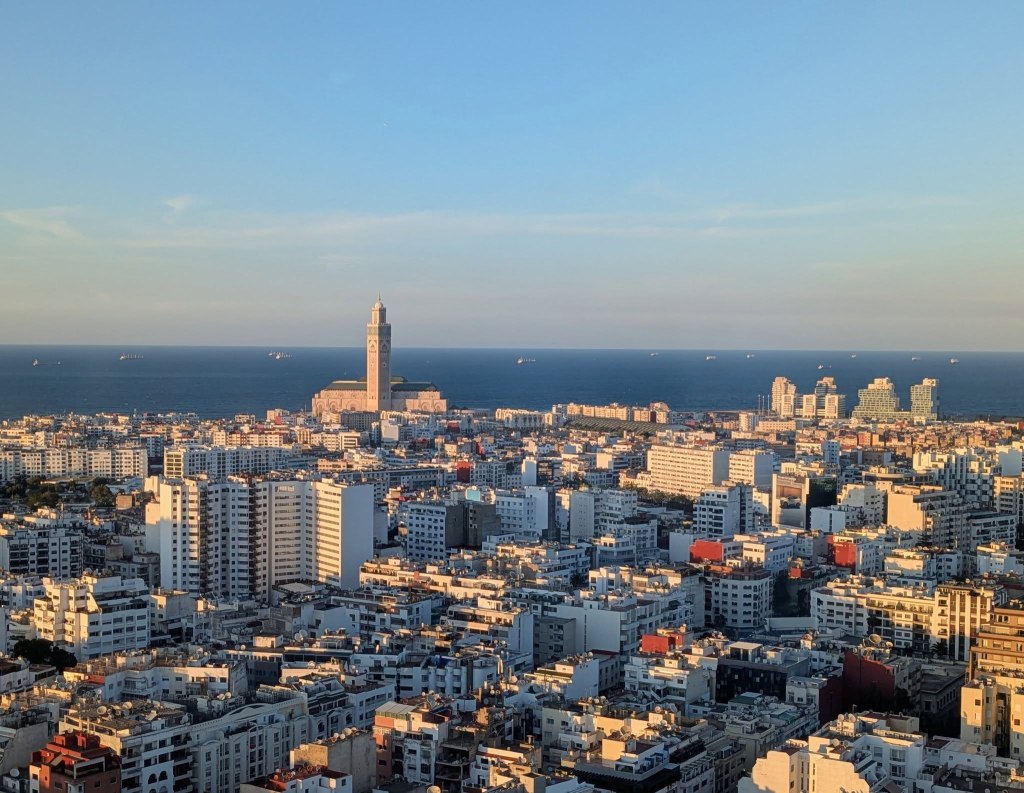


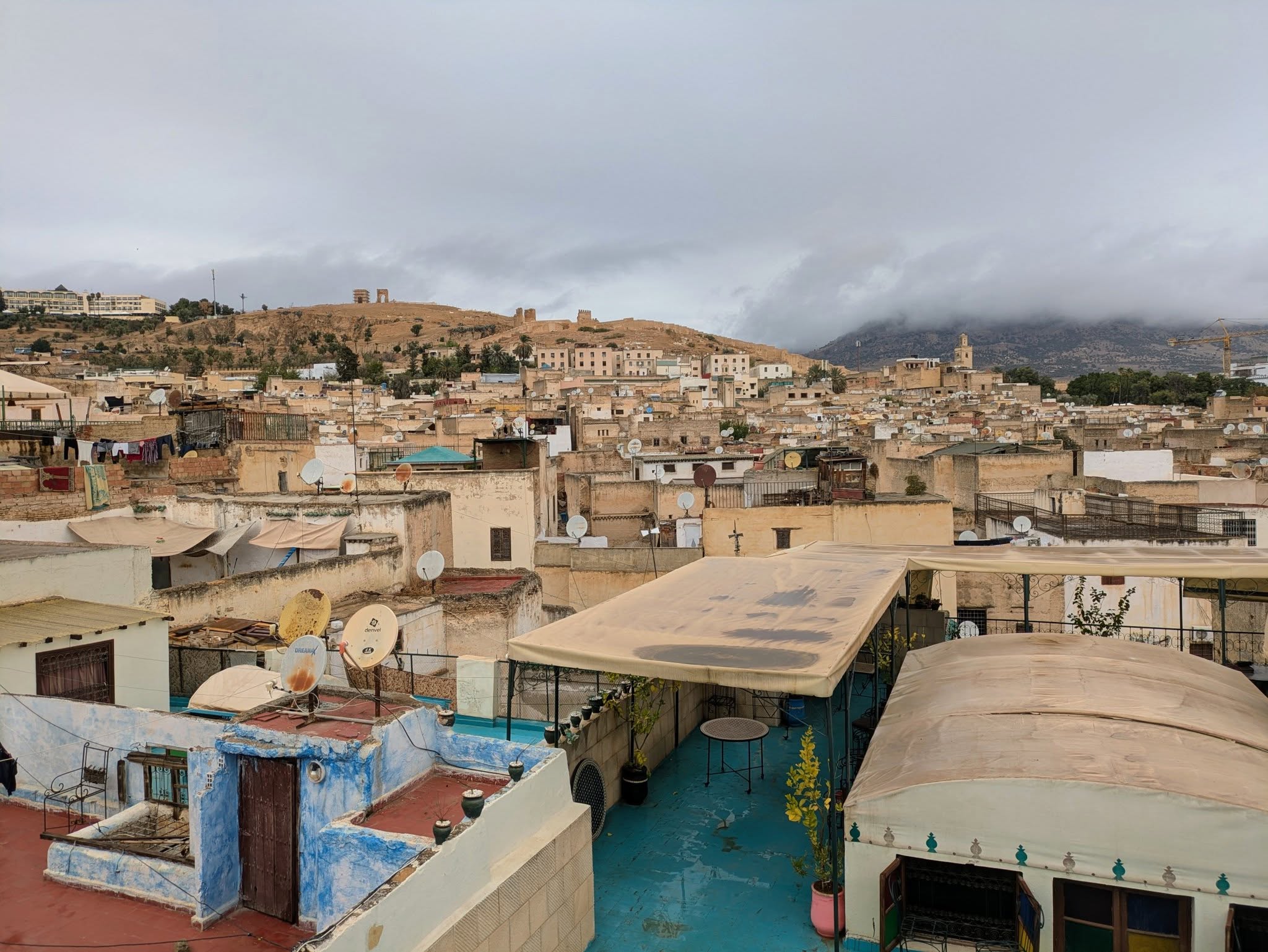

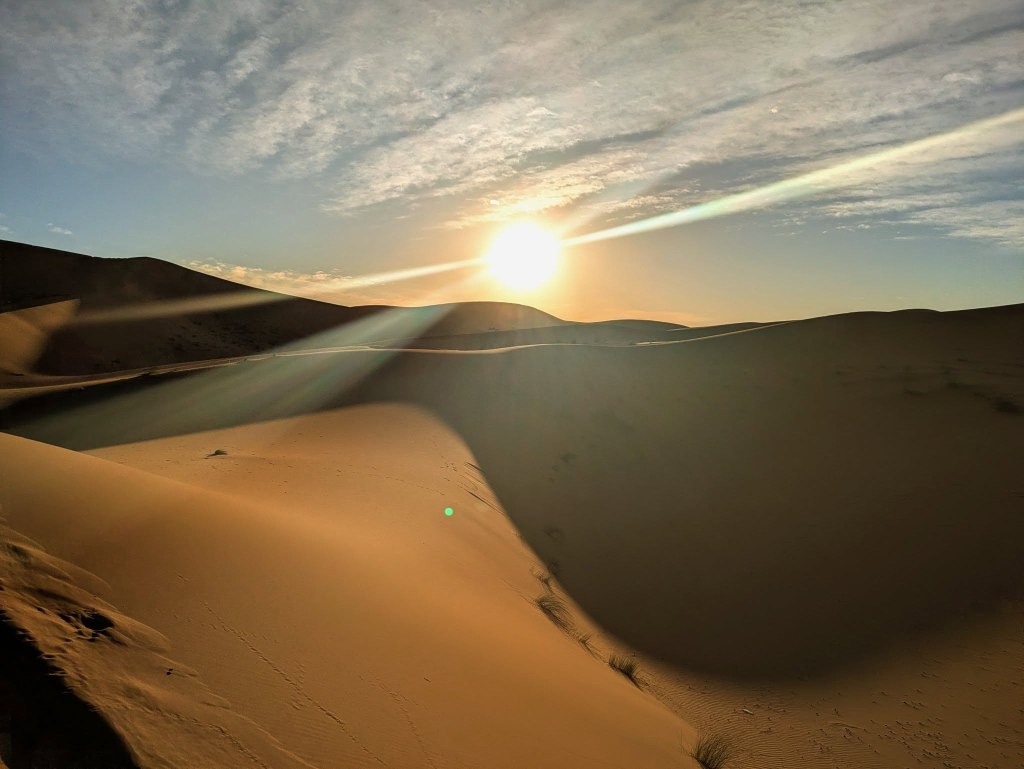

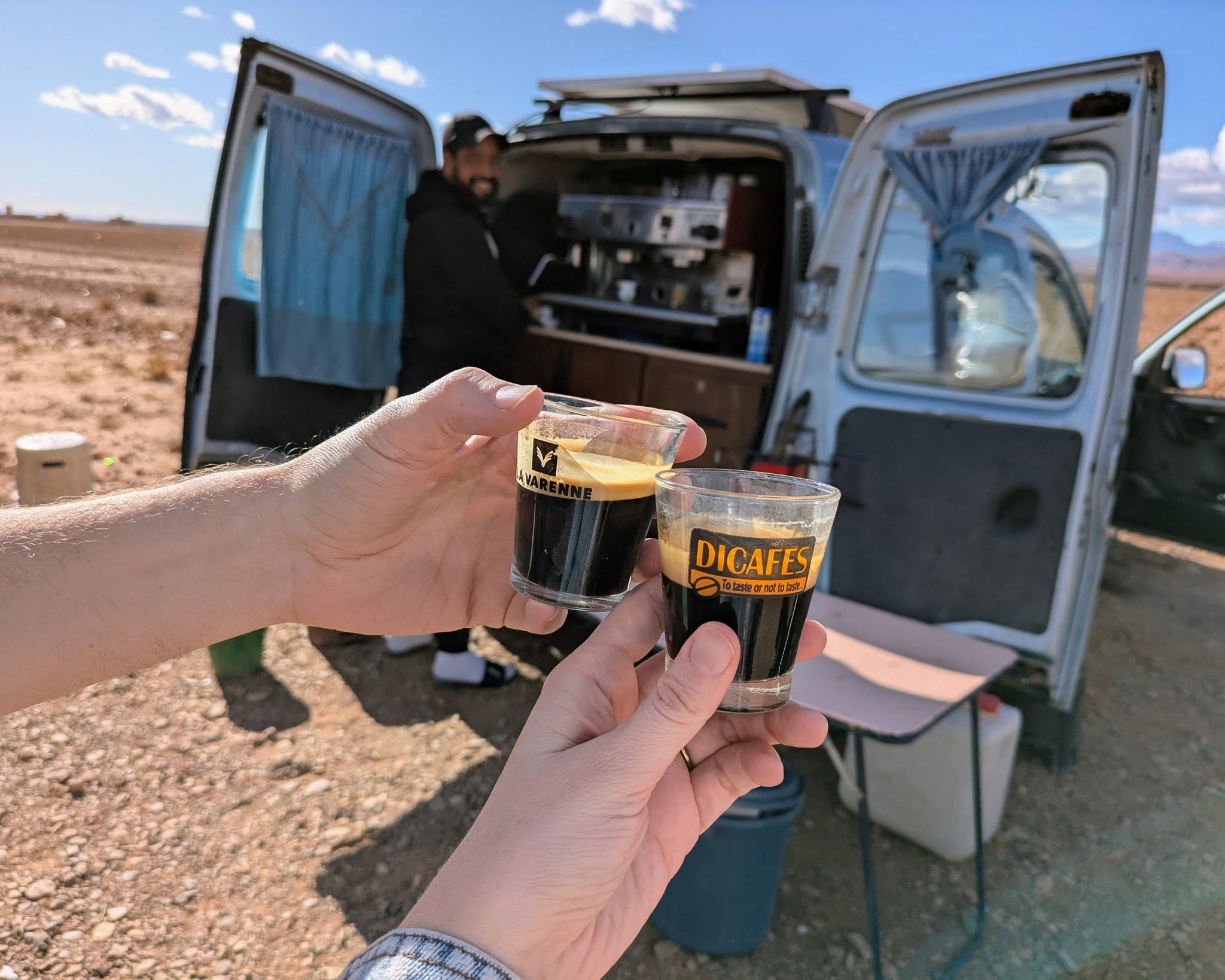

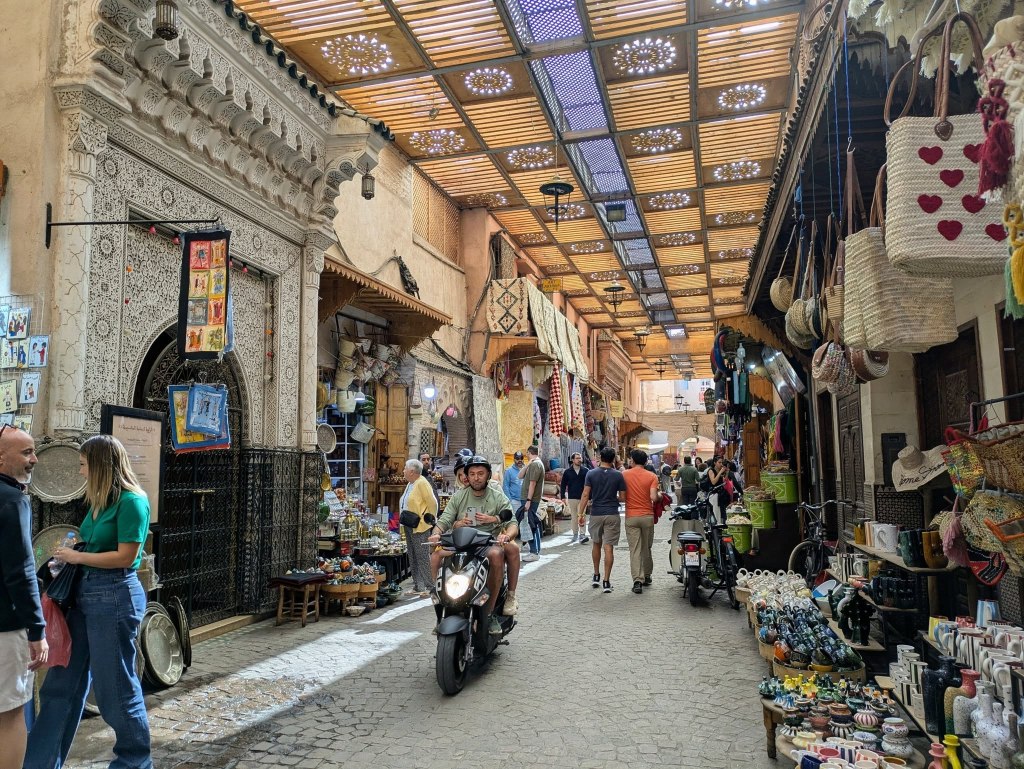


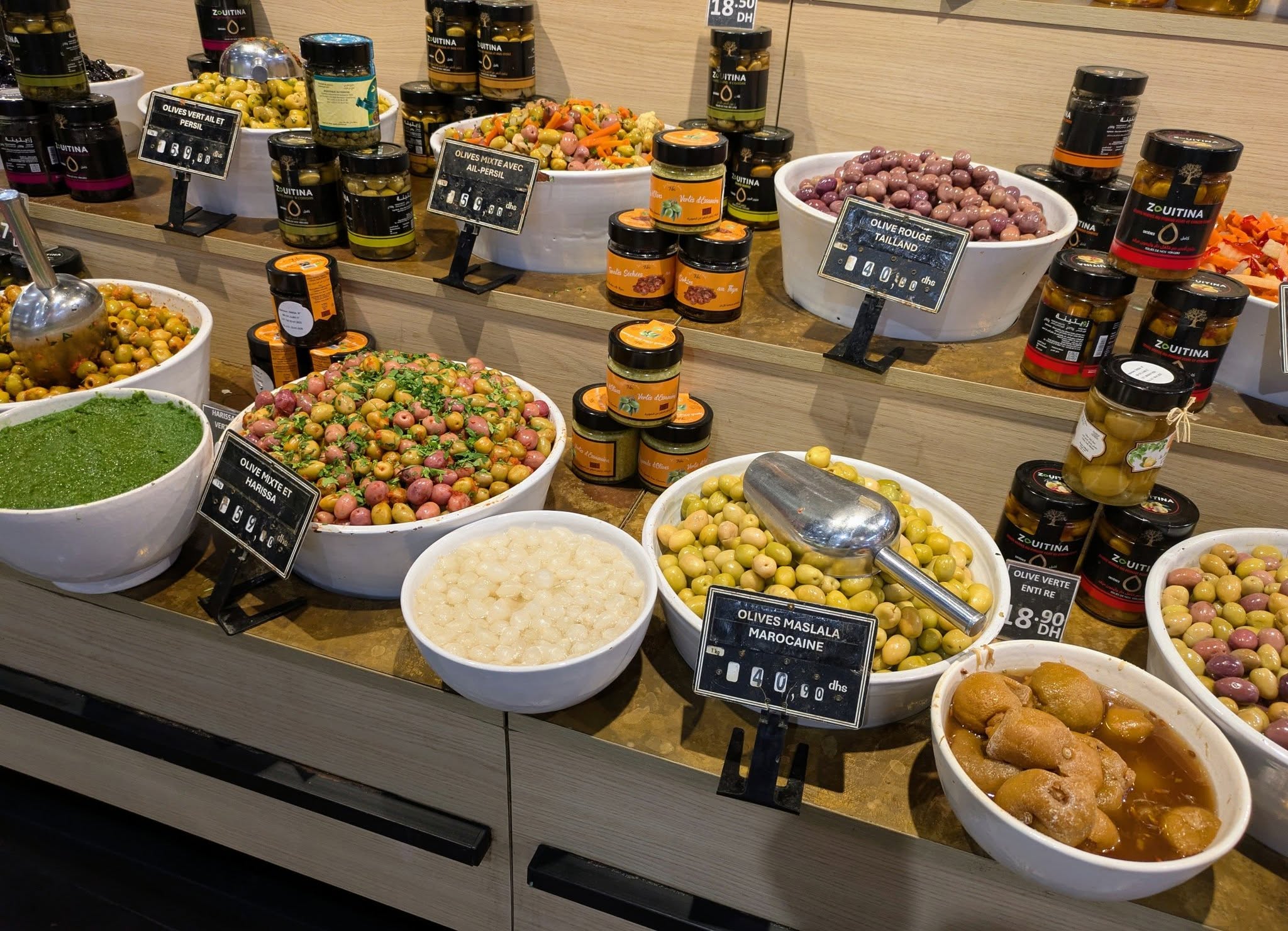

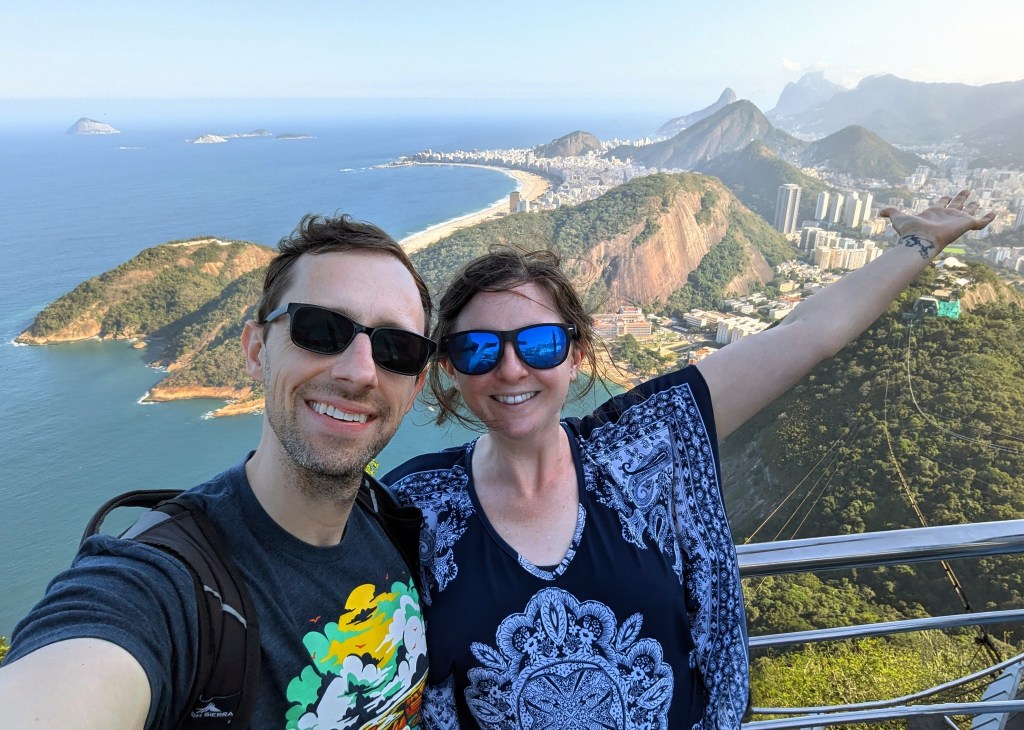


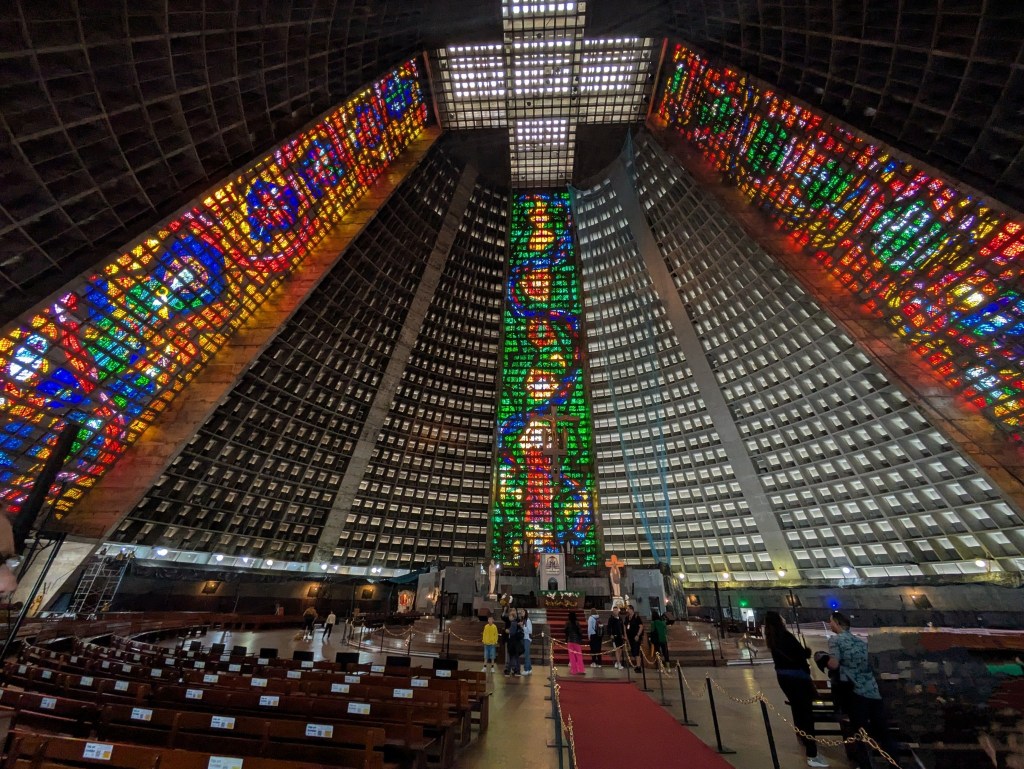

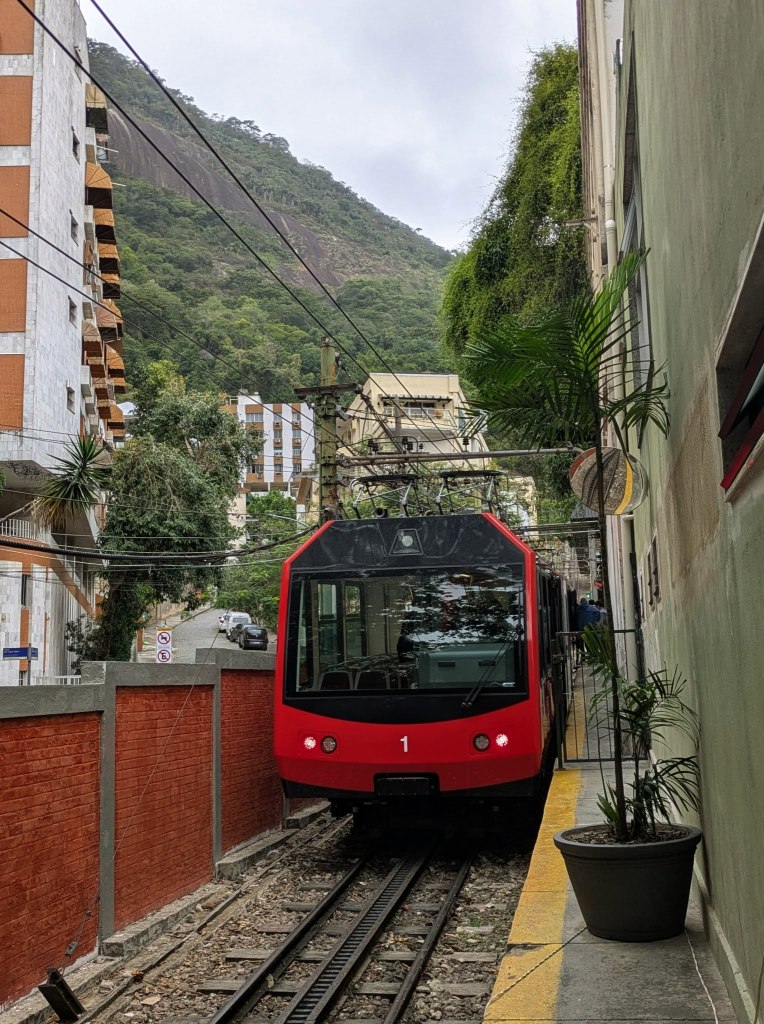


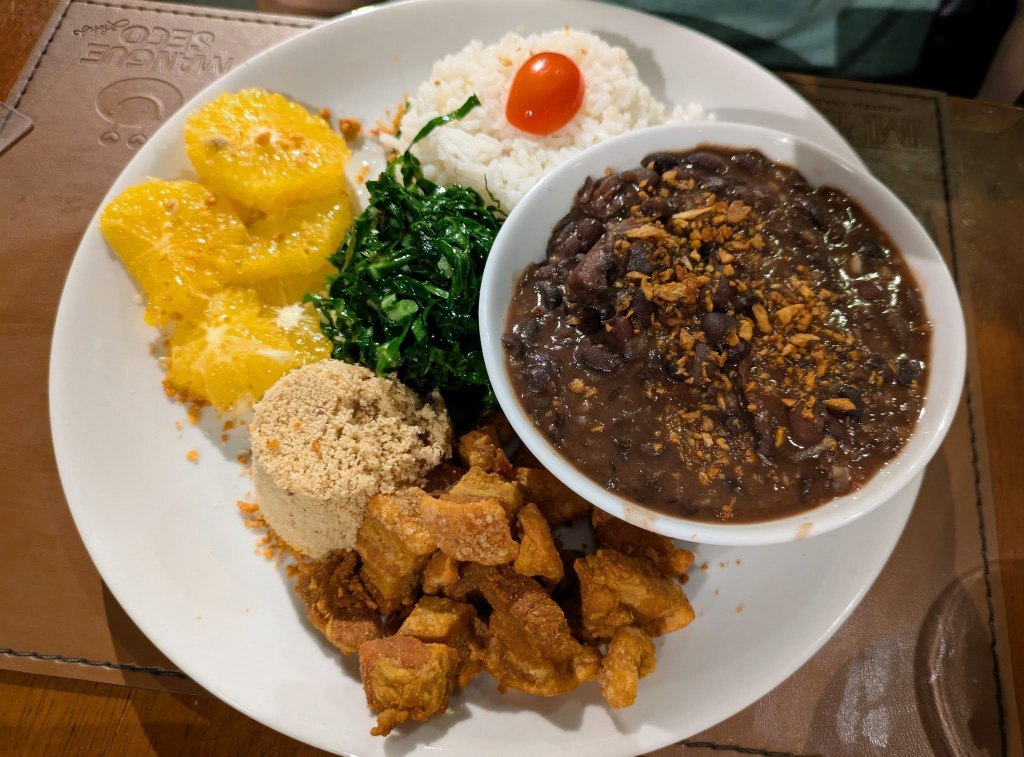


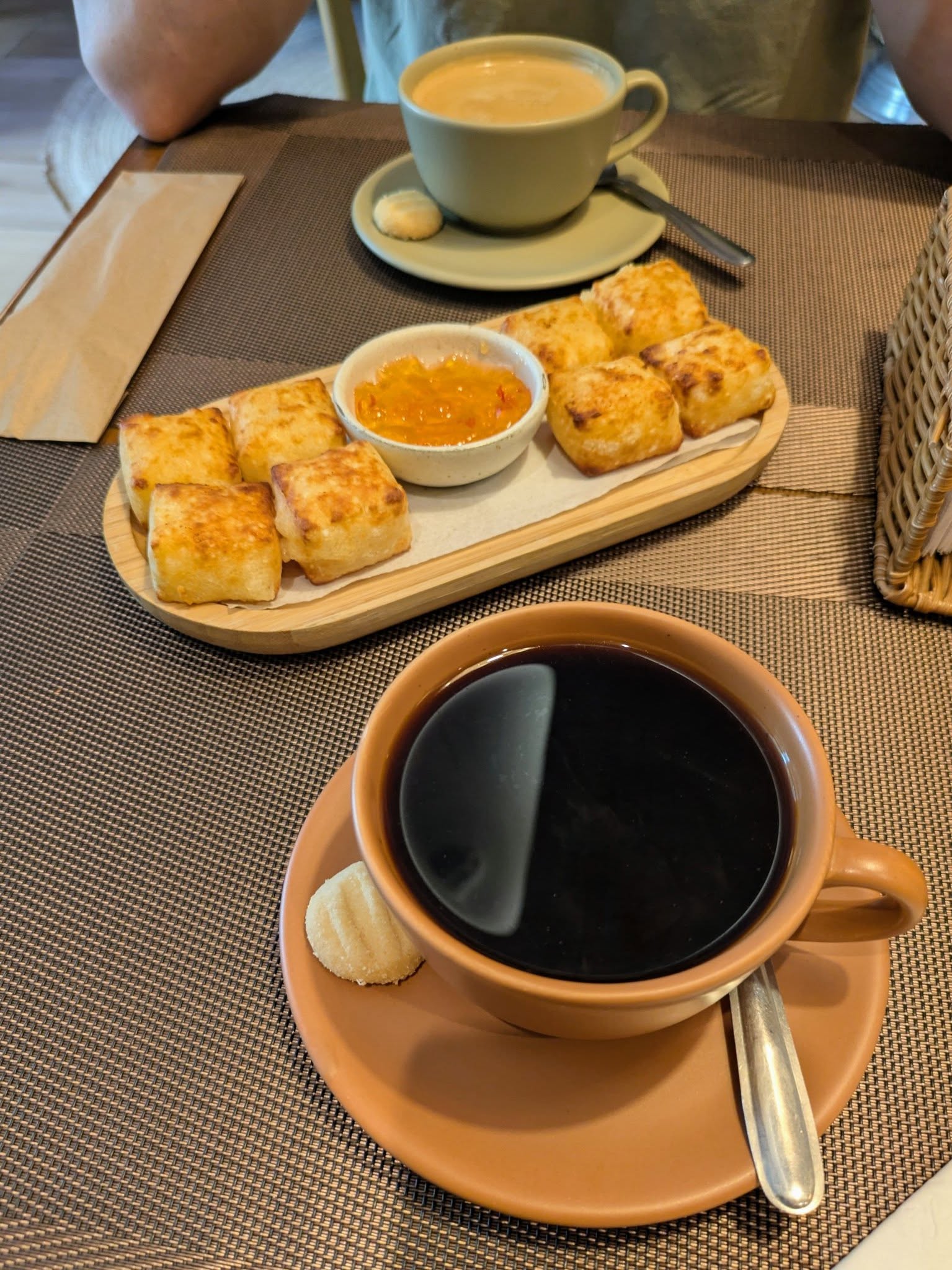
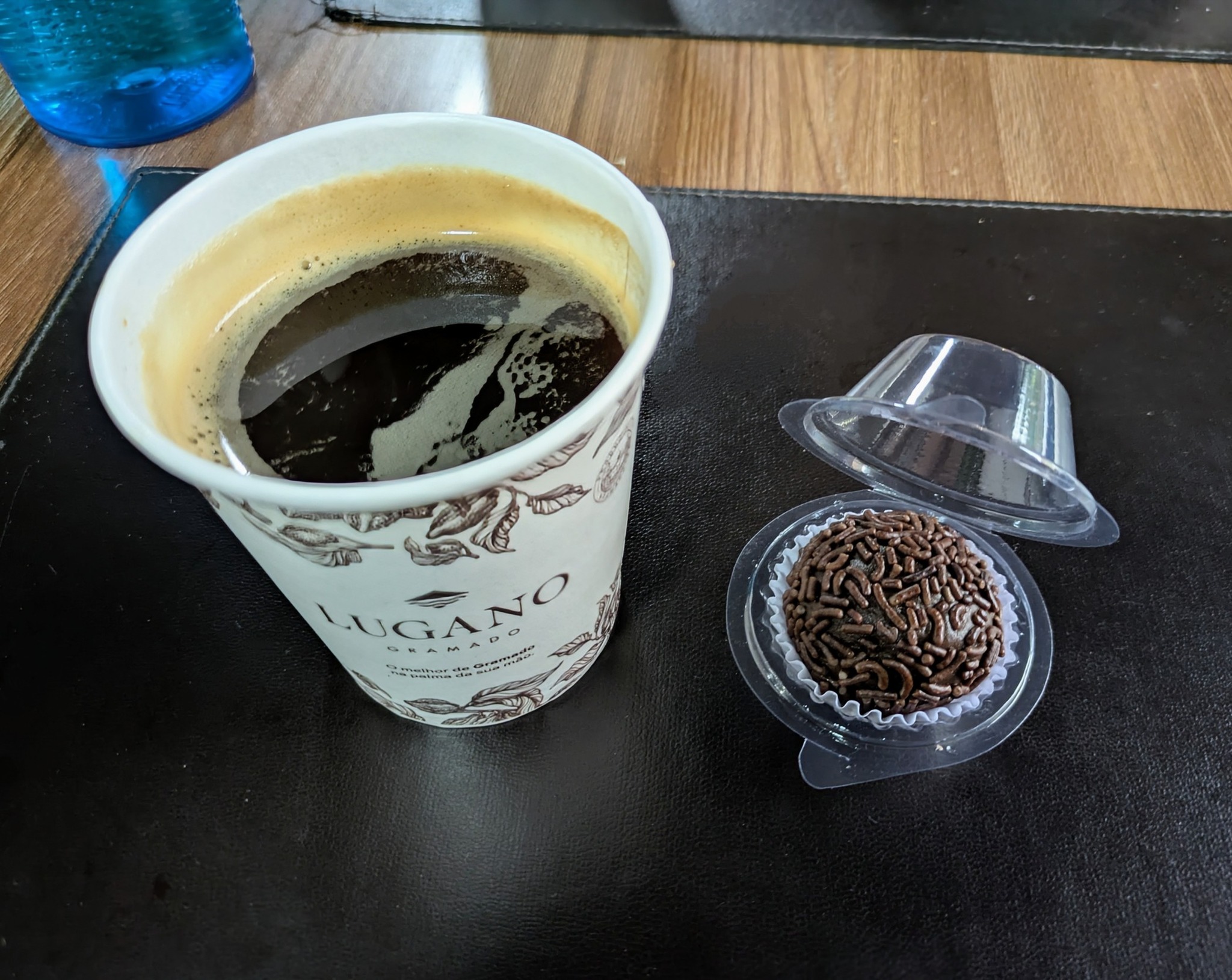
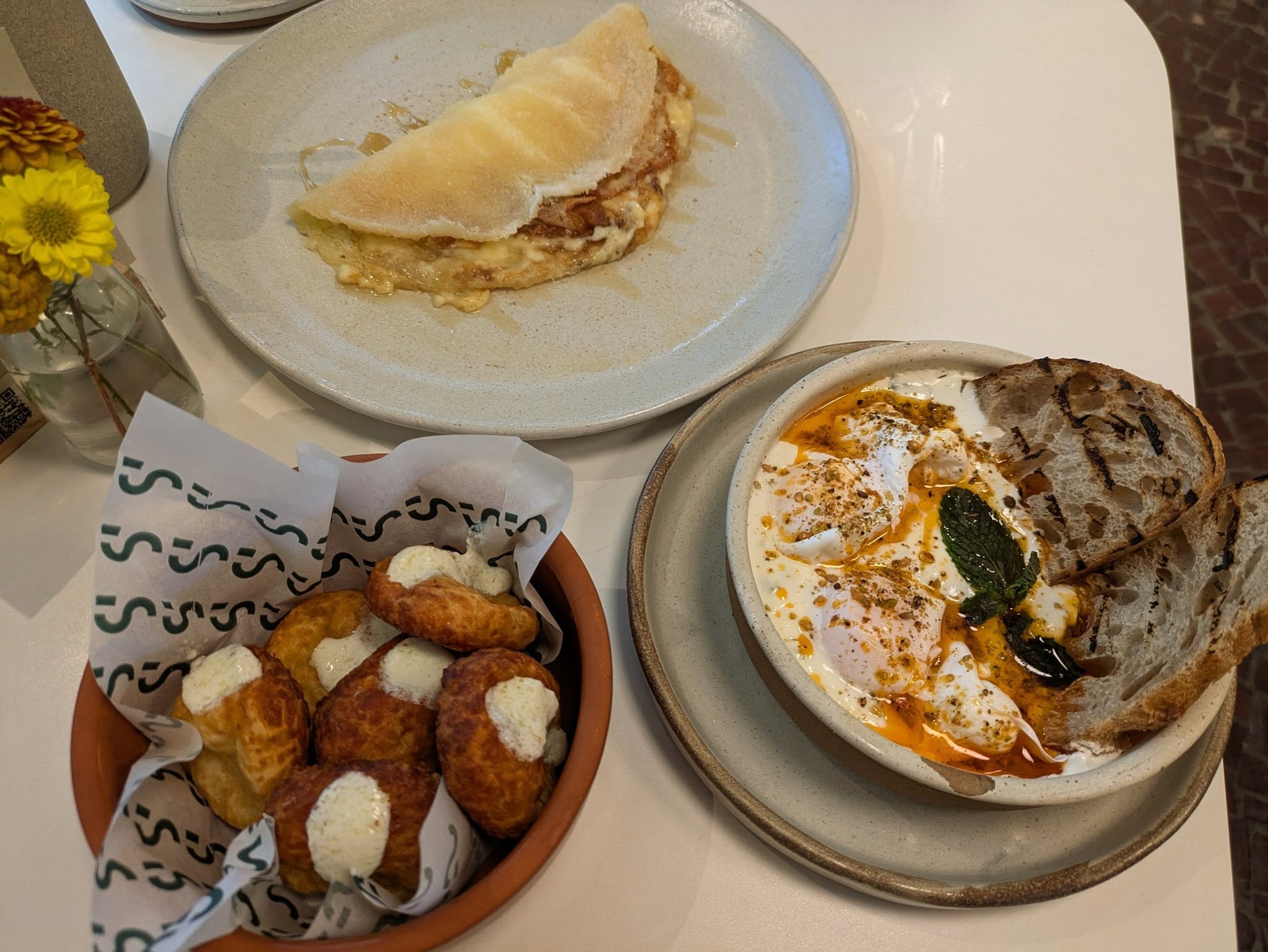
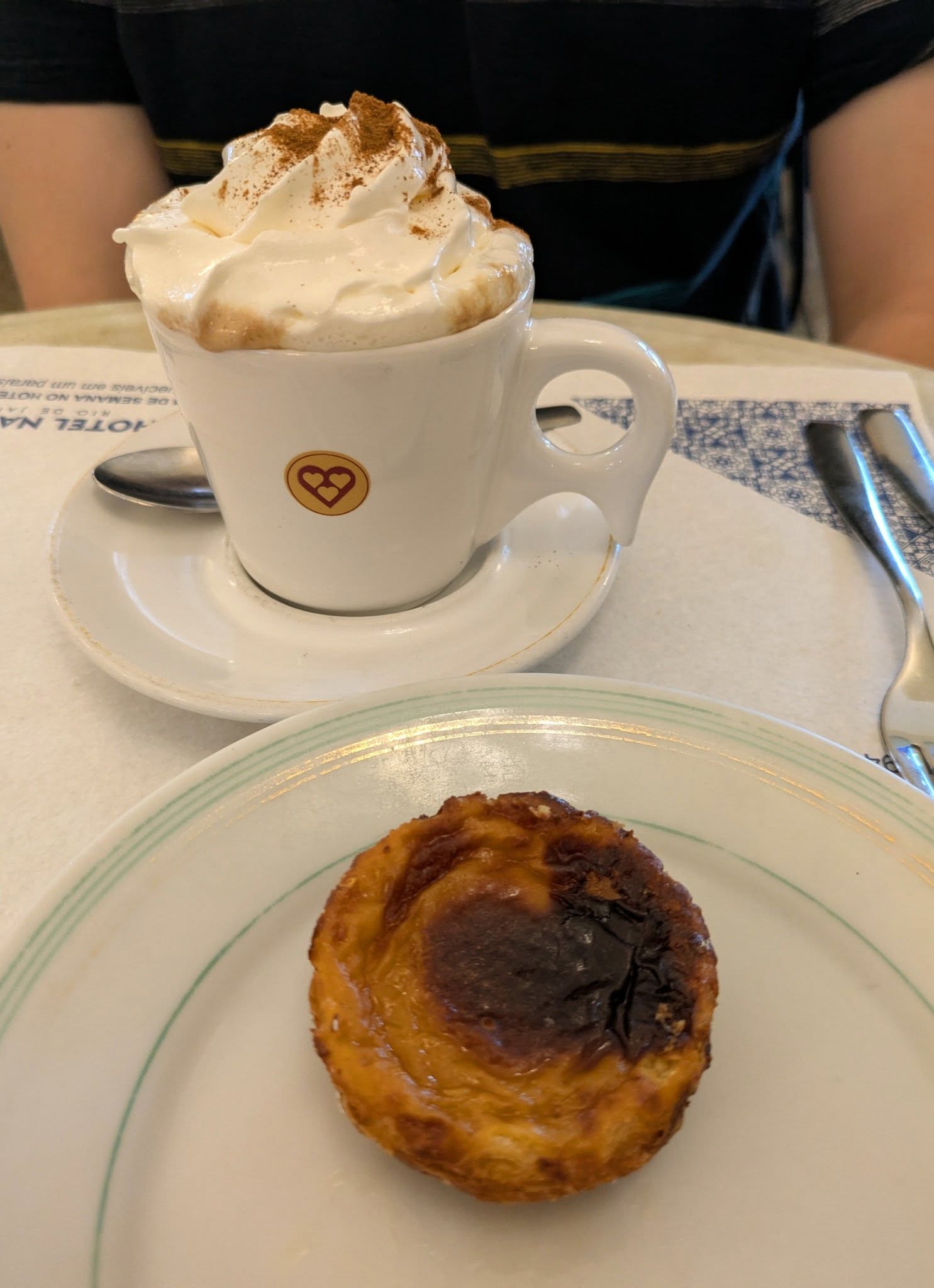

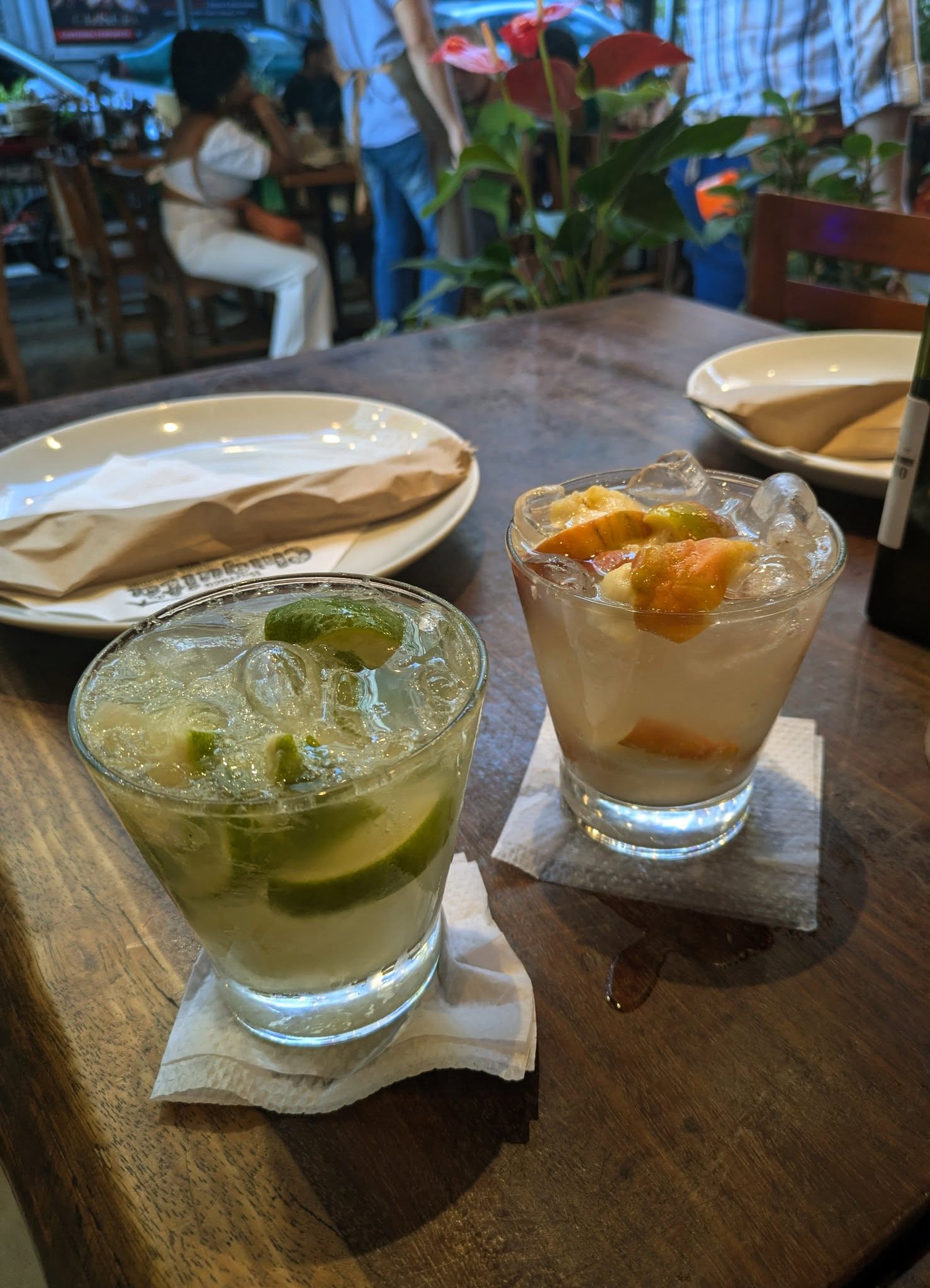
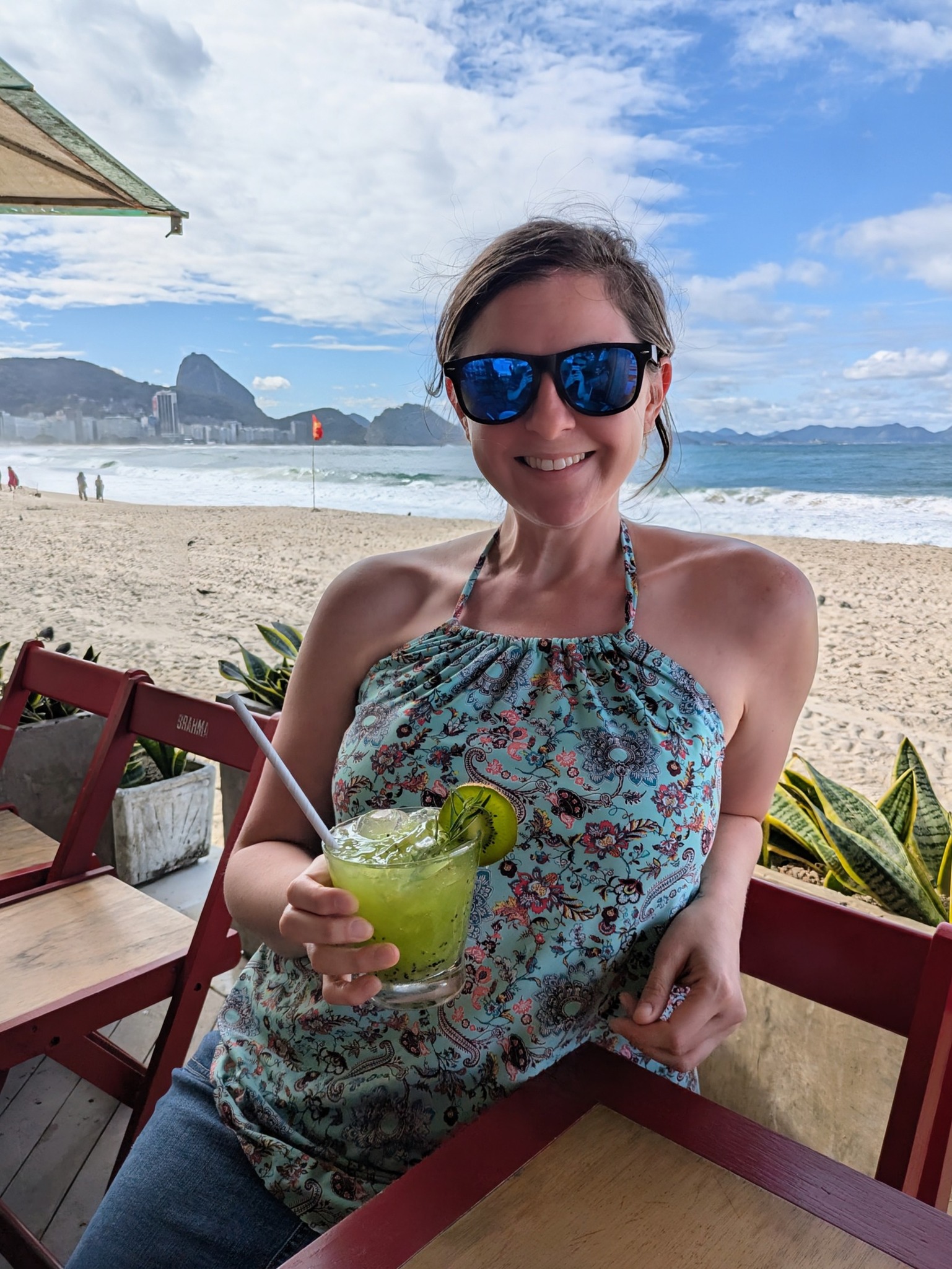

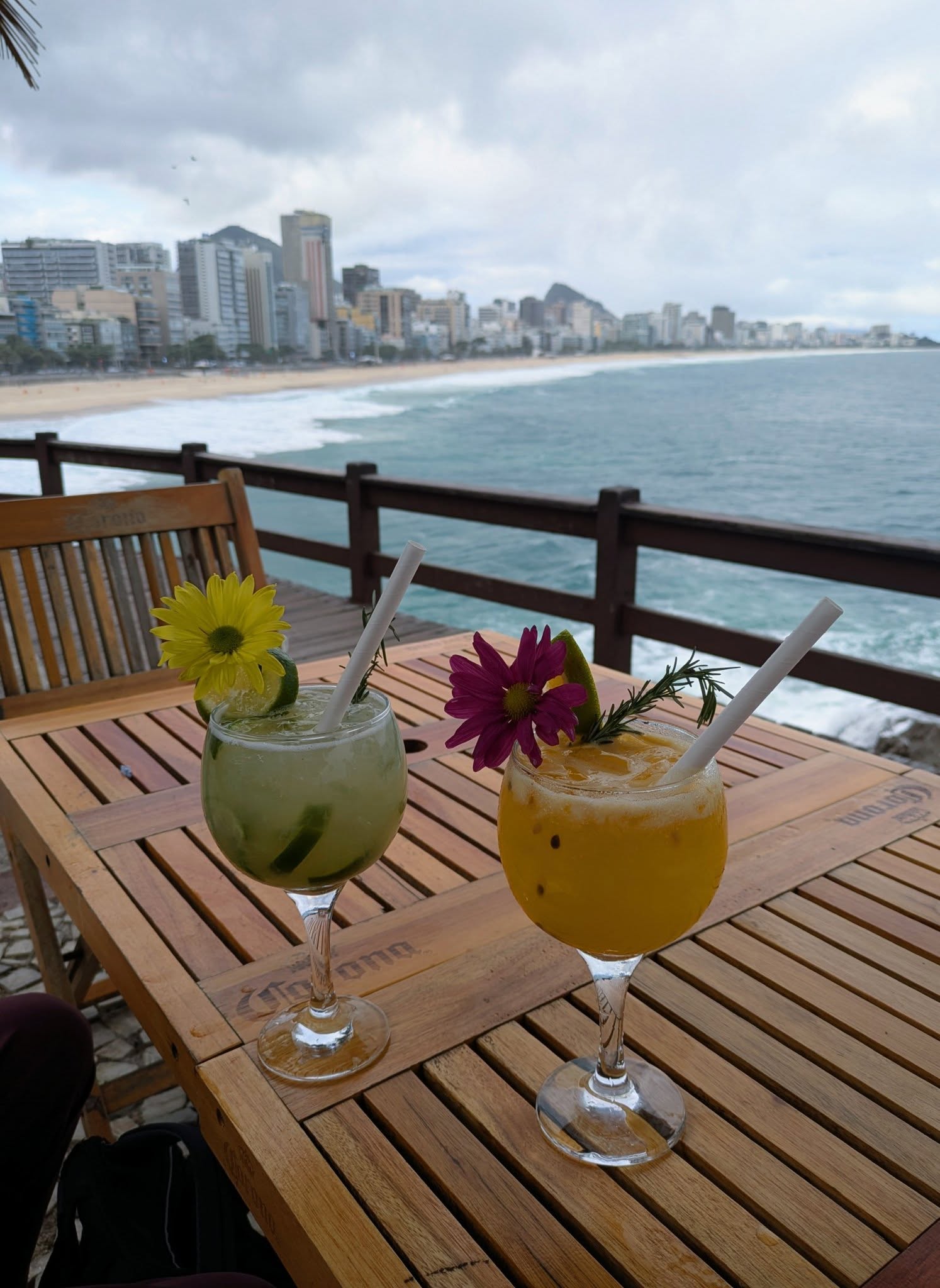


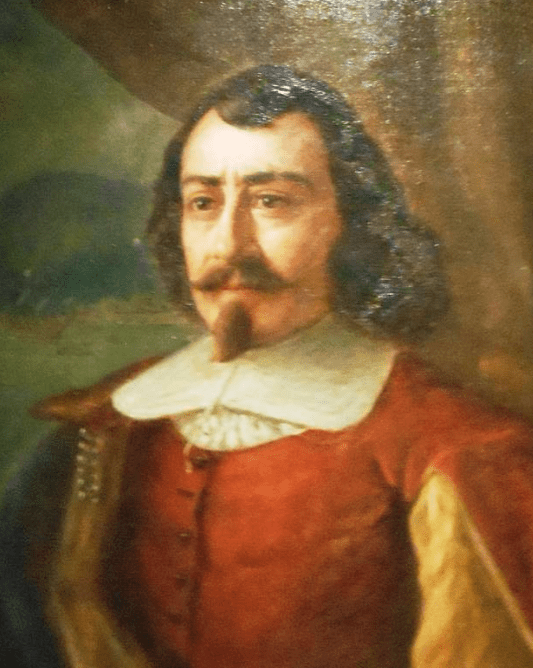


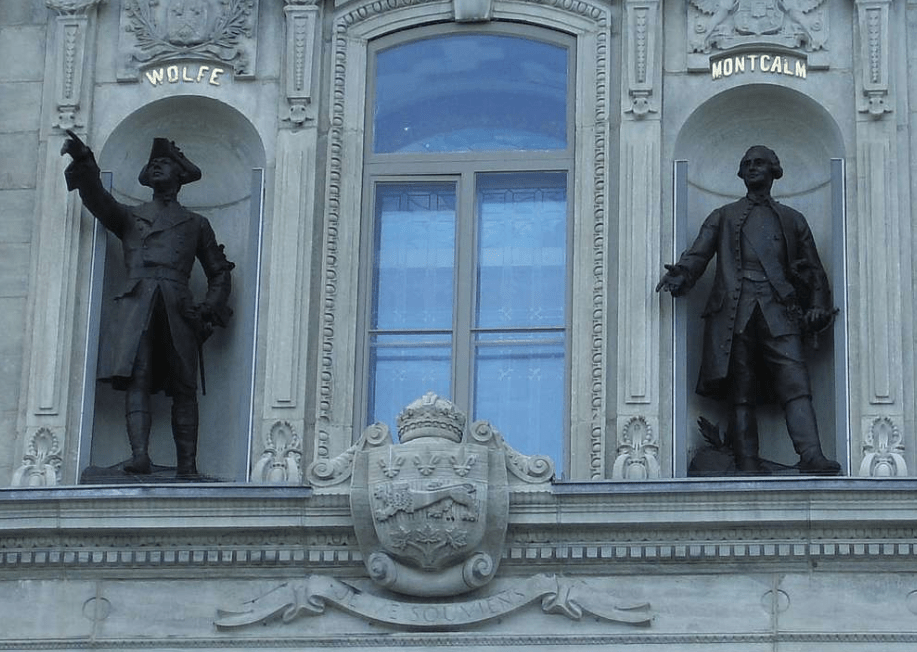

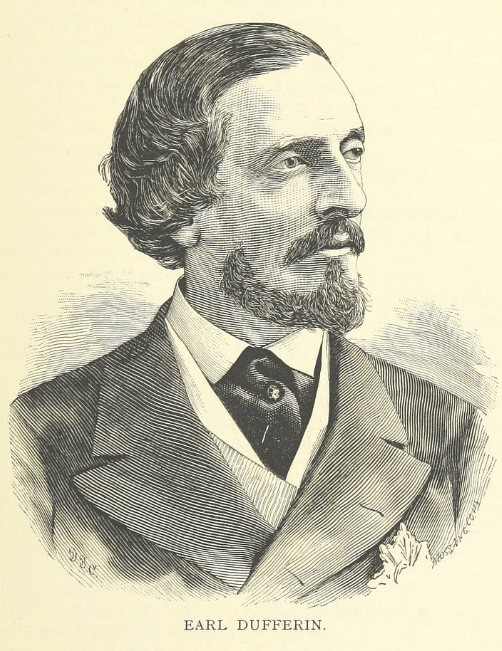
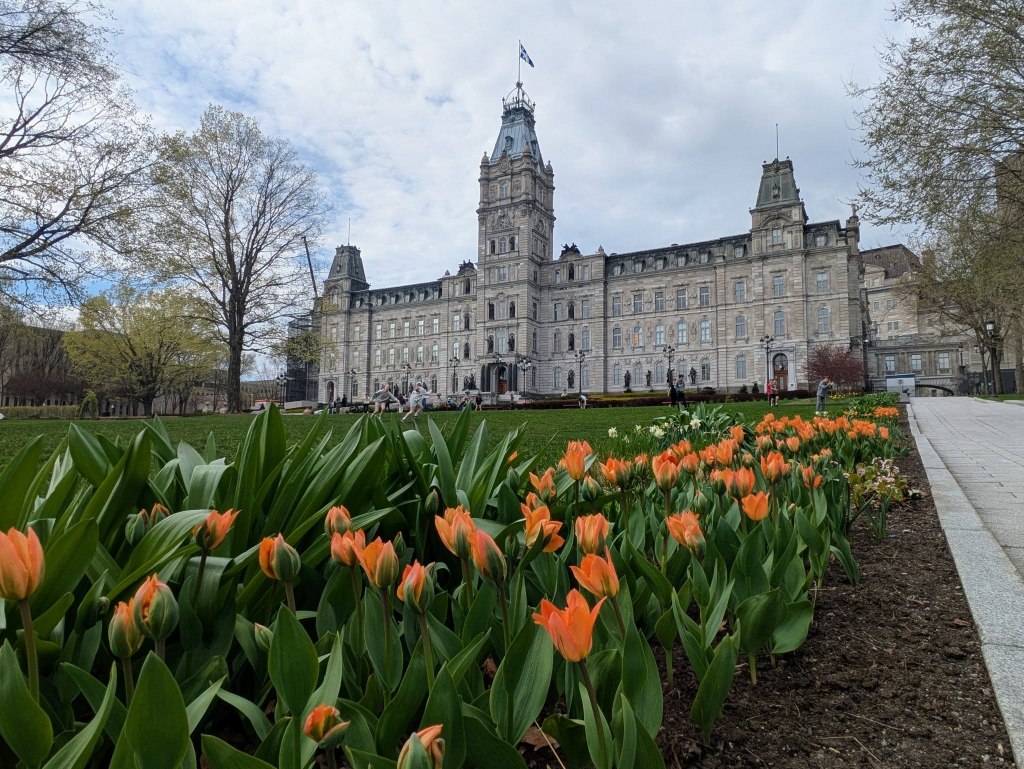


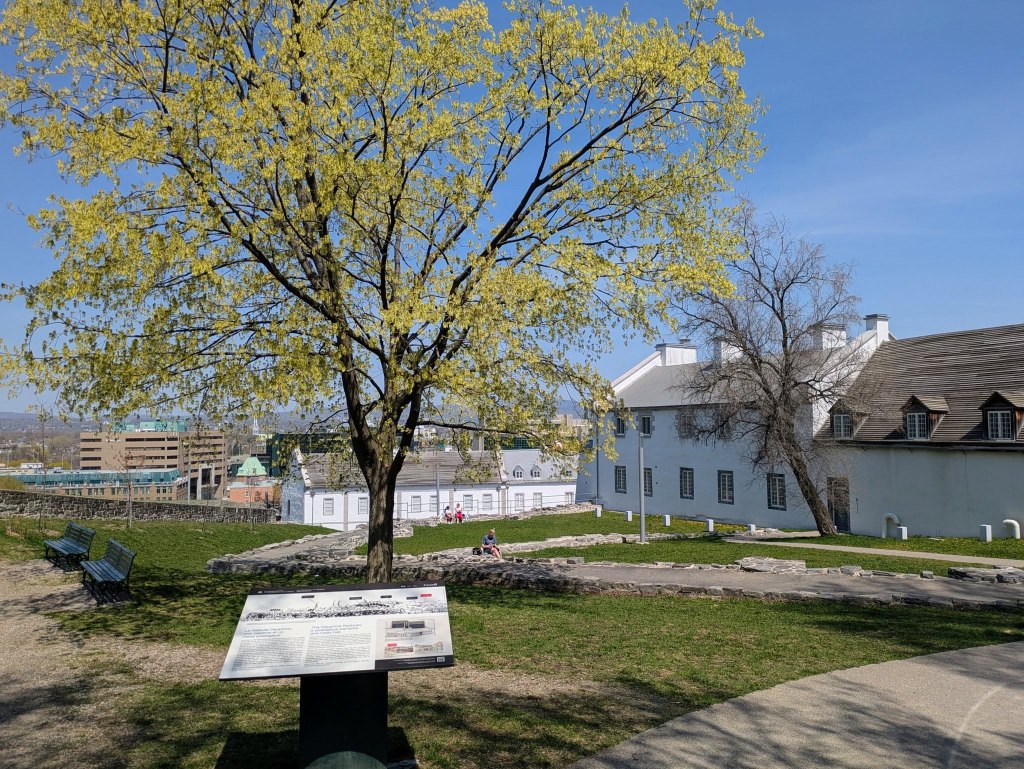

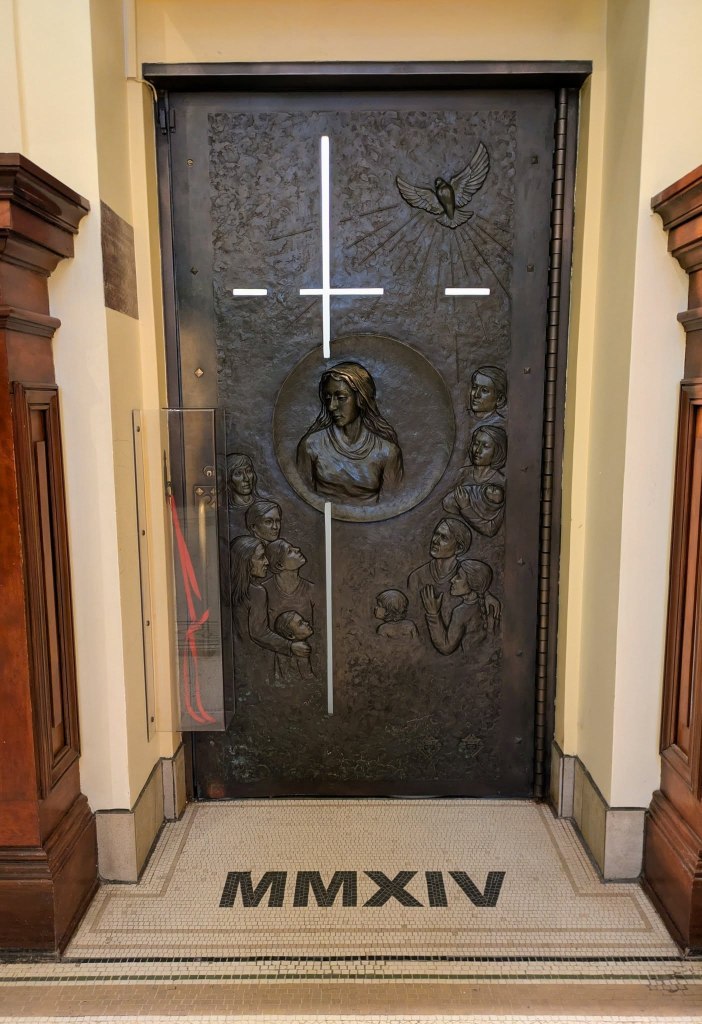


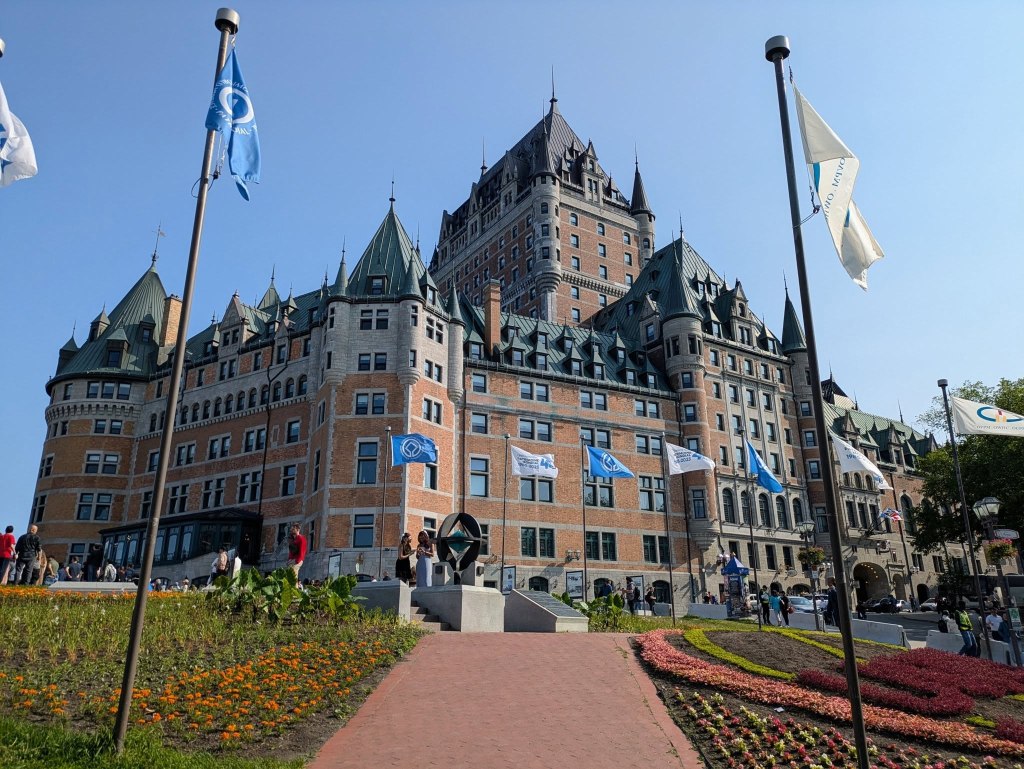
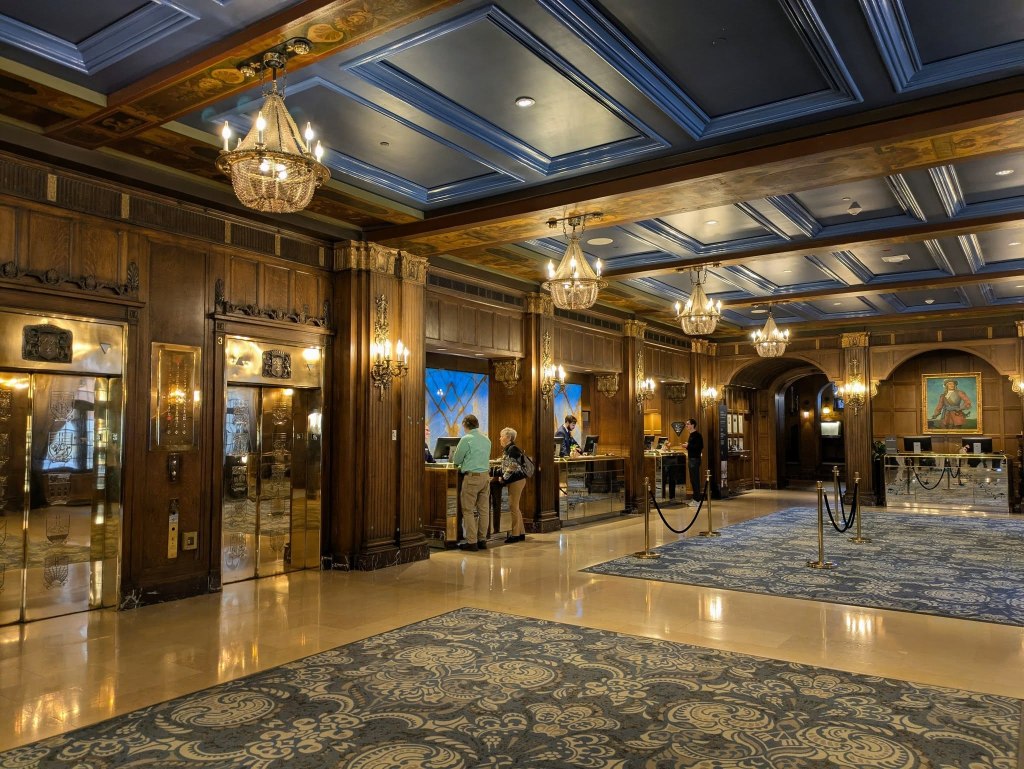


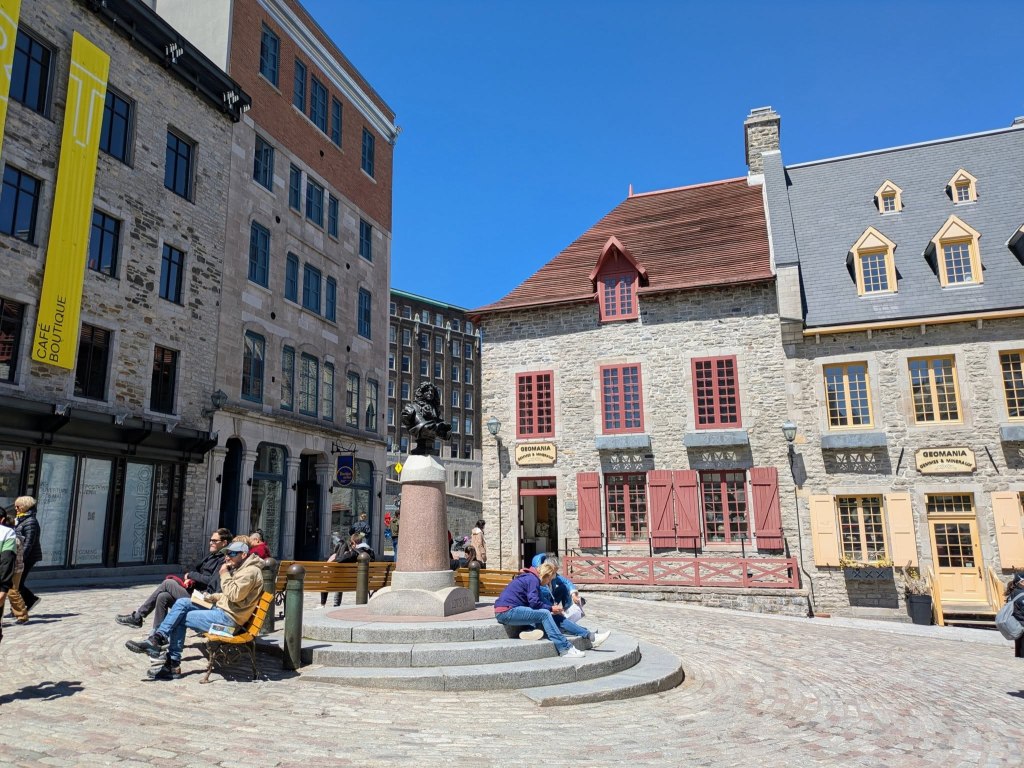


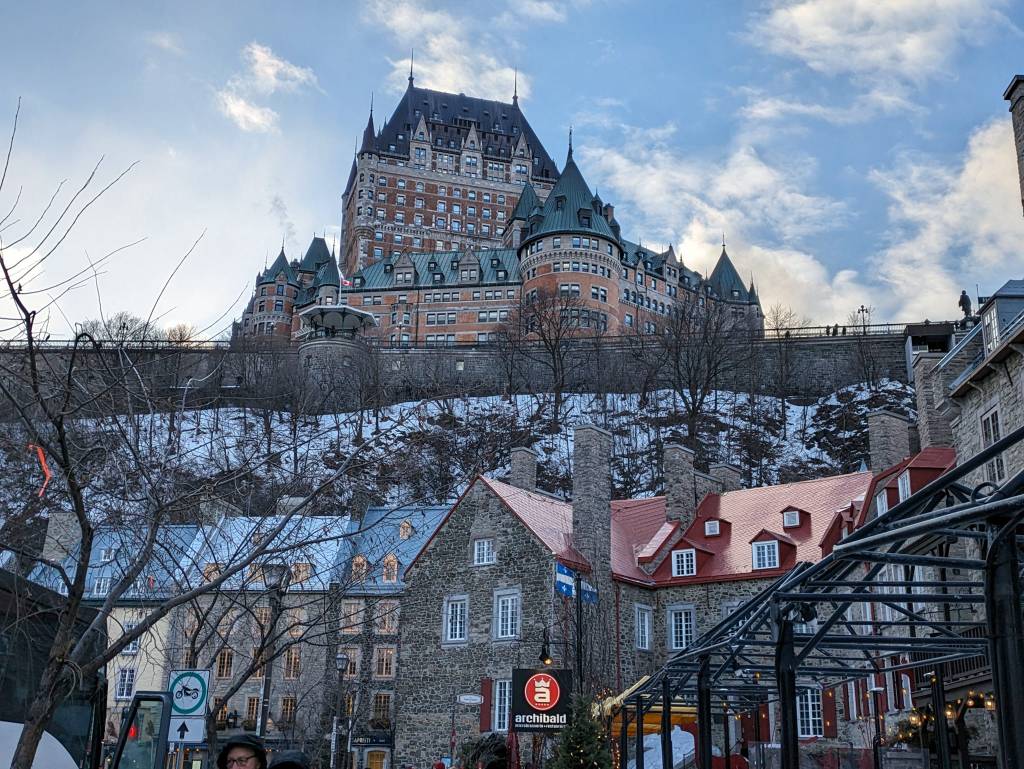

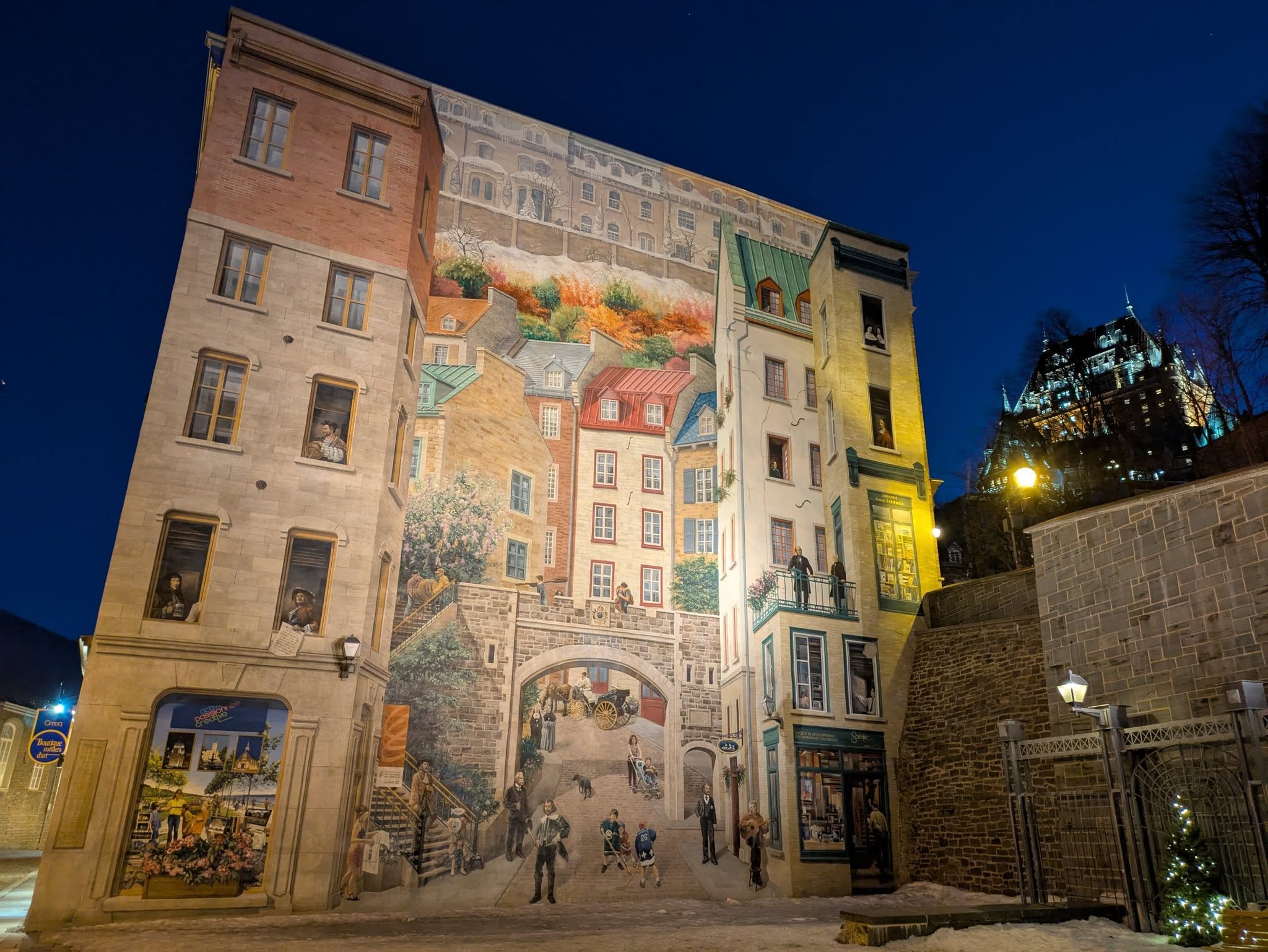

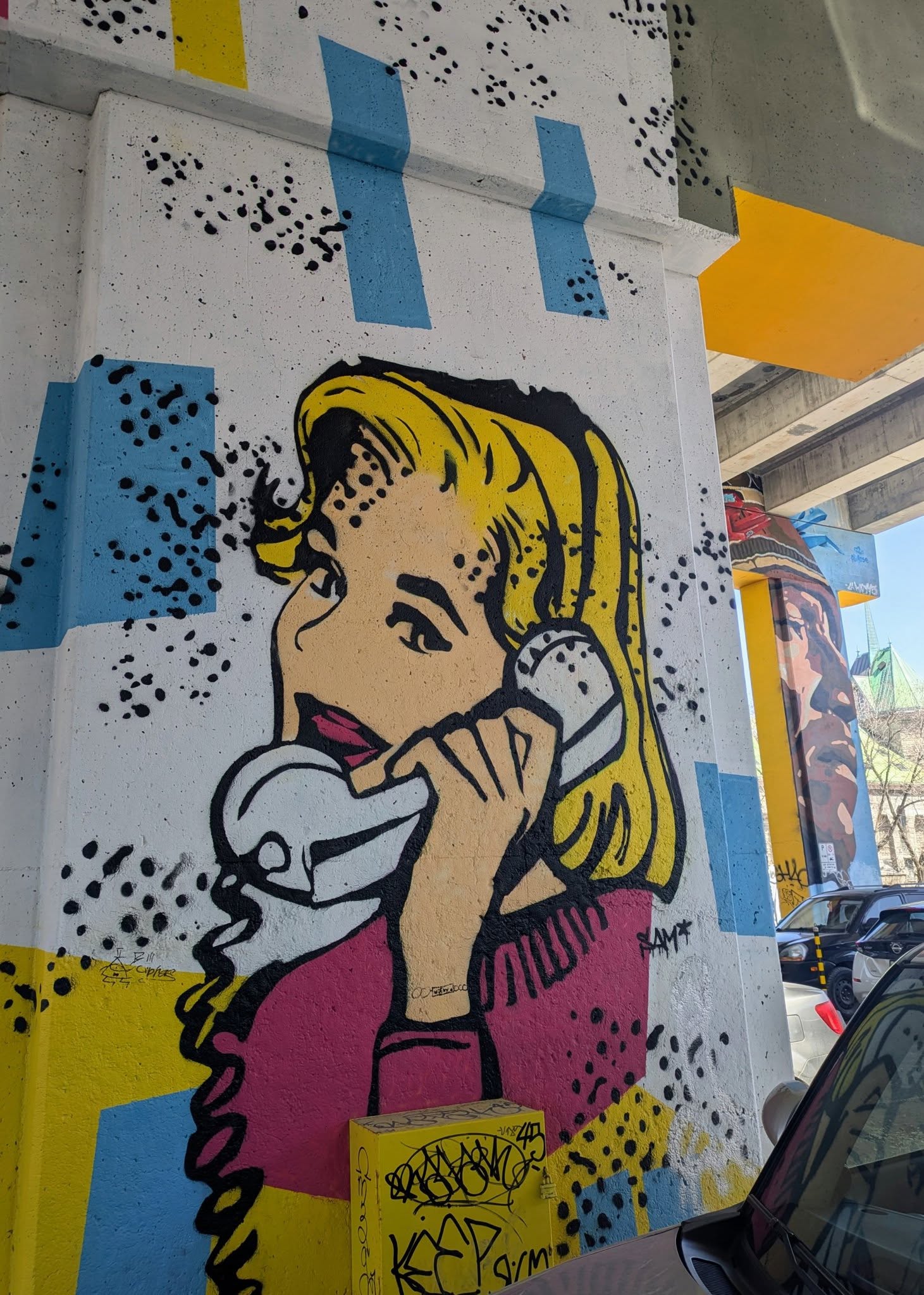
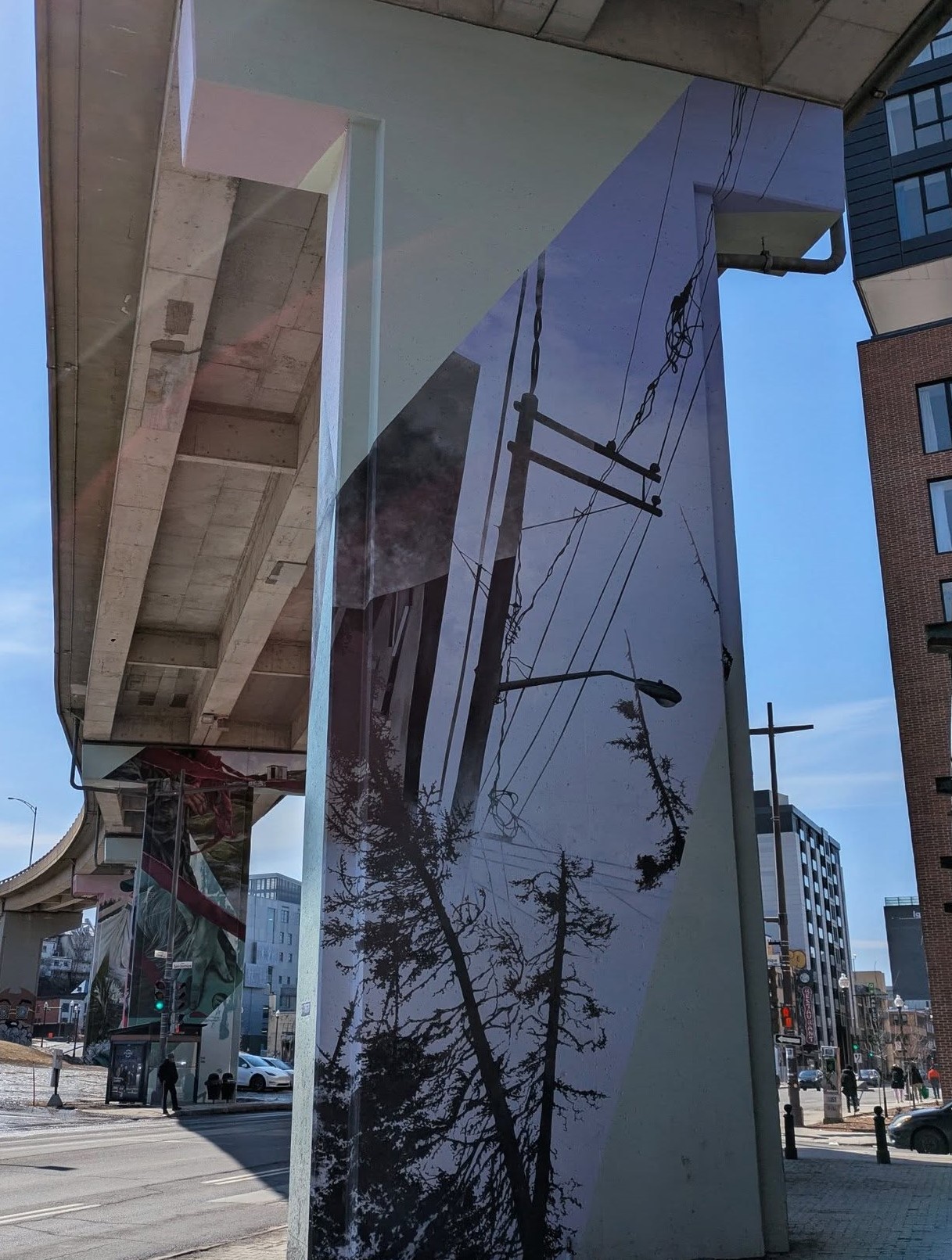

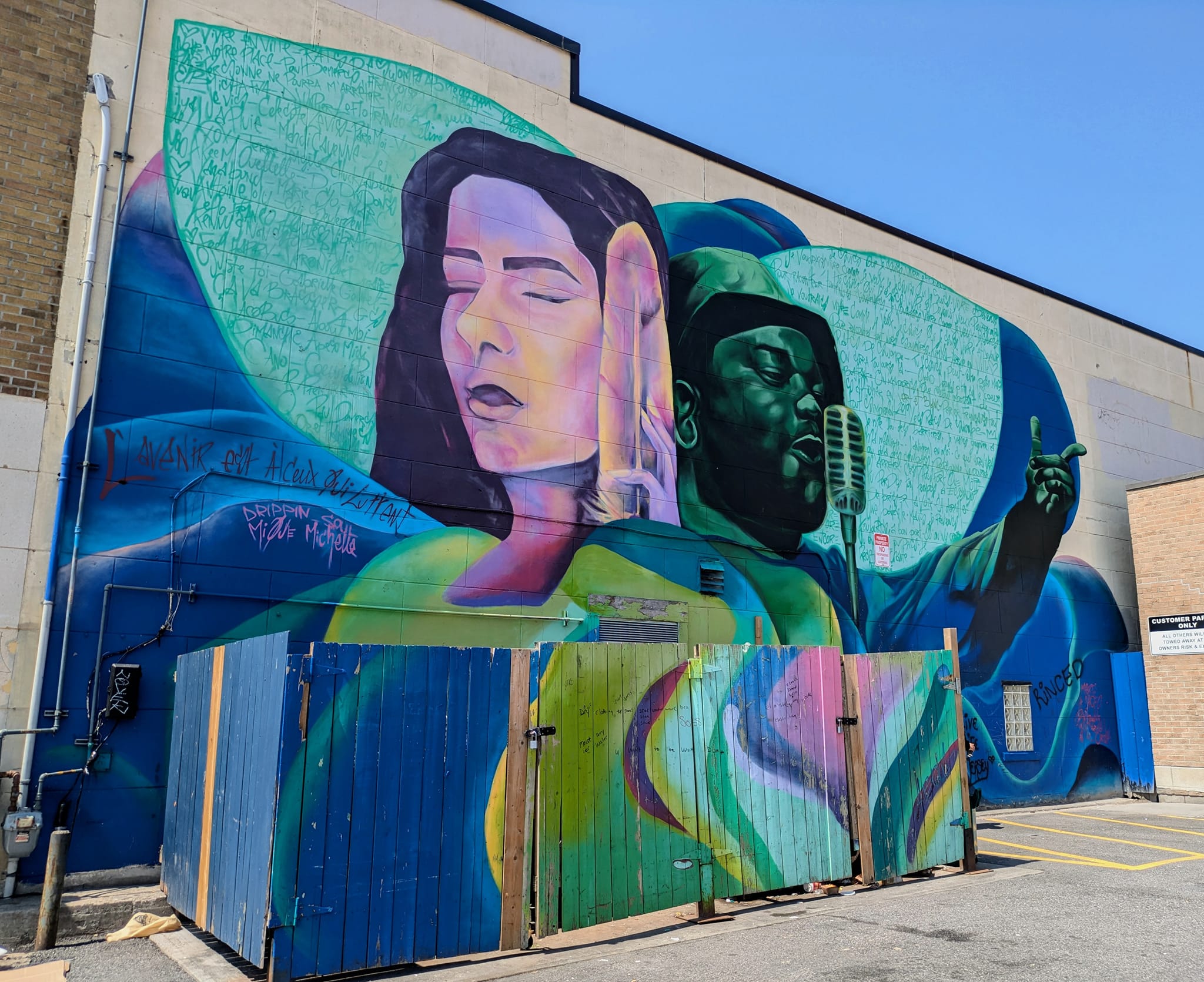
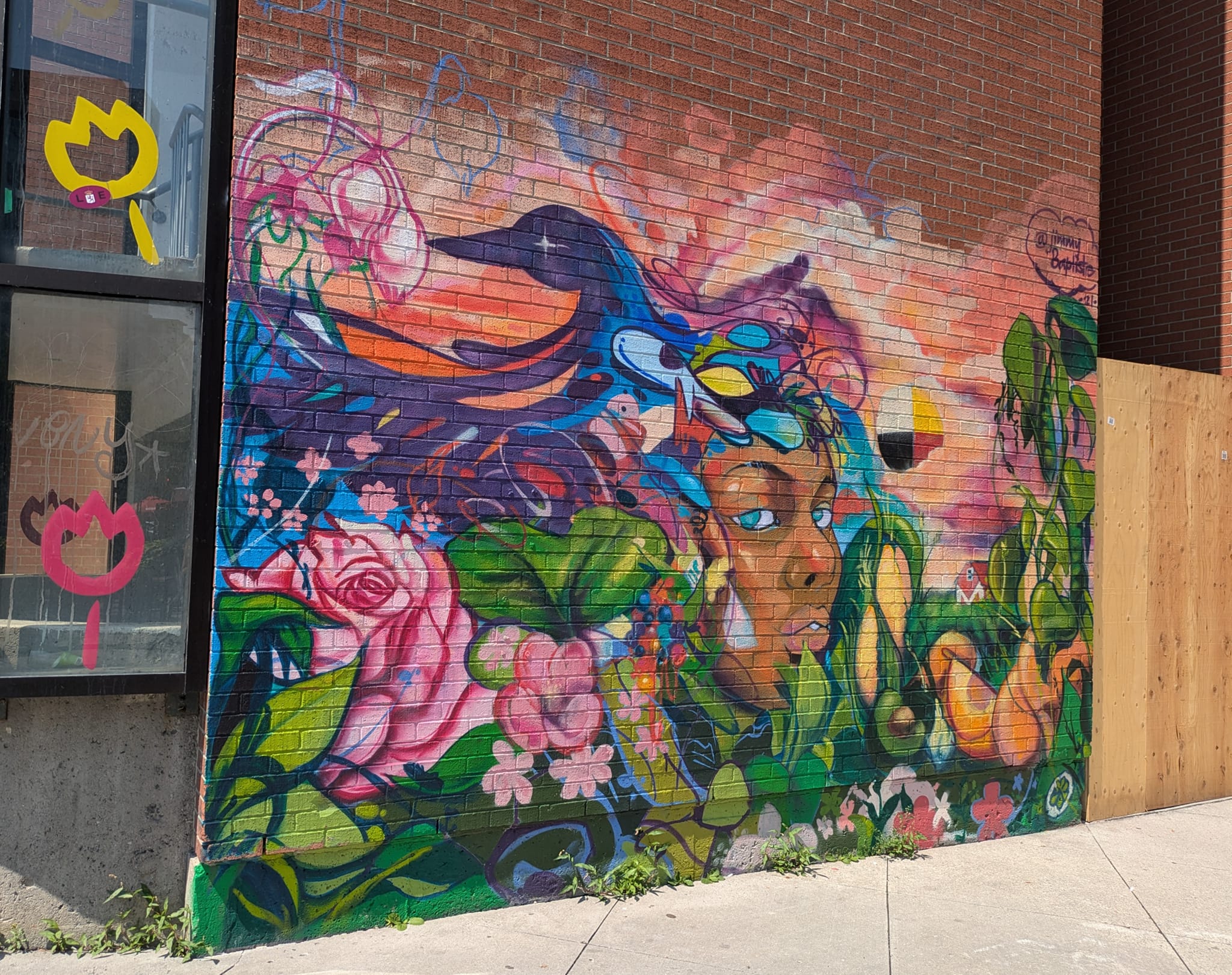

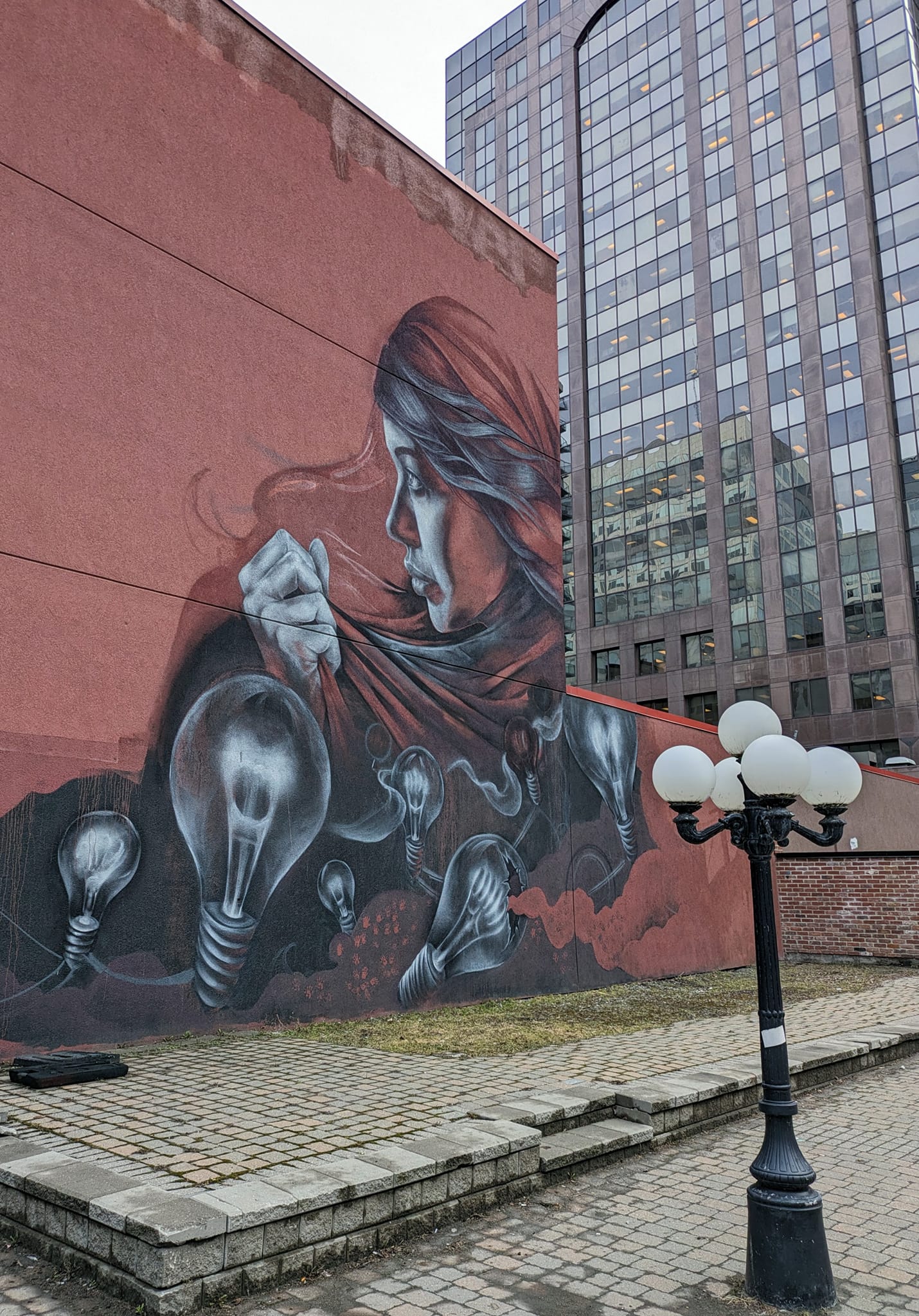

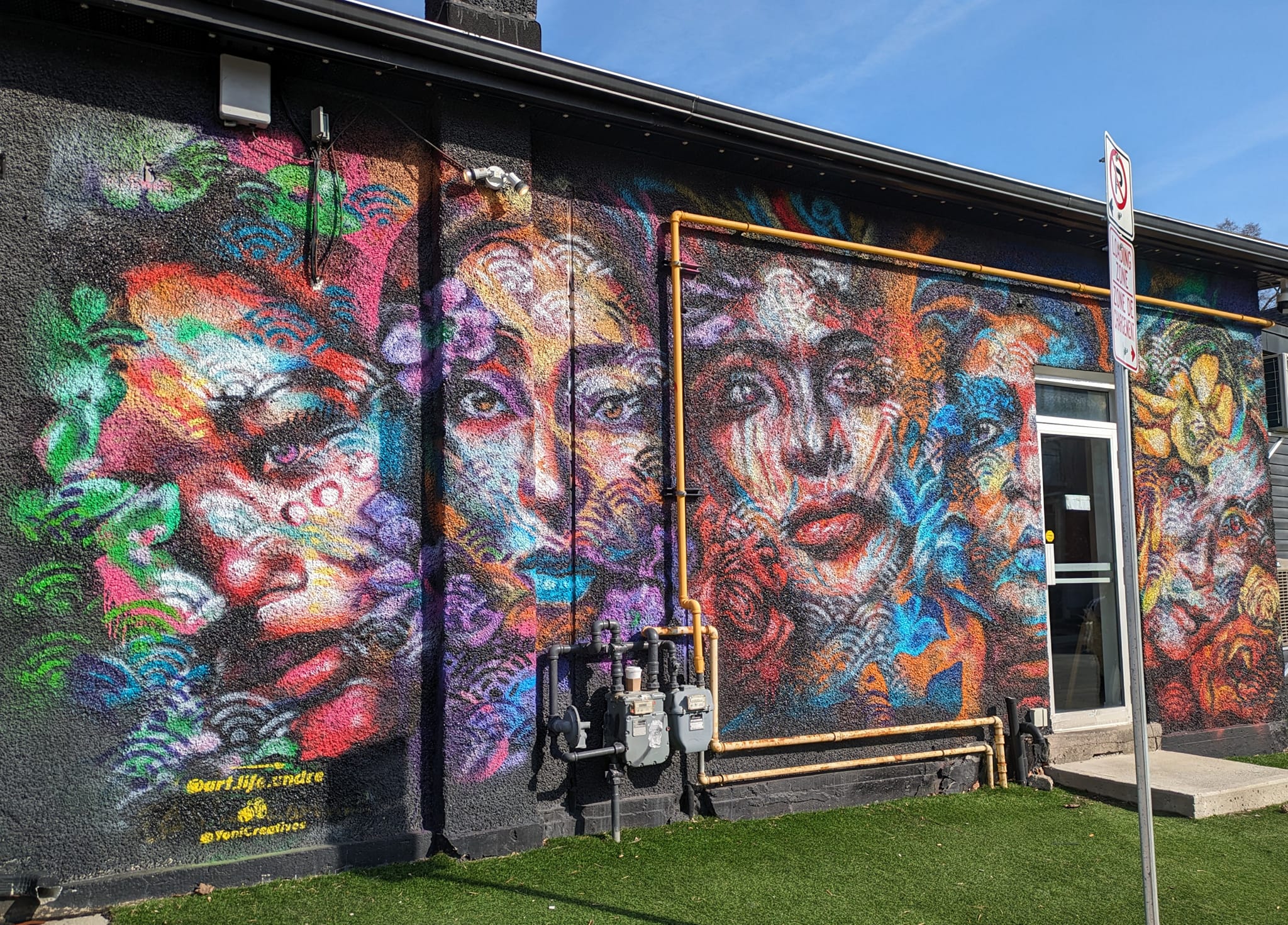

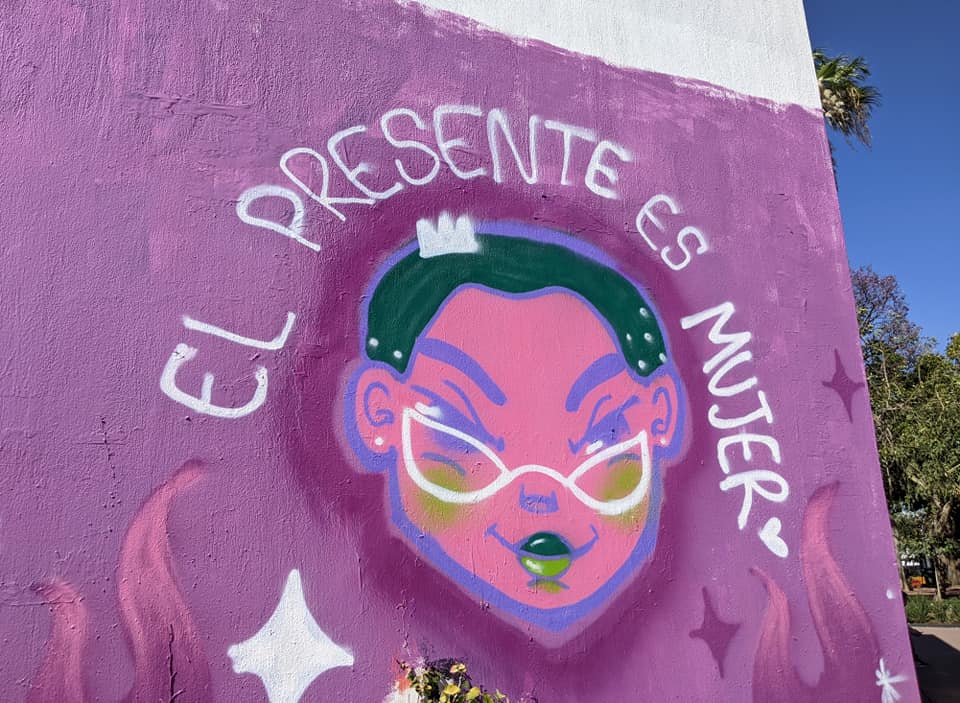
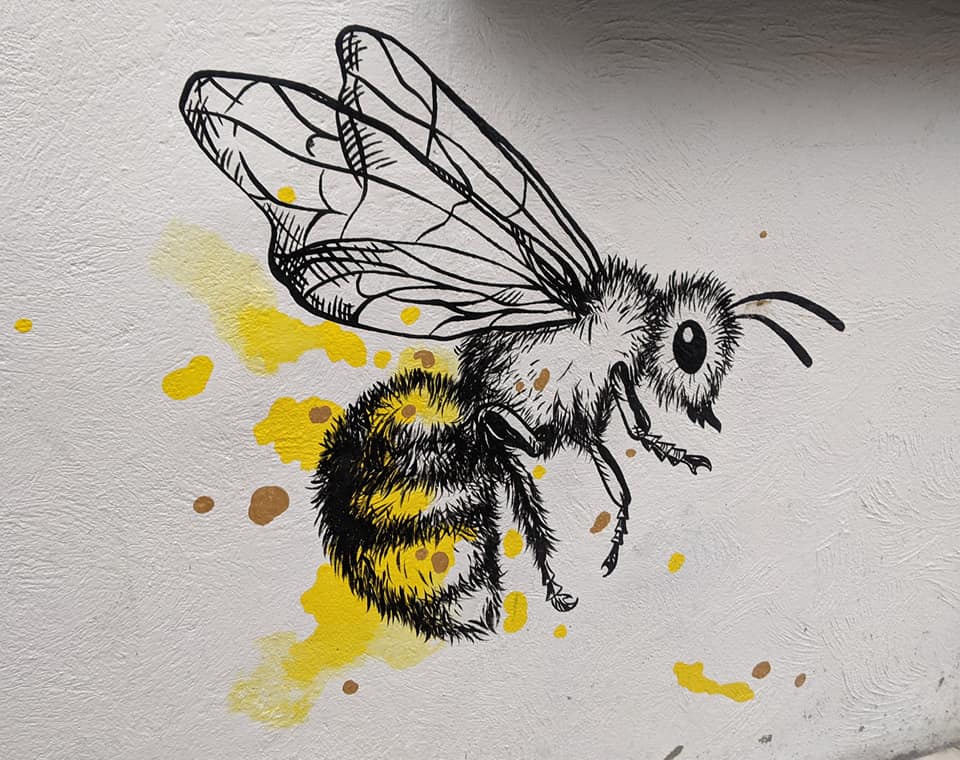
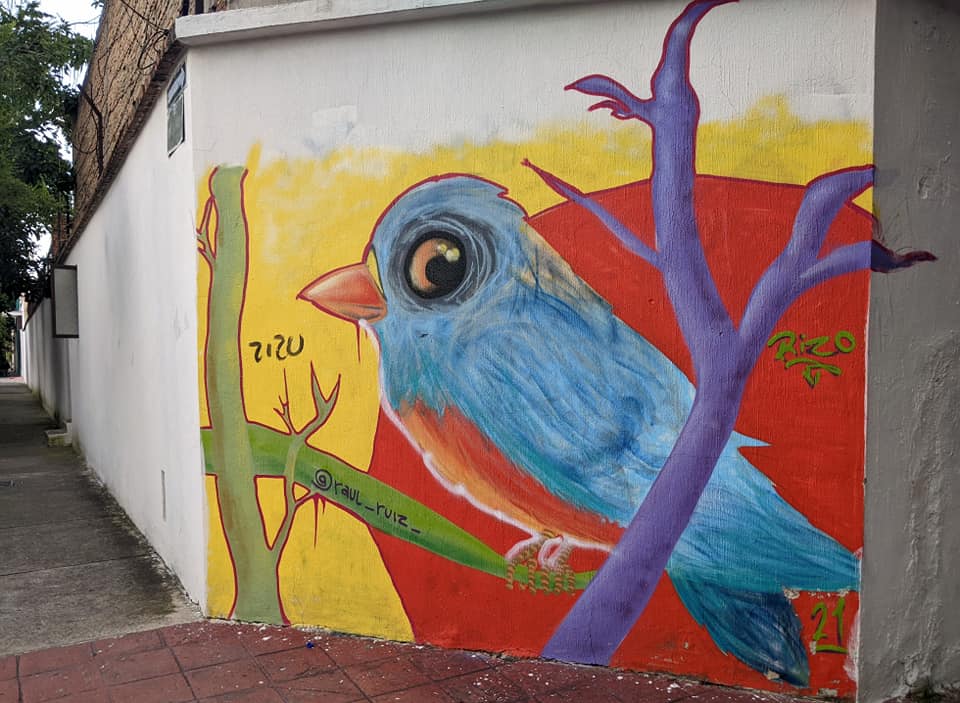
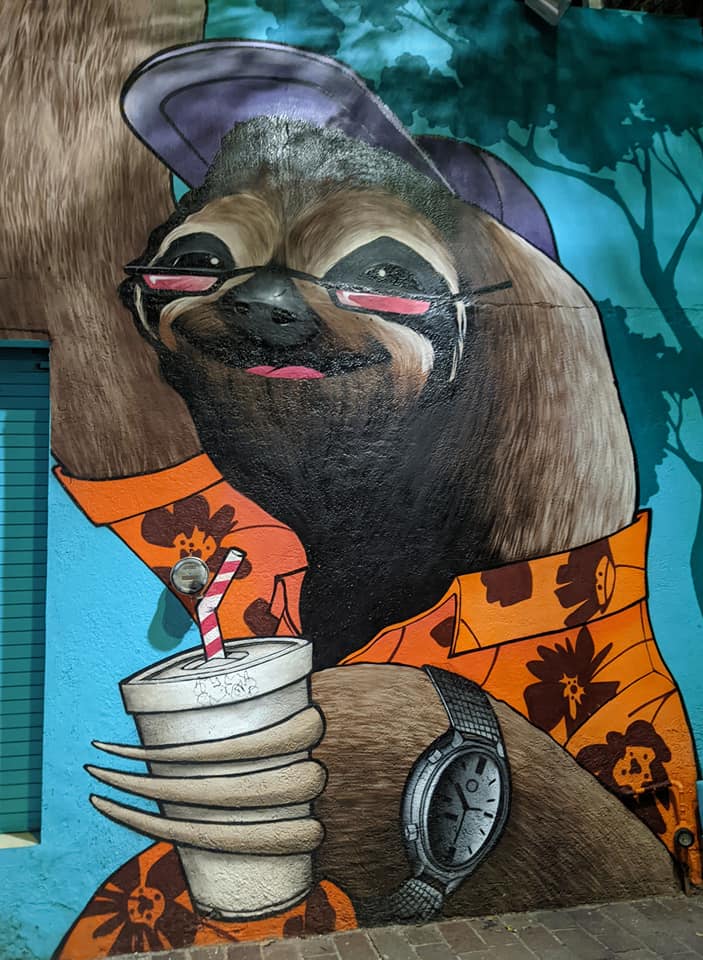
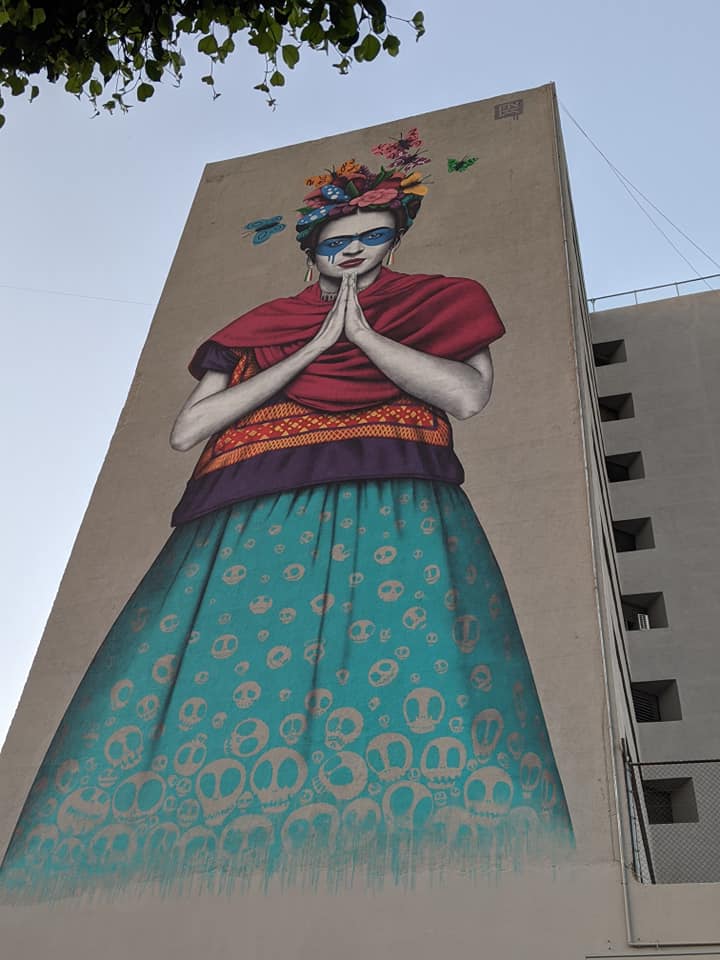


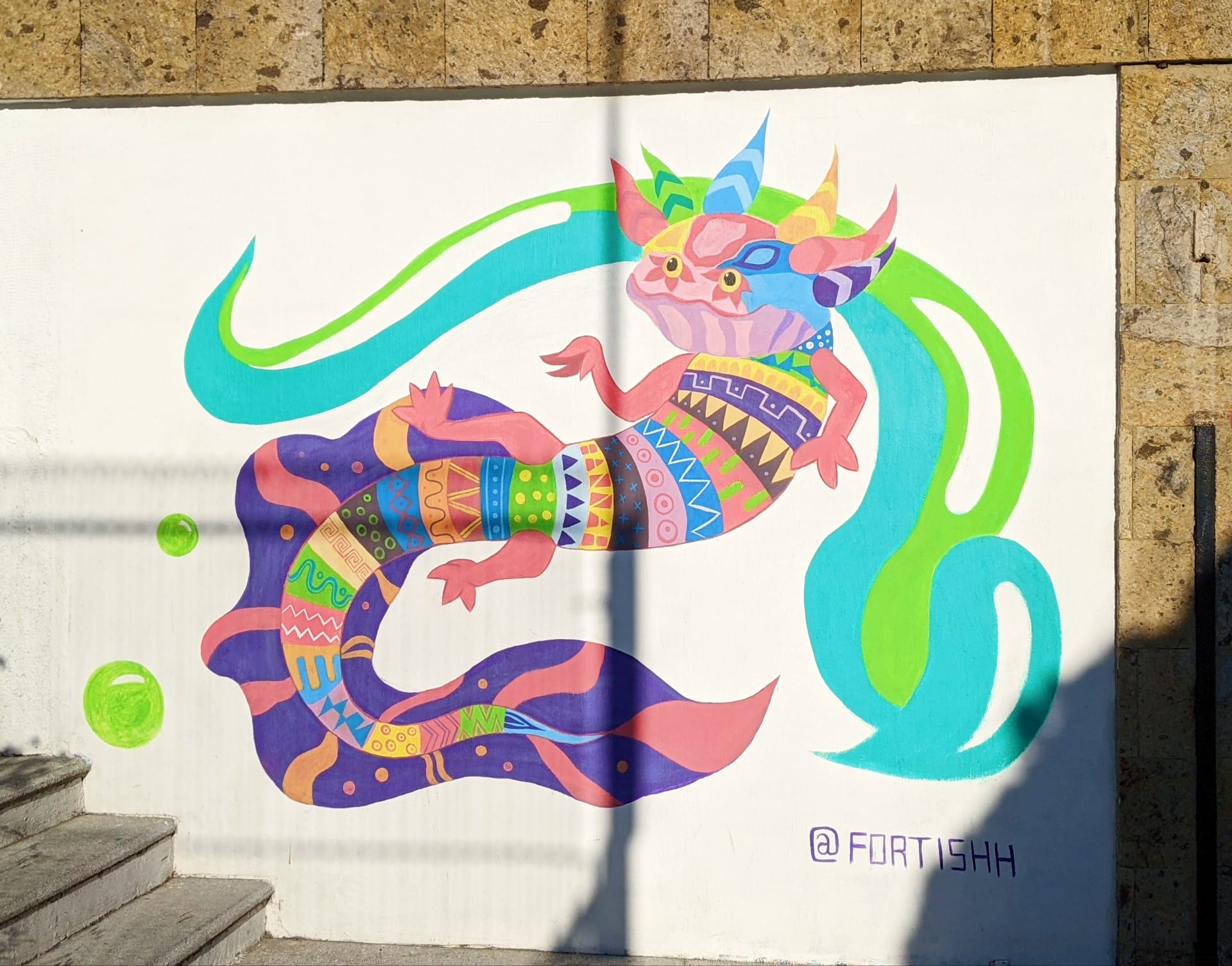

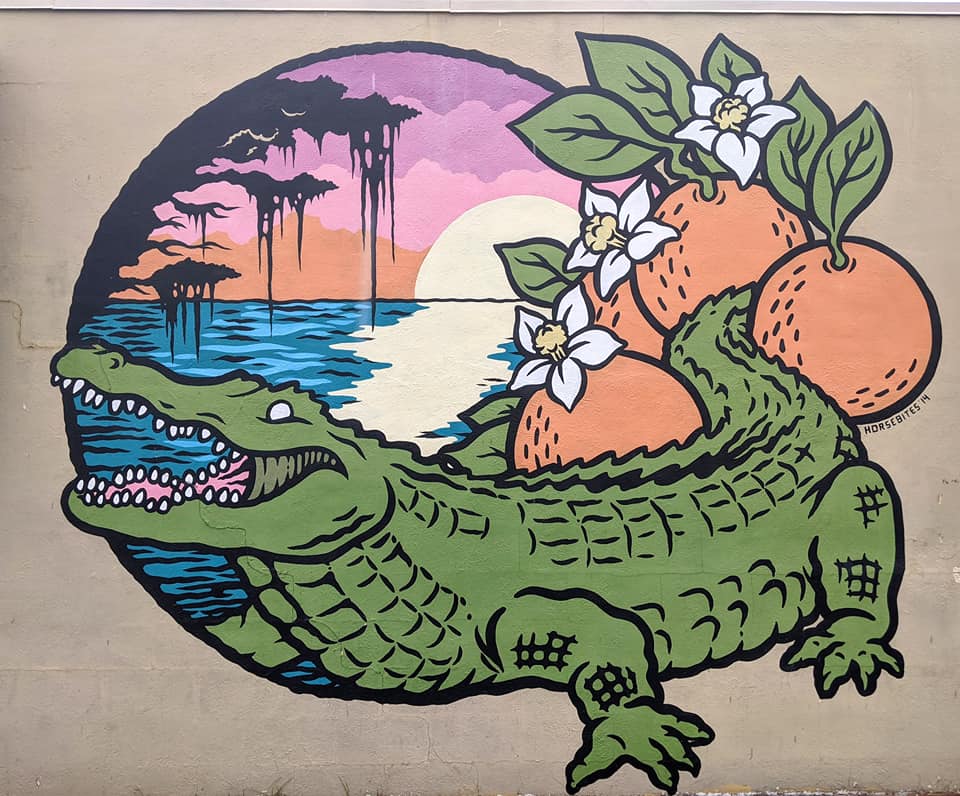


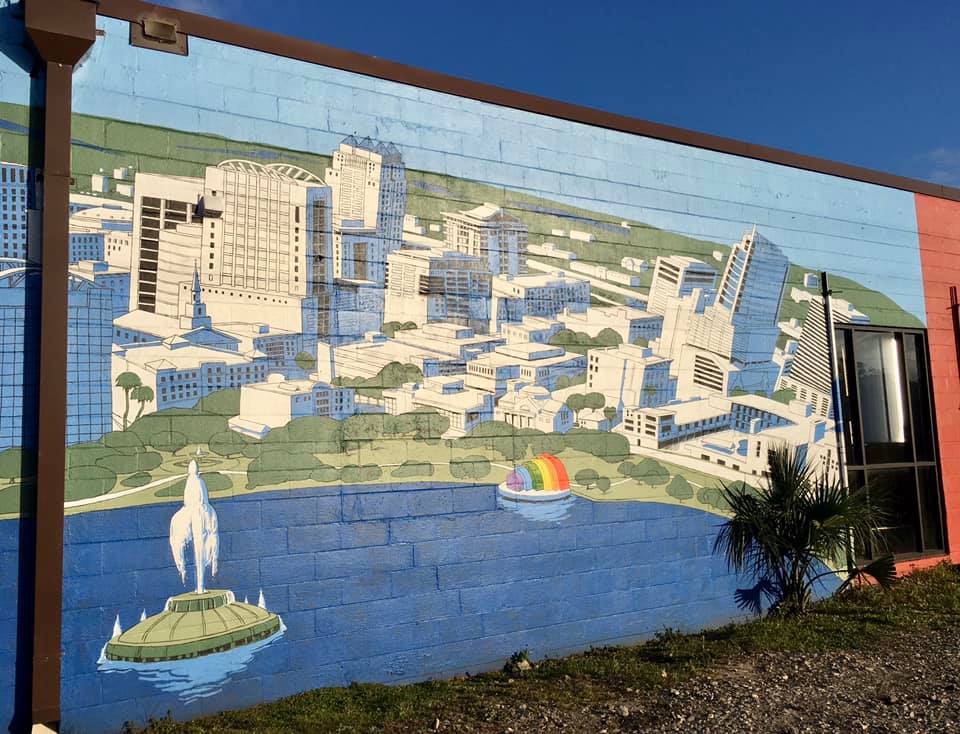
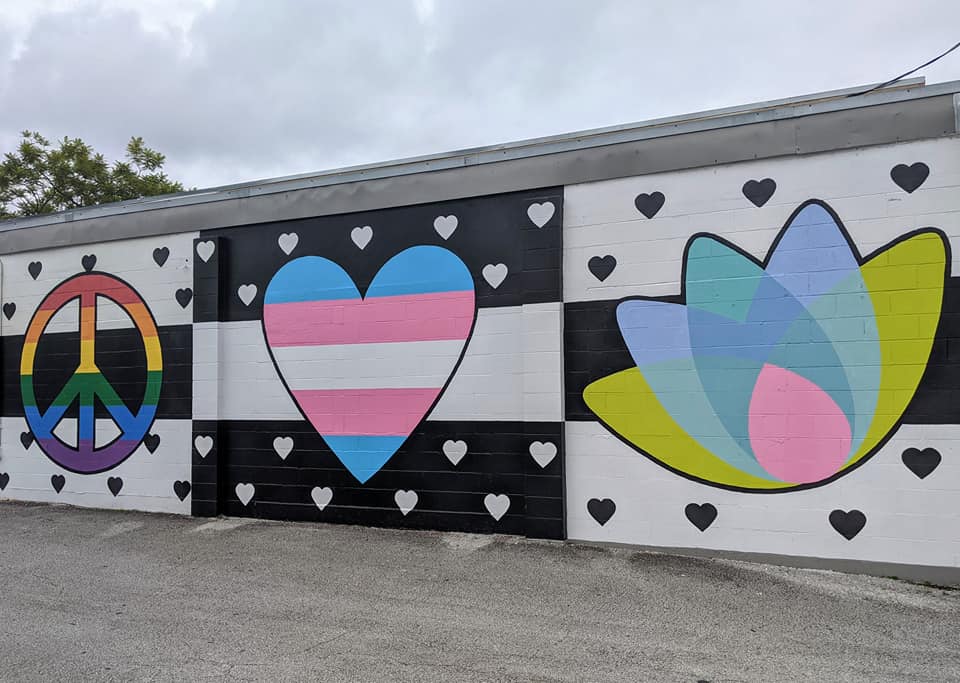


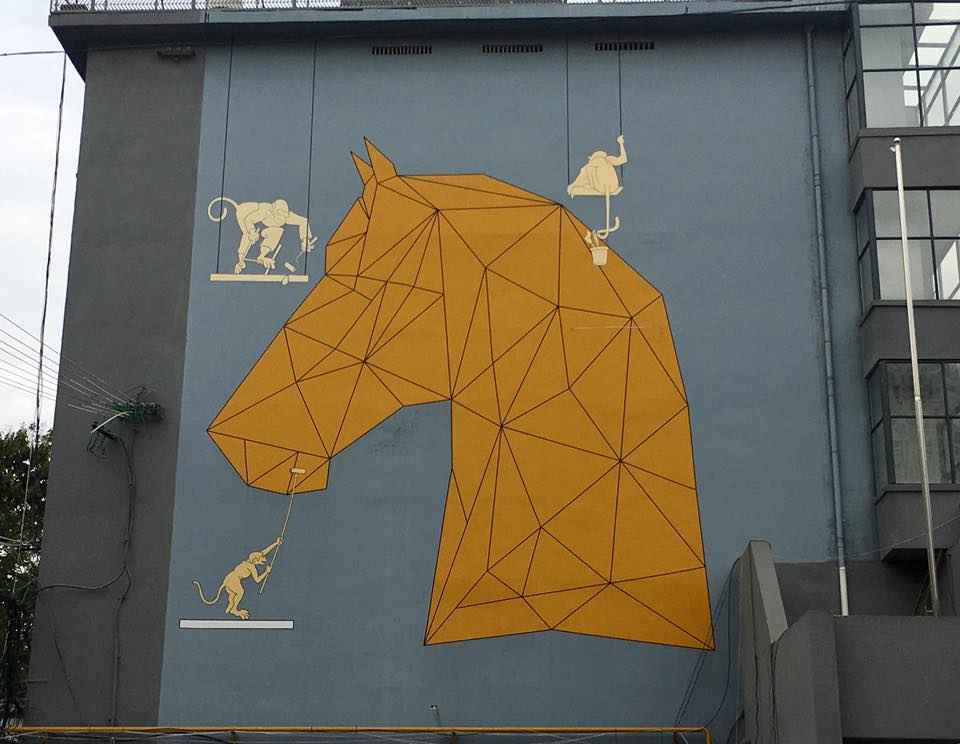


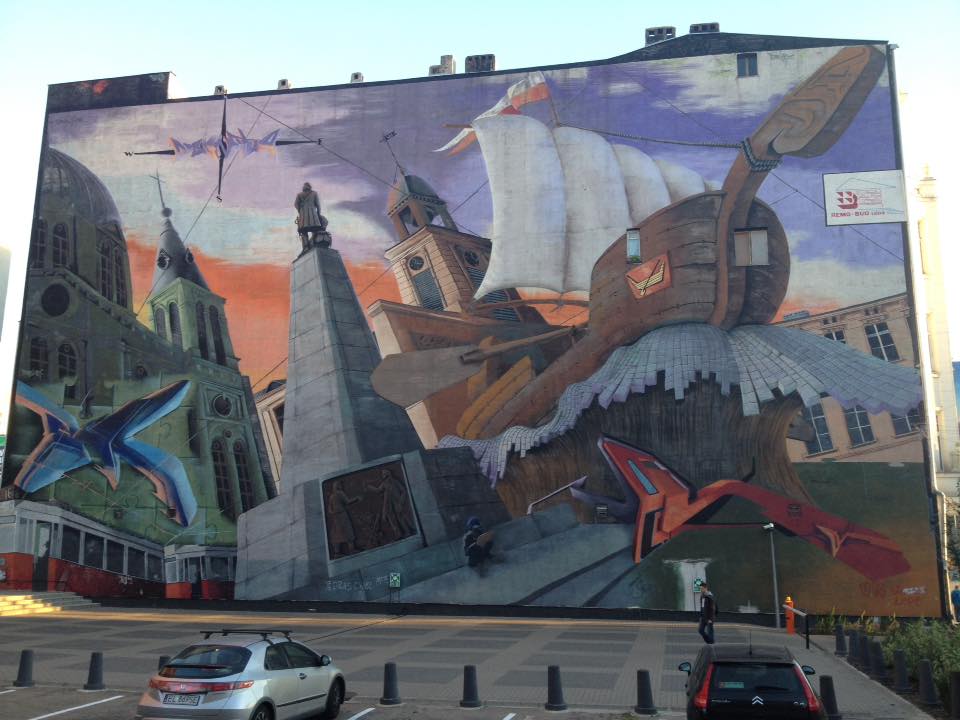


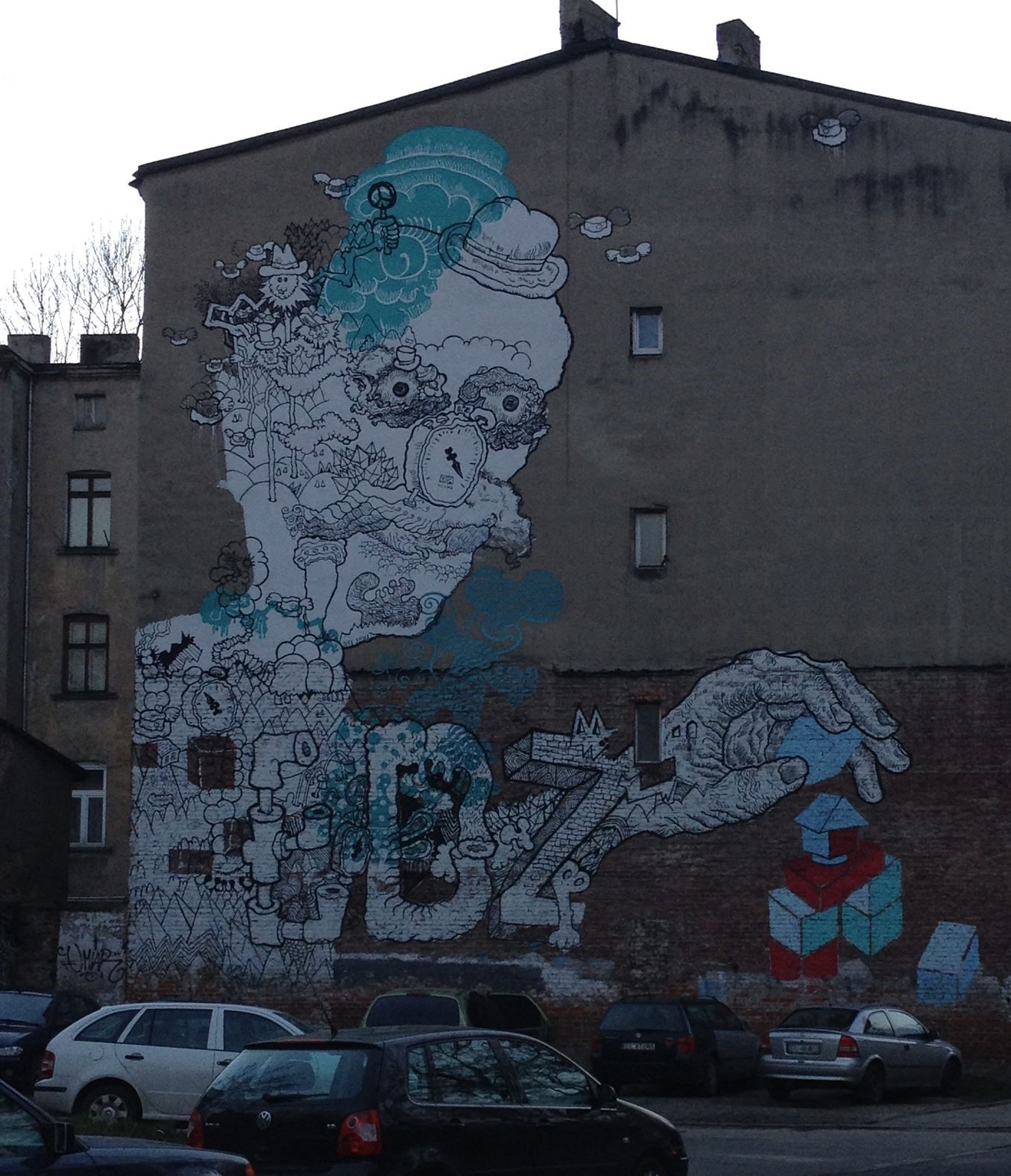
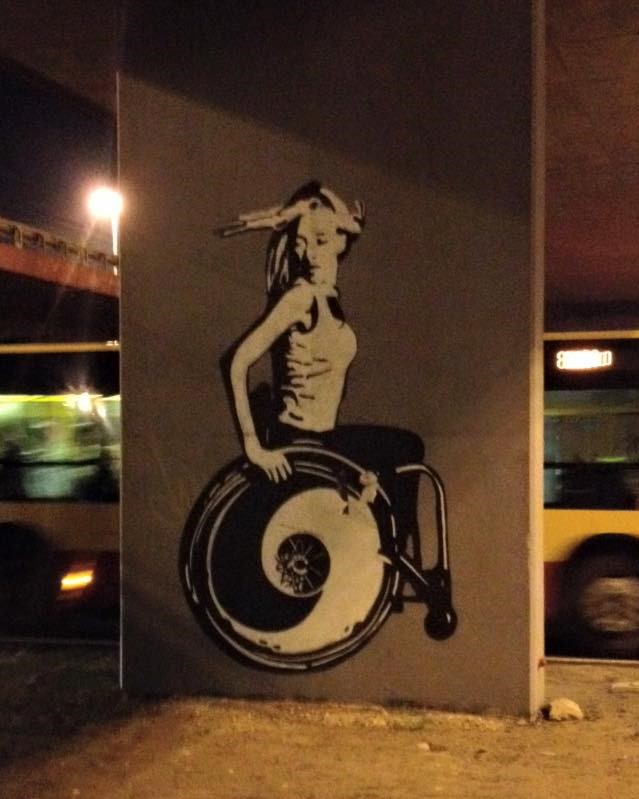


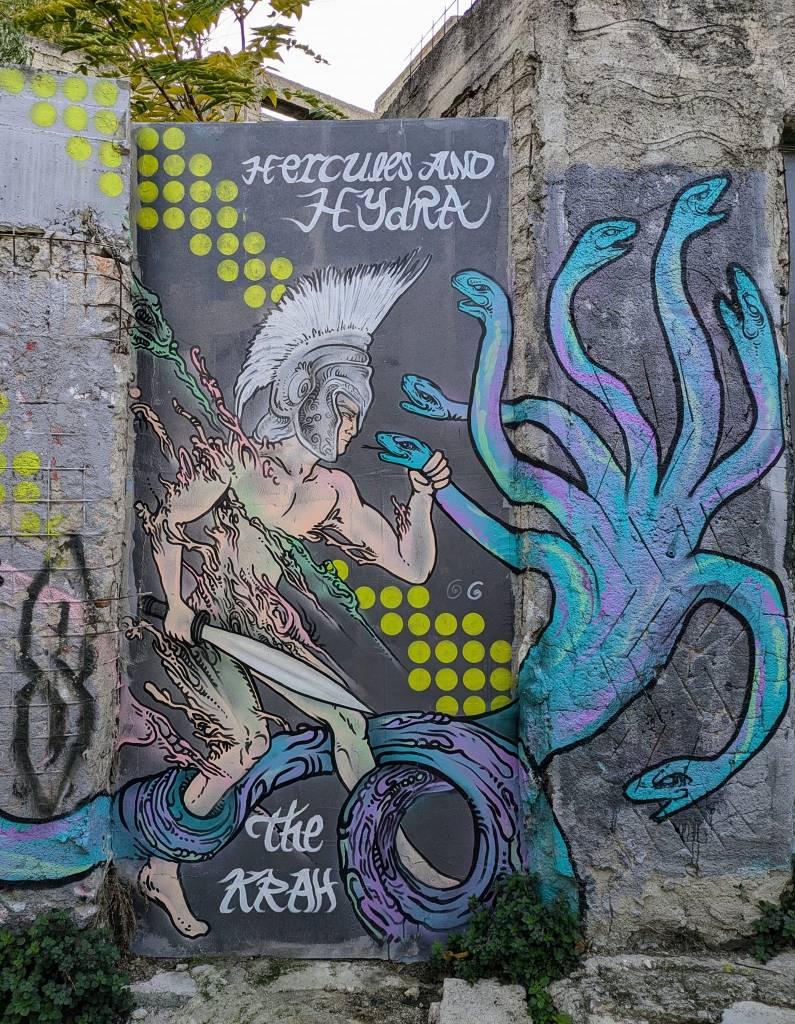


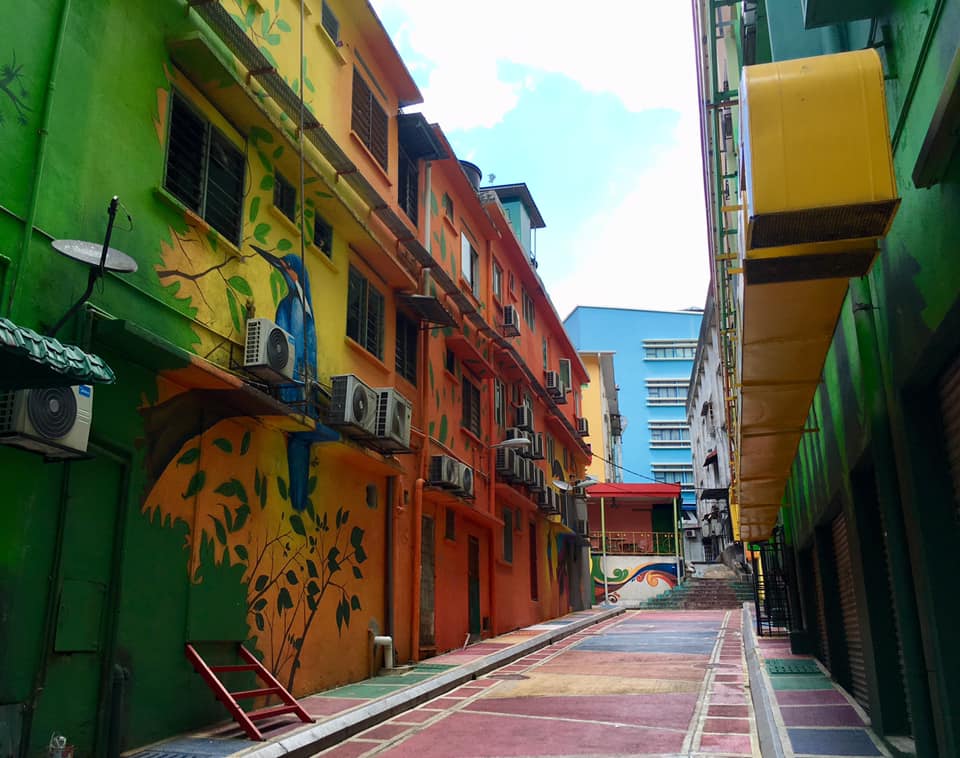
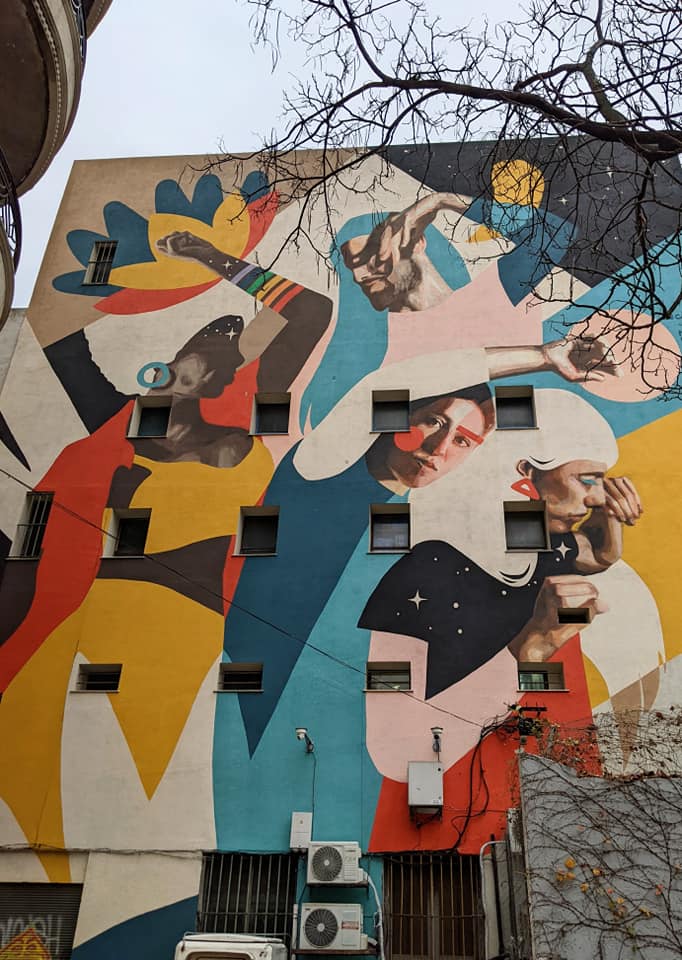


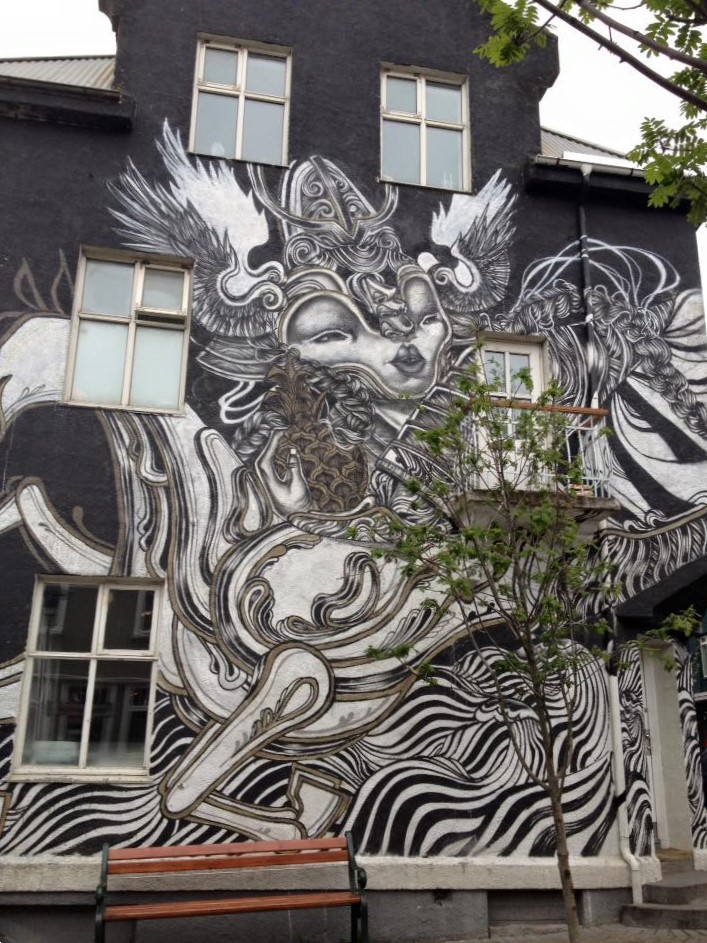


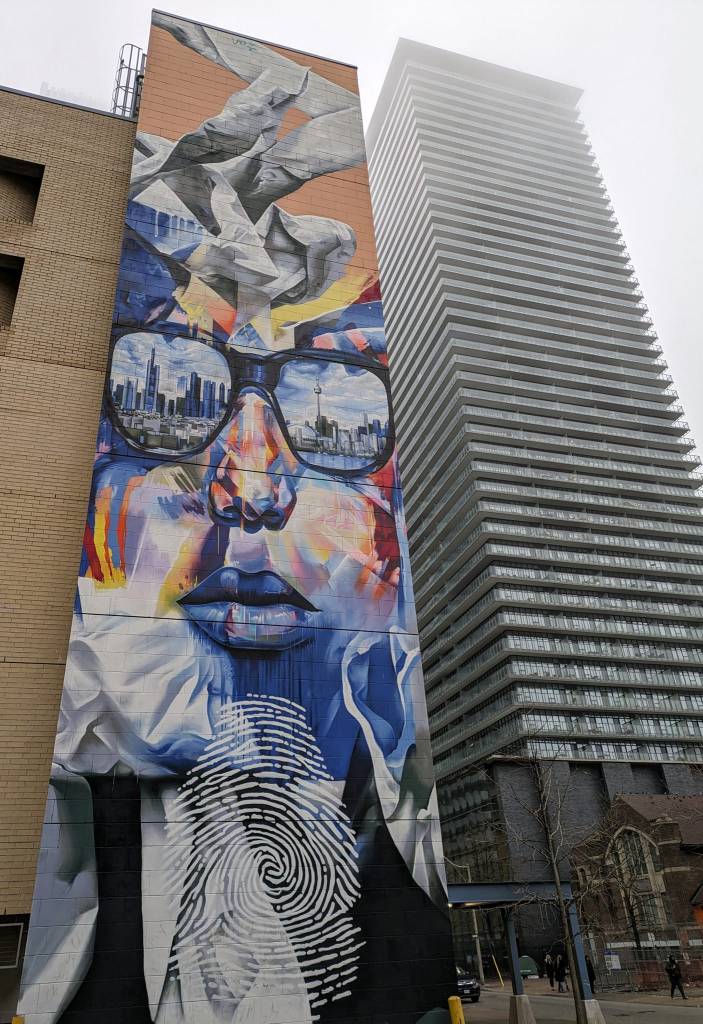

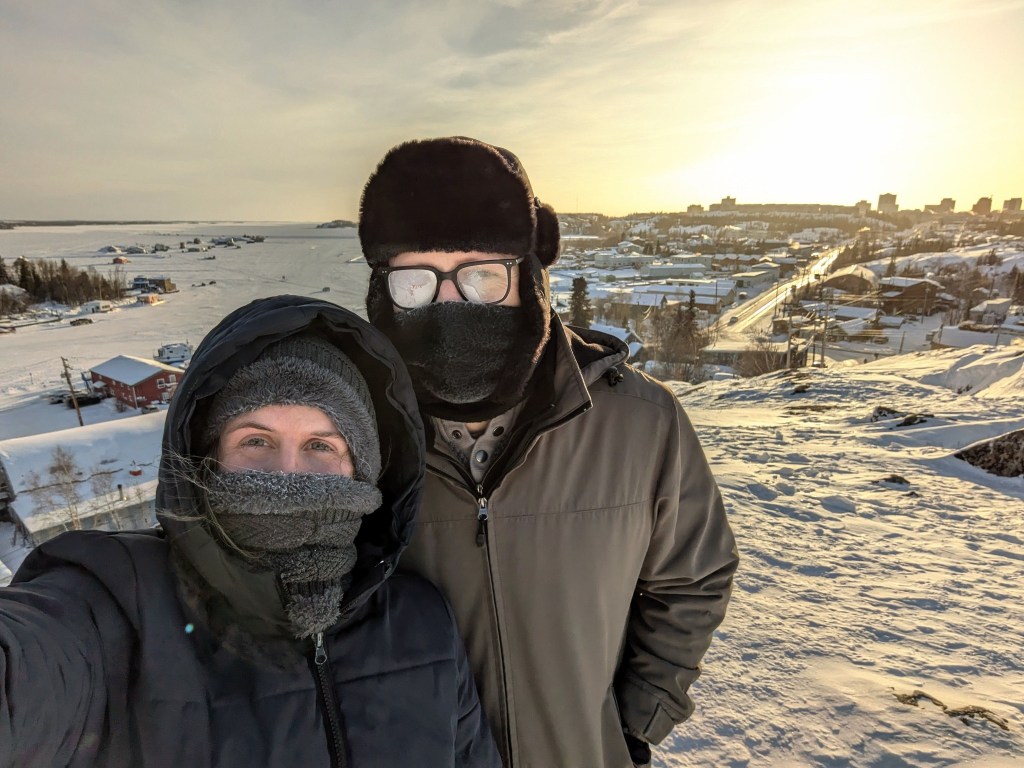


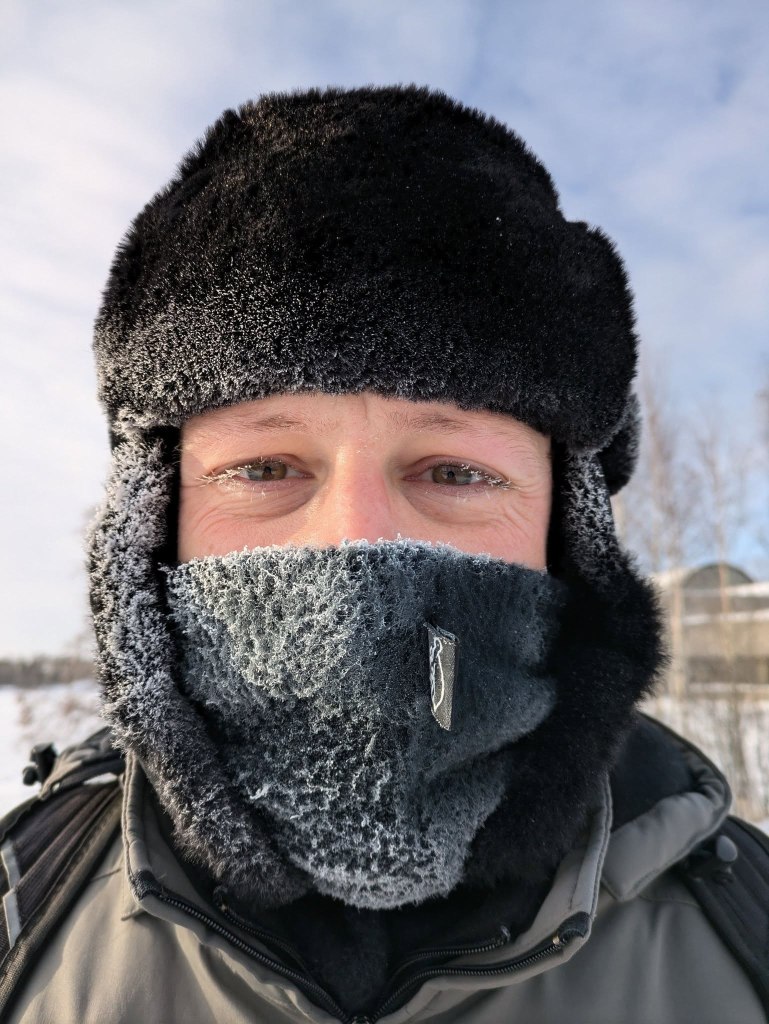

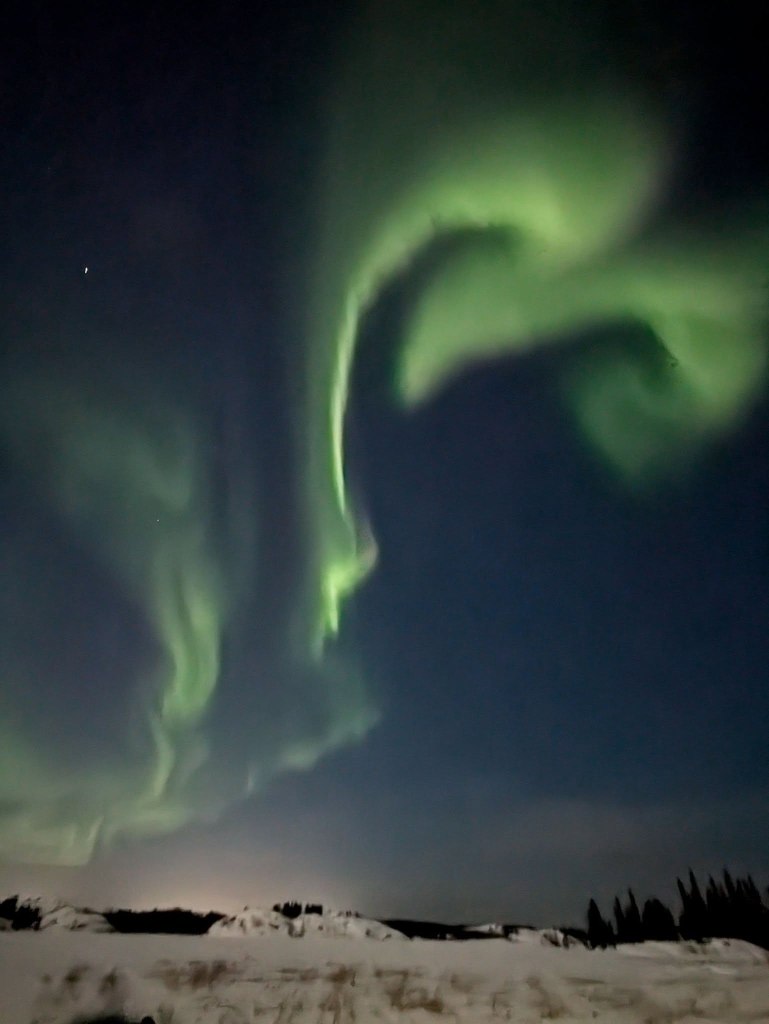
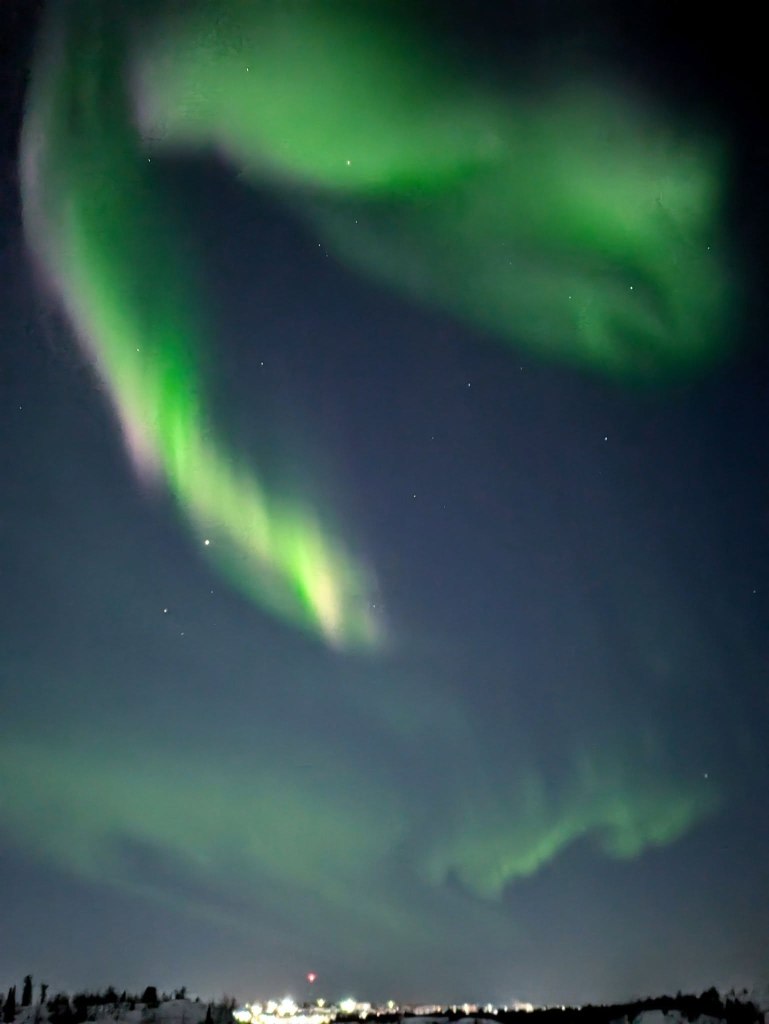

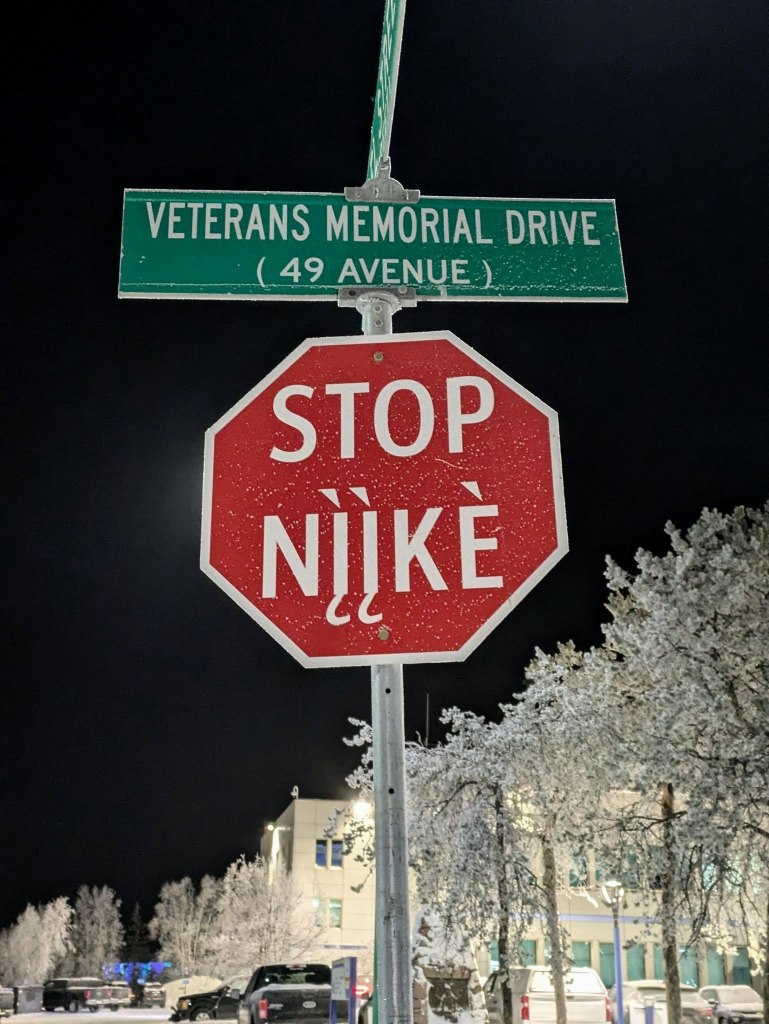


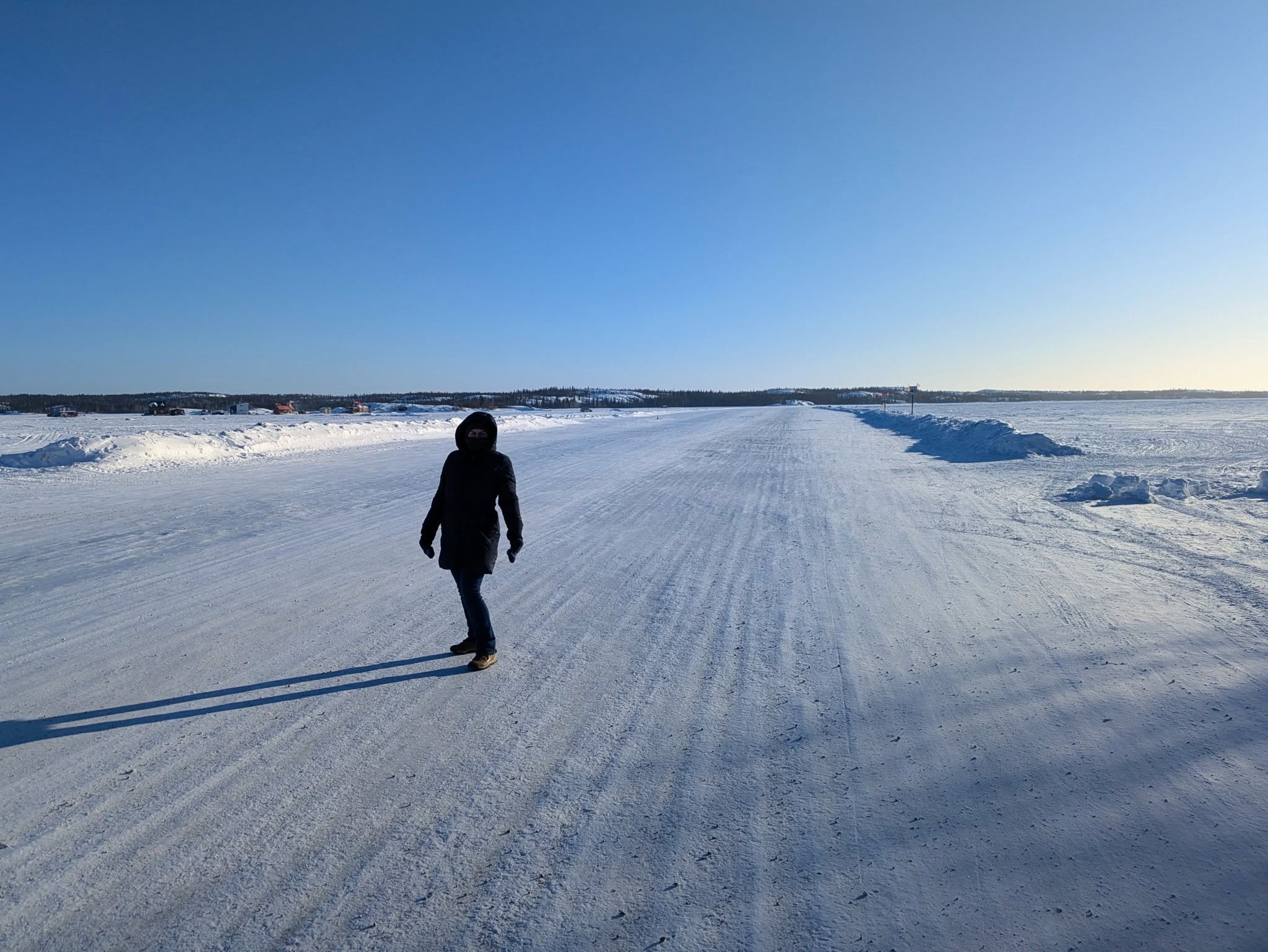

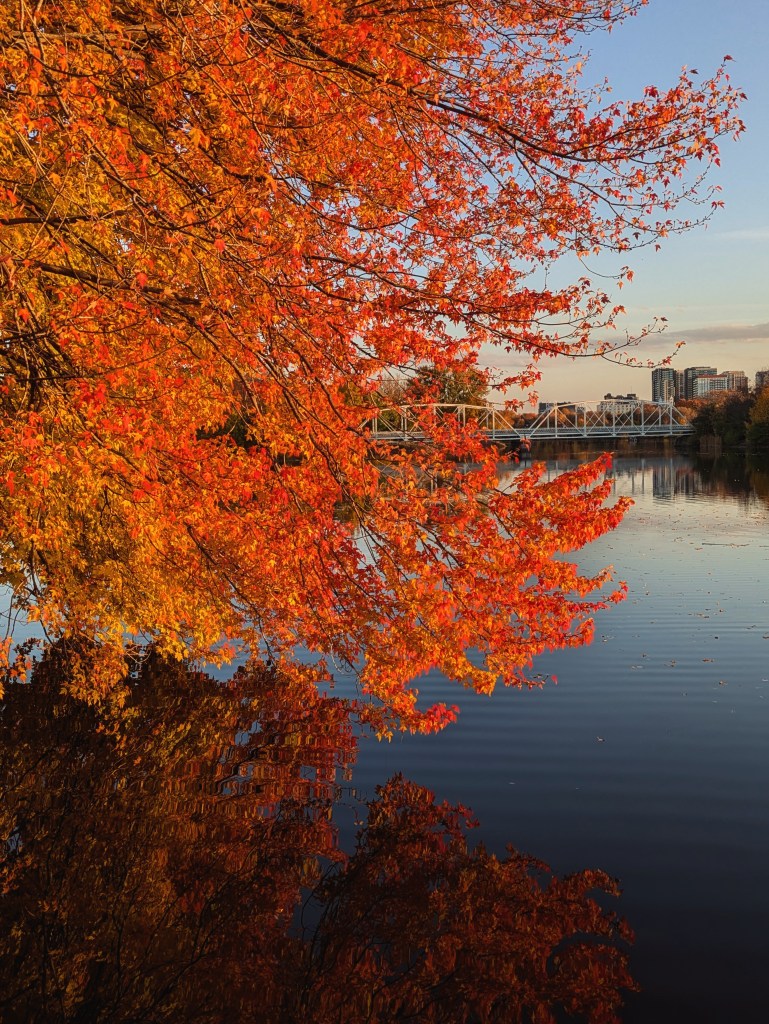

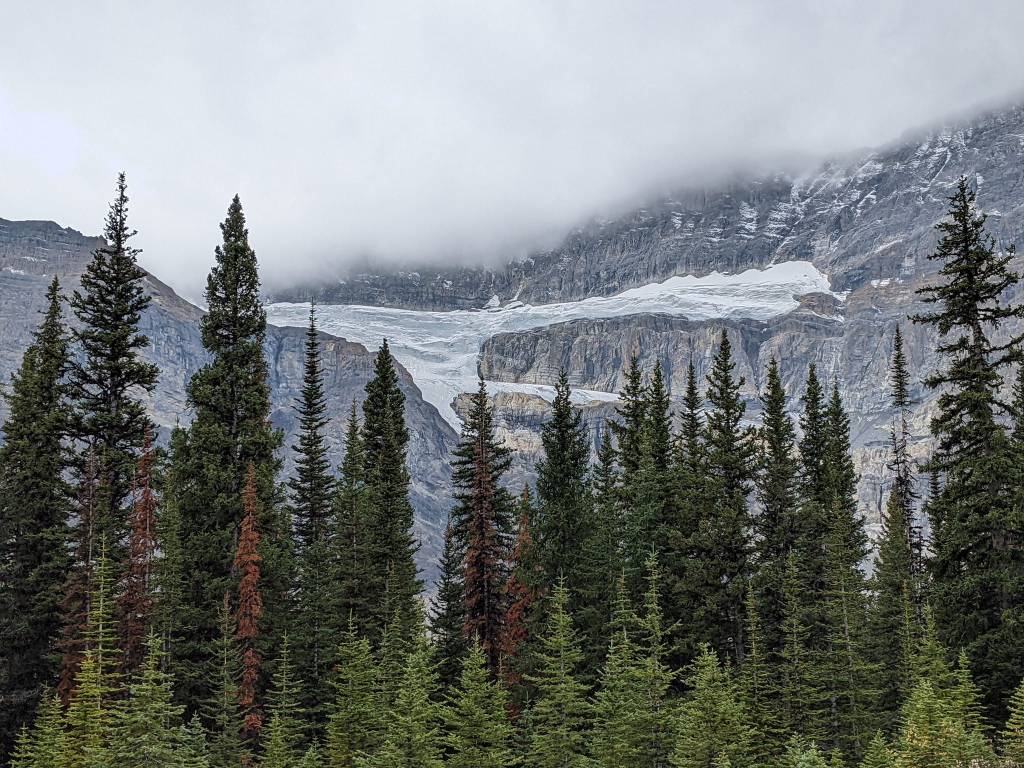
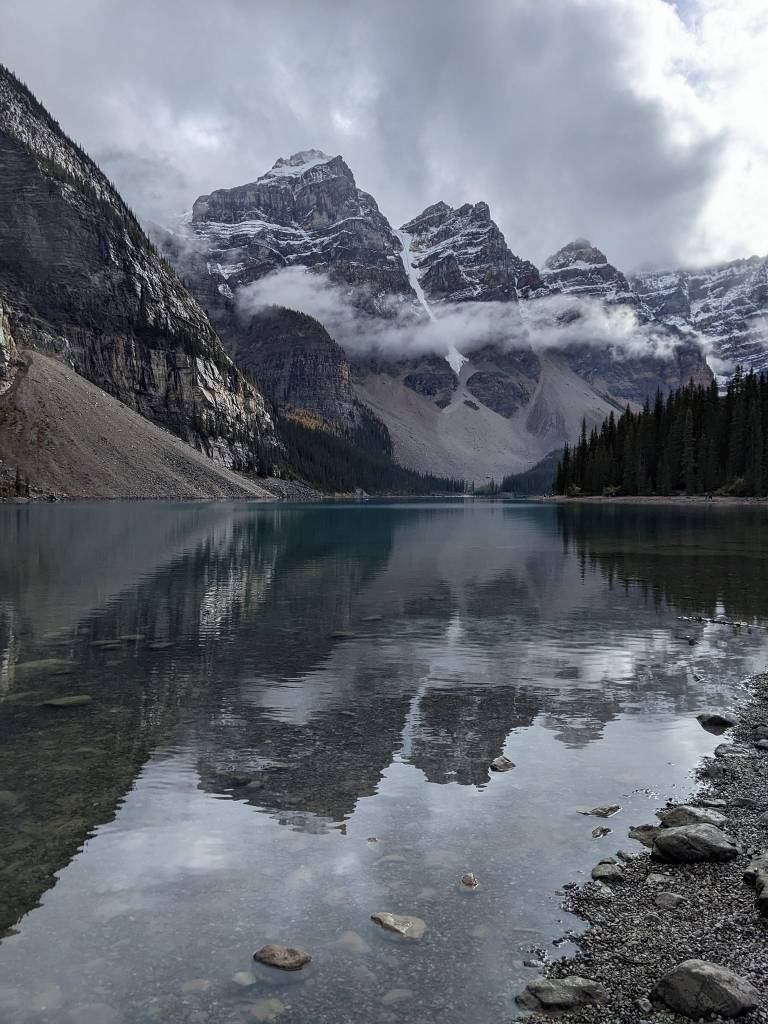

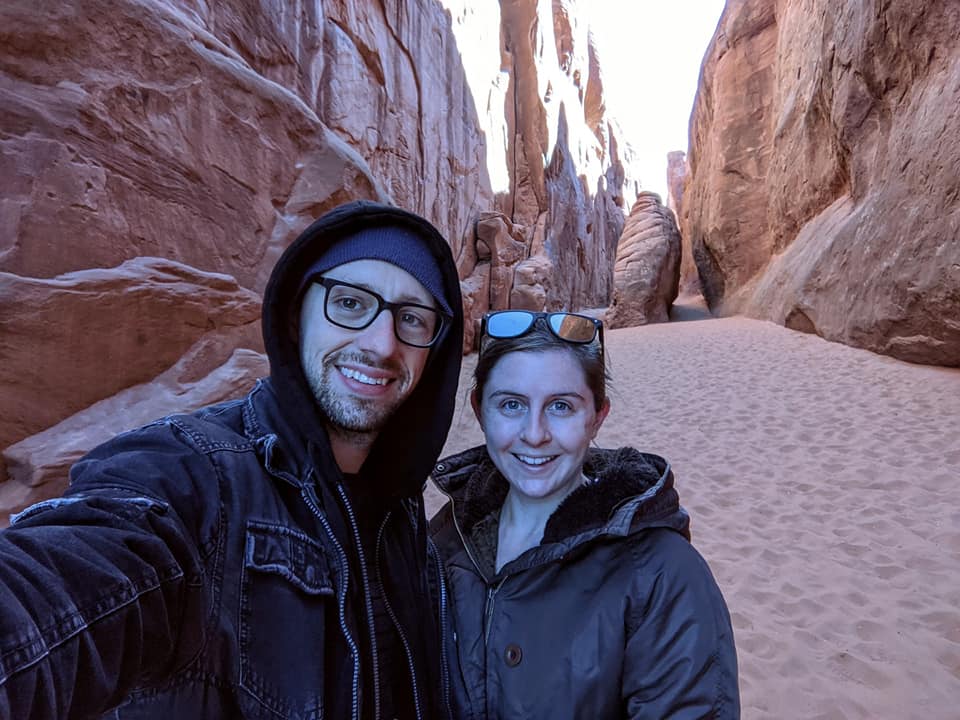

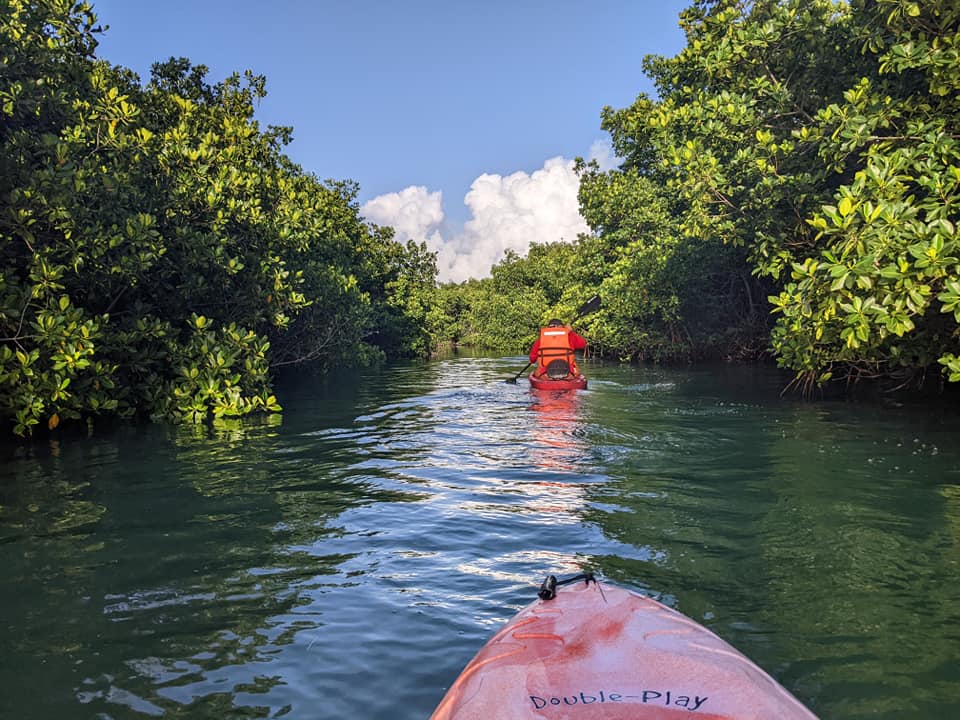

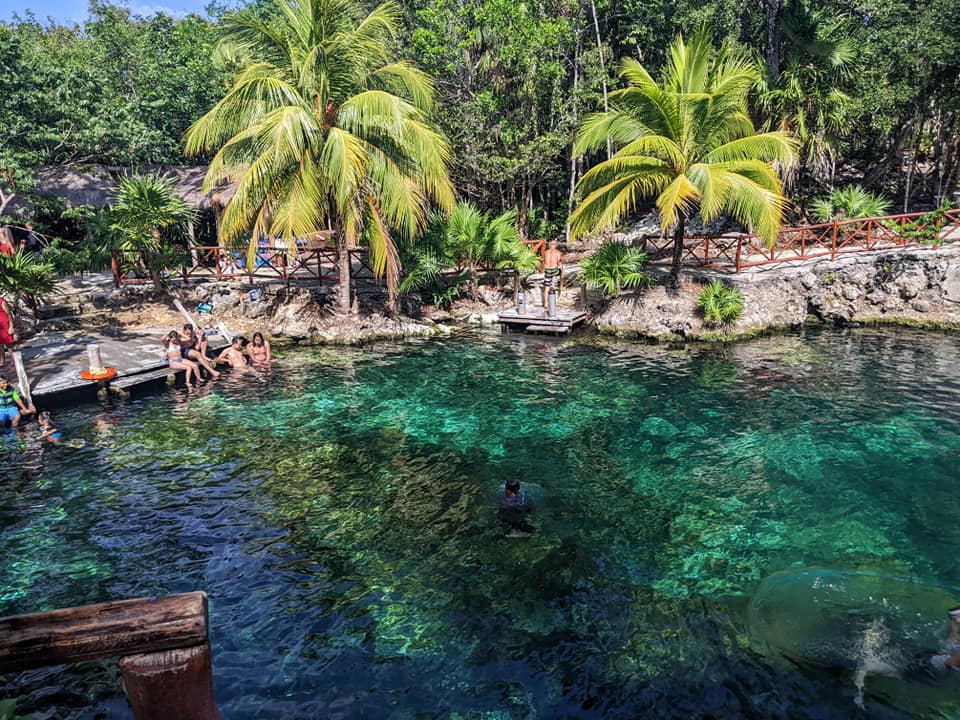
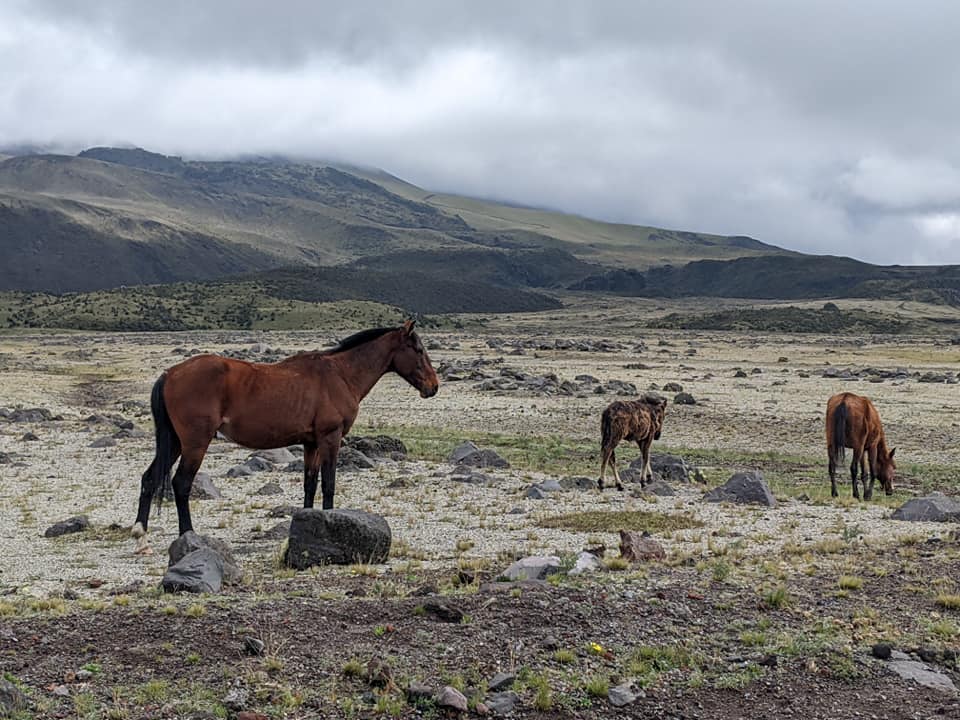
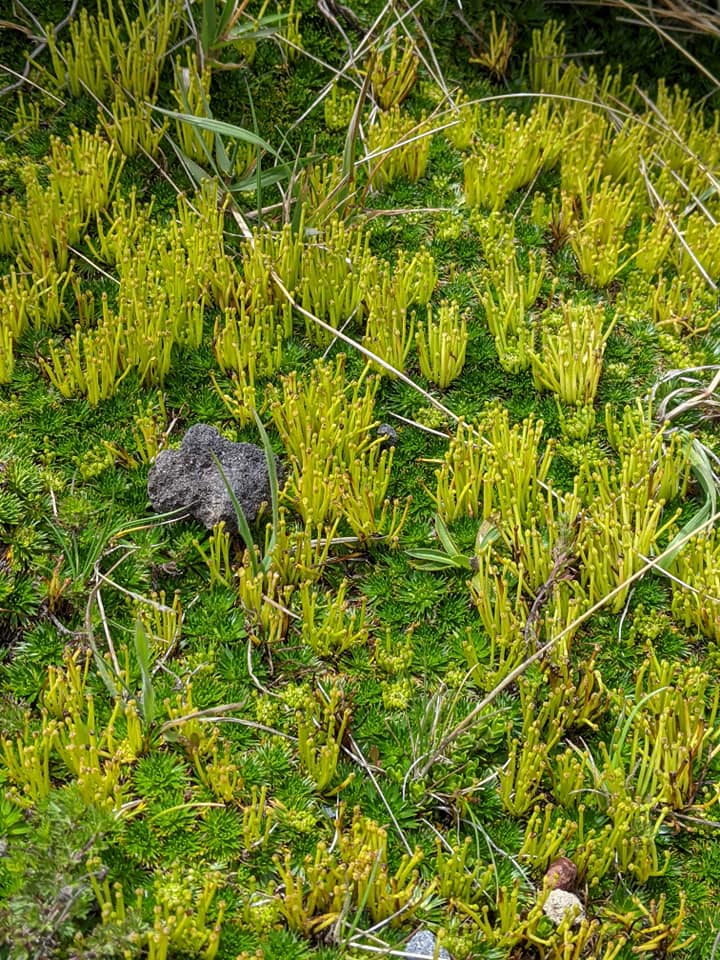


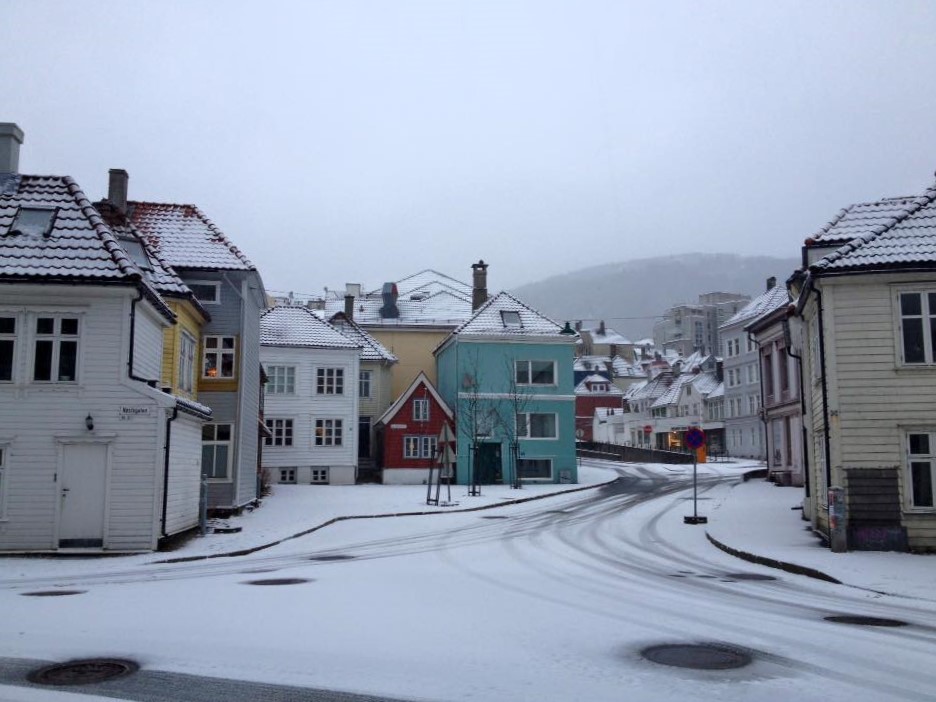


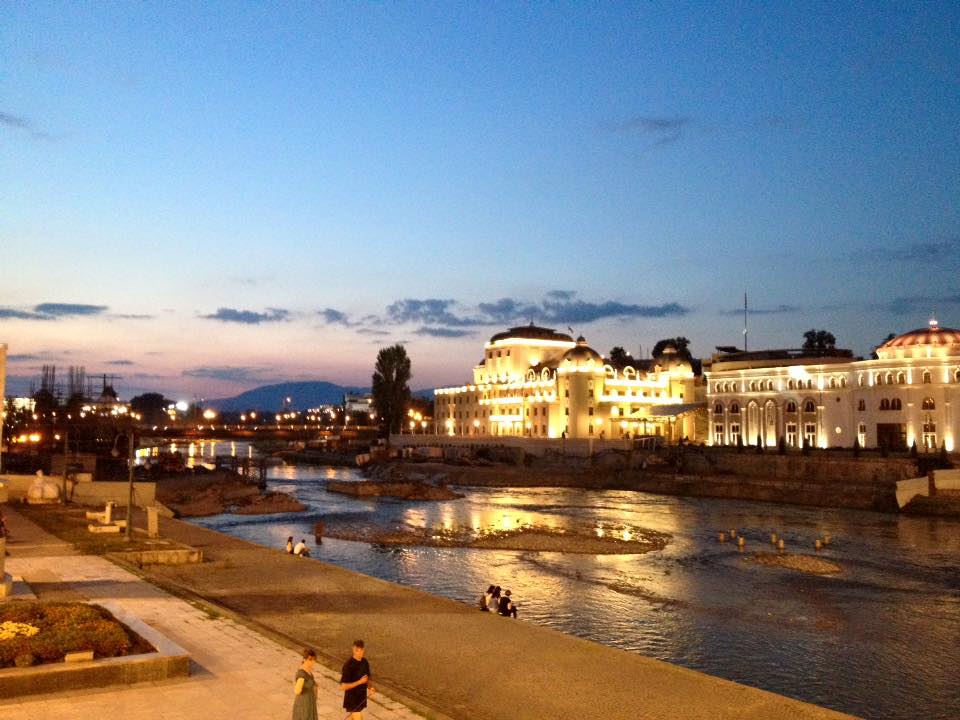


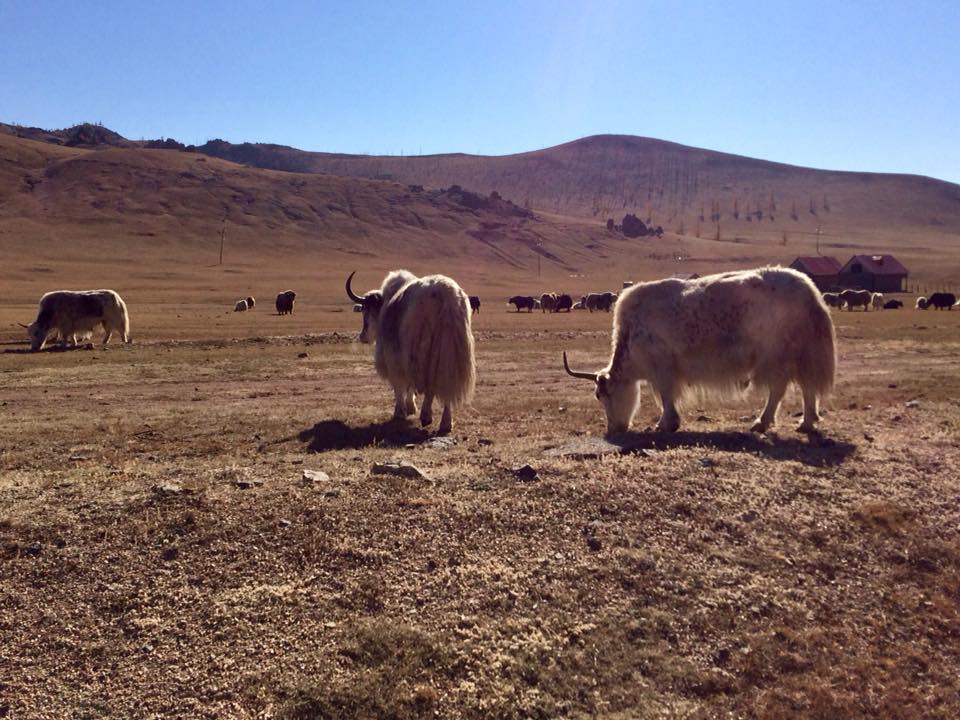
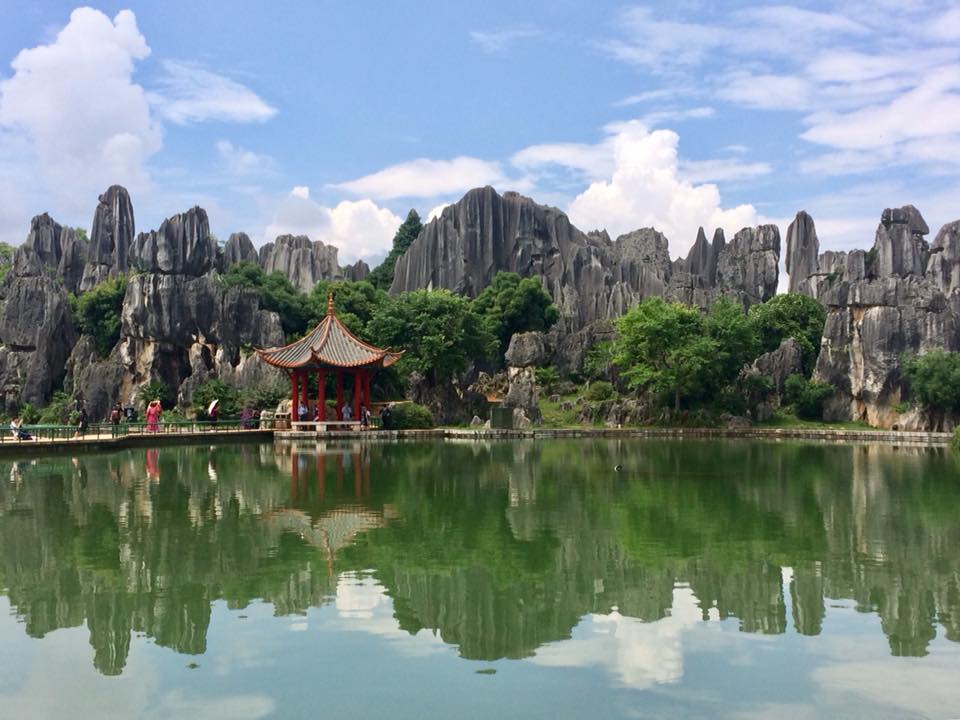


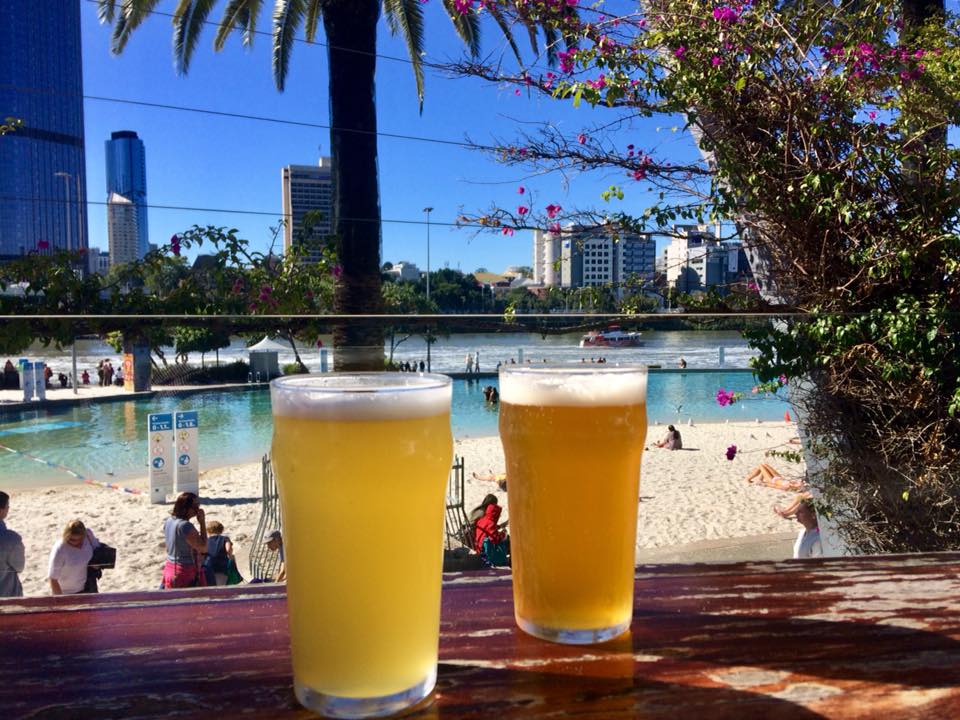
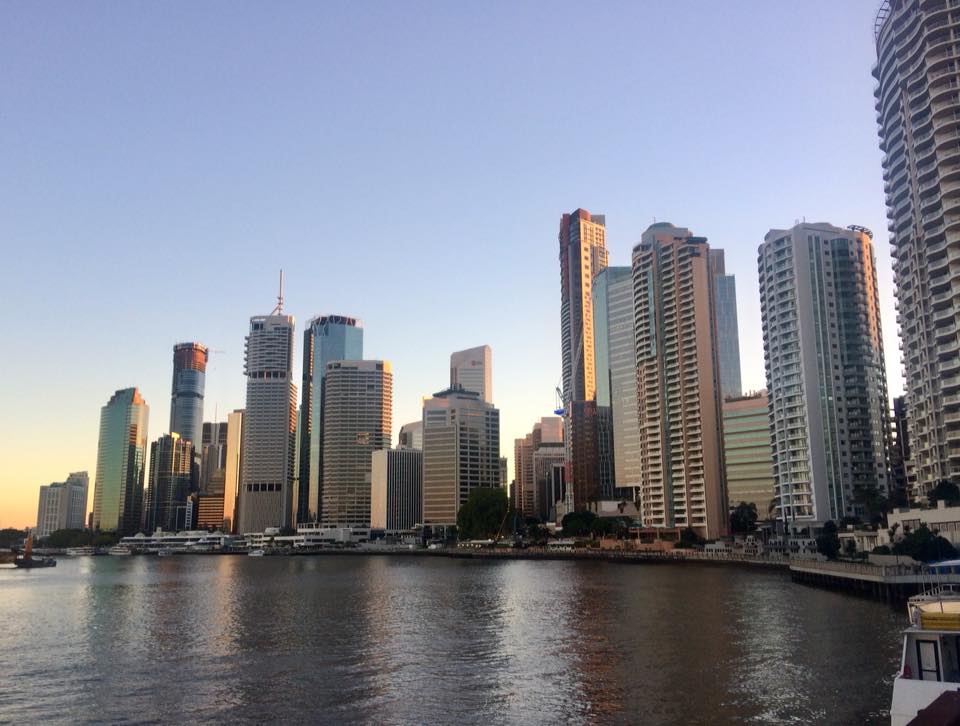
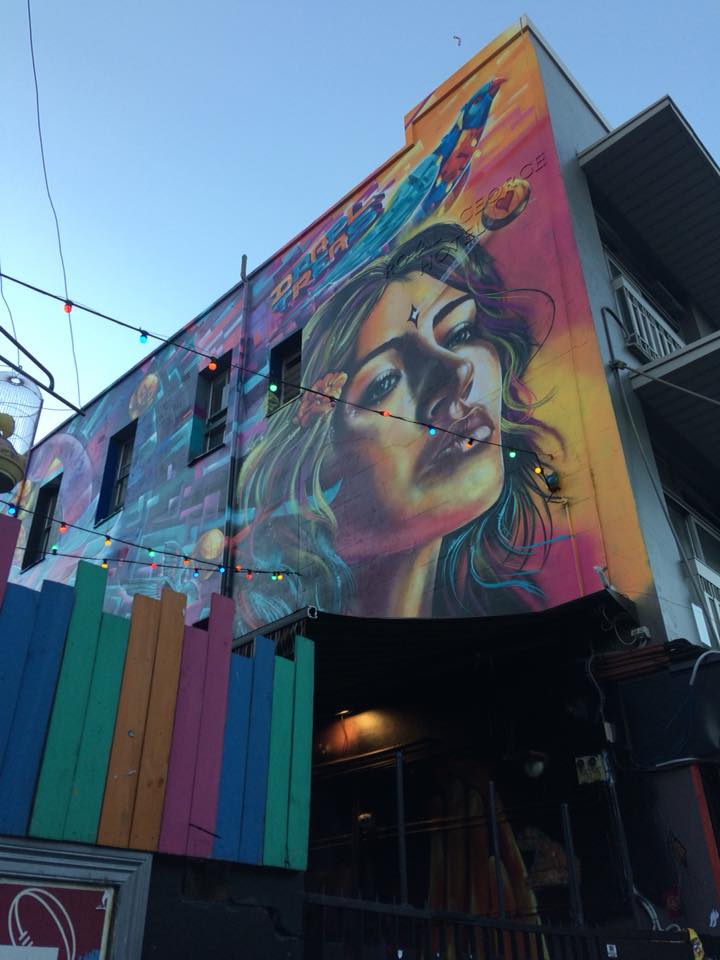


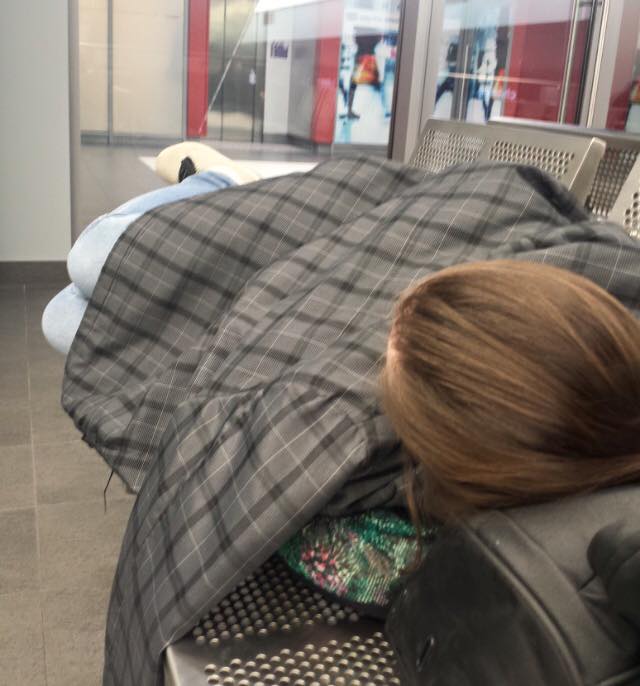

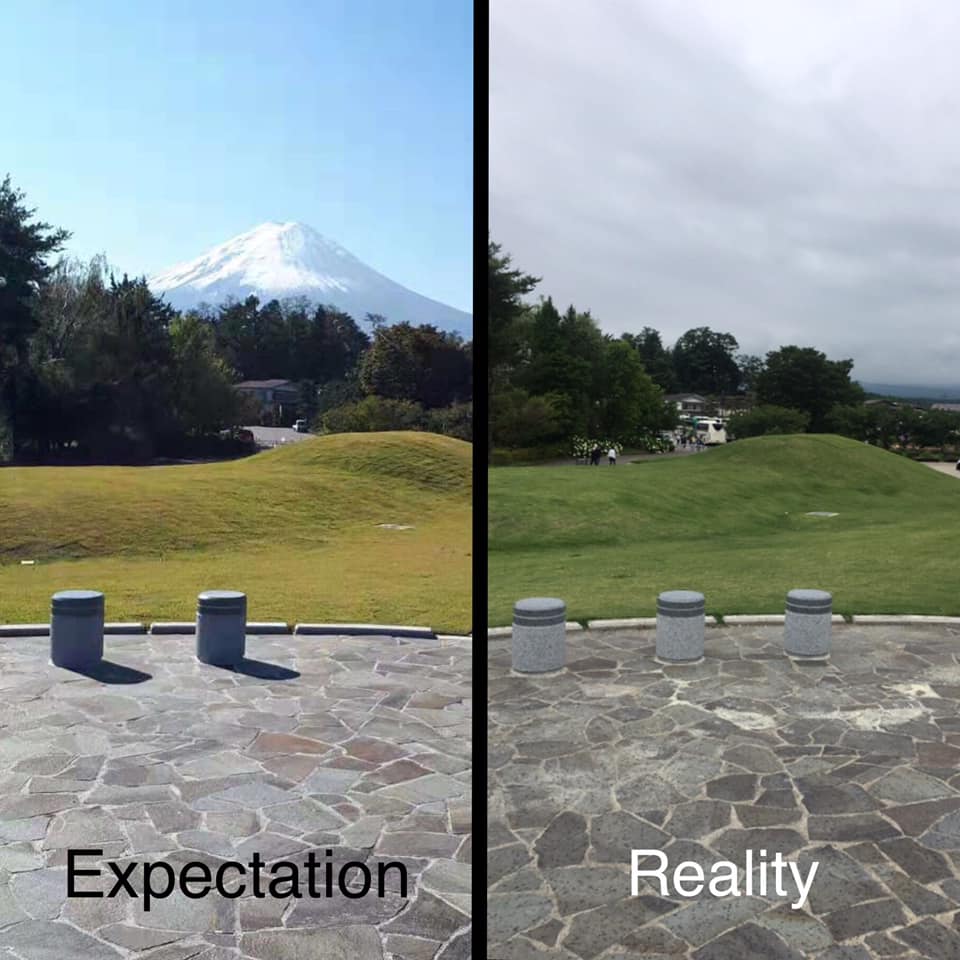


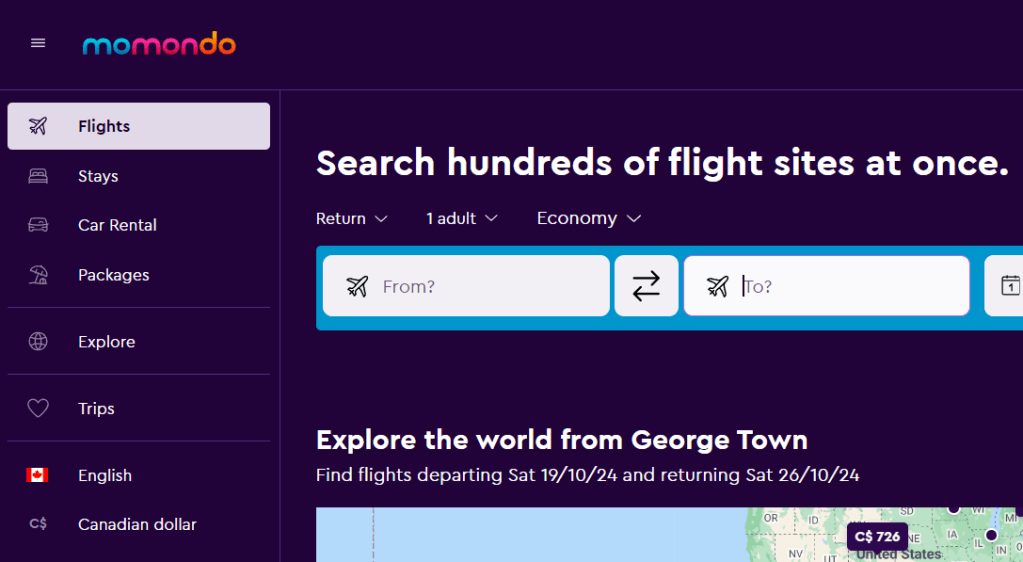
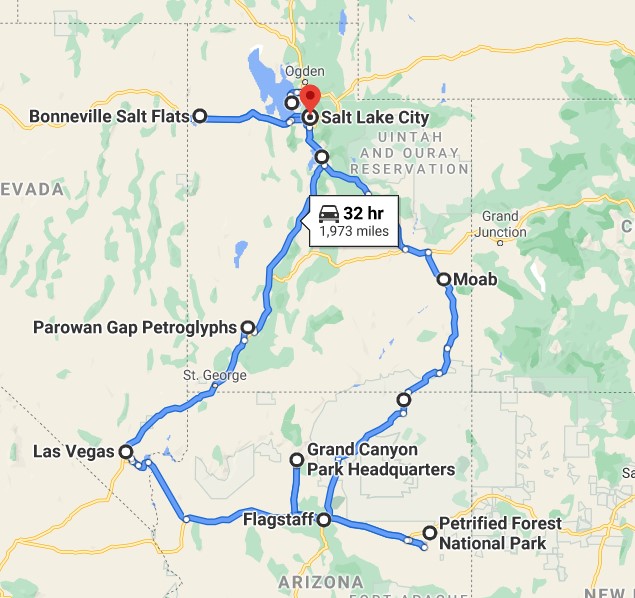


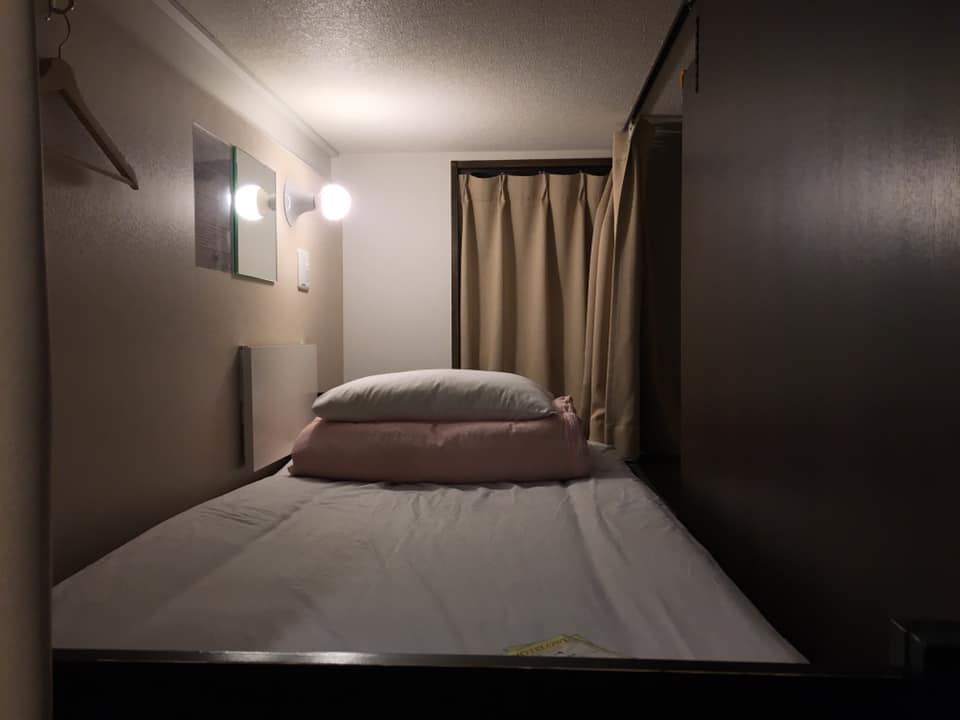
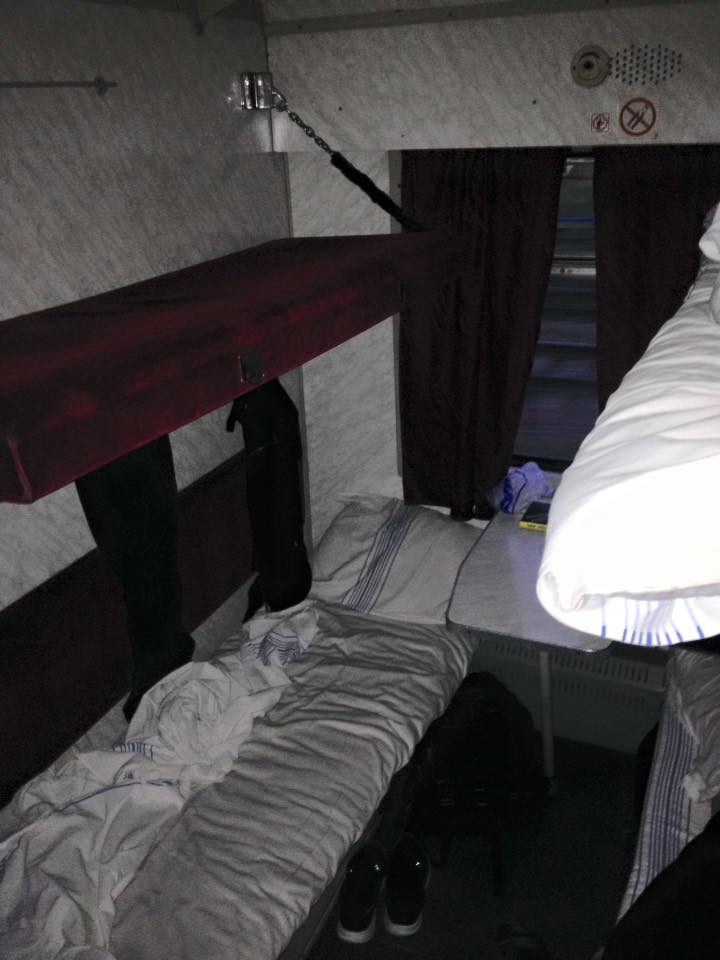

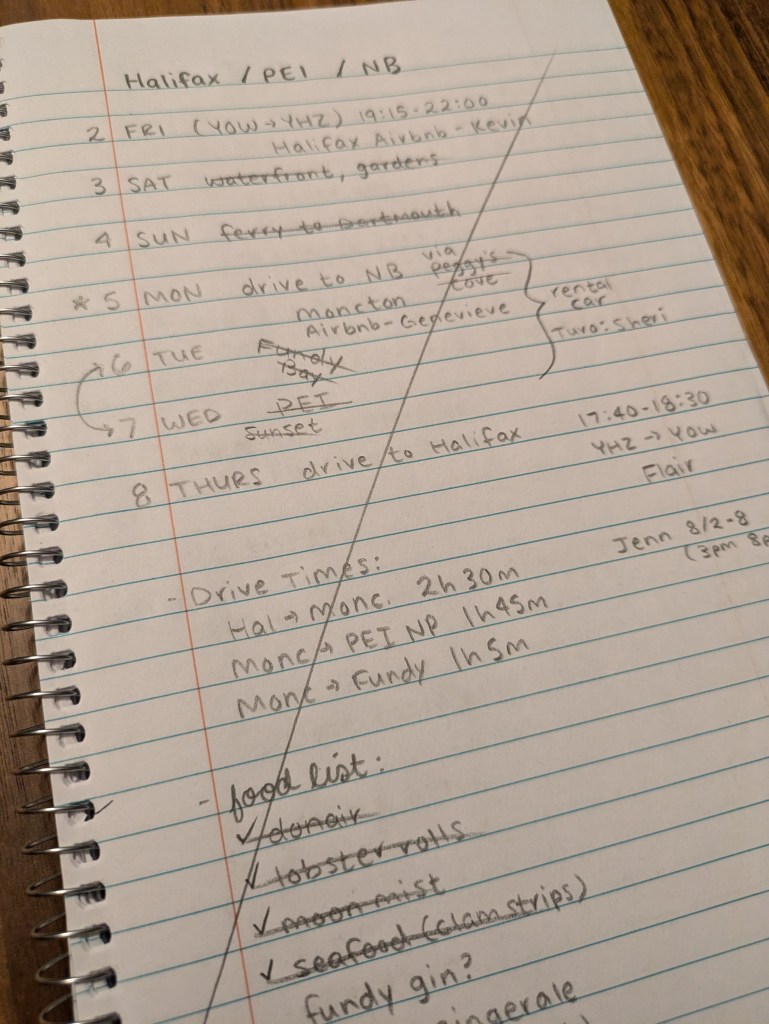


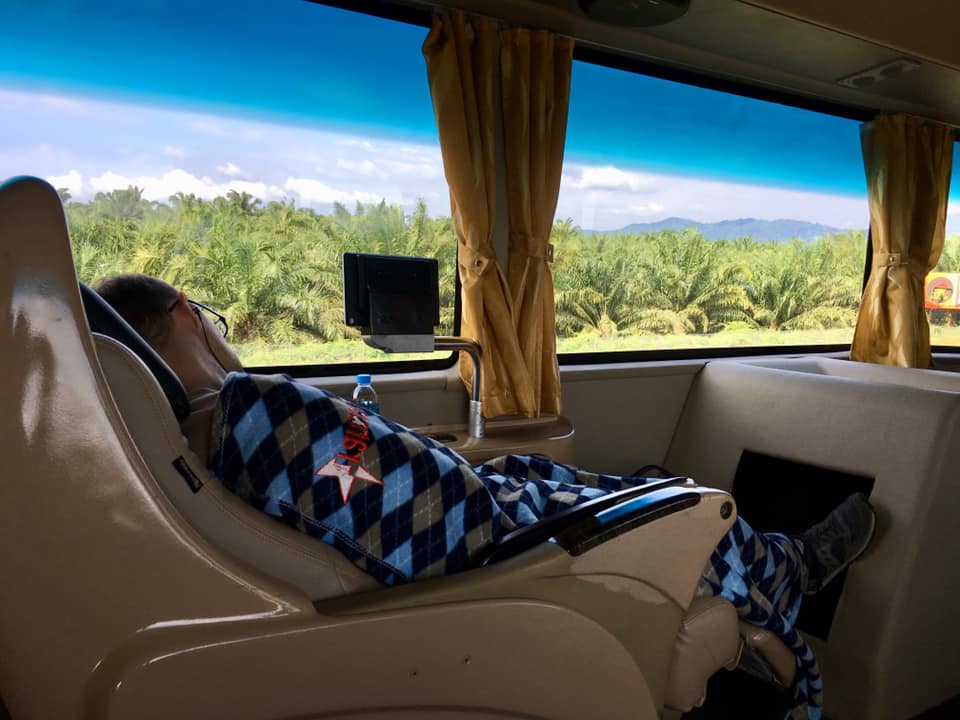


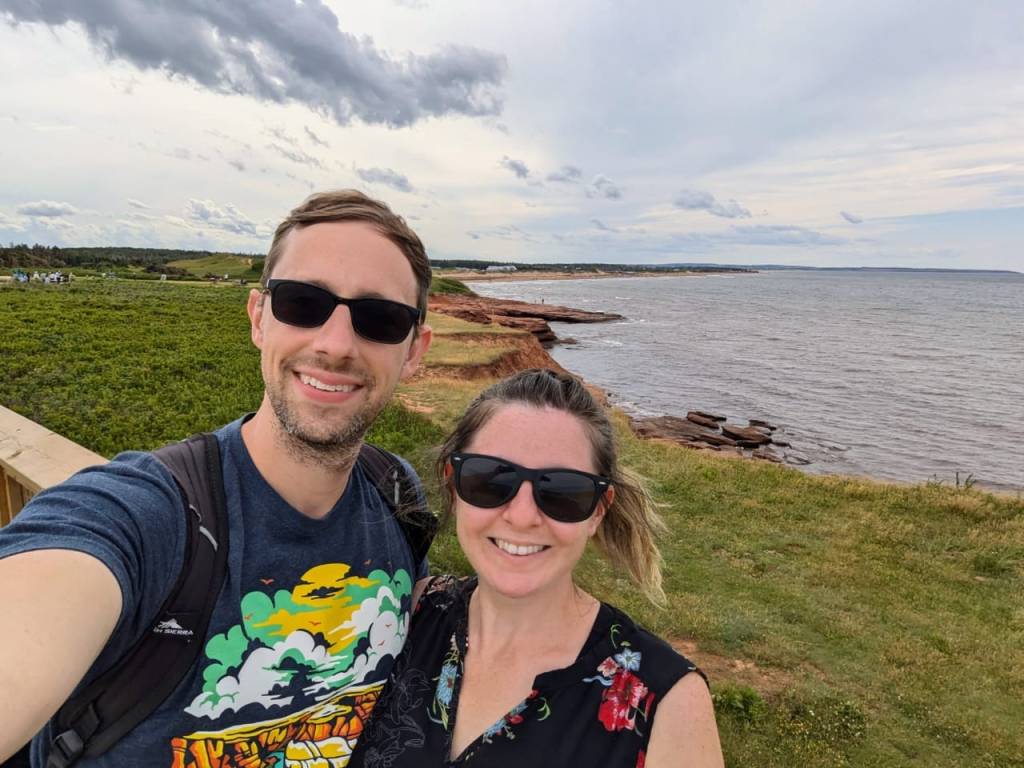

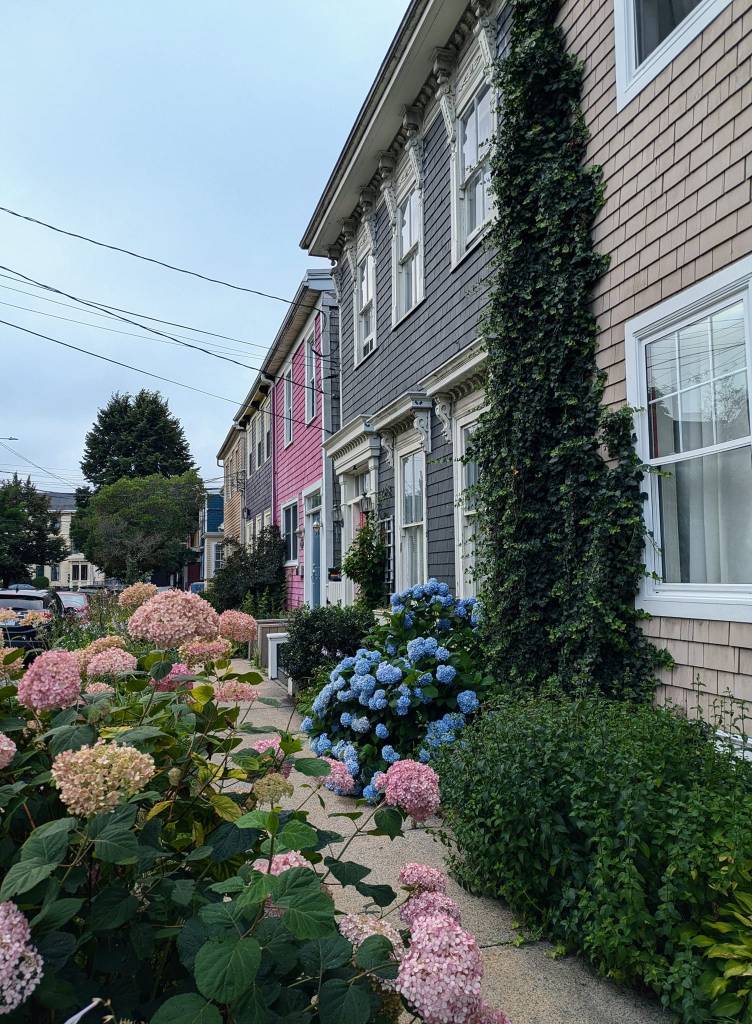

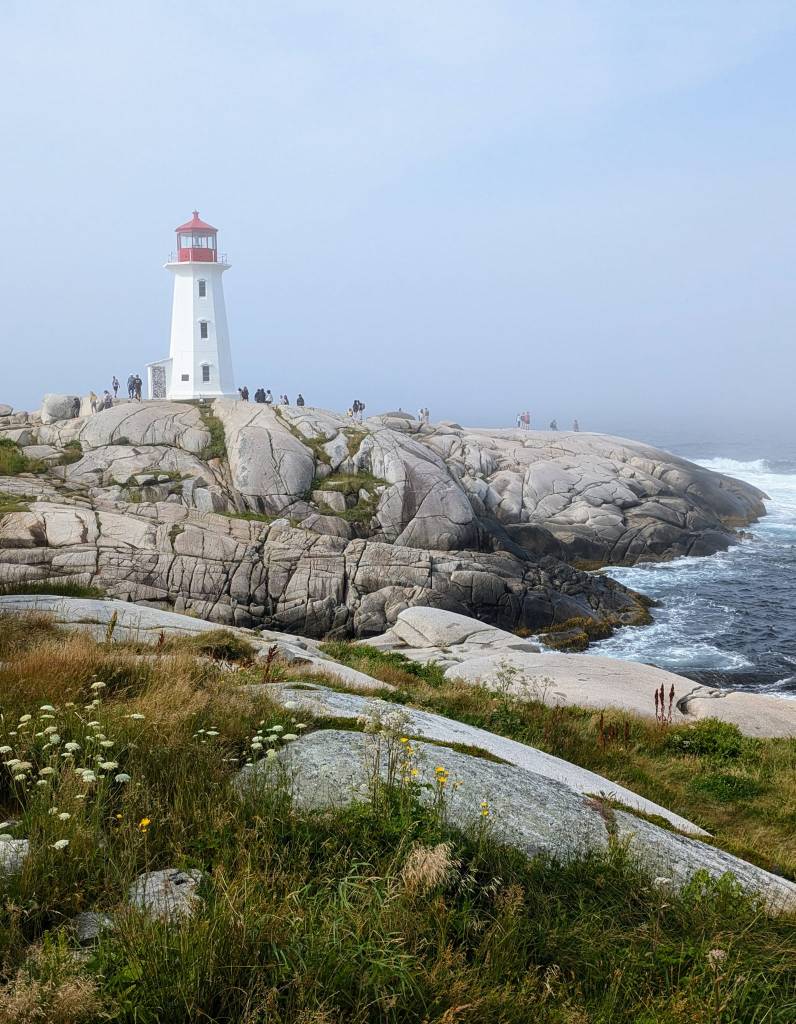




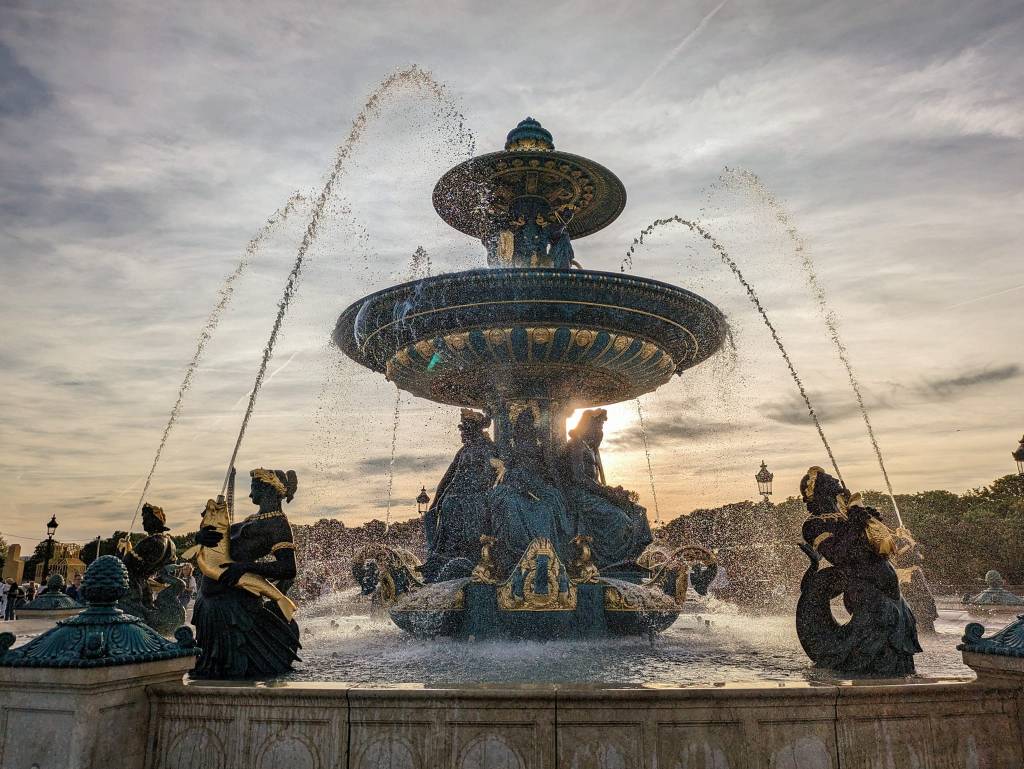
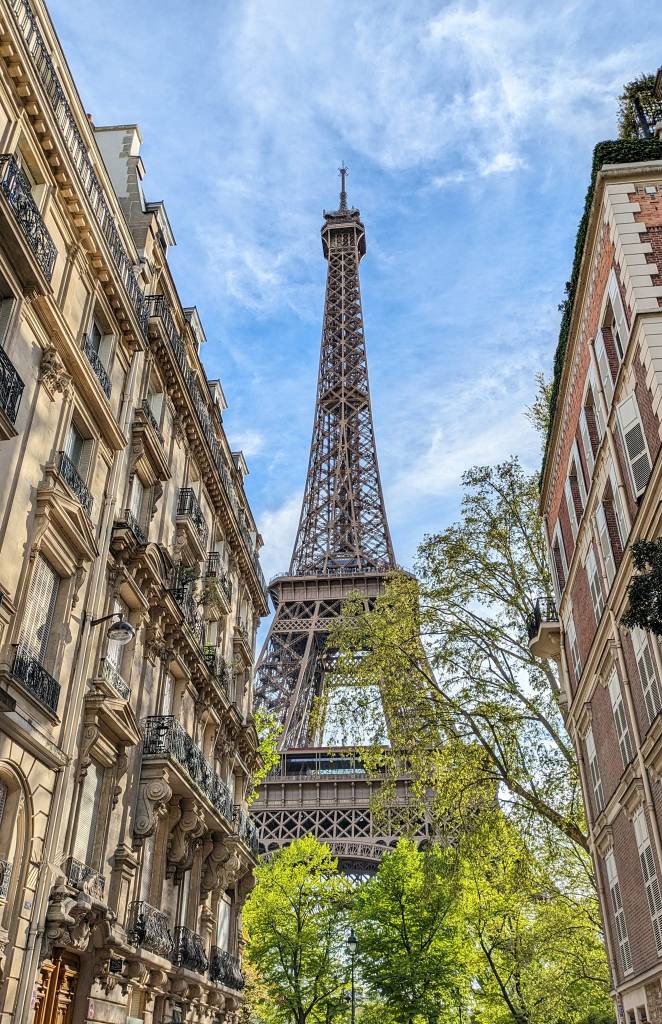
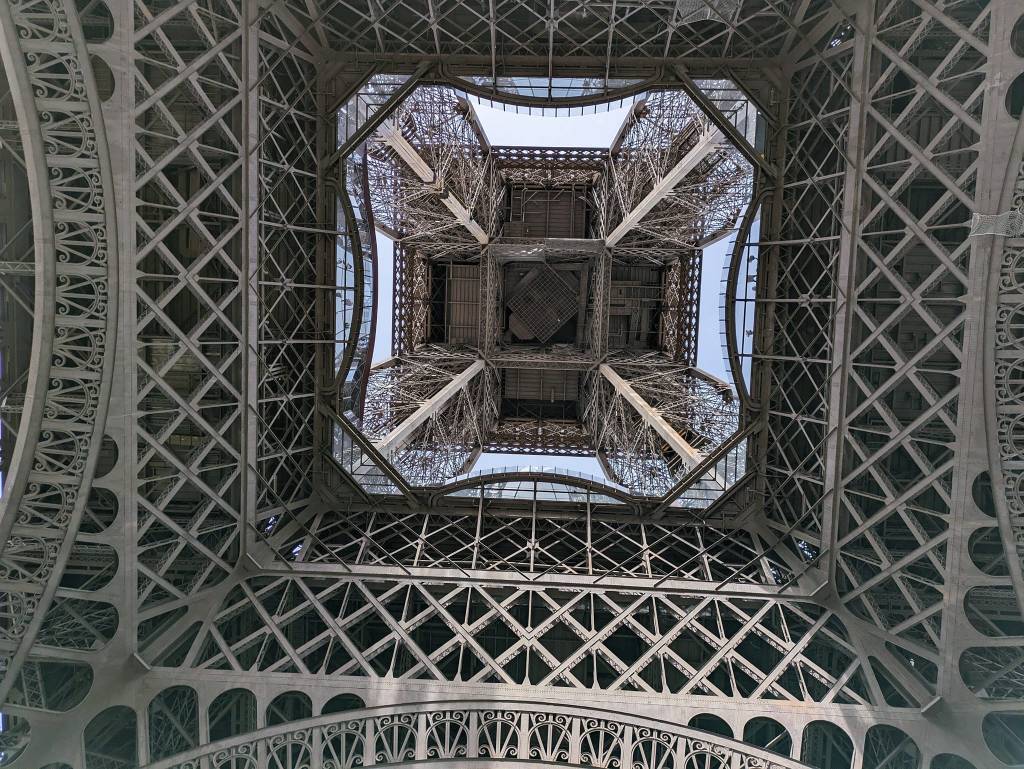
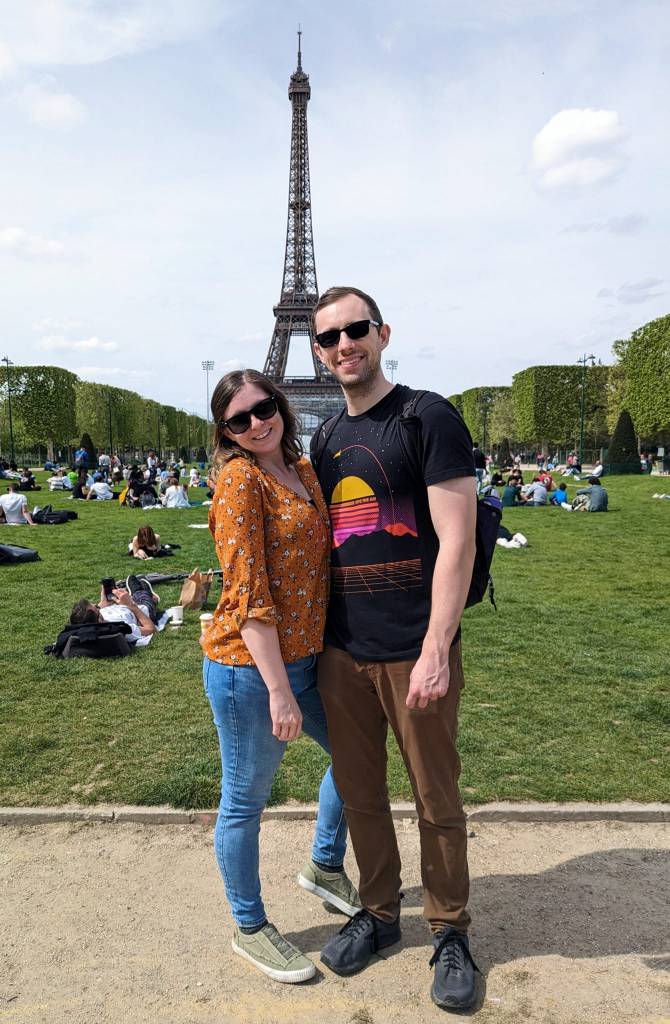

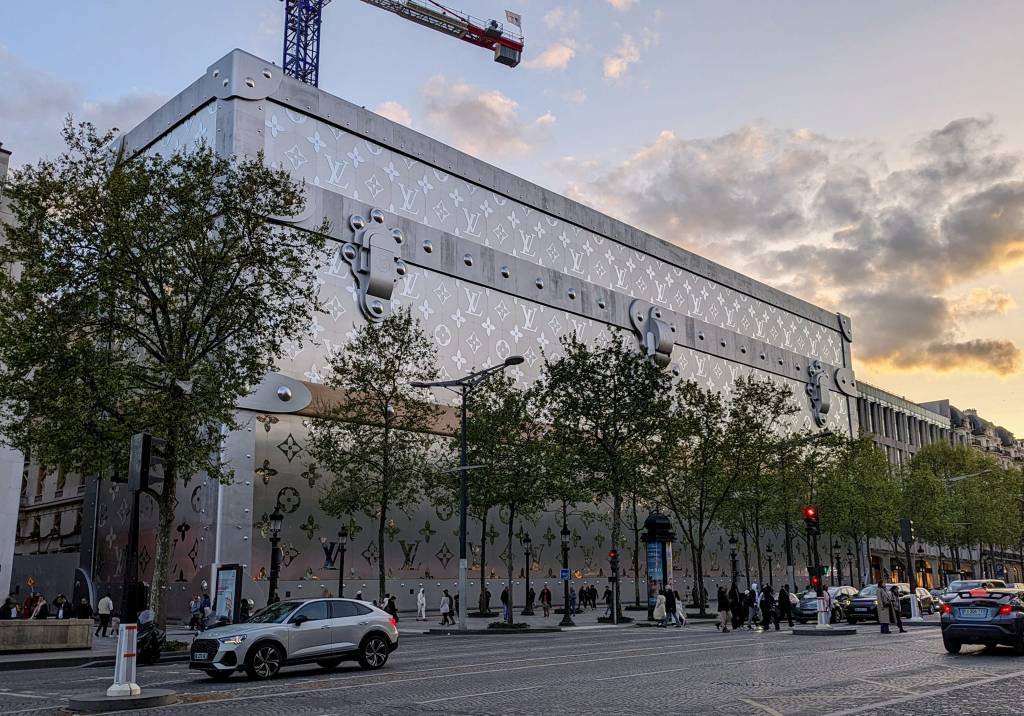
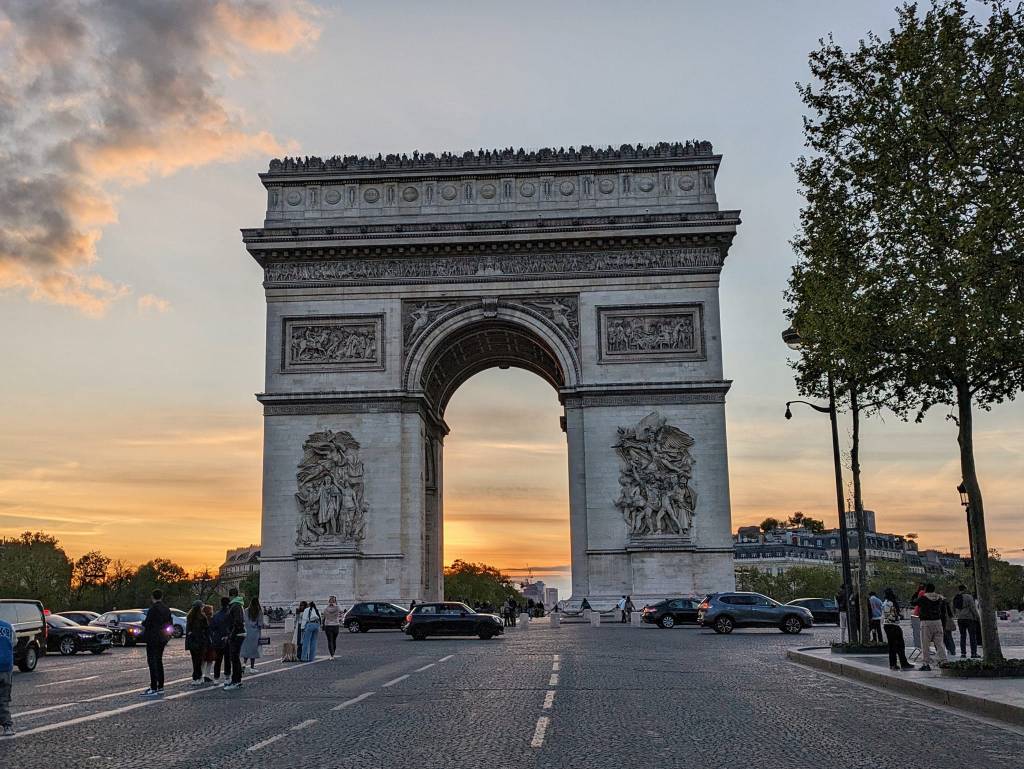


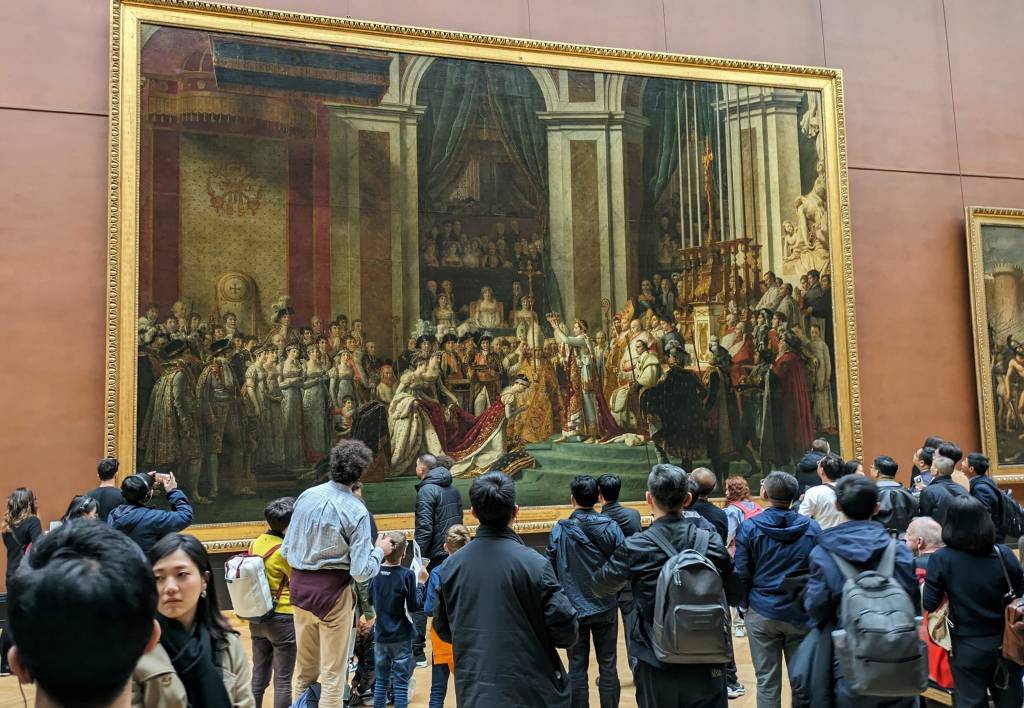


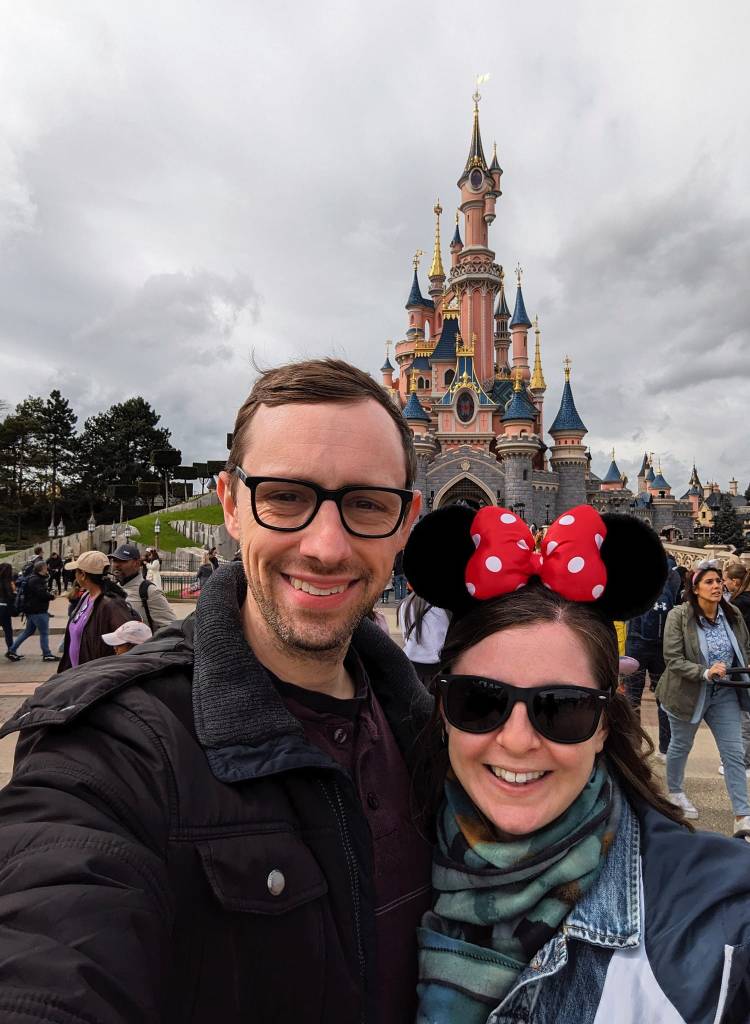


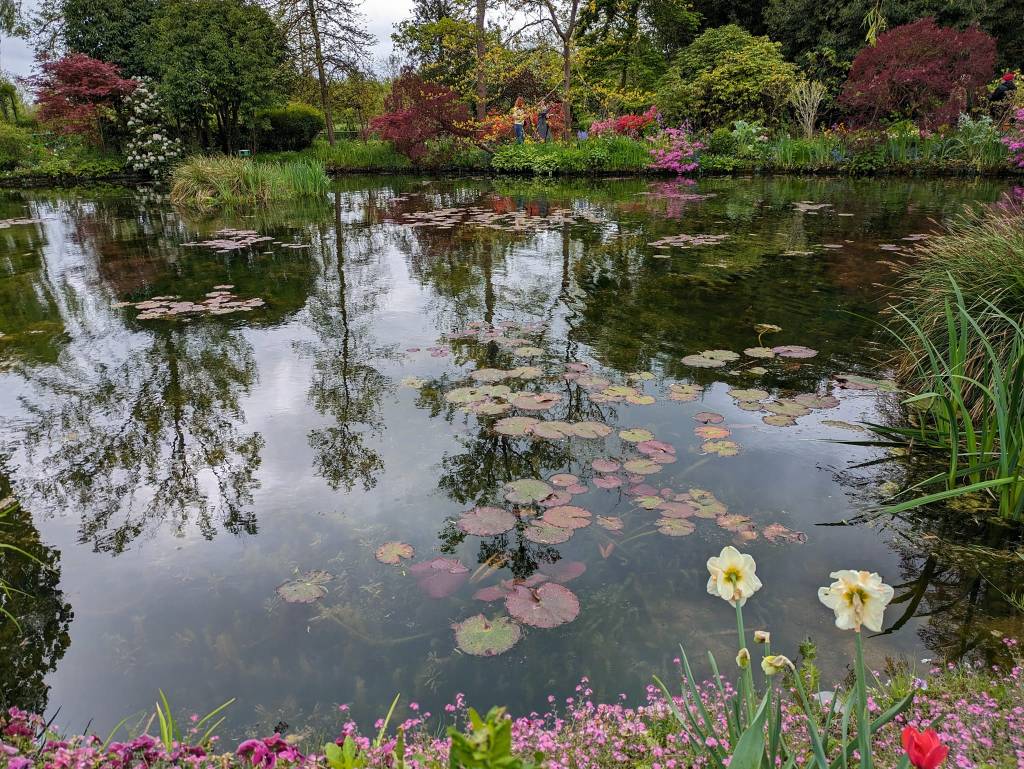

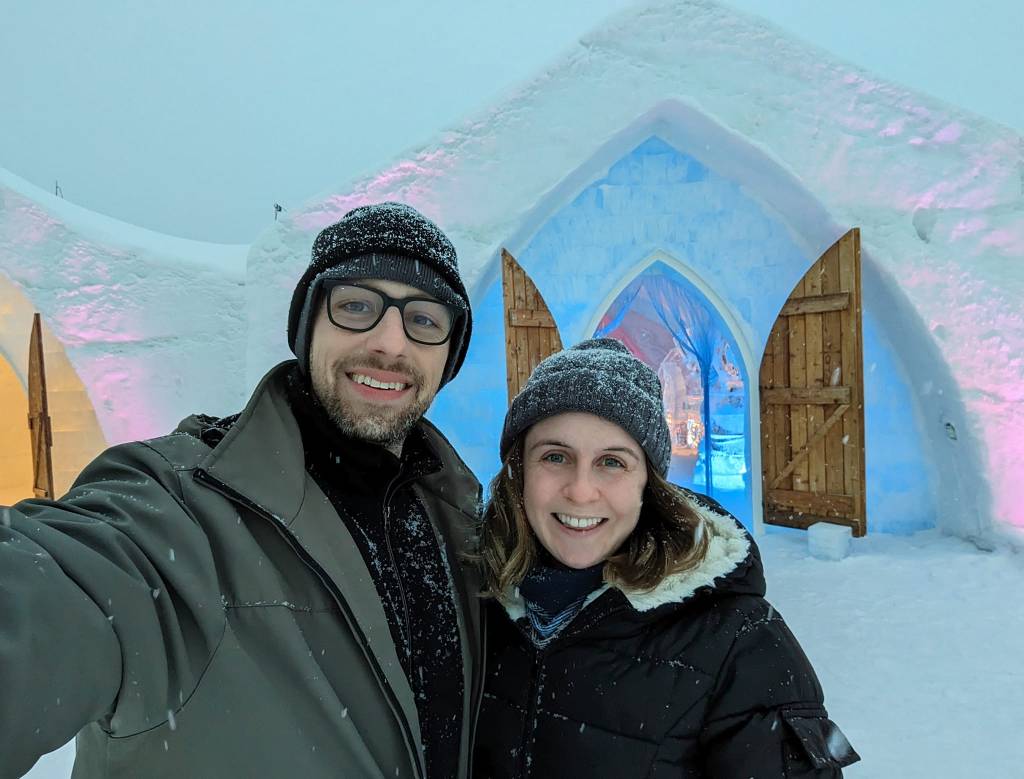


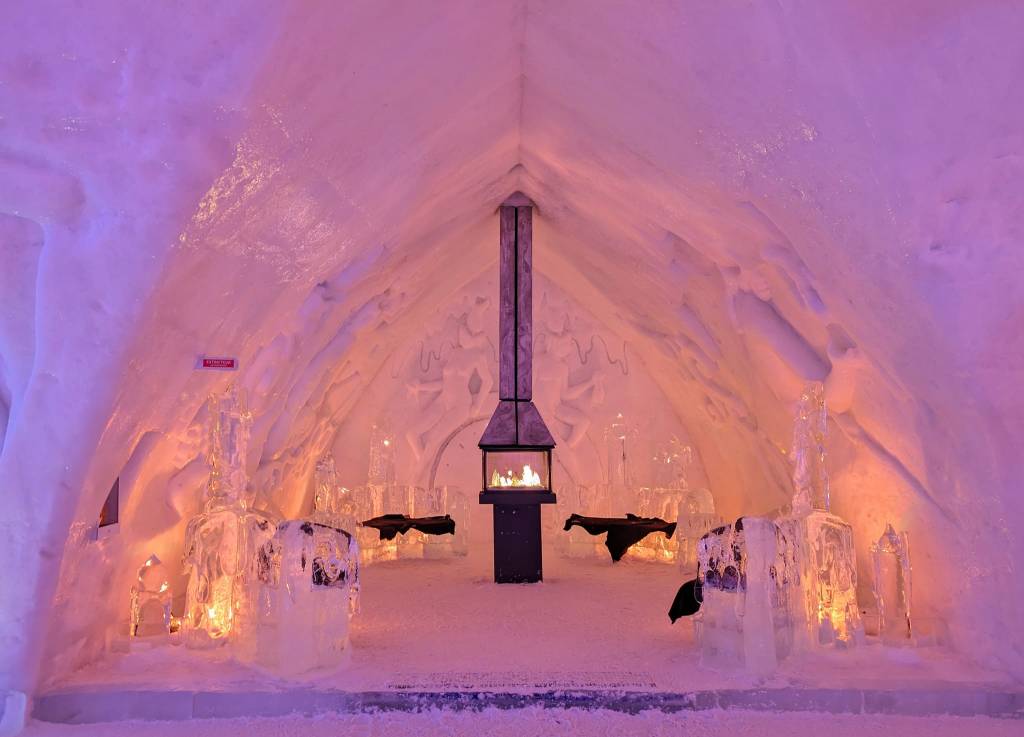

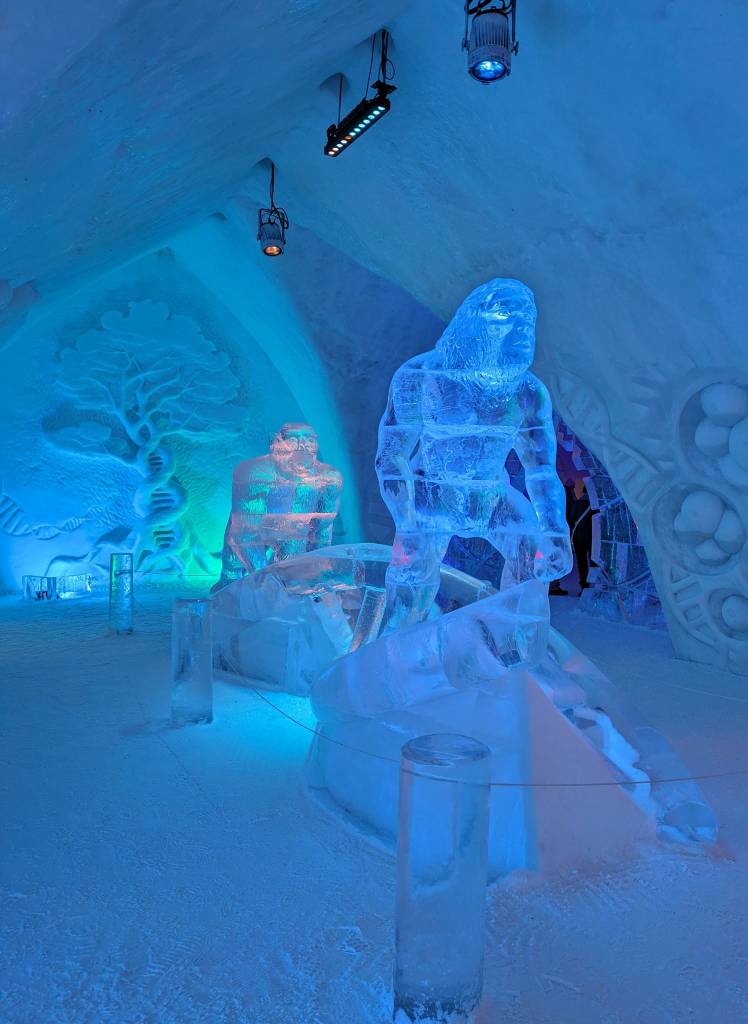
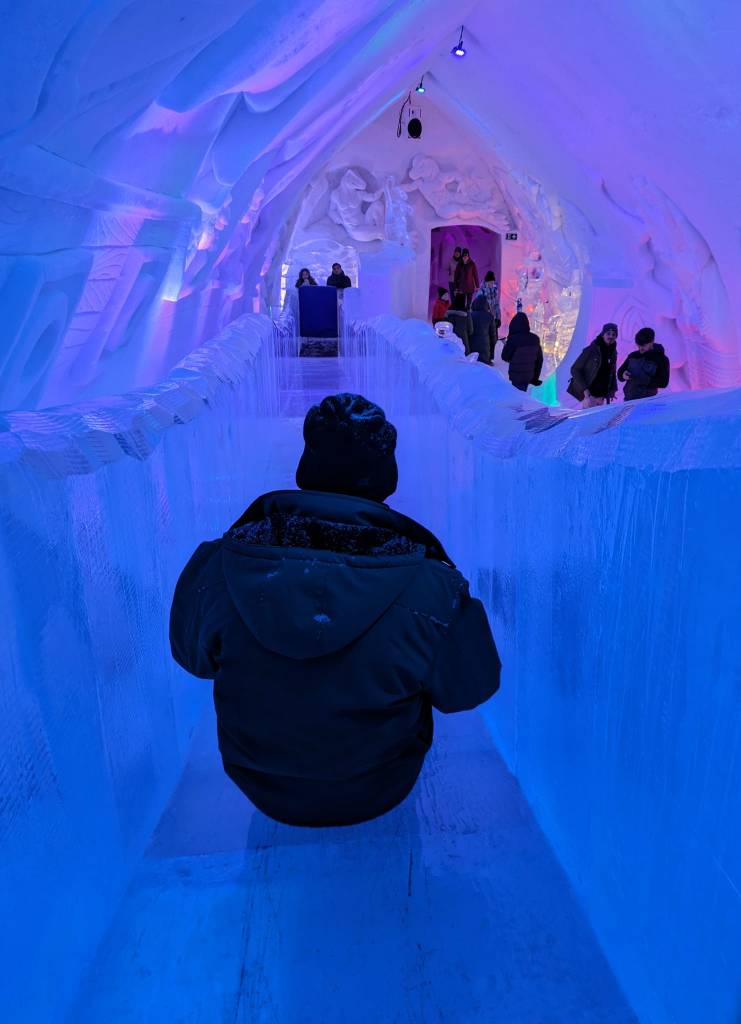
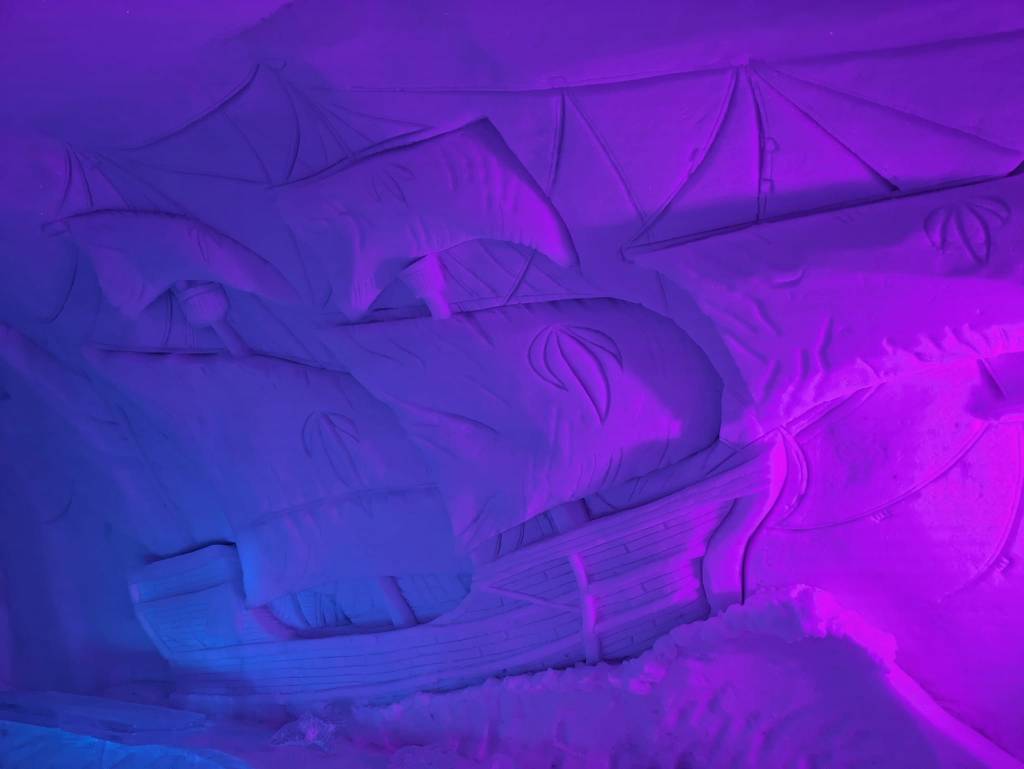


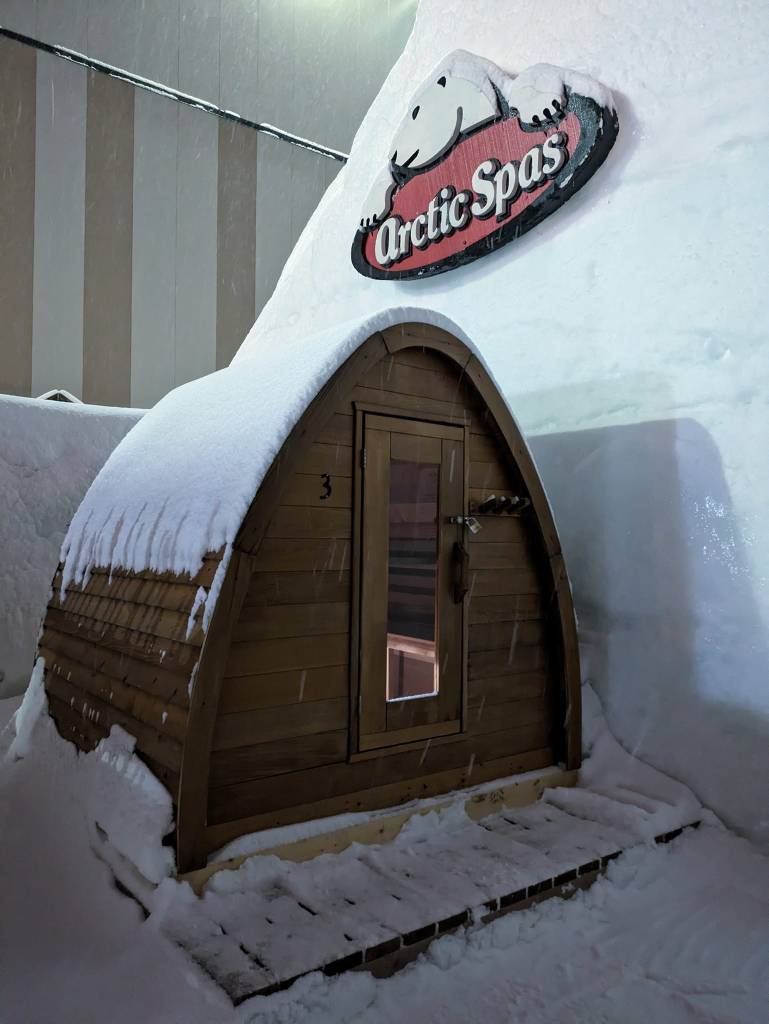
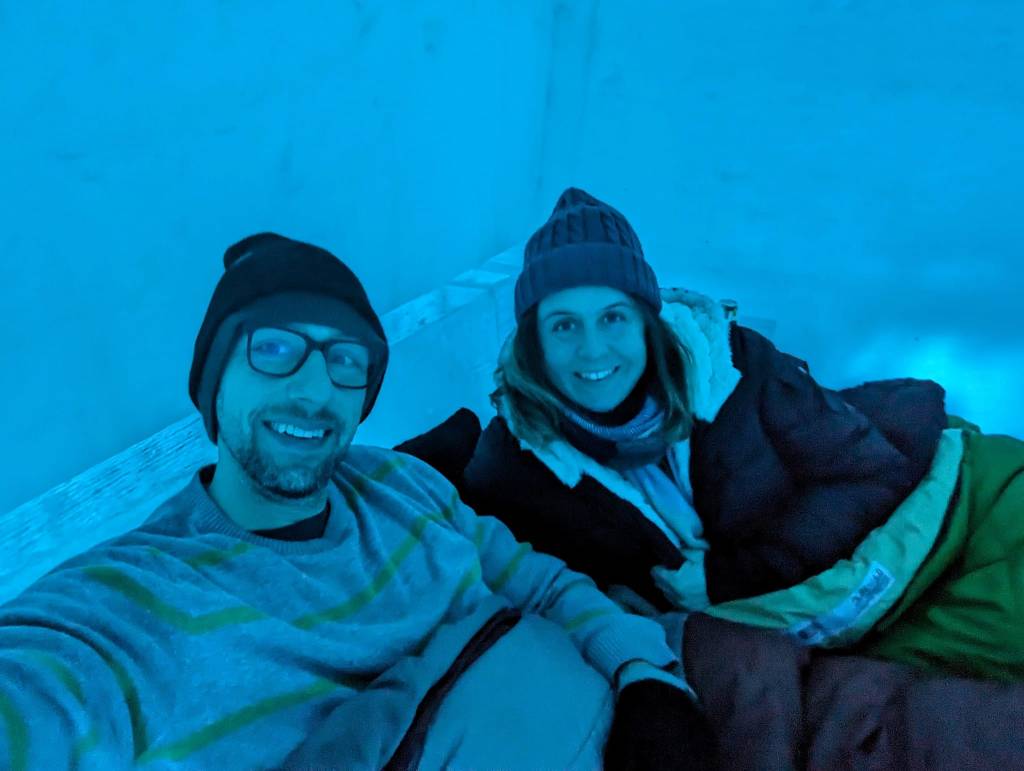
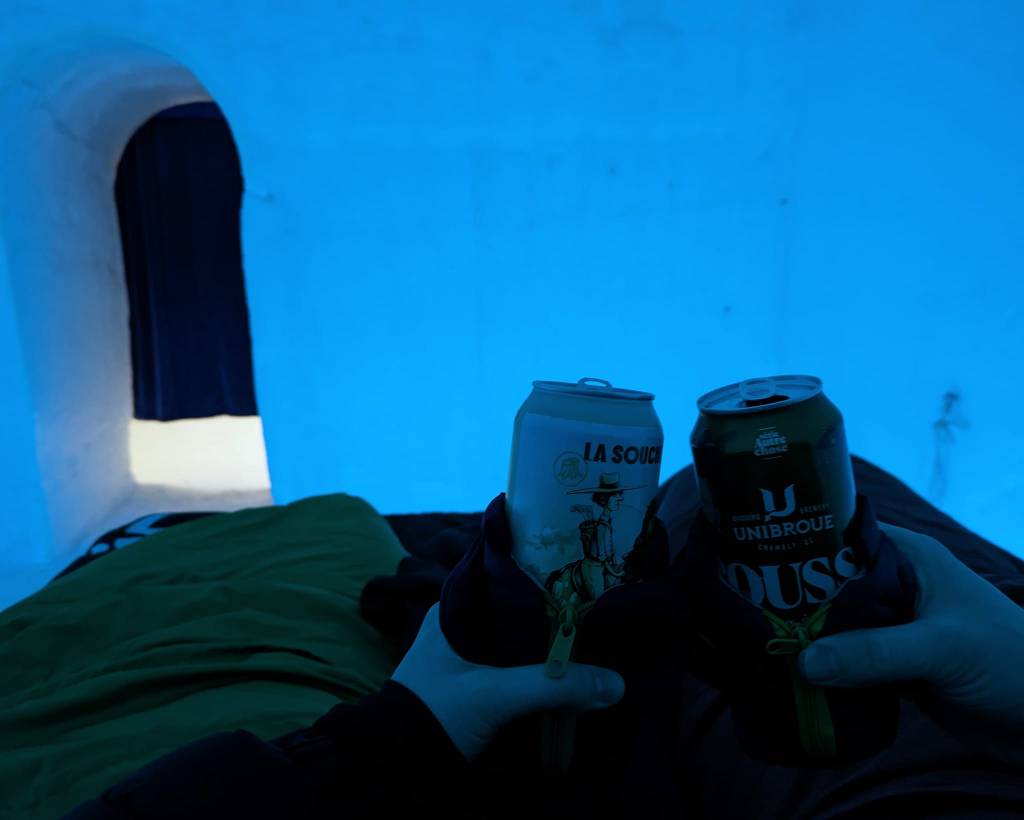

 Dani Francuz Rose