Beautiful Banff

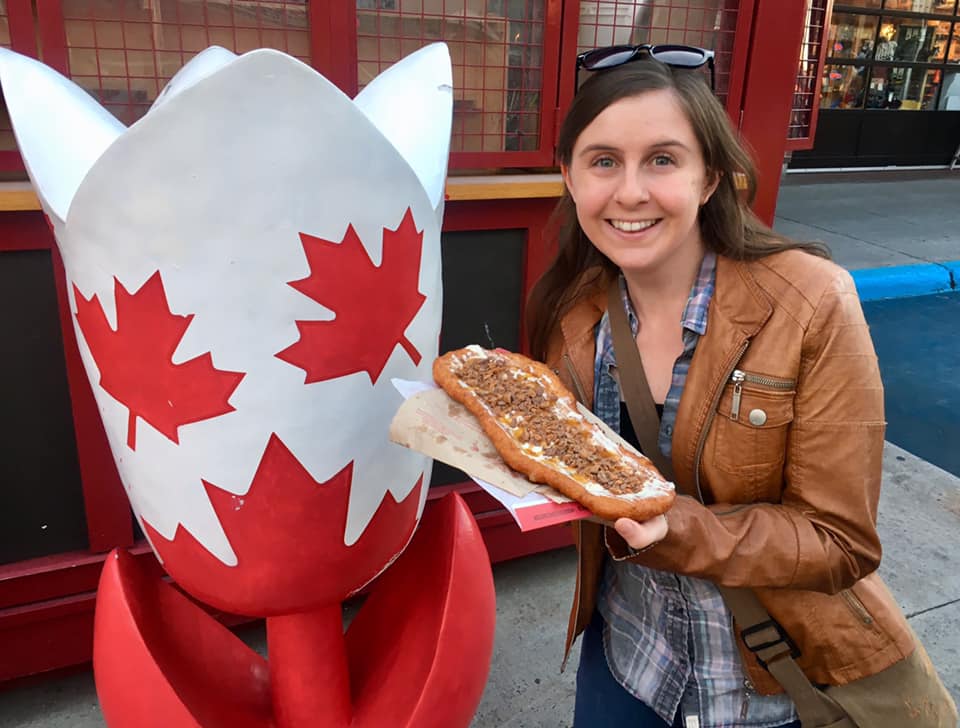
Last month, Tucker and I continued our Canadian explorations with a trip to Banff, Alberta. Of course, Banff had been on our list long before we knew we’d be living in Canada, and we can now say with absolute certainty that it should be on everyone’s bucket list! We were truly blown away with the seemingly infinite number of stunning views, trails, waterfalls, glaciers, and all sorts of other incredible landscapes. In fact, I had trouble narrowing down our plans to fit neatly into a one-week trip (many people spend weeks or months trekking around Banff and Jasper National Parks, and I now know why). But since most of us can’t do that, I thought I’d share our experience, which could be useful to others in planning their own epic trip to Banff!

Calgary, Alberta

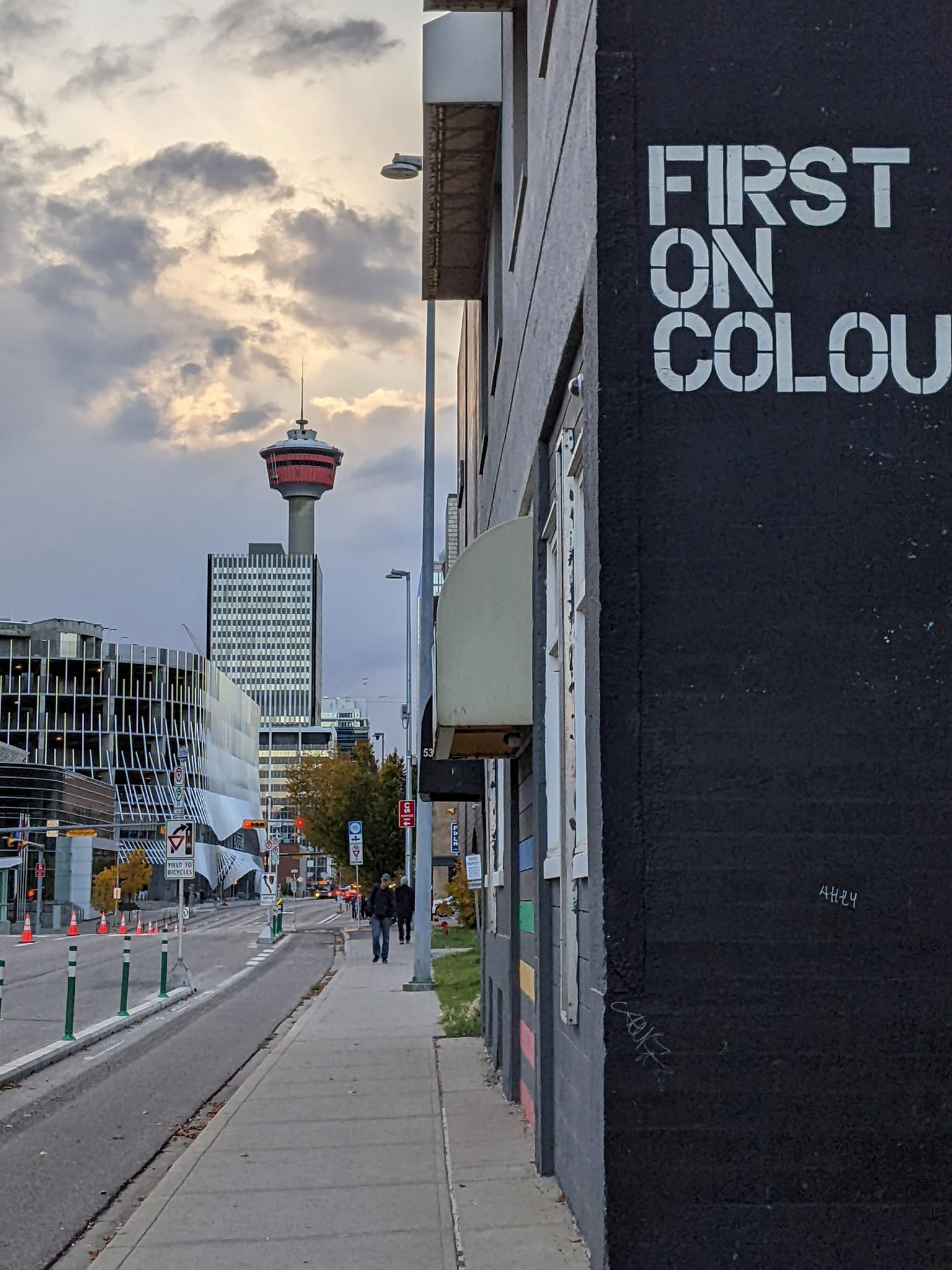
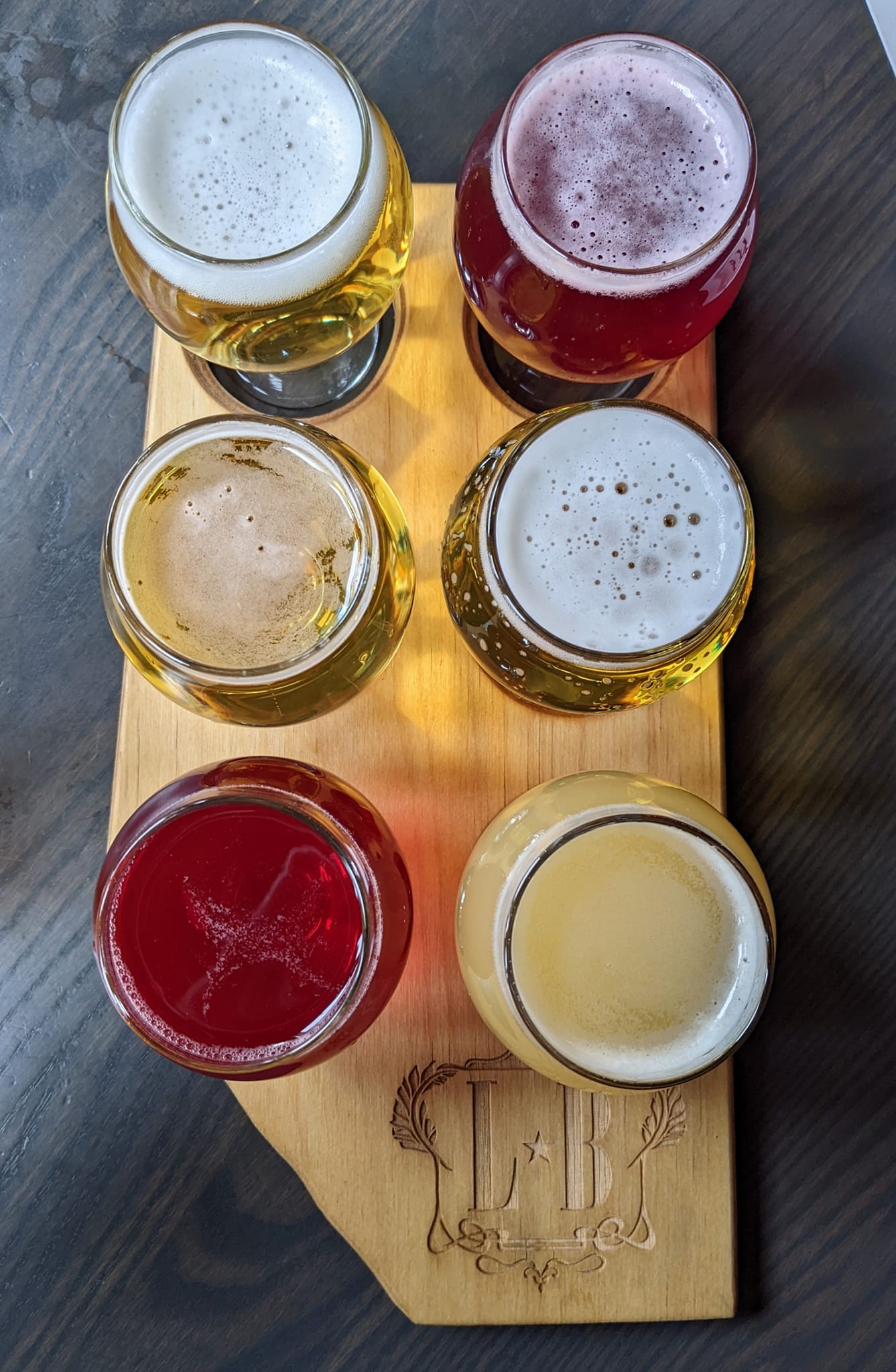
But before we get to the city of Banff, we have to get to the province of Alberta. The vast majority of visitors fly into Calgary, which is the nearest major city. This is what we did although we also considered flying into Edmonton and driving down through Jasper as an alternative. Ultimately, Calgary won out because it was closer and the flights were cheaper. I’m happy this was our choice though because it meant we got to spend several days in Calgary, which turned out to be a really fun city: two beautiful rivers running through it with gorgeous parks throughout, a very lively and impressive brewery scene, and several bar and restaurant streets where we were able to try the famous Albertan ginger beef. Seriously, don’t let the airport be the only thing you see in Calgary!
Of course, our main reason for being in Alberta wasn’t the cities, it was the beautiful Rocky Mountains, so how to get out there? Well, they’re really only about an hour drive from downtown Calgary, and you have several options. There are buses and shared cars aplenty, but we, like most people, ended up renting a car. The price was as expected: reasonable if you return it to the same place, outrageous if you don’t. In hindsight, having your own car is absolutely paramount if you want to see anything outside the teeming tourist bubble. One of the best parts about driving ourselves around Alberta was that we could (and did) stop at every possible turnoff for views, trails, signs, etc. not to mention the total freedom we had when driving the Icefields Pkwy. But if you’re sticking close to Banff (as in Banff City and the lakes) you really wouldn’t need a car at all if you didn’t want one.

Canmore & Banff
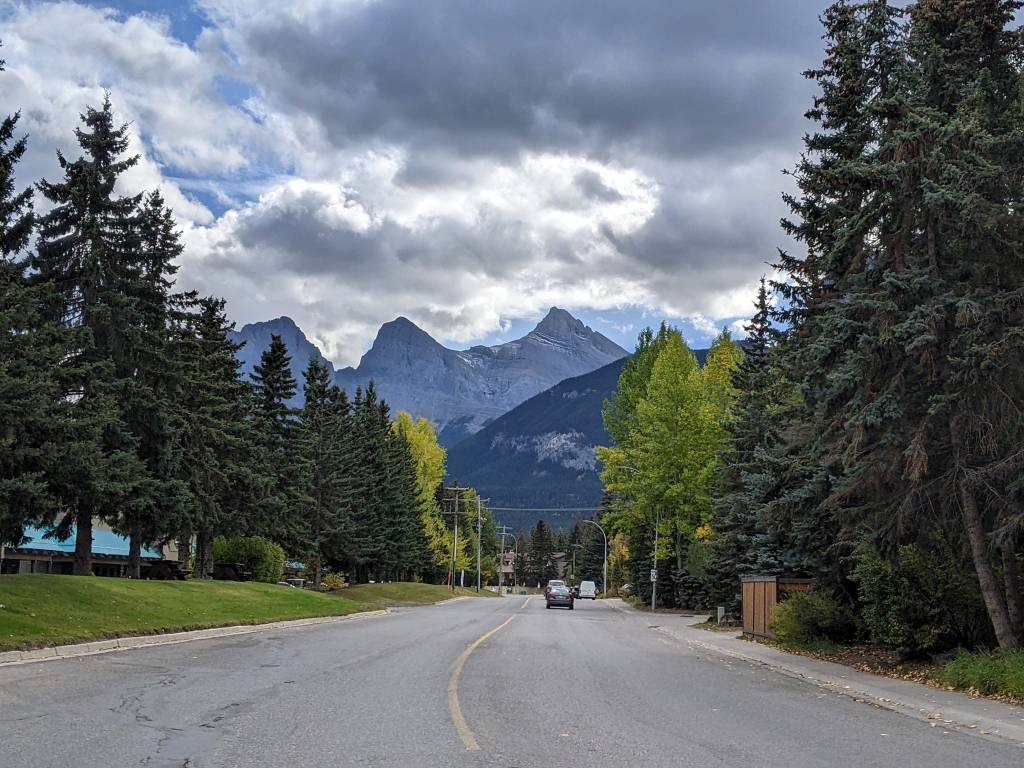
Once you’re successfully into the mountains, you have another choice to make: where to stay. If you’re camping, the options are limitless, but if you’re afraid of bears and/or you’re not a millionaire, you basically have two choices: Banff City or Canmore. Canmore is a little further from the main attractions and isn’t quite as touristy; therefore, it’s slightly cheaper, but there’s much less to do, which means you’ll likely be driving (and having to find parking) more often, or so we heard from fellow hikers. We stopped in Canmore both on the way out of and back into Calgary, and we really enjoyed it. It’s basically a baby Banff, and I think it’s a solid option, especially if you prefer a more low-key home-base.

We ended up staying in Banff though since this was our first time, and we had no idea what to expect. Since we went at the end of September (right before a lot of attractions and roads are to be closed for the season), there was a plethora of visitors. Options for accommodations were somewhat limited either by availability or by price. Fair warning – Banff is beautiful, but it is not cheap. We chose to stay in a private room at a hostel about 1.5 miles (2kms) from the city center. It was an easy walk, but there is also an amazingly quick and efficient public bus that runs through town and out to many of the resorts as well. Several hotels/hostels give free passes for the duration of your stay, but you can also buy a day pass for $5CAD.  

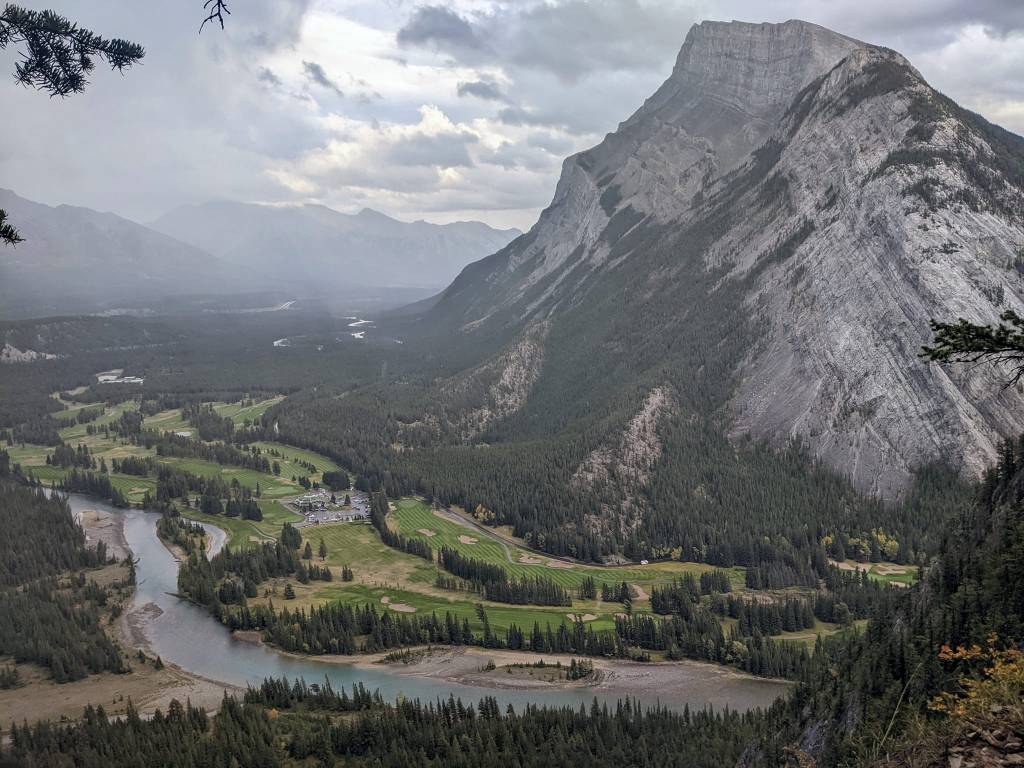
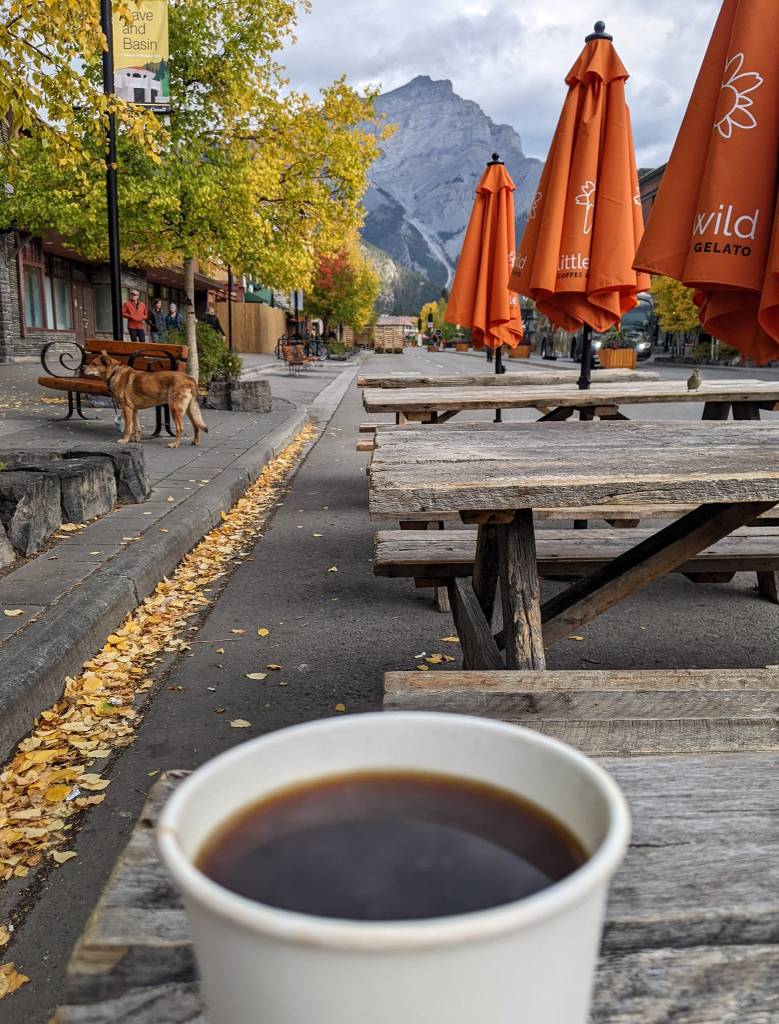
The city of Banff has much more to do than we originally thought. On our first evening, we climbed the nearby Tunnel Mountain, and there were countless other trails into the surrounding mountains and valleys. Evidently, there’s also a famous golf course there – who knew? And the town itself is well-worth a wander. Little shops selling everything from mountain gear to homemade fudge, lots of cozy cafés, and restaurants that run the gamut: we saw a McDonald’s right down the street from an extremely lavish steakhouse. We ended most of our days in Banff eating and drinking after spending the day outside hiking, and the choices were surprisingly diverse for such a small town.

Lake Louise & Moraine Lake

Likely two of the most famous views in all of Canada (maybe even North America) are those of Lake Louise and Moraine Lake. No matter how you feel about large-scale tourism or throngs of tourists, you can’t come all the way to Banff and NOT see these two icons. Somewhat recently, Parks Canada decided to close off the roads to the lakes for all private vehicles. The only way to visit them now is to take a shuttle (or a tour) from a parking lot/ski lodge just outside the park. This was very confusing to us when reading about it online, probably because it’s new, but it was actually really easy to do. You reserve a time slot and a direction (either LL->ML or ML->LL) and then present your digital “ticket” to the bus driver. The buses leave every 20 minutes, and as long as you get on within your window, you’re fine.
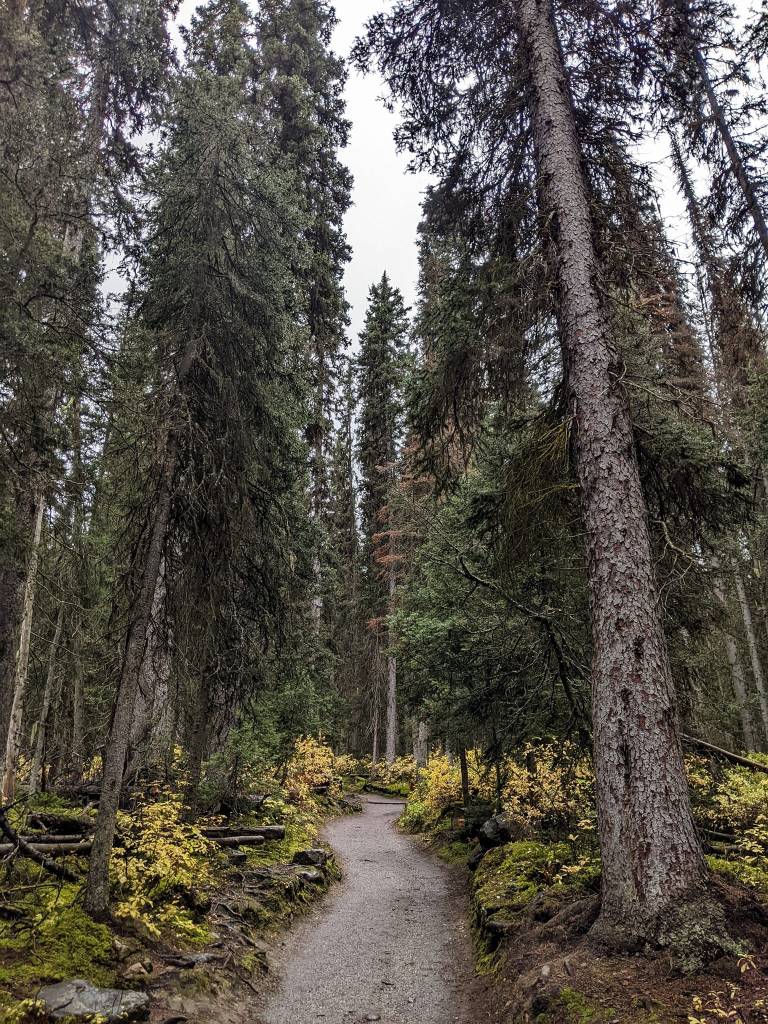
Lake Louise is huge. There are trails on either side of the lake and up the mountains on both sides with bird’s-eye views. You can also rent canoes and take to the water if you want ($145 for 30 minutes – yikes!) My advice for Lake Louise is to play it by ear depending on the time you’re there, what the weather is like, how many people you see going in either direction, etc. We were there in the afternoon, and it was quite crowded, so we took the path less traveled up to the Fairview Lookout on the lefthand side and found it absolutely perfect. There are signs everywhere showing the lengths and difficulty levels of all the trails, so you can pretty easily decide once you’re there. Just remember to bring water and snacks because there’s not a lot of options once you’re on the tourist circuit.  

Moraine Lake is not as big, and because of how it sits, you’re sort of on top of everyone else trying to see/take pictures of the lake. There are several trails here too, but most of them take you away from the lake. We did the 4-mile (6-km) trail to the Consolation Lakes and felt that they lived up to their name lol. In hindsight, I’d have rather brought a picnic and found a nice place to sit and eat while looking over one of the lakes. All the hikes were lovely, of course, but the views of the lakes were better. Also, we did see signs about hiking/traveling in larger groups because of bears, which we didn’t take very seriously then. After recent events, we plan to be more aware and prepared next time, and I would urge anyone else to do the same.

Icefields Pkwy & Jasper National Park
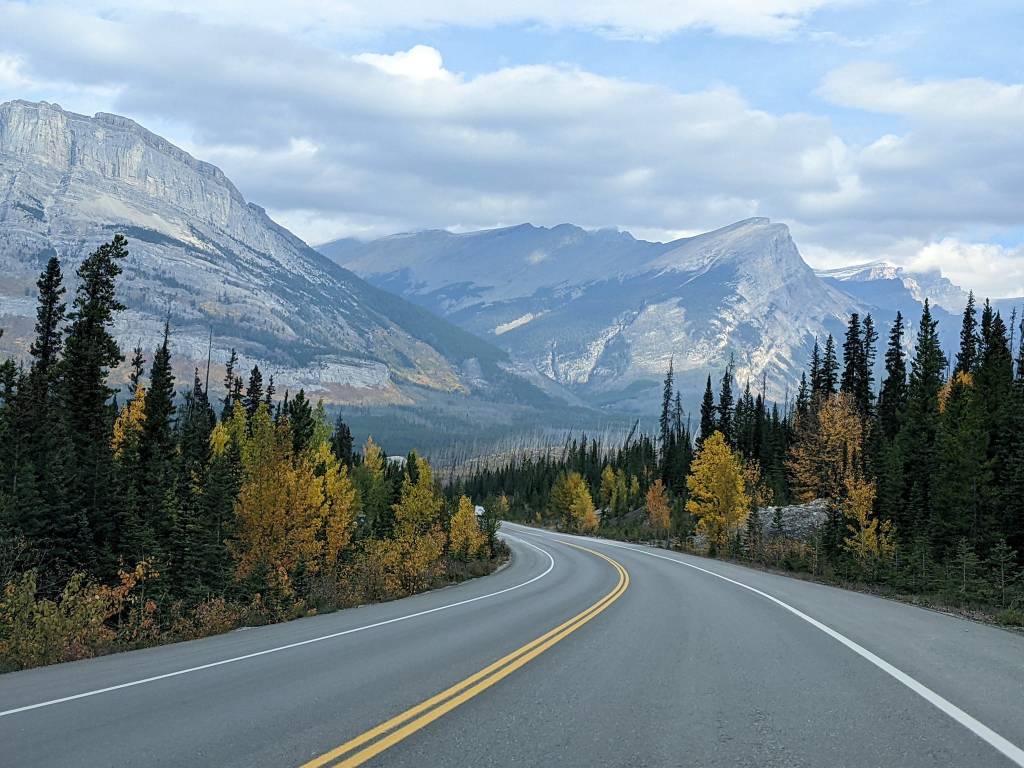
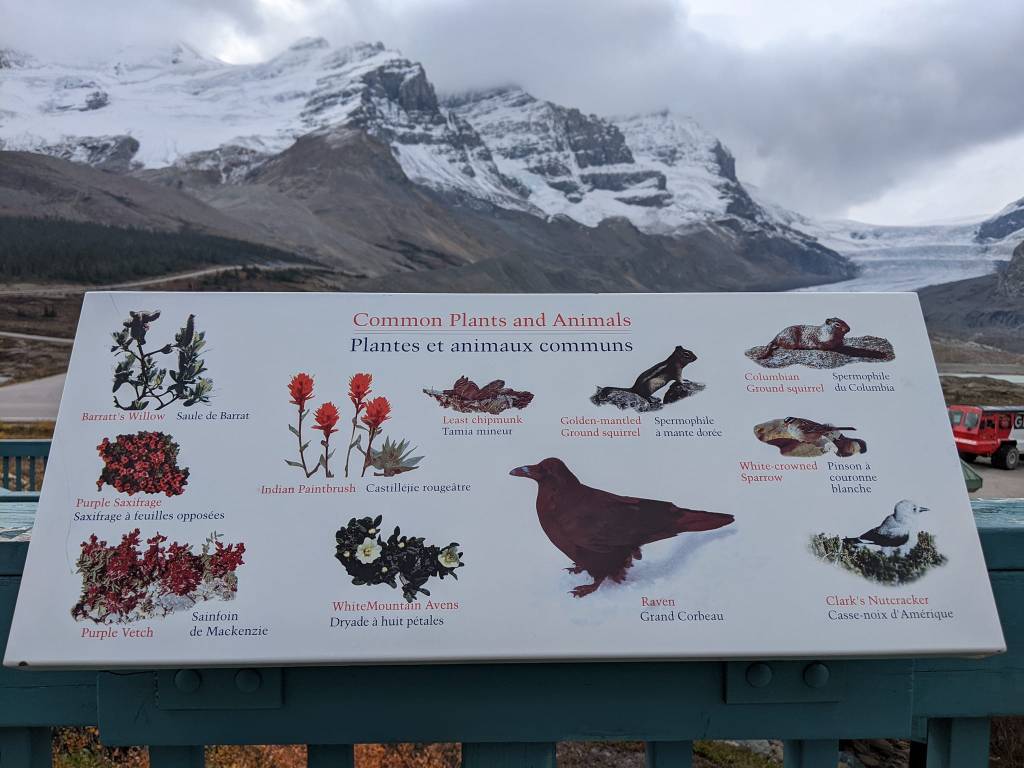
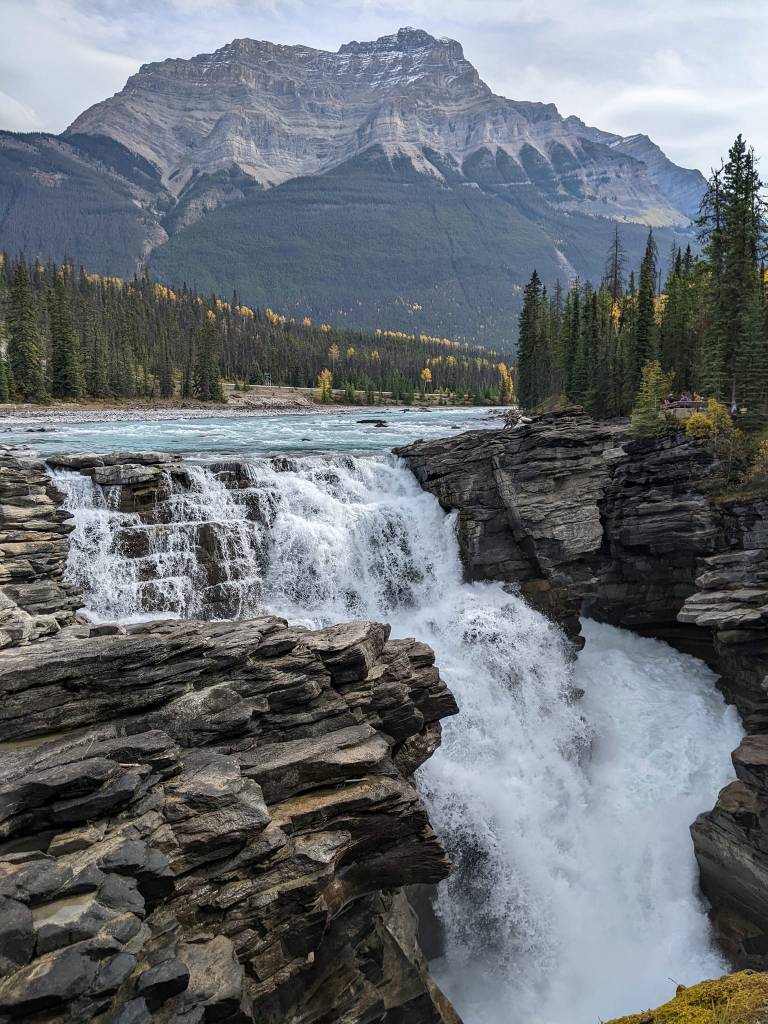
Our last great adventure in the Canadian Rockies was a drive from Banff City up to Athabasca Falls in Jasper National Park and back. This stretch of road is known as the Icefields Parkway because there are over 100 glaciers along this path, which gave us some of the most incredible views we’ve ever seen from a car. It’s only about 3 hours up to Athabasca Falls, but it took us over 4 because of all the stops we made along the way: the Columbia Icefield, Sunwapta Falls, Mistaya Canyon, Peyto Lake, and dozens of other incredible stop-offs. This drive was easily my favorite part of the trip, especially in the fall. We didn’t see very many people along the way, but there were endless signs teaching us all about the region, the various landforms, flora, fauna, you name it. It was very much like a DIY field trip, which, of course, I loved!

Ugh! After writing this and reliving all these incredible moments, I’m ready to plan a trip back to Alberta. Somehow, I feel like this might be a Huangshan (Yellow Mountain) situation, in which you haven’t really seen it until you’ve seen it in all four seasons. I do hope I’ve inspired you to put your plans to visit Banff into action not only because it’s one of the most beautiful places in the world, but also because some of these places won’t always be there for us to see in the future. Time really is of the essence, so bon voyage!
So Canada, eh?

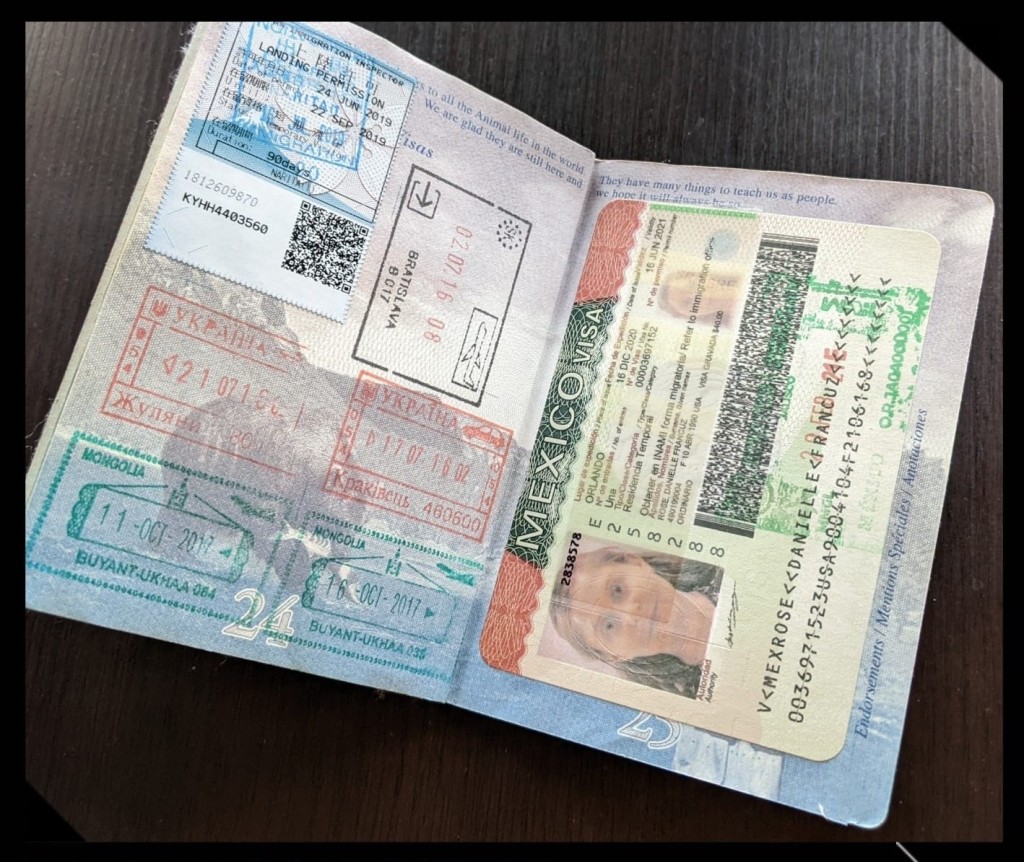
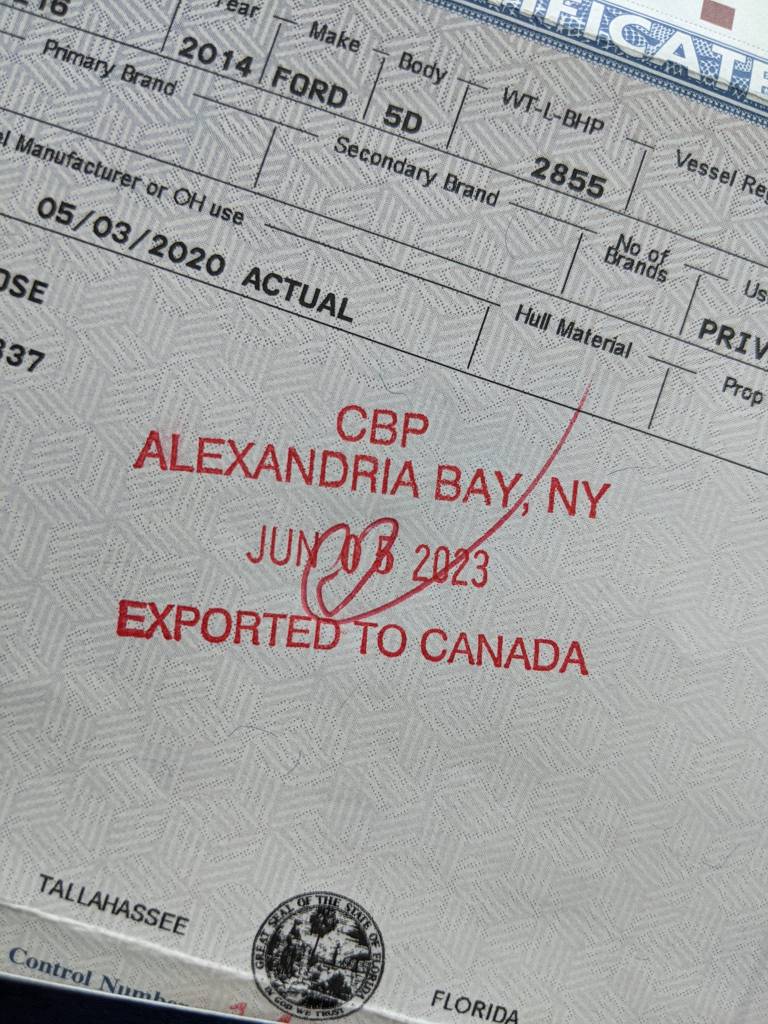
And just like that, we’ve already been living full-time in Canada for over a month! It’s absolutely crazy how fast it goes! It’s also crazy just how quickly we can fall into a routine and feel extremely comfortable with so many new things, like seeing Canadian plates on our car, switching from “buenos días” to “hello, bonjour”, and/or re-adapting to hot, humid summers back down at sea level. As always, we’re so excited to be in a new place, learning new things about a country that we’re honestly a little surprised to find ourselves in! Actually, I think it has surprised a lot of people because some of the most common questions I get these days are: “Why Canada?”, “How did you choose Ottawa?”, “Why not somewhere in the States?”, and the ever-popular, “Where are you going next?” All great questions that I’m going to do my best to answer in this post!

Why Canada?

It was pretty tough 😅

To answer the “why Canada” question, we’ll have to go back in time a little, back to when we made the decision about which country to move to after living in China for two years. Picture it: it was 2019; there was no hint of a pandemic, but after two years of studying Mandarin and struggling to find work squarely in his field, Tucker really wanted to go somewhere English-speaking. Of course, I wanted a country with any other language because that’s a huge reason I love living abroad: the constant language practice. So, we narrowed down our search to bilingual countries, and with the shorter flights for family visits and the possibility of driving our pup home with us, Canada jumped to the top of the list!

Even now, after so much time has passed and so many things have changed (pandemics, cars, jobs, etc.) Canada still offers the amazing opportunity for me to work with French-speakers and Tucker to work with English-speakers, with both of us able to diversify and grow our careers in our respective fields simultaneously. This is how we chose Ottawa. While there are a lot of truly amazing bilingual cities in Canada, Ottawa seems to be one of the most evenly split. It’s the nation’s capital, representing bilingualism both in practice and by law, and it’s also located right on the border of Ontario and Quebec, meaning that every time we cross the river (aka the provincial line) we’re guaranteed a language switch. It really is the best of both worlds! Not to mention, it’s an incredibly beautiful city surrounded by so much nature and history!

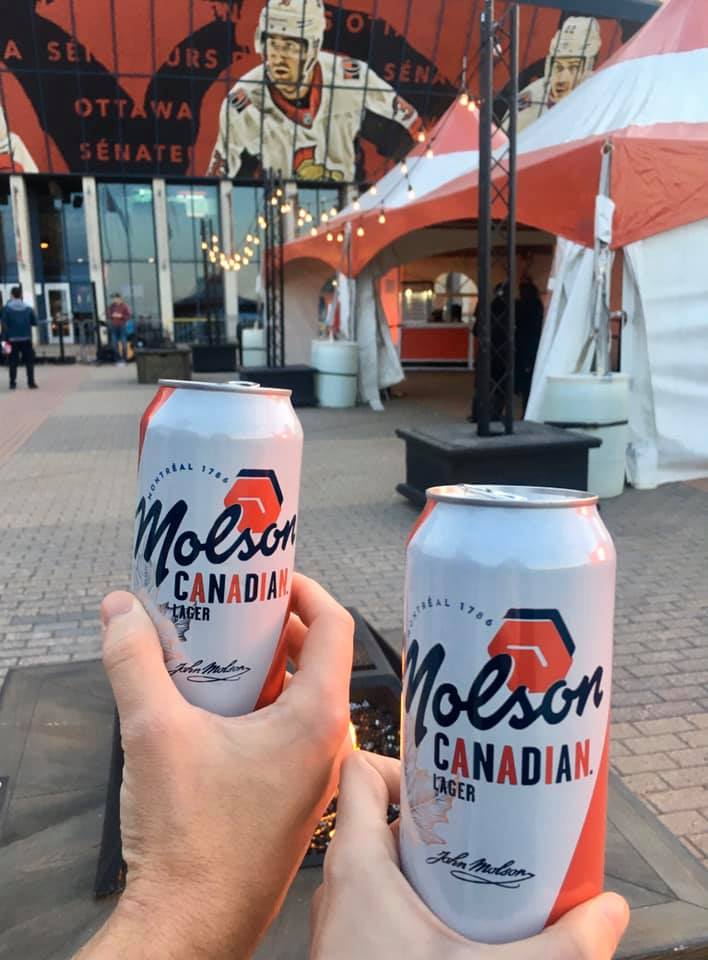
In addition to the languages/work prospects available here, we both just seriously missed winter. I know when I say things like this, a lot of people roll their eyes and think “just you wait”. But I really think everyone underestimates just how much we love the cold, and especially the snow. We’re so excited to get back into snowboarding regularly. We can’t wait to try snowshoeing, natural-rink ice-skating, curling, snowmobiling, and maybe even hockey at some point. Winter people are our people, and we are ecstatic to be back in a country full of them! It’s finally our chance to really test our love of winter! This time as adults with a car to scrape ice off of and a dog to walk in minus-20 degree weather – sounds like fun, no?

Things like this do give us pause though…

Why not the US?

But, of course, the US gets pretty cold too, and there are many places there with languages other than English spoken. So why not go somewhere in the US? Another good question that I’m asked pretty frequently. Along with “do you think you’ll ever live in the US again?” To these, my answer is always the same: I lived in the US for 25 years. I have visited all 50 states. My job for the last decade has been teaching people all about the language and culture of my home country. The reason I want to live abroad is the simple fact that I enjoy discovering what else is out there! I love being immersed in a culture different from the one I grew up in. I love learning about another country’s history, language, customs, etc. Of course, I love the US too, and I write about it often: like about our incredible national park system, the joys of eating in Chicago, and what exactly I think makes the US so unique. But I also know how much else there is to explore and how much easier it is to do so if you can live it and be immersed in it every single day.

So, would we ever move back to the US? Probably not. There are 195+ other countries for us to potentially call home! How could I go back when there’s so much out there still to discover! Of course, we are starting to think more about the challenges of moving every few years and how much paperwork that requires year after year, which is why we’re also starting to consider citizenship in other countries. We’d never revoke our US citizenship, but having duel or even triple citizenship would give us so many more options as time goes on – who knows, maybe we’ll have a three-country rotation in our retirement years! We’ve also discussed the possibility of buying a boat and becoming nomads of the sea! Haha! Ultimately, there are just so many options available to us, and it seems a shame not to take advantage of them while we can. So, as much as I love the US (flaws and all), for the foreseeable future, we’re definitely planning to continue our signature country-hopping.

So where else?

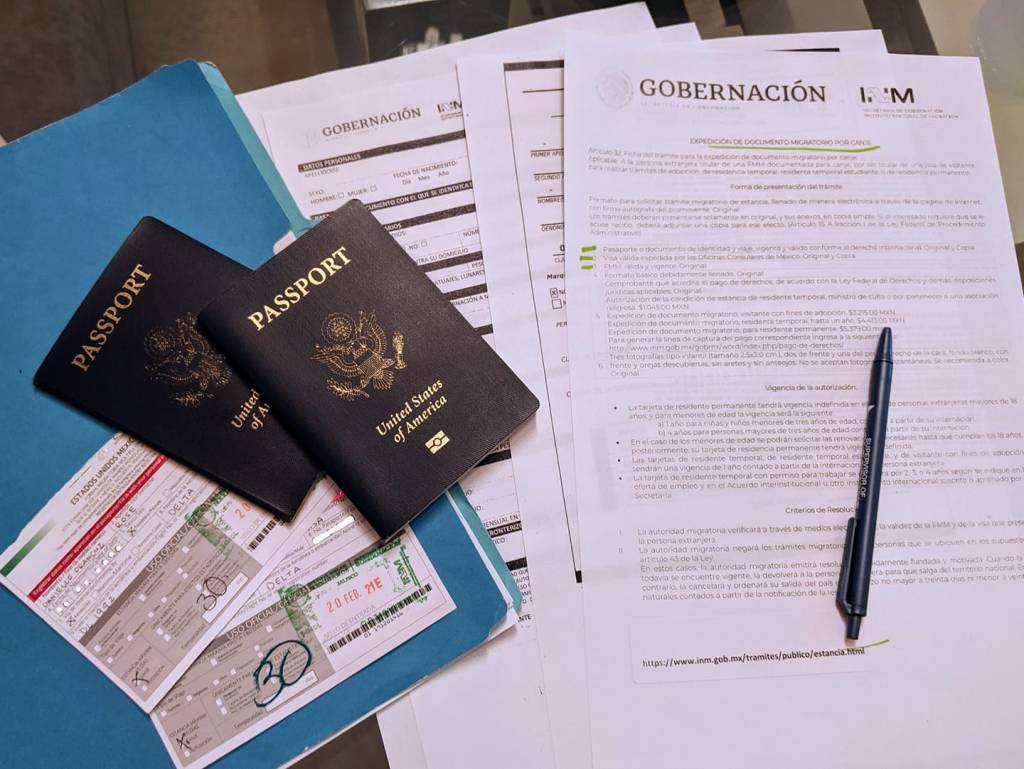
This constant state of unsettled-ness tends to beg a few more questions, like: where will we go after Canada? And how do we decide which countries we ultimately move to? Really, I’d love to say it’s all extremely well-thought-out and carefully planned and executed step by step, but in reality, we have several concurrent plans as to where we might go in the future, and no idea which ones will pan out in the end! At the moment, our short list of contenders would be: Argentina, Ireland, Romania, Turkey, Tunisia, Thailand, and/or a South Pacific Island. We generally choose based on things like residency requirements, airports/travel times to and from, quality of life, how similar or different our day-to-day lives would be there, etc. However, every one of these aspects (and so many others) are changing every day, so our list has to be pretty fluid. Ultimately, we try to have a variety of possibilities (with plenty of contingencies) sometimes years in advance (because immigration/residency paperwork is no joke), but we also happily embrace the ambiguity and flexibility that comes with being perpetual expats. C’est la vie, non ?

So, where does that leave us? Well, we’ve definitely settled on two years here in Ottawa, followed by potentially two in Montreal, but if we can’t hack the winters here or if I get tired of all the English, we might be off to a different continent. Isn’t the unknown exciting? We’ll just have to see where the wind takes us! In the meantime, I hope this answered some of the “why”s and “what next”s. And as always, I’ll be sure to keep everyone updated as everything unfolds – starting with our upcoming Canadian capers! Should be fun, eh?

Our Latin American Travels (so far)

Chichen Itzá

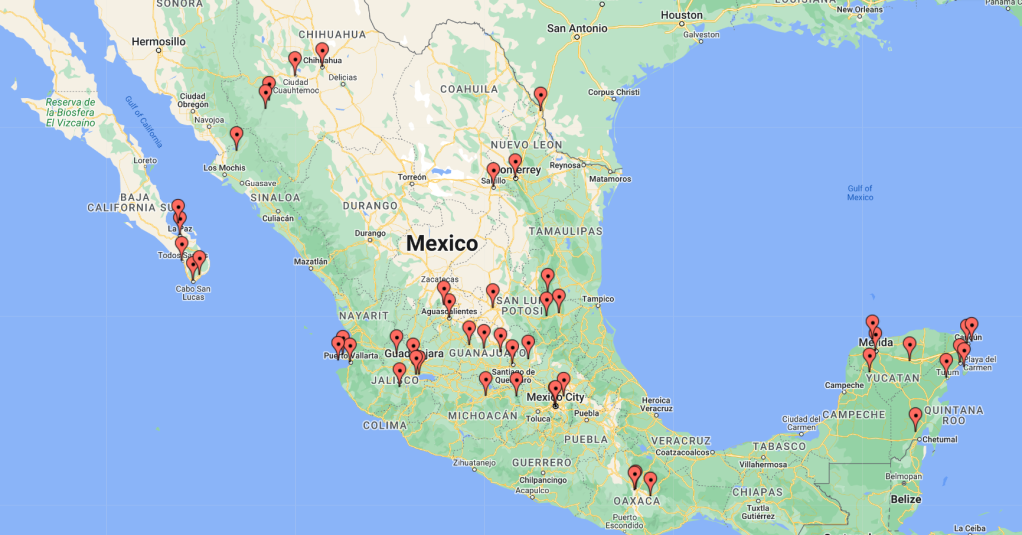
Once again, the time has come for me to document our travels! This time, specifically in and around Latin America! We’ve been lucky enough to call Guadalajara, Mexico “home” for almost two and a half years now, and even with a global pandemic cramping our style in the beginning, we’ve made it a point to travel as much as possible throughout the region. Of course, we added a few new countries to our growing list over the past two years, but our main priority was definitely to explore the different regions of our home country. Therefore, in addition to the long list of names (and accompanying photos), I’ll also be highlighting our top 5 places to visit in Mexico! Hopefully this will help guide you on any future trips to Mexico because in our opinion, these are truly the best of the best!

Yucatán: Mérida, Chichen Itzá, Uxmal, & Progreso

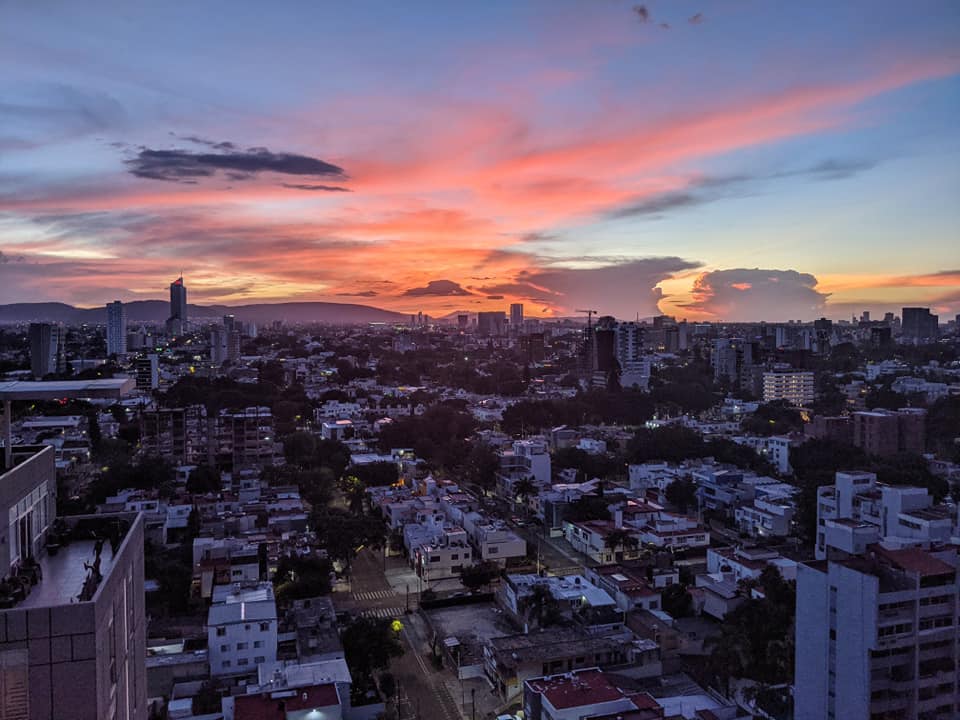
Guadalajara, Jalisco – There is just no earthly way I could leave OUR city off this list! We have traveled to over half the states of Mexico, to some of the most popular tourist destinations in the world, and there is still nowhere else I’d rather be. Guadalajara has everything we could ever want in a city. Some of the best food in the world, the most friendly, progressive, helpful people, an incredible history, gorgeous architecture, the perfect, high-altitude climate, I really could go on! When I say “en mi corazón, soy una Tapatía”, I truly mean it. And if you ever want to visit GDL, please, please, please reach out! I have so much to share about one of, if not my absolute favorite, city in the world!

Hogar dulce hogar, Guadalajara <3

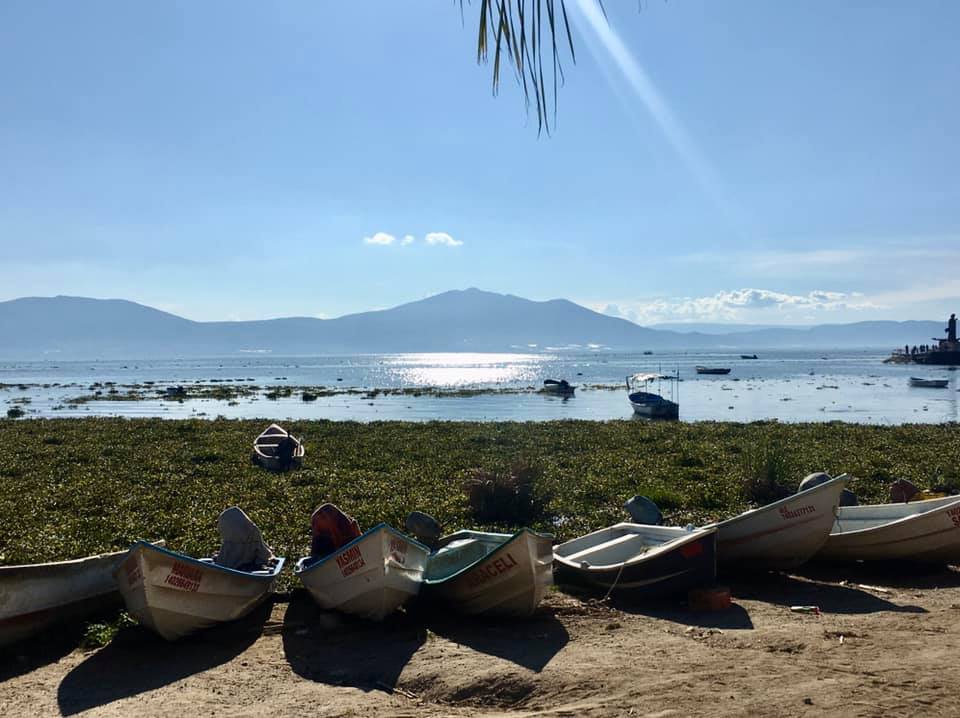
Chapala, Jalisco

CDMX & Teotihuacan, México

San Miguel de Allende, Guanajuato

Ajijic, Jalisco

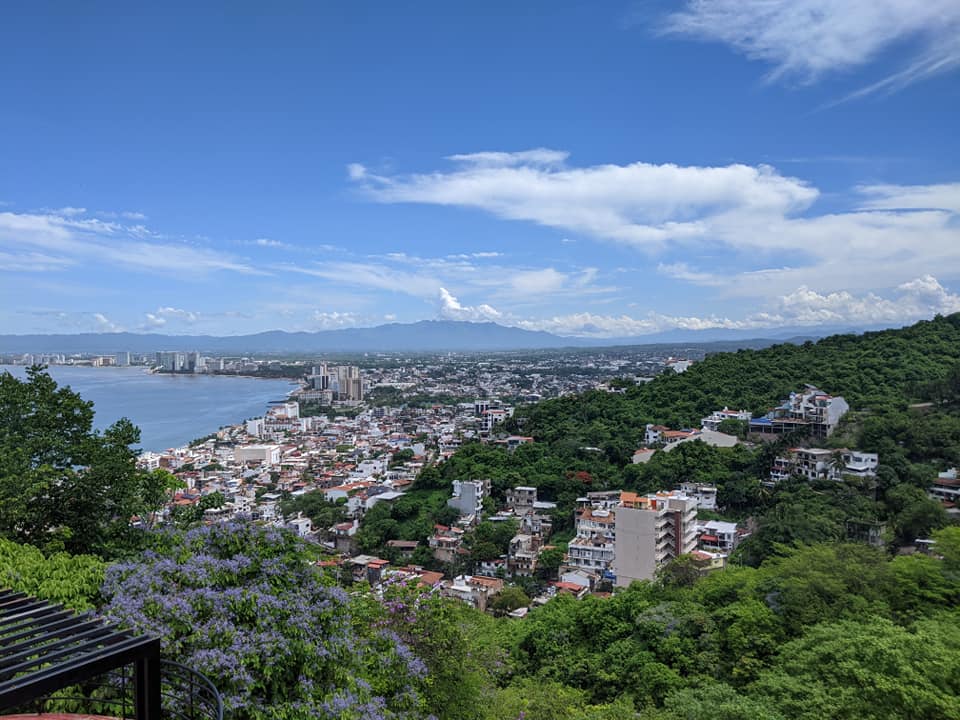
Puerto Vallarta, Jalisco

Teuchitlán, Jalisco

Bernal

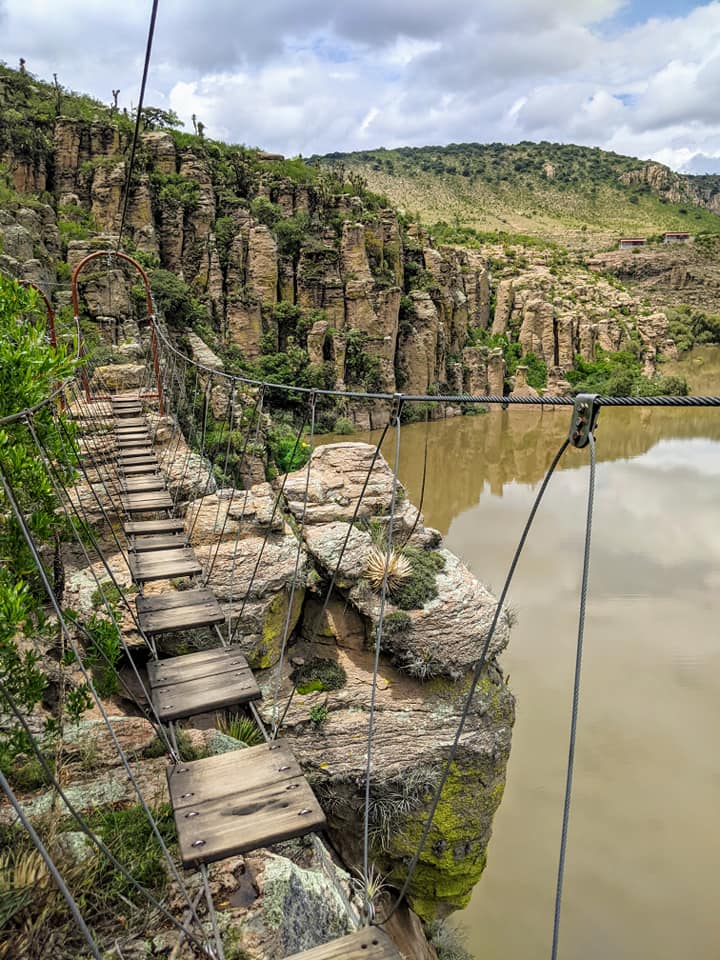
Aguascalientes & Boca de Túnel, Aguascalientes

Sayulita, Nayarit & Islas Marietas

Querétaro & Bernal, Querétaro – Interestingly, most of the places that made this highly exclusive list were places that we had never heard of prior to moving to Mexico. Places like Querétaro. Querétaro is both a city and a state in the very center of Mexico, and it has so much to offer! A historic, colonial city-center, a wine region, and the nearby pueblo mágico, Bernal, which has the third largest monolith in the world jutting out from behind one of the most picturesque towns I’ve ever had the pleasure of photographing. It is what I call “real Mexico”, outside all the tourist hubs, a little bit off the beaten track, thus much richer in charm and Mexican spirit.

Ecuador: Quito, Cotopaxi, & Quilotoa

Tlaquepaque, Tonalá, & Zapopan, Jalisco

Tapalpa, Jalisco

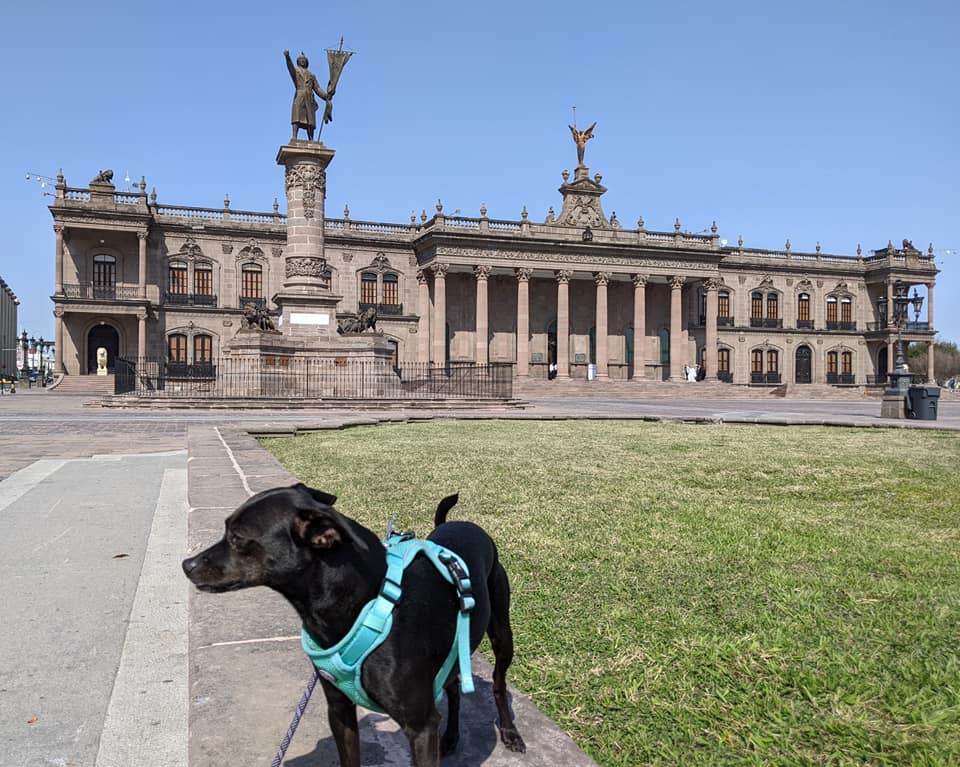
Monterrey, Nuevo León

Nuevo Laredo, Tamaulipas

Saltillo, Coahuila

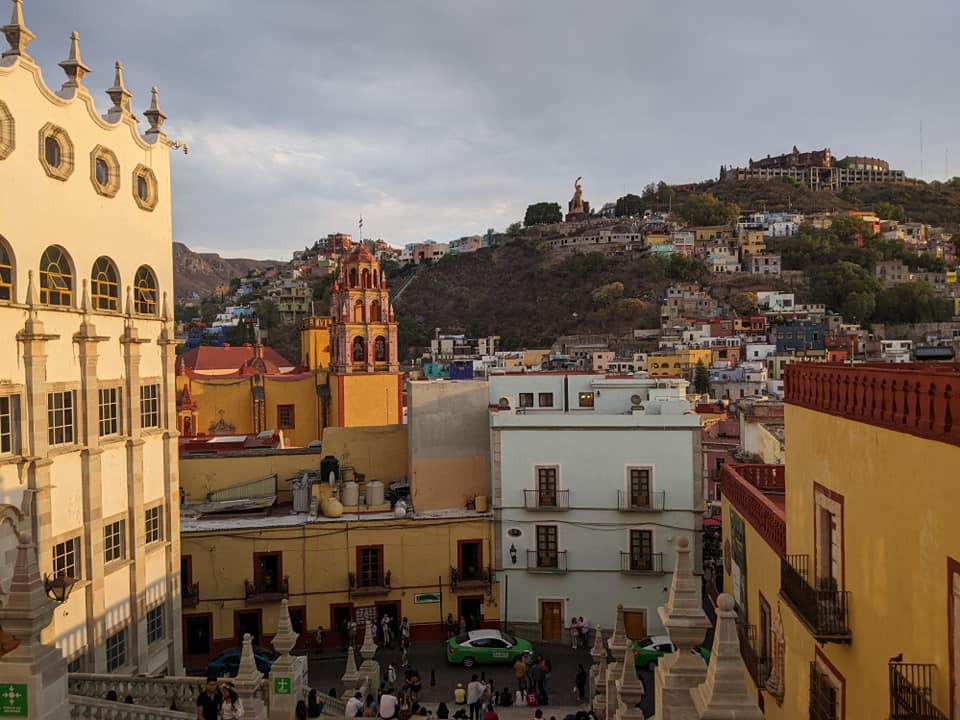
Guanajuato, Guanajuato – Another ciudad full of Mexican spirit and history is Guanajuato. Also located in central Mexico, Guanajuato is a true mountain city and is just downright cool. With all its twisting tunnels and spectacular views of the peaks and valleys that make up this city, Guanajuato is such an amazing place to explore some of the lesser-known traditions, dishes, and other elements of Mexican culture. Tucker and I spent Birthdays Week here last year, and we’ve been besotted ever since. It might be one of the best walking cities in the world with the incredibly unique cafes, shops, and historical sites around just about every corner!  

Guanajuato City

Quintana Roo: Cancún, Isla Mujeres, Playa del Carmen, Cozumel, Tulum, & Bacalar

Argentina: Buenos Aires & Ushuaia

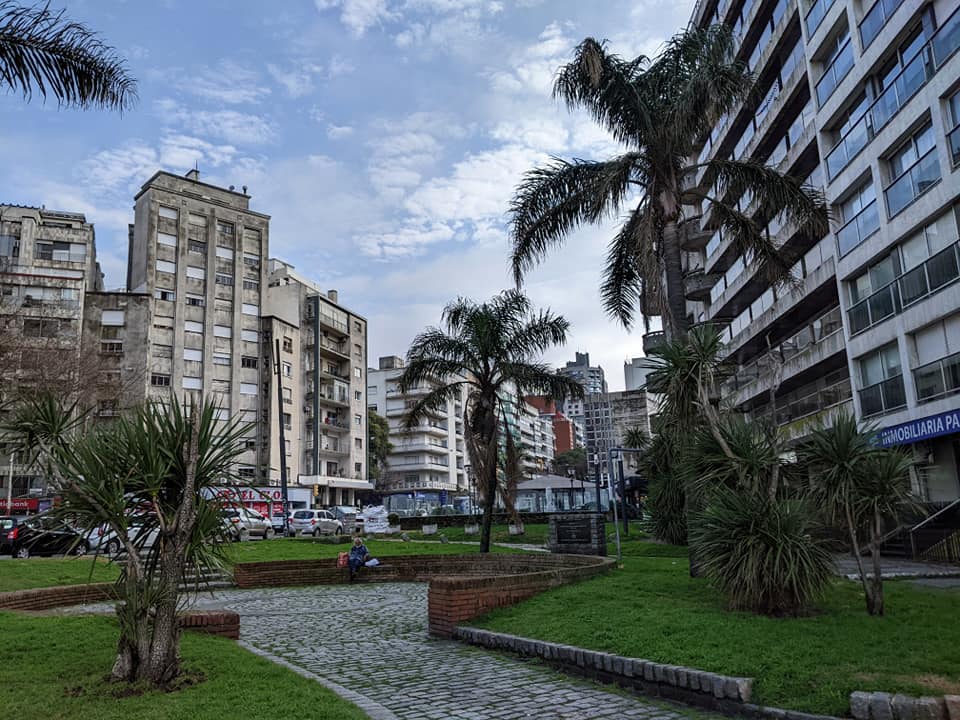
Uruguay: Montevideo

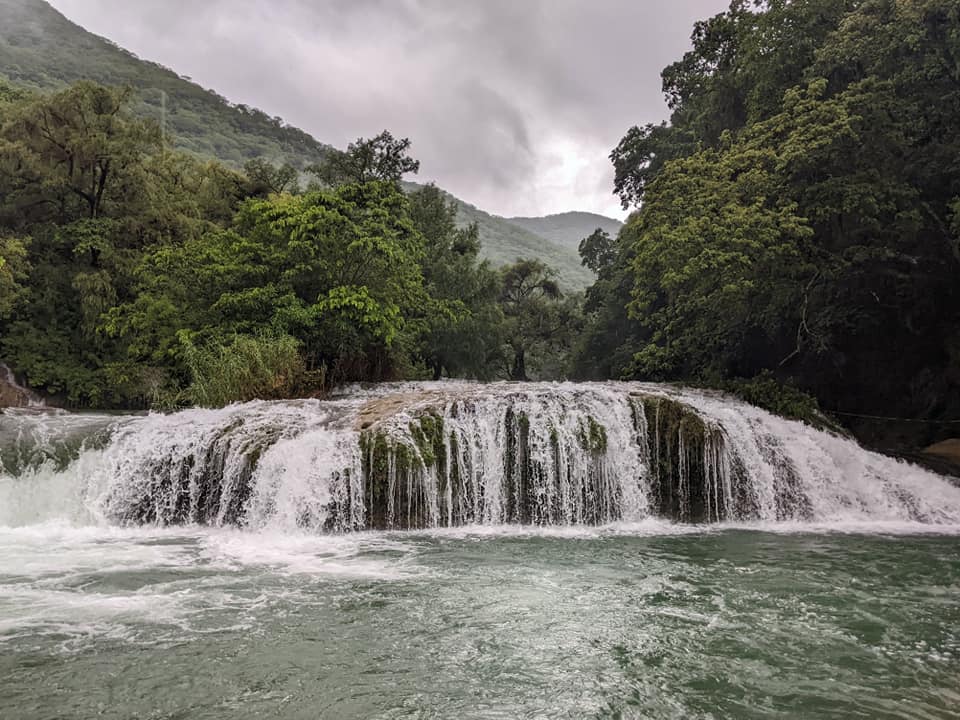
San Luis Potosí: Ciudad Valles, Tamasopo, Tamul & San Luis Potosí

El Meco, Tamaulipas

Tequila

Tequila, Jalisco – Ah, Tequila. The word probably brings up fond memories for us all (well, and maybe a few not-so-fond memories too), but the town of Tequila, aka the birthplace of the drink, is good vibes only. It’s one of 40 pueblos mágicos that we happened to visit during our time here, and it’s by far my favorite. Distillery tours, agave fields, markets, cantaritos, shows, and so much more with the absolute BEST atmosphere and a scenic train to boot. This is the side of Mexico that I love. It’s fun, and it’s a party, but it’s also so much more than that. And the best thing is, it’s only 45 minutes from Guadalajara – an easy and obvious day-trip for any future visitors!

Oaxaca: Oaxaca, Monte Albán, Mitla, Tlacolula, & Hierve de Agua

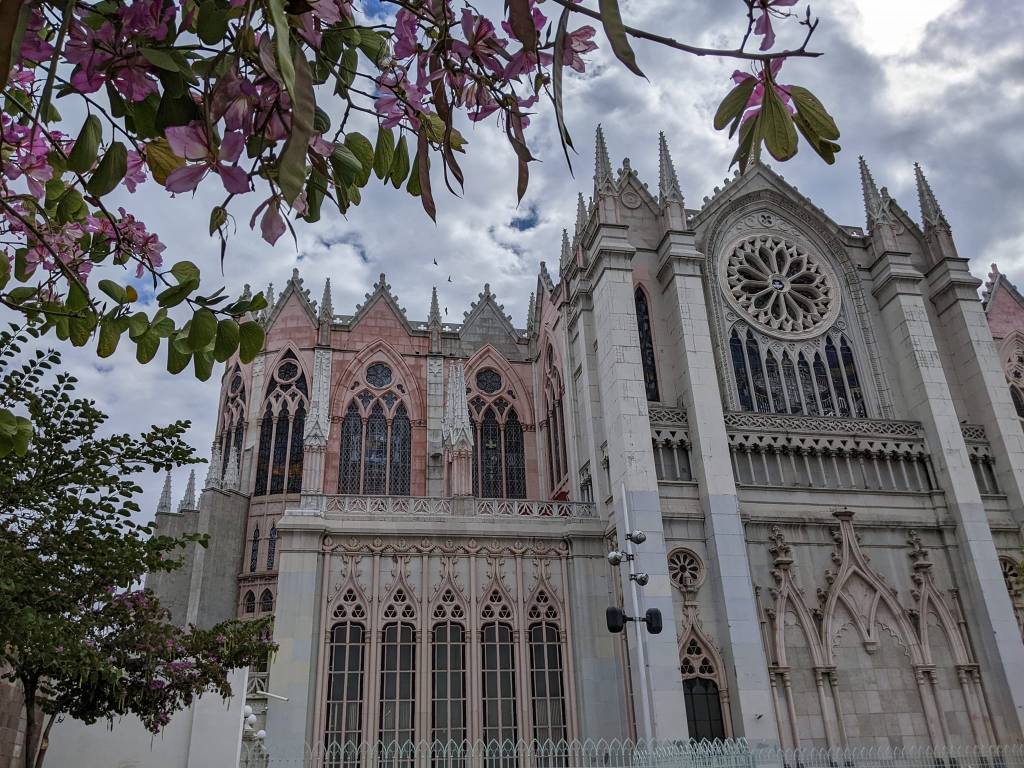
León, Guanajuato

Chihuahua: Chihuahua, Ciudad Cuauhtémoc, Creel, & Las Barrancas del Cobre

Baja California Sur: San José del Cabo, Cabo San Lucas, Todos Santos, La Paz, & Isla Espíritu Santo – And last, but certainly not least, is La Paz, Baja California Sur. Honestly, we weren’t expecting to be impressed with this one as beaches (especially with loads of tourists) aren’t really our thing, but the pure beauty of La Paz absolutely blew us away! If you read all the names on this list, you’ve seen that we’ve been to all the big-hitters: Cancún, Tulum, Cabo, Puerto Vallarta, etc. but let me tell you, none of those compare to the beaches and nature surrounding La Paz! Sea lions, whale sharks, crystal clear water, white sandy beaches, and if you ask me, a slightly more respectful collection of tourists. Other than Guadalajara, La Paz is the only other place in Mexico we’d consider living, and given our love of GDL, that really is saying something!

Playa Balandra, La Paz

Michoacán: Morelia & El Rosario

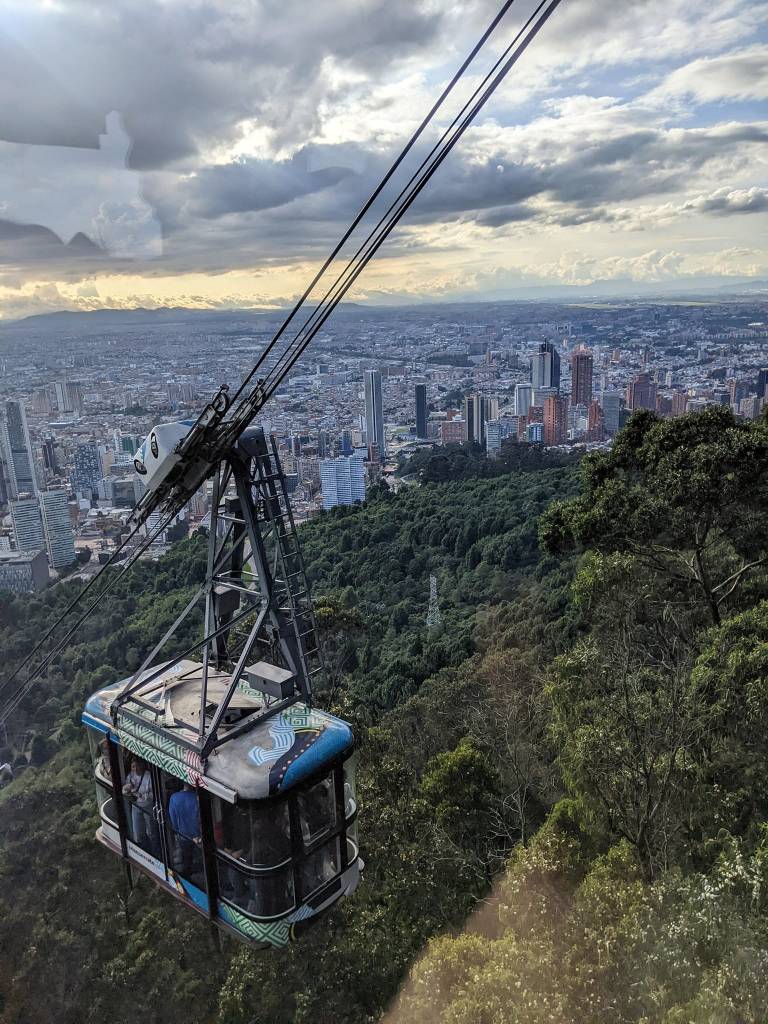
Bogotá, Colombia

And that’s the list! So many incredible places that we’ve had the privilege to see in person! I know some people wonder why we do it; why we uproot our lives and leave our families and friends behind every few years, well, this is it. Because every section of the world has so much to offer, and as long as I’m able to, I will do everything in my power to continue exploring it and learning everything I can along the way! Gracias, México, for one heck of a good journey!

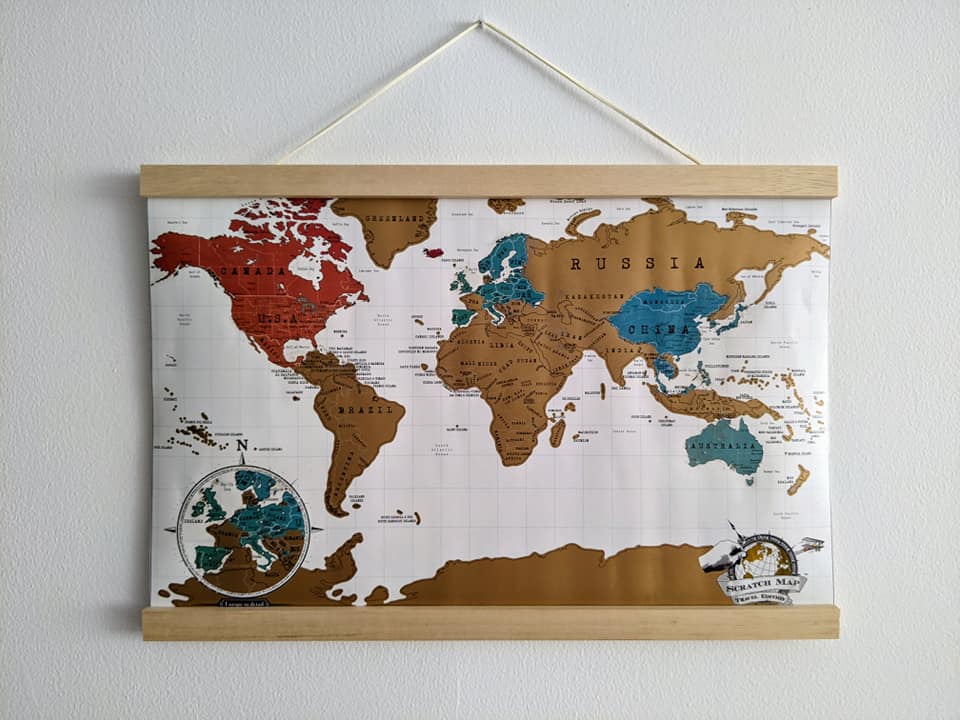
All the pins in our Mexico Map :)
Just getting started in South America!

Our Mexico Bucket List

As of this month, we’ve officially been residents de México for over two years! I honestly can’t believe how fast our time here has gone by, but I’m very happy to say that despite the short timeframe (and the global pandemic), Tucker and I were actually able to check loads of things off our Mexico Bucket List. Here are some of my favorite things we’ve done en México, plus a few more to come before we leave: 

Listen to Mariachi

Jalisco, the state we live in, is the birthplace of mariachi, so I’d say we’ve checked this one off and then some. We’ve listened to many a mariachi band at restaurants, at hotels, in the main plaza, and even at a mariachi festival. Although still not my favorite style of música (brass instruments can be a little jarring), I will always be transported back to Guadalajara when I hear mariachi, and for that, I am eternally grateful.

✓ Walk the Ruins of Chitchen Itza

Something that should be on everyone’s bucket list is to walk among the many ancient ruins of Mesoamerica, perhaps the most famous being Chitchen Itza. Prior to living in Mexico, this was the only archaeological site on our radar, but we’ve now also seen Uxmal, Tulum, Monte Albán, Teotihuacán, El Cerrito, and los Guachimontones, each one as incredible as the last.

Cheer and Jeer at a Lucha Libre Event

Another event that we just couldn’t miss out on while in Mexico was Lucha Libre. Although I’m not a fan of fighting, even when I know it’s pretend, even I couldn’t help but be entertained by the cheers, the jeers, the theatrics, and the outfits of the luchadores. The crowd also taught me quite a few useful words and phrases for…expressing emotion en español.  

Admire Frida Kahlo’s Work

Mexico has so many symbols, but perhaps none will ever be as famous and beloved as Frida Kahlo. Over the years, we’ve learned so much about this incredible artist and have been lucky enough to see her work in person a few times. We even have our very own copy of Las Dos Fridas, so she will likely be accompanying us on our journey post-Mexico.

Drink Tequila in Tequila

By far one of my favorite experiences we’ve had in Mexico was the Tequila train tour. Tequila is the town where the drink originates, and we happen to live about 45 minutes away from it. The town, the agave fields, and the distilleries are all equally amazing, but taking it all in via scenic train with all-you-care-to-enjoy Tequila drinks is pure perfection.

See Axolotls in the Flesh

Some animals are just cooler than others, and the axolotl (or ajolote) has to be one of the coolest. However, they are also, unfortunately, critically endangered. Therefore, we were extremely lucky to get the chance to not only see them in person, but to learn more about their continued struggle and even be a part of the conservation effort.

Yell “Gol” at a Fútbol Match

Tucker loves sports of all kinds, so, of course, we had to attend a football match in Mexico. And while I have no idea who we played or whether or not we won, I’ll never forget the Atlas chants and the whimsical red and black stadium snacks we enjoyed. Not to mention the sheer mania that ensues when there’s a “GOOOOOOOOOL”!

Swim in a Cenote

Visiting a cenote is absolutely another thing that should be on everyone’s bucket list. They’re incredibly cool, natural swimming holes that are all extremely unique and beautiful. Whether you want to float through an ancient cave system, splash around in crystal clear waters, or listen to stories of Mayan sacrifice, there is literally a cenote for everyone.

Share Roscas de Reyes and the Subsequent Tamales

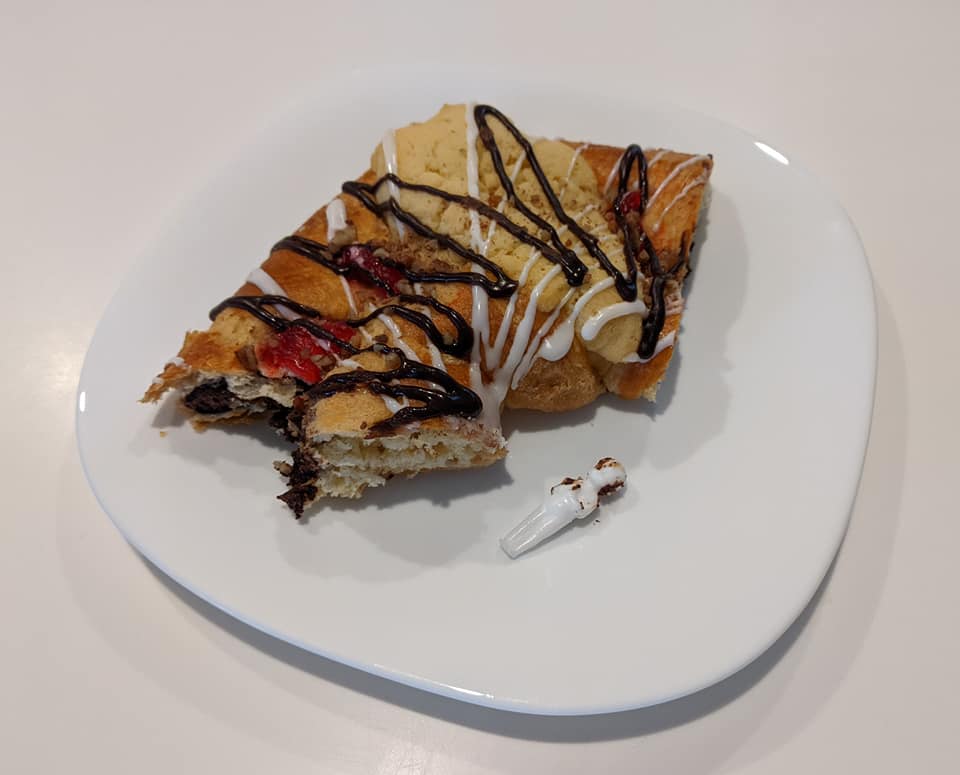
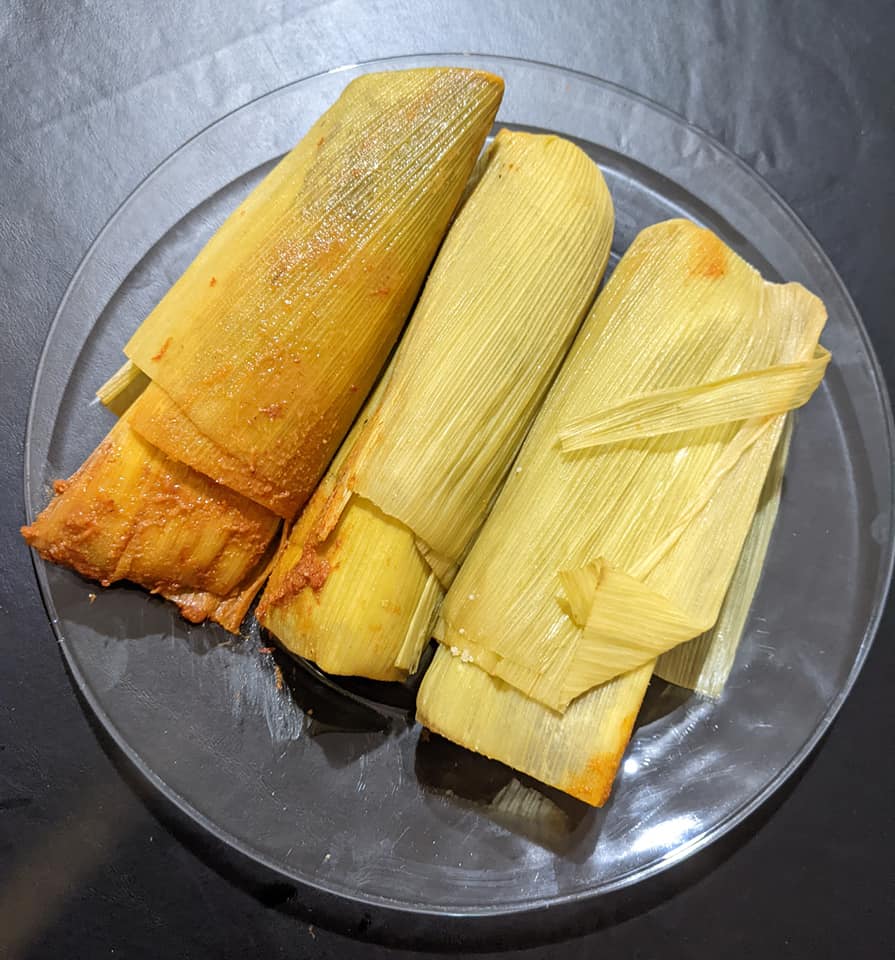
Some of the most important items on our list had more to do with customs than tourism, for example, the sharing of a Rosca de Reyes on Three Kings’ Day and tamales on Candelaria. It was so fun to see who got the baby (spoiler: it was me), and to then shoulder the responsibility of sourcing tamales on the hottest tamale day of the year – something I’ll never forget.

Revel in the Rainy Season

Then there are things on the list that we had no idea would or should be on a Mexico bucket list, such as experiencing the rainy season. When we first read about Guadalajara’s climate, we learned that it would rain basically every day for three months during the summer, but we had no idea how much that would change our daily routines. From the most hail we’ve ever seen to crazy flash floods, we have realized that rainy season is truly something to behold.

Celebrate Día de Muertos

Another celebration that I would definitely recommend to anyone interested in Mexican culture, is Día de Muertos. There’s really nothing like it anywhere else in the world, and it’s just such a great window into what makes Mexico Mexico. It’s colorful, energetic, and happy – just an incredibly fun celebration of life that anyone would be lucky to experience firsthand.

Shop at a Tianguis

A tianguis is a local, generally weekly pop-up market that is absolutely an experience in and of itself. They can be quite sprawling as they take up alleyway after alleyway, and it seems there is something new to discover around every corner: snacks, clothing, home décor; basically, if you can name it, you can find it in a tianguis.

Find the Hidden Beach

One of the most Instagram-worthy places we were able to visit during the last two years was definitely the Hidden Beach in the Islas Mariettas, about 36 kms (22 miles) off the coast of Puerto Vallarta. It’s essentially a beach surrounded by land on all sides that can only be accessed by swimming through a cave. And as if the beach wasn’t amazing enough, seeing all the blue-footed boobies on the island really made the excursion unforgettable.

Cross the Border on Foot

Another experience that I count among one of my favorites in Mexico was crossing the border by foot. Before moving to Mexico, the border was a shadowy, mysterious place, but now we’ve been back and forth in a variety of manners, and I have to say walking across the Rio Grande (or Río Bravo as it’s known en México) was superbly cool.

Perfect our Taco Order

You will never truly know tacos until you have them from a taco stand at 3am in Mexico. Over the last couple of years, we’ve done this more times than I can count, thus we each now have our perfect late-night taco order. But more than that, we are also now experts in differentiating tacos, gringas, quesadillas, gorditas, huaraches, and all the other taco/taco-like options, which I think will serve us very well for years to come.

Survive some Earthquakes

Sometimes you just have to wait for a bucket list item to unexpectedly hit, as was the case for our first earthquake in Mexico. For much of Mexico it’s such a common occurrence that there are regular safety drills and a plethora of memes; however, it’s not so common in Guadalajara. Nevertheless, we were lucky enough to experience and survive a series of moderate quakes that shook western Mexico in 2022.

Try Grasshoppers

Mexican food is one of, if not my absolute favorite of all the world’s cuisines; however, there are still a few delicacies that I thought I’d try to avoid entirely. One of such delicacies are the infamous chapulines (or grasshoppers). But as it turns out, I actually did try a roasted and seasoned chapulín while in Oaxaca, and I’m happy to report that it wasn’t that bad! Seriously, try them!

Now onto the last few things on our list that we haven’t quite done yet, but have plans to do in the next few months!

Snorkel in the Sea of Cortez

Jacques Cousteau once called the Sea of Cortez the “Aquarium of the World”, and that sounds like something I have to see for myself. Dolphins, whales, sea lions, and an incredible array of tropical fish and coral all wait for us in one of the most beautiful regions of Mexico. Stay tuned because depending on when you’re reading this, we might even already be there.

See Masses of Monarchs

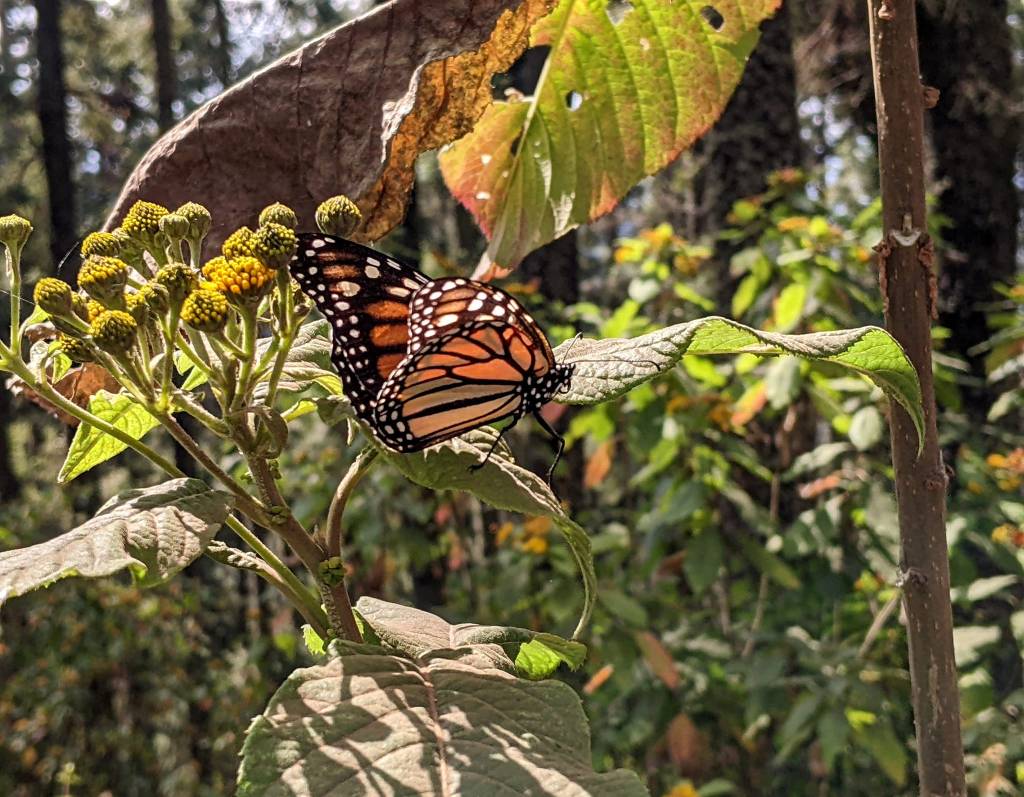
The monarch butterfly migration is another amazing feat of nature that happens to take place right on our Mexican doorstep, and it is something that I will be doing everything I can to make happen before we leave! Millions of butterflies in a magical Michoacán forest, yes please.

Make Tortillas from Scratch

Everyone knows I hate cooking, but one of my fondest memories of China was learning how to make handmade dumplings, which is what prompted me to add this particular item to our list. It’s not exactly surprising that this should be the last thing I hope to do before we leave, but no matter where it falls on the list, I know it’ll be a worthwhile experience!

So that’s my round-up of just some of the incredible things we’ve been able to do and see over these last two amazing years in Mexico. Whenever I take a look back like this, I can’t help but feel incredibly grateful and insanely lucky. ¡Gracias, México, por todo!

Holiday Season in Mexico

It’s the most wonderful time of the year! 🎶 Which is my musical way of stating the obvious: another holiday season is here! And this year, I thought I’d really get myself into the spirit by chronicling all the upcoming días festivos that I have to look forward to. Interestingly, seven years ago, I wrote something quite similar about celebrating Christmas in Poland, and after reading that post again, I was amazed at just how many parallels there happen to be, particularly in the number of holidays celebrated on either side of the big day. So, if you find yourself in need of more holidays/international celebrations, here’s what Christmastime looks like en México:  

Día de la Virgen de Guadalupe

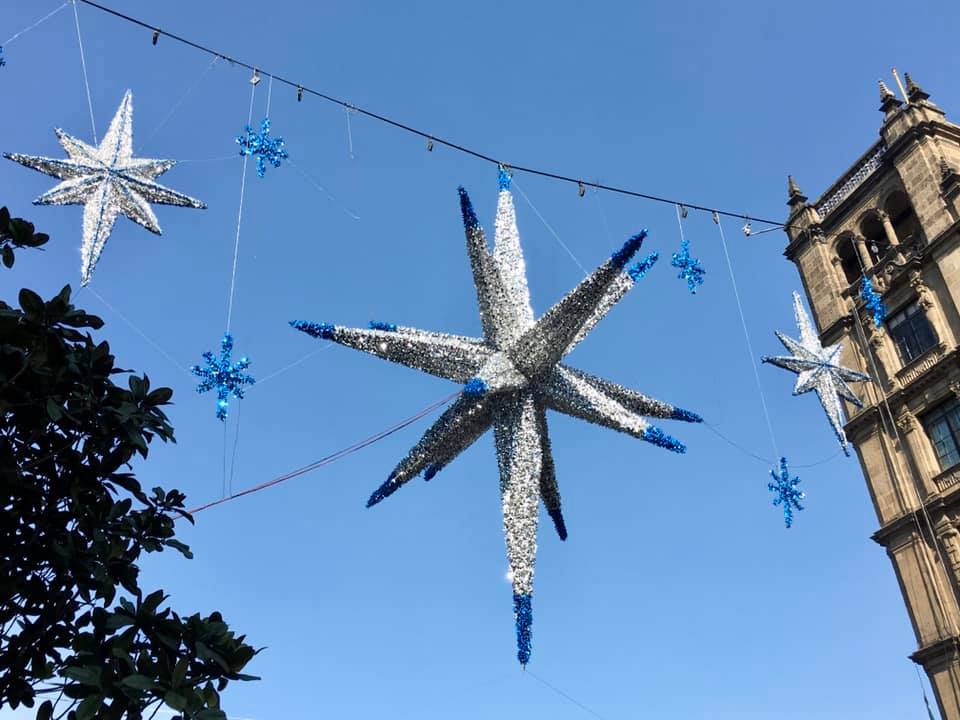
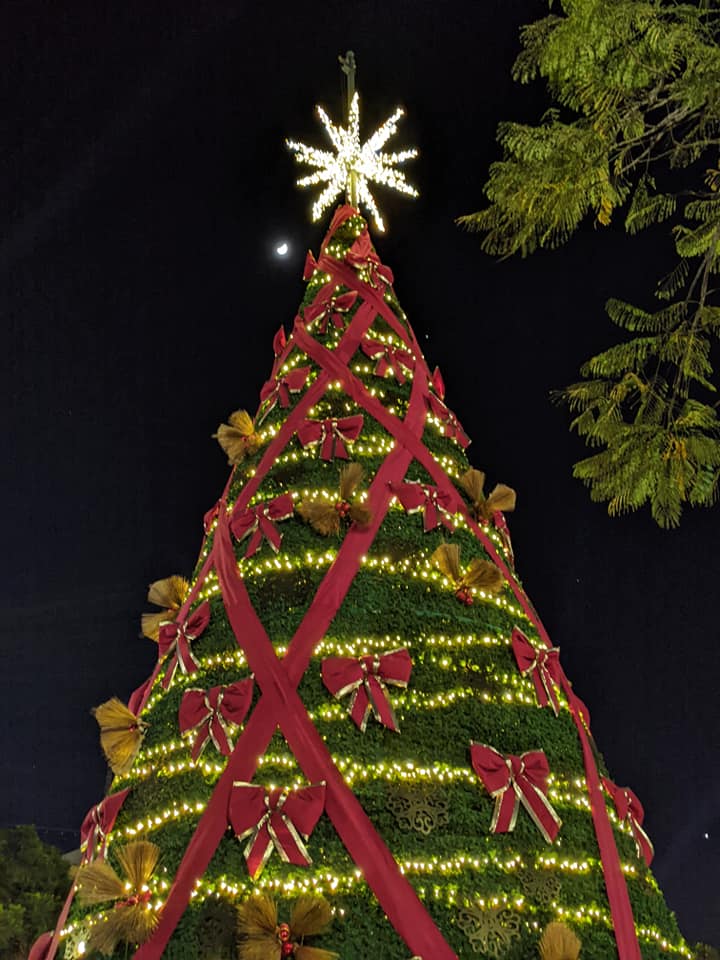
The first true holiday of the festive season falls on December 12th, but like any other Christmas-celebrating country, the decorations and festivities really start well before December. In fact, since Thanksgiving isn’t really a thing south of the border, there aren’t as many quarrels about when to start decorating; anything after Día de Muertos (November 2nd) is fair game. Of course, one of the first and most ubiquitous Christmas decorations you’re likely to see are the nochebuenas (or poinsettias). Nochebuenas are indigenous to Mexico and Guatemala and were used for wintertime celebrations even before Christmas was celebrated in the Americas. Actually, a lot of Mexico’s holidays tend to be a mix of customs from various indigenous groups (such as the Aztecs or Mayans) as well as from the colonists/Christians of Spain. And a great example of this is Día de la Virgin de Guadalupe.

La Virgen de Guadalupe is another name for the Virgin Mary, and she just so happens to be the patron saint of Mexico. On Día de la Virgin de Guadalupe there is a huge pilgrimage in her honor to a site of great importance in Mexican history. However, it’s really only the truly devout who partake in this annual event. For most Mexicans, this day is known first and foremost as the official mark of the holiday season, and it often kicks off the fiestas in the form of food, drinks, and posadas. I, personally, have come to associate the word “posada” with “party”, but it actually means “inn”, a nod to the nativity story. In practice though, posadas are very much like the Christmas parties we have in the US. There are generally posadas for every peer group: family, friends, co-workers, etc. and no matter who you’re celebrating with, you’ll likely see piñatas, eat buñuelos (a fried dough treat), and drink ponche (a warm, fruity beverage). Mmm!  

Noche Buena y Navidad

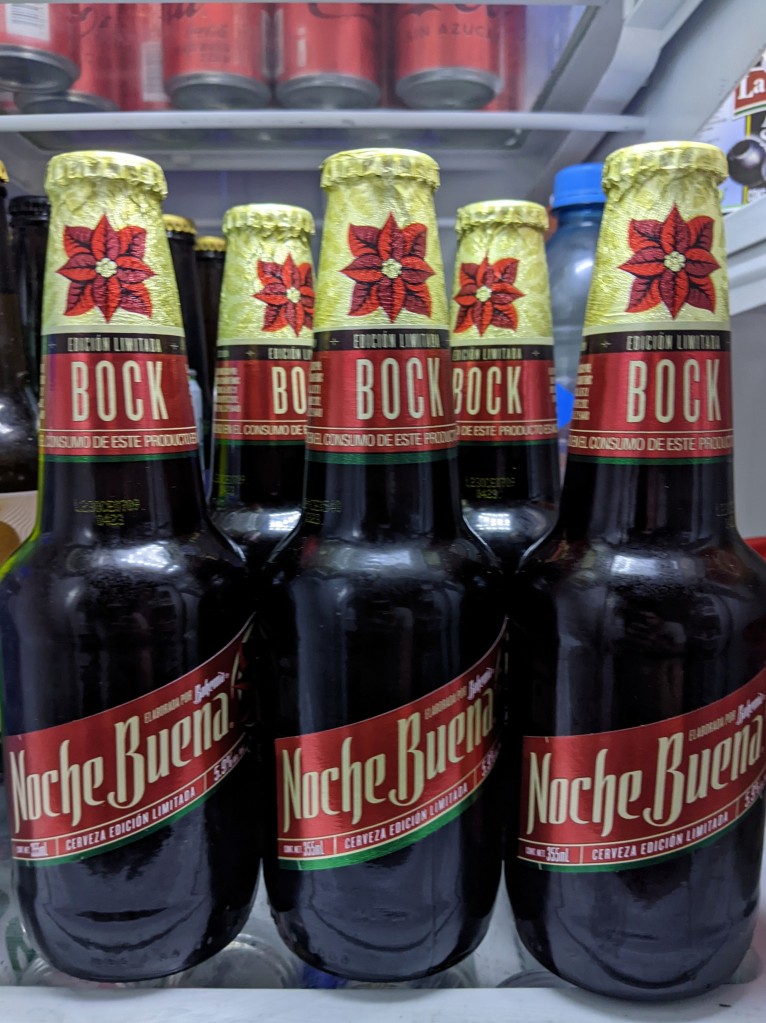
Next up is Christmas Eve or Noche Buena (not to be confused with nochebuenas the plants or Noche Buenas the beers haha). As a Catholic-majority country, church services are really common on Christmas Eve, including a very special midnight mass, also known as the Rooster’s Mass (it got this name because it is said that the crow of a rooster announced the birth of Christ). After mass, a feast is expected, and yes, that could be in the wee hours of the morning, which is why Christmas Day is seen as a rest and recovery sort of day. Of course, some people end up skipping church on Noche Buena, but the big family meal is rarely missed. Similar to our Thanksgiving, turkey or ham are common center pieces although the more traditional option would be bacalao, an olive and codfish dish. I’ll probably skip that one this year…

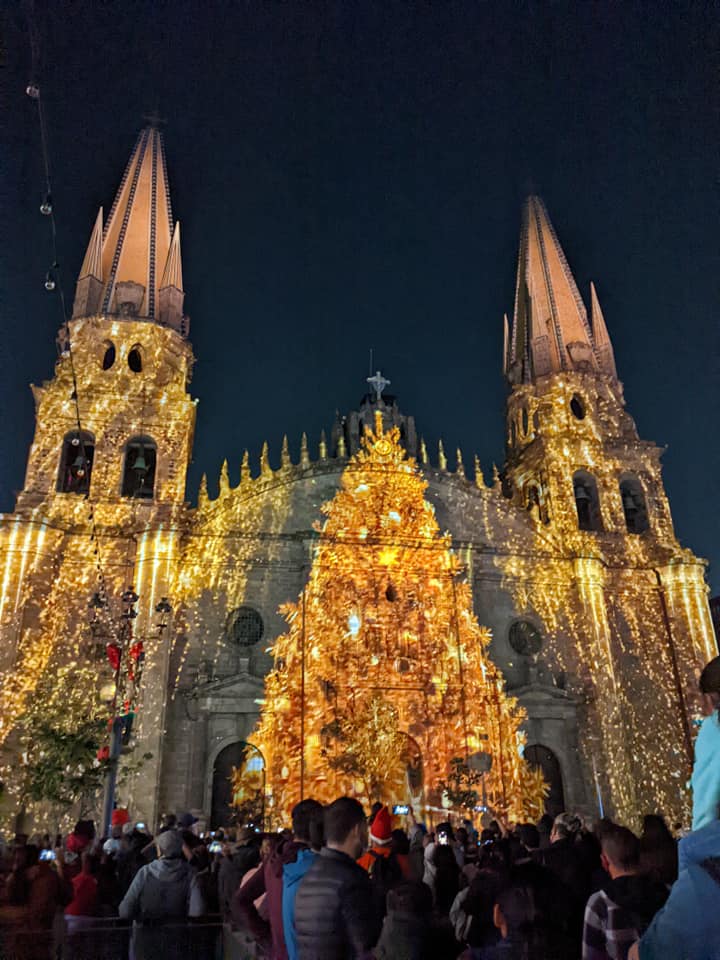
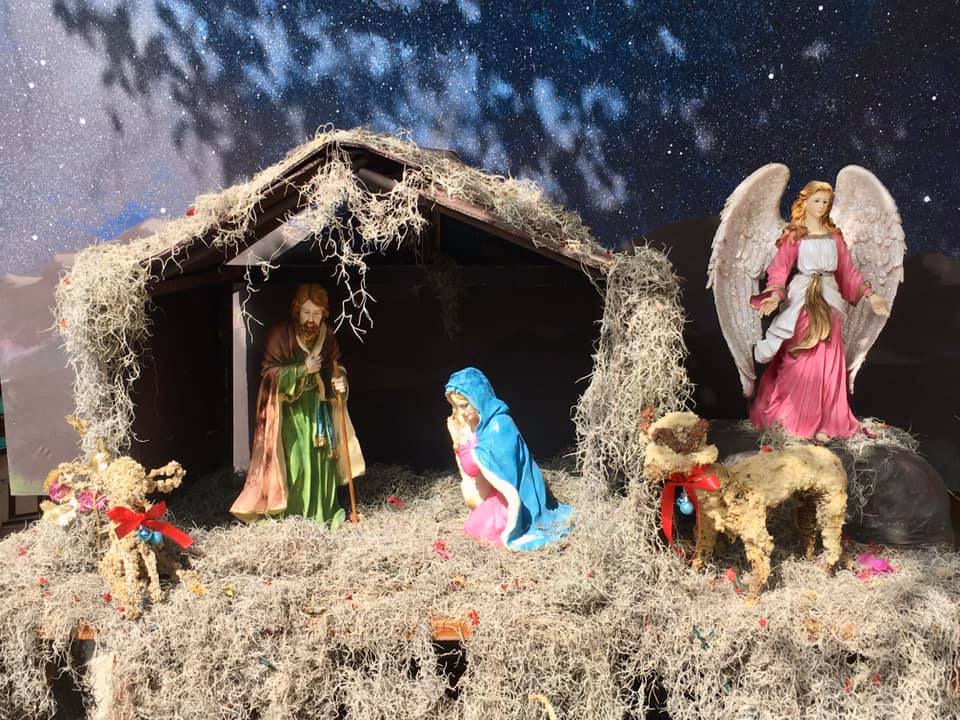
Another interesting thing about Christmas Eve night has to do with the all the nativity scenes. Nativity scenes (or Nacimientos) in general are extremely popular here. Like extremely. They feature in the décor of restaurants, banks, apartment buildings, malls, city squares, etc. Some are literally larger than life-sized and some are incredibly creative (we saw one this year made entirely out of poinsettias), but despite all the variety out there, they all have one thing in common: the baby Jesus is missing. That is, he is missing until Christmas Eve night. I absolutely love this detail and can’t believe how everyone pulls this off. Do they set an alarm to remember? Where do they keep the waiting babies? Who gets the placement privilege at the local mall? So many questions!

Día de los Santos Innocentes

Onto my least favorite of the wintertime holidays…Día de los Santos Innocentes is Mexico’s version of April Fool’s Day. It occurs every year on December 28th and started out as a day in which you could borrow something from someone without having to give it back, a sort of “finders keepers” day. However, over time, it has evolved to include all sorts of pranks pulled by family members, friends, and even news outlets. Basically, don’t trust anything you see or hear on this day, and definitely don’t lend anyone anything you might want back.

Noche Vieja y Año Nuevo

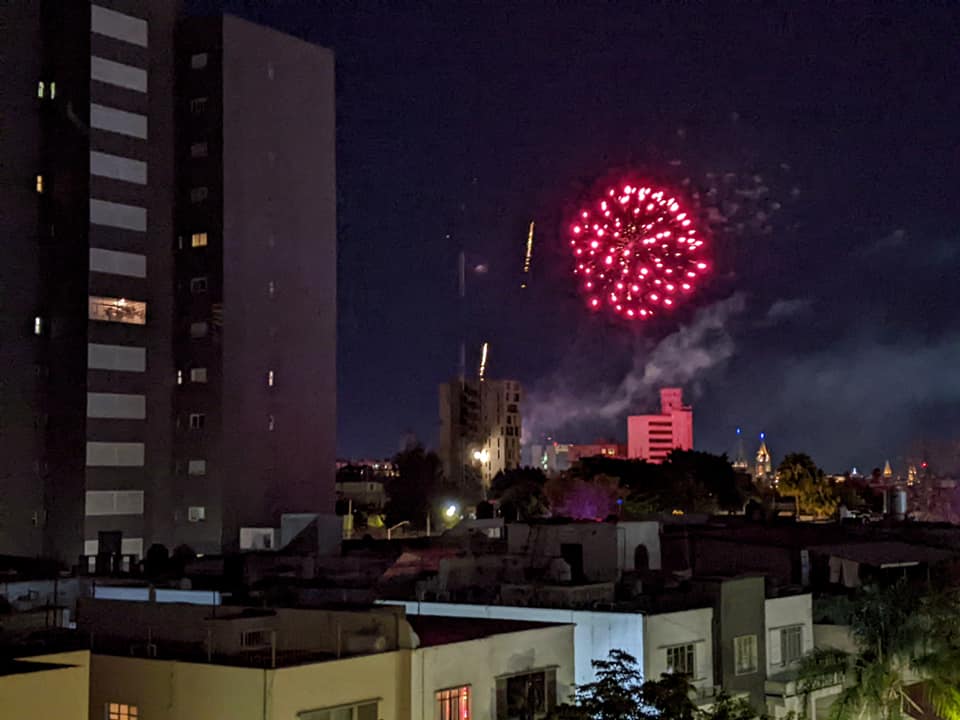
The next set of holidays on the list are, of course, New Years Eve and New Years Day. Celebrated much the same around the world, with food, fireworks, and late-night fun, there are a few Mexican traditions that stood out to me last year. The first being the 12 grapes you eat as the clock strikes midnight. The idea is that you make a wish for each grape (12 representing the 12 months of the New Year), and if you can get ‘em all down be the time the clock is done chiming, your wishes will come true. After trying this last year, I have to say that it is definitely harder than it sounds! Fireworks are another super common tradition, but not just at midnight. In fact, fireworks can be heard pretty much all December and well into January – another vestige of indigenous practices and a popular way of celebrating anything and everything in Mexico.

Día de los Reyes y Candelaria

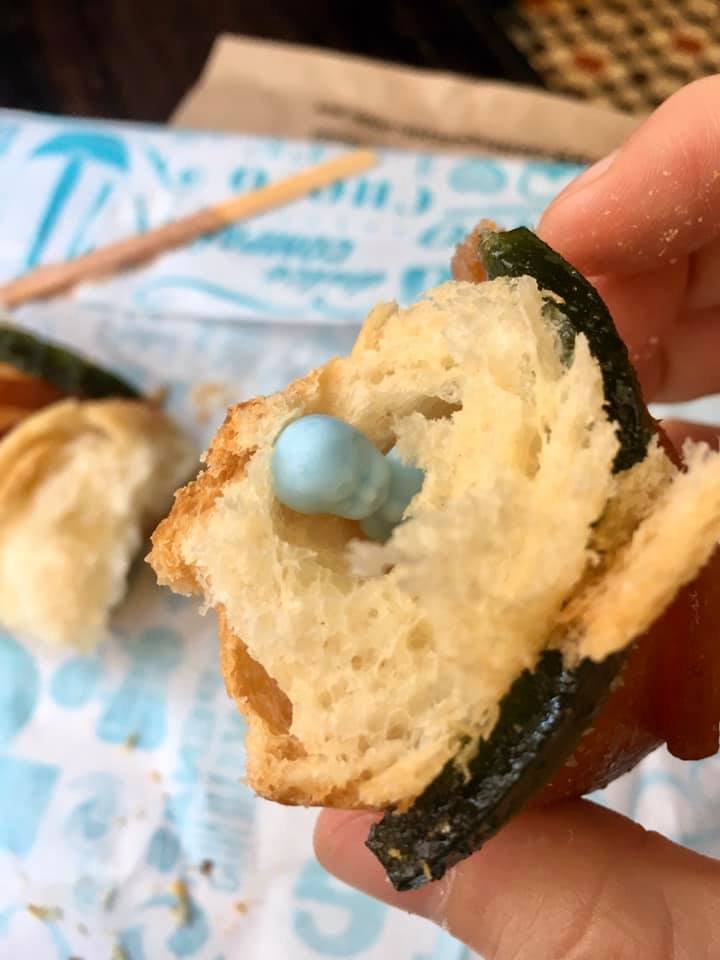
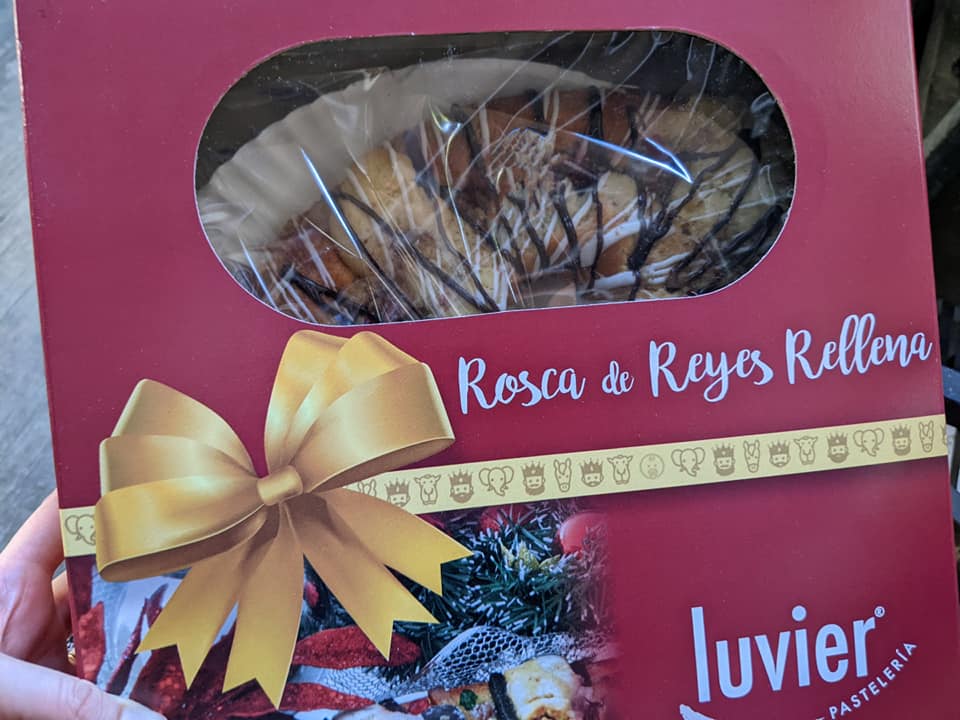
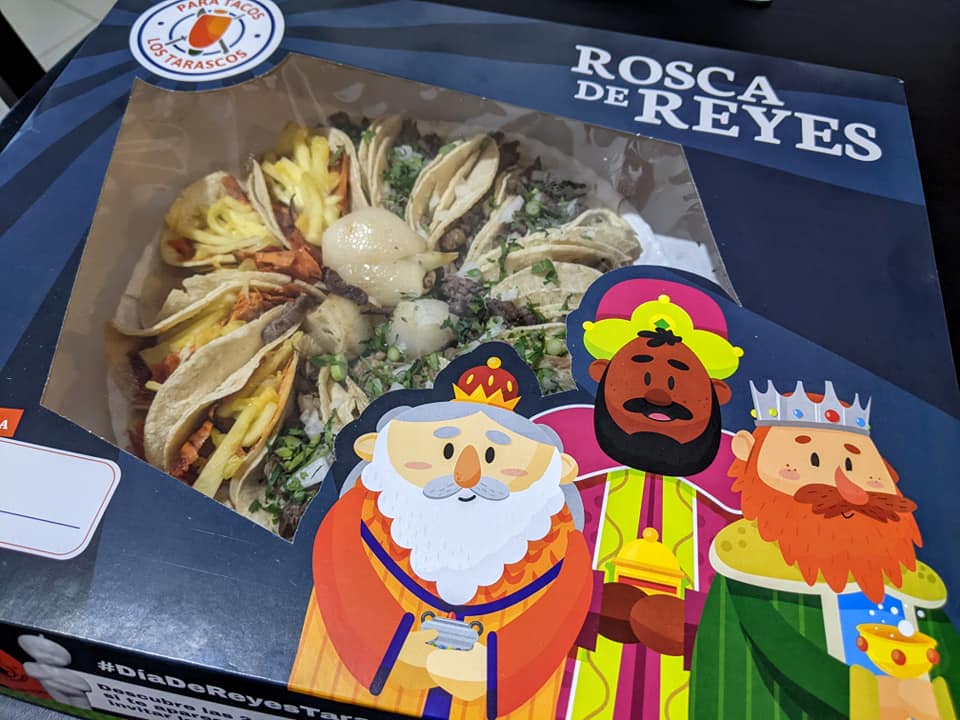
Finally, we come to the last two holidays of the season Día de los Reyes (January 6th) and Candelaria (February 2nd). Día de los Reyes or Day of the Kings (often known as Three Kings Day or Epiphany in the US) is a holiday that is probably more exciting as a child. It’s another day where kids can expect presents, this time from the Wise Men. And while adults might not get any presents, everyone does get to partake in the sharing of the rosca de reyes. A rosca is a ring-shaped pastry that has a hidden figurine of the baby Jesus somewhere inside. Usually, you eat the rosca with family or friends, and whoever gets the baby, then has to buy the tamales the following month on Candelaria. Roscas come in all different shapes and sizes these days (in fact, we got a rosca of tacos last year in addition to a more traditional pastry), but no matter what kind of rosca you eat, just remember to bite carefully! Also, I advise you to order your tamales for Candelaria days in advance – a mistake I won’t make again!

Wow! So many festivities to look forward to in next two months! Honestly, celebrating the local holidays is one of my favorite parts of living abroad, especially because we get to take these customs with us and celebrate them wherever we end up in the future! And now you can too! ¡Felices fiestas a tod@s!

Most Memorable Meals

With Thanksgiving just around the corner, I’ve been thinking a lot about memorable meals of years past. Tucker and I have been extremely fortunate with all the incredible food we’ve been able to enjoy around the world, but what exactly is it that makes a meal memorable? The quality of the food? The location, the company, something else? I was curious, so I decided to delve a bit deeper by asking Tucker to reminisce with me about the meals we’ve shared over the years. In particular, the ones that, even years later, still stand out among the rest and why that might be the case. Here’s what we came up with:

Thanksgiving Feast: Crater Edition (Ecuador)

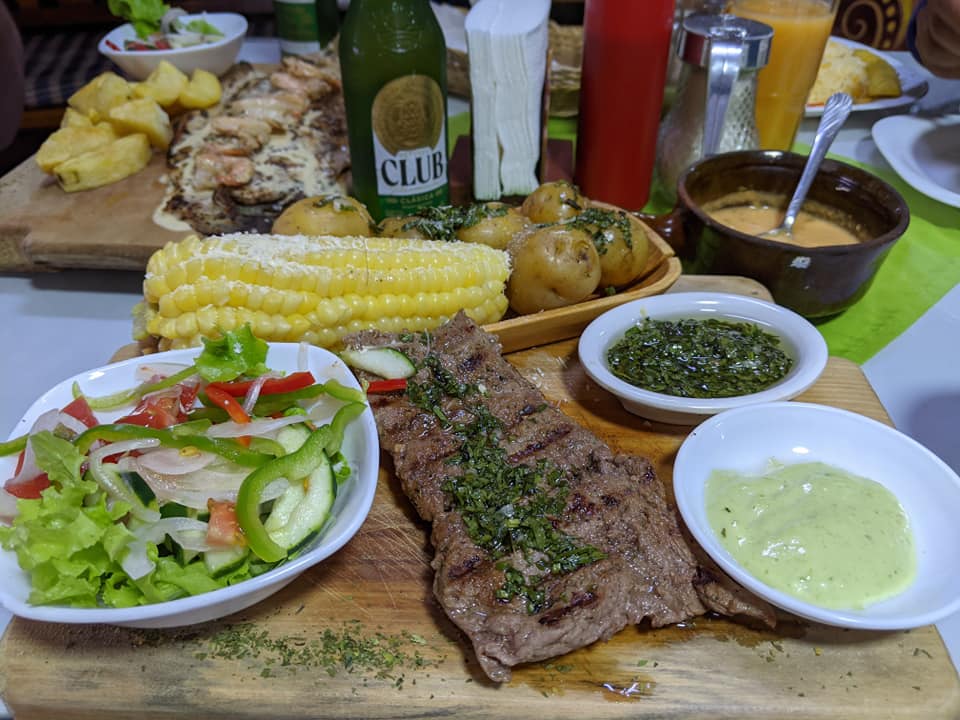
Likely because this was a recent experience, and it has a connection to the upcoming holiday, the first meal to pop into our heads was the Thanksgiving dinner we had after hiking the Quilotoa Crater in Ecuador. There are so many reasons this meal stands out in our minds. First, we had just hiked several miles into and out of an incredible caldera at elevation in the rain, so to say we were hungry would be a massive understatement. Then there’s the fact that all the hikers ate together in pretty much the only little restaurant open there, which made for a very festive meal. And finally, the food itself was incredible. I had a perfectly grilled steak with chimichurri and ají, boiled potatoes, corn on the cob – just an impeccable holiday meal; Tucker had a whole seasoned and grilled fish with homestyle fries and a plethora of interesting sauces, and, of course, we shared several ice-cold, local brews. It was absolutely perfect and extremely well-earned.

Weird Valentine’s Day Tradition (HK)

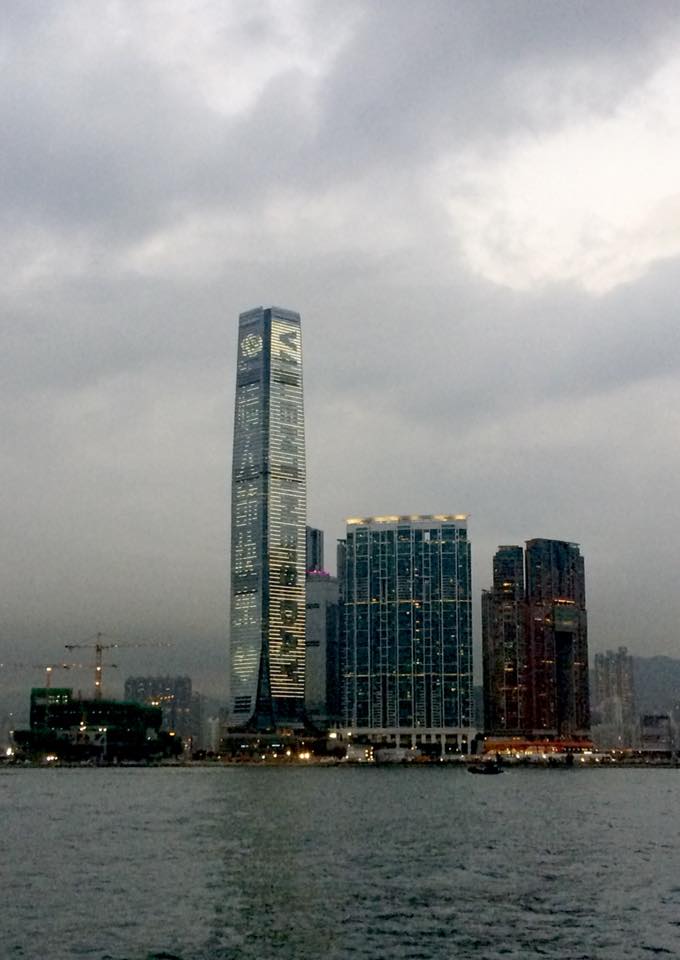
The next thing we thought of has actually become a sort of strange tradition over the years. Since we first moved abroad in 2015, we’ve spent the vast majority of holidays away from family, friends, and all that was once so familiar. Usually this means we get to learn new ways of celebrating the holidays, but sometimes we just miss all that familiarity and ease. Cue the international (yet super American) restaurant chain: Outback Steakhouse. One year, we were in Hong Kong over Valentine’s Day, and we happened to see an Outback in a mall there. We joked at how lame it would be to go to an Outback while in one of the best food cities in the world…alas, the molten chocolate lava cake called to us. We’ve now celebrated Valentine’s Day at an Outback in four different countries.  

Odd Finds at Anatewka (Poland)

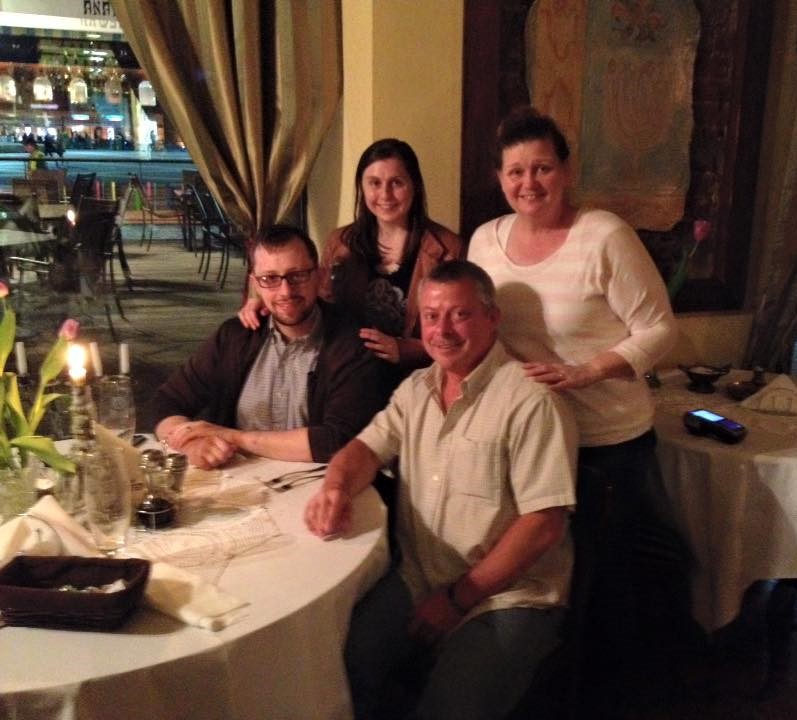
Sometimes what makes a meal memorable are the surprises that take place there. For this, Anatewka, an amazing Jewish restaurant in Łódź, immediately comes to mind. Anatewka packed in the surprises for us starting with our bowl of czernina, which we later found out was duck blood soup. The surprises kept coming when we got complimentary shots at the end of the meal (for digestion, of course). And as if that wasn’t enough to keep us guessing (and definitely ensuring our return), we were each gifted a tiny clay figure holding a grosz or the equivalent of a Polish penny. We were absolutely not expecting any of the little treats we got that night, and even though I won’t be ordering czernina again anytime soon, our dining experience at Anatewka was without a doubt both surprising and, indeed, memorable.

Simple yet Spectacular: St. Hubert’s (Quebec)

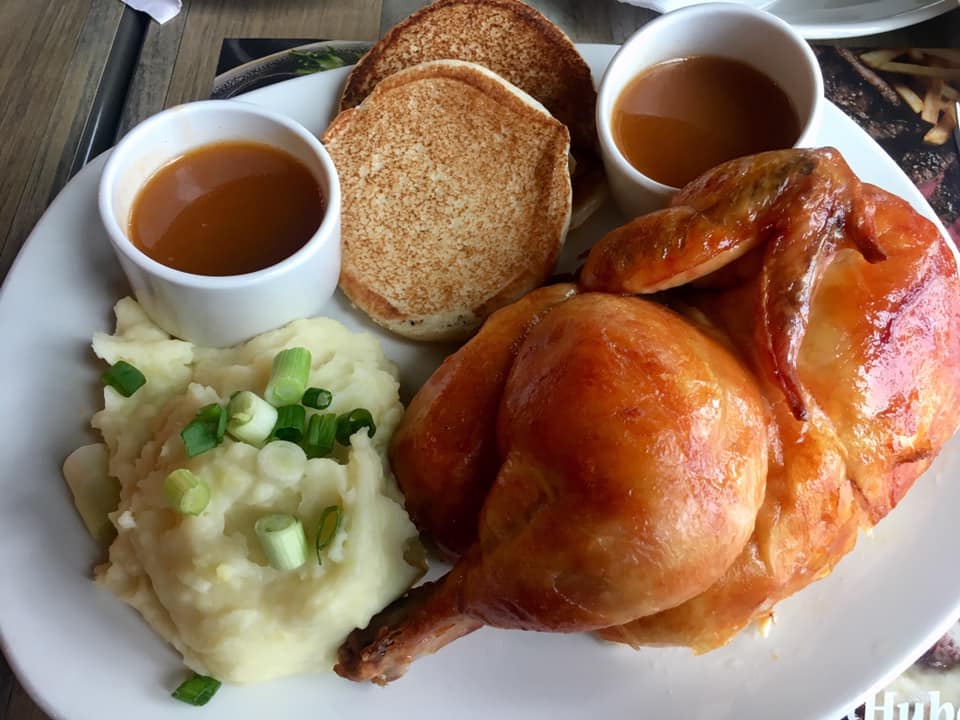
Surprises can definitely make us remember a meal, but the next meal that we kept thinking (and talking) about really had no discernible reason other than the fact that the food we had was incredibly simple and delicious. On our month-long initial expedition to Ottawa (and the surrounding area) in 2019, we happened to eat at a place called Rôtisserie St-Hubert’s. It’s a fairly nondescript restaurant, clearly a chain, with nothing particularly showy or remarkable on the menu, but what it lacks in flair, it seriously makes up for in homey goodness. Roasted chicken is what St-Hubert’s does, and they do it better than anywhere. It really brought to mind the qualities often associated with French cooking: fresh, buttery, light, and uncomplicated. Simply put, it was the kind of meal that just hit the spot. Of course, this was also the meal where, much to my chagrin, I first learned what clamato juice is, but even the surprise of finding seafood in my drink couldn’t detract from the rustic deliciousness that was this particular meal.

Once in a Lifetime Experience: Dining in the Dark (Malaysia)

Another meal that will obviously live in infamy (according to us anyway) is our experience at Dining in the Dark. If you’ve done one of these events, then it will likely be on your list as well because not only is the food extremely delicious and exciting, but the challenge and subsequent glimpse into a different way of living is eye-opening (see what I did there). For those who don’t know, Dining in the Dark allows you to experience a meal in complete and startling darkness. The servers are all visually-impaired and help you navigate what is a surprisingly scary and difficult set of tasks: everything from finding your chair and sitting down to re-finding your glass or fork somewhere on the table. For me, having my attention drawn to all these little things I took for granted was the most memorable part, but there are other aspects that made this meal stand out. Namely, our complete failure at guessing what we were eating. At one point we had a dish of steamed egg, mushroom, and tofu, and we guessed it to be “savory bread pudding”. What?!

Our First Foray into Fancy Food (Disney’s Remy)

Fun fact: Tucker absolutely loves tasting menus and fine dining because it allows him to try a greater number of usually quite unique dishes, which is all he ever wants in life. And for that reason, another meal on our list has to be Remy, a fine-dining restaurant on the Disney Fantasy cruise ship. Remy offers an eight-course menu of super fancy dishes, which at the time we had never had before. This experience was like stepping into another life. The dress code, the cheese cart, the flowers given to me at the end of the meal – it was all very different to anything we’d ever done. And then there was the experimental quality to the food. We had “tomato essence,” which was a completely clear liquid served in a champagne flute that tasted exactly like you just bit into a vine-ripened, heirloom tomato. There was also the “tomato soup cube”, which is pretty much as described, and countless other curiosities that have definitely kept us talking over the years. Honestly memorable in so many ways!

Making It Our Own: Cooking Class (Thailand)

Another meal that stands out is one we happened to make ourselves. Because we went to Thailand as part of a large group, there were lots of things that stand out about our time there, and one thing in particular was our first (and quite possibly only) cooking class. I personally loathe cooking, so I’m not sure I was really looking forward to this one or that I was very comfortable throughout the experience…but in the end, like everyone else, I was extremely proud of the dish that I made (and the certificate we all received lol). My pad thai was honestly delicious and Tucker’s khao soi was even better! Plus, the process of doing everything ourselves (from shopping in the market to grinding down the various chilis we needed) really gave me even more appreciation for all the chefs of the world. Thankfully this one turned out to be memorable for all the right reasons and not because I ended up burning myself or someone else!

Being Set on Fire (China)

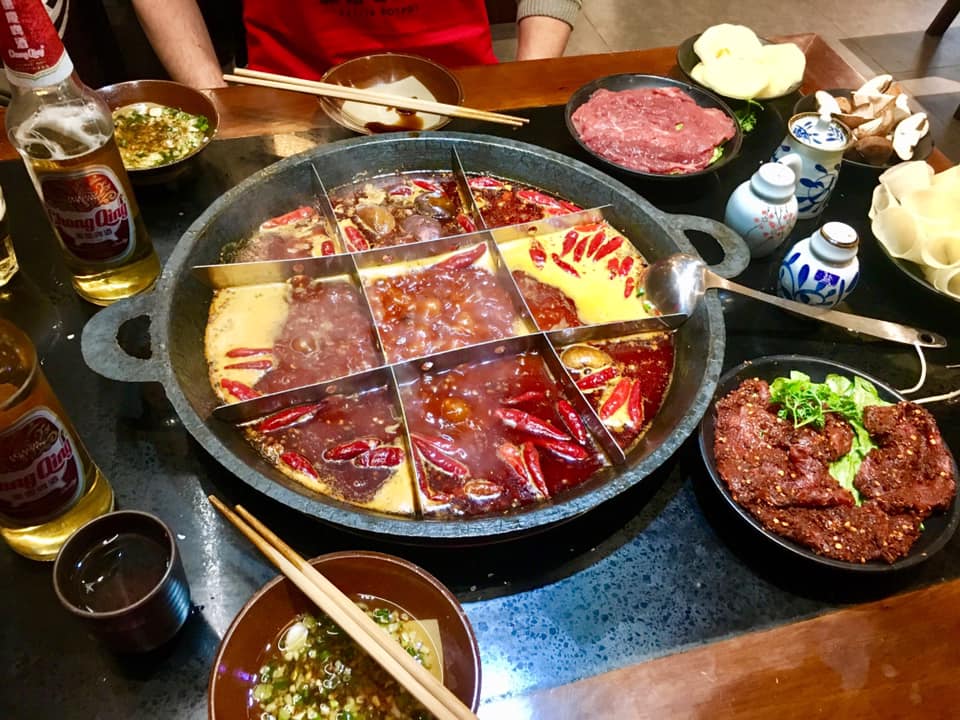
Speaking of burning…the next meal that without doubt must be on our list was the time we almost died. Of spiciness. Tucker and I actually love spicy food, and usually we handle any level of spiciness pretty well. However, Chongqing and Chengdu take spiciness almost beyond human capacity. One of the most renowned dishes of Chongqing is the infamous nine square hot pot, which, of course, we had to try. Unlike the hot pots we were used to, with the nine square, there is only one flavor: spicy. We weren’t really concerned though because when we ordered and chose our spice level, we played it safe with the 1 chili pepper rating (they went up to 5). Turns out, there was no “safe”. Everything was extremely spicy, the meat, the noodles, the hot pot, the sauces…and it was all compounding! I’m not sure we’ve ever sweated that much in a restaurant or drank that many beers that quickly. The craziest thing was, despite our watering eyes, it tasted so good! I would definitely do it all again.

Just What We Needed at the Time (Sweden)

As it turns out, even the timing of a meal can be what ends up making it memorable. On one of our worst travel mistakes to date, we failed to set an important alarm, waking up after only a couple of hours of sleep with only 16 minutes to make it to the bus that would take us to the airport in time for our very early flight. Needless to say, we had a very panicky, rushed morning with no shower or breakfast, and when we arrived in Stockholm, all our thoughts were on a nice shower, a snack, and a bed. Unfortunately, our hostel said we’d have to wait until after 3 to check in. So we, dirty, tired, hungover, and by this point, very hangry travelers, set off to wander aimlessly around the city for the next 7 hours. Obviously, our first stop would have to be food, but finding a place to eat at this time of day was actually a little tricky. Luckily, we finally stumbled upon a restaurant that served their whole menu of Swedish favorites all day, and we happily chowed down. Now Swedish meatballs and plankstek will forever be remembered as our most rejuvenating meal.

A Whole Lot of Whimsy (Mexico)

And last but not least, a happy dose of serendipity mixed with whimsy in the form of dinosaur quesadillas. As you can imagine, a lot of the ads I get have to do with Mexico, travel, and food (hmm, I wonder why). Well, one night last year I saw a little video ad about a restaurant in Mexico that served dinoquesadillas, and I thought to myself, “aww, that’s cute, but I bet it’s nowhere near us.” And I was right. The restaurant was in Saltillo about 440 miles (705km) from Guadalajara. Oh well, no dinoquesadillas are worth that long of a drive! However, it turned out that a few months later we randomly had to make a return trip to the border through none other than Saltillo. Through a crazy coincidence, we ended up in the really cool city of Saltillo, and, of course, we went to the kitschy little restaurant for some dinoquesadillas. A great example of what I call travel fate.

So, it seems there are actually a great many reasons a meal might stand the test of time in our minds. Could be great food, surprising circumstances, or even when exactly you get said meal. I think for me, the common thread is really when something is just a little bit outside the norm, when there’s something that stands out as “different”. Maybe we should all run with that idea and get a little weird this Thursday – I’m definitely willing to give it a try! Happy (almost) Thanksgiving! ¡Buen provecho! 😉

Día de Muertos (and Halloween)

Another spooky season is upon us, which, of course, has me reflecting on last year’s festivities, and since last year was our first full year in Mexico, I remember having a lot of questions regarding two very colorful (yet slightly morbid) holidays that happen to take place in the same fun-filled week. Thankfully, we had a brilliant education last year, and now I’m ready to share all that I learned! So, if you’ve ever found yourself wondering how Halloween and Día de Muertos are celebrated south of the border, well, you’re in for a treat (see what I did there?) because this post is about to get frightening(ly in-depth). Mwahaha!

Halloween in Mexico

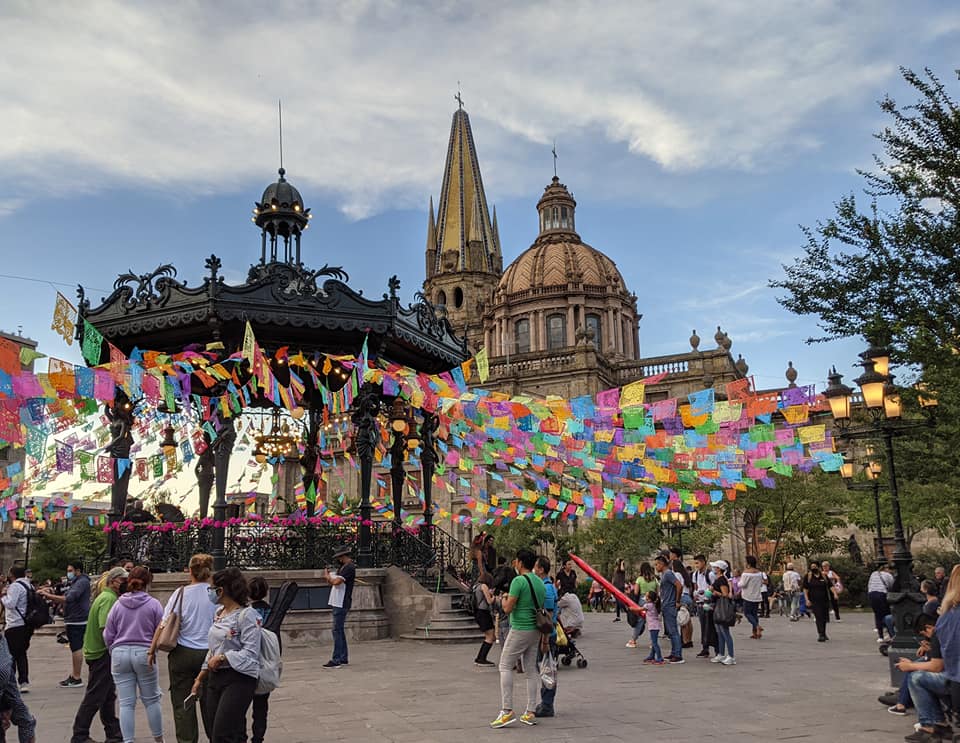
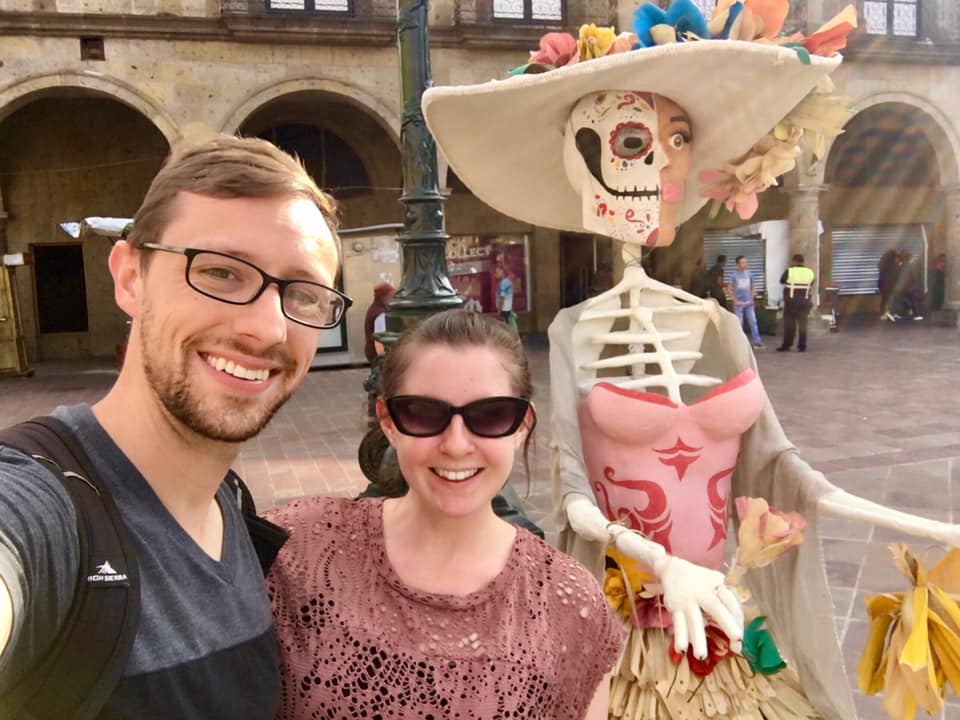
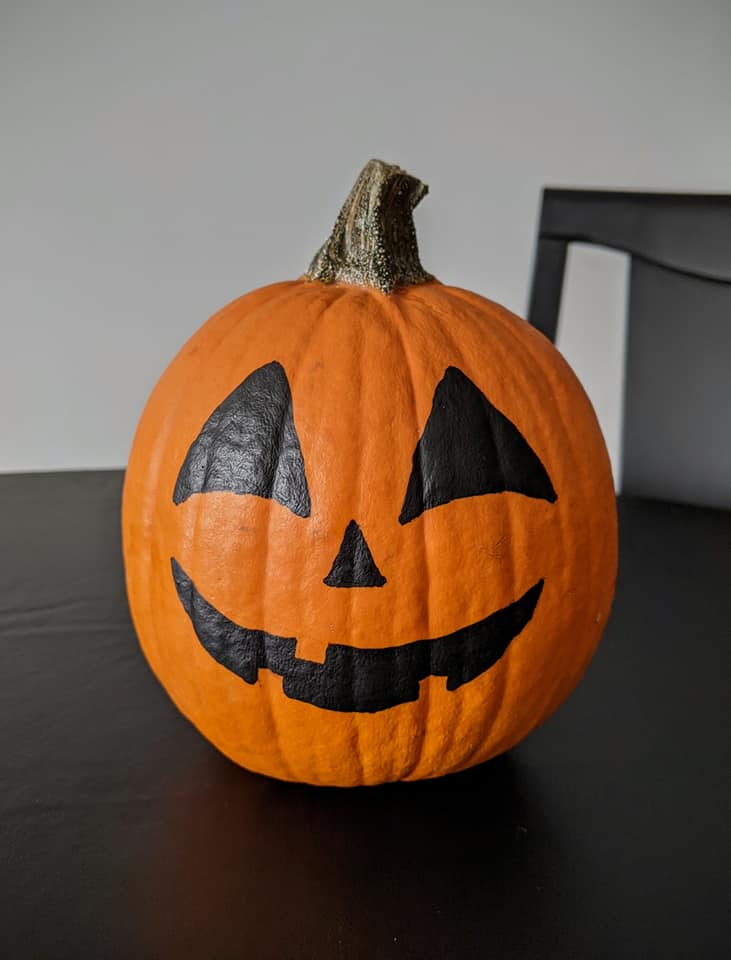
So, first off, whenever we would ask locals about Halloween in Mexico, they’d typically tell us that it’s not really celebrated…but I beg to disagree. Grocery stores start selling costumes and decorations in September, many restaurants have jack-o-lanterns and spiders welcoming their guests, and last year on Halloween (and several days on either side of it) I witnessed creepy clowns, Squid Game contestants, and many other characters walking down the street. There are also Halloween-themed events advertised for both kids and adults all month long, so whether it’s gimmicky or not, I sense a bit of a celebration. Of course, we’ve also been told that the closer you get to the US border, the more Halloween-y it will feel. Places like Monterrey, Ciudad Juarez, and Tijuana have the most going on, but even down here in GDL, the global holiday influence is still felt. However, I also can’t deny that there is a lot more buzz around the infamous Day of the Dead, and rightly so.

Día de Muertos

With such a sinister sounding name, it’s easy to connect the ghosts and ghouls of Halloween to this particular holiday, but in reality, Día de Muertos seems to have more in common with the All Saints’ Day we experienced in Poland or with China’s Tomb Sweeping Day. The holiday’s purpose is to honor family members who have since passed, much like other memorial holidays around the world. In fact, Día de Muertos is partially connected to Catholicism, thus the same date as All Saints’ Day; however, there’s also an indigenous twist in Mexico’s version of remembrance. Origins and comparisons aside, the first thing that really confused me was actually the name itself. I was constantly hearing and seeing both Día de Muertos and Día de los Muertos…so which should I be using?! Apparently, no importa, both are used, both are correct. It’s a pick your own poison sort of thing.

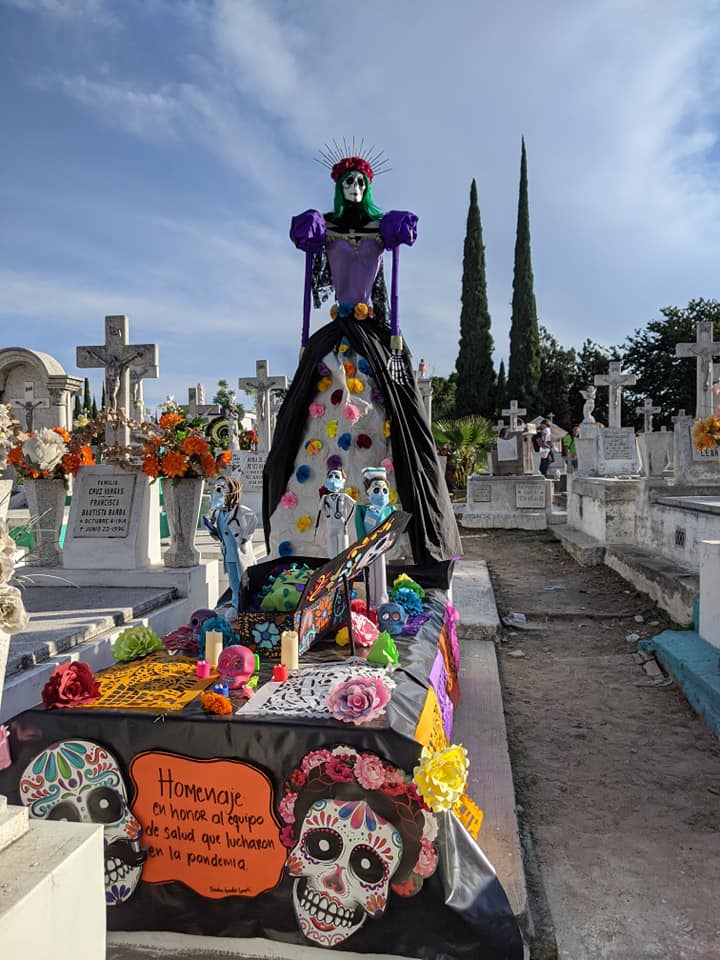
The next thing we learned was that Día de Muertos is actually días, plural. The holiday consists of two very important days/celebrations, one on November first and one on November second (of course, like other holidays, the celebrating really stretches throughout the whole week), but the significance of these two days is really interesting. November first is the day when the spirits and souls of innocents (or children) are remembered and honored. This day was a bit quieter and included a lot more white flowers (as opposed to the usual gold) and decorations especially for kids. For example, one of the tombs we saw had an array of toy cars and candy set out. The next day, November second, is the big day, the day when all the other ancestors are to be remembered and celebrated, with even more flowers and special treats, of course.

So how does one celebrate Día de Muertos?

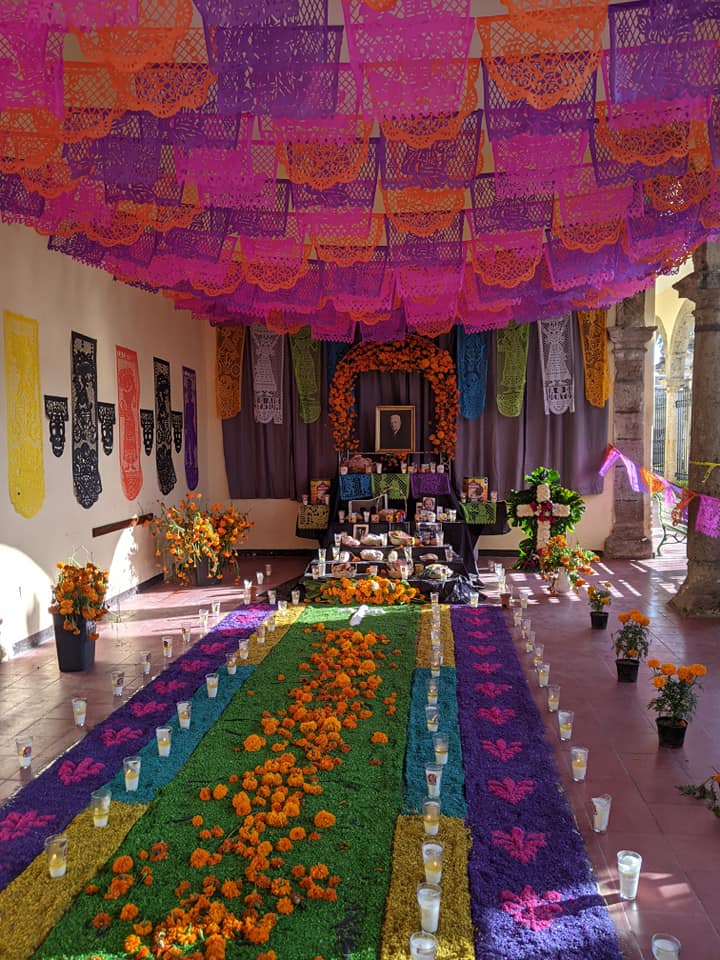
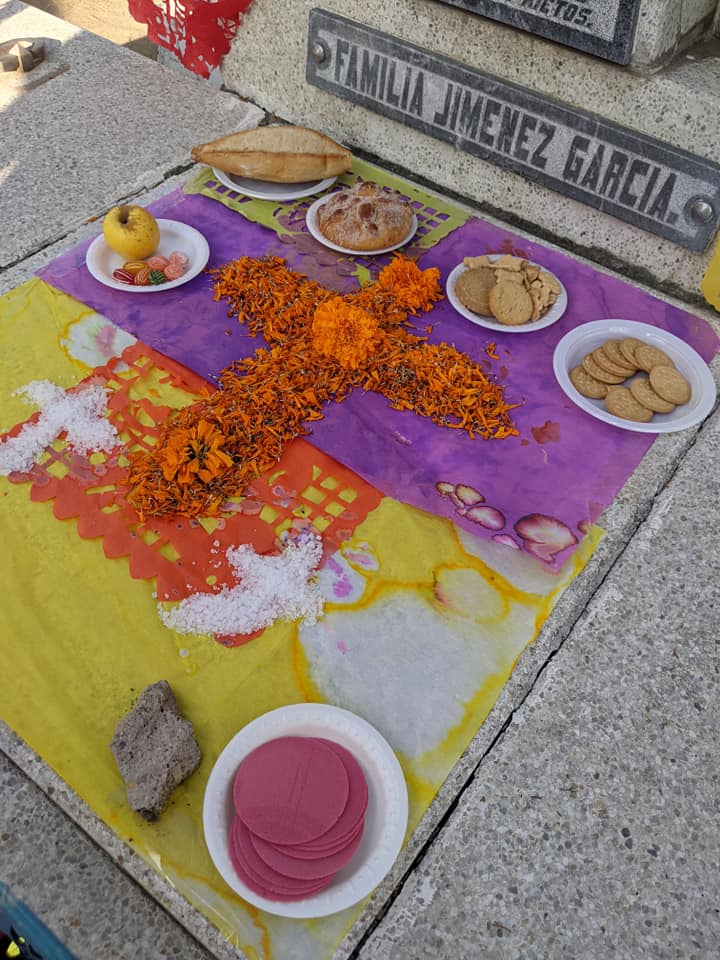
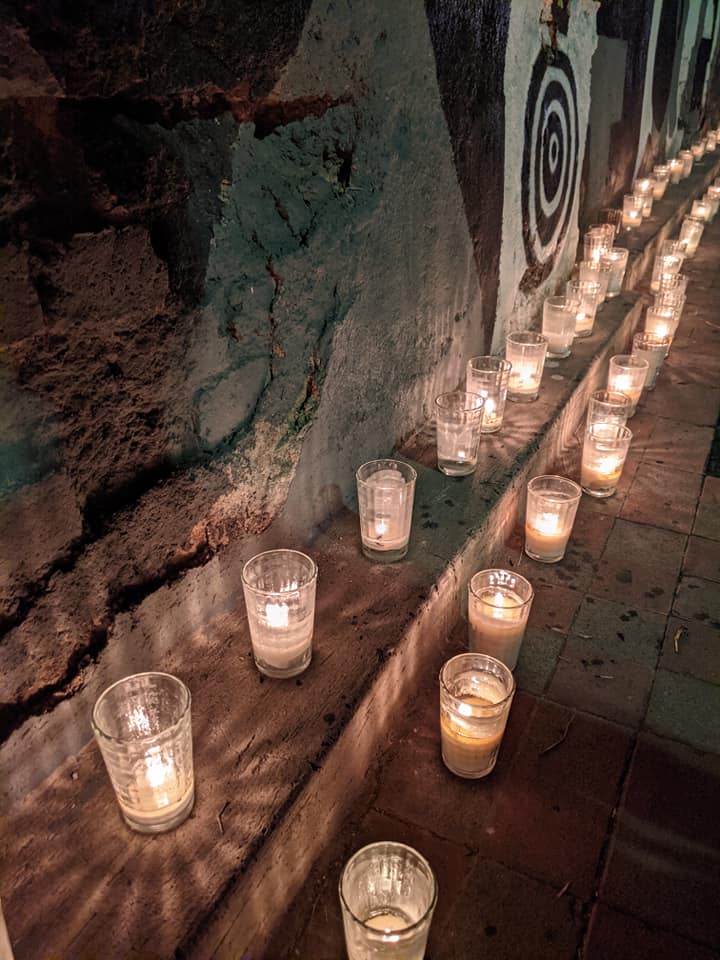
Well, like every other major holiday, there are lots of regional differences and personal preferences at play, but a few of the more traditional elements include cleaning and decorating the tombs/graves of your ancestors, making an ofrenda (or alter) in your home for more recently lost family members, and having a party to celebrate the circle of life in general. Last year, Tucker and I visited two cemeteries to see some of the tomb cleaning and decorating for ourselves, and we were absolutely amazed! Even in a large, modern city (which usually has fewer traditionalists) and even with some of the oldest cemeteries (whose descendants might also be gone at this point), not to mention a pandemic to contend with, people really went all out! Famous Jaliscienses (people from Jalisco) had the most going on with elaborate flower carpets, rows and rows of candles, and a huge amount of papel picado (the colorful paper flags), but due to the ongoing Covid battle, former nurses and doctors were also highly celebrated, as were all the other lucky souls who still have devoted family members living in the city.

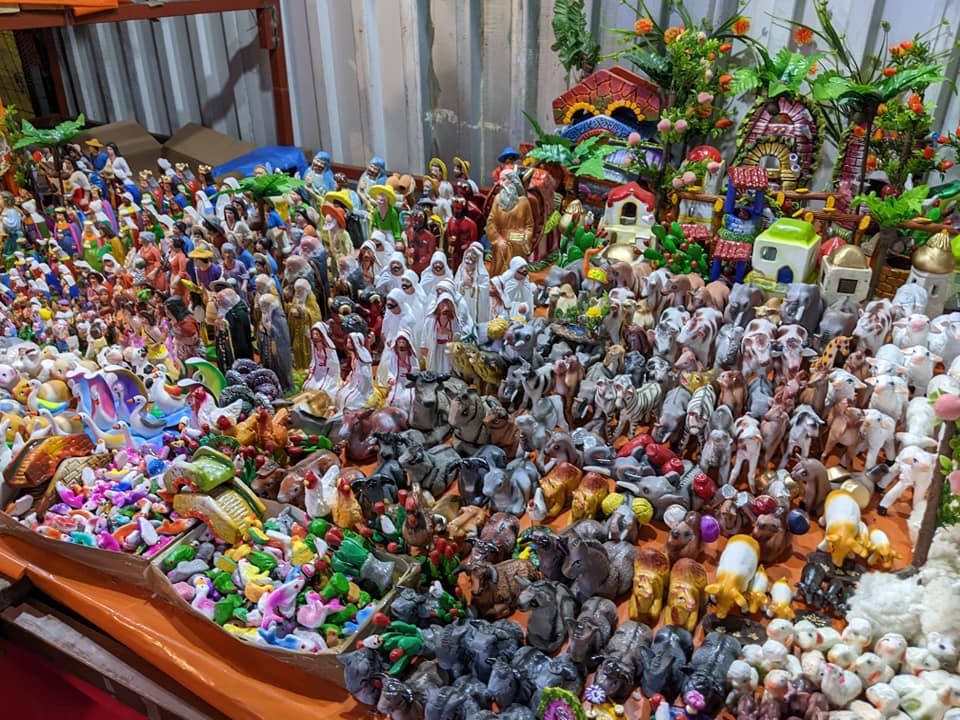
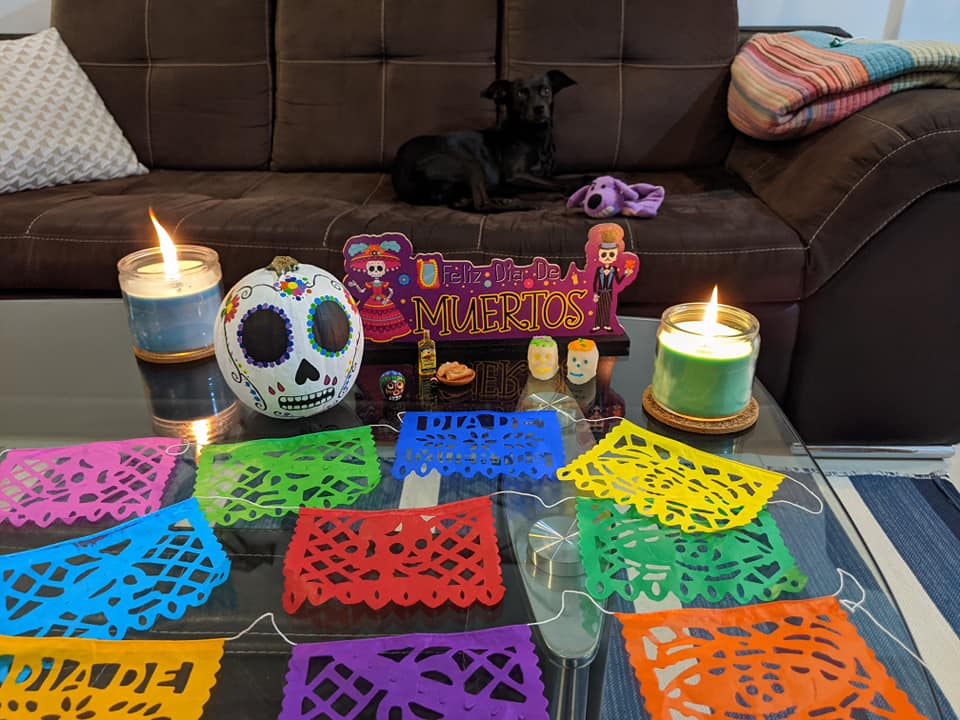
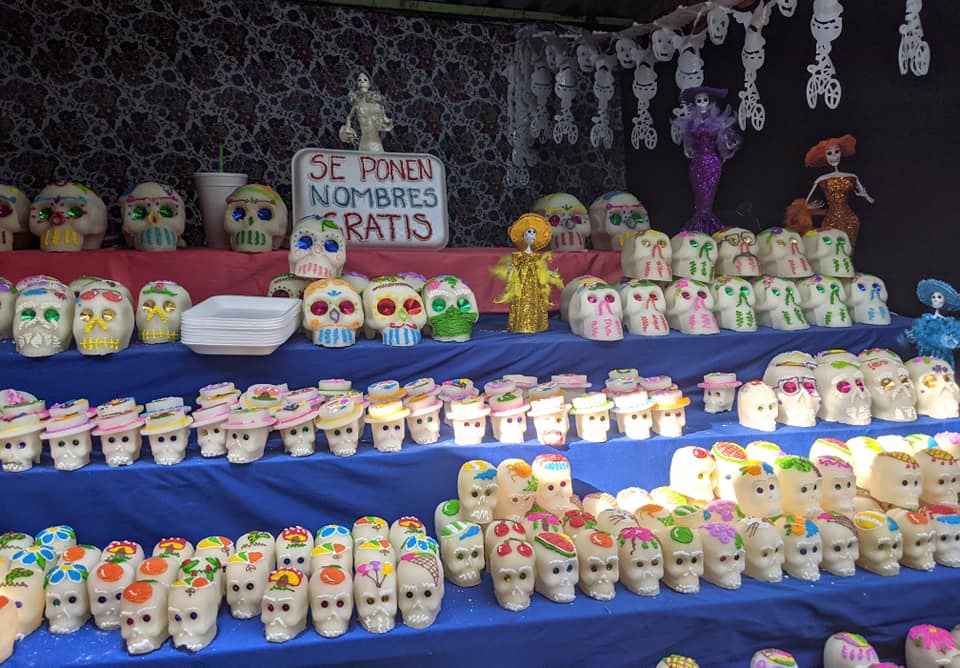
The tombs are often set up much the same as the alters at home. Flowers are a must, specifically cempasúchiles (marigolds) because their bright color and strong scent help guide spirits back for the night. This is the indigenous twist I was mentioning earlier: the ancient belief was that only on this night and only if your family put up an alter for you could your spirit come back to Earth and enjoy the party. This is also why the alters are often adorned with the favorite foods, drinks, and other preferences of those who have passed – something for them to enjoy on their journey. Sometimes it’s real food and drink left out (which is usually eaten by the living family members at some point), but sometimes the alters are decorated with figurines of all the ancestors’ favorites, which you can find at pop-up markets all month long: tiny plates of tacos el pastor, little bottles of tequila, itty-bitty cigarettes, etc. If someone loved it, you can find it in miniature. Sugar skulls with the names of those who have passed are also common for the ofrendas, but today, kids often want their own names put on them, further emphasizing that this celebration is for both those who are gone and those who remain.

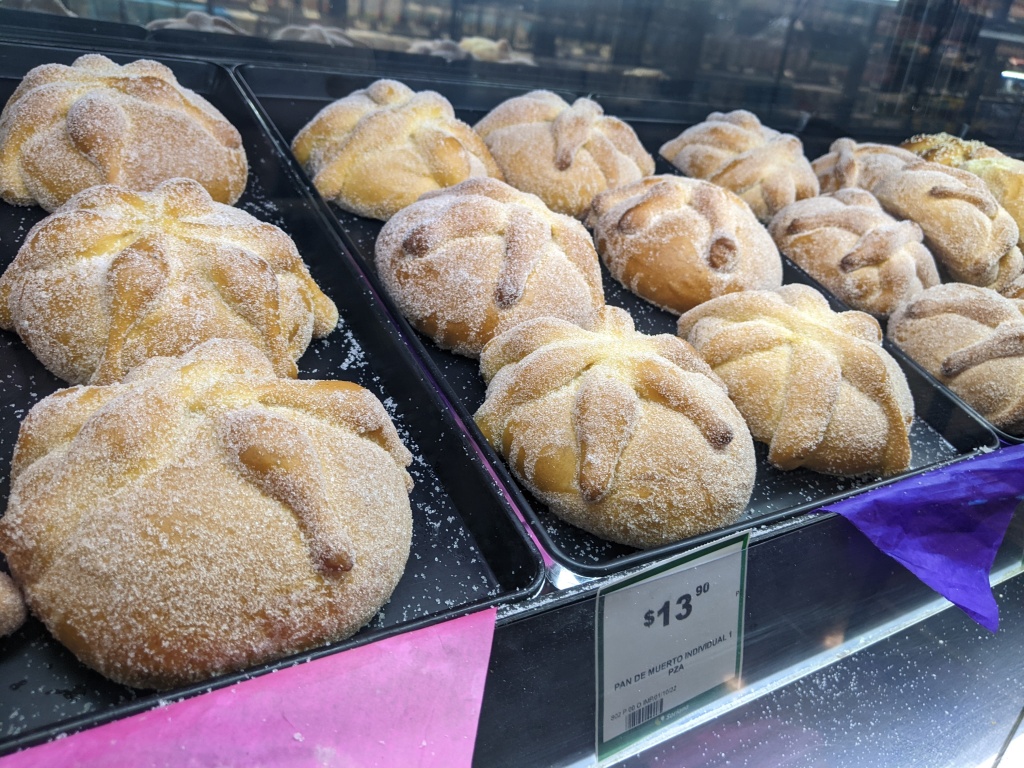
While the decorations and alters might be the most eye-catching parts of Día de Muertos celebrations, the most memorable part, for me, was the party atmosphere. There is nothing creepy or sad about this particular holiday. It is all joy; music is everywhere, families hugging, kids playing, even in the cemeteries themselves. And once the alters and ancestors are taken care of, more partying takes place in the form of parades, mariachi performances, and snacks for all (including the infamous pan de muerto, a sweet bread in the shape of crossbones). Sometimes in pictures, Día de Muertos can look like an homage to death with all the skeletons and tombs, but in reality, it is a celebration of life and family, and it’s something I’m very much looking forward to celebrating in person once again.

Our Trip to South South America

Summer is officially here, so where better to celebrate than South America, where it happens to be winter! Of course, escaping the heat wasn’t our main reason to take off to Argentina this month, but I won’t lie, we were very happy to be donning our coats in July. Such a surreal experience!

In reality, we had many reasons to head to the opposite side of the Americas. For one, when we booked this trip, Canada was still an unknown, and Buenos Aires was at the top of our list for places to go after Guadalajara. Therefore, a large part of this trip was a scouting mission. Would we like southern South America? Would we prefer Buenos Aires or the nearby Montevideo, Uruguay? Could we picture ourselves moving there? Lots of questions to be answered even if the potential move has been pushed a bit further down the line. So, once again, we took to the road (or sky in this case) for some more “research”, and here’s what we discovered:

Seasonal Switch

First off, packing coats, scarves, and gloves for a July vacation was really strange. Of course, we knew the southern hemisphere is always in the opposite season as the northern hemisphere, but experiencing that drastic switch overnight in the dead of summer/winter was still disorienting. As was the fact that the weather got colder as we went further south. I didn’t realize how ingrained “north = colder” was in my brain! We also found it really entertaining to be all bundled up on the 4th of July – I can only imagine how strange Christmas in Argentina would be for me!

Happy 4th of July!

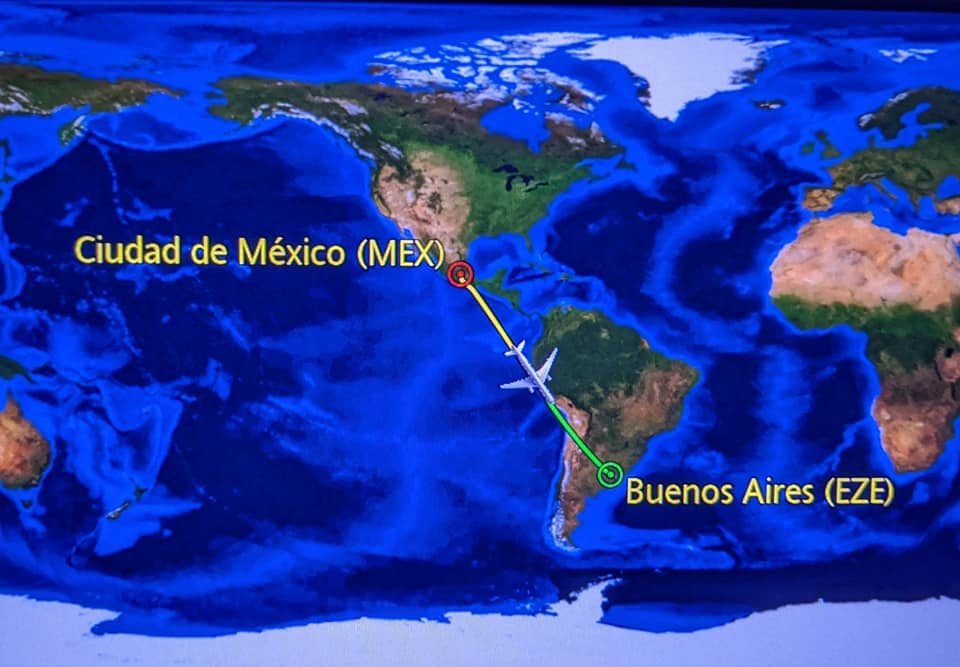
Another surprising, geography-related experience was just how far south Buenos Aires is! Our flight from Mexico City was 9 hours. We could have crossed an ocean in that amount of time! However, I think the long flight is worth it to have four distinct seasons. It was lovely to have brown leaves crunching beneath our feet again. Slightly less lovely was the fact that Buenos Aires is an hour ahead of Eastern Time. In Mexico, we’re an hour behind, and apparently, we’ve gotten really used to our work days ending at 4pm.

Map courtesy of Aeromexico :)

Amazing Food

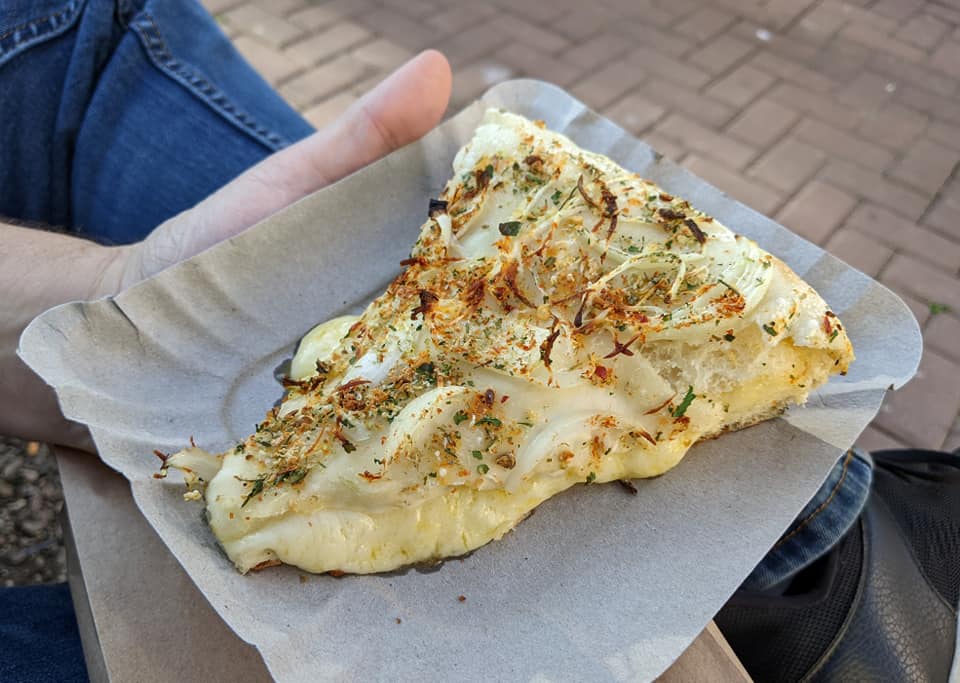
Fugazzetta

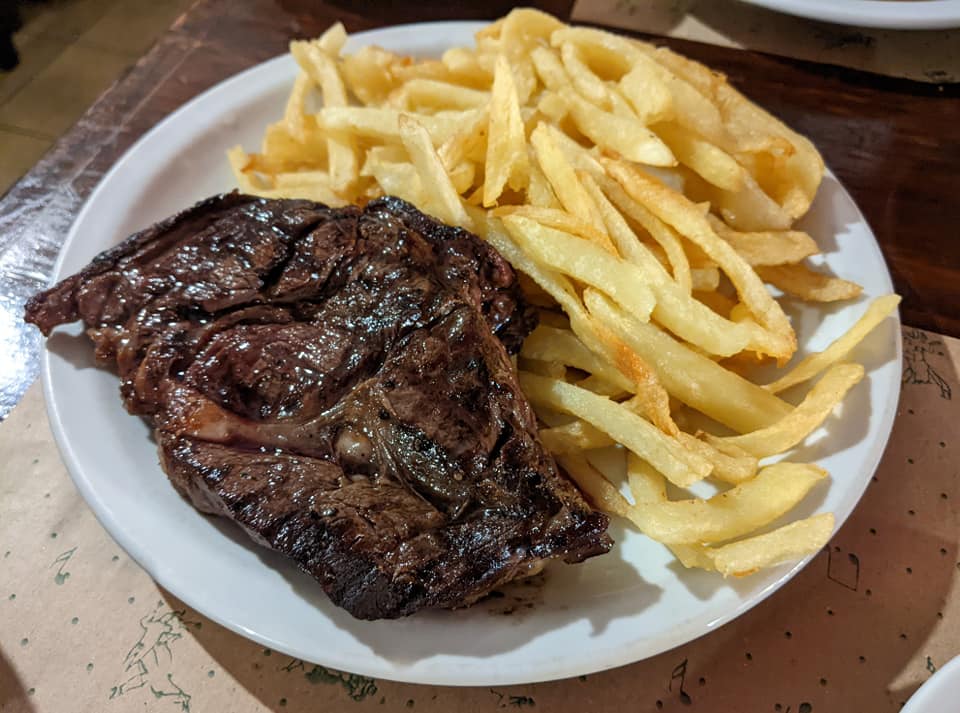
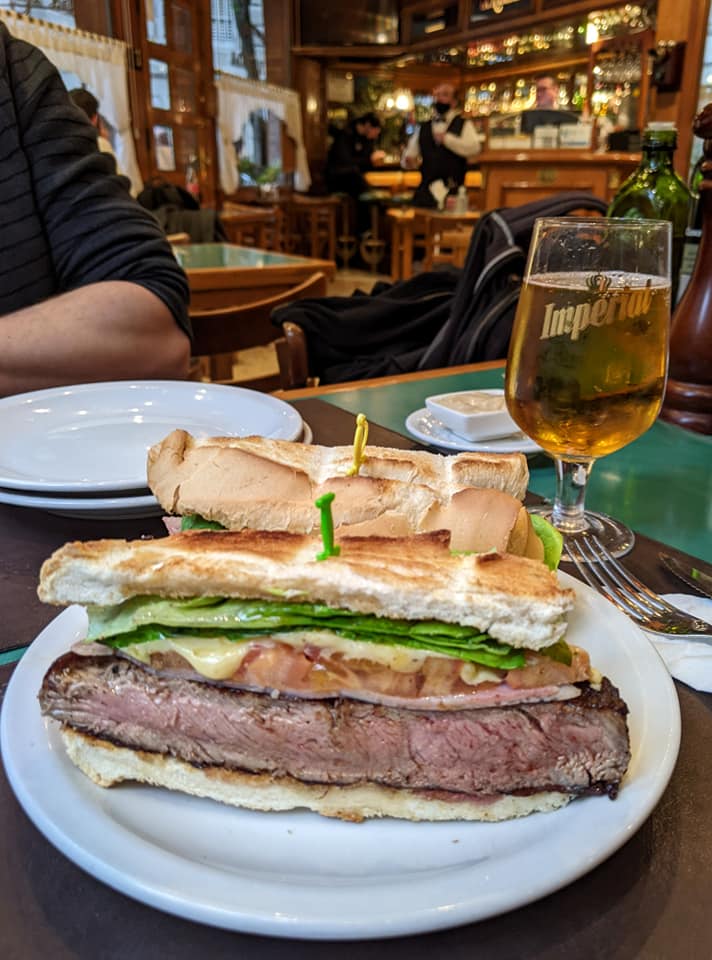
Next up on our list of discoveries was actually more of a confirmation. Near our apartment in Guadalajara, we have several Argentine restaurants, and they’re easily some of our favorites in the city. We were beyond excited to try some of our favorite dishes in their country of origin. Thankfully, Argentina did not disappoint! Of course, the steak and wine were incredible (and SO inexpensive!), but the provoleta, the empanadas, the huge number of sandwiches, the dulce de leche – omg. I was extremely impressed with all the international options we had as well. Italian, German, Korean, Asian-style pay-by-weight places, we were definitely able to branch out even in just 2 weeks.

I was also blown away by the café culture of Argentina. I knew that people in South America have an affinity for drinking mate (a tea-like drink) and, of course, as part of Latin America, coffee is popular as well, but what I didn’t expect was just how abundant and accommodating the cafés would be. Literally every block of downtown BA had at least one café, most of which had several floors offering comfortable places to sit, eat, drink, and chat to your heart’s content. And whether at a café or a restaurant, you absolutely must ask for the check because they’ll never hurry you out.    

So Much Nature

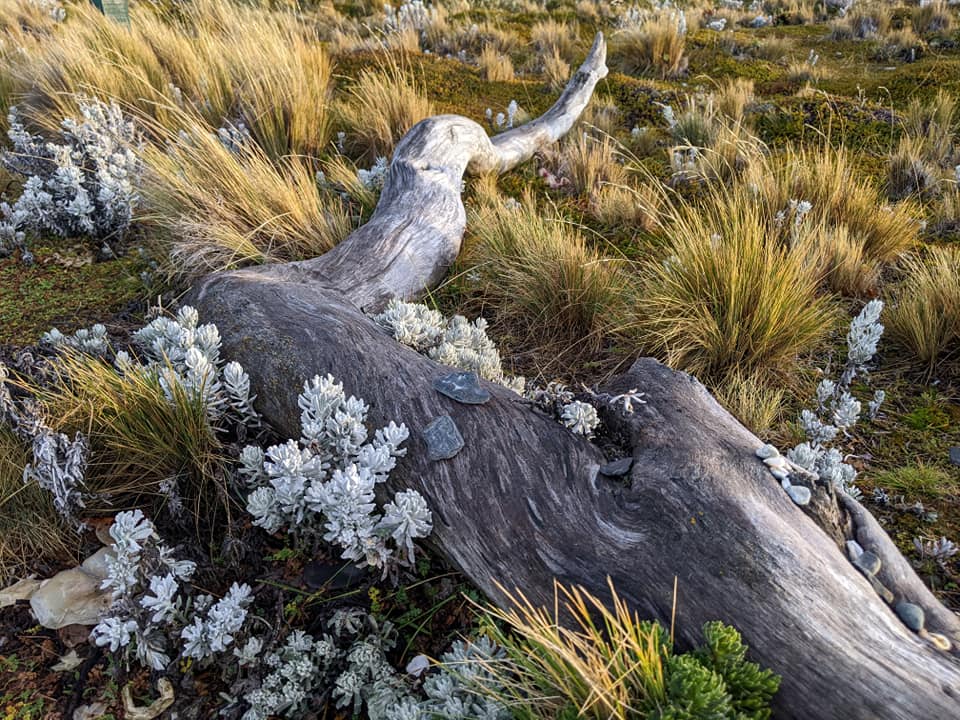
While the local food is always a priority for us when we travel, the memories that stick with us longer are often our forays into the surrounding nature, which is something that South America has in spades. We knew we wanted to take a few trips outside Buenos Aires while we were there, but deciding on where to go was so tricky! An overnight train to the Andes out west? A trek through the jungle to see the infamous Iguazu Falls? Or fully embrace winter with a flight down to Cape Horn? Of course, we went with the coldest option!

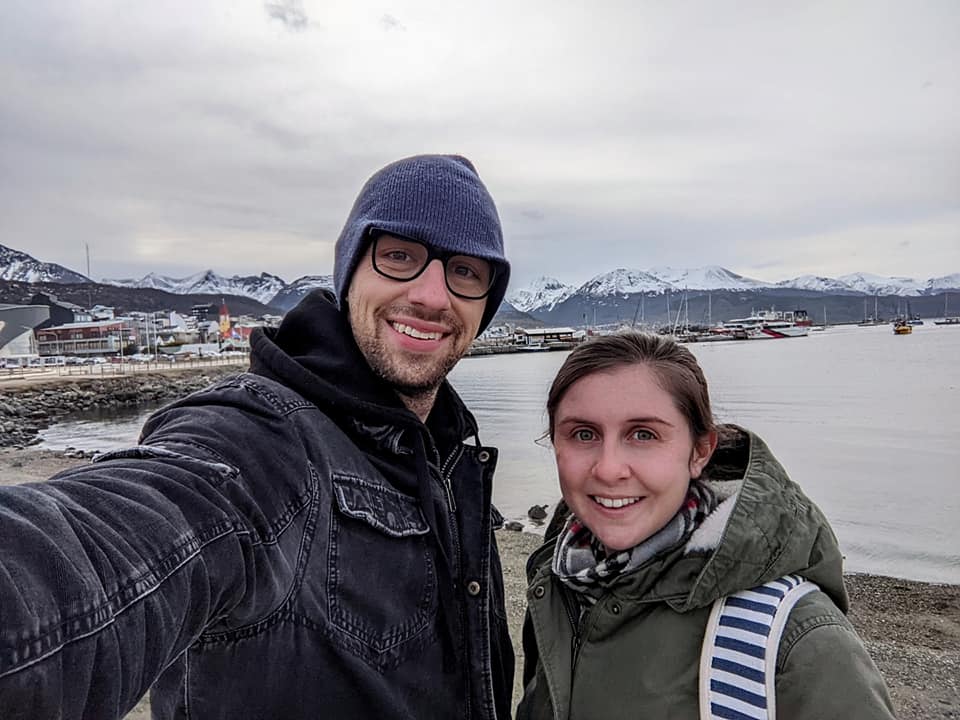
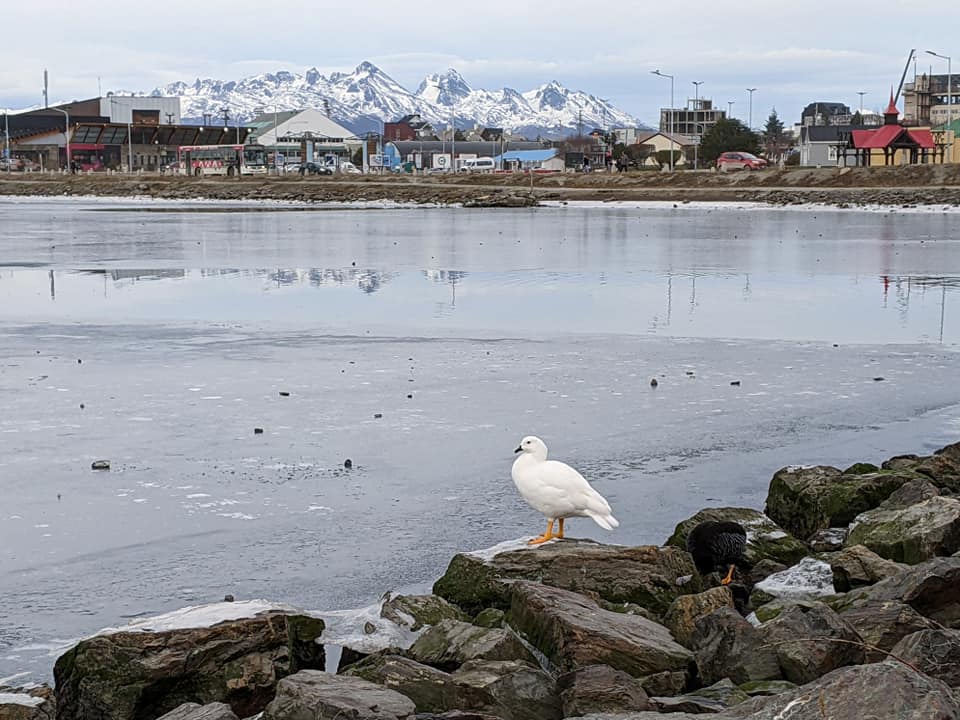
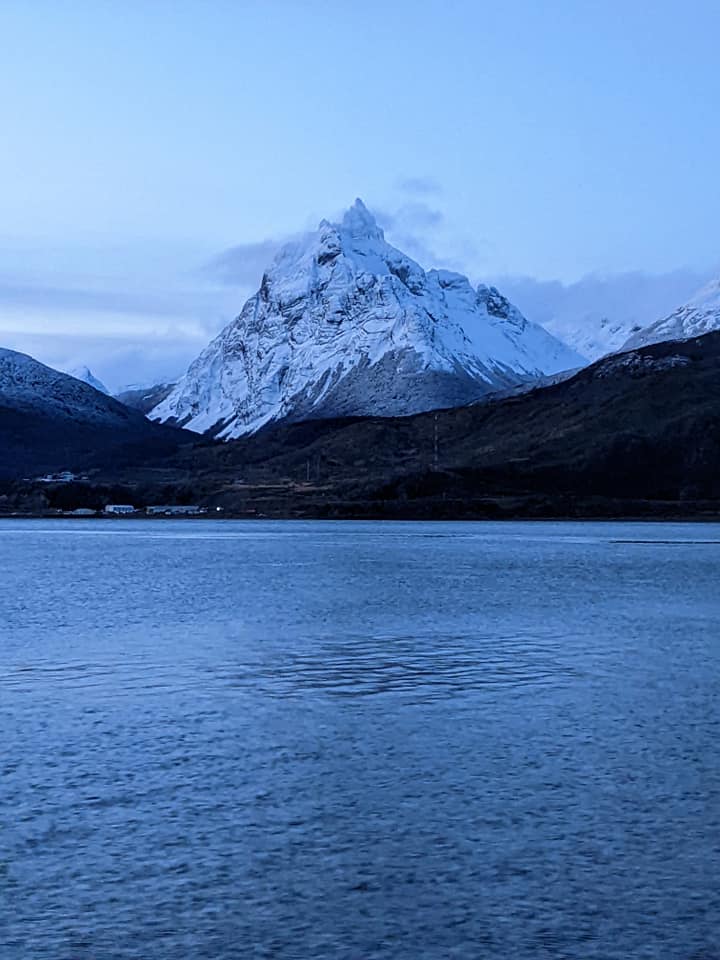
Thanks to Argentina’s budget airline, Flybondi (which is thankfully still operating post 2020), we were able to find cheap tickets down to Ushuaia. Ushuaia sits in the far south of Patagonia and is known as “the southernmost city in the world”. Here we were able to play in the snow, chill our craft beers on the window sill, and tour the icy Beagle Channel. As a geography nerd, the sheer fact that I was at the southern tip of the Americas, only about 1000km from Antarctica was enough for my bucket list, but the incredible mountains and pink morning skies just made it that much more beautiful.

Fantastic Cities

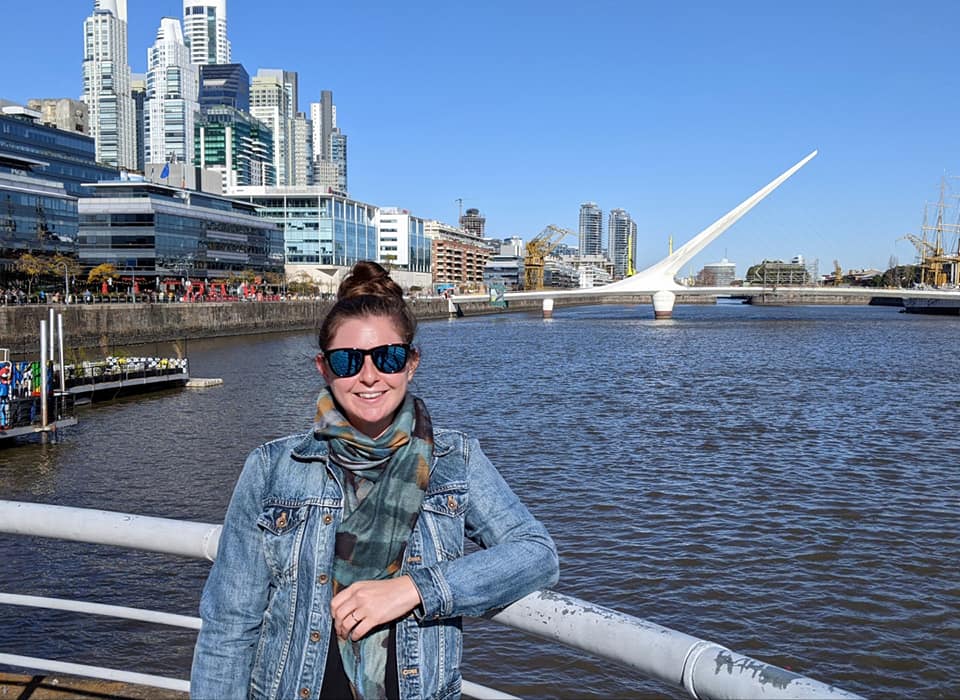
As amazing as it was to be surrounded by such diverse nature, we definitely spent the majority of our time in the two major capital cities: Buenos Aires and Montevideo. Turns out we could have used even more time because Buenos Aires is huge! That’s really the immediate impression I got from the city. It was a 45-minute ride from the airport to Retiro (a downtown neighborhood), and aside from the distance, the number of massive buildings, many of which were apartments, definitely stood out. Walking downtown, I was also amazed by how tall so many of the building are. Very old, very European-style architecture, but much taller than I seem to remember in Poland (or than what we find in Guadalajara). Luckily everything seemed to be bigger in Buenos Aires because there were also gigantic plazas and parks, wide sidewalks, and many-laned throughfares. It seemed like the kind of place you could live for years and still be discovering new points of interest.
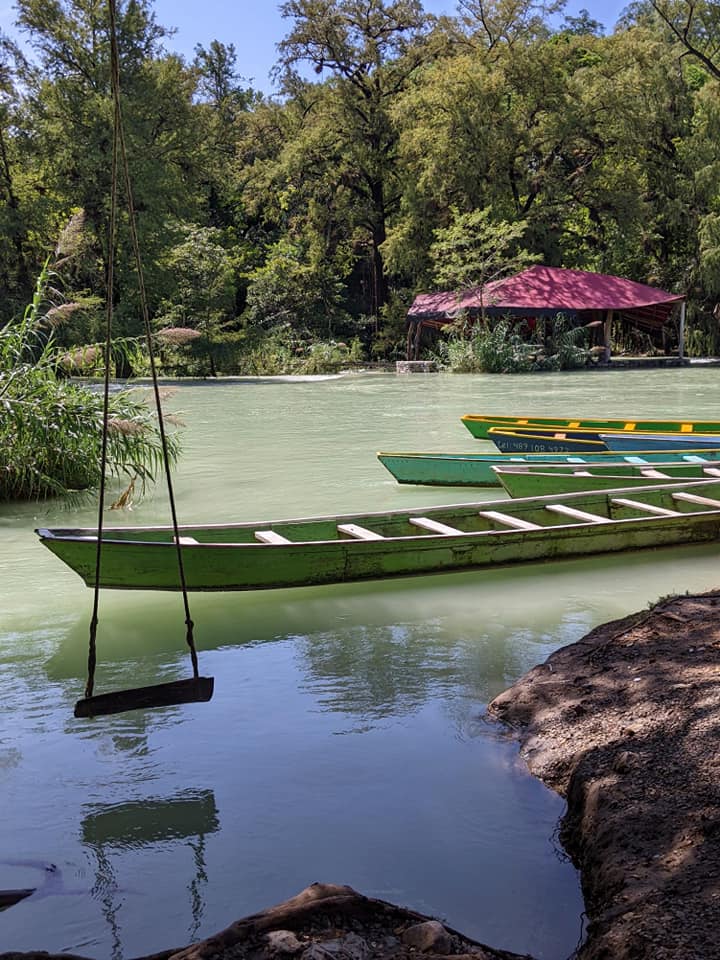
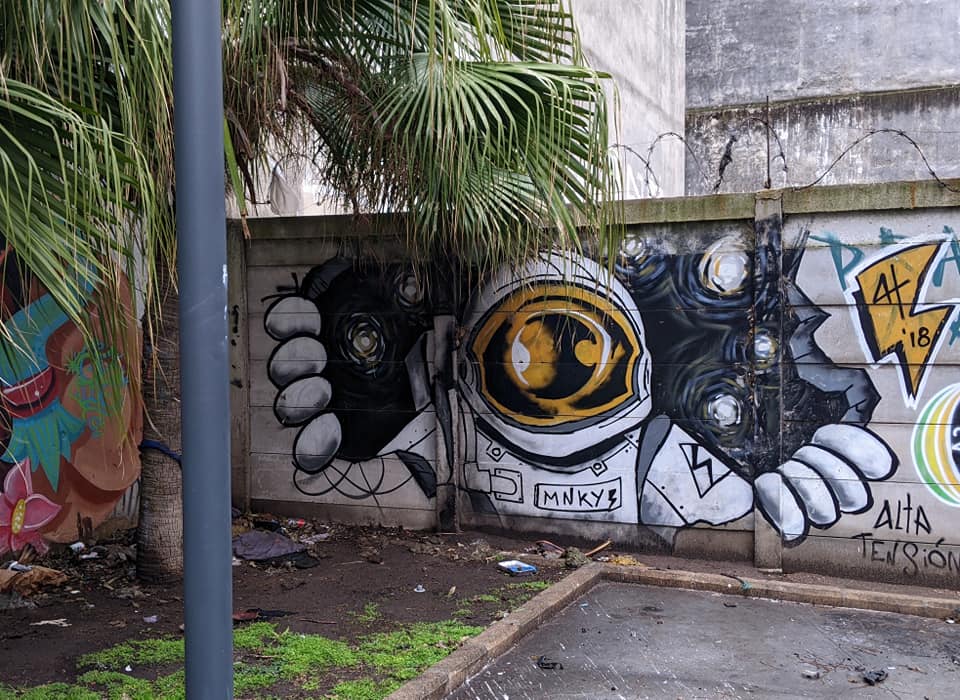
Montevideo, on the other hand, was much smaller. Both in terms of the city’s size and the architecture. Although just a few hours away, across the Rio de la Plata, Montevideo is the capital of Uruguay and has an entirely different vibe. Of course, we were super interested in noting any and all differences (in the name of research) and couldn’t help comparing as we went along. To me, Montevideo felt a little like the quirky younger sibling of Buenos Aires. It was much more colorful with lots of street art and eclectic architecture throughout the old and new sections of the city. It also felt much more coastal with its huge rambla (promenade) and beaches. While a lot of the culinary traditions are similar between the two countries, Uruguay has a few of its own stand-outs as well, like the Chivito sandwich, which is now in Tucker’s top 5 sandwiches of all time.

I give you the Chivito

Spanish Differences

Another interesting experience on this trip (as well as on our trip last year to Ecuador) was the Spanish we were hearing and eventually using. The Spanish I’m learning is Mexican, and this is never more obvious than when we’re traveling in another Spanish-speaking country. Words like “alquilar” (to rent), “maní” (peanut), and “palta” (avocado) gave me pause because we regularly (read: only) use “rentar”, “cacahuate”, and “aguacate”. Just like learning to use “chulla vida” in Ecuador, it was really interesting to see which indigenous words Argentina and Uruguay have adopted and how these (and other) influences still serve to differentiate Spanish varieties around the globe.

However, it wasn’t just the vocabulary that caught our attention on this trip to South America. The first real conversation we had in Argentina was with the security guard in the building where we were staying. He gave us our keys and made sure we knew what to expect with entering, exiting, etc. Luckily, having a few Argentine teachers in the past helped prepare me for hearing things like “sha” and “shaves” instead of “ya” and “llaves”, but it was still much harder than I expected. The accent is SO different from what I’ve grown accustomed to, but it was surprisingly easy to pick up and start using ourselves. After just a few days we were saying “sho” (yo) and “para shevar” (para llevar) like everyone around us!  

So, What’s the Verdict?

Well, we loved it all! We could definitely see ourselves moving to either Buenos Aires or Montevideo in the future, and I would absolutely love to have a few years down there (at least!) to more thoroughly explore South America. Even though we might be going north before we make it back down south, I’m beyond thankful for the opportunity we had to get even a glimpse of such an amazing part of the world! Until next time! ¡Chau!
Top 12 Photos from Poland

Last month I finally decided to move my writings from our time in Poland off Facebook and onto my blog site as individual posts. (Sorry to those of you who got email updates before I remembered to turn off the notifications!) This was a long time coming, and although the process was a little tedious, I thoroughly enjoyed reminiscing about all our trips and experiences in Europe. Therefore, for this month’s blog post, I thought I’d do a little countdown of some of my favorite photos (and the memories that accompany them) from our beloved Polska. Enjoy!

#12 – St. Jakob’s Orthodox Church, Częstochowa

We had never heard of Częstochowa prior to moving to Poland, but after visiting, we fell in love with this highly-organized city of international pilgrimage fame. 

#11 – Orłowo Pier, Gdynia

The Tri-City area of Poland might just be our favorite because it is filled with all sorts of unexpected sights and activities! For example: intriguing pirate ships, beautiful sandy beaches, and a lovely ferry to Hel and back. 

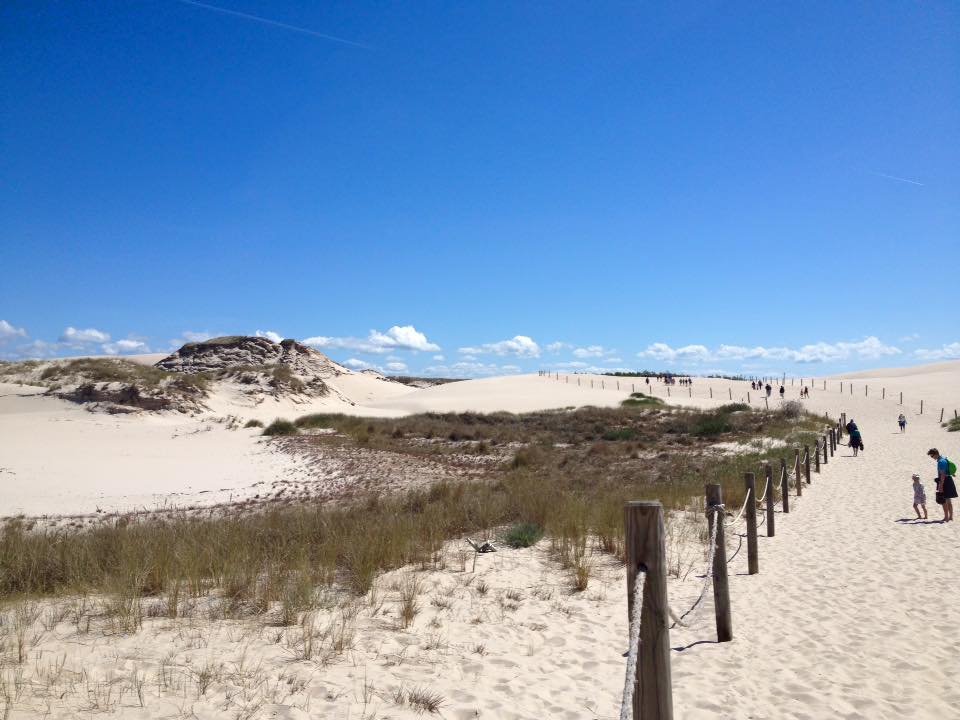
#10 – Słowiński National Park, Łeba

The sand dunes of Słowiński National Park are also high on our list of incredible (yet unexpected) sights in Northern Poland. Is this even Poland? Tak, to jest Polska.

#9 – Market Square, Wrosław

Some cities have something so unique that they will always stand out in your memory. For me, I will always remember Wrosław for its legion of tiny dwarf statues.

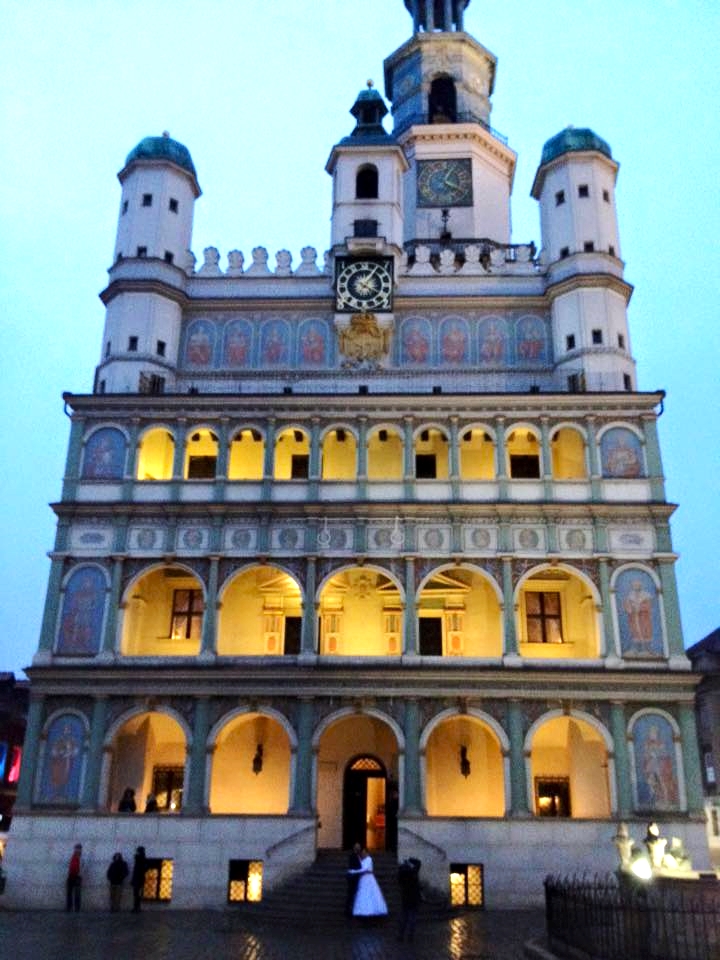
#8 – Town Hall, Poznań

Poznań was another city of surprises with the legendary goat dance and the highly revered rogal świętomarciński, a pastry with its own museum. Smacznego!

#7 – Countryside, Silesia

Our main method of transportation around Poland was Polskibus (something I miss dearly). Views of the beautiful countryside from the windows of a double decker bus will forever be etched in my brain.

#6 – Wawel Royal Castle, Kraków

We were lucky enough to visit Kraków several times, but the bar crawl we did on a whim one night gave us more stories than any other singular event in Poland. My head still spins at the memory.

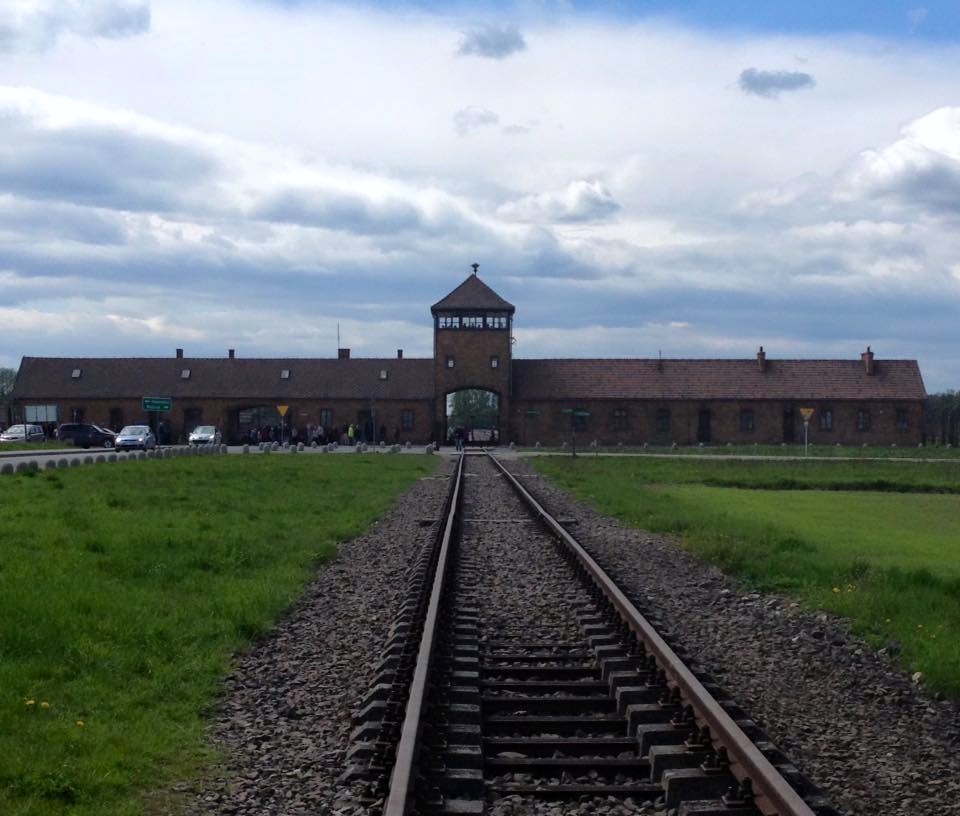
#5 – Oświęcim

Oświęcim, the Polish name for Auschwitz, was a sobering reminder of the horrific events that occurred here and the fact that those who do not remember the past are surely condemned to repeat it.

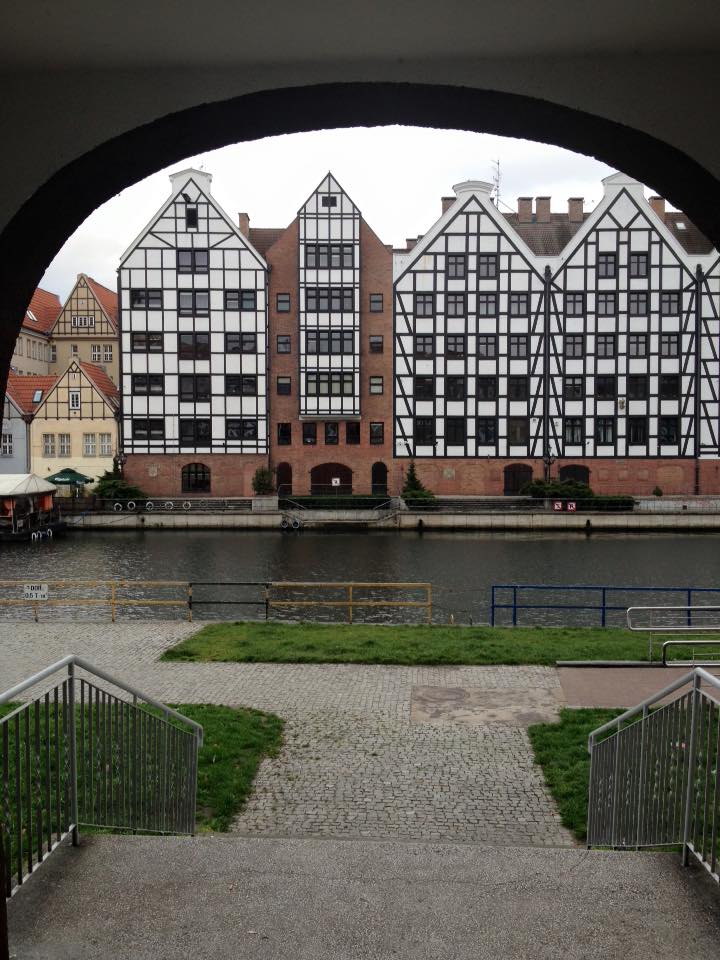
#4 – Motława River, Gdańsk

Another part of the Tri-City area, Gdańsk, has such an interesting history and local flair. Reflecting on it now, Gdańsk seems like the most likely candidate for a potential return stint (other than Łódź, of course).  

#3 – Tatra Mountains

Truly a winter wonderland, hiking in the snowy Tatras was utterly surreal. As was the fact that we traversed the 16km trail thick with fresh snow…in gym shoes. I can still feel my frozen toes.

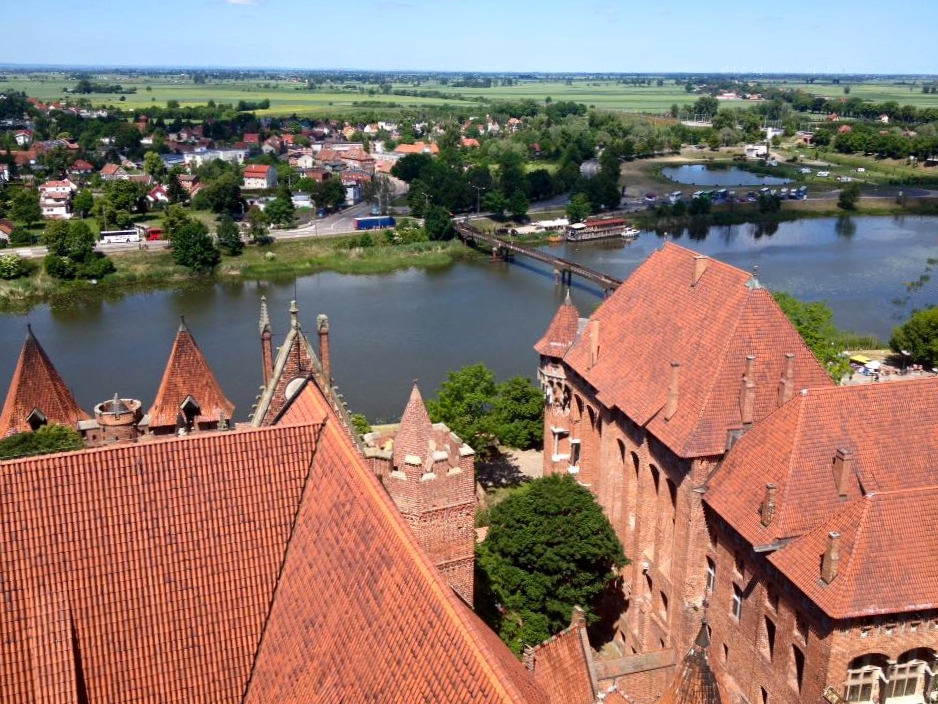
#2 – Malbork Castle, Malbork 

Europe has such a knack for making you and your life feel small in the face of so much history. This was certainly the case in Malbork, exploring the largest Teutonic castle in the world. 

#1 – Główny Rynek, Kalisz

Regardless of destination, the memories (and photos) that mean the most often have to do with friends and family. For me, walking around one of the oldest cities of Poland with my parents falls directly into this category.  

Locations of the 12 photos

What an incredible country! I love reminiscing about all the things we did and saw while living in Poland (thanks for humoring me, by the way). One of the most shocking things about this little project was realizing that this was 7 years ago! We’re clearly long overdue for a trip back. Fingers crossed it happens sooner rather than later! Naprawdę tęsknię za Tobą Polsko.

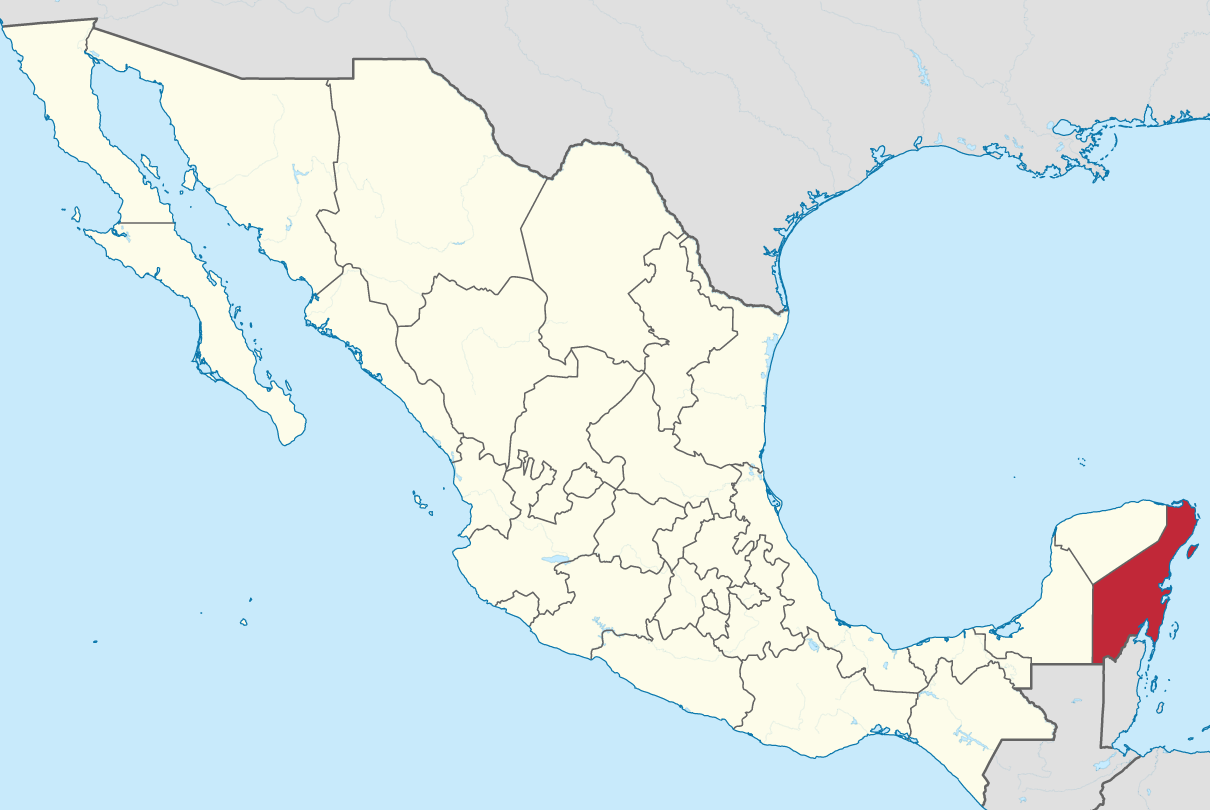
Quintana Roo – Mexico’s Caribbean Coast

One of my goals for our time spent living in Mexico is to visit as many of the 31 states as I can. In fact, this lofty goal, coupled with the fact that my mother-in-law loves the beach, is what led us on our most recent adventure to Mexico’s easternmost state, Quintana Roo (pronounced “keen-tah-nah row”). Typically, we don’t spend quite as much time (two weeks!) in one state, nor do we often have the luxury of visiting four separate cities and two islands on one trip; however, we definitely wanted to be thorough here because these are some of the most popular tourist destinations both within Mexico and internationally! So, if you’ve always wanted to head on down to Riviera Maya, here’s my summary of what you can see, do, and expect:

Cancún / Isla Mujeres

Our first stop was in Cancún for many reasons. For one, Cancún International Airport is the second largest in the country, which means there are tons of flights in and out from a huge variety of locales. Another solid, practical reason to start in Cancún is the fact that it’s located at the very tip of the Yucatán peninsula, meaning flights from east of the Mississippi are quite short and very affordable. Personally, I also wanted to start in Cancún because I had (erroneously, as it turns out) thought that Cancún would be my least favorite of the cities on our itinerary, and I’m very much a save-the-best-for-last kind of person.

The Best Parts:

Speaking of bests, one of our favorite experiences in Cancún was kayaking among the mangroves in the Nichupte Lagoon. As a planned city, Cancún has several distinct “zones”, and the Nichupte Lagoon is actually what separates the Hotel Zone from the city center, making it very convenient regardless of where you’re staying. The lagoon is part of a protected reserve and boasts incredibly clear and calm water as well as a plethora of flora and fauna. Another must-do, as far as we’re concerned, is a catamaran ride to Isla Mujeres. On a whim, we booked an all-day package that included a catamaran ride, snorkeling through MUSA (an underwater art museum), an open bar, a buffet, and several hours of free time on the island. It was amazing! Dancing to the macarena with a group of strangers was the cherry on top of the perfect beach day. Of course, all the beaches on Cancún and Isla Mujeres are glorious. I have never felt sand so powdery soft or seen such beautiful water both on the shore and out at sea. I totally get why people fall in love with these beaches.

Things to Note:

For me, Cancún (and really all of Riviera Maya) is not the place to go for true Mexican culture. It is a tourist haven, and there are essentially zero Quintana Roo locals. Cancún, especially, has a bit of a Vegas vibe as the city is divided into the Centro and the somewhat remote Hotel Zone – the Hotel Zone being very much like “The Strip”. We actually learned the hard way that getting around Cancún isn’t as easy as it usually is in Mexico. Ubers are banned from the airport and the Hotel Zone, taxis do everything they can to ensure they’re getting their money’s worth, and the buses (while frequent) are quite crowded and more expensive than usual as well. The resorts can also be a bit of a headache for those who are staying downtown. Although, by law, all beaches in Mexico are open to the public, private hotels can and have put up walls that require a long walk around to specified access points along the Hotel Zone. That said, once you’re on the beach, you can walk anywhere you want, and there’s nothing they can do about it!

Speaking of headaches…

Playa del Carmen / Cozumel

Our next stop was Playa del Carmen, another resort-focused city along the coast and without question an integral part of the infamous Riviera Maya. As it’s only about an hour from Cancún, it’s really easy to travel from one to the other, and like Cancún, Playa del Carmen also has a famous island destination right off its shores: Cozumel. Interestingly, I had been to Cozumel as a pre-teen while on a family cruise, but to be honest, my memory of it was almost non-existent…maybe that should have been my first clue as to how I would feel about it as an adult.

The Best Parts:

But first, the positives. The center or anchor of Playa del Carmen is a long shopping/restaurant street called Quinta Avenida (5th Avenue). Here they have everything from high-end malls to beach trinkets and 5-star dining to taco stands. We ate at Aldea Corazón, which had an absolutely delicious take on modern Mexican cuisine. They also have a waterfall and cenote in the outdoor dining area, so the atmosphere is as excellent as the food. After Cancún, it was nice that everything: hotels, restaurants, shops, etc. were all running parallel to the beach, just one block inland. I appreciated not needing any form of transportation while seeing the sights. Playa del Carmen is also beautifully placed directly between Cancún and Tulum, making it easily accessible from either direction.

Things to Note:

Okay, now I’ll be the first one to admit that sometimes you have bad days or bad experiences while traveling (it has definitely happened to us on more than one occasion), and it doesn’t usually affect how I feel about a particular destination. However, our time in Playa del Carmen, definitely had some extreme travel lows. Tourist scams are abundant, upcharges are frequent, and Cozumel is catered to cruise ships. All I can say, is you’ll have to pay A LOT to see and do things that were honestly better in Cancún and Isla Mujeres. Another thing to note (really in all heavily touristed areas/large cities) is to be aware of your surroundings. While we were in Playa del Carmen, we witnessed a serious street fight that got out of hand and could have easily escalated into something much worse. Remember it’s not only family vacationers that frequent high-end resort areas.

$25, over 45 minutes, blacked out windows…find another way!

Tulum

After our day in Playa del Carmen, we drove down to our next destination: the highly touted, Tulum. If you consume a lot of travel-related media (like I do), Tulum is/was most likely already on your bucket list as well. Mayan ruins on the cliffs, underground rivers and cenotes, eco-tourism at its finest! I think for this particular trip, Tulum was the city I was looking forward to the most.

The Best Parts:

The things that have put Tulum on the map are definitely the main reasons to visit. The Tulum ruins are incredible! There is so much history and beauty in these sites (although I do have to say that Uxmal, which is closer to Mérida in Yucatán, is still my favorite Mayan site. Yes, even over Chichén Itzá.) The cenotes, of which there are so many in this area, are also well worth the trip. Crystal clear freshwater swimming holes that have so many interesting facts and stories surrounding them – what’s not to love? Downtown Tulum isn’t quite as developed as either Playa del Carmen or Cancún, but the number of independently owned, vegan/vegetarian-friendly restaurants is certainly top notch. The main road through the city is the aptly named Avenida Tulum, but I highly recommend walking parallel to the main drag (on either side) to see a little more of the real day-to-day life of Tulum. And if you are planning to stay in Tulum, I cannot recommend Casa Libélula enough – such a beautiful little oasis tucked away in the chaos that is a burgeoning tourism hub.

Things to Note:

As I mentioned, Tulum is still a growing tourist destination, meaning there are some kinks they’re still working out. Sidewalks are mostly present, but not always, and the locals are still figuring out the right prices for their wares…in my opinion, they’re aiming quite high at the moment. Unfortunately, another thing that goes along with these up-and-coming tourist destinations is the yolo mentality (on both sides). The tourists are yolo-ing it up with a lot of noise and trash (and no resort personnel to clean up after them), and the vendors are making the most of a current fad that they know might not last forever by taking advantage when and where they see fit. In addition to the pandemic-related slump that has affected tourism globally, over the past few years, the Caribbean coast of Mexico has also been inundated with sargassum, or seagrass, and Tulum is unfortunately not immune.

So much Sargassum!
Bacalar

Finally, our last stop on this epic journey, the future tourist hot-spot of Bacalar. Bacalar is about 4 hours south of Cancún, an hour north of Belize, and sits on the pristine Bacalar Lagoon. Unlike the other three cities we visited, Bacalar had not been on my radar until after we moved to Mexico. This is a favorite among locals, and anyone who visits can easily understand why. During our time in Bacalar, I actually felt quite sad thinking about whether or not it’s going to become the next Tulum or Playa del Carmen, but I have to think that it will always retain the special type of mágico that exists there now. ¡Ojalá!

The Best Parts:

Immediately, one of the best parts of Bacalar for me was that it felt much more like the Mexico that I have come to know. It is much more laid back (even with the growing tourism industry). Bacalar has a more traditional main square, an old Spanish fort, and plenty of places to just sit and chill out in the shade. Thankfully, price-gauging hasn’t become an issue in the local shops, and here, more than anywhere else on our trip, was my Spanish needed (as it should be!). Then there’s the lagoon itself. 42km by 2km (26mi by 1.2mi) of incredibly clear blue water (in fact, Bacalar Lagoon is known for having 7 distinct shades of blue). As there is a lot of shoreline available along the lagoon, it’s very common and affordable to stay right on the water, which is what we did. We stayed at Seven Blue House and had an amazing time swinging in hammocks on the dock, kayaking in the lagoon, and watching the sun and wind play on the water from our balcony right over the edge of the lagoon.

Things to Note:

Of course, with Bacalar being so much smaller than the other notable cities in Quintana Roo, the amenities are limited (no Señor Frog’s here!). It’s also not on the beach if that’s something you’re looking for. The lagoon is a couple of hours from the nearest Caribbean beach and all that accompanies it (like sand, for instance). Bacalar is also the furthest away from the big airports and most of the famous sites of the Yucatán peninsula, so if you want to do and see it all, Bacalar might not be the best home base for a trip like that.

TL;DR

Ultimately, this was a trip full of surprises for us, which shouldn’t actually be so surprising given all the expectations and preconceived notions we came into it with! In summary, I do feel a little guilty about how hard I was on Cancún (before I even visited) because in reality I enjoyed the variety it had to offer. Playa del Carmen isn’t really my vibe, but I can see the draw. I wish I had traveled to Tulum 10 years ago, but it’s still such a sight to see. And with Bacalar, the baby of Quintana Roo’s tourism industry, all I can do is wish it well, and hope it remains as unique as it is in this moment.

And with that, another extraordinary trip is in the books! Just so everyone knows, I still pinch myself quite often over the fact that we’re able to do and see all these amazing places. What an incredible planet we inhabit! Hopefully everyone reading this is currently planning their next adventure, but if not, I hope you enjoyed living this one through my eyes. Here’s to the next one!

¡Salud!