

It’s summertime, which can mean only one thing: it’s time for Tucker and Dani to hop on down to the southern hemisphere because one can never have too many winters! Of course, our destination didn’t feel very wintery at all this time because for this trip, we chose to go to beautiful Rio de Janeiro, Brazil! Here’s a recap of what we did, how we did it, and most importantly, a list of the best foods we had while we were there.
Sugarloaf Mountain

The first thing we did after dropping our bags off at the Airbnb was head to Sugarloaf Mountain for a couple of cable car rides and gorgeous views of the city. We opted to take an Uber as we had just arrived and didn’t have much time before sunset, and I think that ended up being a good choice. Ubers are fairly inexpensive and easy to use in Rio, just know that you might have a few cancelations before getting one that sticks. Also, like most major cities, traffic can be…difficult, so be ready for that as well.
Sugarloaf Mountain is a major tourist attraction, so everything was in English, Spanish, and Portuguese, making the ticket-buying process super simple. The cable car rides were quick and efficient, and the views at the top were absolutely breathtaking. But what surprised us most was definitely how much there was to do at the halfway point (Morro da Urca). There are shops, restaurants, a mini-brewery, helicopter rides (for a price, of course), and tons of marmosets to watch! This was our first reminder that we were in a very lush land, full of all sorts of flora and fauna, even in the most populous parts of the city.


Copacabana & Ipanema
Next, we went to the beach, and actually, we found ourselves in and around both Copacabana Beach and Ipanema Beach a lot during the week. The beaches are absolutely massive, and there were so many people swimming, sunbathing, running, eating, drinking, playing games, taking pictures, doing anything and everything it seemed, which makes sense because once you’re on the beach, you’ll want for nothing because there is a constant stream of vendors selling everything from popsicles and steamed corn to bathing suits and hard drugs. Seriously, there was something for everyone!

You can take your time in the sand, or you can walk along the wide, tiled sidewalks literally for miles along all the beaches. There are plenty of beachside cabanas to choose from as well if you want a little treat with a nice view and some shade. And if you don’t feel like walking, there are lots of shared bikes (which can be rented through Uber) or scooters (which have their own app) that you can rent instead, and with as many times as we ended up going to the far ends of the beaches, I was very thankful for those options! The neighborhoods in this part of the city have tons of cafes and restaurants to choose from as well, which were very lively even in the off season. It was actually really hard to narrow down all the choices here!

Centro
Prior to our visit, I was a definitely a little wary of spending a lot of time walking around Rio’s Centro. This part of the city doesn’t exactly have a squeaky-clean reputation, so I was wondering just how rough it would feel. Fortunately, we didn’t have any issues at all, but there were definitely some areas that felt a little less safe than Copacabana or Ipanema. As you always should when traveling, make sure you’re completely aware of your surroundings, and if possible, try to stick to the more populated streets. Safety in numbers (at least in this instance).

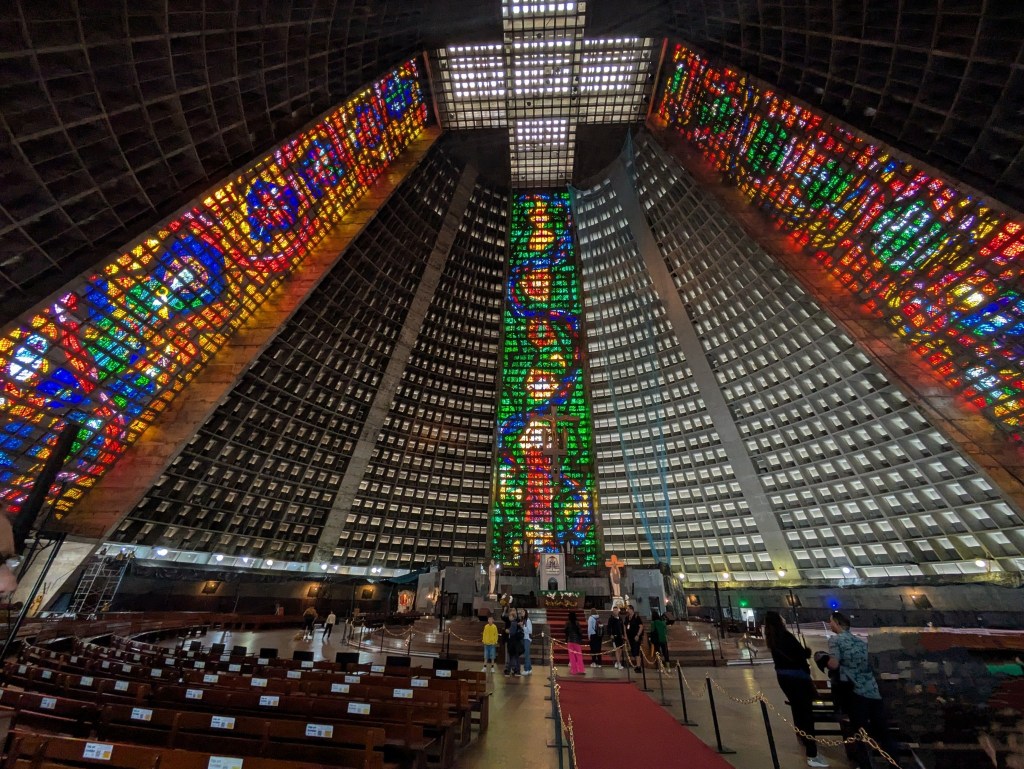
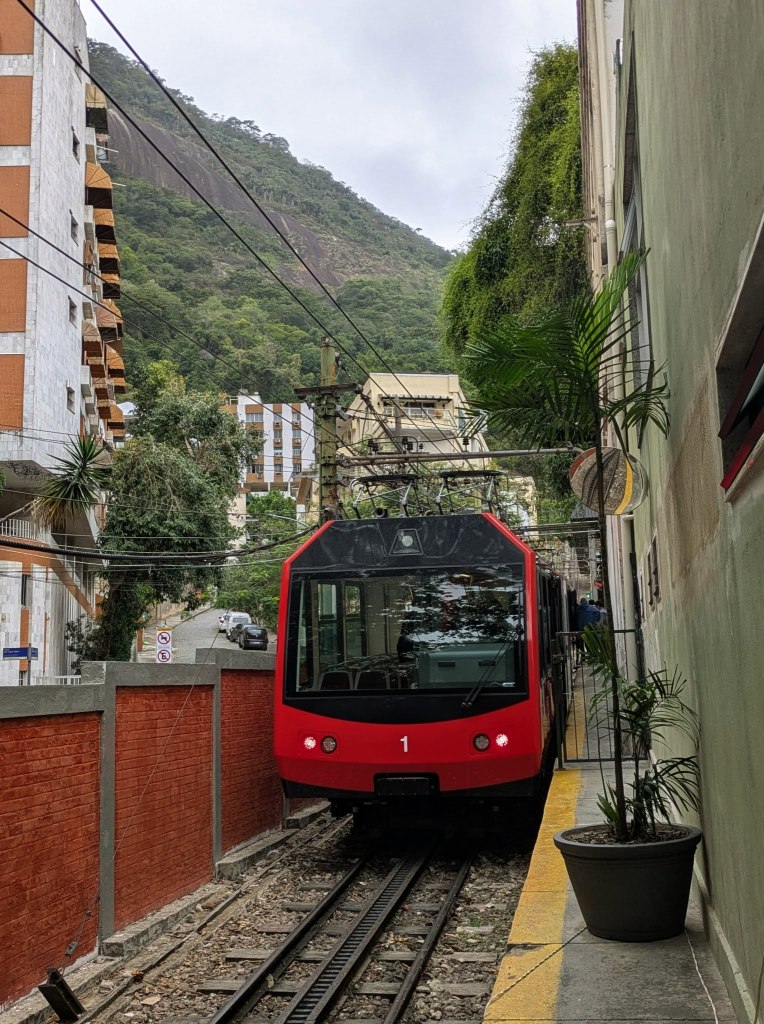
Some of my highlights from our day in Centro would be the Santa Teresa tram ride, the Metropolitan Cathedral, and the Royal Portuguese Cabinet of Reading. I knew I wanted to at least see the old tram, but once we were there, we decided we might as well take the ride even though we had no idea where it was going, and I am SO glad we did because it was an incredible (round)trip through the heart of the city. The Metropolitan Cathedral is essentially the center of Centro, so you can’t miss it. Definitely check out the inside too though because it’s one of the most unique churches I’ve ever seen. And the Royal Portuguese Cabinet of Reading was also just spectacular! I mean, free entry and tons of books? How could you go wrong?

Christ the Redeemer
And finally, the symbol of Rio: Cristo Redentor (or Christ the Redeemer). For this particular sight, we had actually bought tickets for the scenic train ride up and down, but we had to choose a day at random, and when that day came, it was stormy. Needless to say, there would be no view of the city nor of Cristo himself as he was well and fully in the clouds that day. Luckily, they let us change our date and time, which still felt like a bit of a gamble, but the second time, it worked out for us. I would still recommend buying the tickets in advance though, because when we did show up on that sunny day, the line for buying tickets was hours long.
The train ride was nowhere near as nice as the Santa Teresa tram, so now you know which to skip if it comes down to it. You can also get up to the statue by van or by walking (although some people advise not to walk due to some sketchy areas). I also wouldn’t allot a ton of time for this particular activity because there’s not a whole lot of space up at the top, and once you get your selfie with Jesus, there’s not much to do besides wait in line to go back down. All that to say, I’m still super glad we got to see this New World Wonder up close and in person because it truly is a wonder.

The Food
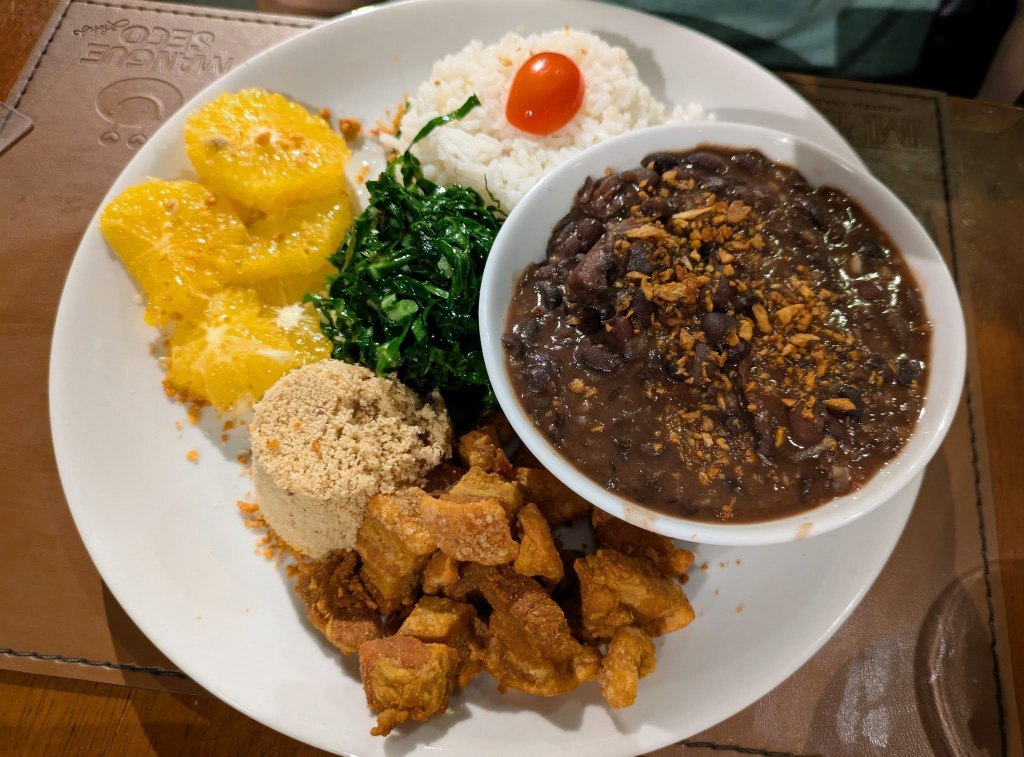
And now, everyone’s favorite part! Here’s a list of the foods we made sure to try while in Rio:
Açaí na tigela (a frozen açaí smoothie snack)
Baião de dois (a rice and beans dish from the northeast region of Brazil)

Bob’s (Brazil’s most popular fast-food joint)
Brigadeiro (chocolate sprinkle-covered truffle)
Cassava croquettes (croquettes made from cassava)
Churrasco (an assortment of grilled meats)
Coxinha (a fried dumpling of sorts, similar to a croquette)
Empanadas (no explanation needed)
Farofa (toasted cassava powder)
Feijoada (bean stew)
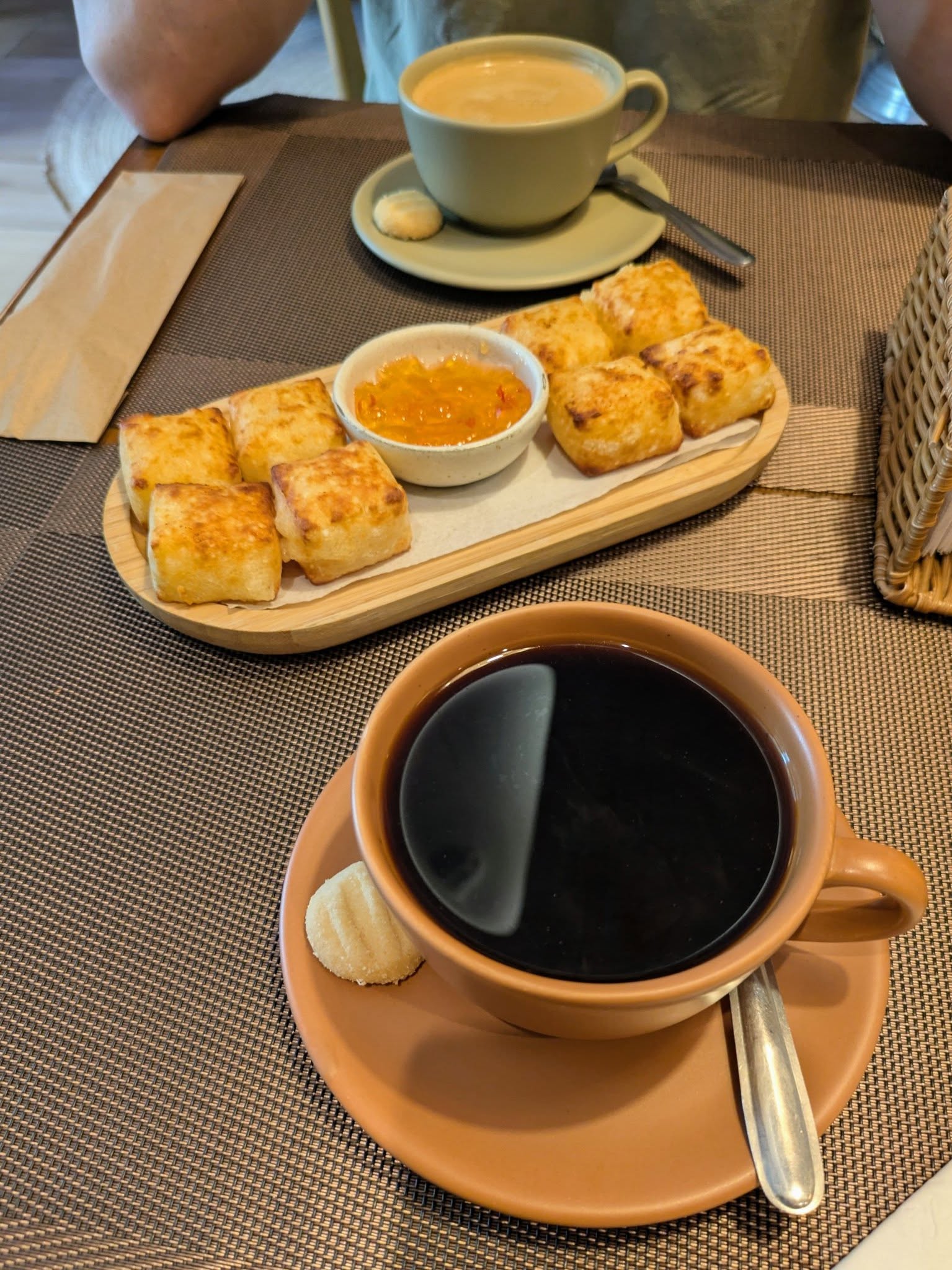
Pão de queijo (baked cheese balls)
Pastel de Belem (egg/custard tart)
Picanha (steak)
Tapioca crêpe (crêpe made of tapioca flour)
Tapioca dadinhos (delicious little cubes of fried tapioca and parmesan cheese)


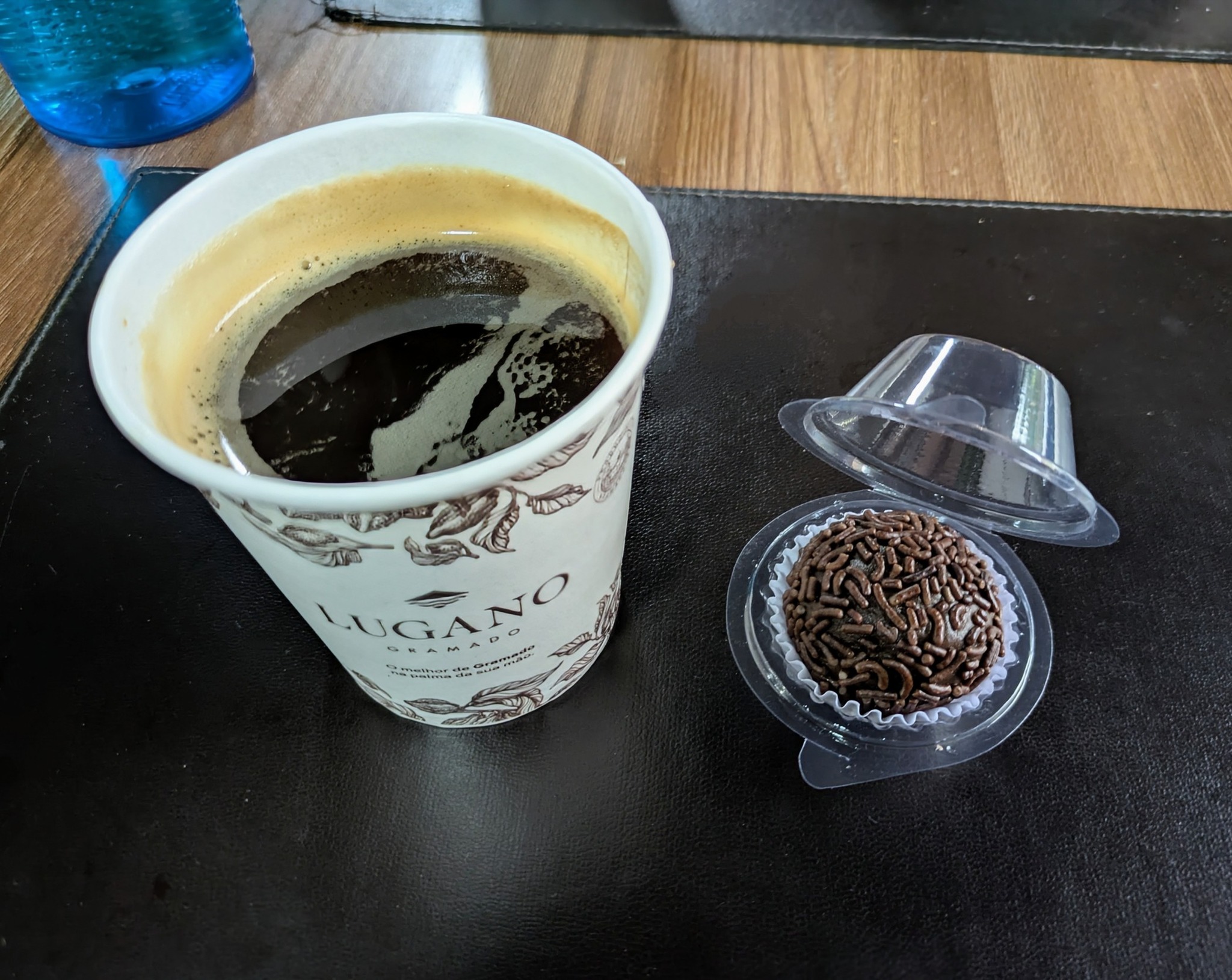
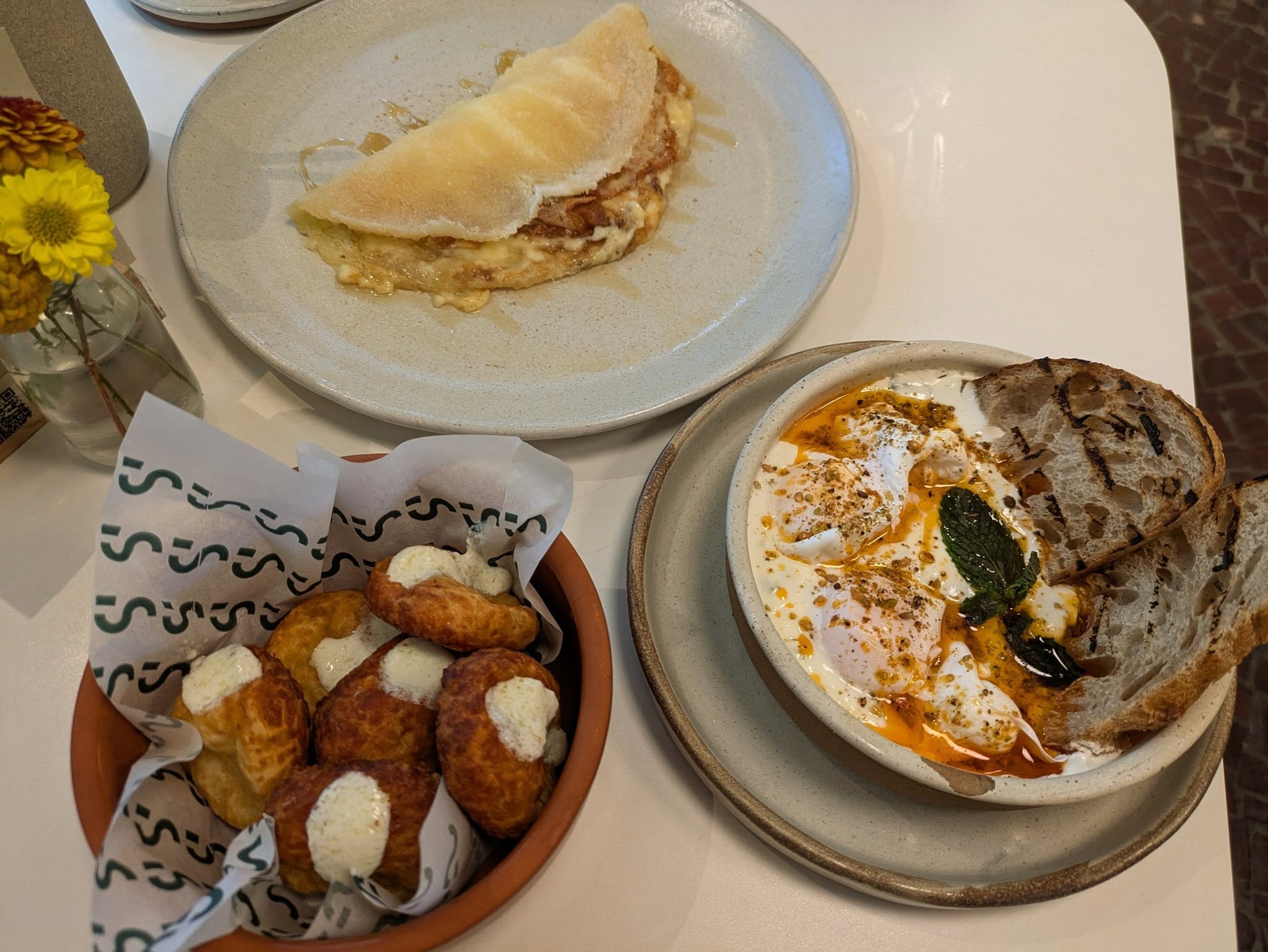
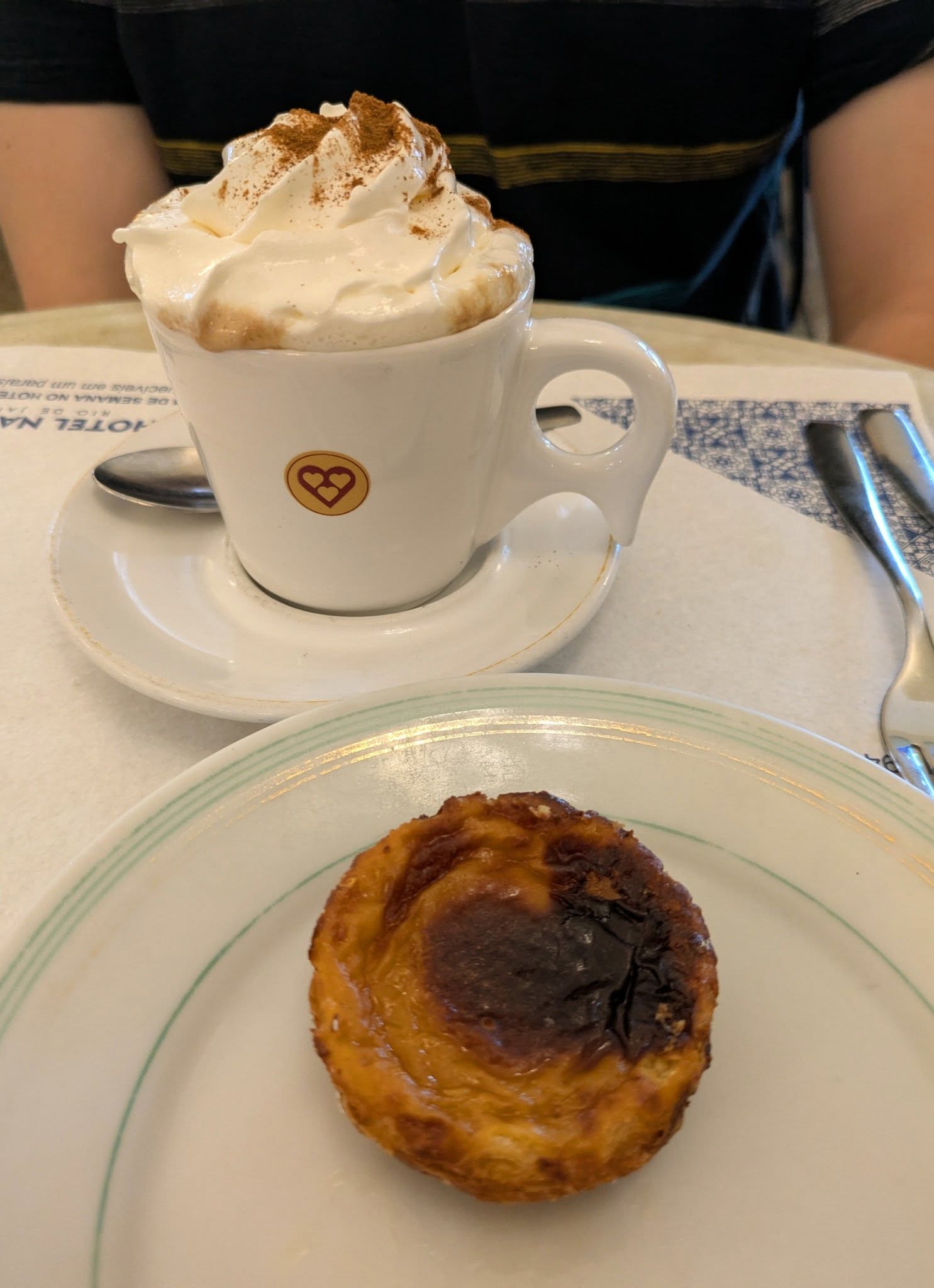

And because I can’t leave it off this post entirely, you should also try a caipirinha (or four) when in Brazil. The caipirinha is the country’s signature cocktail and is made with a sugarcane liquor called cachaça and the fruit of your choice. For what it’s worth, I think the traditional lime is BY FAR the best option.
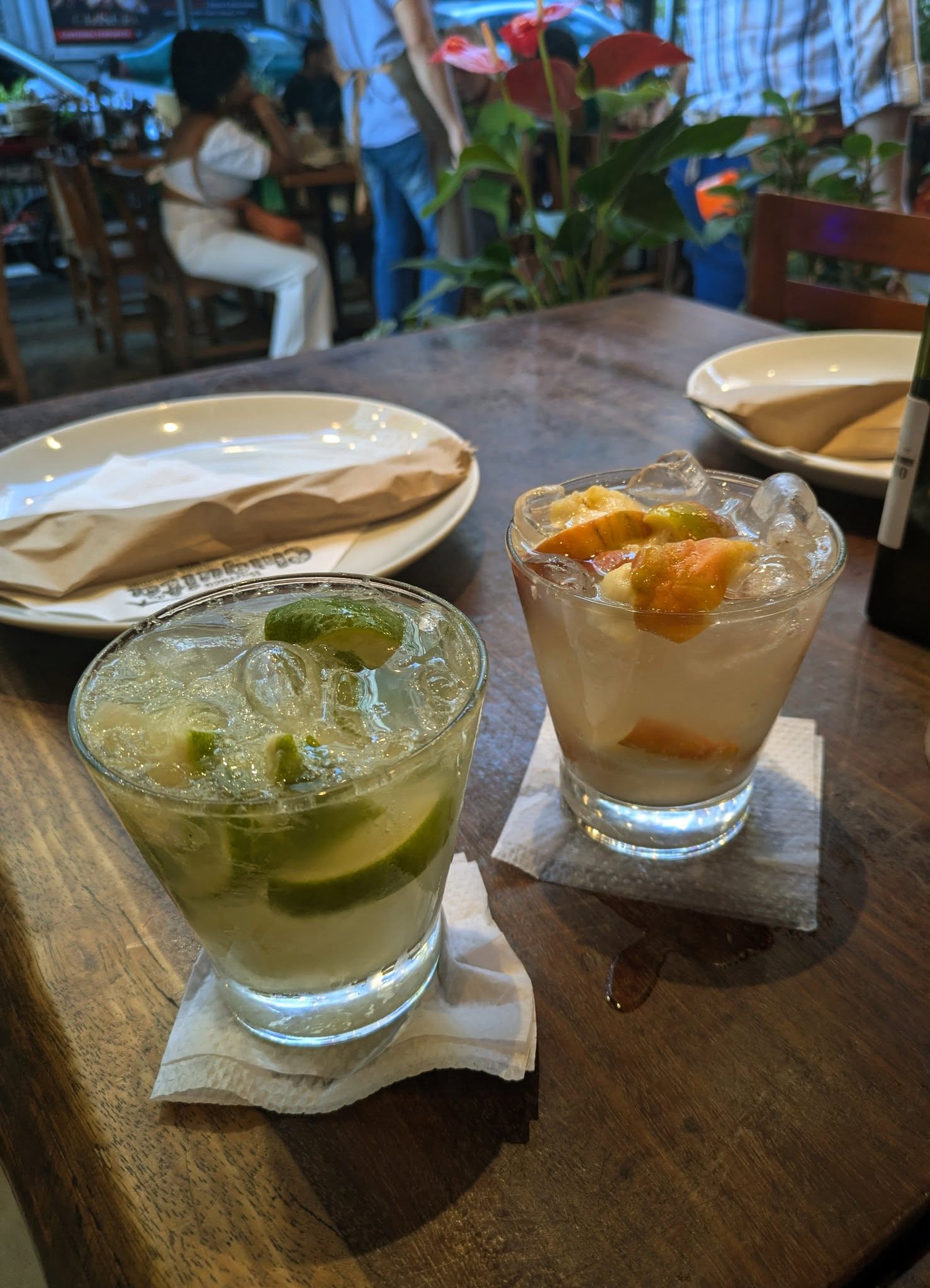


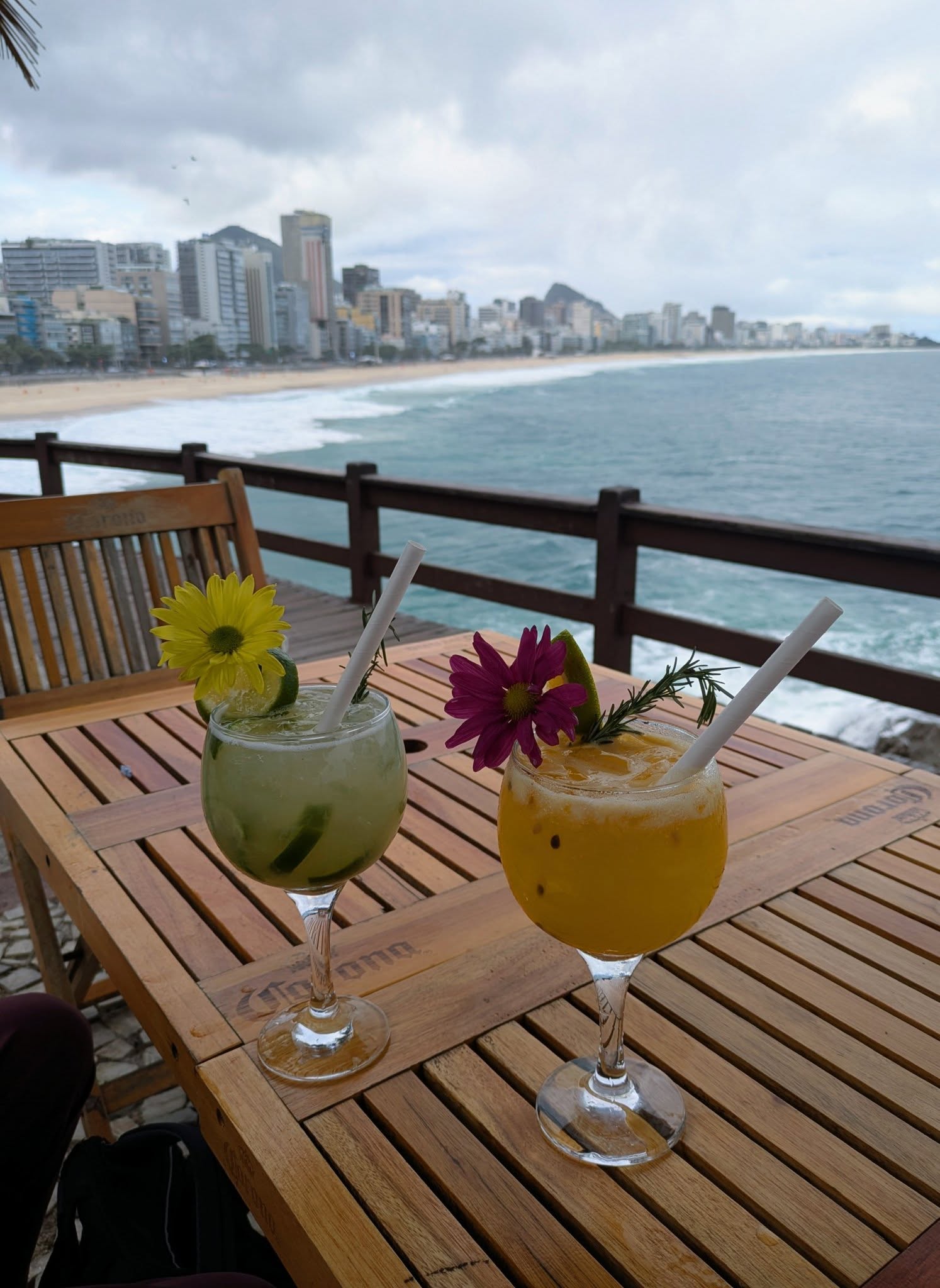
So, who’s ready to go to Brazil now? I know we’re eager to go back already! Rio was so much fun, but Brazil is a huge country with so much to offer! I hope we’ll be saying “bom dia” again before too long! Until then, I’ll just keep dreaming of all that delicious food!



 You might have noticed that Tucker and I like to go on trips. A lot of trips. :) And since we typically try to travel as cheaply as possible, we usually end up with long bus/train rides, fairly small accommodations (usually hostels), and ultimately a lot of walking. All of these factors (in addition to my scrawny arms and general aversion towards planning) have turned me into somewhat of an expert packer. For anything from 4 days to 40 days, I pack everything Tucker and I need in 2 regular-sized backpacks and 1 duffle bag, and it usually takes me about 20 minutes. I have whittled down my packing process and have come close to perfecting it (at least for our needs), and I’m happy to share what I’ve learned with other trip-takers!
 We also always bring a duffle bag as opposed to a rolling bag. The nice thing about a duffle is that it allows us to keep our hands free. One of us will sling it over our shoulder and happily traverse any sort of terrain (hundreds of stairs, cobble stones, dirt paths, etc.) all while holding a map, a phone, a water bottle, or anything else we might need. It’s also much easier to travel on a bus/train with a duffle than it is with a rolling bag. Our bag can be thrown in the overhead compartments, squashed under our feet, or stacked with other luggage in a separate area. We’ve also had zero issues with a duffle bag breaking (knock on wood!), and even if we did, they’re fairly easy to fix or replace. We have, however, broken wheels off of rolling bags, and that was not easily fixed. Instead it was dragged along behind us…rather loudly.


 Souvenirs: Finally I’ve heard several people mention that they have had to buy additional suitcases for the souvenirs they bought while traveling (this may or may not have happened to us on occasion as well!). Typically I try to focus on collecting photos (and the occasional, functional item) for myself, but we often want to bring back souvenirs for friends and family as well. When looking for things to bring back, we typically aim for flat, sturdy items (wall art, bookmarks, games, etc.). They pack the best, whether for short or long-term storage/travel. I also really like to send postcards in lieu of gifts. If you travel a lot or live abroad giving gifts becomes expensive and exceedingly difficult to do in a timely manner, so instead I like to show I’m thinking of someone by sending a postcard from wherever I happen to be. I absolutely love getting mail, and I think most people would agree!
 Dani Francuz Rose