

Somehow, we’ve officially been residents of Mexico for 6 months already, and it’s absolutely crazy how fast the time went by! Of course, as we’re still in “pandemic times”, our usual explorations and goings-on in a new city have been pretty tame, but that doesn’t mean we’re not learning everything we can about the incredible city we call home: Guadalajara. Through virtual chats with local friends, outdoor excursions, online Spanish classes, and, of course, the internet, we’ve definitely gleaned a lot of information about GDL, and I would say we are already as fiercely proud of this city as any good Tapatío (or Guadalajara native) would be. We’re so enamored (okay maybe even a little obsessed) that this month I want to share some keys facts about Guadalajara in the hopes that someday soon anyone and everyone will want to visit this amazing city.
History

First thing’s first: where did it all begin? This is always a tricky subject with colonized countries because there are typically two histories: one European and one indigenous. Guadalajara’s story is no different. In the region/state now known as Jalisco (of which Guadalajara is the capital), there were many indigenous groups such as the Tonallan, Tetlán, and Zapopan peoples. These names can actually still be seen and heard representing various parts of the modern-day, sprawling city, but it was in the early 1500s, when the Spanish settlers, continuing their journey west, officially founded the city known as “Guadalajara”. However, due to some unrest with the local indigenous groups of the time, the city was actually moved three times before finally settling in its current location in the Atemajac Valley, in 1542. In fact, the true founder of the city was Beatriz Hernández, one of the initial settlers, who got tired of all the moving around and finally put her foot down, ultimately choosing the city’s final placement.
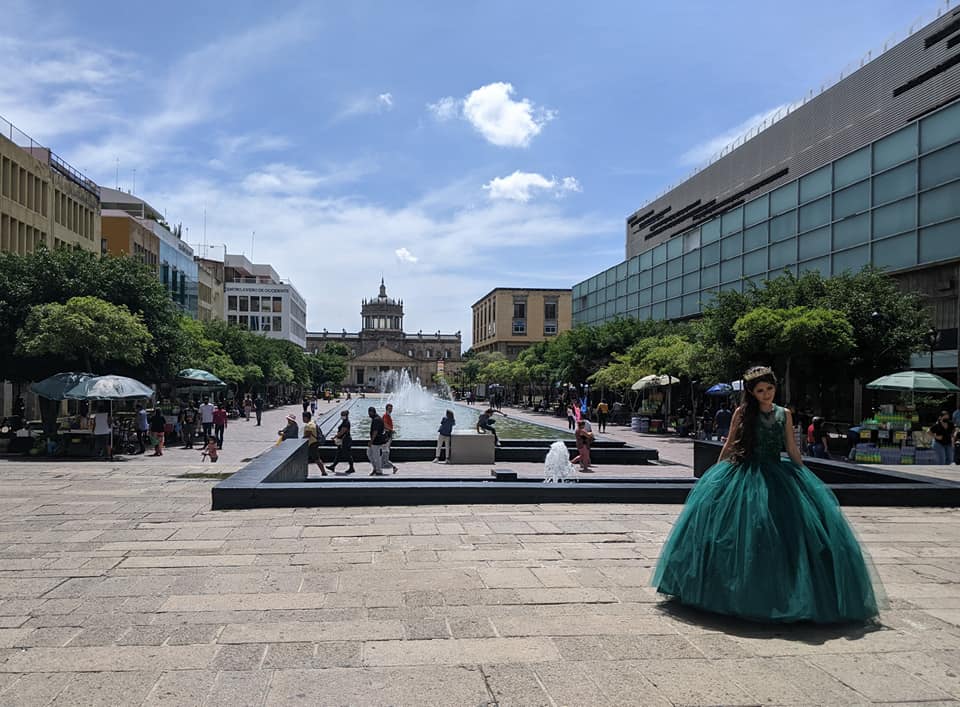
From 1542 onward, Guadalajara has always played an important role in Mexico’s history. Miguel Hidalgo had his headquarters set up here during the Mexican War of Independence in the early 1800s. President Benito Juárez made Guadalajara the seat of his government during the Reform War of the 1850s. Throughout the turmoil of the Mexican Revolution, the Great Depression, and multiple domestic and international wars, Guadalajara continued to flourish and grow. By 1910, it solidified its place as the second largest city in Mexico, and since then has also become known as the “Silicon Valley” of Mexico, hosting a large number of innovative companies and international events throughout the years. As the city of Guadalajara expanded, neighboring cities have also been absorbed into the greater GDL area, including Tonalá, Tlaquepaque, and Zapopan, each of which still retains its unique vibe and perspective.

Geography/Climate

The geography of Guadalajara is a really interesting mix because while we’re squarely in Central Mexico in a “humid subtropical climate” zone, we’re also at 5,200 ft (1,560 m), roughly the same elevation as Denver, Colorado. For this reason, the weather is extremely mild (read: gorgeous). The hottest and driest months of the year here are April and May, but even then, the average high is only around 88°F (31°C). With no humidity and with temperatures dropping into the 50s (10-12°C) every night, it felt somewhat like a brief, very manageable (albeit early) summer. From June-September, GDL is in rainy season, which typically means rainy afternoons and some seriously stormy nights. Luckily, it also means the temperatures stay down as well. It’s currently August, and I usually have to wear a jacket when taking the dog out in the mornings – how awesome it that?! After the rainy season comes a cool, crisp autumn followed by a dry, mild winter. In GDL, winters are usually quite sunny and “spring-like”, but it has on occasion snowed. In fact, we’ve already heard several great stories about the infamous snow event of 1997!

Although it sits at a high elevation, Guadalajara is still technically in a valley, which means there are low-lying mountains surrounding the city. To the northeast there is a canyon system and several surrounding forests including Bosque Primavera. In general, Guadalajara is much lusher than I would have expected: green grasses, leafy trees, and many waterfalls can be found throughout Jalisco. There are also several volcanos in the area, a few small ones to the west (near Tequila) and a few more, southwest on the border of Colima, another one of Mexico’s 31 states. The city of Guadalajara itself is quite large: 58 sq mi (151 sq km) and is home to approximately 1.5 million people. If it helps, it’s about the same size and has a similar population density as Philadelphia, Pennsylvania. Guadalajara, like most large cities, is broken up into many distinctive barrios (or neighborhoods). We live in the slightly hipster Colonia Americana, which lies a little to the west of the oldest neighborhood in the city, the aptly named “Centro”.

Food

Of course, I cannot write about Guadalajara without highlighting some of its most characteristic foods. I wrote a bit about the common dishes found in the Bajío (lowland)/Western region of Mexico in a previous post, but for Guadalajara in particular there are a few specialties that must be mentioned. The first being the infamous torta ahogada (“drowned sandwich”). Perhaps the Philly-GDL comparison can continue here because the fame and ubiquity of this particular sandwich is very similar to that of the renowned cheesesteak in PA. A torta ahogada is essentially a pork sandwich made on baguette-like bread smothered in a spicy tomato sauce. It’s absolutely delicious and very unique. Other famous dishes here include birria (slow-cooked meat stew), carne en su jugo (beef broth with beans, eaten with tortillas), and jericalla (a flan/crème brûlée like dessert). The French flair that can be seen (and tasted) in a lot of Guadalajara’s signature dishes actually comes from the large swath of French immigrants who came into the area throughout the 1800s.

Not exactly a food, but I would be remiss if I didn’t share the fact that tequila is also an important claim of Guadalajara/Jalisco. The city of Tequila (which is how the drink got its name) is about 40 miles (65km) outside GDL. Grown only in this particular region of Mexico, the blue agave plant (as opposed to other varieties) is what separates tequila from other types of mezcal. Its status is highly protected, and the drink is as beloved here as it is the States. Although the margarita is really more of a US thing, cocktails containing tequila mixed with various fruits, juices, and either salt or tajín (a powder made of chilis and dried fruit) are super common here. In Guadalajara, I’d say the paloma is the most popular tequila-based cocktail, which is made with tequila, lime juice, grapefruit soda (usually Squirt), and salt mixed right into the drink.
Other Notables

Guadalajara is known as a cultural hub of Mexico because not only does tequila (a national icon) originate here, but so does mariachi. The traditional music often associated with Mexico in general has gone through a lot of phases during its development and various influences. From handmade stringed instruments played by indigenous groups to the brightly colored outfits and trumpets of performers today, you can listen to a variety of mariachi styles in the Plaza de los Mariachis or in various restaurants across Guadalajara (and across Mexico as a whole), especially for important events. Mariachi, and its history, is widely celebrated in GDL, for example with a yearly Mariachi festival, during which (in 2009) a group of over 540 musicians gathered to break the world record for largest mariachi group playing together. One of the songs they played was, of course, “Guadalajara”, famously covered by Elvis Presley.
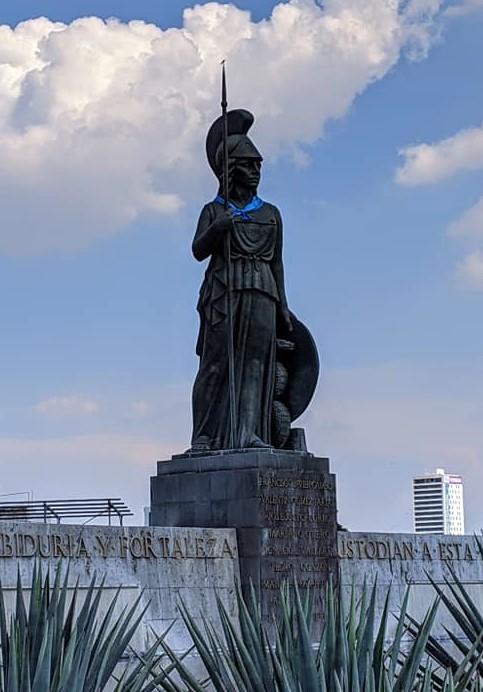
Other interesting facts about Guadalajara include: the Roman/Greek goddess Minerva/Athena has become a symbol of the city. She has a large statue near the Arch of Guadalajara and is also featured on the city’s license plates. GDL has two professional soccer teams: the Atlas and the Chivas, and from what I understand, the latter is arguably the most famous and successful team in Mexico. Guadalajara also has the largest indoor market in Latin America (Mercado San Juan de Dios also known as Mercado Libertad), which spans over 430,000 sq ft (40,000 sq m). GDL was also the birthplace of celebrities Guillermo del Toro (the director) and Canelo Álvarez (the boxer). And…it’s only a 4-5hour flight from Atlanta or Chicago! Ultimately, it’s a really remarkable city, and unlike some of the other places we’ve lived, the locals here know it and love it just as much as we do. I think you will too!
¡Todos bienvenidos!

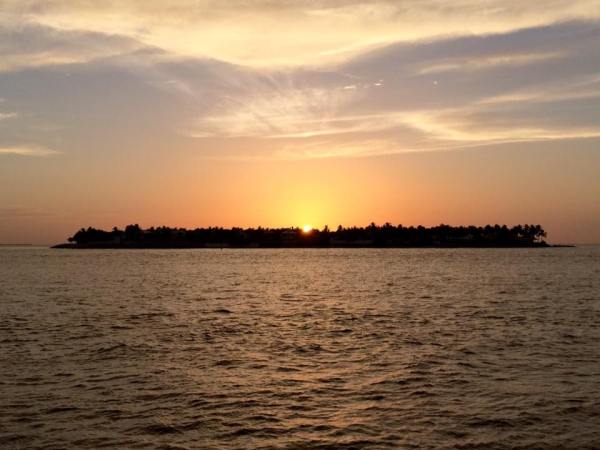


 Next up, my dad wanted to try a famous seafood place (Dixie Crossroads) out on the Atlantic coast, which I quickly paired up with a drive to Cocoa Beach and Port Canaveral. Although it was a quick visit, we walked along the beach and the pier, looked for the cruise ships and the Space Center, and learned that Florida has a nickname for every single section of coastline.




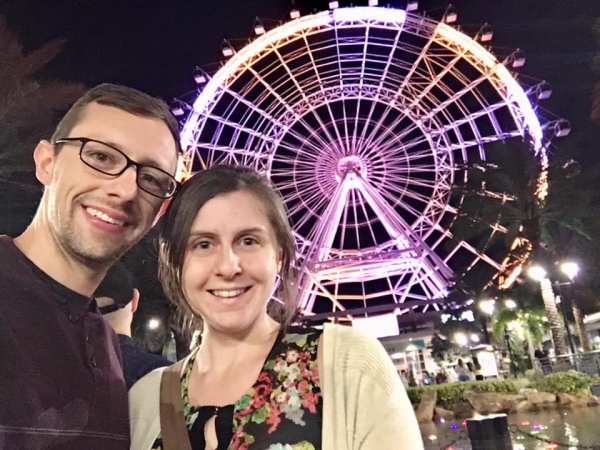
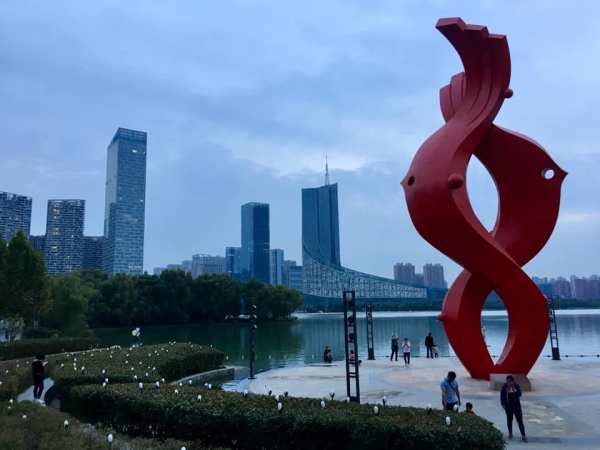
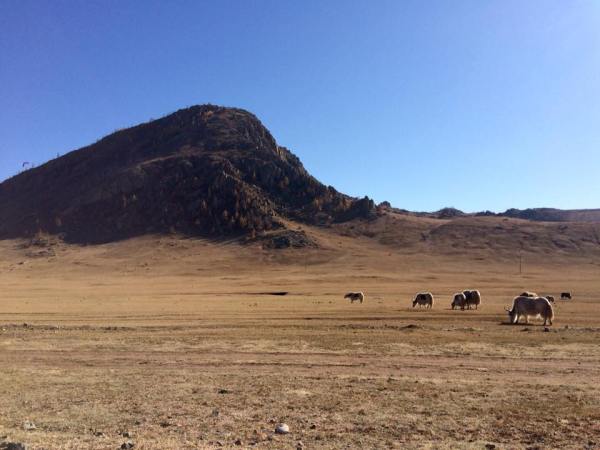










 The second New Year (also known as the Chinese New Year or the Lunar New Year) has come and gone, and with it, possibly our last long winter break off together. Just like last year, the Chinese university semester break coincides with the holiday giving us several weeks off, which, of course, we put to good use! My program had its mid-year meeting and conference in the Philippines this year, and somehow, Tucker and I managed to squeeze in three (and a half) other destinations on our island hopping itinerary. You might have seen the hundreds of photos on Facebook, but I’d also like to share a few words about our time traveling in South Asia. To be honest, it’s a little surreal to be writing this as I watch the snow fall outside, but here we go!
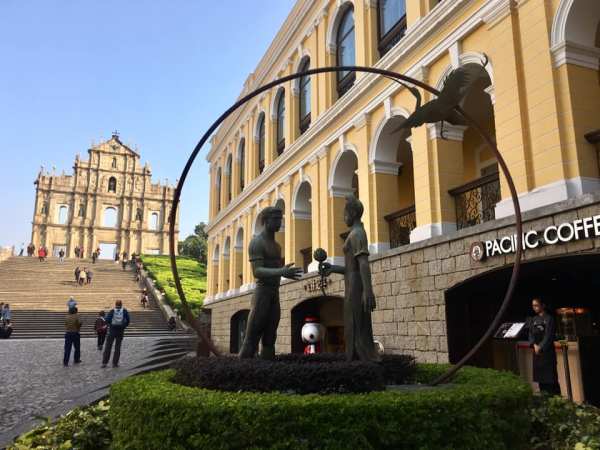 Our first stop was Macau, a “special administrative region” of China. It gets this rather long name due to it being somewhere in between a province and another country entirely. It’s a part of China, but it’s also not China, which is actually one of the reasons we wanted to visit. We wanted to see if there were any noticeable differences. We also wanted to visit because we were eager for another taste of Portugal. Macau used to be a Portuguese colony and has retained quite a bit of the Portuguese flair in architecture, food, and language.


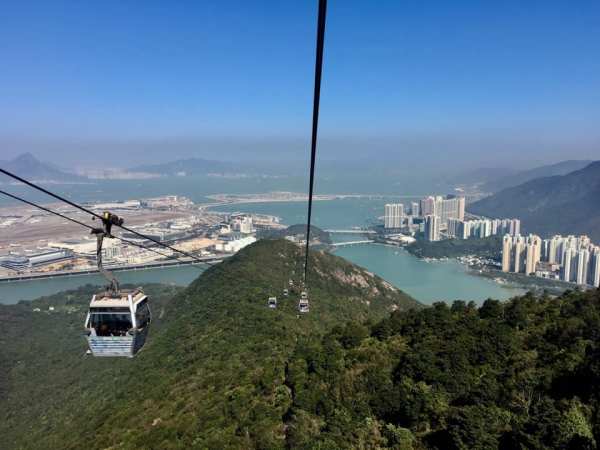 After a few days of strolling around Macau’s narrow alleyways, we took a massive speed boat (TurboJet) to our next destination just across the water: Hong Kong. This was actually our second trip to Hong Kong, but last time we didn’t quite get to everything on our list – this short stopover on the way to Midyear was our second chance. We had less than 24 hours in the city, but we managed to make it out to Lantou Island to see the incredible Buddha and cableway there, we took the bus to the top of Victoria Peak to watch the sunset over the city, and we went to Tim Ho Wan for the world’s cheapest Michelin Star eats. While I definitely preferred Macau’s laid back, European vibes, it’s hard to not like Hong Kong as well. Macau and Hong Kong are a couple of tiny islands (and respective peninsulas) that I highly recommend everyone to visit! No visas needed for US citizens! :)
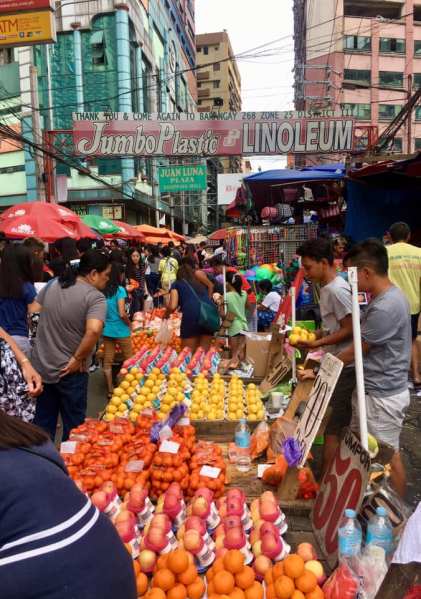 All too soon it was time to fly to the Philippines and get to work. When we first landed in the Philippines it was chaos! Passengers getting up and grabbing their bags before the plane had stopped moving; people sitting on seemingly every inch of the floor in the airport; signs for flight changes being moved by hand from gate to gate; loud cover songs of 2000’s hits playing in every corner of the terminal, etc. All I could think was “Well, we’re definitely not in China anymore.” As we sat waiting for our flight though, the newness wore off, and it was easy to see that the Philippines are just plain fun! In fact, their national slogan is “It’s more fun in the Philippines”, and I totally got it. Smiles were everywhere! The flight attendants wore bright yellow polos and hummed songs as we boarded. Fellow passengers sang along with the music they heard on the plane. The joy was contagious!
 The first week we were in the Philippines I had to “work”. I attended meetings with the other Fellows, we planned and executed various group activities, and generally bonded and reconnected after our last five months apart in our various host cities/countries. For this part of Midyear, we were put up in a resort on Mactan Island, which was incredibly fancy and not the sort of place Tucker and I usually go for (I’ve never heard so many “yes ma’ams” and “hello sirs” in my life). It was beyond beautiful though, and luckily Tucker was able to take full advantage of the beach, the snorkeling, the infinity pool, etc. However, after a few days completely devoid of local culture, I was definitely ready to get to our next location: Cebu City. It was here that we attended and presented at a local teacher training conference held at the University San Jose Recoletos. Easily my favorite part of Midyear, I was able to meet and interact with many local Filipina/o teachers and get a much better feel for what life in the Philippines is really like.

 Once the conference and Midyear were officially over, Tucker and I hadn’t quite had our fill of the Philippines, so we headed to Manila for some good old-fashioned touristing. Manila is an incredible city with some of the best food I’ve had in a long while. Their specialty seemed to be fusion restaurants. We had super interesting and delicious food at Loco Manuk (Filipino, Peruvian, and Chinese) and El Chupacabra (Filipino and Mexican), and saw a Japanese-French Cafe that looked amazing as well! In addition to the incredible food, we also had a great time walking around Manila Bay, grabbing a drink in Intramuros (the Old Town), and watching the Super Bowl at a local expat bar. The Philippines boasts an amazing mix of languages and cultures, and it was so fun for us to be able to use English (commonly spoken there) to ask about a million questions of our taxi drivers, servers, and any other local we could find. We learned about the strong influence of Catholicism in the Philippines, the new-ish movement towards environmental clean up, and most of all, we learned how welcoming and friendly the people are.


 At this point we were over the halfway mark of our trip, and my body had had enough. I left Manila with a fever and several other ailments (not so fun to describe), but I was still super excited to see Singapore! We watched Crazy Rich Asians on another leg of this trip in preparation, but the movie doesn’t do the city justice. It is by far the cleanest city I’ve ever seen, and has represented its multicultural population incredibly well! Singapore is made up of large groups of ethnic Chinese, Malays, and Indians, and each has a dedicated area of the city where you can find their respective religious buildings, restaurants, and specialized grocery stores. Even with the diverse neighborhoods in place, the city as a whole really seems to cater to each group in so many ways. Colorful, artistic, and clearly very well-off, there are so many lovely parks and public spaces in this city, where we saw families wearing everything from tank tops and sundresses to saris and hijabs. I often talk about places where there is a mix of cultures, but its usually a watered down mix, where clearly one culture has dominated, but in Singapore they were all there loud and proud. It was amazing!


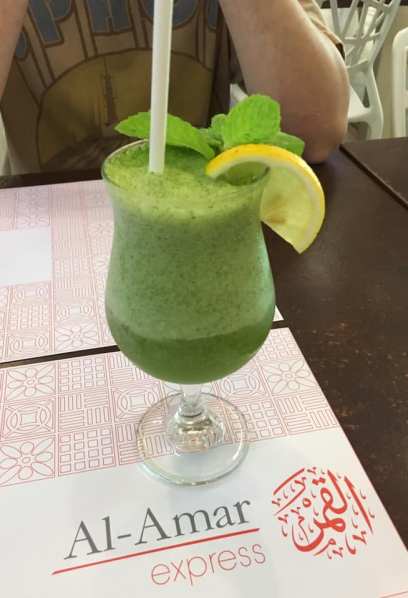 It turns out KL was full of surprises for us. The majority of people living in Malaysia are Muslim, so it was much more conservative than I was expecting. Most everyone wore long sleeves and pants despite the high temperatures, and the presence of beautiful and delicious “mocktails” was at an all time high for me. KL is actually not on an island, and to us, it seemed like we lost that friendly, carefree island-vibe as soon as we arrived. Interactions were a bit more abrupt and businesslike – like they usually are, I suppose. Another surprise was the color we saw all around us – both the Philippines and Singapore were incredibly colorful cities, but I think any city would be hard pressed to match the vibrancy of KL. Brightly colored murals everywhere, some of the lushest, greenest trees I’ve ever seen against the bluest of skies, and the insanely colorful Batu Caves just outside the city made for some incredible scenes (and photos).


 You might have noticed that Tucker and I like to go on trips. A lot of trips. :) And since we typically try to travel as cheaply as possible, we usually end up with long bus/train rides, fairly small accommodations (usually hostels), and ultimately a lot of walking. All of these factors (in addition to my scrawny arms and general aversion towards planning) have turned me into somewhat of an expert packer. For anything from 4 days to 40 days, I pack everything Tucker and I need in 2 regular-sized backpacks and 1 duffle bag, and it usually takes me about 20 minutes. I have whittled down my packing process and have come close to perfecting it (at least for our needs), and I’m happy to share what I’ve learned with other trip-takers!
 We also always bring a duffle bag as opposed to a rolling bag. The nice thing about a duffle is that it allows us to keep our hands free. One of us will sling it over our shoulder and happily traverse any sort of terrain (hundreds of stairs, cobble stones, dirt paths, etc.) all while holding a map, a phone, a water bottle, or anything else we might need. It’s also much easier to travel on a bus/train with a duffle than it is with a rolling bag. Our bag can be thrown in the overhead compartments, squashed under our feet, or stacked with other luggage in a separate area. We’ve also had zero issues with a duffle bag breaking (knock on wood!), and even if we did, they’re fairly easy to fix or replace. We have, however, broken wheels off of rolling bags, and that was not easily fixed. Instead it was dragged along behind us…rather loudly.


 Souvenirs: Finally I’ve heard several people mention that they have had to buy additional suitcases for the souvenirs they bought while traveling (this may or may not have happened to us on occasion as well!). Typically I try to focus on collecting photos (and the occasional, functional item) for myself, but we often want to bring back souvenirs for friends and family as well. When looking for things to bring back, we typically aim for flat, sturdy items (wall art, bookmarks, games, etc.). They pack the best, whether for short or long-term storage/travel. I also really like to send postcards in lieu of gifts. If you travel a lot or live abroad giving gifts becomes expensive and exceedingly difficult to do in a timely manner, so instead I like to show I’m thinking of someone by sending a postcard from wherever I happen to be. I absolutely love getting mail, and I think most people would agree!













 Dani Francuz Rose