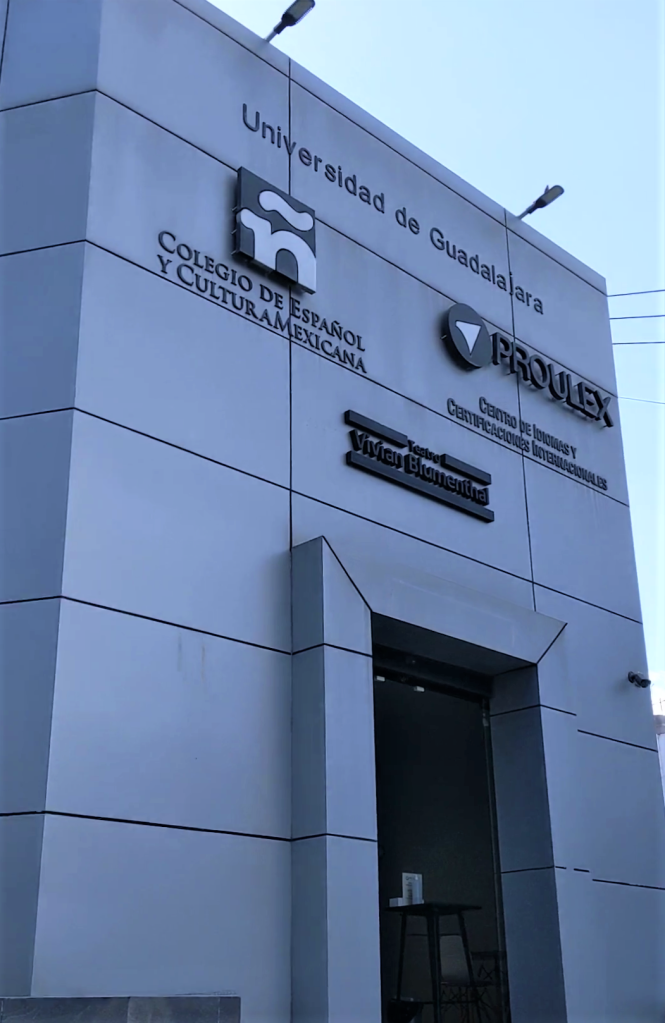
It’s pretty safe to say I’ve been learning and using quite a bit of Spanish as of late. Living abroad, immersed in a new language and culture tends to push certain language lessons to the forefront (like how to order food, how to pay your bills, etc.), but recently, I decided I wanted more lessons, formal lessons. So, I started taking intensive Spanish courses at the University of Guadalajara. It has been so much fun to be a student again and to learn so much about the Spanish language, a language that has been strikingly absent in my life prior to this move. I took Latin classes in high school and (mostly) French in university before focusing on Polish and Chinese, so for me Spanish is super exciting and feels brand new. In fact, it’s so exciting and new that I want to share some of the things I have loved most about getting to know good ol’ español.
1 The Arabic Influence
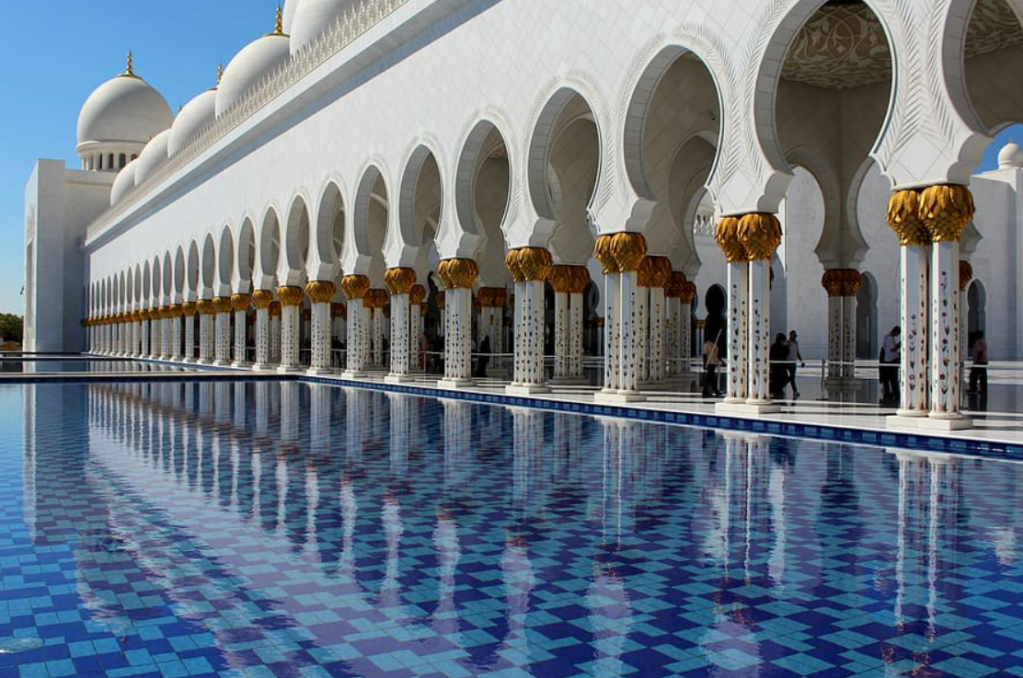
The first thing I noticed right off the bat was the huge Arabic influence. Of course, I know Spain and the Arab empires had a history (to put it mildly), but I was still really surprised at the number of daily-use Spanish words that have a strong Arabic flair. My favorite of which is definitely “ojalá”. Ojalá means “hopefully” in Spanish, and as soon as I heard it, I knew there was an “allah” connection in there. The sound and use are super similar to the expression “inshallah”, which I’ve been hearing my Saudi students say for years. Now I think I use “ojalá” almost as frequently as they use “inshallah”, and I absolutely love it. The name Guadalajara is actually another example of Arabic influence. It means “valley of the stone” in Arabic. Other common words with Arabic roots are: alberca (pool), arroz (rice), jarabe (syrup), naranja (orange), sandía (watermelon), taza (cup), and zanahoria (carrot).
2 The Drama
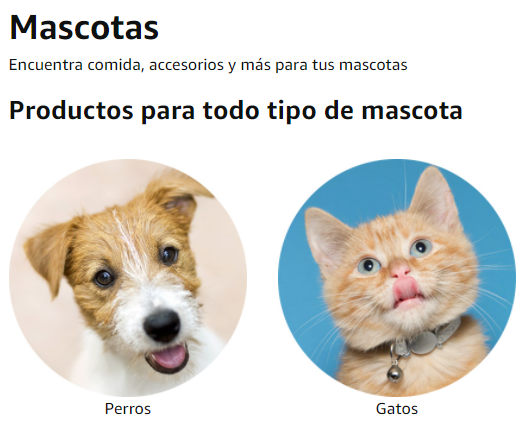
Another feature of Spanish that I immediately loved was the drama or passion that is imbedded directly into the language. For example, to say “I’m sorry” in Spanish, you might use “lo siento”. However, if you translate the phrase literally, it means something more like “I feel it”, which I feel has a bit more strength to it. Another super common expression in Spanish is “me gusta _____”, which is generally translated as “I like _____”; however, grammatically, it’s more like saying “I am pleased by ______”. I feel a little Victorian and definitely a tad dramatic when I translate phrases like these in my head (“Yes, the tacos please me immensely, thank you kind sir”). I can also feel the emotion in some of the vocabulary/etymology divergences as well. “Pets” in Spanish are “mascotas”, which feels so much stronger to my English brain. I also love the vivid images given to “word searches” and “ironing boards” in Mexican Spanish, which are “sopa de letras” (letter soup) and “burros de planchar” (ironing donkeys), respectively.
3 The Specificity
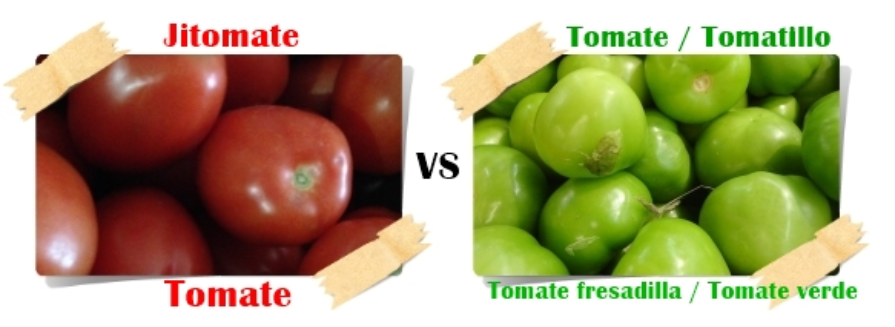
Something else that jumped out at me pretty early on in my Spanish crash course was the specificity of the language. The first example I was met with was the fact that in Spanish I can be American (“americana”) or I can be United Statesian (“estadounidense”). This is a specification I really wish was just as easy and natural to make in English. Another good example is the term “treintañeros” or thirty-somethings, which is a word that this particular treintañera has found quite useful. Of course, there is also a seemingly endless supply of words for taco-like things: tacos, vampiros, dorados, gringas, guisados, etc. We’re honestly still figuring out all the particulars there, but it’s not just Mexican dishes that require this level of specificity, the ingredients often call for it too: for example, the difference between tomate and jitomate. From my understanding, tomates are green and rather small, whereas jitomates are your general Romas, beefsteaks, etc. Neither of which should be confused with my personal favorite: jitomates cherry.
4 The Slang
Another fun feature (of every language really) is the slang. And no, I don’t necessarily mean bad words, just words that are used in a more playful way. Some of my recent Spanish favorites include:

-Chafa (crappy)
-Chavorucco (someone older that acts young)
-Chido (cool)
-Chin (darn)
-Codo (literally “elbow”, figuratively “stingy”)
-Crudo (literally “raw”, figuratively “hungover”)
-Fresa (stuck up/snobby)
-Garrón (freeloader)
-Güey (dude)
-Moja pendejos (literally “wet idiots”, figuratively “annoying drizzly rain”)
-Naco (trashy/tacky)
5 The Trip-ups
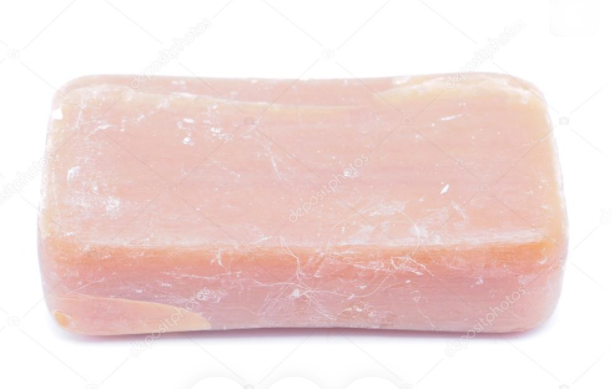
But perhaps the most fun (and memorable) part of learning a new language are the missteps. Language is tricky and one slip of the tongue or change of a vowel and you could be saying something completely different. For example, when I was asked if I have a boyfriend or spouse. Instead of saying, “sí, soy casada” (yes, I’m married), I said “sí, soy cansada” (yes, I’m tired). I’m pretty sure it sounded like I was tired of being married. Haha! Sorry Tucker! Another slip-up I made recently reminded me of my students. In English there is always an issue with the pronunciation of “soup” and “soap”. They’re super similar words, but definitely not interchangeable. Well, I made the same kind of strange substitution when attempting to ask for soap (jabón), but instead asking for ham (jamón). Oops! Sometimes the missteps can be a bit more extreme as well. When trying to recall the general word for seafood (mariscos), I actually said something not so nice in Spanish, and promptly got a lesson in pronunciation as well as political correctness.
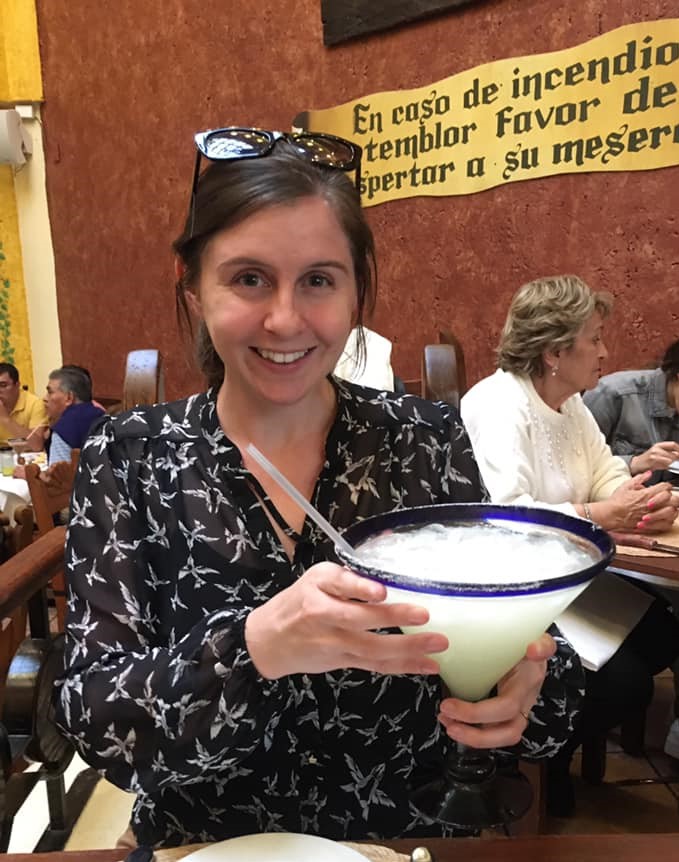
I’ve been having an amazing time learning and using such an incredibly rich and fun language. Making new friends and discussing the intricacies of linguistics (or else trying to ignore them completely and just speak) has continually reinforced all the reasons I love living abroad and being (currently) surrounded by all things español. ¡Qué buenas ondas! Ojalá this is only the beginning!














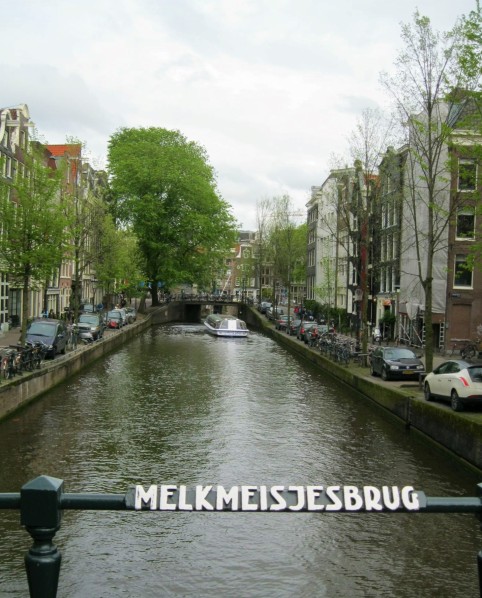 This was an obvious choice for this particular list because we only spent about 23 hours in the country. It was our first foray into long-layover travel, and we definitely fumbled our way through it. It wasn’t too difficult to get from the airport to the city center (and back again), but as we set off with absolutely no plan, it was mostly just a long walk around the beautiful canals. Amsterdam is a great walking city though, so even with our random ambling, we were able to take in the numerous and iconic bridges, bicycles, and fry-stands. We also explored the infamous Red Light District and (from a distance) the I AMsterdam sign, which is sadly no longer there.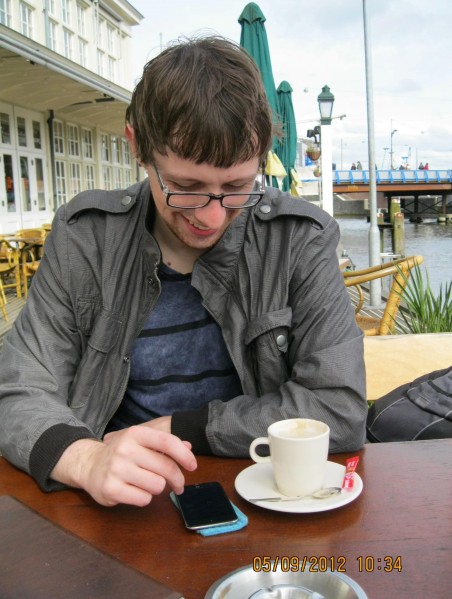
 Next on our “must return to” list is Finland, which might not have been an obvious choice seeing as we spent almost three weeks there, but at the time we 1) had very little money to spend, 2) were exhausted from finishing up our undergrad degrees, and 3) had just gotten married, which as anyone who has planned a wedding can attest, left us feeling a bit burnt out. Typically when we travel now, we avoid suitcases, and we move around a lot, but as this was our first trip sans car, we failed miserably at both packing lightly and at utilizing public transportation. We also weren’t able to afford train passes or much of anything at that time; in fact, our flights and accommodations were wrangled together with the help of some of our wedding gifts and useful family connections. Regardless of what now seems like a trip very far removed from our usual preferences, at the time, it was magical.

 Technically we’ve been to the Bahamas a few times now, but does it really count if it’s on a cruise? I mean, don’t get me wrong, cruises are fun and economical, but they definitely keep you in a bit of a bubble. For this reason, I would love to go back to the Bahamas, without the big boat. I think it would be amazing to fly into Nassau and explore New Providence Island a little more slowly and a lot more thoroughly. There are several forts I want to see on the island, not to mention the art galleries, lighthouses, and, of course, the beaches (especially the ones on the far side of the island). At some point, Tucker and I want to get our diving certification so we can explore the depths too, or if we don’t have time for that, then I want to do one of those bubble helmet dives instead!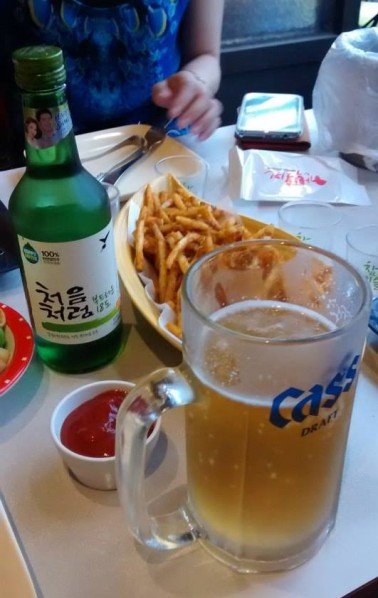

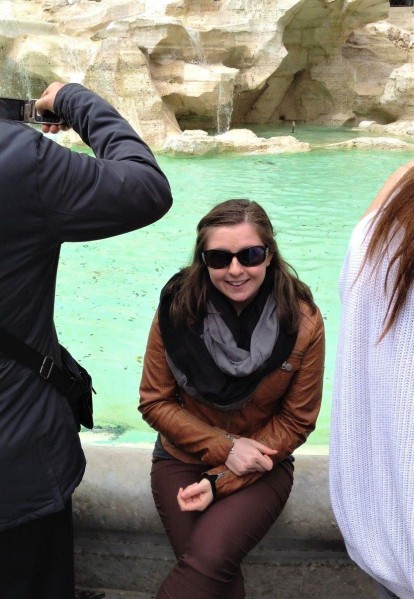

 Germany, unfortunately, represents another set of rookie moves on our part. We spent a year living just a few hours over the border in central Poland, yet we failed to A) make it to Oktoberfest and B) visit Bavaria, the most quintessential of all the German regions. While I do sorely regret not making time for southern Germany, we did really enjoy our time in Berlin and Potsdam, looking at the incredible architecture, sampling the infamous brews, and picnicking in numerous parks. It was an absolutely lovely time, but of course, I’d love to go back for a festival or two. It’s really not our fault we missed Oktoberfest; we had wrongly assumed it took place in October, but really it’s more of a September event that actually ends in early October. Ah well, it’s on the list for our inevitable return trip. As are other famous places like: Neuschwanstein Castle, the Rhine, Cologne, and, of course, Bavaria.
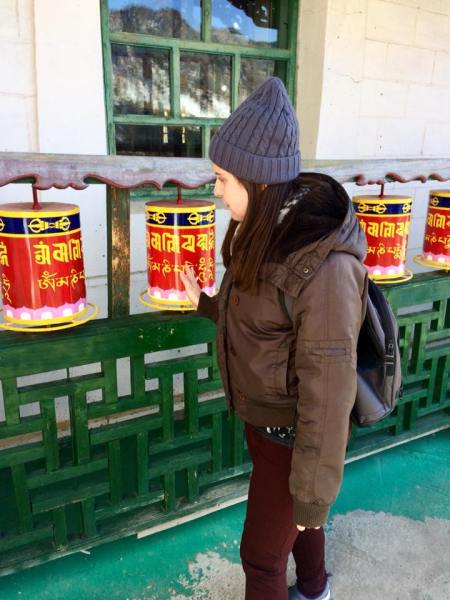 Perhaps unlike any other place we had been, Mongolia intrigued us in so many ways. It’s really a breathtakingly beautiful country that exceeded every expectation we had for it. We visited for about a week in 2017, but unfortunately, a lot of that time was taken up by work (conferences, presentations, etc.) In our free time though, we were able to pretty thoroughly explore Ulaanbaatar, including temples, yurt neighborhoods, live-music bars, and amazingly trendy restaurants. We also took a short road trip out to Gorkhi-Terelj National Park, which was honestly a bit frightening for me (mostly because we opted to dismiss the rental insurance), but ultimately it gave us the best glimpse of what life is like outside UB.

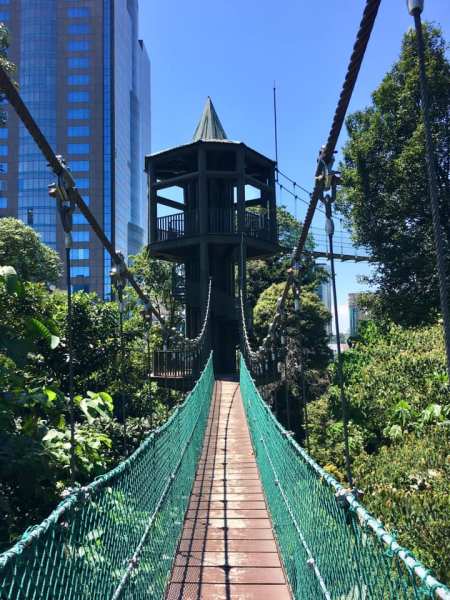 Last on this list (for now) is a place we actually visited just last year. On our way back to China from a work event in the Philippines, we took a bit of a roundabout path that allowed us to spend almost a week in Malaysia, well, in and around Kuala Lumpur anyway. Malaysia is a tricky country to fully explore in a short amount of time because it’s made up of part of a peninsula (West Malaysia) and part of the island of Borneo (East Malaysia), the two regions being about 400 miles apart. For this reason, although we feel pretty good about our exploration of the amazing capital city, typically called KL for short, we still really want to explore some of the other regions of this incredibly diverse country.
 We never made it to a beach while we were in Malaysia, so maybe we’ll start there on a subsequent trip. There are many islands off the coasts of both West and East Malaysia that look amazingly beautiful and relaxing. There are also several world-renowned national parks, which are home to a collection of unique indigenous species that Tucker really wants to check out. Of course, as we found in KL, Malaysia seems to enjoy extreme sports as well, so maybe we’ll try the popular zip-lining, white water rafting, or jungle trekking activities while we’re at it!
 Of course, there are three countries, not previously mentioned, that are and will indefinitely be on our return radar: the United States, Poland, and China. These are the places we have the greatest connection to, and thus will need many re-visits and reunions to sustain us. Luckily, our friends and family in Chicago, Atlanta, Orlando,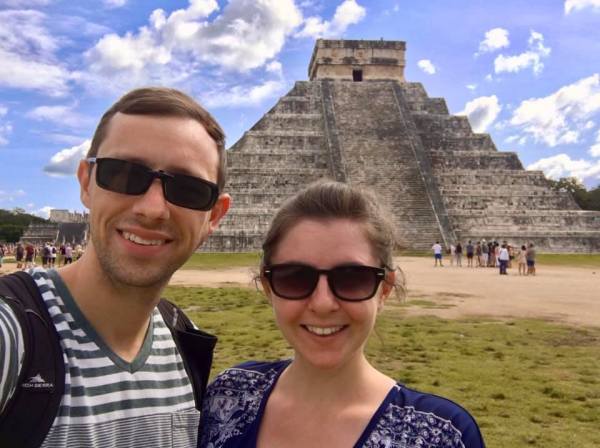
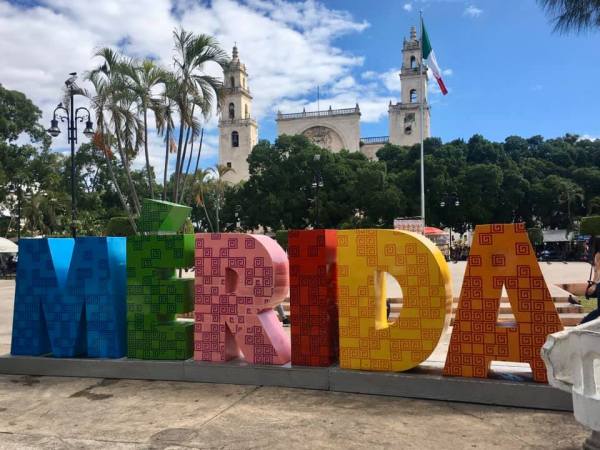

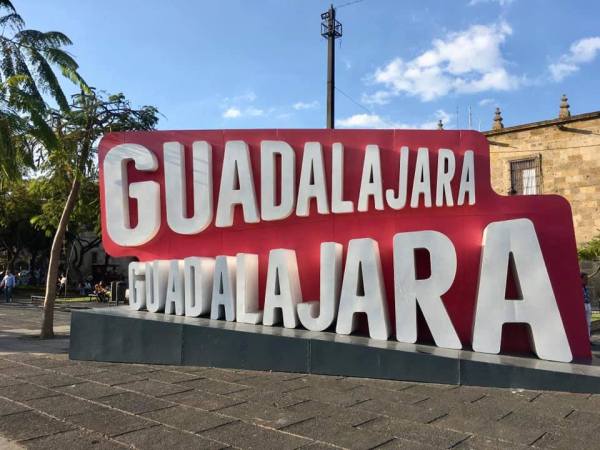 Our next stop was Guadalajara, the capital city of Jalisco (I’m really beginning to think I must have a thing for capital cities…). Anyway, when we arrived in this larger city, I realized just how much all the negative hearsay (like the number of well-meaning warnings I received before our trip) can really affect first-time travelers. I immediately felt uneasy, like everything was an unforeseen danger. Of course, after only a few hours, that was all wiped away. The people of Guadalajara were just as friendly and carefree as those in Merida. Our Uber drivers, especially, greeted us and patiently listened as we stumbled through Spanish to ask questions or give any necessary additional information. We also noticed that in Guadalajara, and perhaps Mexico as a whole, the timings of things are quite flexible. We often found ourselves checking the hours of one place or another, only to arrive and see they haven’t quite set up yet (even a few hours after opening). We really felt the struggle of coming from a China mindset (up early, asleep by 10pm) to the Mexican way of life, where nothing really gets going until after 8pm, at least!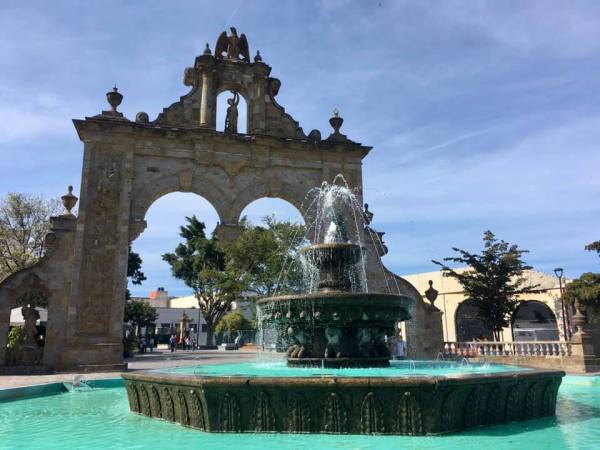


 Our final stop on this scouting mission was the infamous Mexico City. One of the largest cities in Latin America with about 9 million residents, and easily one of the most welcoming mega-cities I’ve ever been in. Sometimes in cities of this size, the expectations for speed and efficiency can be extremely high, which poses a problem for travelers who are clueless as to how things are usually done. However, I never felt any impatience from the locals in CDMX (Ciudad de Mexico). Things were just as easy-going and friendly as the other cities we visited. Of course, Mexico City is quite big, which does bring about some challenges. For example, it typically took over an hour to get from one side of the city to the other, even with the super convenient (and cheap) metro. A sprawling city combined with loads of commuters, holiday shoppers, and tourists definitely made for a chaotic transportation situation. However, because of that large and diverse group, we were also able to get some Kansas City BBQ when we wanted something a bit different one night. It’s the eternal struggle of city life!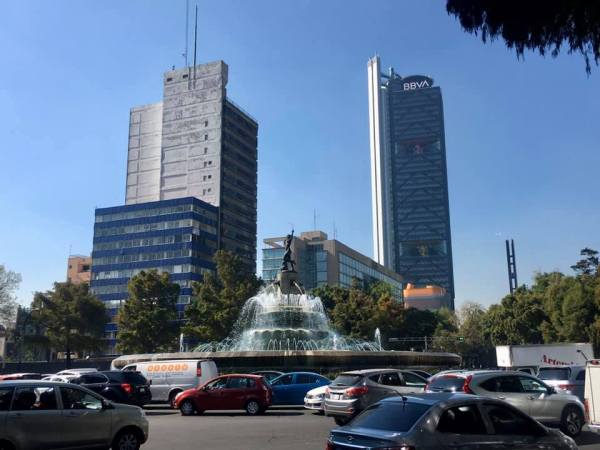









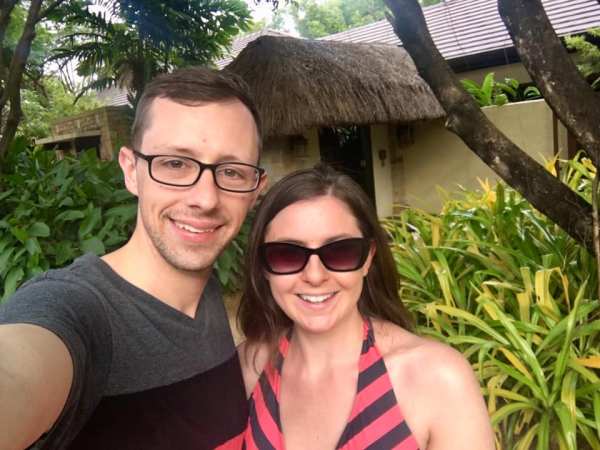 The second New Year (also known as the Chinese New Year or the Lunar New Year) has come and gone, and with it, possibly our last long winter break off together. Just like last year, the Chinese university semester break coincides with the holiday giving us several weeks off, which, of course, we put to good use! My program had its mid-year meeting and conference in the Philippines this year, and somehow, Tucker and I managed to squeeze in three (and a half) other destinations on our island hopping itinerary. You might have seen the hundreds of photos on Facebook, but I’d also like to share a few words about our time traveling in South Asia. To be honest, it’s a little surreal to be writing this as I watch the snow fall outside, but here we go!
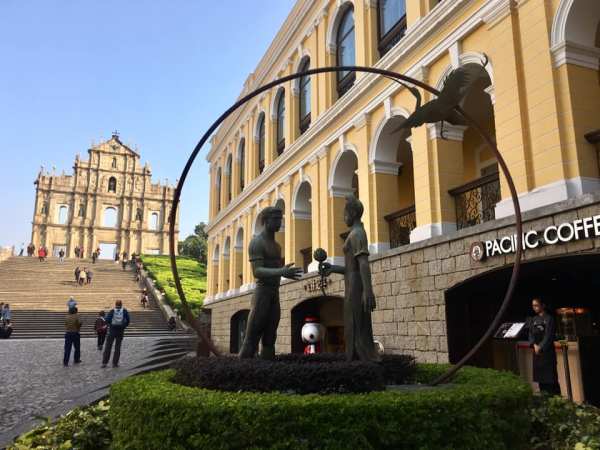 Our first stop was Macau, a “special administrative region” of China. It gets this rather long name due to it being somewhere in between a province and another country entirely. It’s a part of China, but it’s also not China, which is actually one of the reasons we wanted to visit. We wanted to see if there were any noticeable differences. We also wanted to visit because we were eager for another taste of Portugal. Macau used to be a Portuguese colony and has retained quite a bit of the Portuguese flair in architecture, food, and language.


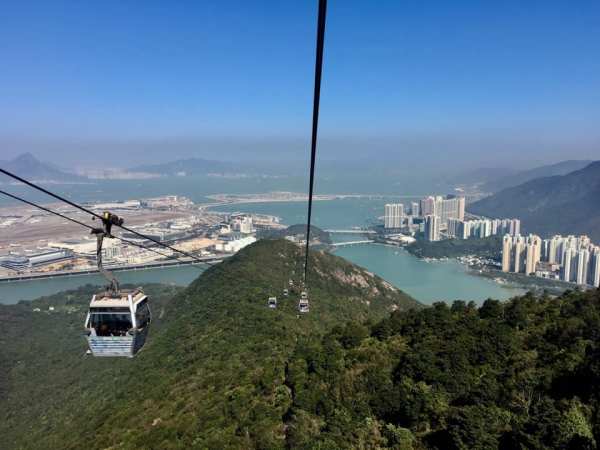 After a few days of strolling around Macau’s narrow alleyways, we took a massive speed boat (TurboJet) to our next destination just across the water: Hong Kong. This was actually our second trip to Hong Kong, but last time we didn’t quite get to everything on our list – this short stopover on the way to Midyear was our second chance. We had less than 24 hours in the city, but we managed to make it out to Lantou Island to see the incredible Buddha and cableway there, we took the bus to the top of Victoria Peak to watch the sunset over the city, and we went to Tim Ho Wan for the world’s cheapest Michelin Star eats. While I definitely preferred Macau’s laid back, European vibes, it’s hard to not like Hong Kong as well. Macau and Hong Kong are a couple of tiny islands (and respective peninsulas) that I highly recommend everyone to visit! No visas needed for US citizens! :)
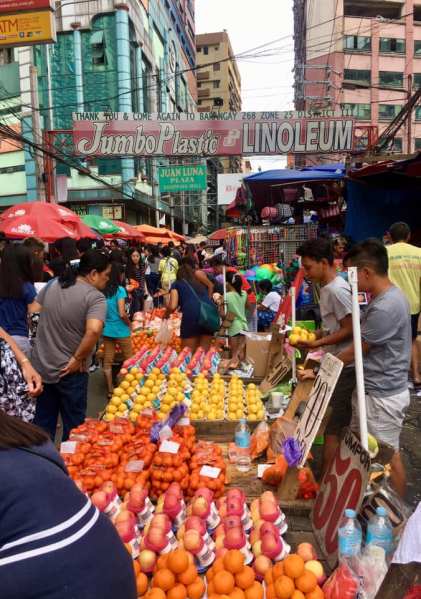 All too soon it was time to fly to the Philippines and get to work. When we first landed in the Philippines it was chaos! Passengers getting up and grabbing their bags before the plane had stopped moving; people sitting on seemingly every inch of the floor in the airport; signs for flight changes being moved by hand from gate to gate; loud cover songs of 2000’s hits playing in every corner of the terminal, etc. All I could think was “Well, we’re definitely not in China anymore.” As we sat waiting for our flight though, the newness wore off, and it was easy to see that the Philippines are just plain fun! In fact, their national slogan is “It’s more fun in the Philippines”, and I totally got it. Smiles were everywhere! The flight attendants wore bright yellow polos and hummed songs as we boarded. Fellow passengers sang along with the music they heard on the plane. The joy was contagious!
 The first week we were in the Philippines I had to “work”. I attended meetings with the other Fellows, we planned and executed various group activities, and generally bonded and reconnected after our last five months apart in our various host cities/countries. For this part of Midyear, we were put up in a resort on Mactan Island, which was incredibly fancy and not the sort of place Tucker and I usually go for (I’ve never heard so many “yes ma’ams” and “hello sirs” in my life). It was beyond beautiful though, and luckily Tucker was able to take full advantage of the beach, the snorkeling, the infinity pool, etc. However, after a few days completely devoid of local culture, I was definitely ready to get to our next location: Cebu City. It was here that we attended and presented at a local teacher training conference held at the University San Jose Recoletos. Easily my favorite part of Midyear, I was able to meet and interact with many local Filipina/o teachers and get a much better feel for what life in the Philippines is really like.

 Once the conference and Midyear were officially over, Tucker and I hadn’t quite had our fill of the Philippines, so we headed to Manila for some good old-fashioned touristing. Manila is an incredible city with some of the best food I’ve had in a long while. Their specialty seemed to be fusion restaurants. We had super interesting and delicious food at Loco Manuk (Filipino, Peruvian, and Chinese) and El Chupacabra (Filipino and Mexican), and saw a Japanese-French Cafe that looked amazing as well! In addition to the incredible food, we also had a great time walking around Manila Bay, grabbing a drink in Intramuros (the Old Town), and watching the Super Bowl at a local expat bar. The Philippines boasts an amazing mix of languages and cultures, and it was so fun for us to be able to use English (commonly spoken there) to ask about a million questions of our taxi drivers, servers, and any other local we could find. We learned about the strong influence of Catholicism in the Philippines, the new-ish movement towards environmental clean up, and most of all, we learned how welcoming and friendly the people are.


 At this point we were over the halfway mark of our trip, and my body had had enough. I left Manila with a fever and several other ailments (not so fun to describe), but I was still super excited to see Singapore! We watched Crazy Rich Asians on another leg of this trip in preparation, but the movie doesn’t do the city justice. It is by far the cleanest city I’ve ever seen, and has represented its multicultural population incredibly well! Singapore is made up of large groups of ethnic Chinese, Malays, and Indians, and each has a dedicated area of the city where you can find their respective religious buildings, restaurants, and specialized grocery stores. Even with the diverse neighborhoods in place, the city as a whole really seems to cater to each group in so many ways. Colorful, artistic, and clearly very well-off, there are so many lovely parks and public spaces in this city, where we saw families wearing everything from tank tops and sundresses to saris and hijabs. I often talk about places where there is a mix of cultures, but its usually a watered down mix, where clearly one culture has dominated, but in Singapore they were all there loud and proud. It was amazing!


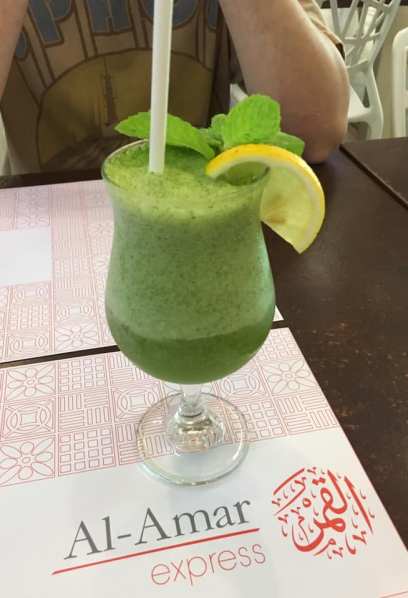 It turns out KL was full of surprises for us. The majority of people living in Malaysia are Muslim, so it was much more conservative than I was expecting. Most everyone wore long sleeves and pants despite the high temperatures, and the presence of beautiful and delicious “mocktails” was at an all time high for me. KL is actually not on an island, and to us, it seemed like we lost that friendly, carefree island-vibe as soon as we arrived. Interactions were a bit more abrupt and businesslike – like they usually are, I suppose. Another surprise was the color we saw all around us – both the Philippines and Singapore were incredibly colorful cities, but I think any city would be hard pressed to match the vibrancy of KL. Brightly colored murals everywhere, some of the lushest, greenest trees I’ve ever seen against the bluest of skies, and the insanely colorful Batu Caves just outside the city made for some incredible scenes (and photos).


 ✔ Learn to play Mahjong
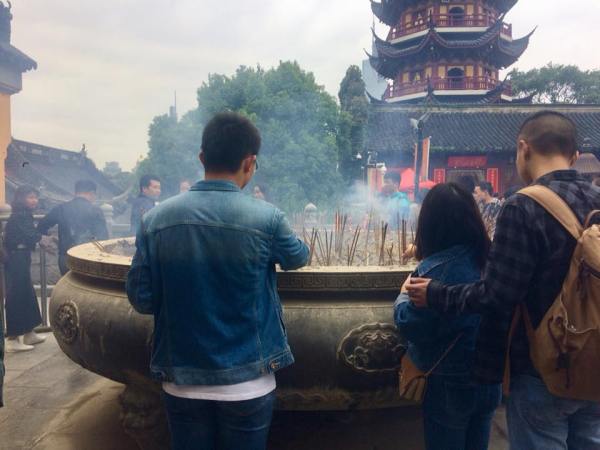 ✔ Visit a Buddhist Temple
 ✔ Perfect our Chopsticks Skills
 ✔ Hike Huangshan
 ✔ Share Hotpot and Selfies with Friends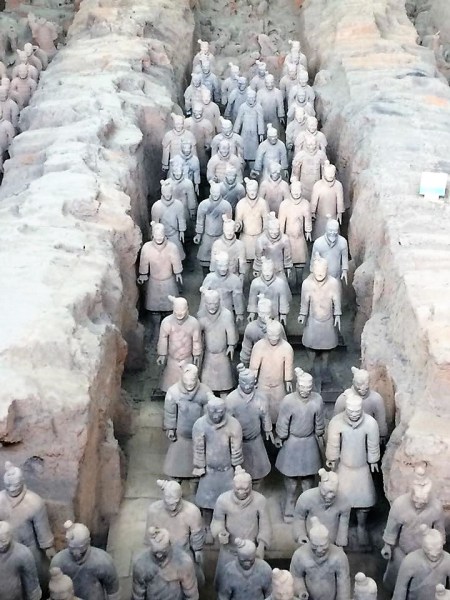
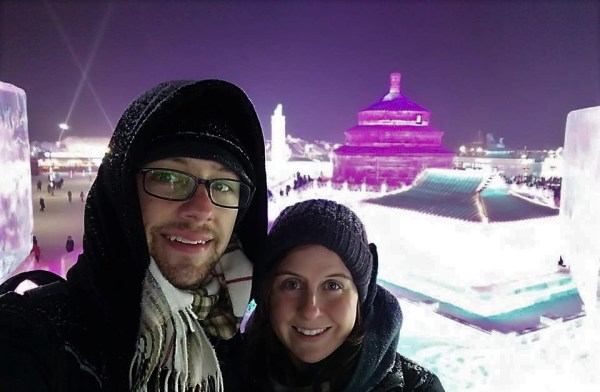
 ✔ Devour the Dim Sum in South China
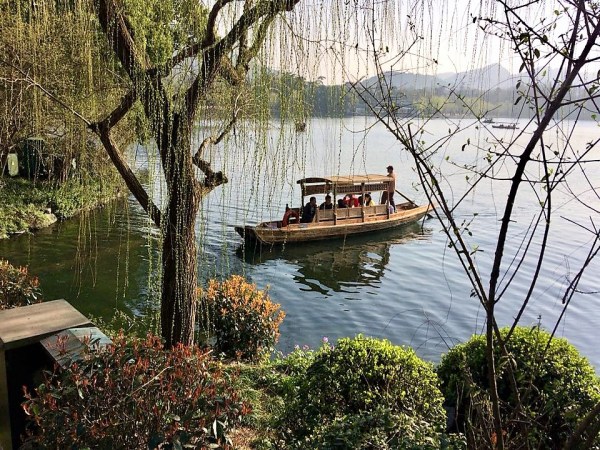 ✔ Wander around West Lake
 ✔ Feel like a Kid at Disneyland Shanghai
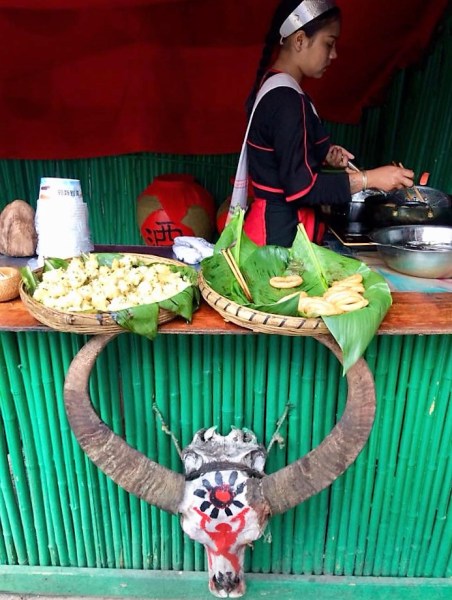 ✔ Learn about the Minority Groups in China
 ✔ Celebrate Dragon Boat Festival
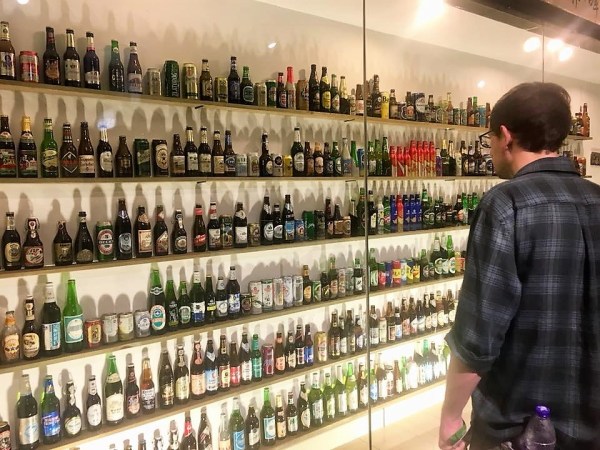 ✔ Drink Tsingtao from the Source


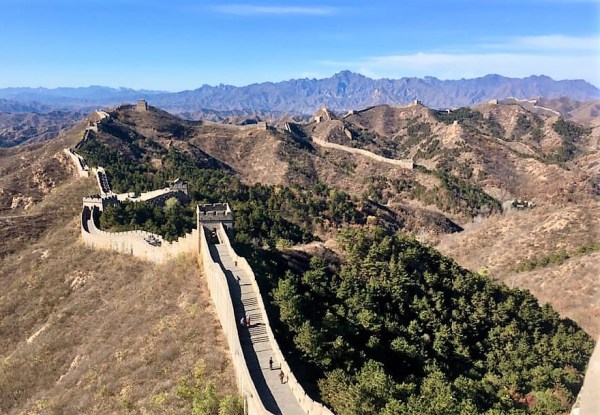 ✔ Walk along the Great Wall
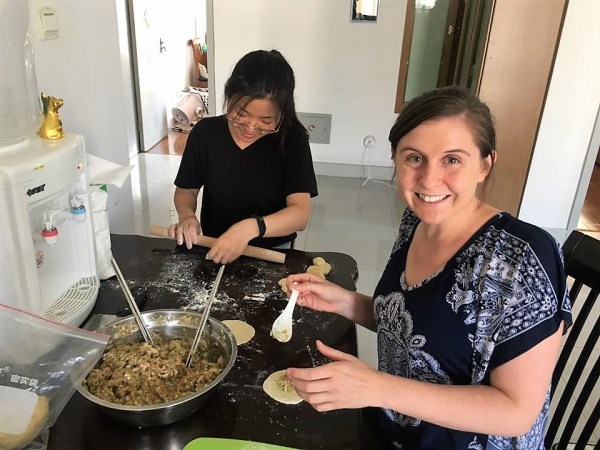 ✔ Make Dumplings from Scratch
 ✔ Crisscross the Yangtze