I don’t intend on writing about my 30 Day Challenges (see January’s blog) each month, or even ever again; however, I just couldn’t pass up the opportunity to share some of what I have learned this month with my “read about a different country every day” challenge. For each day in February (more or less), I selected a country to explore digitally (i.e. with the help of various web resources), and in the process, I have gleaned a plethora of fun facts!
I went with a round-robin style selection process, where I purposefully chose countries (fully sovereign and UN recognized) that I knew very little about from each of the continents in alphabetical order (Africa, Asia, Europe, North America, Oceania, South America). And even with a few missed days, I was still able to read about 24 lesser-known places: 4 countries from each continent.

To say I learned something new every day would be a gross understatement of this process. It is absolutely incredible how much there is to learn about each and every little corner of the globe, including our own. And now, to help pique your interest in some of these places, here are some of the most interesting tidbits I picked up in my daily readings:
Togo: This small country in West Africa was originally claimed by Germany as “Togoland”, which to me sounds like an amusement park rather than a country.
Georgia: Nestled in the Caucasus Mountains, Georgia (the country, definitely not the state) has two disputed regions that are currently vying for independence: Abkhazia and Adjara.
Andorra: A country (located between France and Spain) that is so tiny, there are no international airports within its borders.

Costa Rica: In 1949 Costa Rica abolished their army, working instead to replace it with “an army of teachers”, thus focusing on education rather than military spending.
Federated States of Micronesia: Includes over 600 islands extending almost 3000 kilometers in the Pacific ocean (that’s about the distance from Atlanta to Salt Lake City).
Suriname: A small country in South America where the official and most commonly spoken language is, you guessed it (not!), Dutch.
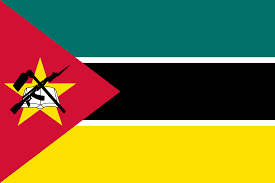
Mozambique: Located on the southeastern coast of Africa, Mozambique has a machine gun and a mattock on its flag, which gives a bit of insight into its checkered (and complicated) past.
Kazakhstan: means the Land of Nomads, who fortunately have a lot of room to roam in the world’s largest land-locked country.
Cyprus: A small island in the Mediterranean that was inhabited by humans before boats were invented (gotta love a good ol’ Ice Age story).
Trinidad and Tobago: Only seven miles off the coast of Venezuela, this pair of islands is the birthplace of Limbo.

Papua New Guinea: PNG is one of very few places on Earth where you can straddle the equator and see snowfall in the same country! Elevation is no joke!
 Uruguay: A country consistently providing the world with incredible soccer players, Uruguay was the first country to win the FIFA World Cup (in 1930).
Tunisia: I was most interested to learn that the ancient city of Carthage is in modern day Tunisia, but I was told others might find it more interesting to learn that several Star Wars movies were filmed here.
Bhutan: A small, mountainous country in between China and India, the highly Buddhist Bhutan has a Gross Domestic Happiness index, which is used to measure and develop the collective happiness of the nation as a “fundamental human goal”.
Denmark: In the smallest country in Scandinavia, you’re never more than 52 kilometers (32 miles) from the coast.
Belize: Despite sharing English as a national language, Belize has opted not to share in American fast food chains. No McDonalds or KFCs in this Central American country.
Nauru: One of the smallest countries in the world at only 8 square miles, Nauru also has one of the highest obesity rates at almost 72%.
Bolivia: This landlocked country in South America boasts the world’s largest salt flat, half of the highest lake, and an annual rainfall of over 5m (one of the highest in the world). Talk about biodiversity!

Chad: Named after Lake Chad, this large central African country lies mostly in the Sahara desert giving it the morbid nickname the “Dead Heart of Africa”.
Pakistan: Although extremely far from Europe, Pakistan was a prominent stop on the Hippie Trail of the 1960s. If you haven’t heard of the Hippie Trail, I highly suggest a quick Google!
Romania: We might know it as the Land of Dracula, but Romania is also home to the heaviest building in the world (at just over 9 billion pounds)! And no, it’s not Bran Castle.

Dominica: Often confused for the Dominican Republic, Dominica is a separate island nation known for electing the first female prime minister in the Caribbean (back in 1980).
Kiribati: Another impressive set of islands in the Pacific ocean, Kiribati not only celebrates the New Year first each year, but is also the only country to have land in all four hemispheres.
Paraguay: In part due to its central location, Paraguay was subjected to the bloodiest international conflict in the Americas, the Paraguayan War (1864-1870), in which the country lost 50% of its population in addition to 40% of its land.
Believe me when I say these are just the tip of the iceberg! Each of these countries, and indeed, every country and culture is unique and inspiring. I think this will be an easy challenge to extend past 30 days…I mean there are almost 200 countries out there! What are some of your country curiosities to share?


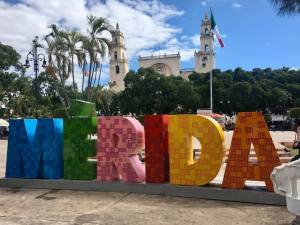

 Our next stop was Guadalajara, the capital city of Jalisco (I’m really beginning to think I must have a thing for capital cities…). Anyway, when we arrived in this larger city, I realized just how much all the negative hearsay (like the number of well-meaning warnings I received before our trip) can really affect first-time travelers. I immediately felt uneasy, like everything was an unforeseen danger. Of course, after only a few hours, that was all wiped away. The people of Guadalajara were just as friendly and carefree as those in Merida. Our Uber drivers, especially, greeted us and patiently listened as we stumbled through Spanish to ask questions or give any necessary additional information. We also noticed that in Guadalajara, and perhaps Mexico as a whole, the timings of things are quite flexible. We often found ourselves checking the hours of one place or another, only to arrive and see they haven’t quite set up yet (even a few hours after opening). We really felt the struggle of coming from a China mindset (up early, asleep by 10pm) to the Mexican way of life, where nothing really gets going until after 8pm, at least!


 Our final stop on this scouting mission was the infamous Mexico City. One of the largest cities in Latin America with about 9 million residents, and easily one of the most welcoming mega-cities I’ve ever been in. Sometimes in cities of this size, the expectations for speed and efficiency can be extremely high, which poses a problem for travelers who are clueless as to how things are usually done. However, I never felt any impatience from the locals in CDMX (Ciudad de Mexico). Things were just as easy-going and friendly as the other cities we visited. Of course, Mexico City is quite big, which does bring about some challenges. For example, it typically took over an hour to get from one side of the city to the other, even with the super convenient (and cheap) metro. A sprawling city combined with loads of commuters, holiday shoppers, and tourists definitely made for a chaotic transportation situation. However, because of that large and diverse group, we were also able to get some Kansas City BBQ when we wanted something a bit different one night. It’s the eternal struggle of city life!

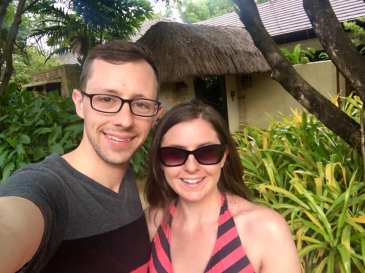 The second New Year (also known as the Chinese New Year or the Lunar New Year) has come and gone, and with it, possibly our last long winter break off together. Just like last year, the Chinese university semester break coincides with the holiday giving us several weeks off, which, of course, we put to good use! My program had its mid-year meeting and conference in the Philippines this year, and somehow, Tucker and I managed to squeeze in three (and a half) other destinations on our island hopping itinerary. You might have seen the hundreds of photos on Facebook, but I’d also like to share a few words about our time traveling in South Asia. To be honest, it’s a little surreal to be writing this as I watch the snow fall outside, but here we go!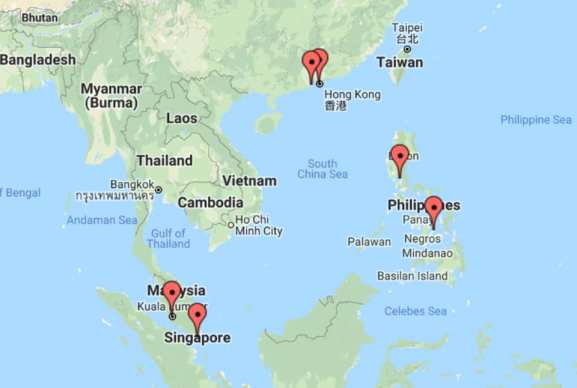
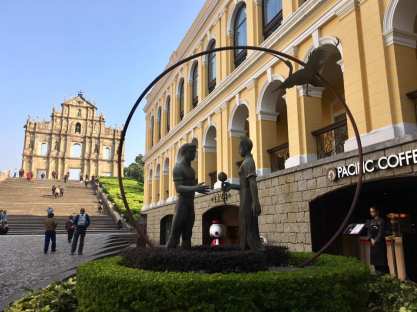 Our first stop was Macau, a “special administrative region” of China. It gets this rather long name due to it being somewhere in between a province and another country entirely. It’s a part of China, but it’s also not China, which is actually one of the reasons we wanted to visit. We wanted to see if there were any noticeable differences. We also wanted to visit because we were eager for another taste of Portugal. Macau used to be a Portuguese colony and has retained quite a bit of the Portuguese flair in architecture, food, and language.


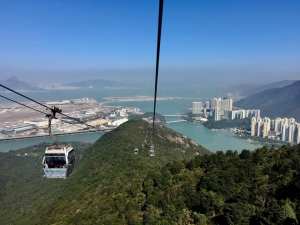 After a few days of strolling around Macau’s narrow alleyways, we took a massive speed boat (TurboJet) to our next destination just across the water: Hong Kong. This was actually our second trip to Hong Kong, but last time we didn’t quite get to everything on our list – this short stopover on the way to Midyear was our second chance. We had less than 24 hours in the city, but we managed to make it out to Lantou Island to see the incredible Buddha and cableway there, we took the bus to the top of Victoria Peak to watch the sunset over the city, and we went to Tim Ho Wan for the world’s cheapest Michelin Star eats. While I definitely preferred Macau’s laid back, European vibes, it’s hard to not like Hong Kong as well. Macau and Hong Kong are a couple of tiny islands (and respective peninsulas) that I highly recommend everyone to visit! No visas needed for US citizens! :)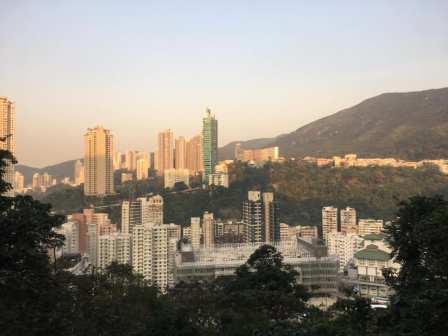
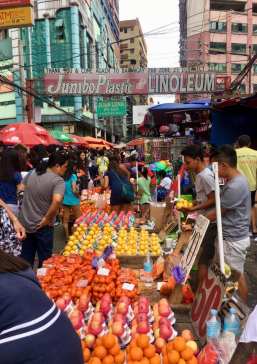 All too soon it was time to fly to the Philippines and get to work. When we first landed in the Philippines it was chaos! Passengers getting up and grabbing their bags before the plane had stopped moving; people sitting on seemingly every inch of the floor in the airport; signs for flight changes being moved by hand from gate to gate; loud cover songs of 2000’s hits playing in every corner of the terminal, etc. All I could think was “Well, we’re definitely not in China anymore.” As we sat waiting for our flight though, the newness wore off, and it was easy to see that the Philippines are just plain fun! In fact, their national slogan is “It’s more fun in the Philippines”, and I totally got it. Smiles were everywhere! The flight attendants wore bright yellow polos and hummed songs as we boarded. Fellow passengers sang along with the music they heard on the plane. The joy was contagious!
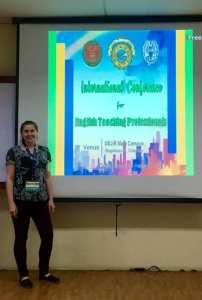 The first week we were in the Philippines I had to “work”. I attended meetings with the other Fellows, we planned and executed various group activities, and generally bonded and reconnected after our last five months apart in our various host cities/countries. For this part of Midyear, we were put up in a resort on Mactan Island, which was incredibly fancy and not the sort of place Tucker and I usually go for (I’ve never heard so many “yes ma’ams” and “hello sirs” in my life). It was beyond beautiful though, and luckily Tucker was able to take full advantage of the beach, the snorkeling, the infinity pool, etc. However, after a few days completely devoid of local culture, I was definitely ready to get to our next location: Cebu City. It was here that we attended and presented at a local teacher training conference held at the University San Jose Recoletos. Easily my favorite part of Midyear, I was able to meet and interact with many local Filipina/o teachers and get a much better feel for what life in the Philippines is really like.

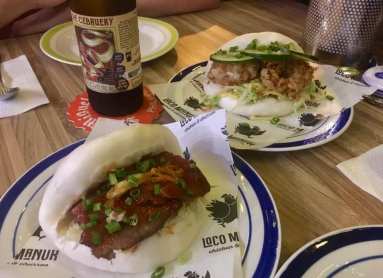 Once the conference and Midyear were officially over, Tucker and I hadn’t quite had our fill of the Philippines, so we headed to Manila for some good old-fashioned touristing. Manila is an incredible city with some of the best food I’ve had in a long while. Their specialty seemed to be fusion restaurants. We had super interesting and delicious food at Loco Manuk (Filipino, Peruvian, and Chinese) and El Chupacabra (Filipino and Mexican), and saw a Japanese-French Cafe that looked amazing as well! In addition to the incredible food, we also had a great time walking around Manila Bay, grabbing a drink in Intramuros (the Old Town), and watching the Super Bowl at a local expat bar. The Philippines boasts an amazing mix of languages and cultures, and it was so fun for us to be able to use English (commonly spoken there) to ask about a million questions of our taxi drivers, servers, and any other local we could find. We learned about the strong influence of Catholicism in the Philippines, the new-ish movement towards environmental clean up, and most of all, we learned how welcoming and friendly the people are.


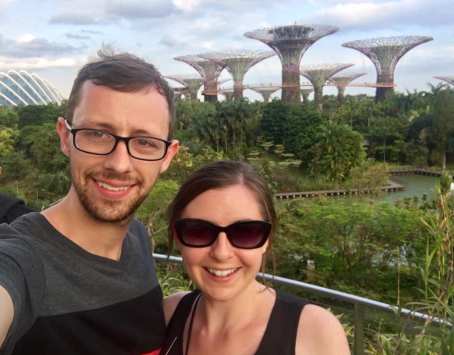
 At this point we were over the halfway mark of our trip, and my body had had enough. I left Manila with a fever and several other ailments (not so fun to describe), but I was still super excited to see Singapore! We watched Crazy Rich Asians on another leg of this trip in preparation, but the movie doesn’t do the city justice. It is by far the cleanest city I’ve ever seen, and has represented its multicultural population incredibly well! Singapore is made up of large groups of ethnic Chinese, Malays, and Indians, and each has a dedicated area of the city where you can find their respective religious buildings, restaurants, and specialized grocery stores. Even with the diverse neighborhoods in place, the city as a whole really seems to cater to each group in so many ways. Colorful, artistic, and clearly very well-off, there are so many lovely parks and public spaces in this city, where we saw families wearing everything from tank tops and sundresses to saris and hijabs. I often talk about places where there is a mix of cultures, but its usually a watered down mix, where clearly one culture has dominated, but in Singapore they were all there loud and proud. It was amazing!


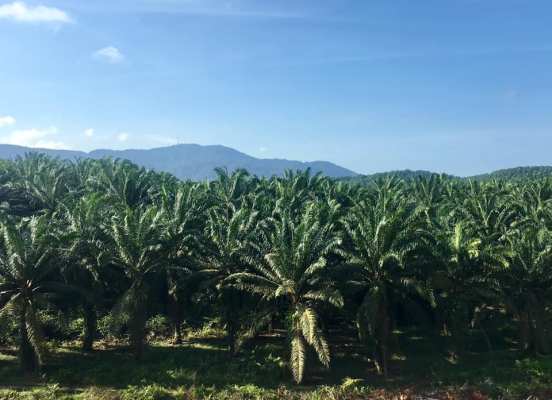
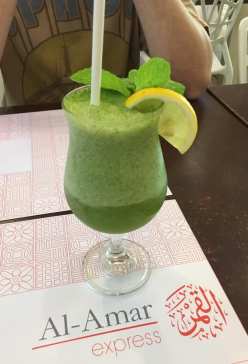 It turns out KL was full of surprises for us. The majority of people living in Malaysia are Muslim, so it was much more conservative than I was expecting. Most everyone wore long sleeves and pants despite the high temperatures, and the presence of beautiful and delicious “mocktails” was at an all time high for me. KL is actually not on an island, and to us, it seemed like we lost that friendly, carefree island-vibe as soon as we arrived. Interactions were a bit more abrupt and businesslike – like they usually are, I suppose. Another surprise was the color we saw all around us – both the Philippines and Singapore were incredibly colorful cities, but I think any city would be hard pressed to match the vibrancy of KL. Brightly colored murals everywhere, some of the lushest, greenest trees I’ve ever seen against the bluest of skies, and the insanely colorful Batu Caves just outside the city made for some incredible scenes (and photos).

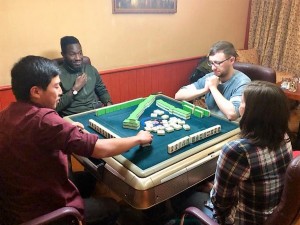 ✔ Learn to play Mahjong
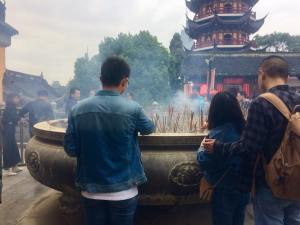 ✔ Visit a Buddhist Temple
 ✔ Perfect our Chopsticks Skills
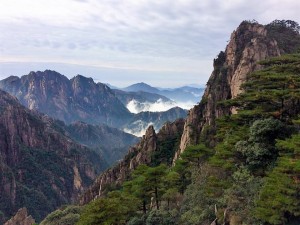 ✔ Hike Huangshan
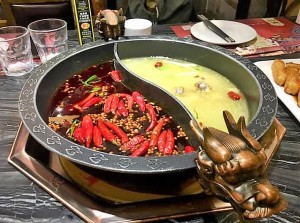 ✔ Share Hotpot and Selfies with Friends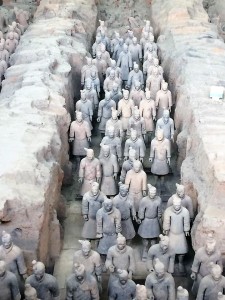
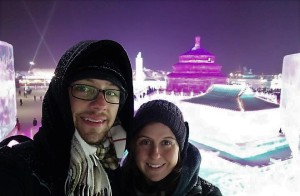
 ✔ Devour the Dim Sum in South China
 ✔ Wander around West Lake
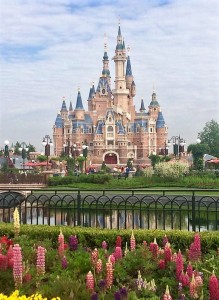 ✔ Feel like a Kid at Disneyland Shanghai
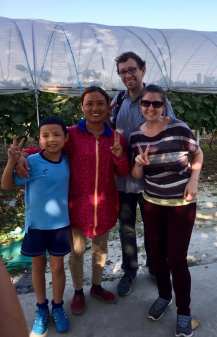
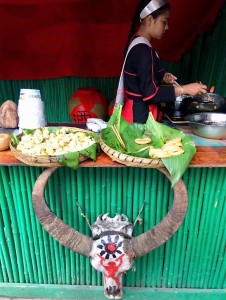 ✔ Learn about the Minority Groups in China
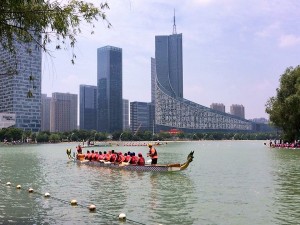 ✔ Celebrate Dragon Boat Festival
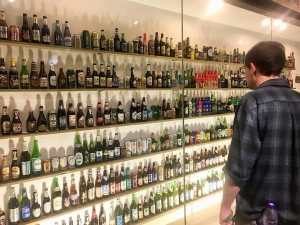 ✔ Drink Tsingtao from the Source

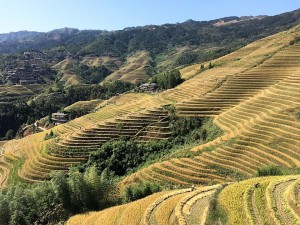
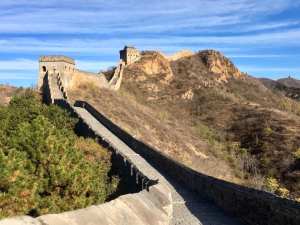
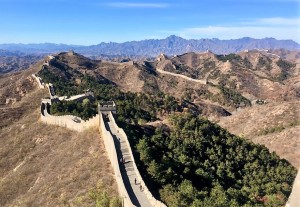 ✔ Walk along the Great Wall
 ✔ Make Dumplings from Scratch
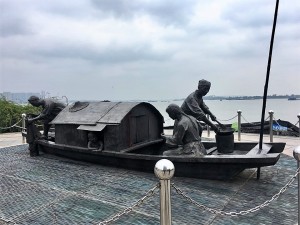 ✔ Crisscross the Yangtze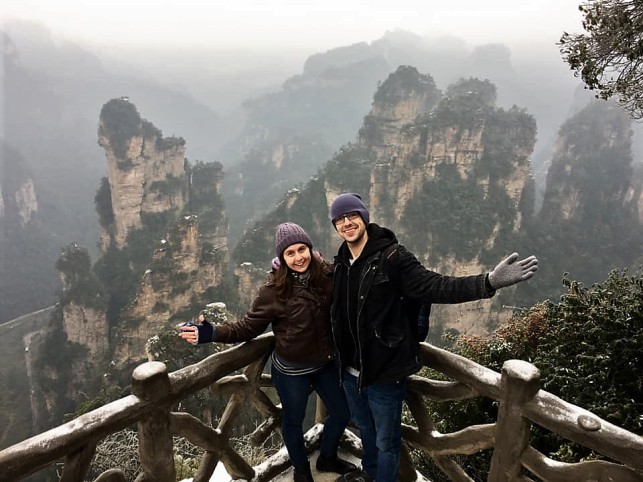
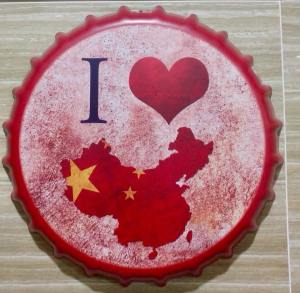
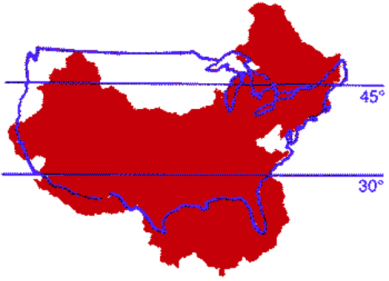
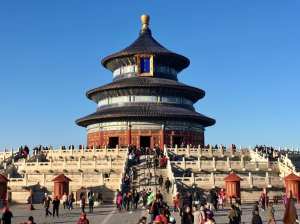
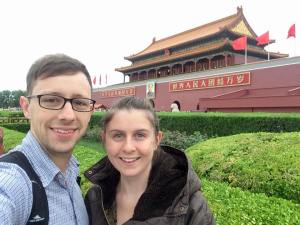 Perhaps due to its location on the opposite side of the globe or maybe because of its notorious closed-door periods in history, China is a place with a lot of misconceptions. I remember when I first visited China; it was absolutely nothing like I thought it would be. Since then, I’ve continually been surprised by China and have had the pleasure of watching several others break some of their preconceived notions on their first trips to this land in the Far East. While pretty much everything I post (let’s be honest, it’s mostly photos) is in some way shaping people’s views of this country I now call home, sometimes there’s a need for more explicit explanations. Some things just can’t be seen in photos, but can definitely be felt and discussed (and often are if given enough time). However, since not everyone can come to China and experience it all in person, I’d like to share some of my thoughts and discoveries (in written form) on some of the impressions that seem to have a strong effect on outsiders’ views of China, impressions that are often among the first to be thrown into question upon closer observation.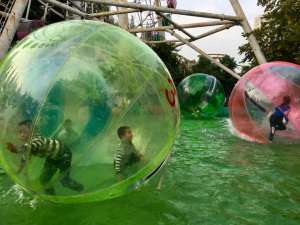

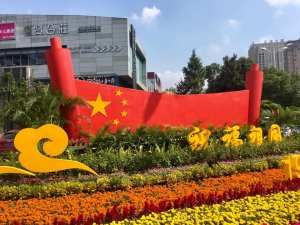 After delving into just one policy that definitely captured the world’s attention, I think another misconception of China lies in the government as a whole. When I told friends and family I’d be coming to China, this was a main point of contention. How could you live in a country that’s not free? Aren’t you worried about the communists? In hindsight, it must have got into my head a little because I now realize that when I first arrived I was a little careful about what I said, how I interacted with Party Members, etc. Now I’ve been here for over a year, and I see that that was totally necessary. While the government has many features of communism, it’s actually a hybrid of several political systems. It’s much more complicated than I care to go into, especially because unlike the US, changes within the government here seem to be made more quickly. China is still figuring out exactly how they want their government and economy to fit and work together, and due to their long history of preferring guidelines to written laws, it’s difficult to nail down the specifics regardless.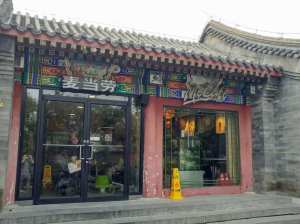





 Yikes! That was a lot of information about China! I should probably start writing a book or something because I have learned so much from my time here. More than I could have possibly imagined, and the longer I’m here, the more I know I’ll learn. I’m extremely thankful that I have been given this opportunity to better understand the people and the culture of the China, and I love sharing what I learn on both sides of the world. Recognizing some of my own misconceptions has been fascinating, but equally interesting is discovering others’ misconceptions of me (and America as a whole). Maybe that’ll be a future post! For now, I’m going to continue soaking it all up, remembering that things aren’t often as they first appear.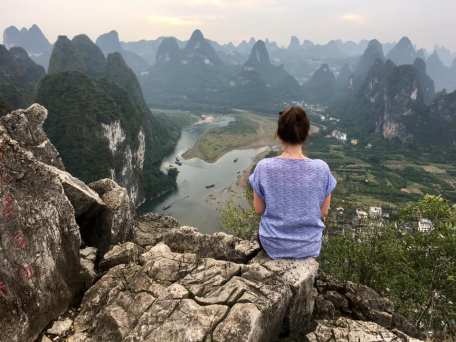


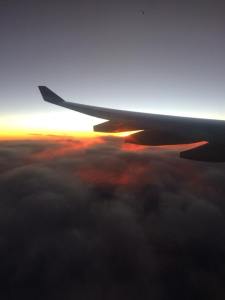


 Okay, I realize Milwaukee is not the most glamorous or exotic city on anyone’s list, but hear me out. This smallish city, famous for its breweries and cheese, is only about an hour north of Chicago. Perhaps because of this, it can sometimes be overshadowed by the fame of its neighbor; however, in addition to the flavorful brews and delicious cheese curds, the city also lies along Lake Michigan with a river running straight through its center (sound familiar?). It also has a very strong European influence, which can be seen in the architecture and abundance of towering cathedrals. It might be less than half the size of Chicago (and about half as expensive!), but this city has been modernizing in a way that would make any European enthusiast proud. Many historical neighborhoods have been beautifully restored, the additions of a city Riverwalk and a new park have livened up the outdoor scene, and if you’re brave enough to endure the temperatures, the city is absolutely breathtaking in the winter.


 The capital city of Ukraine has had a bit of a bumpy ride over the past few decades, but that isn’t so evident when traipsing around the city as an excited tourist. Although Ukraine is not in the EU yet, you’ll find many of the same European conveniences backpackers and travelers alike have come to expect: wonderful public transportation, many downtown hostels and hotels, and a slew of monuments, churches, and parks to wander around. The city is known for its monasteries and domed, Orthodox churches, but I remember it most for it’s extremely cheap and delicious food! Most signs are in Cyrillic (like the Russian alphabet), which I think adds greatly to the city’s charm, but if you’re worried about language skills, the English spoken is quite common and understandable, especially by the younger generation.


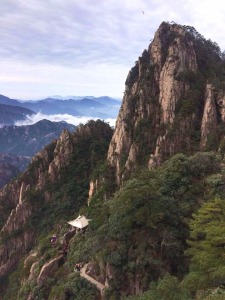 “Huang-what?”, you might be asking yourself. Huangshan or Yellow Mountain is not particularly well-known outside of China, except perhaps by avid hikers or mountaineers. However, this city and the mountain it takes its name from are spectacular places for anyone to visit. Lying about 4 hours west of Shanghai (by train), Huangshan is a destination that really has it all: beautiful nature, historical sites, and modern shopping. It might not be one of the largest cities in China (or even close), but it’s still pretty large from my perspective, with a population of 1.5 million. Just outside the city, accessible by bus are the mountains (to the north) and the preserved ancient towns of Hongcun and Xidi (to the northwest). All are worth a visit, and will remind people why China is often referred to as a traveler’s dream.


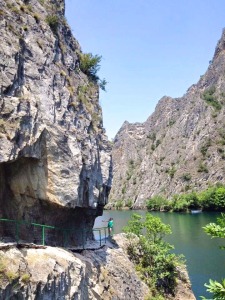 Known officially as the Former Yugoslav Republic of Macedonia (FYROM), Macedonia is a small country in southern Europe that most people wouldn’t be able to pick out on a map. The capital city of Skopje, lies in the north of the country and is completely surrounded by mountains, giving it spectacular views from every angle. The city was heavily influenced by ancient Greece, which you can easily see in the large stone bridges and plethora of white columns, but it uses the Cyrillic alphabet (like Russia) and also claims one of the largest numbers of mosques in Europe: talk about a melting pot! The culture there is a unique mix all seeming to revolve around food, the incredibly refreshing


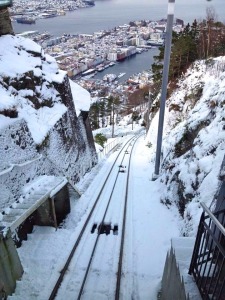 Ah, Norway! Land of trolls, fjords, and the midnight sun. When I hear people planning a trip to Norway, usually Oslo and other cities in the southern part of the country are the first to be mentioned. However, I would much rather choose Bergen, a little further north, nestled into the fjords on the country’s west coast. This city in winter or summer is a great jumping off point for further exploration of the fjords, but it has enough to do in town that you might not even want to leave! From town squares and colorful row houses to funiculars and downhill sledding, Bergen has a lot to offer for those who prefer to spend their time on activities that don’t break the bank. However, when the time comes to spend a little cash, a great way to do it is on the food! There is a wide variety available here from traditional Scandinavian specialties to a TGIFridays; the choice is really up to you!


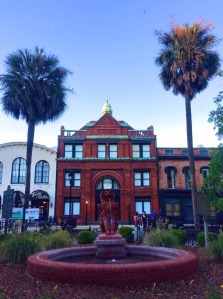 Another destination from my homeland (home state even) is Savannah, GA. This seaside city is always equated with the “old south”: plantation houses, buttery foods, and a slower pace of life come to mind. However, this city is a lot more than that. It can cater to a younger crowd nowadays with its bar streets and beaches, but there are also tree lined avenues, old cemeteries, and little antique shops that are great for the traveler with varied interests. Savannah is not as famous as perhaps New Orleans or Charleston, but maybe for that reason, I found it to be less affected by outside influences. It is a city that it uniquely itself: beautiful and eclectic, much like many Georgians I know.


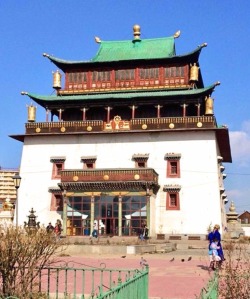 One of my more recent discoveries, Ulaanbaatar is an unexpected gem of the travel world. A unique combination of different cultures set in a landscape like no other I’ve seen. The city itself has plenty of sights and traditional Mongolian activities and foods, but just outside the city is a completely different side of life in one of the largest landlocked countries in the world. A nearby national park gives breathtaking views of the mountains and vast plains of Mongolia, while wild horses and yak stand on the side of the road grazing in the fields or drinking from the winding rivers. It’s a bit more rugged outside the city, but no less friendly. Ulaanbaatar is consistently ranked highly by travelers who are lucky enough to go there. The lamb dumplings alone are worth the journey!


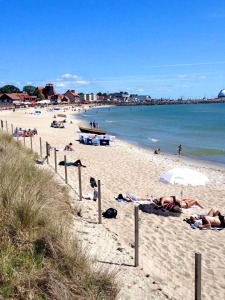 This destination (and the whole country really) is near and dear to my heart. I spent a year living in Poland and made it my job to explore every corner of the country. What I found was a series of destinations that many people gloss over in favor or Warsaw or Krakow, the more international locales. However, when I think of places to visit in Poland, my mind first goes to its Baltic Coast. Just across the Baltic sea from Sweden, Poland’s “Tricity” of Gdansk, Sopot, and Gdynia sits about four hours north of Warsaw (by car). These cities have an incredibly interesting history, which has allowed them to retain their distinct and varied atmospheres. Gdansk, formally German, has an industrious feel, an international airport, and an impressive city center. Sopot is a resort town with Europe’s longest wooden boardwalk and many fancy shops and hotels. And finally Gdynia, the most Polish of the three, boasts beautiful beaches, several hilly parks, and a ferry to Hel and back. Who wouldn’t want to to see all of that?!