

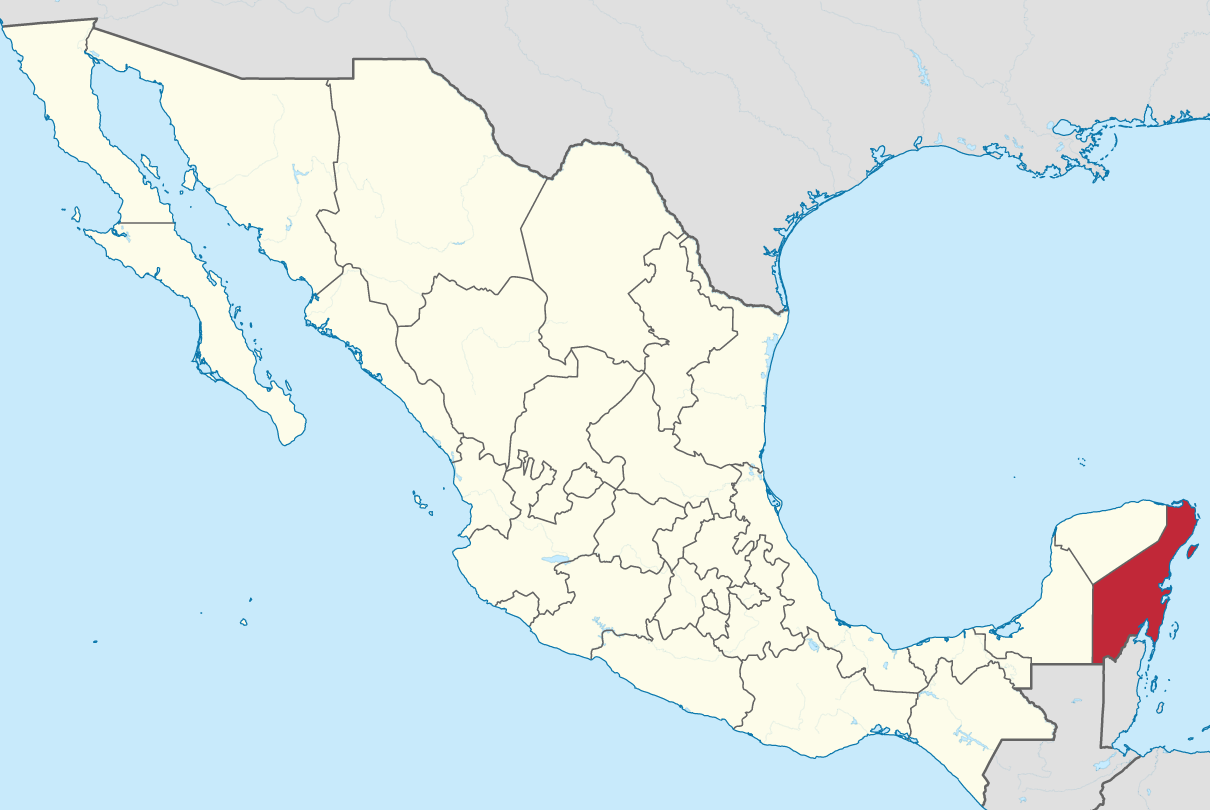
One of my goals for our time spent living in Mexico is to visit as many of the 31 states as I can. In fact, this lofty goal, coupled with the fact that my mother-in-law loves the beach, is what led us on our most recent adventure to Mexico’s easternmost state, Quintana Roo (pronounced “keen-tah-nah row”). Typically, we don’t spend quite as much time (two weeks!) in one state, nor do we often have the luxury of visiting four separate cities and two islands on one trip; however, we definitely wanted to be thorough here because these are some of the most popular tourist destinations both within Mexico and internationally! So, if you’ve always wanted to head on down to Riviera Maya, here’s my summary of what you can see, do, and expect:

Cancún / Isla Mujeres
Our first stop was in Cancún for many reasons. For one, Cancún International Airport is the second largest in the country, which means there are tons of flights in and out from a huge variety of locales. Another solid, practical reason to start in Cancún is the fact that it’s located at the very tip of the Yucatán peninsula, meaning flights from east of the Mississippi are quite short and very affordable. Personally, I also wanted to start in Cancún because I had (erroneously, as it turns out) thought that Cancún would be my least favorite of the cities on our itinerary, and I’m very much a save-the-best-for-last kind of person.
The Best Parts:
Speaking of bests, one of our favorite experiences in Cancún was kayaking among the mangroves in the Nichupte Lagoon. As a planned city, Cancún has several distinct “zones”, and the Nichupte Lagoon is actually what separates the Hotel Zone from the city center, making it very convenient regardless of where you’re staying. The lagoon is part of a protected reserve and boasts incredibly clear and calm water as well as a plethora of flora and fauna. Another must-do, as far as we’re concerned, is a catamaran ride to Isla Mujeres. On a whim, we booked an all-day package that included a catamaran ride, snorkeling through MUSA (an underwater art museum), an open bar, a buffet, and several hours of free time on the island. It was amazing! Dancing to the macarena with a group of strangers was the cherry on top of the perfect beach day. Of course, all the beaches on Cancún and Isla Mujeres are glorious. I have never felt sand so powdery soft or seen such beautiful water both on the shore and out at sea. I totally get why people fall in love with these beaches.


Things to Note:
For me, Cancún (and really all of Riviera Maya) is not the place to go for true Mexican culture. It is a tourist haven, and there are essentially zero Quintana Roo locals. Cancún, especially, has a bit of a Vegas vibe as the city is divided into the Centro and the somewhat remote Hotel Zone – the Hotel Zone being very much like “The Strip”. We actually learned the hard way that getting around Cancún isn’t as easy as it usually is in Mexico. Ubers are banned from the airport and the Hotel Zone, taxis do everything they can to ensure they’re getting their money’s worth, and the buses (while frequent) are quite crowded and more expensive than usual as well. The resorts can also be a bit of a headache for those who are staying downtown. Although, by law, all beaches in Mexico are open to the public, private hotels can and have put up walls that require a long walk around to specified access points along the Hotel Zone. That said, once you’re on the beach, you can walk anywhere you want, and there’s nothing they can do about it!

Playa del Carmen / Cozumel
Our next stop was Playa del Carmen, another resort-focused city along the coast and without question an integral part of the infamous Riviera Maya. As it’s only about an hour from Cancún, it’s really easy to travel from one to the other, and like Cancún, Playa del Carmen also has a famous island destination right off its shores: Cozumel. Interestingly, I had been to Cozumel as a pre-teen while on a family cruise, but to be honest, my memory of it was almost non-existent…maybe that should have been my first clue as to how I would feel about it as an adult.
The Best Parts:
But first, the positives. The center or anchor of Playa del Carmen is a long shopping/restaurant street called Quinta Avenida (5th Avenue). Here they have everything from high-end malls to beach trinkets and 5-star dining to taco stands. We ate at Aldea Corazón, which had an absolutely delicious take on modern Mexican cuisine. They also have a waterfall and cenote in the outdoor dining area, so the atmosphere is as excellent as the food. After Cancún, it was nice that everything: hotels, restaurants, shops, etc. were all running parallel to the beach, just one block inland. I appreciated not needing any form of transportation while seeing the sights. Playa del Carmen is also beautifully placed directly between Cancún and Tulum, making it easily accessible from either direction.


Things to Note:
Okay, now I’ll be the first one to admit that sometimes you have bad days or bad experiences while traveling (it has definitely happened to us on more than one occasion), and it doesn’t usually affect how I feel about a particular destination. However, our time in Playa del Carmen, definitely had some extreme travel lows. Tourist scams are abundant, upcharges are frequent, and Cozumel is catered to cruise ships. All I can say, is you’ll have to pay A LOT to see and do things that were honestly better in Cancún and Isla Mujeres. Another thing to note (really in all heavily touristed areas/large cities) is to be aware of your surroundings. While we were in Playa del Carmen, we witnessed a serious street fight that got out of hand and could have easily escalated into something much worse. Remember it’s not only family vacationers that frequent high-end resort areas.

Tulum
After our day in Playa del Carmen, we drove down to our next destination: the highly touted, Tulum. If you consume a lot of travel-related media (like I do), Tulum is/was most likely already on your bucket list as well. Mayan ruins on the cliffs, underground rivers and cenotes, eco-tourism at its finest! I think for this particular trip, Tulum was the city I was looking forward to the most.
The Best Parts:
The things that have put Tulum on the map are definitely the main reasons to visit. The Tulum ruins are incredible! There is so much history and beauty in these sites (although I do have to say that Uxmal, which is closer to Mérida in Yucatán, is still my favorite Mayan site. Yes, even over Chichén Itzá.) The cenotes, of which there are so many in this area, are also well worth the trip. Crystal clear freshwater swimming holes that have so many interesting facts and stories surrounding them – what’s not to love? Downtown Tulum isn’t quite as developed as either Playa del Carmen or Cancún, but the number of independently owned, vegan/vegetarian-friendly restaurants is certainly top notch. The main road through the city is the aptly named Avenida Tulum, but I highly recommend walking parallel to the main drag (on either side) to see a little more of the real day-to-day life of Tulum. And if you are planning to stay in Tulum, I cannot recommend Casa Libélula enough – such a beautiful little oasis tucked away in the chaos that is a burgeoning tourism hub.


Things to Note:
As I mentioned, Tulum is still a growing tourist destination, meaning there are some kinks they’re still working out. Sidewalks are mostly present, but not always, and the locals are still figuring out the right prices for their wares…in my opinion, they’re aiming quite high at the moment. Unfortunately, another thing that goes along with these up-and-coming tourist destinations is the yolo mentality (on both sides). The tourists are yolo-ing it up with a lot of noise and trash (and no resort personnel to clean up after them), and the vendors are making the most of a current fad that they know might not last forever by taking advantage when and where they see fit. In addition to the pandemic-related slump that has affected tourism globally, over the past few years, the Caribbean coast of Mexico has also been inundated with sargassum, or seagrass, and Tulum is unfortunately not immune.

Bacalar
Finally, our last stop on this epic journey, the future tourist hot-spot of Bacalar. Bacalar is about 4 hours south of Cancún, an hour north of Belize, and sits on the pristine Bacalar Lagoon. Unlike the other three cities we visited, Bacalar had not been on my radar until after we moved to Mexico. This is a favorite among locals, and anyone who visits can easily understand why. During our time in Bacalar, I actually felt quite sad thinking about whether or not it’s going to become the next Tulum or Playa del Carmen, but I have to think that it will always retain the special type of mágico that exists there now. ¡Ojalá!
The Best Parts:
Immediately, one of the best parts of Bacalar for me was that it felt much more like the Mexico that I have come to know. It is much more laid back (even with the growing tourism industry). Bacalar has a more traditional main square, an old Spanish fort, and plenty of places to just sit and chill out in the shade. Thankfully, price-gauging hasn’t become an issue in the local shops, and here, more than anywhere else on our trip, was my Spanish needed (as it should be!). Then there’s the lagoon itself. 42km by 2km (26mi by 1.2mi) of incredibly clear blue water (in fact, Bacalar Lagoon is known for having 7 distinct shades of blue). As there is a lot of shoreline available along the lagoon, it’s very common and affordable to stay right on the water, which is what we did. We stayed at Seven Blue House and had an amazing time swinging in hammocks on the dock, kayaking in the lagoon, and watching the sun and wind play on the water from our balcony right over the edge of the lagoon.


Things to Note:
Of course, with Bacalar being so much smaller than the other notable cities in Quintana Roo, the amenities are limited (no Señor Frog’s here!). It’s also not on the beach if that’s something you’re looking for. The lagoon is a couple of hours from the nearest Caribbean beach and all that accompanies it (like sand, for instance). Bacalar is also the furthest away from the big airports and most of the famous sites of the Yucatán peninsula, so if you want to do and see it all, Bacalar might not be the best home base for a trip like that.
TL;DR

Ultimately, this was a trip full of surprises for us, which shouldn’t actually be so surprising given all the expectations and preconceived notions we came into it with! In summary, I do feel a little guilty about how hard I was on Cancún (before I even visited) because in reality I enjoyed the variety it had to offer. Playa del Carmen isn’t really my vibe, but I can see the draw. I wish I had traveled to Tulum 10 years ago, but it’s still such a sight to see. And with Bacalar, the baby of Quintana Roo’s tourism industry, all I can do is wish it well, and hope it remains as unique as it is in this moment.
And with that, another extraordinary trip is in the books! Just so everyone knows, I still pinch myself quite often over the fact that we’re able to do and see all these amazing places. What an incredible planet we inhabit! Hopefully everyone reading this is currently planning their next adventure, but if not, I hope you enjoyed living this one through my eyes. Here’s to the next one!








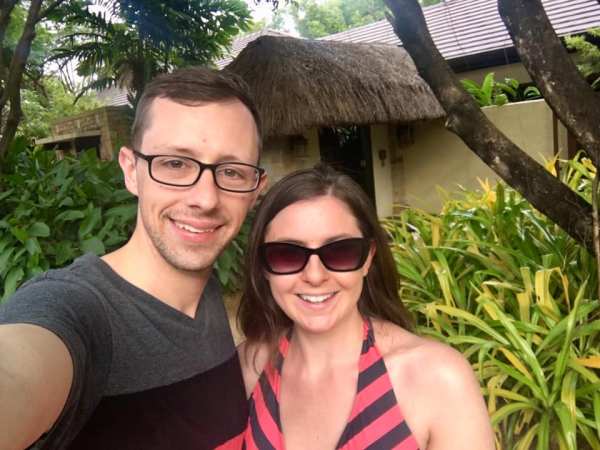 The second New Year (also known as the Chinese New Year or the Lunar New Year) has come and gone, and with it, possibly our last long winter break off together. Just like last year, the Chinese university semester break coincides with the holiday giving us several weeks off, which, of course, we put to good use! My program had its mid-year meeting and conference in the Philippines this year, and somehow, Tucker and I managed to squeeze in three (and a half) other destinations on our island hopping itinerary. You might have seen the hundreds of photos on Facebook, but I’d also like to share a few words about our time traveling in South Asia. To be honest, it’s a little surreal to be writing this as I watch the snow fall outside, but here we go!
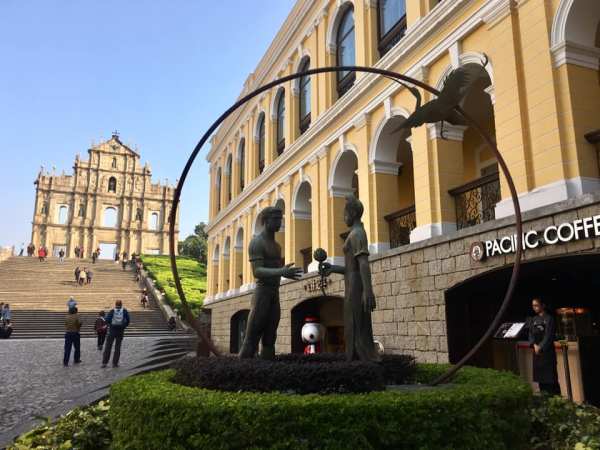 Our first stop was Macau, a “special administrative region” of China. It gets this rather long name due to it being somewhere in between a province and another country entirely. It’s a part of China, but it’s also not China, which is actually one of the reasons we wanted to visit. We wanted to see if there were any noticeable differences. We also wanted to visit because we were eager for another taste of Portugal. Macau used to be a Portuguese colony and has retained quite a bit of the Portuguese flair in architecture, food, and language.


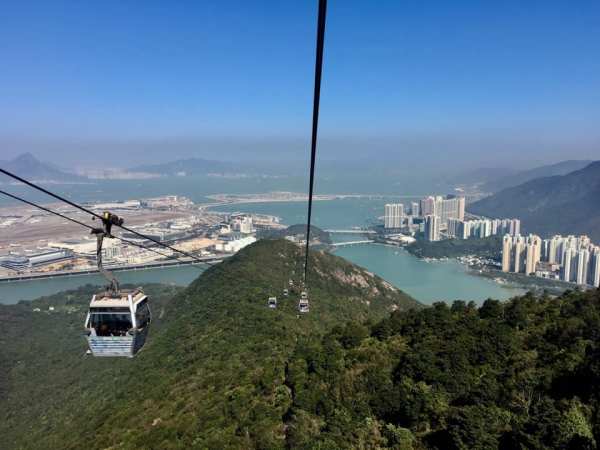 After a few days of strolling around Macau’s narrow alleyways, we took a massive speed boat (TurboJet) to our next destination just across the water: Hong Kong. This was actually our second trip to Hong Kong, but last time we didn’t quite get to everything on our list – this short stopover on the way to Midyear was our second chance. We had less than 24 hours in the city, but we managed to make it out to Lantou Island to see the incredible Buddha and cableway there, we took the bus to the top of Victoria Peak to watch the sunset over the city, and we went to Tim Ho Wan for the world’s cheapest Michelin Star eats. While I definitely preferred Macau’s laid back, European vibes, it’s hard to not like Hong Kong as well. Macau and Hong Kong are a couple of tiny islands (and respective peninsulas) that I highly recommend everyone to visit! No visas needed for US citizens! :)
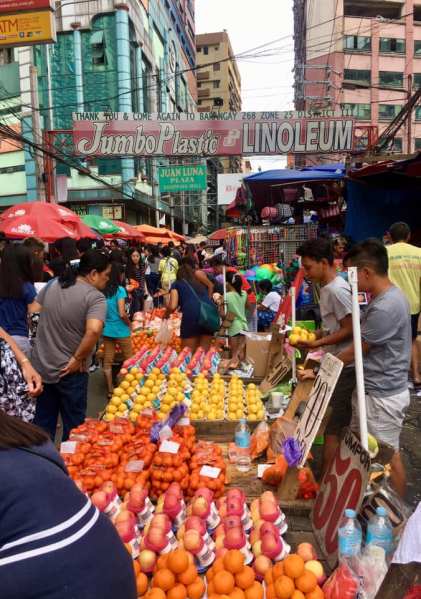 All too soon it was time to fly to the Philippines and get to work. When we first landed in the Philippines it was chaos! Passengers getting up and grabbing their bags before the plane had stopped moving; people sitting on seemingly every inch of the floor in the airport; signs for flight changes being moved by hand from gate to gate; loud cover songs of 2000’s hits playing in every corner of the terminal, etc. All I could think was “Well, we’re definitely not in China anymore.” As we sat waiting for our flight though, the newness wore off, and it was easy to see that the Philippines are just plain fun! In fact, their national slogan is “It’s more fun in the Philippines”, and I totally got it. Smiles were everywhere! The flight attendants wore bright yellow polos and hummed songs as we boarded. Fellow passengers sang along with the music they heard on the plane. The joy was contagious!
 The first week we were in the Philippines I had to “work”. I attended meetings with the other Fellows, we planned and executed various group activities, and generally bonded and reconnected after our last five months apart in our various host cities/countries. For this part of Midyear, we were put up in a resort on Mactan Island, which was incredibly fancy and not the sort of place Tucker and I usually go for (I’ve never heard so many “yes ma’ams” and “hello sirs” in my life). It was beyond beautiful though, and luckily Tucker was able to take full advantage of the beach, the snorkeling, the infinity pool, etc. However, after a few days completely devoid of local culture, I was definitely ready to get to our next location: Cebu City. It was here that we attended and presented at a local teacher training conference held at the University San Jose Recoletos. Easily my favorite part of Midyear, I was able to meet and interact with many local Filipina/o teachers and get a much better feel for what life in the Philippines is really like.

 Once the conference and Midyear were officially over, Tucker and I hadn’t quite had our fill of the Philippines, so we headed to Manila for some good old-fashioned touristing. Manila is an incredible city with some of the best food I’ve had in a long while. Their specialty seemed to be fusion restaurants. We had super interesting and delicious food at Loco Manuk (Filipino, Peruvian, and Chinese) and El Chupacabra (Filipino and Mexican), and saw a Japanese-French Cafe that looked amazing as well! In addition to the incredible food, we also had a great time walking around Manila Bay, grabbing a drink in Intramuros (the Old Town), and watching the Super Bowl at a local expat bar. The Philippines boasts an amazing mix of languages and cultures, and it was so fun for us to be able to use English (commonly spoken there) to ask about a million questions of our taxi drivers, servers, and any other local we could find. We learned about the strong influence of Catholicism in the Philippines, the new-ish movement towards environmental clean up, and most of all, we learned how welcoming and friendly the people are.


 At this point we were over the halfway mark of our trip, and my body had had enough. I left Manila with a fever and several other ailments (not so fun to describe), but I was still super excited to see Singapore! We watched Crazy Rich Asians on another leg of this trip in preparation, but the movie doesn’t do the city justice. It is by far the cleanest city I’ve ever seen, and has represented its multicultural population incredibly well! Singapore is made up of large groups of ethnic Chinese, Malays, and Indians, and each has a dedicated area of the city where you can find their respective religious buildings, restaurants, and specialized grocery stores. Even with the diverse neighborhoods in place, the city as a whole really seems to cater to each group in so many ways. Colorful, artistic, and clearly very well-off, there are so many lovely parks and public spaces in this city, where we saw families wearing everything from tank tops and sundresses to saris and hijabs. I often talk about places where there is a mix of cultures, but its usually a watered down mix, where clearly one culture has dominated, but in Singapore they were all there loud and proud. It was amazing!


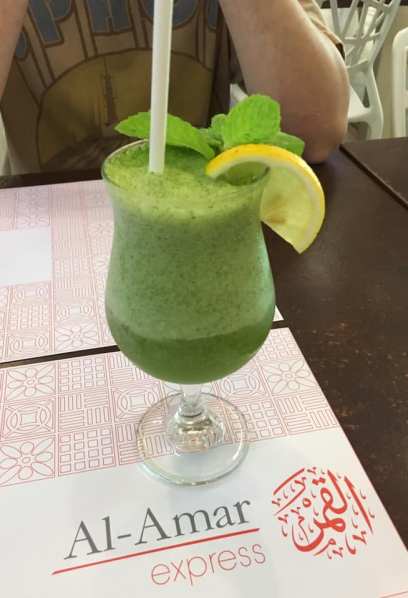 It turns out KL was full of surprises for us. The majority of people living in Malaysia are Muslim, so it was much more conservative than I was expecting. Most everyone wore long sleeves and pants despite the high temperatures, and the presence of beautiful and delicious “mocktails” was at an all time high for me. KL is actually not on an island, and to us, it seemed like we lost that friendly, carefree island-vibe as soon as we arrived. Interactions were a bit more abrupt and businesslike – like they usually are, I suppose. Another surprise was the color we saw all around us – both the Philippines and Singapore were incredibly colorful cities, but I think any city would be hard pressed to match the vibrancy of KL. Brightly colored murals everywhere, some of the lushest, greenest trees I’ve ever seen against the bluest of skies, and the insanely colorful Batu Caves just outside the city made for some incredible scenes (and photos).


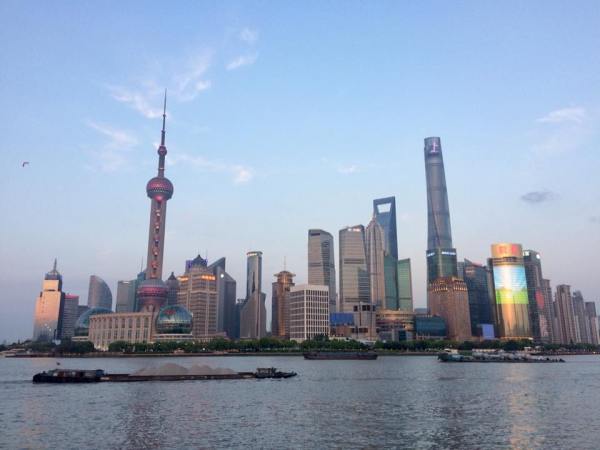







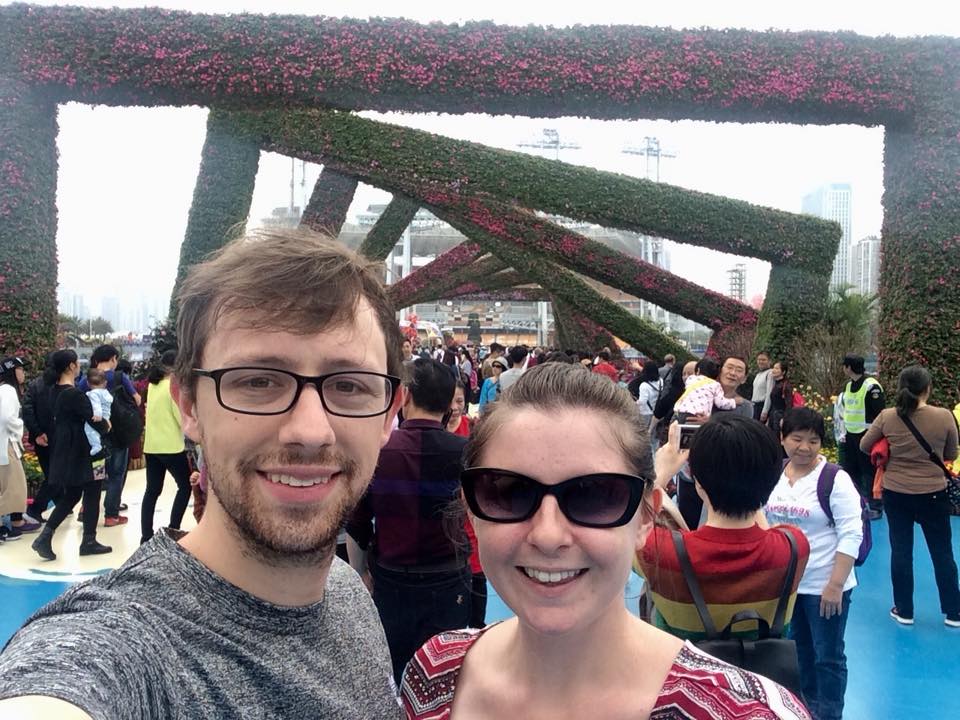
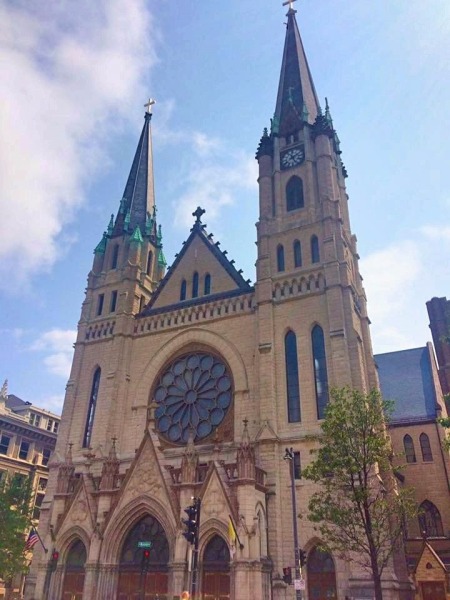 Okay, I realize Milwaukee is not the most glamorous or exotic city on anyone’s list, but hear me out. This smallish city, famous for its breweries and cheese, is only about an hour north of Chicago. Perhaps because of this, it can sometimes be overshadowed by the fame of its neighbor; however, in addition to the flavorful brews and delicious cheese curds, the city also lies along Lake Michigan with a river running straight through its center (sound familiar?). It also has a very strong European influence, which can be seen in the architecture and abundance of towering cathedrals. It might be less than half the size of Chicago (and about half as expensive!), but this city has been modernizing in a way that would make any European enthusiast proud. Many historical neighborhoods have been beautifully restored, the additions of a city Riverwalk and a new park have livened up the outdoor scene, and if you’re brave enough to endure the temperatures, the city is absolutely breathtaking in the winter.


 The capital city of Ukraine has had a bit of a bumpy ride over the past few decades, but that isn’t so evident when traipsing around the city as an excited tourist. Although Ukraine is not in the EU yet, you’ll find many of the same European conveniences backpackers and travelers alike have come to expect: wonderful public transportation, many downtown hostels and hotels, and a slew of monuments, churches, and parks to wander around. The city is known for its monasteries and domed, Orthodox churches, but I remember it most for it’s extremely cheap and delicious food! Most signs are in Cyrillic (like the Russian alphabet), which I think adds greatly to the city’s charm, but if you’re worried about language skills, the English spoken is quite common and understandable, especially by the younger generation.


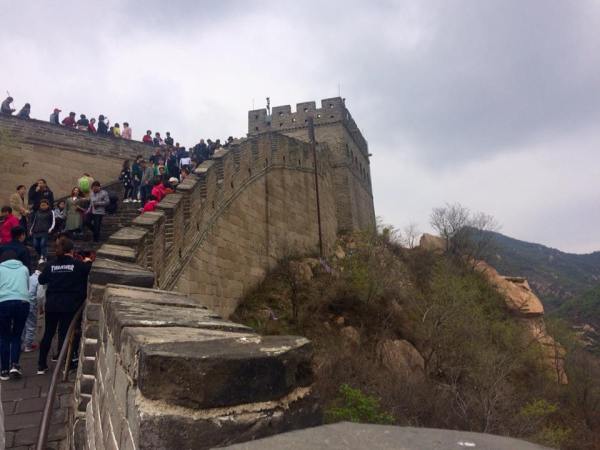
 “Huang-what?”, you might be asking yourself. Huangshan or Yellow Mountain is not particularly well-known outside of China, except perhaps by avid hikers or mountaineers. However, this city and the mountain it takes its name from are spectacular places for anyone to visit. Lying about 4 hours west of Shanghai (by train), Huangshan is a destination that really has it all: beautiful nature, historical sites, and modern shopping. It might not be one of the largest cities in China (or even close), but it’s still pretty large from my perspective, with a population of 1.5 million. Just outside the city, accessible by bus are the mountains (to the north) and the preserved ancient towns of Hongcun and Xidi (to the northwest). All are worth a visit, and will remind people why China is often referred to as a traveler’s dream.


 Known officially as the Former Yugoslav Republic of Macedonia (FYROM), Macedonia is a small country in southern Europe that most people wouldn’t be able to pick out on a map. The capital city of Skopje, lies in the north of the country and is completely surrounded by mountains, giving it spectacular views from every angle. The city was heavily influenced by ancient Greece, which you can easily see in the large stone bridges and plethora of white columns, but it uses the Cyrillic alphabet (like Russia) and also claims one of the largest numbers of mosques in Europe: talk about a melting pot! The culture there is a unique mix all seeming to revolve around food, the incredibly refreshing


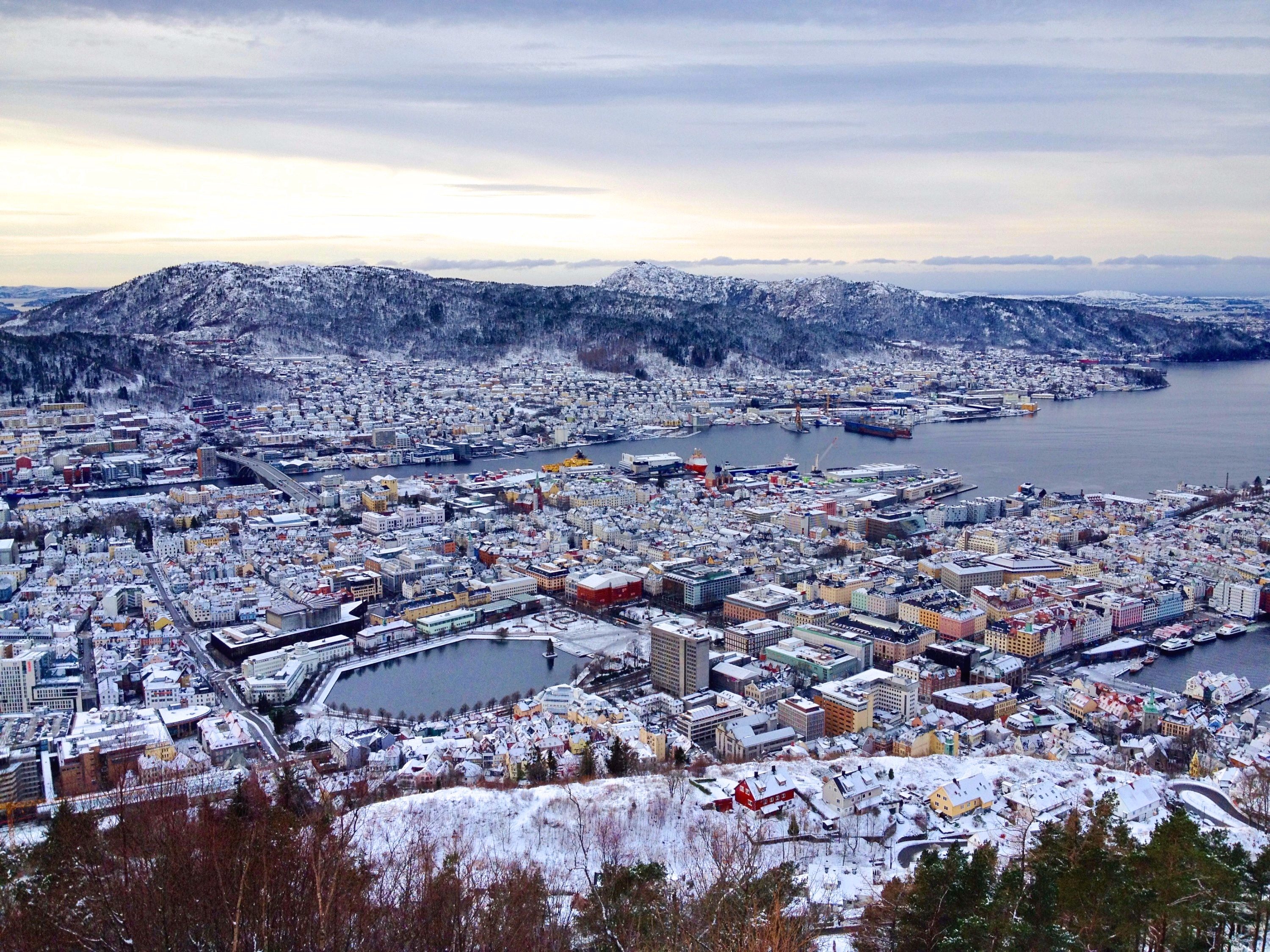
 Ah, Norway! Land of trolls, fjords, and the midnight sun. When I hear people planning a trip to Norway, usually Oslo and other cities in the southern part of the country are the first to be mentioned. However, I would much rather choose Bergen, a little further north, nestled into the fjords on the country’s west coast. This city in winter or summer is a great jumping off point for further exploration of the fjords, but it has enough to do in town that you might not even want to leave! From town squares and colorful row houses to funiculars and downhill sledding, Bergen has a lot to offer for those who prefer to spend their time on activities that don’t break the bank. However, when the time comes to spend a little cash, a great way to do it is on the food! There is a wide variety available here from traditional Scandinavian specialties to a TGIFridays; the choice is really up to you!


 Another destination from my homeland (home state even) is Savannah, GA. This seaside city is always equated with the “old south”: plantation houses, buttery foods, and a slower pace of life come to mind. However, this city is a lot more than that. It can cater to a younger crowd nowadays with its bar streets and beaches, but there are also tree lined avenues, old cemeteries, and little antique shops that are great for the traveler with varied interests. Savannah is not as famous as perhaps New Orleans or Charleston, but maybe for that reason, I found it to be less affected by outside influences. It is a city that it uniquely itself: beautiful and eclectic, much like many Georgians I know.


 One of my more recent discoveries, Ulaanbaatar is an unexpected gem of the travel world. A unique combination of different cultures set in a landscape like no other I’ve seen. The city itself has plenty of sights and traditional Mongolian activities and foods, but just outside the city is a completely different side of life in one of the largest landlocked countries in the world. A nearby national park gives breathtaking views of the mountains and vast plains of Mongolia, while wild horses and yak stand on the side of the road grazing in the fields or drinking from the winding rivers. It’s a bit more rugged outside the city, but no less friendly. Ulaanbaatar is consistently ranked highly by travelers who are lucky enough to go there. The lamb dumplings alone are worth the journey!


 This destination (and the whole country really) is near and dear to my heart. I spent a year living in Poland and made it my job to explore every corner of the country. What I found was a series of destinations that many people gloss over in favor or Warsaw or Krakow, the more international locales. However, when I think of places to visit in Poland, my mind first goes to its Baltic Coast. Just across the Baltic sea from Sweden, Poland’s “Tricity” of Gdansk, Sopot, and Gdynia sits about four hours north of Warsaw (by car). These cities have an incredibly interesting history, which has allowed them to retain their distinct and varied atmospheres. Gdansk, formally German, has an industrious feel, an international airport, and an impressive city center. Sopot is a resort town with Europe’s longest wooden boardwalk and many fancy shops and hotels. And finally Gdynia, the most Polish of the three, boasts beautiful beaches, several hilly parks, and a ferry to Hel and back. Who wouldn’t want to to see all of that?!


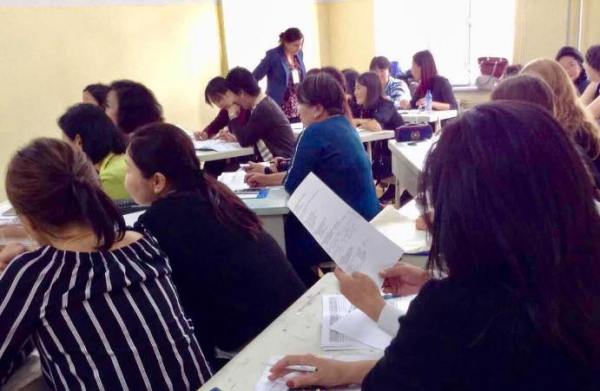


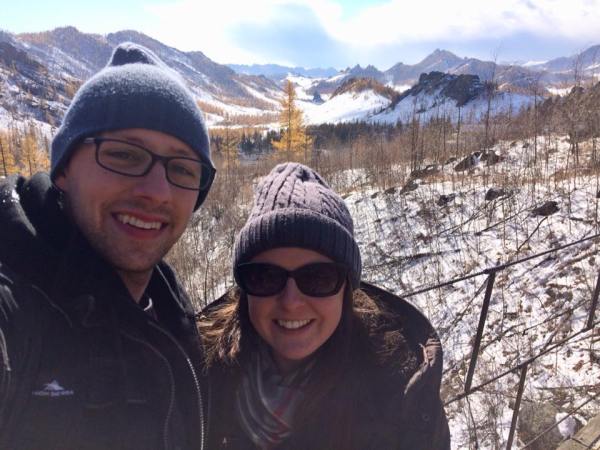











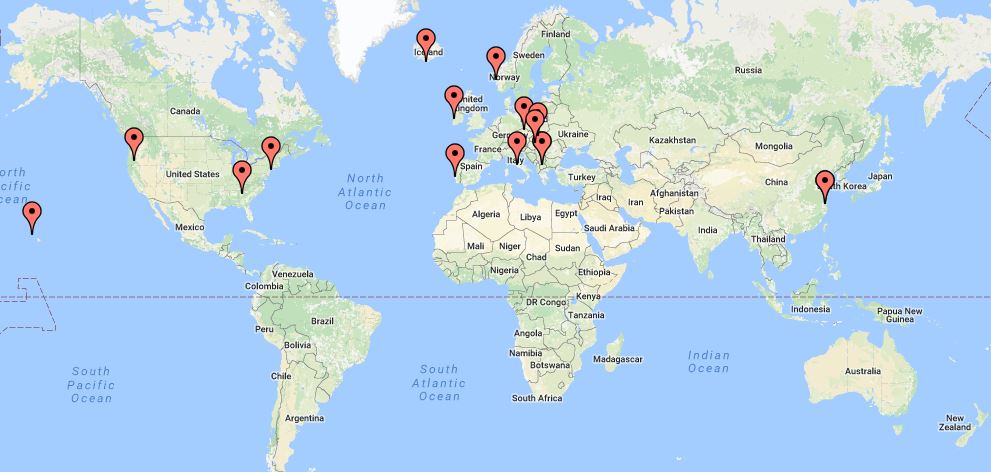
 Last year around this time Tucker and I were finishing up our year spent in Łódź, Poland. It was an absolutely amazing experience that I did my best to share with all my friends and family via social media. Perhaps one of the most expressive ways I found to share what we were experiencing was through the “Notes” I wrote each month on Facebook. Unfortunately, due of the nature of Facebook, they weren’t terribly easy to find, especially after some time had passed, so as I prepare for our next adventure abroad (and the sharing that will surely follow), I wanted to make my previous posts more accessible. So here are the links to the ten posts I made last year during our time in Poland. Enjoy!
 Dani Francuz Rose