
Unfortunately for me, it’s almost summer, which is my absolute least favorite time of the year…but instead of counting down the days until Christmas (and the start of my favorite time of year, aka winter), I thought I’d share a bit about all the other holidays we tend to celebrate in our diversified household. Having lived in so many places, we seem to have collected quite a few holidays over the years, and honestly, once you start celebrating them, it’s really hard to stop! So here are a few of our favorite international holidays/traditions that we’ve picked up along the way:
Saint-Jean-Baptiste Day / Fête Nationale
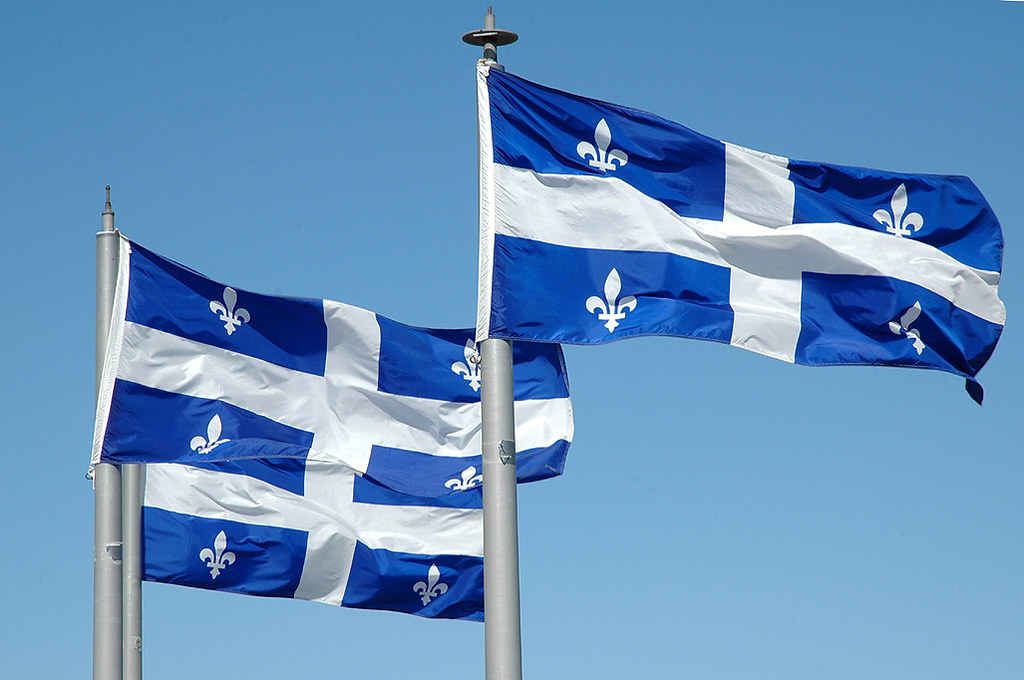
Since it’s coming up on June 23rd /24th, and it’s a major holiday in our current home, I think it’s only right to start with Saint-Jean-Baptiste Day also known as La Fête Nationale! This holiday is celebrated in the province of Quebec and in other Francophone communities around Canada. Originally, it was a religious feast day honoring John the Baptist, but over the years it has morphed into a celebration of all things Québécois and Francophone. Here in Québec City, there is a huge concert every year in the park and lots of free workshops and activities around the city showcasing the region’s traditional music, the French language, and other cultural cornerstones. It’s also the unofficial start of summer, so pretty much everyone will be outside in one way or another, enjoying the festivities, a freshly grilled meal, and/or a cold boisson or two out on a patio. Any way you look at it, c’est une bonne fête!
Día de la Independencia
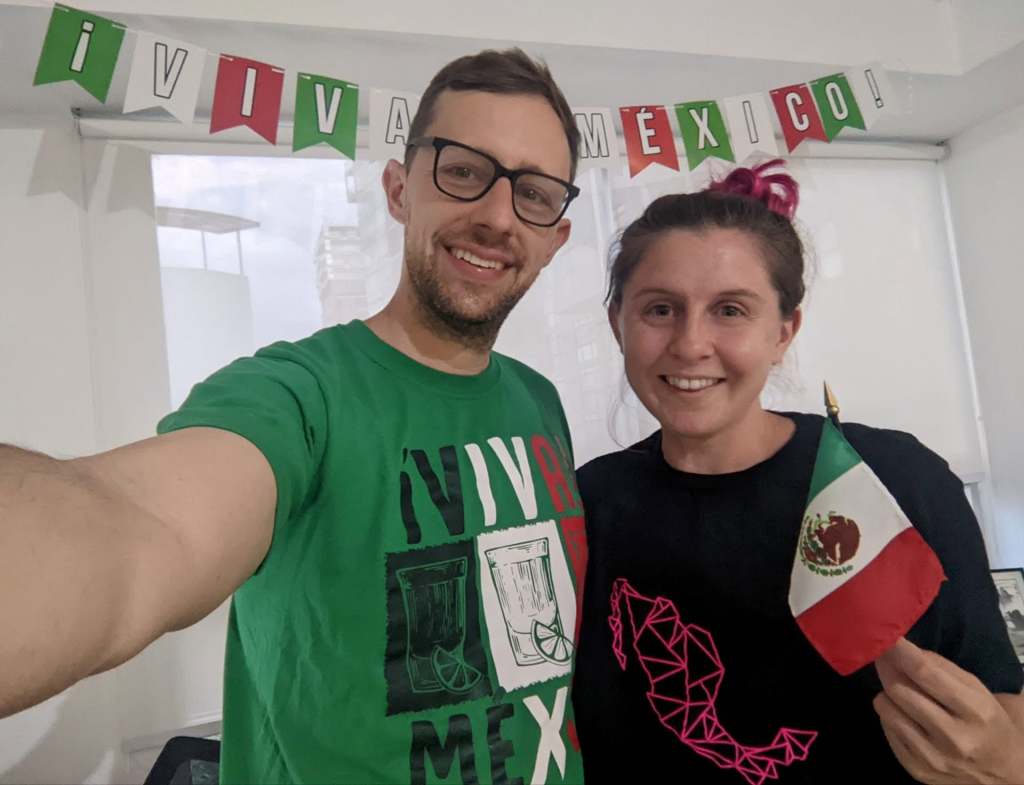
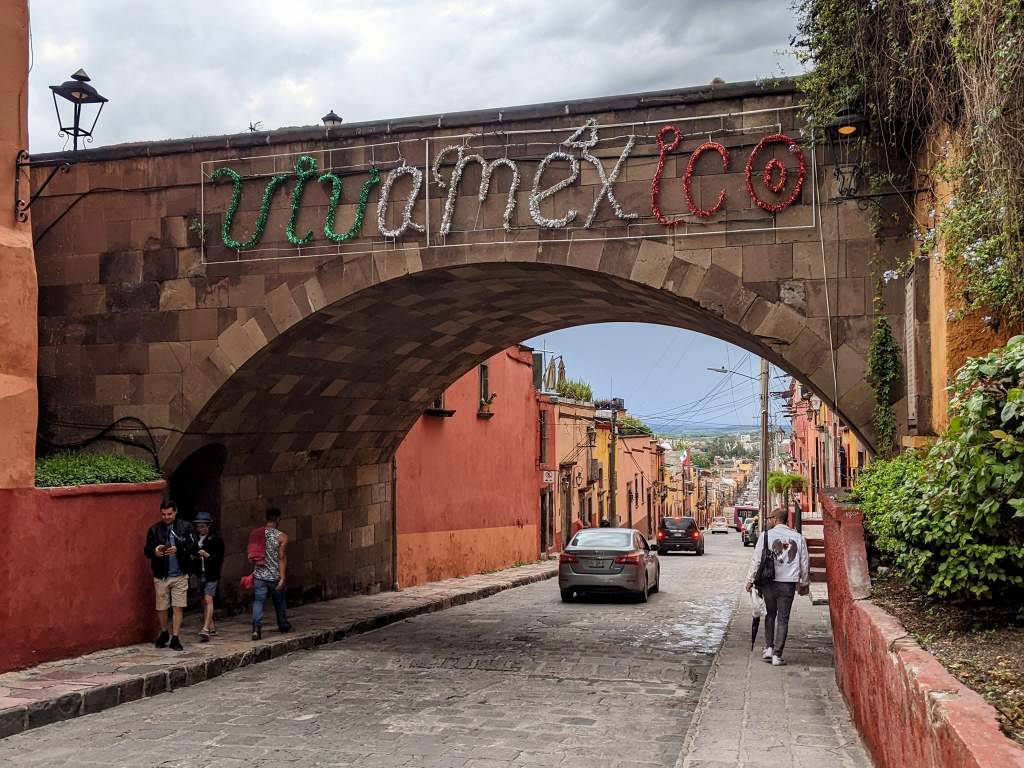
As Americans, we often celebrate Cinco de Mayo, which irritates a lot of Mexicans because the 5th of May is NOT Mexican Independence Day! It’s actually not much of a holiday there at all, so stopping tagging your Mexican friends when you’re eating tacos on what is basically just another US holiday. Instead, you should tag them on September 15th/16th, which is Mexico’s actual Día de la Independencia. Okay, so I know this is the second holiday in a row where I’ve included two dates of celebration, and that’s actually more common than you might think. In Mexico’s case, it’s because the celebrations actually start at night with the Grito de Dolores, which commemorates the historic call to arms that began the Mexican War of Independence. Of course, after the historic speech, patriotic chants, and some bell ringing, modern celebrations generally conclude with a fireworks show and a big fiesta! ¡Viva México!
(Canadian) Thanksgiving
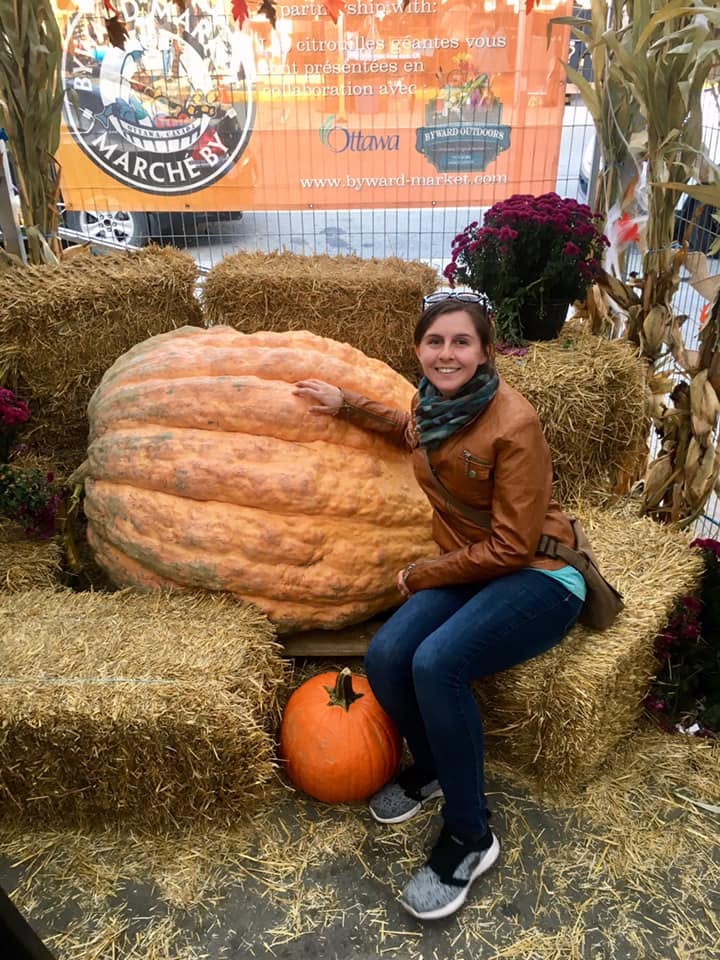
Okay, back to Canada for the next one because the second Monday of October is Thanksgiving here. Did you know Canada celebrated Thanksgiving? And that it takes place over a month earlier than in the US? Well, this was news to us when we first moved here, but since this is one of my favorite holidays, we happily celebrate both every year! Feasts associated with giving thanks were quite common in both Europe and the New World, and because different groups were thankful for different things that happened on different days, the continent actually ended up with a few such holidays. In Canada, Thanksgiving was officially declared a national holiday in 1879, but the fixed date we have now wasn’t actually standardized until 1957. These days, Canadian Thanksgiving tends to lean heavily into the harvest festival vibes. For example, this is when we start seeing a lot more pumpkins, both for decoration and for the big meal that usually takes place the weekend before the day off. But to me, the best thing about celebrating Thanksgiving in October is the fact that there’s absolutely no interference with Christmas decorations!
Día de Muertos
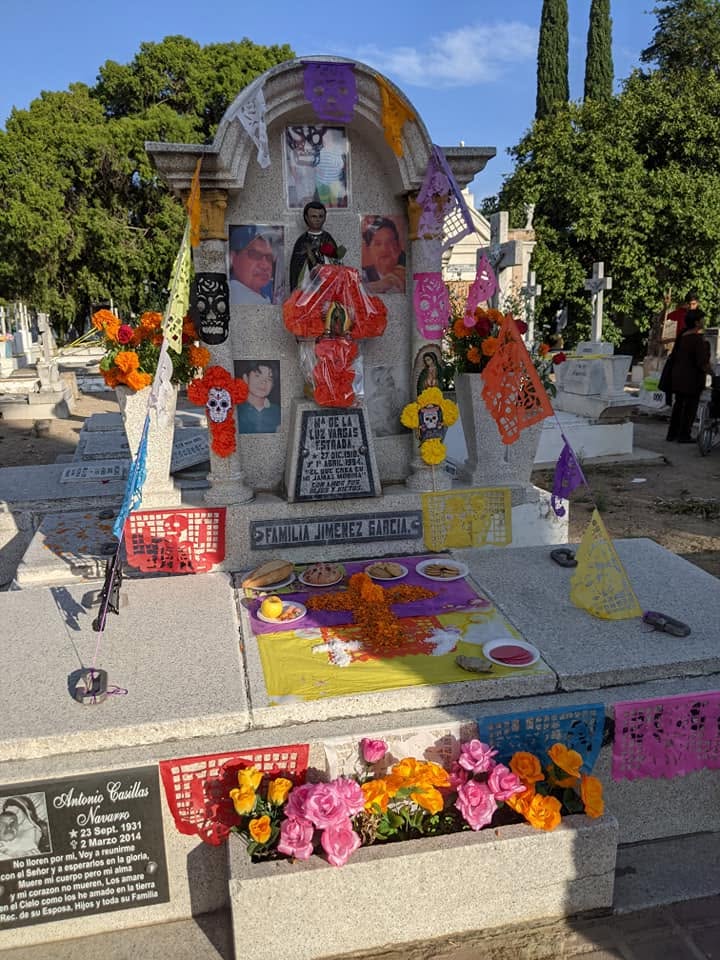
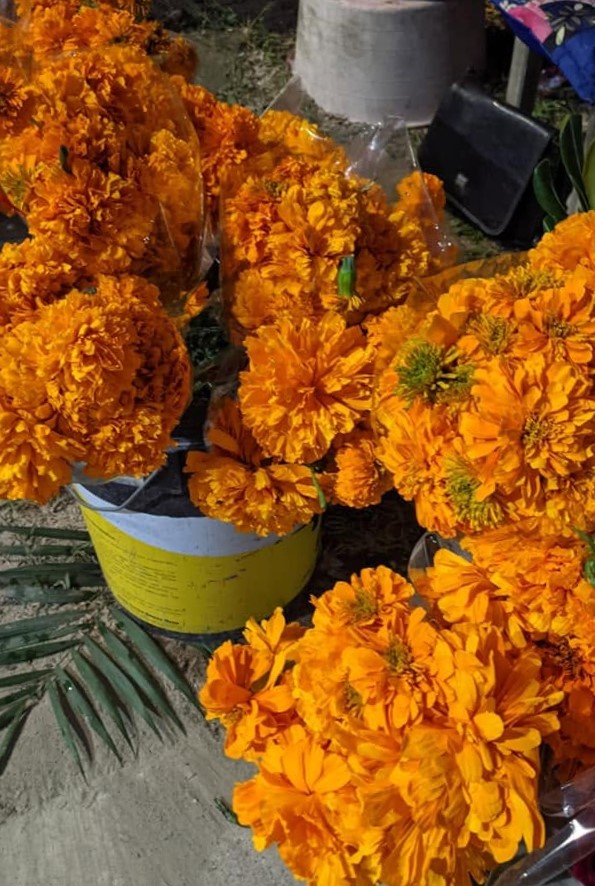
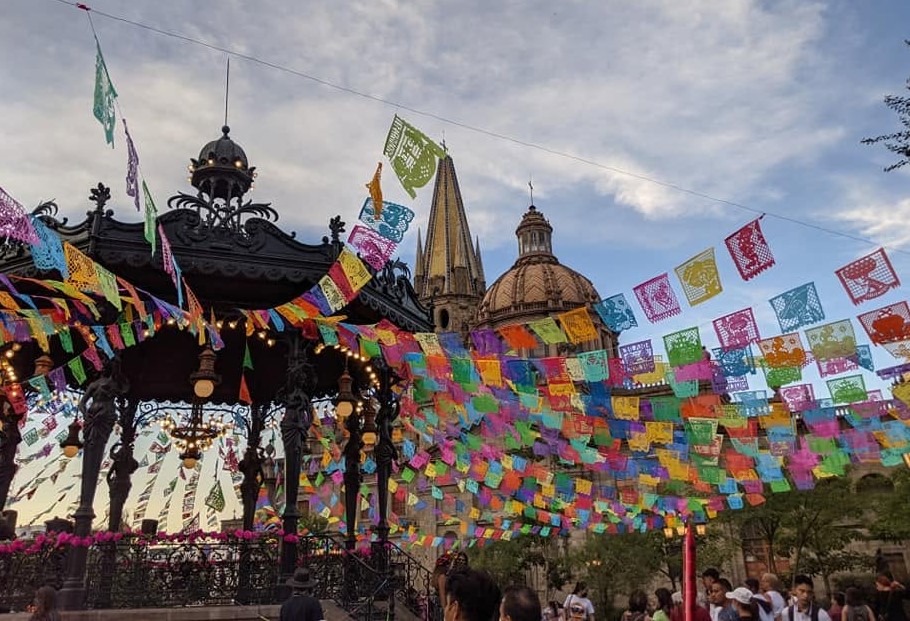
Easily one of the most unique holidays we get to celebrate every year, Día de Muertos is so much more than the brief glimpse you get in the movie Coco. It’s celebrated on November 1st and 2nd, but much like Christmas, there’s a long period of preparation and decoration beforehand. In short, these festive days are a celebration of the spirits of people who have passed away (the first is specifically for children, and the second for adults). As part of the celebration, you’ll see millions of cempasúchil (marigolds), papel picado (colorful banners), and ofrendas (altars) all meant to guide, welcome, and celebrate those not with us anymore. Unlike most remembrance holidays though, Día de Muertos isn’t a somber event at all – it’s another fiesta! It’s a time for family and friends to come together and celebrate life with all the classics: music, games, and plenty of food and drink!
Double 11
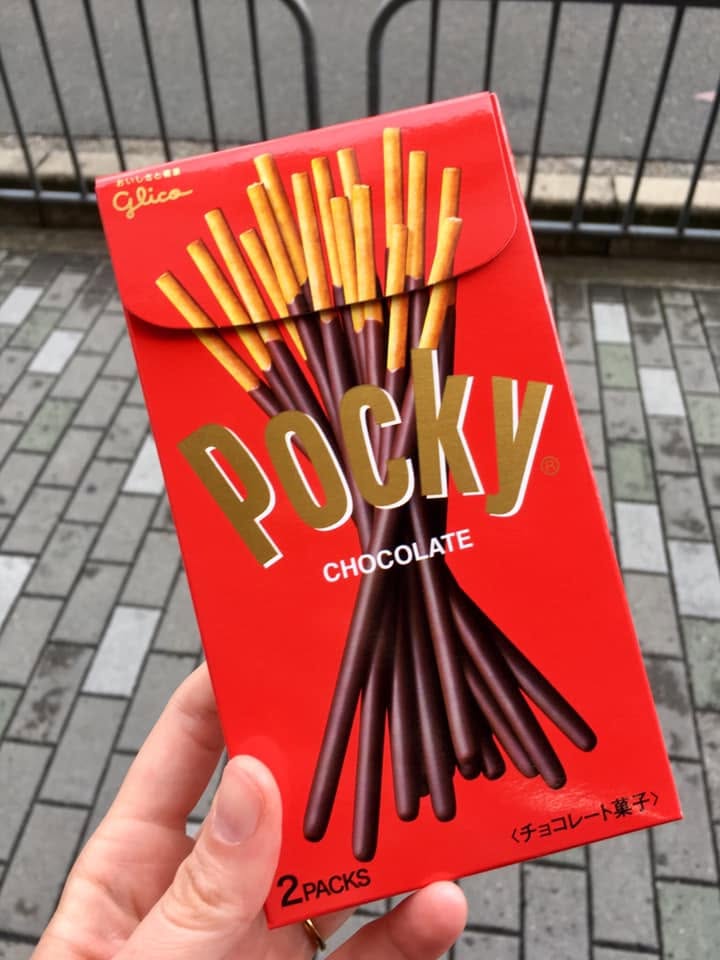
Going in a wildly different direction, on November 11th each year, we also get to take part in Double 11. Sometimes referred to as Singles Day, Double 11 is a holiday (of sorts) that’s celebrated in China and now, beyond. It originated as a sort of anti-Valentine’s Day, a day in which you treated yourself to something special regardless of your relationship status. A common, funny treat would often be Pocky as they resemble the date: 11/11, but eventually, other companies caught on to the trend, and now Double 11 is the largest online shopping “holiday” in the world. You can find deals on just about every major online retailer, and much like on Black Friday, Cyber Monday, and Boxing Day, every year, companies try to outdo themselves, essentially creating an entire month of shopping frenzy!
Andrzejki Day
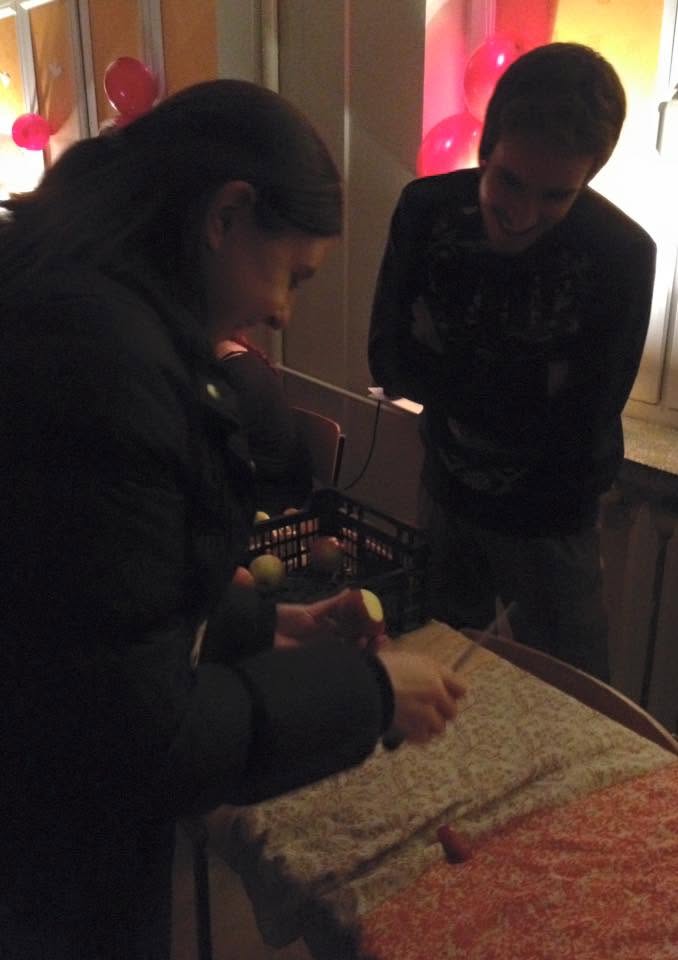
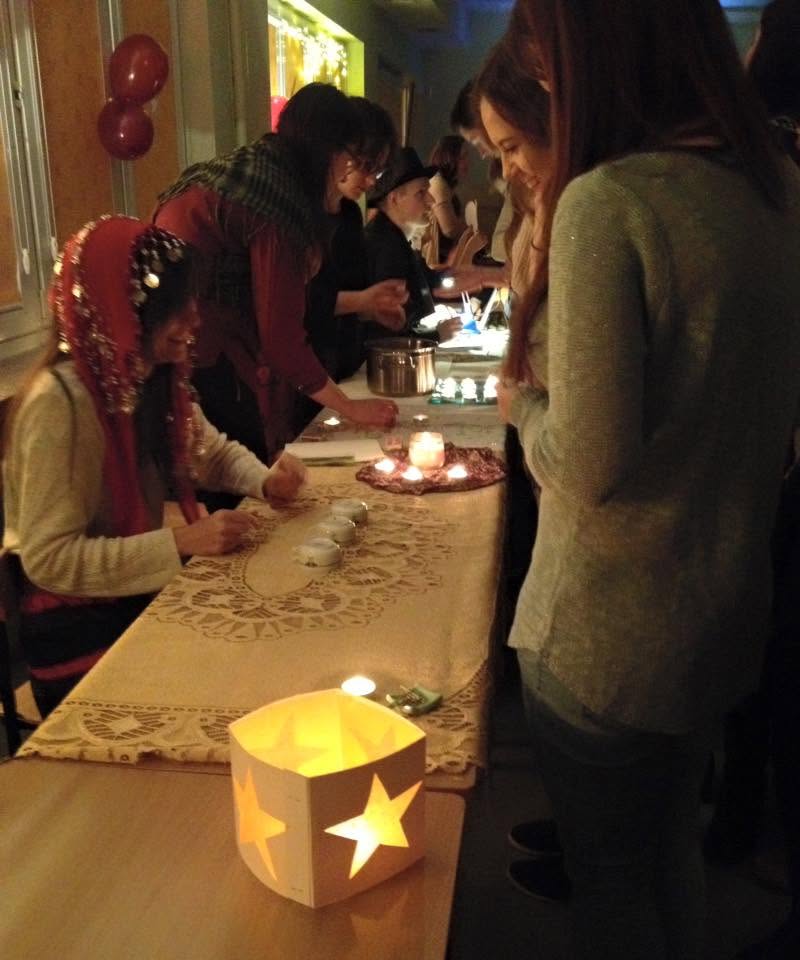
Andrzejki Day (or Saint Andrew’s Day) is a curious little holiday that we first celebrated in Poland. It takes place on the evening of November 29th, and is one of the witchiest holidays I’ve ever celebrated, which makes sense because its origins date back to medieval Europe when fortune telling was all the rage. Essentially, Andrzejki Day is a time for young people to conduct a series of activities meant to give them a glimpse into their future. One of the most common methods is pouring hot wax through an old key into cold water and interpreting the shapes that form, but my favorite is peeling an apple, throwing the peel over your shoulder, and deciphering the letter it most resembles (which is naturally going to be the first letter of your future spouse’s name). These days, it’s not taken very seriously, but what a great excuse to gather and do something fun and unique! Even though it’s been more than a decade since my first Andrzejki Day, I still like to peel an apple every once and a while because somehow, I have yet to get a W or a T!
Chinese New Year
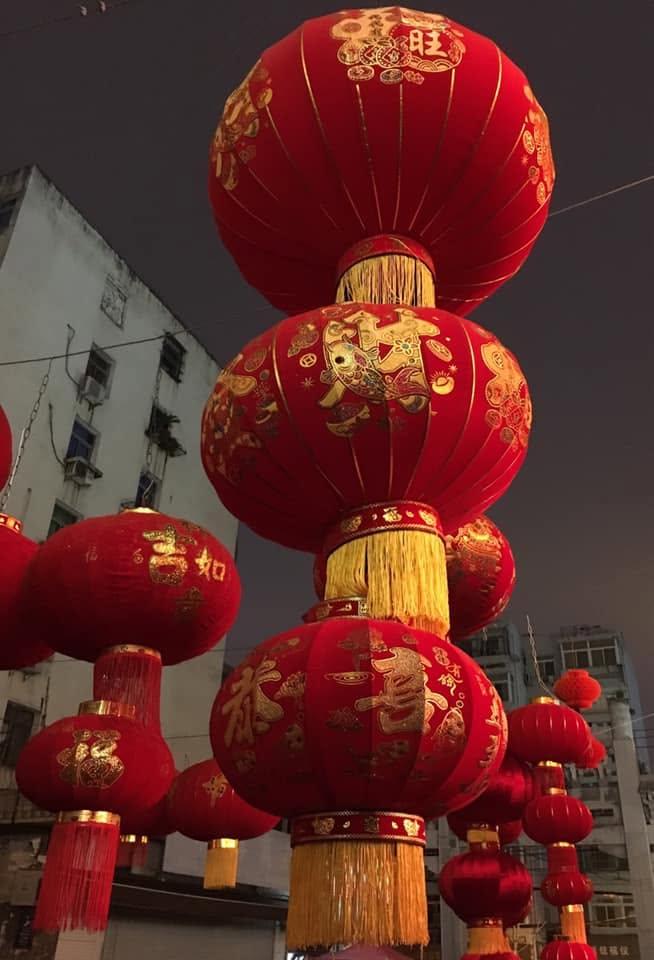
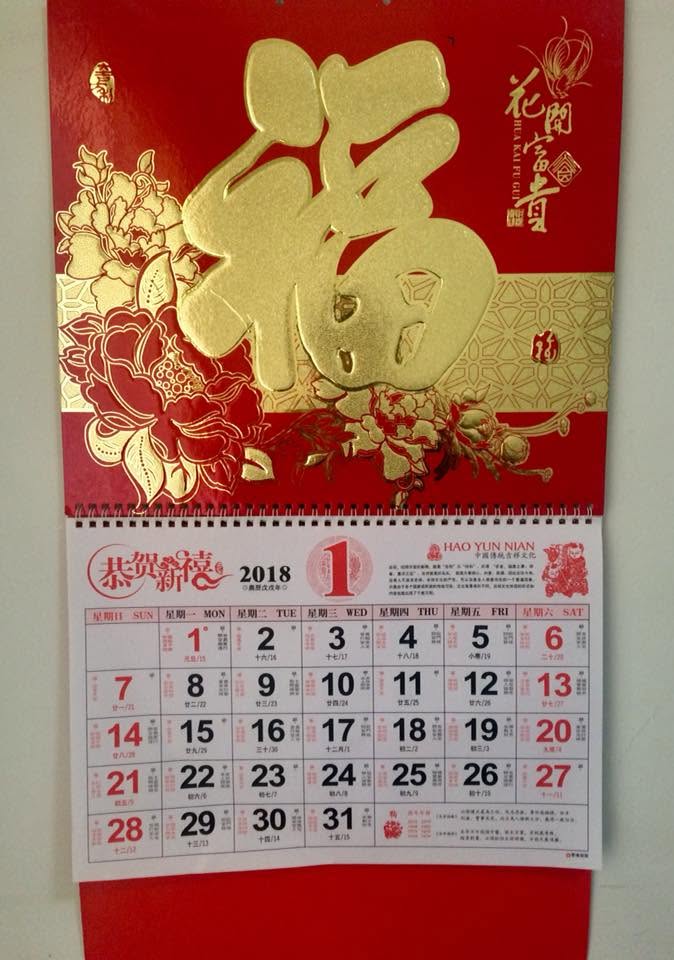
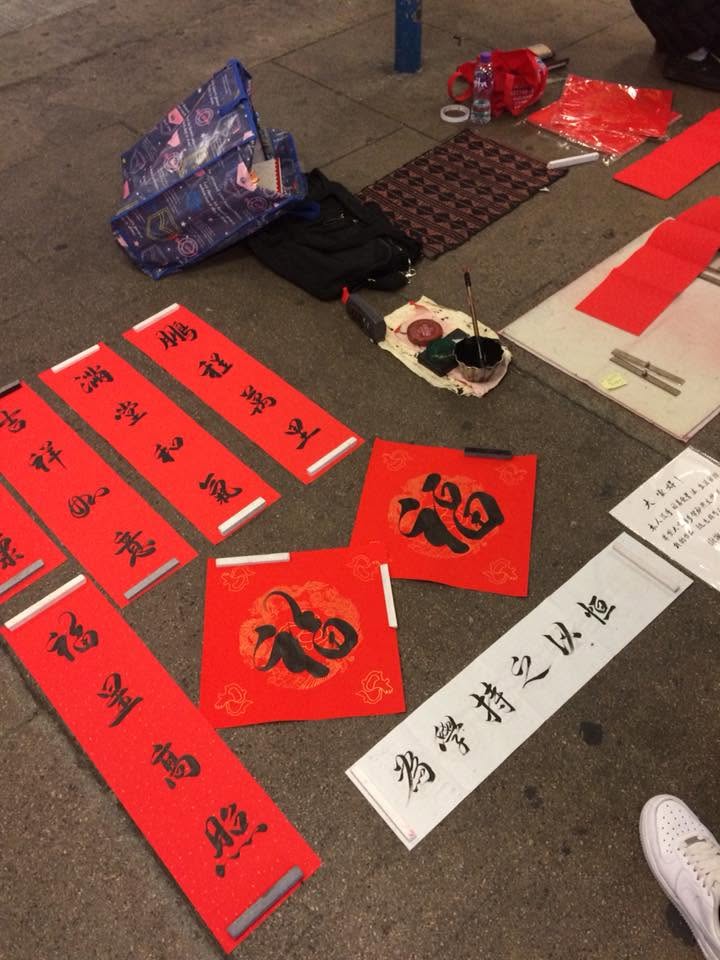
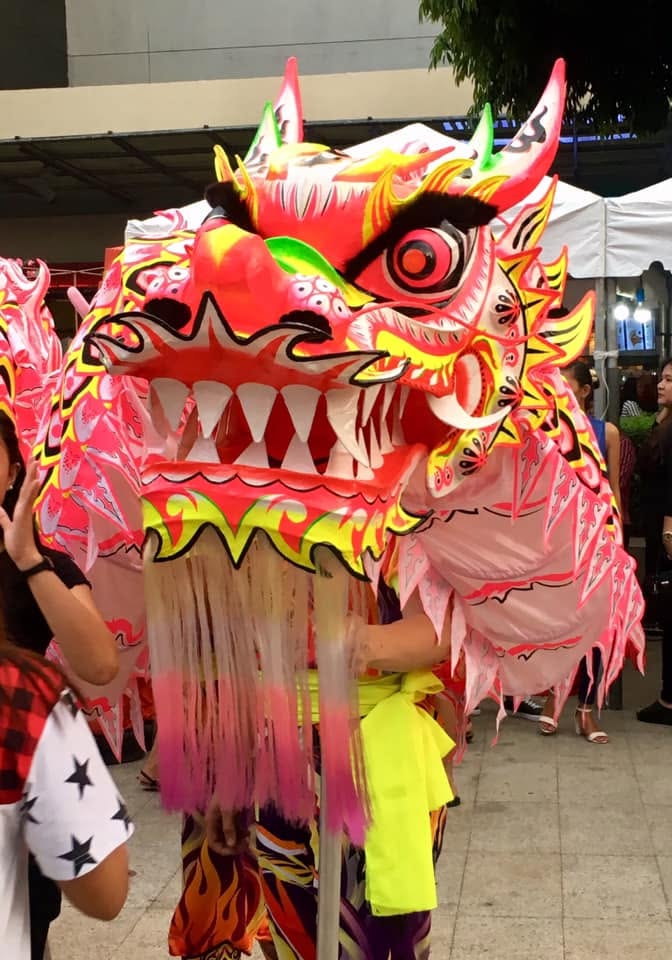
Skipping over all the holidays that take place in December (since I’ve already written about Christmastime in Poland, China, and Mexico), we’ll jump right into Chinese New Year. Chinese New Year, which is China’s celebration of the Lunar New Year, starts on the first day of the first month of the lunar calendar (generally in late January/early February). When people say this is the biggest and most important holiday in China, they absolutely mean it because the celebrations are multi-faceted, and they last for weeks! There’s the annual cleaning to start the year off right; the colorful decorations (like the fu symbols, couplets, lanterns, etc.) which bring good luck and fortune; the televised gala that everyone watches; the red packets full of money that you get and give all week long; the acrobatic lion dances that seem impossible but also so fun, and, of course, tons of incredible holiday food. The more I write here, the more I want to write an entire post about Chinese New Year! Maybe next year, which is the Year of the Sheep by the way.
Pączki Day
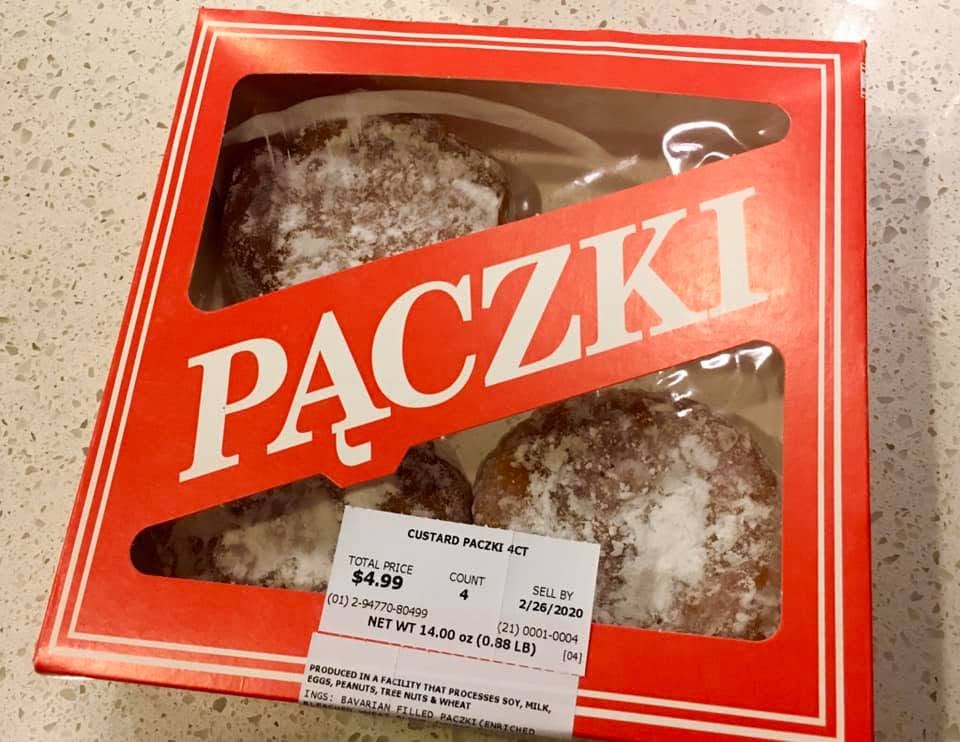
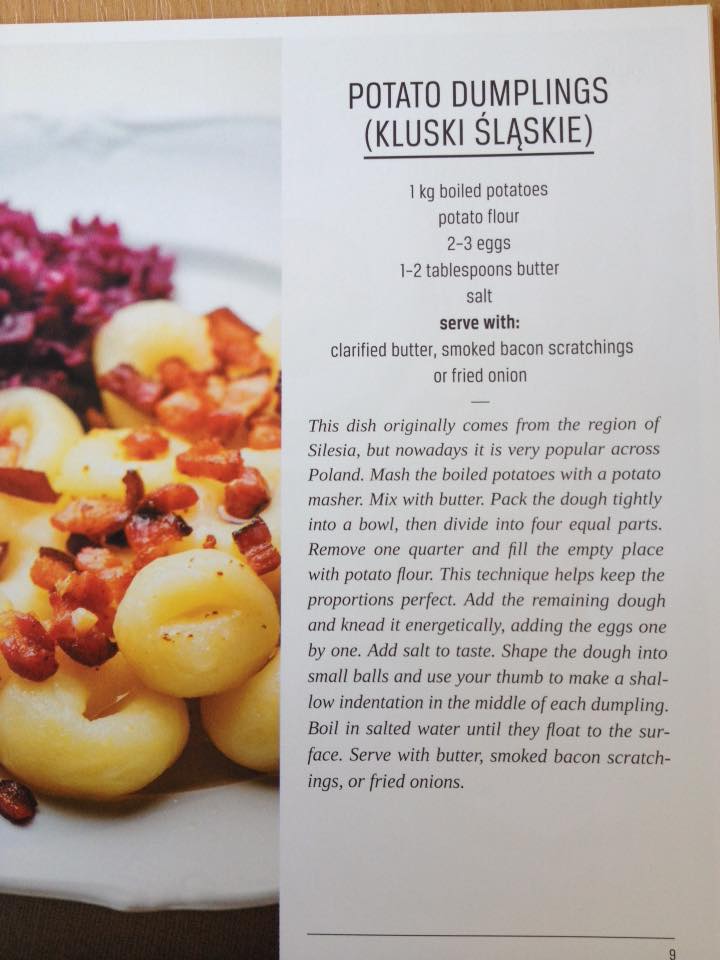
I promise Poland has a lot of serious holidays too, but those are not the ones I chose for this particular list lol! The last holiday I want to shed some light on here is one that I think we can all get behind, and that is Pączki Day. Pączki are Polish donuts, and they enjoy a special day on what a lot of people call Fat Tuesday (of course, in Poland they actually celebrate it on the Thursday, but if you want to eat donuts all week, I won’t judge). Like Fat Tuesday (or Mardi Gras or Shrove Tuesday or whatever you want to call it), Pączki Day falls before the traditional fasting season of Lent; therefore, historically, this was the day to eat all sorts of fatty, sugary treats before being good for the next forty days. Of course, there’s no rule that says you have to fast in order to enjoy a pączek on this day, and thanks to Poland’s wide diaspora, you might even be able to find pączki in your city. We’ve found them in Chicago, Orlando, and Ottawa, but in the spirit of international holiday celebration, I think any donut will do!
So happy holidays everyone!







































 ✔ Learn to play Mahjong
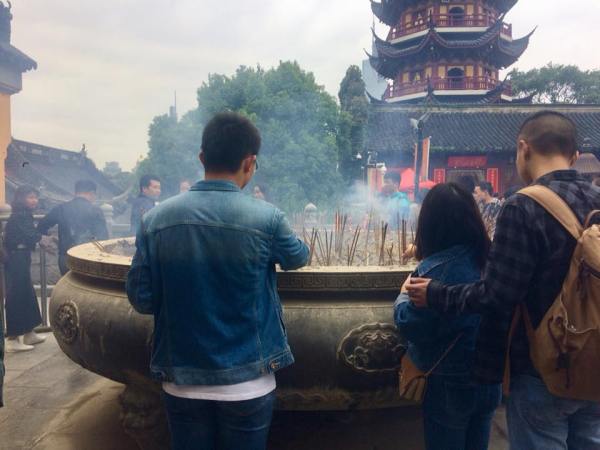 ✔ Visit a Buddhist Temple
 ✔ Perfect our Chopsticks Skills
 ✔ Hike Huangshan
 ✔ Share Hotpot and Selfies with Friends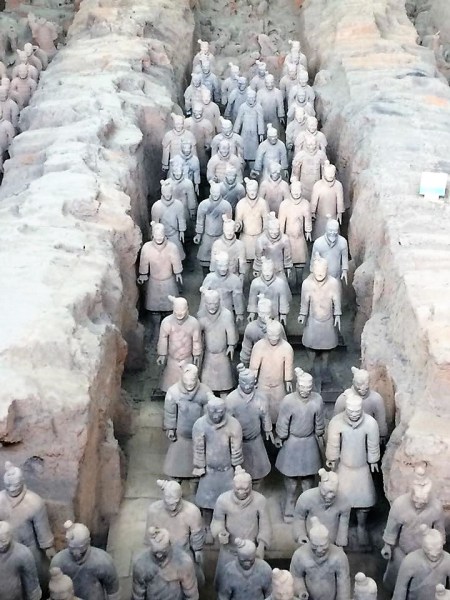
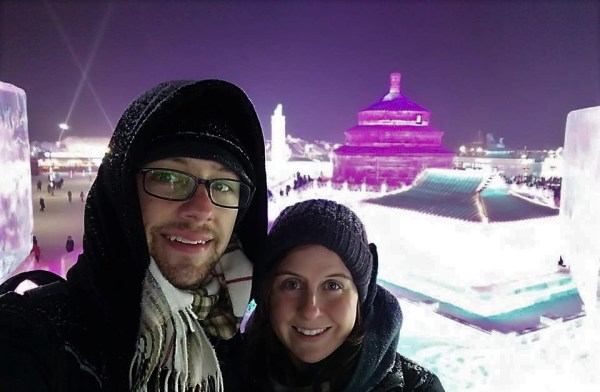
 ✔ Devour the Dim Sum in South China
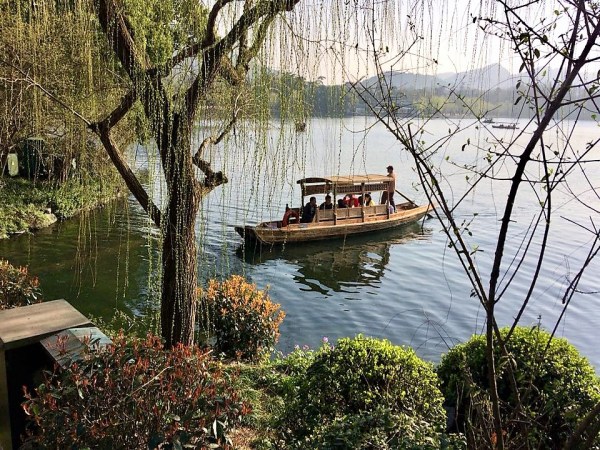 ✔ Wander around West Lake
 ✔ Feel like a Kid at Disneyland Shanghai
 ✔ Learn about the Minority Groups in China
 ✔ Celebrate Dragon Boat Festival
 ✔ Drink Tsingtao from the Source


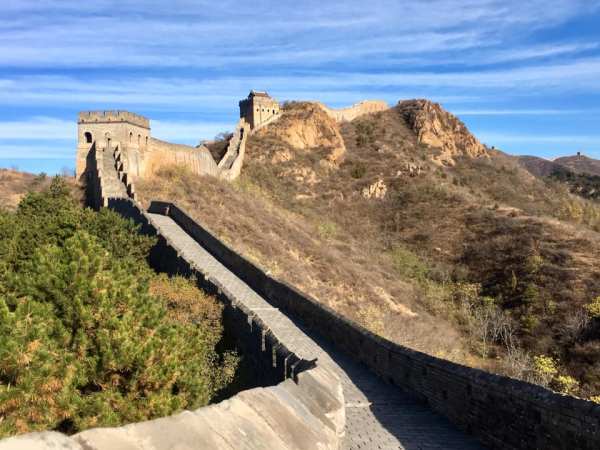
 ✔ Walk along the Great Wall
 ✔ Make Dumplings from Scratch
 ✔ Crisscross the Yangtze
 Perhaps due to its location on the opposite side of the globe or maybe because of its notorious closed-door periods in history, China is a place with a lot of misconceptions. I remember when I first visited China; it was absolutely nothing like I thought it would be. Since then, I’ve continually been surprised by China and have had the pleasure of watching several others break some of their preconceived notions on their first trips to this land in the Far East. While pretty much everything I post (let’s be honest, it’s mostly photos) is in some way shaping people’s views of this country I now call home, sometimes there’s a need for more explicit explanations. Some things just can’t be seen in photos, but can definitely be felt and discussed (and often are if given enough time). However, since not everyone can come to China and experience it all in person, I’d like to share some of my thoughts and discoveries (in written form) on some of the impressions that seem to have a strong effect on outsiders’ views of China, impressions that are often among the first to be thrown into question upon closer observation.

 After delving into just one policy that definitely captured the world’s attention, I think another misconception of China lies in the government as a whole. When I told friends and family I’d be coming to China, this was a main point of contention. How could you live in a country that’s not free? Aren’t you worried about the communists? In hindsight, it must have got into my head a little because I now realize that when I first arrived I was a little careful about what I said, how I interacted with Party Members, etc. Now I’ve been here for over a year, and I see that that was totally necessary. While the government has many features of communism, it’s actually a hybrid of several political systems. It’s much more complicated than I care to go into, especially because unlike the US, changes within the government here seem to be made more quickly. China is still figuring out exactly how they want their government and economy to fit and work together, and due to their long history of preferring guidelines to written laws, it’s difficult to nail down the specifics regardless.


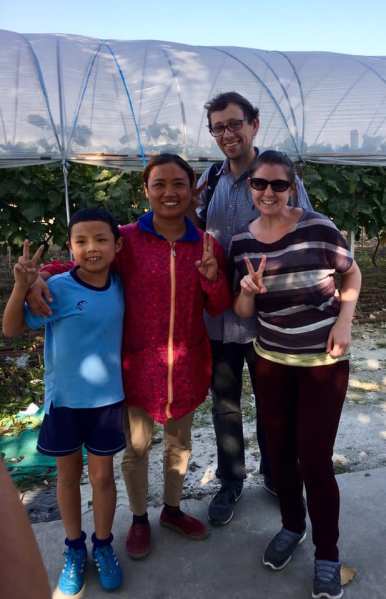


 Yikes! That was a lot of information about China! I should probably start writing a book or something because I have learned so much from my time here. More than I could have possibly imagined, and the longer I’m here, the more I know I’ll learn. I’m extremely thankful that I have been given this opportunity to better understand the people and the culture of the China, and I love sharing what I learn on both sides of the world. Recognizing some of my own misconceptions has been fascinating, but equally interesting is discovering others’ misconceptions of me (and America as a whole). Maybe that’ll be a future post! For now, I’m going to continue soaking it all up, remembering that things aren’t often as they first appear.
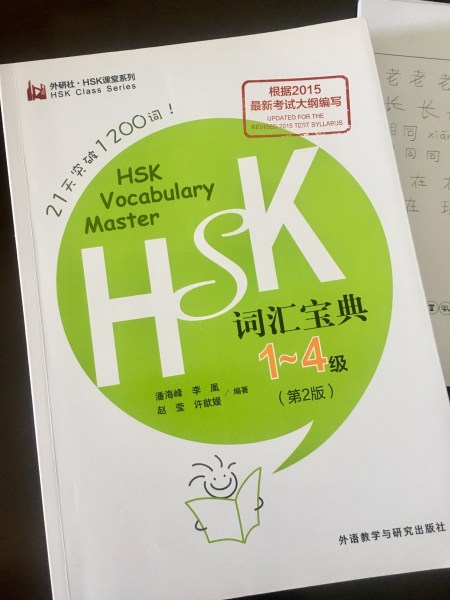 One of my goals this year, as I mentioned in my last post, is to really focus on my Mandarin skills. I’m planning to take the HSK before we leave next summer, and I’d really like to do well. The HSK is a Chinese proficiency test for foreigners learning the language. The highest score is a 6, which would demonstrate “a learner who can easily understand any information in Chinese and is capable of smoothly expressing themselves in written or oral form”. I’m aiming for a 3 (haha!), and since I’m likely going on this journey alone (Tucker really has no interest), I’d like to at least share a little bit about what makes Chinese such a difficult language to learn.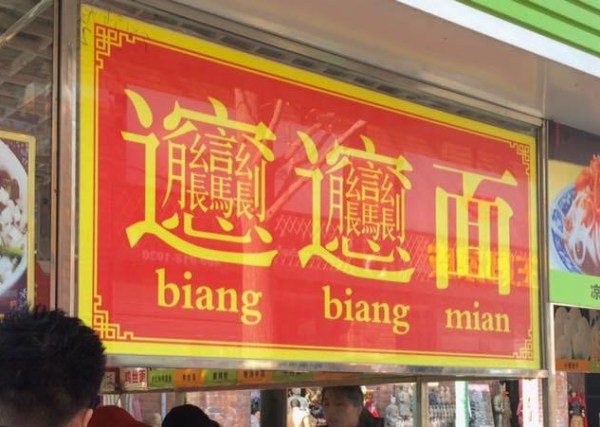

 Another problem we often encounter with pinyin is that it is more often than not missing the diacritic marks. Those marks represent the four tones of Mandarin, and are essential in its pronunciation. Unlike in English, changing the pitch of your voice while speaking Chinese can actually change the words you are saying. The pronunciation of mā (“mom”), má (“hemp”), mǎ (“horse”), and mà (“to scold”) only differs in tone. Unfortunately for lazy, toneless English speakers (like me), this makes it really hard for native Mandarin speakers to understand exactly what we’re saying. We try for “mom” and end up with “horse”, something which I hope has been more entertaining than irritating for them!
 Train = Fire + Car
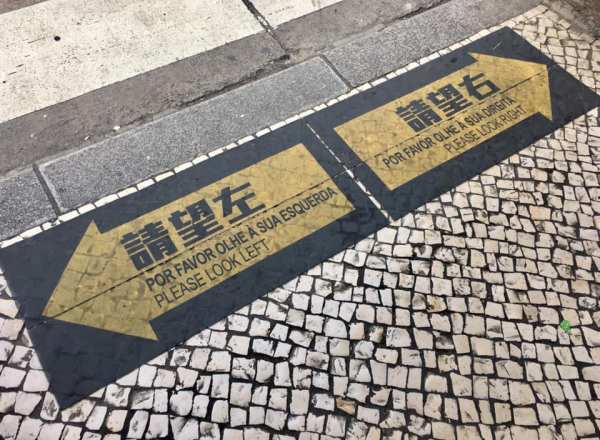
 Alright now! Who’s ready to learn this with me?! Chinese is definitely a language on the rise as far as power and prestige go. Much like what happened to English in the 1700s, increases in immigration, tourism, and business are spreading Chinese to all parts of the globe. In Australia, I was surprised and delighted to find Mandarin on most signage, and, even in Georgia/Florida (quite far away from China), maps and other tourist information can often be found in Mandarin. Some linguists refer to Chinese as the language of the future, and while right now it’s more painfully in my present, I hope to keep it around for my future as well! Wish me luck!
