Of all the places we’ve been, we probably get the most questions about Mexico, which makes sense because Mexico is such a beautiful country, and anyone would be lucky to spend time there. However, I do sometimes get a little sad when people tell me they only plan to visit (and often re-visit) one of the same three places: Cancún, Cabo, or Puerto Vallarta. I mean, to some extent, I get it. Those are the most well-known beach cities in the country, but imagine if someone wanted to see the US, and then just repeatedly visited LA. What about the Grand Canyon? What about New York? What about Yellowstone? Mexico is every bit as diverse as the US, which is why I wanted to highlight some other amazing destinations for anyone who wants to see more of what Mexico has to offer.
La Paz
First off, we’ll start with my favorite beaches in Mexico. Located on the eastern side of Baja California, La Paz has some of the prettiest seascapes I’ve ever seen (and I’ve seen some stunners). If you’re looking for the most tranquilo place to vacation, this might just be it. La Paz is known for its beautiful sunsets, delicious seafood, and diverse sea life. We swam with the sea lions there, but you can also see whales, rays, and thousands of tropical fish. And if you don’t want to get in the water, there are plenty of catamaran, kayak, and glass-bottom boat options too. There are also nature preserves on either side of the city where you can hike, picnic, sand surf, ride ATVs, and so much more. In short, La Paz deserves more attention.
Chihuahua
When you think of Mexico do you think of steep, red canyons and scenic train rides through the mountains? Well, I do when I think about Chihuahua and its Copper Canyon. This is a part of Mexico that any self-respecting nature-lover would drool over. Chihuahua might be more famous for the dog breed that originated there, but it’s also Mexico’s largest estado and has a vast number of amazing landscapes and exciting activities. Between riding the infamous El Chepe train through the mountains, rappelling down one of the rock faces of the canyon, and standing awestruck at the base of one of Mexico’s tallest waterfalls, I couldn’t believe I had never heard of any of these places prior to living in Mexico!
Monterrey
If sleek cities and big events are more your speed, then Monterrey might be perfect for you! Monterrey is big, modern, and just a short flight away from many major US cities, which is why there’s a lot of international business that takes place here. There’s also one of the coolest stadiums in the world, so if you want to catch a soccer game (or a concert), Monterrey is a great place to do it! And just because it’s a major city doesn’t mean you can’t get your dose of nature while you’re there because the city is surrounded by the beautiful Sierra Madres, giving the city stunning views, but also offering nearby hiking and climbing options. Oh, and be sure to check out the thermal pools while you’re there – simplemente mágico!
San Luis Potosí
Rather than another week at the beach, you could choose to spend your time chasing waterfalls in San Luis Potosí instead. On the eastern side of this state, you’ll find the Huasteca Potosina, which is a region known for its abundance of waterfalls, turquoise rivers, and other unique natural features. There are a ton of itineraries for this part of Mexico because there is so much to see here! I took my parents on a road trip throughout this area, and we had the best time jumping from natural wonder to natural wonder. There aren’t so many large cities out this way, and you’ll definitely feel the jungle vibes, so if you like that kind of adventure, I can’t recommend San Luis Potosí enough.
Guadalajara
Ah, Guadalajara: one of my homes, and easily my favorite place in Mexico. Okay, yes, I’m aware I’m a little biased when it comes to this particular city, but I love it precisely because I know it so well! There’s so much fun to be had in GDL, and the food here is beyond incredible (perhaps only riveled by CDMX). In addition to the amazing city scene, there are several great day trips (less than an hour away) that you can easily fit into your trip as well, namely, Chapala, Tlaquepaque, and Tequila. There might not be a beach, but Chapala lies on a gorgeous lake not so far from the airport. Plus, Mexico’s pueblos mágicos are always fun, and Tlaquepaque and Tequila are two of the best. I mean, who doesn’t want to take a 45-minute all-you-can-drink train tour to the city where tequila was invented?
Querétaro
Another draw of Mexico’s interior is its colonial cities like Querétaro. With its gorgeous architecture, rich history, and cooler temperatures thanks to Central Mexico’s higher elevation – you really can’t go wrong! Querétaro is a picture-perfect city, and it, too, has a plethora of lovely day trip options. One of my favorites was the magic city Bernal, which is home to one of the largest monoliths in the world. Or if you’re a wine-lover, Querétaro is one of Mexico’s most famous wine regions. And if those things don’t draw you in, then maybe the name will because it has got to be the most fun state name to pronounce!
Mexico City (CDMX)
CDMX (or DF if you’re old enough) is La Capital, and rightfully so. Effortlessly cool with more to do than you could ever possibly manage on a vacation, and although I feel a rivalry of sorts due to my love of Guadalajara, even I can’t deny that CDMX is an amazing place to visit. Don’t let the size of the city scare you because that’s what allows you to do and see so much in a single city: massive plazas, gorgeous galleries, and the coolest museums, just to name a few of them. Nearby, you can also see what was the old Aztec capital, Teotihuacan, which will definitely leave an impression as well. Or equally memorable would be a trip out to El Rosario to see where millions of monarch butterflies overwinter every year. Honestly, so many things you can’t see on the beach!
Oaxaca
Or maybe witnessing one of Mexico’s many vibrant festivals like Día de Muertos or Día de la Independencia would be the way to go? Well, for that (and many other reasons) Oaxaca is another excellent choice. Oaxaca is located in southern Mexico, and if you just have to get to a beach (I hope you can hear my eyes roll as I type this) then you’re actually not too far from some of the best in Mexico. But beaches or no beaches, Oaxaca has a lot to offer as well. There’s an amazing mix of indigenous cultures there, which means an abundance of incredible festivals, bustling markets, and traditional food. Oaxaca is also the main producer of mezcal, so you can try just about any variety you can imagine. Definitely a great place for a fiesta!
Mérida
If you just can’t bear to part from your precious Cancún, then maybe you can at least divide your time between Quintana Roo and Yucatán. Mérida is the capital city of Yucatán, and it’s one of the most beautiful cities in the country. Mayan culture abounds here, and the best of all the Mayan ruins are nearby. If you haven’t seen at least Chichen Itza and Uxmal, then those should be your priority. Make sure you also try all the traditional Yucatán dishes like cochinita pibil, poc chuc, and papadzules. I promise, you will fall in love! And if you do choose to go to Mérida, you’ll only be short drive away from Riviera Maya and all the places that made it famous. Just make sure you save some time for the cenotes (they are far superior to the beach in my book).
Bacalar
Last but not least, I recommend beautiful Bacalar, another of the most peaceful places I’ve even been. Located on a crystal-clear lagoon, Bacalar is closer to Belize than it is to Cancún, but it’s still fairly close to the Caribbean coast. In fact, the lagoon looks a lot like the Caribbean and is famous for its shades of blue. To me, Bacalar is what Tulum was 20 years ago. Mass tourism hasn’t spoiled it yet, and I hope it never does because what makes Bacalar so amazing is its tranquility. If you want to relax in a hammock suspended over gorgeous blue water while a gentle breeze ruffles your hair, Bacalar is waiting.
Of course, these ten places only scratch the surface of what all Mexico has to offer, but I do hope that this gave you some idea as to the massive variety there is to be seen South of the Border. Cancún, Cabo, and Puerto Vallarta are nice in their own ways, but there’s truly so much more to discover!
As we settle into our new home, I’ve been busy reading and learning all I can about Québec City and its history. Honestly, I’ve become a little obsessed because there are just so many interesting stories and details, which I’m very excited to share. And since I learned a lot of this information through various walking tours, I decided to organize this into a sort of virtual walking tour for anyone to enjoy! On y va!
Stop 1: Parc des Gouverneurs
I want to start our little tour at the Parc des Gouverneurs, which sits right next to the famous Château Frontenac and has a beautiful view of the Saint Lawrence River. I think this is a great place to begin because from here you can see both sides of the river and Île d’Olréans, which is the official start of one of the largest estuaries in the world. An estuary is where a river turns into an ocean, and this particular narrowing is precisely why Québec City is where it is, and it’s also how the city (and the province) got its name. Québec means “where the river narrows” in Algonquin.
Partly due to its location, Québec City has played an important role in the history of North America. Founded in 1608, it was the first permanent settlement of what was then New France, and like many of Canada’s first cities, it started as a trading center. However, its strategic position and striking natural features are what prompted early explorers and settlers (first Cartier and then Champlain) to develop the area. Cartier couldn’t quite handle the harsh winters here, so he came and went a few times, but it was Samuel de Champlain who decided to buckle down and make Québec City a home.
Along with a small group of initial settlers, Champlain built the first habitation in Québec and quickly became known as the Father of New France, which is why his face is everywhere around the city. Well, not his face exactly. Apparently, Champlain never actually had a portrait done, so we don’t know what he looked like, and when the city started putting up statues of him, they had to just go with another noble-looking French guy instead. So, in all the artwork, statues, and history books, the man you’re looking at is not Champlain, but at least they stayed consistent with the image.
Stop 2: École des Ursulines
Our next stop is the École des Ursulines, which began as a monastery that was founded in 1639, making it the oldest educational institution for women in North America. One of the founders was Marie Guyart (aka Marie de I’Incarnation), a French widow turned nun, who came to Québec to educate young girls in the new colony. Because she had been married before and still had a son in France, she wrote thousands of letters about daily life in New France, the indigenous people of the region, and many other events that historians are still pouring over. For her contributions, she has been memorialized across the city and beyond.
Québec City (and all of its early inhabitants) really saw a lot of important events unfold in what was a fairly turbulent time for North America. Québec City sits on a 300ft cape situated at the narrowest point of a difficult-to-navigate river, meaning it was pretty intimidating even before all the fortifications, which is likely why there have only been a handful of battles fought here. The first battle is one of the most famous (and interesting) because it was won with a bit of psychological warfare. Louis de Baude de Frontenac, the Governor General at the time (1690), gave the iconic “I’ll answer the with the mouths of my cannons” line after blind-folding and tricking a scout into thinking Québec was much more battle-ready than it actually was.
Another famous battle took place here in 1759: the Battle of the Plains of Abraham, which is essentially how the British ended up with all of Canada. Interestingly, although the British won the battle, the generals on both sides, Wolfe (EN) and Montcalm (FR) are still well-represented throughout the city. Also, of interest is the fact that Montcalm’s remains were actually found beneath the floors of the École des Ursulines somewhat recently (2001) because one of the nuns ended up sharing that little piece of history on her deathbed. What a way to go out!
Stop 3: St-Louis Gate
Next, we’ll take a stroll over to the St-Louis Gate, one of the oldest gates in the city. The St-Louis Gate stretches over rue St-Louis, which was one of the first roads in Québec City as it led directly to Fort St-Louis, Champlain’s (and later several other Québec leaders’) official residence. The fortifications around all the city gates weren’t actually completed until a bit later, and the city wasn’t 100% walled-in until after 1820 when British troops finished the job. It was quite a job, too, because the walls stretch over 4.6kms (2.9mi). At one point, there were over 300 cannons lining the walls, which definitely added to Québec’s image as a hard-to-conquer city.
Of course, eventually, the wars ended and things settled down in North America, and Quebecers had to decide what they wanted to do with their fort of a city. Many wanted to tear down the walls and start over with more of an open-concept. However, another Governor General, Lord Dufferin, had a different idea. He had traveled extensively and knew that Québec’s walls were an architectural jewel that needed to be preserved, and thankfully, he was able to persuade everyone else. By preserving the fortifications, enlarging the city gates, and building a massive public boardwalk, Lord Dufferin ensured Québec City would be welcoming tourists long after he was gone.
The city’s infamous walls encircle what is now known as Vieux Québec (Old Québec), and in 1985, this section of the city became a UNESCO World Heritage site, meaning it’s now protected by international law. Lord Dufferin would be happy. However, life goes on and cities grow; therefore, there are a lot of important places outside the walls now too, including the Parliament Building of Québec, which was built in the late 1800s and was inspired by the Louvre – a somewhat obvious nod to France as opposed to Britain. Old habits die hard it seems.
Stop 4: Overlook at St-Jean
Another important part of the city that technically lies outside the fortifications is Basse-Ville (or Lowertown). This part of the city is important for many reasons, one of which is the fact that I live here. 😊 But I’m not the only one! La Basse-Ville was, historically, where the average Quebecers lived, the working-class people, and Haute-Ville (or Uppertown), which includes Vieux Québec, was where the upper classes lived: governors, doctors, lawyers, etc. Funny how it still sort of works like that, non? I can attest Basse-Ville is definitely cheaper than Haute-Ville.
And nothing makes me feel the socio-economical difference more than when I have to make the trek up to Vieux Québec. Cape Diamant was great for battles and enemy intimidation, but it’s definitely tough on the knees! There are approximately 30 staircases throughout the city connecting Basse-Ville to Haute-Ville. Our closest staircase is Lépine, which has 118 stairs going straight up the cliff. Perhaps the most famous staircase though would be Casse-Cou (or “Breakneck”). It’s located in the oldest part of Basse-Ville, and has a bit of a rough history. The stairs, much like the neighborhood itself, were often in disrepair and led to many accidents, thus the name.
Interestingly, you’ll see a lot of buildings high-up on the cape, but you won’t see so many skyscrapers in general in Québec City. That’s because the two tall buildings that were built in the Old Town really ticked off the locals at the time, forcing them to enact a law banning any buildings over 7 stories tall. The two buildings in question were allowed to stay, however. One is the Price Building (1929) which was originally a lumber firm’s headquarters, but now houses the Premier of Québec, and the other is an addition to Hôtel-Dieu de Québec (a teaching hospital), which obviously had good intentions, but was really quite ugly.
Stop 5: Morrin Centre
Now onto a few buildings that are anything but ugly, starting with the Morrin Centre. This building has quite a varied history and is so well-hidden in the heart of the city that I might never have known about it if not for the walking tours. It was originally the city’s prison, and despite its stately appearance, you can still pretty easily see where the bars were attached to the windows. Unfortunately, it wasn’t long before the city needed a larger prison (which was built on the Plains of Abraham and is now an art gallery), so the Morrin Centre became an English college. Today, it still functions as an English library and cultural center that has fun events like Victorian-style teatimes and summer reading clubs.
Right next to the Morrin Centre/English library is an old church turned French library, Maison de la Littérature. I absolutely love the relationship between English and French here in Canada, but particularly in Québec, it never ceases to amaze me! Early on in my studies of Canadian history I wondered how Québec remained so French given the fact that the English took over in the 1700s. Surprisingly, it’s because of the US. The British during that time were so afraid the French would swap sides and join the Americans that they signed the Québec Act ensuring Québec could keep their language and local laws as long as they wouldn’t fight against them. Well, they never did and have kept their French-ness ever since.
The Morrin Centre and Maison de la Littérature are great examples of something Québec City has done amazingly well time and time again: historical site conversion. It seems there’s not a building around that doesn’t have an extensive and diverse history, which is why I keep reading every sign and every plaque I come across. There’s a museum that used to be the old city vault, a private club that was once a military barracks, and pretty much every restaurant downtown was someone’s house at some point. 400+ years is a long time for social institutions, but not so long for buildings.
Stop 6: Notre-Dame
Next stop: church. La Notre-Dame de Québec to be exact. While not technically the oldest church in the city (we’ll get there soon), Notre-Dame de Québec has its fair share of interesting stories and facts as well. First, it has burned down and been rebuilt three times since its original 1647 construction date, which is pretty impressive in and of itself. You might also notice that there’s only one completed bell tower giving the church a unique, asymmetrical look. Well, that was actually due to a miscalculation on the architect’s part, which resulted in it being deemed unsafe to finish. Oopsies!
And while it might not have all its intended bell towers, it does have something super rare: a Holy Door. There are only a handful of Holy Doors in the world, the vast majority of which being in Italy, so this one (the only one in the Americas) is quite special. What is a Holy Door you ask? Well, I’m not quite sure. It’s only opened on jubilees, so I’ll have to wait a number of years for the chance to walk through it and experience its power myself. What I can say is that, currently, it’s sealed very much like the Pope’s door during the Conclave, which is still pretty cool to see.
While we’re on the topic of the city’s religious history, we should also take a look at the Séminaire de Québec, which is right next door to Notre-Dame. The Seminary of Québec is often touted as the oldest educational institution in Canada, and its buildings still house several schools today, including many departments of L’Université de Laval, the first French-language university in North America and the oldest university in Canada. You’ll see and hear the name Laval quite often in Québec because he was New France’s first bishop.
Stop 7: Château Frontenac
It’s finally time for the structure that dominates pretty much any photo of Québec City, Le Château Frontenac! Earlier, I mentioned Fort St-Louis as one of the first buildings in the city (aka Champlain’s home). Well, the Château Frontenac and Lord Dufferin’s boardwalk are actually sitting on top of the ruins of Fort St-Louis. In fact, you can see quite a bit of them on display beneath the boardwalk. Also, on the boardwalk is a massive statue of Champlain (but not his face, remember). Two other interesting facts about this statue: one, it was actually designed by an architect who survived the Titanic, and two, the base is made of the same stone as that of the Arc de Triomphe – connections to France abound!
The Château Frontenac itself wasn’t built until 1893, and despite the name, it isn’t actually a castle. It was built as a hotel, and that’s what it’s always been. Like the Château Laurier in Ottawa, it’s one of the Pacific Railway Hotels, which are all incredible pieces of architecture spread across the whole of Canada. Another interesting fact about the Château Frontenac is that the main tower, arguably its most distinguishing feature, was an afterthought, added in 1924. The hotel has actually had a lot of work done over the years, including the addition of a pool and fitness center, which was done solely to maintain its coveted 5-Star status.
As you can imagine, many famous people have graced the halls of this amazing building: Queen Elizabeth, Winston Churchill, FDR, Princess Grace of Monaco, Charlie Chaplin, Céline Dion, Paul McCartney, and Leonardo DiCaprio, just to name a few. There are 610 rooms/suites in the hotel, and thanks to some progressively-minded designers, there is no hierarchy to the placement of the various rooms and suites. You could book their cheapest room and end up on the top floor with a view of the St-Lawrence. Of course, even the cheapest room is still around $300, but still.
Stop 8: Montmorency Park
Walking down one of the many staircases in the city, we cross Prescott Gate and come to a stop in Montmorency Park. Now a beautiful park somewhat between Basse-Ville and Haute-Ville, Montmorency was first a farm. Actually, the first farm in New France, created by two of the early settlers: Louis Hébert and Marie Rollet. They were one of the first pioneer families in Canada and have come to represent a lot of the early values of the region: perseverance, adaptability, amity, etc. Across from the park, you can see (and smell) Mary’s popcorn, which I think is a lovely connection between the region’s entrepreneurs, both past and present.
As the farm gave way to modern building projects, Montmorency later became the site of the first parliament buildings of Québec and later Lower Canada. In 1864, the British North America Act, a founding document of modern-day Canada, was actually drafted there. Unfortunately, a fire destroyed the last of the buildings in 1883, which is when the city decided to move Parliament outside the Old Town (for safety reasons, of course).
From Montmorency Park, you can also see the Casse-Cou stairs, which take you down into Quartier Petit-Champlain. This is the neighborhood I mentioned earlier that has a bit of a rough history. Basse-Ville was where the working class lived, and so there was never a lot of money there. But there has always been an entrepreneurial spirit! Petit-Champlain is often sited as the continent’s first commercial district, and when you look down its bustling streets lined with business after business, that’s really easy to believe.
Stop 9: Place Royale
But the heart of Basse-Ville has to be Place Royale (or Royal Plaza). This was where the first settlers stepped off the boat and began their lives as a new colony. The first permanent buildings were built on this square along with the first church of Basse-Ville (technically the oldest church in the city since it still has its original walls). You can still see the foundation stones for the second habitation among the cobblestones of the square. Also in the square, stands a bust of King Louis XIV, and although it isn’t the same bust from the 1600s, there has almost always been a bust in that exact spot, forever linking the histories of Québec and France.
Interestingly, the king never actually stepped foot in Québec even though he was the lawful ruler, but he did manage to help the colony from afar. In the early days, the colony struggled with population issues. In particular, not enough women were there to ensure the desired population growth, so King Louis started a program where he would give a dowry and land to any females willing to journey to New France and start a family. Usually, these were orphans or widows who felt that this was their best option for a stable future, and so they became known as the King’s Daughters.
The King’s Daughters made up such a large percentage of the early population in Québec that many North American celebrities have been able to trace their lineage back to one of the daughters: Hilary Clinton, Madonna, Angelina Jolie, and Tom Bergeron being among them. Honestly, Québec City has a lot of ties to various celebrities. Since the city basically looks like a movie set and also has the practical, money-saving advantage of being on the same continent as Hollywood, many movies that take place in Europe are actually filmed here. Alfred Hitchcock’s “I Confess!” and Steven Spielberg’s “Catch Me If You Can”, for example.
Stop 10: Royal Battery
And now we’ve come to the last stop on this (maybe not-so-little) tour. The Royal Battery is the end of the line so to say. It’s where the city meets the river. Here you can see the ferry that travels across the St-Lawrence to Lévis, the often-forgotten little brother of Québec City. You can also find fishing expeditions or whale watching tours departing from these quays; this is where the river turns to ocean after all. When there’s no ice in the water, you might also see cruise ships and yachts docking at the Old Port, which I like to imagine is just as exciting as when Champlain and other early explorers rolled up in their ships.
From the Royal Battery, it’s easy to imagine how tough it would have been to take Québec City by sea. The British only managed a win because they fought on the Plains of Abraham (flat ground beyond the walls of the city). During the American Revolutionary War, Generals Benedict Arnold and Richard Montgomery thought they’d give it a shot, but it went very badly for them, and no one has tried since. Thus, Québec City gets to keep its impressive win/loss record.
Near the battery, you’ll also find the funicular, which leads back up to Haute-Ville, where we started this adventure. The funicular entrance is located in a house that dates back to 1682 and used to belong to Louis Jolliet, another famous North American explorer you might have heard of. Really everywhere you look in Québec City there’s another piece of the gigantic puzzle that is our history just waiting to fit into place. One of Québec City’s nicknames is The Old Capital, but I see it more as an entryway. Here you can enter North America, but you can also enter the annals of history. Hope you enjoyed the journey!
One of the things I love most about living abroad is getting to see much more of a country than I ever could on a more traditional vacation, and even though Canada is huge, I’m still setting my sights on visiting each and every province and territory while we’re here. So, to that end, we recently spent a week exploring the Maritime provinces of Nova Scotia, Prince Edward Island, and New Brunswick.
Of course, the Maritimes were high on our to-visit list for many reasons, including but not limited to famous lighthouses, rocky beaches, and vastly changing tides, but there were still many surprises for us to discover during our trip! Here are some of our favorite things we ate, drank, and did while wandering around in Eastern Canada:
Nova Scotia
Probably the most famous of the three Maritime Provinces, we opted to fly in and out of Nova Scotia’s capital and largest city: Halifax. Prior to our visit, I think the only thing I really knew about Halifax was that there was a large explosion here in the early 1900s. However, I now have a plethora of opinions about this coastal city and a whole host of recommendations for anyone who visits in the future!
Good eats:
If you know me, you know seafood is not really my jam, so I was thinking I might be underwhelmed by Nova Scotia’s cuisine. Luckily, that wasn’t the case at all! One of the most famous dishes associated with Halifax is the curious Halifax Donair. Donair, doner, kebabs, or whatever you want to call them are popular in many places around the world, very often as a late-night, post-drinking meal, but the ones in Halifax definitely hit different. It might be the sweetened condensed milk in the sauce or maybe it’s the general vibes coming from the locals who hang around the most popular take-out joints, but if you’re going to Halifax, you absolutely must experience this delicacy for yourself!
Although I typically prefer savory dishes/meals as opposed to sweet snacks/desserts, I can’t not mention Nova Scotia’s Moon Mist ice cream. It was on my list of local foods to try as a unique swirl of grape, banana, and bubblegum ice cream specific to this region, but honestly, I thought, “oh, that’ll be nice to taste, but it probably won’t be my favorite”. But I was wrong! I loved it! I have no idea if the ice cream quality there was just superior or if that seemingly random combination is just something special, but I absolutely loved carrying my brightly colored ice cream cone with me down the waterfront feeling very much like a kid enjoying the last days of summer vacation!
Great drinks:
Trying out several local breweries has now become a habit of ours on longer trips, and Halifax did not disappoint. In fact, we were spoilt for choice and really only tried a small portion of all the brewery options in the city. One of our favorite spots was a newly opened Beer Garden from Good Robot Brewing. Their beers were really good and the atmosphere was perfect. Another place we really liked was Propeller Brewing Company. They had flight boards in the shape of propeller blades (so on theme!), and in addition to a beautiful patio, they also had board games and an arcade to enjoy while you sip.
Fun activities:
The most iconic thing we did while in Nova Scotia was probably our time spent at Peggy’s Cove. One of the most photographed places in Canada, Peggy’s Cove Lighthouse and its surroundings were absolutely beautiful. Don’t forget your jacket though because even on a hot August day, the wind and fog really cut deep (I truly felt bad for those wearing shorts and tank tops)! Another fun (and cheap) activity to do in Halifax is to take the ferry from the waterfront across the water to Dartmouth for a different view of the city. The ferry is part of the public transport system, so it was super easy and convenient.
Prince Edward Island
Perhaps the most idyllic Canadian province, Prince Edward Island is the setting for the classic Anne of Green Gables stories. Driving onto the island (across the second longest bridge in Canada), it really felt like we stepped back in time. Old wooden farmhouses are aplenty on PEI, and we even saw a horse-and-buggy crossing sign. If “charming” is something you’re looking for in a vacation destination, PEI might be the perfect place for you!
Good eats:
We only spent one day on the island, so our meals were somewhat limited. However, we did stumble upon a really cool place called the Prince Edward Island Preserve Company. Part store, part restaurant, part tourist attraction; it really checked off a lot of boxes! They serve several PEI specialties like seafood bubbly bake, potato pie, and raspberry cream cheese pie, and you can enjoy these treats in what looks like a dining room straight out of someone’s grandma’s house. There were quilts decorating the walls, hummingbird feeders at every picture window, and enough wooden furniture to make me think about fire safety. But my favorite part was definitely the walk around the gardens – so pretty!
Great drinks:
PEI is definitely what I’d call “rural”, but luckily, there are still several places you can go to try out some local brews, especially in Charlottetown (the capital). We opted for Craft Beer Corner, where we sampled some of Upstreet Craft Brewing’s beers. The beers were really good and the bathroom had a disco party option, so what more could you possibly ask for? We also considered checking out Deep Roots Distillery, which makes their own liquors from local ingredients, but unfortunately, we just didn’t have the time. There’s always something that gets moved to the next-time list!
Fun activities:
A lot of our day on Prince Edward Island was spent driving around to the different sights. After checking out the capital, we went to Cavendish beach/dunes/cliffs to get a little hiking in, but my favorite activity of the day (aside from the general windows-down, Canadian-music-blasting, road trip vibe) was watching the sunset on the western side of the island. With the help of Google maps and a sun-tracking app (which showed us exactly when and where the sun would set that day), we carefully selected and made our way to Seacow Head Cove and watched nature do its thing from the comfort of two very picturesque Muskoka chairs. Pure PEI Perfection!
New Brunswick
As a non-Canadian, the only thing that initially came to mind for New Brunswick was Brunswick stew, which as it turns out is from Brunswick County, Virginia…so prior to our trip, I had a bit of research to do on this one. And mostly because it was totally unknown to us, we actually chose to spend more than half our trip based in Moncton (the largest city of NB), and I’m so glad we did because it allowed us to see several different sides of this diverse and (in my opinion) underrepresented province!
Good eats:
We had a lot of delicious food in New Brunswick, including a lobster roll from the lobster capital of the world, scallops fresh from the Bay of Fundy, and another Maritime specialty: garlic fingers! However, our absolute favorite dish came from Tide & Boar Gastropub. It was a burrata and tomato appetizer, and we both strongly considered ordering another (which is unheard of for Tucker). In fact, the Gastropub was so good that we later went to Tide & Boar Brewing just to try more of their food and drinks. Speaking of…
Great drinks:
I swear, I’m not being paid to hype up Tide & Boar, but they also had the best beers of the trip! Their watermelon sour was quite possibly the best sour I’ve ever had, and through multiple flights and multiple visits (plus a couple of free samples from the super friendly staff), we were able to try everything they had on tap, and it was all amazing. Tucker even made sure to compliment their brew master lol. Another amazing brewery we visited in NB was Holy Whale Brewery out in Alma. Holy Whale got its name from the old church that now houses the brewery, and the stained-glass windows alone are enough of a reason to visit. Luckily, the beers were also great!
Fun activities:
The main reason we wanted to spend several days in New Brunswick was to make sure we’d be able to experience both the high and low tides of the Bay of Fundy. This bay boasts the world’s greatest tidal change at over 50ft (16m), and it was definitely a once-in-a-lifetime experience. At low tide, you get to walk around on what is essentially the ocean floor, and if you want, you can find a place to sit, and over the course of an hour or two, watch the water level rise by several feet right in front of your eyes. So cool!
And there we have it! Another amazing trip in the books and another part of the world explored! Until next time, Maritimes! Cheers!
Once again, the time has come for me to document our travels! This time, specifically in and around Latin America! We’ve been lucky enough to call Guadalajara, Mexico “home” for almost two and a half years now, and even with a global pandemic cramping our style in the beginning, we’ve made it a point to travel as much as possible throughout the region. Of course, we added a few new countries to our growing list over the past two years, but our main priority was definitely to explore the different regions of our home country. Therefore, in addition to the long list of names (and accompanying photos), I’ll also be highlighting our top 5 places to visit in Mexico! Hopefully this will help guide you on any future trips to Mexico because in our opinion, these are truly the best of the best!
Yucatán: Mérida, Chichen Itzá, Uxmal, & Progreso
Guadalajara, Jalisco – There is just no earthly way I could leave OUR city off this list! We have traveled to over half the states of Mexico, to some of the most popular tourist destinations in the world, and there is still nowhere else I’d rather be. Guadalajara has everything we could ever want in a city. Some of the best food in the world, the most friendly, progressive, helpful people, an incredible history, gorgeous architecture, the perfect, high-altitude climate, I really could go on! When I say “en mi corazón, soy una Tapatía”, I truly mean it. And if you ever want to visit GDL, please, please, please reach out! I have so much to share about one of, if not my absolute favorite, city in the world!
Hogar dulce hogar, Guadalajara <3
Chapala, Jalisco
CDMX & Teotihuacan, México
San Miguel de Allende, Guanajuato
Ajijic, Jalisco
ChapalaCiudad de MéxicoSan Miguel de AllendeAjijicPuerto VallartaTeuchitlánAguascalientesSayulita
Puerto Vallarta, Jalisco
Teuchitlán, Jalisco
Bernal
Aguascalientes & Boca de Túnel, Aguascalientes
Sayulita, Nayarit & Islas Marietas
Querétaro & Bernal, Querétaro – Interestingly, most of the places that made this highly exclusive list were places that we had never heard of prior to moving to Mexico. Places like Querétaro. Querétaro is both a city and a state in the very center of Mexico, and it has so much to offer! A historic, colonial city-center, a wine region, and the nearby pueblo mágico, Bernal, which has the third largest monolith in the world jutting out from behind one of the most picturesque towns I’ve ever had the pleasure of photographing. It is what I call “real Mexico”, outside all the tourist hubs, a little bit off the beaten track, thus much richer in charm and Mexican spirit.
Guanajuato, Guanajuato – Another ciudad full of Mexican spirit and history is Guanajuato. Also located in central Mexico, Guanajuato is a true mountain city and is just downright cool. With all its twisting tunnels and spectacular views of the peaks and valleys that make up this city, Guanajuato is such an amazing place to explore some of the lesser-known traditions, dishes, and other elements of Mexican culture. Tucker and I spent Birthdays Week here last year, and we’ve been besotted ever since. It might be one of the best walking cities in the world with the incredibly unique cafes, shops, and historical sites around just about every corner!
CancúnUshuaia, ArgentinaMontevideo, UruguaySan Luis PotosíEl Meco
San Luis Potosí: Ciudad Valles, Tamasopo, Tamul & San Luis Potosí
El Meco, Tamaulipas
Tequila
Tequila, Jalisco – Ah, Tequila. The word probably brings up fond memories for us all (well, and maybe a few not-so-fond memories too), but the town of Tequila, aka the birthplace of the drink, is good vibes only. It’s one of 40 pueblos mágicos that we happened to visit during our time here, and it’s by far my favorite. Distillery tours, agave fields, markets, cantaritos, shows, and so much more with the absolute BEST atmosphere and a scenic train to boot. This is the side of Mexico that I love. It’s fun, and it’s a party, but it’s also so much more than that. And the best thing is, it’s only 45 minutes from Guadalajara – an easy and obvious day-trip for any future visitors!
Oaxaca: Oaxaca, Monte Albán, Mitla, Tlacolula, & Hierve de Agua
León, Guanajuato
Chihuahua: Chihuahua, Ciudad Cuauhtémoc, Creel, & Las Barrancas del Cobre
OaxacaLeónLas Barrancas del Cobre
Baja California Sur: San José del Cabo, Cabo San Lucas, Todos Santos, La Paz, & Isla Espíritu Santo – And last, but certainly not least, is La Paz, Baja California Sur. Honestly, we weren’t expecting to be impressed with this one as beaches (especially with loads of tourists) aren’t really our thing, but the pure beauty of La Paz absolutely blew us away! If you read all the names on this list, you’ve seen that we’ve been to all the big-hitters: Cancún, Tulum, Cabo, Puerto Vallarta, etc. but let me tell you, none of those compare to the beaches and nature surrounding La Paz! Sea lions, whale sharks, crystal clear water, white sandy beaches, and if you ask me, a slightly more respectful collection of tourists. Other than Guadalajara, La Paz is the only other place in Mexico we’d consider living, and given our love of GDL, that really is saying something!
Playa Balandra, La Paz
Michoacán: Morelia & El Rosario
Bogotá, Colombia
El RosarioBogotá, Colombia
And that’s the list! So many incredible places that we’ve had the privilege to see in person! I know some people wonder why we do it; why we uproot our lives and leave our families and friends behind every few years, well, this is it. Because every section of the world has so much to offer, and as long as I’m able to, I will do everything in my power to continue exploring it and learning everything I can along the way! Gracias, México, for one heck of a good journey!
Summer is officially here, so where better to celebrate than South America, where it happens to be winter! Of course, escaping the heat wasn’t our main reason to take off to Argentina this month, but I won’t lie, we were very happy to be donning our coats in July. Such a surreal experience!
In reality, we had many reasons to head to the opposite side of the Americas. For one, when we booked this trip, Canada was still an unknown, and Buenos Aires was at the top of our list for places to go after Guadalajara. Therefore, a large part of this trip was a scouting mission. Would we like southern South America? Would we prefer Buenos Aires or the nearby Montevideo, Uruguay? Could we picture ourselves moving there? Lots of questions to be answered even if the potential move has been pushed a bit further down the line. So, once again, we took to the road (or sky in this case) for some more “research”, and here’s what we discovered:
Seasonal Switch
First off, packing coats, scarves, and gloves for a July vacation was really strange. Of course, we knew the southern hemisphere is always in the opposite season as the northern hemisphere, but experiencing that drastic switch overnight in the dead of summer/winter was still disorienting. As was the fact that the weather got colder as we went further south. I didn’t realize how ingrained “north = colder” was in my brain! We also found it really entertaining to be all bundled up on the 4th of July – I can only imagine how strange Christmas in Argentina would be for me!
Happy 4th of July!
Another surprising, geography-related experience was just how far south Buenos Aires is! Our flight from Mexico City was 9 hours. We could have crossed an ocean in that amount of time! However, I think the long flight is worth it to have four distinct seasons. It was lovely to have brown leaves crunching beneath our feet again. Slightly less lovely was the fact that Buenos Aires is an hour ahead of Eastern Time. In Mexico, we’re an hour behind, and apparently, we’ve gotten really used to our work days ending at 4pm.
Map courtesy of Aeromexico :)
Amazing Food
Fugazzetta
Next up on our list of discoveries was actually more of a confirmation. Near our apartment in Guadalajara, we have several Argentine restaurants, and they’re easily some of our favorites in the city. We were beyond excited to try some of our favorite dishes in their country of origin. Thankfully, Argentina did not disappoint! Of course, the steak and wine were incredible (and SO inexpensive!), but the provoleta, the empanadas, the huge number of sandwiches, the dulce de leche – omg. I was extremely impressed with all the international options we had as well. Italian, German, Korean, Asian-style pay-by-weight places, we were definitely able to branch out even in just 2 weeks.
Ojo de bife con papasFiambres y quesosBudín de pan con dulce de lecheAlfajoresEmpanadasLomito
I was also blown away by the café culture of Argentina. I knew that people in South America have an affinity for drinking mate (a tea-like drink) and, of course, as part of Latin America, coffee is popular as well, but what I didn’t expect was just how abundant and accommodating the cafés would be. Literally every block of downtown BA had at least one café, most of which had several floors offering comfortable places to sit, eat, drink, and chat to your heart’s content. And whether at a café or a restaurant, you absolutely must ask for the check because they’ll never hurry you out.
So Much Nature
While the local food is always a priority for us when we travel, the memories that stick with us longer are often our forays into the surrounding nature, which is something that South America has in spades. We knew we wanted to take a few trips outside Buenos Aires while we were there, but deciding on where to go was so tricky! An overnight train to the Andes out west? A trek through the jungle to see the infamous Iguazu Falls? Or fully embrace winter with a flight down to Cape Horn? Of course, we went with the coldest option!
Thanks to Argentina’s budget airline, Flybondi (which is thankfully still operating post 2020), we were able to find cheap tickets down to Ushuaia. Ushuaia sits in the far south of Patagonia and is known as “the southernmost city in the world”. Here we were able to play in the snow, chill our craft beers on the window sill, and tour the icy Beagle Channel. As a geography nerd, the sheer fact that I was at the southern tip of the Americas, only about 1000km from Antarctica was enough for my bucket list, but the incredible mountains and pink morning skies just made it that much more beautiful.
Fantastic Cities
As amazing as it was to be surrounded by such diverse nature, we definitely spent the majority of our time in the two major capital cities: Buenos Aires and Montevideo. Turns out we could have used even more time because Buenos Aires is huge! That’s really the immediate impression I got from the city. It was a 45-minute ride from the airport to Retiro (a downtown neighborhood), and aside from the distance, the number of massive buildings, many of which were apartments, definitely stood out. Walking downtown, I was also amazed by how tall so many of the building are. Very old, very European-style architecture, but much taller than I seem to remember in Poland (or than what we find in Guadalajara). Luckily everything seemed to be bigger in Buenos Aires because there were also gigantic plazas and parks, wide sidewalks, and many-laned throughfares. It seemed like the kind of place you could live for years and still be discovering new points of interest.
Montevideo, on the other hand, was much smaller. Both in terms of the city’s size and the architecture. Although just a few hours away, across the Rio de la Plata, Montevideo is the capital of Uruguay and has an entirely different vibe. Of course, we were super interested in noting any and all differences (in the name of research) and couldn’t help comparing as we went along. To me, Montevideo felt a little like the quirky younger sibling of Buenos Aires. It was much more colorful with lots of street art and eclectic architecture throughout the old and new sections of the city. It also felt much more coastal with its huge rambla (promenade) and beaches. While a lot of the culinary traditions are similar between the two countries, Uruguay has a few of its own stand-outs as well, like the Chivito sandwich, which is now in Tucker’s top 5 sandwiches of all time.
I give you the Chivito
Spanish Differences
Another interesting experience on this trip (as well as on our trip last year to Ecuador) was the Spanish we were hearing and eventually using. The Spanish I’m learning is Mexican, and this is never more obvious than when we’re traveling in another Spanish-speaking country. Words like “alquilar” (to rent), “maní” (peanut), and “palta” (avocado) gave me pause because we regularly (read: only) use “rentar”, “cacahuate”, and “aguacate”. Just like learning to use “chulla vida” in Ecuador, it was really interesting to see which indigenous words Argentina and Uruguay have adopted and how these (and other) influences still serve to differentiate Spanish varieties around the globe.
However, it wasn’t just the vocabulary that caught our attention on this trip to South America. The first real conversation we had in Argentina was with the security guard in the building where we were staying. He gave us our keys and made sure we knew what to expect with entering, exiting, etc. Luckily, having a few Argentine teachers in the past helped prepare me for hearing things like “sha” and “shaves” instead of “ya” and “llaves”, but it was still much harder than I expected. The accent is SO different from what I’ve grown accustomed to, but it was surprisingly easy to pick up and start using ourselves. After just a few days we were saying “sho” (yo) and “para shevar” (para llevar) like everyone around us!
So, What’s the Verdict?
Well, we loved it all! We could definitely see ourselves moving to either Buenos Aires or Montevideo in the future, and I would absolutely love to have a few years down there (at least!) to more thoroughly explore South America. Even though we might be going north before we make it back down south, I’m beyond thankful for the opportunity we had to get even a glimpse of such an amazing part of the world! Until next time! ¡Chau!
One of my goals for our time spent living in Mexico is to visit as many of the 31 states as I can. In fact, this lofty goal, coupled with the fact that my mother-in-law loves the beach, is what led us on our most recent adventure to Mexico’s easternmost state, Quintana Roo (pronounced “keen-tah-nah row”). Typically, we don’t spend quite as much time (two weeks!) in one state, nor do we often have the luxury of visiting four separate cities and two islands on one trip; however, we definitely wanted to be thorough here because these are some of the most popular tourist destinations both within Mexico and internationally! So, if you’ve always wanted to head on down to Riviera Maya, here’s my summary of what you can see, do, and expect:
Cancún / Isla Mujeres
Our first stop was in Cancún for many reasons. For one, Cancún International Airport is the second largest in the country, which means there are tons of flights in and out from a huge variety of locales. Another solid, practical reason to start in Cancún is the fact that it’s located at the very tip of the Yucatán peninsula, meaning flights from east of the Mississippi are quite short and very affordable. Personally, I also wanted to start in Cancún because I had (erroneously, as it turns out) thought that Cancún would be my least favorite of the cities on our itinerary, and I’m very much a save-the-best-for-last kind of person.
The Best Parts:
Speaking of bests, one of our favorite experiences in Cancún was kayaking among the mangroves in the Nichupte Lagoon. As a planned city, Cancún has several distinct “zones”, and the Nichupte Lagoon is actually what separates the Hotel Zone from the city center, making it very convenient regardless of where you’re staying. The lagoon is part of a protected reserve and boasts incredibly clear and calm water as well as a plethora of flora and fauna. Another must-do, as far as we’re concerned, is a catamaran ride to Isla Mujeres. On a whim, we booked an all-day package that included a catamaran ride, snorkeling through MUSA (an underwater art museum), an open bar, a buffet, and several hours of free time on the island. It was amazing! Dancing to the macarena with a group of strangers was the cherry on top of the perfect beach day. Of course, all the beaches on Cancún and Isla Mujeres are glorious. I have never felt sand so powdery soft or seen such beautiful water both on the shore and out at sea. I totally get why people fall in love with these beaches.
Playa CaracolNichupte Lagoon
Things to Note:
For me, Cancún (and really all of Riviera Maya) is not the place to go for true Mexican culture. It is a tourist haven, and there are essentially zero Quintana Roo locals. Cancún, especially, has a bit of a Vegas vibe as the city is divided into the Centro and the somewhat remote Hotel Zone – the Hotel Zone being very much like “The Strip”. We actually learned the hard way that getting around Cancún isn’t as easy as it usually is in Mexico. Ubers are banned from the airport and the Hotel Zone, taxis do everything they can to ensure they’re getting their money’s worth, and the buses (while frequent) are quite crowded and more expensive than usual as well. The resorts can also be a bit of a headache for those who are staying downtown. Although, by law, all beaches in Mexico are open to the public, private hotels can and have put up walls that require a long walk around to specified access points along the Hotel Zone. That said, once you’re on the beach, you can walk anywhere you want, and there’s nothing they can do about it!
Speaking of headaches…
Playa del Carmen / Cozumel
Our next stop was Playa del Carmen, another resort-focused city along the coast and without question an integral part of the infamous Riviera Maya. As it’s only about an hour from Cancún, it’s really easy to travel from one to the other, and like Cancún, Playa del Carmen also has a famous island destination right off its shores: Cozumel. Interestingly, I had been to Cozumel as a pre-teen while on a family cruise, but to be honest, my memory of it was almost non-existent…maybe that should have been my first clue as to how I would feel about it as an adult.
The Best Parts:
But first, the positives. The center or anchor of Playa del Carmen is a long shopping/restaurant street called Quinta Avenida (5th Avenue). Here they have everything from high-end malls to beach trinkets and 5-star dining to taco stands. We ate at Aldea Corazón, which had an absolutely delicious take on modern Mexican cuisine. They also have a waterfall and cenote in the outdoor dining area, so the atmosphere is as excellent as the food. After Cancún, it was nice that everything: hotels, restaurants, shops, etc. were all running parallel to the beach, just one block inland. I appreciated not needing any form of transportation while seeing the sights. Playa del Carmen is also beautifully placed directly between Cancún and Tulum, making it easily accessible from either direction.
Things to Note:
Okay, now I’ll be the first one to admit that sometimes you have bad days or bad experiences while traveling (it has definitely happened to us on more than one occasion), and it doesn’t usually affect how I feel about a particular destination. However, our time in Playa del Carmen, definitely had some extreme travel lows. Tourist scams are abundant, upcharges are frequent, and Cozumel is catered to cruise ships. All I can say, is you’ll have to pay A LOT to see and do things that were honestly better in Cancún and Isla Mujeres. Another thing to note (really in all heavily touristed areas/large cities) is to be aware of your surroundings. While we were in Playa del Carmen, we witnessed a serious street fight that got out of hand and could have easily escalated into something much worse. Remember it’s not only family vacationers that frequent high-end resort areas.
$25, over 45 minutes, blacked out windows…find another way!
Tulum
After our day in Playa del Carmen, we drove down to our next destination: the highly touted, Tulum. If you consume a lot of travel-related media (like I do), Tulum is/was most likely already on your bucket list as well. Mayan ruins on the cliffs, underground rivers and cenotes, eco-tourism at its finest! I think for this particular trip, Tulum was the city I was looking forward to the most.
The Best Parts:
The things that have put Tulum on the map are definitely the main reasons to visit. The Tulum ruins are incredible! There is so much history and beauty in these sites (although I do have to say that Uxmal, which is closer to Mérida in Yucatán, is still my favorite Mayan site. Yes, even over Chichén Itzá.) The cenotes, of which there are so many in this area, are also well worth the trip. Crystal clear freshwater swimming holes that have so many interesting facts and stories surrounding them – what’s not to love? Downtown Tulum isn’t quite as developed as either Playa del Carmen or Cancún, but the number of independently owned, vegan/vegetarian-friendly restaurants is certainly top notch. The main road through the city is the aptly named Avenida Tulum, but I highly recommend walking parallel to the main drag (on either side) to see a little more of the real day-to-day life of Tulum. And if you are planning to stay in Tulum, I cannot recommend Casa Libélula enough – such a beautiful little oasis tucked away in the chaos that is a burgeoning tourism hub.
Casa LibélulaCenote Dorca at Casa Tortuga
Things to Note:
As I mentioned, Tulum is still a growing tourist destination, meaning there are some kinks they’re still working out. Sidewalks are mostly present, but not always, and the locals are still figuring out the right prices for their wares…in my opinion, they’re aiming quite high at the moment. Unfortunately, another thing that goes along with these up-and-coming tourist destinations is the yolo mentality (on both sides). The tourists are yolo-ing it up with a lot of noise and trash (and no resort personnel to clean up after them), and the vendors are making the most of a current fad that they know might not last forever by taking advantage when and where they see fit. In addition to the pandemic-related slump that has affected tourism globally, over the past few years, the Caribbean coast of Mexico has also been inundated with sargassum, or seagrass, and Tulum is unfortunately not immune.
So much Sargassum!
Bacalar
Finally, our last stop on this epic journey, the future tourist hot-spot of Bacalar. Bacalar is about 4 hours south of Cancún, an hour north of Belize, and sits on the pristine Bacalar Lagoon. Unlike the other three cities we visited, Bacalar had not been on my radar until after we moved to Mexico. This is a favorite among locals, and anyone who visits can easily understand why. During our time in Bacalar, I actually felt quite sad thinking about whether or not it’s going to become the next Tulum or Playa del Carmen, but I have to think that it will always retain the special type of mágico that exists there now. ¡Ojalá!
The Best Parts:
Immediately, one of the best parts of Bacalar for me was that it felt much more like the Mexico that I have come to know. It is much more laid back (even with the growing tourism industry). Bacalar has a more traditional main square, an old Spanish fort, and plenty of places to just sit and chill out in the shade. Thankfully, price-gauging hasn’t become an issue in the local shops, and here, more than anywhere else on our trip, was my Spanish needed (as it should be!). Then there’s the lagoon itself. 42km by 2km (26mi by 1.2mi) of incredibly clear blue water (in fact, Bacalar Lagoon is known for having 7 distinct shades of blue). As there is a lot of shoreline available along the lagoon, it’s very common and affordable to stay right on the water, which is what we did. We stayed at Seven Blue House and had an amazing time swinging in hammocks on the dock, kayaking in the lagoon, and watching the sun and wind play on the water from our balcony right over the edge of the lagoon.
Things to Note:
Of course, with Bacalar being so much smaller than the other notable cities in Quintana Roo, the amenities are limited (no Señor Frog’s here!). It’s also not on the beach if that’s something you’re looking for. The lagoon is a couple of hours from the nearest Caribbean beach and all that accompanies it (like sand, for instance). Bacalar is also the furthest away from the big airports and most of the famous sites of the Yucatán peninsula, so if you want to do and see it all, Bacalar might not be the best home base for a trip like that.
TL;DR
Ultimately, this was a trip full of surprises for us, which shouldn’t actually be so surprising given all the expectations and preconceived notions we came into it with! In summary, I do feel a little guilty about how hard I was on Cancún (before I even visited) because in reality I enjoyed the variety it had to offer. Playa del Carmen isn’t really my vibe, but I can see the draw. I wish I had traveled to Tulum 10 years ago, but it’s still such a sight to see. And with Bacalar, the baby of Quintana Roo’s tourism industry, all I can do is wish it well, and hope it remains as unique as it is in this moment.
And with that, another extraordinary trip is in the books! Just so everyone knows, I still pinch myself quite often over the fact that we’re able to do and see all these amazing places. What an incredible planet we inhabit! Hopefully everyone reading this is currently planning their next adventure, but if not, I hope you enjoyed living this one through my eyes. Here’s to the next one!
Somehow, we’ve officially been residents of Mexico for 6 months already, and it’s absolutely crazy how fast the time went by! Of course, as we’re still in “pandemic times”, our usual explorations and goings-on in a new city have been pretty tame, but that doesn’t mean we’re not learning everything we can about the incredible city we call home: Guadalajara. Through virtual chats with local friends, outdoor excursions, online Spanish classes, and, of course, the internet, we’ve definitely gleaned a lot of information about GDL, and I would say we are already as fiercely proud of this city as any good Tapatío (or Guadalajara native) would be. We’re so enamored (okay maybe even a little obsessed) that this month I want to share some keys facts about Guadalajara in the hopes that someday soon anyone and everyone will want to visit this amazing city.
History
First thing’s first: where did it all begin? This is always a tricky subject with colonized countries because there are typically two histories: one European and one indigenous. Guadalajara’s story is no different. In the region/state now known as Jalisco (of which Guadalajara is the capital), there were many indigenous groups such as the Tonallan, Tetlán, and Zapopan peoples. These names can actually still be seen and heard representing various parts of the modern-day, sprawling city, but it was in the early 1500s, when the Spanish settlers, continuing their journey west, officially founded the city known as “Guadalajara”. However, due to some unrest with the local indigenous groups of the time, the city was actually moved three times before finally settling in its current location in the Atemajac Valley, in 1542. In fact, the true founder of the city was Beatriz Hernández, one of the initial settlers, who got tired of all the moving around and finally put her foot down, ultimately choosing the city’s final placement.
From 1542 onward, Guadalajara has always played an important role in Mexico’s history. Miguel Hidalgo had his headquarters set up here during the Mexican War of Independence in the early 1800s. President Benito Juárez made Guadalajara the seat of his government during the Reform War of the 1850s. Throughout the turmoil of the Mexican Revolution, the Great Depression, and multiple domestic and international wars, Guadalajara continued to flourish and grow. By 1910, it solidified its place as the second largest city in Mexico, and since then has also become known as the “Silicon Valley” of Mexico, hosting a large number of innovative companies and international events throughout the years. As the city of Guadalajara expanded, neighboring cities have also been absorbed into the greater GDL area, including Tonalá, Tlaquepaque, and Zapopan, each of which still retains its unique vibe and perspective.
Geography/Climate
The geography of Guadalajara is a really interesting mix because while we’re squarely in Central Mexico in a “humid subtropical climate” zone, we’re also at 5,200 ft (1,560 m), roughly the same elevation as Denver, Colorado. For this reason, the weather is extremely mild (read: gorgeous). The hottest and driest months of the year here are April and May, but even then, the average high is only around 88°F (31°C). With no humidity and with temperatures dropping into the 50s (10-12°C) every night, it felt somewhat like a brief, very manageable (albeit early) summer. From June-September, GDL is in rainy season, which typically means rainy afternoons and some seriously stormy nights. Luckily, it also means the temperatures stay down as well. It’s currently August, and I usually have to wear a jacket when taking the dog out in the mornings – how awesome it that?! After the rainy season comes a cool, crisp autumn followed by a dry, mild winter. In GDL, winters are usually quite sunny and “spring-like”, but it has on occasion snowed. In fact, we’ve already heard several great stories about the infamous snow event of 1997!
Although it sits at a high elevation, Guadalajara is still technically in a valley, which means there are low-lying mountains surrounding the city. To the northeast there is a canyon system and several surrounding forests including Bosque Primavera. In general, Guadalajara is much lusher than I would have expected: green grasses, leafy trees, and many waterfalls can be found throughout Jalisco. There are also several volcanos in the area, a few small ones to the west (near Tequila) and a few more, southwest on the border of Colima, another one of Mexico’s 31 states. The city of Guadalajara itself is quite large: 58 sq mi (151 sq km) and is home to approximately 1.5 million people. If it helps, it’s about the same size and has a similar population density as Philadelphia, Pennsylvania. Guadalajara, like most large cities, is broken up into many distinctive barrios (or neighborhoods). We live in the slightly hipster Colonia Americana, which lies a little to the west of the oldest neighborhood in the city, the aptly named “Centro”.
Food
Of course, I cannot write about Guadalajara without highlighting some of its most characteristic foods. I wrote a bit about the common dishes found in the Bajío (lowland)/Western region of Mexico in a previous post, but for Guadalajara in particular there are a few specialties that must be mentioned. The first being the infamous torta ahogada (“drowned sandwich”). Perhaps the Philly-GDL comparison can continue here because the fame and ubiquity of this particular sandwich is very similar to that of the renowned cheesesteak in PA. A torta ahogada is essentially a pork sandwich made on baguette-like bread smothered in a spicy tomato sauce. It’s absolutely delicious and very unique. Other famous dishes here include birria (slow-cooked meat stew), carne en su jugo (beef broth with beans, eaten with tortillas), and jericalla (a flan/crème brûlée like dessert). The French flair that can be seen (and tasted) in a lot of Guadalajara’s signature dishes actually comes from the large swath of French immigrants who came into the area throughout the 1800s.
Not exactly a food, but I would be remiss if I didn’t share the fact that tequila is also an important claim of Guadalajara/Jalisco. The city of Tequila (which is how the drink got its name) is about 40 miles (65km) outside GDL. Grown only in this particular region of Mexico, the blue agave plant (as opposed to other varieties) is what separates tequila from other types of mezcal. Its status is highly protected, and the drink is as beloved here as it is the States. Although the margarita is really more of a US thing, cocktails containing tequila mixed with various fruits, juices, and either salt or tajín (a powder made of chilis and dried fruit) are super common here. In Guadalajara, I’d say the paloma is the most popular tequila-based cocktail, which is made with tequila, lime juice, grapefruit soda (usually Squirt), and salt mixed right into the drink.
Other Notables
Guadalajara is known as a cultural hub of Mexico because not only does tequila (a national icon) originate here, but so does mariachi. The traditional music often associated with Mexico in general has gone through a lot of phases during its development and various influences. From handmade stringed instruments played by indigenous groups to the brightly colored outfits and trumpets of performers today, you can listen to a variety of mariachi styles in the Plaza de los Mariachis or in various restaurants across Guadalajara (and across Mexico as a whole), especially for important events. Mariachi, and its history, is widely celebrated in GDL, for example with a yearly Mariachi festival, during which (in 2009) a group of over 540 musicians gathered to break the world record for largest mariachi group playing together. One of the songs they played was, of course, “Guadalajara”, famously covered by Elvis Presley.
Other interesting facts about Guadalajara include: the Roman/Greek goddess Minerva/Athena has become a symbol of the city. She has a large statue near the Arch of Guadalajara and is also featured on the city’s license plates. GDL has two professional soccer teams: the Atlas and the Chivas, and from what I understand, the latter is arguably the most famous and successful team in Mexico. Guadalajara also has the largest indoor market in Latin America (Mercado San Juan de Dios also known as Mercado Libertad), which spans over 430,000 sq ft (40,000 sq m). GDL was also the birthplace of celebrities Guillermo del Toro (the director) and Canelo Álvarez (the boxer). And…it’s only a 4-5hour flight from Atlanta or Chicago! Ultimately, it’s a really remarkable city, and unlike some of the other places we’ve lived, the locals here know it and love it just as much as we do. I think you will too!
This year has thrown a lot of surprises at the world (and some not-so-surprising events as well really), but for me and Tucker one of the most unexpected occurrences has been our prolonged stay in Florida. We were only meant to be here for a few months as we gathered our lives from various corners of the world in order to head north for the next few years. Of course, with a brief snag in our immigration paperwork followed by a global pandemic, we’ve found ourselves in a holding pattern since March. And while, like everyone else, I’m still struggling to figure out what this all means for our jobs, our future, our society, etc. I’ve also been doing what I do best in a new place: exploring. Even though this exploring has taken place mostly online (and occasionally from a socially acceptable distance), life in Florida has still been quite interesting, and in some ways enlightening. Thus, for this month’s post, I have put together a list of my newly gleaned facts (and opinions) to share about our temporary home.
Hi, guys! Wanna be my friend?
The first thing I have to mention is the fact that everyone seems to have an opinion about Florida. People who have never even been here feel one way or another about it, and plenty of people like to vocalize their opinions (many of which are quite negative) without much regard to facts or feelings. I say this as a non-Floridan, someone who doesn’t have a strong feeling one way or another about this particular state, but sheesh, even I feel bad listening to the many tirades and verbal attacks on the Sunshine State, especially those that can be found online. In our brief time here, I’ve come to view Florida as the state that’s often picked on, but that everyone secretly likes and takes advantage of (like an annoying kid in school that has a really nice pool).
When reflecting on why there are so many negative associations with Florida and Floridians floating around out there, I feel it boils down to two things: 1) the Florida Man and 2) vacationers. Most everyone knows about the Florida Man trope nowadays. A long-lasting meme that has permeated the internet and beyond, it originally referred to the crazy headlines often found in Florida that always begin with “Florida man…” and usually end with his doing something absolutely absurd. But interestingly, one of the first things I learned about the Florida Man origins is that they were sparked by a change in state law. In the 1990’s Florida passed the Sunshine Law, which ensures public access to all government records, including police arrest records. As you can imagine, in 30 years, the spring break capital of the US has racked up quite a few crazy stories, which brings me to my next point.
Not a Florida Man…
Not really vacationers either…
Vacationers. Probably the first thing we noticed after a few months in Florida was the ebb and flow of the people. Renters in, renters out; snow birds in, snow birds out; spring-breakers in, and (thankfully) spring-breakers out. The state of Florida has approximately 22 million permanent residents, but sees 110 million tourists annually. That’s a lot of YOLOing for any place to deal with. I think I actually first noticed this phenomenon in grocery stores. People in bathing suits, vacation gear (lots of Disney paraphernalia where we are), and a general lack of care for their immediate environment. Many people are here for a short time and their mindset is to live it up; therefore, chaos ensues, sometimes in the form of drunken parties and possible police involvement (which is then publicly documented for all the word to see and share).
Three Sisters Springs
Of course, I completely understand why so many people choose to vacation to Florida. It’s an amazing place for affordable and varied entertainment. We’ve got theme parks all over the place: Disney World, Legoland, Universal Studios, SeaWorld, Busch Gardens, (and for a select clientele) Gatorland. There is also an abundance of parks, lakes, and other natural features like the Everglades, hot springs, swamps, and of course, the many, many beaches. Florida actually has the longest coastline of any of the contiguous states, and the climate (especially in south FL) means beach-going is possible year-round.
Magic Kingdom
ICON Park
Universal Studios
Speaking of South Florida, another thing that became immediately clear upon moving here was the presence of three distinct regions. You have North Florida, Central Florida, and Southern Florida, and the people who live (and vacation) in these three places often differ as much as the geography. We’ve heard this said a few times now: the further north you go in Florida, the further South you are. This refers to the fact that northern Florida is very much like Georgia, Alabama, the Carolinas, etc. Demographically, linguistically, socially, north of Ocala is really part of the South. On the other side, you have South Florida which held onto its Spanish roots and still welcomes a large influx of immigrants from Central and South America. The influence can be seen, heard, felt, and tasted as soon as you drive south of Lake Okeechobee. And that leaves Central Florida, which is somewhat a mix of the two and also somewhat the result of many retirees from out of state. Orlando and many other cities in Central Florida are very much like any other major city in the US: professional, progressive, and a tad hipster.
Daytona Beach (North)
Lake Eola (Central)
Vizcaya (South)
Another part of life in Florida that caught my attention early on was the naming of the coasts. Most likely, at least in part due to tourism, each section of the coastline in Florida has a name and, for lack of a better word, a vibe. You have the Space Coast, which is the location of the Kennedy Space center and where all the rocket launches take place (which we can see from our driveway, btw). You also have the Gold Coast where the big cities (Fort Lauderdale and Miami) and the famous South Beach are located. There’s the Sun Coast with its beautiful sunsets, the Nature Coast with its natural springs and manatees, and even the First Coast, which is where you can find the first and longest continuously inhabited settlement in modern day USA.
I sense another checklist forming…
Castillo de San Marcos
Since our trip to Saint Augustine and the First Cost, I’ve been really interested in Florida’s history and particularly how it differs from that of the colonies. Perhaps most people remember that Florida was first claimed by Spain, which is why we still see so many names like: Boca Raton, Punta Gorda, Buena Vista, etc., but what I (having taken Georgia History, not Florida History, in school) found super interesting was the native American history here. Of course, it now seems quite obvious with place names like: Tallahassee, Kissimmee, and Osceola, but I never gave much thought to the tribes that called Florida home and were actually some of the first to be attacked and displaced. Indeed, the Creek/Seminole tribes, in particular, not only found themselves stuck in the middle of a fight between Britain and Spain during the Seven Years’ War, but went on to challenge the US settlers with what is now known as the Seminole Wars, some of the longest and most expensive in early US history. Historically, Florida has seen a lot, and I don’t think it gets much credit for its important place in US history, let alone world history.
Daily torrential rain
Finally, the last surprising fact I am very pleased to share is about the weather. As cold weather people, Tucker and I were very much dreading our time spent in the humid and, yes, extremely sunny Florida, especially as that time started to stretch into summer. However, I’m happy to report that it’s really not so bad! Florida is really breezy, which certainly helps with the heat, and now that we’re officially in summer, I can say that there’s a bit of a rainy season here meaning the afternoon thunderstorms that happen almost every day also help to cool it down. We’ve both commented that while the warmer temps might last longer, they don’t feel near as oppressive as summer in Atlanta. Plus, the produce here is absolutely amazing! In addition to citrus, Florida produces significant percentages of the country’s tomatoes, watermelons, cucumbers, and sugar cane.
Lime trees one street over
Local community garden pineapples
All in all, Florida has been a surprise in many ways for us (including the very exciting news that there is no state income tax in Florida!). Ultimately, our time here has really just been another lesson in finding out how much there is to discover/learn, even in a place you think you already know pretty well. So, what have you learned so far in 2020?
I don’t intend on writing about my 30 Day Challenges (see January’s blog) each month, or even ever again; however, I just couldn’t pass up the opportunity to share some of what I have learned this month with my “read about a different country every day” challenge. For each day in February (more or less), I selected a country to explore digitally (i.e. with the help of various web resources), and in the process, I have gleaned a plethora of fun facts!
I went with a round-robin style selection process, where I purposefully chose countries (fully sovereign and UN recognized) that I knew very little about from each of the continents in alphabetical order (Africa, Asia, Europe, North America, Oceania, South America). And even with a few missed days, I was still able to read about 24 lesser-known places: 4 countries from each continent.
My checklist
To say I learned something new every day would be a gross understatement of this process. It is absolutely incredible how much there is to learn about each and every little corner of the globe, including our own. And now, to help pique your interest in some of these places, here are some of the most interesting tidbits I picked up in my daily readings:
Togo: This small country in West Africa was originally claimed by Germany as “Togoland”, which to me sounds like an amusement park rather than a country.
Georgia: Nestled in the Caucasus Mountains, Georgia (the country, definitely not the state) has two disputed regions that are currently vying for independence: Abkhazia and Adjara.
Andorra: A country (located between France and Spain) that is so tiny, there are no international airports within its borders.
Beautiful Andorra
Costa Rica: In 1949 Costa Rica abolished their army, working instead to replace it with “an army of teachers”, thus focusing on education rather than military spending.
Federated States of Micronesia: Includes over 600 islands extending almost 3000 kilometers in the Pacific ocean (that’s about the distance from Atlanta to Salt Lake City).
Suriname: A small country in South America where the official and most commonly spoken language is, you guessed it (not!), Dutch.
Stars, stripes, guns, and tools
Mozambique: Located on the southeastern coast of Africa, Mozambique has a machine gun and a mattock on its flag, which gives a bit of insight into its checkered (and complicated) past.
Kazakhstan: means the Land of Nomads, who fortunately have a lot of room to roam in the world’s largest land-locked country.
Cyprus: A small island in the Mediterranean that was inhabited by humans before boats were invented (gotta love a good ol’ Ice Age story).
Trinidad and Tobago: Only seven miles off the coast of Venezuela, this pair of islands is the birthplace of Limbo.
Think they limbo to Cotton Eye Joe?
Papua New Guinea: PNG is one of very few places on Earth where you can straddle the equator and see snowfall in the same country! Elevation is no joke!
Uruguay: A country consistently providing the world with incredible soccer players, Uruguay was the first country to win the FIFA World Cup (in 1930).
Tunisia: I was most interested to learn that the ancient city of Carthage is in modern day Tunisia, but I was told others might find it more interesting to learn that several Star Wars movies were filmed here.
Bhutan: A small, mountainous country in between China and India, the highly Buddhist Bhutan has a Gross Domestic Happiness index, which is used to measure and develop the collective happiness of the nation as a “fundamental human goal”.
Denmark: In the smallest country in Scandinavia, you’re never more than 52 kilometers (32 miles) from the coast.
Belize: Despite sharing English as a national language, Belize has opted not to share in American fast food chains. No McDonalds or KFCs in this Central American country.
Nauru: One of the smallest countries in the world at only 8 square miles, Nauru also has one of the highest obesity rates at almost 72%.
Bolivia: This landlocked country in South America boasts the world’s largest salt flat, half of the highest lake, and an annual rainfall of over 5m (one of the highest in the world). Talk about biodiversity!
Salar de Uyuni
Chad: Named after Lake Chad, this large central African country lies mostly in the Sahara desert giving it the morbid nickname the “Dead Heart of Africa”.
Pakistan: Although extremely far from Europe, Pakistan was a prominent stop on the Hippie Trail of the 1960s. If you haven’t heard of the Hippie Trail, I highly suggest a quick Google!
Romania: We might know it as the Land of Dracula, but Romania is also home to the heaviest building in the world (at just over 9 billion pounds)! And no, it’s not Bran Castle.
Palace of Parliament
Dominica: Often confused for the Dominican Republic, Dominica is a separate island nation known for electing the first female prime minister in the Caribbean (back in 1980).
Kiribati: Another impressive set of islands in the Pacific ocean, Kiribati not only celebrates the New Year first each year, but is also the only country to have land in all four hemispheres.
Paraguay: In part due to its central location, Paraguay was subjected to the bloodiest international conflict in the Americas, the Paraguayan War (1864-1870), in which the country lost 50% of its population in addition to 40% of its land.
Believe me when I say these are just the tip of the iceberg! Each of these countries, and indeed, every country and culture is unique and inspiring. I think this will be an easy challenge to extend past 30 days…I mean there are almost 200 countries out there! What are some of your country curiosities to share?
Another month, another amazing country explored! Have I mentioned how nice it’s been working entirely online? No, but seriously, we’re incredibly lucky to be able to support these explorations as Tucker and I continue to make plans for what we want to do and where we want to be in the future. For the past 30 days, we’ve been in Mexico, sussing out the situation in three amazing cities, and learning all we could in the process. When planning our Mexican adventure (while happily freezing in Canada), we narrowed our focus down to Merida, Guadalajara, and Mexico City. Through online research and word of mouth, we felt that these were the three most likely candidates for a potential future home that fits our particular set of needs/wishes. So we set out to see which city would reign supreme (in our eyes anyways). Of course, we were also very interested in what living in Mexico would be like in general, having never visited any part of Latin America before, and also in how much tourism we could possibly squeeze into this already packed month of international inquiries! Here’s what we learned:
Merida
Enter a caption
Our first stop was the city of Merida, which is the capital city of Yucatan. We arrived fairly late at night and were quite surprised when the first restaurant we came face-to-face with in Mexico was a Carl’s Jr. Haha! From that moment on, we were constantly reminded how much the US and Mexico have influenced each other over the years. From the abundance of Coke products to the variety of Christmas songs, there were so many things that made us feel like we weren’t too far from home. Some things, however, were very different. For example, the colors of Merida were unlike any city I’ve ever been to! Every building was painted a different, yet equally vibrant shade: coral, sea foam, cyan, olive; I lost count early on. All the color was even more surprising when we learned that Merida’s nickname is “the White City”! Apparently that has more to do with the traditional clothing than a description of the city itself, because Merida is nothing if not colorful.
Pure art!
Merida was also incredibly clean! Everywhere we walked we could smell the scents of soap or laundry detergent wafting out of the various doorways. I had also (wrongly) assumed that in such a warm climate, bugs would be imminent, but we saw none during our 10 days on the peninsula. We what did find was a lot of extremely helpful strangers. As we stood in front of famous buildings or walked back and forth trying to find the correct bus stop, so many people approached us and gave us advice and information. We learned a lot about the Mayan people from locals who kindly shared what they knew in English, just for us. They didn’t ask for tips or for us to buy something from them, they shared because they’re proud of their heritage and wanted foreigners to also soak up some of their history and culture. Overall, Merida was incredibly laid-back, absolutely unique, and unequivocally friendly.
Guadalajara
Our next stop was Guadalajara, the capital city of Jalisco (I’m really beginning to think I must have a thing for capital cities…). Anyway, when we arrived in this larger city, I realized just how much all the negative hearsay (like the number of well-meaning warnings I received before our trip) can really affect first-time travelers. I immediately felt uneasy, like everything was an unforeseen danger. Of course, after only a few hours, that was all wiped away. The people of Guadalajara were just as friendly and carefree as those in Merida. Our Uber drivers, especially, greeted us and patiently listened as we stumbled through Spanish to ask questions or give any necessary additional information. We also noticed that in Guadalajara, and perhaps Mexico as a whole, the timings of things are quite flexible. We often found ourselves checking the hours of one place or another, only to arrive and see they haven’t quite set up yet (even a few hours after opening). We really felt the struggle of coming from a China mindset (up early, asleep by 10pm) to the Mexican way of life, where nothing really gets going until after 8pm, at least!
Arco de Zapopan
Once it gets going though, it’s impossible to deny the liveliness of Mexico! Guadalajara in particular has an amazing bar/restaurant street that has so much activity it would take more than a year to see and do everything just on that one strip! From festivals and live music to pub crawls and lucha libre tours, the people in this city know how to party (even on weeknights, which was incredibly impressive, and something I wasn’t quite able to do). While in the city, I was also surprised by the extreme variety of Mexican cuisine. I love Mexican food in the US, but what we typically see is a list of the same 5-6 items with various customization options. In Mexico, the food-scene is much more diverse. From the taco stands and torta kiosks to traditional Aztec/Mayan dishes that look like they came right out of a Top Chef episode (not to mention all the international options). In 30 days, I’ve added countless new dishes to my favorites list, and I can now be absolutely sure that Mexican is my favorite of the world’s cuisines. Of course, my favorite among favorites is still the humble taco, and I feel no shame in admitting that Tucker and I kept track of the 75 tacos we ate in Mexico!
Elotes
Enchiladas
Carne en su jugo
Top Chef quality
Mexico City
Our final stop on this scouting mission was the infamous Mexico City. One of the largest cities in Latin America with about 9 million residents, and easily one of the most welcoming mega-cities I’ve ever been in. Sometimes in cities of this size, the expectations for speed and efficiency can be extremely high, which poses a problem for travelers who are clueless as to how things are usually done. However, I never felt any impatience from the locals in CDMX (Ciudad de Mexico). Things were just as easy-going and friendly as the other cities we visited. Of course, Mexico City is quite big, which does bring about some challenges. For example, it typically took over an hour to get from one side of the city to the other, even with the super convenient (and cheap) metro. A sprawling city combined with loads of commuters, holiday shoppers, and tourists definitely made for a chaotic transportation situation. However, because of that large and diverse group, we were also able to get some Kansas City BBQ when we wanted something a bit different one night. It’s the eternal struggle of city life!
Busy, busy!
Aside from the sheer size and diversity Mexico City (and really all of Mexico), I was also really surprised by the openness we saw and felt. Mexico is a Catholic country, and having lived in Poland, I remember the conservative lean that often goes along with that. However, Mexico proved again and again that if it’s not bothering anyone, who cares? We immediately noticed all the PDA (public displays of affection): lots of kissing, hand holding, etc. anywhere and everywhere, by all sorts of couples: old, young, gay, straight. We also saw more skin than we had grown used to in China (although that is pretty much necessary when it’s still in the 80s in December). And finally, the language used was a bit freer as well. I’ve never seen so many kids shouting curse words as when we went to the lucha libre match (all in good fun though). Ultimately, Mexico had the “anything goes” approach that we sometimes found in China and Poland, but here it was definitely more strongly connected to social issues, and we ultimately found it very refreshing.
Mexico In General
Incredibly lush!
As I’m writing this, I keep thinking of things I want to add. All the information we got in Merida about the Mayan people and the way it influences the modern culture there, all the flowers and fruits of Jalisco that surrounded us even in the middle of a huge city, and all the people in Mexico City, who just like in NYC are trying to make it big in one way or another. As is typical when we travel, we learned so much about the places and people around us, but we also learned more about ourselves: like how strong preconceived notions can be (even in experienced travelers), how many American exports are actually really unhealthy (like sugary drinks and fast food), and ultimately, how similar we all really are. We often found ourselves bonding in limited language over traffic, wifi, cute animals, and delicious food – you know, the important things in life.
In short, Mexico was absolutely amazing, and we could definitely see ourselves living there in the future! We felt safe and welcomed, and we had a great time getting to know our southern neighbors a bit better. As it stands now, we’re muddling our way through Canadian immigration, but at least we now have a solid plan B (Guadalajara won out, by the way). Or, who knows, maybe after a few years in the frigid north, the desire to thaw out in Mexico will draw us south of the border sooner than we think!


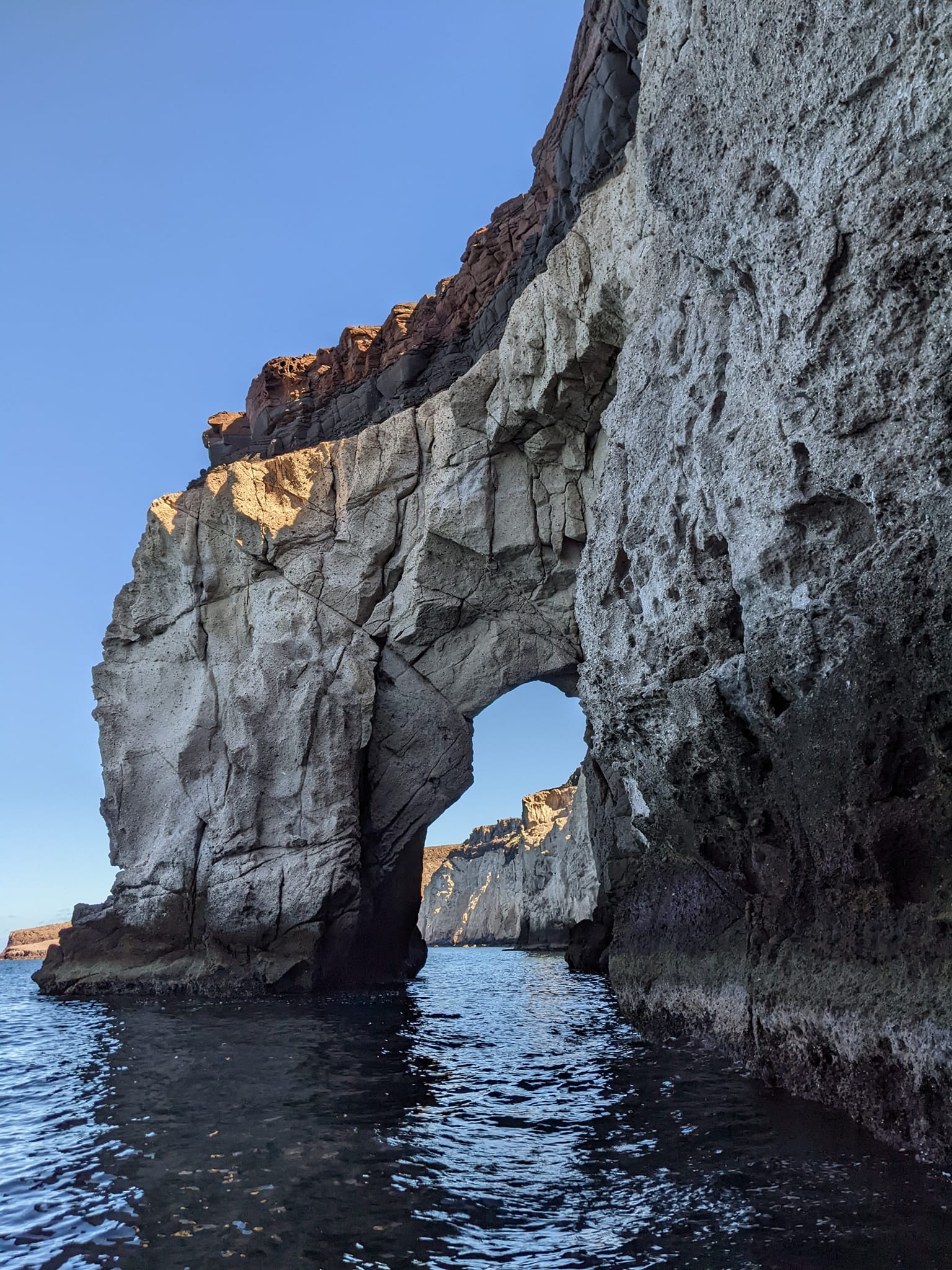
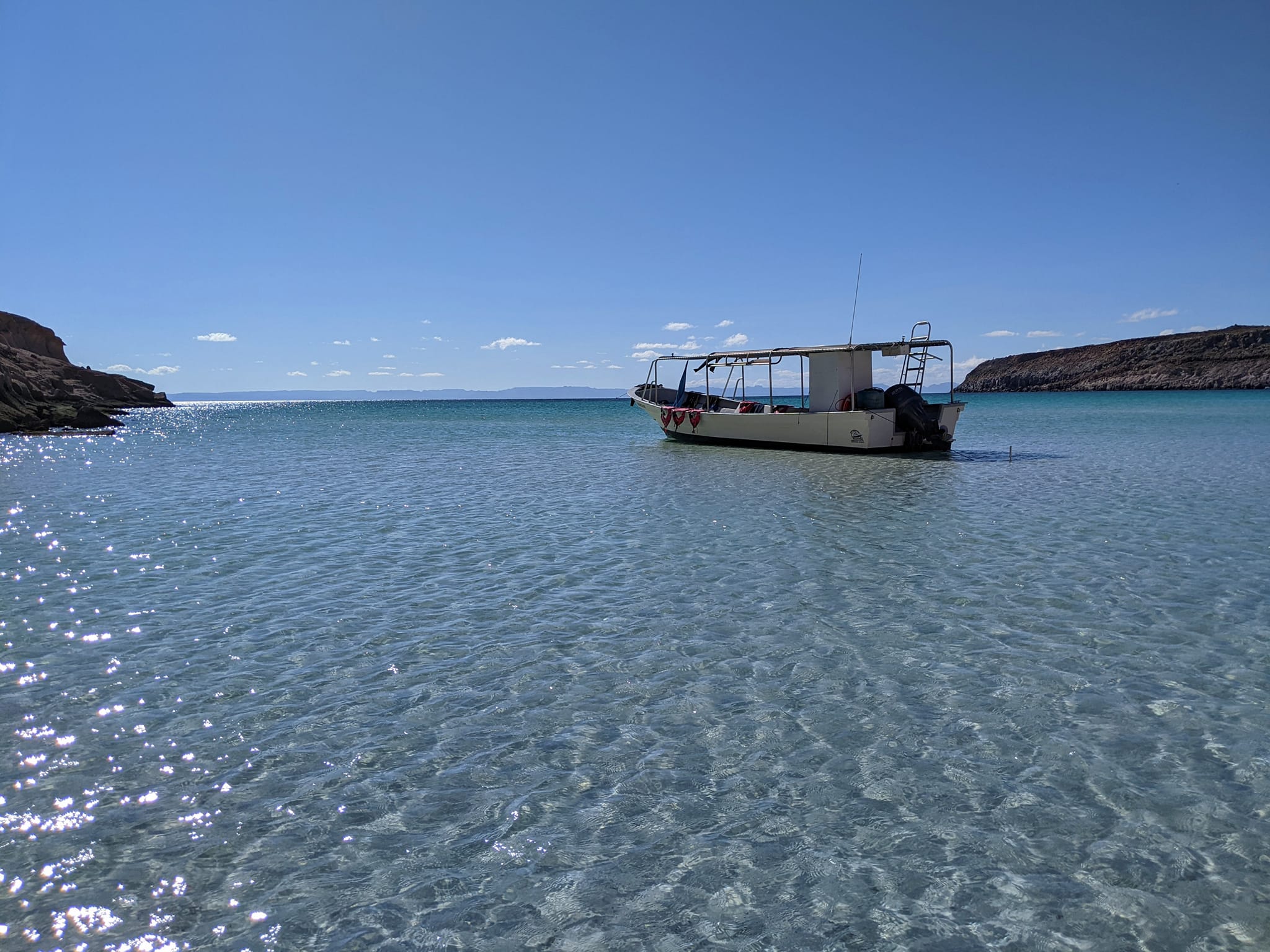


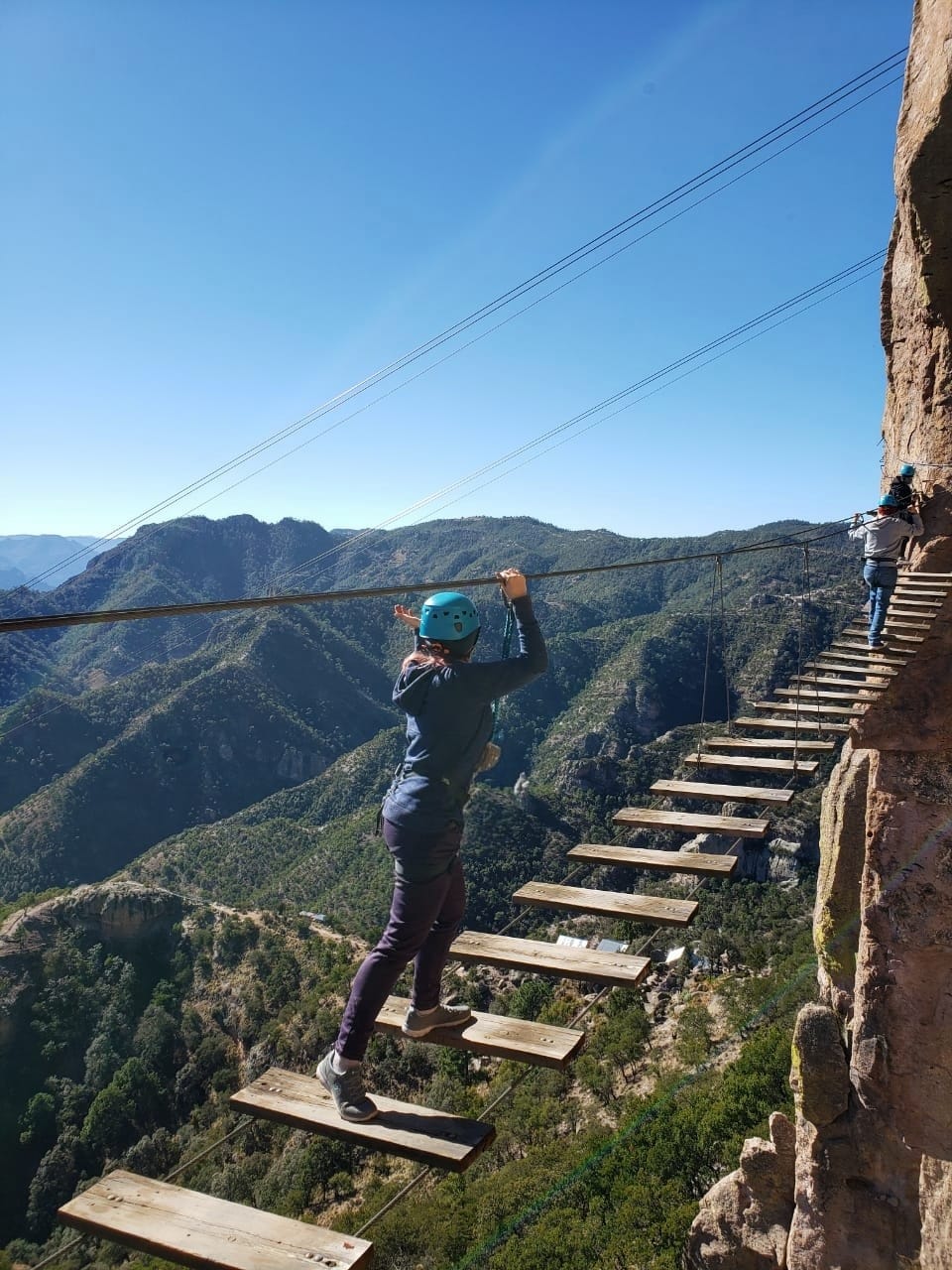


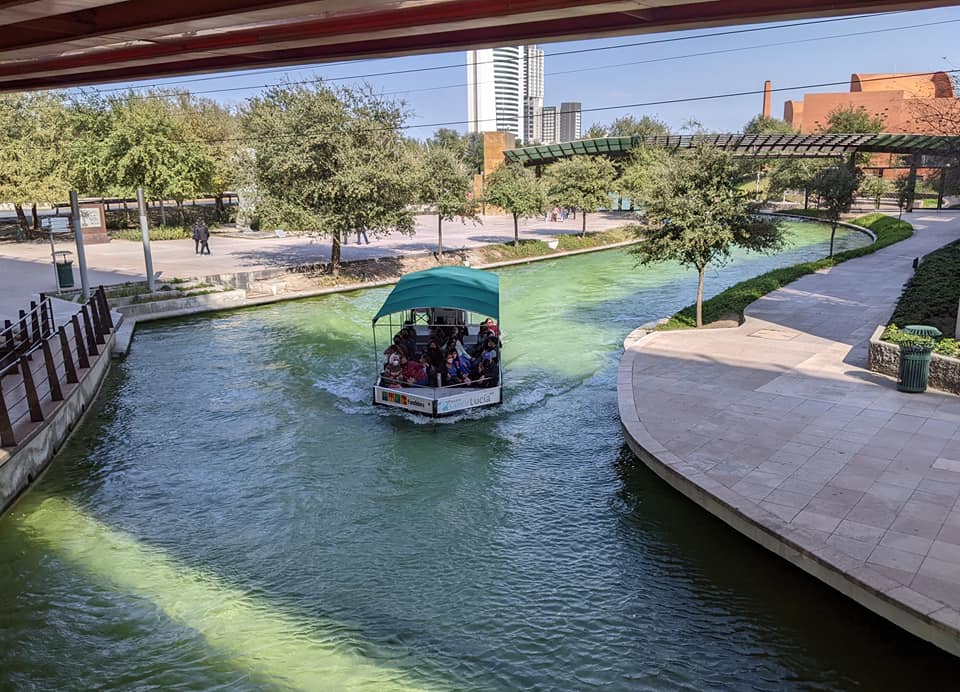
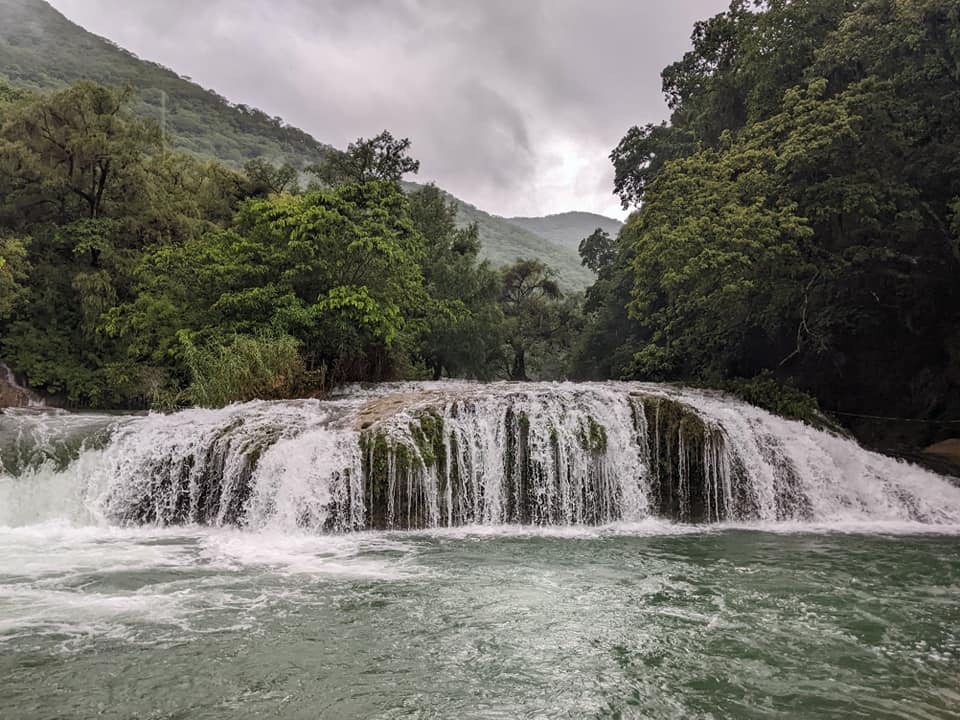
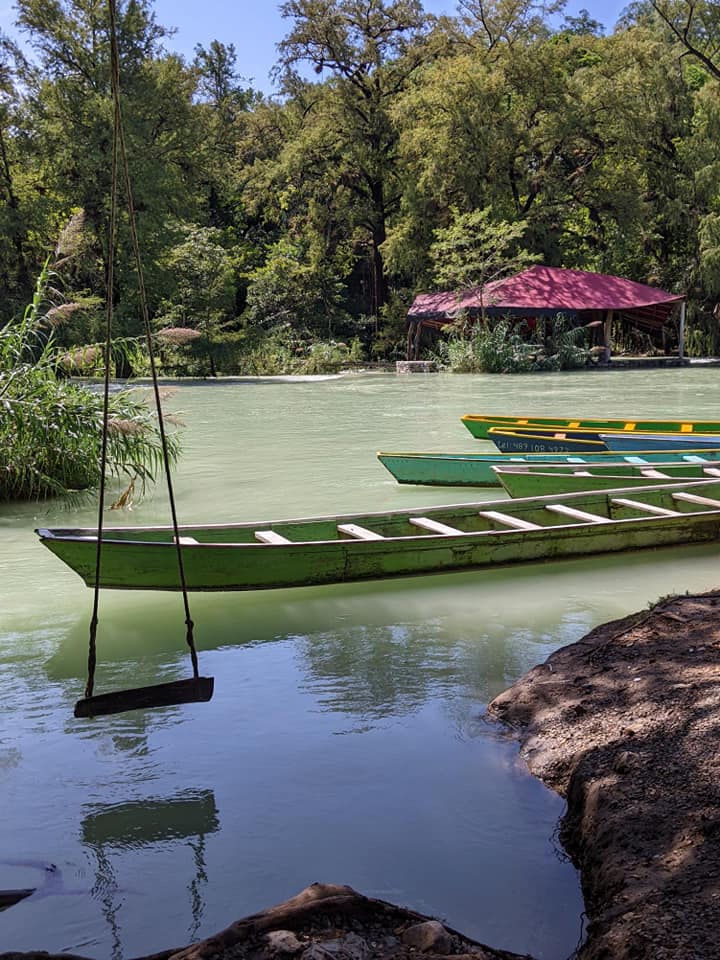


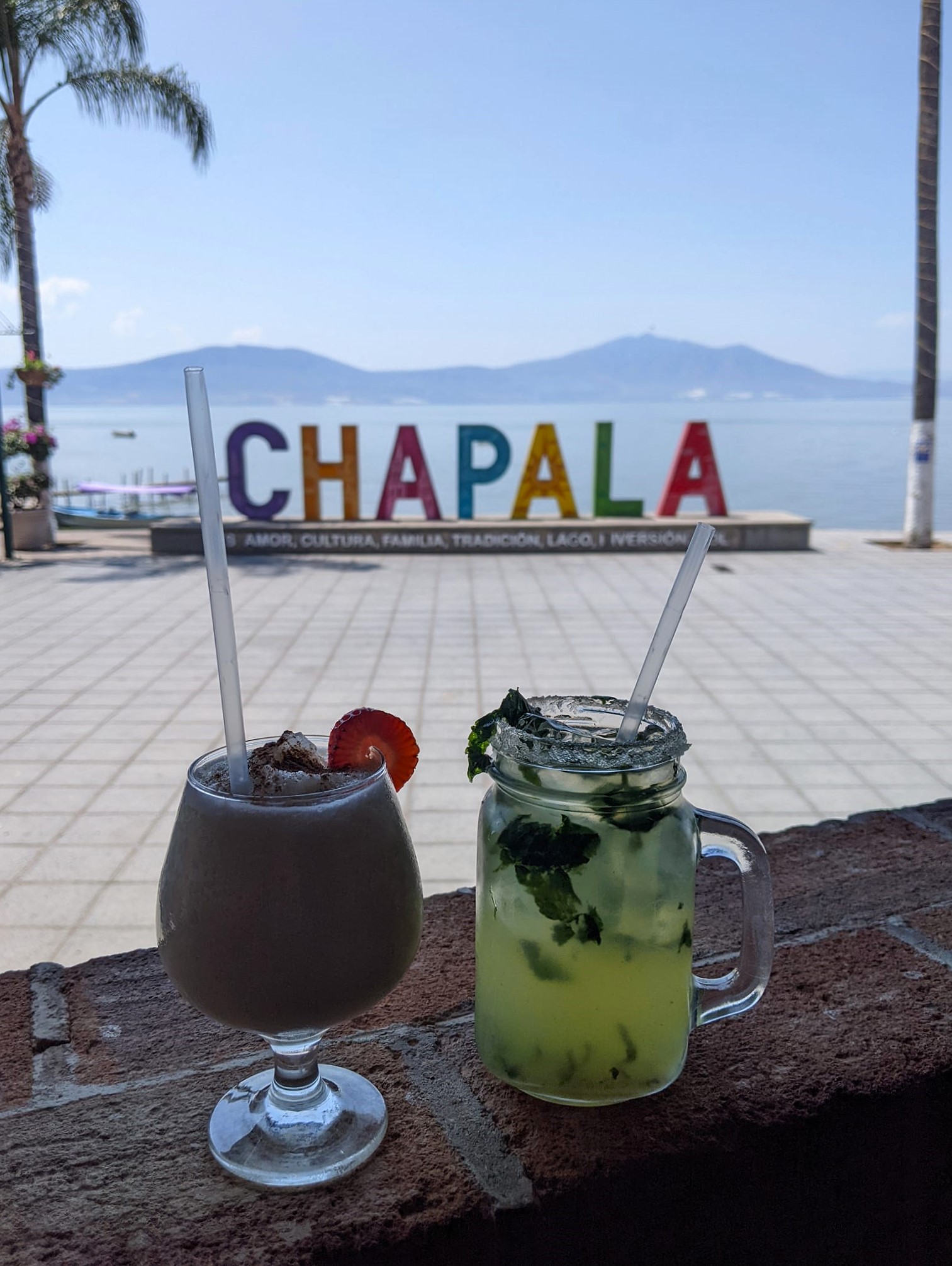
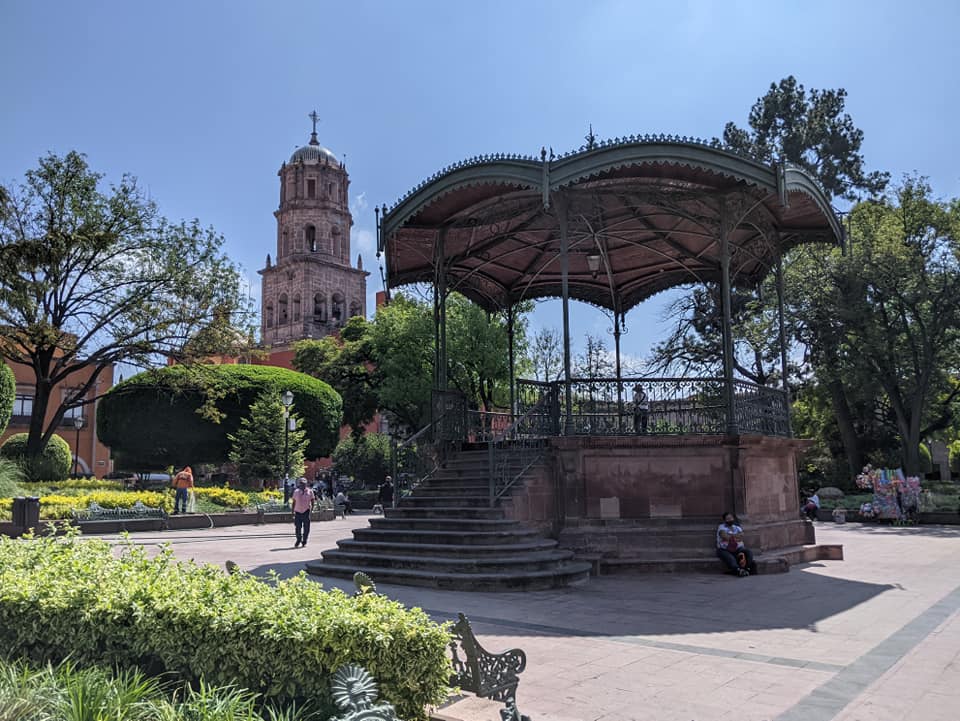


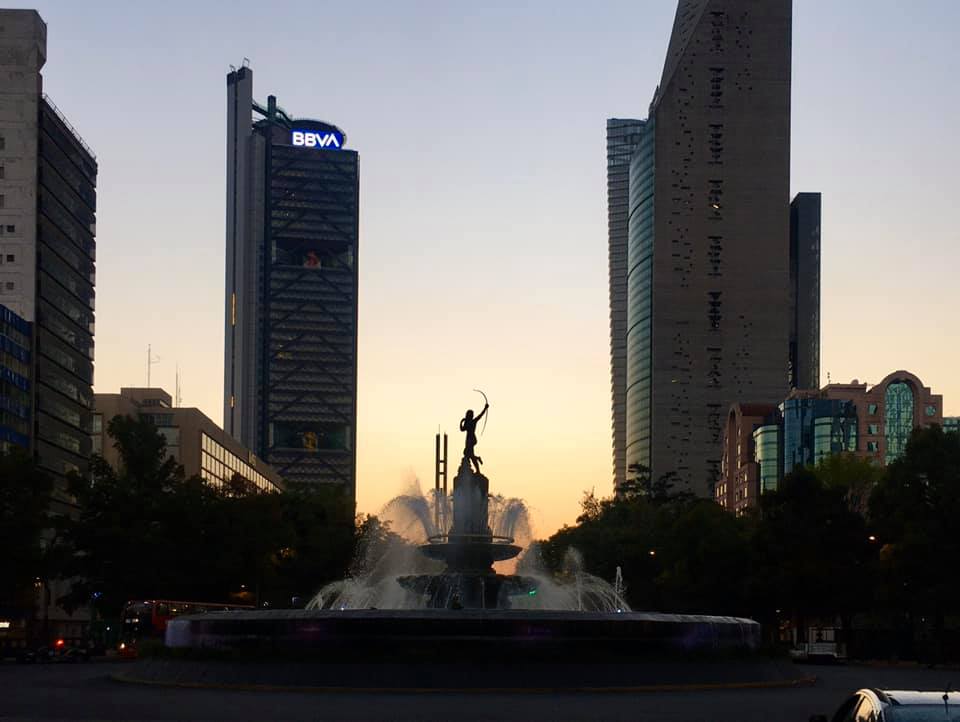
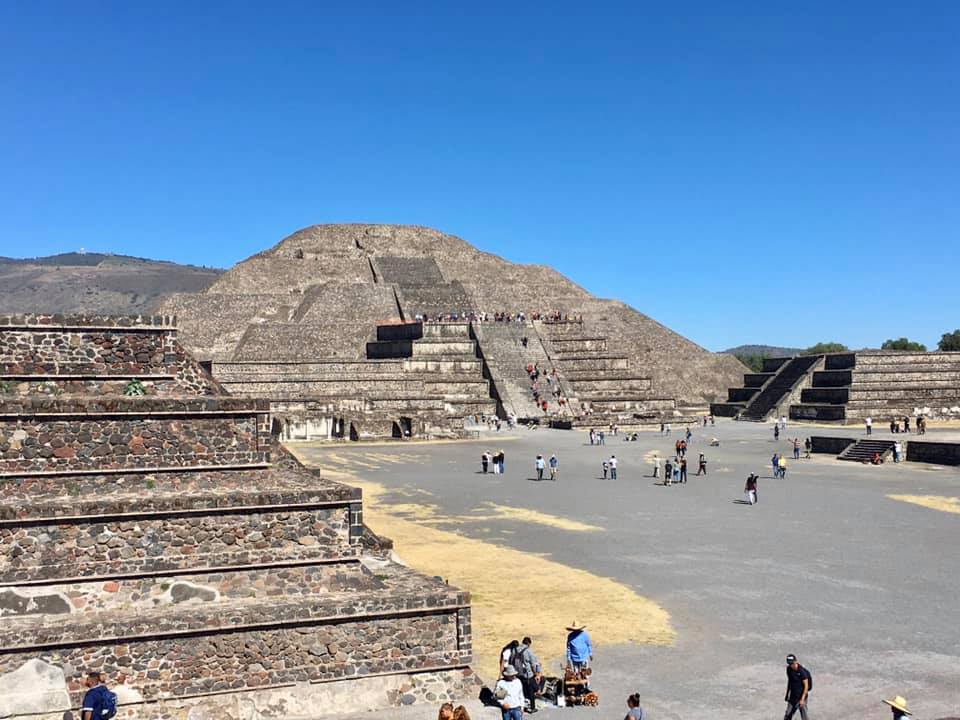


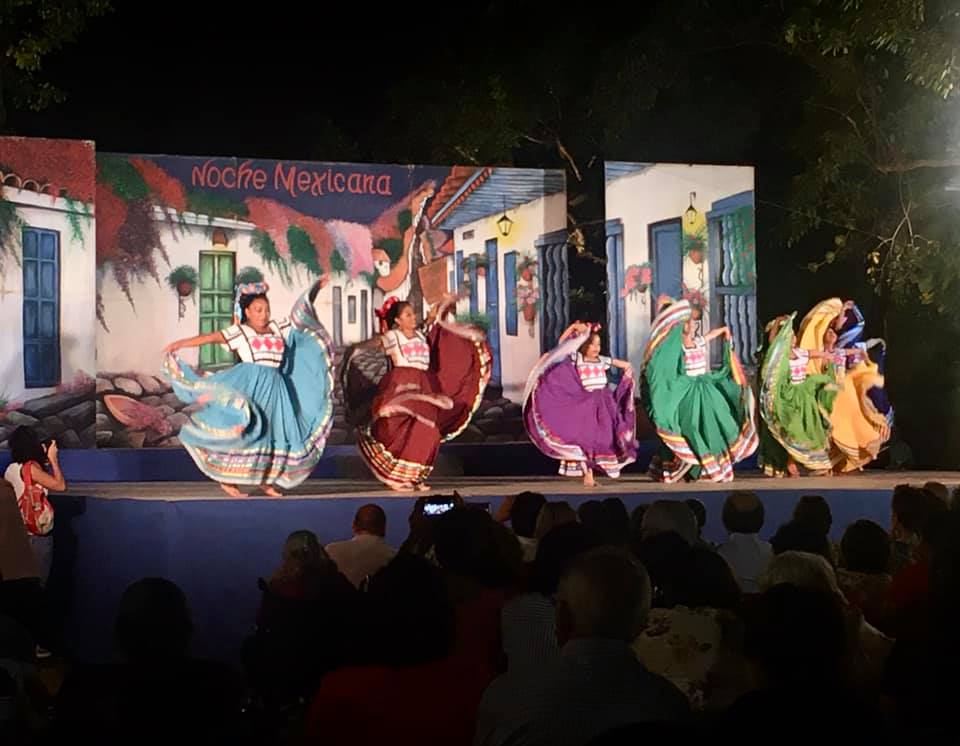
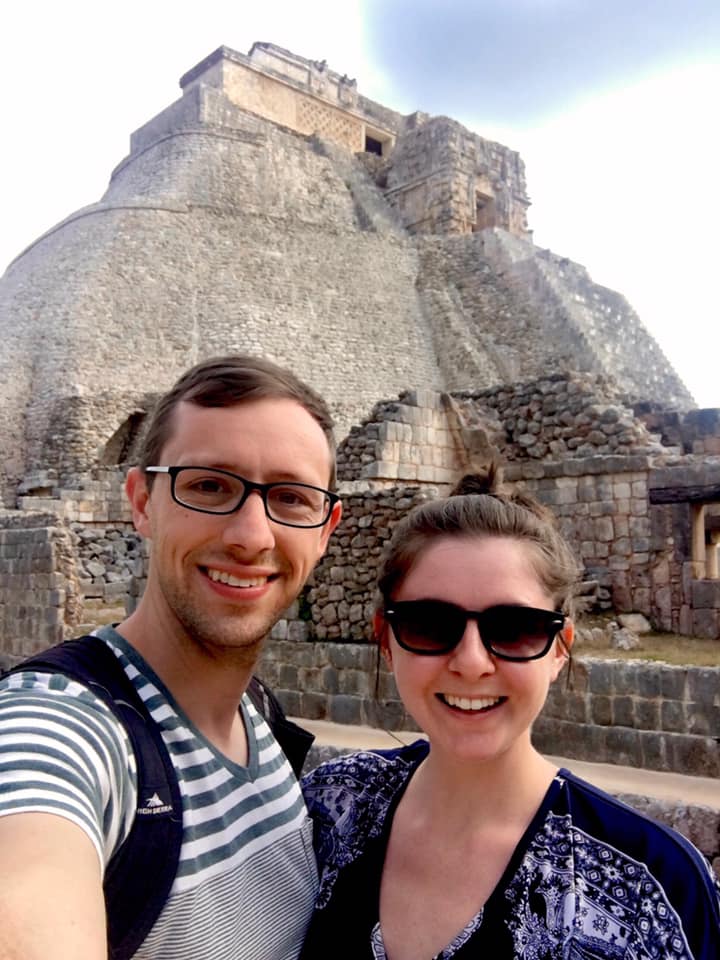


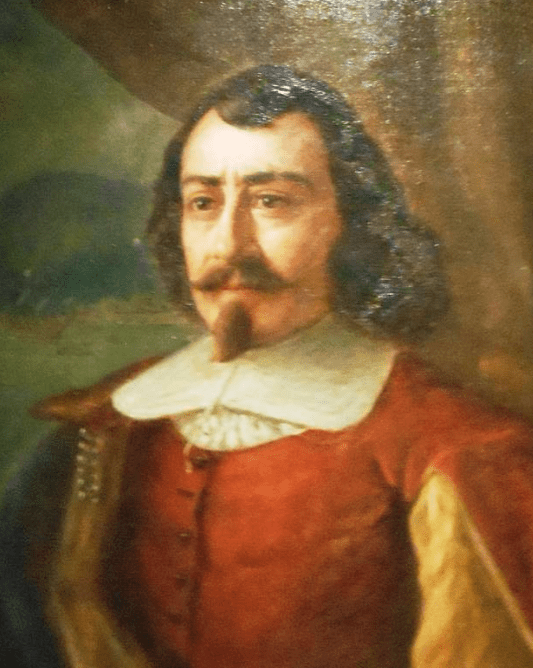


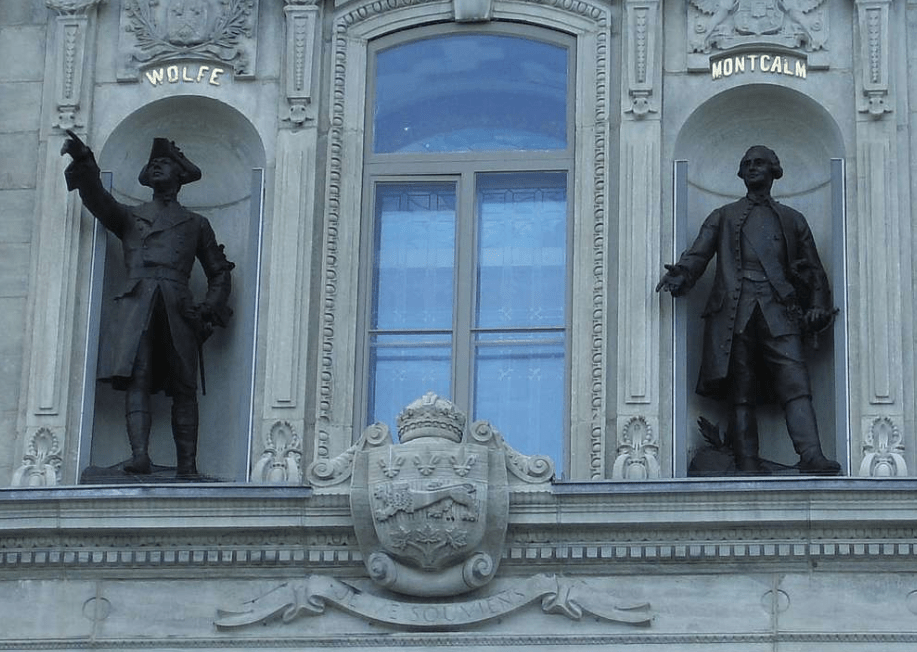

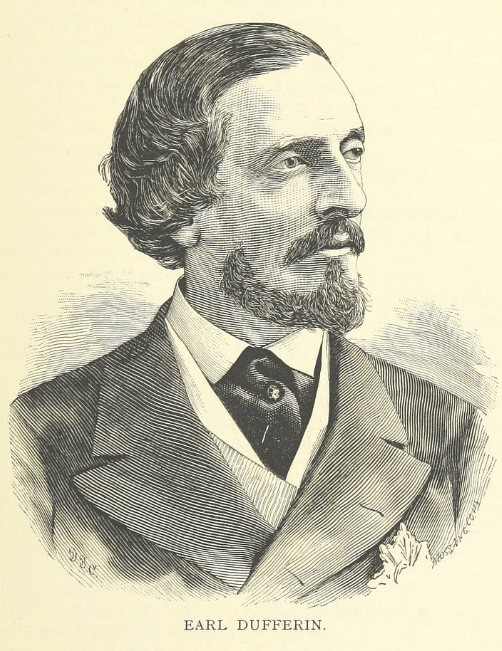
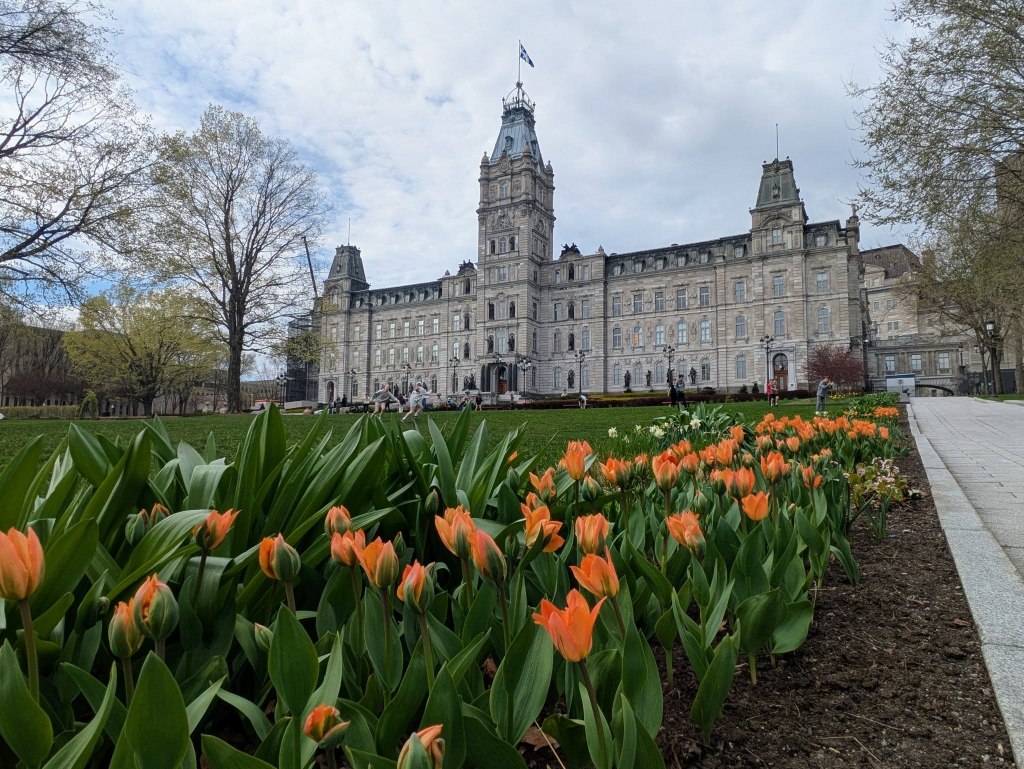


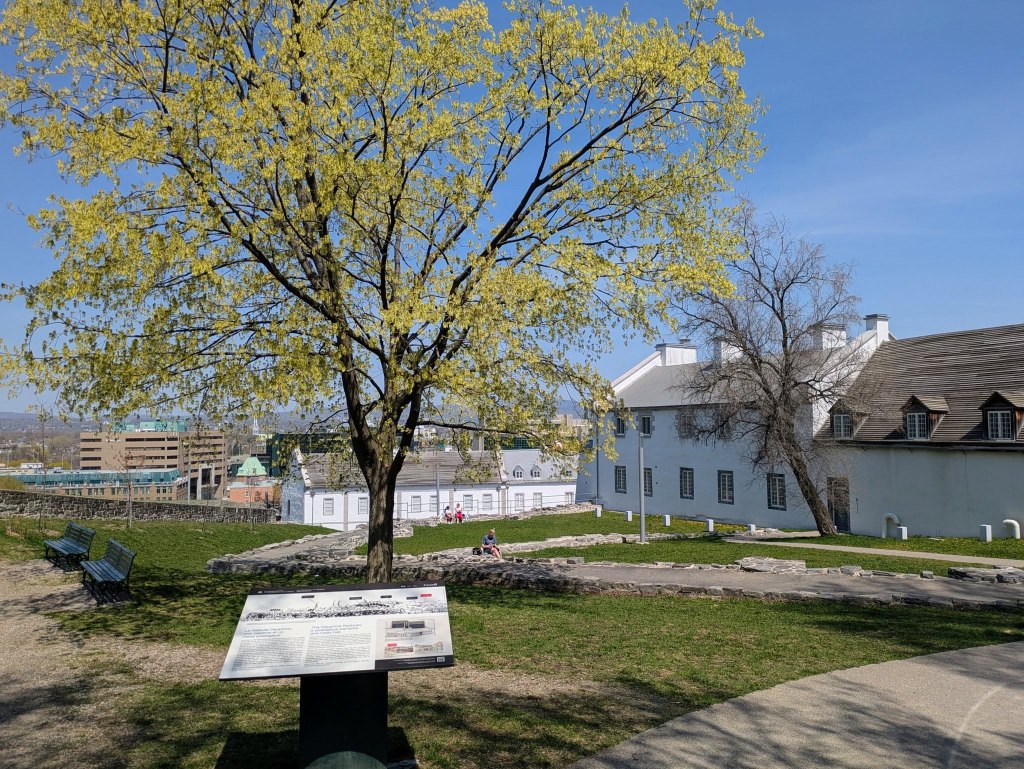

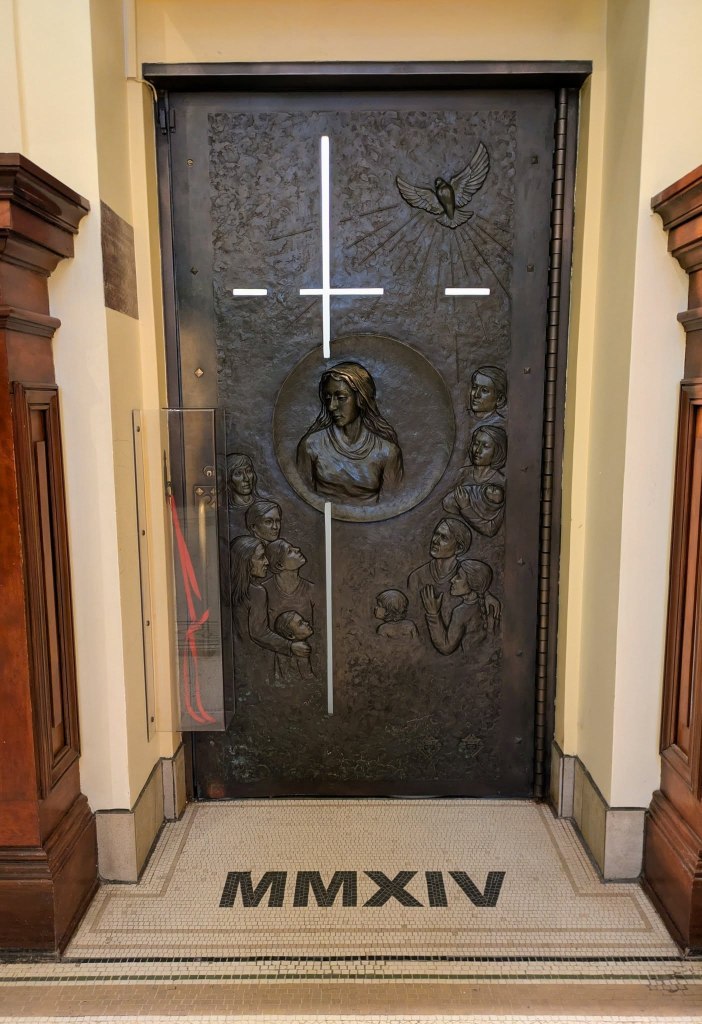


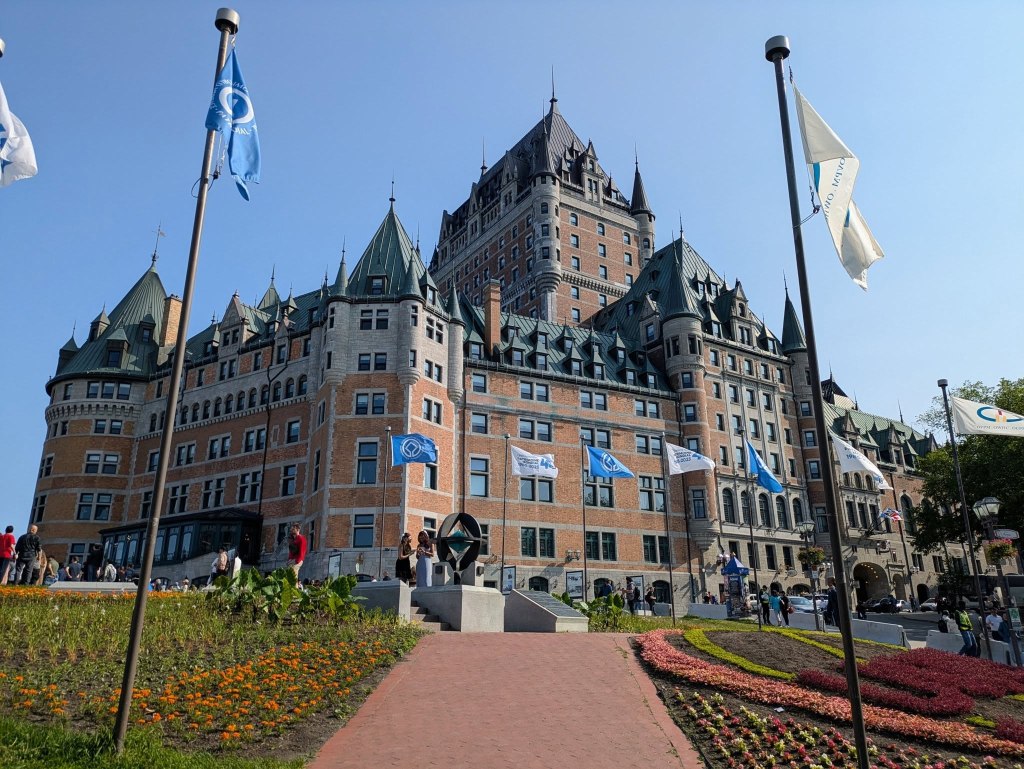
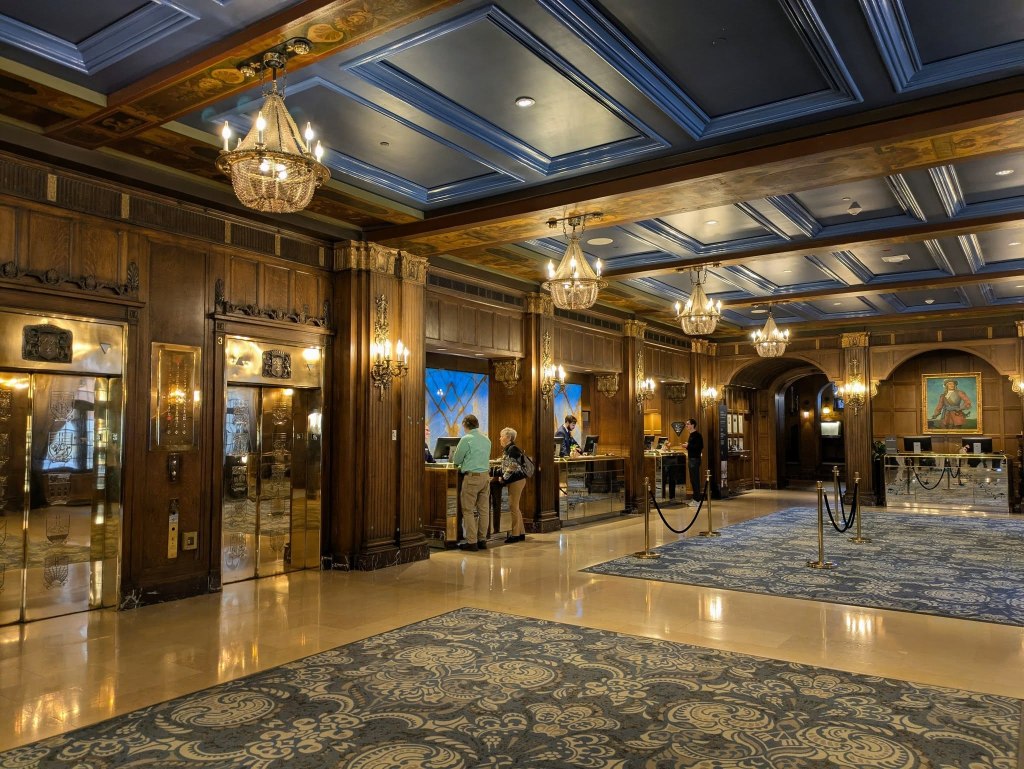


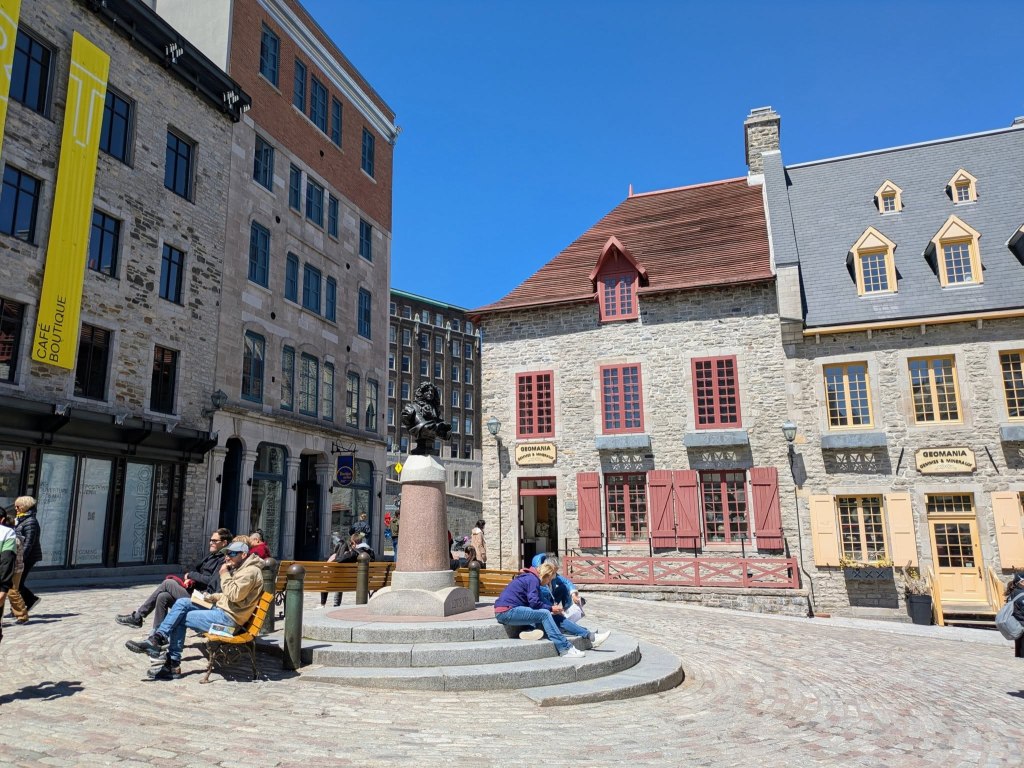


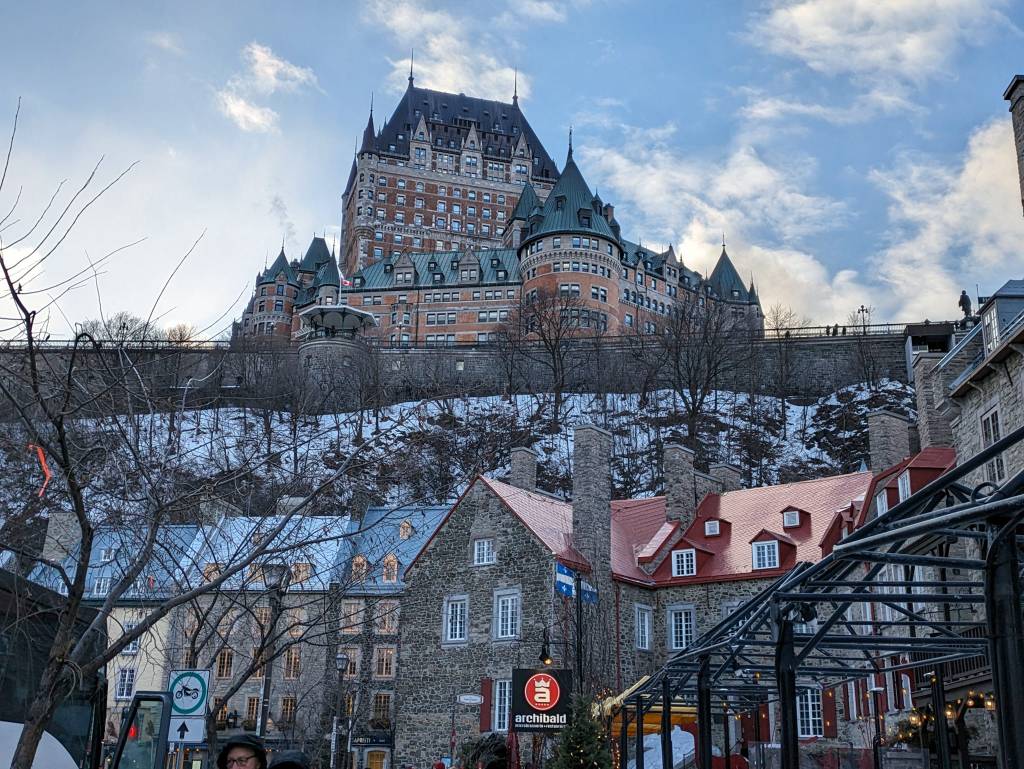

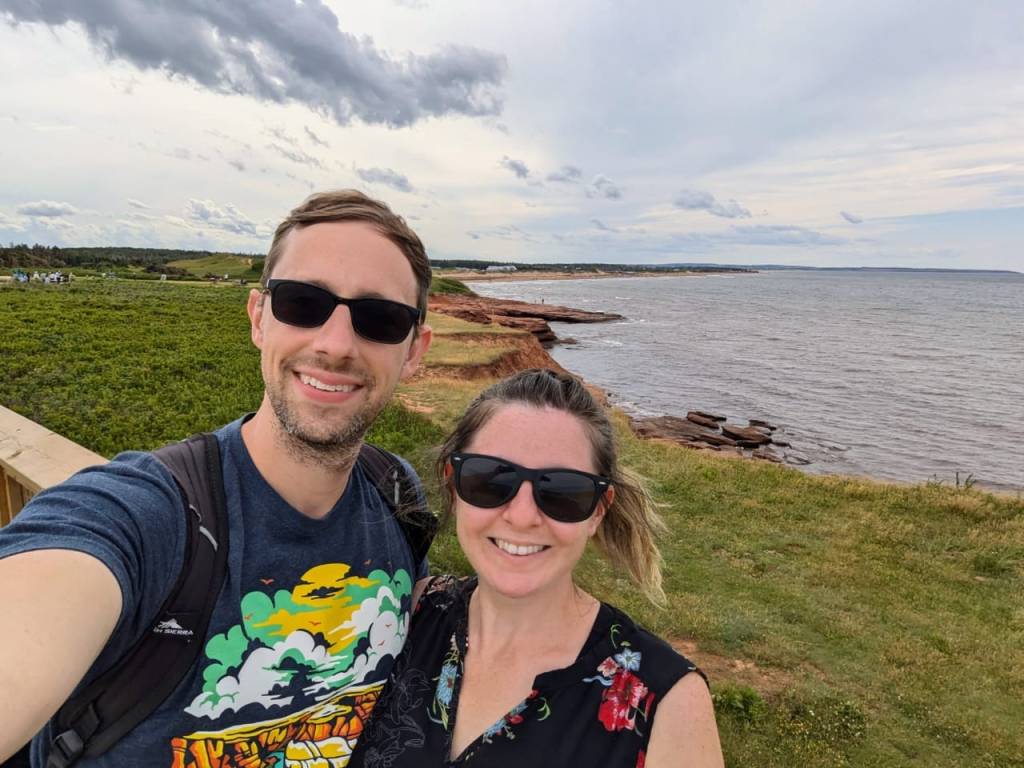

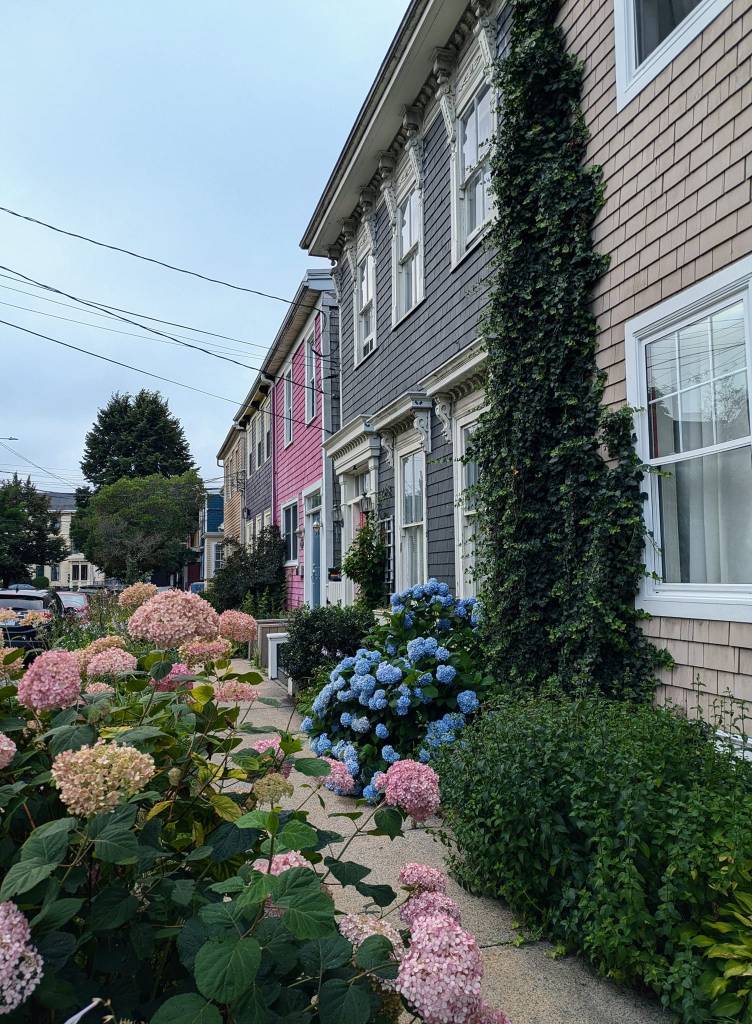

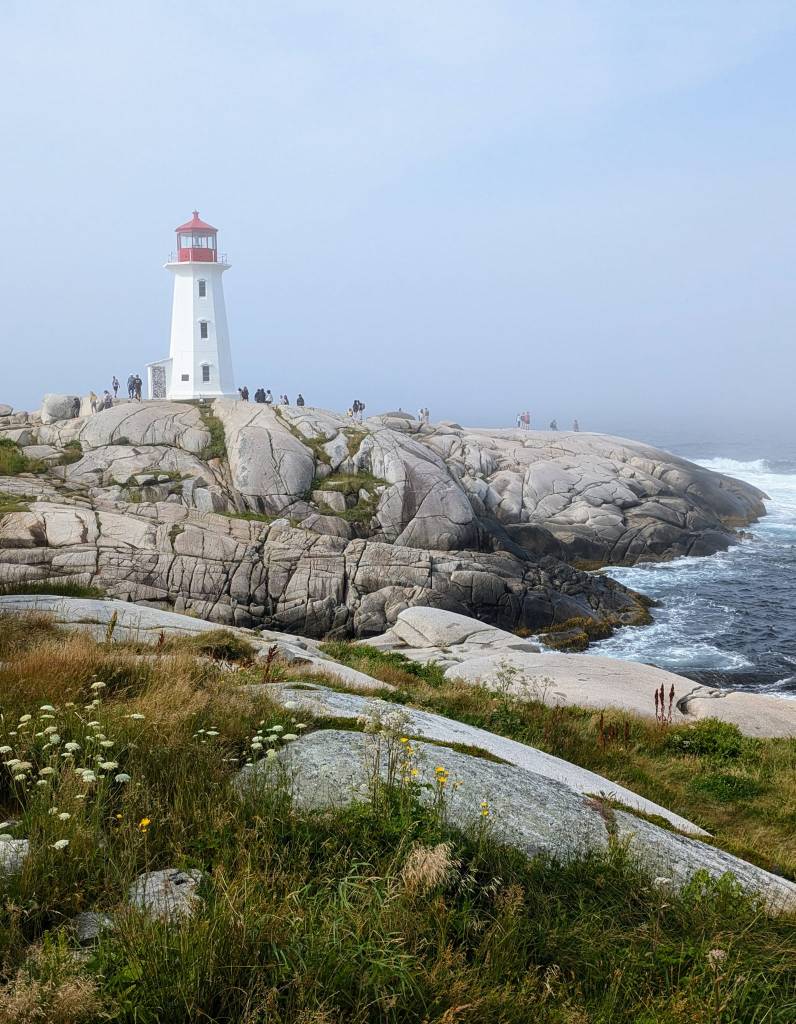


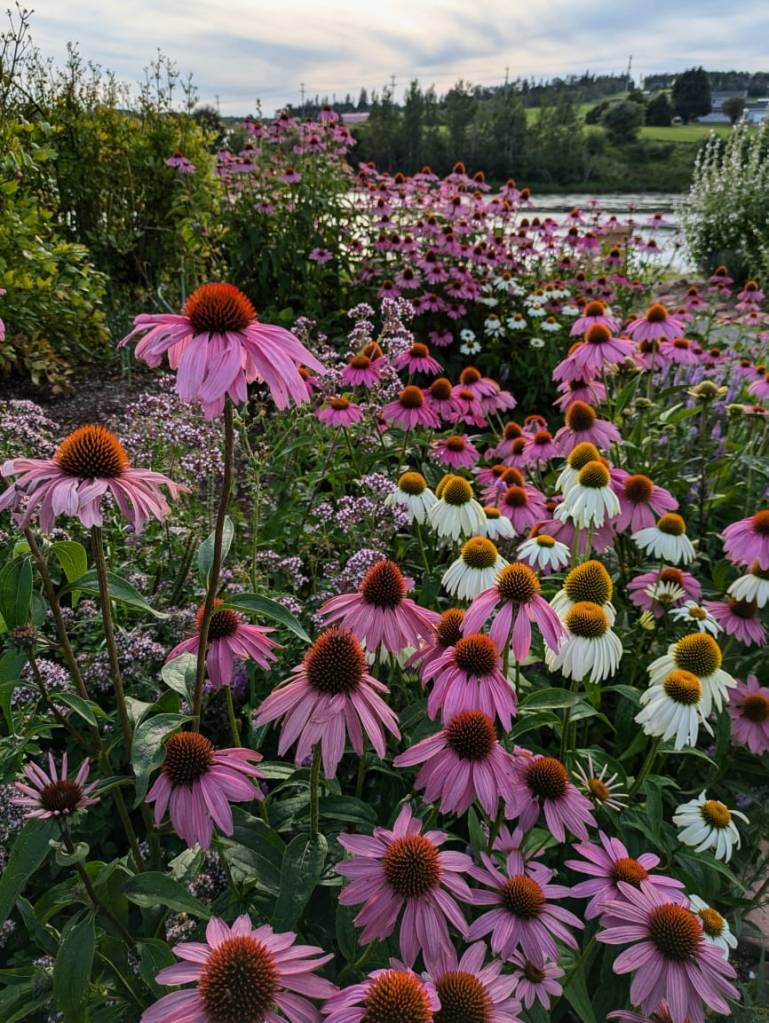


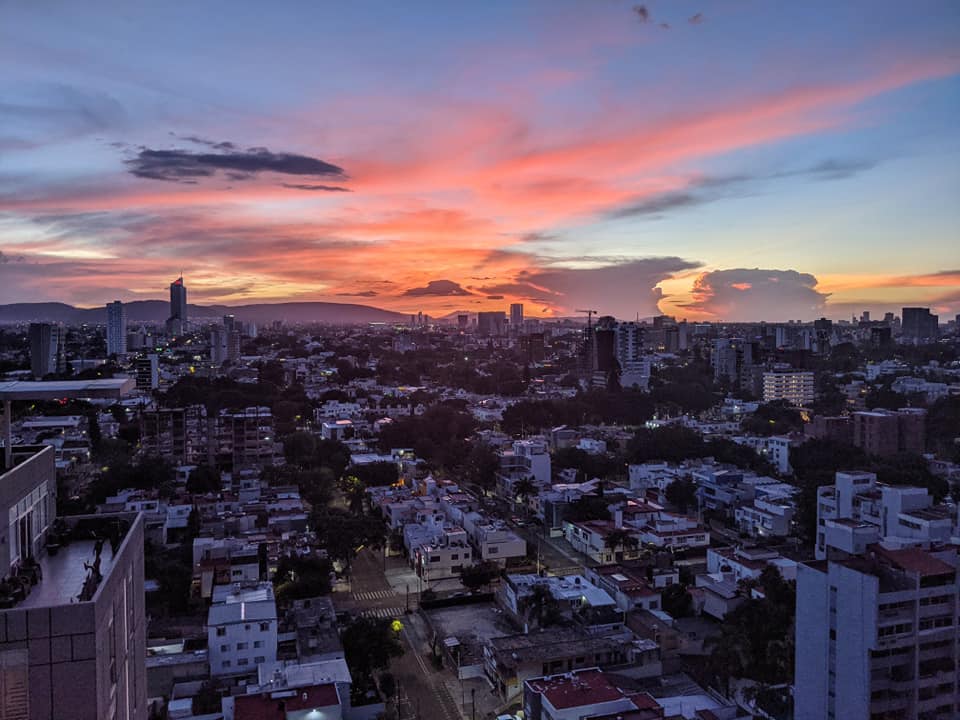
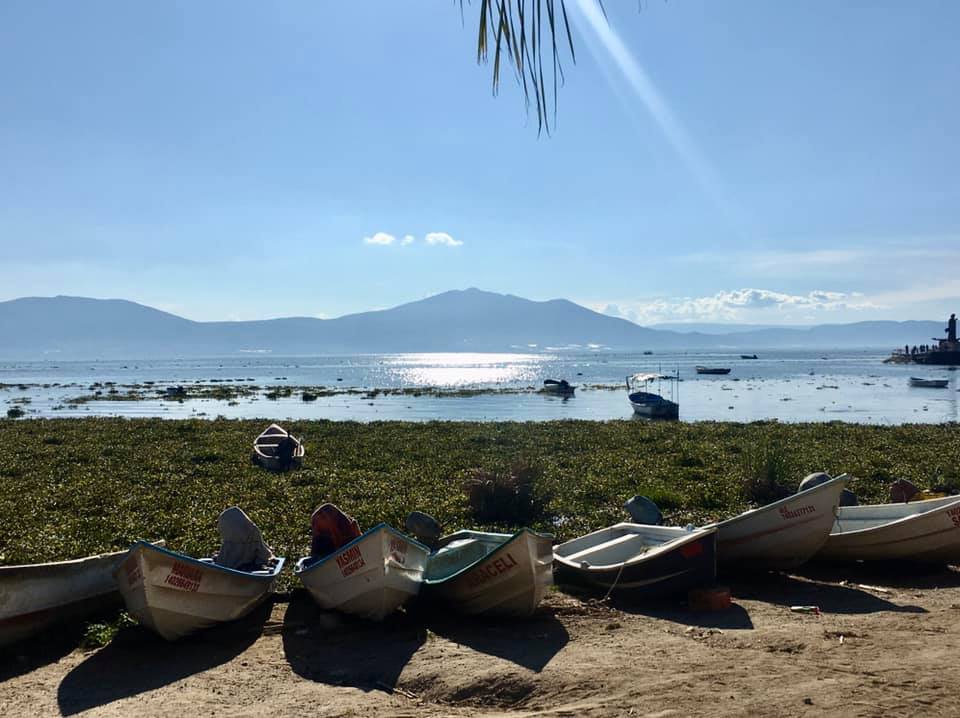
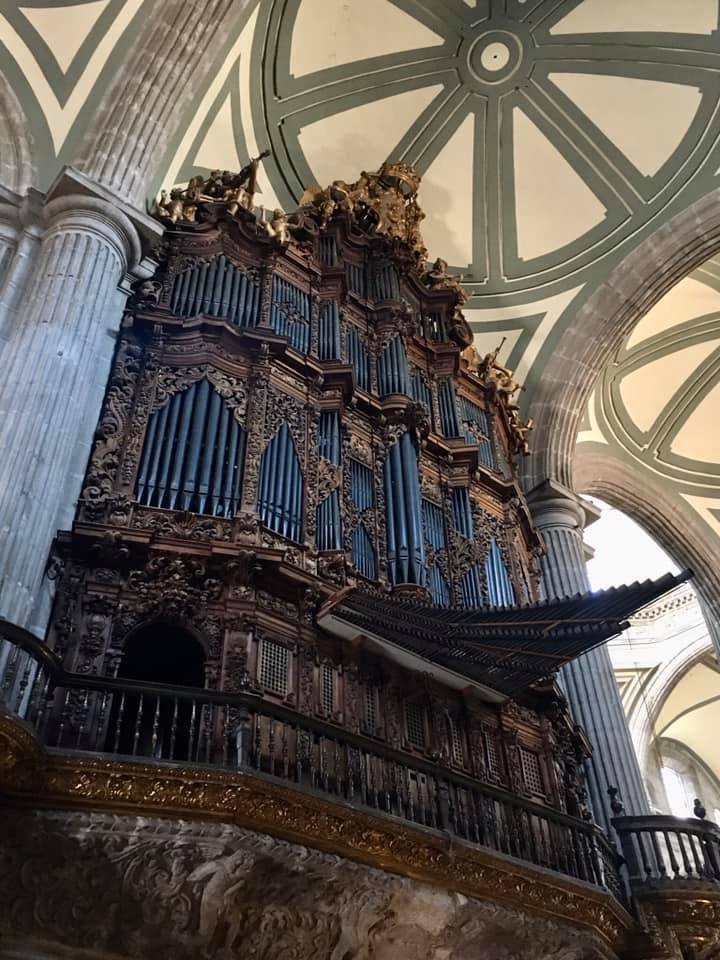

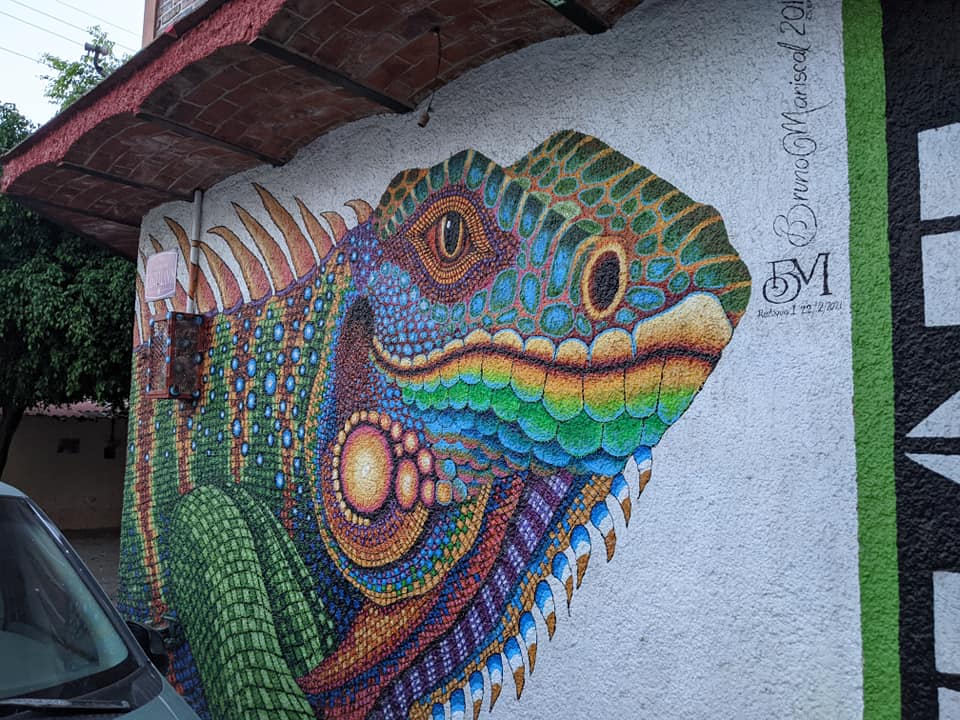
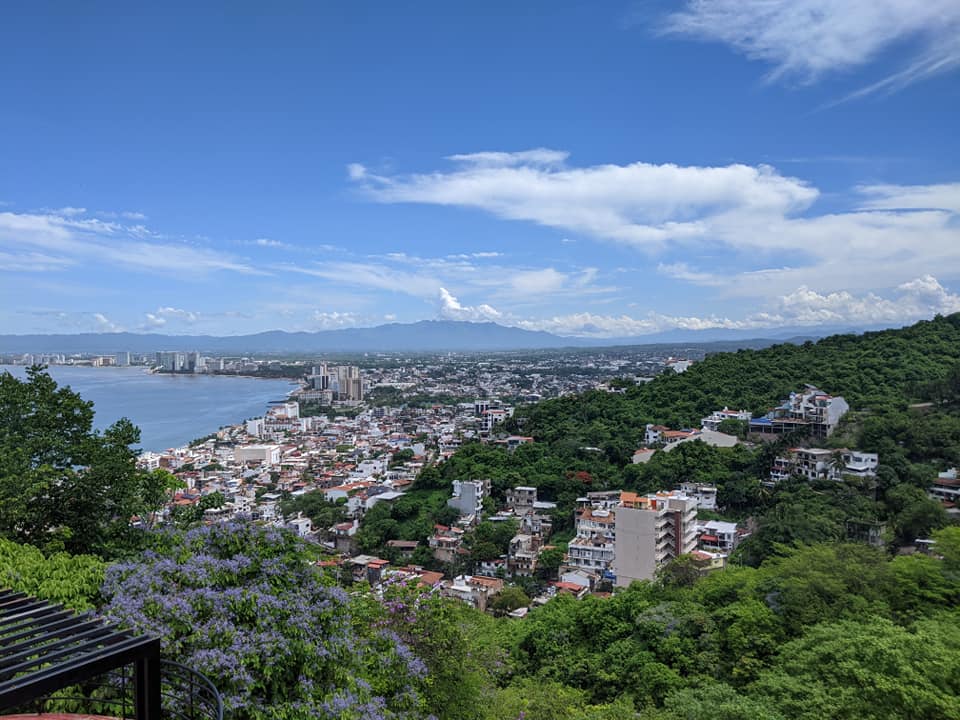
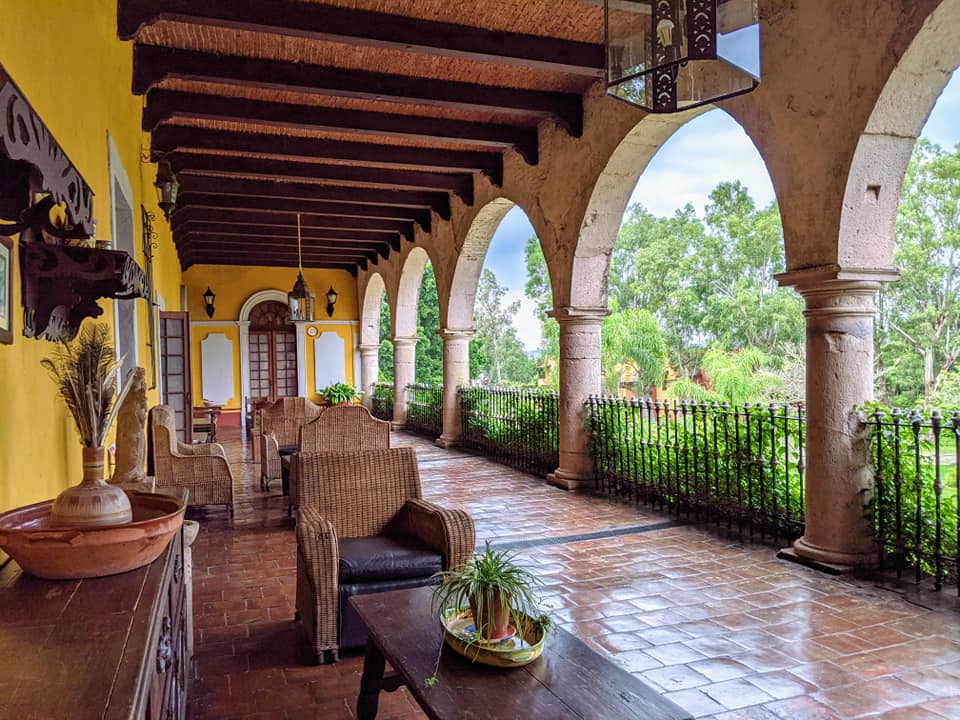
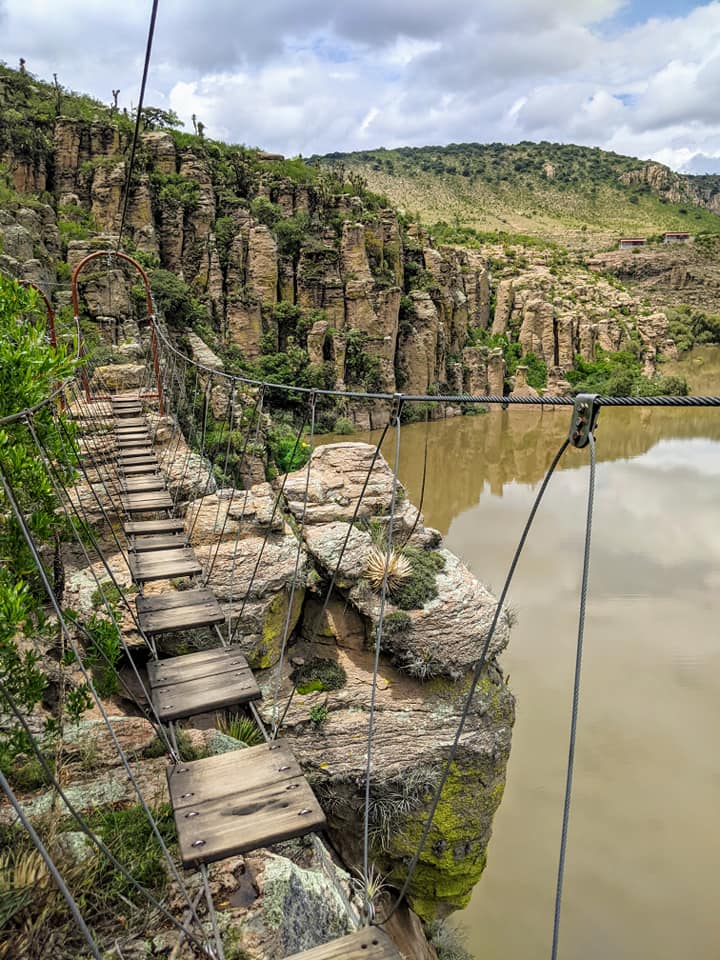


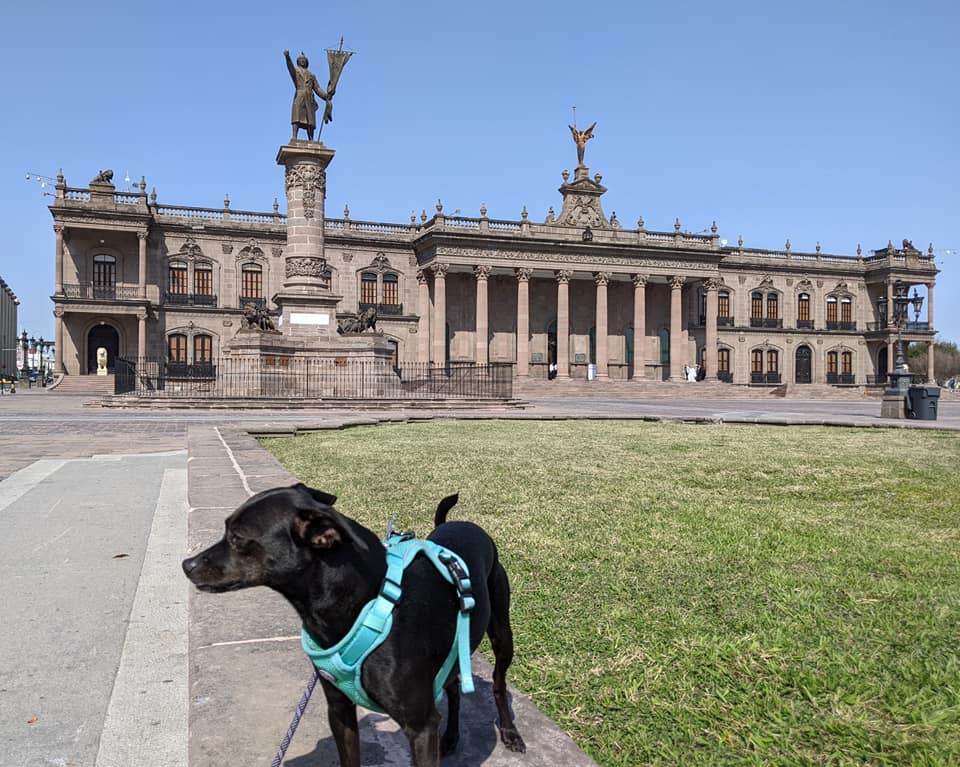


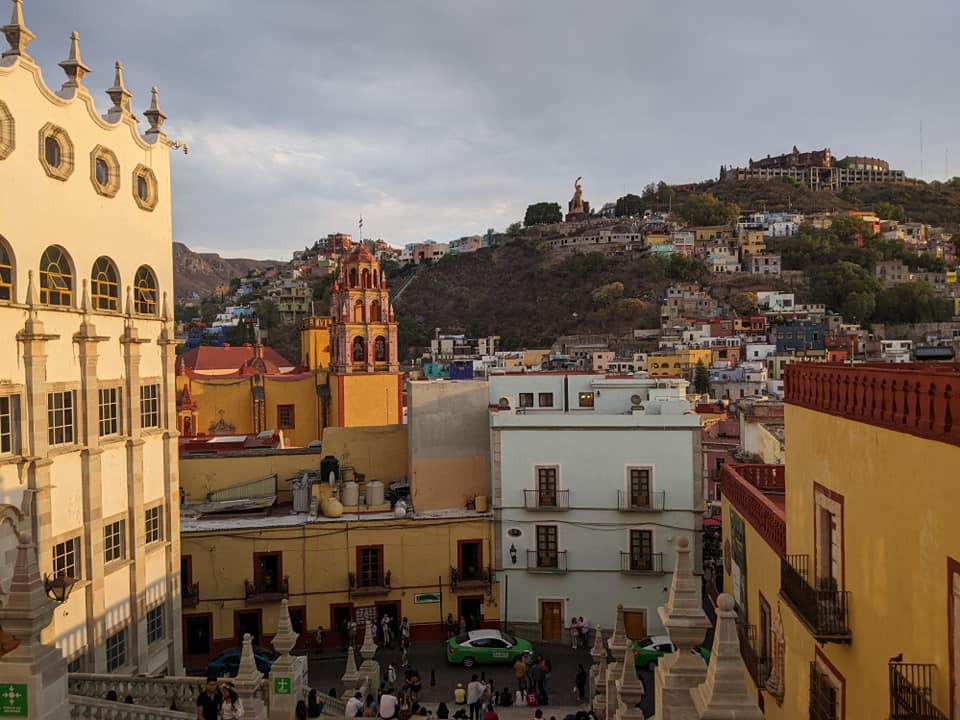


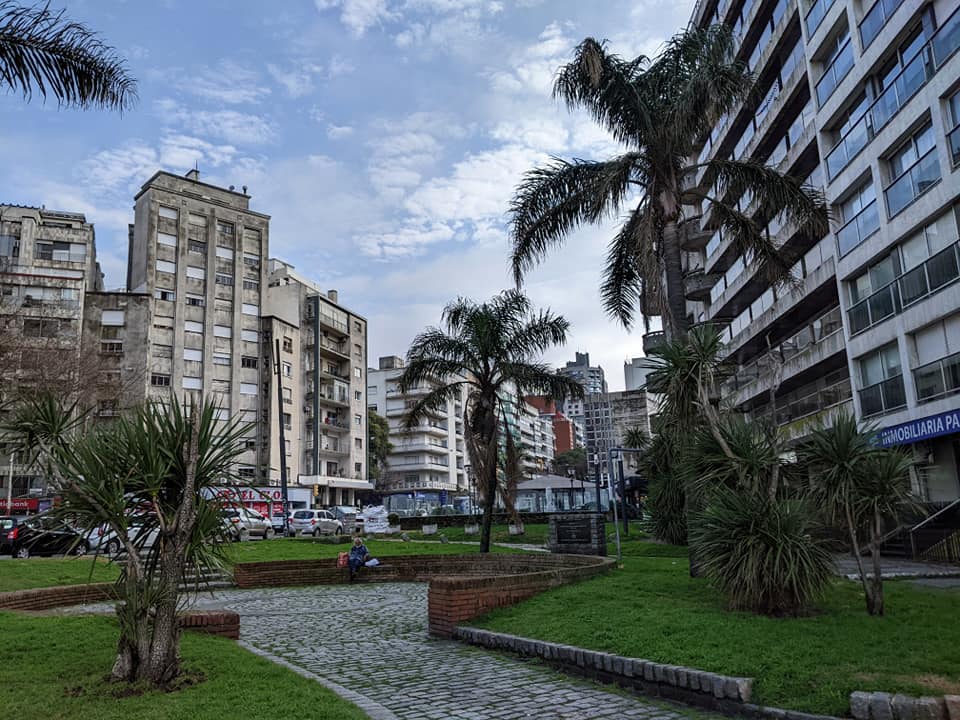
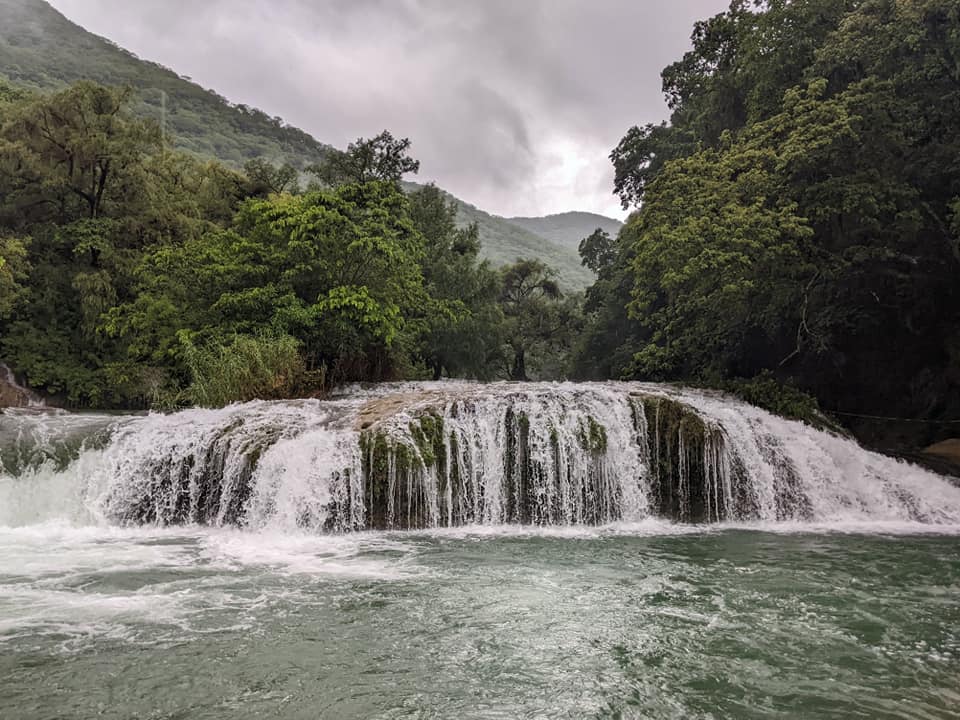
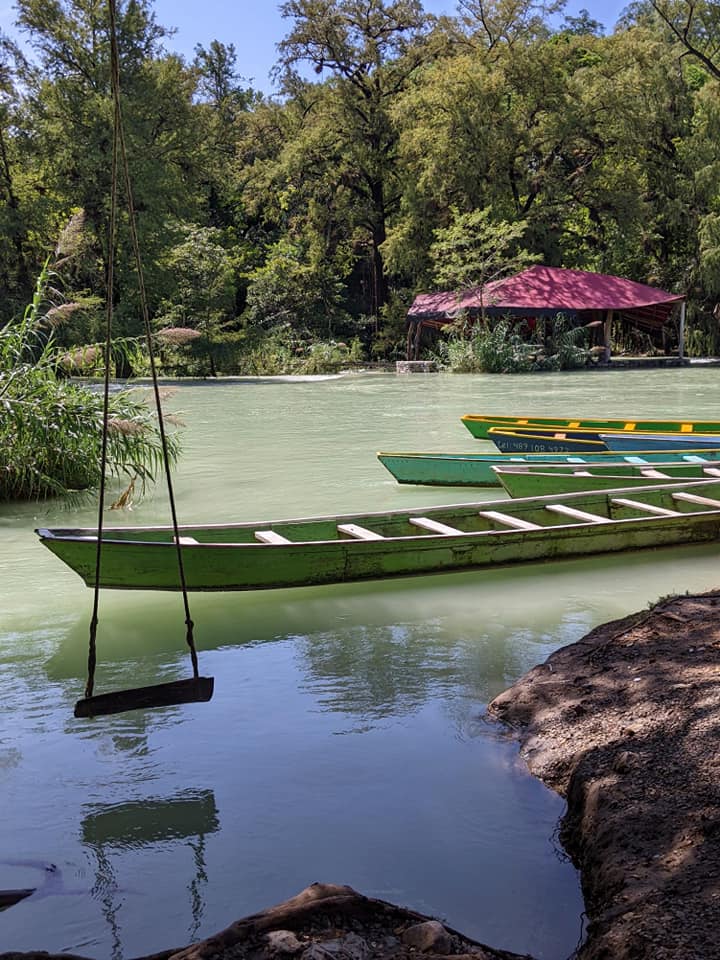

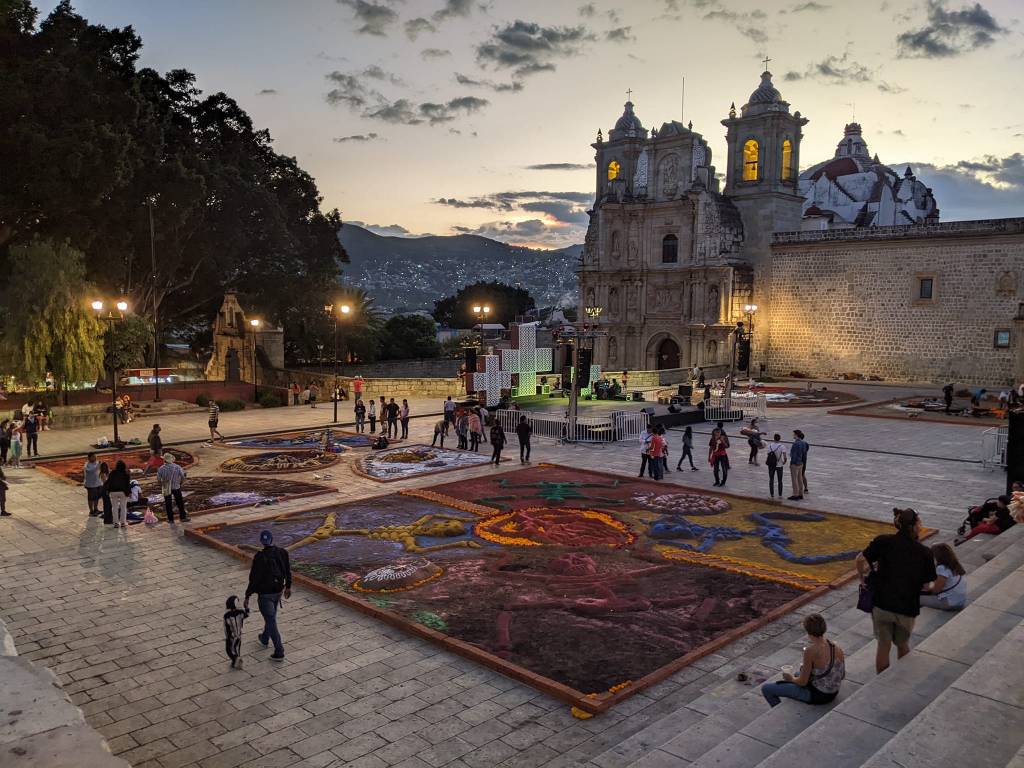
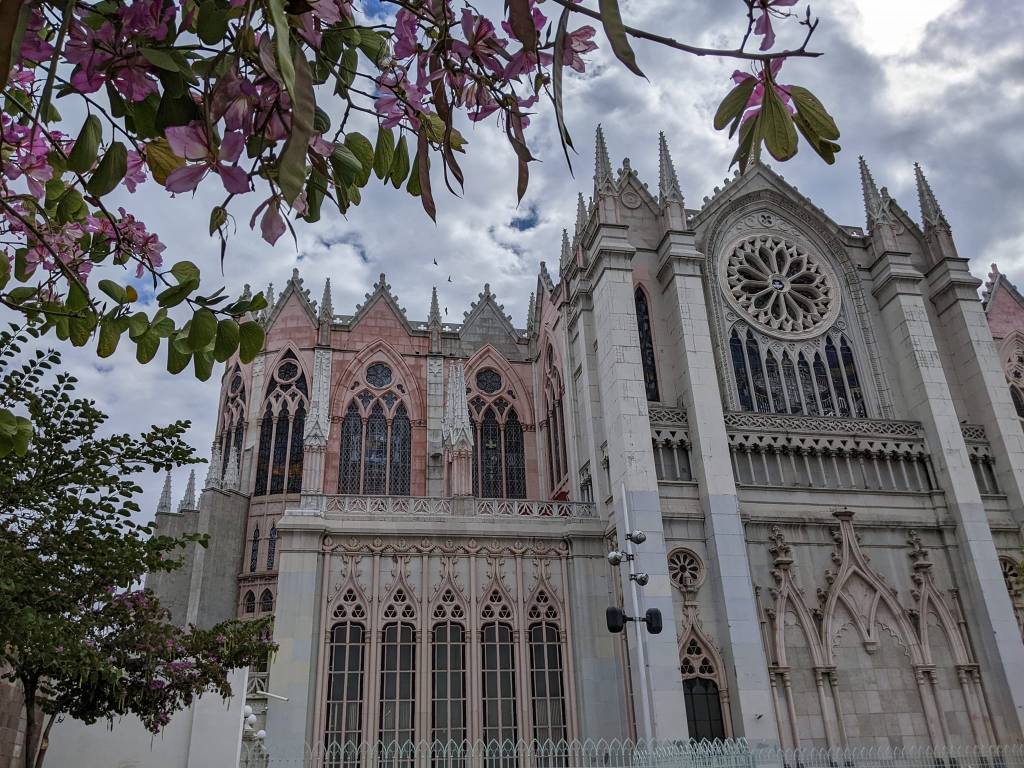


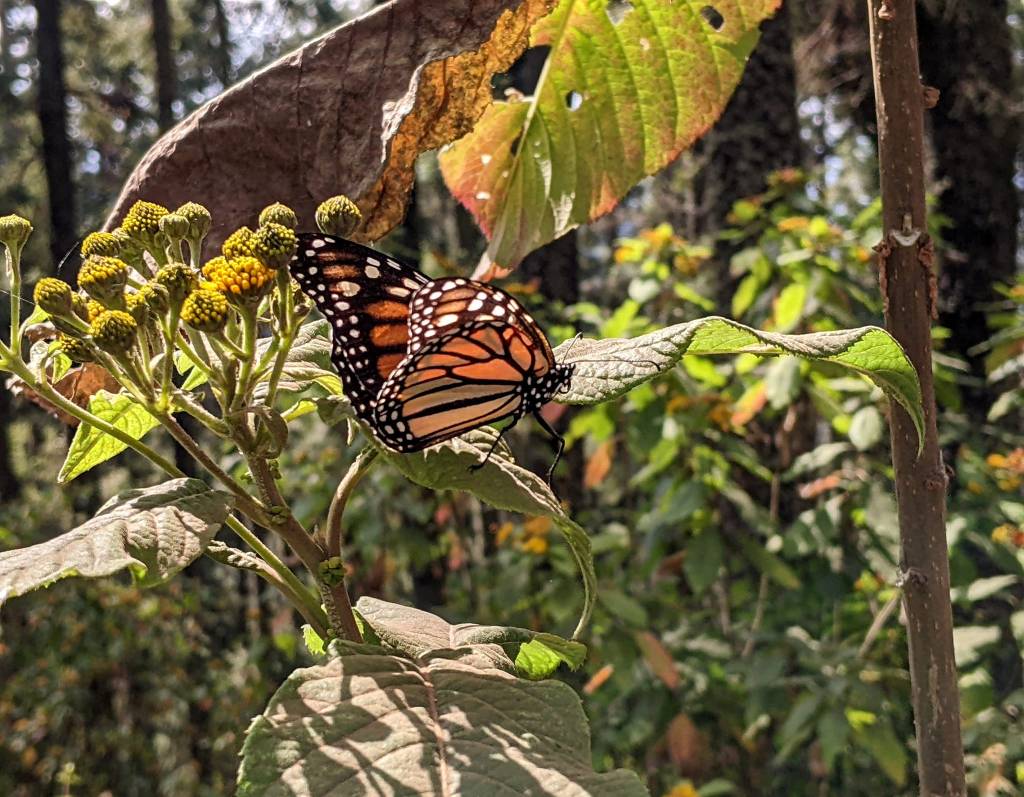
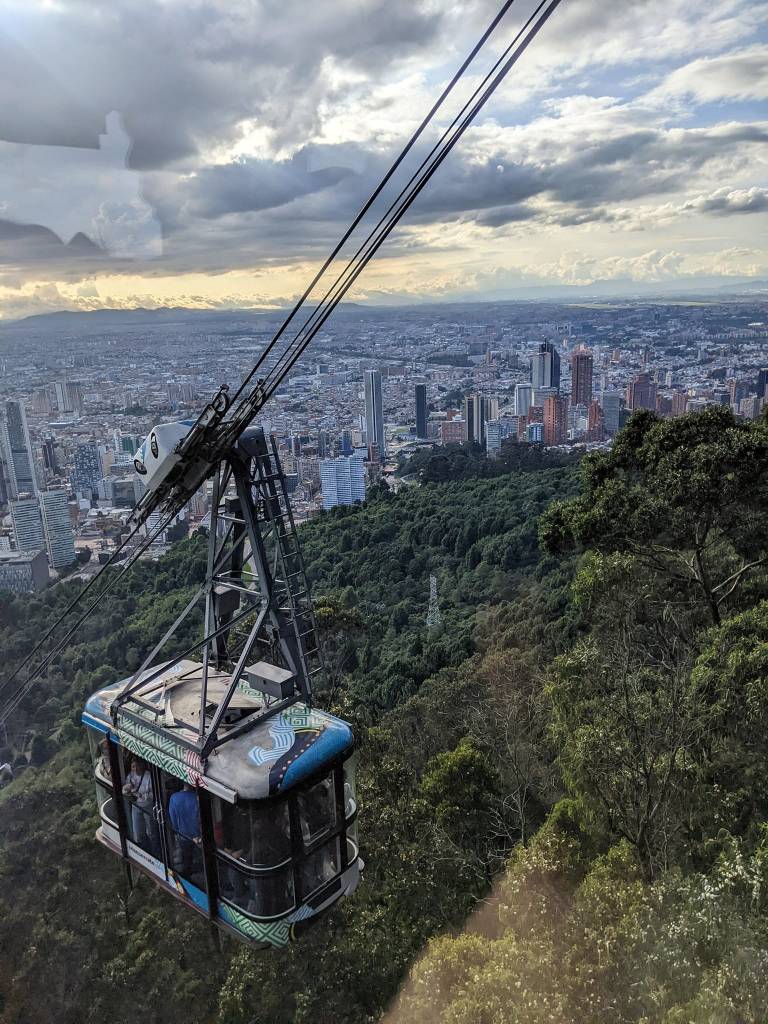
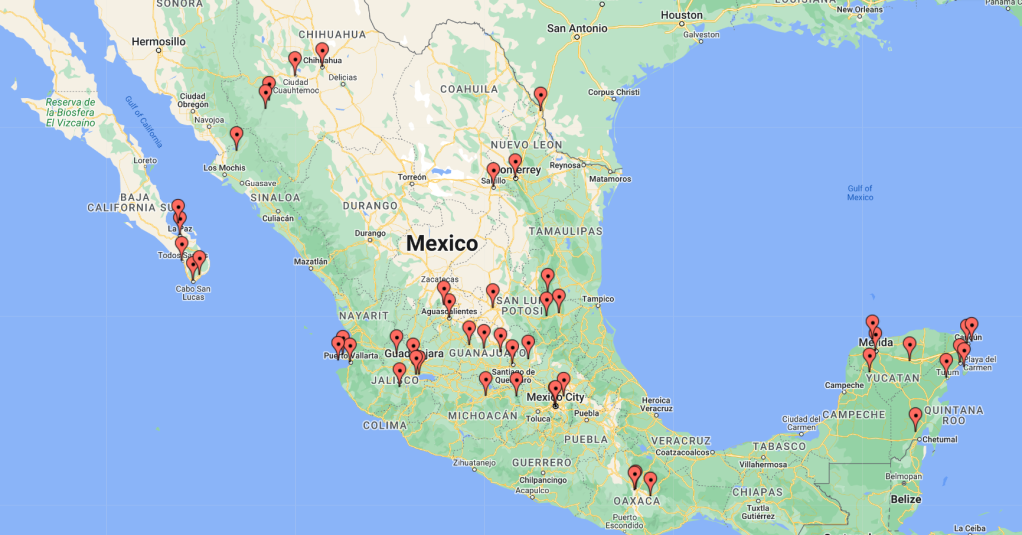

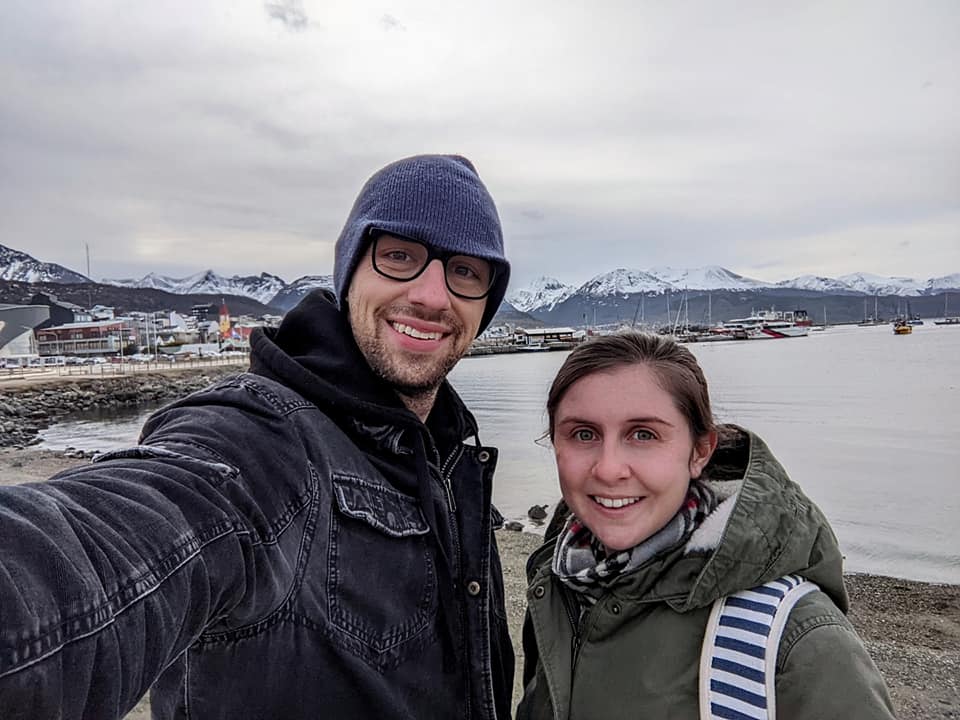
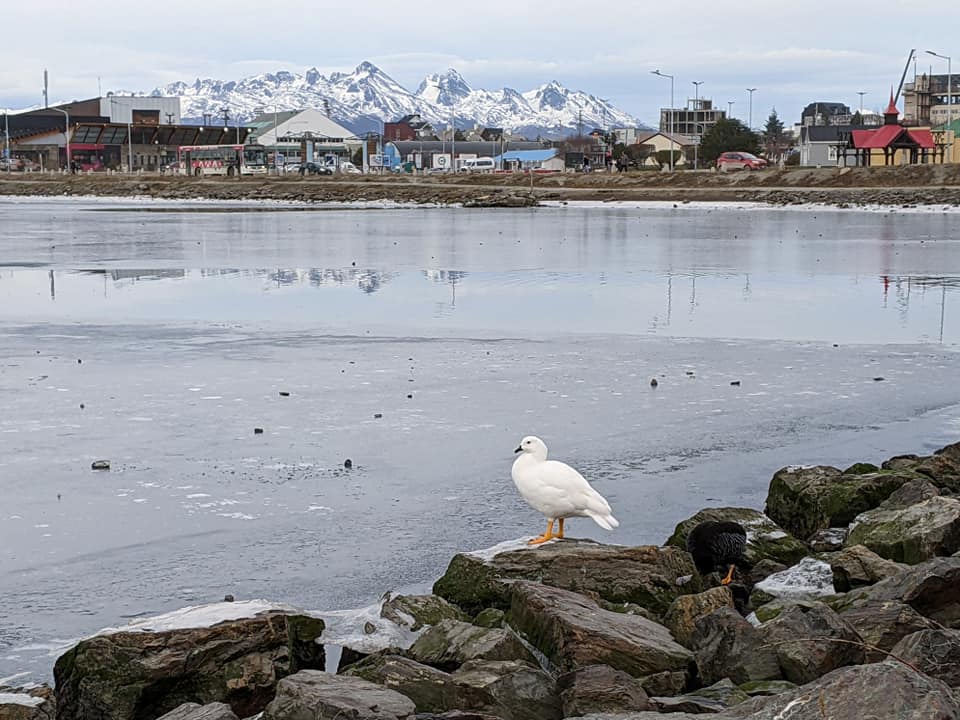
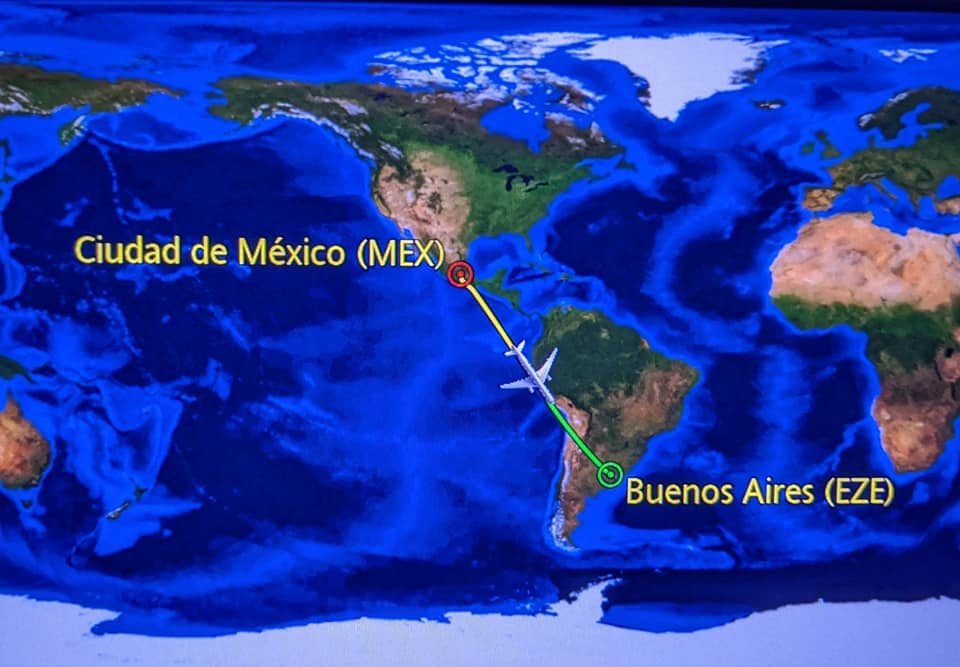
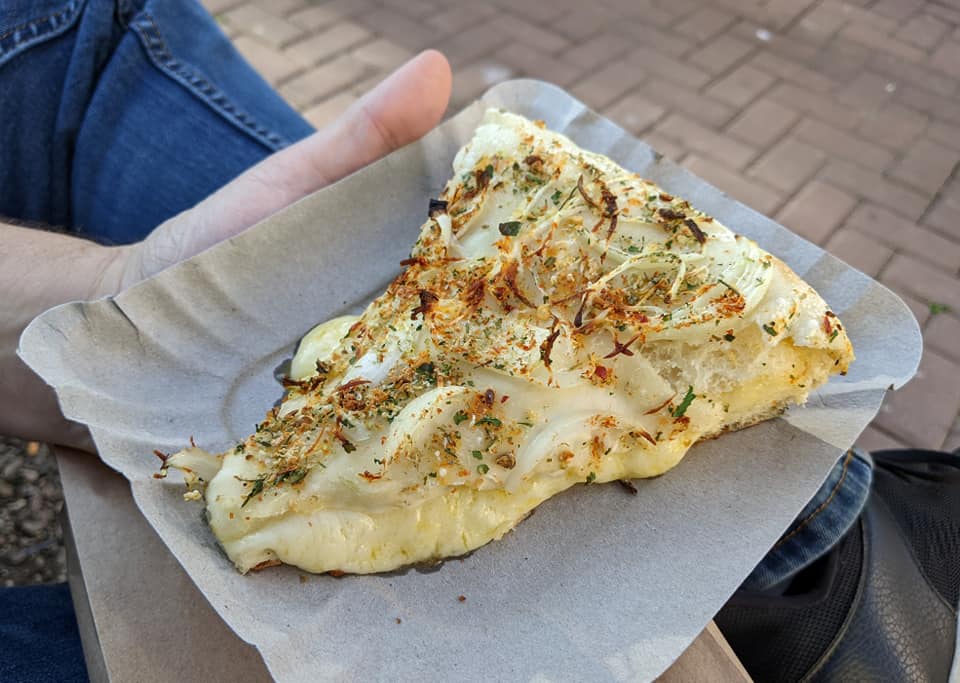
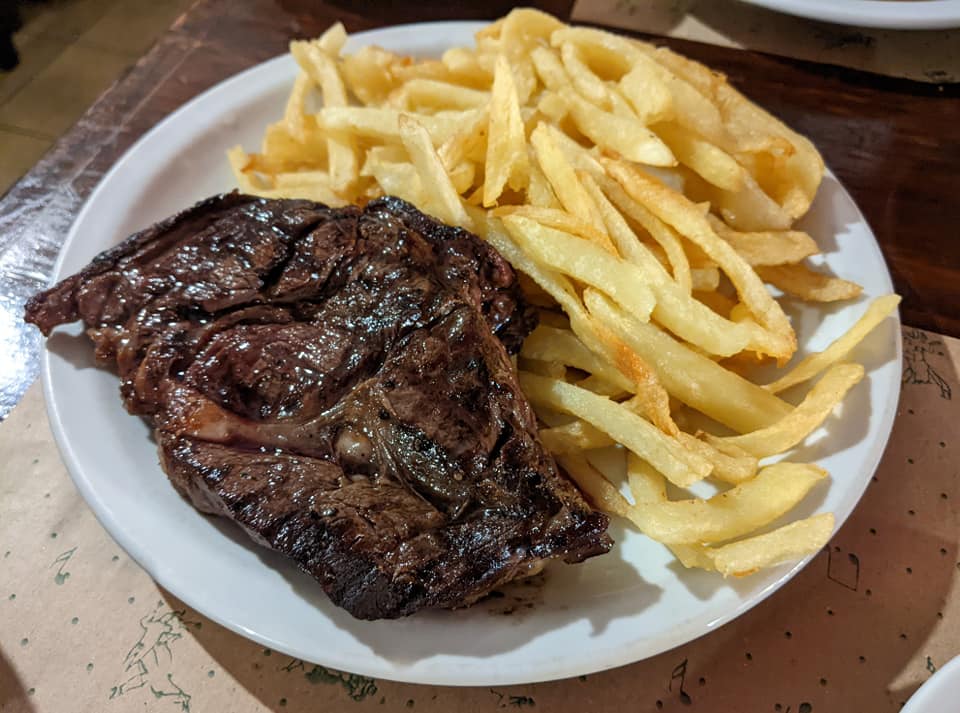


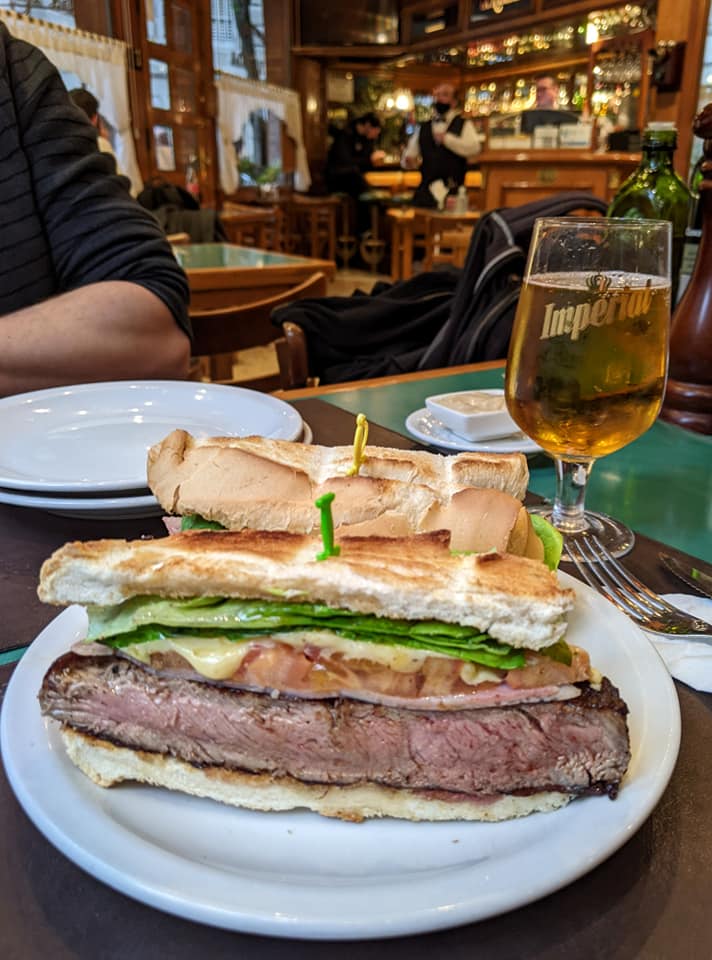
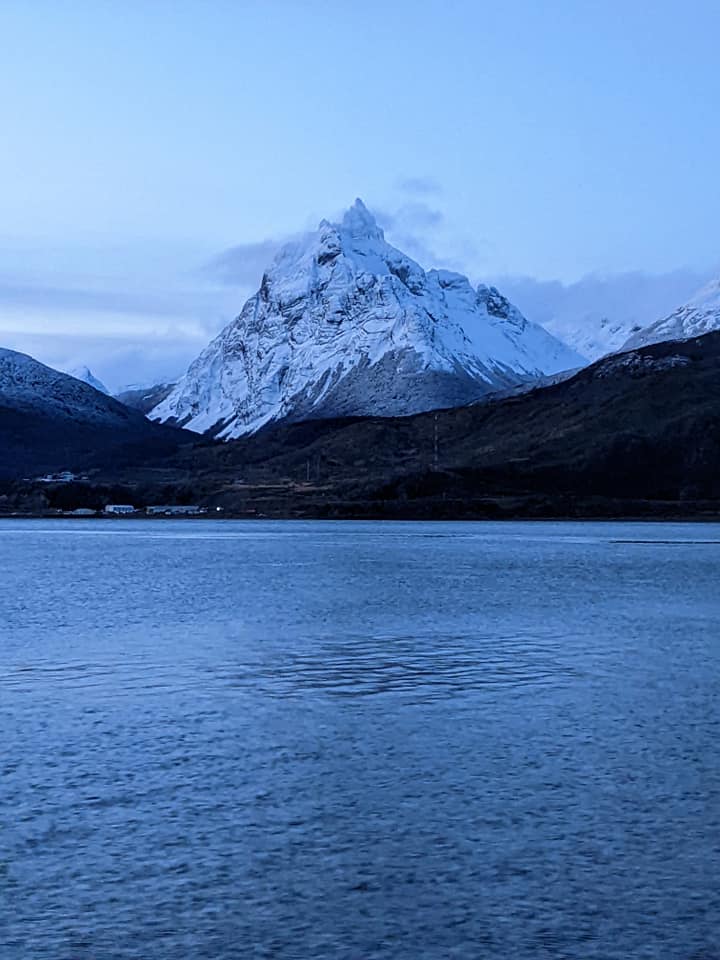


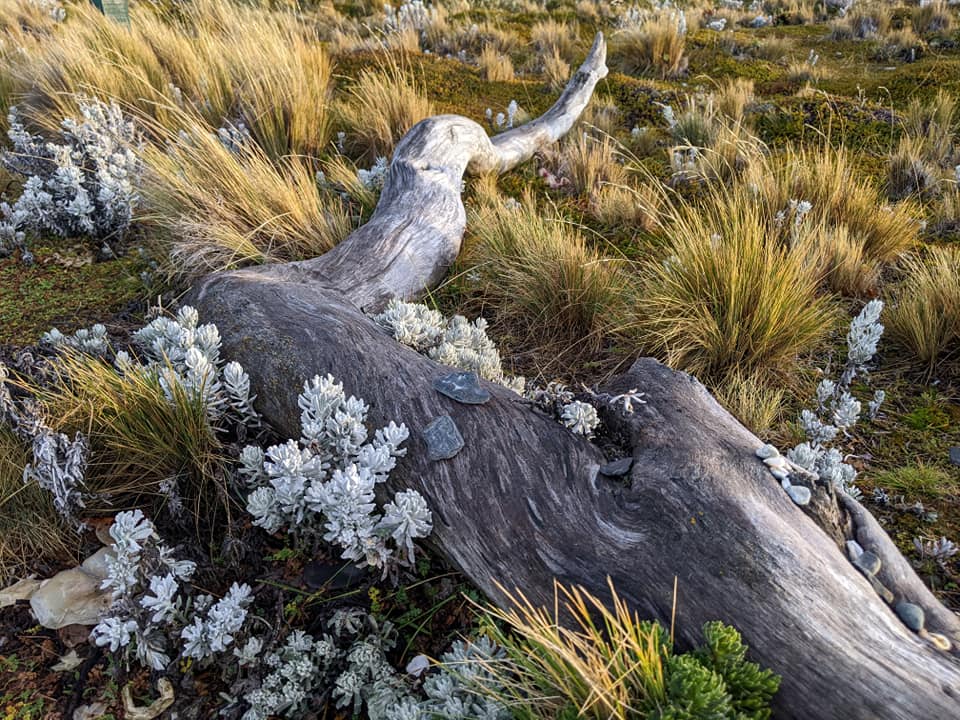

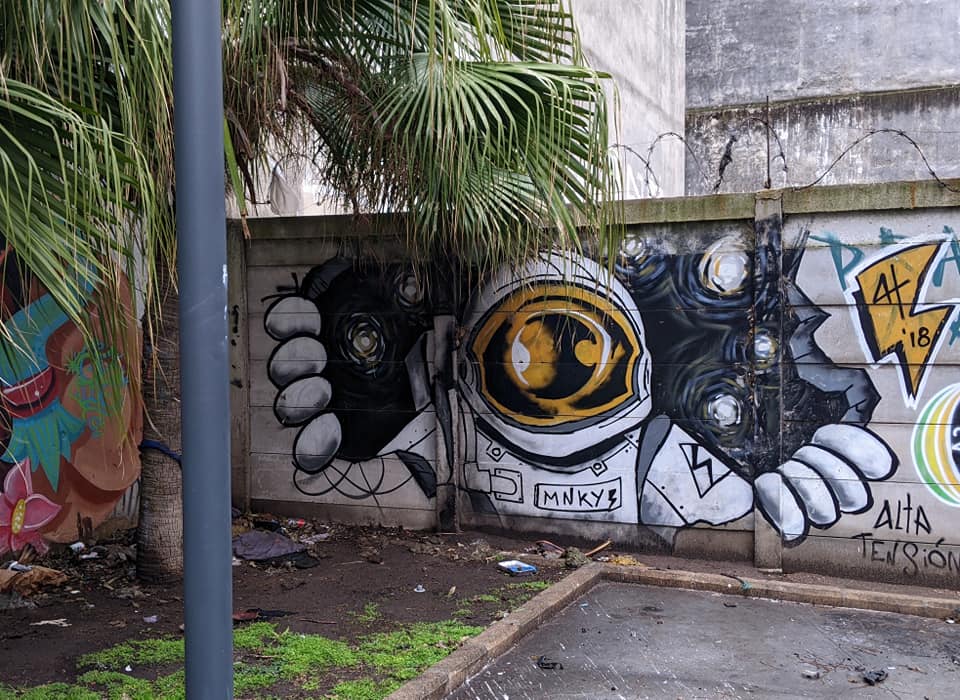


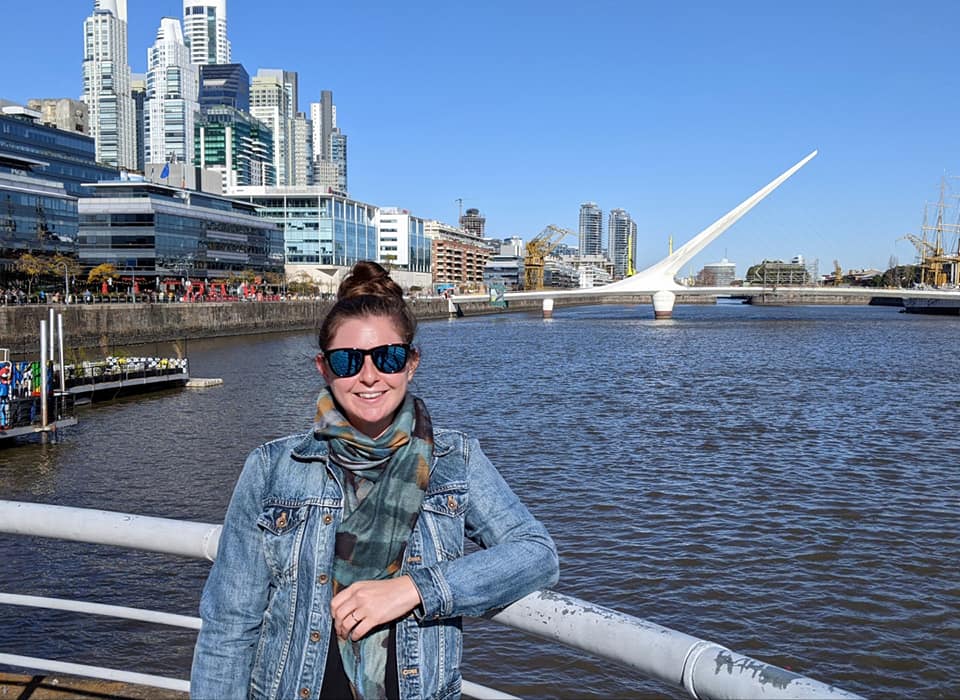

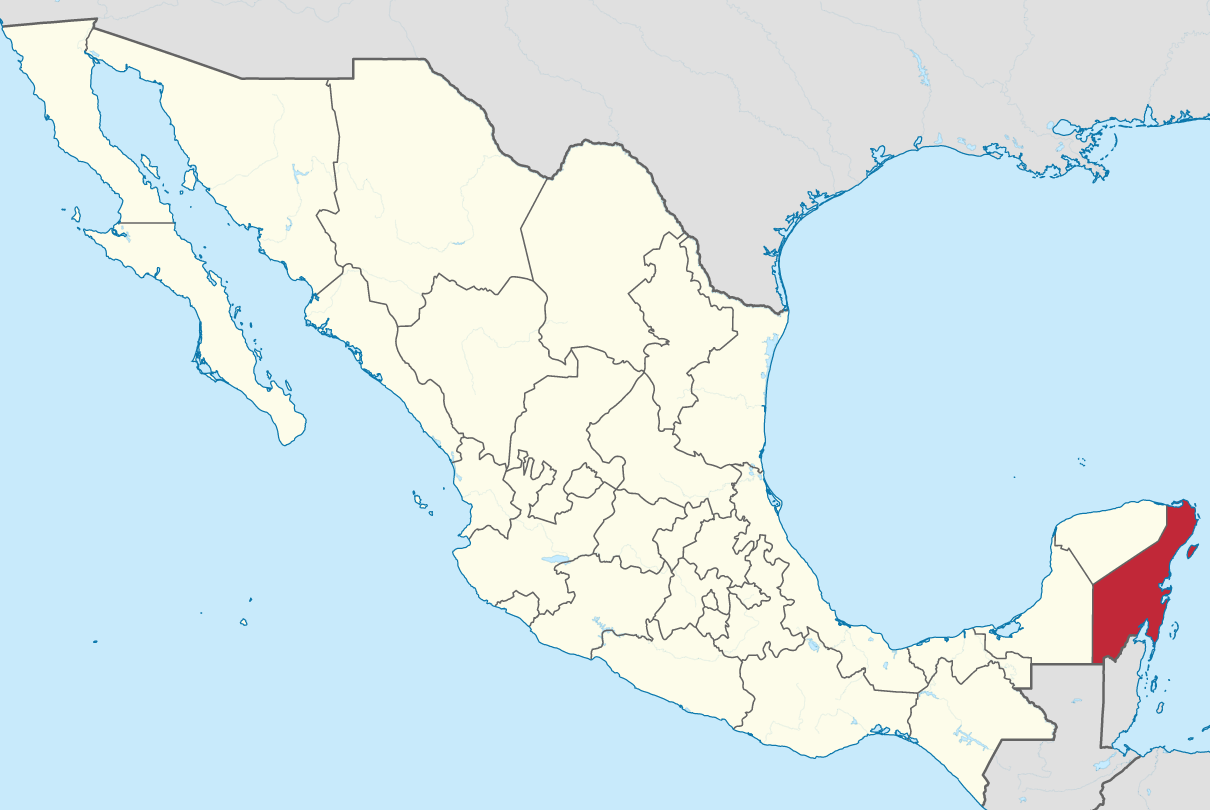


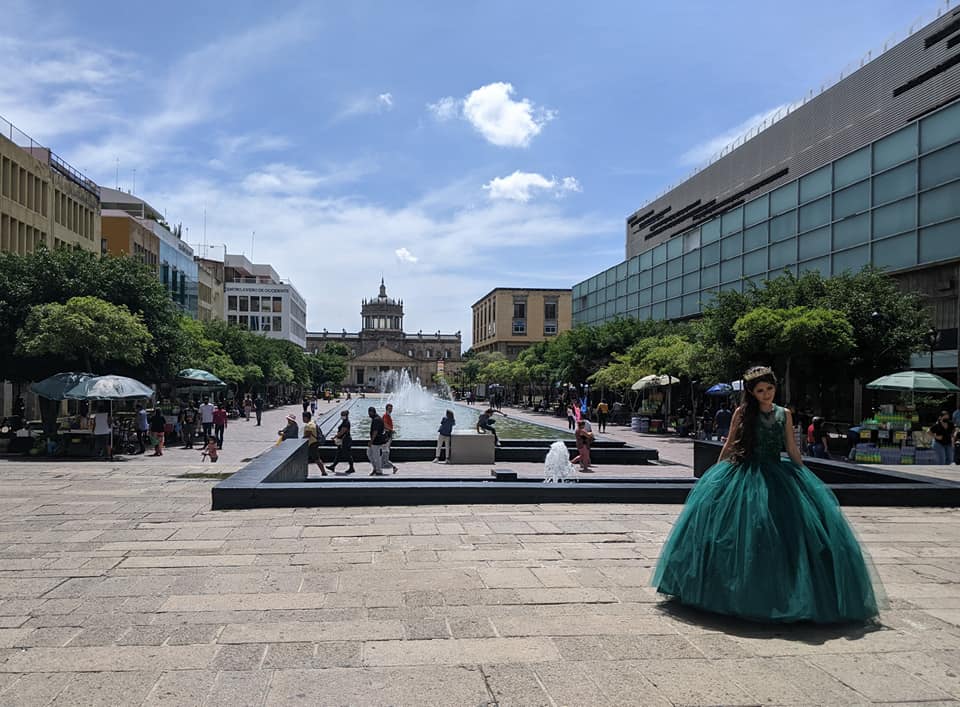


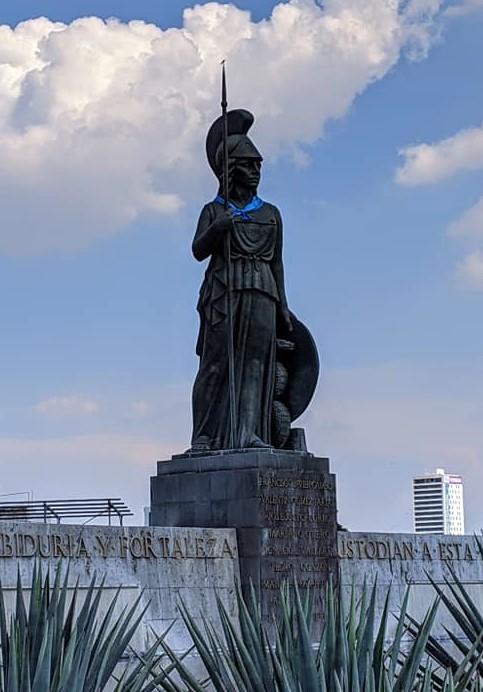


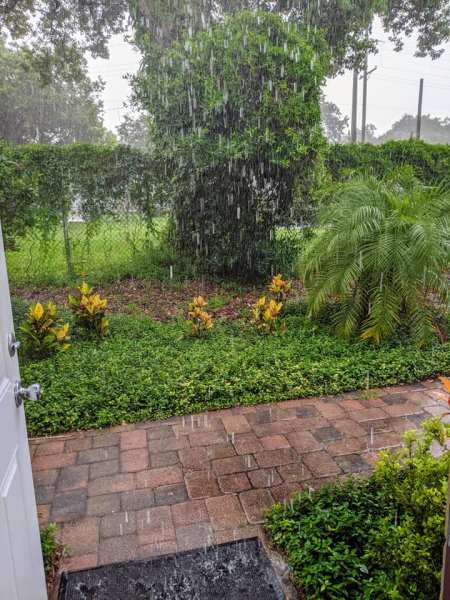


 I don’t intend on writing about my 30 Day Challenges (see January’s blog) each month, or even ever again; however, I just couldn’t pass up the opportunity to share some of what I have learned this month with my “read about a different country every day” challenge. For each day in February (more or less), I selected a country to explore digitally (i.e. with the help of various web resources), and in the process, I have gleaned a plethora of fun facts!


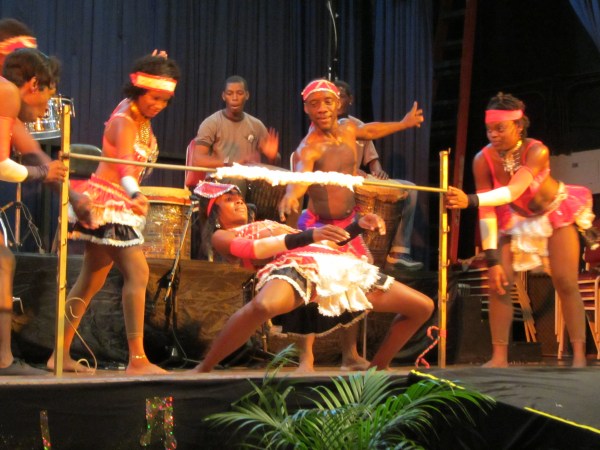
 Uruguay: A country consistently providing the world with incredible soccer players, Uruguay was the first country to win the FIFA World Cup (in 1930).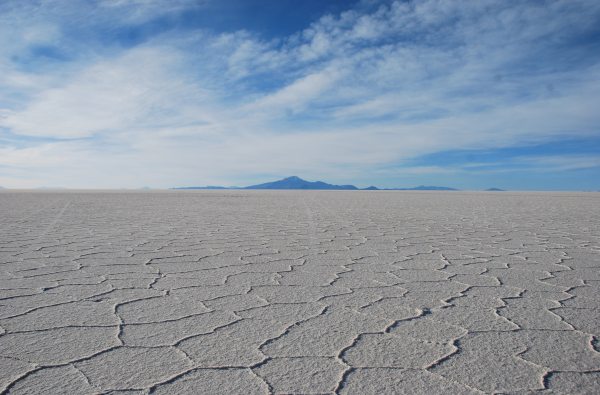
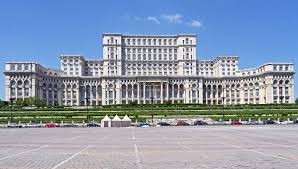

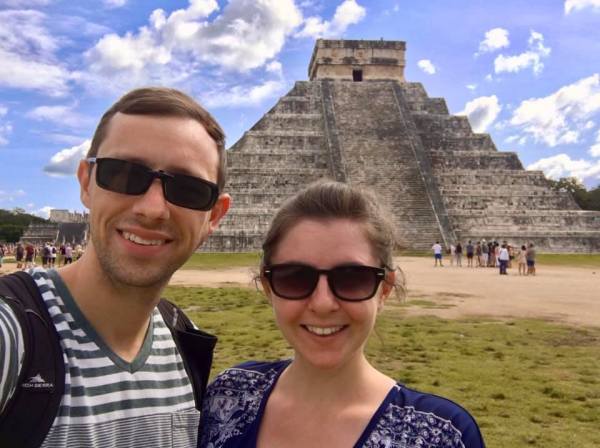
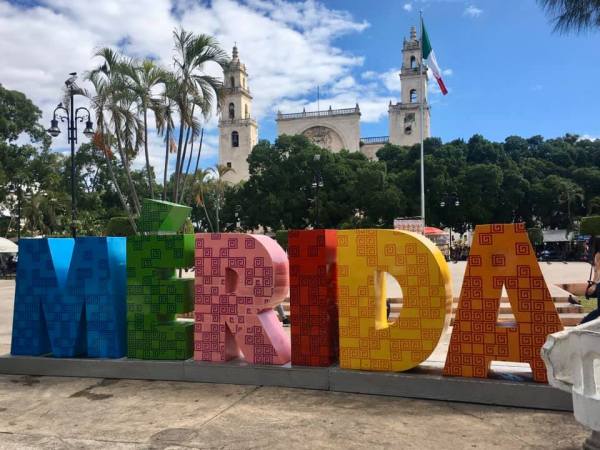

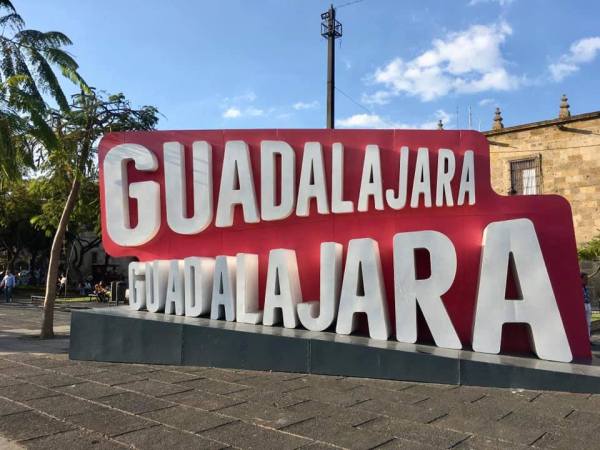 Our next stop was Guadalajara, the capital city of Jalisco (I’m really beginning to think I must have a thing for capital cities…). Anyway, when we arrived in this larger city, I realized just how much all the negative hearsay (like the number of well-meaning warnings I received before our trip) can really affect first-time travelers. I immediately felt uneasy, like everything was an unforeseen danger. Of course, after only a few hours, that was all wiped away. The people of Guadalajara were just as friendly and carefree as those in Merida. Our Uber drivers, especially, greeted us and patiently listened as we stumbled through Spanish to ask questions or give any necessary additional information. We also noticed that in Guadalajara, and perhaps Mexico as a whole, the timings of things are quite flexible. We often found ourselves checking the hours of one place or another, only to arrive and see they haven’t quite set up yet (even a few hours after opening). We really felt the struggle of coming from a China mindset (up early, asleep by 10pm) to the Mexican way of life, where nothing really gets going until after 8pm, at least!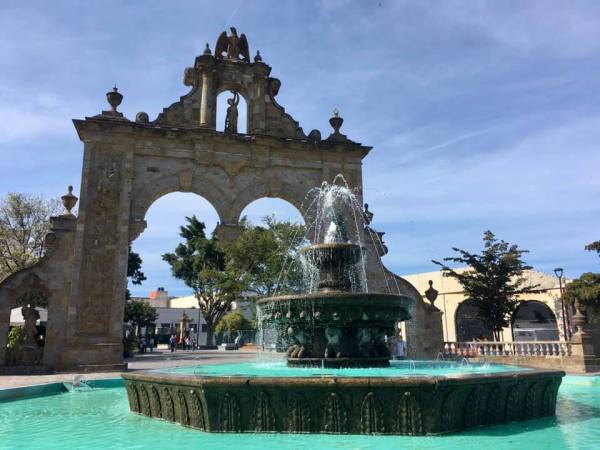


 Our final stop on this scouting mission was the infamous Mexico City. One of the largest cities in Latin America with about 9 million residents, and easily one of the most welcoming mega-cities I’ve ever been in. Sometimes in cities of this size, the expectations for speed and efficiency can be extremely high, which poses a problem for travelers who are clueless as to how things are usually done. However, I never felt any impatience from the locals in CDMX (Ciudad de Mexico). Things were just as easy-going and friendly as the other cities we visited. Of course, Mexico City is quite big, which does bring about some challenges. For example, it typically took over an hour to get from one side of the city to the other, even with the super convenient (and cheap) metro. A sprawling city combined with loads of commuters, holiday shoppers, and tourists definitely made for a chaotic transportation situation. However, because of that large and diverse group, we were also able to get some Kansas City BBQ when we wanted something a bit different one night. It’s the eternal struggle of city life!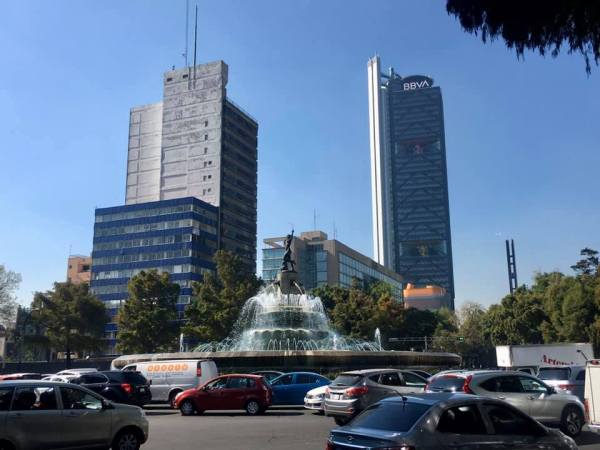


 Dani Francuz Rose