It’s October, a strange time of the year where spooky and supernatural things are dressed up in costumes and set out on suburban lawns. Truth be told, Halloween really isn’t my thing. I don’t like scary movies or unexpected visitors, and as I have chocolate in the house year-round, even the candy aspect is a bit of a miss. What I do like, however, is a nice dose of cultural quirks. Therefore, in lieu of ghosts and goblins, this month, I’m sharing my favorite international superstitions, all of which I’ve either heard from my students and/or have experienced myself abroad. Nothing creepy or crawly here, I promise!
The first superstition I thought of is a simple one that I experienced often when I was in China. Much like how we view the number seven as lucky and the number 13 as unlucky, the Chinese, too, have their superstitions regarding certain numbers. One of the strongest of these is about the number four. The number four is generally avoided in China. Elevators will often skip that floor number altogether, and any room numbers or phone numbers that happen to have too many inauspicious fours in them are often shunned as well. So, what makes the number four so unlucky in China? It’s actually the pronunciation of the word. In Mandarin the number four is pronounced [sì], which is unfortunately similar to the word [sǐ] or “death”.

Speaking of death (it is Halloween after all…) in South Korea, a common superstition is that sleeping in a closed room with a running fan might actually kill you. This is such a common superstition that “fan death” has its own Wikipedia page. Although the alleged cause of death for these unexplained casualties has never been proven (or even agreed upon), warnings are still commonplace throughout the country. Bet you’ll never look at that unassuming appliance in the corner of your room the same way again!
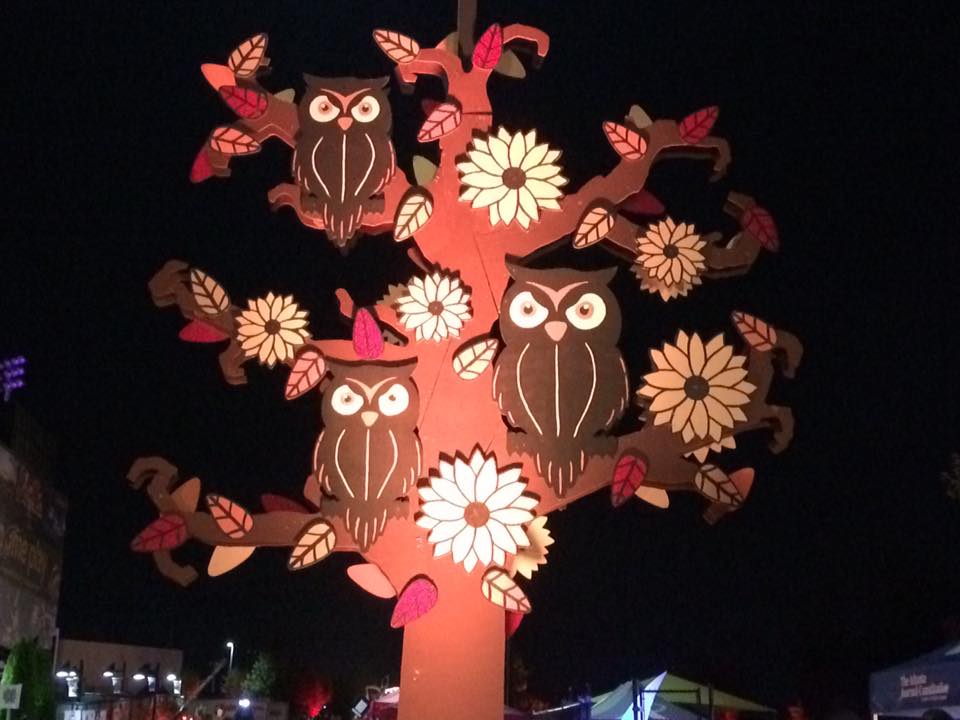
Another death-related superstition I recently heard comes from Kenya, where owls are actually seen not as wise, candy-crunching mentors, but instead as harbingers of death. Seeing an owl in Kenya is believed to be a bad omen because it means that death will strike soon. Could be you, could be a family member, but you can be sure it’ll be close and quick. Even the local words used for “owl” are often avoided as they might bring about the birds themselves (and subsequently an untimely death). Perhaps Hedwig was the true cause of Harry’s continued misfortunes…
Bad luck is understandably a pretty common thing to be superstitious about, but my favorite superstitions involving bad luck are the ones that can be traced back to an event or custom in a culture’s history. One example of this would be the fact that it is considered unlucky in France to eat a baguette or loaf of bread that has been kept upside down. This belief is said to come from an old practice of leaving upside-down bread loaves out for the town executioner to pick up. No one would want to anger an executioner by accidently eating his bread, right?

Two other superstitions that come to mind when I think about bad luck come from Poland and Mexico. In Poland, we were told not to count any perogies that are being cooked. It’s simply bad luck to do so, and it may result in a ruined dinner. In Mexico, to escape a bit of bad luck, you should avoid sweeping at night because that, too, can bring a curse down on your house. Additionally, even when daytime sweeping in Mexico, you shouldn’t sweep the dirt straight out your front door, otherwise all your good luck will leave with it too. I knew I should have swept it under the rug instead!
If bad luck to you means losing money, then you shouldn’t put your purse or wallet on the floor. In Brazil (and many other countries) this action or even the accidental dropping of your purse/wallet could mean that you’re about to lose a lot of money or else have some other, serious financial difficulties.
In addition to good and bad luck, many other superstitions seem to be concerned with friends and enemies. For example, in Mongolia if you happen to touch someone’s foot or step on their shoe, you should immediately shake hands as a sign of good faith and friendship. If you do not, it means that conflict is on the horizon and that your relationship might be strained in the future. This superstition is so prevalent that even strangers who accidently bump feet will turn and shake hands to combat the negative consequences.

In another shoe-related superstition, in Egypt, it is considered disrespectful to leave your shoes with their soles facing up. Stemming from ancient Egyptian beliefs, this can be seen as a slight against God, thus a possible omen of bad events (or in a mixing of religious terms, bad karma) heading your way. This superstition also seeps into etiquette because it is also seen as rude to sit with your soles pointing towards another person.

In Turkey, it’s sharp objects (or at least passing them to others) that can cause you to lose friends. For example, handing over a pair of scissors might been seen as the cause of a severed relationship in the future. It’s more prudent to set the sharp things on a nearby table than to hand them over directly.
On the other hand, if you find that you want to get rid of an unwelcomed friend, or a visitor that has over-stayed their welcome, in the Philippines, there is a superstition that says sprinkling salt around your house will cause a visitor to leave. I wonder if you throw salt over your shoulder at the same time will the results be magnified or canceled out?

Other common superstations revolve around mystical creatures and the magic they bring. In Peru, dragonflies are believed to be connected with sorcery and can bring evil to those whom they touch. Luckily, also in Peru, ladybugs are counters to the devious dragonflies, and they can indicate that good luck is on the way.
Some creatures, however, can be related to both good and bad superstitions, as with the Icelandic elves. These “hidden people” are woven into many beliefs and even holiday celebrations in Iceland. For example, there are stories about construction projects being halted because the plans didn’t take into account the feelings and habits of the local elves. They really must be consulted if you want things to run smoothly. I’ve also heard they throw some pretty awesome Christmas parties.

And there you have it! A well-rounded 13 international superstitions to keep you up at night wondering how many times you brought the bad luck on yourself with your unsuspecting actions. Perhaps this explains all the bad juju in 2020? Something to think about! Happy Halloween! 😉












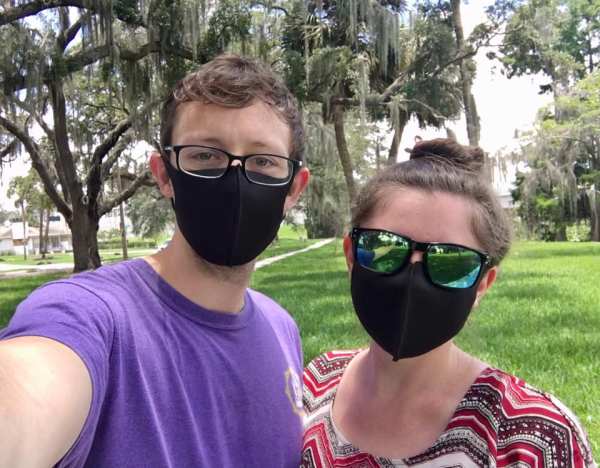






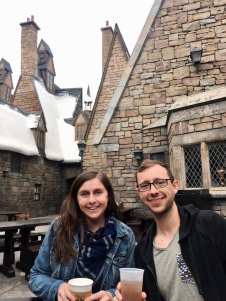
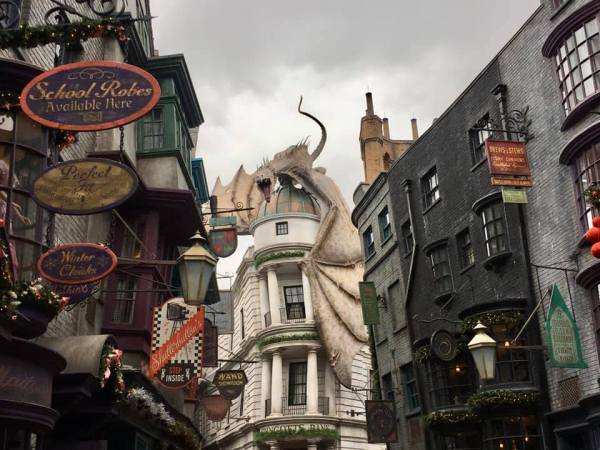


 Next up, my dad wanted to try a famous seafood place (Dixie Crossroads) out on the Atlantic coast, which I quickly paired up with a drive to Cocoa Beach and Port Canaveral. Although it was a quick visit, we walked along the beach and the pier, looked for the cruise ships and the Space Center, and learned that Florida has a nickname for every single section of coastline.


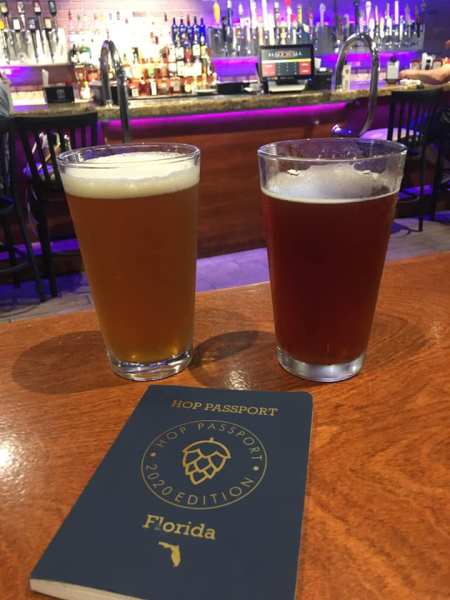




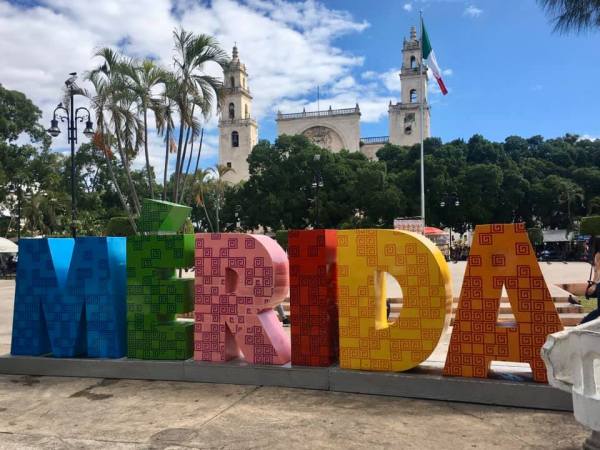

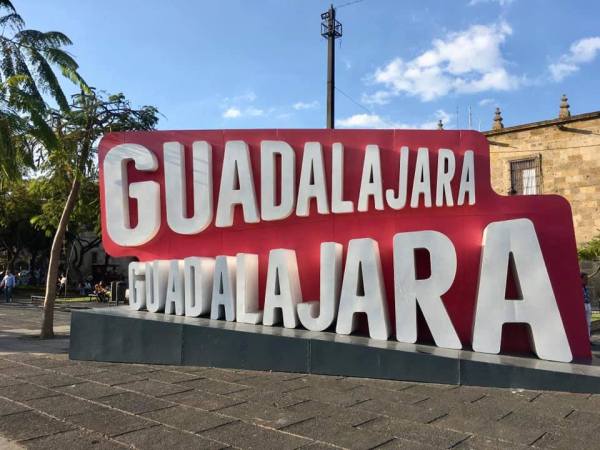 Our next stop was Guadalajara, the capital city of Jalisco (I’m really beginning to think I must have a thing for capital cities…). Anyway, when we arrived in this larger city, I realized just how much all the negative hearsay (like the number of well-meaning warnings I received before our trip) can really affect first-time travelers. I immediately felt uneasy, like everything was an unforeseen danger. Of course, after only a few hours, that was all wiped away. The people of Guadalajara were just as friendly and carefree as those in Merida. Our Uber drivers, especially, greeted us and patiently listened as we stumbled through Spanish to ask questions or give any necessary additional information. We also noticed that in Guadalajara, and perhaps Mexico as a whole, the timings of things are quite flexible. We often found ourselves checking the hours of one place or another, only to arrive and see they haven’t quite set up yet (even a few hours after opening). We really felt the struggle of coming from a China mindset (up early, asleep by 10pm) to the Mexican way of life, where nothing really gets going until after 8pm, at least!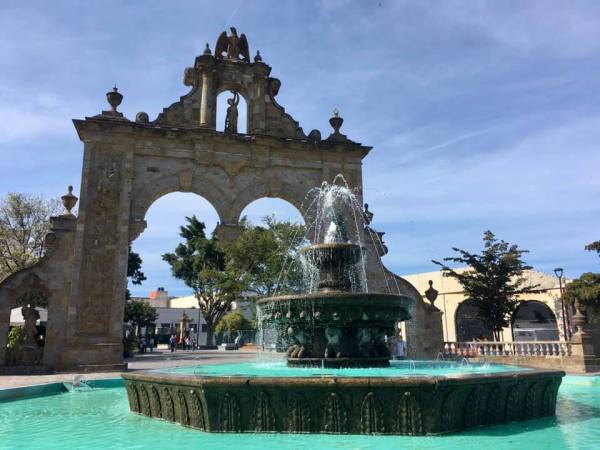


 Our final stop on this scouting mission was the infamous Mexico City. One of the largest cities in Latin America with about 9 million residents, and easily one of the most welcoming mega-cities I’ve ever been in. Sometimes in cities of this size, the expectations for speed and efficiency can be extremely high, which poses a problem for travelers who are clueless as to how things are usually done. However, I never felt any impatience from the locals in CDMX (Ciudad de Mexico). Things were just as easy-going and friendly as the other cities we visited. Of course, Mexico City is quite big, which does bring about some challenges. For example, it typically took over an hour to get from one side of the city to the other, even with the super convenient (and cheap) metro. A sprawling city combined with loads of commuters, holiday shoppers, and tourists definitely made for a chaotic transportation situation. However, because of that large and diverse group, we were also able to get some Kansas City BBQ when we wanted something a bit different one night. It’s the eternal struggle of city life!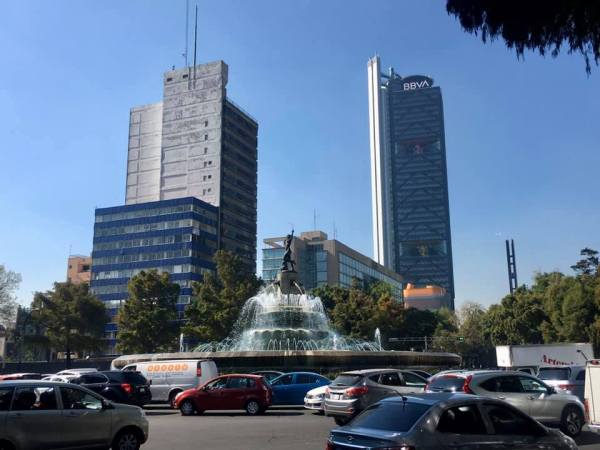







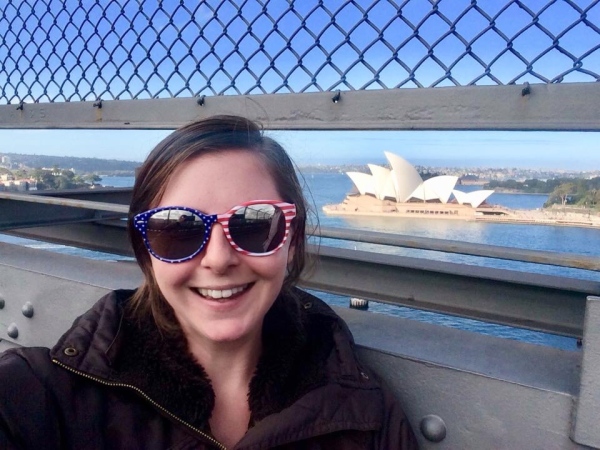
 As an English teacher I’m often asked to describe the United States and Americans, and for as long as I can remember, the first word that has come to mind is: independent. We love to feel independent! Independent financially, politically, emotionally; in our families, in our workplace, and in the world. Many of us longed to “be out on our own” at a very young age, and most Americans follow that course throughout their lives. We love expressions like “pull yourself up by your bootstraps” and “stand on your own two feet”. In our culture, there is an immense pride in (and often an expectation to) figure things out on our own. Whether this comes from the pioneer spirit of our history or from Hollywood’s “steal the spotlight” mentality, we can see the strong value placed on independence in all aspects of American lives. From our first declaration as a prospective country to our preference for ordering individual, non-shared meals, we focus every day on our individuality and personal independence, and if ever we feel it’s being threatened, look out.
 You might have noticed that I didn’t get very far into this post without mentioning Hollywood. As much as many Americans like to think of that place as somehow “other”, the truth is, we are massive consumers (and producers) of entertainment, all thanks to Tinseltown. In fact, many of my students from all over the world have surprised me with facts and details about life in the US that were gleaned entirely from our movies and TV; some have even confessed that’s how they started learning English or even why they continue today. Of course, what they see in the movies is not always true to American life, but there are definitely many of our values and perspectives shared through our obsession with entertainment. It’s hard to imagine America without movie trailers, award shows, film conventions, and dedicated fandoms. As someone who hasn’t seen such American classics as the Godfather, Stars Wars, or Top Gun, I’ve been described a few times as “simply unamerican”, but I promise I’ll get to them eventually!
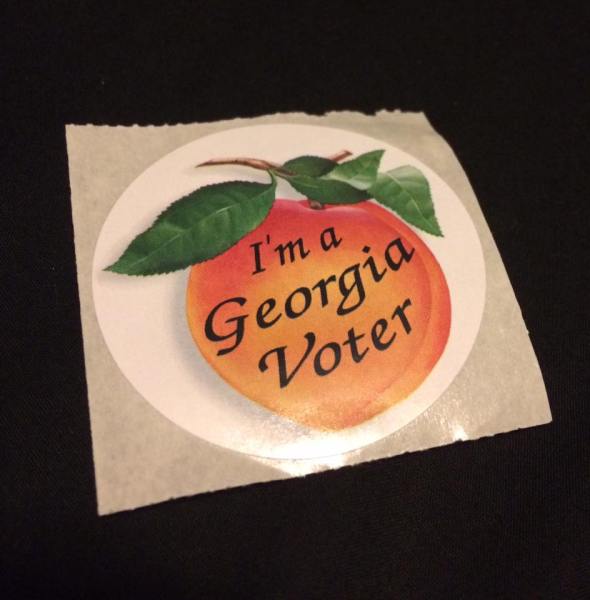 Another trait that I associate with America is our deep patriotism. We love our flag, our national anthem, and the values that we have long attached to our country, such as freedom, perseverance, and justice. Although patriotism means something a little different to each of us, as Americans this is our home, and we feel a certain pride and responsibility in that. Whether we show these feelings by hanging a flag outside our house, voting in every election, or representing our values abroad, we all like to feel that we have a role to play for America, and we’re happy to do it. Perhaps because we grew up with stories of how hard our forefathers, suffragettes, and civil rights activists fought for us to have what we have today, the sense that we need to take up the baton and continue to work for a better homeland has been deeply instilled. Or who knows, maybe it was just hearing that Lee Greenwood song year after year.
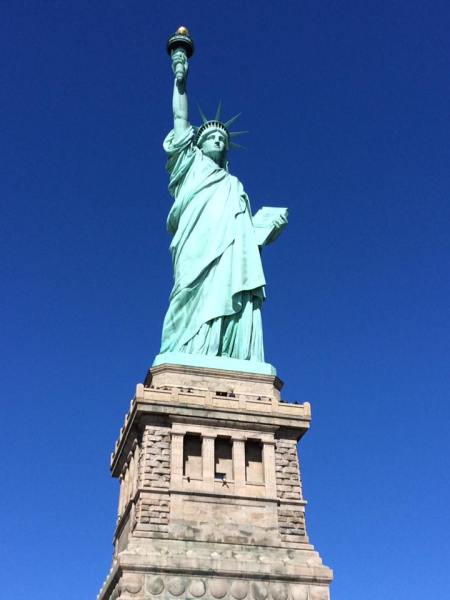 Although this word has taken on new meaning and significance in the last few years, the American Dream and the people who embody it are not new, nor I think are they bound by political lines. America was founded on dreams: dreams of a new nation, dreams of equal representation, dreams of prosperity. We can still hear the US referred to as a “Land of Opportunity” from both inside and out. We love the fact that “if you can dream it, you can do it”, and thanks to our lack of a formal class system, many Americans have been able to make it happen all throughout our history. Most of us have immigrants in our ancestry, which is maybe one of the most classic versions of the American Dream. Others have seen their dreams come true in regards to socioeconomic status or overall success. Just like independence, Americans value people who dream big and work hard to make it happen. In short, we believe dreams can come true.
 Dreams are wonderful, but all dreams are based in some sort of reality. And for Americans, right now that reality is a strong division. Party lines are more evident than ever, generation gaps and racial divides exist, and there’s no doubt that whatever the topic of conversation, people tend to divide up into various groups or “sides”. We have the Left and the Right, Boomers and Millennials, white collar and blue collar, Black and white, gay and straight, religious and non-religious, and so many other labels that, like it or not, separate us in some way from our fellow Americans. Although we are the “United” States and a supposed “Melting Pot”, many events have recently been shining a spotlight on our divisions and differences instead. Diversity can often beget division, or at least the perception of division, but I think we’re all also aware of the classic “United we stand; divided we fall”. Trends change everyday, and we can change as well.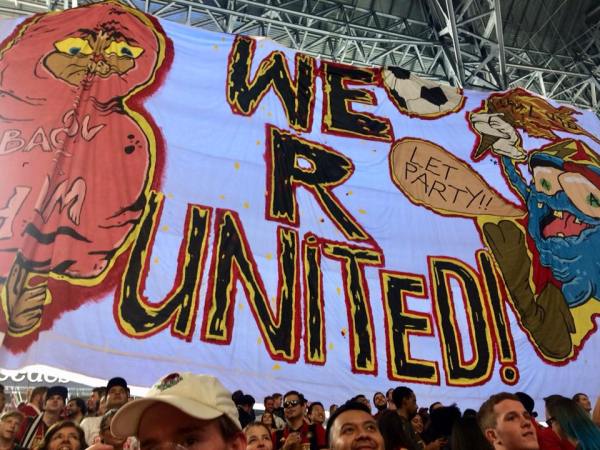

 Perhaps because we’ve always been in our own little world, the US has also been a hotbed for inventiveness and creativity right from its start. From Thomas Edison and Clara Barton to Bill Gates and Katie Bouman, Americans have contributed a great deal to global innovation. Even the average American likes to think and talk about the future, and we always, as Walt Disney famously said, “keep moving forward”. It’s no wonder our people were among the first to take to the skies, race to space, and create all types of digital media. We simply love to take risks and try something new. We have the phrase “necessity is the mother of invention”, but in America, it might not even require necessity.