

This year has thrown a lot of surprises at the world (and some not-so-surprising events as well really), but for me and Tucker one of the most unexpected occurrences has been our prolonged stay in Florida. We were only meant to be here for a few months as we gathered our lives from various corners of the world in order to head north for the next few years. Of course, with a brief snag in our immigration paperwork followed by a global pandemic, we’ve found ourselves in a holding pattern since March. And while, like everyone else, I’m still struggling to figure out what this all means for our jobs, our future, our society, etc. I’ve also been doing what I do best in a new place: exploring. Even though this exploring has taken place mostly online (and occasionally from a socially acceptable distance), life in Florida has still been quite interesting, and in some ways enlightening. Thus, for this month’s post, I have put together a list of my newly gleaned facts (and opinions) to share about our temporary home.

The first thing I have to mention is the fact that everyone seems to have an opinion about Florida. People who have never even been here feel one way or another about it, and plenty of people like to vocalize their opinions (many of which are quite negative) without much regard to facts or feelings. I say this as a non-Floridan, someone who doesn’t have a strong feeling one way or another about this particular state, but sheesh, even I feel bad listening to the many tirades and verbal attacks on the Sunshine State, especially those that can be found online. In our brief time here, I’ve come to view Florida as the state that’s often picked on, but that everyone secretly likes and takes advantage of (like an annoying kid in school that has a really nice pool).
When reflecting on why there are so many negative associations with Florida and Floridians floating around out there, I feel it boils down to two things: 1) the Florida Man and 2) vacationers. Most everyone knows about the Florida Man trope nowadays. A long-lasting meme that has permeated the internet and beyond, it originally referred to the crazy headlines often found in Florida that always begin with “Florida man…” and usually end with his doing something absolutely absurd. But interestingly, one of the first things I learned about the Florida Man origins is that they were sparked by a change in state law. In the 1990’s Florida passed the Sunshine Law, which ensures public access to all government records, including police arrest records. As you can imagine, in 30 years, the spring break capital of the US has racked up quite a few crazy stories, which brings me to my next point.


Vacationers. Probably the first thing we noticed after a few months in Florida was the ebb and flow of the people. Renters in, renters out; snow birds in, snow birds out; spring-breakers in, and (thankfully) spring-breakers out. The state of Florida has approximately 22 million permanent residents, but sees 110 million tourists annually. That’s a lot of YOLOing for any place to deal with. I think I actually first noticed this phenomenon in grocery stores. People in bathing suits, vacation gear (lots of Disney paraphernalia where we are), and a general lack of care for their immediate environment. Many people are here for a short time and their mindset is to live it up; therefore, chaos ensues, sometimes in the form of drunken parties and possible police involvement (which is then publicly documented for all the word to see and share).
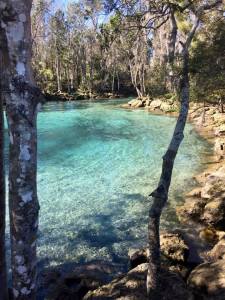
Of course, I completely understand why so many people choose to vacation to Florida. It’s an amazing place for affordable and varied entertainment. We’ve got theme parks all over the place: Disney World, Legoland, Universal Studios, SeaWorld, Busch Gardens, (and for a select clientele) Gatorland. There is also an abundance of parks, lakes, and other natural features like the Everglades, hot springs, swamps, and of course, the many, many beaches. Florida actually has the longest coastline of any of the contiguous states, and the climate (especially in south FL) means beach-going is possible year-round.


Speaking of South Florida, another thing that became immediately clear upon moving here was the presence of three distinct regions. You have North Florida, Central Florida, and Southern Florida, and the people who live (and vacation) in these three places often differ as much as the geography. We’ve heard this said a few times now: the further north you go in Florida, the further South you are. This refers to the fact that northern Florida is very much like Georgia, Alabama, the Carolinas, etc. Demographically, linguistically, socially, north of Ocala is really part of the South. On the other side, you have South Florida which held onto its Spanish roots and still welcomes a large influx of immigrants from Central and South America. The influence can be seen, heard, felt, and tasted as soon as you drive south of Lake Okeechobee. And that leaves Central Florida, which is somewhat a mix of the two and also somewhat the result of many retirees from out of state. Orlando and many other cities in Central Florida are very much like any other major city in the US: professional, progressive, and a tad hipster.


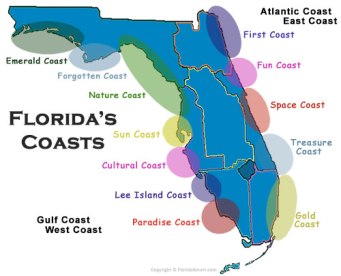
Another part of life in Florida that caught my attention early on was the naming of the coasts. Most likely, at least in part due to tourism, each section of the coastline in Florida has a name and, for lack of a better word, a vibe. You have the Space Coast, which is the location of the Kennedy Space center and where all the rocket launches take place (which we can see from our driveway, btw). You also have the Gold Coast where the big cities (Fort Lauderdale and Miami) and the famous South Beach are located. There’s the Sun Coast with its beautiful sunsets, the Nature Coast with its natural springs and manatees, and even the First Coast, which is where you can find the first and longest continuously inhabited settlement in modern day USA.

Since our trip to Saint Augustine and the First Cost, I’ve been really interested in Florida’s history and particularly how it differs from that of the colonies. Perhaps most people remember that Florida was first claimed by Spain, which is why we still see so many names like: Boca Raton, Punta Gorda, Buena Vista, etc., but what I (having taken Georgia History, not Florida History, in school) found super interesting was the native American history here. Of course, it now seems quite obvious with place names like: Tallahassee, Kissimmee, and Osceola, but I never gave much thought to the tribes that called Florida home and were actually some of the first to be attacked and displaced. Indeed, the Creek/Seminole tribes, in particular, not only found themselves stuck in the middle of a fight between Britain and Spain during the Seven Years’ War, but went on to challenge the US settlers with what is now known as the Seminole Wars, some of the longest and most expensive in early US history. Historically, Florida has seen a lot, and I don’t think it gets much credit for its important place in US history, let alone world history.

Finally, the last surprising fact I am very pleased to share is about the weather. As cold weather people, Tucker and I were very much dreading our time spent in the humid and, yes, extremely sunny Florida, especially as that time started to stretch into summer. However, I’m happy to report that it’s really not so bad! Florida is really breezy, which certainly helps with the heat, and now that we’re officially in summer, I can say that there’s a bit of a rainy season here meaning the afternoon thunderstorms that happen almost every day also help to cool it down. We’ve both commented that while the warmer temps might last longer, they don’t feel near as oppressive as summer in Atlanta. Plus, the produce here is absolutely amazing! In addition to citrus, Florida produces significant percentages of the country’s tomatoes, watermelons, cucumbers, and sugar cane.


All in all, Florida has been a surprise in many ways for us (including the very exciting news that there is no state income tax in Florida!). Ultimately, our time here has really just been another lesson in finding out how much there is to discover/learn, even in a place you think you already know pretty well. So, what have you learned so far in 2020?


 Next up, my dad wanted to try a famous seafood place (Dixie Crossroads) out on the Atlantic coast, which I quickly paired up with a drive to Cocoa Beach and Port Canaveral. Although it was a quick visit, we walked along the beach and the pier, looked for the cruise ships and the Space Center, and learned that Florida has a nickname for every single section of coastline.



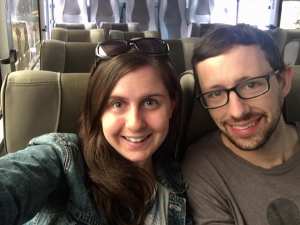
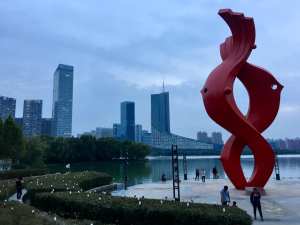
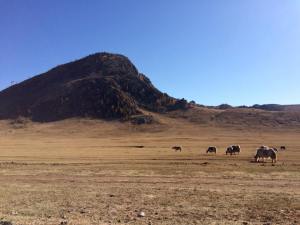


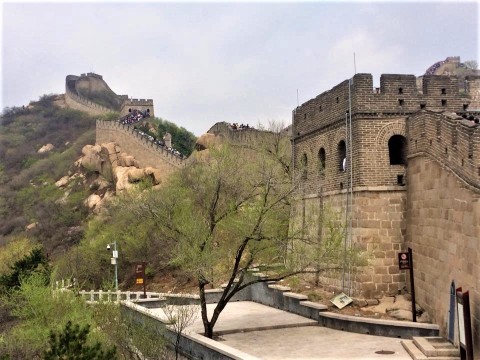


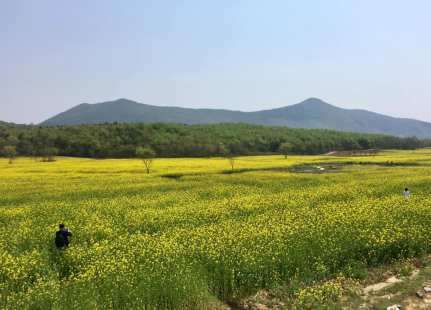
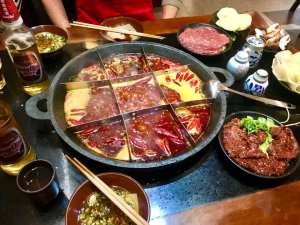
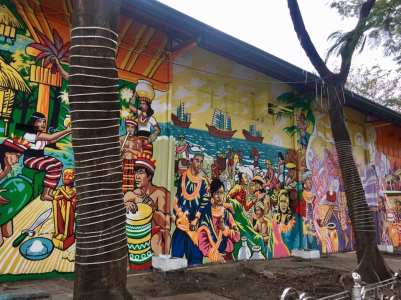
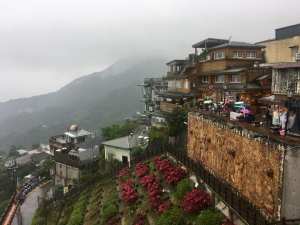


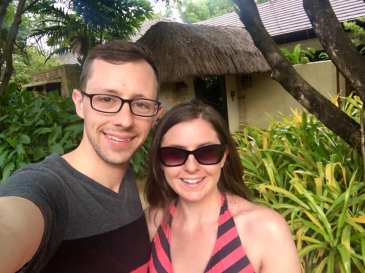 The second New Year (also known as the Chinese New Year or the Lunar New Year) has come and gone, and with it, possibly our last long winter break off together. Just like last year, the Chinese university semester break coincides with the holiday giving us several weeks off, which, of course, we put to good use! My program had its mid-year meeting and conference in the Philippines this year, and somehow, Tucker and I managed to squeeze in three (and a half) other destinations on our island hopping itinerary. You might have seen the hundreds of photos on Facebook, but I’d also like to share a few words about our time traveling in South Asia. To be honest, it’s a little surreal to be writing this as I watch the snow fall outside, but here we go!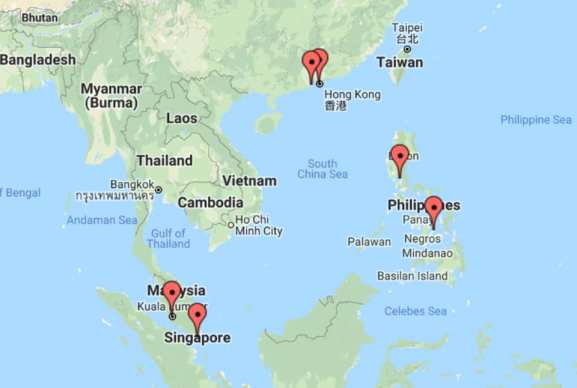
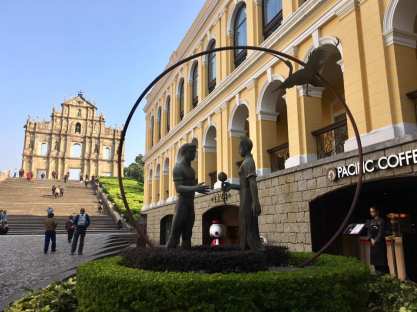 Our first stop was Macau, a “special administrative region” of China. It gets this rather long name due to it being somewhere in between a province and another country entirely. It’s a part of China, but it’s also not China, which is actually one of the reasons we wanted to visit. We wanted to see if there were any noticeable differences. We also wanted to visit because we were eager for another taste of Portugal. Macau used to be a Portuguese colony and has retained quite a bit of the Portuguese flair in architecture, food, and language.


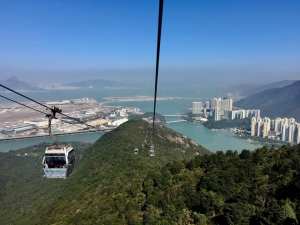 After a few days of strolling around Macau’s narrow alleyways, we took a massive speed boat (TurboJet) to our next destination just across the water: Hong Kong. This was actually our second trip to Hong Kong, but last time we didn’t quite get to everything on our list – this short stopover on the way to Midyear was our second chance. We had less than 24 hours in the city, but we managed to make it out to Lantou Island to see the incredible Buddha and cableway there, we took the bus to the top of Victoria Peak to watch the sunset over the city, and we went to Tim Ho Wan for the world’s cheapest Michelin Star eats. While I definitely preferred Macau’s laid back, European vibes, it’s hard to not like Hong Kong as well. Macau and Hong Kong are a couple of tiny islands (and respective peninsulas) that I highly recommend everyone to visit! No visas needed for US citizens! :)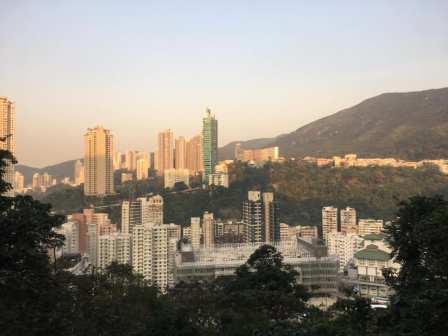
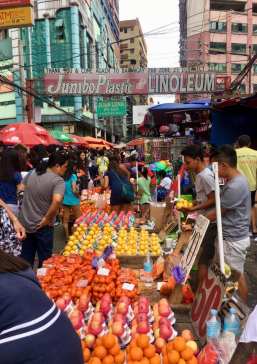 All too soon it was time to fly to the Philippines and get to work. When we first landed in the Philippines it was chaos! Passengers getting up and grabbing their bags before the plane had stopped moving; people sitting on seemingly every inch of the floor in the airport; signs for flight changes being moved by hand from gate to gate; loud cover songs of 2000’s hits playing in every corner of the terminal, etc. All I could think was “Well, we’re definitely not in China anymore.” As we sat waiting for our flight though, the newness wore off, and it was easy to see that the Philippines are just plain fun! In fact, their national slogan is “It’s more fun in the Philippines”, and I totally got it. Smiles were everywhere! The flight attendants wore bright yellow polos and hummed songs as we boarded. Fellow passengers sang along with the music they heard on the plane. The joy was contagious!
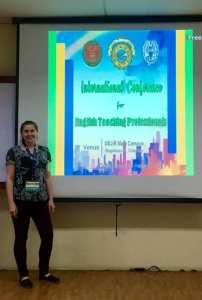 The first week we were in the Philippines I had to “work”. I attended meetings with the other Fellows, we planned and executed various group activities, and generally bonded and reconnected after our last five months apart in our various host cities/countries. For this part of Midyear, we were put up in a resort on Mactan Island, which was incredibly fancy and not the sort of place Tucker and I usually go for (I’ve never heard so many “yes ma’ams” and “hello sirs” in my life). It was beyond beautiful though, and luckily Tucker was able to take full advantage of the beach, the snorkeling, the infinity pool, etc. However, after a few days completely devoid of local culture, I was definitely ready to get to our next location: Cebu City. It was here that we attended and presented at a local teacher training conference held at the University San Jose Recoletos. Easily my favorite part of Midyear, I was able to meet and interact with many local Filipina/o teachers and get a much better feel for what life in the Philippines is really like.

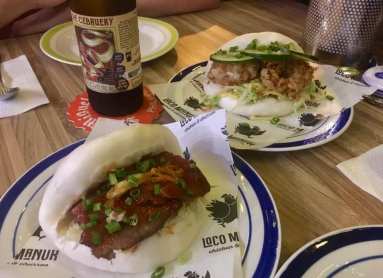 Once the conference and Midyear were officially over, Tucker and I hadn’t quite had our fill of the Philippines, so we headed to Manila for some good old-fashioned touristing. Manila is an incredible city with some of the best food I’ve had in a long while. Their specialty seemed to be fusion restaurants. We had super interesting and delicious food at Loco Manuk (Filipino, Peruvian, and Chinese) and El Chupacabra (Filipino and Mexican), and saw a Japanese-French Cafe that looked amazing as well! In addition to the incredible food, we also had a great time walking around Manila Bay, grabbing a drink in Intramuros (the Old Town), and watching the Super Bowl at a local expat bar. The Philippines boasts an amazing mix of languages and cultures, and it was so fun for us to be able to use English (commonly spoken there) to ask about a million questions of our taxi drivers, servers, and any other local we could find. We learned about the strong influence of Catholicism in the Philippines, the new-ish movement towards environmental clean up, and most of all, we learned how welcoming and friendly the people are.


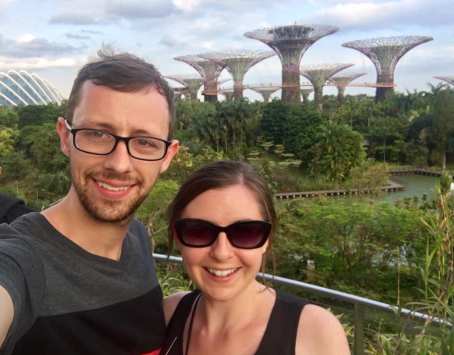
 At this point we were over the halfway mark of our trip, and my body had had enough. I left Manila with a fever and several other ailments (not so fun to describe), but I was still super excited to see Singapore! We watched Crazy Rich Asians on another leg of this trip in preparation, but the movie doesn’t do the city justice. It is by far the cleanest city I’ve ever seen, and has represented its multicultural population incredibly well! Singapore is made up of large groups of ethnic Chinese, Malays, and Indians, and each has a dedicated area of the city where you can find their respective religious buildings, restaurants, and specialized grocery stores. Even with the diverse neighborhoods in place, the city as a whole really seems to cater to each group in so many ways. Colorful, artistic, and clearly very well-off, there are so many lovely parks and public spaces in this city, where we saw families wearing everything from tank tops and sundresses to saris and hijabs. I often talk about places where there is a mix of cultures, but its usually a watered down mix, where clearly one culture has dominated, but in Singapore they were all there loud and proud. It was amazing!


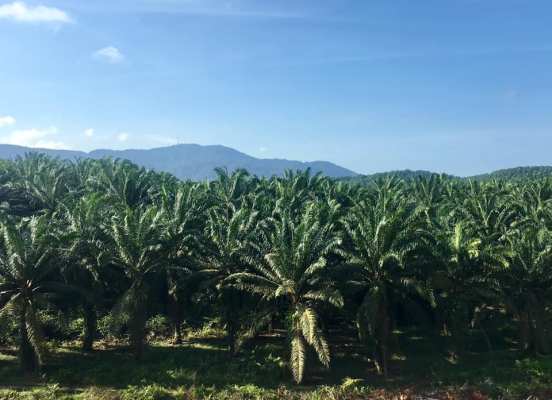
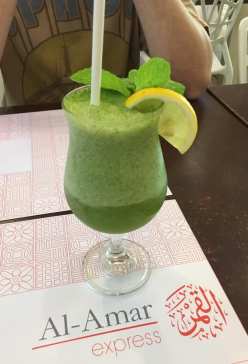 It turns out KL was full of surprises for us. The majority of people living in Malaysia are Muslim, so it was much more conservative than I was expecting. Most everyone wore long sleeves and pants despite the high temperatures, and the presence of beautiful and delicious “mocktails” was at an all time high for me. KL is actually not on an island, and to us, it seemed like we lost that friendly, carefree island-vibe as soon as we arrived. Interactions were a bit more abrupt and businesslike – like they usually are, I suppose. Another surprise was the color we saw all around us – both the Philippines and Singapore were incredibly colorful cities, but I think any city would be hard pressed to match the vibrancy of KL. Brightly colored murals everywhere, some of the lushest, greenest trees I’ve ever seen against the bluest of skies, and the insanely colorful Batu Caves just outside the city made for some incredible scenes (and photos).

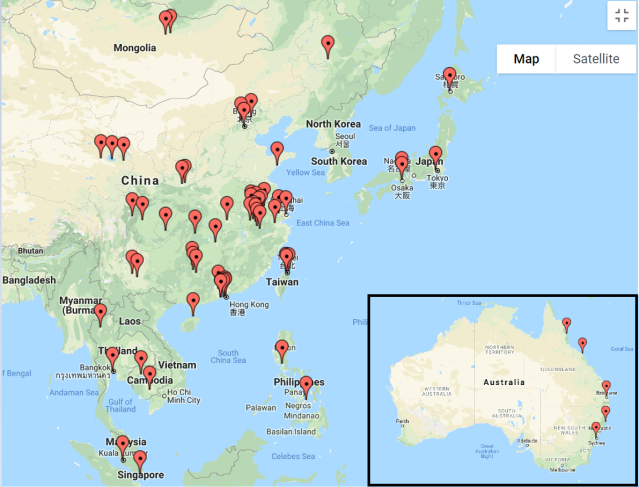
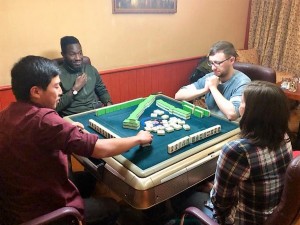 ✔ Learn to play Mahjong
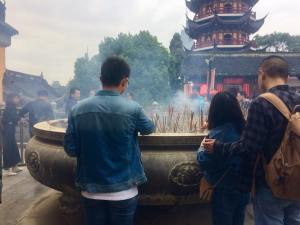 ✔ Visit a Buddhist Temple
 ✔ Perfect our Chopsticks Skills
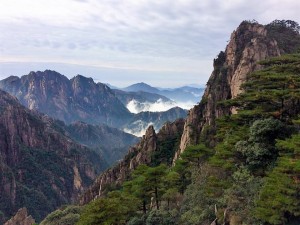 ✔ Hike Huangshan
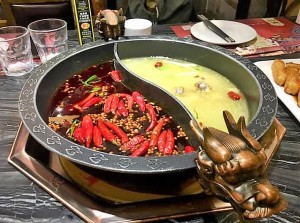 ✔ Share Hotpot and Selfies with Friends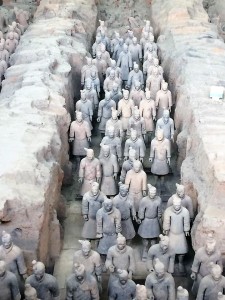
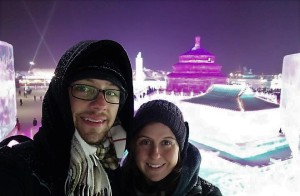
 ✔ Devour the Dim Sum in South China
 ✔ Wander around West Lake
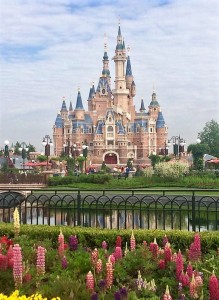 ✔ Feel like a Kid at Disneyland Shanghai
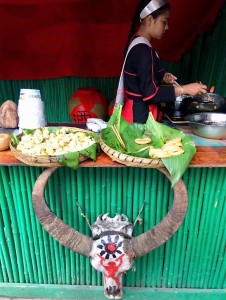 ✔ Learn about the Minority Groups in China
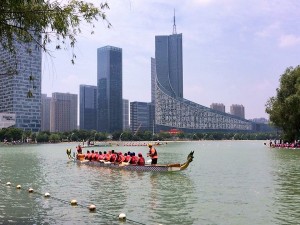 ✔ Celebrate Dragon Boat Festival
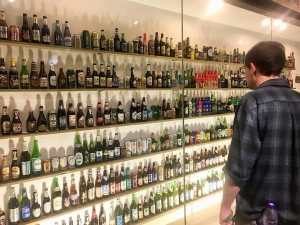 ✔ Drink Tsingtao from the Source

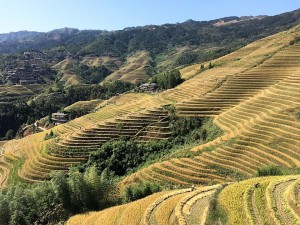
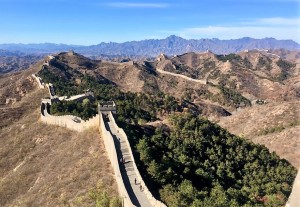 ✔ Walk along the Great Wall
 ✔ Make Dumplings from Scratch
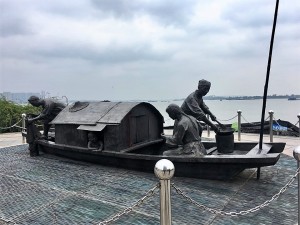 ✔ Crisscross the Yangtze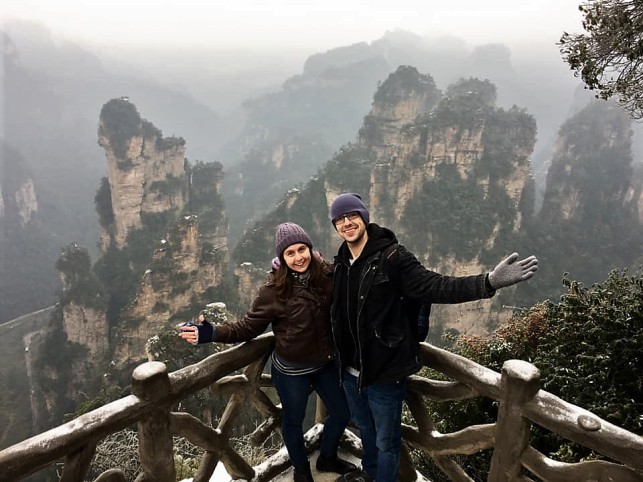


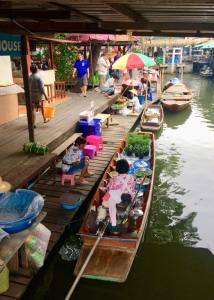
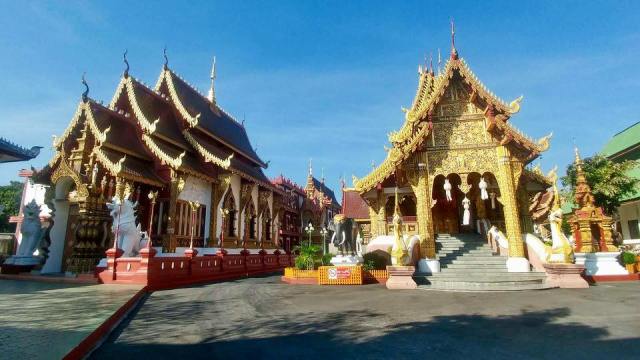


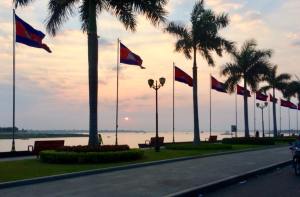




 Happy holidays from Hefei! Tucker and I are now into our fifth month of living in China and have just made it through our first holiday season in the Far East. China is the first country we’ve lived in that doesn’t celebrate Christmas as a national holiday, so we were pretty curious to see what it would be like over here. I’ve collected about a month’s worth of holiday observations to share with everyone, so let’s get to it!
 The Lead Up: Holiday decorations were everywhere! Early in December we started noticing Christmas decorations around the city: large, lighted trees, festive window stickers, red bows, etc. Our local supermarkets put up displays and seasonal aisles that sold everything from ornaments and stuffed Rudolphs to full-sized Santa animatronics (only mildly creepy). I had a great time buying a new set of Christmas décor (we now have a set on three separate continents) for our apartment here: stockings, lights, Santa hats, a small tree, etc. We were also able to find some seasonal treats like Andes candies, hot cocoa, and Ferrero Rochers as well. The malls were probably the biggest Christmas perpetrators with decorations on just about every store front, staircase, and atrium. People were often lined up to get their pictures with Santa or to enter the “Secret Wonderland”, which to us looked like a small, dark room with tons of white Christmas lights on the ceiling. Of course, many American chains like Starbucks and Dairy Queen also had their usual holiday specials advertised in the usual places, and Christmas music (particularly Jingle Bells) could be heard in most stores and restaurants throughout the month.


 Okay, I realize Milwaukee is not the most glamorous or exotic city on anyone’s list, but hear me out. This smallish city, famous for its breweries and cheese, is only about an hour north of Chicago. Perhaps because of this, it can sometimes be overshadowed by the fame of its neighbor; however, in addition to the flavorful brews and delicious cheese curds, the city also lies along Lake Michigan with a river running straight through its center (sound familiar?). It also has a very strong European influence, which can be seen in the architecture and abundance of towering cathedrals. It might be less than half the size of Chicago (and about half as expensive!), but this city has been modernizing in a way that would make any European enthusiast proud. Many historical neighborhoods have been beautifully restored, the additions of a city Riverwalk and a new park have livened up the outdoor scene, and if you’re brave enough to endure the temperatures, the city is absolutely breathtaking in the winter.


 The capital city of Ukraine has had a bit of a bumpy ride over the past few decades, but that isn’t so evident when traipsing around the city as an excited tourist. Although Ukraine is not in the EU yet, you’ll find many of the same European conveniences backpackers and travelers alike have come to expect: wonderful public transportation, many downtown hostels and hotels, and a slew of monuments, churches, and parks to wander around. The city is known for its monasteries and domed, Orthodox churches, but I remember it most for it’s extremely cheap and delicious food! Most signs are in Cyrillic (like the Russian alphabet), which I think adds greatly to the city’s charm, but if you’re worried about language skills, the English spoken is quite common and understandable, especially by the younger generation.


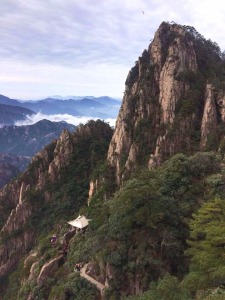 “Huang-what?”, you might be asking yourself. Huangshan or Yellow Mountain is not particularly well-known outside of China, except perhaps by avid hikers or mountaineers. However, this city and the mountain it takes its name from are spectacular places for anyone to visit. Lying about 4 hours west of Shanghai (by train), Huangshan is a destination that really has it all: beautiful nature, historical sites, and modern shopping. It might not be one of the largest cities in China (or even close), but it’s still pretty large from my perspective, with a population of 1.5 million. Just outside the city, accessible by bus are the mountains (to the north) and the preserved ancient towns of Hongcun and Xidi (to the northwest). All are worth a visit, and will remind people why China is often referred to as a traveler’s dream.


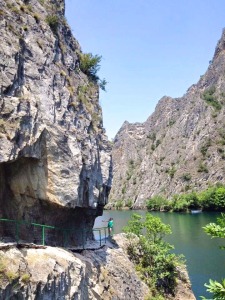 Known officially as the Former Yugoslav Republic of Macedonia (FYROM), Macedonia is a small country in southern Europe that most people wouldn’t be able to pick out on a map. The capital city of Skopje, lies in the north of the country and is completely surrounded by mountains, giving it spectacular views from every angle. The city was heavily influenced by ancient Greece, which you can easily see in the large stone bridges and plethora of white columns, but it uses the Cyrillic alphabet (like Russia) and also claims one of the largest numbers of mosques in Europe: talk about a melting pot! The culture there is a unique mix all seeming to revolve around food, the incredibly refreshing


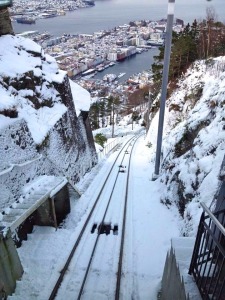 Ah, Norway! Land of trolls, fjords, and the midnight sun. When I hear people planning a trip to Norway, usually Oslo and other cities in the southern part of the country are the first to be mentioned. However, I would much rather choose Bergen, a little further north, nestled into the fjords on the country’s west coast. This city in winter or summer is a great jumping off point for further exploration of the fjords, but it has enough to do in town that you might not even want to leave! From town squares and colorful row houses to funiculars and downhill sledding, Bergen has a lot to offer for those who prefer to spend their time on activities that don’t break the bank. However, when the time comes to spend a little cash, a great way to do it is on the food! There is a wide variety available here from traditional Scandinavian specialties to a TGIFridays; the choice is really up to you!


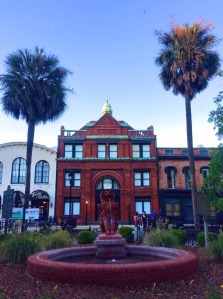 Another destination from my homeland (home state even) is Savannah, GA. This seaside city is always equated with the “old south”: plantation houses, buttery foods, and a slower pace of life come to mind. However, this city is a lot more than that. It can cater to a younger crowd nowadays with its bar streets and beaches, but there are also tree lined avenues, old cemeteries, and little antique shops that are great for the traveler with varied interests. Savannah is not as famous as perhaps New Orleans or Charleston, but maybe for that reason, I found it to be less affected by outside influences. It is a city that it uniquely itself: beautiful and eclectic, much like many Georgians I know.


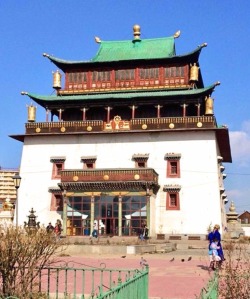 One of my more recent discoveries, Ulaanbaatar is an unexpected gem of the travel world. A unique combination of different cultures set in a landscape like no other I’ve seen. The city itself has plenty of sights and traditional Mongolian activities and foods, but just outside the city is a completely different side of life in one of the largest landlocked countries in the world. A nearby national park gives breathtaking views of the mountains and vast plains of Mongolia, while wild horses and yak stand on the side of the road grazing in the fields or drinking from the winding rivers. It’s a bit more rugged outside the city, but no less friendly. Ulaanbaatar is consistently ranked highly by travelers who are lucky enough to go there. The lamb dumplings alone are worth the journey!


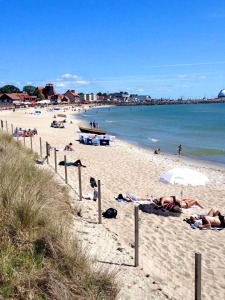 This destination (and the whole country really) is near and dear to my heart. I spent a year living in Poland and made it my job to explore every corner of the country. What I found was a series of destinations that many people gloss over in favor or Warsaw or Krakow, the more international locales. However, when I think of places to visit in Poland, my mind first goes to its Baltic Coast. Just across the Baltic sea from Sweden, Poland’s “Tricity” of Gdansk, Sopot, and Gdynia sits about four hours north of Warsaw (by car). These cities have an incredibly interesting history, which has allowed them to retain their distinct and varied atmospheres. Gdansk, formally German, has an industrious feel, an international airport, and an impressive city center. Sopot is a resort town with Europe’s longest wooden boardwalk and many fancy shops and hotels. And finally Gdynia, the most Polish of the three, boasts beautiful beaches, several hilly parks, and a ferry to Hel and back. Who wouldn’t want to to see all of that?!


 Dani Francuz Rose